Caterpillars In The Lawn: Sod Web Worms and Army Worms are eating lawns right now. Signs of this pest are areas in your lawn not growing like the rest of the yard and the grass blades have chew marks or are eaten down to the nub. Also, flocks of birds in your yard feeding is another sign. Use Cyonara Hose-End for a quick kill, or Thuricide for organic control. Reapply as needed.
Landscape Watering: It’s always better to water your plants and lawn during the first half of the day, anywhere from 1 or 2 a.m. in the morning through to 10 a.m. in the morning, when the city require all sprinklers be turned off. Early morning watering is best because winds are the lowest, temperatures are the lowest and humidity is the highest, allowing for less water evaporation and runoff. And remember, city rules state we can (and should) only water our landscape one day a week. You can use a tuna fish can to measure how much water you’re getting out with your sprinkler. Texas A&M recommends clay loam soils get one inch of water once a week.
Brown Patch Fungus is also active after all the recent rains. To avoid cosmetic damage, spread Bayer Fungus Granules or F-Stop to the lawn. If the fungus is not present, and you’ve had fungus issues in the past, you can apply as a preventative. Disease is always easier to prevent than cure. Fertilome Liquid Systemic Fungicide II can also be sprayed to areas that are suspicious and just beginning. Spray two feet beyond infected areas and re-apply after heavy rains, or as the area appears to be growing. Fungus will remain active through the fall and winter with shorter days, damp nights and rain with cold fronts. Nature’s Blend organic compost spread over the areas will also help prevent, and will aid the area in recovering quicker from the damage. If you don’t choose to treat through the fall and winter, your lawn will recover on its own in spring.
Care For Succulents In The Fall: As our days shorten and cool, your succulents will need less water and no fertilizer until spring. Watch for hungry caterpilla
 With all the recent rains, cool nights and shorter days, lawns are prone to get fungus. Circular brown patches appear with some green blades in center of the patch, and a thin band of subtle rusty red at the outer edge. If you tug on the rusty red blades at the edge and they pull off the runner easily and look like rotting old celery at the base, then you have fungus. We carry Fertilome Liquid Systemic Fungicide hose-end, Bayer Lawn Fungus Granules, or Fertilome F-Stop Granules. For an organic treatment, use Serenade, or Nature’s Blend compost. You will need to re-treat if the weather conditions and symptoms persist. Be aware these problem areas can grow quickly, so prompt treatment is needed to maintain an attractive lawn.
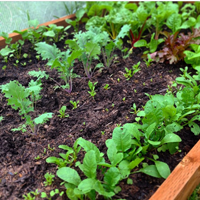 Now’s the time to prepare the soil with fresh compost and plan your garden layout. Sow seeds of root crops, ex. beets, carrots, radish and turnips. Don’t forget your leafy vegetables such as chard, collards, kale, lettuce, mustard and spinach. Transplants of broccoli, cabbage and cauliflower can also be planted now. If you are limited on space, you may want to take this time to let the garden rest. In just a few weeks it will be time to think about tomatoes, beans, corn, cucumbers, squash and more of the warm season veggies. We will begin bringing in tomatoes the middle of the month, but suggest you transplant them into 1 gal pots so you can take them in on the cold nights. If you prefer to wait till after fear of frost, we will have 1 gallon plants already established for you to plant at a later date. The longer you wait, the bigger you need to buy.
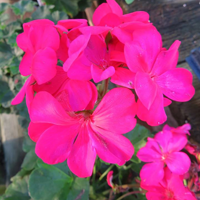 Planning For Spring Flowers

 TIME TO PRUNE ROSES! Valentine’s Day is a time to remember our loved ones with candy and flowers. It also is the perfect time to prune roses. Late January to mid February is the best time. Prune established hybrid teas, removing dead and small twiggy growth, leaving strong healthy canes to a plant height of 18-24 inches. Try to prune to an outward facing bud to maintain spreading, open growth. Prune shrub roses like Knockouts 1/3 to 1/2 the plant height. Do not prune climbers until after the Spring bloom, then removing only the oldest canes and cutting back healthy, vigorous canes no more than 1/3. Remove spent blooms throughout the season on all rose varieties, cutting back to the first 5 leaflet cluster. You can also begin fertilizing your roses in late February with Bayer Systemic Rose and Flower Care, or organically with Maestro Rose Glo. Gill Landscape Nursery stocks disease resistant roses (ask for them), but if you have hybrid teas, as soon as new growth appears you should begin a spray program to control insects and diseases. Bayer 3 in 1 Insect, Disease and Mite Control, takes care of all rose problems. For organic controls, use Neem Oil for insects and disease or Serenade to control diseases. A regular spray program keeps your roses healthy and happy. Remember fungal diseases are always easier to prevent than to cure.