
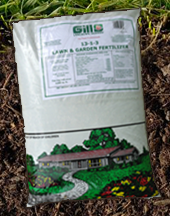
 Anytime between mid-September and mid-October is prime time to fertilize the lawn, trees, shrubs, vines and groundcovers. Fertilizing while it is still warm is best because plants are still in their active growing season and taking up the nutrients provided. Once the weather starts cooling down plants begin going into dormancy and therefore are not as likely to take up the nutrients needed for the fall and winter. Remember to water in the fertilizer with at least a ½ inch of irrigation. Never depend on the rain to water in your fertilizer, because as you know, it never rains when predicted, and also never gives us that perfect ½ inch. It either rains too much, too little, or not at all. Making sure the timing is right and proper amount of water is applied assures your lawn of getting the full benefit of the nutrients it needs to maintain healthy leaves and roots for the dormant season. We carry our Gill Lawn and Garden and also several organic lawn fertilizers.
  Never use Weed and Feed if you have any trees or shrubs in the yard. Trees are a broadleaf just like a weed, so it will try to kill them as well. Weed killers and weed preventers can be used in October once our temperatures moderate in the 80’s. We will talk about them more as the season approaches.
-DeAnna
 Go ahead and get your fertilizers now too (while getting some lawn food)! Blood meal is a staple for pansies, and Rocket Fuel does wonders for Marigolds to get them started. If you plan now, your plants will thank you for it!
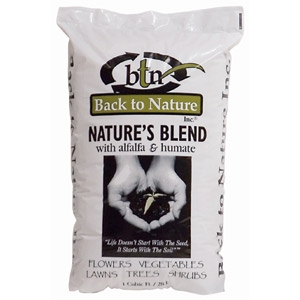 This time of year your lawn might not be looking so great. It might be patchy, or pale yellow, or just unhappy. Since St. Augustine grass goes dormant in the winter, fertilizer might not be the best choice. Instead try using Nature’s Blend compost. It’s an alfalfa humate blend that helps your lawn against fungus and feeds the roots. One bag covers 50 square feet of a healthy lawn, or if it’s struggling use one bag per 25sqft. Make sure you spread it to 1/2” or less! Nature’s Blend provides protection against temperature and moisture extremes too, so your lawn has the best chance of surviving the winter and emerging in spring.