Onions are here!! November is our ideal time to plant onions here in South Texas, and we’ve got some beautiful Early Whites, Creole Reds, and the coveted Sweet 1015s. Watch Wyatt’s tips for planting and remember: onions need good food and good drainage!
Lots of fun to be had this Summer – holidays, BBQs, weekend trips, and landscape projects! Here are our top must-do’s to keep your plants healthy and happy this July.
Check out our July Garden Guide for more tips and remember that trees, shrubs, and perennials can be planted 12 months out of the year! The only difference is the amount of water they need depending on temperatures and wind!
1. Watering: Think Depth, Not Frequency
Proper hydration happens when you get water down to the roots of the plant. This means watering deeply, not more frequently. Run irrigation systems or sprinklers once a week before 10am or after 6pm per current city watering rules – this is what we’d recommend for summer watering even if there were no restrictions. Remember: long, slow, deep drinks for plants, trees, and lawns! Even when we get a summer rain, continue to watch your watering and maintain that depth moisture.
2. Train Your Plant Sitter
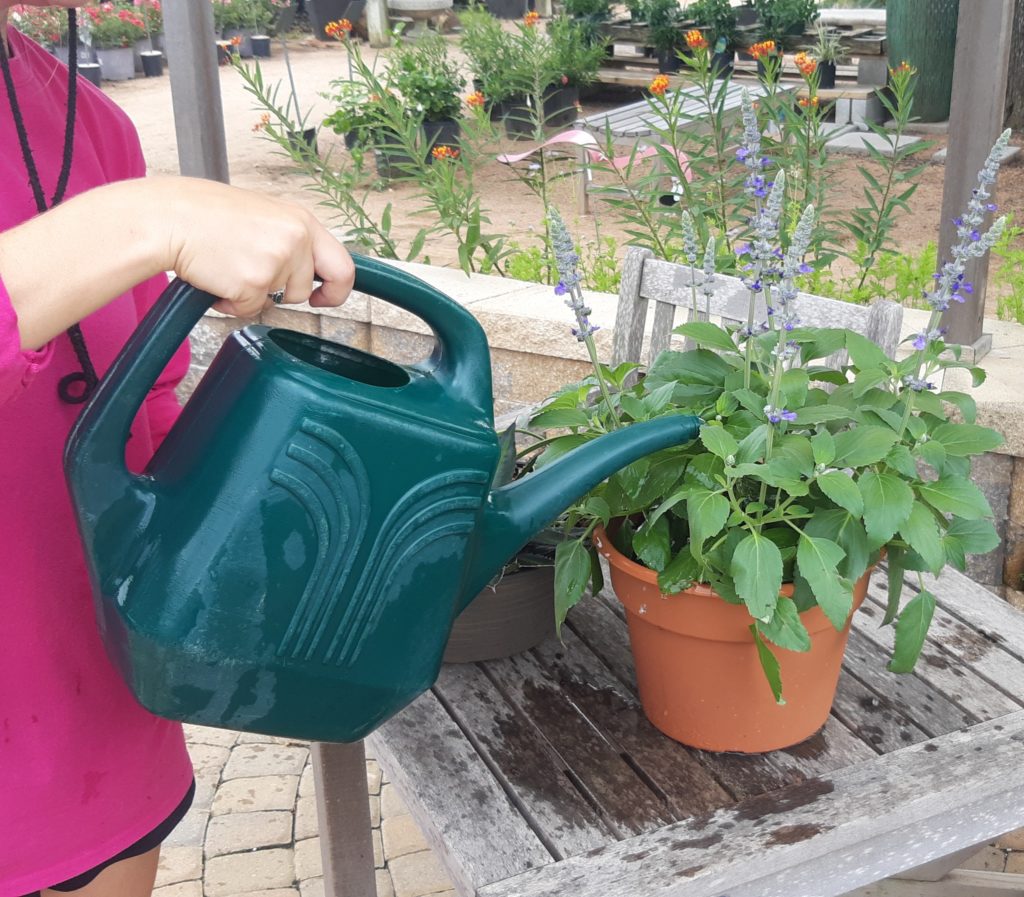
Be sure to have a trusted plant-sitter come water your plants while you’re away on summer excursions! It’s a good idea to spend a little time showing them how you water. Make them a list, draw them a map, walk them through it. You know your plants and which ones get tired and thirsty the fastest.
3. Collect Cool New Houseplants
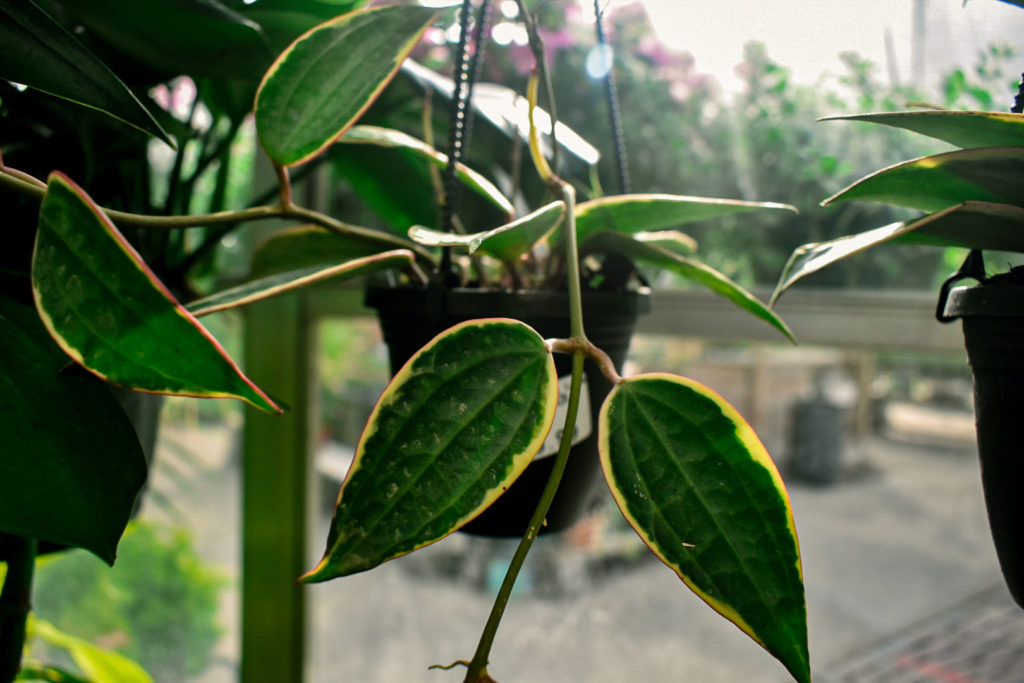
Now’s a great time of year to work on your houseplant jungle. The greenhouse is restocked with all kinds of interesting choices, including the pictured Hoya macrophylla aka “wax plant” or “honey plant”. The variegated edges become vibrant pink with more sunlight, and it blooms beautiful fragrant star-shaped flowers. Great to hang/drape in medium to bright indirect light. Keep in mind that constant A/C indoors will dry out plants. Keep an eye on watering (use a moisture meter) and don’t place houseplants near an A/C vent. You might also try experimenting with a humidifier to help
4. Mulch to Keep Cool
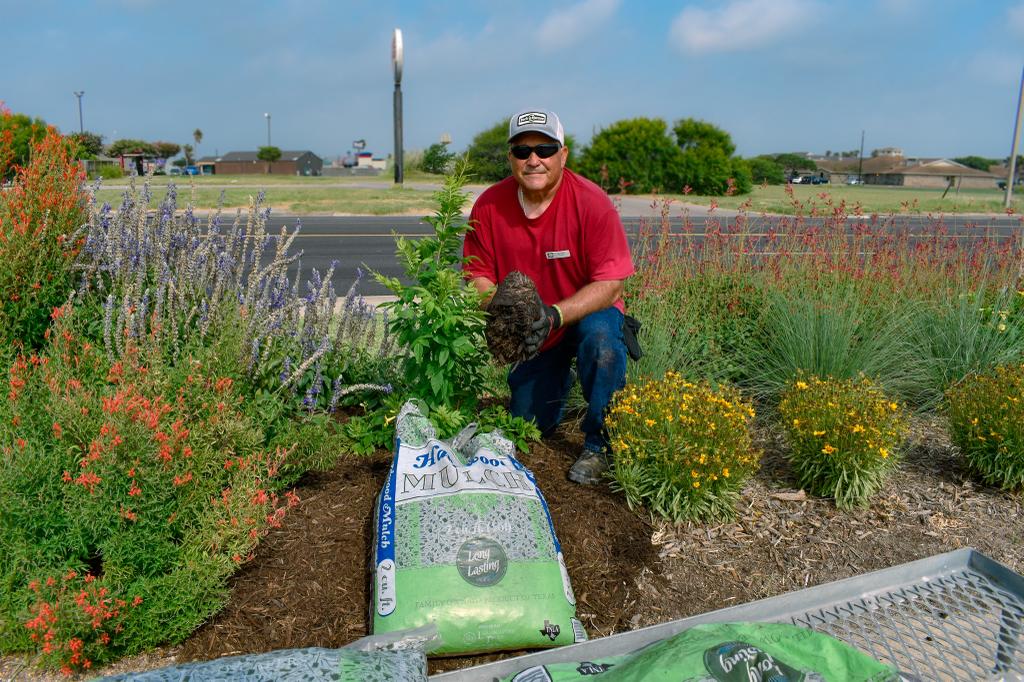
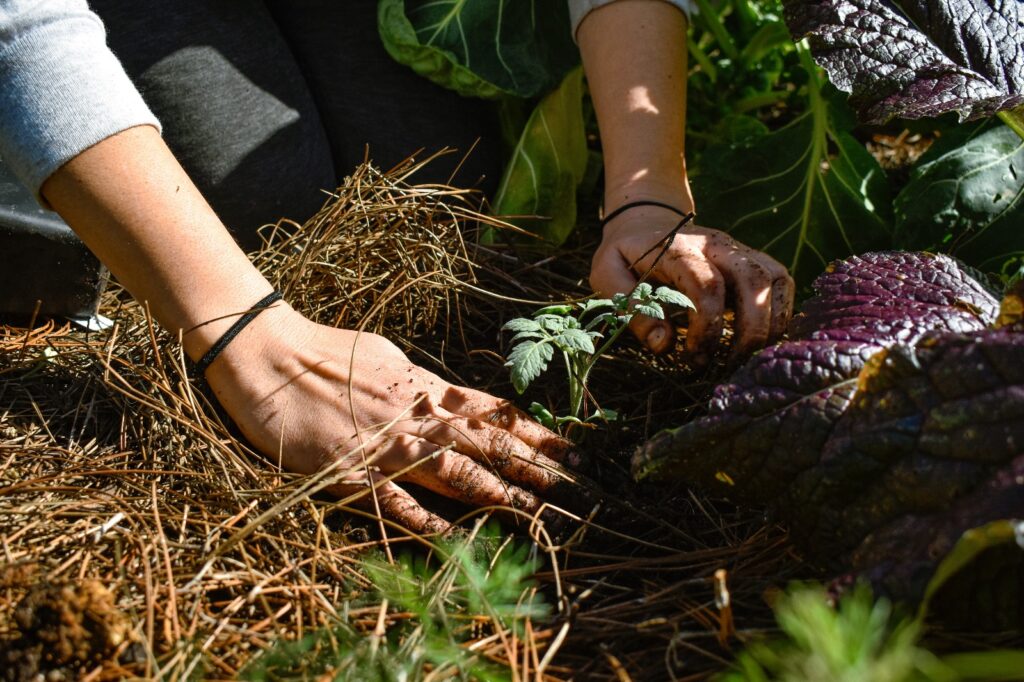
Andy adding fresh hardwood mulch to the front beds at Gill’s
Studies show that a good 3″ layer of mulch will keep your plant roots more than 20 degrees cooler in summer! Not only that, a good mulch layer also helps retain moisture AND keeps weeds at bay. Healthy plants, less watering, and fewer weeds – that’s a win/win/win! It’s important to use natural wood or pine straw mulch that breaks down over time. As it breaks down, it adds nutrients and makes your soil more workable.
5. Watch for More Bugs in Summer
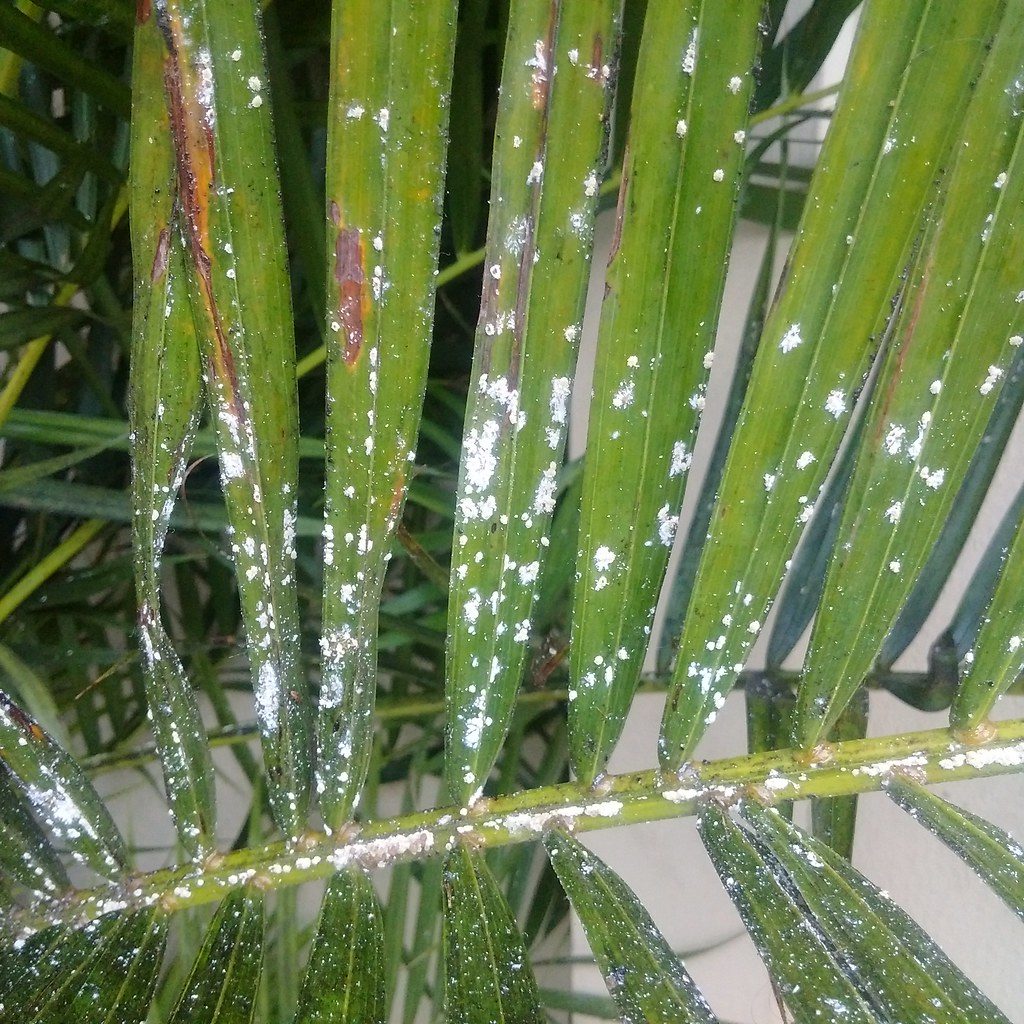
This is what a mealybug infestation looks like!
Not all bugs are bad, so it’s important to know your bugs before you spray anything, even organics. A few bugs here and there is most likely not cause for alarm. If you do get an infestation, cut the plant back first, give it some fertilizer, then treat for bugs. By pruning first, you won’t have to treat every leaf on the whole plant. We see plants come back better than ever using this method. If you’re not sure about bugs or pruning, we’re here to help.
Many of you requested, and for the first time ever, Gill gear is here! We printed Gill t-shirts, hats, tote bags, and stickers for the stylish gardener, and we worked with 2 of our favorite Texas artists to make it happen.
Turk’s Cap pocket tee – back
We’ve admired Houston artist, Sarah Welch’s work for a while. She’s a fabulous illustrator and nature lover who often includes plants and Texas coastal imagery in her drawings. We asked her to create designs around 2 of our favorite Texas native plants: Turk’s Cap and Blackfoot Daisy. And here’s what she came up with! She even took the time to hand-draw the Gill logo.
Turk’s Cap pocket tee – front
Blackfoot Daisy 4×4″ sticker
For our Passionflower tote bag, we asked Corpus Christi artist, Ashley Thomas to create something surreal and magical like the flower itself. She drew the Zone 9b text and created a halftone photo of a Passionflower for printing on fabric. She also reimagined the Gill logo and repeated the Zone 9b text on our new hats and bumper stickers! Ashley has a special connection to Gill’s – she’s a gardener and she’s married to Gill’s owner, Jesse Jenkins. She helps out with a lot of design projects here at Gill’s behind the scenes.
Passionflower tote bag – front
Passionflower tote bag – backGill hat – purple waterproof nylon – frontGill hat – blue waterproof nylon – backGill hat – green cotton – sideZone 9b Gardener – 8×4″ sticker – green super glossZone 9b Gardener – 8×4″ sticker – TX sage super matte
So excited to share these designs with you all! And thank you to our models – Rose, Debbie, and Caleb!
The weather this week is making us want to get outside and garden!! We’re stocking up on veggies, Texas native plants, trees, and lots of flowers and blooming perennials as we head into Spring! Here’s our top 7 gardening tasks to focus on this month to kickstart an amazing season.
1. Be Ready for Cool Weather and Start Planting!
Keep your eye on the forecast for cold snaps, but don’t delay your planting projects. Cool season flowers, trees, shrubs, veggies, and more need to be planted this month to take advantage of cool weather and get a head start on root growth. If we do get another freeze, new plants are easy to cover!
2. Start Your Veggies!
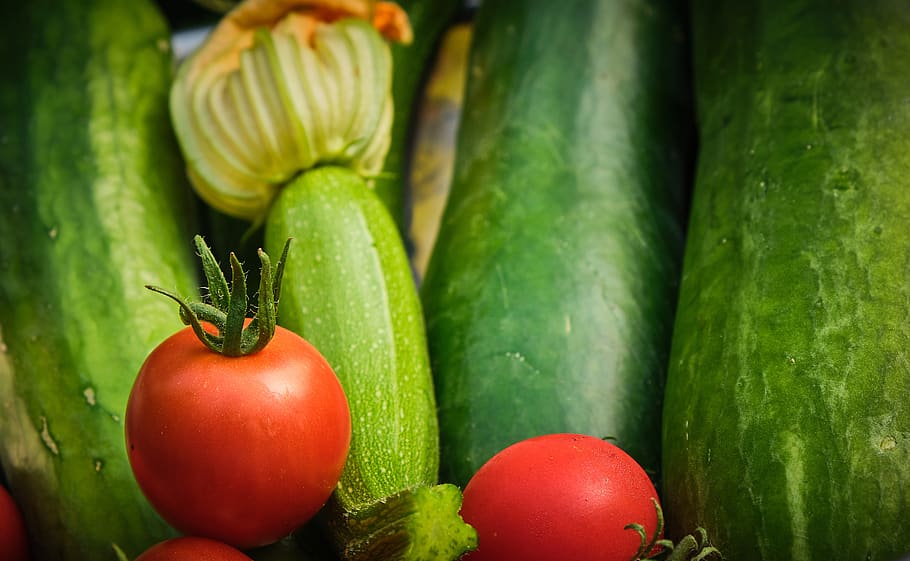
It’s time to start veggie favs like tomatoes, squash, cucumbers, beans, lettuces/greens, & more! Prep those beds with Nature’s Blend compost and get going. If you’re short on space, use containers! Stop by and we’ll help you plan your veggie garden and get you everything you’ll need for a bountiful harvest.
3. Come Learn All About Growing Tomatoes with DeAnna This Saturday at 10!
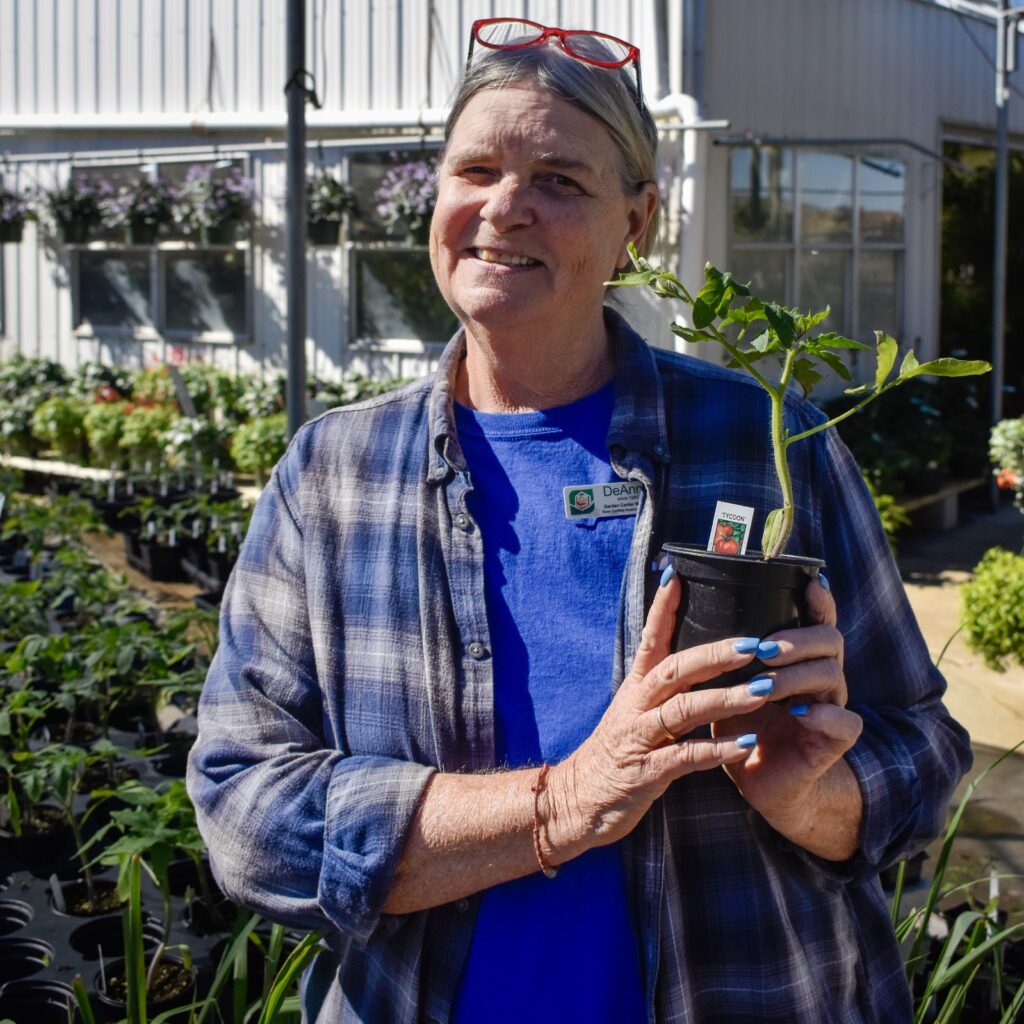
Tomatoes need to be planted early this month. So….join us this Saturday, 2/3 at 10am for our garden talk, Tomato Time with DeAnna Baumgartner, Gill’s manager and tomato expert! DeAnna will share valuable tips for growing all kinds of tomatoes in the ground and in containers or raised veggie beds. This talk is great for beginners and experienced tomato growers alike. Bring your questions and share your plant knowledge as we hang out and talk about everything tomatoes. We’ll hold the talk outside if the weather’s nice, or inside the greenhouse if not. One attendee will win a $100 Gill’s gift card, and we’ll do some other giveaways too!
4. Keep Feeding Veggies & Flowers
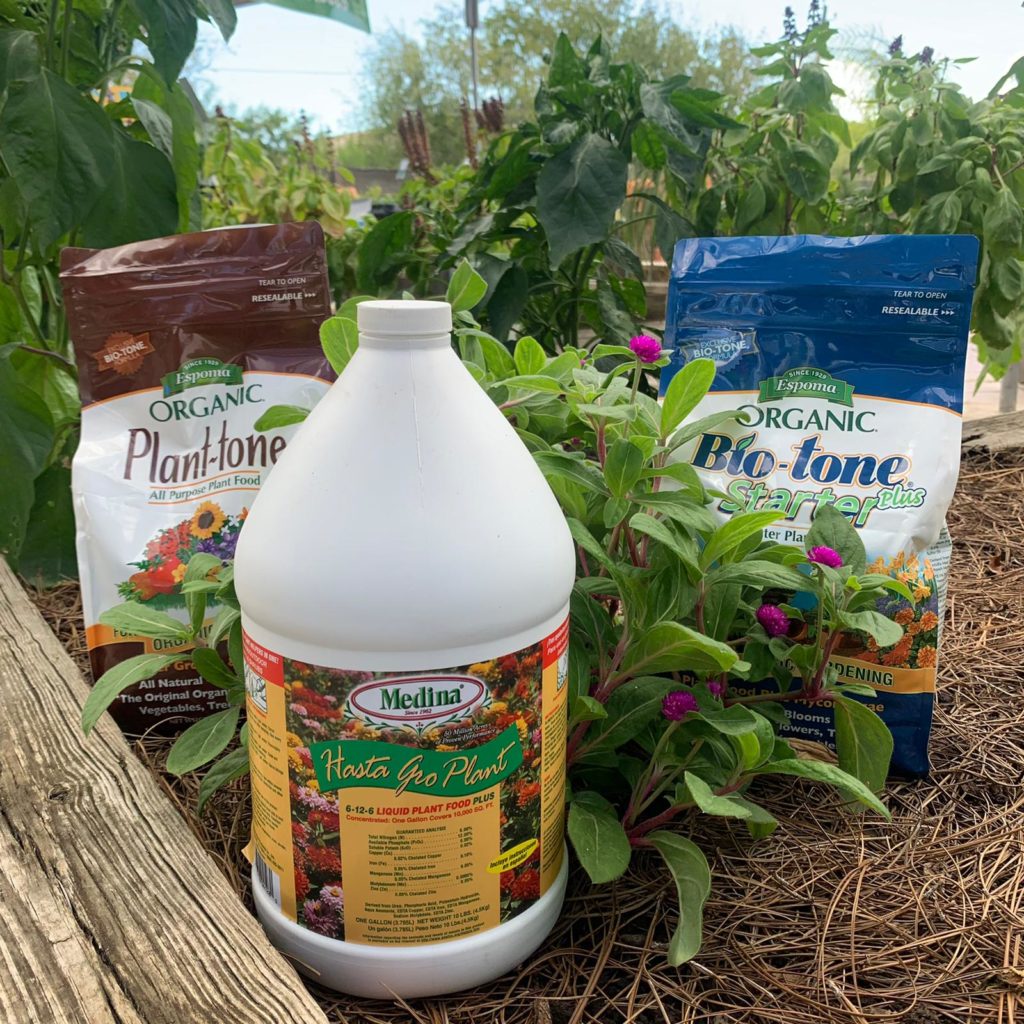
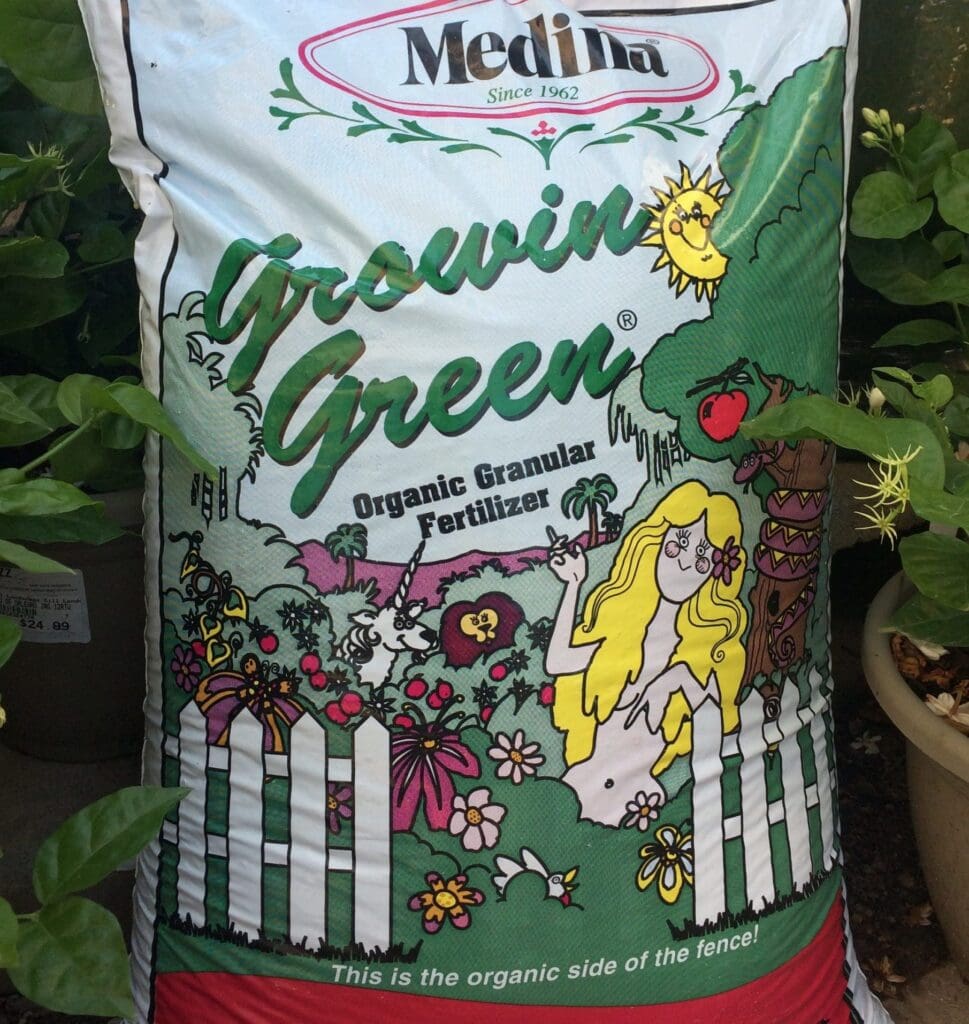
Blooming plants need food! Veggies are especially heavy feeders – they need to be able to sustain blooming and producing fruit. We recommend mixing in a little Bio-Tone Starter when you plant, which contains mycorrhizal fungi that promotes root growth. Then feed with a good organic, granular plant food like Plant-Tone or Medina Growin Green once a month, and supplement with liquid organic Hasta Gro in between. An easy way to remember this is to set an alarm or calendar event for granular feeding on the 1st of the month, then Hasta Gro on the 15th. These will add nutrients to your plants and keep your soil alive and healthy too.
5. Mid February = Time to Prune!
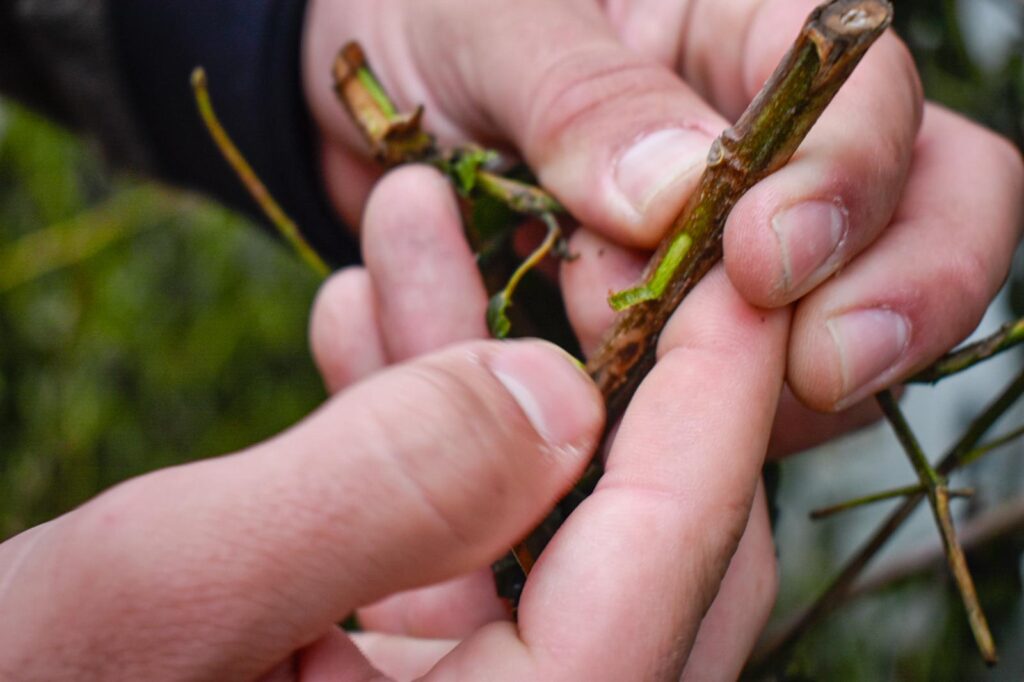
February is the time to get plants cut back to make way for big spring growth! Since we just had a freeze, we recommend waiting another week or so until mid-February. Most perennials like Lantana, Turk’s Cap, and Salvias need a good pruning back to about 4-8″ – don’t be shy! For any plants with woody stems/branches (like Esperanza and Hibiscus) that look dead or damaged, do the scratch test before pruning. Start up high and scratch with your fingernail, a dime, or the back side of a knife. Don’t scratch too deep. If you see the bright green cambium layer (like the photo), that means it’s still alive! If you see brown/gray when you scratch, keep working your way down the plant until you see green. That will tell you where to cut. As always, contact Gill’s if you’re not sure or have questions about whether or how to prune specific plants.
6. Keep Watch for Winter Insects
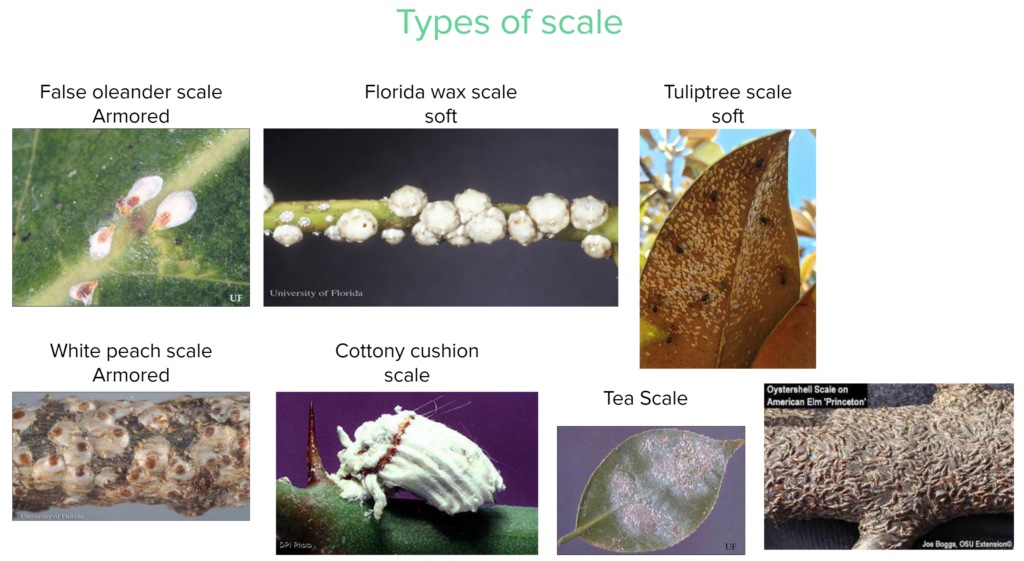
Scale is a variety of hard bodied sucking insects that range in appearance from white oyster shells to brown boogers stuck to the leaves of plants. Some of their favorites are Burford Holly, Bird of Paradise, Flax Lily, & Irises. They are easily controlled with a spray of organic All Seasons Oil Spray, but it must be done now. The oil spray literally coats and suffocates the the eggs that are waiting for spring to hatch. It’s also good for treating indoor plants that may have scale or spider mites.
7. Got Weeds?
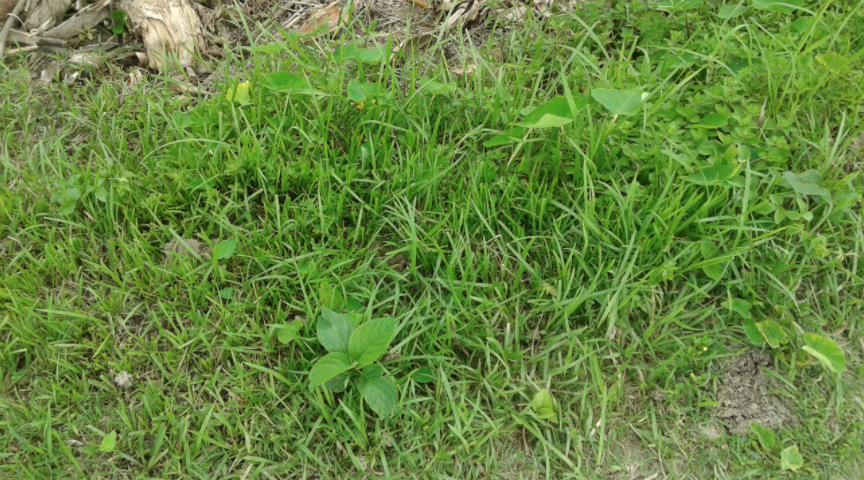
Right now, hand pulling the thistle while the ground is moist and keeping the clover mowed before it flowers are the best options to control 2 of our most common weeds. Weed killer sprays (like Weed B Gon) work with warm weather and sunshine with no rain or heavy night fog. We need to wait to spray until temperatures are consistently between 75-80 degrees. Be patient and wait a few more weeks since you should only spray one time or you risk damaging your lawn.
Now THIS is some gorgeous gardening weather!! We’re all busy planting, re-designing, fertilizing, and getting ready for holidays and weekends outside with family and friends. Here are our top tips for making the most of a very important month in the garden.
1. Feed Your Lawn and Plants
Fertilizing/feeding your plants this month is a must. This includes lawns, trees, and most plants. Everything is actively growing, which means they’ll need more food to continue looking their best. For lawns we love to apply organic Medina Growin Green once in Spring (now!), once in Summer, and once in the Fall. Medina Growin Green is a great multi-purpose food for shrubs and trees too. For blooming perennials, annual flowers, and veggies we really like organic Plant Tone by Espoma and Medina Hasta Gro liquid. Feed with Plant Tone on the 1st of each month, then follow up with liquid Hasta Gro on the 15th. Add these reminders to your calendar and you can’t go wrong!
2. Watering Wands Win!
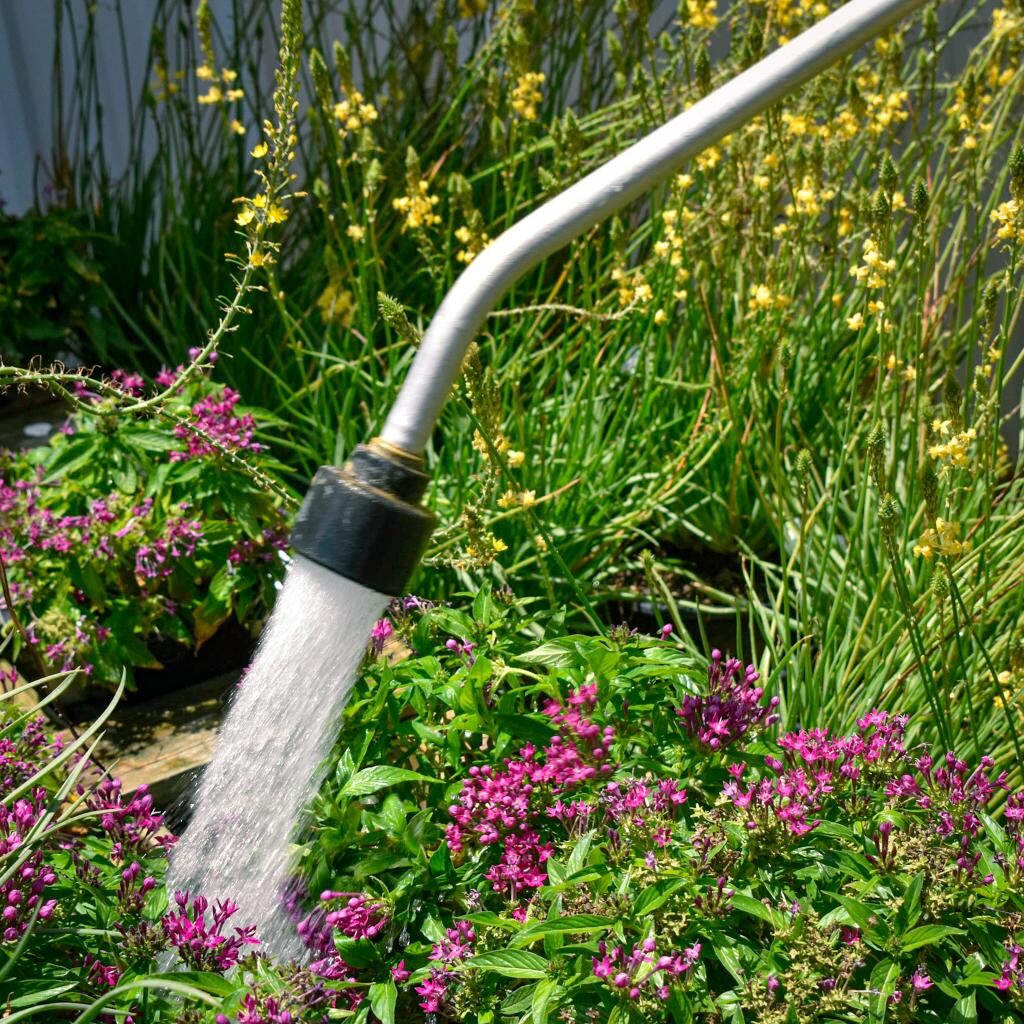
Hand watering with a watering wand that has a cutoff valve is the most efficient and best way to water, especially for new plantings. Watering plants low to the ground keeps water from escaping via wind and evaporation and keeps water off the leaves which can invite fungal issues. Watering slowly (by turning down the pressure on your watering wand or kinking your hose) ensures that more water gets down to the roots instead of running off the surface.
As of right now, with Stage 2 watering restrictions in effect, you can use sprinklers or spray irrigation once every 2 weeks. Check your watering schedule here. Lawns and established landscapes will like this schedule if you water slowly, deeply, and consistently. For new landscape projects, and some other situations, you can apply for a temporary exemption to watering restrictions and use sprinklers and irrigation systems in order to help get plants, lawns, and trees established. We can help you file for the exemption if you like – it’s a straightforward process.
Keep in mind that hand watering and drip irrigation/soaker hoses are not limited by current watering restrictions. You can hand water or supplement with drip irrigation any time as needed. We carry the pro watering wands that we use here at Gill’s as well efficient sprinklers, moisture meters, timers, and soaker hoses.
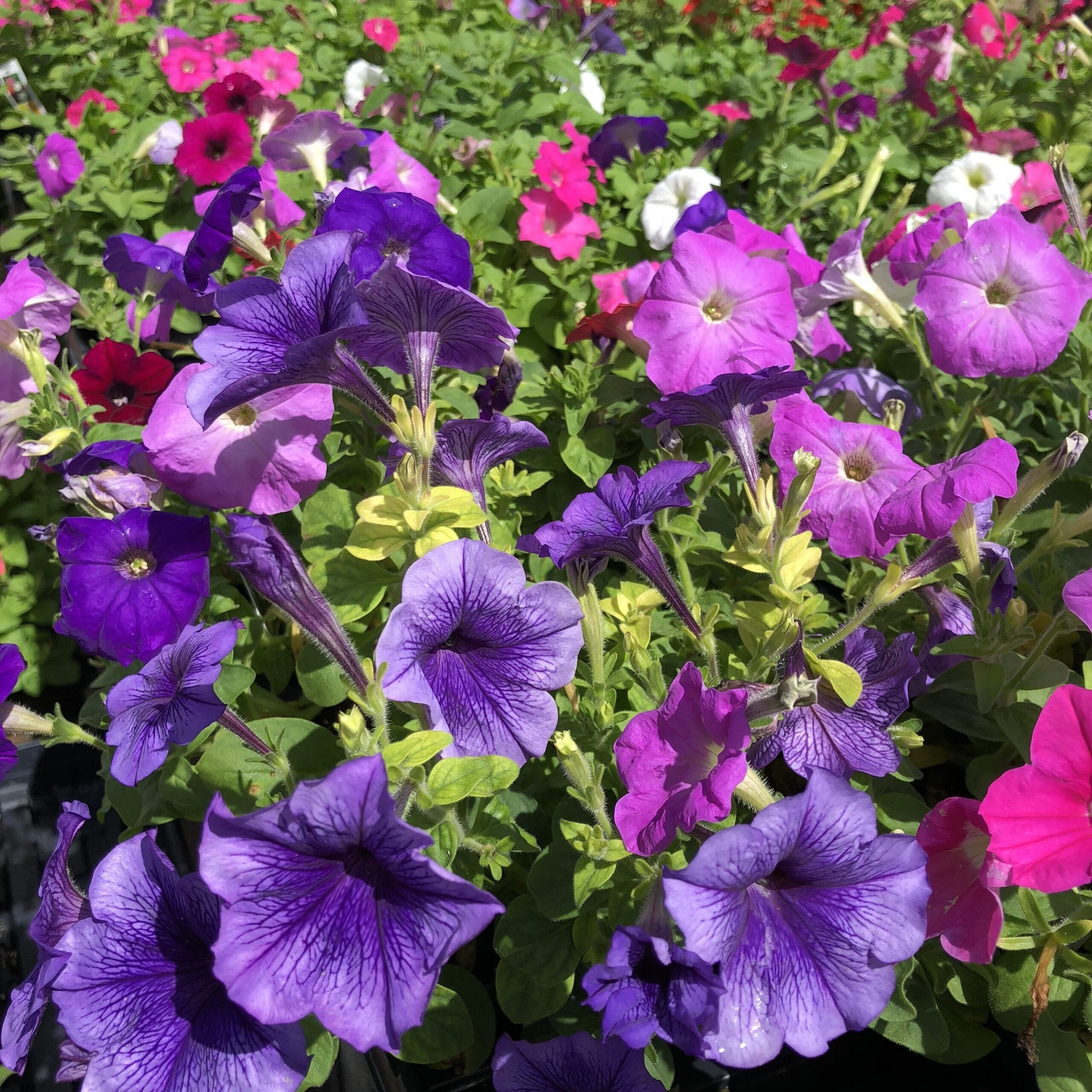
3. Plant Blooming Perennials for Pollinators
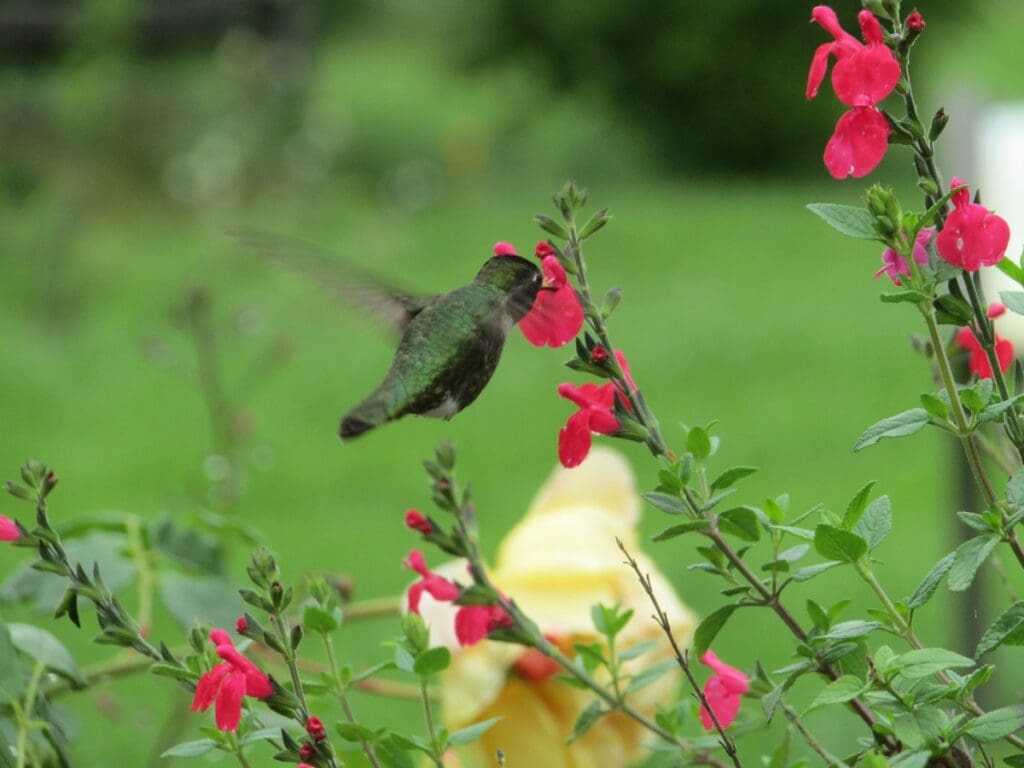
April is time to add some blooming perennials to attract pollinators like butterflies, bees, and birds to your garden. You support pollinators (and the planet!) and in return they help you have more blooms, better production on your veggies, and a more vibrant landscape! Remember – April is when we start seeing hummingbirds! Add a few of their favorites like this native Salvia greggii, native Flame Acanthus, or firebush and make your backyard a preferred stop.
4. Plant Your Warm Weather Veggies
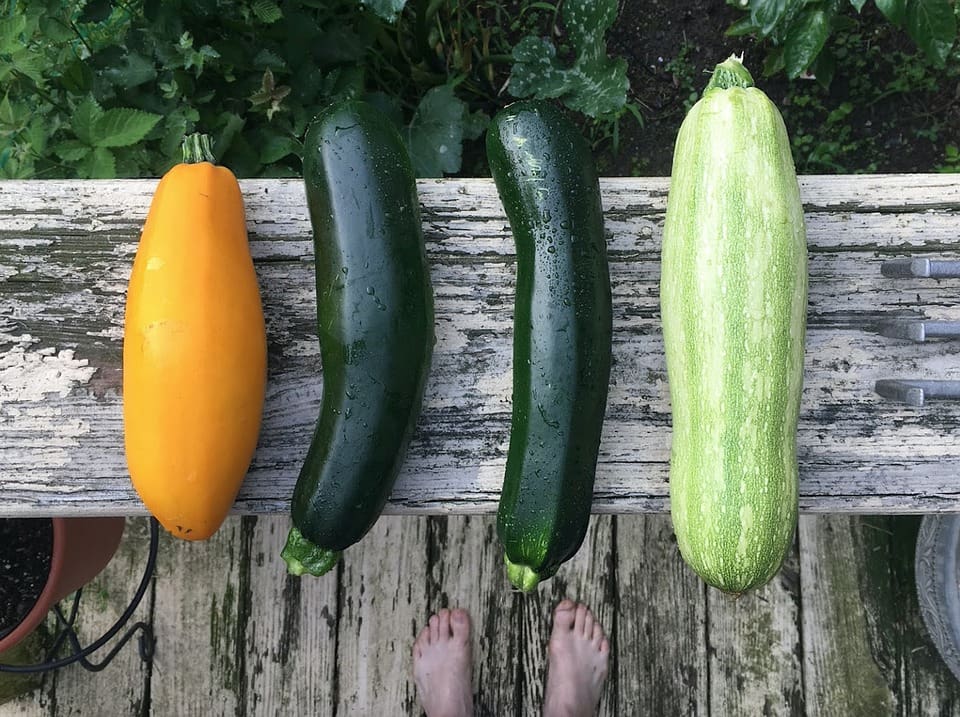
It’s time to plant hot peppers, squash, zucchini, basil, beans, and more! Tomato time has almost passed, but we still have a few if you still really want to plant a tomato – or better yet, a tomatillo! When starting veggies, the trick is to get the soil as active and alive as possible. Amend your existing soil with Nature’s Blend Compost (about 1 bag per 12 sq. ft.), then add a little Bio Tone starter fertilizer with mycorrhizal fungi and a good handful of worm castings when you plant each plant. Then follow our trusted fertilizer schedule – Plant Tone on the 1st of the month and liquid Hasta Gro on the 15th! Remember that veggies use a lot of energy and need these regular feedings to produce. Plus, strong, vigorous veggie plants are less susceptible to pest damage.
5. Get Ready for Guests
We’re wrapping up March and rolling into April with a gorgeous Easter weekend! For the quickest and easiest impact outdoors, think hanging baskets full of Impatiens, Vinca, Purslane, Geraniums and more overflowing with color. Some pops of color plus fresh mulch in your beds and you’re ready to host! We’ve extended our mulch sale through 4/4/24 to help with that! For indoors, our favorite flower arrangements are those cut fresh from the garden and landscape.
These days, we’ve been installing more and more drip irrigation systems on our landscape projects. With a few simple parts, you can set up your own super-efficient drip system to automatically water your landscape plants. – get water right to the roots, slowly, and with almost no evaporation. Drip systems are a great way to conserve water while keeping your landscape looking its best through the summer months. Join Gill’s Landscape Designer, Harry Villarreal, this Saturday, May 25th at 10am here at Gill’s for a talk and demo on DIY drip irrigation. This talk is free and open to everyone, and we’ll be doing some fun giveaways! Click to watch Harry’s invite video below and learn more:
How is it almost JULY already?! We hope you’re having lots of fun this Summer – holidays, BBQs, weekend trips, and garden projects! Here are our top must-do’s to keep your plants healthy and happy this month, including tips for water conservation and speaking to local officials about your water.
1. Speak Up About Your Water
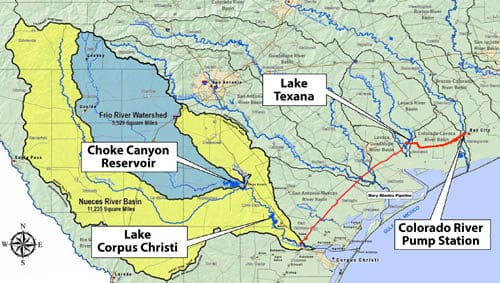
As you may have heard, the City of Corpus Christi anticipates moving to Stage 3 watering restrictions in August unless we get more rain in the watershed. We have asked the Mayor, City Manager, City Council members, and the City Water Department to postpone this decision until after hurricane season at the least. One tropical rain system that moves north and sits over the watershed could fill up Lake Corpus Christi and Choke Canyon to 50% or beyond – this is what’s happened in the past.
We have also asked the City to revise the Drought Contingency Plan to include water from Lake Texana, our 3rd source of water. This water, which we are already paying for, is not included in the calculation which triggers the different stages of watering restrictions.
We have also expressed our concern that the Stage 3 ban on outdoor watering for residential water users is excessive. Since we know that residences account for less than half of city water use, and we know that only some of those users water their landscapes, Stage 3 restrictions on watering plants would impact only a small portion of overall water use.
We encourage you to speak up about your water, too! There are 3 City Council meetings in July: 7/16, 7/23, and 7/30. The meetings are held at City Hall at 1201 Leopard St. at 11:30 a.m. You can sign up to speak at the meeting or submit your comments in writing – here’s how. You can also follow these links to contact City leaders directly: Mayor, Water Department, City Manager, and City Council.
2. Watering: Think Depth, Not Frequency
Proper hydration happens when you get water down to the roots of the plant. This means watering deeply, not more frequently. Run irrigation systems or sprinklers every other week before 10am or after 6pm per current city watering rules – if there were no restrictions, we’d recommend once a week, but once every other week will keep lawns, most plants, and trees alive through the summer. The key is long, slow, deep drinks! Encourage those roots to dive deeper for water. Even when we get a summer rain, continue to watch your watering and maintain that depth moisture.
3. Mulch to Keep Cool
Studies show that a good 3″ layer of mulch will keep your plant roots more than 20 degrees cooler in summer! Not only that, a good mulch layer also helps retain moisture AND keeps weeds at bay. Healthy plants, less watering, and fewer weeds – that’s a win/win/win! It’s important to use natural wood or pine straw mulch that breaks down over time. As it breaks down, it adds nutrients and makes your soil more workable.
4. Watch for More Bugs in Summer
This is what a mealybug infestation looks like!
Not all bugs are bad, so it’s important to know your bugs before you spray anything, even organics. A few bugs here and there is most likely not cause for alarm. If you do get an infestation, cut the plant back first, give it some fertilizer, then treat for bugs. By pruning first, you won’t have to treat every leaf on the whole plant. We see plants come back better than ever using this method. If you’re not sure about bugs or pruning, we’re here to help.
5. Train Your Plant Sitter
Be sure to have a trusted plant-sitter come water your plants while you’re away on summer excursions! It’s a good idea to spend a little time showing them how you water. Make them a list, draw them a map, and walk them through it. You know your plants and which ones get tired and thirsty the fastest.
6. Collect Cool New Houseplants
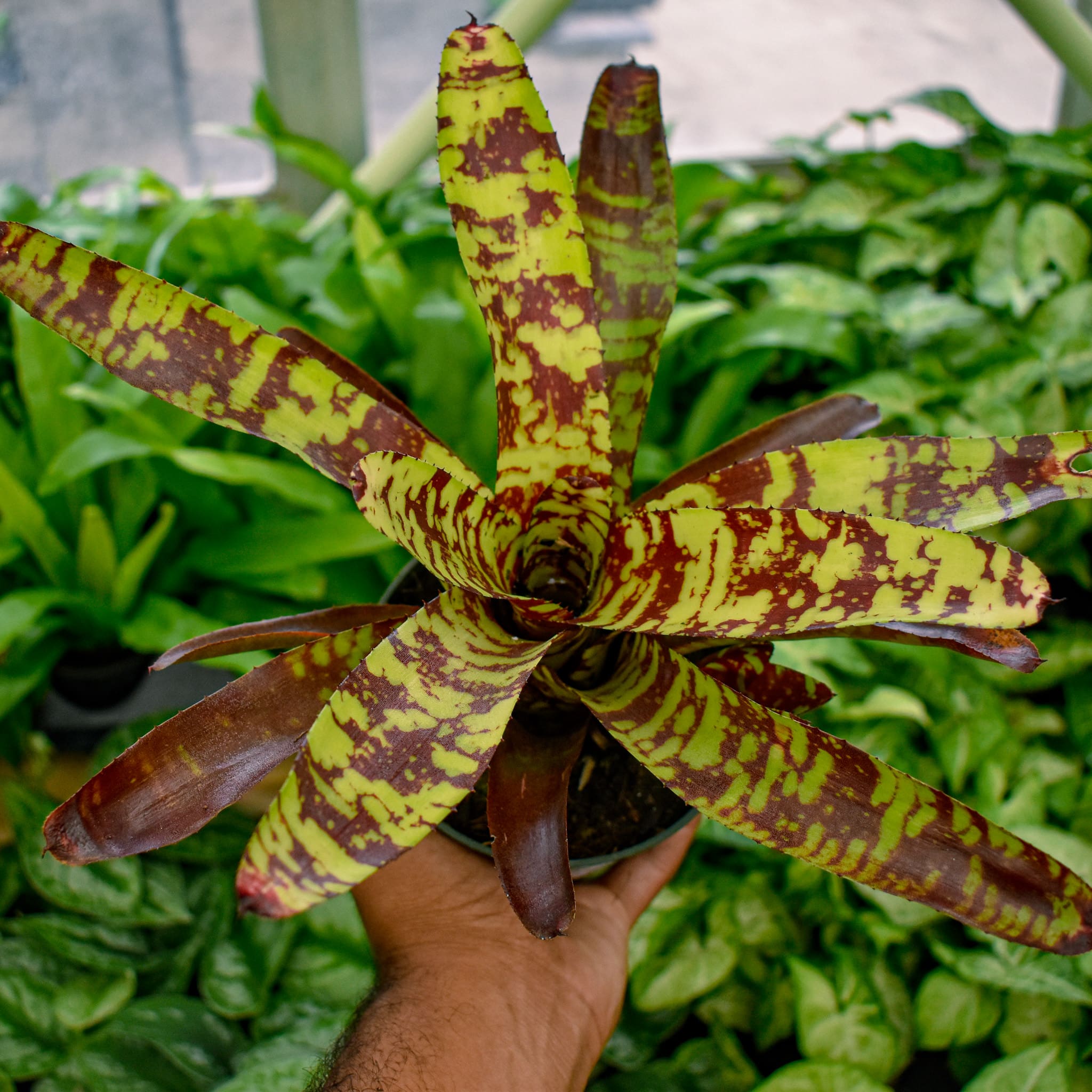
Now’s a great time of year to work on your houseplant jungle. The greenhouse is restocked with all kinds of interesting houseplant choices, including lots of new Bromeliad varieties! Keep in mind that constant A/C indoors will dry out plants. Keep an eye on watering (use a moisture meter) and don’t place houseplants near an A/C vent. You might also try experimenting with a humidifier near your plants to help regulate moisture.
Garden talks are back! Are you considering planting more natives that thrive in our weather extremes, require less water and TLC, support wildlife, and look stunning?! Join Wyatt Page, our native plant specialist, this Saturday, September 28th, at 10am here at Gill’s for his talk about how to incorporate more native plants in your landscape. He’ll show you lots of native alternatives to common landscape plants, and give you ideas for where and how to use. This talk is free and open to everyone, and we’ll be doing some fun giveaways! Click to watch Wyatt’s invite video below and learn more: