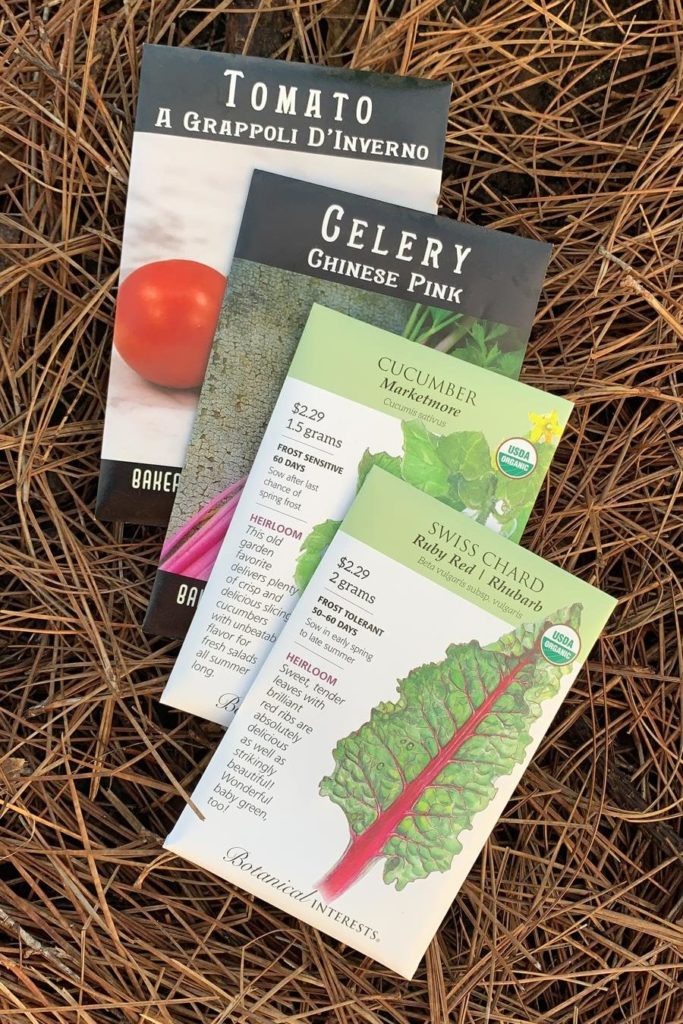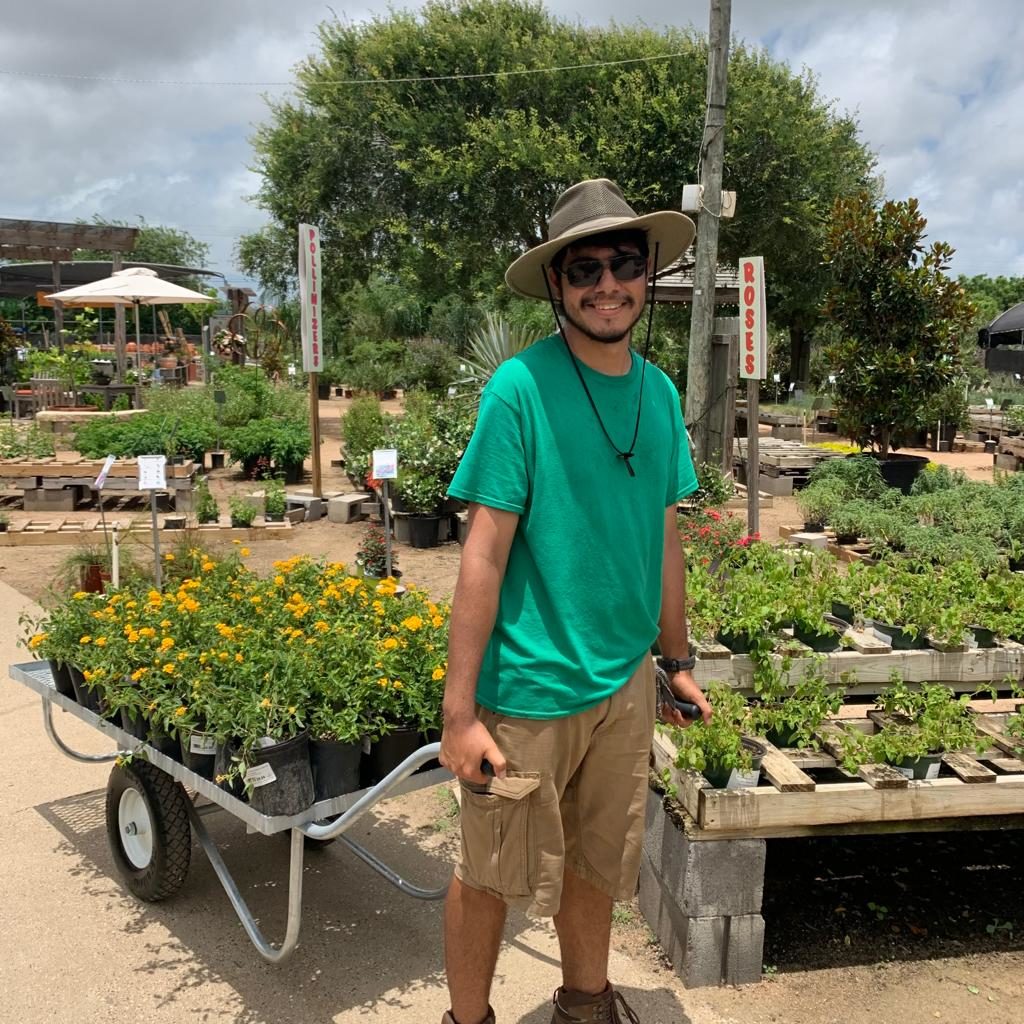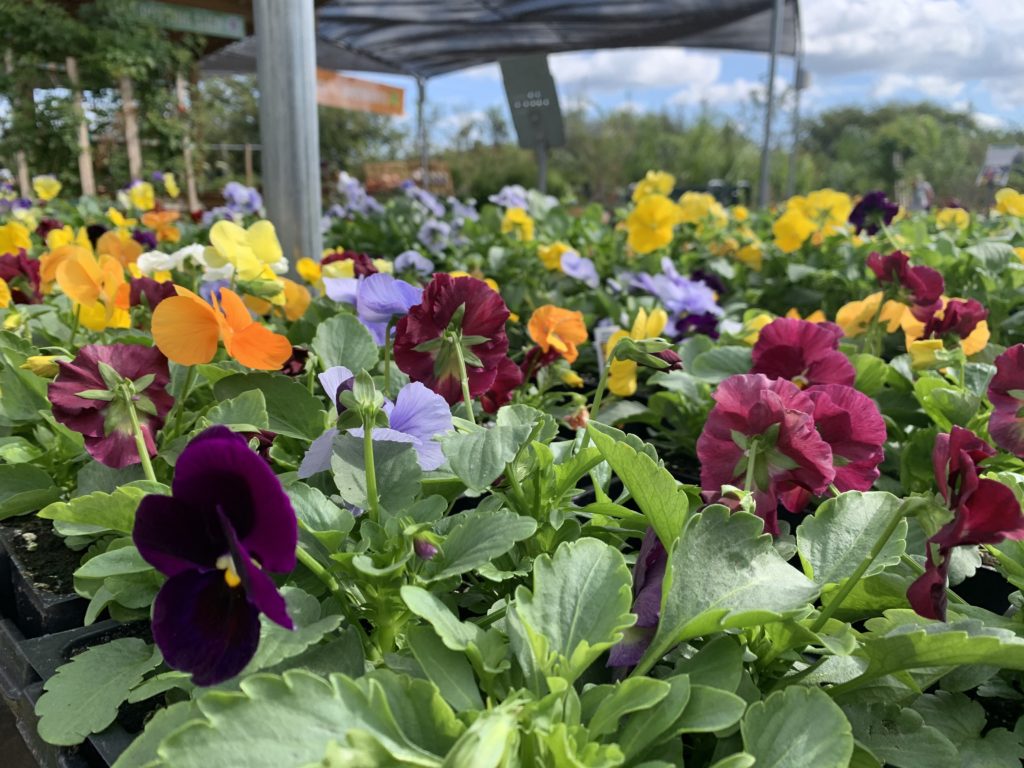
Thanks to your appreciation for good sharp tools, tool sharpening is now an everyday service here! Bring ‘em now for Spring projects.
- Pruners, loppers, & axes: $10 ea
- Hedge shears: $15 ea
- Extra dirty? Add $2
Thanks to your appreciation for good sharp tools, tool sharpening is now an everyday service here! Bring ‘em now for Spring projects.
Lots of fun to be had this Summer – holidays, BBQs, weekend trips, and landscape projects! Here are our top must-do’s to keep your plants healthy and happy this July.
Check out our July Garden Guide for more tips and remember that trees, shrubs, and perennials can be planted 12 months out of the year! The only difference is the amount of water they need depending on temperatures and wind!

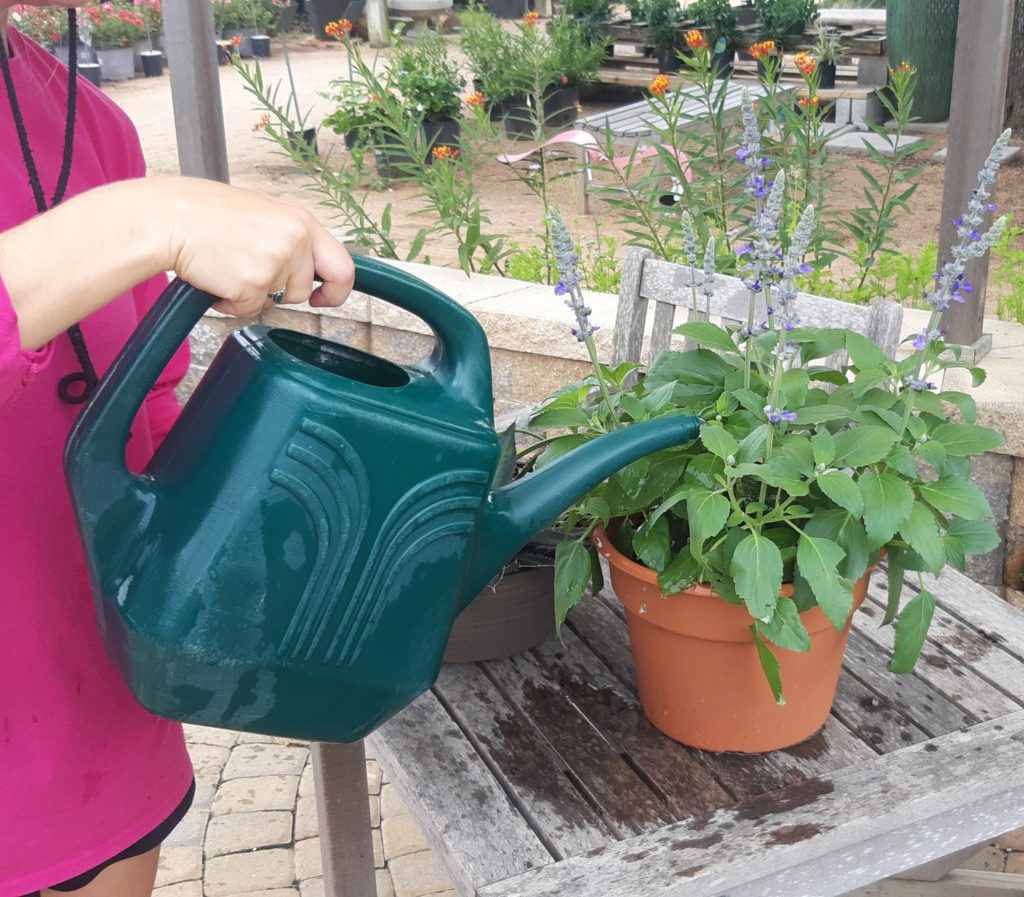
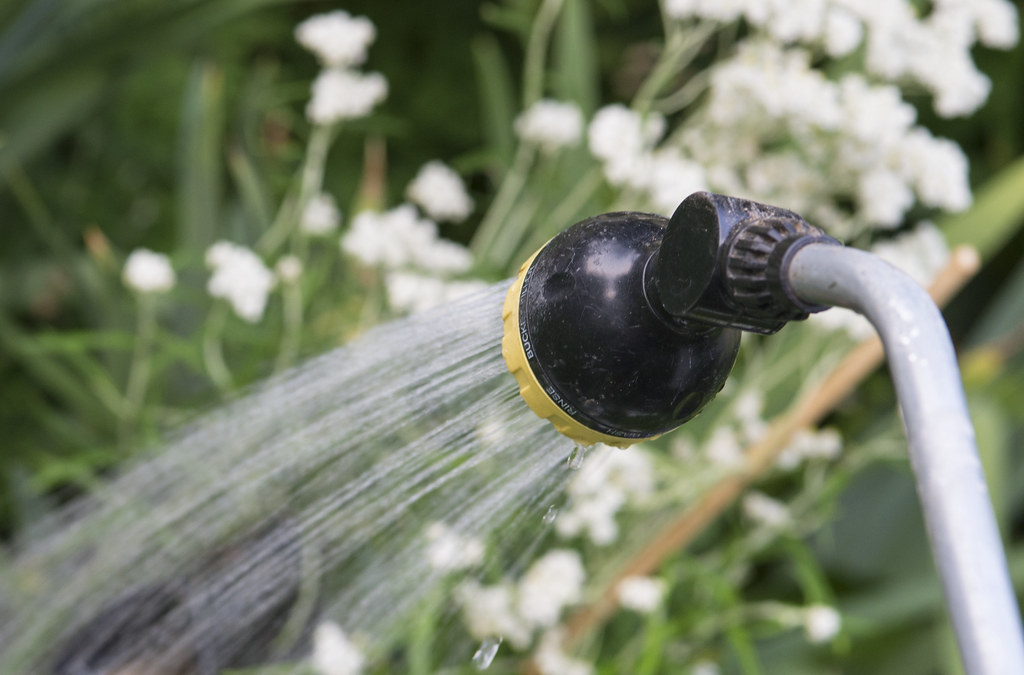
Proper hydration happens when you get water down to the root ball of the plant. This means watering deeply not more frequently. Run irrigation systems or sprinklers once a week before 10am or after 6pm per current city watering rules – this is what we recommend for summer watering even when restrictions are lifted. Long, slow, deep drinks for plants, trees, and lawns!

Be sure to have a trusted plant-sitter come water your plants while you’re away on summer excursions! It’s a good idea to spend a little time showing them how you water. Don’t just write it down, walk them through it. You know your plants and which ones get tired and thirsty the fastest.

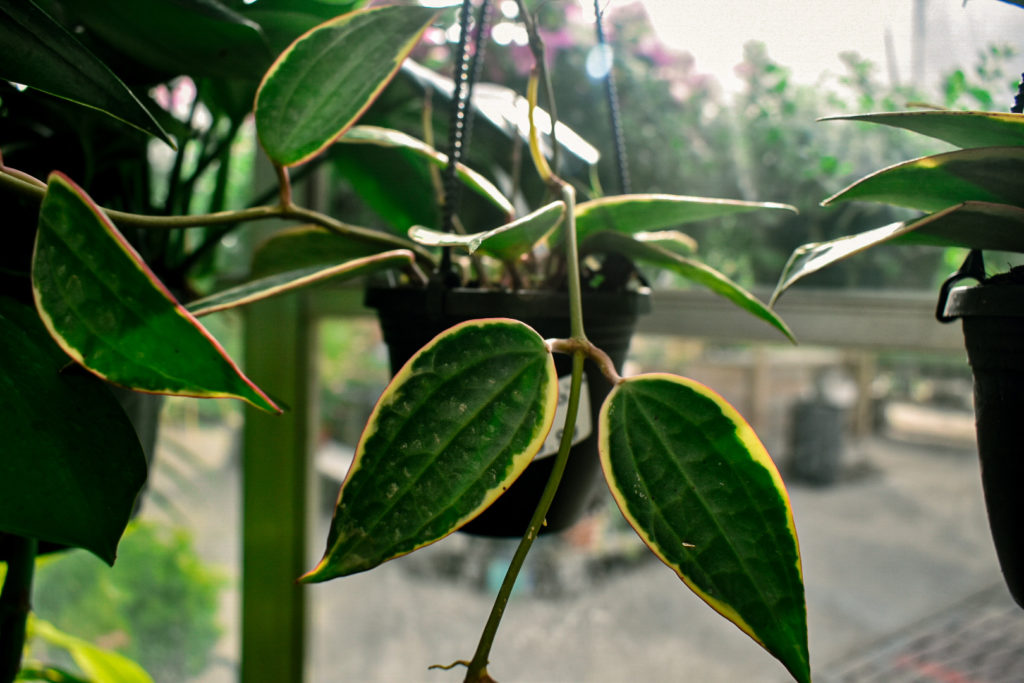
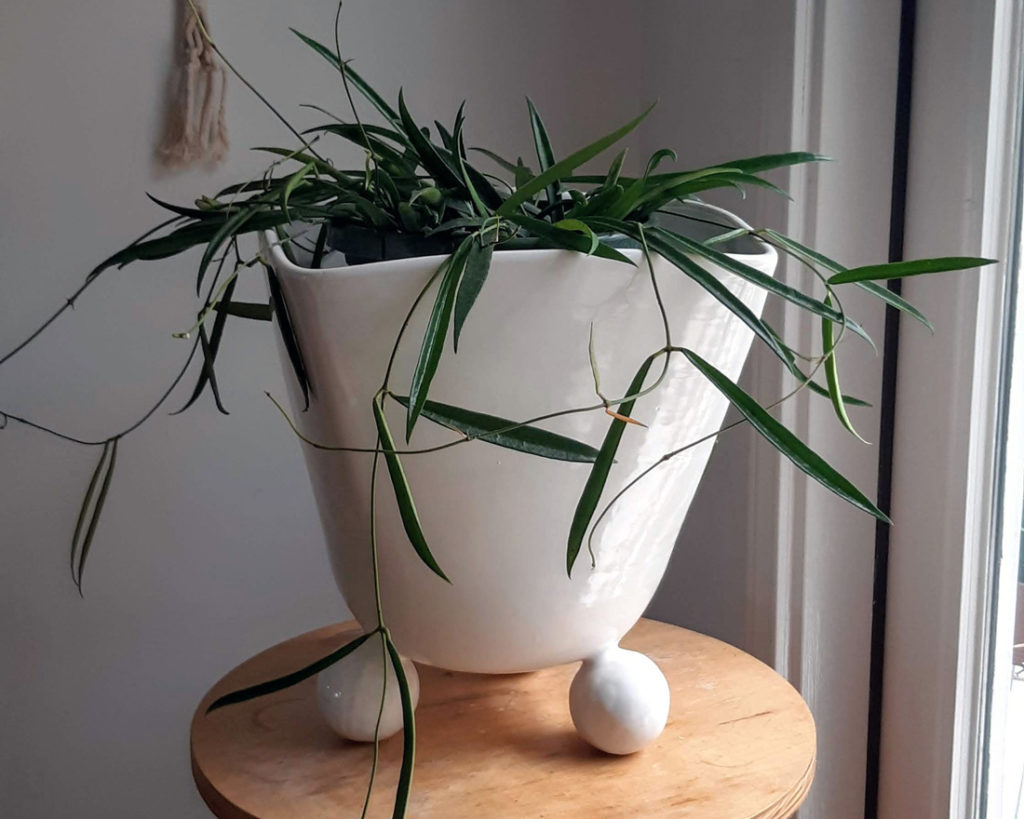
Now’s a great time of year to work on your cool indoor jungle. The greenhouse is restocked with all kinds of interesting choices, including the pictured Hoya macrophylla aka “wax plant” or “honey plant”. The variegated edges become vibrant pink with more sunlight, and it blooms beautiful fragrant star-shaped flowers. Great to hang/drape in medium to bright indirect light. Keep in mind that constant A/C indoors will dry out plants. Keep an eye on watering (use a moisture meter) and don’t place houseplants near an A/C vent. We are experimenting with a small humidifier on one of our indoor plant shelves.

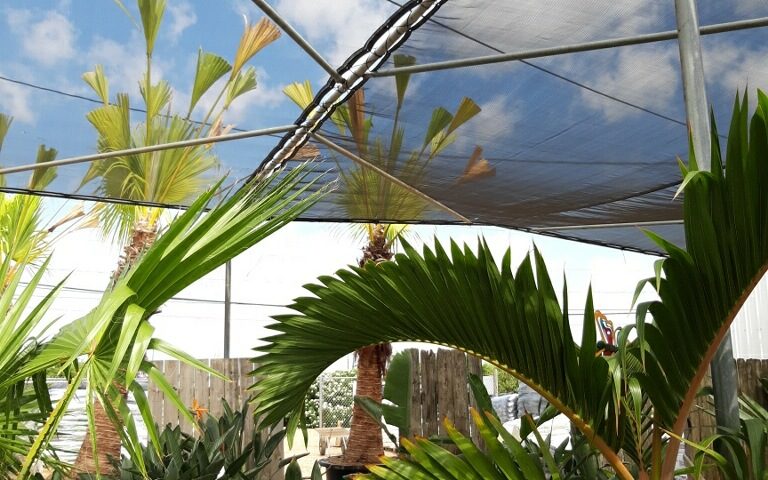
We find lots of uses for shade cloth here at Gill’s. It’s great for shading plants, of course, and can also be used to block wind. It’s also an excellent addition to a pergola, breezeway, or outdoor dining area to create some extra shade this Summer. Easy to cut to the custom size/shape you need.

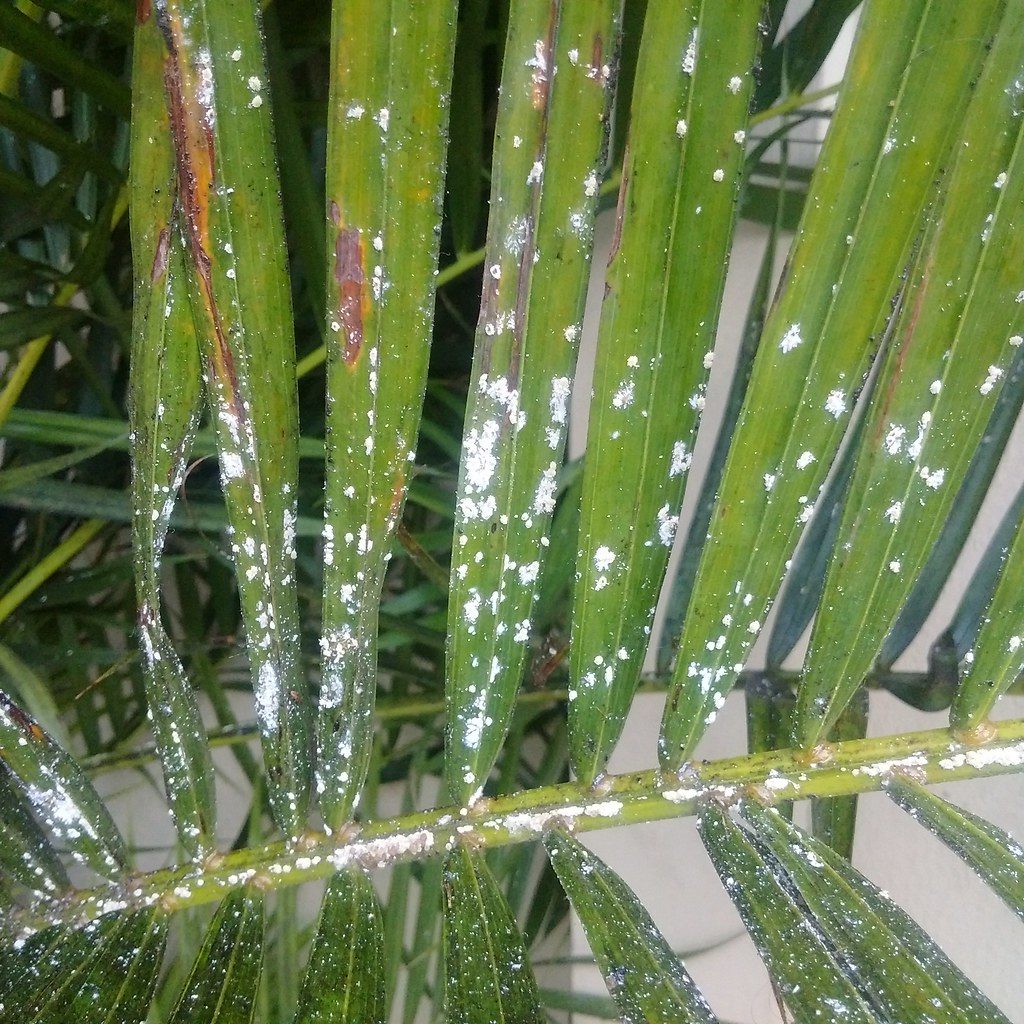
Not all bugs are bad, so it’s important to know your bugs before you spray anything, even organics. A few bugs here and there is probably not cause for alarm. If you do get an infestation, cut the plant back first, give it some fertilizer, then treat for bugs. By pruning first, you won’t have to treat every leaf on the whole plant. We see plants come back better than ever using this method. If you’re not sure about bugs or pruning, we’re here to help.
We are excited to share that Kathy Hubner, one of our landscape designers here at Gill Landscape Nursery, has become only the second Texan and first from Corpus Christi to be named a fellow of the Association of Professional Landscape Designers (APLD)! Kathy is one of only 83 APLD Fellows in the United States. She will receive her designation during the 2019 APLD Conference this summer in Seattle.
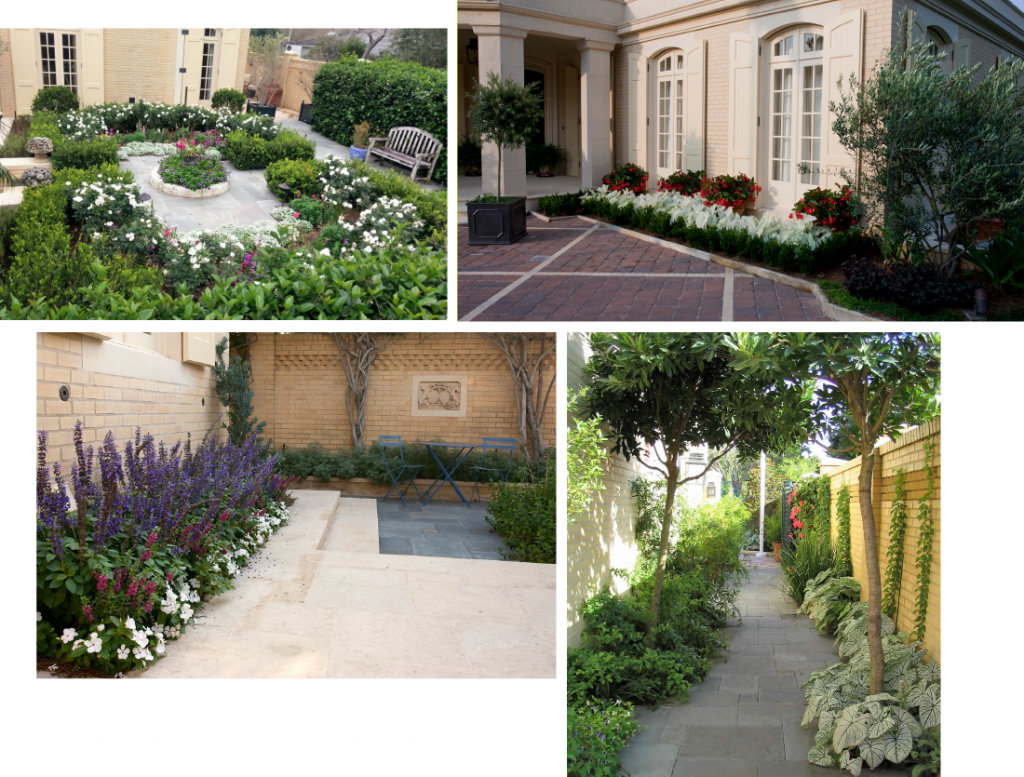
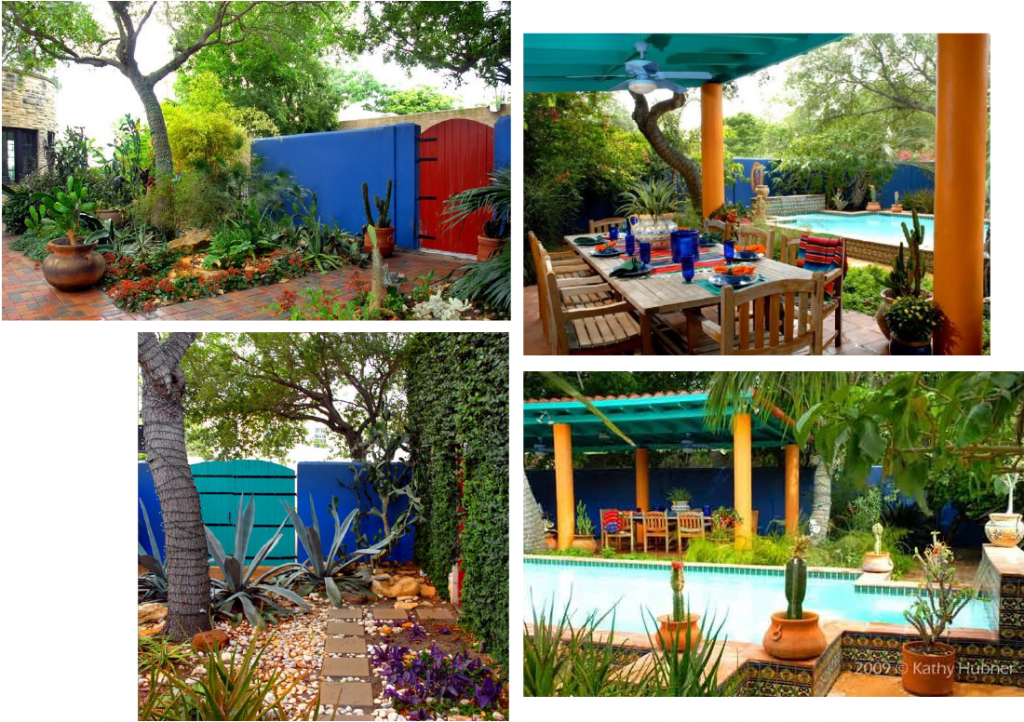
As an APLD Fellow, Kathy has been recognized for her significant design contributions, as well as service to the profession of landscape design. She served eight years on the Board of Directors of the APLD from 2000-2007, has been Chair of the APLD Awards Committee since 2014 and has been Treasurer of the Texas Chapter of the APLD since 2012. “It is an honor to receive this designation from my peers in the APLD,” Kathy said. “I’ve dedicated my career to enhancing the professionalism and standards and continuously learning about landscaping technology, science, and practices that translate into quality products for our customers.”
Kathy is one of APLD’s most award-winning designers specializing in complete landscape planning for residential, commercial, and ranch country properties, including patios, pools, outdoor kitchens, water features, shade structures, and updates for existing landscapes. She also specializes in Xeriscape (low water use) planning. Kathy is certified to prepare landscape ordinance plans for commercial projects. In her 30-year career at Gill’s, she has designed and installed landscaping projects throughout the Coastal Bend and South Texas in a wide variety of styles; from Mediterranean to Contemporary to Hill Country/Ranch style.
Visit our landscape department online, call us at 361.992.9674, or stop by 2810 Airline Road to start planning your project with Kathy or any of our other professional landscape designers.
It may not feel like it today, but we are soooo close to a gorgeous Spring, and there’s lots to do in the garden. Here’s our top 5 to focus on in February to prep for an amazing Spring season.
Check out our February Garden Guide for more tips and remember that trees, shrubs, and perennials can be planted 12 months out of the year! The only difference is the amount of water they need depending on temperatures and wind!

As we’re seeing right now, seasonal transitions can be a roller coaster of weather events. Beautiful one day, frigid the next. It’s important to know what’s coming our way so you can plan your gardening projects & protect newly planted gardens if needed. We use NOAA as our go to for current weather & upcoming forecasts.

Beloved tomato growing is rewarding and can be challenging. Planting them early this month is a good step toward a bountiful harvest. Tomatoes need cooler nights to have good fruit set. When you buy your tomato starts, buy a tomato cage to install while they’re small. It can act as a frame for cold weather protection (a bag or blanket) if needed and a frame to support your plants as they grow.
Peppers, on the flip side, will be stunted (even killed) by cooler temps. Below 55 is no good for heat-loving peppers. Wait to plant peppers the end of Feb into March. You can go ahead and start other favs like squash, cucumbers, beans, & greens either by seed or transplants mid-Feb.

The warm weather has sent most flowers & veggies on a growing spurt. A good meal of organic plant food like Plant Tone or Medina Growin Green will ensure they continue to look and produce their best for your garden. Both of these are granules that can easily be spread around plants then watered in. Plus, they feed the soil to keep it healthy.

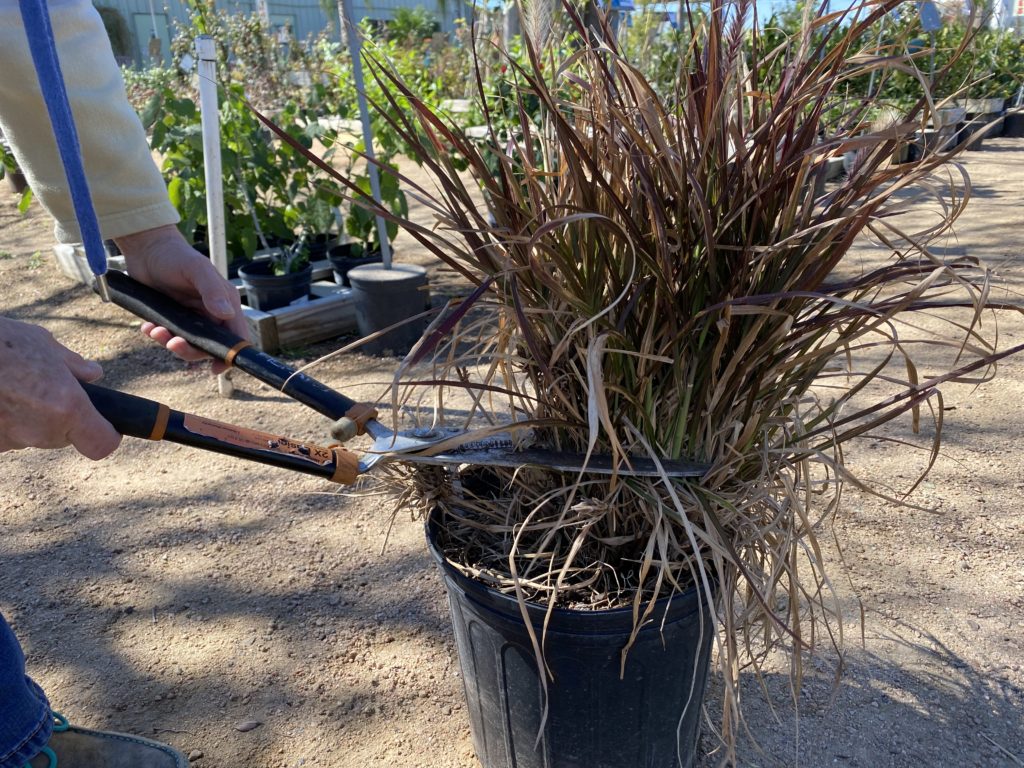
Most of these grasses like Purple Fountain Grass, Muhly Grass, & others are in need of a good shearing to look nice again this Spring. Do this now before the new growth starts. Have a sharp pair of hedge or hand pruners, tie up the grass clump with twine or rope to see the base of the grass. Cut straight across about 4-6in above the ground. This exposes the crown to more light helping to begin their fresh new growth. And you will not have to clean old brown blades out of the new green ones later this Spring.

Scale is a hard bodied sucking insect that looks like a brown booger stuck to the leaves of plants. Some of their favorites are Burford Holly, Bird of Paradise, Flax Lily, & Irises. They are easily controlled with a spray of organic All Seasons Oil Spray. It literally coats and suffocates the insect. It’s also good for treating indoor plants that may have scale or spider mites.
Check out our February Garden Guide for more tips!
Enter to win Gill’s gift cards, enjoy a cool drink and snacks, and hear live music in the garden. Kids and kid-like adults can enjoy colorful veggie-themed (temporary) tattoos. Everyone is invited to choose a color and help paint a collaborative celebration mural to be displayed in the garden center to commemorate the 40th anniversary.
The garden center is loaded with a great selection of fall annuals, perennials, shrubs, and shade trees along with great savings on veggies, herbs, flowers, and Gill’s Lawn & Garden Fertilizer. And yes, it’s time to do that fall fertilizing!

Back in 1978, Corpus Christi natives Sally and James Gill casually decided to start a business. At 22 and 25 years old, fresh out of college, they both needed jobs and thought, “Why not?” James had a background in landscape architecture, Sally in business, they saw a need in the area, and they figured not much start-up cash was needed for a landscape company. They started small; Sally sold her car and they put their meager savings together to buy a tiller, some tools, and a used pickup truck from the City of Austin.
Apparently, in the late 70s, “trenching” (driving a car through an unsuspecting front yard and leaving huge trenches in the grass) was a popular prank among teenagers. James got the bright idea to place large, yet attractive limestone boulders in front yards to discourage such activities. He and Sally would make trips to the Hill Country, push boulders onto Sally’s dad’s trailer by hand, haul them back to Corpus, then go door-to-door in heavily trenched neighborhoods (i.e. South Shores) asking, “How would you like to cause some serious damage to the next car that tries to tear up your yard?” This kind of hard work and ingenuity is what got the business off and running.

While Sally and James describe the decision to start a landscape company as “casual”, it was not an accident. James’ love and respect for plants came from his mother, Ruth Gill, who was an avid gardener and heavily involved in nature conservation efforts. Sally learned her business values and commitment growing up shadowing her father, Roy M. Munroe, who owned a local engineering firm. Sally loves plants too, especially for the ambiance and environments they create. They realized early on that they shared the passion, stamina, and values required to successfully operate a small business. They laugh at how different they are from one another but feel that their combined strengths and the trust they share have allowed them to endure and grow.

The Gill’s also attribute their longevity in business to slow and steady growth. About a year into it, they decided to open the garden center as a showcase for the landscape business. At the time, the only land they could afford was “out in the country”, 2810 Airline Road, which is where the garden center, offices, and landscape department is still based today. Over the years, Corpus Christi has grown up around them as Airline Road has become one of the busiest streets in town.
The company has grown too, adding more land, staff, inventory, and services to meet the changing needs of the community. Sally says their level of commitment ratcheted up with the hiring of their first employee. They both felt and still feel great responsibility and commitment to offer every employee a good, safe place to work. Sally and James both strive to maintain the feel of a small company with some of the perks of a larger business. They want each team member to be a part of earning and maintaining the reputation for quality, service, and expertise that Gill’s is known for.
At Gill Landscape Nursery, building lasting relationships with the community and among the team is the key to continued success. Sally and James love hearing feedback from customers about how each member of the Gill team is helpful and knowledgeable. One customer recently said that the garden center staff, “know what I’m talking about even if I don’t know!” The company culture at Gill’s is centered around the people: 39 great people with a combined 467 years of working at Gill’s and even more combined years of plant knowledge.
These days, while there is an abundance of helpful online garden tips and resources, nothing beats in-person knowledge and expertise. Here in the garden center, customers often bring in plants and samples from their landscapes and get a diagnosis and solution on the spot. Gill’s staff take pride in being comfortable enough with gardening to be able to help people in each unique situation. Sometimes plants even find their way back to Gill’s. DeAnna Baumgartner, Nursery Manager with 33 years at Gill’s, describes many instances where customers have gifted their cherished plants back to DeAnna once they are no longer able to care for them, knowing that the plants will enjoy a good home.
Garden center staff, including Buyer, Debbie Pinkerton are always researching and navigating the complex world of garden products to bring customers the best of the best. While always looking for new plants, new ideas, and new solutions to share with the community, Gill professionals take care to ensure that new products will withstand the local climate and meet customer’s long-term needs.

Out in the community, Gill landscape designers and landscape installation crews work incredibly hard to make each client’s vision a living, growing reality. Residential and commercial landscape design and build projects include everything from plants and garden beds to trees and hardscape construction. Landscape Designer Kathy Hubner with 31 years at Gill’s has seen all sorts of projects come to life. One of her specialties is creating beautiful vignettes and different views within a small space. With one long-term client, she has embarked on a garden adventure and continued to modify their residential space to include plants, materials, and design elements inspired by the client’s world travels. For example, Kathy and her crew planted Viburnum to create a green wall reminiscent of the hedgerows in the Hamptons.
If you spend 20 minutes walking around outside with James Gill, he will teach you the name(s) of every plant you see (scientific and folk names) and which ones are edible, medicinal, poisonous, or otherwise. James describes himself as a plant evangelist and is dedicated to sharing that deep knowledge with as many people as possible. According to James, the main benefits of gardening are “spiritual first, but it’s also great exercise.” Gardening can be compared to learning music or art; anyone at any age and any level of expertise can enjoy it. Gardening will meet you at your level, but you can spend a lifetime learning and growing.
That passion and excitement for learning and sharing knowledge has become one of the core values at Gill’s. Gill’s regularly conducts community outreach activities including their weekly Gill Garden News, Garden Tips, Garden Talks series, interacting on social media, and partnerships with local schools and nonprofits.

As Gill Landscape Nursery celebrates 40 years of serving the Coastal Bend community, Sally and James look forward to the future. Like most business owners, they want Gill’s to stay vibrant and continue to grow. The Gill team, along with Sally and James, want to thank you for the years of friendship, crazy fun, and challenging times we have all had. Thank you for letting us connect you with plants; we truly love the excitement and energy that is shared with garden successes.
– Jesse Jenkins
This is a project I have been wanting to do for a while now, and it was a lot easier than I was expecting. So naturally, I want to share the project idea with our customers!
Staghorn ferns are eye-catching plants that make for a beautiful indoor addition to any home! This fern is naturally epiphytic, meaning that it generally grows on trees or other surfaces. In this case, a slab of wood!
The staghorn fern would be happy indoors in bright indirect light or in a shady area in your backyard. Watering requires a heavy misting and the frequency will depend on if you intend for it to be outdoors or indoors.
All you need for this project is wood, a hammer and 25-30 nails, scissors and twine, sphagnum moss, and a staghorn fern!

This can be made of scrap wood, drift wood, or anything lying around. Before long, the plant will steal any attention away from the wood backing, so don’t worry if it’s imperfect. I used some scrap wood I found in my garage.
Staghorn ferns don’t need soil to root in, so we will be replacing much of this with our sphagnum moss. Lay the fern onto the wood until you’ve got it in a place that looks best, making sure to try and leave the fern’s shield in tact. These will eventually grow over the sphagnum root-ball holding the plant to the wood.

The nails encircling the plant will be what holds everything in place, so don’t be stingy with the nails! I used 25-30 nails and got them about a half-inch away from one another. Leave the nails half way out of the wood so you will have plenty of anchorage for the twine.

I used the twine to anchor the plant until I felt it was completely secure, and then finished nailing the nails in all of the way into the wood. And that’s all, folks! Super easy and super fun project that only took about 45 minutes.

-Kady
Be a garden artist and paint your own fun and colorful garden art!
Supplies:
How To:
Fun options for your blocks:
Please share your own garden art block creations on our Facebook page!
-Merlien
This past Saturday we had our Creative Container Gardens talk. I enjoy giving this talk because making potted plant combinations is a treat – so easy & fun.
Contrast and repeat for plant selection is key for creating combinations with good visual impact. Choosing the proper container, potting mix, careful planting and using pot feet puts it all together. Timely watering, regular fertilizing, watching our weather, site consideration and pest monitoring helps keep it all going.
Container gardens are versatile. Along with the huge number of plant choices and container styles, you can easily move them around if you need or want to. They can be grouped for greater effect and also raised at varying heights for even more options.
Making a beautiful container garden can also provide more return benefits. They give us the opportunity to experiment, practice patience, engage creativity, see connections, feed curiosity, practice pragmatics, learn – unlearn, slow down, relax, share, play, re-evaluate “perfect”, and even be a little silly – hence the glasses on cacti!
Collect rainwater and pronounce names any way you want.
“I cultivate my garden and my garden cultivates me.” – Robert Braught
Beautifully contains it all.
-Merlien