
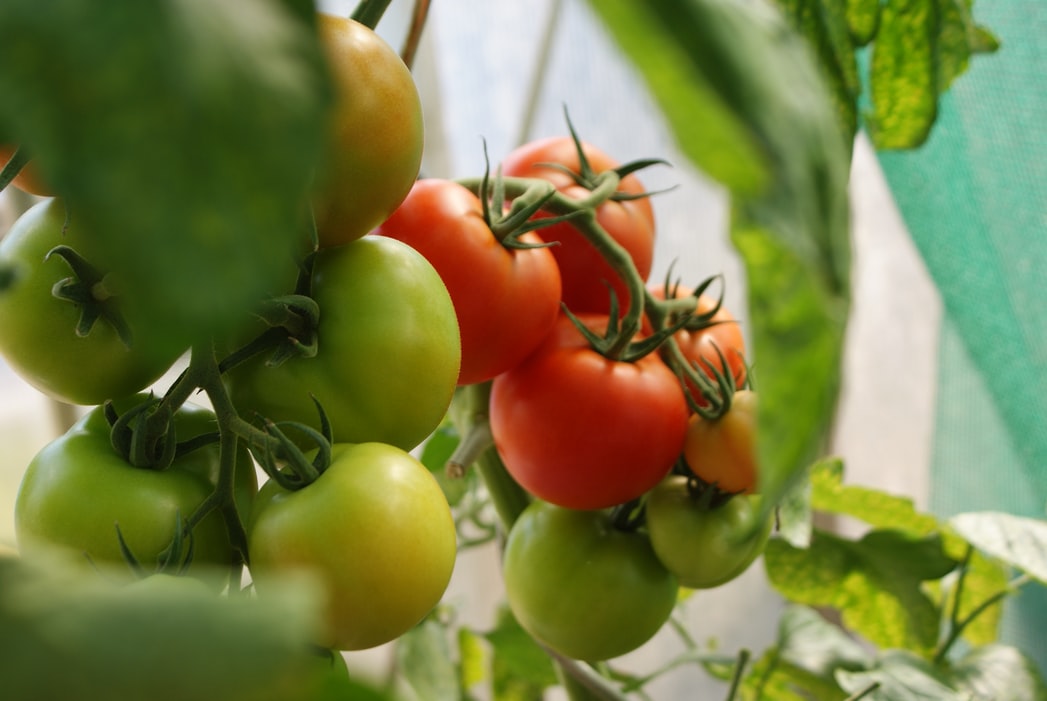
We’re in the dog days of summer right now, but not for long! If you want gorgeous tomatoes this fall, right now’s the time to get started. Depending on the variety, tomatoes take between 60-100 days to produce ripe fruit, which would put us into late October through early December if we start now. Unless you’re growing in a heated greenhouse, you want to harvest your tomatoes before we have chances of cold weather. So, without further ado, here’s the Gill’s formula for fall tomato success!
Start from Seed or Plants

Late August is an exciting time at Gill’s. We’ve received our 2025-2026 veggie seeds, and we’re stocking up on tomato plants too. You have your choice right now – start from seed or start with tomato plants that are ready to go. If you plan to start tomatoes from seed, you need to get them going before the end of August. Sure, starting from seed is more work, but you also have a lot more options, especially for heirloom varieties. We recommend starting seeds indoors or on a shady, protected patio. Try our new Cow Pots + organic Fertilome seed starting soil. Once the seedlings sprout and grow their first true set of leaves, they’re ready to plant outside. Just plant the whole Cow Pot – they’re made of composted cattle manure and will break down and add nutrients to the soil. Or skip the seeds and start growing some tried and true tomato plant varieties now, like Tycoon, Red Snapper, Sun Gold, and the beloved Celebrity.
Prepare Your Soil & Spot
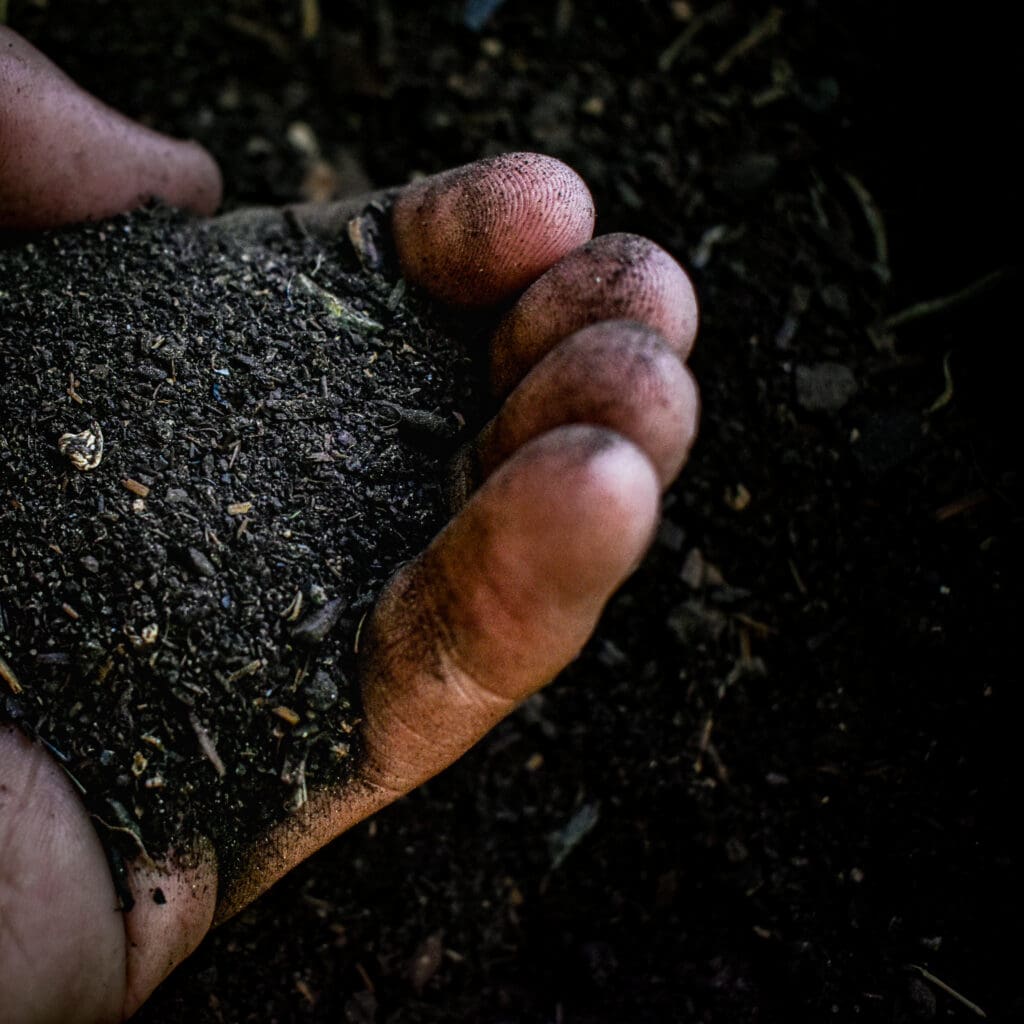
Pick a spot for your tomatoes that gets at least 6 hours of full sun each day. They’ll need it to be able to produce flowers then fruit. If you’re growing in the ground in clay or sandy soil, you’ll need to add some compost to create a better soil structure and add nutrients. Our fav for veggie gardens is Nature’s Blend Compost. Add about 1 bag per 12 sq. ft. of bed space. If you’ve got your own compost pile, use a similar approximate amount. If you’re growing in raised beds or big pots, you can’t go wrong with Gardener’s Magic soil – it’s specially formulated for container gardening with some compost and other nutrients. Just pour and plant!
Prune Up + Plant Deep
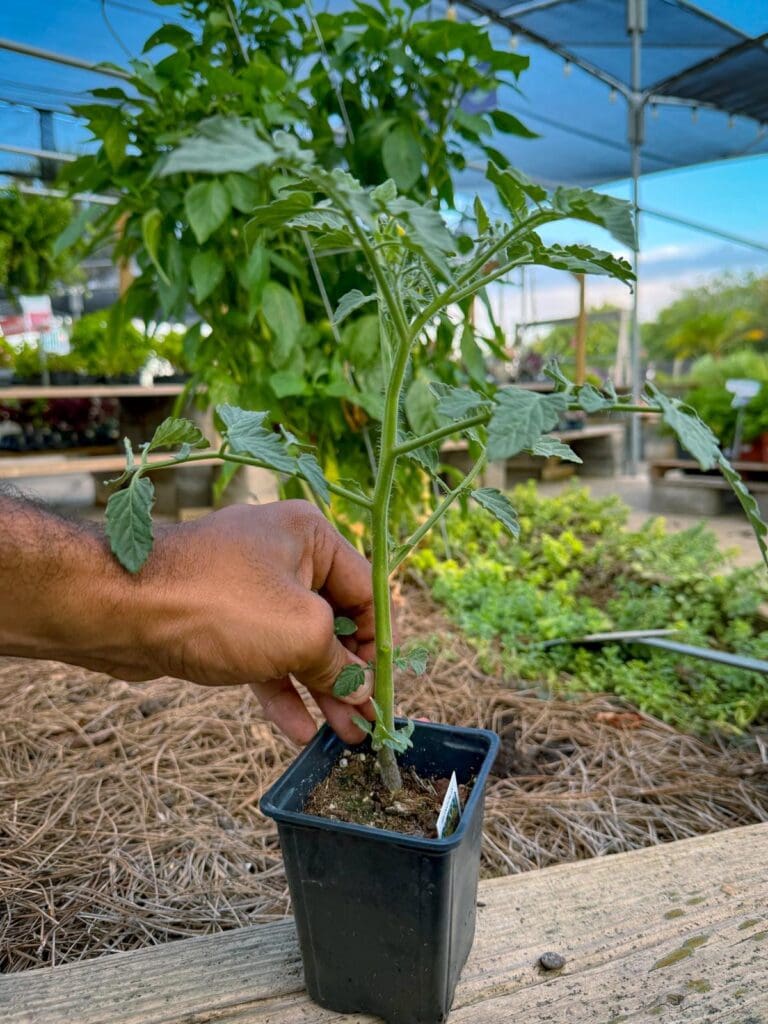
Tomatoes are one of the only plants that you can plant deep without suffocating the plant. In fact, tomatoes benefit from being planted deep because they grow new roots off the main stem. So, simply pinch the lower leaves off the stem, leave the main ones up top, dig a deep hole and plant the tomato all the way up to the top leaves. Some gardeners even like to dig a shallow trench and plant tomatoes on their side to let the roots grow down from the stem. Either way, more roots = more fruits!
BioTone + Worm Castings When you Plant

This is truly a winning combo for root health. When you dig your hole, mix in a small handful of Bio-Tone starter fertilizer and a large handful of worm castings when you backfill. The Bio-Tone contains mycorrhizal fungi which form a symbiotic relationship with plant roots and gives you a much more robust root system. Worm castings add refined nutrients, make soil more absorbent, and even helps prevent fungal disease and insects. Think of Bio-Tone and worm castings as superfoods for your plants!
Cage Now, Not Later!
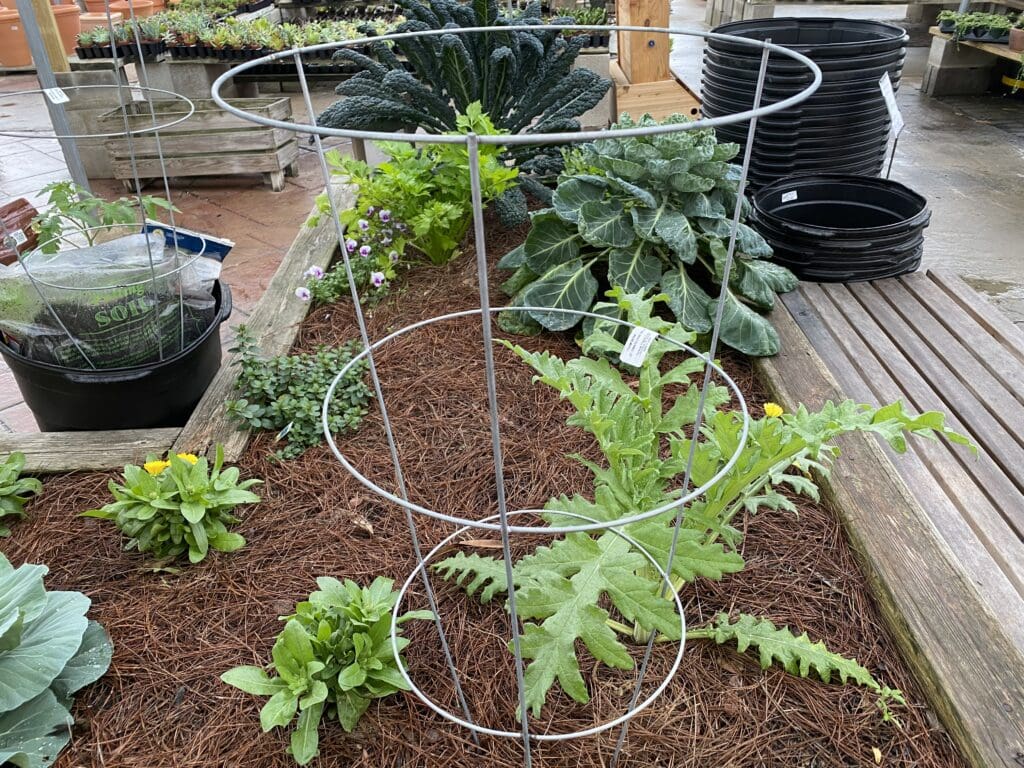
It’s very important to give tomatoes a support structure, whether it’s a tomato cage or a simple trellis system. Either way, the key is to install that support when you plant, not later. That way you can gently train and tie the plant onto the support as it grows, rather than trying to bend and twist a big floppy tomato plant and risk breaking branches. Cage now, not later!
Follow Our Fertilizer Schedule

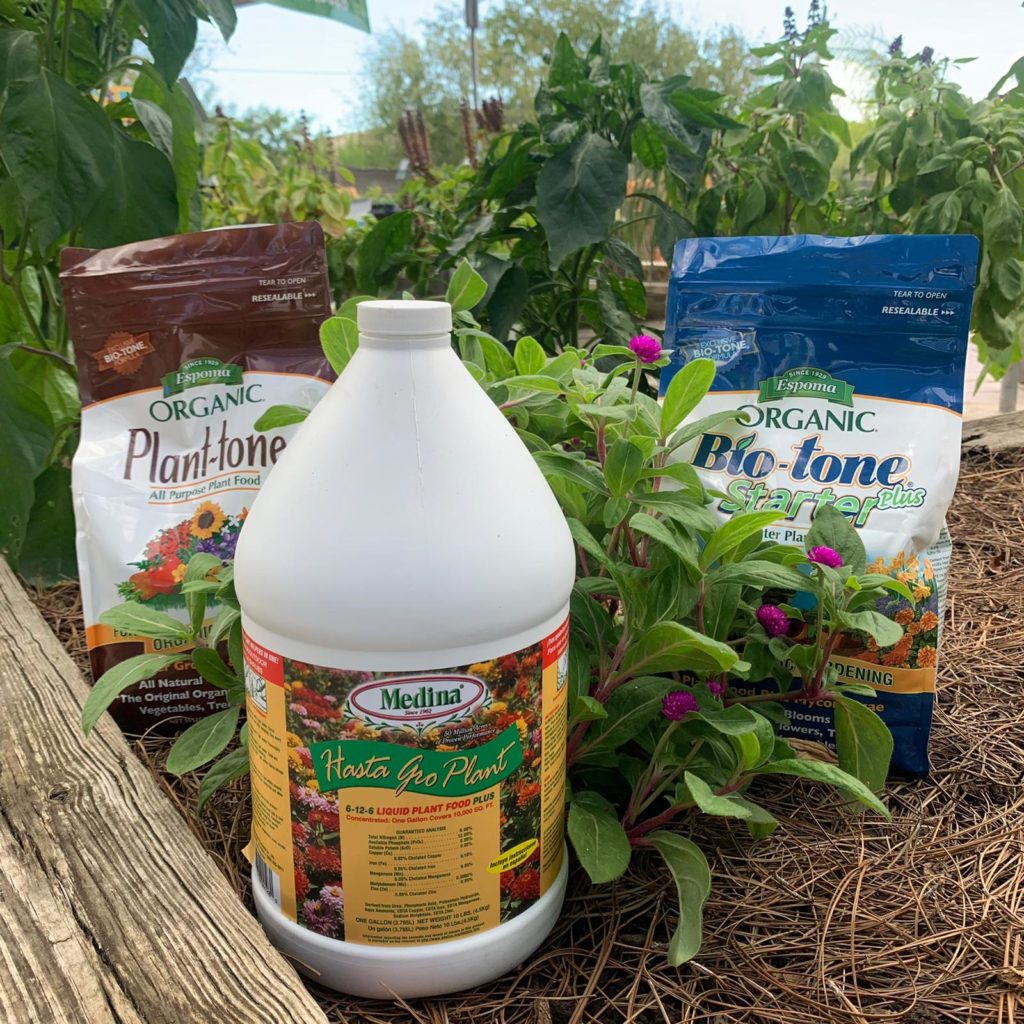
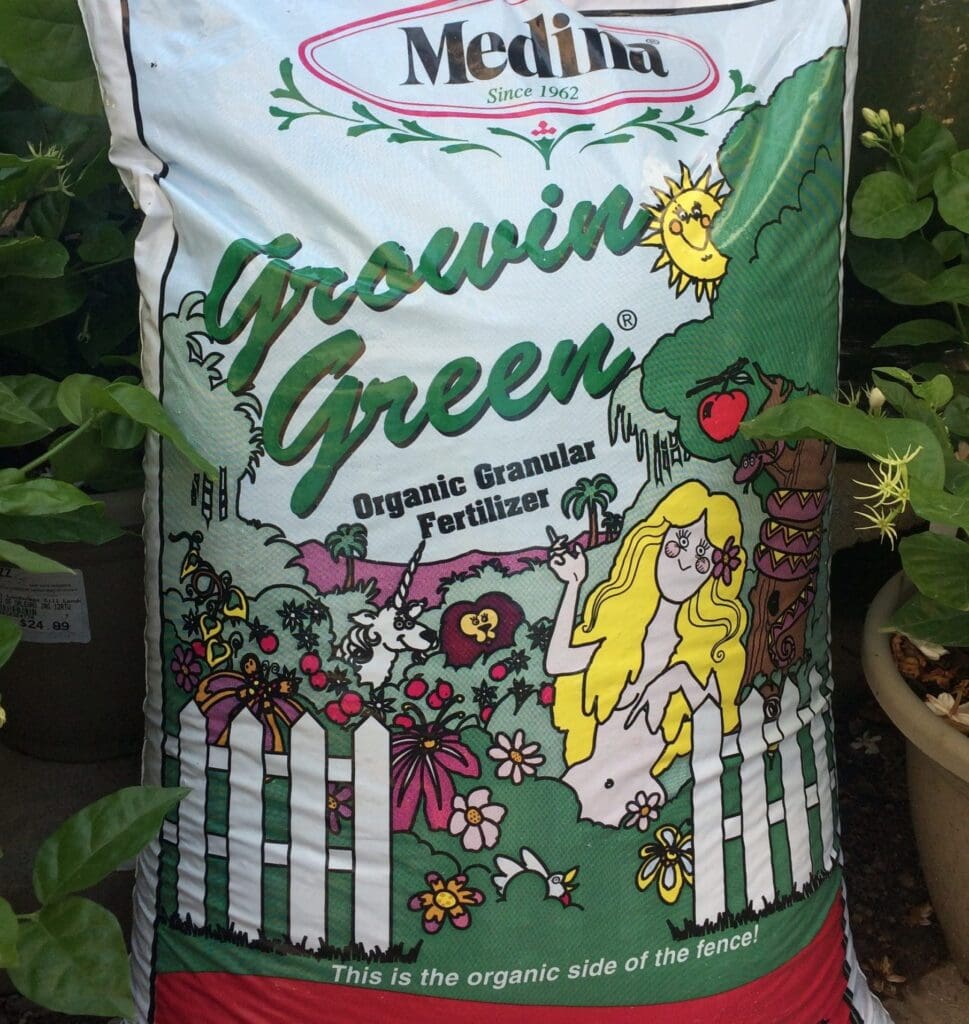
The most common problem we see with veggie gardens is not enough regular fertilizer to keep them performing their best. Tomato plants use lots of energy to produce fruit, so they absolutely need regular fertilization. Keep it simple and use our tried and true prescription: feed with a good organic granular fertilizer (like Medina Growin Green, Plant Tone, or Rose Glo) on the 1st of the month, then feed with Medina’s liquid Hasta Gro on the 15th. Add reminders or alarms for these dates in your calendar so you don’t forget. If you stick to this schedule, you’ll have lots of tomatoes to enjoy and share.
Treat for Pests + Prevent Fungus

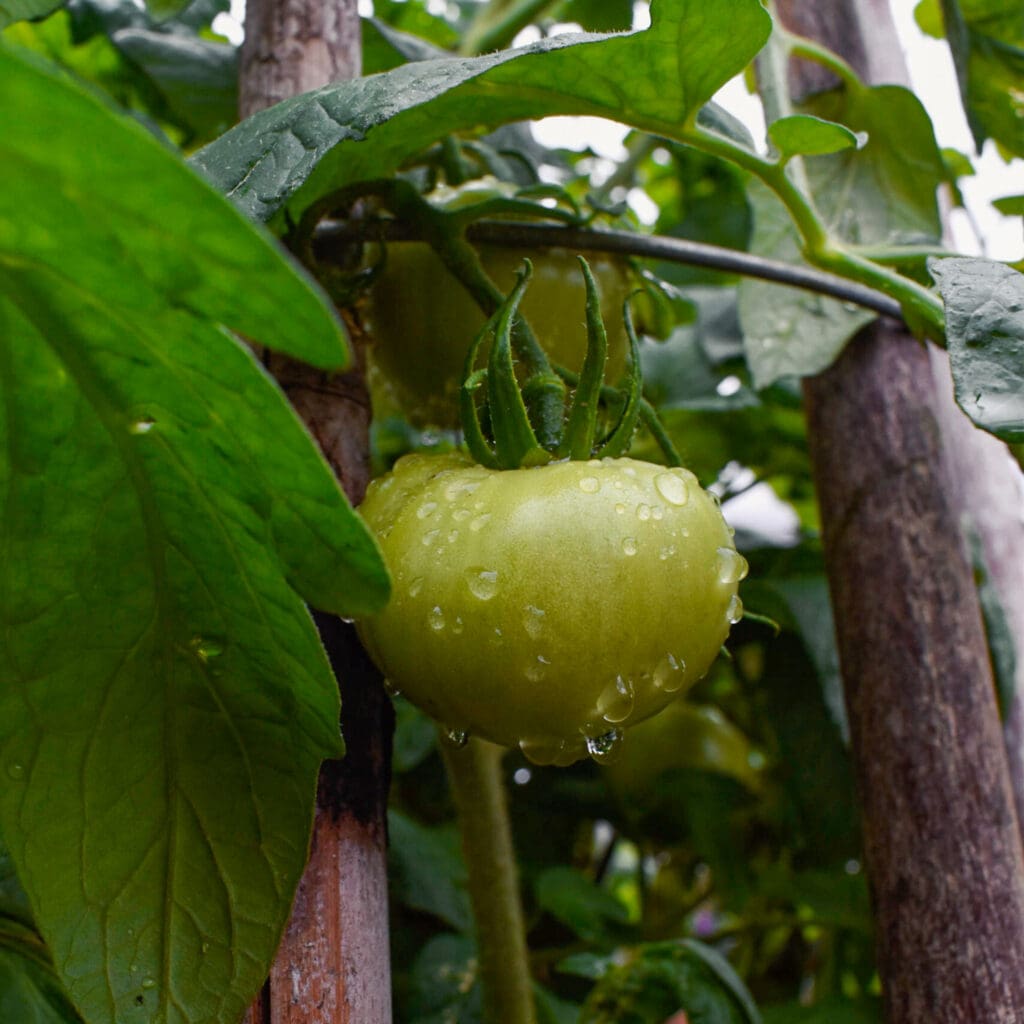
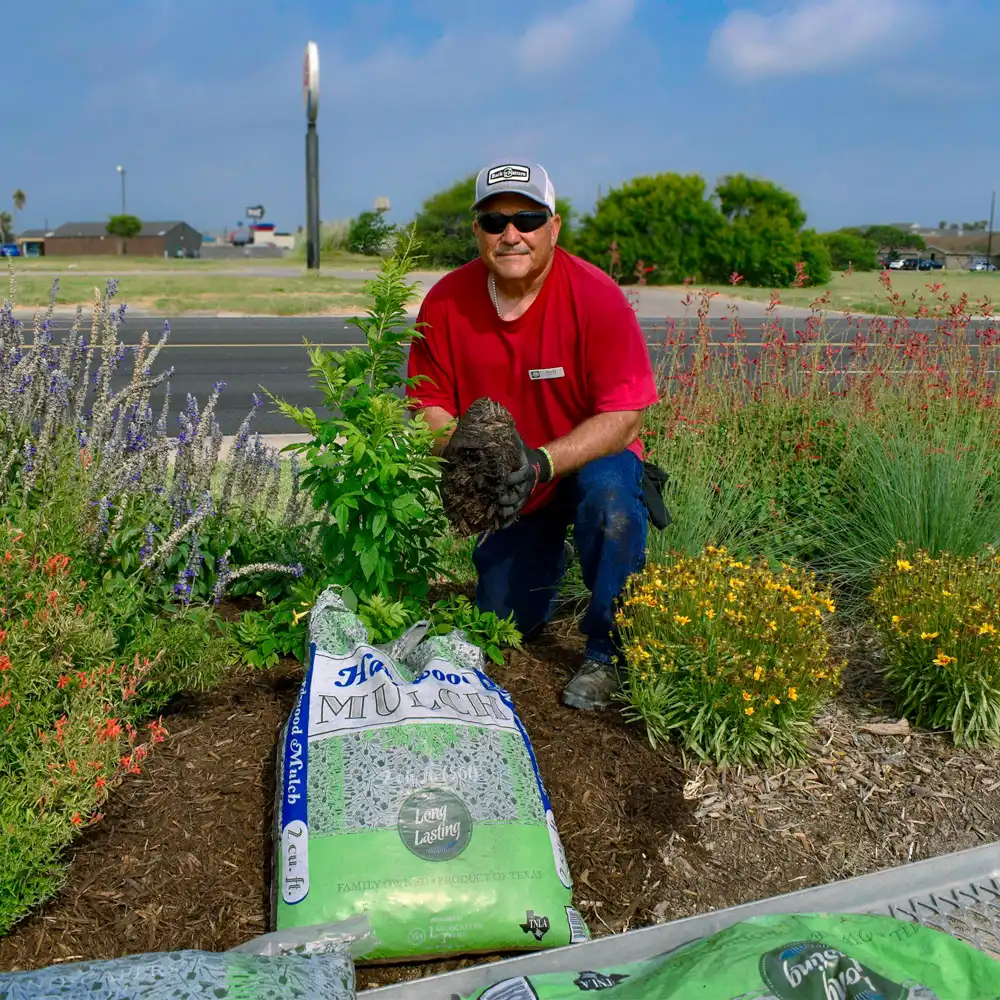
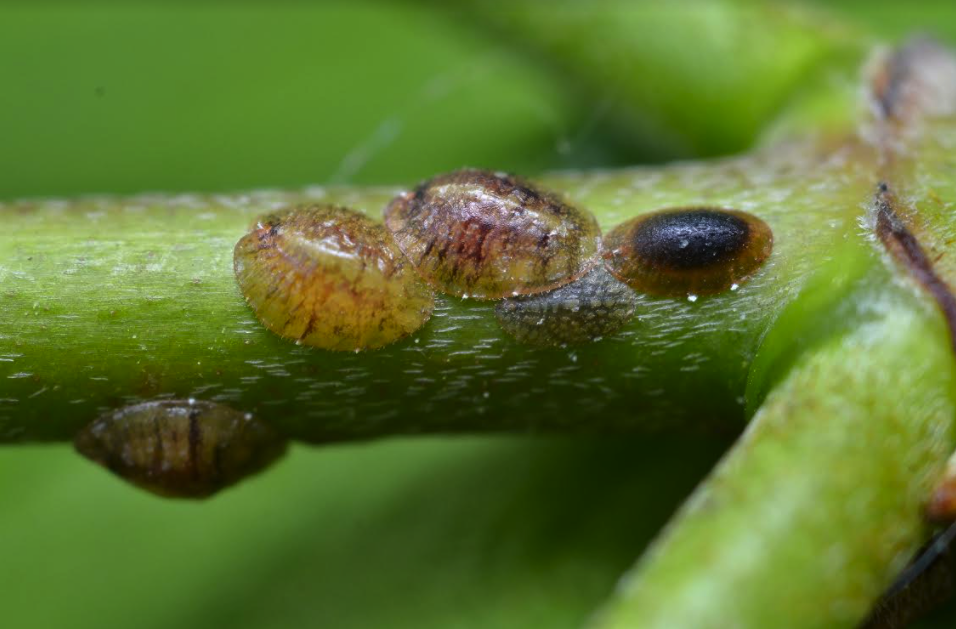
Your 2 main issues to watch out for when growing tomatoes are hungry caterpillars and fungus problems. You can prevent fungus by simply mulching around your tomato plants so wet soil doesn’t splash up onto them when you water. Horticultural cornmeal applied around the base of the plant can help also. For caterpillars, you just need to be vigilant. Inspect your plants often and look for chewed leaves and frass aka black specks of caterpillar poop. If it’s just a couple of caterpillars here and there, you can easily relocate them. If you have an infestation, you can use organic Bt spray or Bt powder to control.
Water Early and Often!
You’ve likely heard us preach about the benefits of watering in the morning vs. the evening. This is especially important for tomatoes. As DeAnna says, you wouldn’t want to run a race all day and only have water at the finish line. Tomatoes need to be well-hydrated in the morning, or they’ll be very unhappy during the hot part of the day. While the weather’s still warm, they will likely need supplemental watering in the afternoon too. Once temps cool down and plants mature, you’ll be able to back off on watering some. Mornings can be hectic – we get it! If you run short on time to water in the morning, consider setting up an automatic soaker hose in your tomato bed. We carry soaker hoses and simple timers that are easy to attach to any hose spigot.


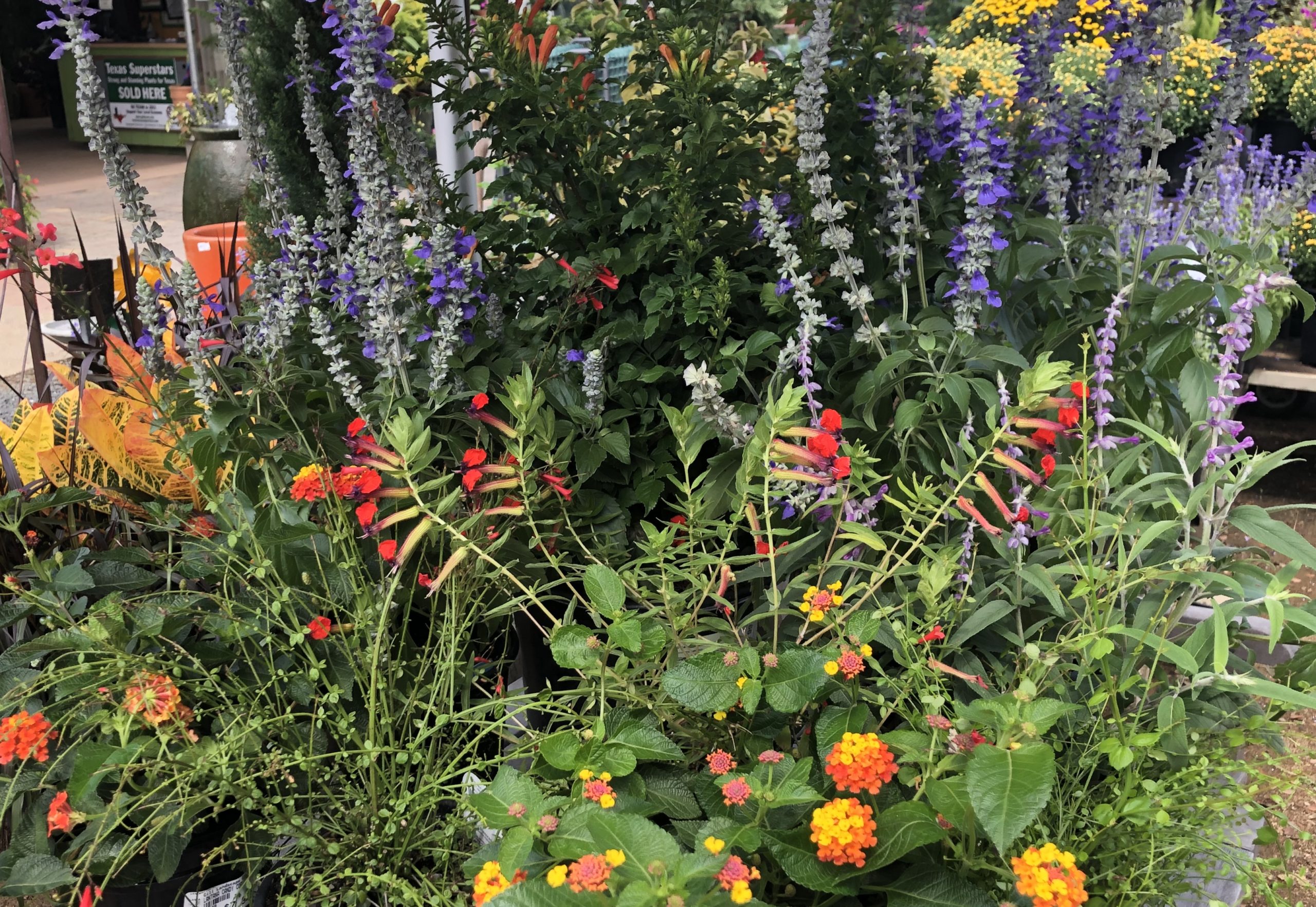

 Companion Plants For Your Veggie Garden


 Be sure to use a good quality compost. We carry Cotton Burr Compost, Natures Blend Compost. I have always said,” You need a $50.00 hole for a $5.00 plant.” Life does begin with the soil, so always spend a little extra time, effort and money when it comes to soil prep. Your plants will reward you.
 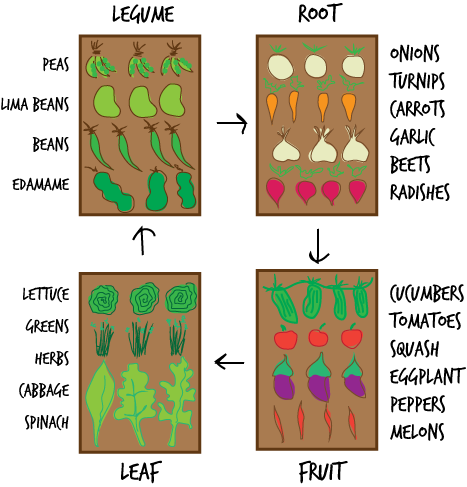 Simply put, crop rotation is a systematic method of deciding what to plant where in your garden from one season to the next, based on plant groups. Moving plants to a new location each season improves your garden in two ways. First, it helps keep your soil healthy and fertile. Planting the same thing in the same place season after season drains the nutrients from the soil that the plant needs in order to thrive and produce big harvests. Second, rotating plant families helps manage soil-borne diseases like verticillium wilt, and soil-dwelling insects like corn rootworms or root knot nematodes. These types of diseases and pests prefer certain kinds of plants, and the longer the plants stay in the same soil, the better the chance that these enemies will show up and cause trouble.