
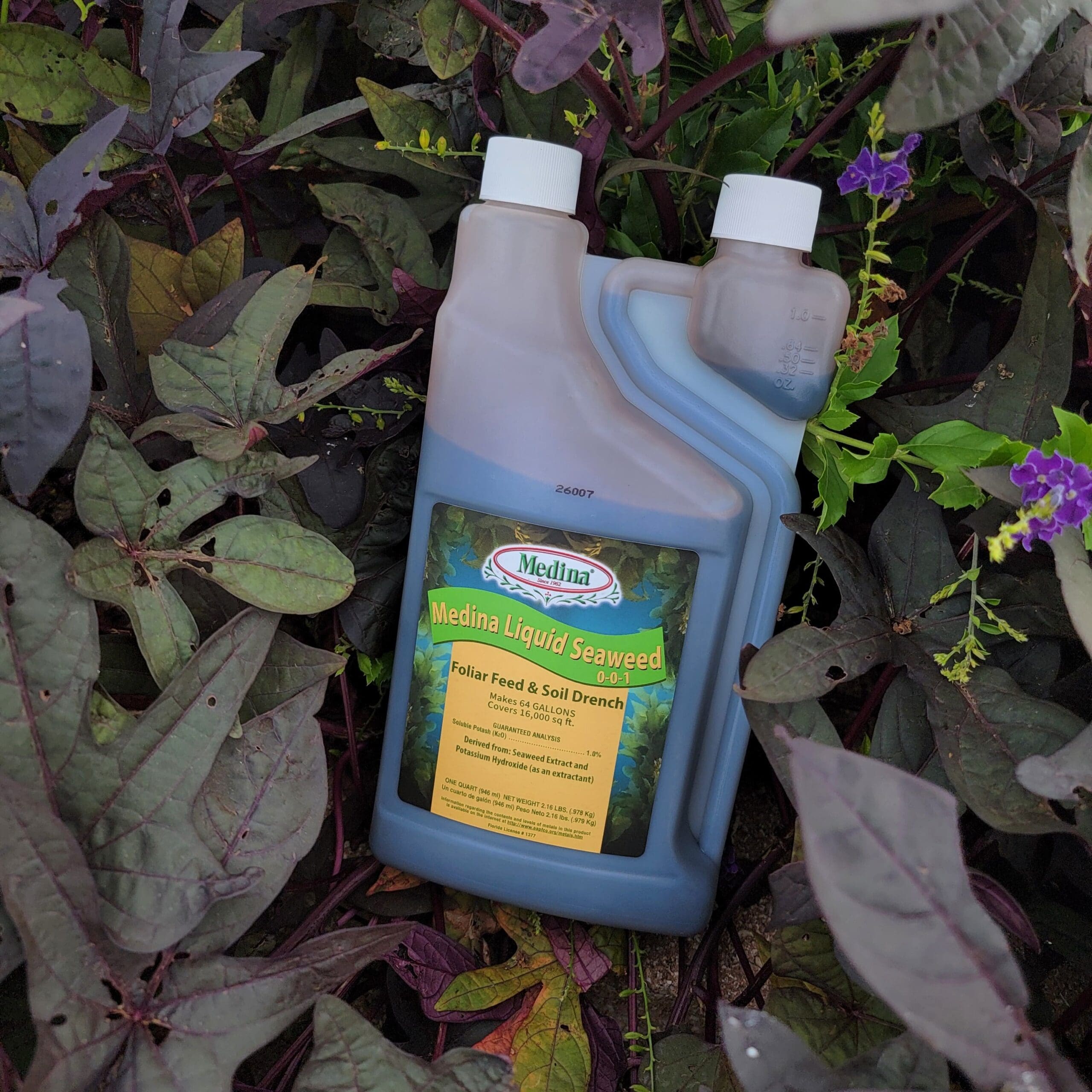
Many of us at Gill’s have been talking about how spoiled our plants at home have become with all the wonderful rainfall we had in May and June. It seems now that we’ve been having some real summer weather in July, some plants are being dramatic and extra tired-looking. Fortunately, there’s a simple, natural tool that gardeners around the world have relied on for decades: liquid seaweed. Think of it as a wellness tonic rather than a meal. It won’t replace fertilizer or water, but it can help fortify plants against summer stress. Here’s how.
Why Does Liquid Seaweed Work?
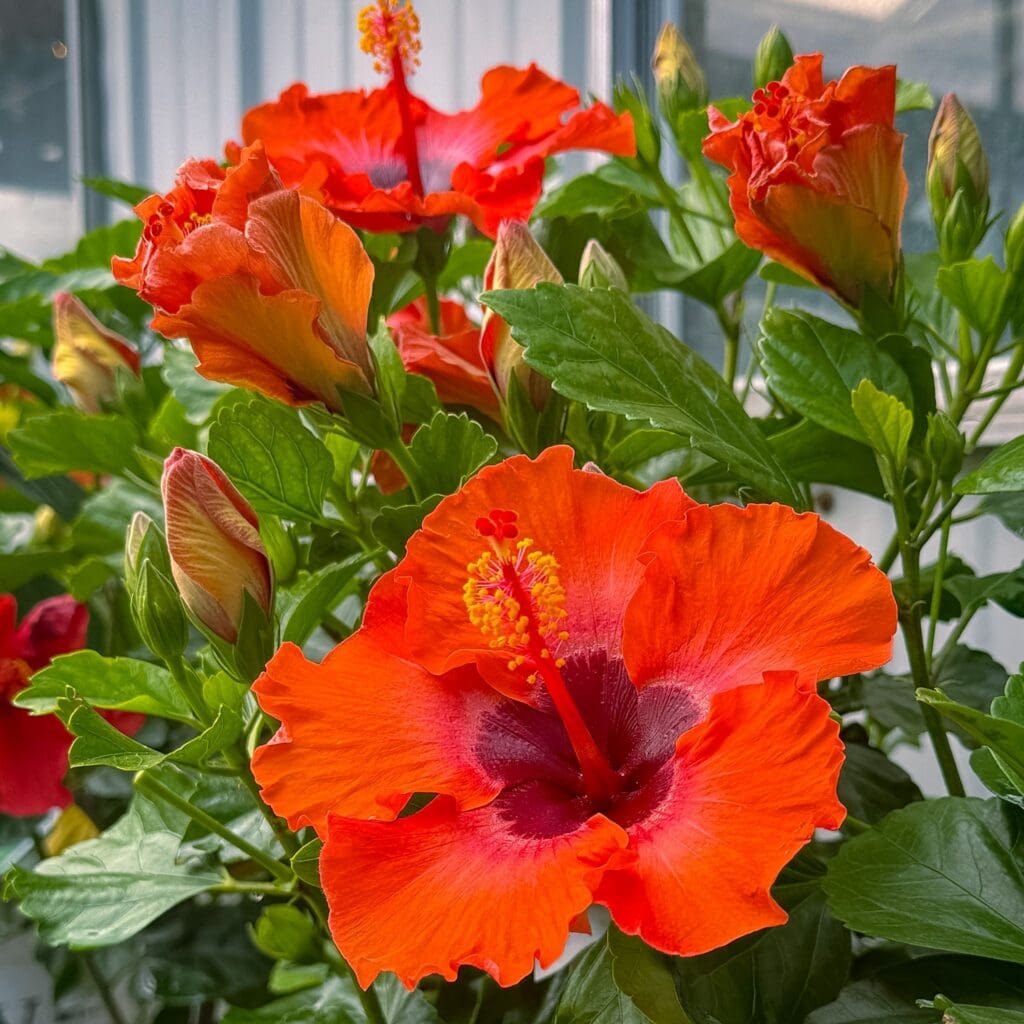
Unlike fertilizers, liquid seaweed contains relatively low levels of nitrogen, phosphorus, and potassium. Instead, its magic lies in an incredible collection of naturally occurring compounds. Seaweed contains natural plant growth regulators (including compounds similar to cytokinins and auxins) as well as amino acids, vitamins, minerals, and antioxidant compounds that help plants respond more effectively to environmental stress.
Plants under heat stress produce excessive amounts of reactive oxygen species (ROS), often called “free radicals.” These unstable molecules damage plant cells, slow photosynthesis, and accelerate aging. Seaweed strengthens cell walls and helps plants by increasing antioxidant activity that helps neutralize damaging free radicals. Liquid seaweed also promotes root branching and fine root development, helping plants access water more efficiently during dry periods.
How to Apply Liquid Seaweed

Spray directly onto the leaves as a foliar spray to allow plants to absorb all the beneficial compounds quickly. Aim to coat both the tops and undersides of leaves without causing runoff. Or use as a soil drench: pour diluted seaweed around the root zone to encourage healthy root growth and support beneficial soil microbes. Many gardeners alternate between foliar sprays and soil drenches throughout the summer about every 2-4 weeks. Spray in the early morning or late evening – avoid applying during the hottest part of the day.
Most garden and landscape plants respond well to liquid seaweed, including veggies, herbs, blooming perennials, houseplants, annual flowers, fruit trees, shrubs, and even lawns. Avoid applying seaweed to agaves, cacti, succulents, and tender new seedlings.
Pair Liquid Seaweed With Mulch for Maximum Protection
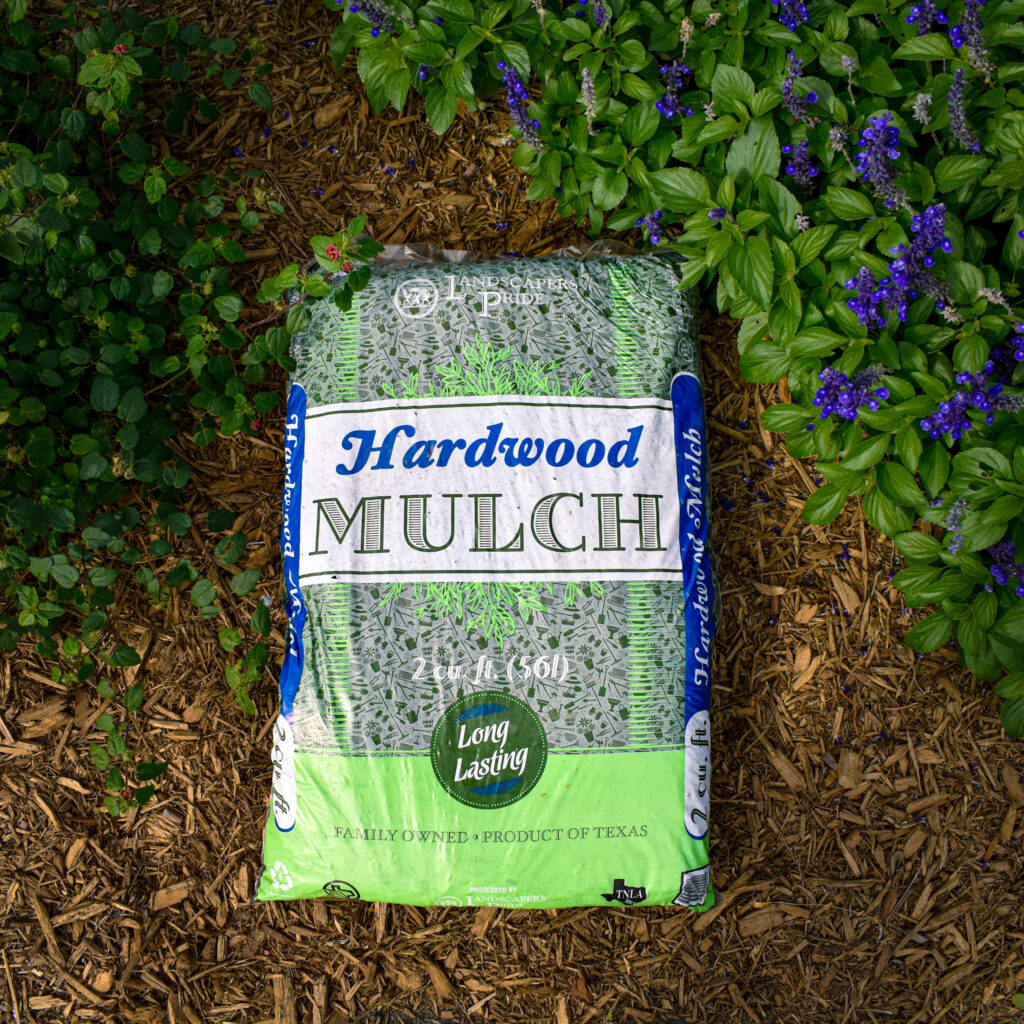
A winning combination for summer is to pair regular liquid seaweed applications with a good 2-4 inch layer of natural mulch. Together, these help reduce water loss, encourage deep roots, and allow plants to remain productive through prolonged hot weather.


Reader Interactions