
Fall is an important time to fertilize your lawn and landscape, giving plants a much-needed boost as they recuperate from a long hot summer and begin to put on new growth. Here in the Corpus area, the right fertilizing routine depends on your soil type, location, and the needs of your plants. From the heavy clay soils found in town to the sandy soils of the Island and the Bluff, understanding your soil is the first step toward a healthier lawn and landscape.
Understanding Corpus Christi Soils
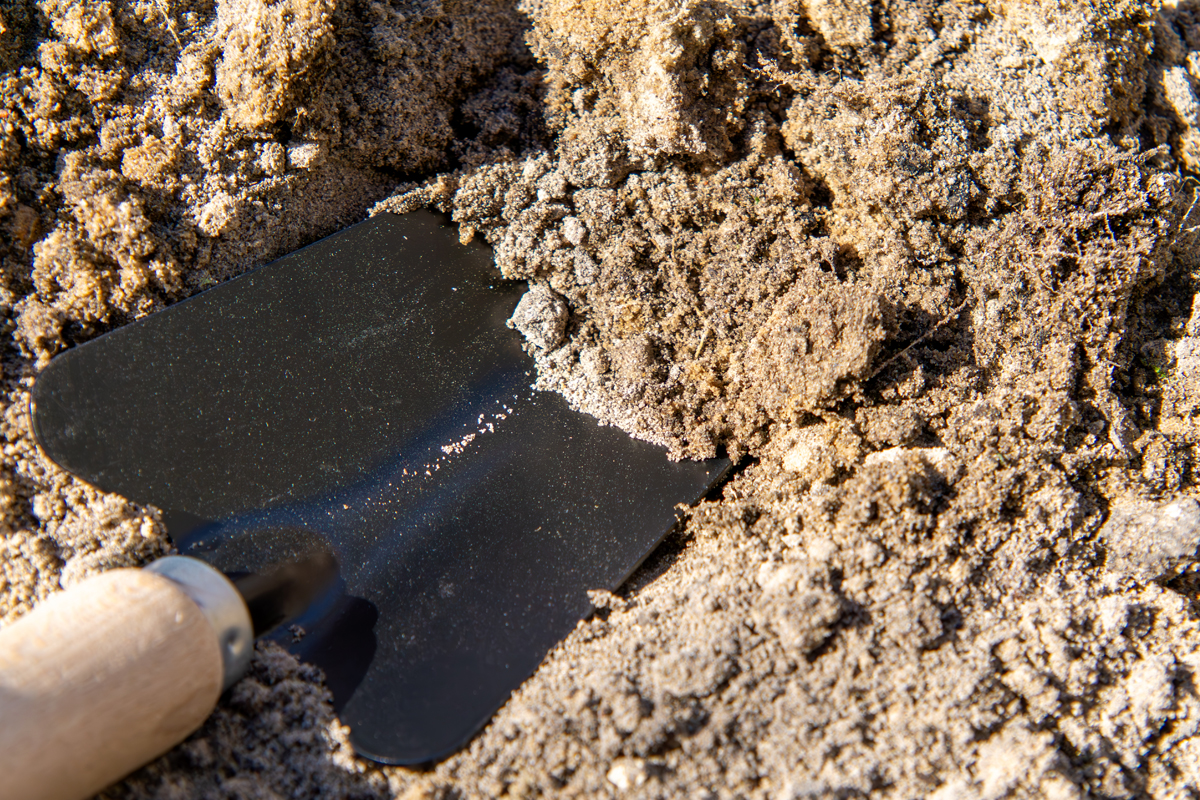
Corpus Christi has two main soil types, and each comes with its own challenges.
Clay Soils in Town
Soils in town tend to be heavy and clay-based. They are typically high in calcium and phosphorus, low in organic matter and nitrogen, and on the alkaline side. These conditions can affect how well plants absorb nutrients, and how nutrients bind to the soil, making it important to choose the right fertilizer.
Sandy Soils on the Island and on the Bluff
Soils on the Island and on the Bluff contain more sand, allowing water to drain more quickly. Like clay soils, they tend to be high in calcium and slightly alkaline, but they are also generally saltier. Because sandy soils drain quickly, nutrients can leach out faster, meaning lawns and plants may need more frequent fertilizing.
Fall Fertilizing for Lawns
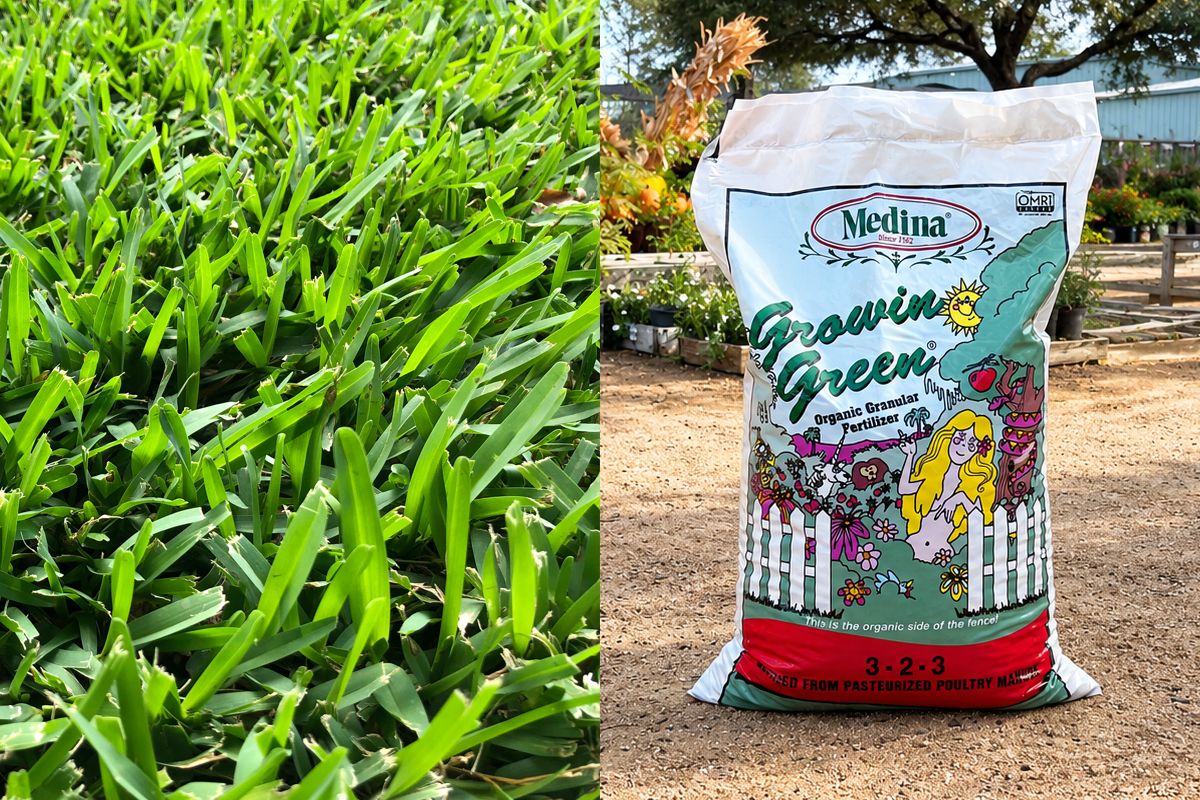
Fall is an excellent time to feed your lawn and support healthy growth. For South Texas lawns, we strongly recommend using Medina Growin Green Organic Fertilizer. Organic granular fertilizers help add organic matter to the soil while providing a balanced mix of nutrients which encourage healthy root growth and better resistance to pests, disease, and drought. Plus, you don’t risk burning your lawn as you might with chemical fertilizers. You might hear the term “winterizing”. Keep in mind that just refers to the practice of fertilizing in the fall before winter dormancy. You don’t need a product that says “winterizer” on the bag. Medina is the way to go!
Lawns in Town
For lawns growing in clay soils, fertilize twice a year: once in the spring and once in the fall. The ideal fall application window is late September through October.
Lawns on the Island and in the Bluff
Because sandy soils lose nutrients more quickly, lawns in these areas benefit from three fertilizer applications per year:
- Late March to early April
- June or July
- Late September through October
Fertilizing New & Established Landscape Plants

Both new and established landscape plants benefit from a consistent fertilizing routine during the fall active growing season. We recommend applying an organic granular fertilizer on the first of each month this fall through November. Give your plants a break during December, January, and February, then it’ll be time to resume again for the spring growing season.
Suitable granular options include Medina Growin Green, Rose Glo, and Espoma’s ‘tone’ series: Plant-Tone for general use, Citrus-Tone for citrus trees, Holly-Tone for woody shrubs, and Azalea-Tone for acid-loving plants like Magnolias and Azaleas. You don’t need to be super precise when applying any of these organic granular fertilizers, but a little goes a long way. We like to think of sprinkling granular fertilizer as you’d toss out some chicken feed or as you’d sprinkle pepper on your eggs!
Supplement with Liquid Fertilizer
For an extra boost between granular applications, you can supplement with a liquid fertilizer around the 15th of each month.
Choose your liquid fertilizer based on your goals:
- For leafy growth: Use a high-nitrogen fertilizer, such as Medina Super Gro, to encourage healthy foliage.
- For blooming: Use Medina Hasta-Gro to support flowering and overall plant growth.
This alternating schedule provides a steady supply of nutrients throughout the growing season and works great in town and on the Island.
Understanding NPK: What Do the Numbers Mean?
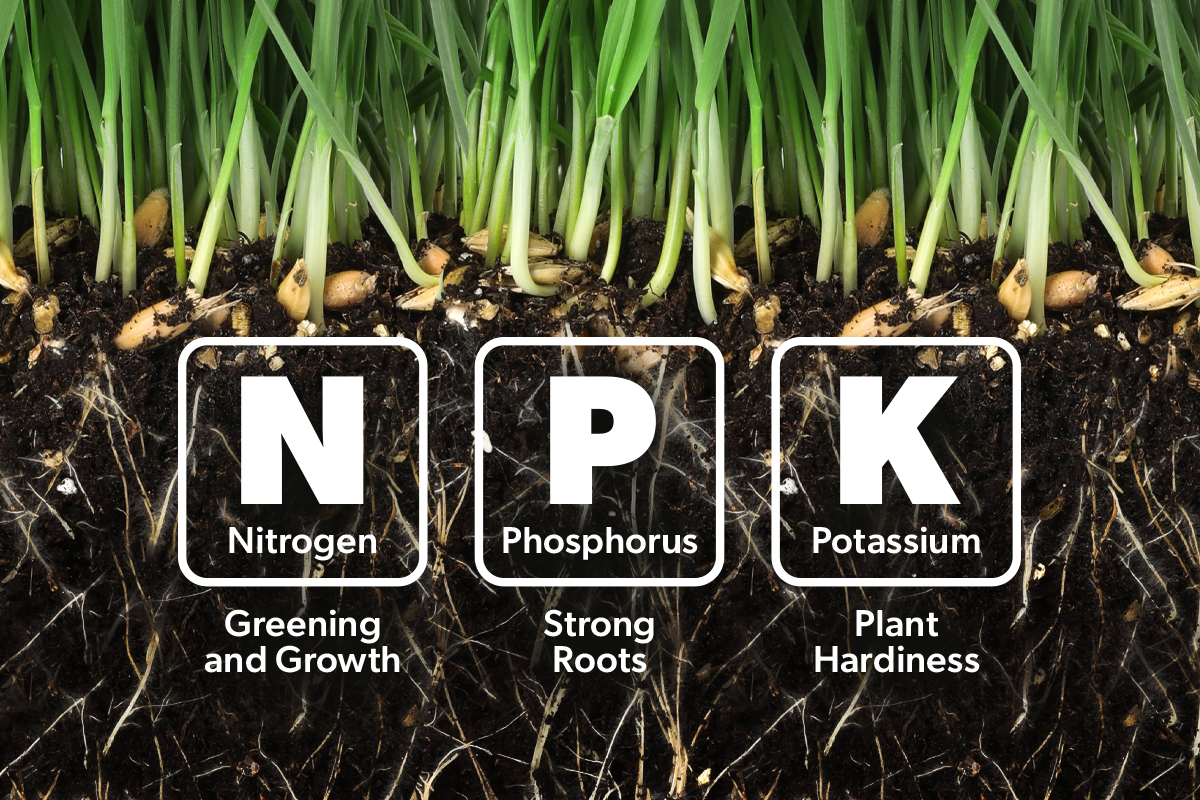
How do we choose the fertilizers that we recommend for different applications? We always consult the three numbers on the bag. These are known as the NPK ratio, representing the three primary macronutrients plants need to grow.
- N — Nitrogen: Supports leafy, green growth.
- P — Phosphorus: Supports root development and plays an important role in flowering and seed production.
- K — Potassium: Helps regulate plant functions and supports overall plant health.
Because our soil types (especially clay soil) are typically alkaline and already contain high levels of phosphorus, we don’t look for NPK ratios that are too high in phosphorus. If you really want to get your balance right, you can do a simple soil test through Texas A&M. We have the forms here at Gill’s with instructions for sending off a sample for testing. Once you have your results, we can help you tweak your balance with the right fertilizers and other nutrients like blood meal for more nitrogen and bone meal for more potassium. Stop by any time or get in touch with us here if you have any soil or fertilizer questions!


Reader Interactions