Now it’s finally starting to feel like Fall! November in South Texas…one of our most beautiful months! Now’s the time for fall flowers and planting trees. And there’s still time for veggies, too. Good timing this month will keep us looking good through the fall and winter and set us up for showtime next spring. Here are our top must-do’s this November.
1. Fill Pots and Beds with Fall Flowers
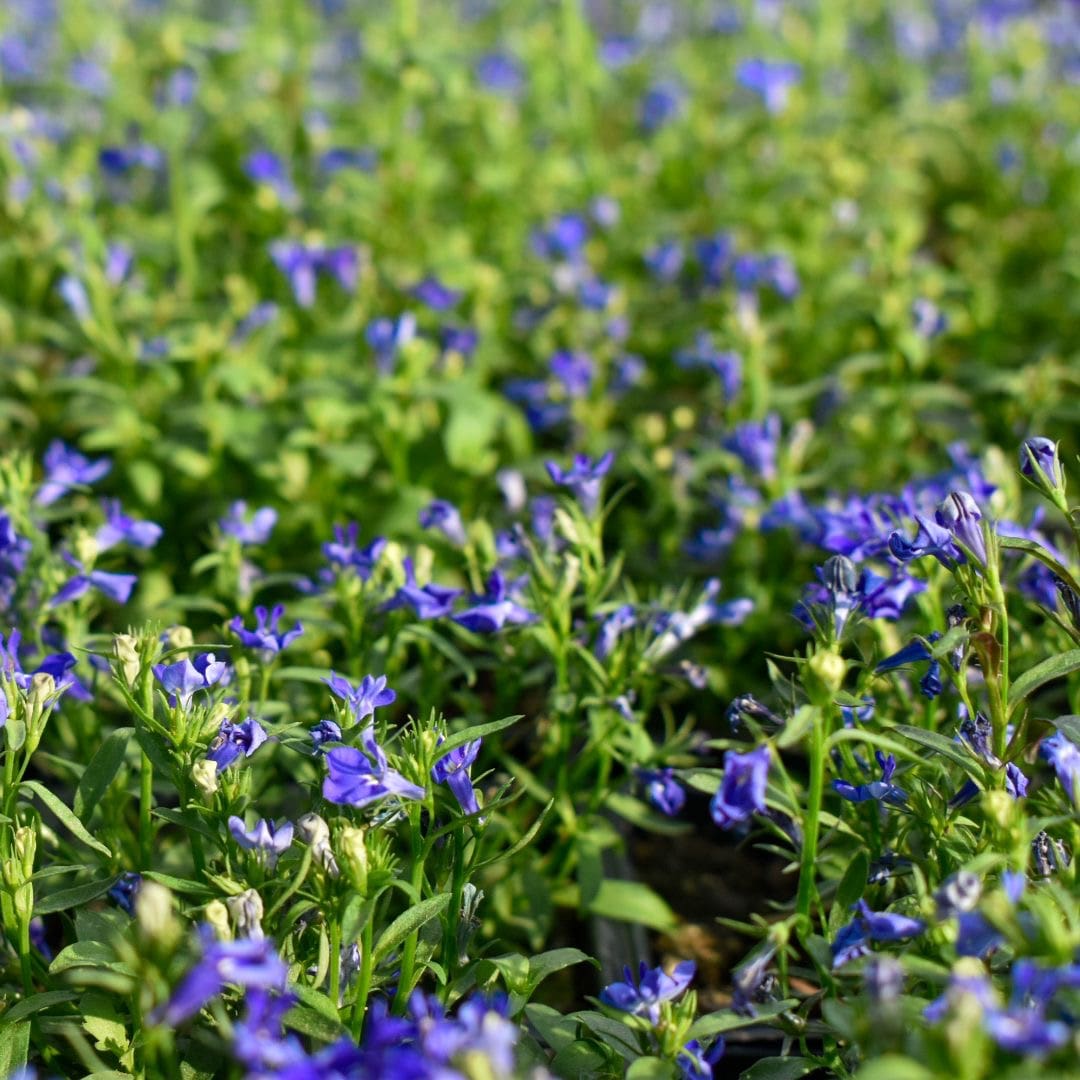
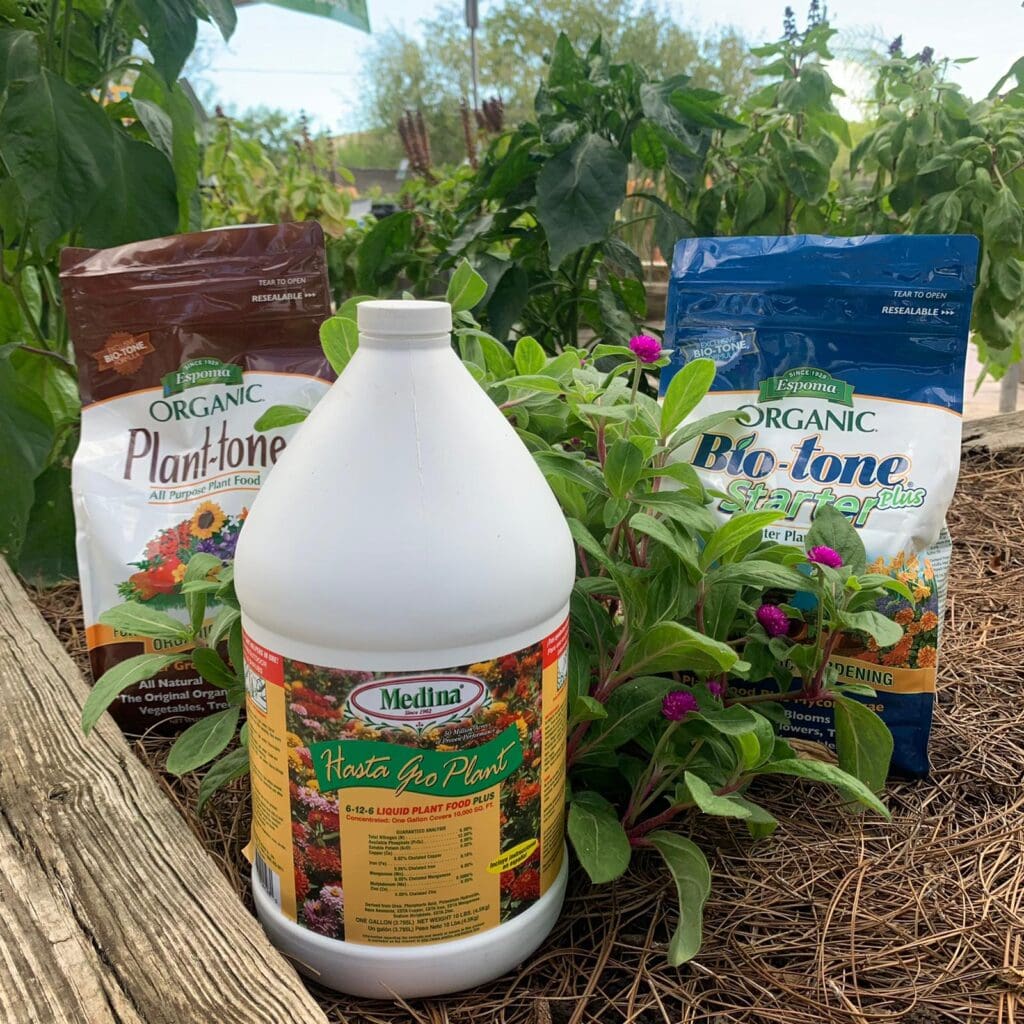
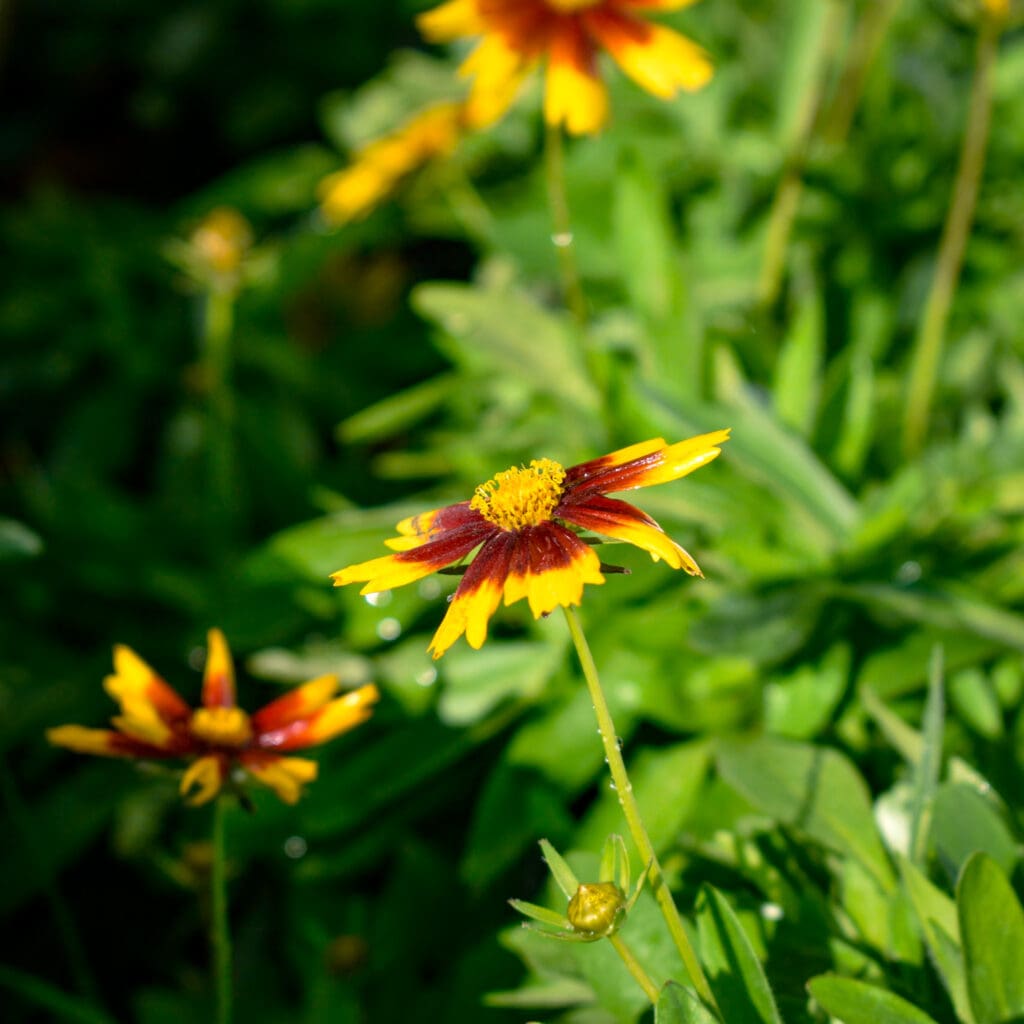
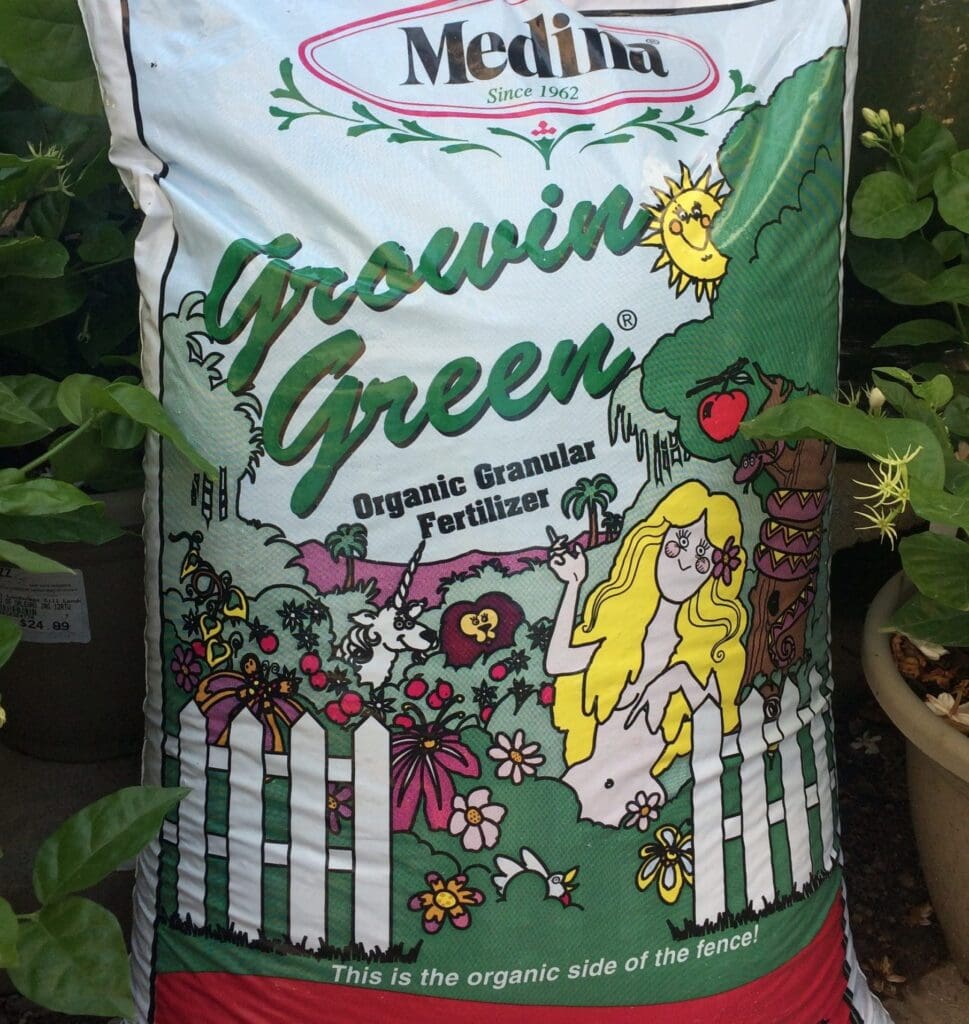
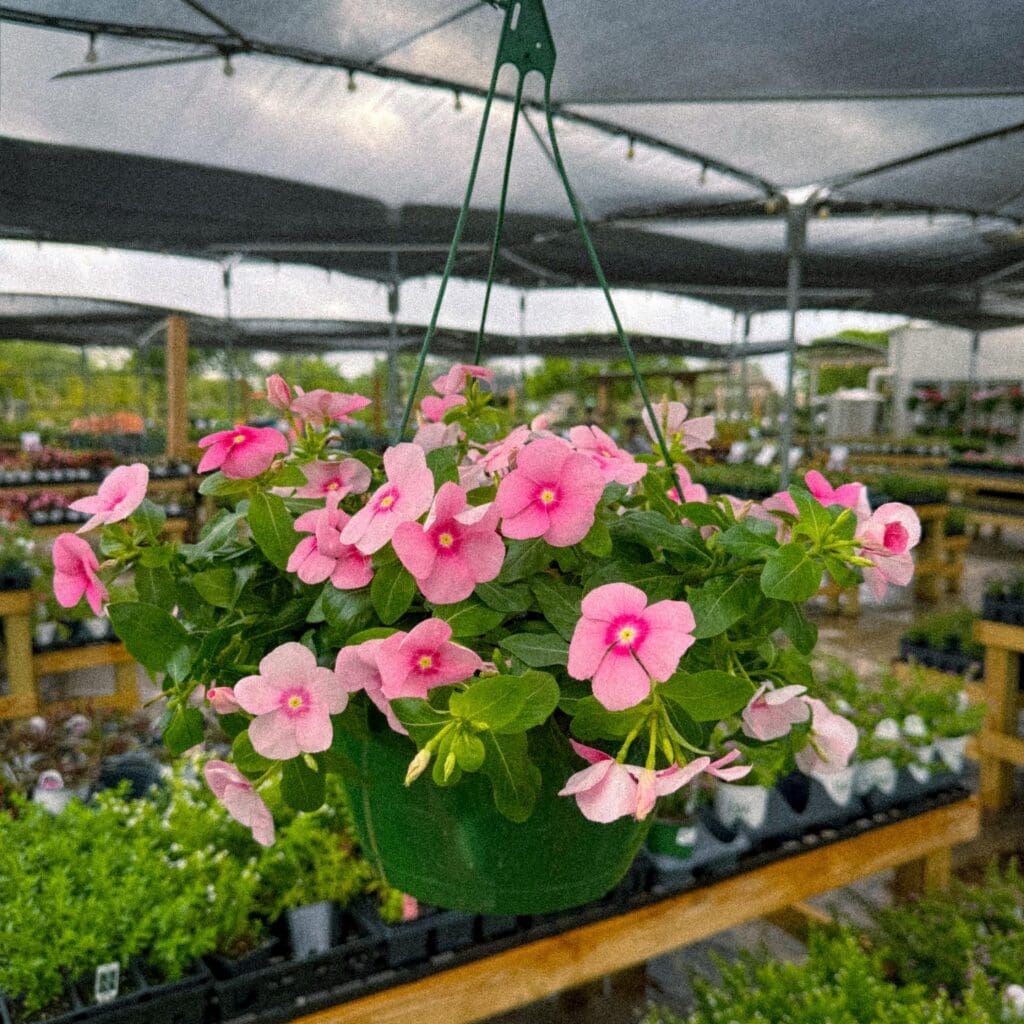
Here’s our list of Fall/Winter flowers – tons of choices for outdoor color to redo pots & inground plantings. Flowers take a little time to grow and bloom. Plant early this month so they can be WOW for the holidays! Many of these fall flowers, like Snapdragons, Lobelia, Violas (our longer-lasting alternative to Pansies), and Geraniums will look great through the winter and look their very best next spring. Good reason to plant now! Once they’re all planted, give them a good meal of granular organic Plant Tone, Rose Glo, or Medina Growin Green. To keep them growing and blooming through the fall and winter, they’ll need regular feedings about once a month. For an extra boost, follow up with liquid Hasta Gro every 2 weeks in between your monthly feedings.
2. Plant Trees and Shrubs Now for Better Growth Next Spring

Now is the very best time to plant cold-hardy shrubs and trees! They focus energy this fall and winter on building a good root system, which allows them to explode with growth next spring, and prepares them to withstand hot weather next summer. Other benefits to planting now – easier digging and not as much watering as during warmer seasons! Always fertilize when you plant shrubs and trees and follow our watering instructions.
3. Still Time to Plant Veggies and Holiday Herbs!

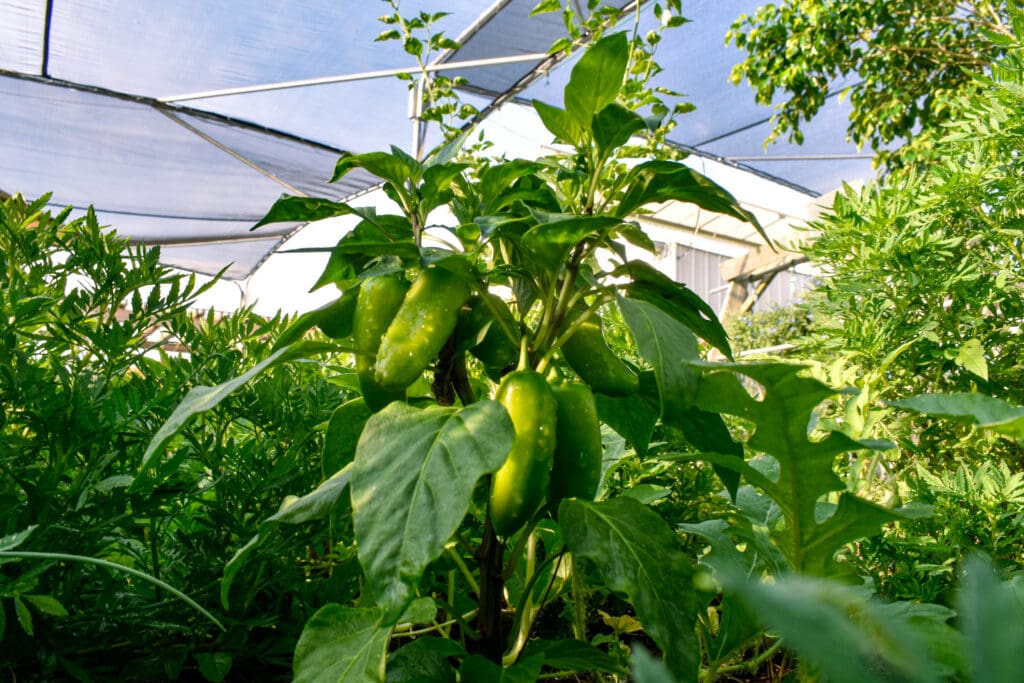
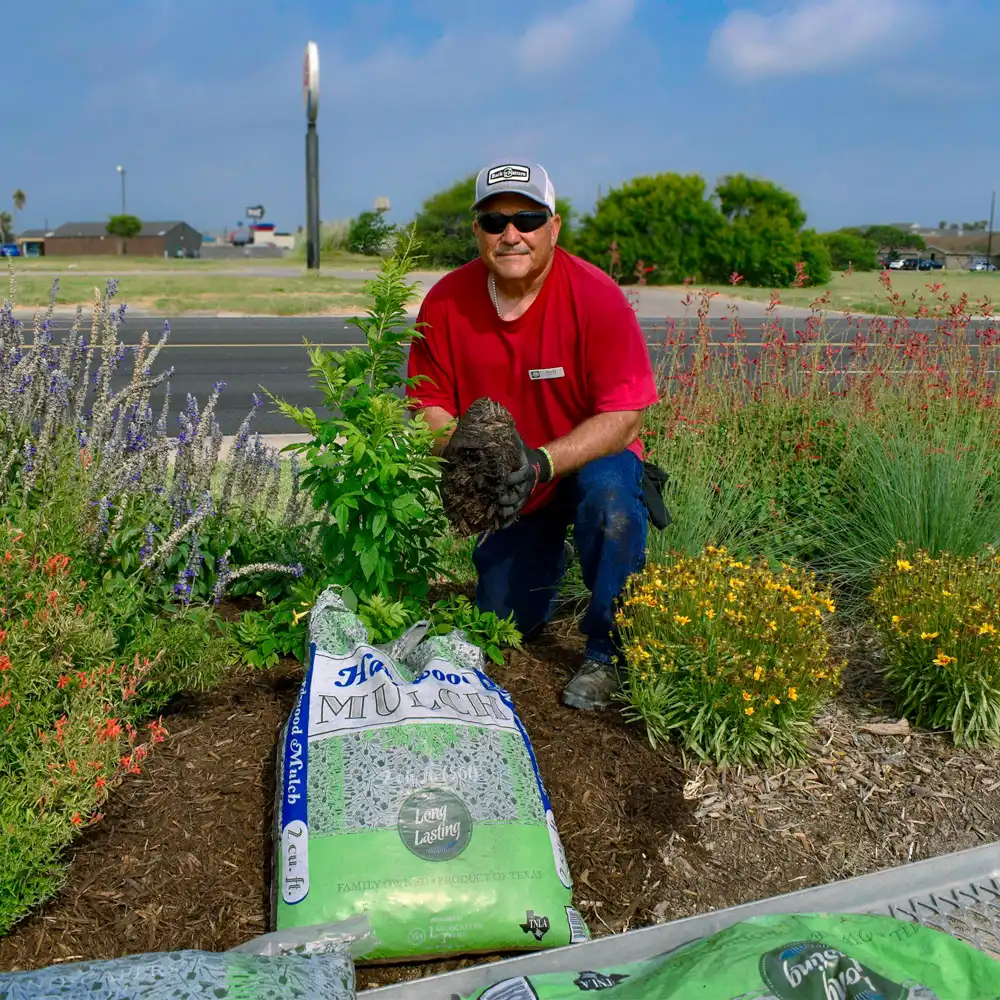
We’re still bringing in lots of fresh cool-season crops like broccoli, kale, lettuce mixes, Swiss chard, spinach, cauliflower, beets, onions, and more! Plus all the herbs like rosemary, thyme, cilantro, sage, and dill that you need for holiday cooking. Three big tips for fall/winter veggies and herbs: 1) Mulch well to help protect tender young plants 2) Water well, but not too much 3) Keep feeding! Organic Plant Tone or Medina Growin Green once a month, followed by liquid Hasta Gro every 2 weeks for a bountiful harvest!
4. Last Chance to Fertilize Lawns & Prevent Weeds
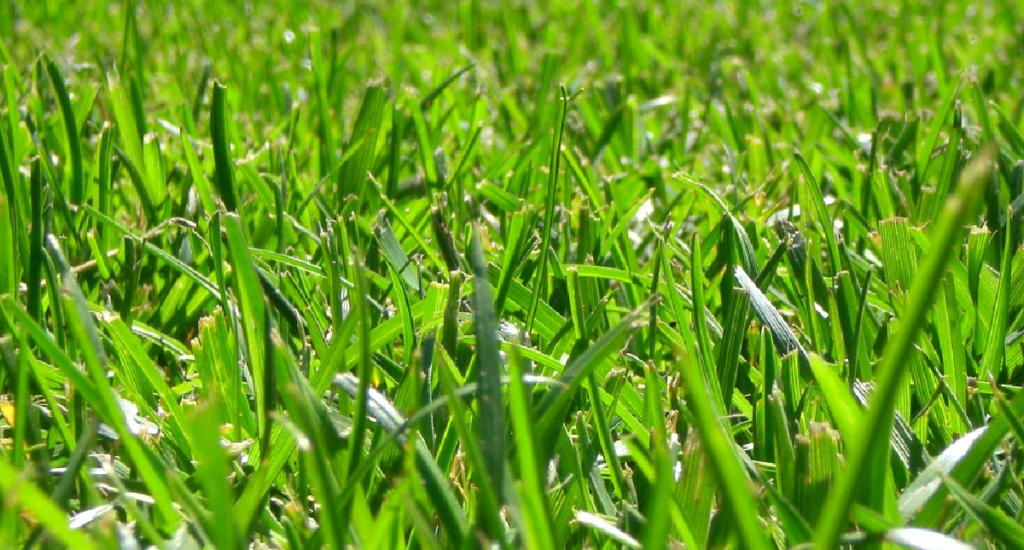
Early this month is our last chance to fertilize aka “winterize” lawns for strong roots and healthy growth next spring and summer. Our tried and true favorite lawn food is organic Medina Growin Green. Since lawn watering is restricted, you can try to time your fertilizing with a rain. Don’t worry if it doesn’t all get watered in. Medina Growin Green is all organic and won’t burn your grass. It’s designed to slowly work it’s way down to the roots over the course of a few waterings. November is also the time to prevent spring weeds in your lawn by applying Weed Beater Complete or Hi-Yield Weed & Grass Stopper with Dimension.
5. Feed Your Landscape Too!
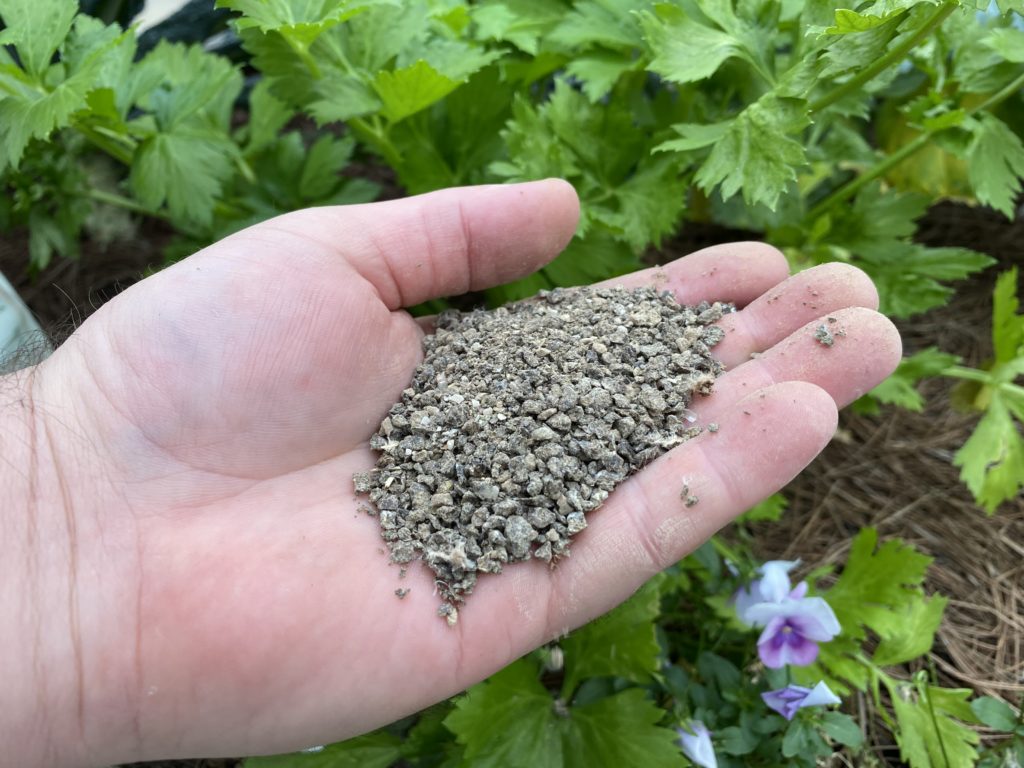
Landscape plants, including trees, perennials, and hardy shrubs need food early this month while they are still actively growing. Just like lawns, the idea is to give them a boost before they head into dormancy this winter. We love organic granular fertilizer Medina Growin’ Green for trees and shrubs, and Rose Glo or Plant Tone for blooming perennials. Once again, follow up between granular feedings with liquid Hasta Gro. Hasta Gro is designed as a foliar feed, meaning it can be sprayed directly on the leaves. Not only does it help with blooming and overall health, it makes your leaves thicker and tougher!
6. HO HO HO! Fresh Christmas Trees Coming Very Soon!

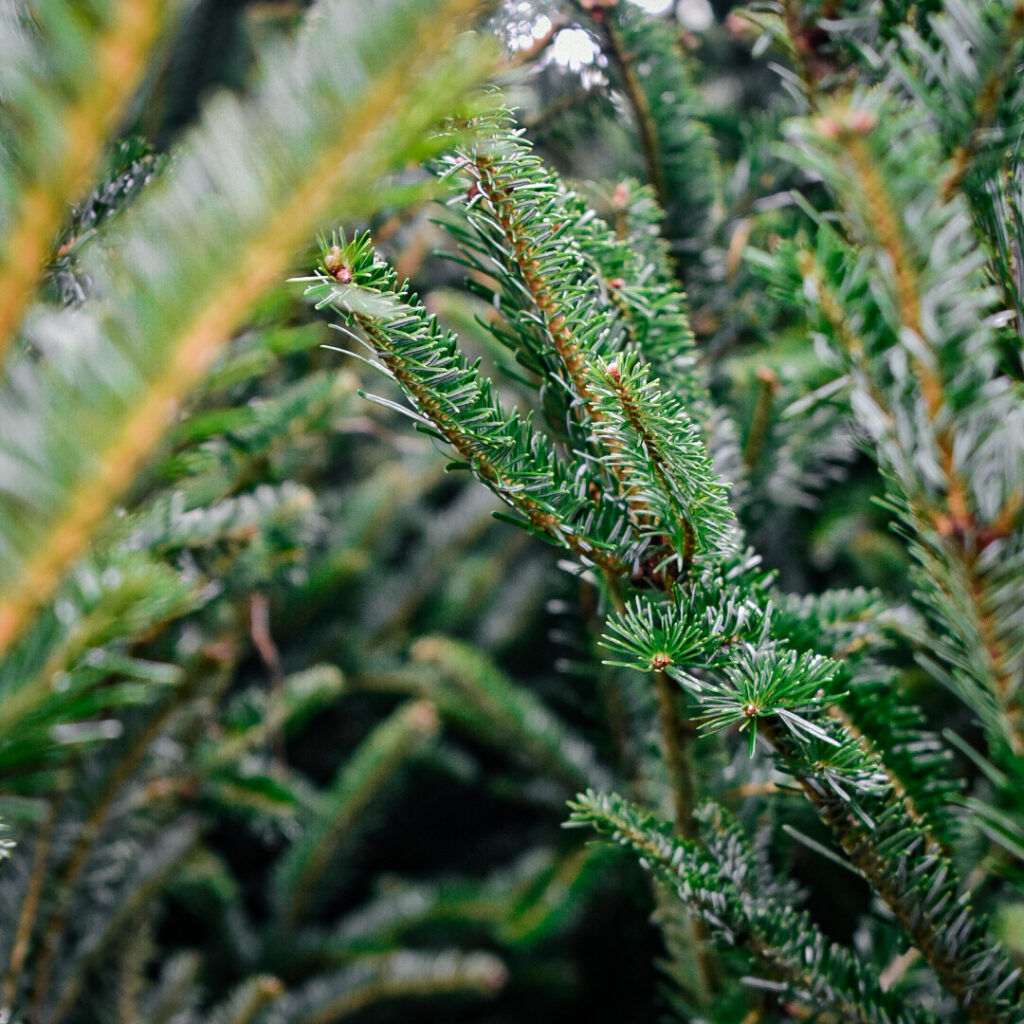
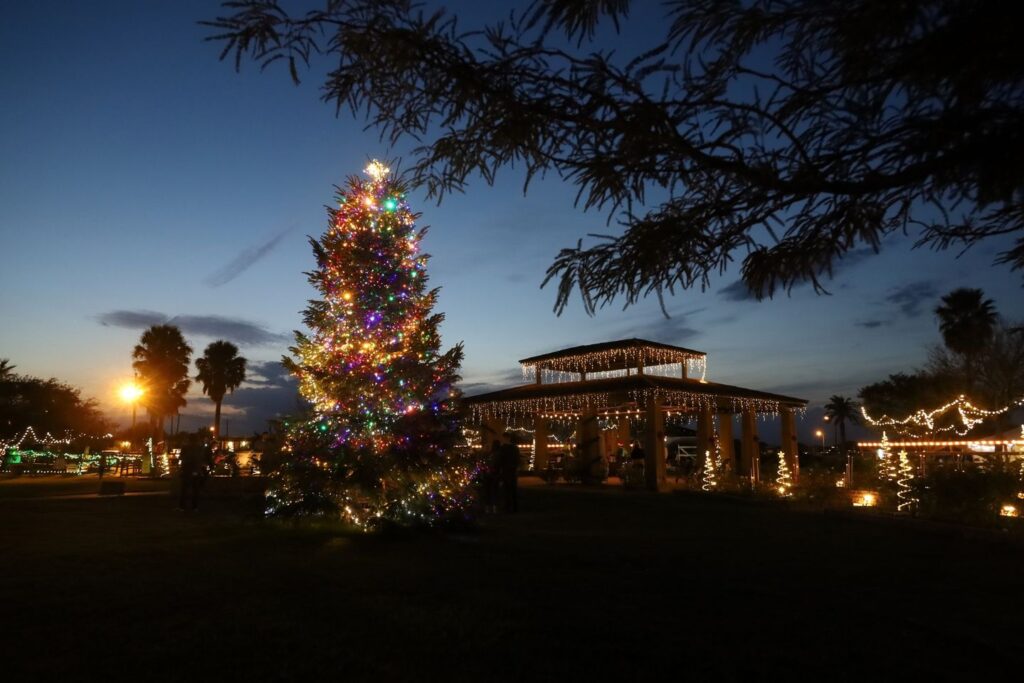
We are beyond excited for fresh-cut Christmas trees and holiday plants to begin arriving this month! Look for our Noble, Nordmann, and Fraser fir trees around November 15th, then poinsettias the following week. Paperwhite bulbs are already here, Amaryllis bulbs very soon, and Christmas cactus will arrive the week of Thanksgiving!







 -DeAnna