Growing Fresh Food Part I, Part II
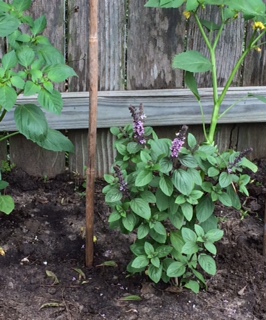
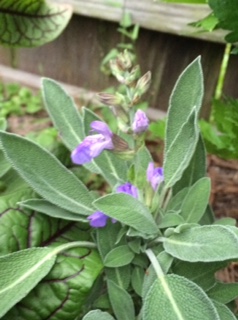
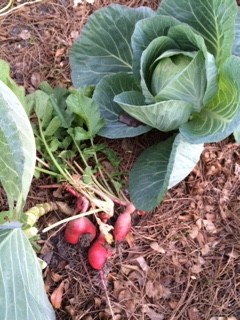
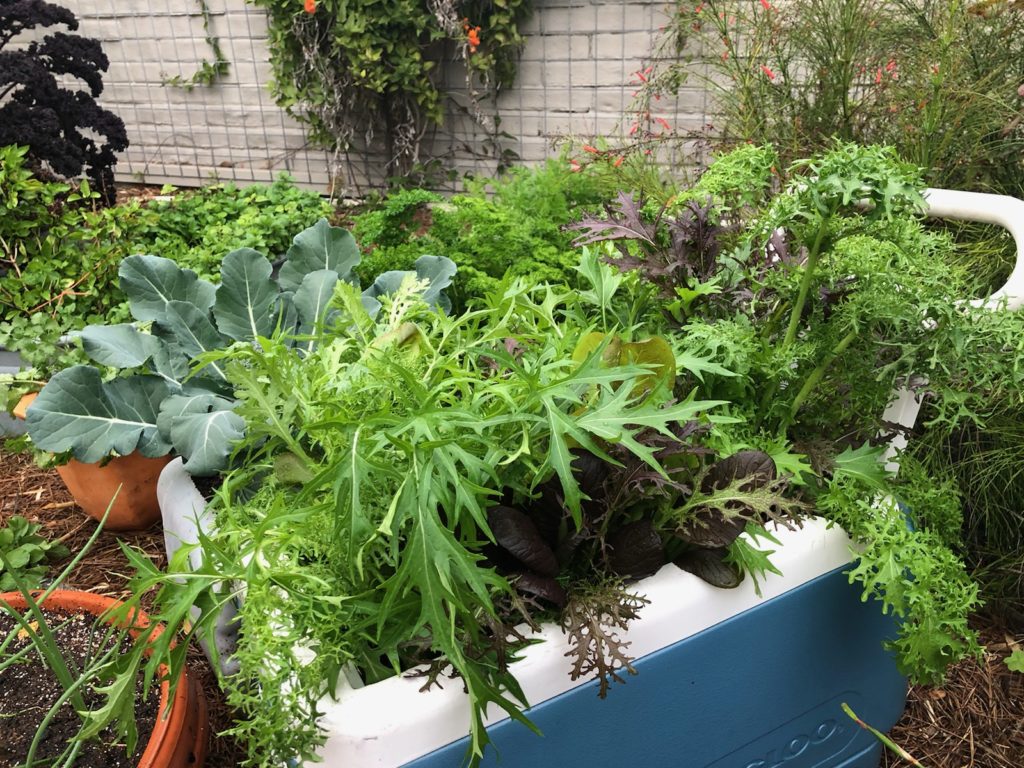
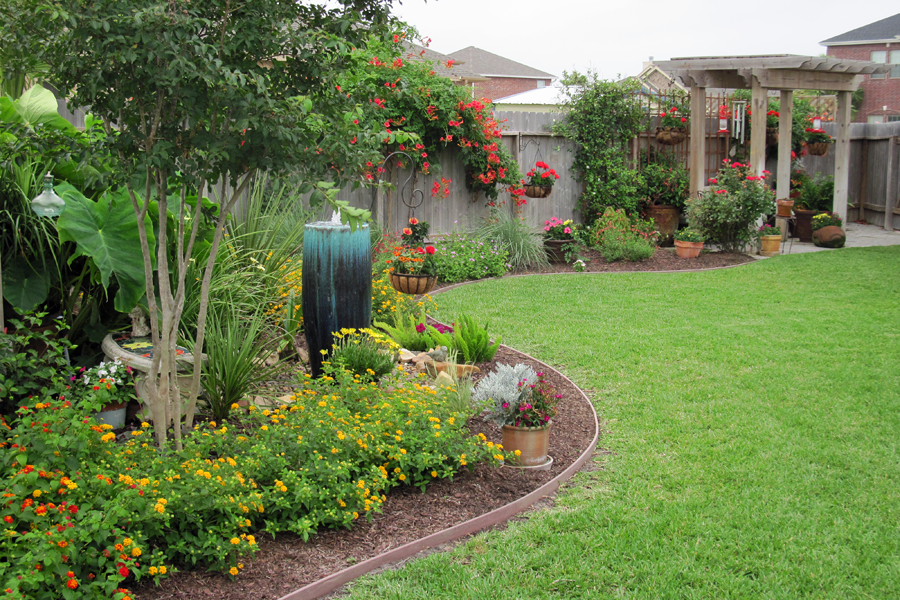
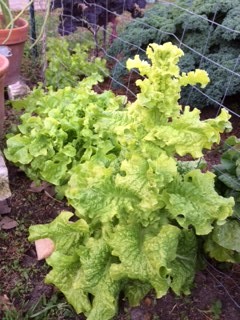
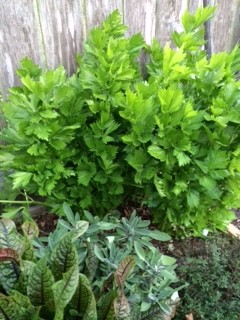
Photos from Debbie’s Last Fall Veggie Garden
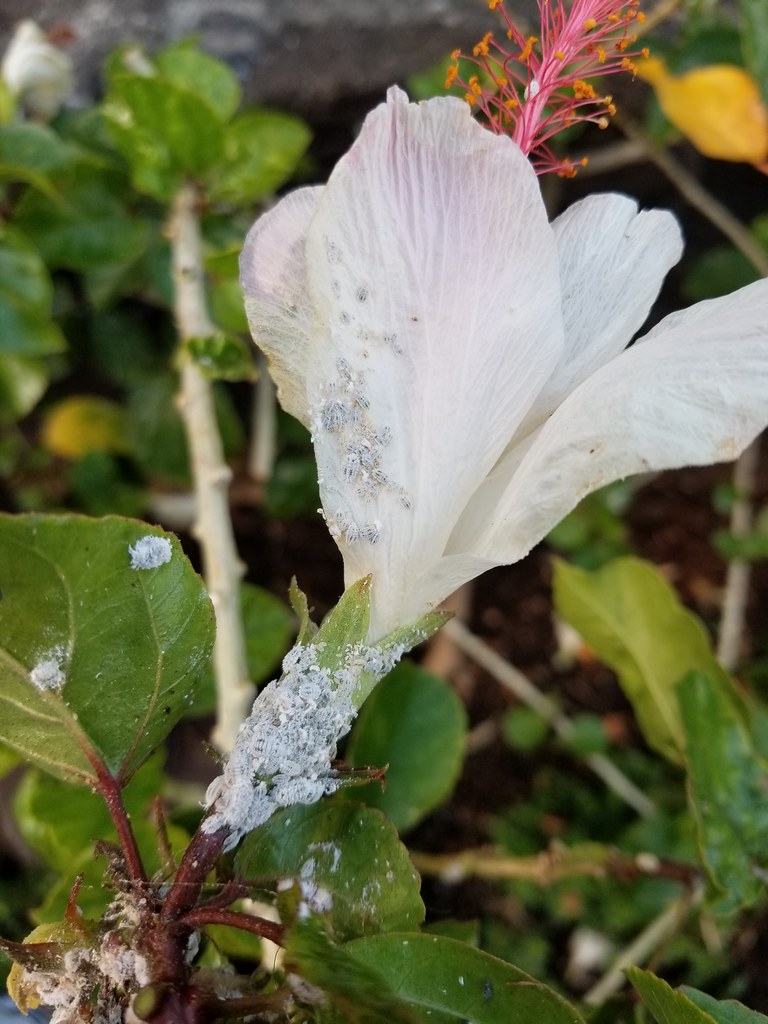
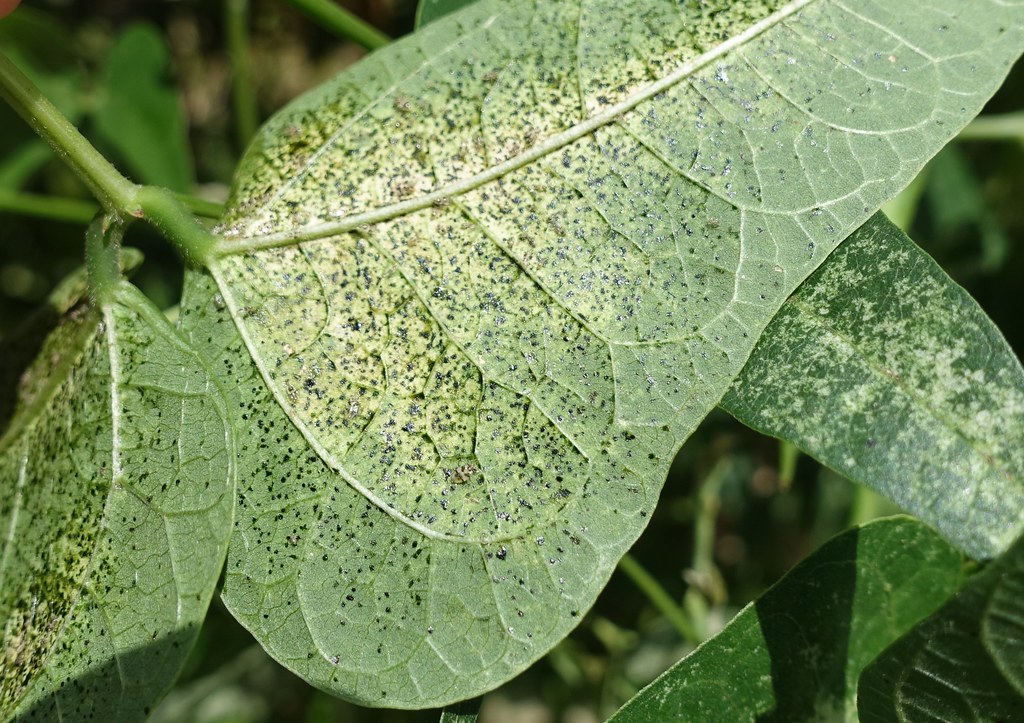
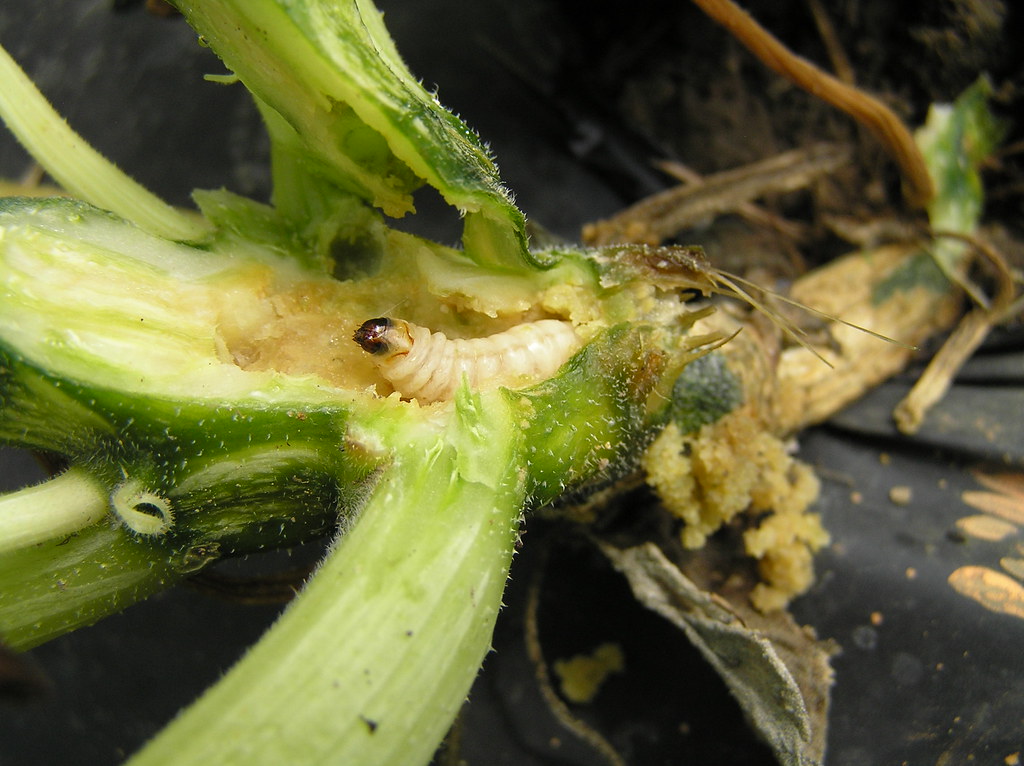
We talked about watering and fertilizing last week. Now the fun stuff – watching your garden grow! Each day as you walk the garden, keep an eye out for seedlings emerging and harmful insects and disease, especially as your veggies grow.
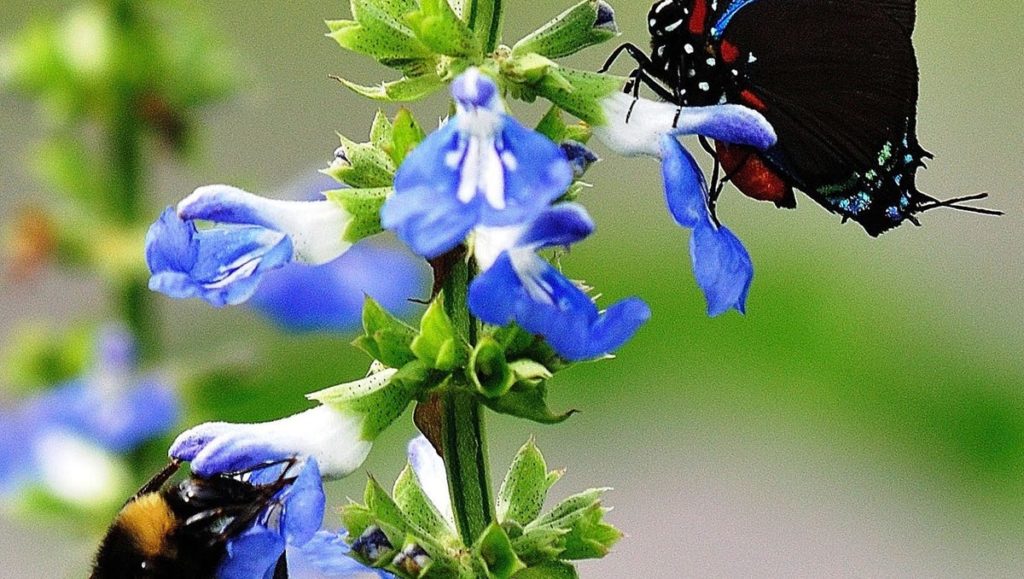
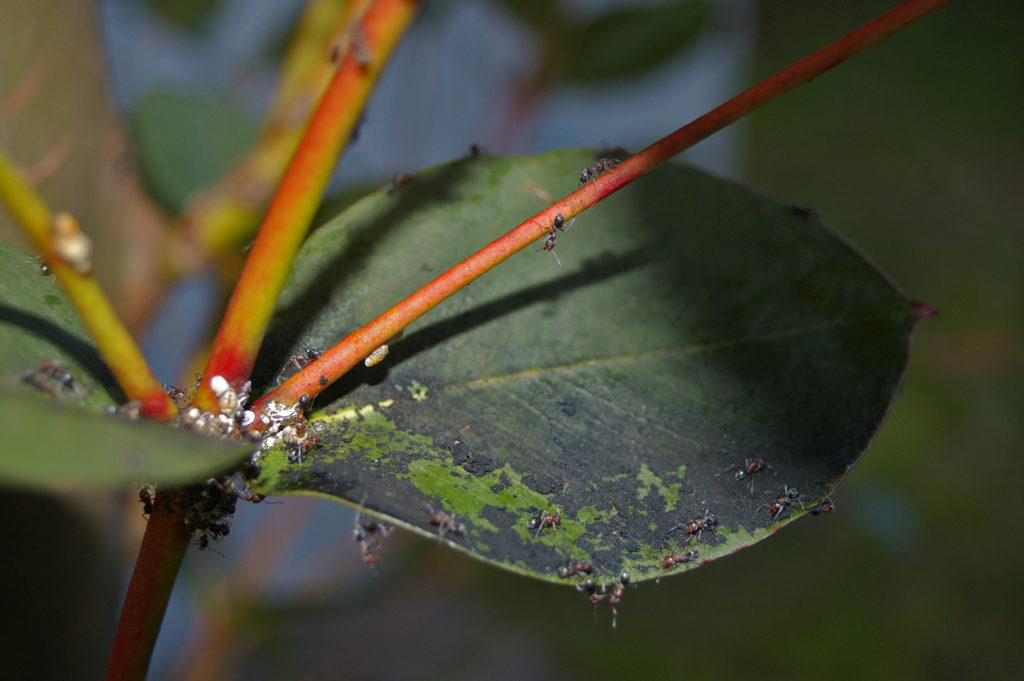
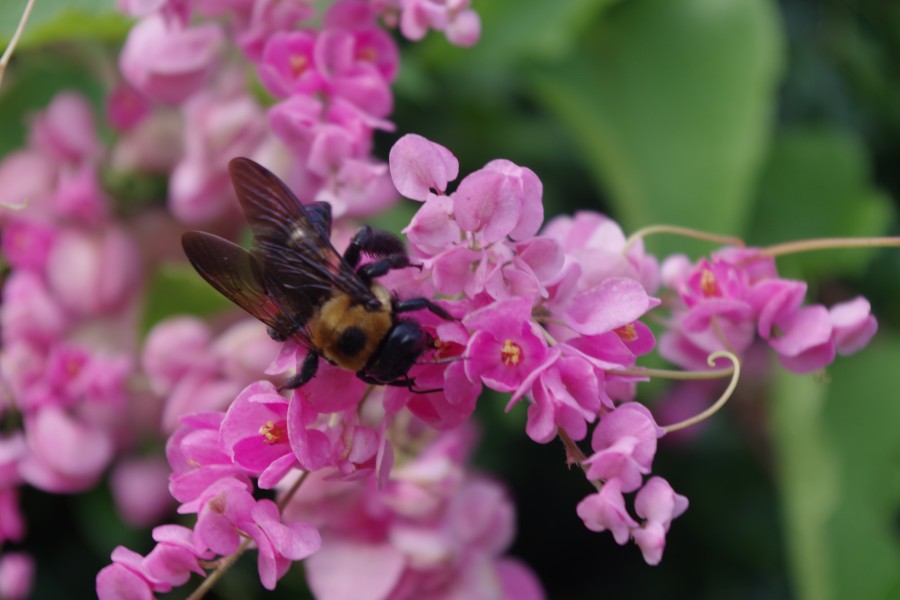
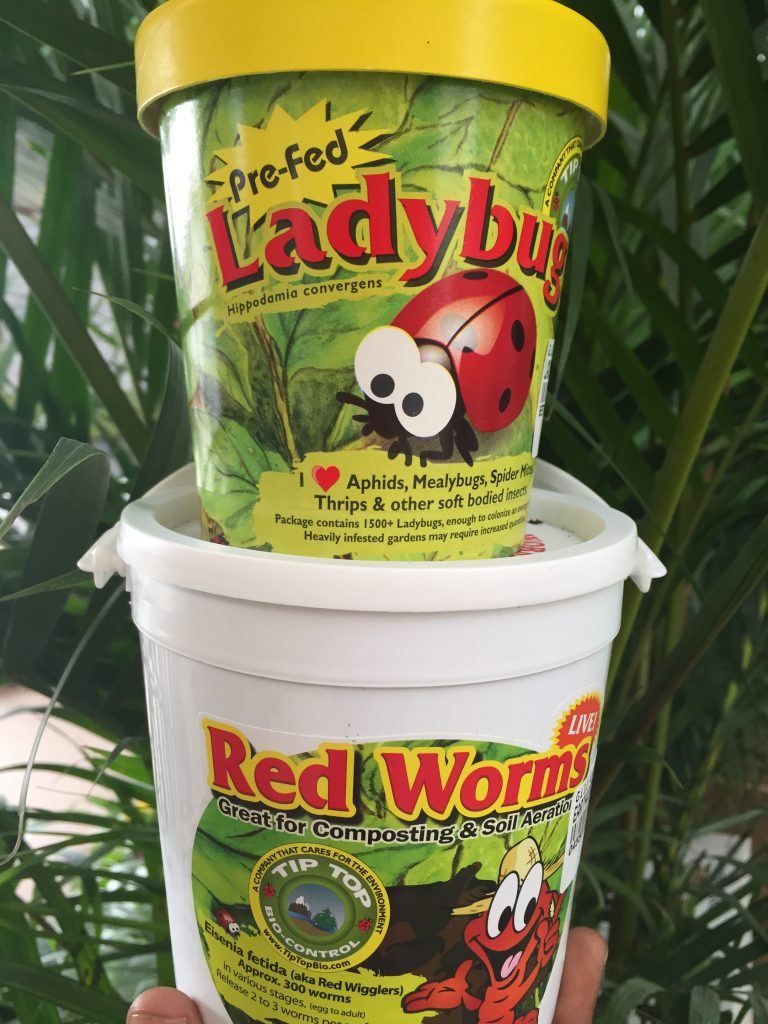
Now I must tell you that there will be lots of insects in your garden, most of which are not harmful and many beneficial. Spiders, bees, ladybugs, lacewings, are your garden helpers eating many of the harmful insects. Toads, lizards, and even wasps will prey upon the nuisance critters. So be careful and use caution when using insecticides or fungicides.
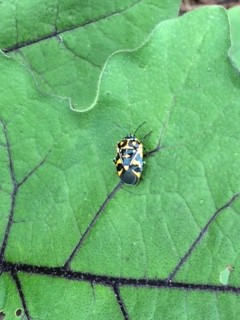
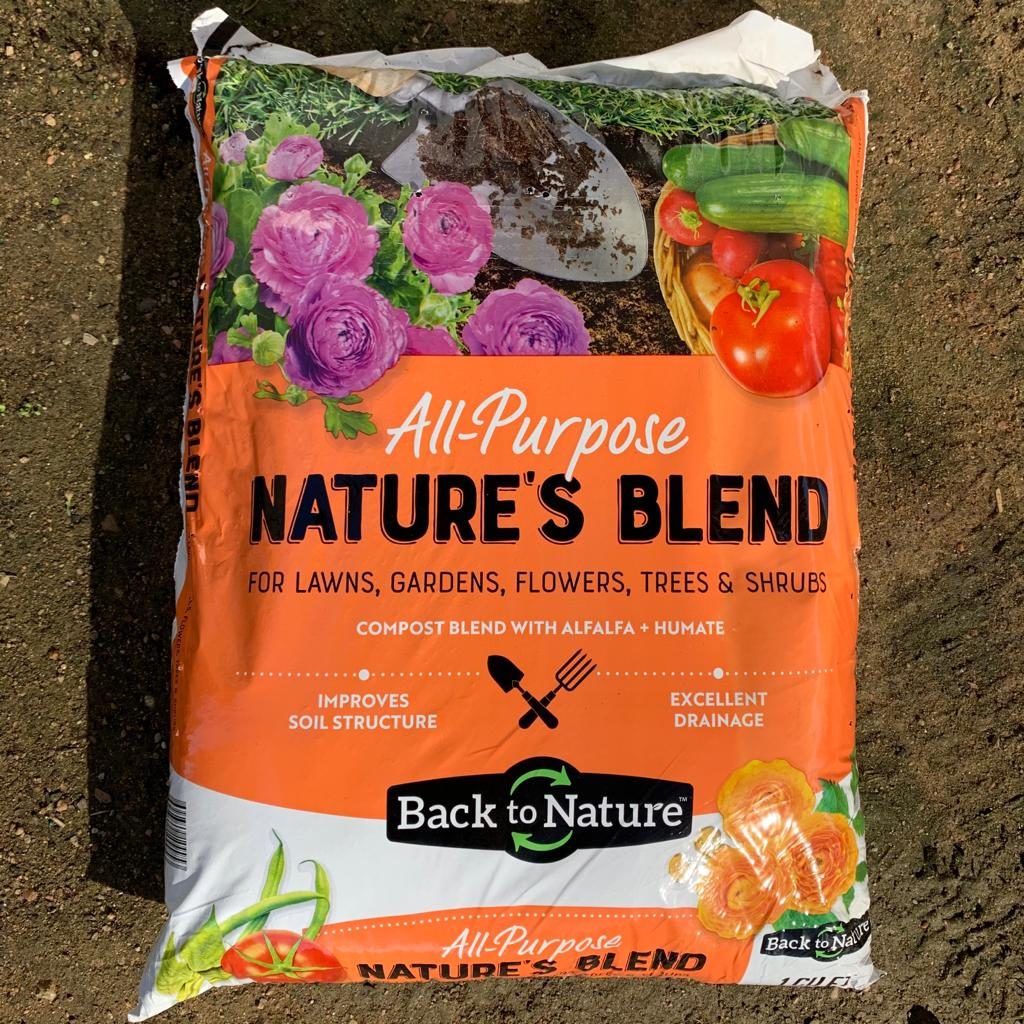
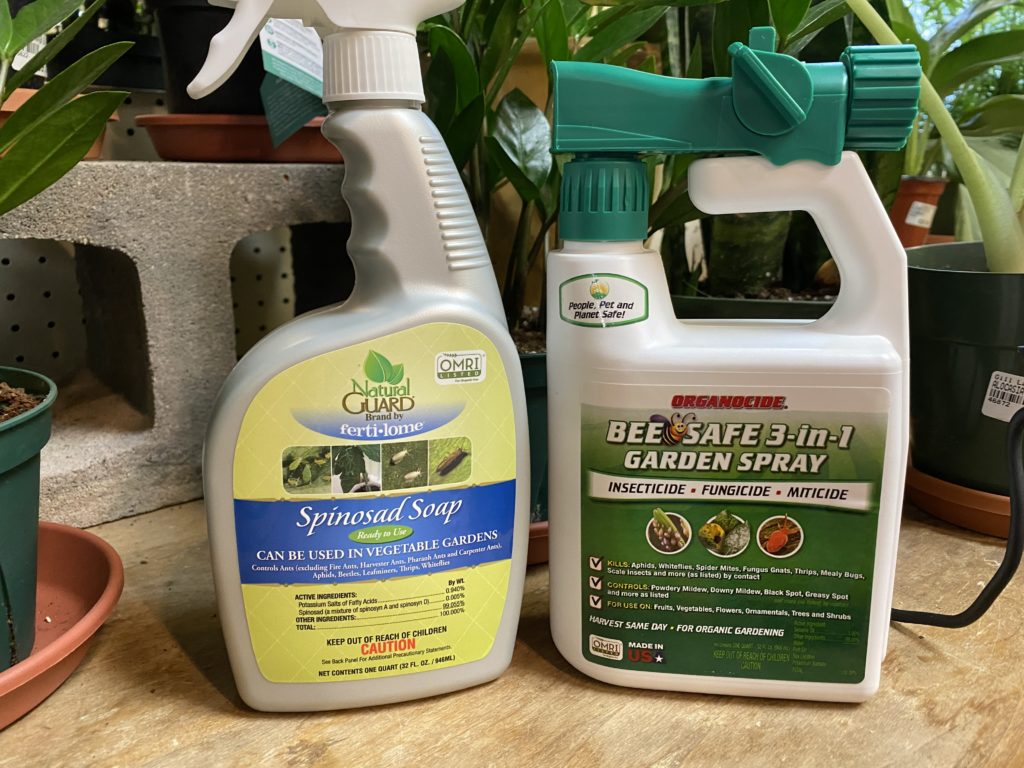
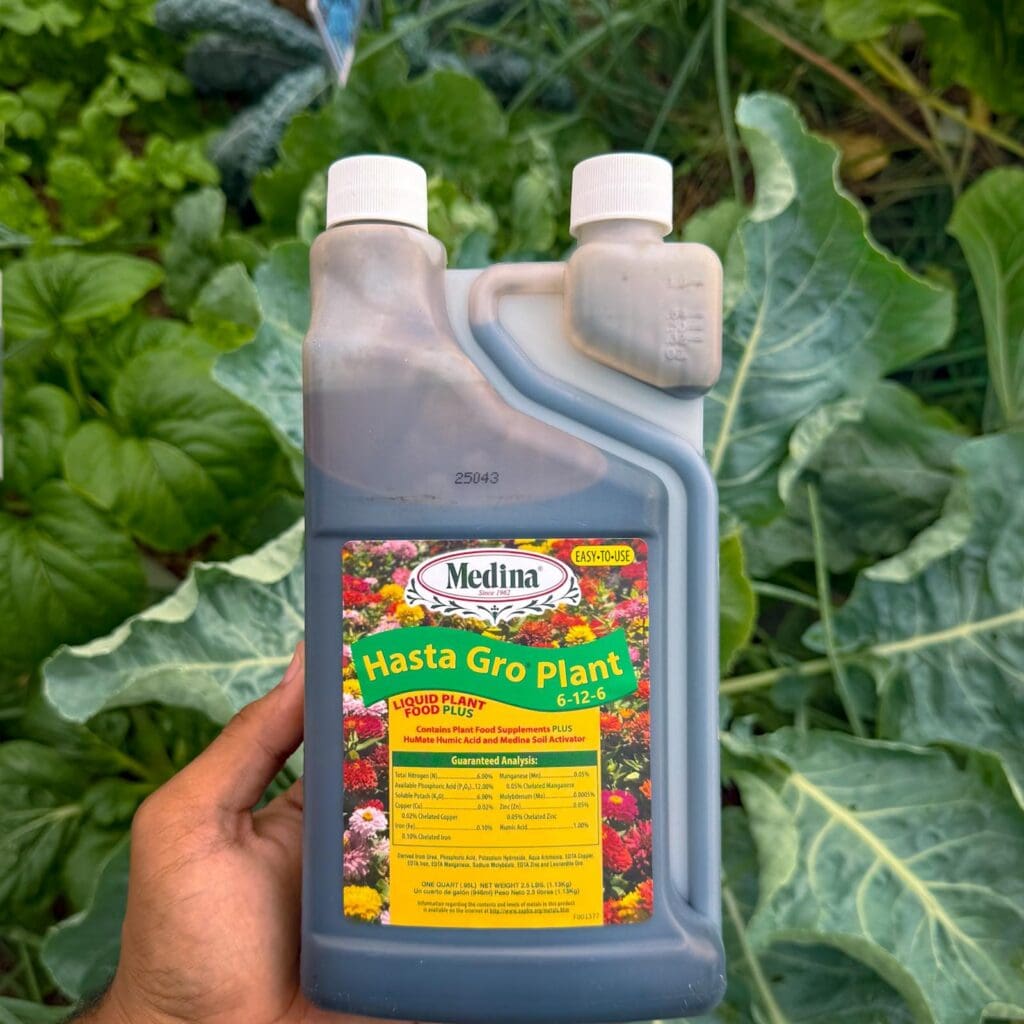
In the multitude of choices, I always recommend an organic or non-chemical approach to start. Most common issues are caterpillars, aphids, spider mites, & stink bugs. These are easily controlled with organic products like Thuricide for caterpillars, Neem Oil for aphids, and Spinosad for stink bugs. Serenade is a natural fungicide that controls things like powdery mildew on squash, blights on tomatoes, and black spot on berry plants. A light application of Nature’s Blend around your plants will suppress fungus spores that can splash onto the leaves. Snails and pill bugs (rollie pollies) can be controlled with Snail & Slug Bait or a pan of beer. Of course, You can always be the control….squish!
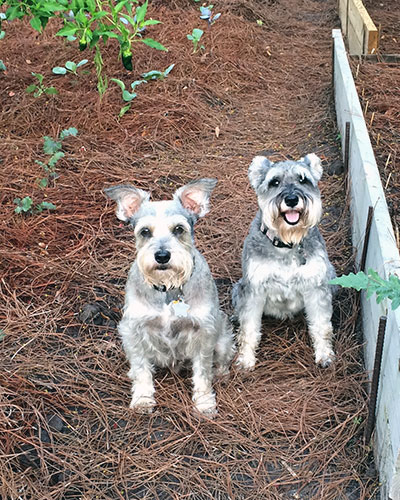
Nature happens in your garden; lots of good and some not so good but don’t angst too much. It’s ok to have a few bad bugs and few marred leaves. Pick them off, throw them out and treat if necessary. When in doubt, bring us a sample of what’s happening and we’ll help you with the best solution for your situation!
Happy Growing!
-Debbie



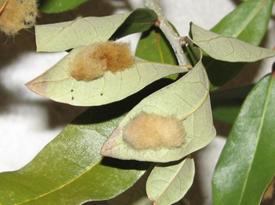 All from a shiny reddish ball. Or a fuzzy white ball. Or a corky brown ball. I’m talking oak galls, which commonly strike terror into the hearts of live oak tree owners this time of year. They are all caused by various species of small, stingless, solitary wasps. These wasps insert an egg (or several) into the tissue of small oak branches or young leaves, and are thought to modify the DNA of the plant, forcing the plant to produce a growth (the gall) that supplies both housing and food to the wasp larvae living inside. The saliva of the wasp applied at the time of the egg laying is thought to contain a virus that produces the genetic changes, so wasp larvae have been eating GMO’s for millions of years.
 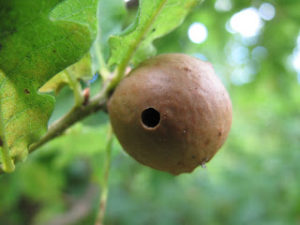 So wasps are defacing and eating your oak tree this fall, what you gonna do about it? As one writer says, “I recommend a cold drink, a good book and a comfortable chair.” ‘Cuz there’s nothing you can do or should do about it. Oak galls come in periodic waves, a few one year, more the next, and none the year after. Or close thereabouts. This is thought to be due variously to the tree buildup up of tannins to discourage the gall formers, and to a buildup of parasitic wasps (also stingless) that drill into the galls and lay their eggs on the gall inhabitant. Wild Mother Nature, there are even wasps that lay their eggs on wasp larvae that are consuming the original gall wasp larvae (did I put one too many eaters of larvae in there, I must proofread). The galls do not do substantial damage to your trees, and there’s really no way to get involved in the crazy gladiator’s pit of nature without screwing things up, SO DON’T SPRAY, just sit back in awe (or take a nap). And empty oak galls actually take in desirable boarders such as lacewing larvae and small spiders, scavenger ants and more beneficial wasps, all feeding on caterpillars and aphids.
 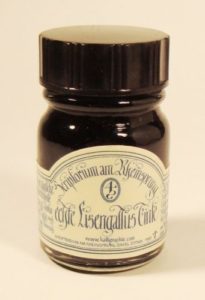 Oak galls were an important source of dark and permanent ink used for writing