Garden Center Hours: Mon-Sat 9am - 5:30pm • Sun 10am - 5:30pm

Here’s to summer garden fun! We’re making the transition to warmer weather with some intermittent rainfall and lots of good energy in the garden. Here are our top priorities this month, including what to plant, how to adjust watering, what to watch out for, and how to keep plant roots insulated and happy.

Check out our June Garden Guide for more tips and remember that trees, shrubs, and perennials can be planted 12 months out of the year! The only difference is the amount of water they need depending on temperatures and wind!

1. Plant Summer-Tough Stuff!

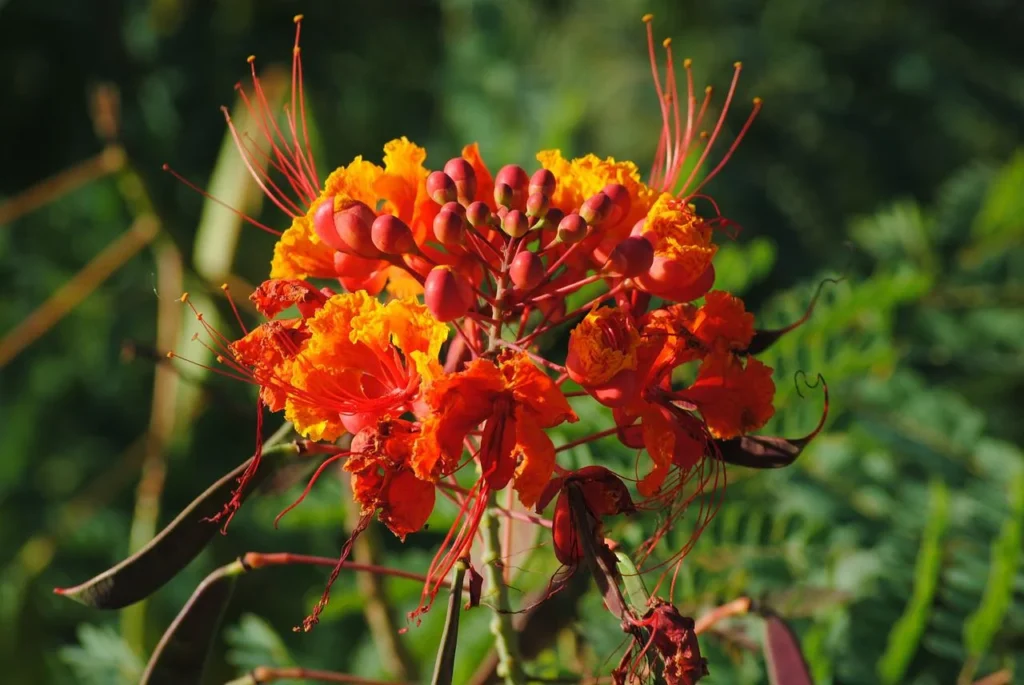
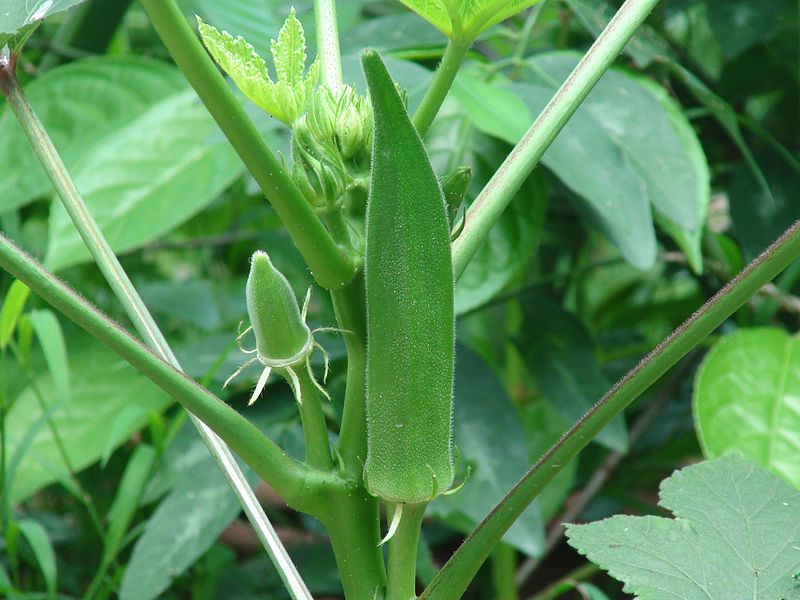
So many of our favorite plants for South Texas don’t just tolerate warm weather, they only begin to thrive and look their best in the summer. Think of blooming perennials like Firebush, Esperanza, and Pride of Barbados for awesome summer impact. Think of big purslane hanging baskets, Gomphrena, and Periwinkles for bursts of bright color. And browse our Texas native plant section for plants and trees that have thrived through hundreds and even thousands of Texas summers. If you’re still wanting to plant food, you can do that too – okra, basil, thyme, watermelon, peppers, black-eyed peas and more can be planted in June.

2. Water Low & Slow

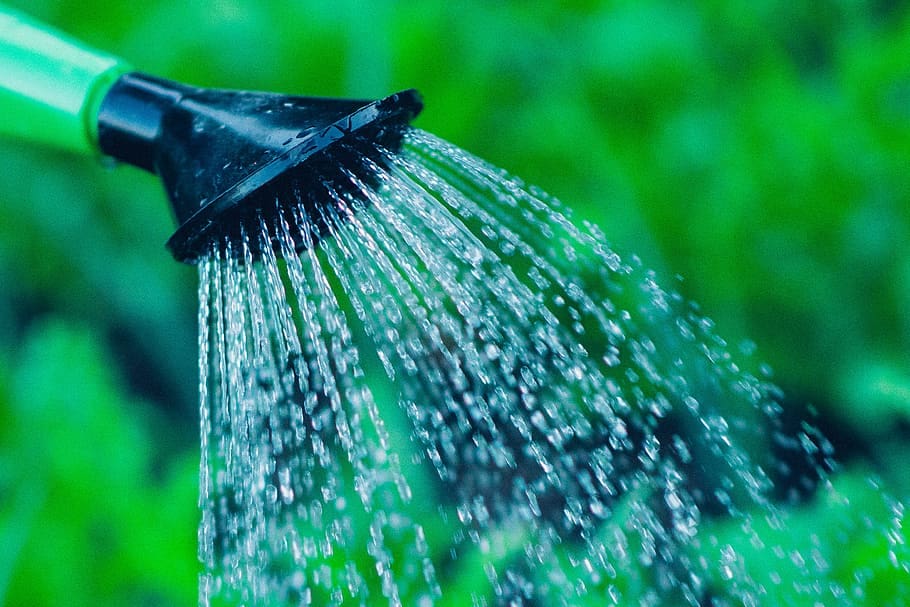
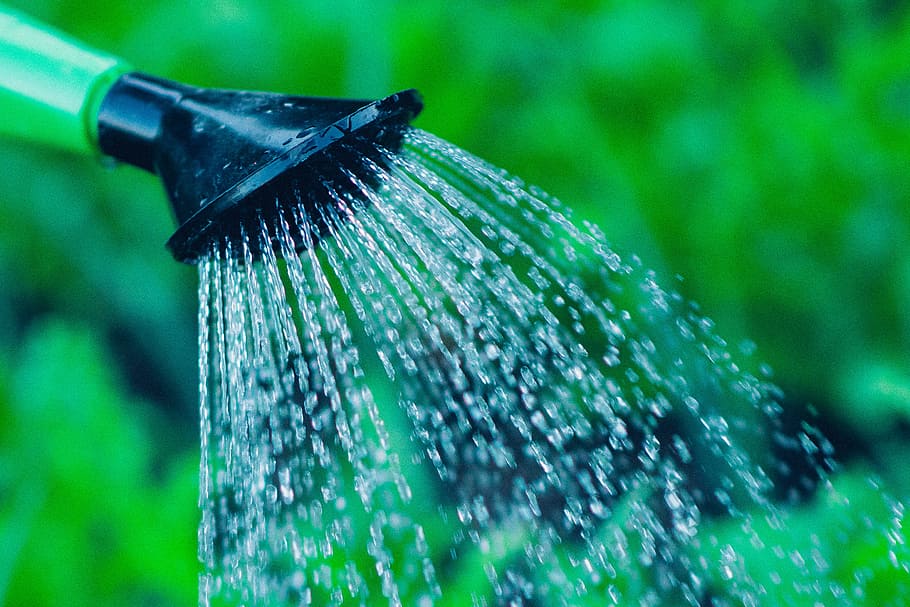
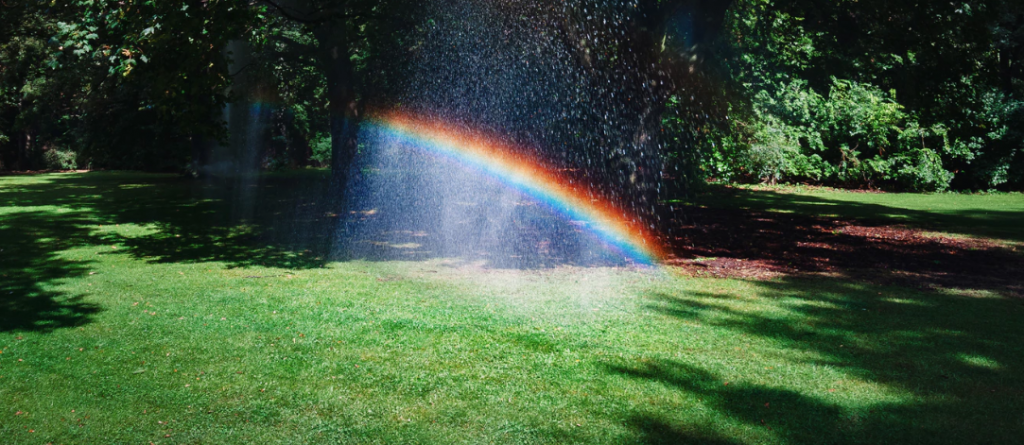
We’re not talking about BBQ, although that sounds good too… We’re talking about watering low, as in as in low to the ground to avoid evaporation, and slow as in not with your hose open full-blast to decrease runoff and get more water down to the roots. Consider setting up your own automatic drip irrigation system – they’re easy to DIY and they operate on the low & slow principle. For spray irrigation sprinkler systems, be sure to follow current watering rules.

Pro tip:  Use a moisture meter in your landscape beds and pots! We carry them for around $10 and can show you how easy they are to use. They’ve saved many plants!

3. Watch for Summer Bugs and Disease

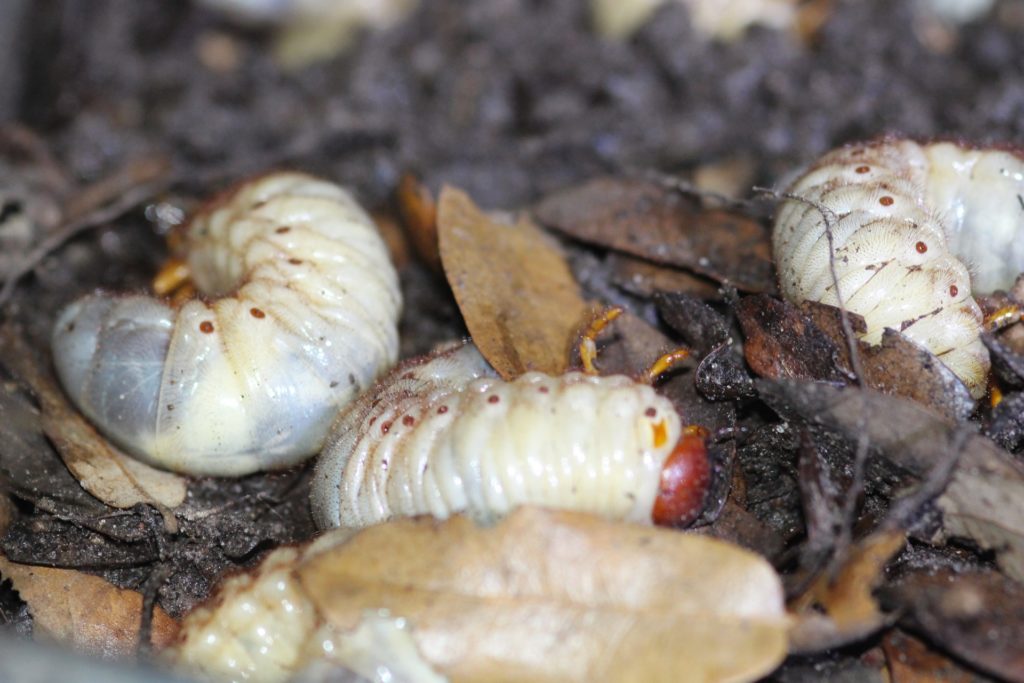
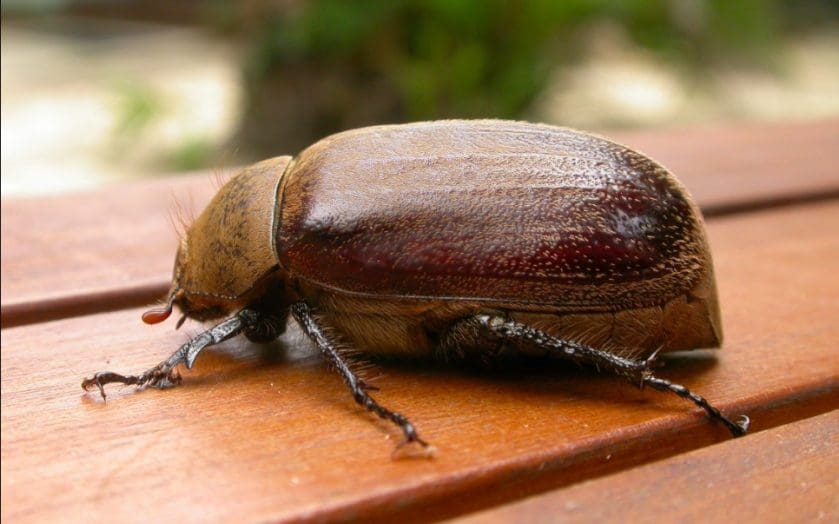
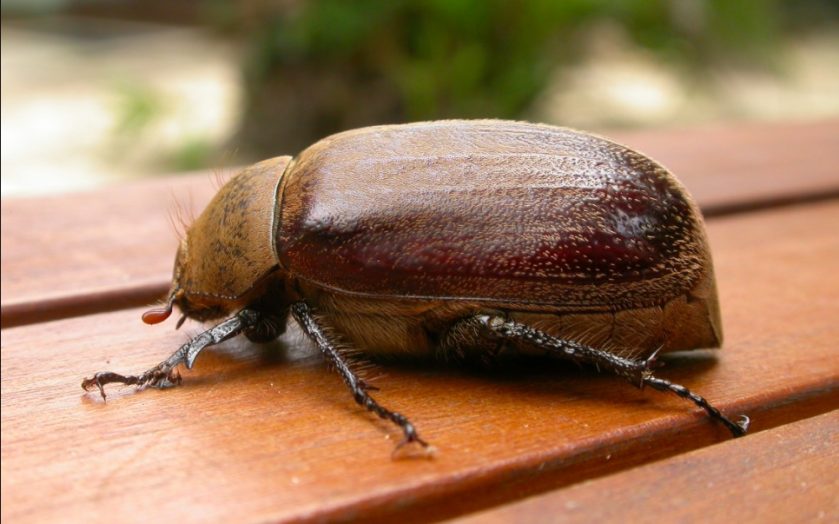
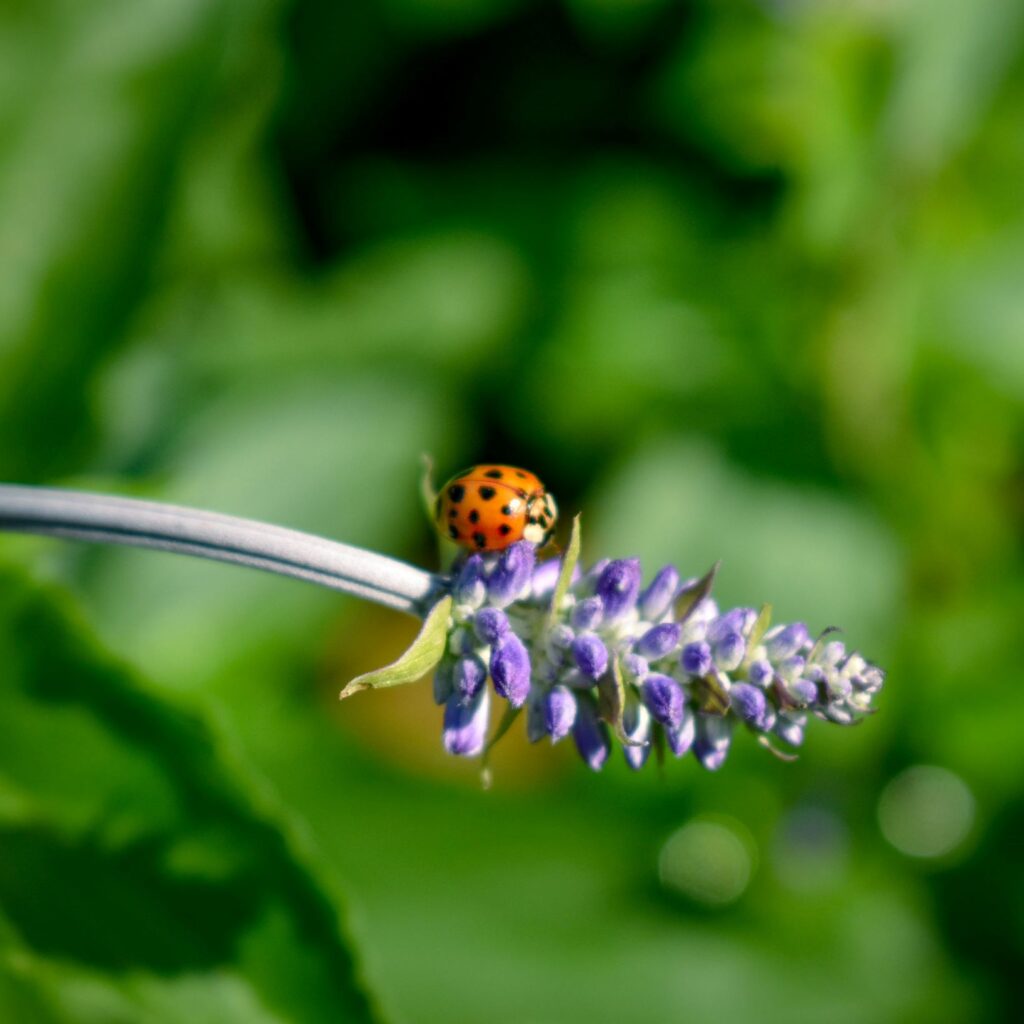
Yes, bad bugs will be around more during the Summer, but don’t treat unless there’s significant damage. We can help identify the pest and if/how to treat. You don’t want to kill too many good bugs while trying to take care of the bad bugs! If you see brown areas in the lawn that are easily pulled up, it’s usually a sign of grubs eating the roots of your grass. You can control grubs with Bonide Insect and Grub Control. Chinch bugs love hot dry areas in lawns. They make the lawn look dried out along sidewalks and pavement. Spot-treat those areas with Cyonara in easy ready-to-spray bottles. For organic control, use Spinosad or Diatomaceous Earth. Remember that healthy lawns are less susceptible to damage from bugs, heat stress, and common lawn disease like Take All Root Rot. Water lawns deeply and fertilize every 3 months. If you fertilized in April, wait to feed again in July.

4. Hang Out with Your Houseplants

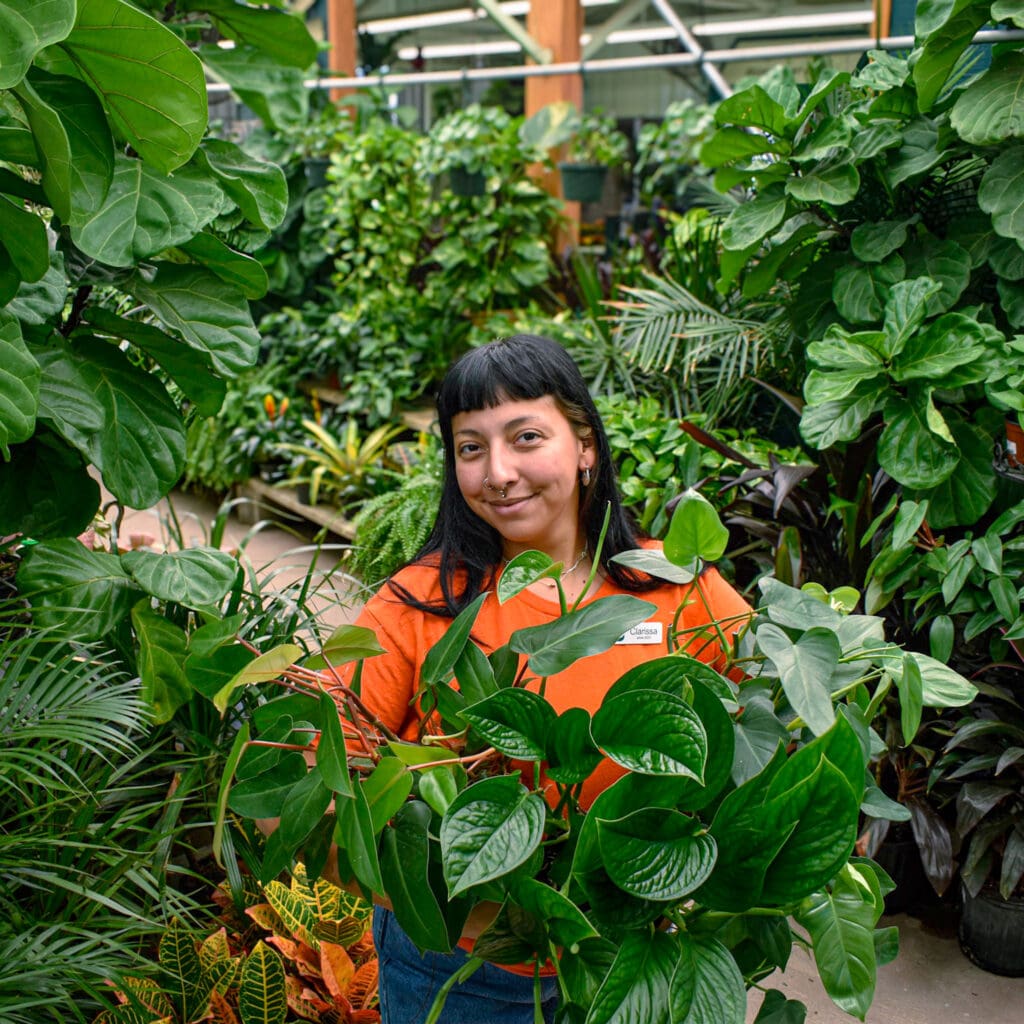
We just restocked the greenhouse with all kinds of unique and classic houseplants looking for their forever homes! Time to work on your collection! We can help you determine the best houseplants for different areas and different lighting in your home. Once again – invest in a moisture meter for your houseplants, too. In our experience, the main cause of houseplant death is too much love aka too much water. Keep in mind that houseplants can also be sensitive to tap water. We use as much A/C condensate, rainwater, and water from our dehumidifier as we can to water houseplants and keep them looking their best here at Gill’s.

5. Keep Roots Cool with Mulch

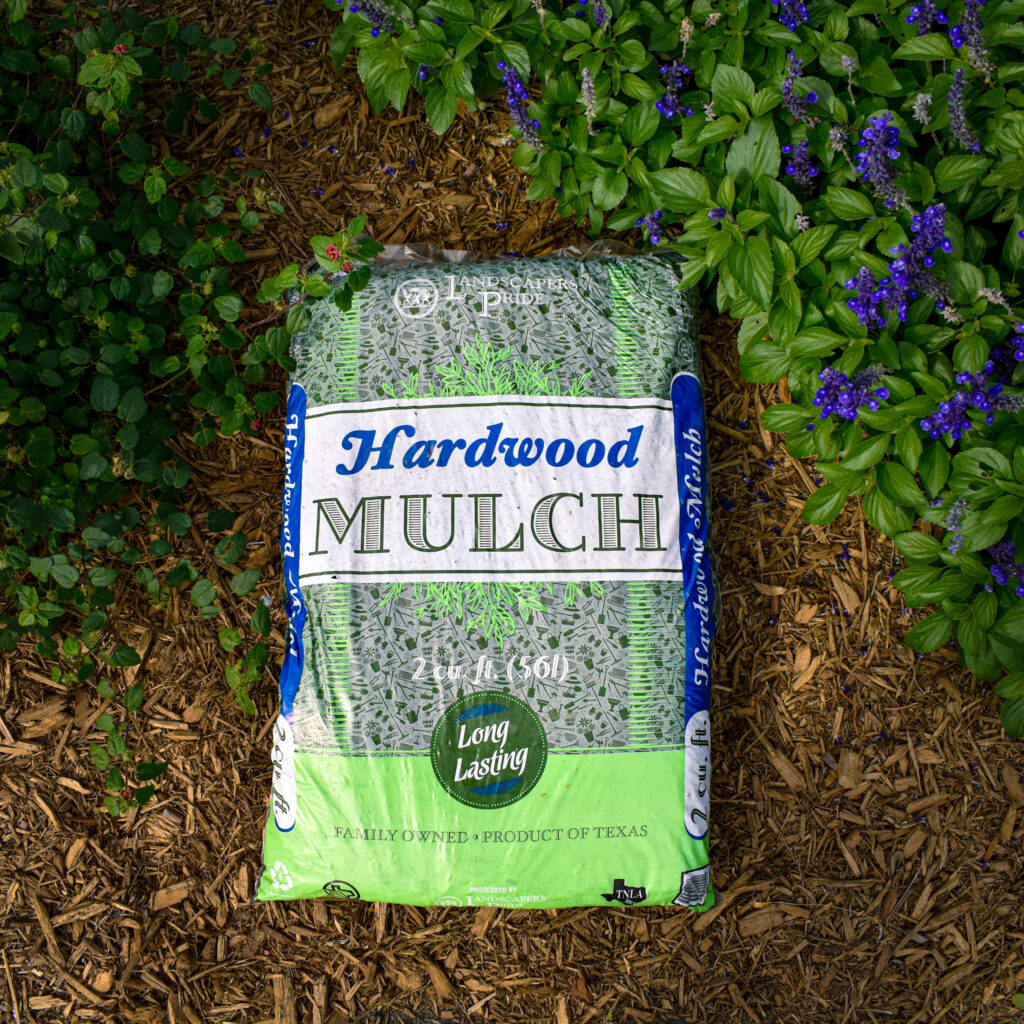
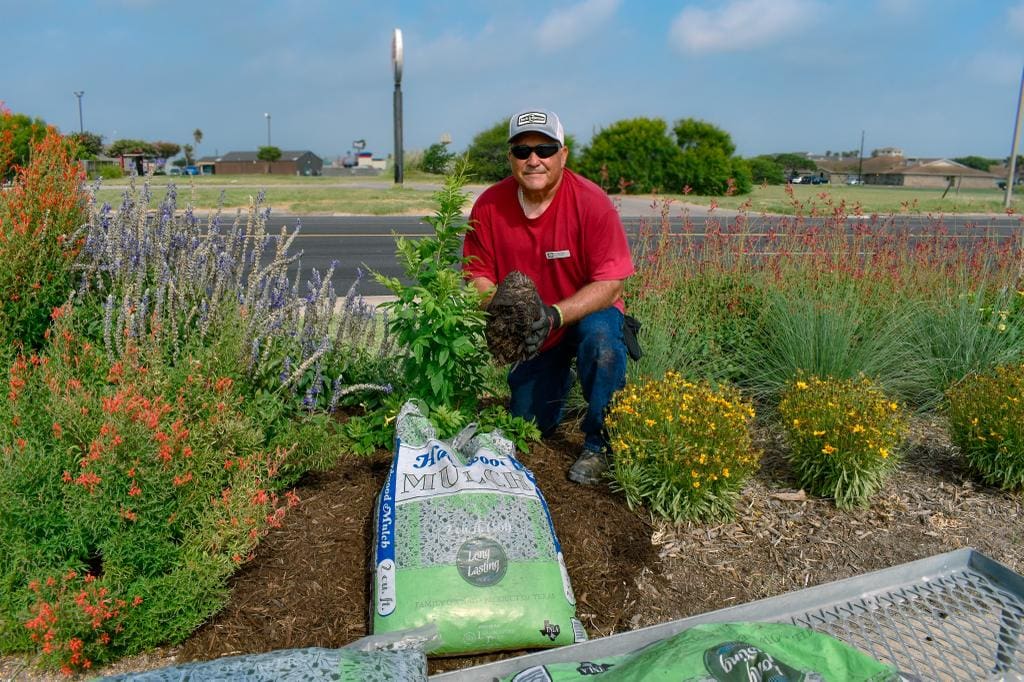
A good mulch layer (2-3″ deep) has so many benefits. It looks amazing, keeps weeds down, helps retain moisture, adds organic matter to the soil, AND keeps plant roots nice and cool in the summer. Bartlett Tree Research Laboratories shared amazing results with us from a mulch study they conducted in San Antonio. Soil temperatures were measured at 6″ deep (where plant roots live) on a 105 F summer day. Bare soil, 6″ down was 102 F. Soil under grass was 92 F. Soil beneath a 3″ layer of mulch was only 76 F!! Mulch for the win!

Yay for May! Everything’s growing and blooming and we hope you are too! May is Mental Health Awareness Month, which is a good time to think about the peace of mind that gardening brings us. Gardeners know that all the research is true – gardening is good for you! Here are our Top 6 Must Do’s this May to keep you and your garden feelin’ good.

1. Join Us for Garden Talks and Events!

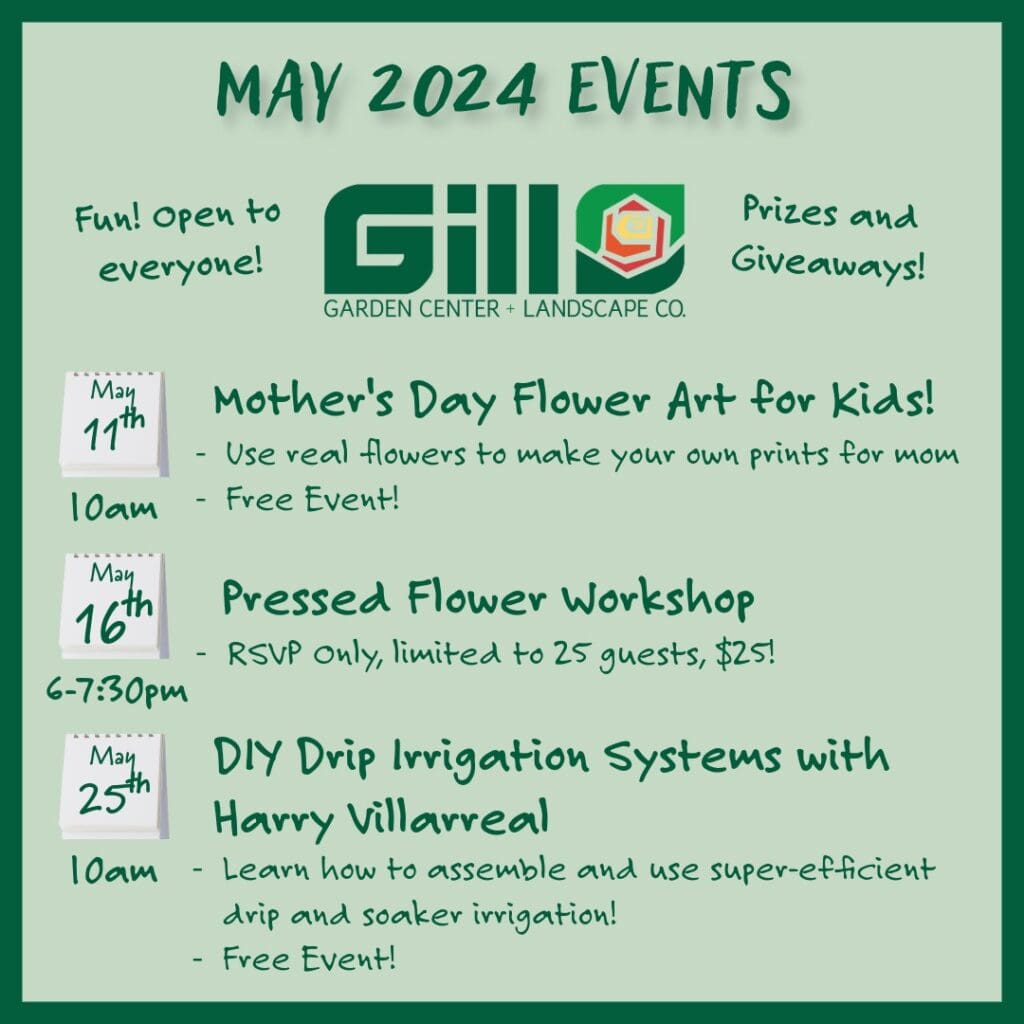
We’ve got a fun May planned here at Gill’s, and we’re kicking it off Saturday, May 11th with our Mother’s Day Flower Art for Kids workshop! Then we’re hosting an RSVP-only pressed flower workshop the evening of May 16th, and an informative talk on setting up your own drip irrigation system on May 25th. Sure to be lots of fun and lots to learn and discuss! Click here for more info!

2. Plant Blooming Perennials and Trees

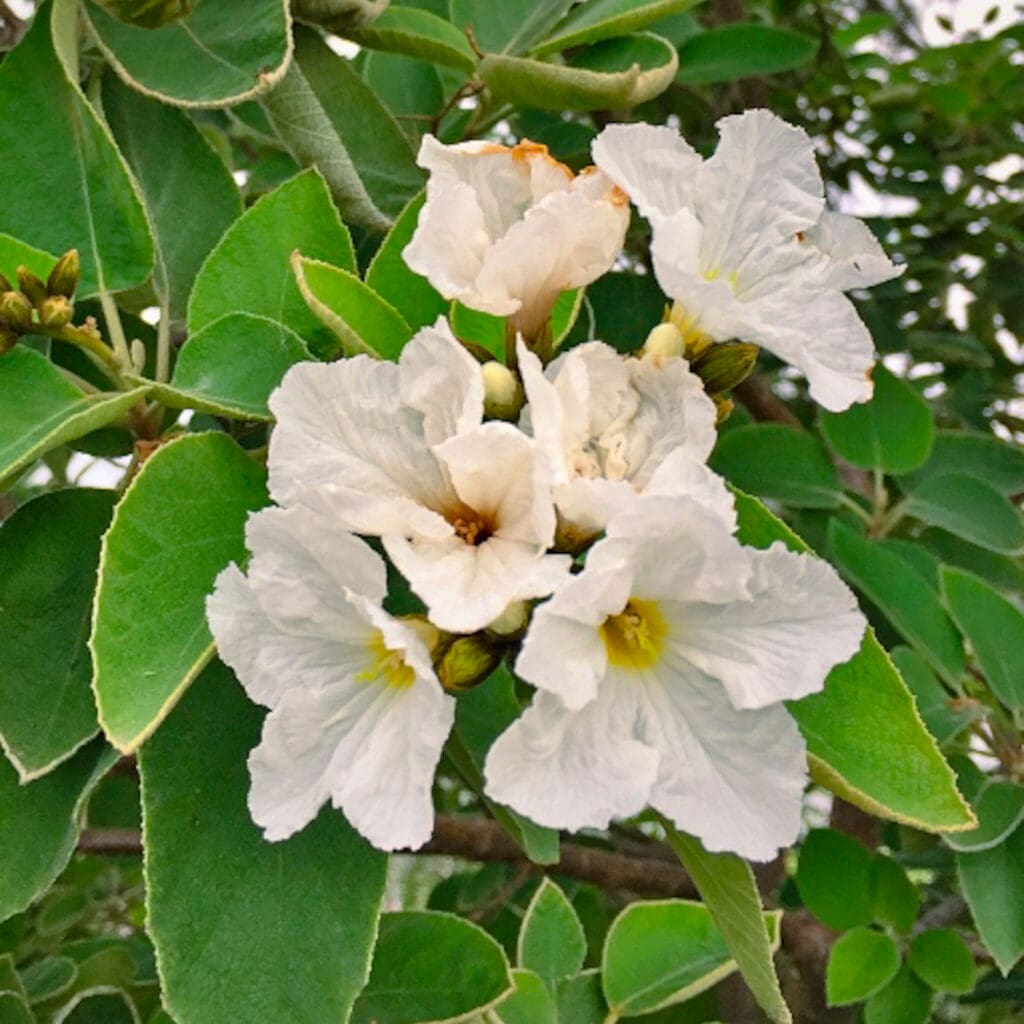
It’s still time to plant lots of different blooming perennials and blooming trees. Get them established in May so they are better adapted to withstand warmer temps this Summer. Staples like Esperanza, many varieties of Salvia, Lantana, and tons more are all blooming beautifully right now. And blooming trees like Vitex, Retama, and Wild Olive are looking great right now too. Added bonus:  these blooming perennials and trees attract lots of butterflies and hummingbirds!

3. Plant and Harvest Veggies

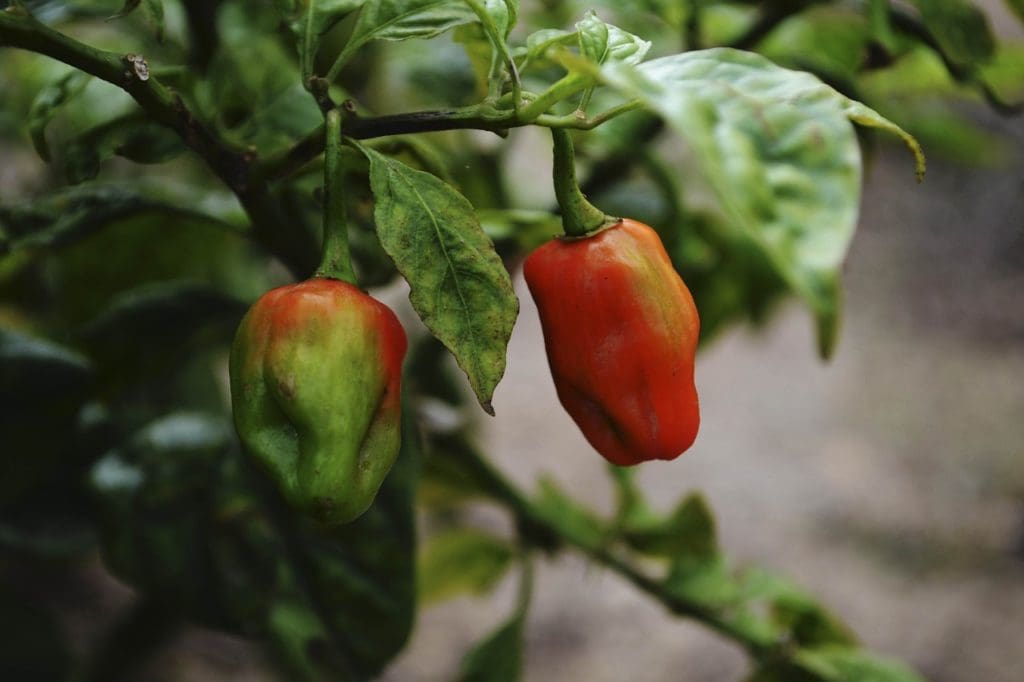
Warm weather veggie time! Plant peppers, zucchini, squash, and okra this month for continued harvesting into the Summer months. If you planted tomatoes, cucumbers, and other early Spring veggies, you’ll be harvesting now or very soon. Be sure to harvest often! It keeps birds & insects from finding them first. If you do have insect issues in your veggie garden, our go-to organic control is Spinosad – safe for food but takes care of bugs. Recent rain showers have been great for veggie gardens. Remember to keep watering as the weather warms up to maintain depth moisture. Soaker hoses are great to snake around your plants keeping water close to the ground and root systems.

4. Transition Your Lawn to Summer

Water deeply once every 2 weeks unless we get rain (per current watering rules). Watering once every 2 weeks with your irrigation system or sprinklers IS sufficient to keep lawns healthy through the summer. If necessary, you can supplement with hand watering. The key is to focus on depth moisture and root health – not necessarily a perfect green appearance all summer long.

When mowing, the proper height for St. Augustine lawns is around 3 inches. For Bermuda lawns, keep mowed to around 2-2.5 inches. Buzzing lawns shorter than that will cause lawn stress, and stressed lawns are more susceptible to pests, weeds, and disease.

Feed with Natural Fertilizers:  Medina Growin Green or Milorganite. These feed the lawn and the soil with great results. Water in to get them started. Plus you can use them elsewhere in your landscape for plants and trees.

Watch for lawn insects & treat when needed. Grub worms & chinch bugs are easy to control when caught early but there’s no need to treat unless you have them. Bayer Season-long Grub Control will do the trick for grubs. Cyonara takes care of chinch bugs. Reminder, you can bring us a grass sample any time you suspect a lawn disease or pest. We’ll diagnose (using our microscope if needed) and get you what you need to knock it out.

Consider reducing your lawn space! Does all this lawn stuff sound like a lot of work? It can be! Many of us are reconsidering whether we really even want all that green lawn space. Why not start converting small portions of lawn to planting beds filled with blooming perennials that benefit the environment and use far less water? One way to start would simply be to deepen existing landscape beds to reduce some lawn.

5. Set Your Mosquito Traps!

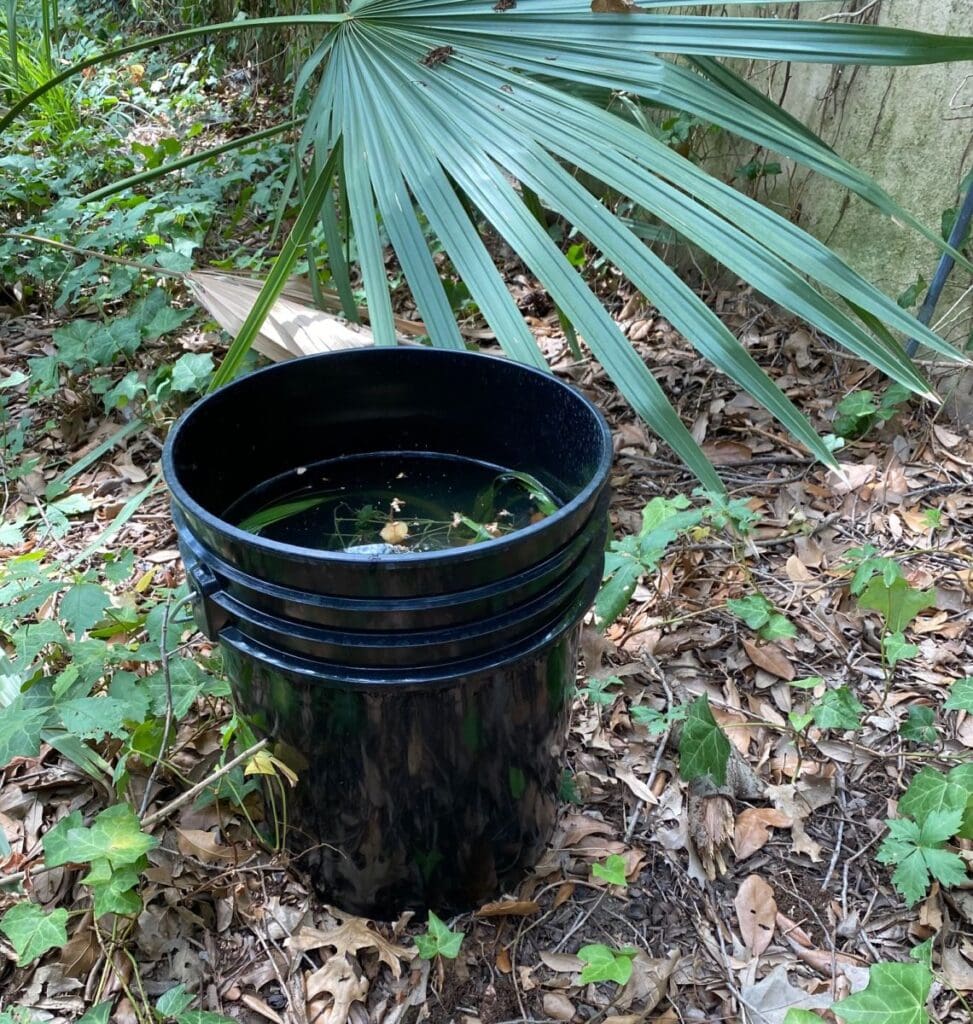
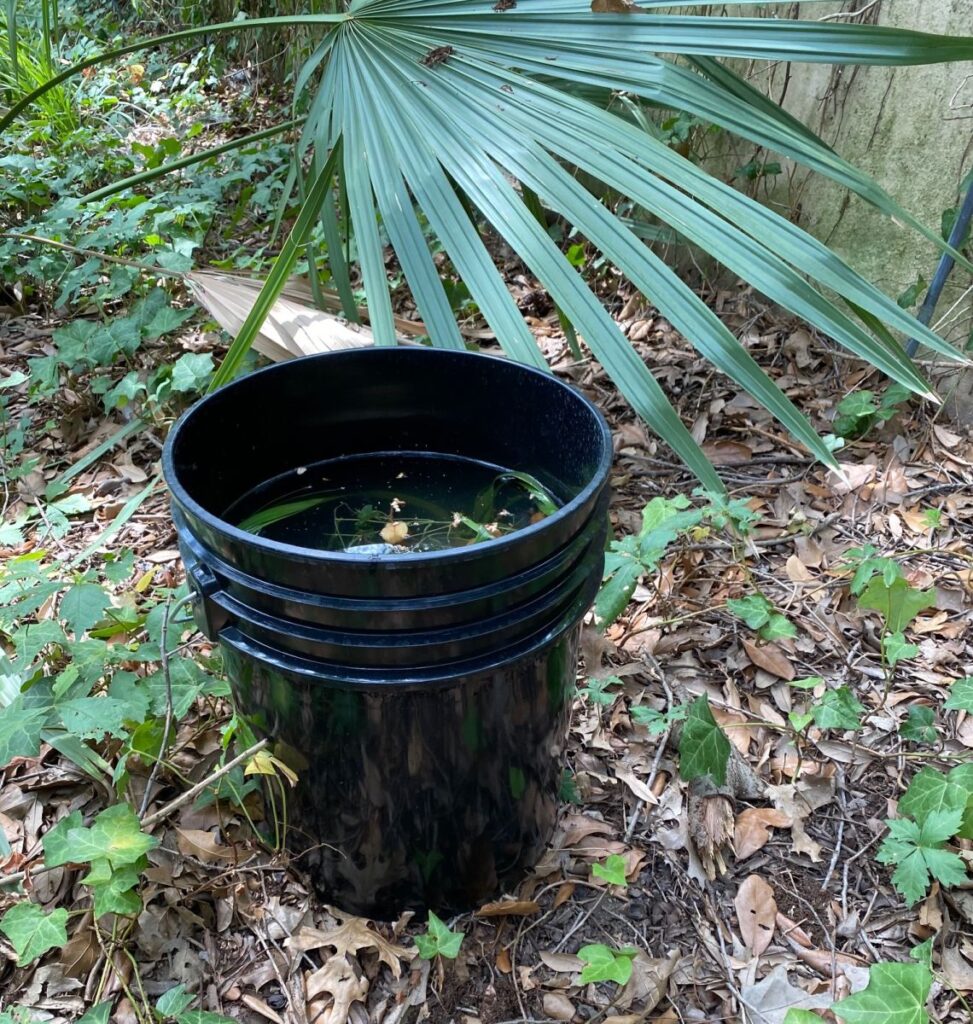
We are big fans of the simple bucket mosquito trap. Just fill a bucket 3/4 with water, add a good handful of lawn or plant clippings, and toss in a Mosquito Dunk or Mosquito Bits. These dissolve in the water and release bacteria that target mosquito larvae and kill them before they hatch. And they’re organic and not harmful to birds, bees, pets or humans! Set a few of these traps, sprinkle some organic Mosquito Beater granules around walkways and patios, spray organic Cedar Repel on your lawn, and use Skeeter Screen incense sticks near where you’re working or hanging out outside. Remember that using chemical mosquito foggers kills all the good bugs too, some of which also help control mosquitos and other bad bugs.

6. Gifts for Moms and Grads

Let us help you find something pretty, useful, or both for the gardening moms and grads in your life. Pottery, birdbaths, wind chimes, garden tools, hats, gloves, garden decor, gift cards – lots of options. Check out the Bee Puddles handmade by ceramicist and Gill’s own Wyatt Page! Help bees stop for a drink. Or find the gift that gardeners love most – plants 🙂

Visit our May Garden Guide for more tips! Happy gardening!

Summertime is here! We’ve been fortunate to have rainfall that’s created some depth moisture in the soil which makes our transition into the warm summer season smoother. Here are our top priorities this month, including how to adjust watering, what to watch out for, and what to keep planting!

Check out our June Garden Guide for more tips and remember that trees, shrubs, and perennials can be planted 12 months out of the year! The only difference is the amount of water they need depending on temperatures and wind!

1. Adjust Your Watering… don’t go by the calendar!

With recent rains AND warmer weather, we need to be extra mindful of watering properly. That means we can’t rely on the calendar to tell us when to water. We need to pay closer attention to plants and check to be sure they need water. Pro tip:  Use a moisture meter! We carry them and can show you how easy they are to use. They’ve saved many plants! When it’s time to water, do it in the morning before 10am. Keep the water on the plants, soil, lawn, flowerbeds, not in the gutter, sidewalk, or street. Sprinkler systems are great for established lawns and landscapes but turn them off when we get rain, so you don’t over water and encourage fungal issues. Summer lawns need about 1 inch of water about once a week. Remember – it’s much easier to maintain depth moisture than it is to create it!

2. Watch for Summer Lawn Bugs!

Yes, bad bugs will be around more during the Summer, but don’t treat unless there’s significant damage. We can help identify the pest and if/how to treat. You don’t want to kill too many good bugs while trying to take care of the bad bugs! If you see brown areas in the lawn that are easily pulled up, it’s usually a sign of grubs eating the roots of your grass. You can control grubs with Bonide Insect and Grub Control. Chinch bugs love hot dry areas in lawns. They make the lawn look dried out along sidewalks and pavement. Spot-treat those areas with Cyonara in easy ready-to-spray bottles. For organic control, use Spinosad or Diatomaceous Earth. Remember that healthy lawns are less susceptible to damage from bugs, heat stress, and common lawn disease like Take All Root Rot. Water lawns deeply (a good 1”) once a week this Summer and fertilize every 3 months. If you fertilized in April, wait to feed again in July.

3. Crape Myrtles – Choose While Blooming!

Crape Myrtle trees are just starting their Summer bloom cycle. Best to choose your color now while they’re in bloom, then plant and enjoy them for years to come. You must plan to water them or check them every day during this Summer. Crape Myrtles are water-needy when first planted. 

4. Plant Native Milkweed for Monarchs!

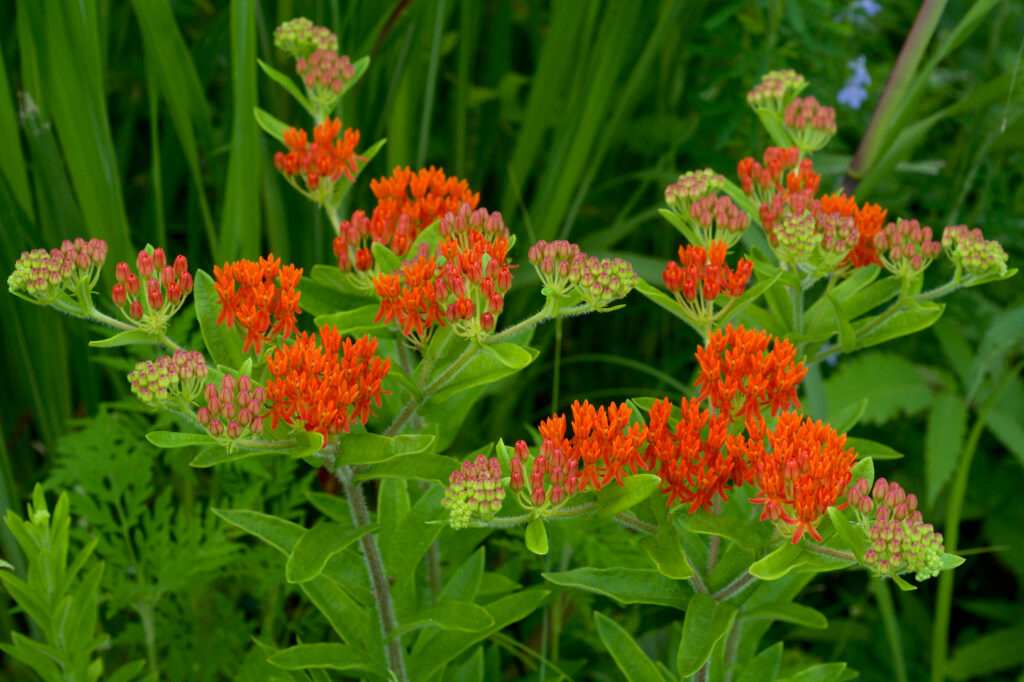
We are thrilled to be able to offer a Texas native milkweed variety (Asclepias tuberosa) for Monarchs! Not only is this native milkweed a great host plant for Monarch butterflies, it’s also tough and great for summer! Our supplier gave us this advice: plant it in your hottest and sunniest spot, and don’t water it!! Of course that’s an exaggeration – it will need some water, but very little!

5. Succulent and Cacti Workshop at Gill’s June 10th!

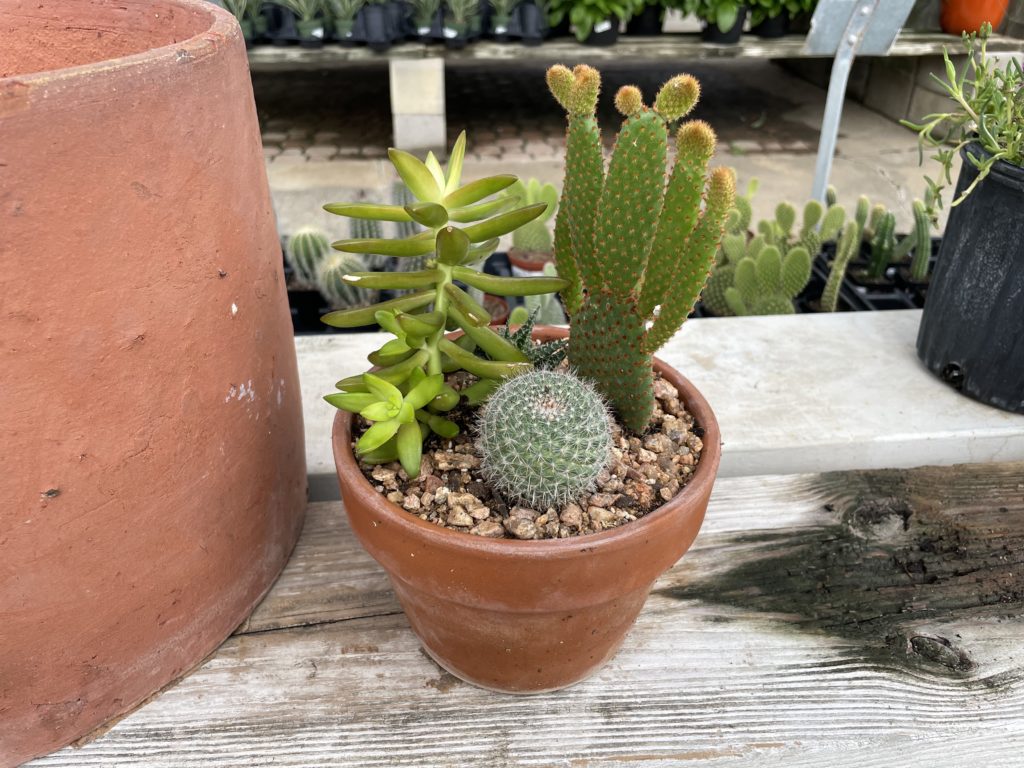
We had so much fun at our May garden talks and events that we decided to add one more! Join us here at Gill’s on Saturday, June 10th at 10am for our Succulent and Cacti Workshop! We will have stations set up with new and unusual bare-root cacti and succulents + pots to choose from. For a fee, you’ll be able to choose your plants, choose your pot, and we’ll demonstrate and provide tips on how to pot them up. Come make a mess with us and leave with your own cool succulent or cacti creation! Stay tuned for more details.

May means Mom’s Day, graduations, and more BBQs and family holidays outside! May is also Mental Health Awareness Month. As gardeners, we know growing plants and being outdoors are necessary for our wellbeing…and so much fun! As one of our customers put it recently, “I believe that people who garden are the most hopeful and positive individuals.” Here are our Top 6 Must Do’s this May to keep you and your garden feelin’ good.

1. Join Us for Garden Talks and Events!

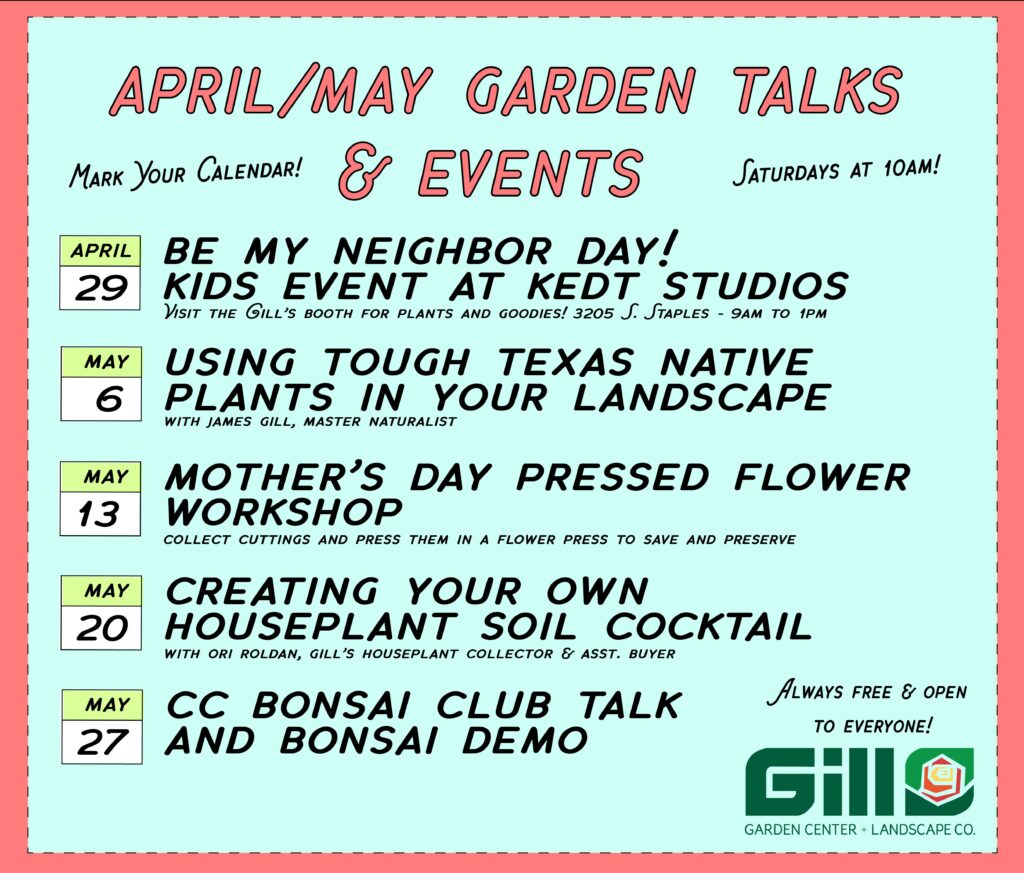
We’ve got a fun May planned here at Gill’s, and we’re kicking it off this Saturday, April 29th, 2023 at Be My Neighbor Day! This is a community event at KEDT Studios at 3205 S. Staples from 9am-1pm. Gill’s will have a booth with seeds, plants, and goodies for kids who attend. Then every Saturday in May, we’re hosting garden talks and events here at Gill’s. Sure to be lots of fun and lots to learn and discuss! Stay tuned for more info!

2. Plant Blooming Perennials and Trees

It’s still time to plant lots of different blooming perennials and blooming trees. Get them established now so they are better adapted to withstand warmer temps this Summer. Staples like Esperanza, many varieties of Salvia, Jatropha, Lantana, and more are all blooming beautifully right now. And blooming trees like Crape Myrtles, Vitex, Retama, and Wild Olive are looking great right now too. Added bonus:  these blooming perennials and trees attract lots of butterflies and hummingbirds!

3. Plant and Harvest Veggies

Warm weather veggie time! Plant peppers, zucchini, squash, and okra this month for continued harvesting into the Summer months. If you planted tomatoes, cucumbers, and other early Spring veggies, you’ll be harvesting now or soon. Be sure to harvest often! It keeps birds & insects from finding them first. If you do have insect issues in your veggie garden, our go-to organic control is Spinosad – safe for food but takes care of bugs. Recent rains have been great for veggie gardens. Remember to keep watering as the weather warms up and dries out to maintain depth moisture. Soaker hoses are great to snake around your plants keeping water close to the ground and root systems.

4. Tend Your Lawn

In Spring and Summer, water your lawn once a week unless we have rain. Invest in a sprinkler that’ll do the work – we have them. Hand watering the lawn may feel therapeutic, but you won’t get good coverage and depth. Once a week, nice and deep for a healthy lawn.

When mowing, the proper height for St. Augustine lawns is around 3 inches. For Bermuda lawns, keep mowed to around 2-2.5 inches.

Feed with Natural Fertilizers:  Medina Growin Green or Milorganite. These feed the lawn and the soil with great results. Water in to get them started. 

Watch for lawn insects & treat when needed. Grub worms & chinch bugs are easy to control when caught early but there’s no need to treat unless you have them. Bayer Season-long Grub Control will do the trick for grubs. Cyonara takes care of chinch bugs. Reminder, you can bring us a grass sample any time you suspect a lawn disease or pest. We’ll diagnose (using our microscope if needed) and get you what you need to knock it out.

5. Set Your Mosquito Traps!

We are big fans of the simple bucket mosquito trap. Just fill a bucket 3/4 with water, add a good handful of lawn or plant clippings, and toss in a Mosquito Dunk or Mosquito Bits. These dissolve in the water and release bacteria that target mosquito larvae and kill them before they hatch. And they’re organic and not harmful to birds, bees, pets or humans! Set a few of these traps, sprinkle some organic Mosquito Beater granules around walkways and patios, spray organic Cedar Repel on your lawn, and use Skeeter Screen incense sticks near where you’re working or hanging out outside. Remember that using chemical mosquito foggers kills all the good bugs too, some of which also help control mosquitos and other bad bugs.

6. Gifts for Moms and Grads

Let us help you find something pretty, useful, or both for the gardening moms and grads in your life. Pottery, birdbaths, wind chimes, garden tools, hats, gloves, garden decor, gift cards – lots of options. Check out this new cyanotype print kit – take cuttings and make cyanotype prints using sunlight! Or find the gift that gardeners love most – plants 🙂

Visit our May Garden Guide for more tips! Happy gardening!