Good news! We have been working with City of Corpus Christi staff and other local green industry leaders to revise the Drought Contingency Plan, particularly Stage 3 restrictions on most outdoor water use. Thankfully, City leadership has been open to discussing revisions, acknowledging the concern for water shortages as well as the need to keep our city alive and vibrant. As of January 17th, City leadership has agreed to revise the rules and present a new Drought Contingency Plan to City Council for approval. Here’s what you need to know!
New Stage 3 Rules Allow Hand-Watering and Drip Irrigation
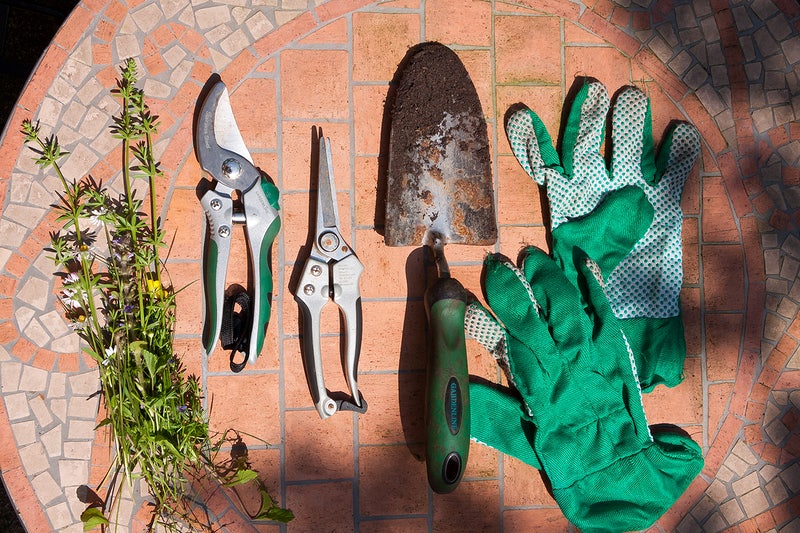
Under new proposed Stage 3 rules, hand watering is allowed any day before 10:00 a.m. and after 6:00 p.m., and drip irrigation systems can be used to water landscapes on your designated watering day every other week. We feel very good about these changes – they will allow us all to keep landscapes and trees alive through the drought. The City has also agreed to grant temporary exemptions to watering rules for new plantings for up to 30 days, which will allow homeowners to continue investing in their property. Homeowners should use the City’s form to apply for an exemption to get new landscapes established, then once they’re established, hand watering and drip irrigation will keep them thriving.
New Stage 3 Rules Still Need to be Approved by City Council
The new draft Drought Contingency Plan will be presented at the next City Council meeting on Tuesday, January 28th. We encourage you to contact your City Council members and Mayor Guajardo to express your support for these changes to the Stage 3 watering rules. Better yet, sign up to make public comments at the Council meeting! We plan to speak at the meeting on the 28th, then again at the meeting on February 11th, where Council will vote to adopt the new plan. If the plan is adopted, the new rules will be effective in time for spring!
The City is Planning to Make Recycled Effluent Water Available for Residential Use
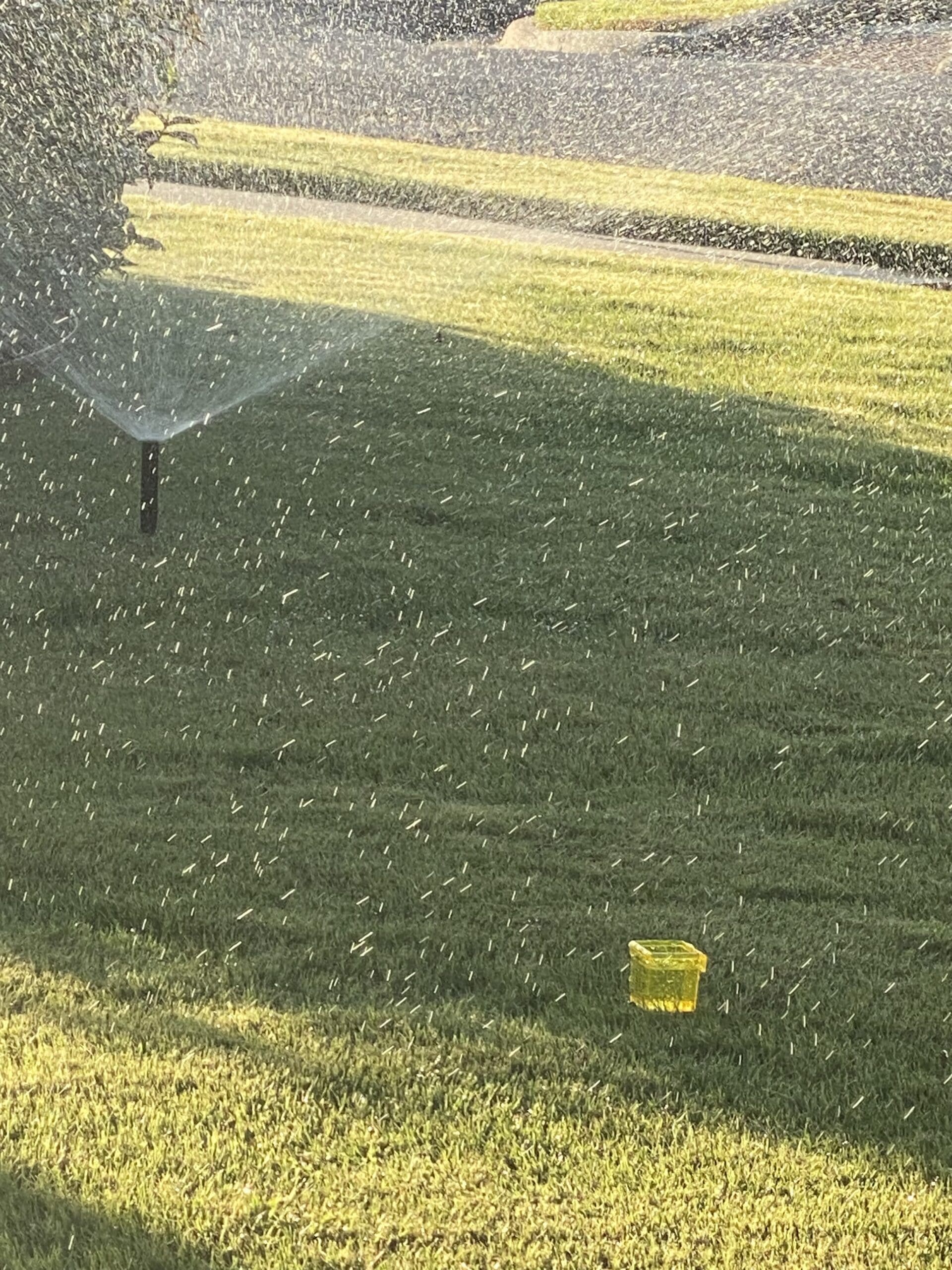
Since spray irrigation will still be prohibited under new Stage 3 rules, using recycled water is a great option for lawns. The City is currently building a tank farm to hold recycled effluent water which can be hauled and used to water residential lawns and landscapes. Once this water becomes available, Gill’s will provide this service. If you’d like to get on our list for lawn watering, please get in touch!









 Kathy Hubner, one of our landscape designers, went on a tour of Irish gardens in July with the Association of Professional Landscape Designers. These photos were taken at the lake at Castletown Cox in the county of Kilkenny.