
The weather this week is making us want to get outside and garden!! We’re stocking up on veggies, Texas native plants, trees, and lots of flowers and blooming perennials as we head into spring! Here’s our top 8 gardening tasks to focus on this month to kickstart an amazing season. Game on!
1. Join Us for James Gill’s Annual Get Ready for Spring Talk – This Saturday at 10!

If you want to make a really good gardening game plan for spring, join us here at Gill’s this Saturday, February 8th at 10am for James Gill’s annual Get Ready for Spring garden talk. James will go over proper pruning techniques, what to plant, how to fertilize, watering tips, and lots more. James is a walking encyclopedia of local gardening and landscaping knowledge – bring your questions! This talk is free and open to everyone. One attendee will win a $100 Gill’s gift card, and we’ll do some other giveaways too! Take a look at all our upcoming talks and events here.
2. Watering Rules Update: More Good News!
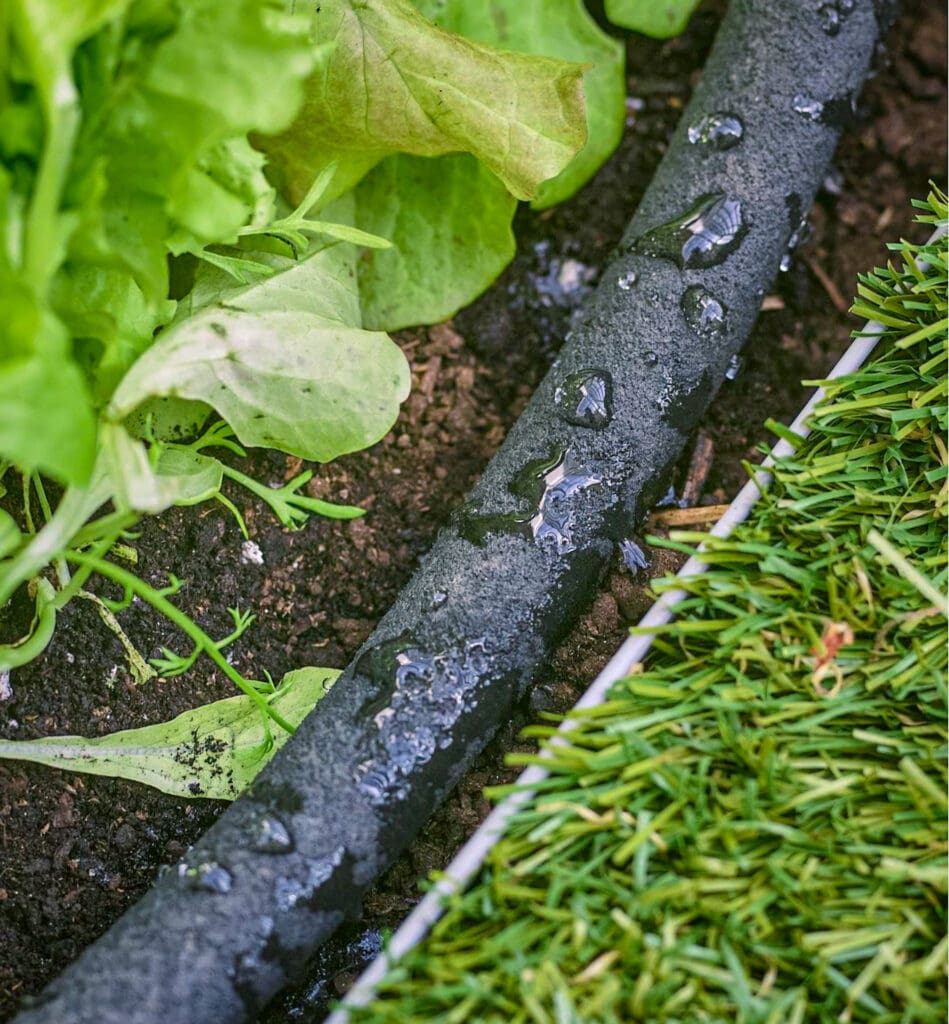
On January 28th, City Council voted to move the new draft Drought Contingency Plan forward to a vote. Council will vote on whether to adopt to the new plan on February 11th, and if it passes, better watering rules take effect on February 12th. Under new proposed Stage 3 rules, hand watering is allowed any day before 10:00 a.m. and after 6:00 p.m., and drip irrigation systems can be used to water landscapes on your designated watering day every other week. We feel good about these changes – they will allow us all to keep our community alive and vibrant through the drought. The City has also agreed to grant temporary exemptions to watering rules for new plantings for up to 30 days, which will allow homeowners to continue investing in their property. Homeowners should use the City’s form to apply for an exemption to get new landscapes established, then once they’re established, hand watering and/or drip irrigation will keep them thriving. There’s still time to contact your City Council members and Mayor Guajardo to express your support for these changes to the Stage 3 watering rules before the vote next Tuesday, 2/11 – the more gardeners they hear from, the better!
3. Plant Your Veggies!
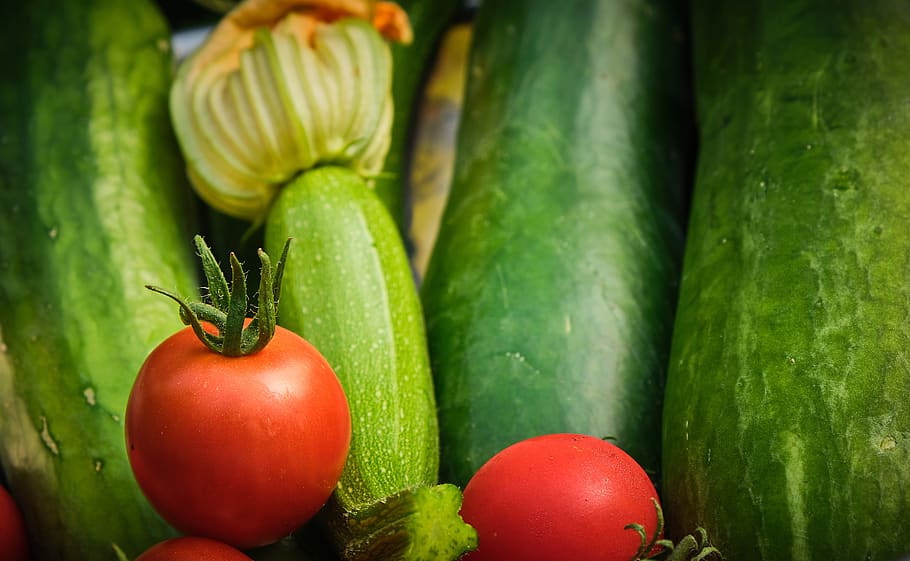
It’s time to start veggie favs like tomatoes, squash, cucumbers, beans, lettuces/greens, & more! Prep those beds with Nature’s Blend compost and get going. If you’re short on space, fill containers or raised beds with Gardener’s Magic soil and plant! Stop by and we’ll help you plan your veggie garden and get you everything you’ll need for a bountiful harvest. We’ve also got 2 fun veggie talks planned this month: Tomato Kickoff with Andy Chidester on the 15th and Start Your Spring Veggie Garden on the 22nd with Wyatt Page. Come learn and share with a group seasoned and aspiring gardeners!
4. Bring Back the Color!
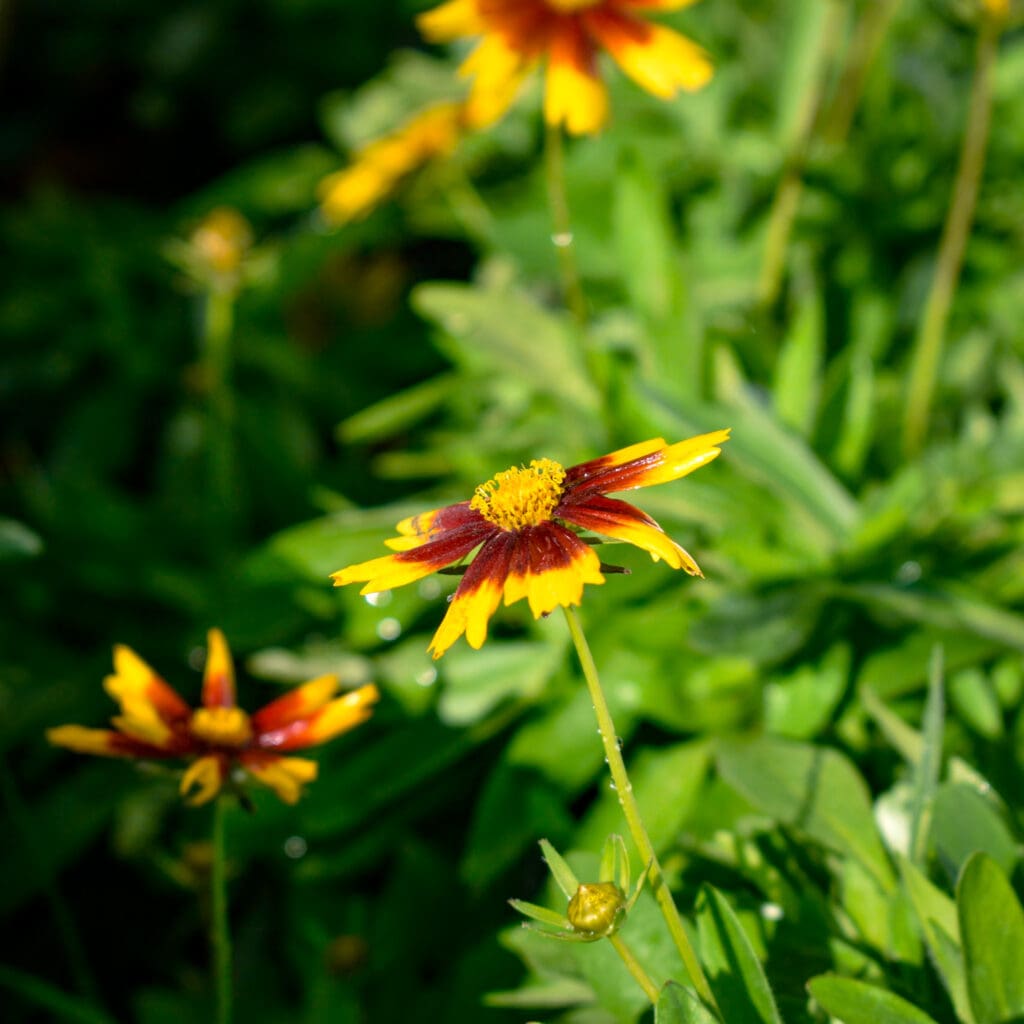
All our favorite spring annuals, perennials, natives, roses, and bright-blooming tropical plants are arriving at Gill’s daily! We’ve entered February and the forecast looks warm and sunny, so it’s time to create bursts of color in the garden and landscape. Yes, there’s always a chance for a late freeze, but given our forecast this year, those chances are getting slimmer every day. Better to plant early and get a head start on root growth. Plus, small plants are easy to cover if need be.
5. Keep Feeding Veggies & Flowers on a Regular Schedule
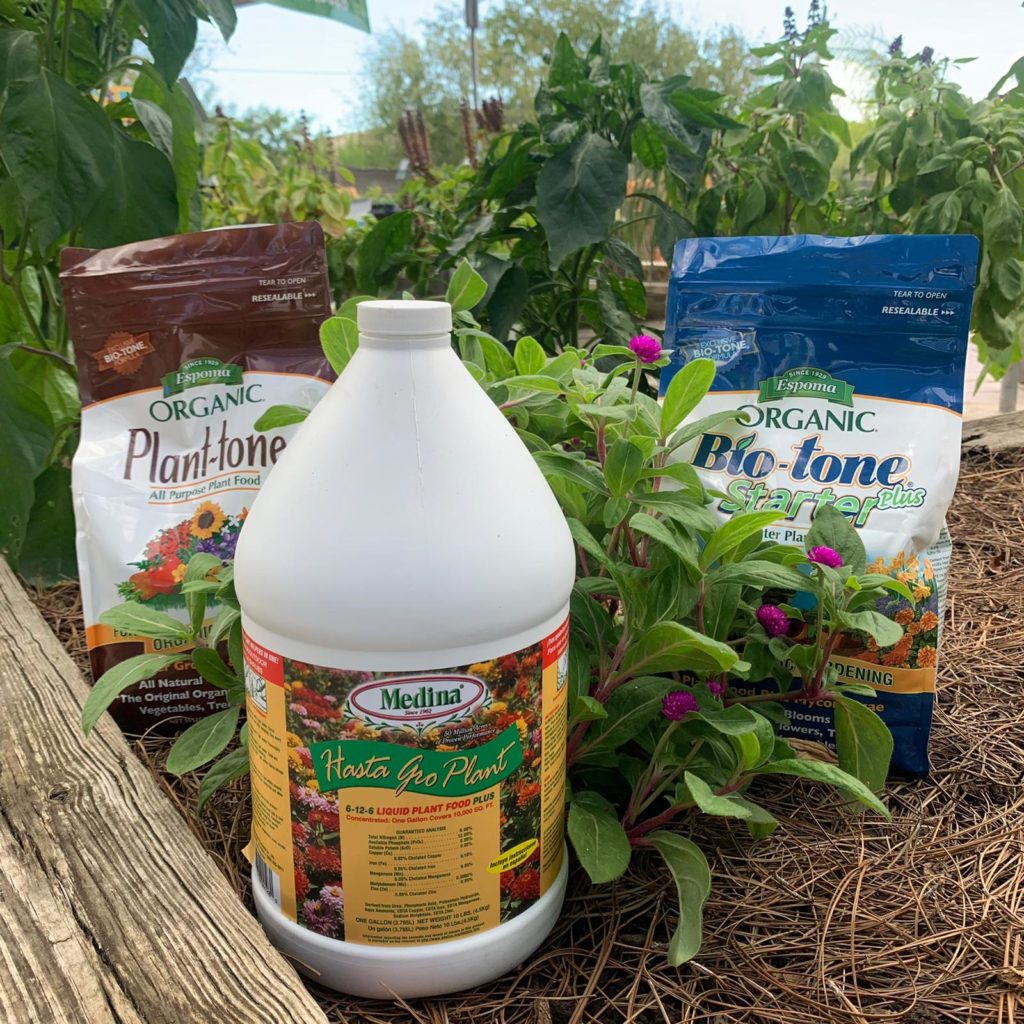
Blooming plants need food! Veggies are especially heavy feeders – they need to be able to sustain blooming and producing fruit. We recommend mixing in a little Bio-Tone Starter when you plant, which contains mycorrhizal fungi that promotes root growth. Then feed with a good organic, granular plant food like Plant-Tone or Medina Growin Green once a month, and supplement with liquid organic Hasta Gro in between. An easy way to remember this is to set an alarm or calendar event for granular feeding on the 1st of the month, then Hasta Gro on the 15th. These will add nutrients to your plants and keep your soil alive and healthy too.
6. Start Your Spring Cleanup & Pruning Now
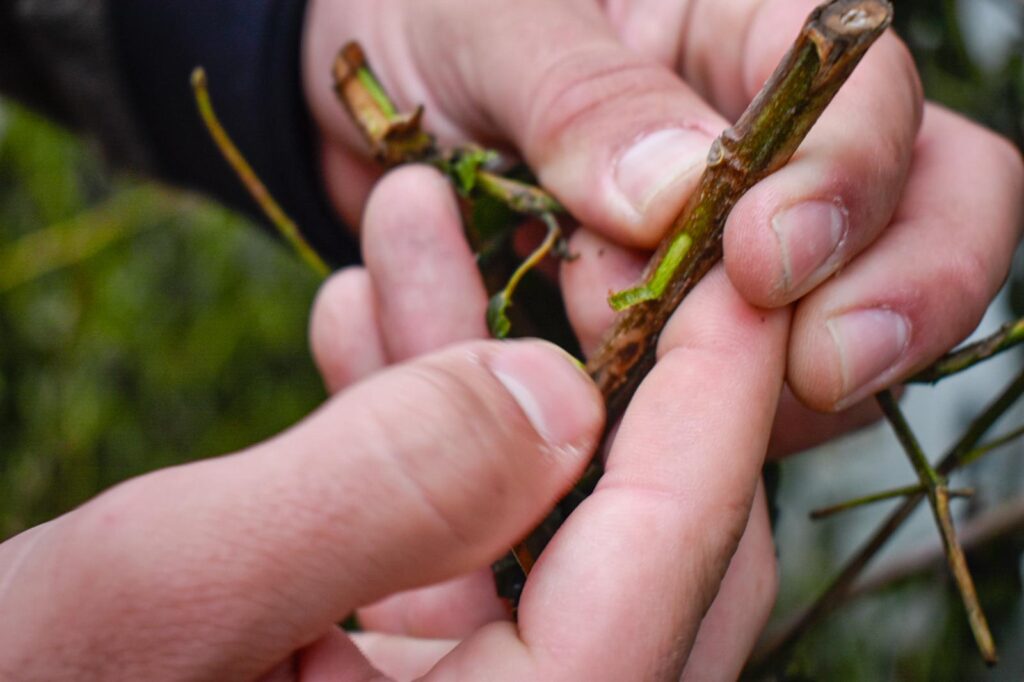
February is the time to get plants cut back to make way for big spring growth! Typically, we recommend waiting until February 15th to prune, but since the weather is warm and the forecast looks good, game on now! Most perennials like Lantana, Turk’s Cap, and Salvias need a good pruning back to about 4-8″ – don’t be shy! For any plants with woody stems/branches (like Esperanza and Hibiscus) that look dead or damaged from our recent freeze, do the scratch test before pruning. Start up high and scratch with your fingernail, a dime, or the back side of a knife. Don’t scratch too deep. If you see the bright green cambium layer (like the photo), that means it’s still alive! If you see brown/gray when you scratch, keep working your way down the plant until you see green. That will tell you where to cut. As always, contact Gill’s if you’re not sure or have questions about whether or how to prune specific plants.
7. Keep Watch for Winter Insects
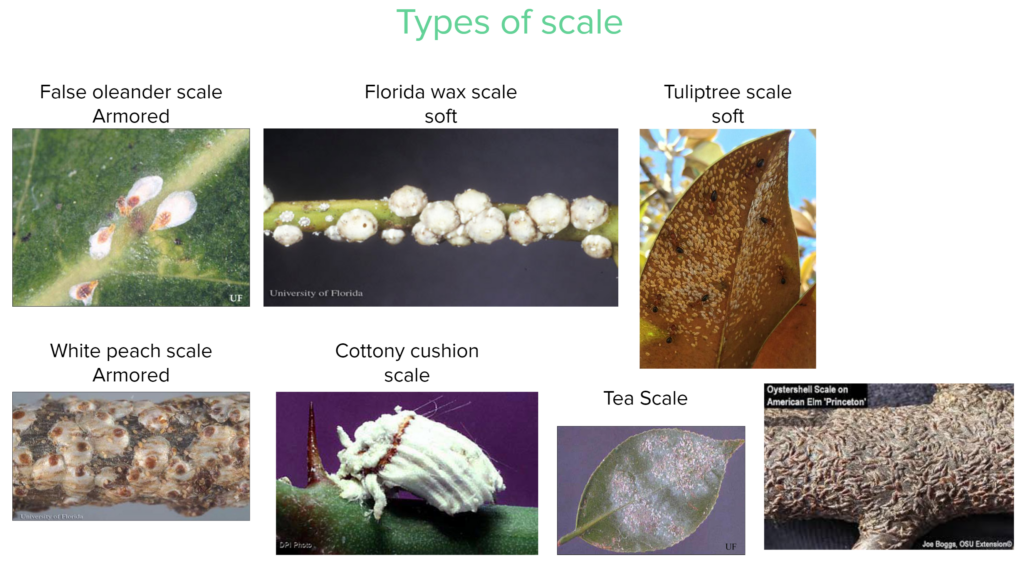
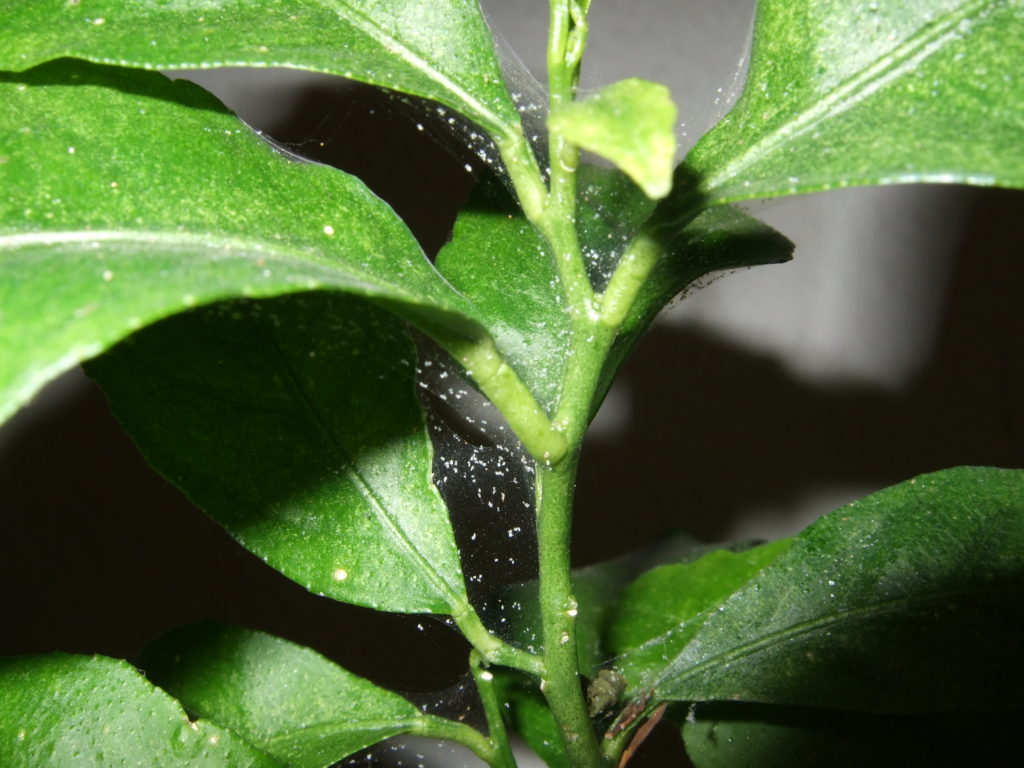
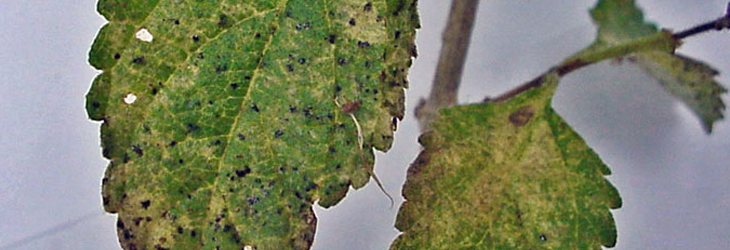
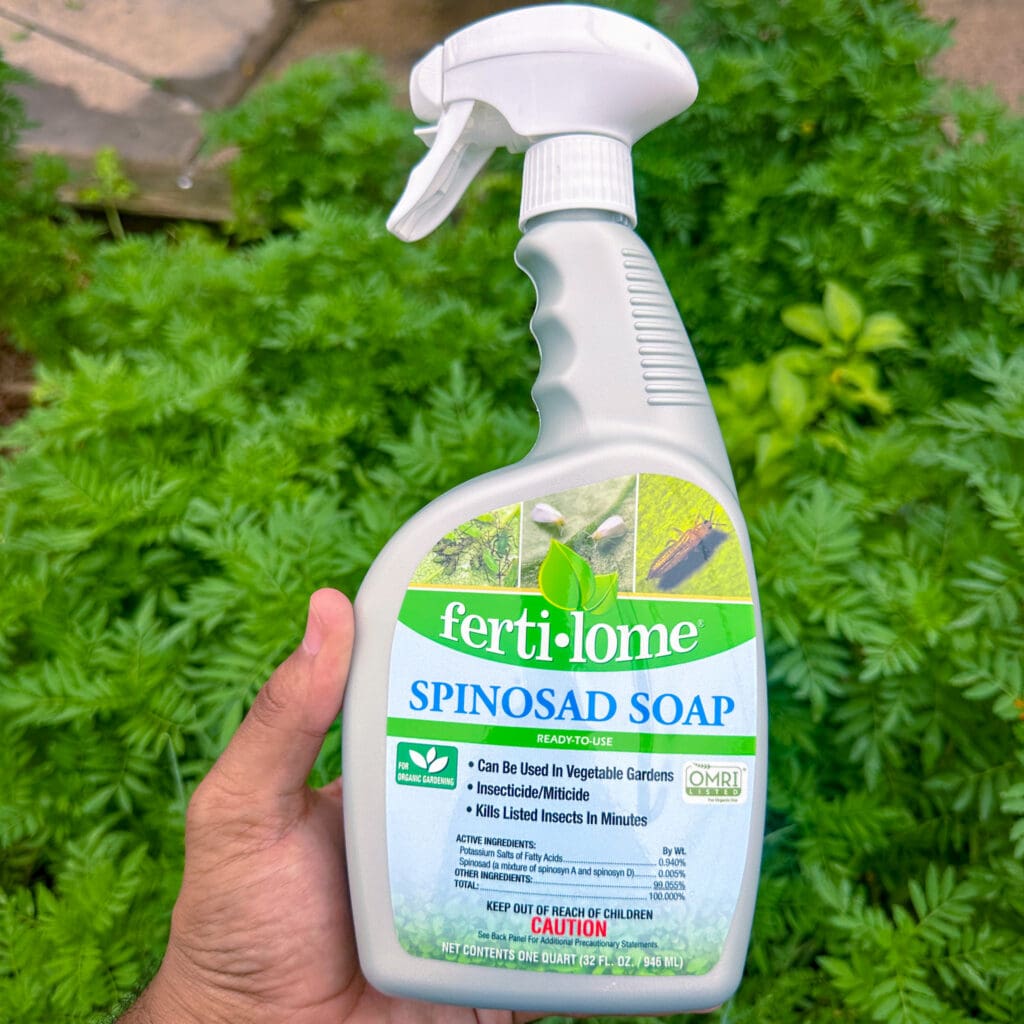
Scale is a variety of hard bodied sucking insects that range in appearance from white oyster shells to brown boogers stuck to the leaves of plants. Some of their favorites are Burford Holly, Bird of Paradise, Flax Lily, & Irises. They are easily controlled with a spray of organic All Seasons Oil Spray, but it must be done now before temps get too warm. The oil spray literally coats and suffocates the the eggs that are waiting for spring to hatch. It’s also good for treating indoor plants that may have scale or spider mites.
8. Take Care of Weeds Now, But Wait to Fertilize Lawns
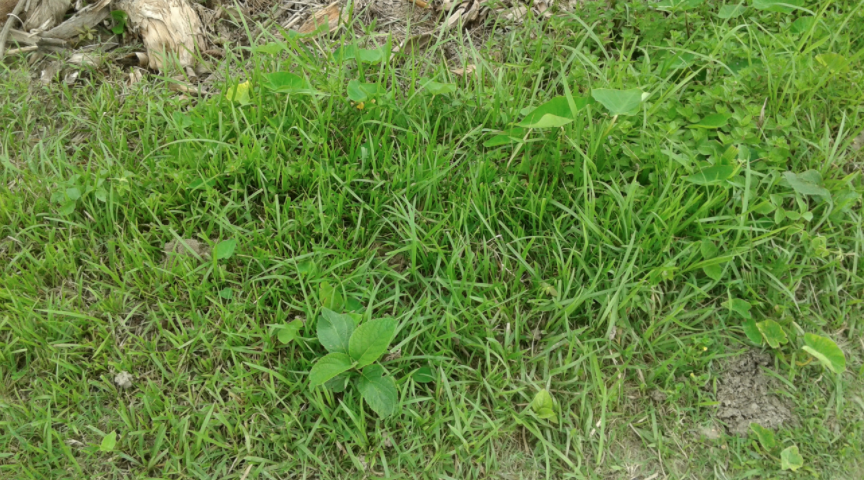
Right now, hand pulling the thistle while the ground is moist and keeping the clover mowed before it flowers are the best options to control 2 of our most common weeds. Weed killer sprays (like Weed B Gon) work with warm weather and sunshine with no rain or heavy night fog. The forecast looks good for this next week. Keep in mind – you should only spray for weeds one time or you risk damaging your lawn. Take care of weeds now, but wait to fertilize until March!
Check out our February Garden Guide for more tips!


 -DeAnna
 Time to fertilize your lawn, trees & shrubs! Hopefully by the time you get this, the sunshine will have warmed and dried the soil enough to fertilize. Use Gill Lawn and Garden for all your trees, shrubs, vines and groun
 dcovers. Also feeds the vegetable garden. Covers 6000 sq. ft. per bag.
 For weed control in your lawn, use Weed B Gon for St. Augustine. We have a new formulation that is safe to use on Floratam St. Augustine Grass. Treats up to 2500 sq. ft. and comes in a ready to spray hose-end bottle. Image will kill some broadleaf weeds (dollarweed) as well as a few grassy weeds (grassburrs) without hurting your St. Augustine. Another new product we have is Topshot. It also kills all broadleaf weeds in the lawn and comes in a package with 2 ampules which cover 5000 sq. ft. Simply add 1 ampule with water in either a pump sprayer or Dial n Spray to cover 2500 sq. ft.. For best results apply weed killers when weather is warm (not hot) and sunny for 3-4 days. Do not use in flowerbeds for weed control (except Image), only as a lawn application.
 your clothes will always smell great!
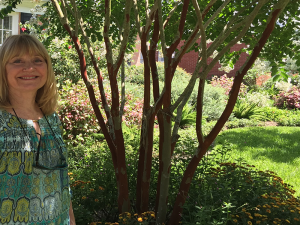 I’ve always known Cherry Green is an avid gardener. Year round, no matter how hot or cold it is, she remains a gardener. Whenever I see her about town, she asks if we have this or that, and most of the time it’s not your ordinary ligustrum or Asian jasmine. A few weeks ago, she was in the store looking for pink gaura, one of my favorites, but again, not a typical Corpus Christi landscape plant. In conversation, I asked if I could come tour her garden. What a treat!
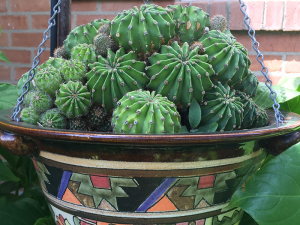 Interestingly, when she acquires a new plant, she enters it in her data base by common and scientific name. In addition, she photographs her succulents since sometimes they are difficult to differentiate. I also think that could be a great way to record plant performance, bloom cycles, etc…
 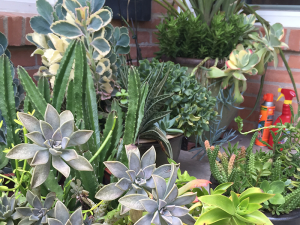 There are crape myrtles, a mountain laurel and a grapefruit, specimen plumeria, durantas, firecracker plant, irises, altheas, pride of Barbados, porter weed, night blooming jasmine, Indian carnation, milkweed, a beautiful specimen white bird of paradise, beautiful blooming gomphrena and a nice assortment of vines on their back and side fence. Again, they have a great collection of succulents in an interesting collection of containers. She jokes that her lawn is disappearing as her garden beds get larger.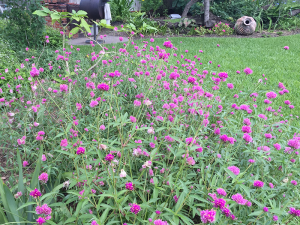
 are grateful to have her in the neighborhood (anyone would with such a beautiful landscape), as I am to have her as a friend and a member of our gardening community. Thank you Cherry!