Garden Center Hours: Mon-Sat 9am - 5:30pm • Sun 10am - 5:30pm

How is 2025 halfway over already?! We hope you’re having lots of fun this summer – holidays, BBQs, weekend trips, and garden projects! Here are our top must-do’s to keep your plants healthy and happy in July, including tips for planting, watering, and summer pests to watch out for. 

1. Yes, You Can Plant in the Summer!

Myth:  I’ve heard that you can’t plant in the summer because its too hot… FACT:  Of course you can!! You can plant just about anything in our summers, including trees, as long as you have a good plan for watering. In fact, summer is a great time to plant crape myrtles because they’re blooming and you get choose the color IRL! While we’re past the season for spring veggies like tomatoes, there are still plenty of summer veggies like okra, peppers, eggplant, and melons to plant now. If you want your own fresh pumpkins for Halloween, start ’em in July. Plus, now’s a great time to set table for the fall hummingbird migration with their fav blooming perennials like Firebush, Firecracker plant (pictured), native flame Acanthus, and Dicliptera aka Hummingbird Bush. Don’t let any myths discourage your summer gardening! 

2. Watering:  Think Depth, Not Frequency

Proper hydration happens when you get water down to the roots of the plant. This means watering deeply, not more frequently. The key for watering plants, lawns, and trees is long, slow, deep drinks! Encourage those roots to dive deeper for water. Even with recent summer rains (yay!!), continue to watch your watering and maintain that depth moisture. If you notice this summer that you’re having to water your potted plants a lot more often, it could be time to re-pot. As the pot fills up with roots, you end up with less soil and therefore less moisture retention. Obviously we have a lot of potted plants here at Gill’s. We just added several more large rainwater collection tanks to help reduce our dependence on City water. And boy do the plants love rainwater! If you’re interested in a rainwater collection system, Gill’s landscape team can design and install at your home.

3. Mulch to Keep Roots Cool
Another way to save water is to keep landscape beds and gardens mulched through the summer. Studies show that a good 3″ layer of mulch will keep your plant roots more than 20 degrees cooler! Not only that, a good mulch layer also helps retain moisture AND keeps weeds at bay. Healthy plants, less watering, and fewer weeds – that’s a win/win/win! It’s important to use natural wood or pine straw mulch that breaks down over time. As it breaks down, it adds nutrients and makes your soil more workable. Keep in mind, mulch is also a great placeholder. If you have areas that you plan to plant later, keep them mulched to keep weeds out and keep your soil healthy and ready to plant when you are.  
4. Watch for More Bugs in Summer
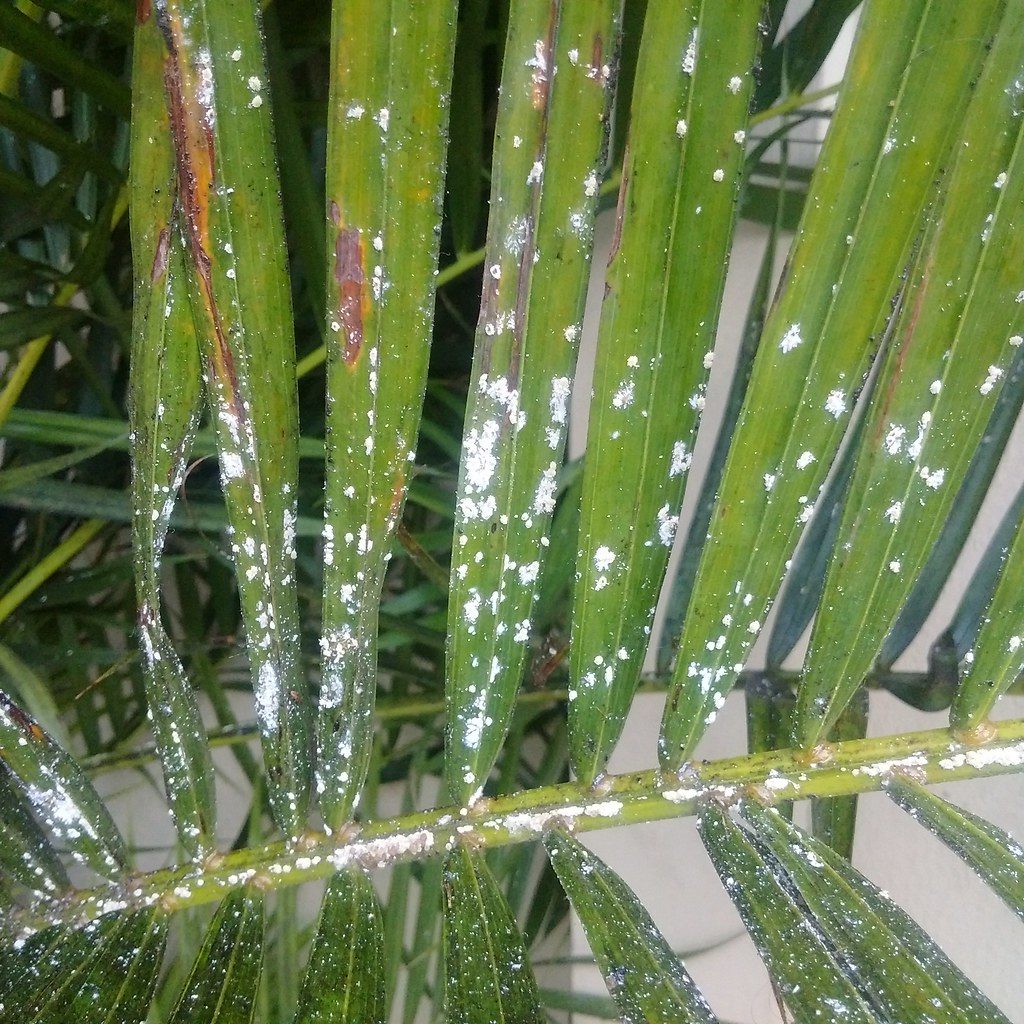
This is what a mealybug infestation looks like!

Not all bugs are bad, so it’s important to know your bugs before you spray anything, even organics. A few bugs here and there is most likely not cause for alarm. If you do get an infestation, cut the plant back first, give it some fertilizer, then treat for bugs. By pruning first, you won’t have to treat every leaf on the whole plant. We see plants come back better than ever using this method. If you’re not sure about bugs or pruning, we’re here to help. During summer, watch out for mealybugs on plants like Hibiscus and Turk’s Cap, lacebugs on Lantana, and chinch bugs in the lawn – especially near sidewalks and driveways! We’ve got solutions for all of the above.

5. Summer Vacays? Train Your Plant Sitter!

Be sure to have a trusted plant-sitter come water your plants while you’re away on summer excursions! It’s a good idea to spend a little time showing them how you water. Make them a list, draw them a map, and walk them through it. You know your plants and which ones get tired and thirsty the fastest. We might even be able to help connect you with a trusted plant sitter…

6. Collect Cool New Houseplants

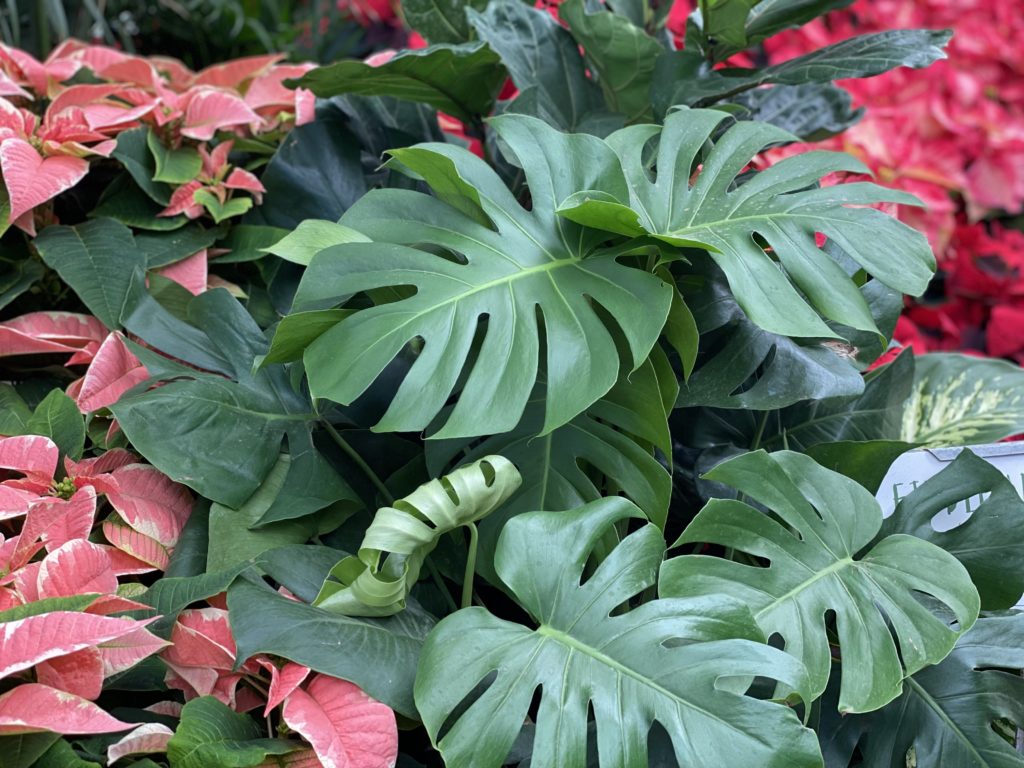
Now’s a great time of year to work on your houseplant jungle. The greenhouse is restocked with all kinds of interesting houseplant choices, including lots of new Bromeliad and Philodendron varieties, like this fernleaf philodendron aka Philodendron tortum which looks like a small palm! Keep in mind that constant A/C indoors will dry out plants. Keep an eye on watering (use a moisture meter) and don’t place houseplants near an A/C vent. You might also try experimenting with a humidifier near your plants to help regulate moisture. 


Now it’s finally starting to feel like Fall! November in South Texas…one of our most beautiful months! Now’s the time for fall flowers and planting trees. And there’s still time for veggies, too. Good timing this month will keep us looking good through the fall and winter and set us up for showtime next spring. Here are our top must-do’s this November.

1. Fill Pots and Beds with Fall Flowers

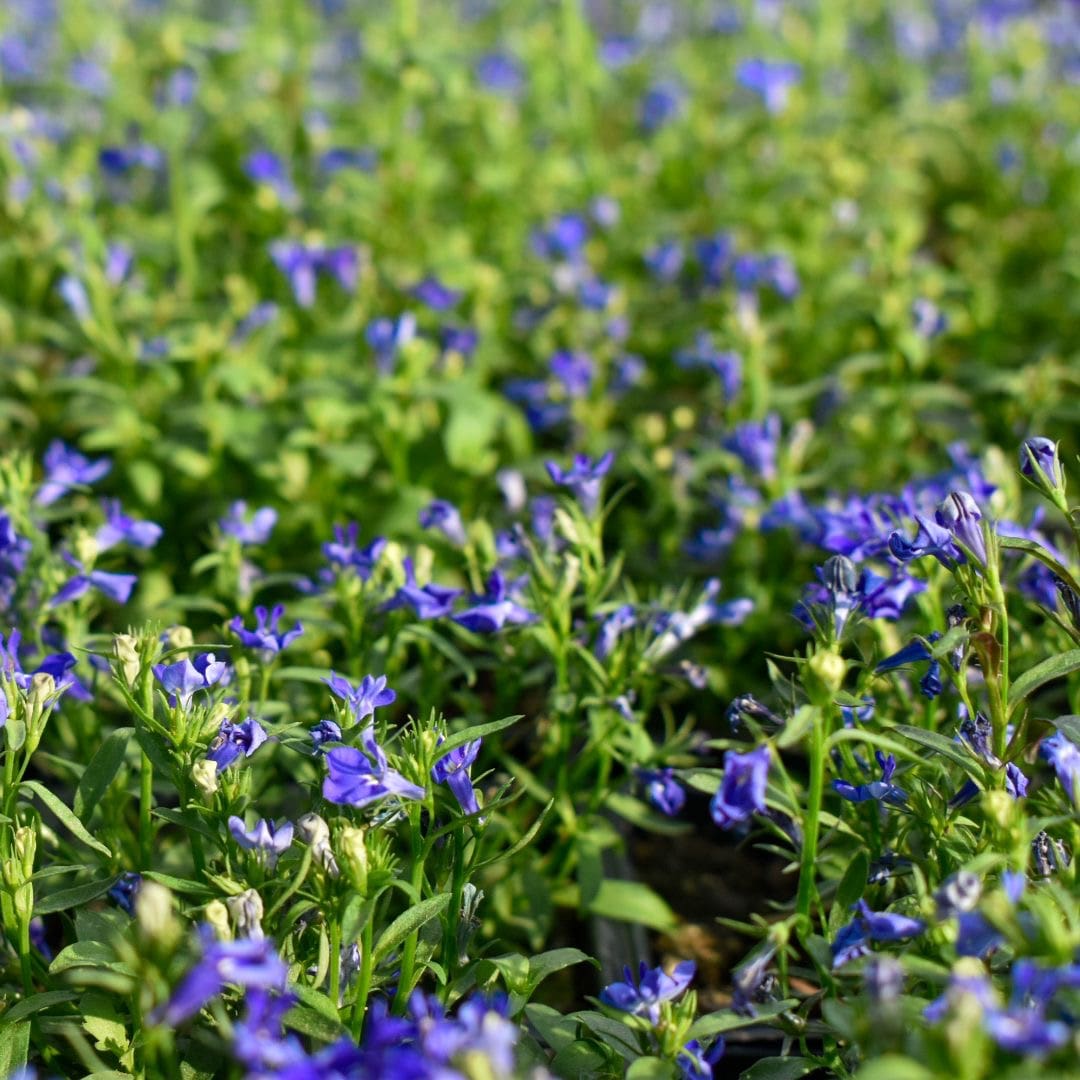
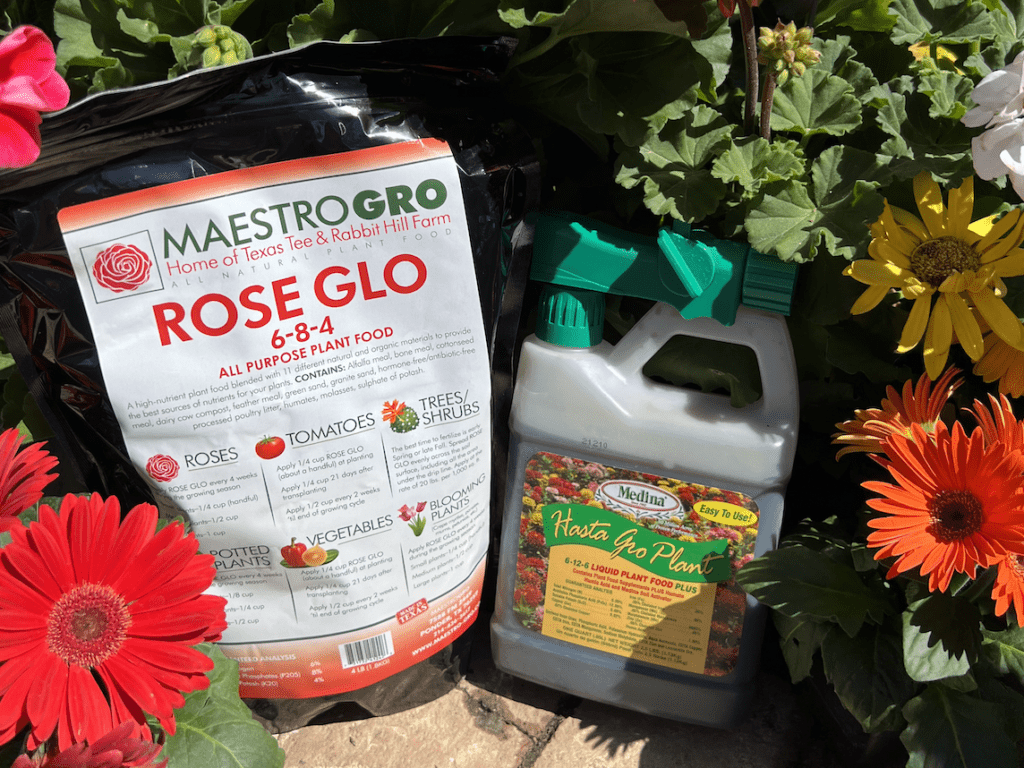
Here’s our list of Fall/Winter flowers – tons of choices for outdoor color to redo pots & inground plantings. Flowers take a little time to grow and bloom. Plant early this month so they can be WOW for the holidays! Many of these fall flowers, like Snapdragons, Lobelia, Violas (our longer-lasting alternative to Pansies), and Geraniums will look great through the winter and look their very best next spring. Good reason to plant now! Once they’re all planted, give them a good meal of granular organic Plant Tone, Rose Glo, or Medina Growin Green. To keep them growing and blooming through the fall and winter, they’ll need regular feedings about once a month. For an extra boost, follow up with liquid Hasta Gro every 2 weeks in between your monthly feedings.

2. Plant Trees and Shrubs Now for Better Growth Next Spring

Now is the very best time to plant cold-hardy shrubs and trees! They focus energy this fall and winter on building a good root system, which allows them to explode with growth next spring, and prepares them to withstand hot weather next summer. Other benefits to planting now – easier digging and not as much watering as during warmer seasons! Always fertilize when you plant shrubs and trees and follow our watering instructions.

3. Still Time to Plant Veggies and Holiday Herbs!

We’re still bringing in lots of fresh cool-season crops like broccoli, kale, lettuce mixes, Swiss chard, spinach, cauliflower, beets, onions, and more! Plus all the herbs like rosemary, thyme, cilantro, sage, and dill that you need for holiday cooking. Three big tips for fall/winter veggies and herbs: 1) Mulch well to help protect tender young plants 2) Water well, but not too much 3) Keep feeding! Organic Plant Tone or Medina Growin Green once a month, followed by liquid Hasta Gro every 2 weeks for a bountiful harvest!

4. Last Chance to Fertilize Lawns & Prevent Weeds

Early this month is our last chance to fertilize aka “winterize” lawns for strong roots and healthy growth next spring and summer. Our tried and true favorite lawn food is organic Medina Growin Green. Since lawn watering is restricted, you can try to time your fertilizing with a rain. Don’t worry if it doesn’t all get watered in. Medina Growin Green is all organic and won’t burn your grass. It’s designed to slowly work it’s way down to the roots over the course of a few waterings. November is also the time to prevent spring weeds in your lawn by applying Weed Beater Complete or Hi-Yield Weed & Grass Stopper with Dimension.

5. Feed Your Landscape Too!

Landscape plants, including trees, perennials, and hardy shrubs need food early this month while they are still actively growing. Just like lawns, the idea is to give them a boost before they head into dormancy this winter. We love organic granular fertilizer Medina Growin’ Green for trees and shrubs, and Rose Glo or Plant Tone for blooming perennials. Once again, follow up between granular feedings with liquid Hasta Gro. Hasta Gro is designed as a foliar feed, meaning it can be sprayed directly on the leaves. Not only does it help with blooming and overall health, it makes your leaves thicker and tougher!

6. HO HO HO! Fresh Christmas Trees Coming Very Soon!

We are beyond excited for fresh-cut Christmas trees and holiday plants to begin arriving this month! Look for our Noble, Nordmann, and Fraser fir trees around November 15th, then poinsettias the following week. Paperwhite bulbs are already here, Amaryllis bulbs very soon, and Christmas cactus will arrive the week of Thanksgiving!

Holiday season is here…and some cool weather finally! These last few weeks of 2025 are sure to fly by. Our advice:  be sure to spend some time in the garden to balance out the hectic holidays. Here are our top to-do’s this month:  what to plant, gift ideas, holiday plant care, and more.  

1. Plants That Want to Be Planted in December

There’s always the BEST time to get plants growing and here’s a few that LOVE this season as much as we do!

Trees…shade, flowering, small, big, they all benefit from planting now – including living Christmas trees like Junipers and Norfolk Pines. Good root development during the cooler months of winter gives them better growth in spring and a deeper, stronger root system to withstand the summer heat.

Onions…we grow short-day onion varieties here in South Texas. Lucky for us the 1015 Texas Supersweet is one of those along with tasty Texas Early White & Southern Belle Red.

Roses…our mild winters are perfect for big, beautiful roses & the cooler temps will only make them prettier and the flower color richer.

Ornamental Cabbage & Kale…these winter classics need to be planted early this month and enjoyed through the season! Easy care, vibrant colors, and unique texture in the garden.

Alyssum…gorgeous white blooms all winter long. Did you know Alyssum flowers and leaves are edible? They have a pungent horseradish-y flavor.

Crown of Thorns…very easy to grow succulent, low-water, excellent container plant that blooms all year, including all through December.  

Other plants that require short days…some plants require short days/enough hours of darkness to bloom and look their best. Think Aloes and other outdoor succulents, Cyclamen, Camelia, native Salvia greggii, and Kalanchoes!

2. Tips for Holiday Classic Plants

Fresh-cut Christmas Trees…we give all of our trees a fresh cut and get them in water immediately to preserve their freshness. Many customers ask us for another fresh cut before they take the tree home. If you decide to have us do another fresh cut, or if you do it yourself, keep in mind that you have 10 minutes to get the tree in water before that cut seals over! Check water in your tree stand daily and keep it full. If you have pets who like to drink or splash the water, try covering with a piece of foil.

Poinsettias…Think of poinsettias as succulents – because they are! They are a type of euphorbia. That means give them a good drink, but let them dry out between waterings. Also, the leaves bruise and break easily, so avoid touching them as much as possible. So tempting to touch!

Christmas Cactus…Probably the easiest of all holiday plants, and they can last a LONG time! There are stories of Christmas Cacti that have been gifted and passed down through families for 100+ years. They like well-lit areas, but not direct sunlight. Let dry between waterings, then mist the leaves as well as water the soil when its time to water. They like to stay on the dry side!

Living Holiday Trees…Junipers, Norfolk Pines, Loblolly Pines, Magnolias, Yaupon Holly, and Ficus trees all make great Christmas trees that can be planted outside after the holidays. If you bring these in for decorating, be sure they have good bright natural light. Keep watered but not too much, and as soon as the holidays are done…take them outdoors for a breath of fresh air and get them in the ground.

3. Think Gifts for Gardeners!

If you have gardeners on your list this year, we’ve got you covered! Nature-themed holiday ornaments, quality tools and gloves, special edition holiday cards, crystals, cute houseplant grow lights, herb and cutting re-growers, and lots more unique garden gifts. And of course, plants!! If they’re picky, you can’t go wrong with a Gill’s gift card!

4. Plant and Feed Winter Flowers

Winter flowers are AMAZING right now! They really shine in cooler weather. Violas and Pansies are breathtaking and Geraniums are full of buds and blooms. All that blooming makes them hungry, so take a moment and fertilize your beauties whether they’re in the ground or in containers. We love using granular Plant Tone once a month, then following up with liquid Hasta Gro every 2 weeks. Both are organic and give you wow results. 

5. Adjust Your Houseplant Care for Winter

Most houseplants will not experience a complete dormancy period during winter, but they will slow down growth and react to climatic changes like drier conditions inside the house. Give your houseplants more light and less water as temperatures and the amount of daylight hours drop. Dust/shine leaves regularly to ward off insects. Cooler temps = drier conditions and less of the humidity that houseplants love. Try grouping them together to create more humidity, or use a humidifier. When bringing patio plants inside for cold snaps, be sure to treat with All Seasons Horticultural Oil spray to prevent any pests (like scale insects) from hitching a ride indoors.

6. Start Thinking About Frost Prep!

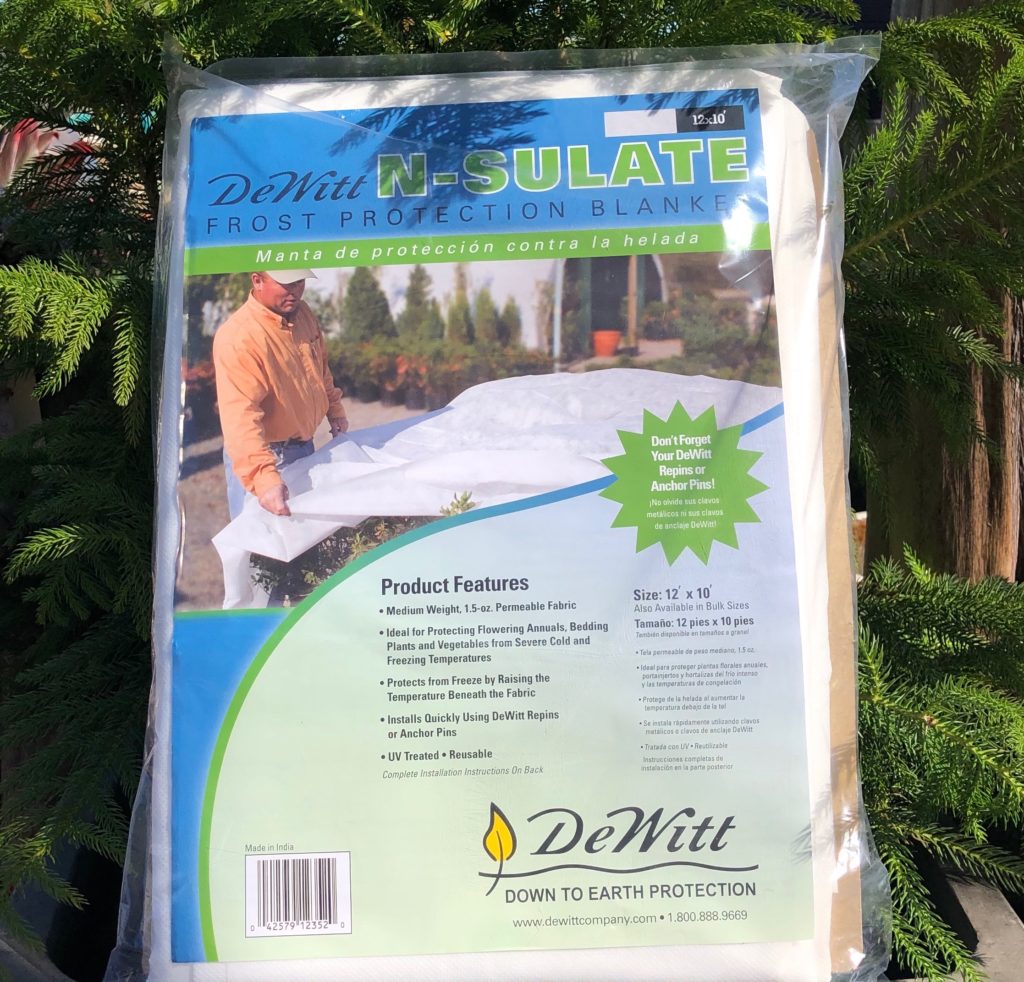
We typically don’t get a frost until January or February, but there’s always a chance! Be sure you’ve got your frost blankets or frost cloth ready to protect any tender outdoor tropicals and new plantings. Mulch beds at 2-3″ deep to help seal in warmth. And don’t prune yet! Remember that pruning signals to a plant that it’s time to put on new growth. Instead, plant leaves need to harden off and go dormant for the winter. Foliage that you leave on the plant will help insulate it against cold weather.

7. Winter is the Perfect Time for Hardscaping

While you can certainly still plant in December, many folks gravitate toward completing hardscape projects this month, like flagstone patios, paver driveways, stone pathways, stone firepits, and more. These elements add structure and functionality to your garden spaces – plus they don’t need water or TLC. If you’re considering DIY, we can advise you on proper construction steps and things to consider, plus supply you with the materials you’ll need. If hardscaping sounds like too much hard work, our Landscape Designers and crews can handle everything for you. Give us a call or contact us here to get your project started.  

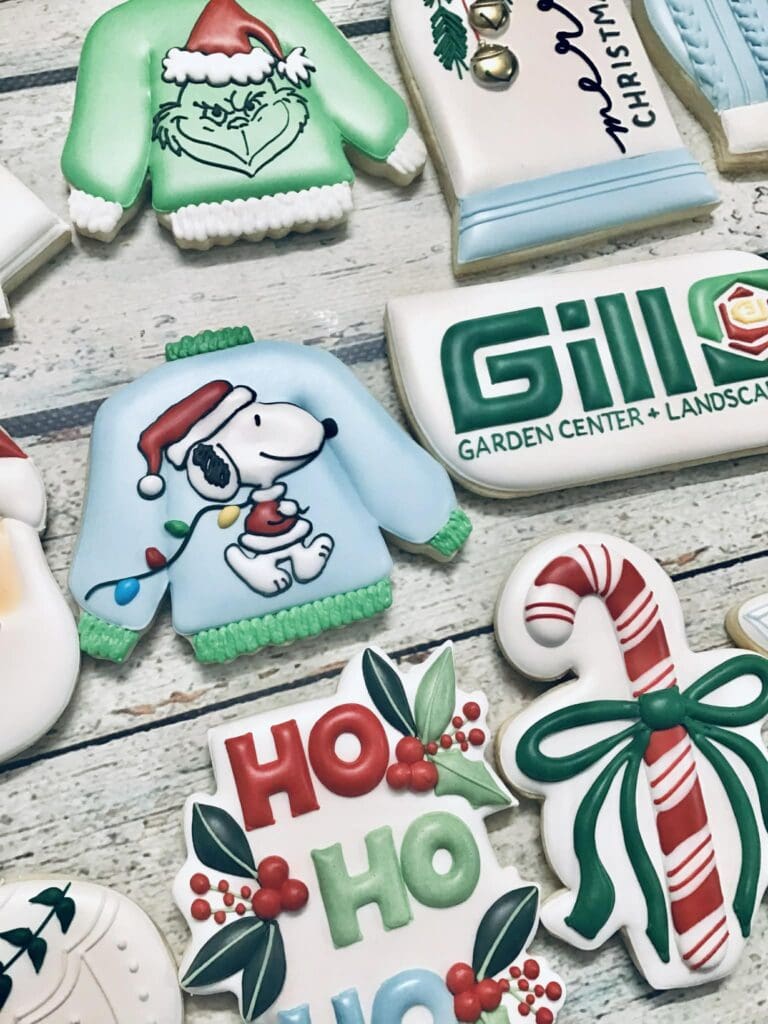
Happy Holidays, gardeners! We hope you’re having fun with family and friends and enjoying nice weather outdoors. We’re back open regular hours December 26th through December 30th. We’ll be open 9-2 New Year’s Eve and closed New Year’s Day. Cheers to 2026! p.s. – check out these amazing cookies from our Gill holiday party! 


Rain in the forecast, wonderful temperatures, holidays with family and friends = AMAZING time to garden! We’re all busy planting, re-designing, fertilizing, and getting ready for outdoor fun with guests. Here are our top tips for making the most of a very important month in the garden. 

1. Feed Your Plants, Trees, and Lawns Too
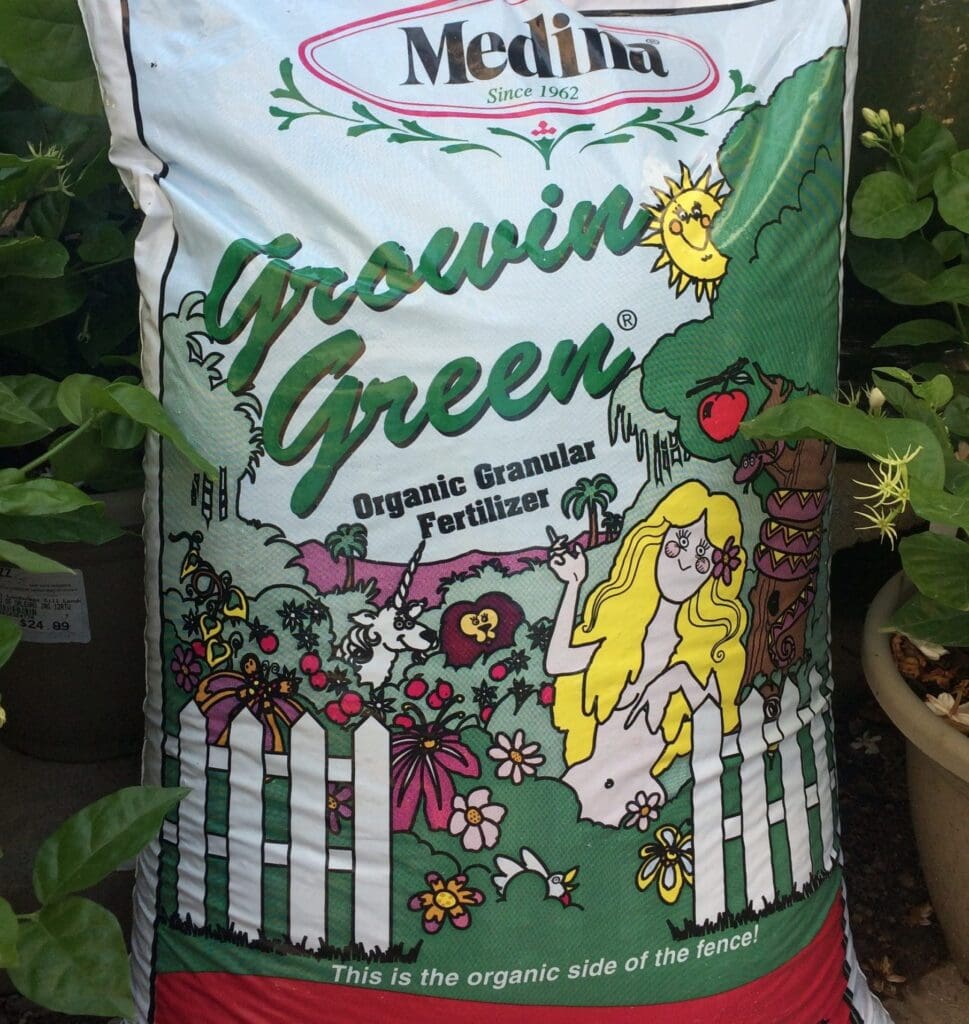
Feeding your plants this month is a must. This includes lawns, trees, and most plants. Everything is actively growing, which means they’ll need more food to continue looking their best. Medina Growin Green is a great multi-purpose food for landscape plants, shrubs, trees, veggies, lawns, you name it! For blooming perennials, annual flowers, and veggies we really like using a good organic granular food like Medina Growin Green, Plant Tone by Espoma, or Rose Glo in combination with Medina Hasta Gro liquid. Feed with the granular on the 1st of each month, then follow up with liquid Hasta Gro on the 15th. Add these reminders to your calendar and you can’t go wrong!

Yes, you can still fertilize your lawn, even though our lawn watering is limited. Using a good organic lawn food, like our go-to Medina Growin Green, promotes root growth and long-term health, which makes lawns more tolerant of less water. Ideally you’d want to water the fertilizer in, but you don’t have to. Medina Growin Green is gentle and won’t burn your lawn. You can apply it now and water it in slowly over a few weeks. If you have trees in your yard, keep in mind that fertilizer and water need to be applied at the drip line, aka where rainwater naturally drips off the outer edge of the canopy. Therefore, if you apply fertilizer to your lawn and water it in for the trees, your lawn will get the benefit too. You can also try to time your lawn fertilizing with a light rain. We typically don’t recommend waiting for rain to fertilize since a heavy rain would wash most of the fertilizer granules away. But, given the watering limitations, taking advantage of a light rain is a good solution. 

2. Watering Wands Win!

Hand watering with a watering wand that has a cutoff valve is the most efficient and best way to water, especially for new plantings. Watering plants low to the ground keeps water from escaping via wind and evaporation and keeps water off the leaves which can invite fungal issues. Watering slowly (by turning down the pressure on your watering wand or kinking your hose) ensures that more water gets down to the roots instead of running off the surface.

Keep in mind that hand watering and drip irrigation are allowed during current watering restrictions. You can hand water any day before 10am or after 6pm, and you can supplement with drip irrigation once every other week. We carry the pro watering wands that we use here at Gill’s as well as moisture meters, timers, and other supplies to help make the most of your water.

For any new plantings, including turfgrass, you can apply for a temporary exemption to watering restrictions and use sprinklers and irrigation systems in order to help get plants, lawns, and trees established. We can help you file for the exemption if you like – it’s a straightforward process.

3. Plant Blooming Perennials for Pollinators
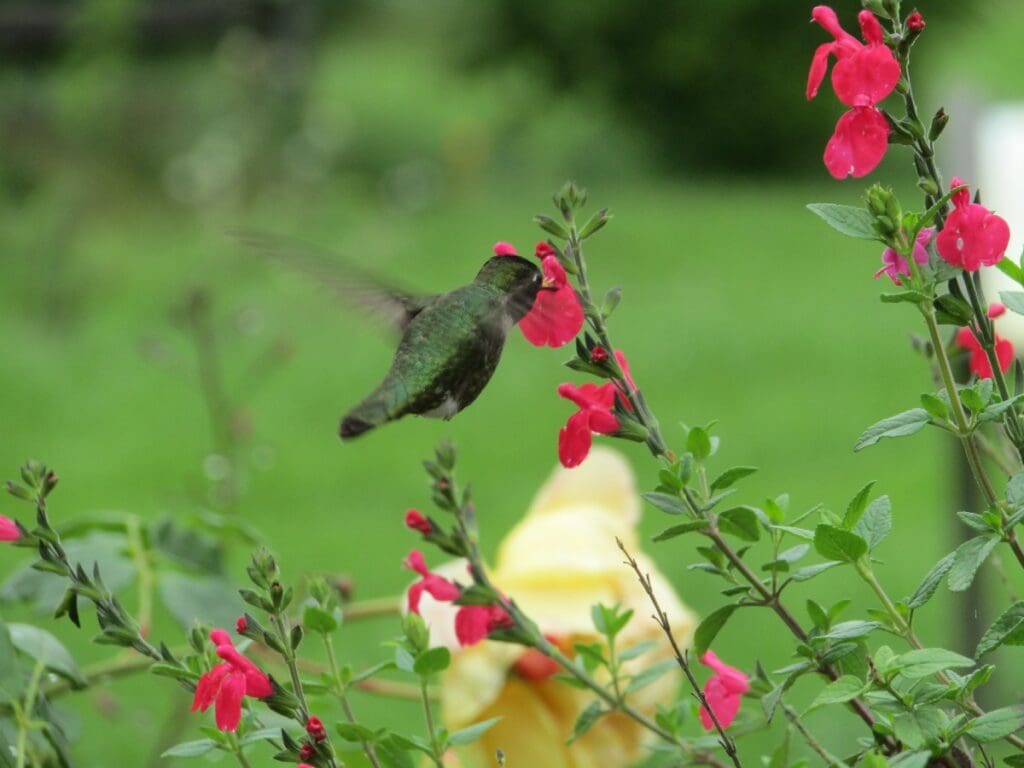
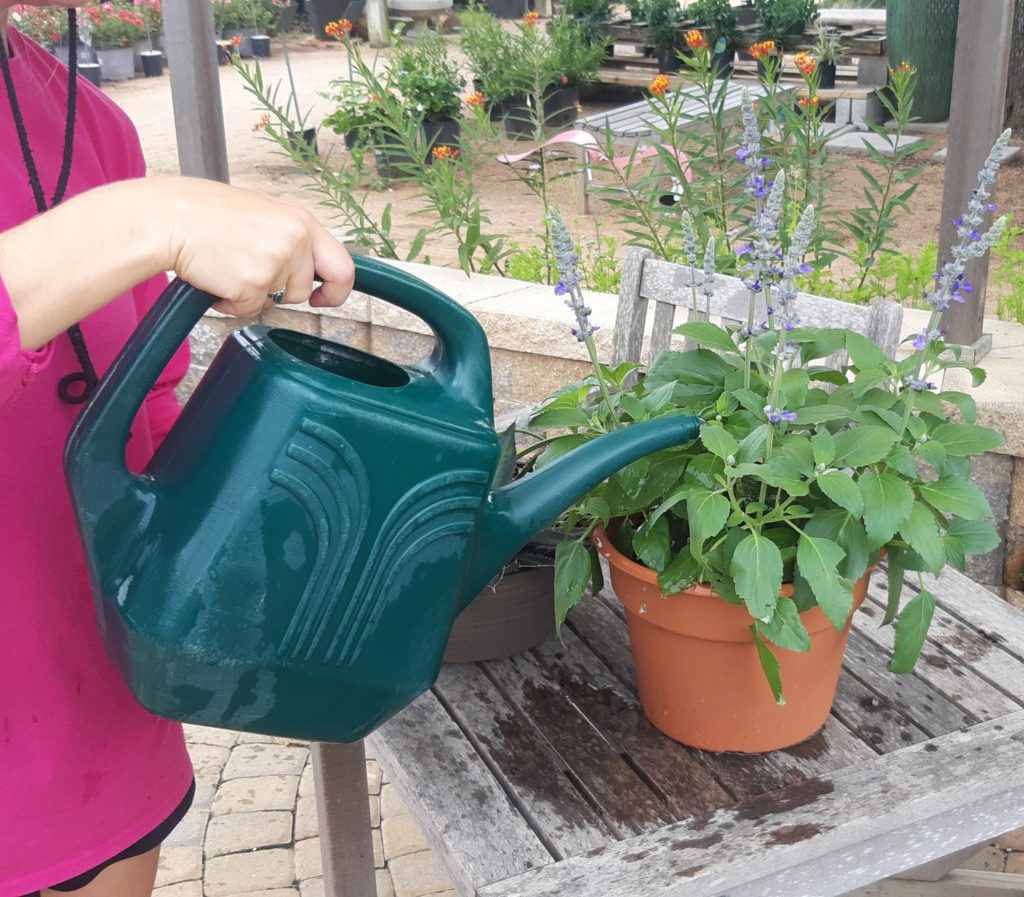
April is time to add some blooming perennials to attract pollinators like butterflies, bees, and birds to your garden. You support pollinators (and the planet!) and in return they help you have more blooms, better production on your veggies, and a more vibrant landscape! Remember – April is when we start seeing hummingbirds! Add a few of their favorites like this native salvia greggii, native flame acanthus, red yucca, or firebush and make your backyard a preferred stop.

4. Plant Your Warm Weather Veggies
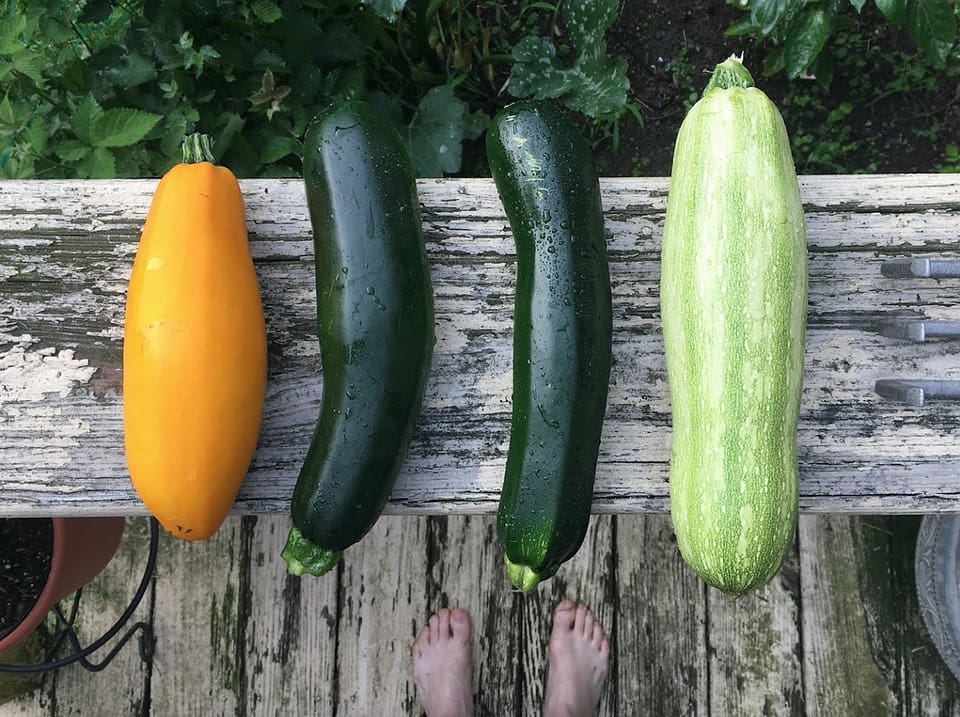
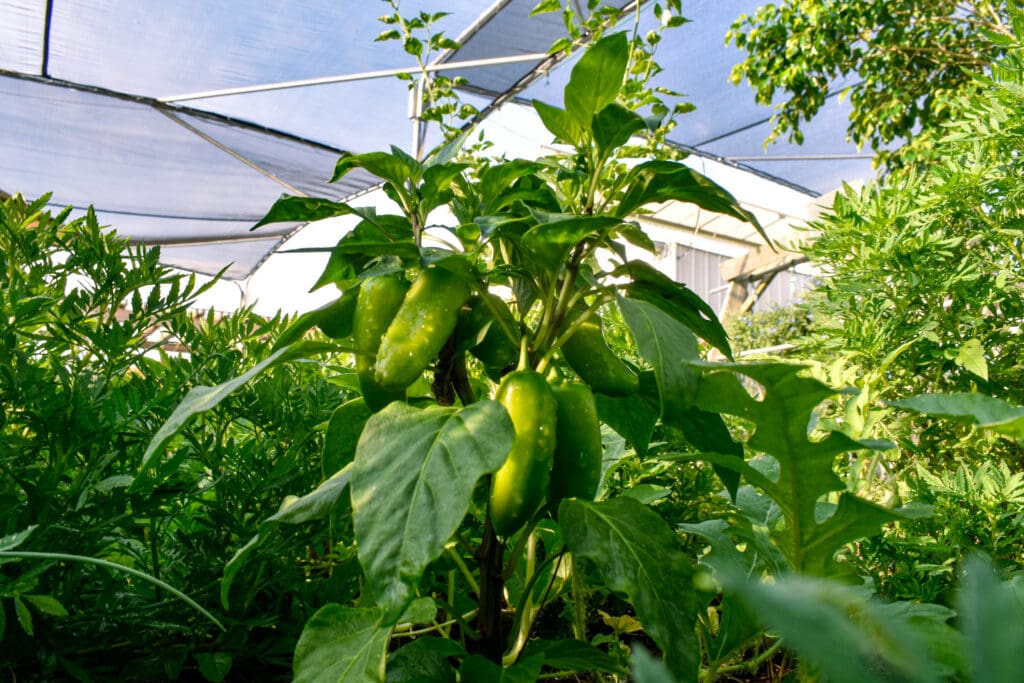
It’s time to plant hot peppers, squash, zucchini, basil, beans, and more! When starting veggies, the trick is to get the soil as active and alive as possible. Amend your existing soil with Nature’s Blend Compost (about 1 bag per 12 sq. ft.), then add a little Bio Tone starter fertilizer with mycorrhizal fungi and a good handful of worm castings when you plant each plant. Then follow our trusted fertilizer schedule – granular food (like Medina Growin Green or Plant Tone) on the 1st of the month and liquid Hasta Gro on the 15th! Remember that veggies use a lot of energy and need these regular feedings to produce – you WILL get more and better-tasting fruit with a good fertilizer schedule. Plus, strong, vigorous veggie plants are less susceptible to pest damage.

5. Mulch! Not Just for Good Looks…

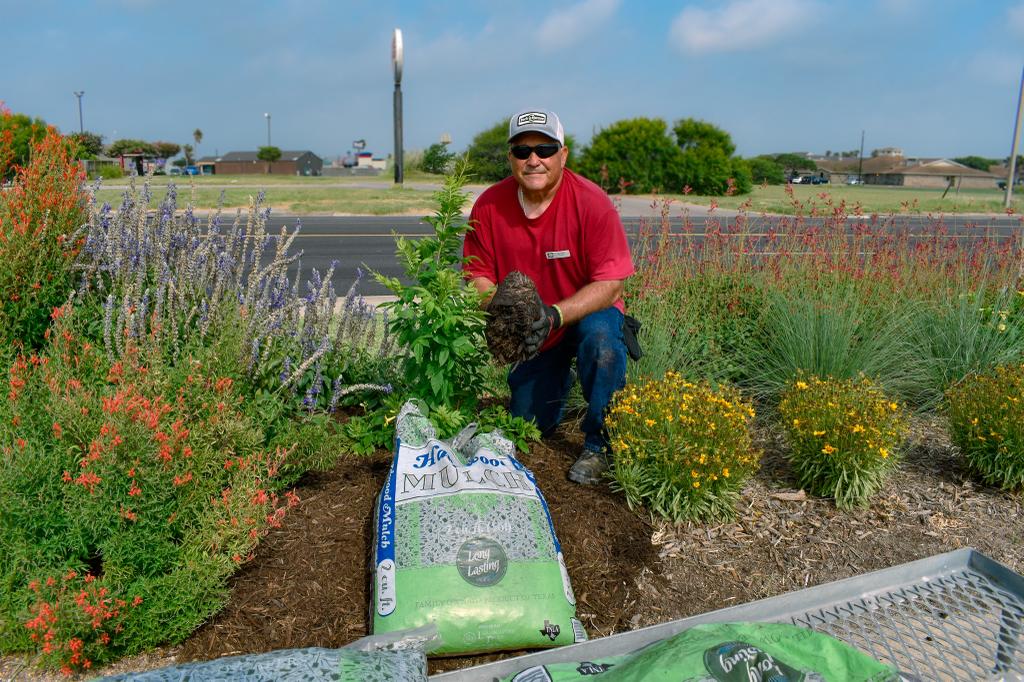
We all know that fresh mulch is like a fresh coat of paint for your garden – instant makeover! But did you know that applying a proper 3” layer of natural mulch keeps underlying soil temps more than 20 degrees cooler?! A good mulch layer keeps weeds at bay, and as it breaks down over time, it add nutrients to your soil. And perhaps most importantly right now, a good mulch layer retains moisture, which means big water savings. 

6. Get Ready for Guests

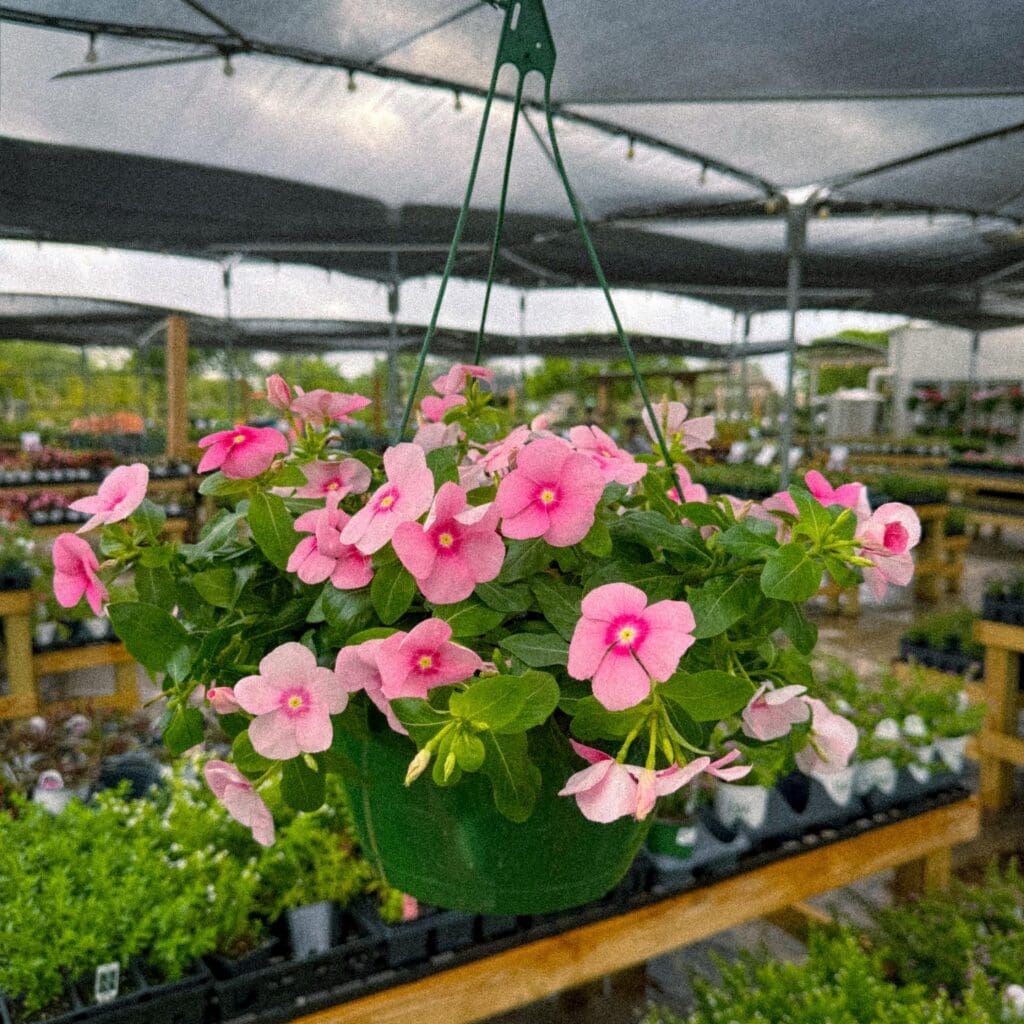
Get outside and enjoy the gorgeous weather and prep for gathering with family and friends! For the quickest and easiest impact outdoors, think hanging baskets full of periwinkles, coleus, hummingbird falls salvia, bougainvillea, and more overflowing with color. Some pops of color plus fresh mulch in your beds and you’re ready to host! For indoors, our favorite flower arrangements are those cut fresh from the garden and landscape, or we have some cute dried arrangements too!


It’s the time of year we are scurrying around the garden, picking delicious ripening citrus. Perfect gift giving for the holidays! A few days ago, I noticed that some of my lemons and their leaves have a black mold on them. Some of you have had the same issue and are concerned too. “What is happening?”

Well it is most likely from the honeydew of visiting insects who enjoyed a meal from your citrus tree. Who could blame them? They have probably moved on but if you find a few still catching a free meal, you can treat your citrus tree with dormant oil spray. It’s just oil-no chemicals so you can be assured it’s not harmful to you or your tree. But it suffocates those insects and any eggs they may have laid while hanging out.

It doesn’t change the flavor of the fruit, and thank goodness it’s easy to wash off! Happy Holidays!

-Debbie

Our Thoughts On Living Christmas Trees:

There are some great alternatives to cut Christmas trees. Norfolk Island Pines are one of the most popular because of their look. They are layered like many fir trees and resemble a Christmas tree. Hollywood Junipers and Blue Point Junipers are another alternative with the look of a true Christmas tree. They grow well in our area and can be planted in the ground after the holidays or kept as a container plant and used for years to come. Yaupon holly trees are also great with their red berries this time of year. Magnolia and Ficus Trees can also be used. All of these can be strung with lights and used indoors for a couple of weeks before needing to be put back outside in their normal environment. Be creative. Look around the patio and see what you have to decorate. It’s always fun to decorate a non-traditional tree and surprise your family and guests!

Bugs On Your Garden Greens?

Thanksgiving morning James noticed inch worms and flea beetles on his coveted greens he is growing in pots. He grabbed his trusty Natural GuardNeem Ready To Use and with a couple of pumps of the spray bottle, problem solved! The Neem acts as a repellent for beetles and caterpillars and kills soft bodied insects like aphids. It also helps to control powdery mildew.

Some Cedar elms have gold leaves, some just starting to turn! 

This photo was taken at our Airline store this past Monday. This is a great example of how like plants, growing right next to each other, behave differently. One has turned gold, the other is still very green. Both are very healthy, just on a little different time schedule! And…please note, it’s the same in spring – there’s always one to leaf out later that causes concern but more often than not, it just decided to sleep a little longer!