Garden Center Hours: Mon-Sat 9am - 5:30pm • Sun 10am - 5:30pm

Start your engines…fall planting season is here!! September is the best time to plant almost everything – veggies, trees, shrubs, natives, hummingbird plants, and more. Here are our top 7 must-do’s in September as we head into fall, our favorite South Texas gardening season!

1. Ready, Set, PLANT Veggies, Herbs, Citrus, and Fruits!

It’s time! Tomatoes, peppers, & warm weather edibles should be planted early in September at the latest. Plant cool weather veggies & herbs anytime in September and remember to shelter them from still-intense sun and keep watered. When planting, you can’t go wrong with organic BioTone starter fertilizer + a good handful of Earthworm Castings. Neither of these require precise measurement, and they make an incredible combo for building stronger, deeper roots, preventing pests, and creating an active soil environment for plants to thrive.

Here’s our Fall veggie planting schedule. And save space for citrus trees, figs, and other fruit trees to round off your garden grocery store! They’ll all be arriving before or right around mid-September. 

2. Make Way for New Growth with Light Pruning and Clean-up

Chances are you have established plants that could benefit from a clean-up after working so hard all summer. Wait until about September 15th and give them a light pruning to make way for new growth this fall. A good rule of thumb for most plants is to prune up to 1/3 (not more) in the fall, then wait until January to do a heavy pruning/cutback. If you have questions about how to prune specific plants, you know who to call! 

3. Plant Trees and Shrubs for the BEST Start

Plants that are cold hardy (trees and woody shrubs) will benefit greatly by planting during our fall season. They’re under less heat stress, and they grow more roots through the fall and winter, making them stronger and ready to take off next spring. More roots, stronger plants, and less watering! Oak trees, Crape Myrtles, Hawthorns, Yaupon Holly, Plumbago, Boxwoods and a host of other trees and shrubs should be planted starting this month for the best possible start.

4. Plant to Support Pollinators!

We’re bringing in lots of new plants this month with our pollinator friends in mind! While you’re choosing what to plant, consider adding Texas Natives like Turk’s Cap and Lantana that birds and bees love. If you want to attract and support butterflies, try native butterfly weed (Asclepias tuberosa), Gregg’s mist flower, and lots of different blooming salvias. So many gorgeous options! Bring in some pictures of your outdoor space and we can help you plan the perfect pollinator garden – big or small. You can DIY or we can plant it for you!

5. YES You Can Hand-Water and Use Drip Irrigation Systems!

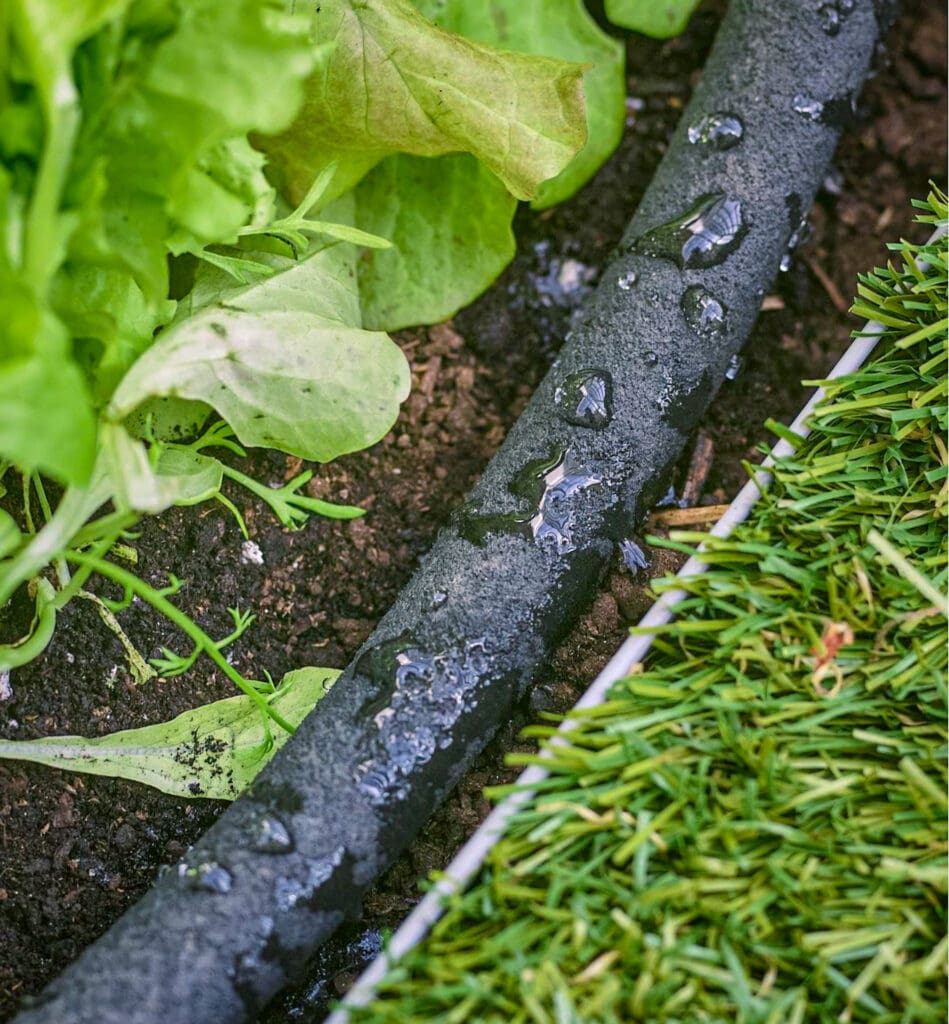
Keep in mind that you can hand water all landscape plants, gardens, and trees on any day under current city watering rules. The good news is, hand watering is the best way to water as long as you’re doing it effectively. That means making sure you water at ground level, not over the top of your plants. This gets more water down to the roots, prevents water loss due to evaporation, and prevents fungal issues that can arise from too much moisture on leaves and stems. When hand watering, be sure you’re giving your plant roots a deep soaking. Water once, give it some time to soak in, then water again. Keep in mind, under current rules, you can also use drip irrigation systems for landscaped beds every other week on your watering day. The same principal applies – deep soaking!

6. Set the Table for the Fall Hummingbird Migration!

Ruby-throated hummingbirds will soon make their way through for the fall migration! These tiny birds are BIG eaters. They stop here in the Coastal Bend to fuel up before their non-stop flight across the Gulf of Mexico. Host them in your yard by planting some of their favorite foods! Hummingbirds find plants using their excellent vision and are attracted to bright colored blooms, which indicate a high-sugar food source. Some of our favs for South Texas are Flame Acanthus (aka hummingbird bush), Salvias (like native Salvia greggii and Salvia leucantha), Cape Honeysuckle, Firebush, Firecracker plant, Coral bean – the list goes on! Plant a few of these and hummingbirds will find them. And don’t forget to visit the Rockport-Fulton HummerBird Celebration September 18-21!

7. You’re Invited! Fall Garden Talks and Events at Gill’s!

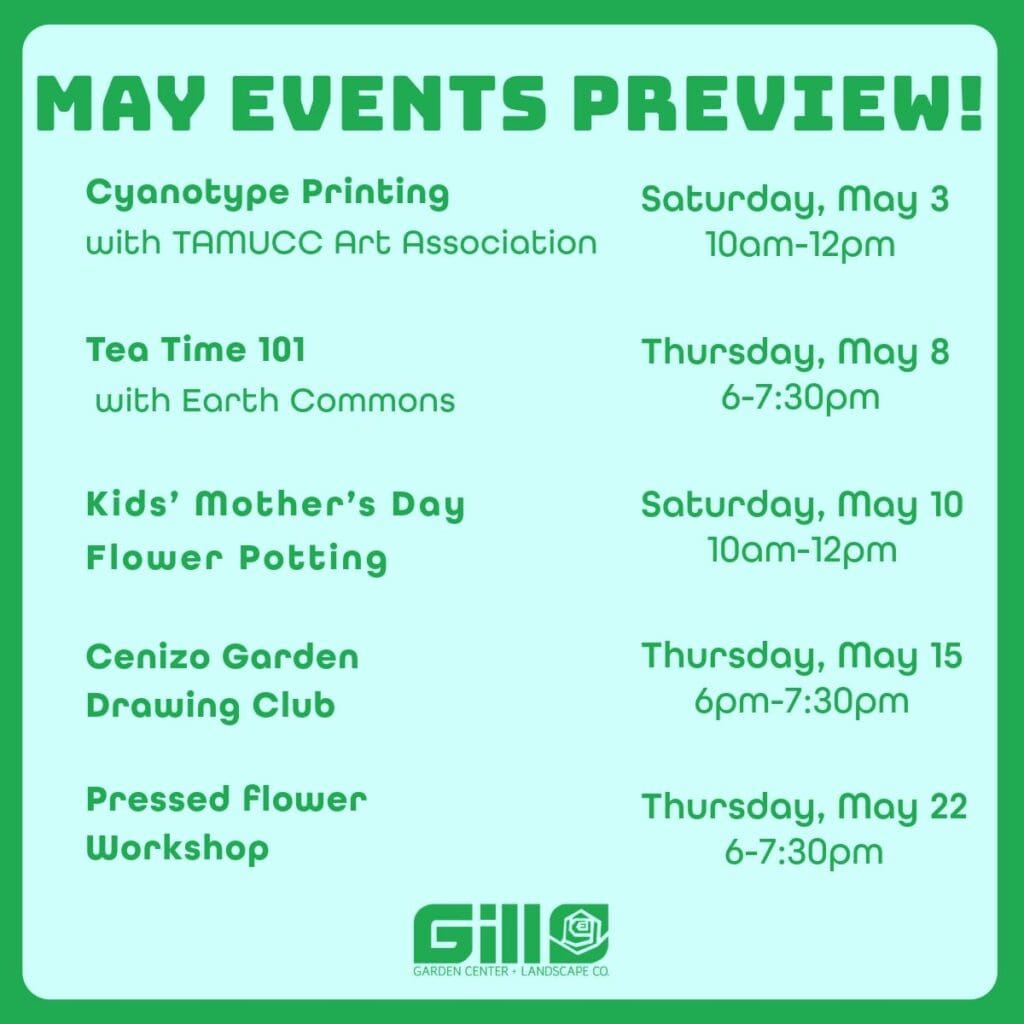
Gill Garden Talks and Events are back this Fall! We’re kicking it off with DeAnna and Wyatt’s Fall Veggie Gardening Talk on Saturday, September 13th!  Based on your suggestions, we decided to do 2 veggie talks this year. Part 1 will focus on early fall veggies like tomatoes, peppers, and squash, and part 2 will focus on cooler season crops like broccoli, greens, and cabbage. Stay tuned on our events page and on Instagram and Facebook for details of each event. We can’t wait!

February is time to really get going on pruning, prepping, and planting to kick off spring! We always say – spring in the Coastal Bend starts on Valentine’s Day. We’re stocking up on veggies, Texas native plants, trees, lots of flowers and blooming perennials, and we’re hosting lots of garden talks and events starting this Saturday! Here are our top 8 gardening tasks to focus on this month as we head into an amazing garden season. 

1. Join Us for James Gill’s Annual Get Ready for Spring Talk – This Saturday at 10!

If you want to make a really good gardening game plan for spring, join us here at Gill’s this Saturday, February 7th at 10am for James Gill’s annual Get Ready for Spring garden talk. James will go over proper pruning techniques, what to plant, how to fertilize, watering tips, and lots more. James is a walking encyclopedia of local gardening and landscaping knowledge – bring your questions! This talk is free and open to everyone. One attendee will win a $100 Gill’s gift card, and we’ll do some other giveaways too! Take a look at all our upcoming talks and events here. Next up is our Valentine’s Potted Arrangement Workshop on Thursday, February 12th at 6pm.

2. Prep Beds & Plant Your Veggies!

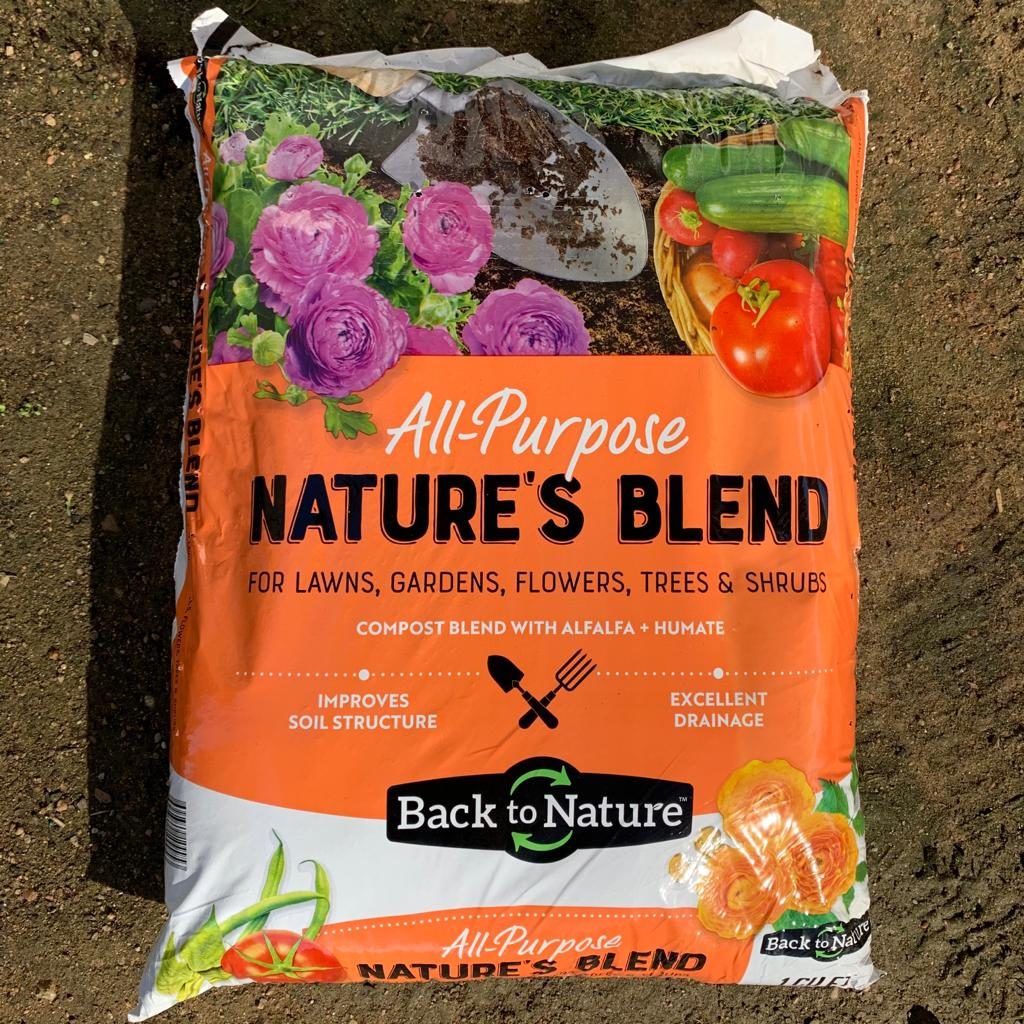
It’s time to start veggie favs like tomatoes, squash, cucumbers, beans, lettuces/greens, & more! Work some Nature’s Blend compost into your beds and get going. Or fill containers and raised beds with Gardener’s Magic soil and plant! Stop by and we’ll help you plan your veggie garden and get you everything you’ll need for a bountiful harvest. We’ve also got our Spring Veggie Garden Talk with DeAnna and Wyatt coming up on February 21st. Come learn and share with a group of seasoned and aspiring gardeners!

3. Start Your Spring Cleanup & Pruning Now

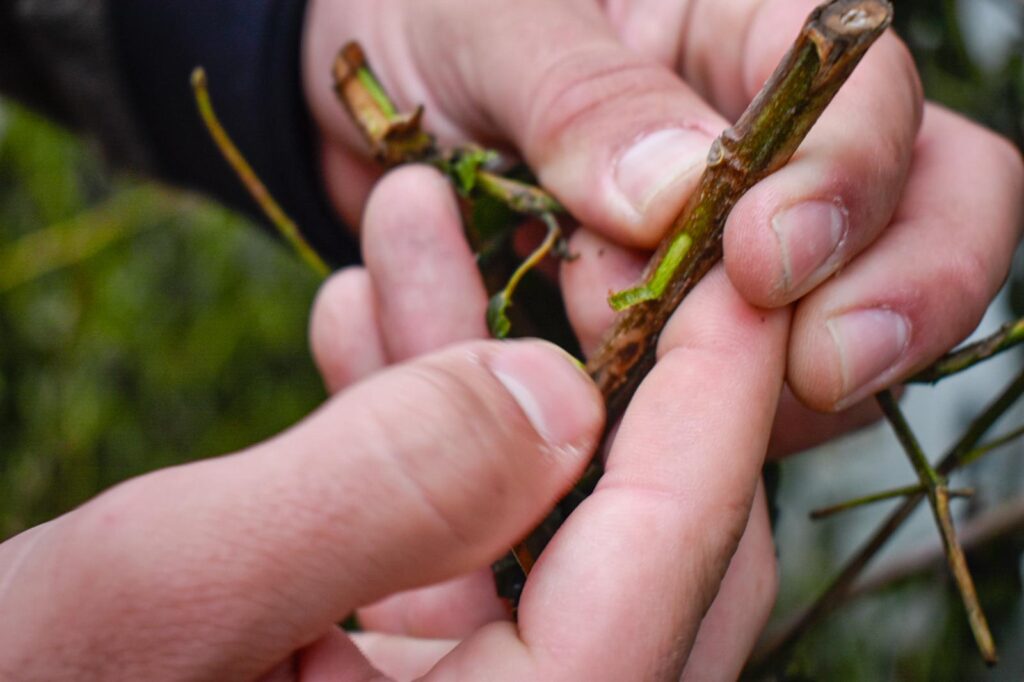
February is the time to get plants cut back to make way for big spring growth! Typically, we recommend waiting until February 15th to prune, but since the weather is warm and the forecast looks good, game on now! Most perennials like Lantana, Turk’s Cap, and Salvias need a good pruning back to about 4-8″ – don’t be shy! For any plants with woody stems/branches (like Esperanza and Hibiscus) that look dead or damaged from our recent freeze, do the scratch test before pruning. Start up high and scratch with your fingernail, a dime, or the back side of a knife. Don’t scratch too deep. If you see the bright green cambium layer (like the photo), that means it’s still alive! If you see brown/gray when you scratch, keep working your way down the plant until you see green. That will tell you where to cut. As always, contact Gill’s if you’re not sure or have questions about whether or how to prune specific plants.

4. Bring Back the Color!

All our favorite spring annuals, perennials, natives, roses, and bright-blooming tropical plants are arriving at Gill’s daily! We’ve entered February and the forecast looks warm and sunny, so it’s time to create bursts of color in the garden and landscape. Yes, there’s always a chance for a late freeze, but given our forecast this year, those chances are getting slimmer every day. Better to plant early and get a head start on root growth. Plus, small plants are easy to cover if need be. 

5. Keep Feeding Veggies & Flowers on a Regular Schedule
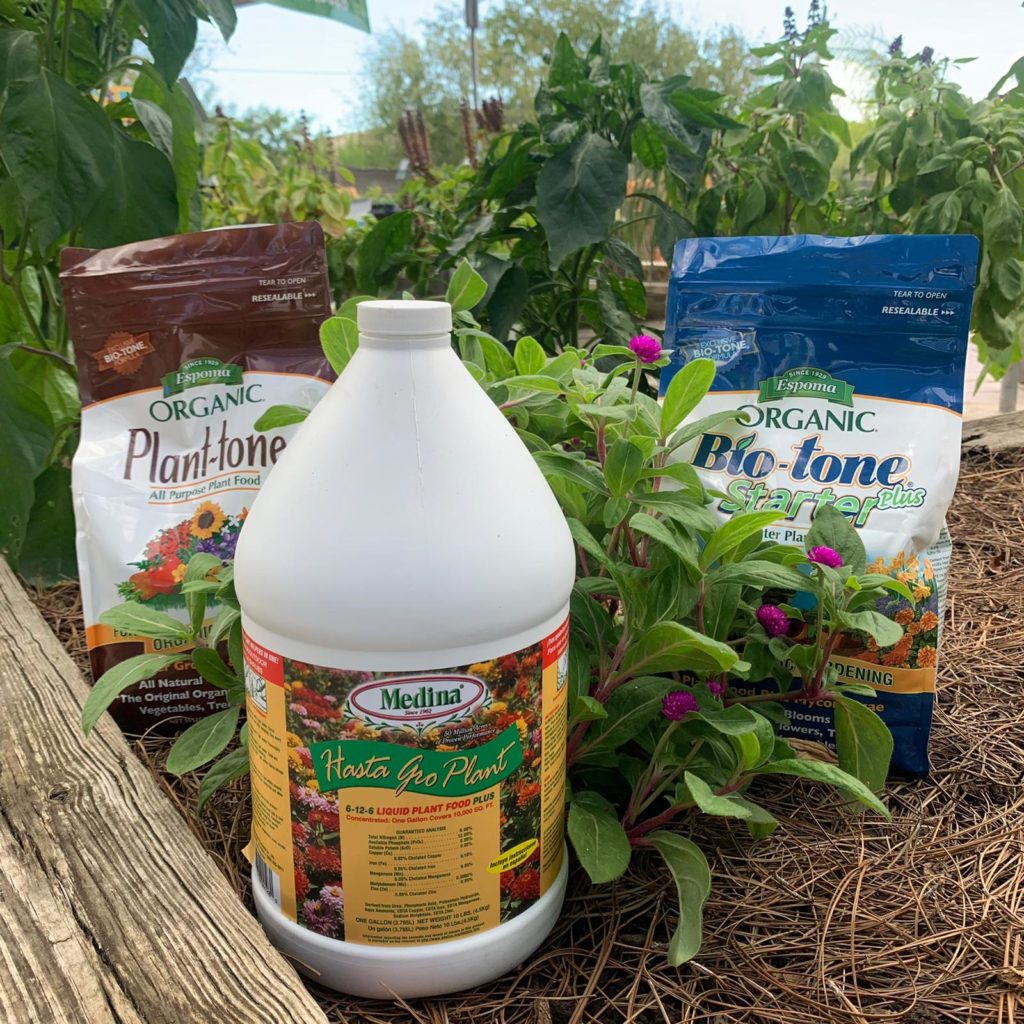
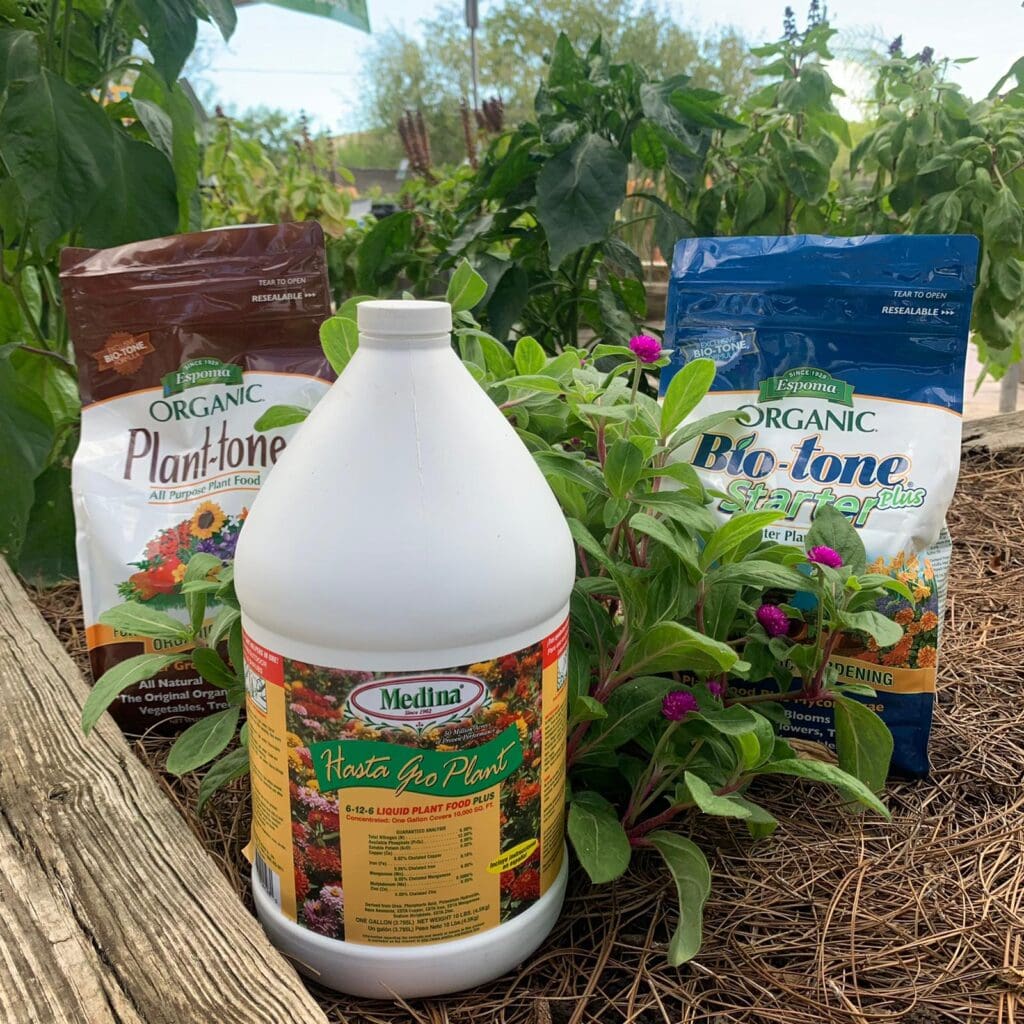
Blooming plants need food! Veggies are especially heavy feeders – they need to be able to sustain blooming and producing fruit. We recommend mixing in a little Bio-Tone Starter when you plant, which contains mycorrhizal fungi that promotes root growth. Then feed with a good organic, granular plant food like Plant-Tone or Medina Growin Green once a month, and supplement with liquid organic Hasta Gro in between. An easy way to remember this is to set an alarm or calendar event for granular feeding on the 1st of the month, then Hasta Gro on the 15th. These will add nutrients to your plants and keep your soil alive and healthy too.

6. Keep Watch for Scale Insects

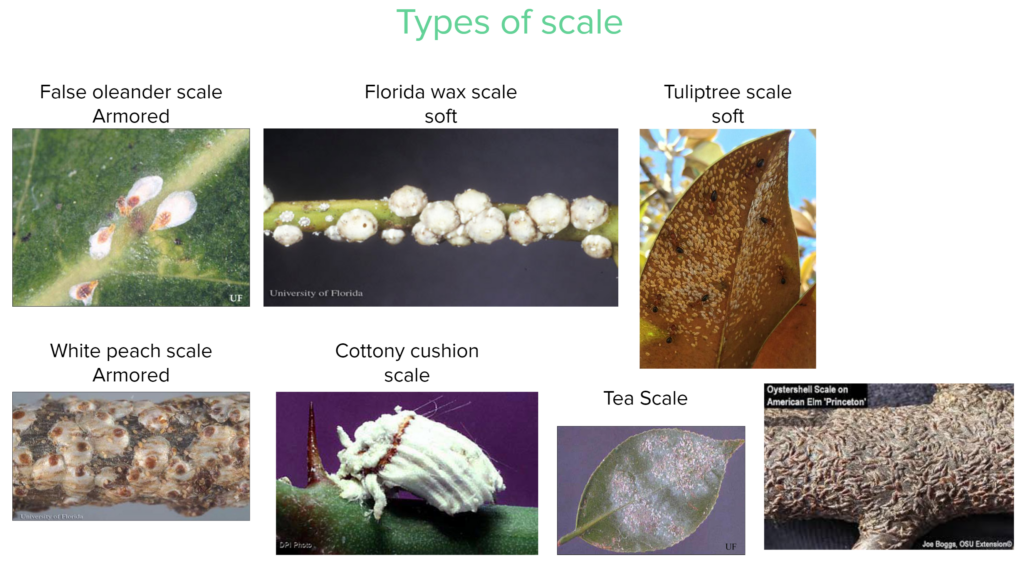
Scale is a variety of hard bodied sucking insects that range in appearance from white oyster shells to brown boogers stuck to the leaves of plants. Some of their favorites are Burford Holly, Bird of Paradise, Flax Lily, & Irises. They are easily controlled with a spray of organic All Seasons Oil Spray, but it must be done now before temps get too warm. The oil spray literally coats and suffocates the the eggs that are waiting for spring to hatch. It’s also good for treating houseplants that may have scale or spider mites. 

Check out our February Garden Guide for more tips!

Spring has SPRUNG!! Gorgeous weather, rain in the forecast, and the nursery is bursting at the seams with all kinds of blooms! Here are our top must-do’s in the garden this March – time to get planting!

1. Get Your Veggies Going Right Now

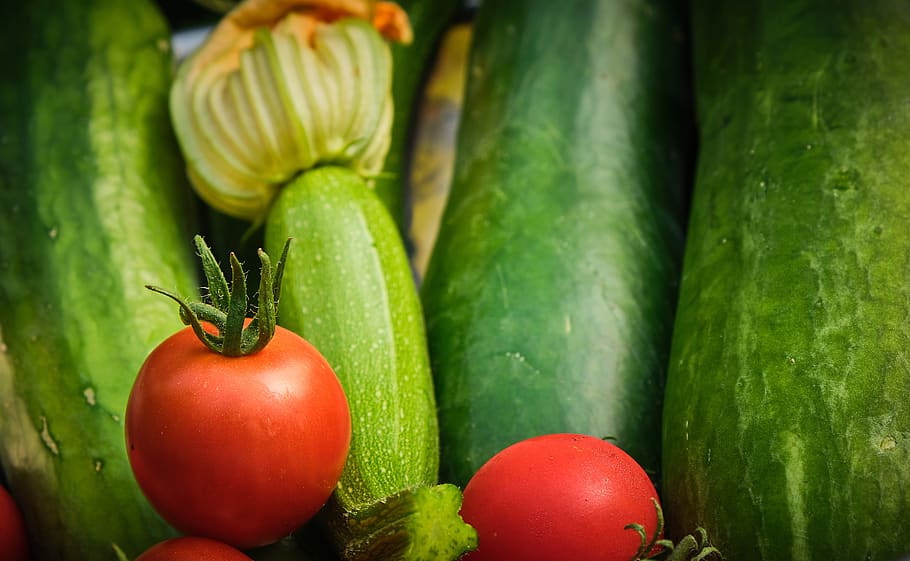
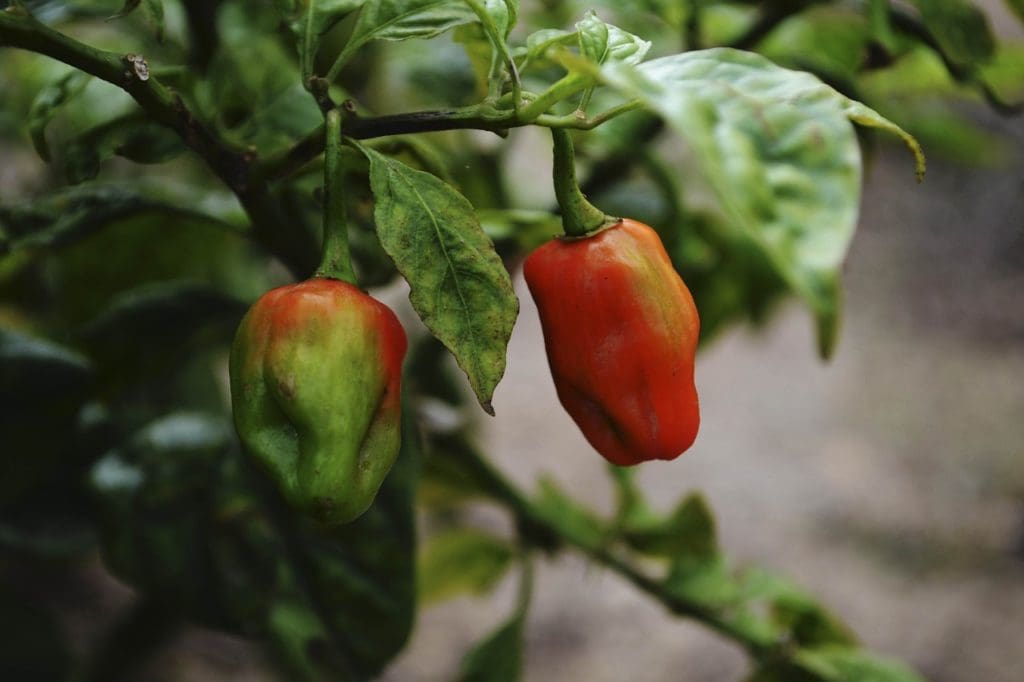
We must say…our veggie and herb section is looking mighty good right now! We’ve got tons of different tomatoes, jalapenos, super hot Carolina Reapers, cucumbers, squash, eggplant, asparagus, lemongrass, basil, and lots more ready for your garden. Be sure to get your tomatoes going early this month so they have time to produce before it gets too warm – don’t miss your window. The rest of these can be planted any time this month, but you don’t want to wait much longer. Take advantage of the perfect weather!

2. Fertilize Regularly Starting Now (except for lawns!)

The time to fertilize is when plants are actively growing. That’s when they take up nutrients and get the most benefit from a good feeding. Flowers and veggies are especially heavy feeders because they’re working to produce a bloom and fruit. And you will certainly notice a difference with your landscape plants as well. Apply a good all-purpose organic food like Plant Tone, Medina Growin Green, or Rose Glo once a month for great results. Don’t sprinkle your granular fertilizer right up against the trunk of the plant. Instead, sprinkle at the drip line, aka where rainwater would drip off the outermost leaves. That’s the zone where plants take up the most nutrients. After you’ve applied your granular food, circle back every 2 weeks to supplement with liquid Hasta Gro. Almost everything should be fed starting now, except lawns! Wait to fertilize lawns until late March/early April.

Added bonus: When planting, add a little Bio Tone starter fertilizer to the soil when you backfill. It contains all sorts of beneficial organic matter, including mycorrhizal fungi which help stimulate better root growth. Amazing stuff!

3. Whatever You’re Planting – Add Compost!

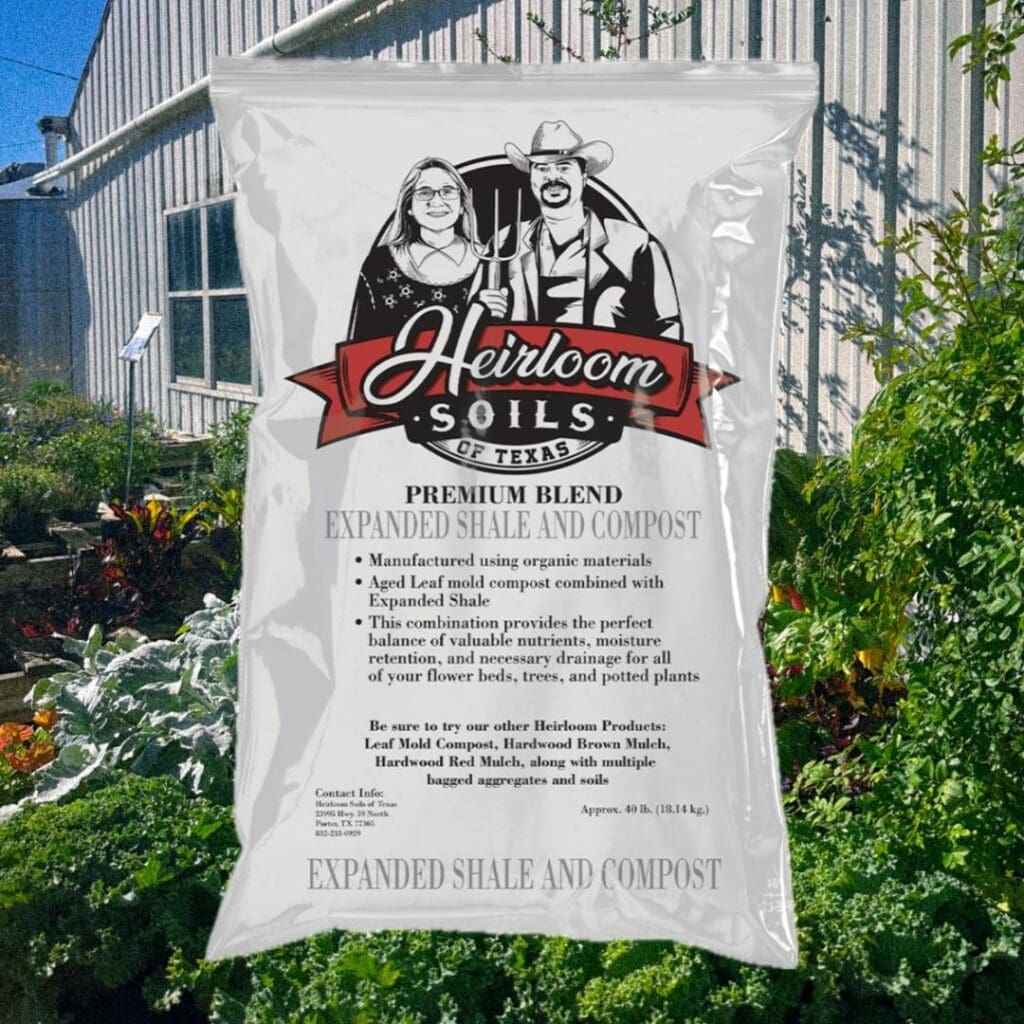
Whether you’re starting a veggie garden, planting trees or shrubs, annual flowers, or blooming perennials, add some compost to improve the quality of your native soil. We love our Nature’s Blend or Cotton Burr Compost. Whichever you choose, 1 bag improves about 12 sq ft of clay or sandy soil and gets it ready for planting. That’s a good approximate ratio if you make your own compost too. Adding compost not only improves the consistency of your soil, it adds LIFE! All those beneficial microorganisms help turn your soil into the perfect environment for plant roots.

4. Plant Level – Not Too Deep!

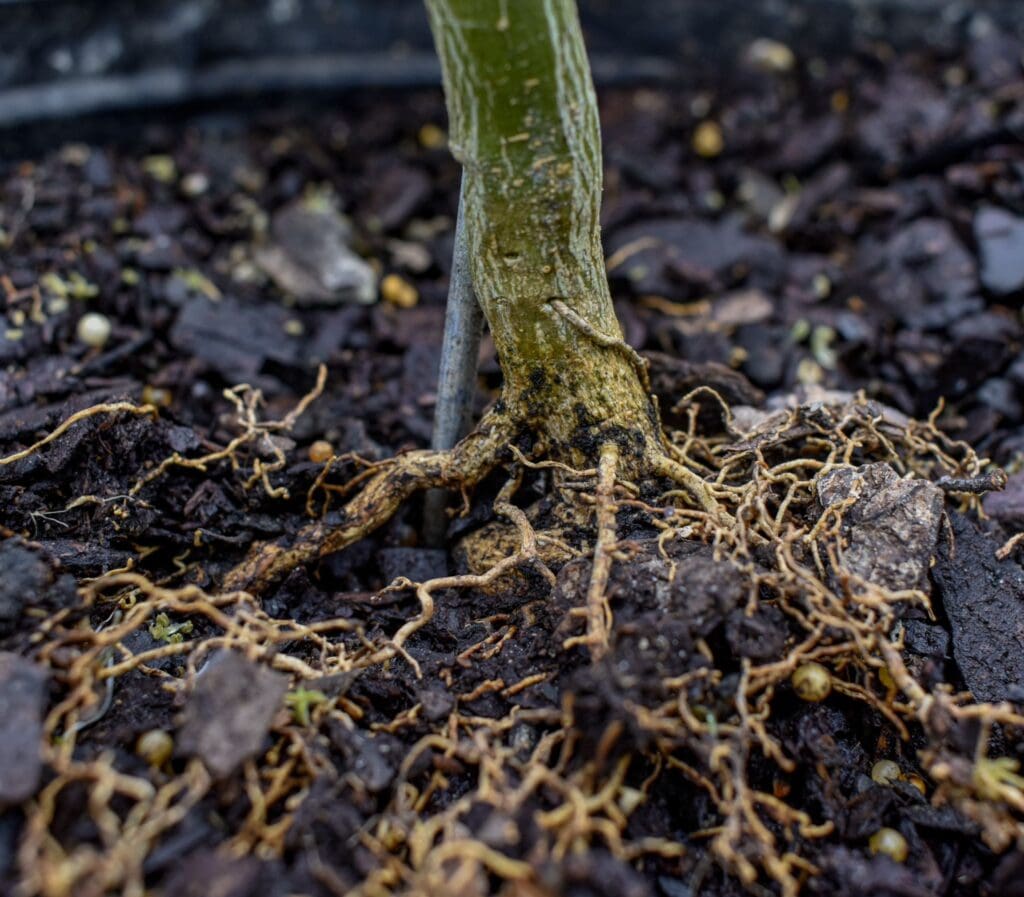
When planting this Spring, DON’T PLANT TOO DEEP! Plant level with the surrounding soil (or even slightly higher) and don’t cover the top of the root ball with soil. Plants have tiny feeder roots on the surface of the root ball that are critical for taking up nutrients and for oxygen exchange. If you bury these surface feeder roots, the plant will suffocate and decline. After you plant, use a moisture meter to be sure you’re getting moisture down into the ground when you water.

5. Invite Pollinator Helpers to Your Garden

Now is an important time to incorporate plants into your garden that attract & feed the birds, bees, butterflies, moths, and other pollinators. They need your help finding food and shelter, and you need their help pollinating your blooming plants, increasing your veggie production, and eating bad bugs. Bees are drawn to most anything with a bloom but some fav’s are native Gregg’s Mist Flower, Esperanza, & Lantana. Butterflies love Salvias and Mexican Flame Vine too. Native plants like Turks Cap and Yaupon Holly produce berries for birds, and Hummingbirds love Duranta, Mexican Honeysuckle, & lots more! Keep in mind that pollinators need help locating these food sources. Think about planting several of the same plant together to help make them more visible to our pollinator friends. 

p.s. If you want to learn more about bees, join us here at Gill’s this Saturday, 3/7 at 10am for a special garden talk:  Beekeeping & Honey Processing with Hebert Honey!

6. Plant Drought-Tolerant Color!

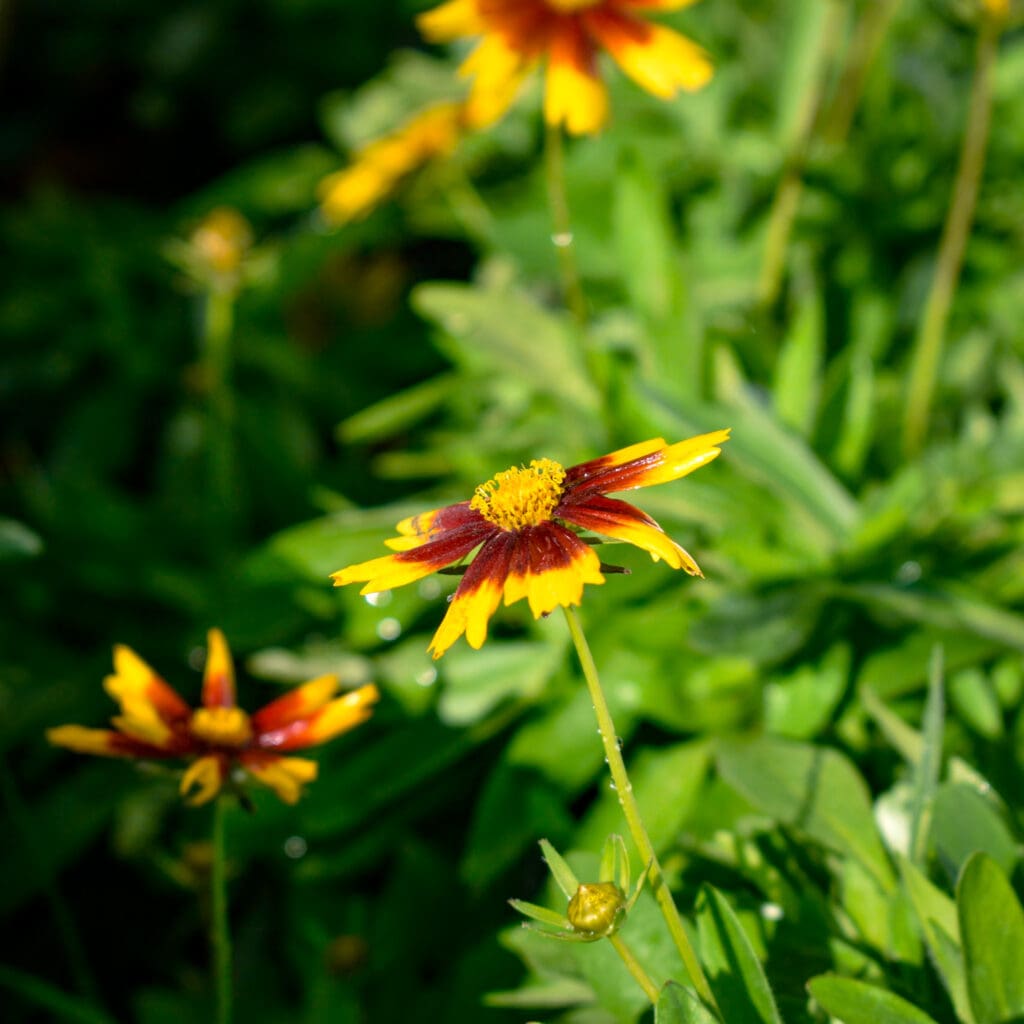
Q:  Can I use far less water and still have a gorgeous landscape bursting with color? A:  Absolutely, you can! Given our drought situation, we’re sourcing even more of the tried and true, top-performing plants that don’t require much water once established. Think about a rainbow of Coreopsis (pictured), native Blackfoot Daisy, Mexican Heather, Bulbine, and all the different color Salvias and Lantanas – all very tough and water wise perennials that will carry you through the seasons. Think about creating some areas of interest in the ground or in pots with Gomphrena, Bluebonnets, and Pentas, all of which thrive with little water. Speaking of pots, even bright sweet potato vine is a low-water winner. 

Keep in mind – turfgrass lawns are by far the thirstiest part of our landscapes. Now’s a great time to reduce lawn space by creating or expanding planting beds, converting to native groundcover like Frogfruit, or adding pathways and other features. How much of your lawn space are you actually using? 

7. Come to Our Nightbloom Event Next Thursday!

Did you know we’re hosting our first-ever night time shopping event at Gill’s next Thursday evening, March 12th?! Stop by and see the nursery lit up at night – it’s magical! Stay tuned to all of our upcoming talks and events here, and follow us on Instagram and Facebook for updates. 

p.s. Now you can sip and stroll at Gill’s any time – we’re stocked with cold drinks including beer & wine 🙂


Are you challenged with caterpillars, leafminers or whitefly every year? On your bougainvillea, hibiscus, ash or oak trees? If so, now’s the time to apply Bayer Tree & Shrub Drench. Be careful though, not to use on your herbs, veggies & fruit trees.

Another great drench and less expensive, Fertilome Tree & Shrub Systemic Insect Drench doesn’t work well on caterpillars but is great for wooly aphids in hackberry trees, asian cycad scale on sago palms, lace bug on lantana, aphids and whitefly on crape myrtle or even mealy bug that attack your hibiscus every year and drive you crazy with spraying. Again, do not use systemic insecticides on herbs, veggies & fruit trees.

It’s best to monitor your plants and spot spray individual plants when needed, but we all get busy and so the systemic may be the best option for you. We have both products in stock now for your spring application.

We always recommend you use the least toxic product to get rid of damaging insects. For example, aphids get on more plants than anything else in the spring, but on the bright side, they are also very easy to control. Sharp sprays of water many times works to rinse them off the new foliage.  

Whatever your insect challenge, come and see us for help in determining the best  way to control them. Many times you do not need to spray but rather let Mother Nature take care of the problem with her many beneficial insects preying on the damaging insects. We have ladybugs in stock right now, a great beneficial insect and fun to watch!

-DeAnna

Dull Mower Blades Damage Lawns
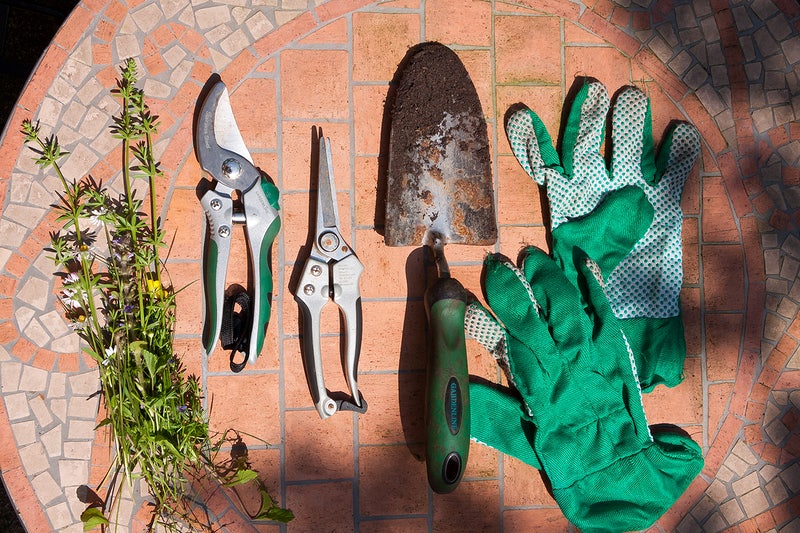
Take the time now to sharpen mower blades, pruners, hedge shears and loppers.In the next few weeks it will be time to prune and a sharp tool will make for a better trim.  If your mower blades are dull the grass tips will appear shredded and have a threadlike appearance. Dull mowerblades rip and tear the grass blades leaving a brown look across the lawn. Look closely at a blade of grass. The top edge will show split ends. It means the blade is dull resulting in harm to grass. A sharp cut will leave the lawn looking healthy and green. Do not mow your lawn when the leaf blades are wet. The same is true for pruners. If your pruners are dull when you cut your plants, the tissue is shredded and torn which leads to fungal issues and an overall unhealthy appearance. The plant has a harder time leafing out with new growth as well. Take the time now to insure your tools are ready. We carry a Corona Sharpening Tool to sharpen all pruners, hedge shears and loppers.
Continue To Be Water Wise
The weather is still cool and with misty, wet days, plants don’t need additional watering. As days get longer and temperatures increase be careful not to water too much. All established plants will be happy with once every two weeks watering through February. Beginning in March to April as the temperatures warm up even more, once a week is sufficient. Remember to water slow and deep, but not very often to establish a deep healthy root system. Your plants will thank you, and so will your water bill. Of course annual color with smaller roots systems will need to be watered more often, but all established trees, shrubs, and tropicals will appreciate time between watering. Let’s all train our landscapes to be
water wise.

A Breath Of Spring!
With the last few days of sunshine and
warmer temps, we are all getting antsy to get outside. Fresh shipments of plants are arriving weekly to our stores so here’s a list of some here and some to come in soon.
  • Live oaks, cedar elms, Italian cypress, burr oaks, wild olives, mountain laurels are here.
  • Hardy shrubs like hawthorns, boxwoods, pittosporum, Japanese yew here now
  • Baskets and tubs of geraniums, double impatiens, Mona lavender, and stocks arrived this week with color.
  • Favorite perennials like lantana, Mexican heather, and salvias are here now with more coming!
  • Basil, cilantro, mint, thyme, chives, parsley here now with more varieties early February
  • More tomato plants and seed potatoes are here now
  • Peppers will be later in February as the cold night temps will stunt the plant to not produce peppers.
  • Fresh Floratam St. Augustine grass coming this week to Airline store.