
Lots of fun to be had this Summer – holidays, BBQs, weekend trips, and landscape projects! Here are our top must-do’s to keep your plants healthy and happy this July.
Check out our July Garden Guide for more tips and remember that trees, shrubs, and perennials can be planted 12 months out of the year! The only difference is the amount of water they need depending on temperatures and wind!
1. Watering: Think Depth, Not Frequency
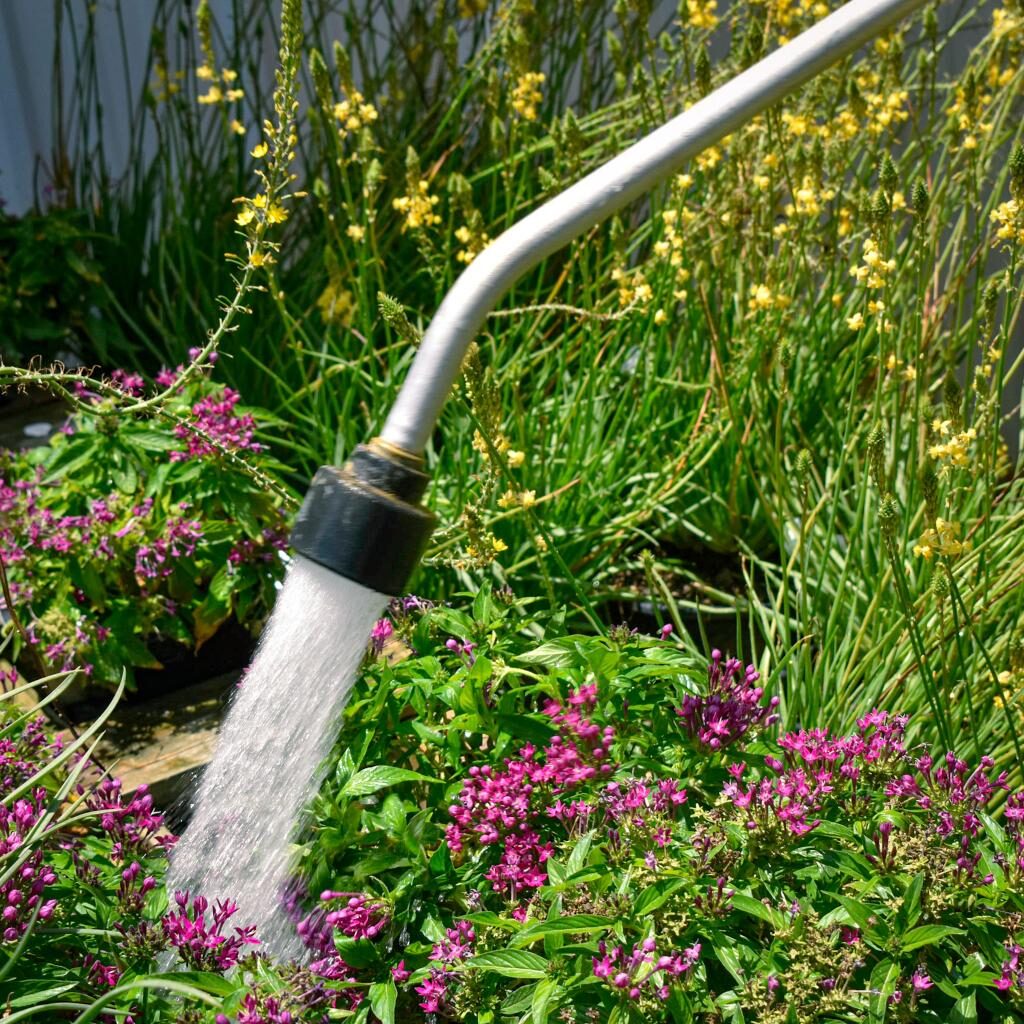
Proper hydration happens when you get water down to the roots of the plant. This means watering deeply, not more frequently. Run irrigation systems or sprinklers once a week before 10am or after 6pm per current city watering rules – this is what we’d recommend for summer watering even if there were no restrictions. Remember: long, slow, deep drinks for plants, trees, and lawns! Even when we get a summer rain, continue to watch your watering and maintain that depth moisture.
2. Train Your Plant Sitter
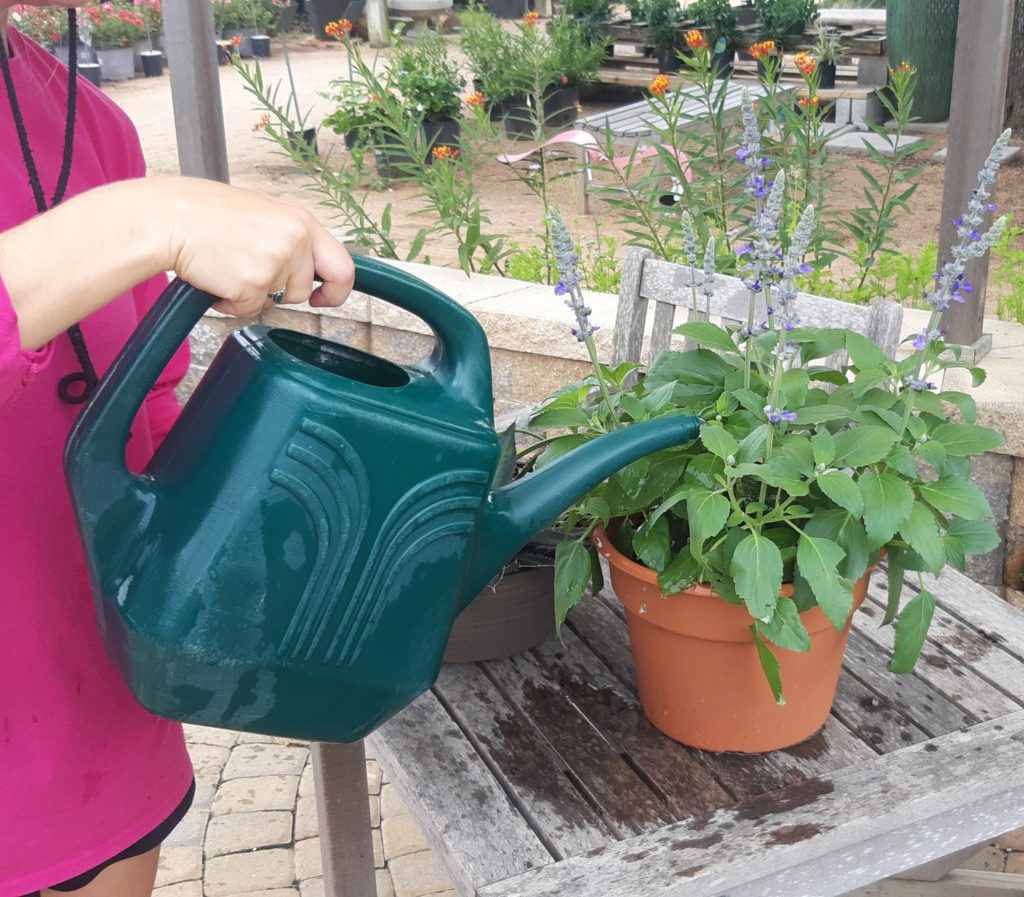
Be sure to have a trusted plant-sitter come water your plants while you’re away on summer excursions! It’s a good idea to spend a little time showing them how you water. Make them a list, draw them a map, walk them through it. You know your plants and which ones get tired and thirsty the fastest.
3. Collect Cool New Houseplants
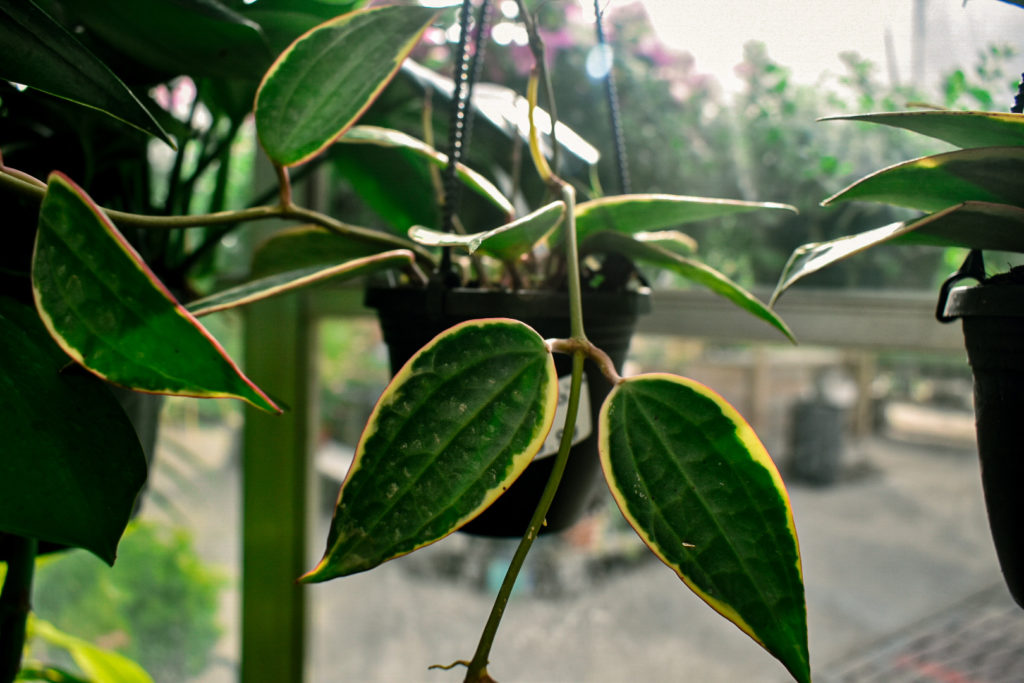
Now’s a great time of year to work on your houseplant jungle. The greenhouse is restocked with all kinds of interesting choices, including the pictured Hoya macrophylla aka “wax plant” or “honey plant”. The variegated edges become vibrant pink with more sunlight, and it blooms beautiful fragrant star-shaped flowers. Great to hang/drape in medium to bright indirect light. Keep in mind that constant A/C indoors will dry out plants. Keep an eye on watering (use a moisture meter) and don’t place houseplants near an A/C vent. You might also try experimenting with a humidifier to help
4. Mulch to Keep Cool
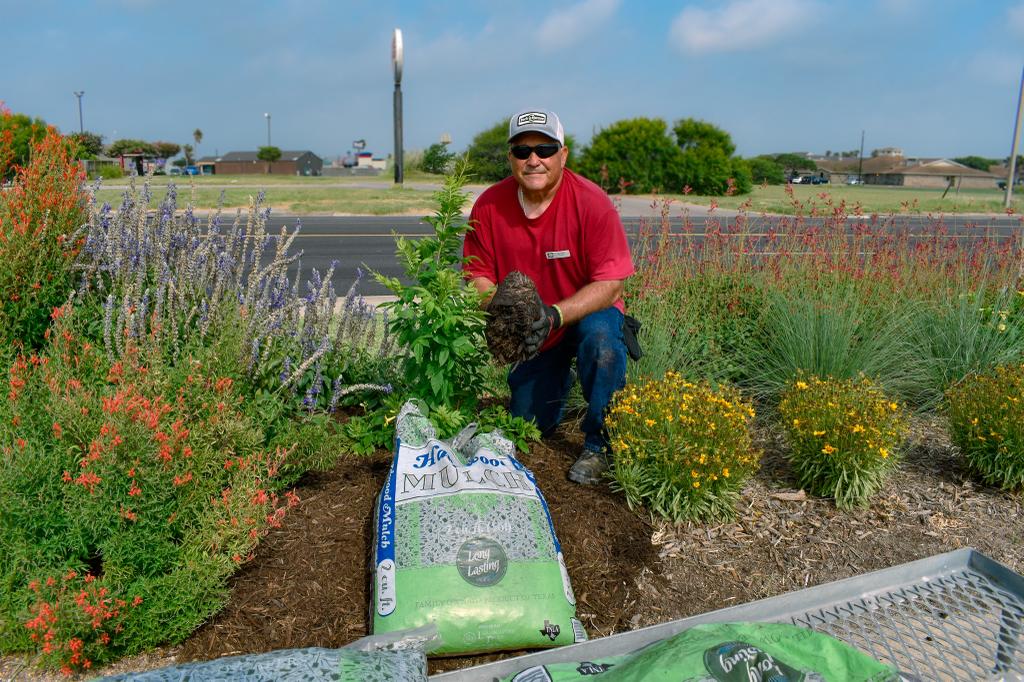
Studies show that a good 3″ layer of mulch will keep your plant roots more than 20 degrees cooler in summer! Not only that, a good mulch layer also helps retain moisture AND keeps weeds at bay. Healthy plants, less watering, and fewer weeds – that’s a win/win/win! It’s important to use natural wood or pine straw mulch that breaks down over time. As it breaks down, it adds nutrients and makes your soil more workable.
5. Watch for More Bugs in Summer
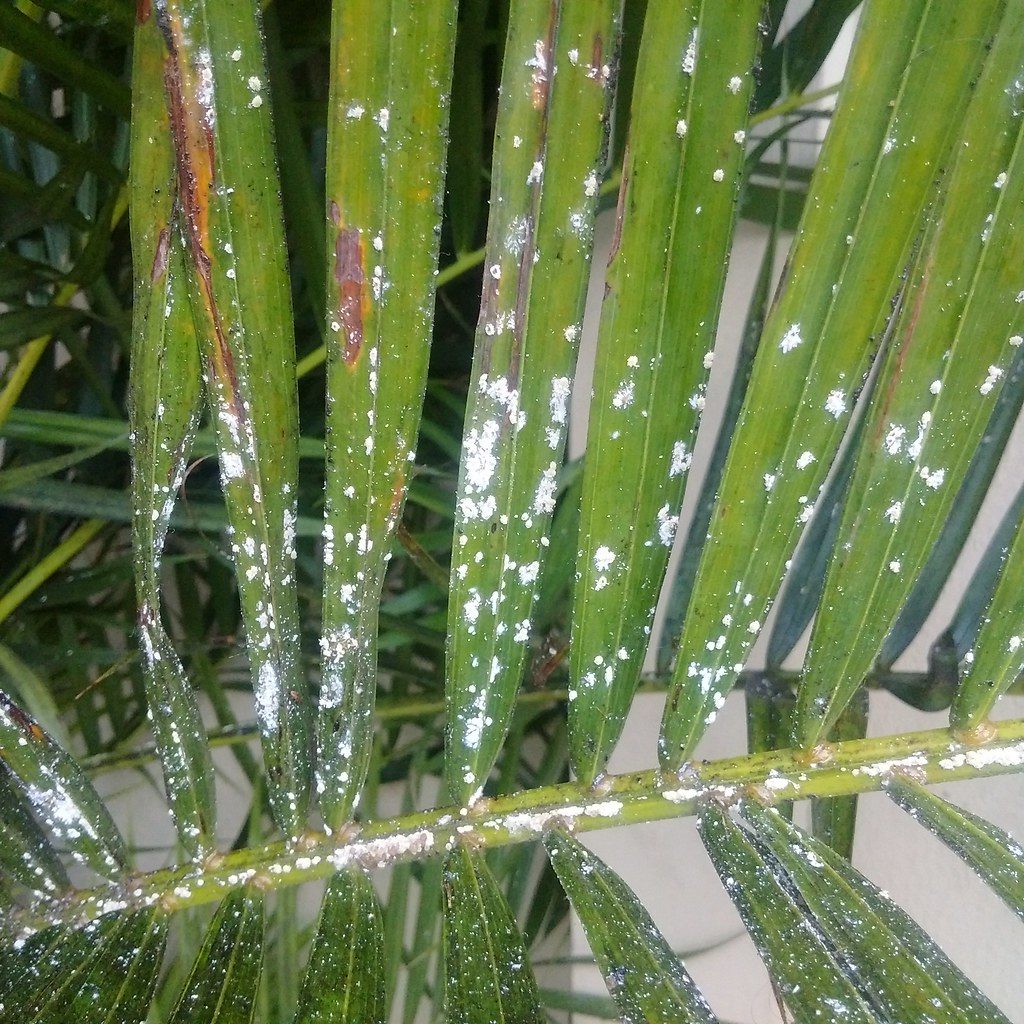
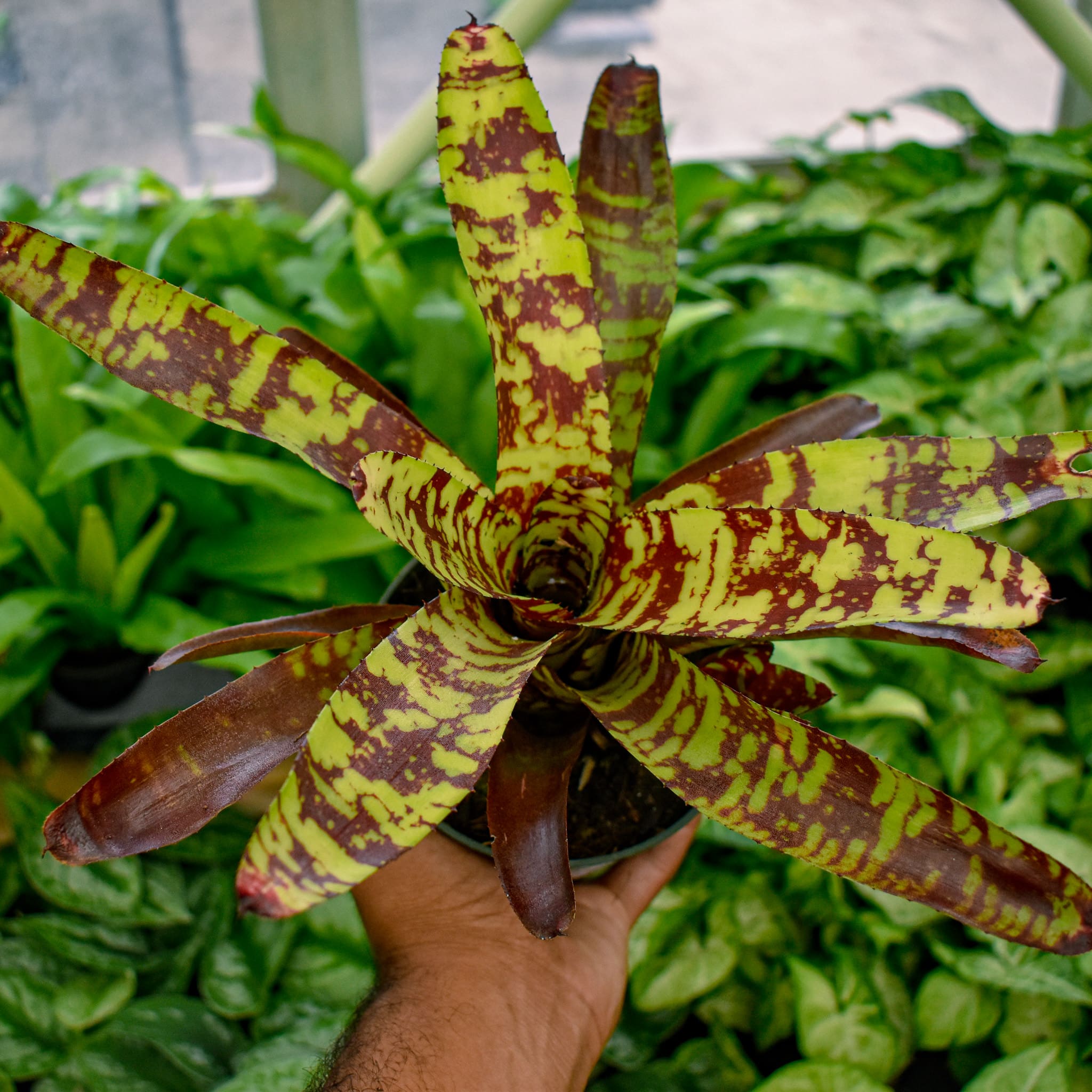
Not all bugs are bad, so it’s important to know your bugs before you spray anything, even organics. A few bugs here and there is most likely not cause for alarm. If you do get an infestation, cut the plant back first, give it some fertilizer, then treat for bugs. By pruning first, you won’t have to treat every leaf on the whole plant. We see plants come back better than ever using this method. If you’re not sure about bugs or pruning, we’re here to help.



 -DeAnna
 Be on the look-out for oak tree caterpillars in your oak trees. They cluster together in large groups feeding on the leaves of your trees or you may notice poop under your tree (on your patio or walk.) They can be killed with Thuricide sprayed onto the leaves or with Fertilome Borer, Bagworm, Tent Caterpillar Spray containing Spinosad. If your trees are too large to spray or you just don’t want to, they will not kill your trees. The tree will leaf back out in the spring. I have had customers say that early in the mornings they could hear them chewing the hard oak leaves. Crunch, Crunch, Crunch!
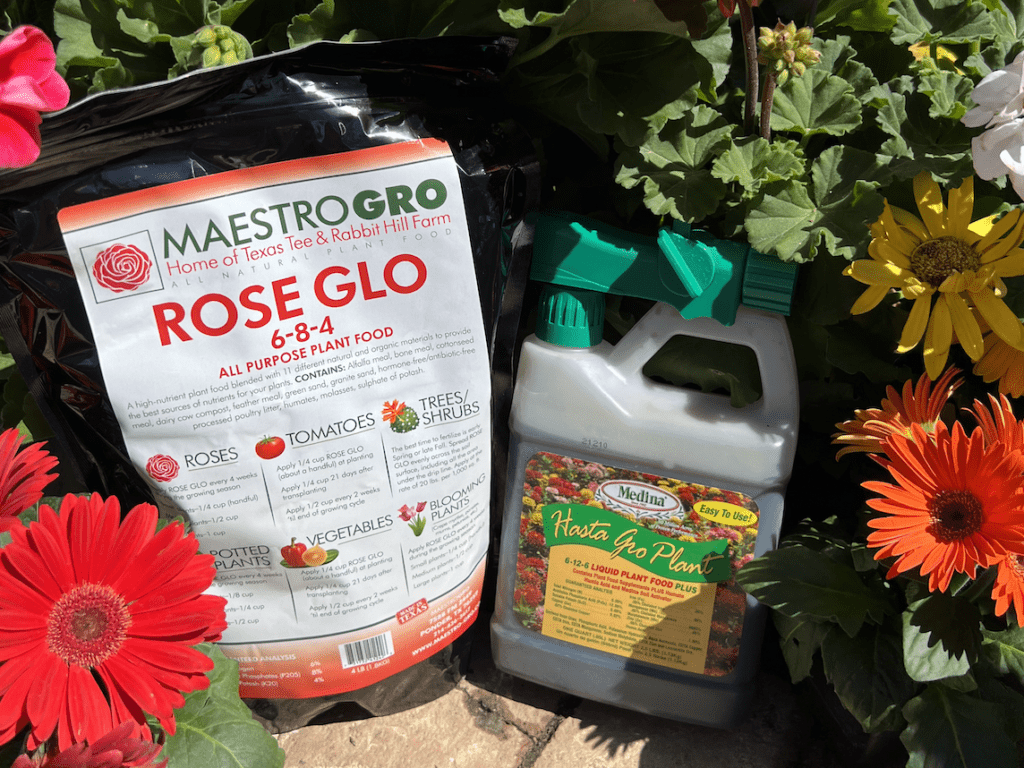
 Pansies love the cool days of fall and winter. Plant them in full sun. Use Hi-Yield Blood Meal at the time of planting for larger and more profuse blooms. Once they become established use Maestro Rose Glo to keep them blooming throughout the season. You can also plant their dwarf counterpart violas. They have smaller leaves and blooms, but tolerate heat and moisture better.
 With the cooler temperatures, shorter days and heavy rains in the past few weeks, powdery mildew fungus has attacked mesquite trees. Since the trees are getting ready to drop their leaves for the winter, it is not necessary to spray them. They will leaf out and be fine next Spring.
 Plumeria are suffering from rust fungus caused by the same weather conditions. The undersides of the leaves have yellow- orange or reddish brown pustules. Since you should be withholding water from the plumeria so they can go dormant for the winter, be sure to gather up the leaves as they drop and discard in the trash. It is not necessary to spray unless the condition re-occurs in the spring.