
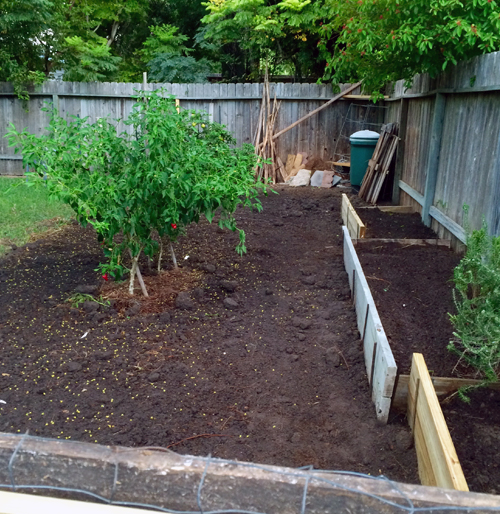
If you are not going to plant into your newly prepped vegetable gardens right away, please be sure to keep them moist and mulched. By doing this, you will prevent the heat from removing all that great organic material you’ve just mixed into your beds. Water is a staple of life, for both plants and the little microorganisms in the soil, and without it both will inevitably die. The mulch will help you control weeds, and if any do pop up, well, it’s a lot easier to pull weeds from mulch than it is from dense soil.  Right before you plant your transplants or seeds, you could mix a modest handful of Gardenville Rocket Fuel at the bottom of the planting hole. Also, mix a little Espoma Plant Tone into the dirt when you plant. Happy Gardening!
-Matt
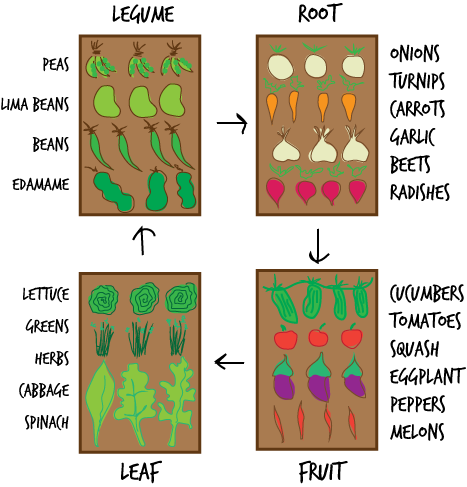 Simply put, crop rotation is a systematic method of deciding what to plant where in your garden from one season to the next, based on plant groups. Moving plants to a new location each season improves your garden in two ways. First, it helps keep your soil healthy and fertile. Planting the same thing in the same place season after season drains the nutrients from the soil that the plant needs in order to thrive and produce big harvests. Second, rotating plant families helps manage soil-borne diseases like verticillium wilt, and soil-dwelling insects like corn rootworms or root knot nematodes. These types of diseases and pests prefer certain kinds of plants, and the longer the plants stay in the same soil, the better the chance that these enemies will show up and cause trouble.
 Crop rotation is not as complicated as it sounds, especially if you take the time to sketch a garden plan and refer to the list of families. The benefits are definitely worth the effort.
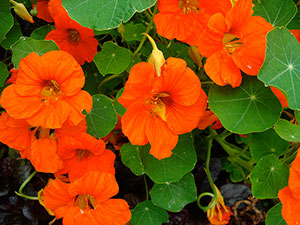
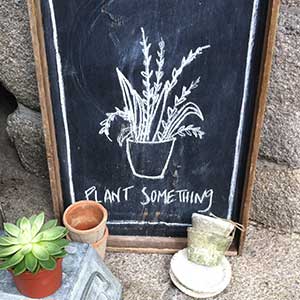 This sign outside a Dublin flower shop reminded me it’s time to plant my favorite flower,
 Blessings,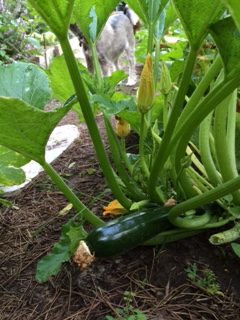
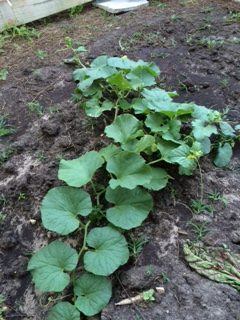
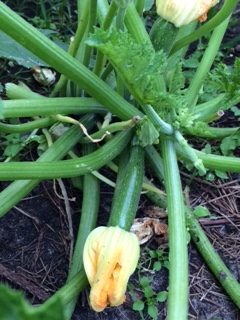
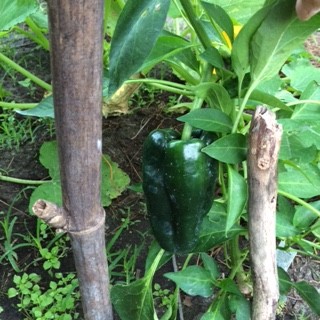
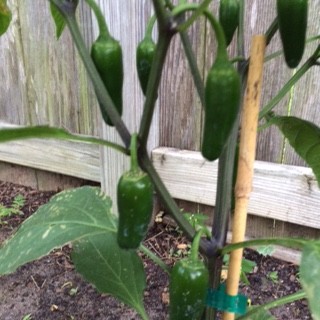
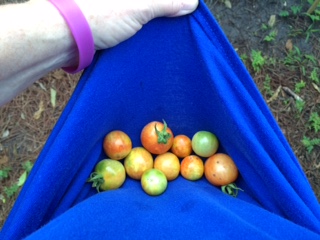
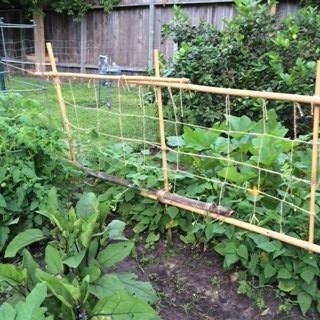
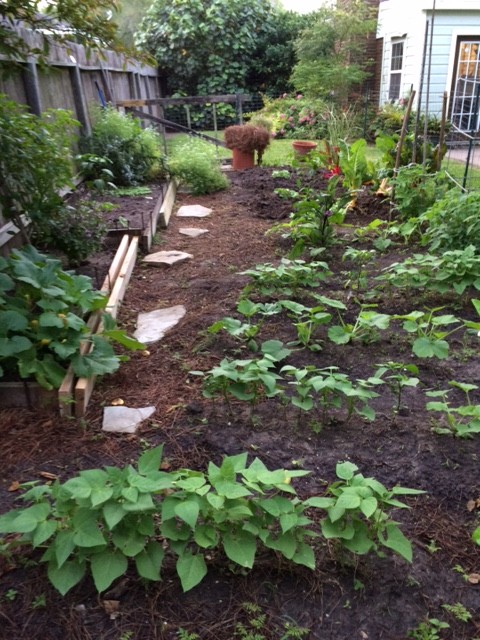
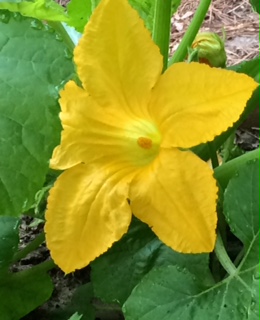
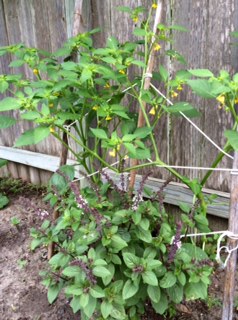
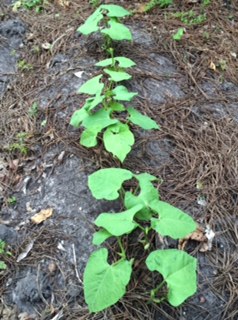
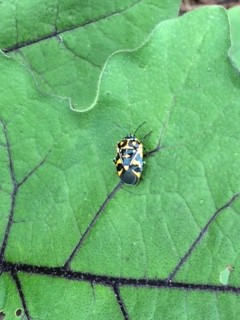
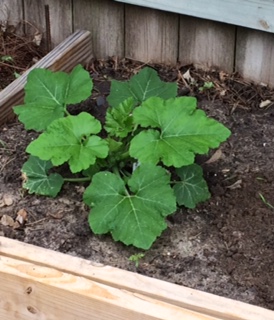

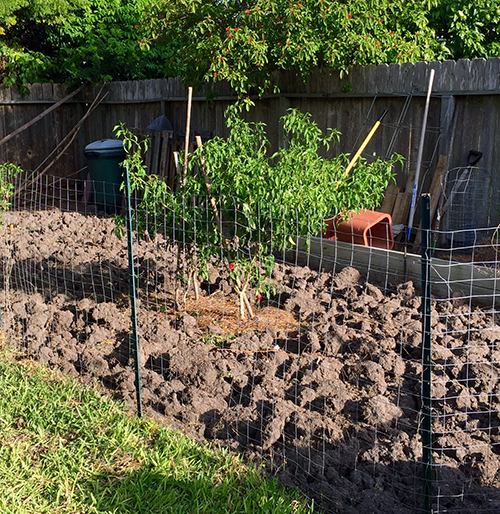
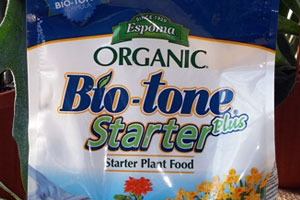 I purchased our first plants for our spring garden and got them planted finally on Sunday afternoon. I started working outside Saturday morning with the best intention to get the garden planted. But the trimming, weeding, and fixing broken things in other areas around the yard postponed my goal. I planted 2 tomatillos near the fence so I can train them up. I added 2 more tomatoes to our volunteer Cherry tomato, a Roma tomato and a Valley Girl. Roma is a paste type and Valley Girl is an early slicing type. I also planted an Ichiban Eggplant, a Poblano Pepper, & Magic Mountain Basil to attract bees. Everything got a handful of Espoma Bio-tone in the hole. It is the fertilizer with the Mycorrhizal Fungi that boost root development, very important going into spring and summer. I will be adding a hot jalapeno plant this week. The zucchini squash, sweet basil, and pinto beans I am starting from seed. Let the growing begin!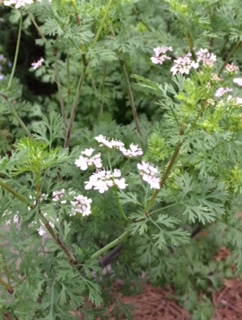
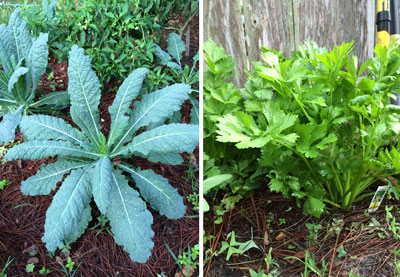
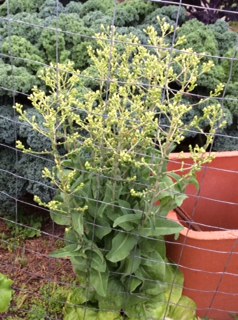 I have cleaned out the turnip/radish/lettuce bed and pulled the remaining green cabbage. I am leaving the kale, chard, carrots, celery, broccoli, and herbs until I deem we want to plant there. Part of the beauty of leaving end of season veggies is watching them mature to their flowering stage. Our cilantro is bolting and begins to flower tiny white stars. The volunteer lettuces are setting their flower stalks as well. The culinary sage is showing off with periwinkle blue flowers. All of these help provide food for butterflies and bees, both of which we desperately need to pollinate other food we plant during spring.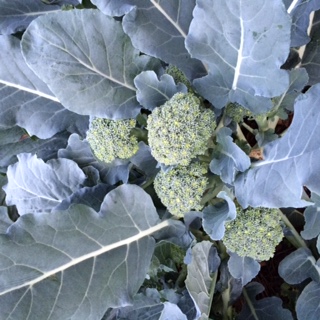
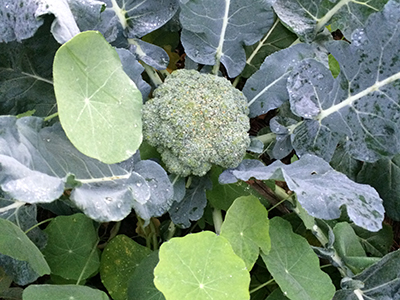
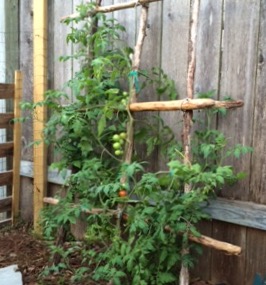 In our garden, sticks and stones are always helpful! Here’s a rustic trellis I built for our volunteer tomato plant. I used some old cedar sticks collected from a hill country trip years ago. Our broccoli just keeps on giving…here’s one of our 8 plants full of florets ready to harvest!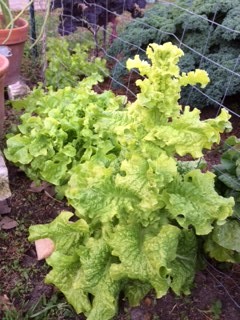
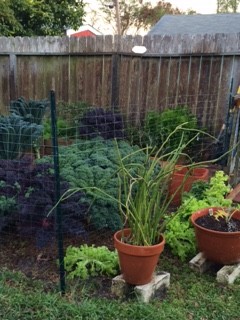
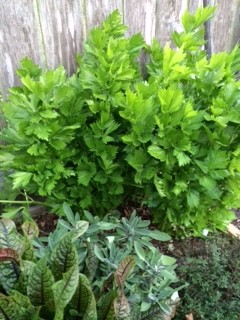
 In just a couple of weeks, we’ve harvested most of our Cauliflower and will begin pulling plants up soon.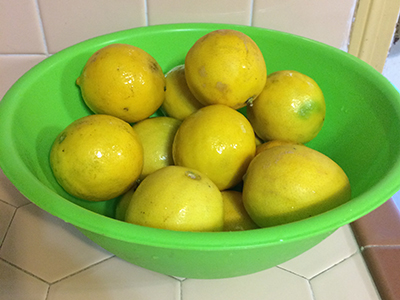
 It’s been a couple weeks since we did an update on our garden. Holidays and weddings have kept us busy but we are still enjoying the fruits of our labor, as you can see! Our celery has gone nuts, broccoli and cauliflower getting bigger every day and we’re finally seeing a few radishes and tons of chard and kale. There are still no shoulders showing on our carrots. I found several of our carrot tops smashed down by some critter. Note to self…PUT THE WIRE OVER THE CARROT PATCH NEXT YEAR. The best part of growing food is eating it, sharing it, & using it in some culinary creation! One of my favorite recipes is from Cooking Light magazine. It is a recipe makeover of lemon squares…delicious!!! WARNING -you may want to make 2…they can mysteriously disappear! Bon Appétit!
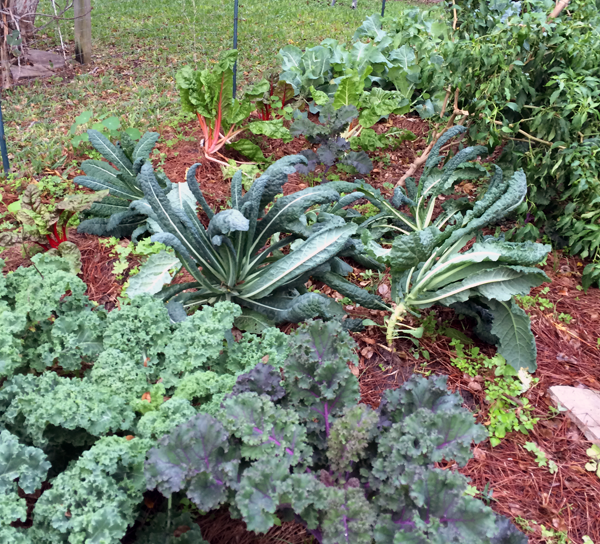 I always start and end my days spending time in our fall winter garden…well almost. My holiday schedule last weekend was packed to the brim. I did not have time to take a look at the garden immediately after last weekend’s storm. I was horrified the next day when I saw most of our kale, cauliflower and broccoli laid over on their side. So I promptly grabbed my old bamboo stakes and began propping everybody back up. The ground is so soft from the beneficial rains but once it dries a little they will be fine and able to hold themselves sturdy again. Just in case will keep a few fingers crossed for good luck.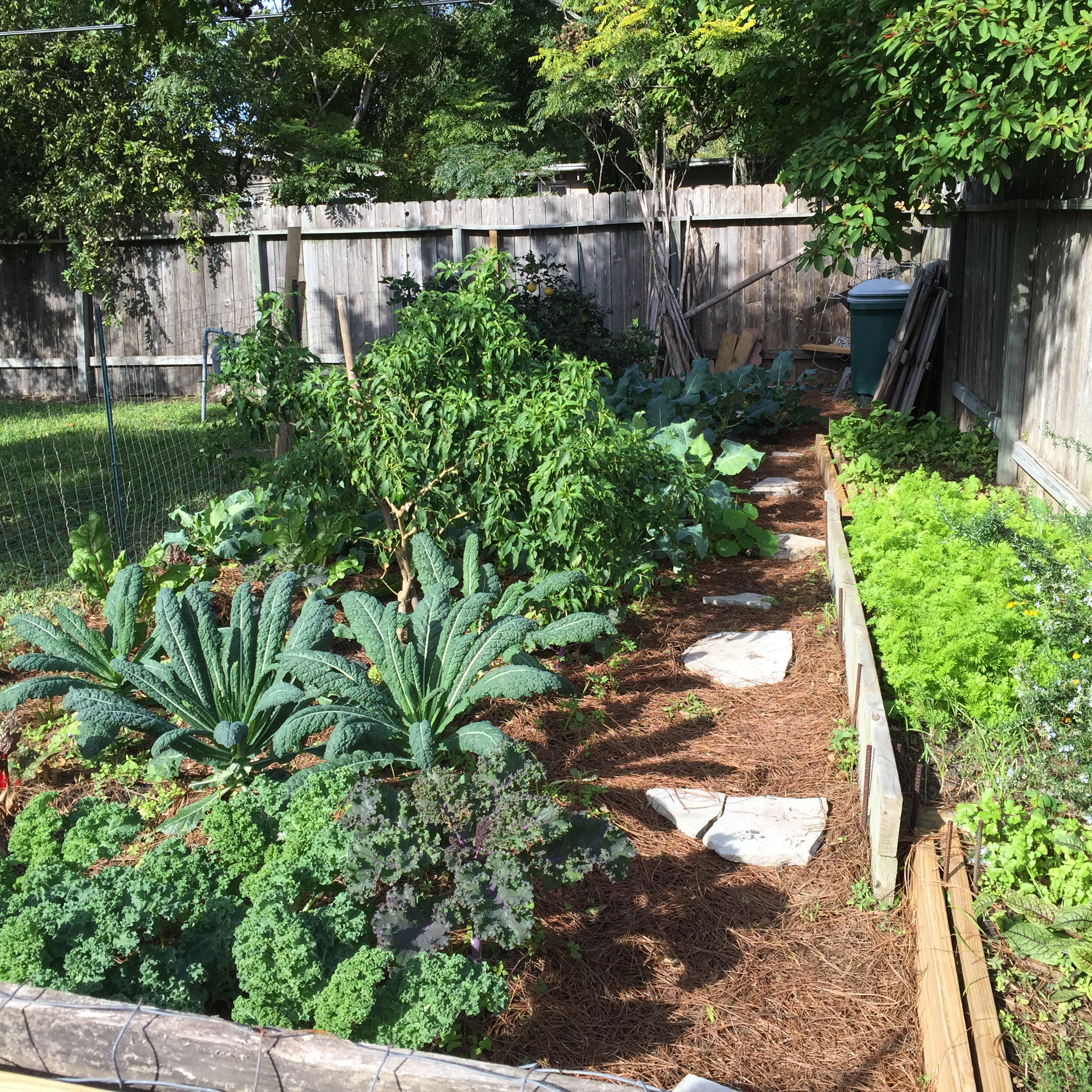
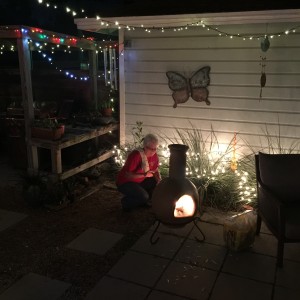
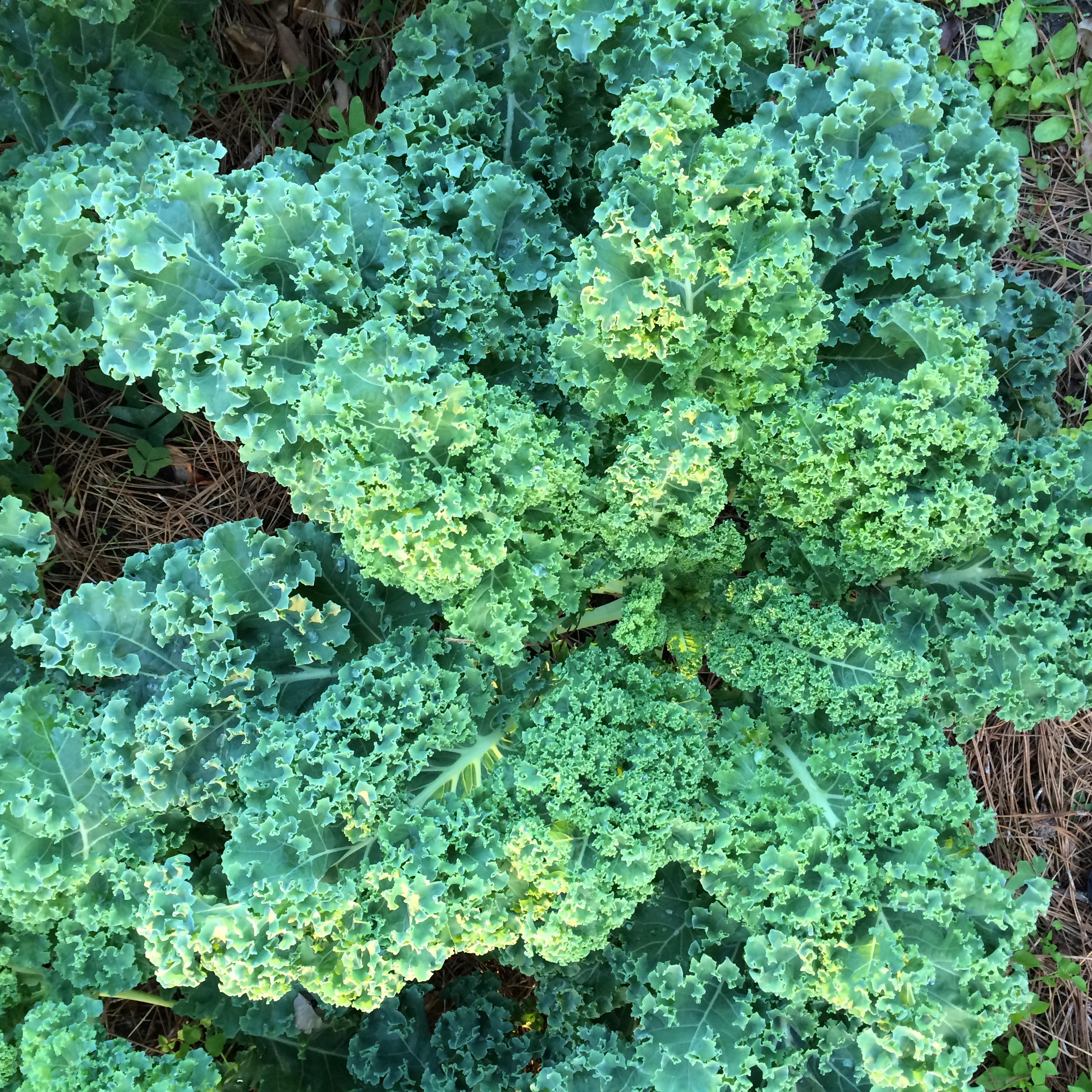
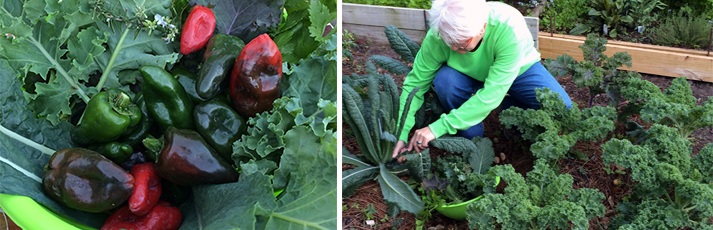 One the many reasons I love a fall winter garden is that when the north wind blows and the cold air finds the way to South Texas, I don’t have to worry about covering, moving, protecting! The cole crops we have planted like broccoli, cabbage, cauliflower, kale, and most greens love the cold and more so, need the cold to produce their best harvest. The best thing is to water well before temps drop. I did pick a bunch of the peppers off our leftover pepper plant from spring. Now they do not like cold temperatures. I think this may be its last hooray. As I was weeding and tiding up the garden Saturday (before the cold front) I found a freebee…a volunteer tomato plant has sprouted and growing well along the fence. So maybe I will give it a little extra TLC…
 November 19th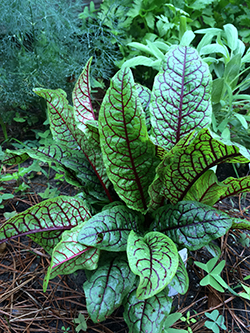
 -Marta