Garden Center Hours: Mon-Sat 9am - 5:30pm • Sun 10am - 5:30pm

How about that nice rain last Sunday?! And we have chances for more – hooray! Rain makes everybody feel better – plants, people, weeds, bugs… Here are a few important to-do’s for making the most of a good rain and keeping potential issues from getting out of hand.  

Water + Mulch to Maintain Depth Moisture – Very Important!


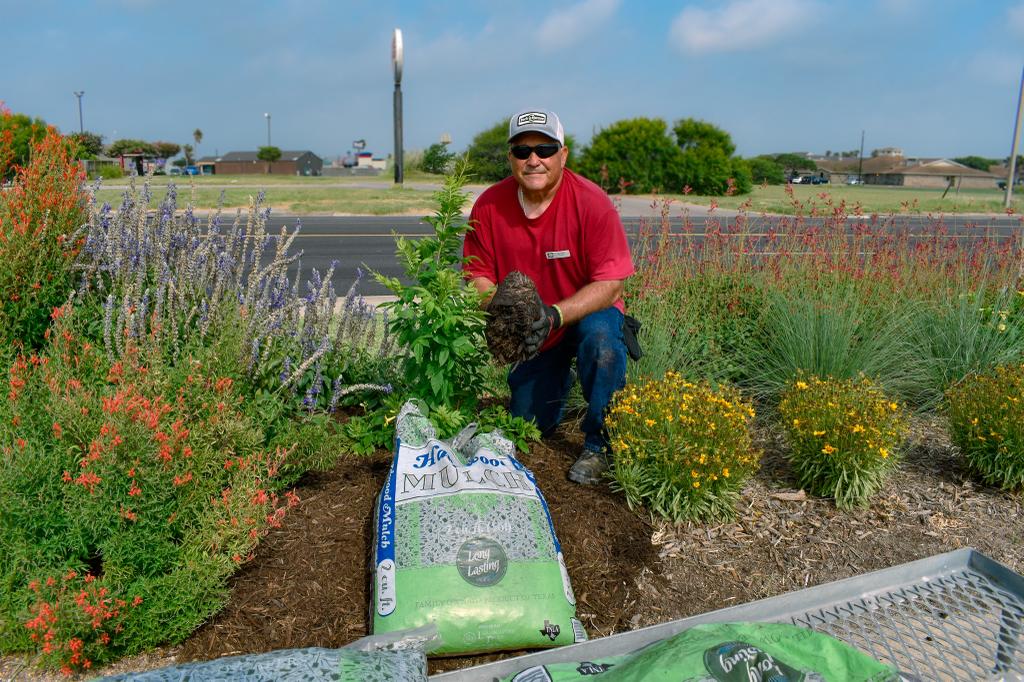
This may sound counterintuitive, but you need to continue watering regularly even when we’re getting good rainfall. Supplemental watering after a rain will help push moisture further down into the soil and allow the soil to hold depth moisture for a longer period. This is very important during spring before we reach warmer summer temps. The better depth moisture we maintain now, the deeper plant roots will grow, which will allow plants to withstand warmer temps and longer periods between waterings. Keep in mind, it takes far less water to improve and maintain depth moisture than it does to rebuild it once the soil gets really dry. And remember – mulch is your best friend! A good 2-3″ mulch layer works wonders for retaining moisture and reducing water needs. It also insulates roots and keeps them cooler and healthier. 

If you’re interested in capturing a large amount of rainwater every time it rains, reach out to us here to discuss adding rainwater cisterns to your landscape. You’d be surprised how much you can collect. Just 1 inch of rain on 1,000 sq ft of roof = 600 gallons of water!

A Few Easy Solutions for Bugs After a Rain

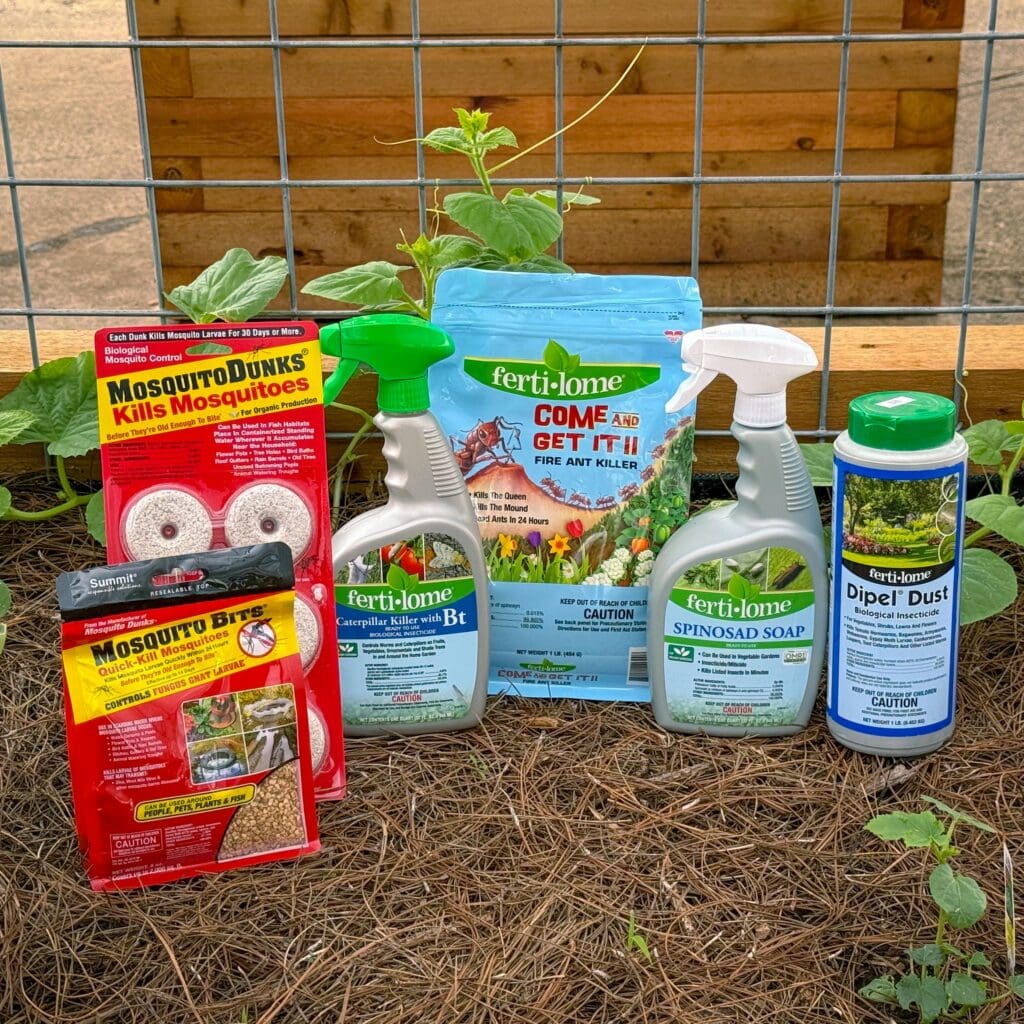
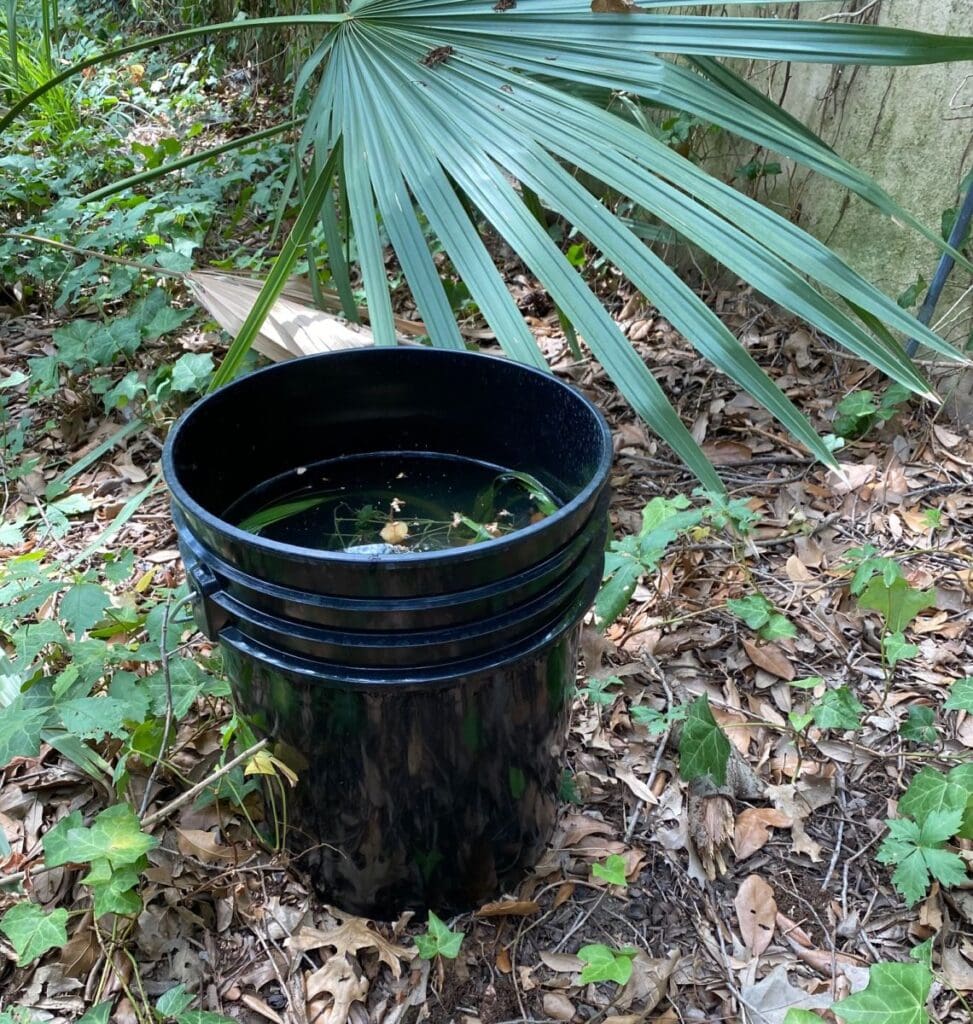
If you haven’t noticed already, you’ll soon notice a lot more bug activity in your garden. Don’t worry, and don’t over-treat, just stay observant. For 2 very common culprits, aphids and spider mites, use organic Spinosad Soap. If caterpillars are causing a lot of damage in the veggie garden, you can use organic Bt spray or dust. To prevent mosquitos, use organic Mosquito Dunks or Bits in your rain barrels, bird baths, and anywhere you have standing water. They’re harmless to birds, pets, and other bugs, but they prevent mosquito larvae from hatching. These can also be used to create very effective mosquito traps. Just fill a bucket with water and some leaf/grass clippings, and add a dunk or granular bits. 

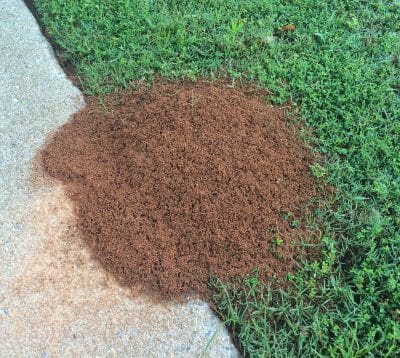
You may have also seen fire ant mounds appear out of nowhere after the rain. We’ve had good success using organic Come & Get It Bait to take care of them. If you have other bug questions, give us a call or stop by. 

What About Weeds? 

If you’re thinking of treating for weeds, keep in mind that most weed killers need several days of sunshine to be effective. So, not a good idea to use them when we have intermittent rain in the forecast. Instead, the best plan of attacking weeds right now is to take advantage of the soft ground and pull em up! One of the most satisfying sounds in the garden is that “pop” you hear when you pull a weed and get the entire root. And once again, mulch is your best friend for suppressing weeds too! 

-Jesse


Woohoo for rain here in town and in the watershed!! Makes for a lot of happy plants and people. But with rain comes a major increase in bug activity, some of which can cause major problems. Here are the main offenders to watch out for and how to get rid of them. 

Dreaded Aphids

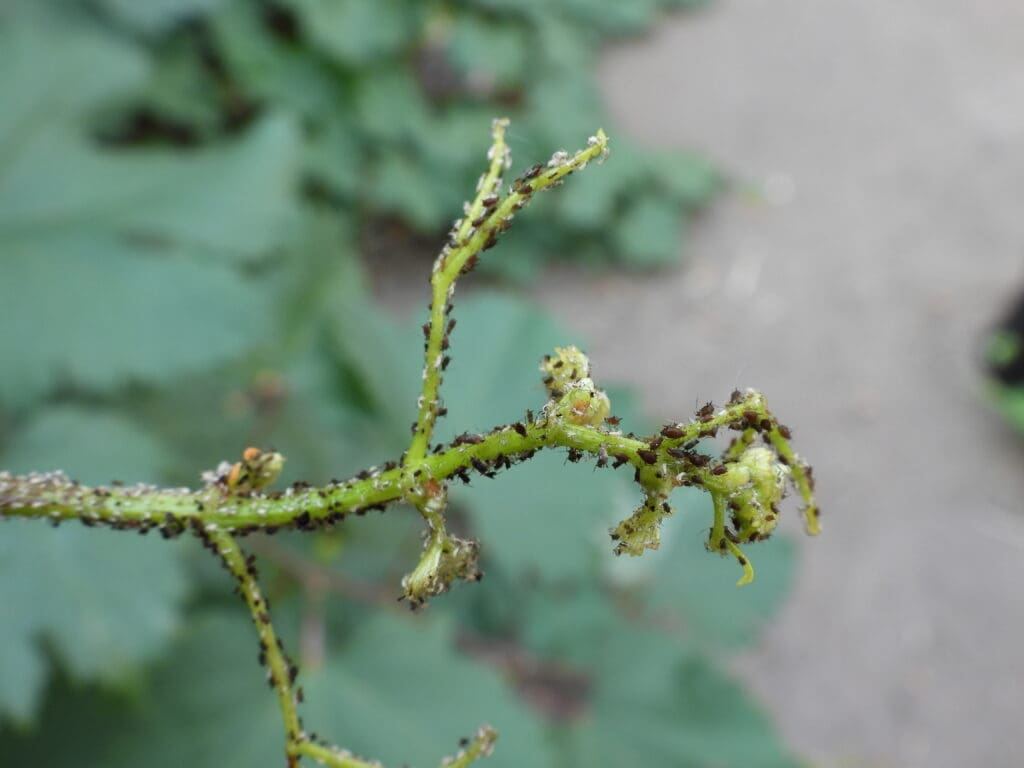
You’re bound to encounter aphids sooner or later. They’re commonly found in the veggie garden and attacking new growth of landscape plants like hibiscus, Indian Hawthorn, and even Texas Sage. If it’s just a few, you can blast them off with a steady stream of water. Or use organic Spinosad Soap or systemic Cyonara if the outbreak is bad and causing a lot of damage. Ladybugs are also a great natural control – they love eating aphids. 

Disgusting Spider Mites

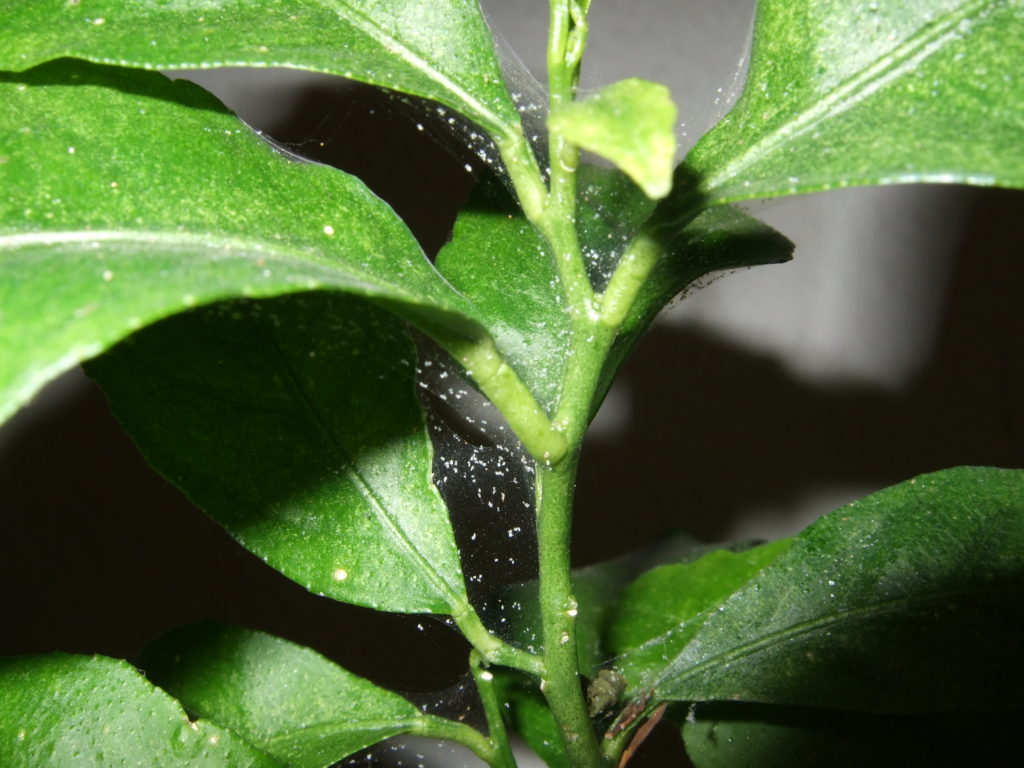
Look for these little white specks and fine webbing…spider mites! They’re also common in the veggie garden and they like plumeria, junipers, and all kinds of houseplants. Spinosad soap is a good control. 

Menacing Mealy Bugs

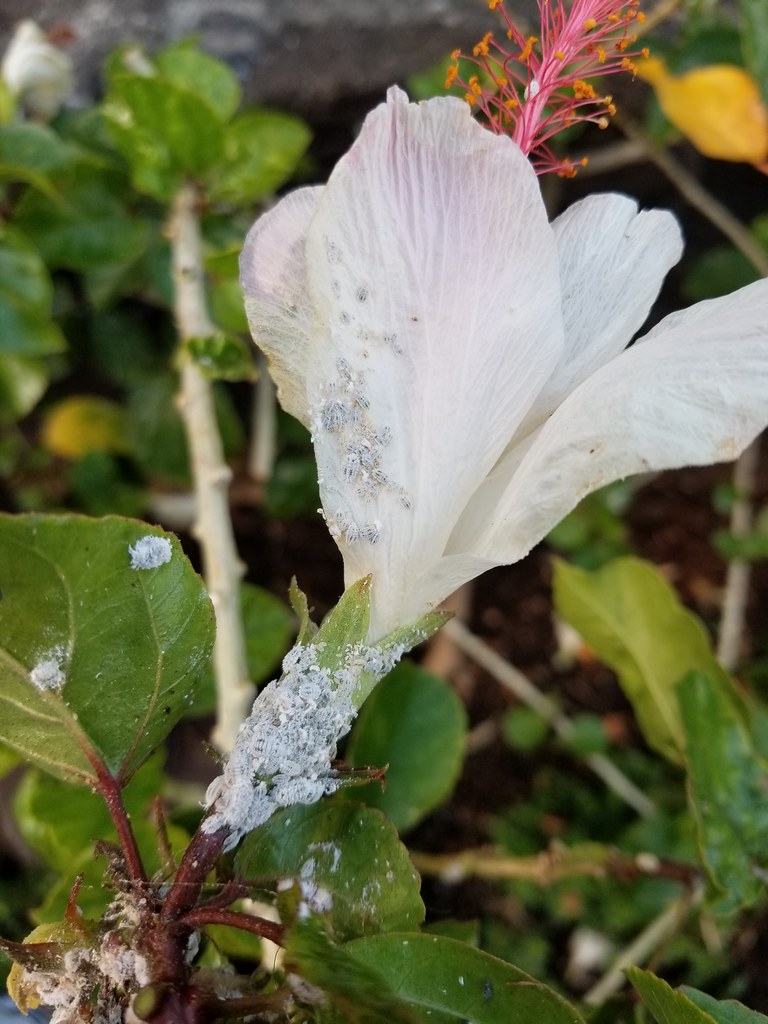
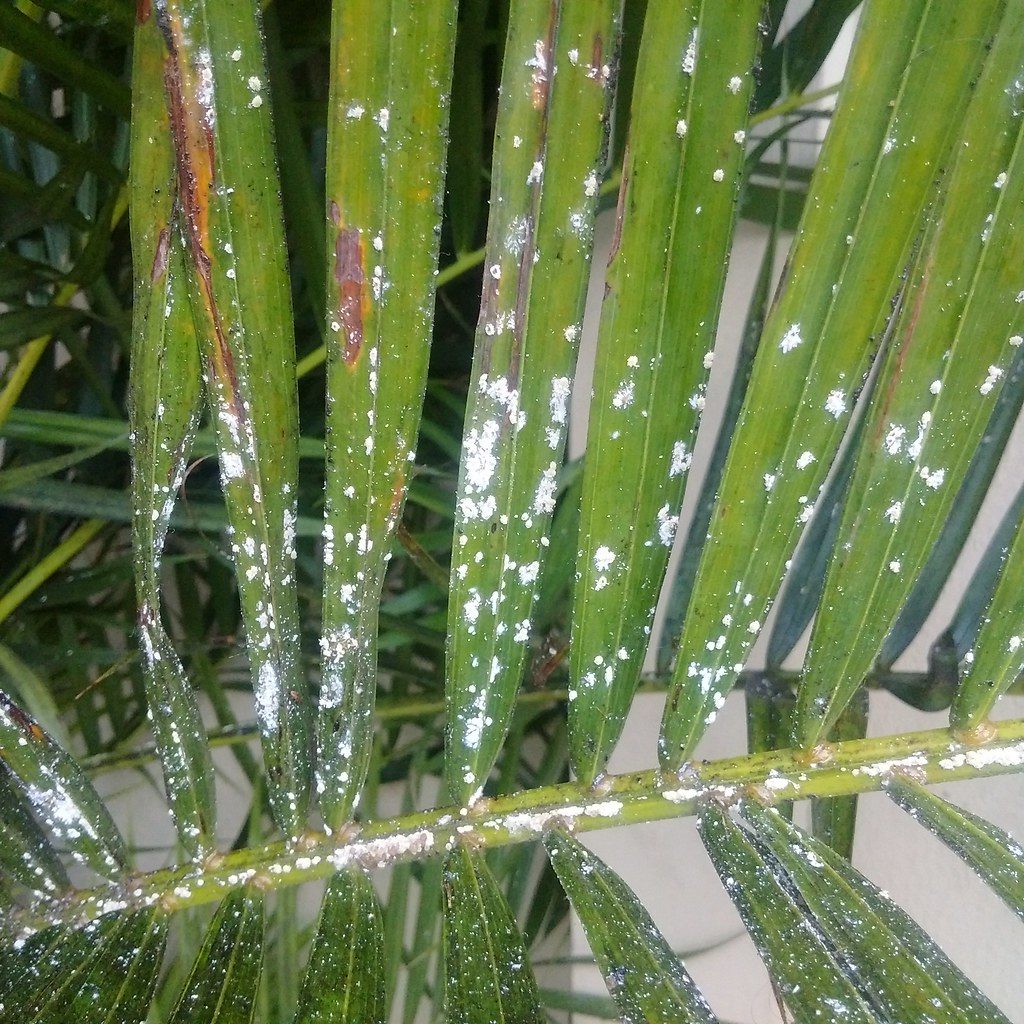
Look on the tips, stems, and undersides of the leaves for these white insects clustered together. If they go unnoticed for a short period of time , they will produce a protective cottony barrier over their bodies to protect themselves. Many times we hear “I have a white fungus on my plants”, but it’s usually mealybugs. Spinosad Soap and Cyonara can be used to kill these pests. Multiple applications may be needed. Thorough coverage is a must, and we recommend spraying once a week for 2-3 weeks to make sure you have killed them all. If you only have a few clusters of them at the tips of your plants you could smash them with your fingers and rinse, or cut off the affected tips and throw away the bugs in a sealed bag.

Hungry Caterpillars

Look for 2 main signs and you’ll know its caterpillars:  big holes chewed through leaves and black speckles of frass (poop). If you inspect your garden every day and it’s just a few chewed leaves here and there, you can usually find the caterpillar and relocate it. If they’re causing more damage than you’re comfortable with, you can treat with organic Bt. The active ingredient, Bacillus thuringiensis targets caterpillars only. It’s harmless to birds, bees, pets, and people. We carry Bt in a hose-end sprayer, a hand spray bottle, and in powdered form called Dipel Dust. The nice thing about the dust is that its super easy to sprinkle and you can easily see where you’ve applied it. 

Annoying Ants

If fire ants are present underground, you’ll see their mounds pop up after a rain. We’ve had good success using organic Come & Get It Bait to take care of them. Sprinkle on the mound, and they’ll take the bait down into the colony and die. You can also drench the mound with Spinsosad soap or Orange oil

Nasty Squash Borers

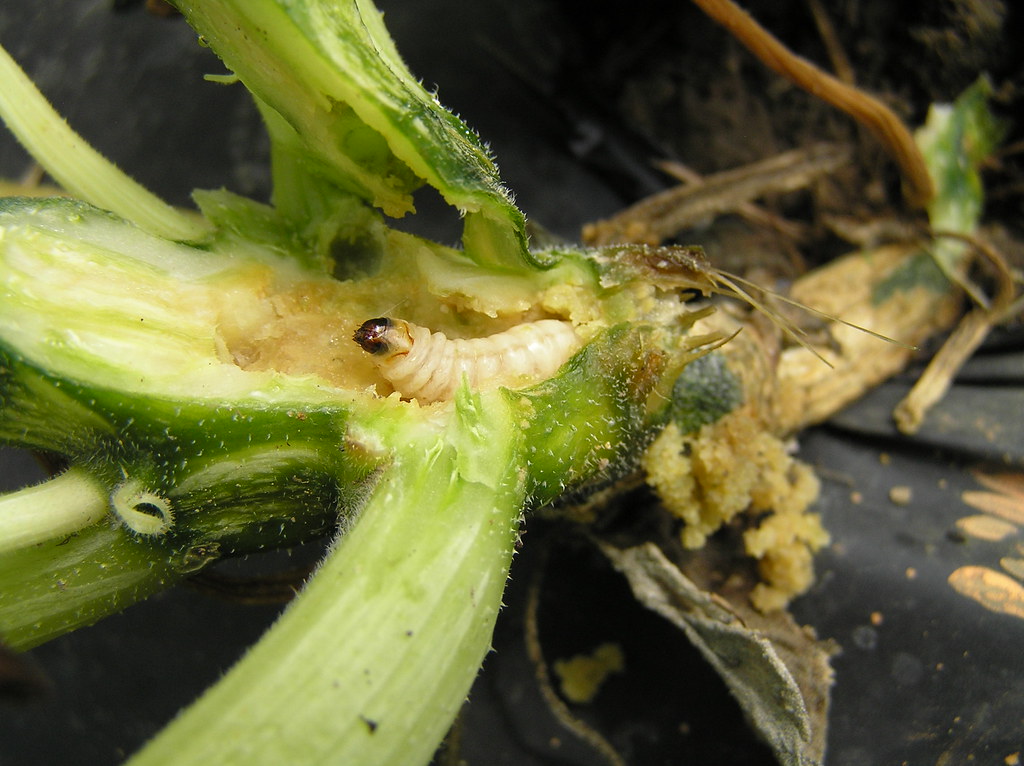
Your squashes are in danger! Squash borers love to bore into the mases of the stem of your squash plants and eat them from the inside. To prevent them from getting in, spray the stems of your squashes with Spinosad Soap. You can also inject your squashes with a simple solution of Bt to kill them if they’re already inside. Just mix Bt with water as the label recommends, then fill a syringe and inject the base of the stem. 

Gross Scale Insects

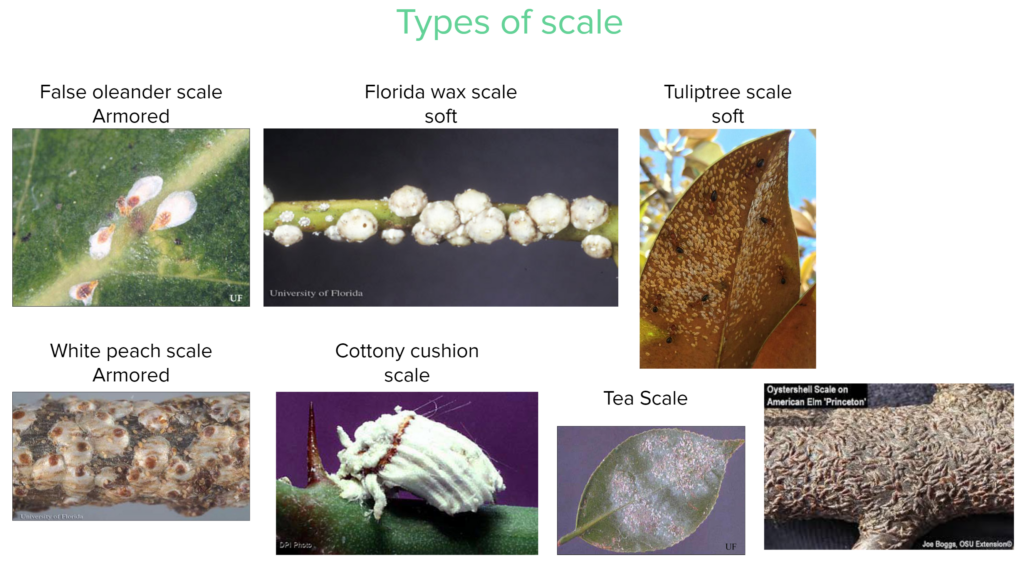
The photo above is a leaf from a Cast Iron plant that a customer brought in. This one happens to be infested with 2 different types of scale insects. Notice the white specks and the brown gunky spots. There are many different types of scale that go after our common landscape plants like Cast Iron plant, Flax Lily, Hibiscus, Indian Hawthorn, and more. Have no fear! All-Seasons Horticultural & Dormant Oil Spray is here! Horticultural oil is a mineral oil solution that works by coating the insects and suffocating them. It’s safe and harmless for humans, pets, birds, and other wildlife, but very effective against scale insects and other plant pests. Just don’t use it when temperatures get above 90 degrees or you’ll risk burning your plants. If temps warm up, use Neem Oil sprayed in the evening. 

Artistic Leaf Miners

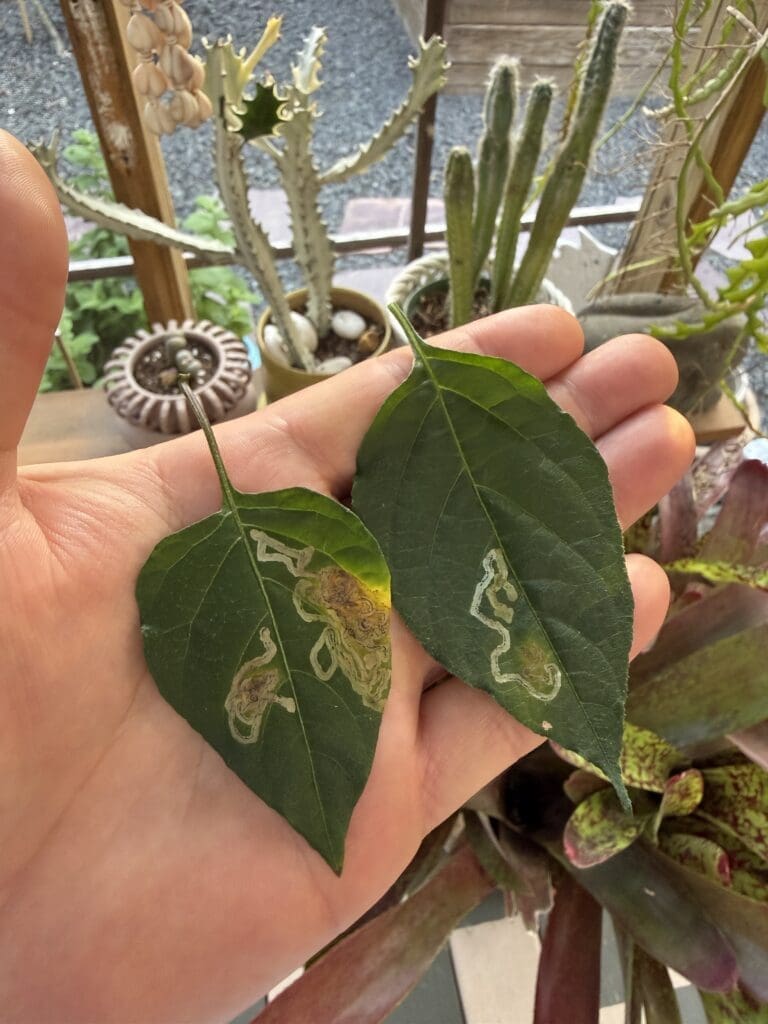
Have you seen these abstract paintings on the leaves of your pepper plants? Leaf miners! Aside from their obvious scrawlings, they typically don’t affect plant health much. If it’s just a few leaves here and there, just remove those leaves and carry on. If it’s a lot of damage, remove the affected leaves and spray the remaining leaves with spinosad soap or neem oil, which will signal to the flying leaf miners that this is not a good place to land and lay eggs. 

Flying Flea Beetles

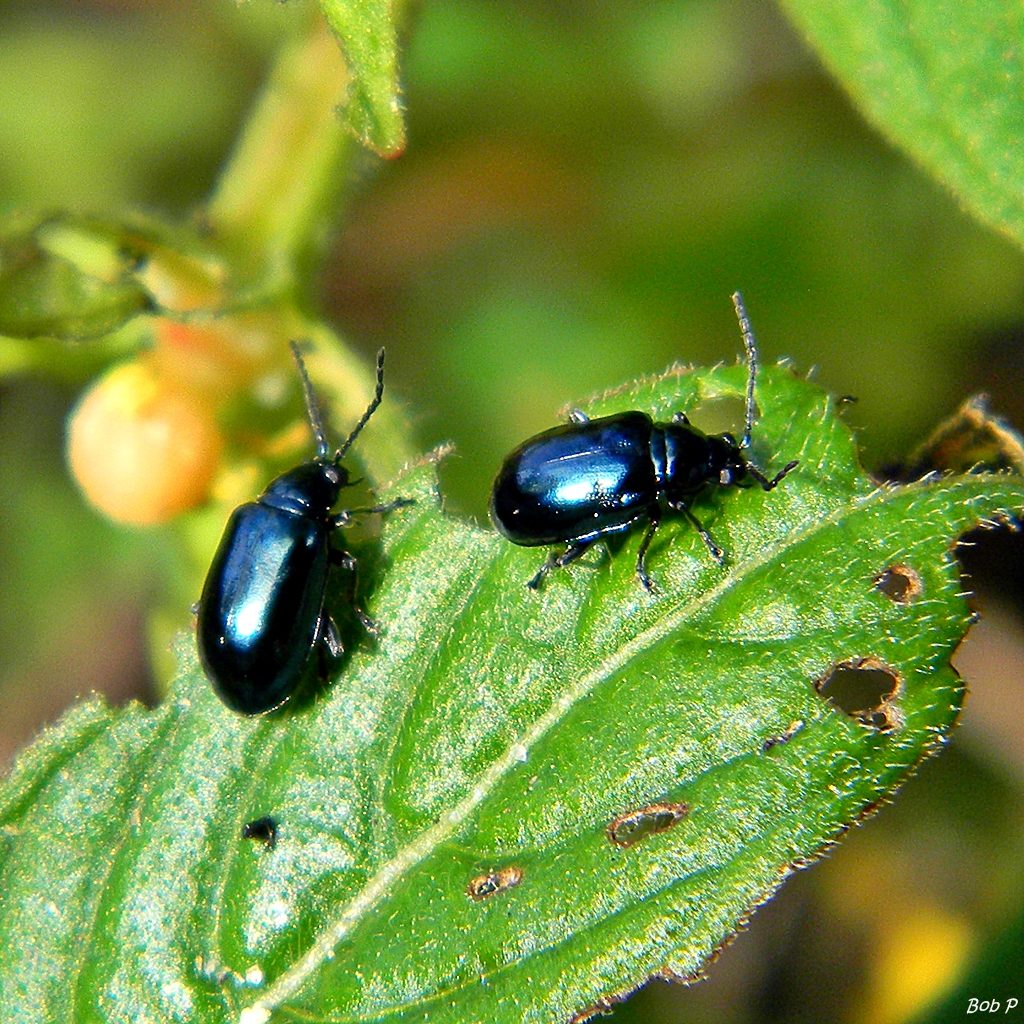
Flea beetles are tiny – about ¼” or smaller. They leave their signature pin size chew holes in newly planted herbs & veggies. They’re also fond of flower buds just before they open. Spinsosad soap will take care of them. Plan to spray late in the day or early evening when bees are not foraging. It is safe for bees once the spray dries. 

Grubby Grub Worms

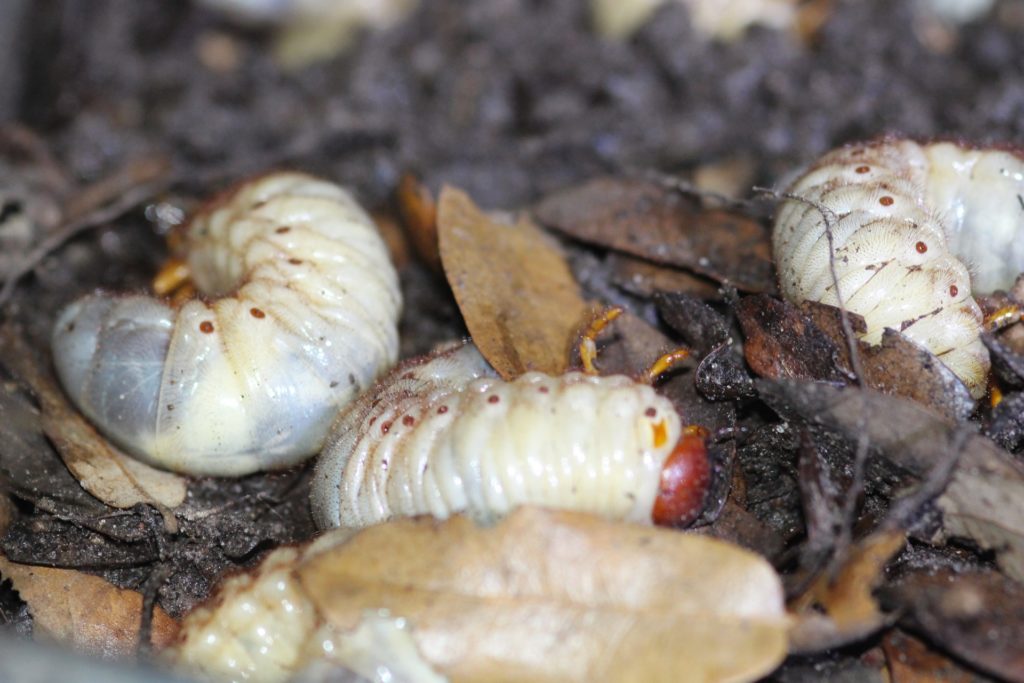
We’ve been seeing June bugs, which means grub worms will follow soon, typically early to mid May. If you want to prevent them from doing damage to your lawn, use Bonide Insect and Grub Killer granules. In this case, ‘season long’ means about 3 months. So, you may need another application in mid July. 

Abundant Pill Bugs

Pill bugs aka rolly-polies are everywhere right now. They’re actually crustaceans, not insects. They usually don’t cause much damage to plants, but if they’re out of hand, you can treat with organic Sluggo Plus. Or, you can get them drunk… Fill a cat food or tuna can half way with beer, and the pill bugs will crawl in, get drunk, and drown. 

Vampiric Mosquitos

They’re sure to be hatching as we speak… To prevent mosquitos, use organic Mosquito Dunks or Bits in your rain barrels, bird baths, and anywhere you have standing water. They’re harmless to birds, pets, and other bugs, but they prevent mosquito larvae from hatching. These can also be used to create very effective mosquito traps. Just fill a bucket with water and some leaf/grass clippings, and add a dunk or granular bits. 

Other Bug Questions?

If you’re unsure of what might be causing damage, you can send us pictures to info@gillnursery.com or via Instagram or Facebook. Better yet, bring us a sample (sealed in a bag please!) and we’ll identify the culprit and send you home with a good solution. 

-Jesse


How is it almost June already?! It doesn’t feel like it! Mild temperatures and wonderful rainfall are making our transition into summer a breeze. Here are our top priorities in the garden this month, including what to plant, how to adjust watering, pests to watch out for, and how to keep plant roots cool and happy. Plus, we’re hosting lots of fun events throughout the month!

1. Water Low & Slow to Maintain Depth Moisture

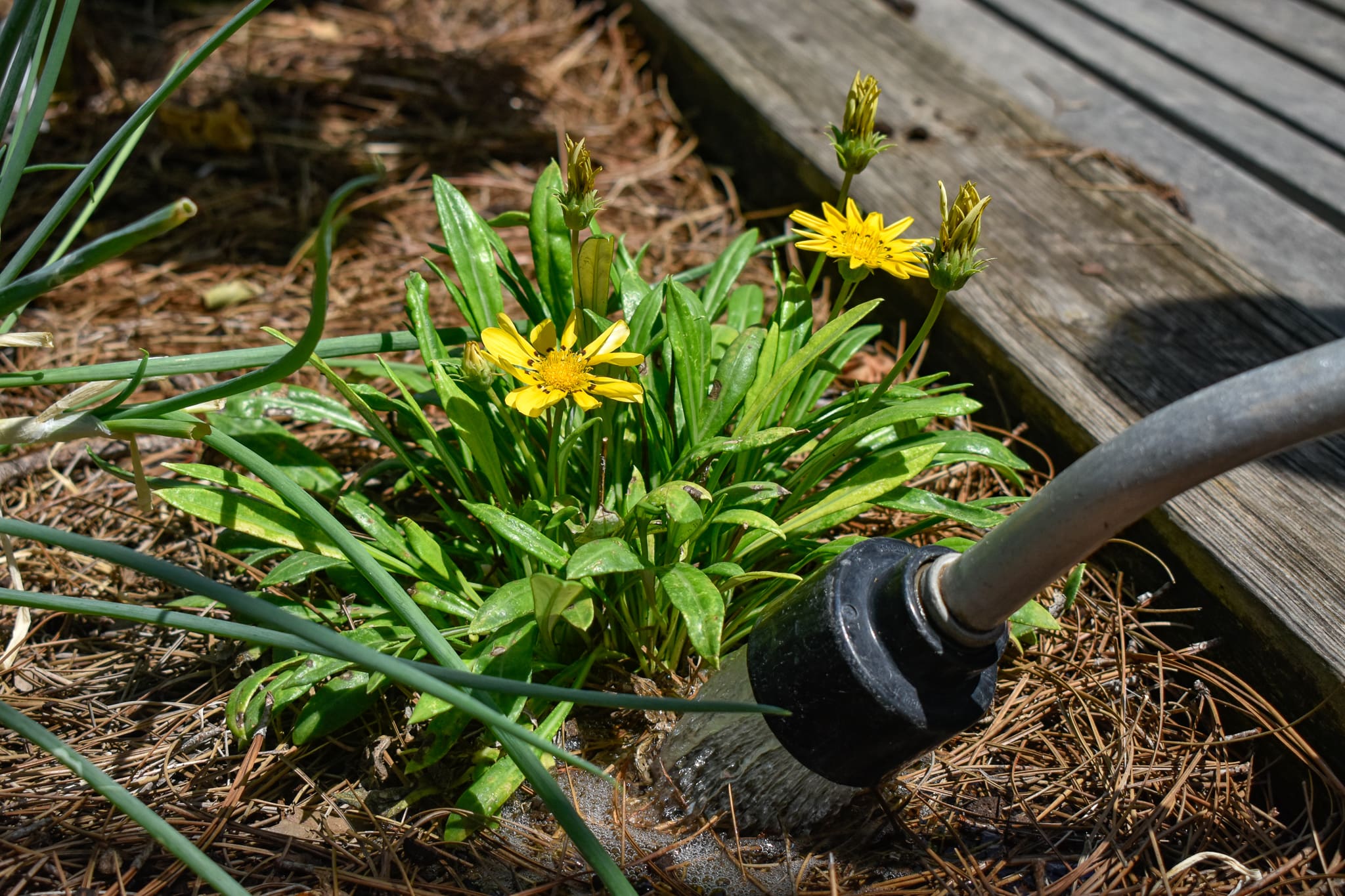
Our goal this month is to maintain the depth moisture that recent rains have created. It’s much easier and takes far less water to maintain that depth moisture than it does to build it back up again if we let the soil get too dry. The key is  watering low, as in as in low to the ground to avoid evaporation, and slow as in not with your hose open full-blast. This helps decrease runoff and get more water down to the roots. Consider setting up your own automatic drip irrigation system – they’re easy to DIY and they operate on the low & slow principle. Also, be sure to use the cycle & soak method, which simply means water once, let it soak in for several minutes, then come back and water again. This makes sure you’re pushing water down deep. 

Pro tip:  Use a moisture meter in your landscape beds and pots! We carry them for around $10 and can show you how easy they are to use. They have a long soil probe that tells you whether you actually have good moisture (or too much) down deep where it’s needed. They’ve saved many plants!

2. Keep Soil Moist & Roots Cool with Mulch

A good mulch layer (2-3″ deep) has so many benefits. It looks amazing, keeps weeds down, helps retain moisture, adds organic matter to the soil, AND keeps plant roots nice and cool in the summer. Bartlett Tree Research Laboratories shared amazing results with us from a mulch study they conducted in San Antonio a few years back. Soil temperatures were measured at 6″ deep (where plant roots live) on a 105 F summer day. Bare soil, 6″ down was 102 F. Soil under grass was 92 F. Soil beneath a 3″ layer of mulch was only 76 F!! Mulch your beds! Mulch also makes a great placeholder while you’re still deciding what to plant. 

3. Plant Blooming Perennials for Summer!

So many of our favorite plants for South Texas don’t just tolerate warm weather, they only begin to thrive and look their best in the summer. Think of blooming perennials like Firebush, Esperanza, and Pride of Barbados for awesome summer impact. Think of big purslane hanging baskets, Gomphrena, and Periwinkles for bursts of bright color. And browse our Texas native plant section for plants and trees that have thrived through hundreds and even thousands of Texas summers. If you’re still wanting to plant food, you can do that too – okra, basil, eggplant, thyme, watermelon, peppers, black-eyed peas and more are great planted in June.

4. Watch for Summer Bugs, Critters, and Plant Disease

Yes, bad bugs will be around more during the Summer, but don’t treat unless there’s significant damage. We can help identify the pest and if/how to treat. You don’t want to kill too many good bugs while trying to take care of the bad bugs! If you see brown areas in the lawn that are easily pulled up, it’s usually a sign of grubs eating the roots of your grass. You can control grubs with Bonide Insect and Grub Control. Chinch bugs love hot dry areas in lawns. They make the lawn look dried out along sidewalks and pavement. Spot-treat those areas with Cyonara in easy ready-to-spray bottles. For organic control, use Spinosad or Diatomaceous Earth. We’ve also seen a lot more caterpillars than usual this spring munching on veggie gardens. Just a few caterpillars can be relocated, but if you have a lot destroying your plants, you can treat with organic Bt in liquid spray or powder form. 

5. Stay Tuned for Fun June Events at Gill’s!

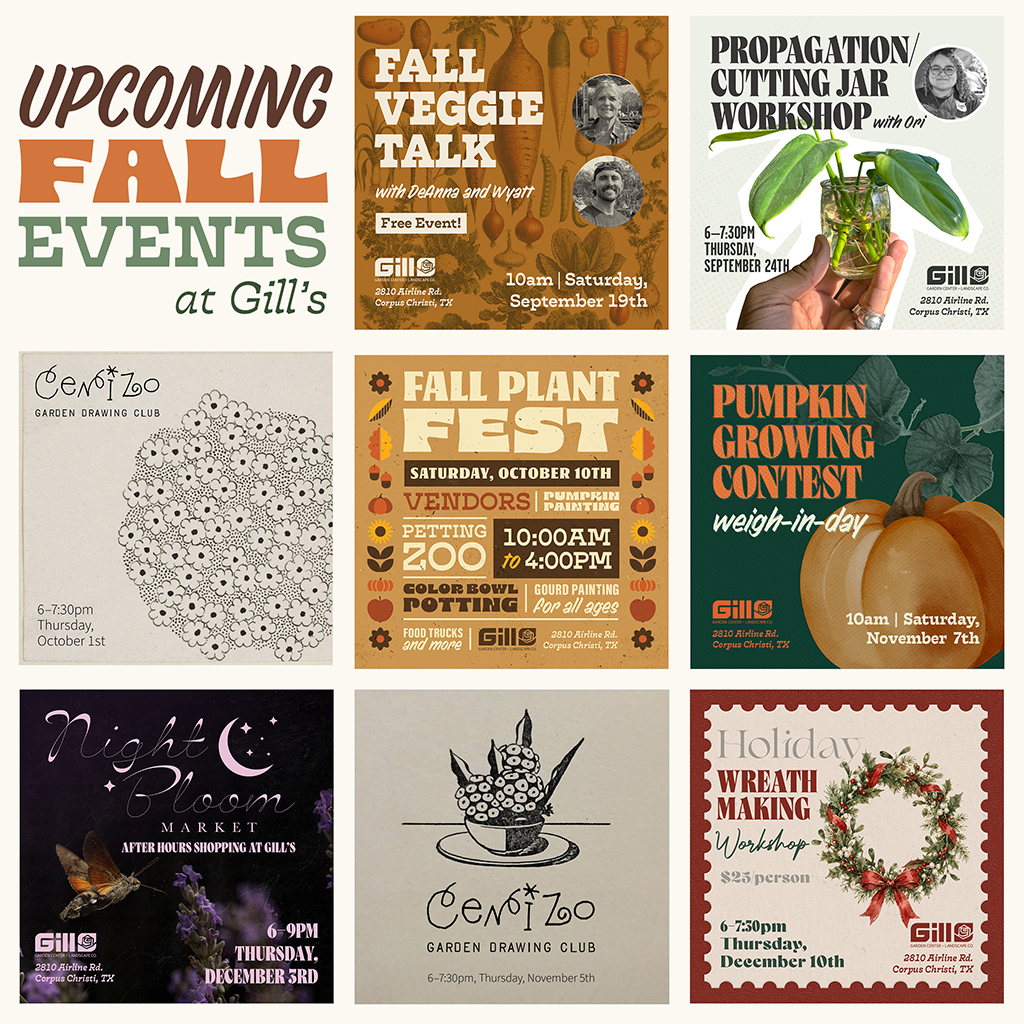
We’ve been overwhelmed with the response to all our events this spring and we’re not stopping! We absolutely love hosting you all, not just for plant shopping, but for learning and building our wonderful local gardening community. We’ve got a big June planned starting with a Gulf Coast Humane Society pet adoption day on June 6th, then flower bingo, plant trivia night, our 2nd annual Father’s Day cookout, and another Nightbloom Market on June 25th! Stay tuned here for updates. 


We’ve passed the halfway point for 2026…that was fast! We hope you’re having lots of fun this summer – holidays, BBQs, weekend trips, and garden projects! Here are our top must-do’s to keep your plants healthy and happy in July, including tips for planting, watering, and summer pests to watch out for. 

1. Yes, You Can Plant in the Summer!

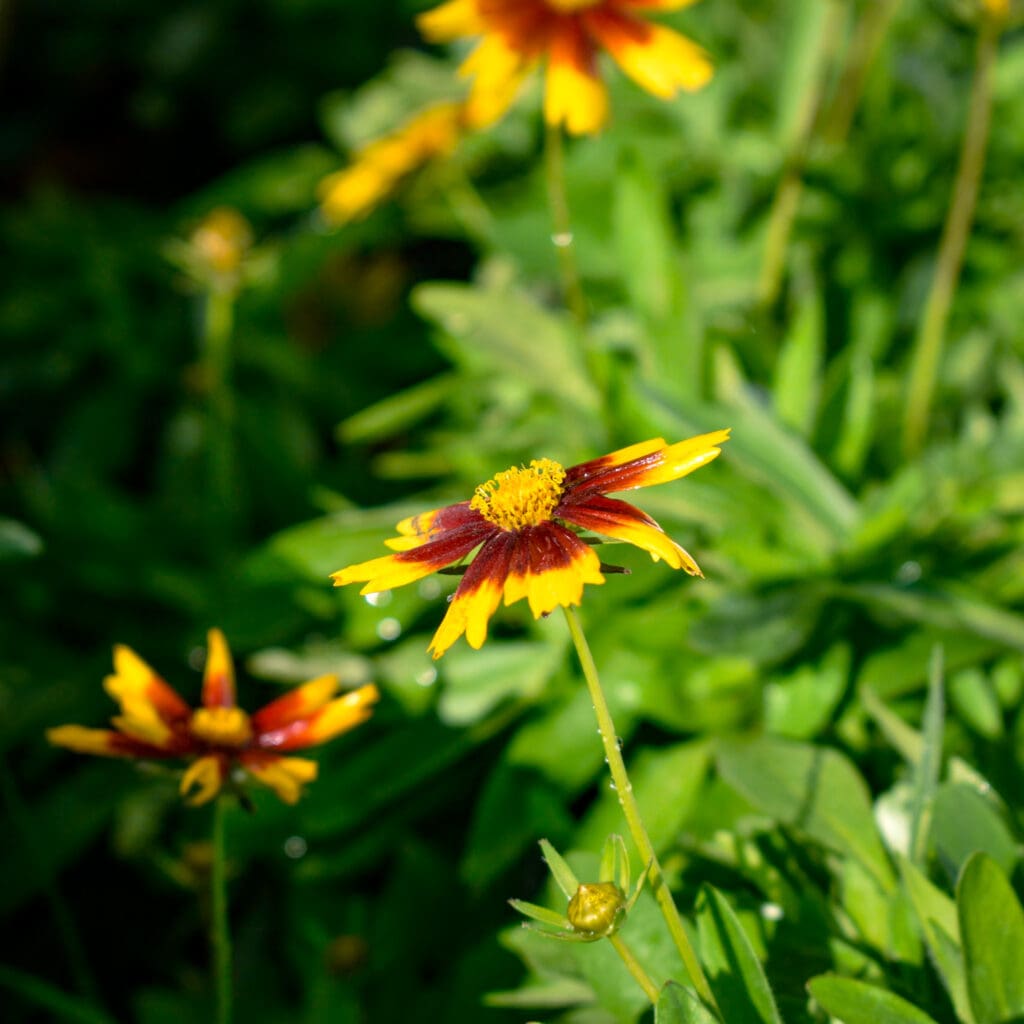
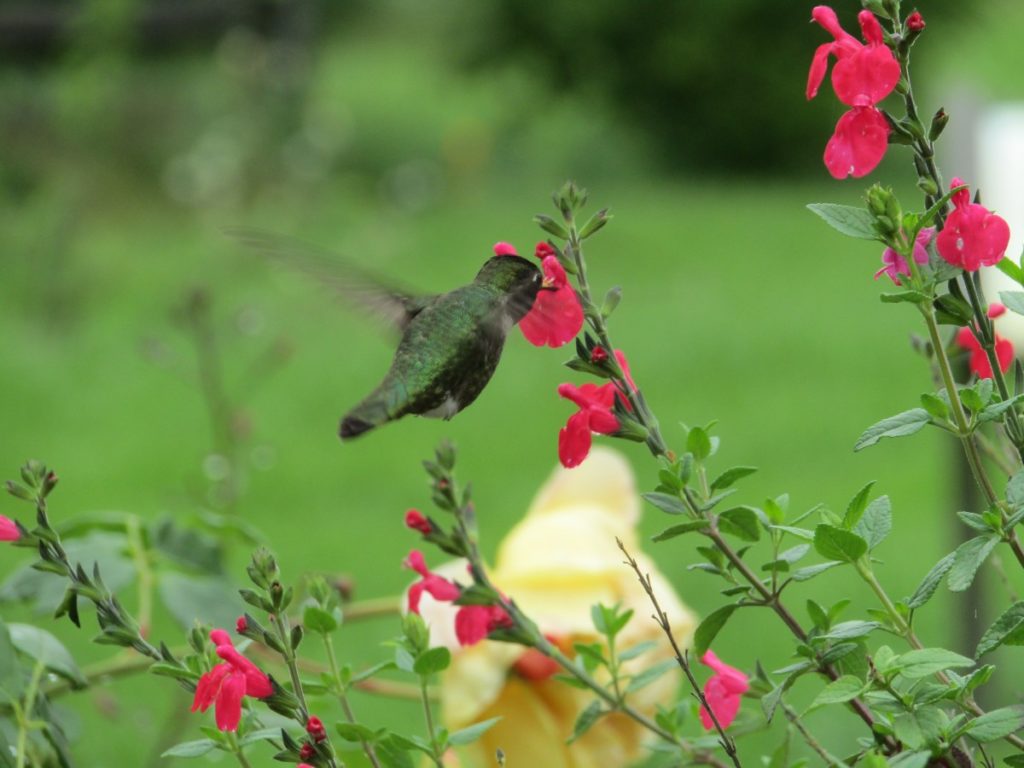
Myth:  I’ve heard that you can’t plant in the summer because its too hot… FACT:  Of course you can!! You can plant just about anything in our summers, including trees, as long as you have a good plan for watering. In fact, summer is a great time to plant crape myrtles because they’re blooming and you get to choose the color IRL! While we’re past the season for spring veggies like tomatoes, there are still plenty of summer veggies like okra, peppers, eggplant, and melons to plant now. If you want your own fresh pumpkins for Halloween, start ’em in July. Plus, now’s a great time to set table for the fall hummingbird migration with their fav blooming perennials like Firebush, Firecracker plant (pictured), native flame Acanthus, and Dicliptera aka Hummingbird Bush. Don’t let any myths discourage your summer gardening! 

2. Watering:  Think Depth, Not Frequency

Proper hydration happens when you get water down to the roots of the plant. This means watering deeply, not more frequently. Plants need long, slow, deep drinks! Encourage those roots to dive deeper for water. Even with recent summer rains (yay!!), continue to watch your watering and maintain that depth moisture. If you notice this summer that you’re having to water your potted plants a lot more often, it could be time to re-pot. As the pot fills up with roots, you end up with less soil and therefore less moisture retention. 

3. Mulch to Keep Roots Cool
Another way to save water is to keep landscape beds and gardens mulched through the summer. Studies show that a good 3″ layer of mulch will keep your plant roots more than 20 degrees cooler! Not only that, a good mulch layer also helps retain moisture AND keeps weeds at bay. Healthy plants, less watering, and fewer weeds – that’s a win/win/win! It’s important to use natural wood or pine straw mulch that breaks down over time, NOT the red dyed stuff! As natural mulch breaks down, it adds nutrients and makes your soil more workable. Keep in mind, mulch is also a great placeholder. If you have areas that you plan to plant later, keep them mulched to keep weeds out and keep your soil healthy and ready to plant when you are.  
4. Watch for More Bugs in Summer
This is what a mealybug infestation looks like!
Not all bugs are bad, so it’s important to know your bugs before you spray anything, even organics. A few bugs here and there is most likely not cause for alarm. If you do get an infestation, cut the plant back first, give it some fertilizer, then treat for bugs. By pruning first, you won’t have to treat every leaf on the whole plant. We see plants come back better than ever using this method. If you’re not sure about bugs or pruning, we’re here to help. During summer, watch out for mealybugs on plants like Hibiscus and Turk’s Cap, lacebugs on Lantana, and chinch bugs in the lawn – especially near sidewalks and driveways! We’ve got solutions for all of the above.

5. Yes, You Should Fertilize in the Summer!

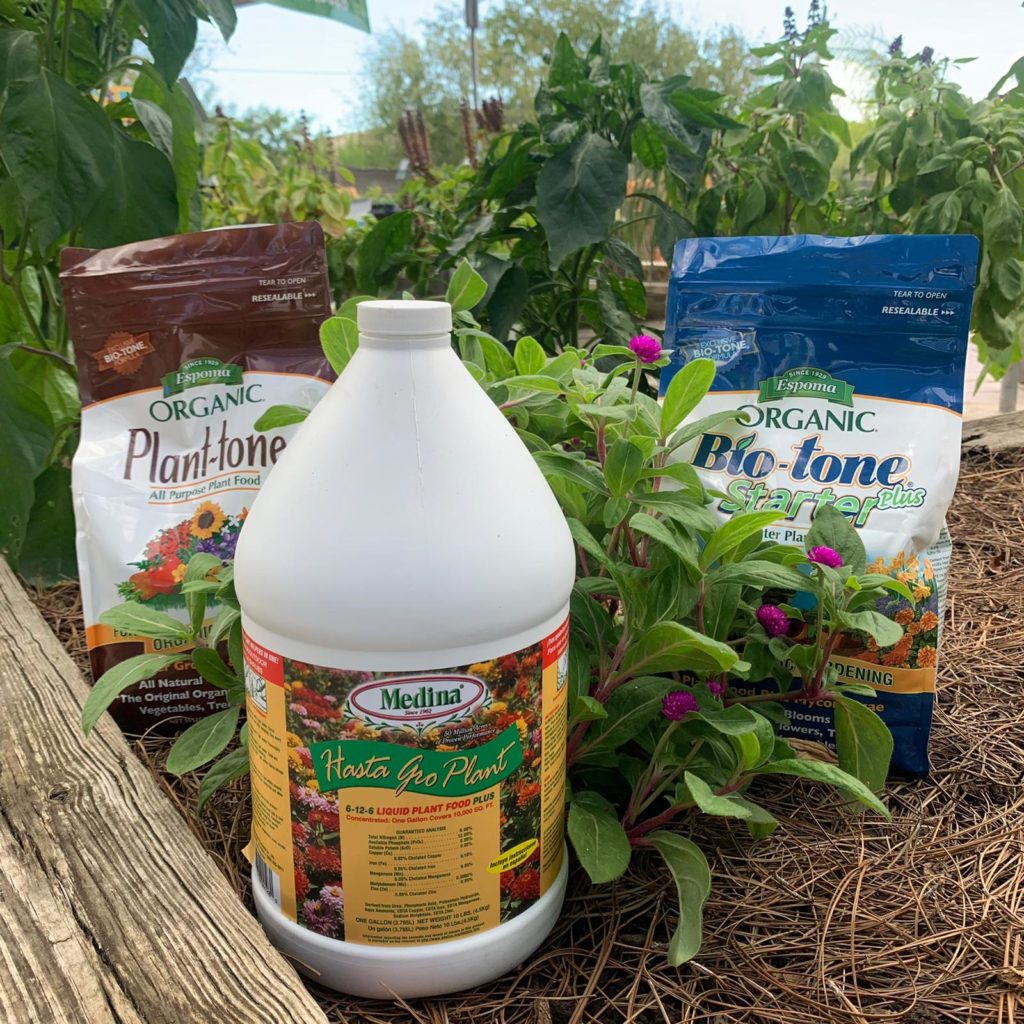
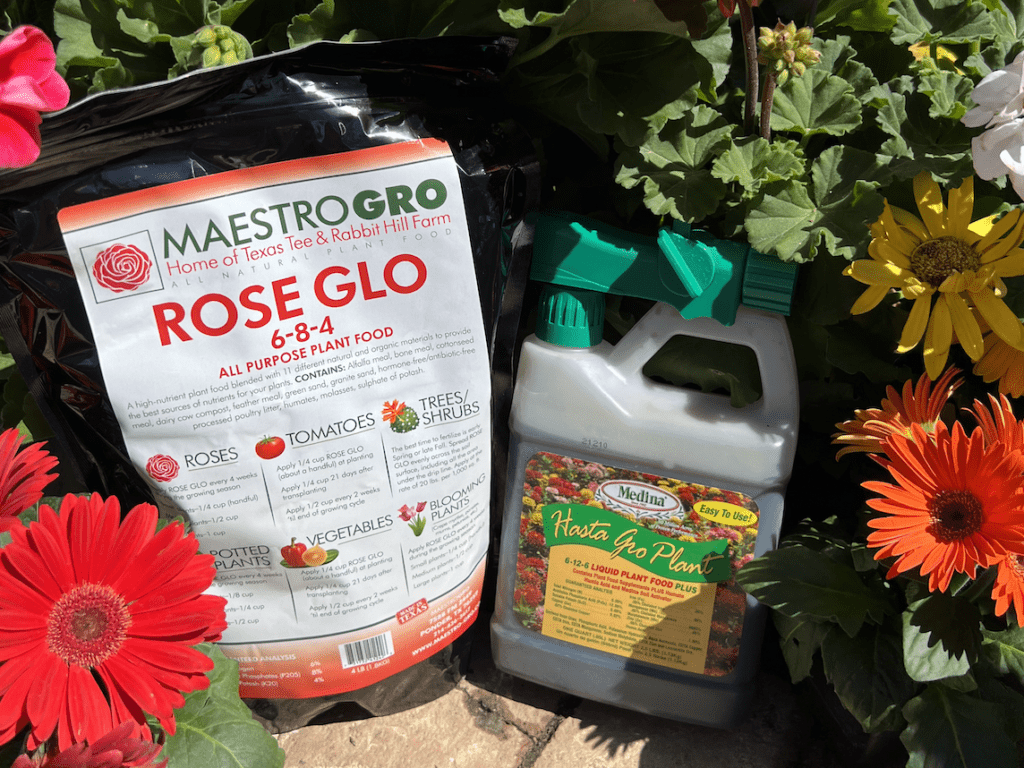
Continue to feed plants, especially heavy bloomers and veggies through the summer. Keep in mind that strong, healthy plants are less susceptible to pests and disease. Speaking of strong, try a good liquid foliar food like Medina Hasta Gro about every other week in addition to your granular feedings about once a month. The foliar food sprayed directly on the leaves really makes those leaves stronger and more robust. Lots of gardeners like to use liquid seaweed in the summer for a similar purpose, to help fortify and summer-proof your plants. What about lawns? If you haven’t fed your lawn yet, you can still do that too. If you have, you don’t need to feed it again until the fall. 


Temperatures don’t feel like it yet, but it’s time to start making the transition into an exciting new fall planting season! There’s a lot to do in August to set yourself up for big garden success this fall and beyond. Here are our top must-do’s!

1. Pick Out Your Fall Veggie and Flower Seeds!

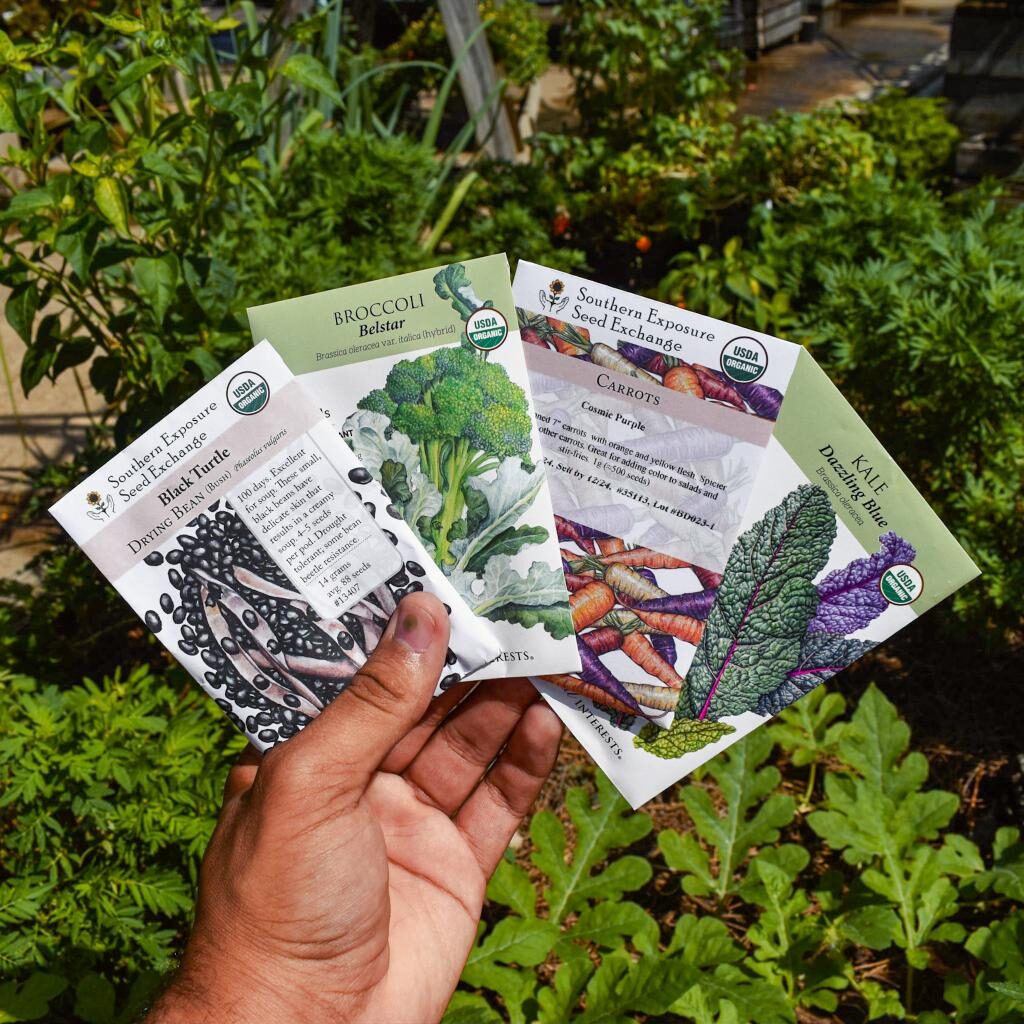
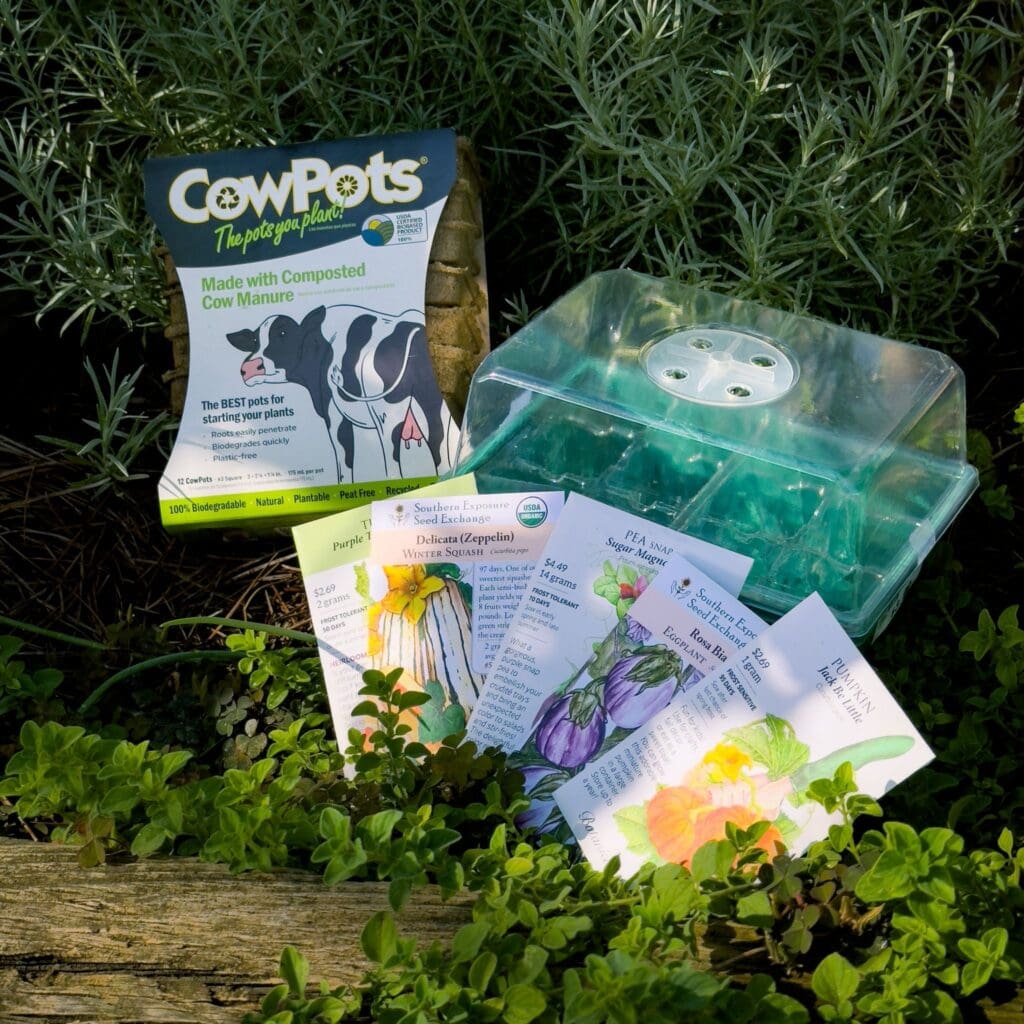
August is the time to start your fall veggie seeds! Next week, we’ll receive the new 2025-2026 seeds from our favorite seed suppliers, including heirloom vegetables, brand new releases, and wildflower seeds. Try Cow Pots (cattle manure pots) or seed starting trays to start seeds indoors this month, move to a covered patio once they sprout, then into your garden beds once they’re robust enough to live outside. This will protect the seedlings and slowly acclimate them to outdoor temps. Our Fall Vegetable Planting Guide provides the specific seed-planting dates to help plan your fall garden. Remember – if you want bountiful fall veggies, you need to get an early start! 

2. Start Planting Now for Fall Pollinators!

Don’t wait until fall arrives to start planting for fall pollinators – start cooking now so their meal will be ready when they arrive! Important fact: birds, bats, bees, butterflies, beetles, and small mammals that pollinate plants are responsible for bringing us one out of every three bites of food worldwide. Plants attract and provide food for them to keep the cycle going. For example – plant Zinnia and sunflower seeds now, and they’ll be ready to feed migrating birds this fall. Plant salvias now, get roots established, and they’ll be gorgeous this fall and covered in hummingbirds, butterflies, and bees. If you want to provide the best benefits for the most pollinators, plant Texas natives

3. Prep Your Garden Beds

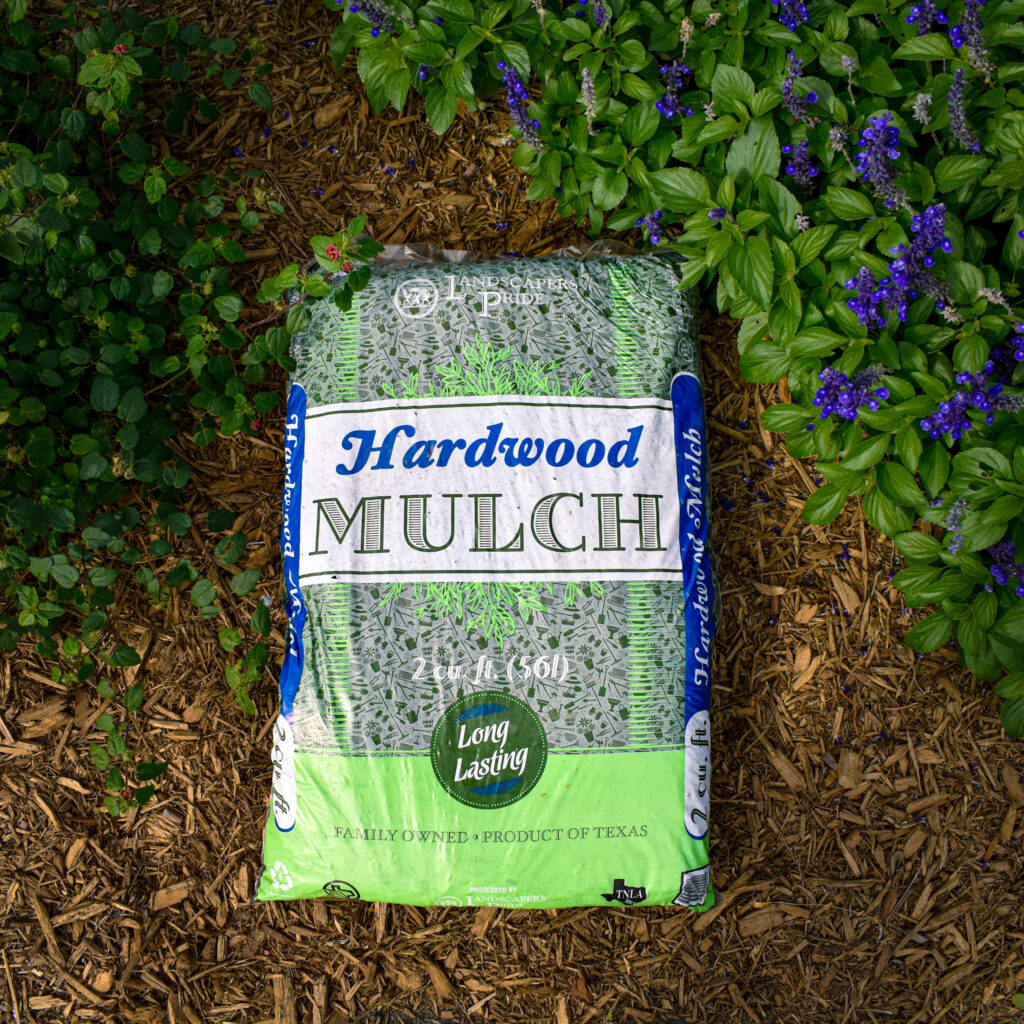
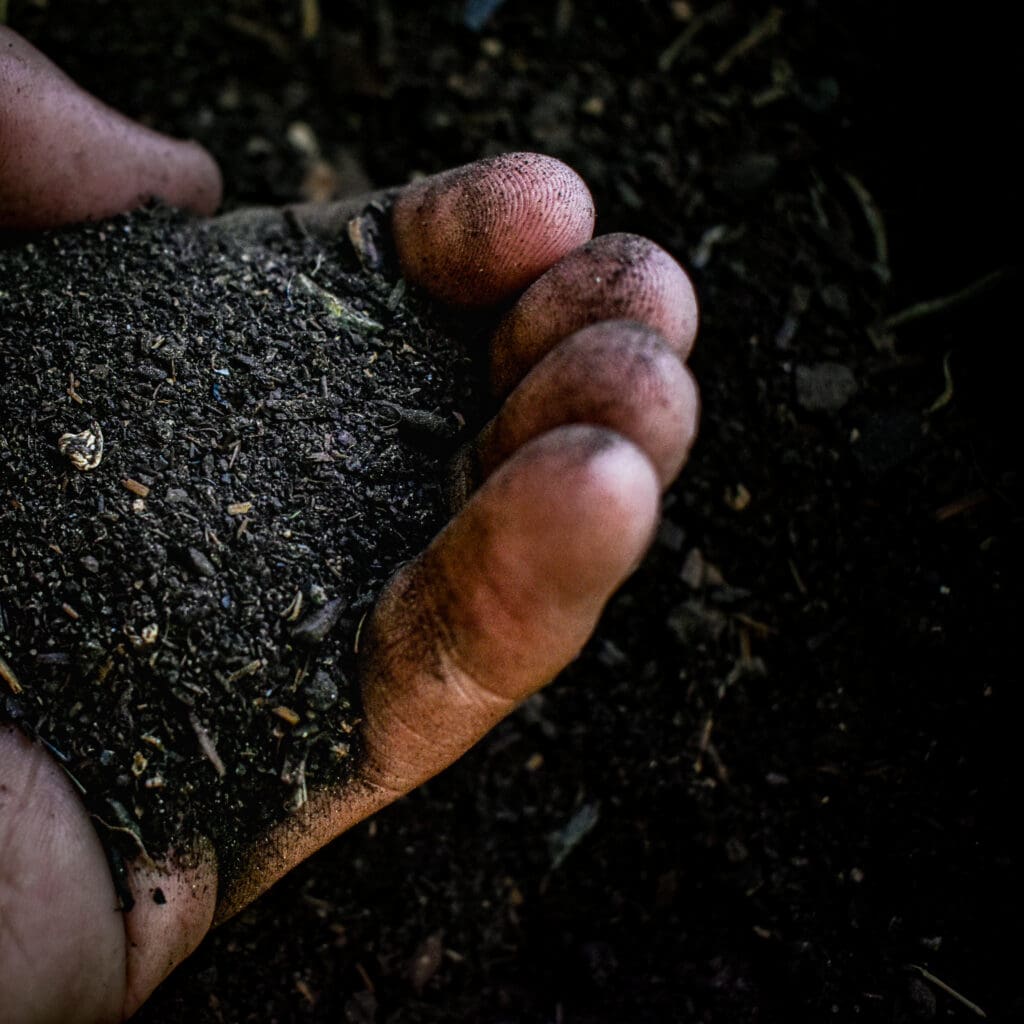
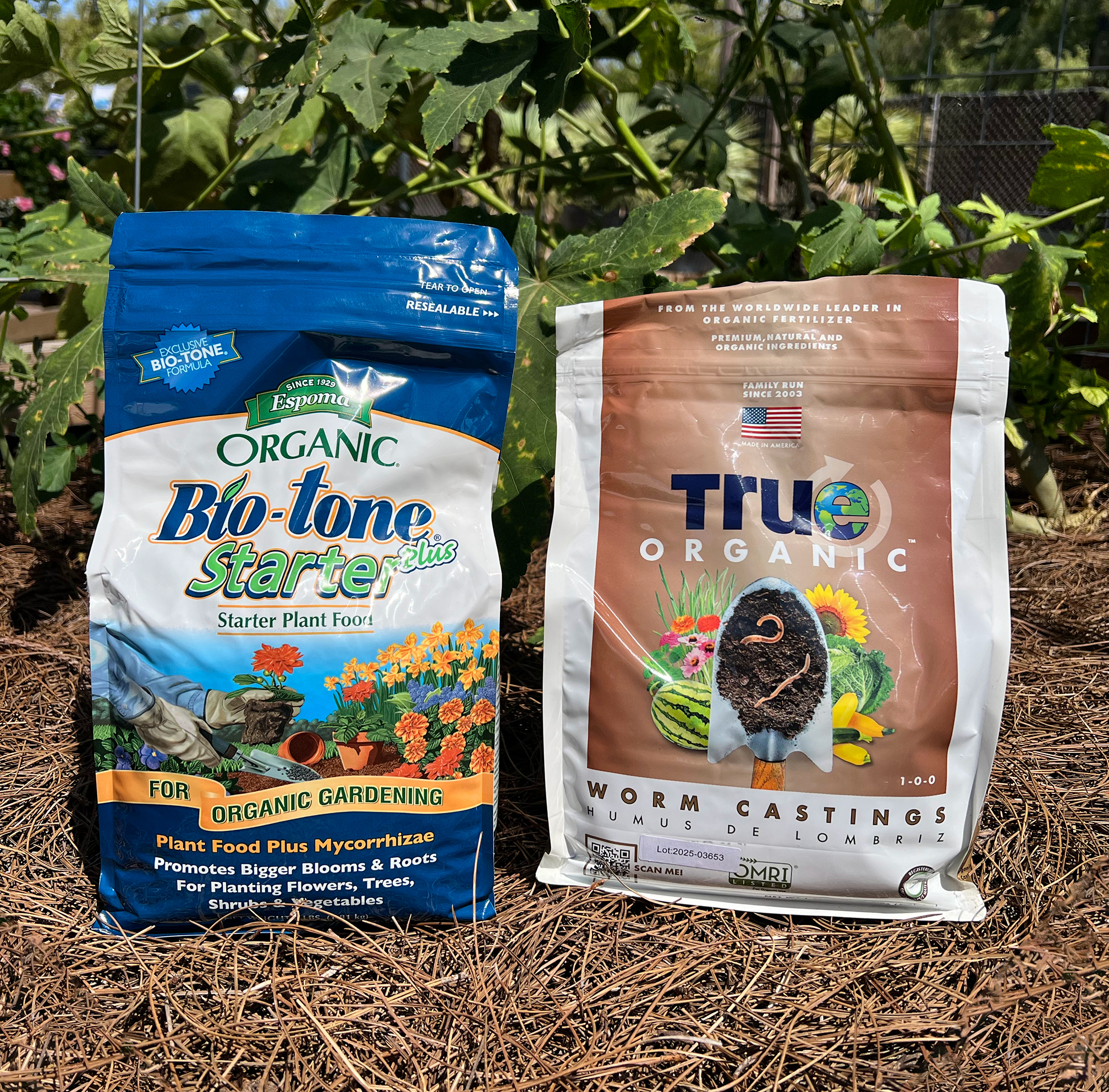
August is the time to start prepping fall veggie beds! Finish your Summer harvesting, clean out your beds, and pull weeds. To get your soil ready, we recommend mixing Nature’s Blend Compost or Cotton Burr Compost into your soil to replenish nutrients and loosen the soil before planting. About 1 bag per 12 sq. ft. is good. Once prepped, add a thick layer of pine straw or hardwood mulch, which will help retain moisture, keep weeds from sprouting, and keep the soil cooler until you’re ready to plant. As you plan your space, think crop rotation – don’t plant the same veggies in the exact same place you planted them last season, or you encourage pests and diseases. 

4. Water to Maintain Depth Moisture!

We’ve been lucky to have some well-timed rain showers this summer, which has created some depth moisture in the soil. Our goal with watering this month should be to maintain it. For lawns and established plants and trees, this means watering less frequently, but watering deeply when you water. New plantings will require water every day for the first couple weeks to get the roots established, but again, think deep drinks so the roots dive deeper. Use a water wand with a cut-off valve to make it easy on you and conserve water. Pro tip: Conserve water by watering at ground level, not spraying from above. This way, water soaks down to the roots rather than evaporating off the leaves. 

5. Mulch = Cool Roots, Dude!

Proper mulching using natural Hardwood or Pine Straw mulch has big benefits, especially during hot weather. A good 3” deep layer of mulch will keep your plants and the soil moist and cool for longer after you water or after it rains. Not just a little cooler – we’re talking more than 25 degrees cooler!! Cooler soil temps allow plant roots and beneficial microorganisms in the soil to flourish. When mulching, give the main trunks or stems of your plants a little space – mulch 3” deep throughout the bed, but no more than 1” deep right up against the main trunks/stems of plants.