
There’s a saying that goes, “The best time to plant a tree was 20 years ago. The second-best time is now.” True! Here in South Texas, fall is the very best time to get a new tree in the ground. Trees are a wonderful investment in your landscape – especially our tried and true native varieties. They provide shade, add beauty and structure, support local wildlife, and are naturally adapted to our region’s growing conditions. Whether you’re looking to add a stately Live Oak, a beautiful Cedar Elm, an Anacua, or a fast-growing Huisache, choosing the right tree and planting it properly will make all the difference in its long-term success.
Why Fall Is the Best Time to Plant Trees
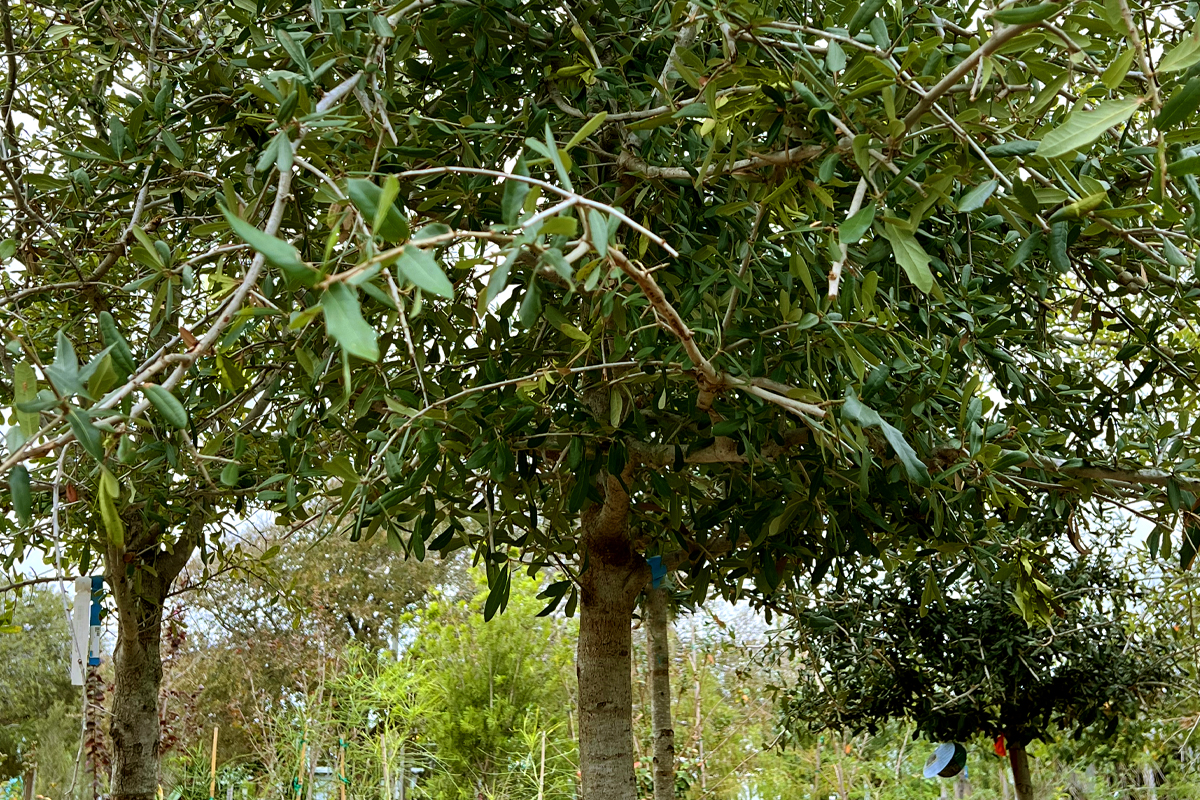
Planting trees in the fall is playing the long game. You won’t see lots of top growth in the fall and winter, but all the magic is still happening underground. Our soil stays relatively warm through fall and winter, while cooler air temperatures reduce stress on newly planted trees. This combination encourages root development even when top growth slows down. By the time spring arrives, trees have had a head start growing roots. That stronger root system helps trees take up water and nutrients, explode with top growth next spring, and better withstand their first hot summer. Another key benefit to planting trees in the fall…less watering!
Choosing the Right Spot
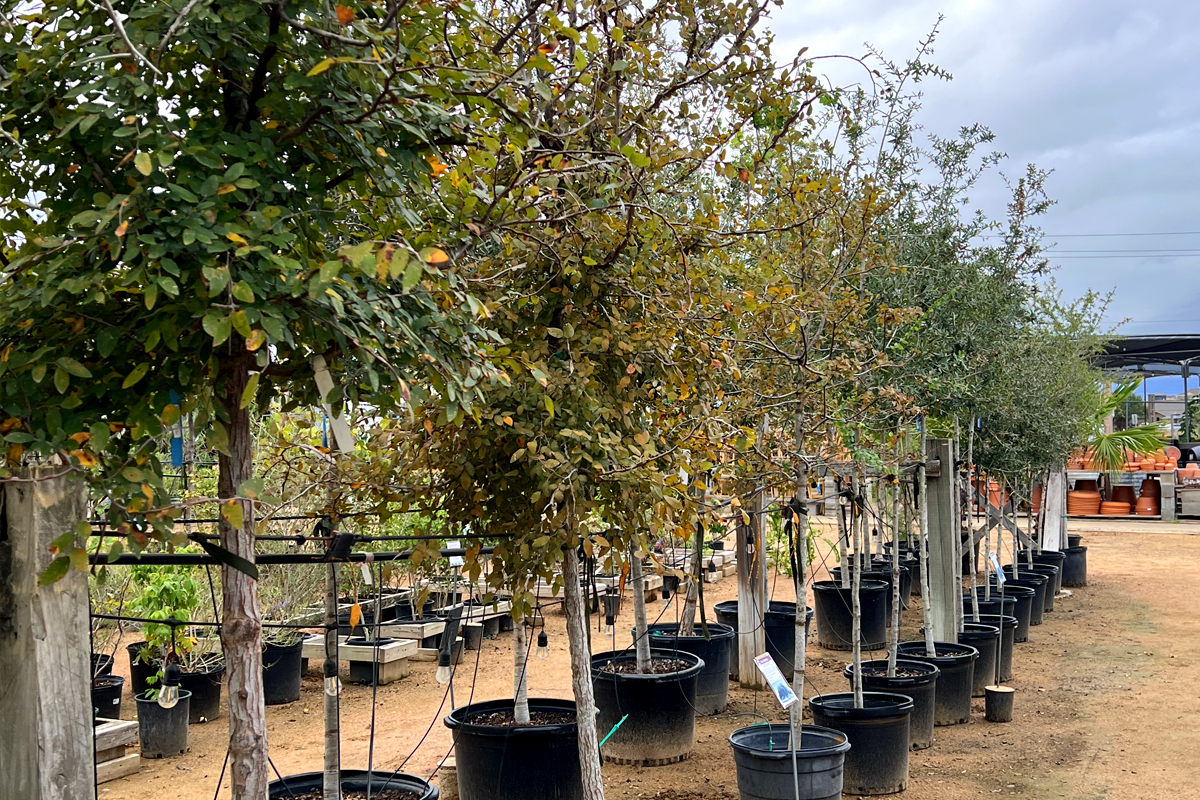
Before you start digging, take some time to consider where your tree will grow. Think about:
-
- Mature height and width: Give trees plenty of room to grow without interfering with buildings, foundations, power lines, or other plants. For example, a Live Oak needs to be planted at least 20′ from a structure.
- Sunlight: Most shade trees need full sun, but smaller understory varieties like Yaupon Holly can thrive in some shade.
- Drainage: Don’t plant in low spots! Make sure the spot where you plant doesn’t hold water.
- Watering: Have a good plan for watering to get the tree established. We typically recommend watering every day for 2 weeks, every other day for 2 weeks, then once a week depending on rainfall.
Don’t Plant Too Deep!

The absolute most common mistake is planting too deeply, which can lead to problems with the trunk and roots down the road. Dig a hole approximately two to three times wider than the tree’s root ball, but no deeper than the root ball itself. The bottom of the hole should be firm and undisturbed so the tree doesn’t settle too deeply after planting. A wide planting hole gives new roots room to grow into the surrounding soil.
Find and expose the root flare before planting. The root flare is where the trunk begins to widen and transition into the main structural roots – the photo above is a great example. Before planting, gently remove any excess soil from the top of the root ball until you can see where the trunk flares outward. The root flare should be visible and kept slightly above the finished soil grade. Never bury the trunk or cover the root flare with soil or mulch. Planting too deeply will restrict oxygen around the roots, encourage trunk decay, and contribute to long-term health problems.
Apply a 2–3 inch layer of mulch around the base of the tree, extending outward to help retain soil moisture, regulate soil temperatures, and reduce competition from grass and weeds. Keep mulch several inches away from the trunk and leave the root flare exposed. Never pile mulch against the trunk in a volcano shape. Speaking of grass…keep grass away from the base of your newly planted tree for at least the first five years. It might be tempting to let your lawn grow right up to the trunk, but turf grass competes with young trees for water, nutrients, and growing space. That competition can make it harder for a tree to establish the strong root system it needs. Just as importantly, keep lawn mowers and weed eaters away from the trunk! Damage to the bark can create lasting wounds and leave a tree vulnerable to pests, disease, and decay. A little extra space around the trunk goes a long way toward protecting your investment.
To DIY or Call the Pros?
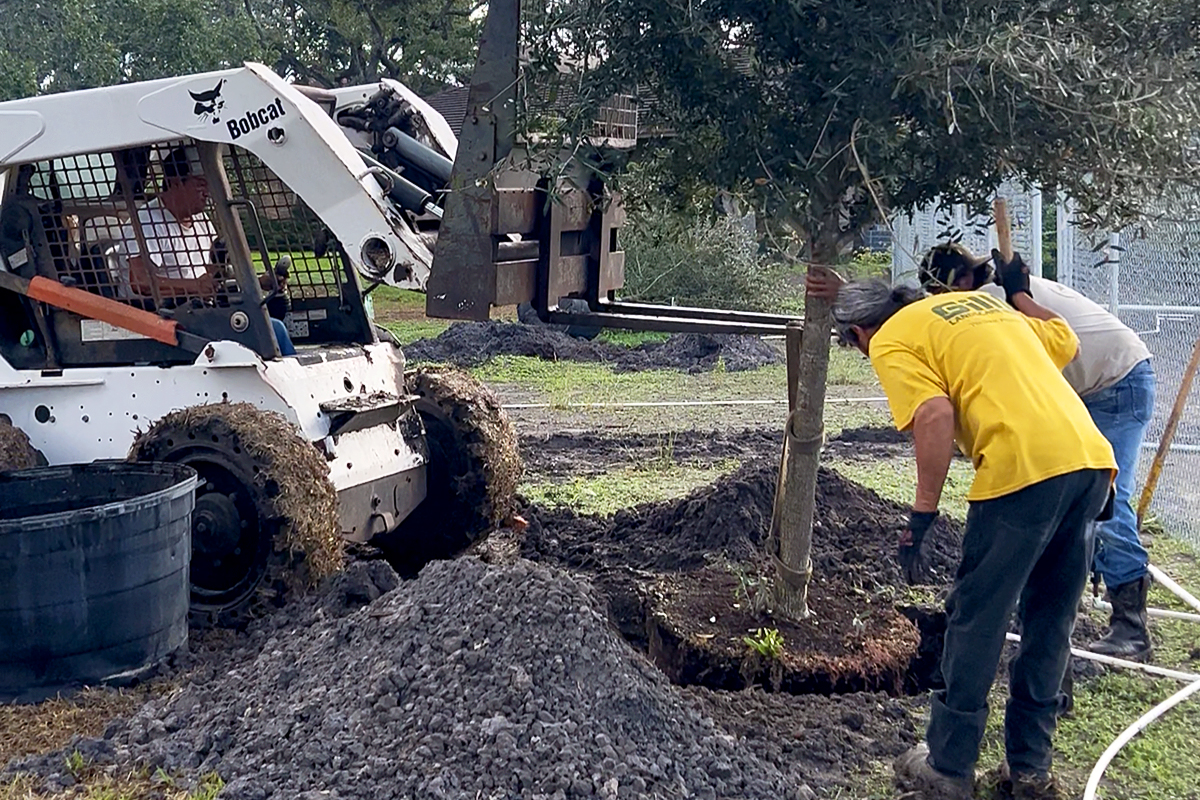
We often recommend starting with smaller size trees (5-15gal) for DIY gardeners. They’re much easier to plant, they undergo less stress when planting, and they grow faster. There’s a lot of satisfaction in planting a small tree and being able to watch it grow into a gorgeous shade tree. On the other hand, some of us like instant gratification! We carry shade trees in large 200gal containers, specimen palms that are already 20′ tall, and field-dug Wild Olives and Mesquites that already have 3-4″ diameter trunks. If you want to go big, talk to us about doing the planting for you.


Reader Interactions