
This is one of my favorites. It has the most beautiful blue blooms all fall, winter and spring. They love the sun. I fertilize mine periodically with Medina Hasta-Gro Fertilizer and top dress with Nature’s Blend a couple of times a year. I planted mine in a cluster of three in the front yard near a birdbath; the butterflies drink the nectar from the salvia and then drink water from the birdbath. Beautiful and very easy to grow!
 -Sally
 -DeAnna


 -Debbie
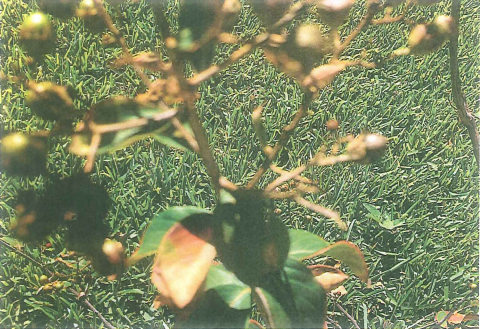 Crape Myrtles will always have some leaf scorch the first summer, despite adequate watering, and we should inform customers of that. Also, that watering needs to be frequent – apply enough water to replace what is lost from the rootball every day, twice a day the first two weeks if planted March thru September, then once a day for the next two weeks, then every other day for two weeks, then twice a week through October. Water to soak the surrounding area once a week, but just a few gallons per plant the additional watering days each week.
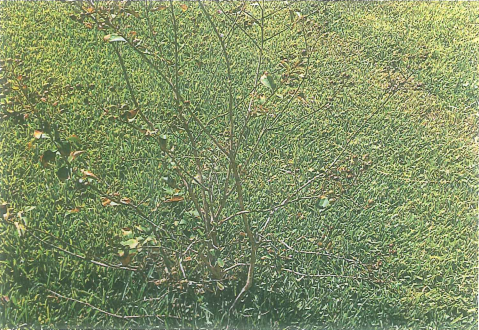 the trunks of the crape myrtle. Mulch a 3ft. or larger circle. Remove spent bloom heads for faster growth and more blooms while you can still reach them safely.Do not prune off branches larger than your thumb unless you have good reason (hitting the roof, blocking the walk, or rubbing against another branch).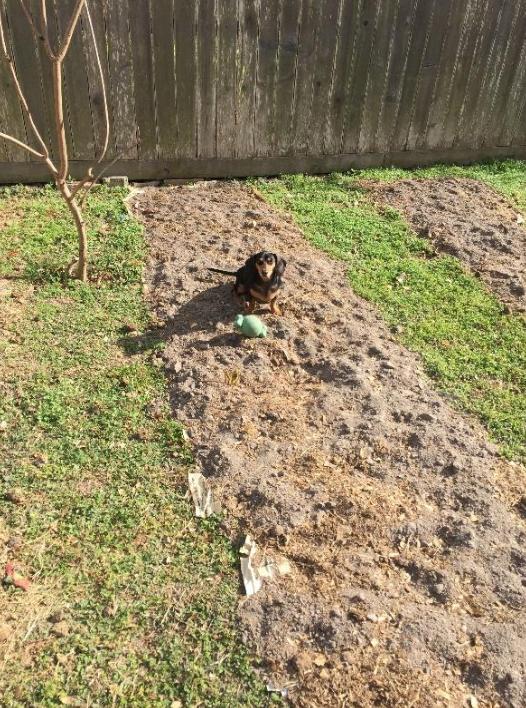

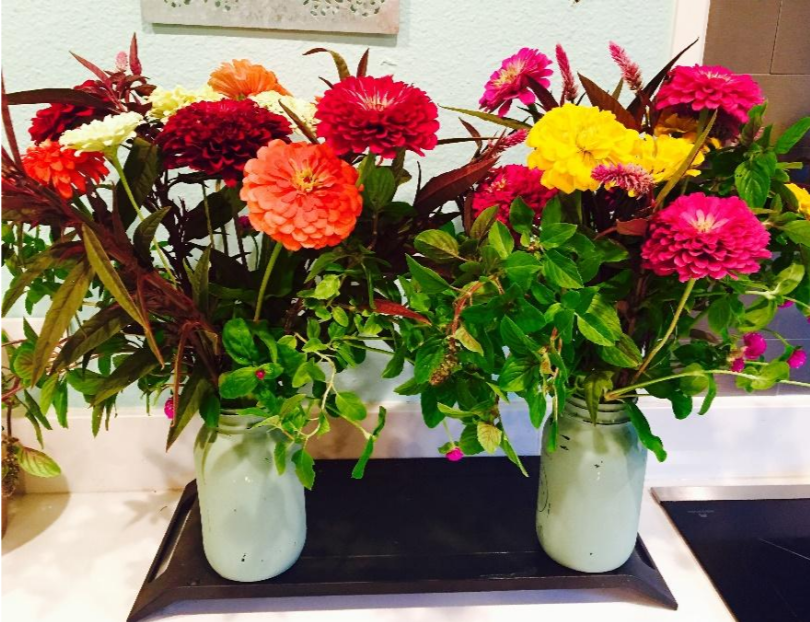
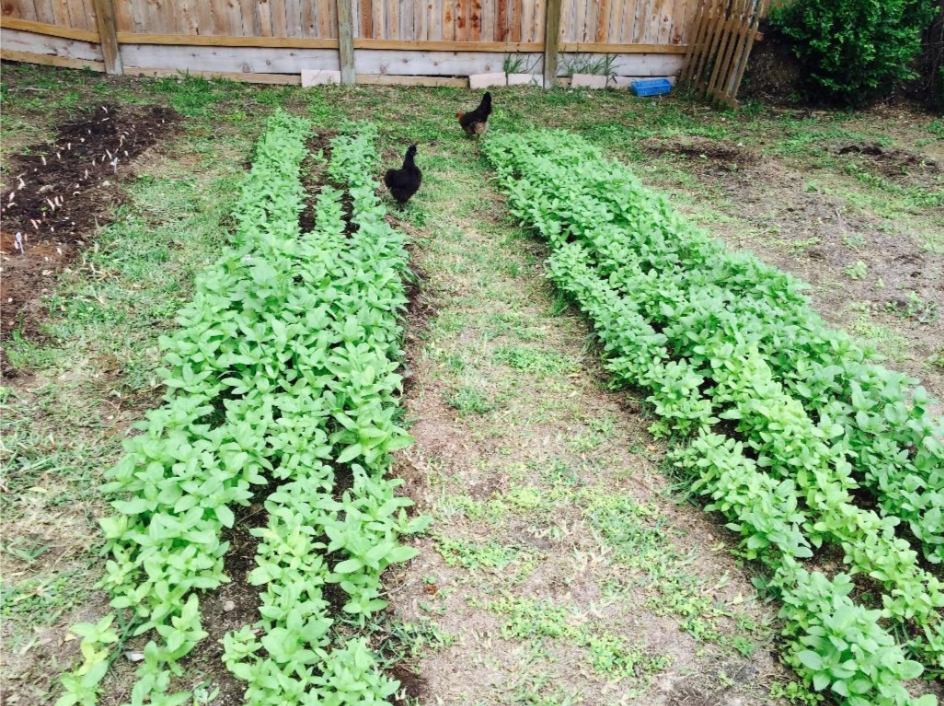
 -Emily Capule, Flower Farmer and Gill’s Landscape Design Assistant
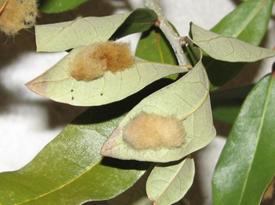 All from a shiny reddish ball. Or a fuzzy white ball. Or a corky brown ball. I’m talking oak galls, which commonly strike terror into the hearts of live oak tree owners this time of year. They are all caused by various species of small, stingless, solitary wasps. These wasps insert an egg (or several) into the tissue of small oak branches or young leaves, and are thought to modify the DNA of the plant, forcing the plant to produce growth (the gall) that supplies both housing and food to the wasp larvae living inside. The saliva of the wasp applied at the time of the egg laying is thought to contain a virus that produces the genetic changes, so wasp larvae have been eating GMO’s for millions of years.
 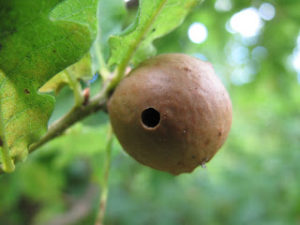 So wasps are defacing and eating your oak tree this summer, what you gonna do about it? As one writer says, “I recommend a cold drink, a good book and a comfortable chair.” ‘Cuz there’s nothing you can do or should do about it. Oak galls come in periodic waves, a few one year, more the next, and none the year after.
  James
James