
Gill Garden Center + Landscape Co.
Corpus Christi, TX Garden Center
The last few months have given us a roller coaster ride of weather events. Freezes, snow, record wind chills, sleet; winter has been much like…winter. We are all itching to get outside and start our gardening but perhaps a little leery of planting.
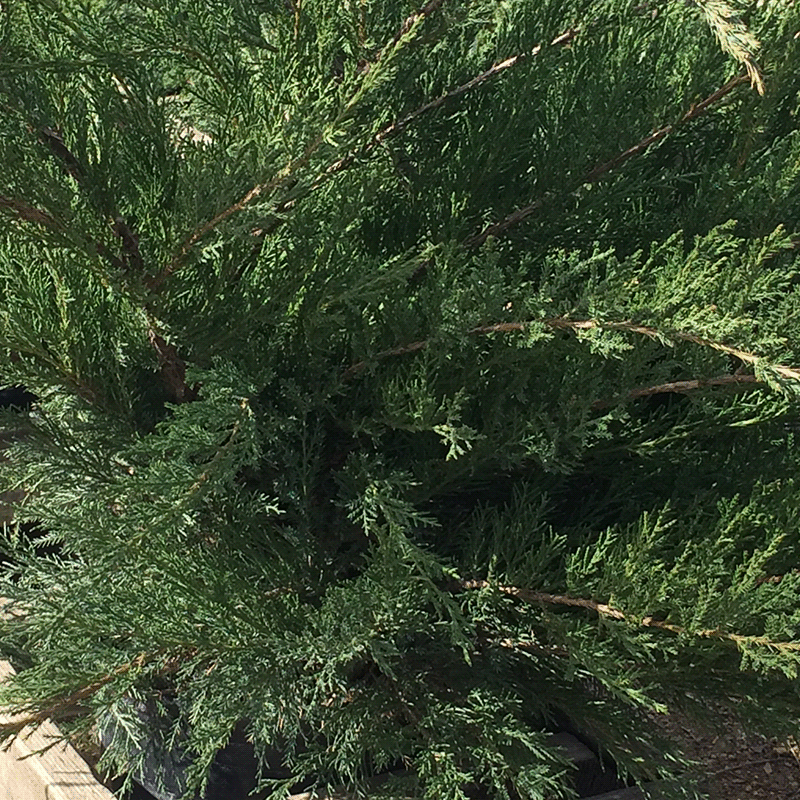
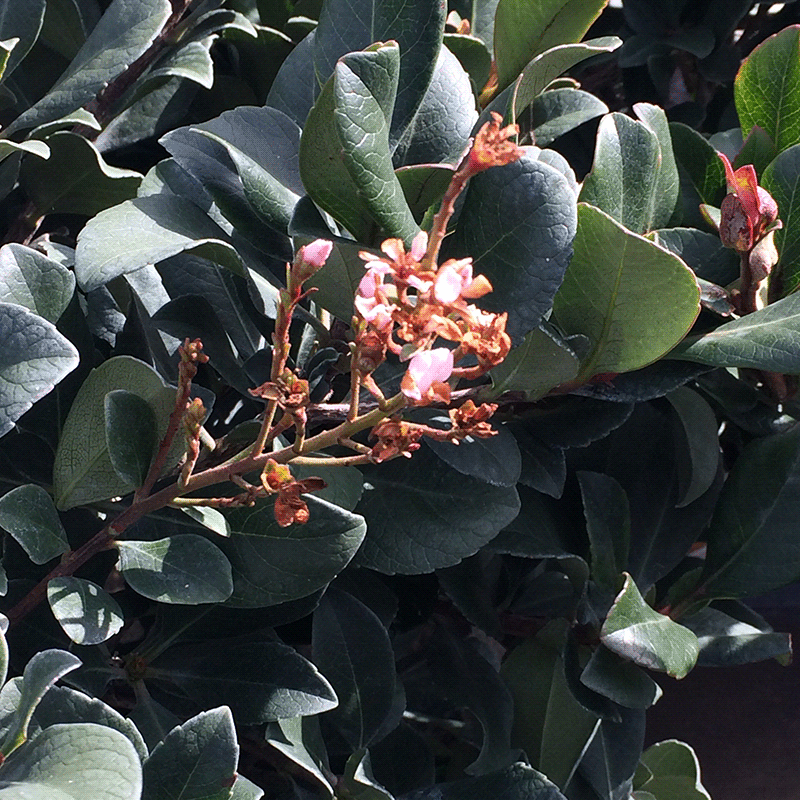
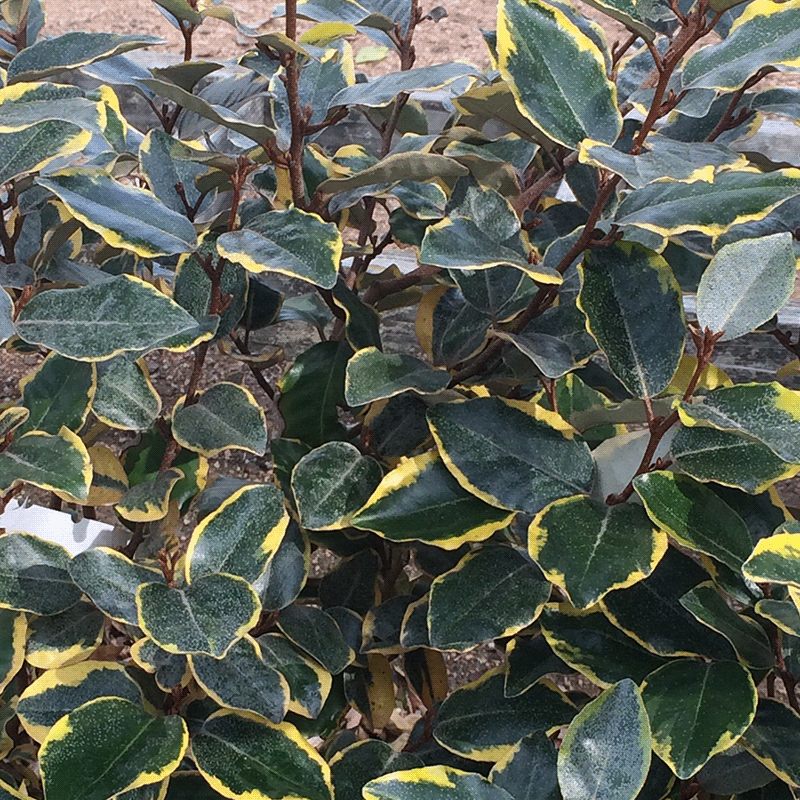
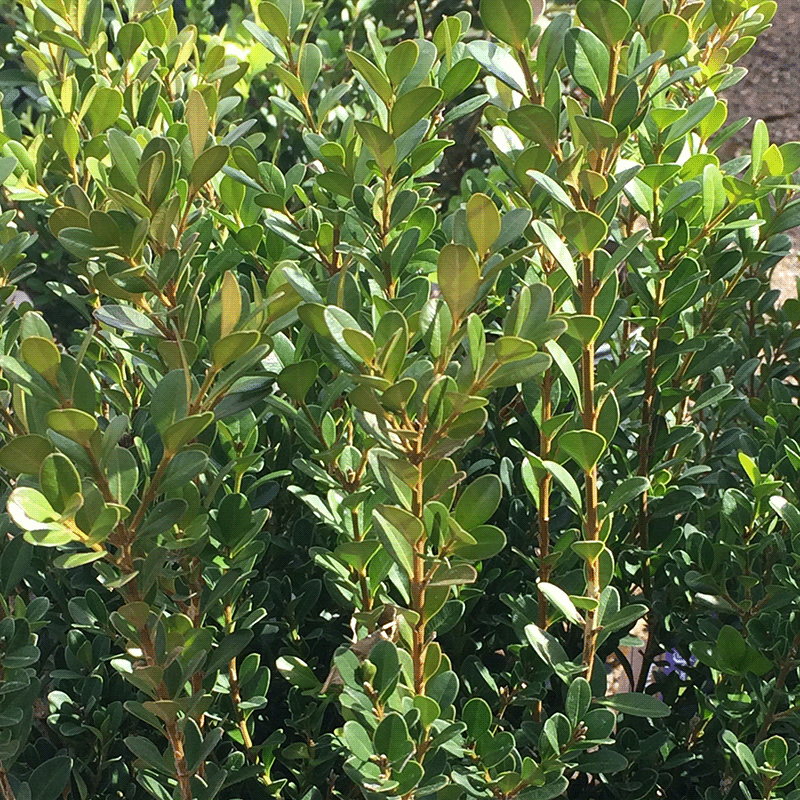
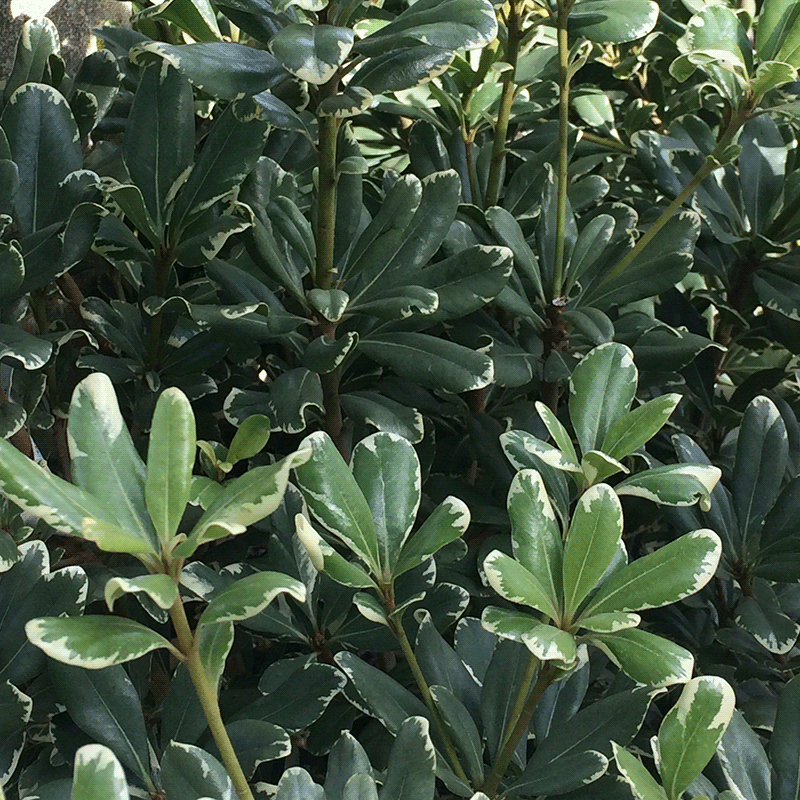
No need to wait, there’s a plethora of plants that are cold hardy to help start your landscaping, relieving that itch. Many of our shrubs, trees, and ornamentals are cold hardy, and greatly benefit by planting now. Not only are they tough enough to withstand our winter temps, they will start growing roots, giving them, a head start before our summer heat.
Check out a few prime choices for planting now. There’s a whole lot more to look at while you’re here!
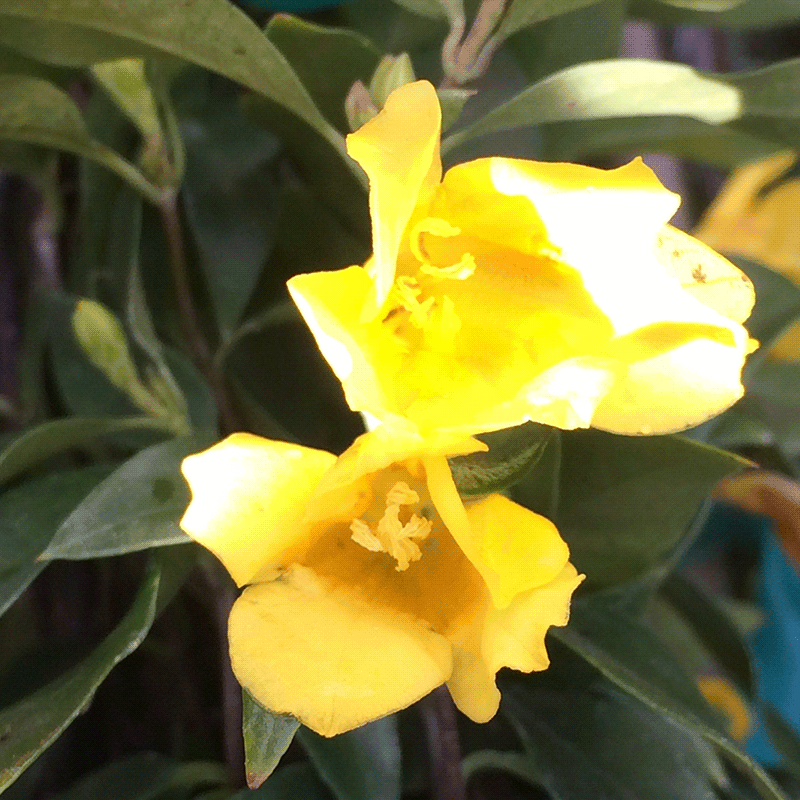
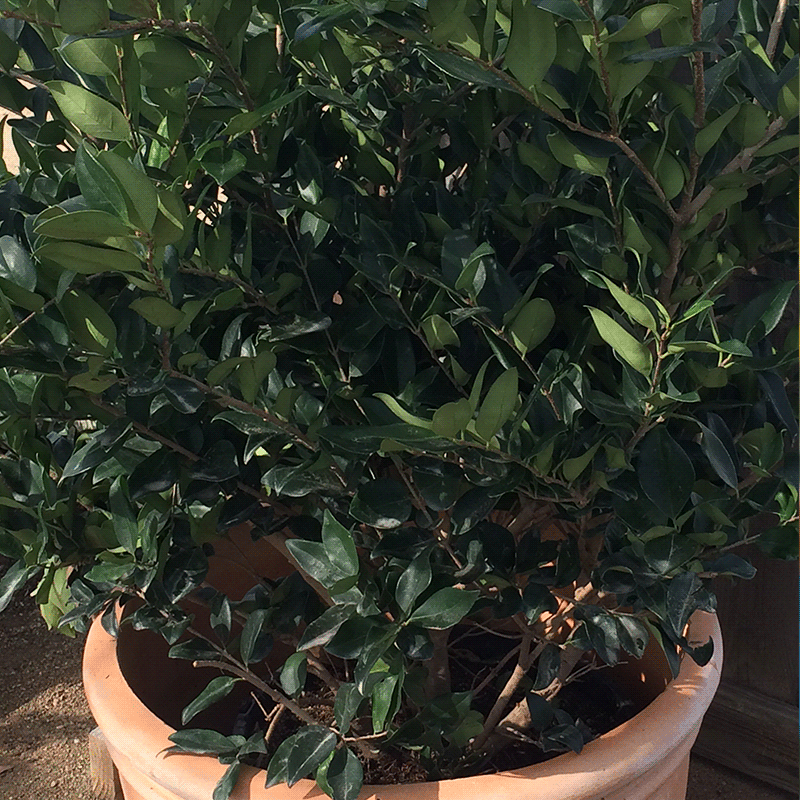
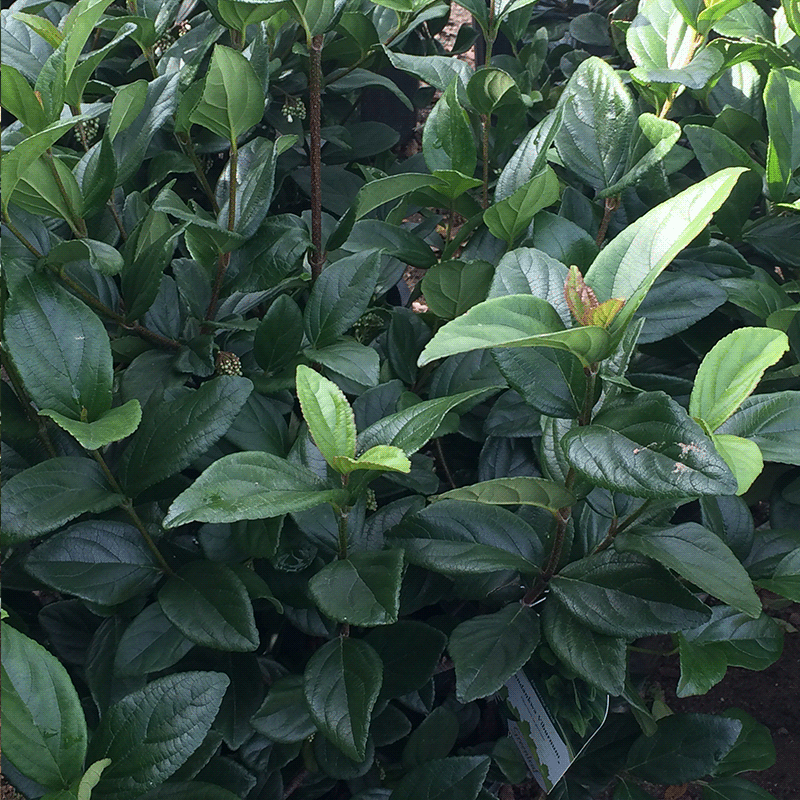

See you soon,
Debbie
About this time of year, every year, we visit our Texas plant growers. This year we took them Girl Scout Thin Mint cookies, as a thank you for shipping us their best grade A plants!
While at the growing grounds we drive the fields with our sales rep, looking at new plant varieties and new sizes of plants being grown. We even have a coding system to remind us which plants are the best for early spring shipment.
For the first time in 40 years, this year James and I saw robots spacing plants out in the fields. They say robots are a little better at spacing than humans. I’m not sure about that; here they are in action!
Below are photos of our visit last week.
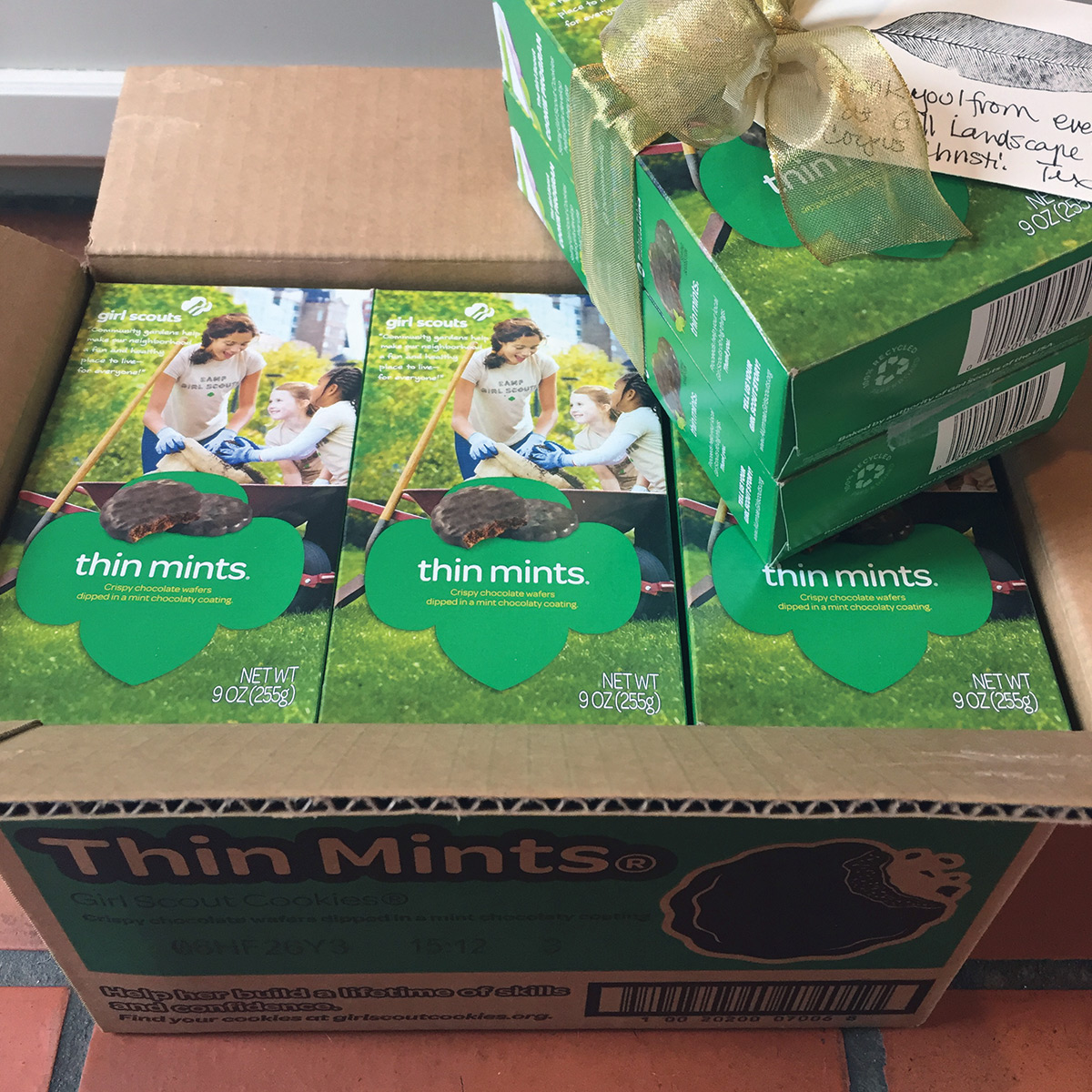
Thin Mints, ready for delivery!

James on the loading dock, checking quality.
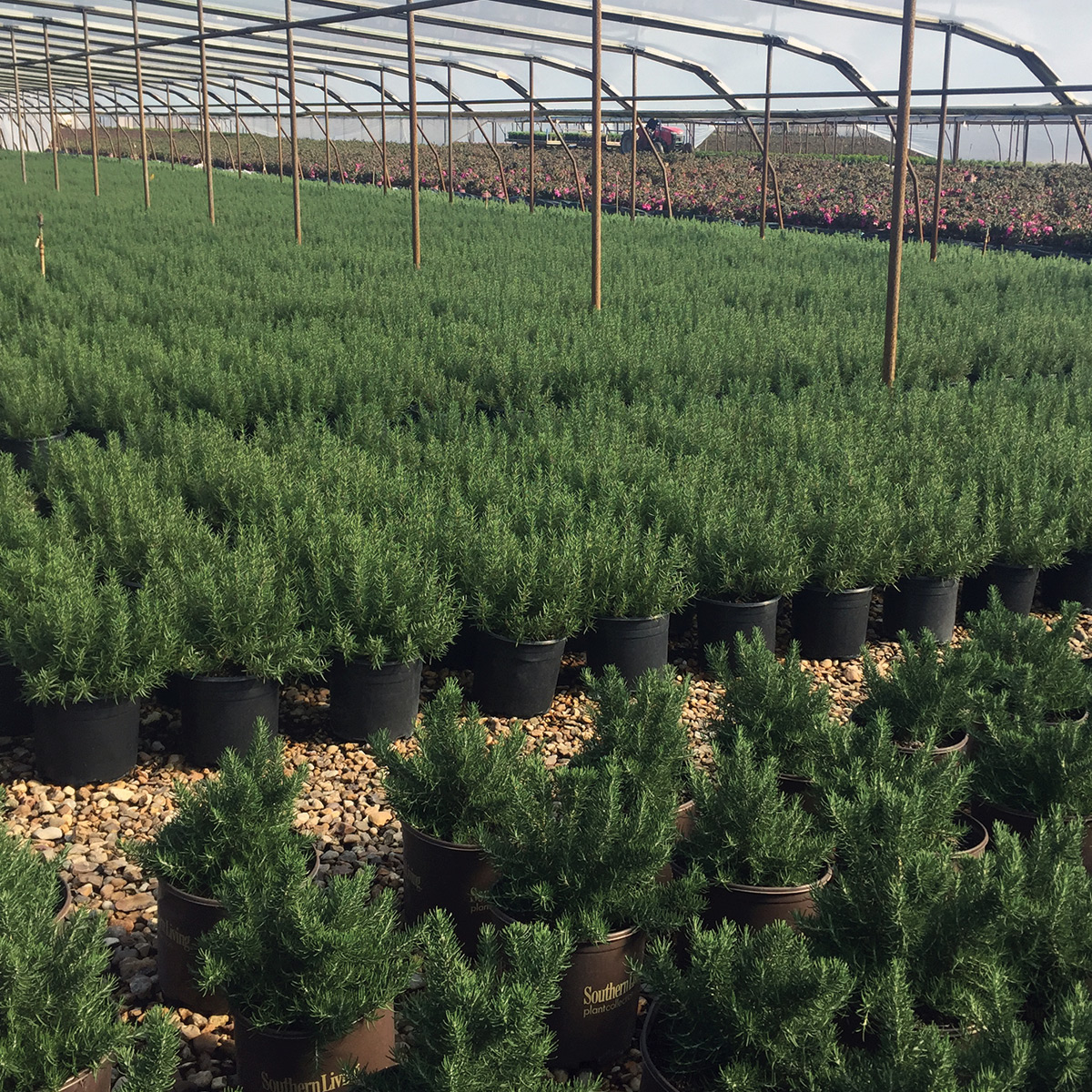
Greenhouse full of Tuscan Blue Rosemary!
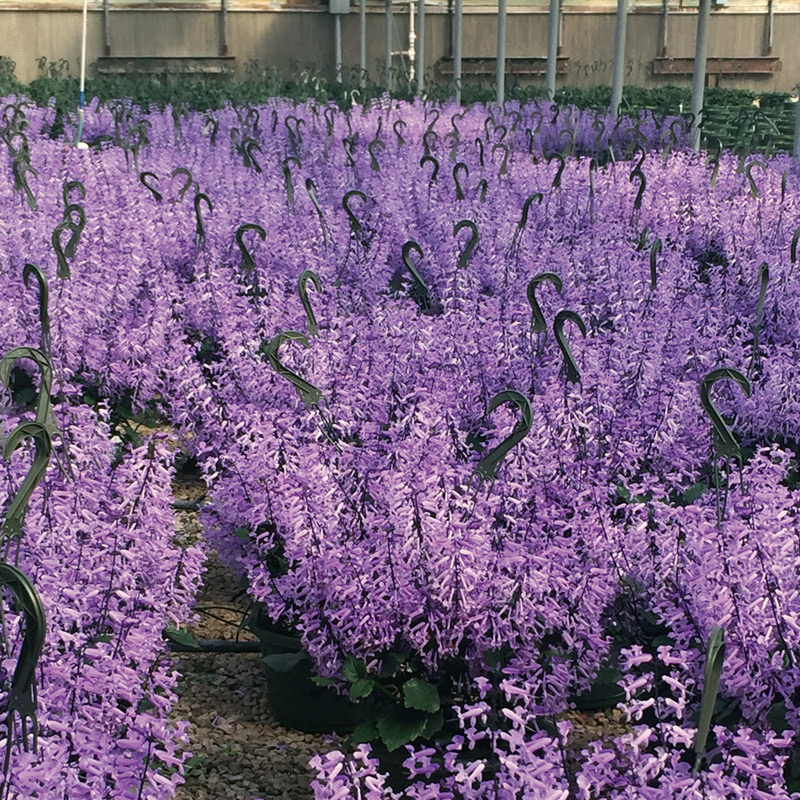
Mona Lavender Hanging Baskets
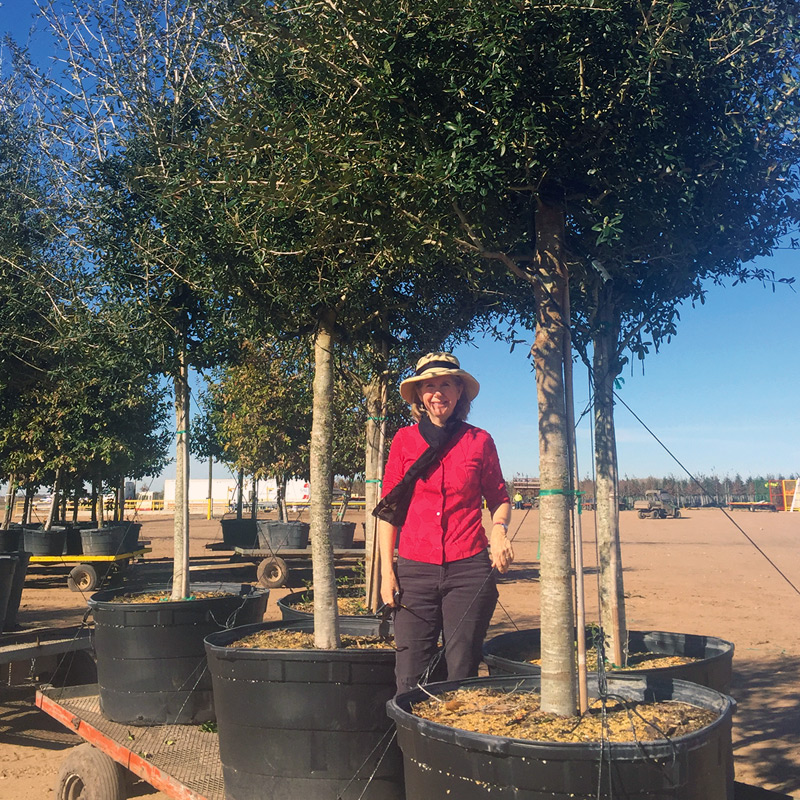
Sally with some big Live Oak we’re bringing in

Greenhouse of Geraniums
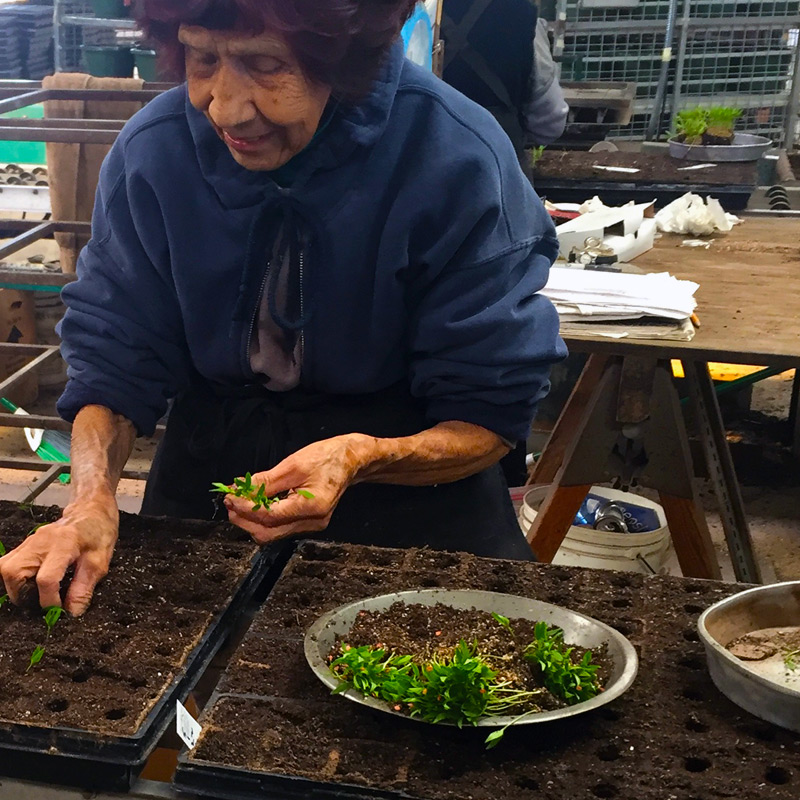
Planting Seedlings in bedding flats
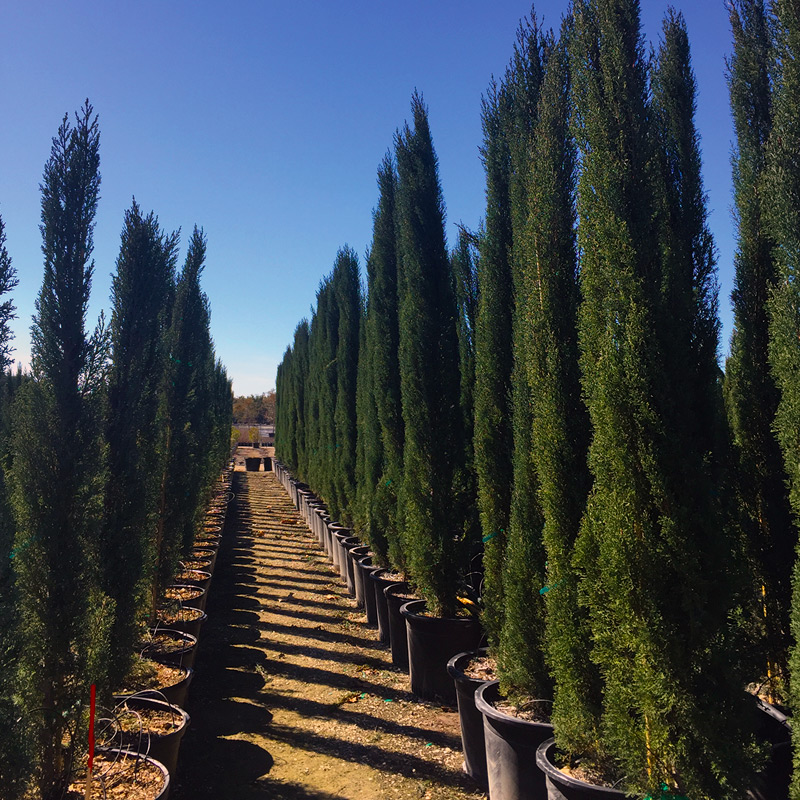
Beautiful Italian Cypress – A Rating!
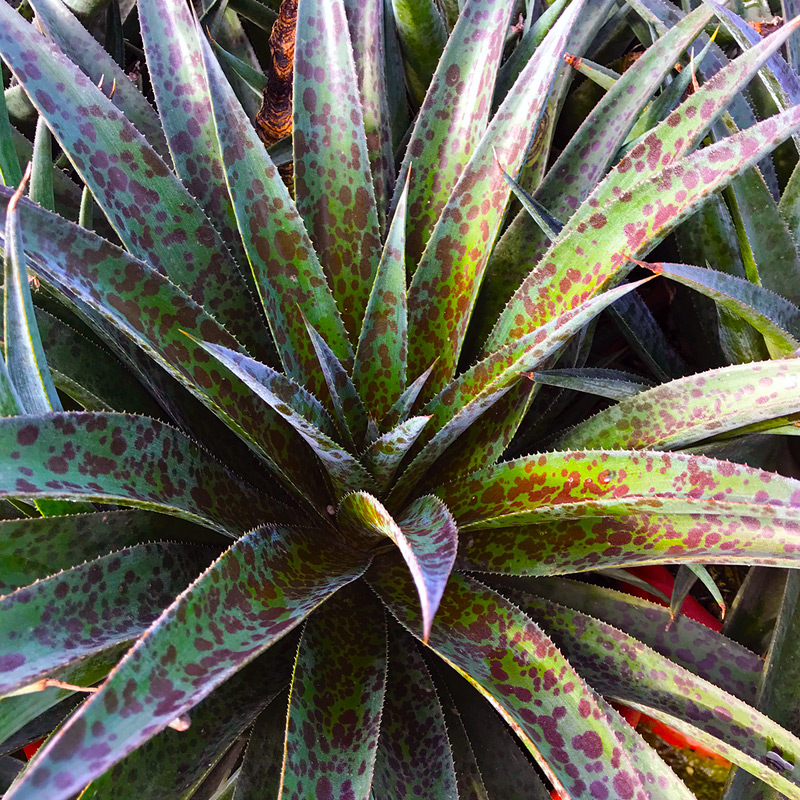
Cool Looking Mangave Pineapple Express

James with Ron, Salesman & Great Gill Advocate
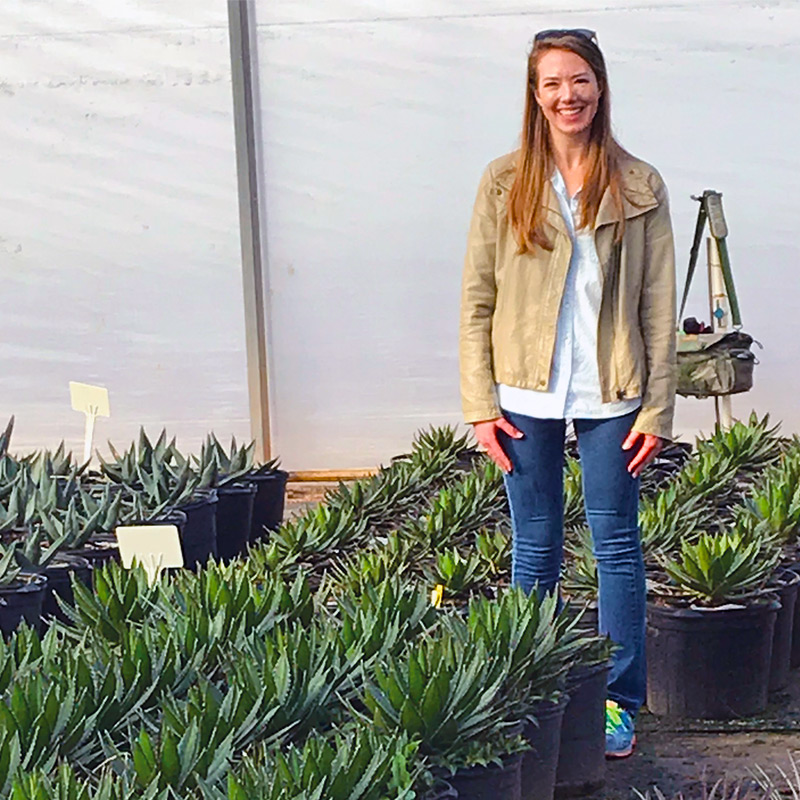
Meredith, native to CC, works with one of our growers. She was a real treat to tour with!
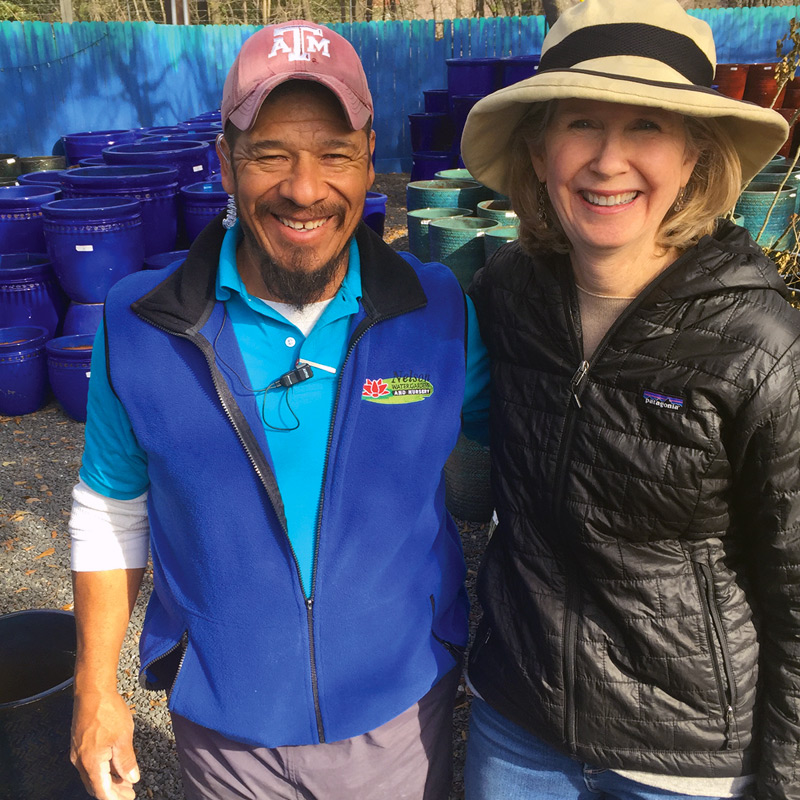
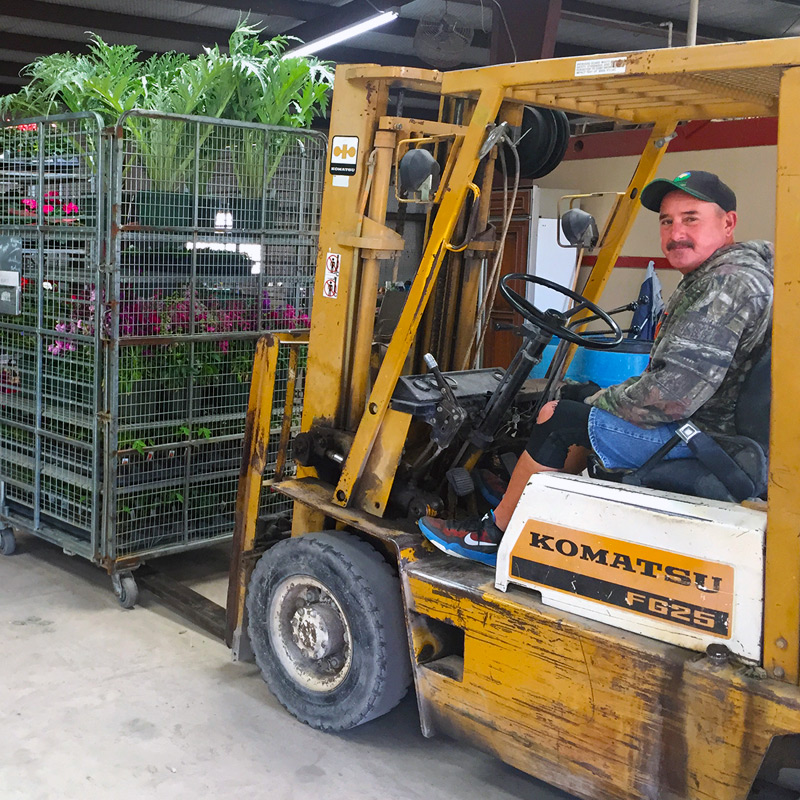
These Gentlemen are our angels, driving Texas highways to bring you your plants!
 -Sally
Lots of folks will find freeze damage on some of their favorite tropical blooming succulents. Neglecting these damaged plants may not mean the end of them, but most of us are itching to do something to help them!
I have seen frozen plumeria tips shrivel, dry up, and then drop off, replaced by new tips sprouting below the damaged tip. But if cool and rainy weather persists, it may encourage rot to occur in the damaged tips and proceed to damage healthy tissue. If you want to be proactive, squeeze the stem until you find you are below any squishy or shriveled portions, to a healthy portion of stem that feels firm like a fresh carrot.Make a pruning cut in the healthy stem to remove any damaged tissue. Sterilize pruning shears with alcohol before the initial cut and any subsequent cuts. Check lower down on the stem, because if you have damaged areas below healthy areas, you are wasting time by not cutting out the lowest damaged area.
Some folks like to coat the fresh cut tip surface with DAP latex caulk to seal out any moisture and rot, and some do not bother. Do not try to encourage new growth with watering and fertilizer while temperatures are still cool, wait until you see healthy vigorous growth.

Cold-damaged Crown of Thorns.
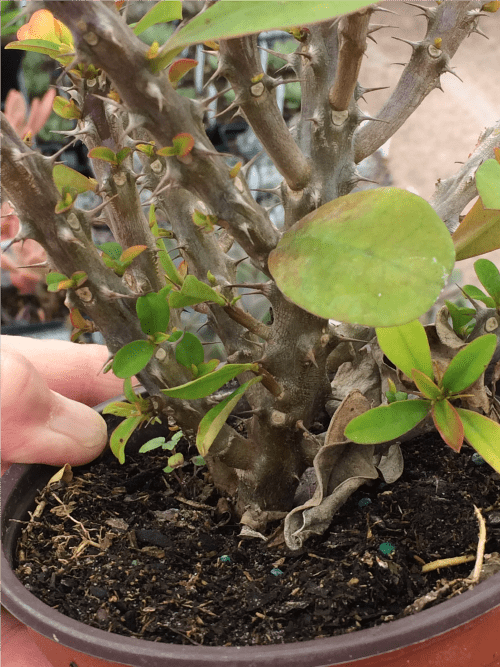
Tiny new growth emerging from cold-damaged Crown of Thorns.
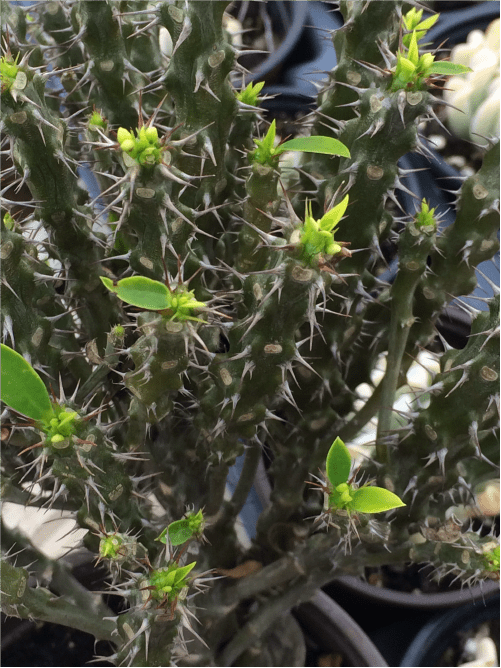
More new growth.
Crown of thorns will be much the same, except you are more likely to get healthy growth from the base of the plant after pruning, rather than just below your cut, and people generally do not use caulk on the cuts.
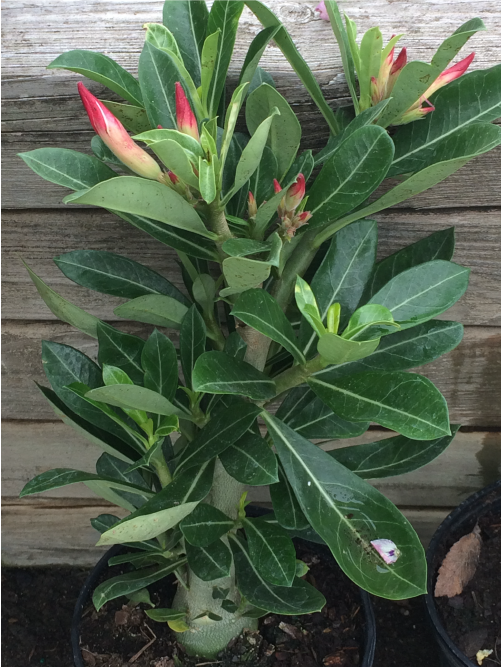
Healthy, protected Desert Rose.
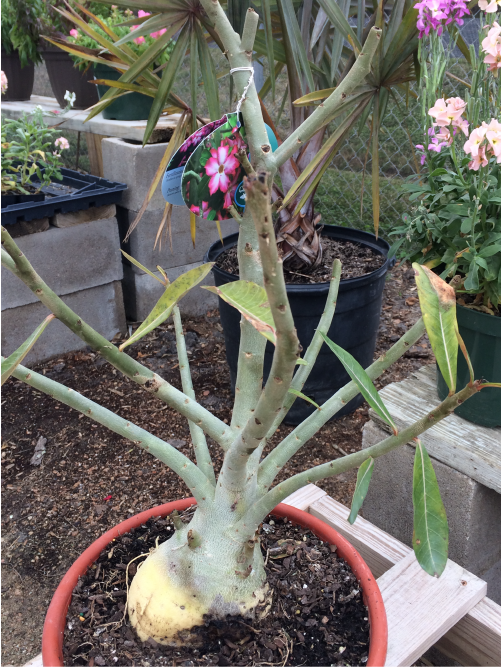
Cold-damaged Desert Rose
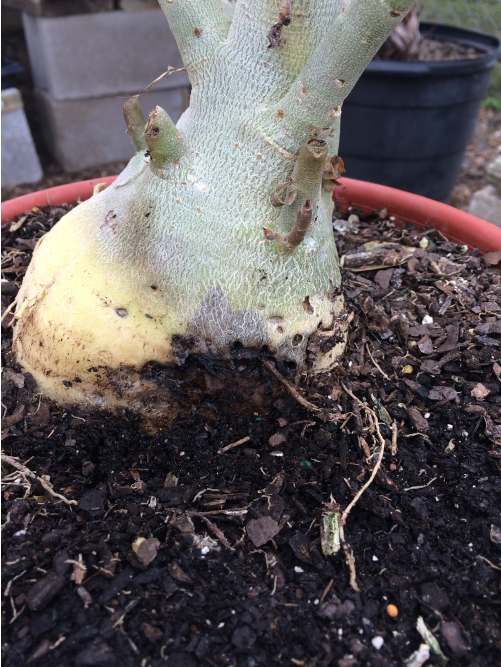
Rot starting at the base to remove Desert Rose.
Desert rose may also need pruning to remove dead tissue, and if a portion of the base, below the branching, is freeze damaged, surgery to remove that tissue, followed by dusting sulfur to inhibit rot, may be the call.
If your plant is small enough to travel, and you’re not sure what to do, you are welcome to bring it by for diagnosis. And if it is too big, send us a photo on Facebook and we’ll have a look.
 –James
Even though your lawn has filled with weeds it is not too late to apply a pre-emergent. The weeds you have now will put on a flower and drop seeds to sprout more weeds. A pre-emergent will not kill the existing weeds but will prevent more from sprouting. Broadleaf Weed Control with Gallery is recommended for most broadleaf weeds and Weed and Grass Stopper with Dimension will kill some broadleaf as well as grassy weeds like sticker burrs.
Once our weather warms up to 70-80 degrees with no rain for 5 days or more it will be time to apply Weed-B-Gon for Southern Lawns to kill the existing weeds. It is safe for Floratam St. Augustine and Bermuda. Give it 2 weeks to fully work and then it should be time to fertilize the lawn as well. Remember that fertilizer is taken up with active growth, so until we are mowing consistently every week for 2-3 weeks it is too early to get the full benefit of lawn food. Be patient with your spring lawn care. We all want to see results and have a pretty lawn again this spring.
 -DeAnna
We had a great garden talk last Saturday about plants for the indoors from Margaret Hicks, owner of Charlie Cook Associates in Dallas. Below are some of her top tips and picks.
Margaret recommends talking to them, not loving them to death with too much water and fertilizer. Most indoor plants can go 2 to 4 weeks between watering. It’s not the soil at the top but the soil in the lower part of the container to check. When it’s dry, then you water. Water them well, then let dry. We use a moisture meter to help us here at the nursery.
Light is important to all plants, unless you’re a mushroom. A great way to tell how much light a plant would need is the darker the leaf, the less light required. The more variegation in the leaf, the more light required. It’s not an absolute rule but a good guide.
I asked Margaret what she thinks are the top 5 picks for houseplant success:
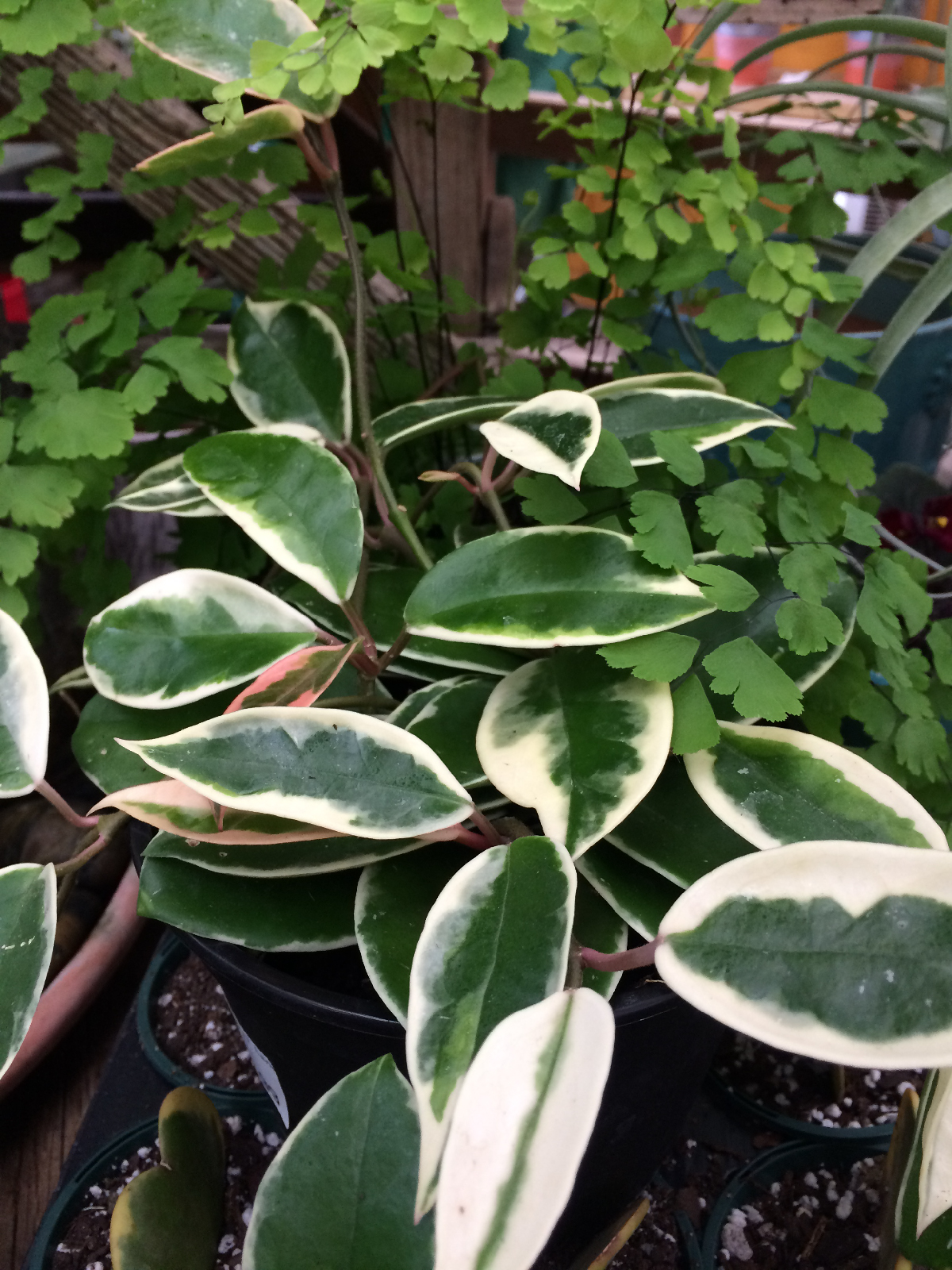 Hoya is her top choice. Hoya can go virtually anywhere in your home there’s light. No natural light is required and very little water. Plus they bloom a cluster of star shaped flowers that look like wax. Very cool.
 Aglaonema aka Chinese evergreen are good for low to medium light depending on the leaf color. They add interest with patterned leaves. They do not get too tall so are good as table accents.
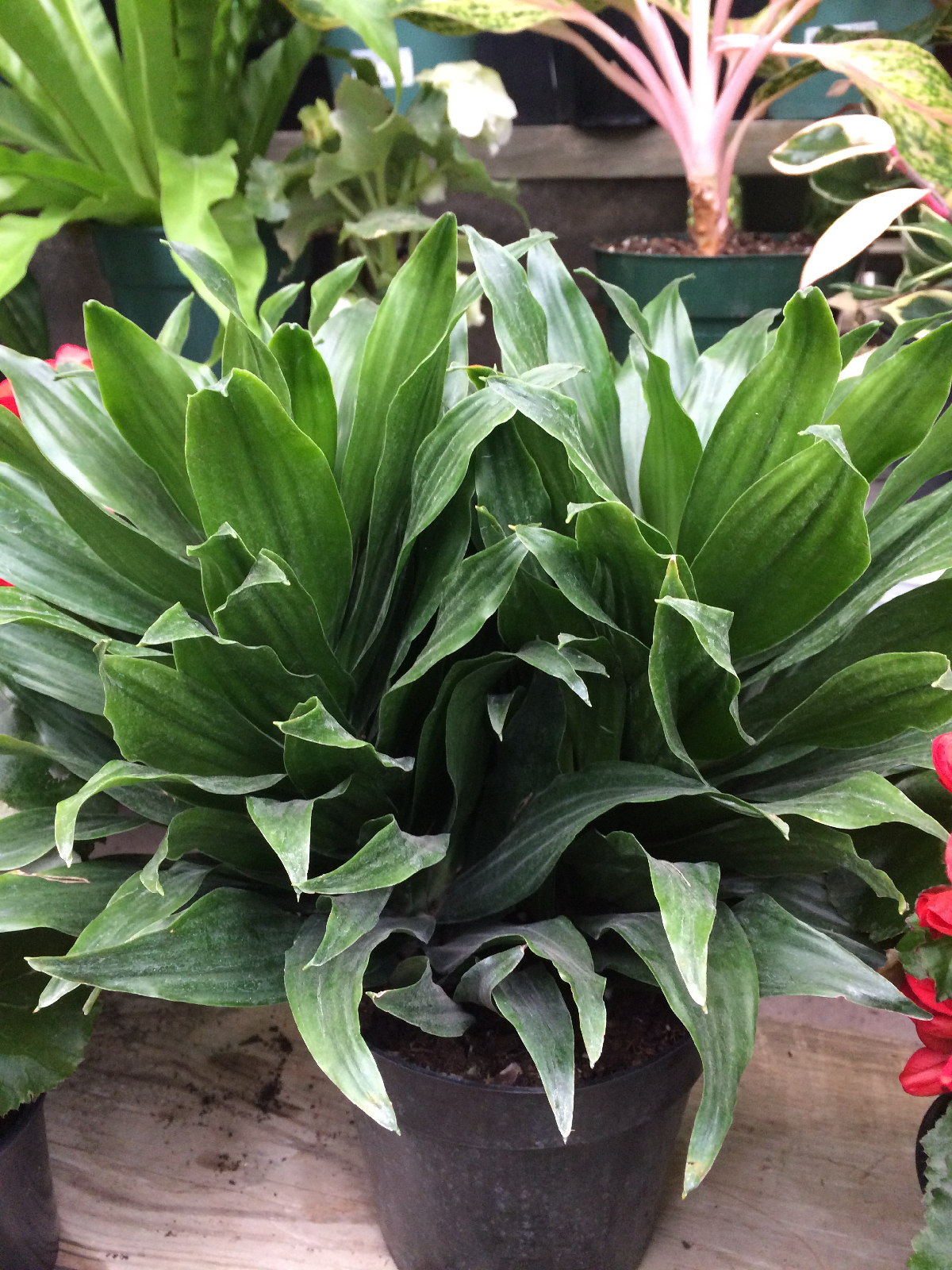 Dracaena Janet Craig compacta is a rich dark green color with more rigid leaves, another low light low water plant.
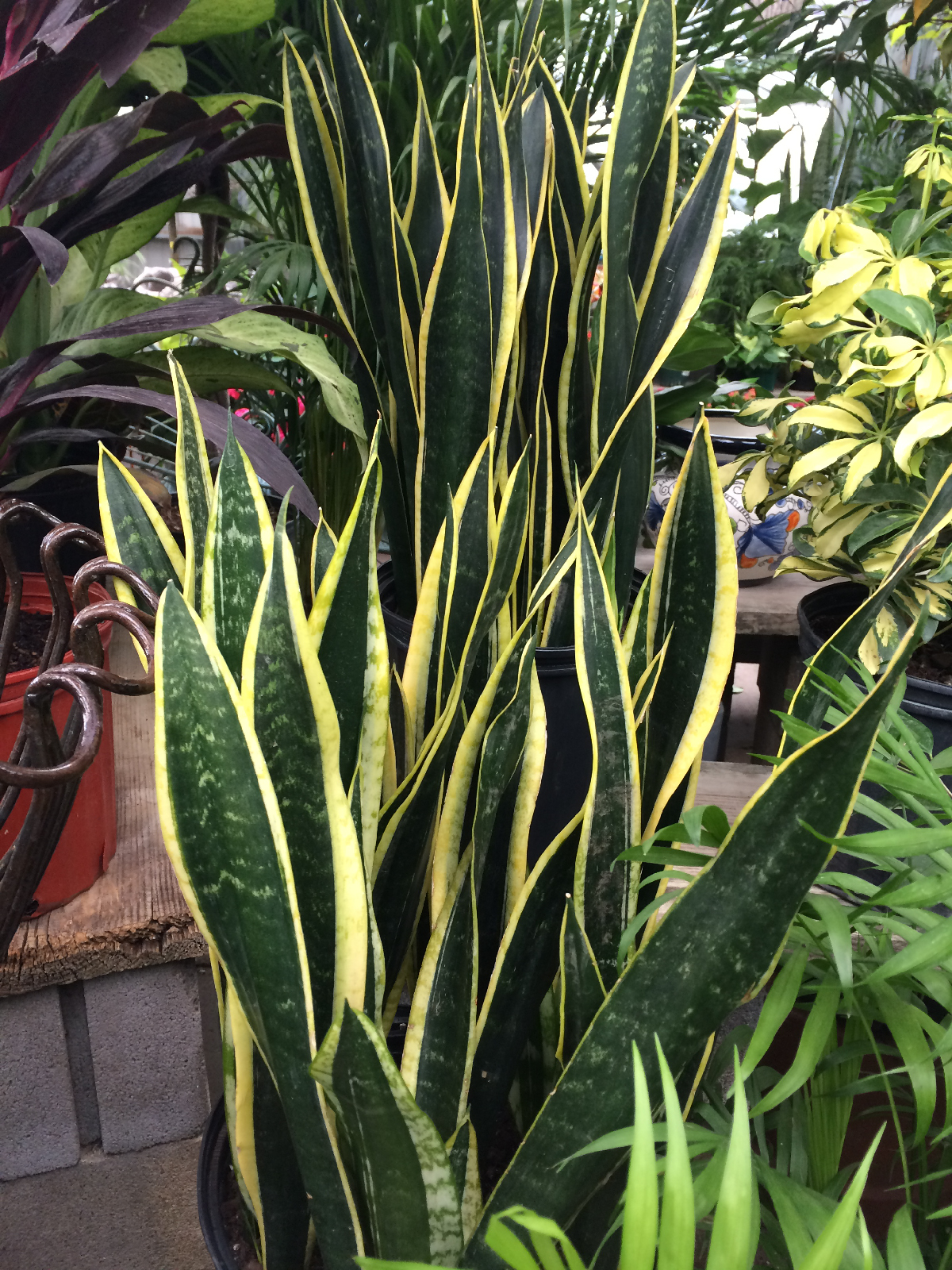 Sanseveria aka snake plant or mother in law’s tongue have tall or short rigid blades that look like sculpture. They are patterned or solid colors and will grow with minimal care.
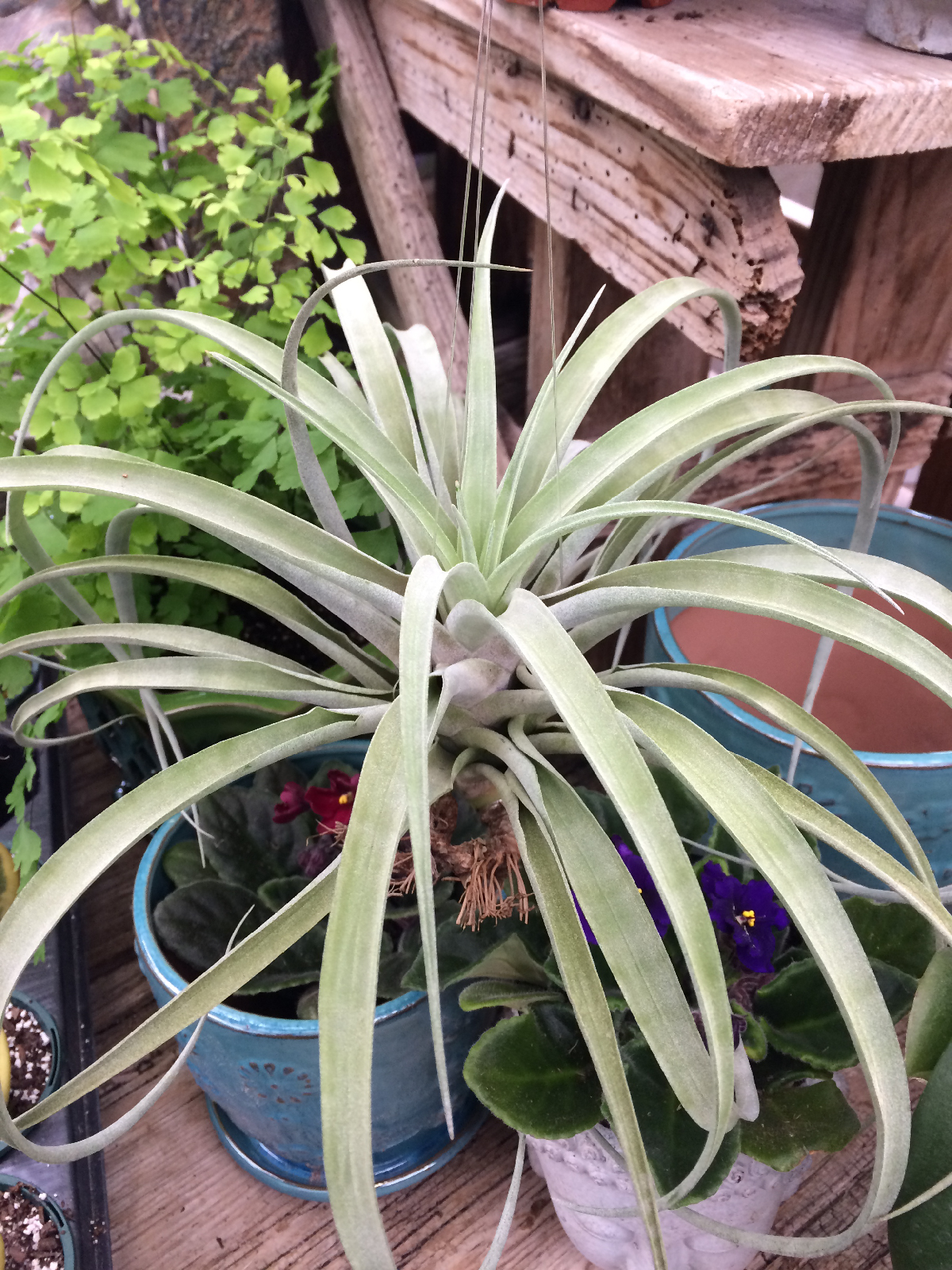 Tillandsias aka air bromeliads truly need no soil and low light. Perfect for hanging, driftwood, or holey rocks. Just give them a spritz of water every couple of weeks.
Want more? Come in, we can help!
 –Debbie
 Tomatoes are by far the most sought-after fruit in the country, and we are lucky to have two growing seasons to enjoy their goodness! It’s time to get your spring tomatoes planted and we’ve got a great selection from cherry to beefsteak slicers. The list below describes our varieties available.
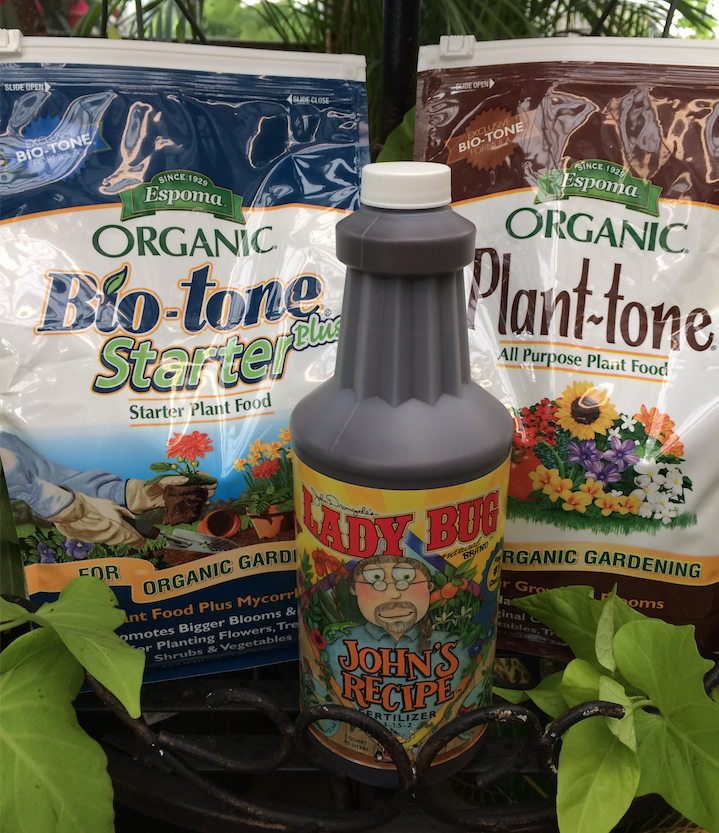
Tomatoes need good sun for their entire growing season. Plant them in a bed enriched with Cotton Burr Compost. You can also plant them in pots but make sure the pot is large enough; tomato plants get big. Use a good potting mix for your containers. As you plant add a couple tablespoons of Espoma Bio-tone under the roots. This will help your plants get off to a rapid start and develop a strong root system. Feed them with Espoma Plant Tone monthly through the growing season or John’s Recipe containing fish emulsion, molasses, and seaweed every two weeks.
It’s a good idea to put your tomatoes in a cage as soon as you plant them and then wrap the cage with row cover fabric. Cut the fabric to size and pin the sides together on the cage. This will help protect plants from cold snaps and our harsh winds. We carry Grow-Web and N-Sulate fabric.
Remove the cloth when the plant reaches the top of the cage. If it starts blooming before then, shake the cage gently to encourage pollination from the top of the plant down to the bottom. Row cover can also be used to protect all you tender spring vegetables.
See You Soon!
-DeAnna & Debbie
Wow! Snow and 2 hard freezes has really hurt my lawn. The only thing growing are the weeds. The weather is now warm enough, but not quite sunny enough to spray your Weed b Gon Spray. Weed killer sprays will work their best with sunshine and no rain. Be sure to check the forecast to see if we are sunny for 3-5 days with no rain or your irrigation system.
Wait to fertilize once your grass is completely out of winter dormancy so it will absorb the fertilizer and give you the results you are looking for.
Have you finished pruning? It not, please prune quickly. The spring flush of new growth is about to happen since the weather has warmed up and you don’t want to miss the opportunity for Mother Nature to give you all that new foliage and then just cut it all off. Watch the video below for tips to proper spring pruning.
Once everything is pruned and new growth begins flushing it is time to fertilize. You will fertilize your tropicals and shrubs with Hibiscus Food, Rose Glo or even easier, Gill Lawn and Garden Food when you fertilize your lawn. Timing is key to a beautiful lawn and landscape once again.
-DeAnna