These days, we’ve been installing more and more drip irrigation systems on our landscape projects. With a few simple parts, you can set up your own super-efficient drip system to automatically water your landscape plants. – get water right to the roots, slowly, and with almost no evaporation. Drip systems are a great way to conserve water while keeping your landscape looking its best through the summer months. Join Gill’s Landscape Designer, Harry Villarreal, this Saturday, May 25th at 10am here at Gill’s for a talk and demo on DIY drip irrigation. This talk is free and open to everyone, and we’ll be doing some fun giveaways! Click to watch Harry’s invite video below and learn more:
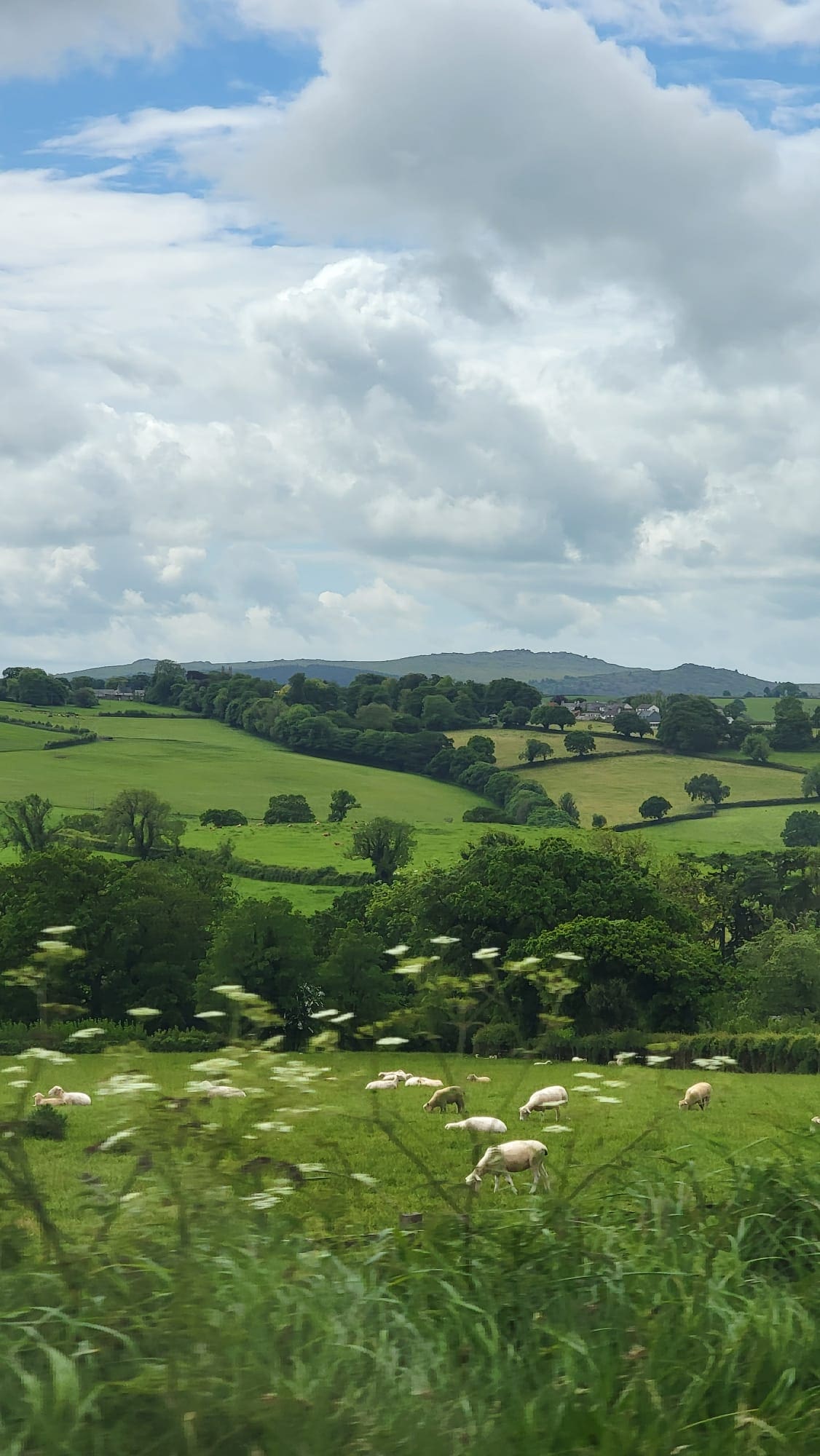
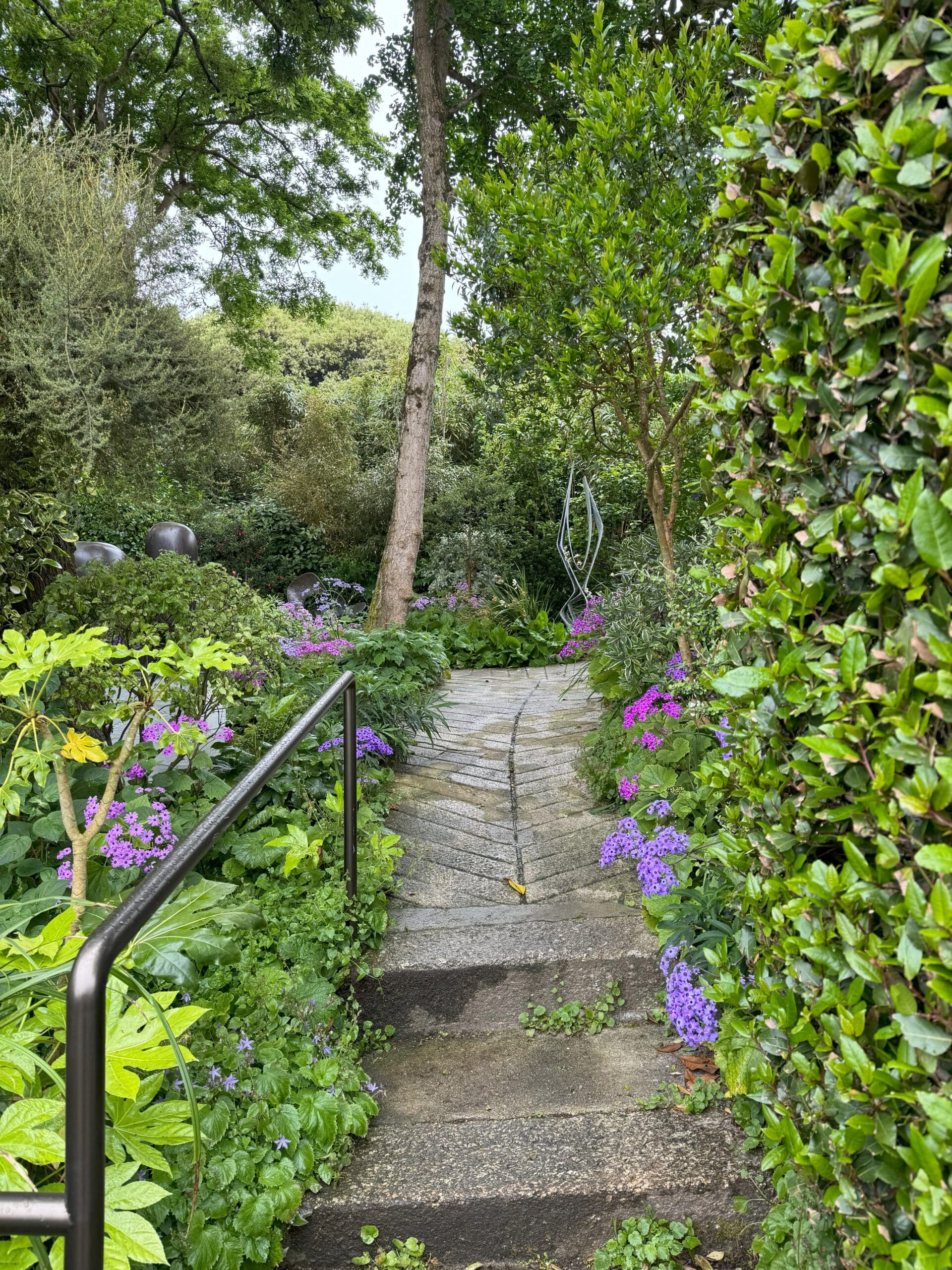
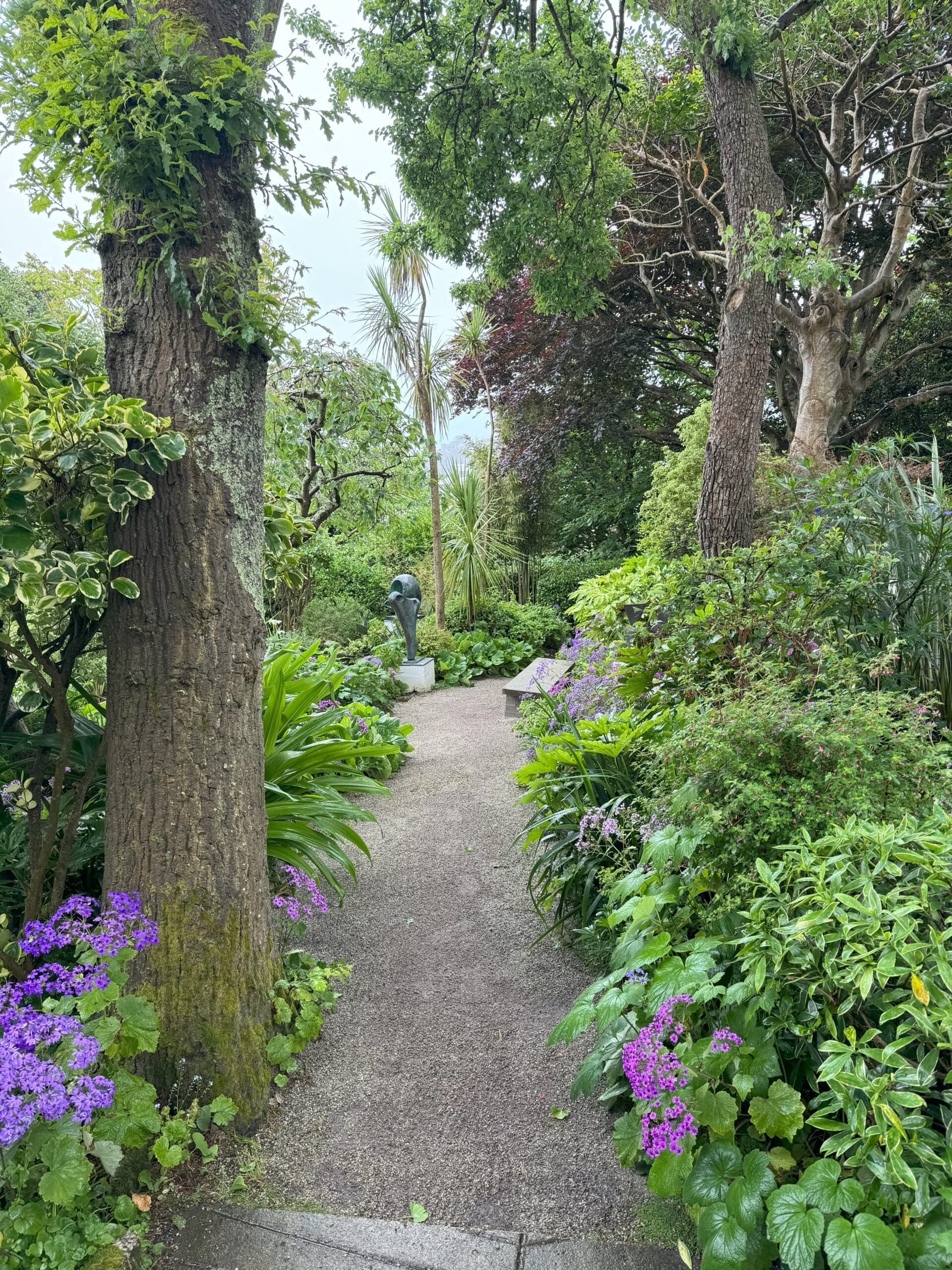
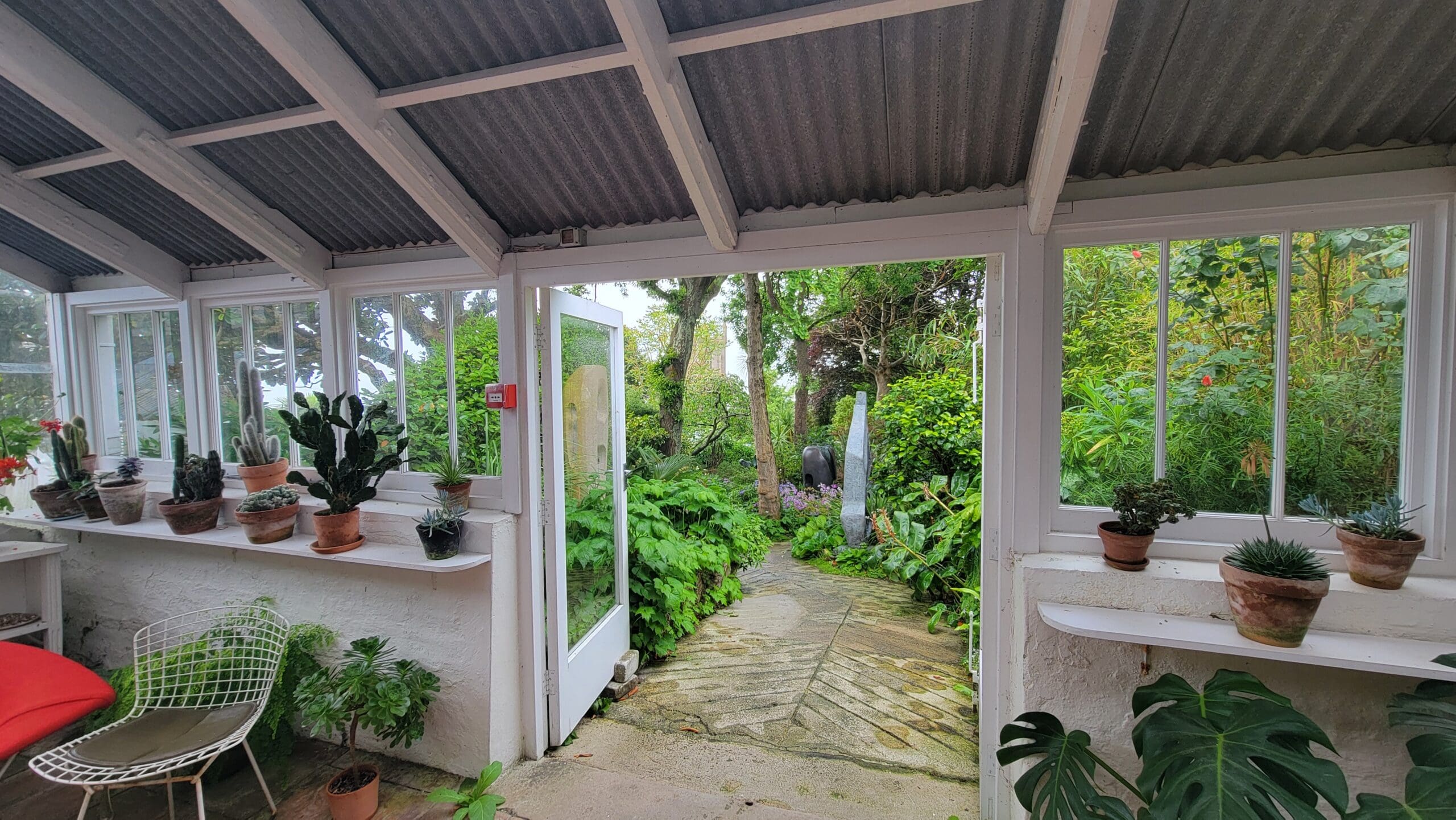
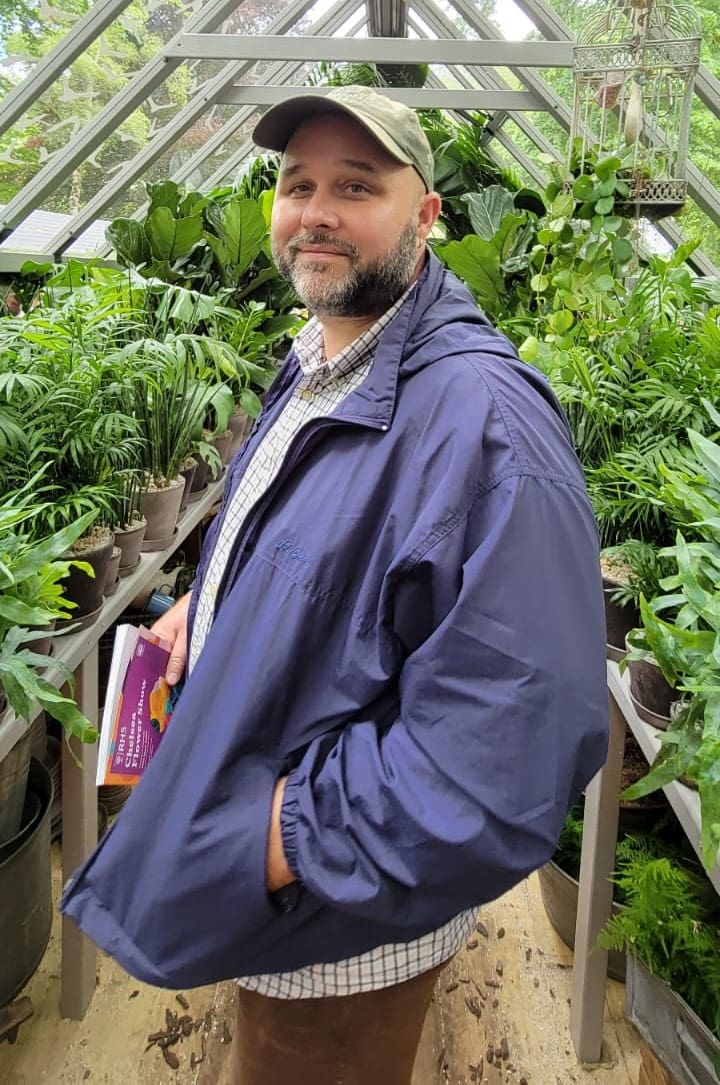
At the end of May, my wife Ashley and I had the great pleasure of visiting England and touring so many amazing English gardens! As soon as we touched down in London, we went to the Chelsea Flower Show, a world-renowned plant and landscape design show where top landscape designers install full-scale landscapes that they’ve created just for the event. These gardens are not staged – they’re fully built and planted, which is an incredible feat of engineering and craftsmanship. The theme for this year’s show was sustainability, and we even saw some of our Texas native plants like Red Yucca and Salvia coccinea used creatively in low-water gardens. While in London, we also visited Chelsea Physic Garden, a massive garden established in 1673 with the purpose of growing medicinal plants – incredible! Then we rented a car and headed Southwest, through beautiful Devon County, on to Cornwall, and back up the southern coast. The highlight of the trip for me – the garden where I felt the most inspired, was the Barbara Hepworth Museum and Sculpture Garden in St. Ives.
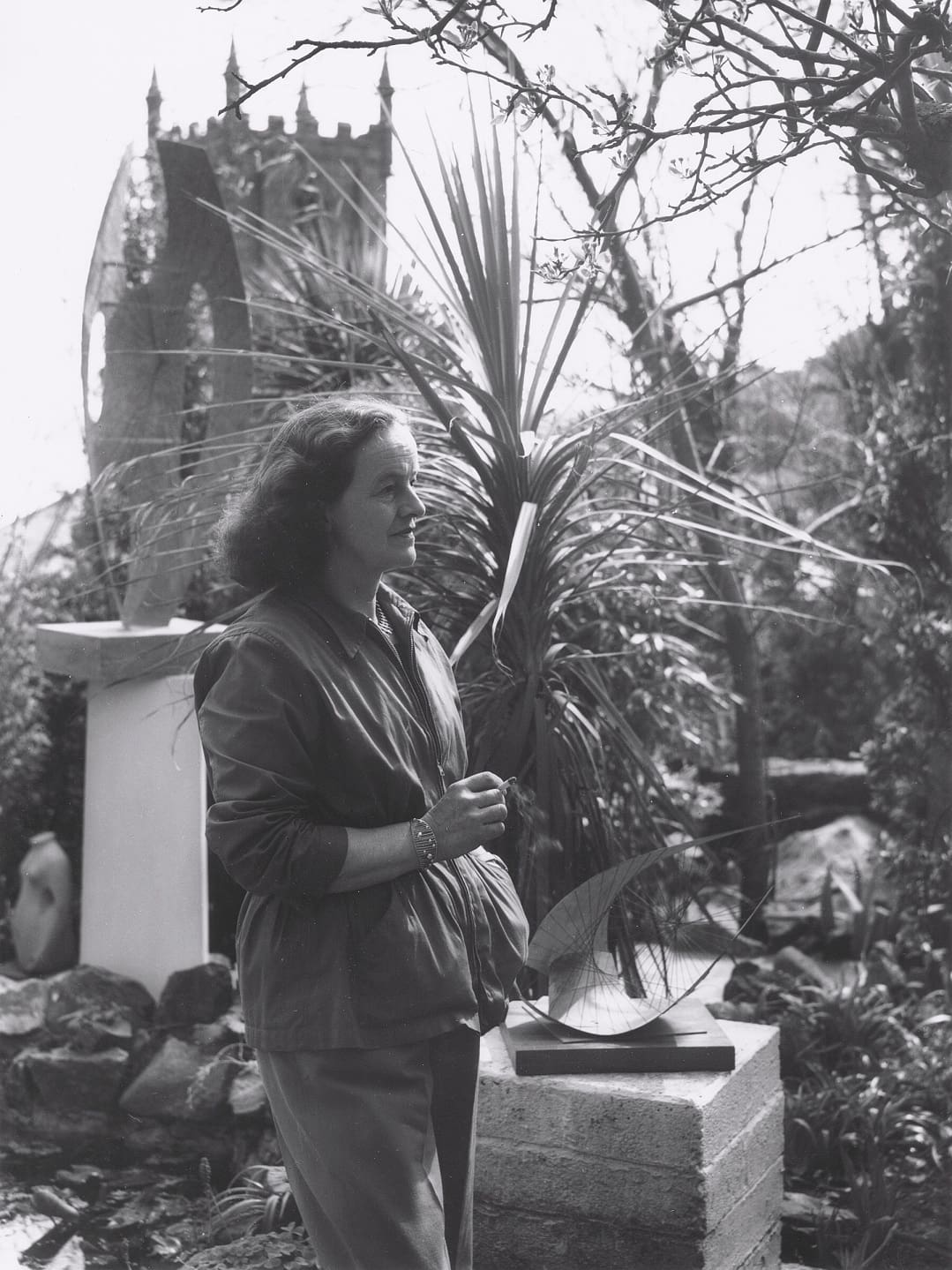
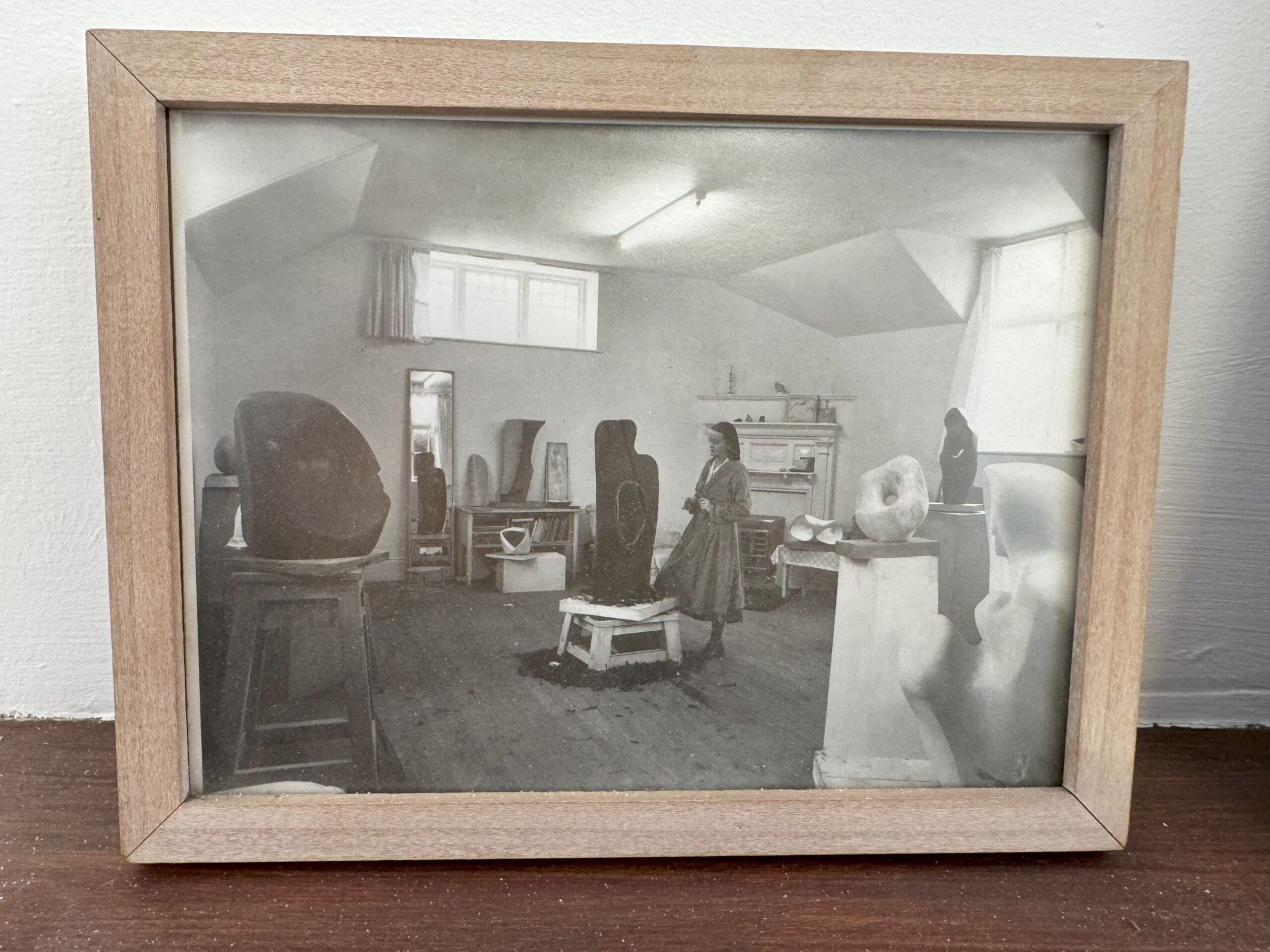
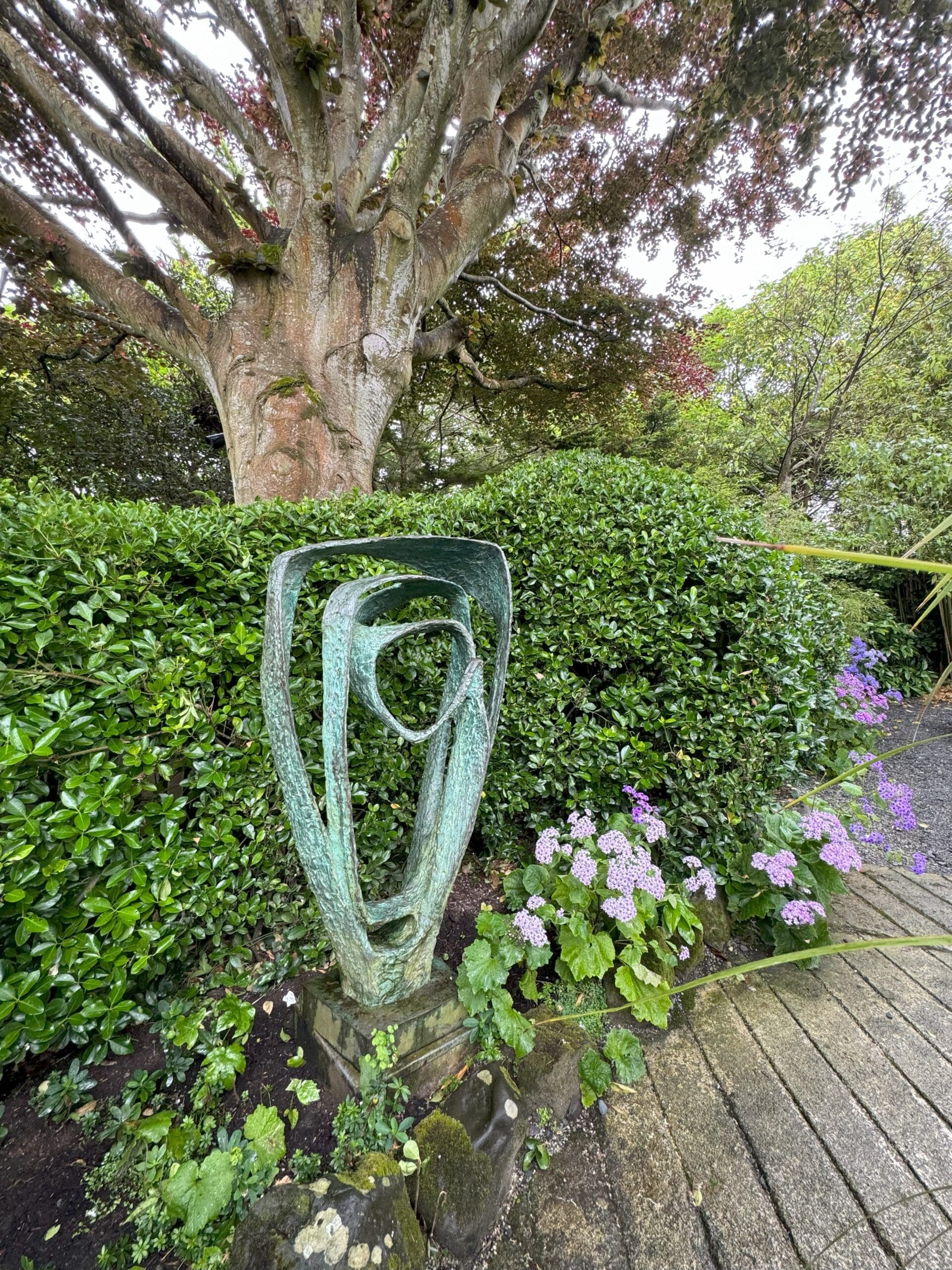
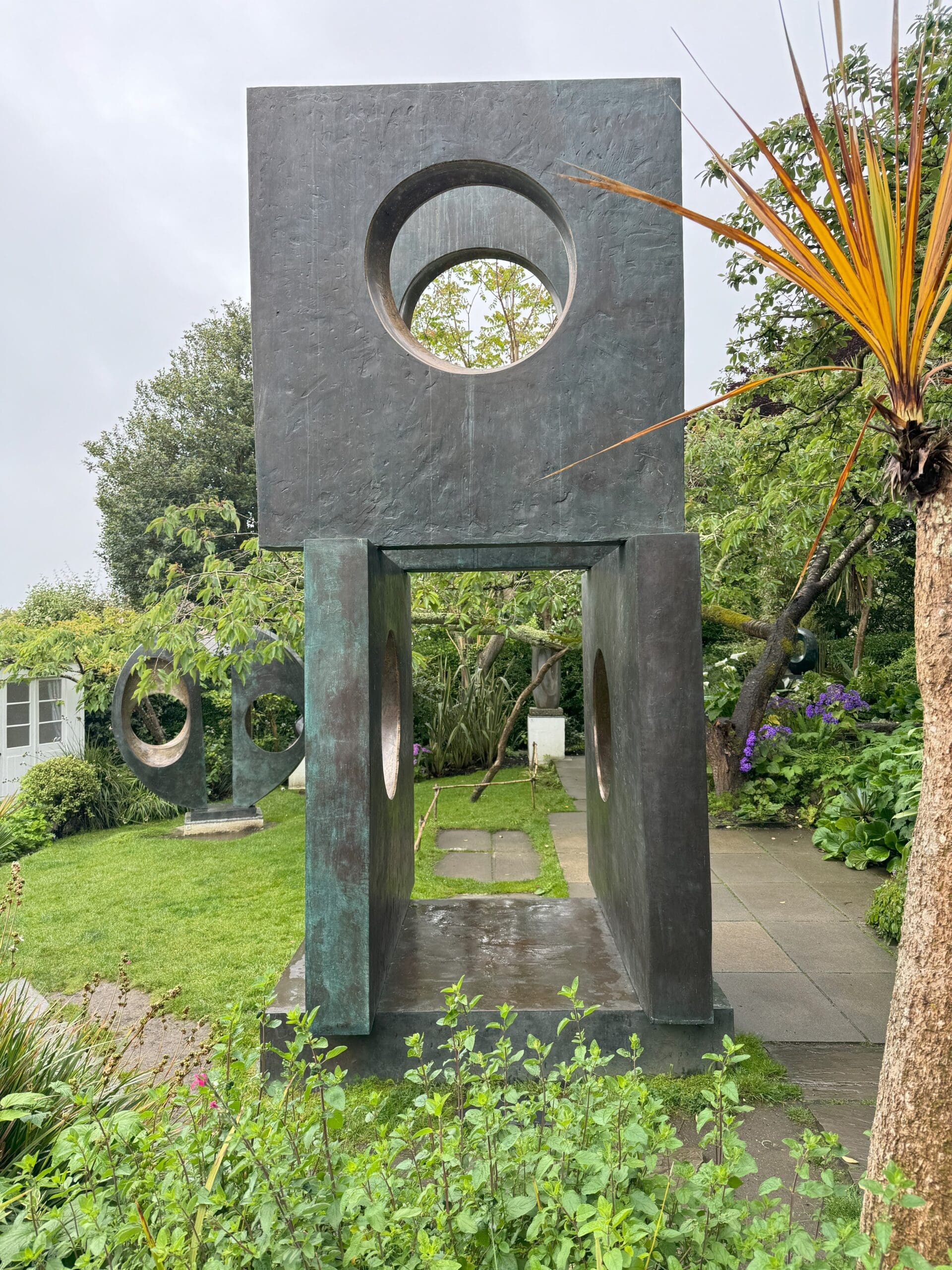
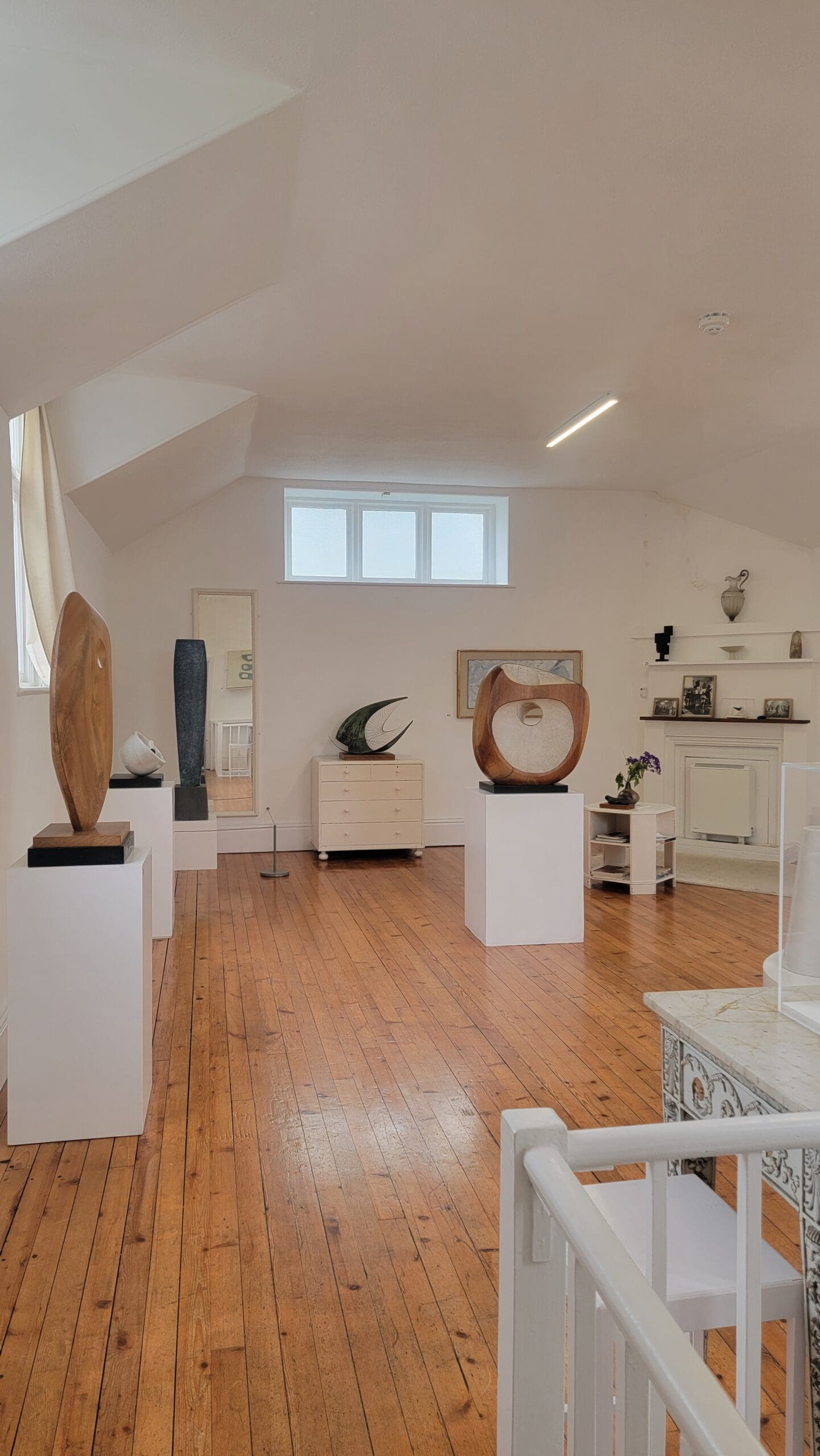
Barbara Hepworth was one of the biggest English figures of the modernist art movement that began in the early 20th century. She created famous modern sculptures from marble, bronze, and wood that were inspired by nature – she’s quoted to have said that she wanted to capture how it felt to exist in both the ancient landscape and the modern world. In 1949, after WWII, she moved to Trewyn Studio, now the Barbara Hepworth Museum, where she lived, worked, and gardened until her death in 1975. The museum, including the garden, is now operated and maintained by the Tate Modern, which holds the UK’s national collection of modern and contemporary art.
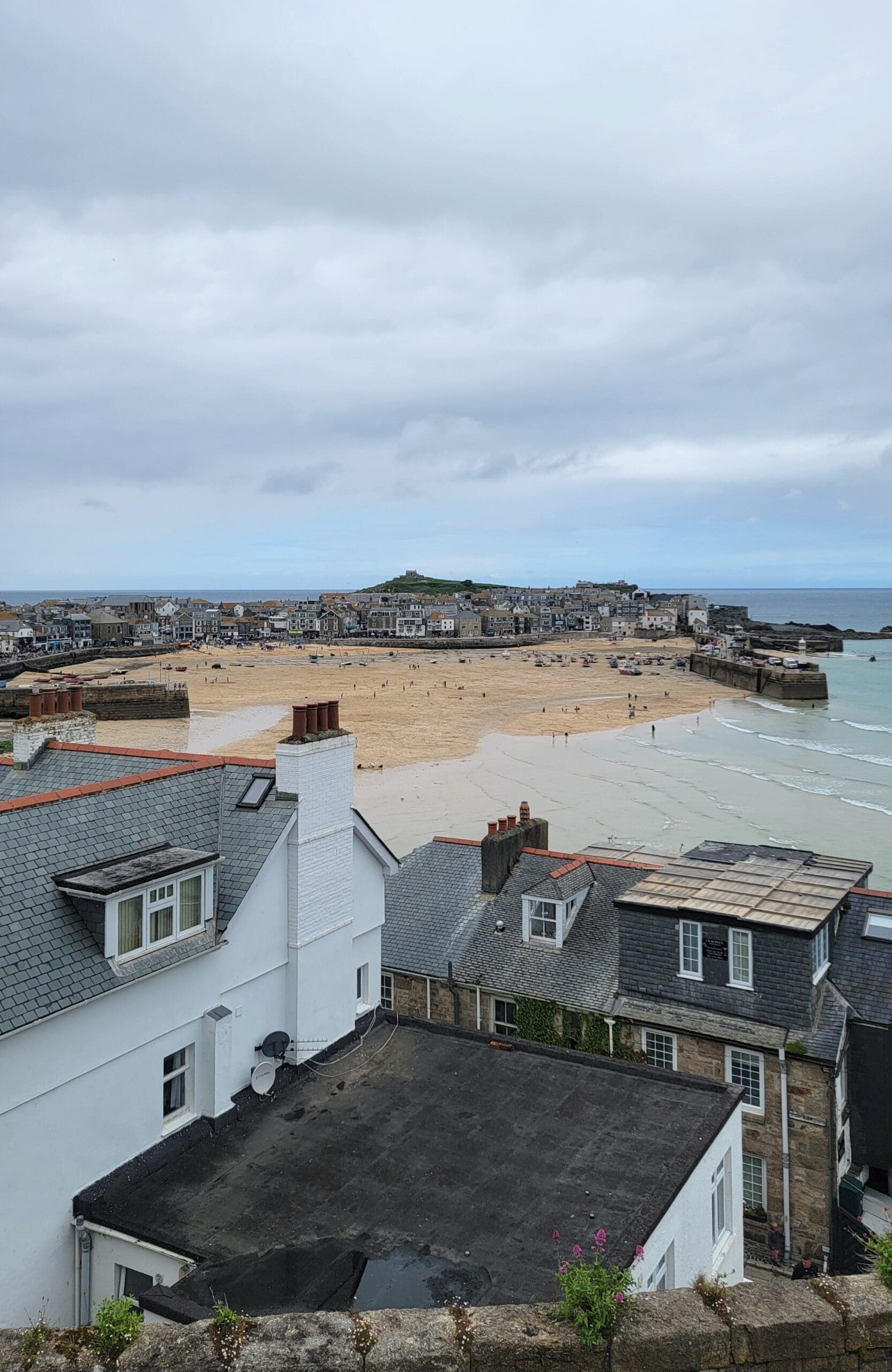
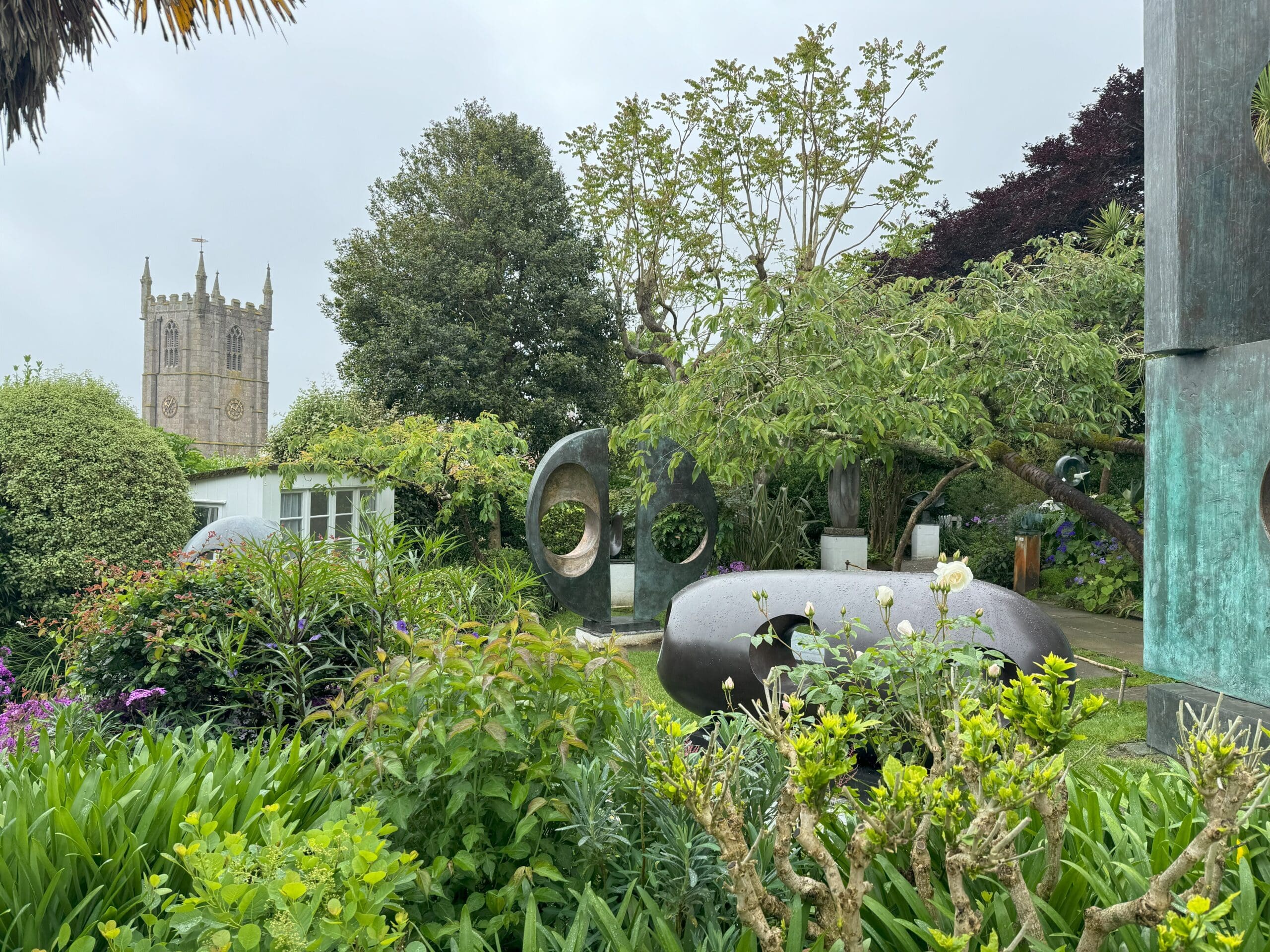
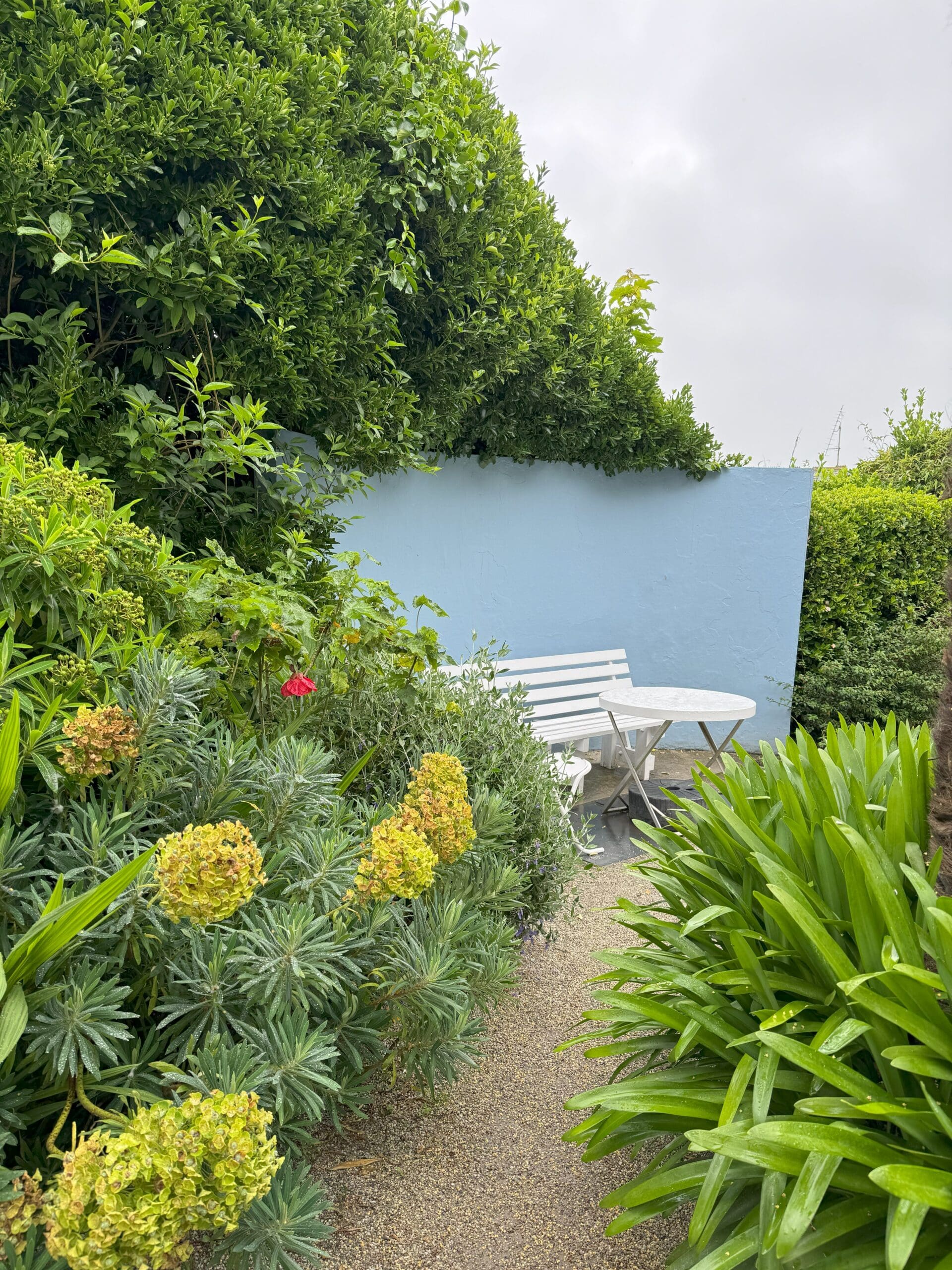
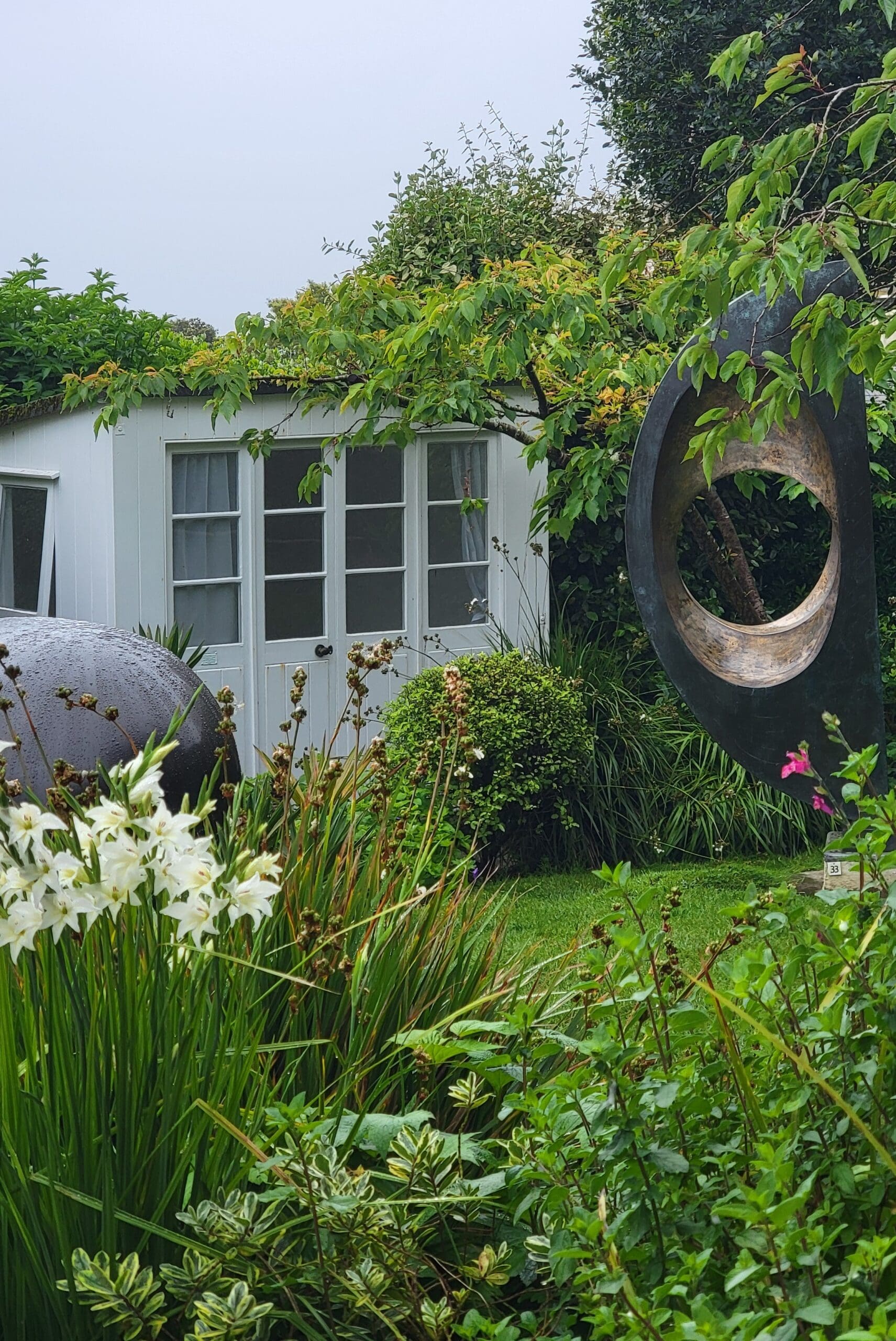
The museum and garden is set on a hill right in the middle of the tiny cobble streets of St. Ives, in an unassuming building, walled on all sides. When you enter the garden, it’s pure magic. The garden is tiered with multiple levels, connected by narrow pathways, providing countless different viewpoints of the sculptures and the plants with the beautiful city and coastline just over the walls. The garden has been maintained the way Barbara Hepworth and her friend, the composer Priaulx Rainier designed it – lush, tropical, with an English secret garden feel. Some of the sculptures have been placed by gallerists over the years, but many of the larger bronze sculptures were placed there by Hepworth herself.
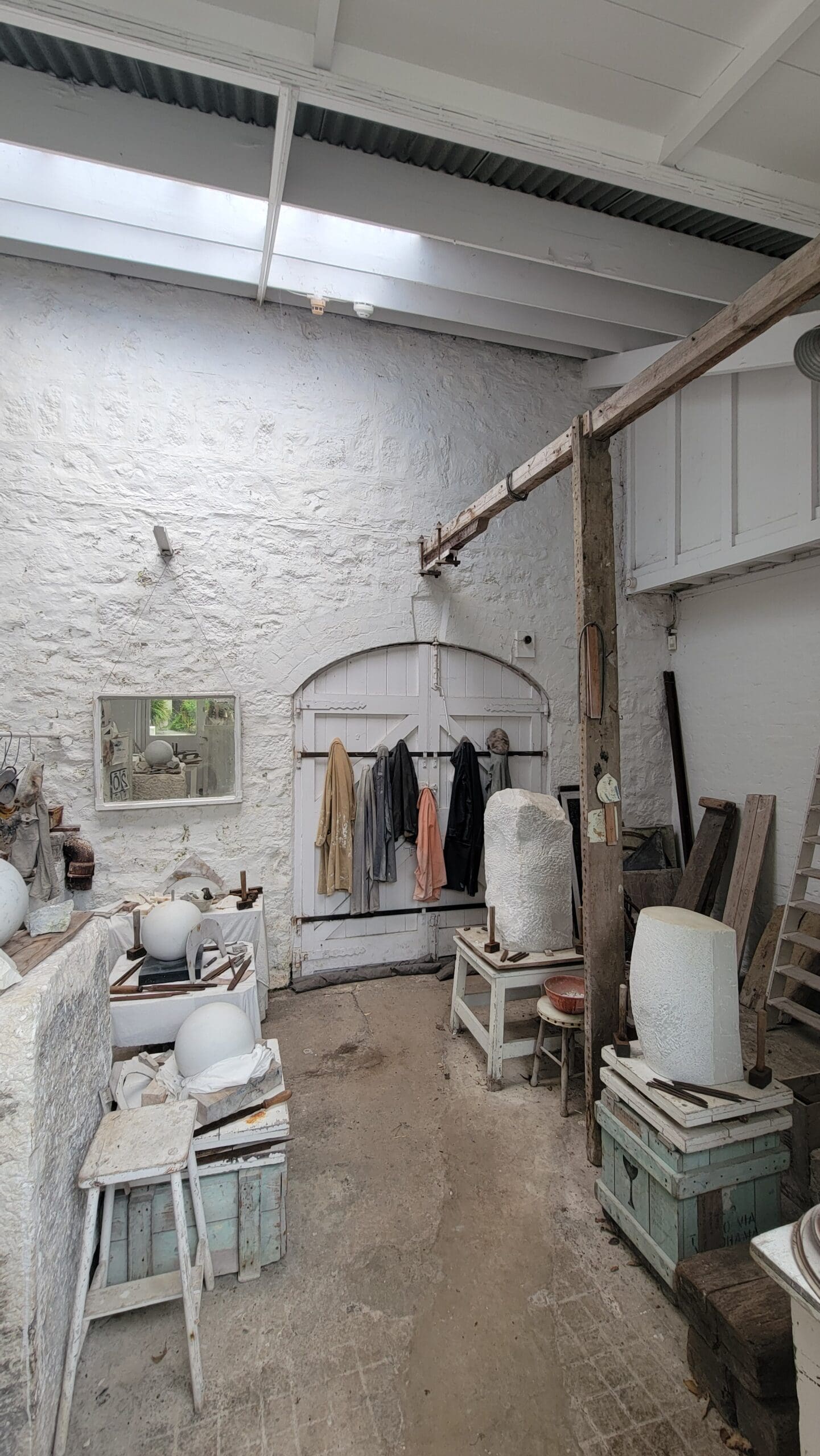
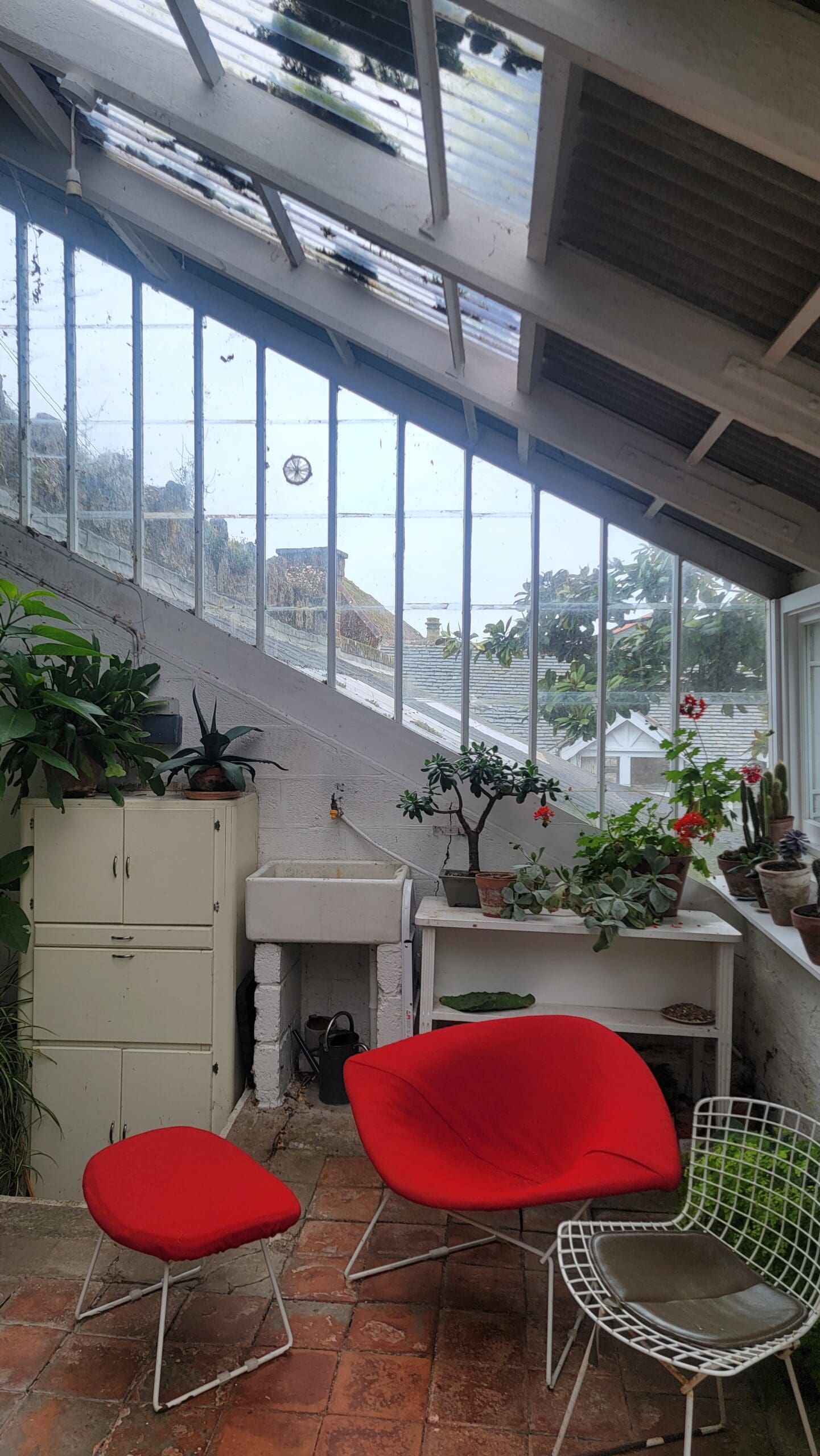
Parts of her studio were preserved as she left them in the 70s with supplies, tools, models, and raw stone and wood for sculpting. Looking out from the studio doors on the high side of the garden, it was apparent to me that the whole compound – the studio rooms, the plants and trees, the pathways, the walls – is a perfect sculpture. One of my favorite elements was the simple white shed at the corner of the garden with nothing in it except a small bed, which I assume was for napping! I could easily imagine resting there with a book and the door cracked open, with the cool sea breeze coming in.
I thought about how so many of the artists I know are gardeners or vice versa, including Ashley and I (she makes visual art and I make music). We have so many artists, potters, and musicians on the team here at Gill’s, too! Being close to nature encourages inspiration. As Barbara Hepworth said, in a quote from 1936 painted on the wall in her museum, “In the contemplation of Nature, we are perpetually renewed, our sense of mystery and our imagination is kept alive, and rightly understood, it gives us the power to project into a plastic medium some universal or abstract vision of beauty.”
– Jesse
It’s International Pollinator Week, y’all! Now’s a great time to add elements to your landscape to support our essential pollinator friends like birds, bees, and butterflies. Did you know at least 75% of all flowering plants on earth are pollinated by insects and animals? When you support pollinators in your backyard by providing food sources, water, shade/shelter, and places to raise their young, you support our local ecosystem and the whole planet. Here are a few tips to get your garden buzzing with life.
Plant Summer-Tough, Pollinator-Approved Plants!
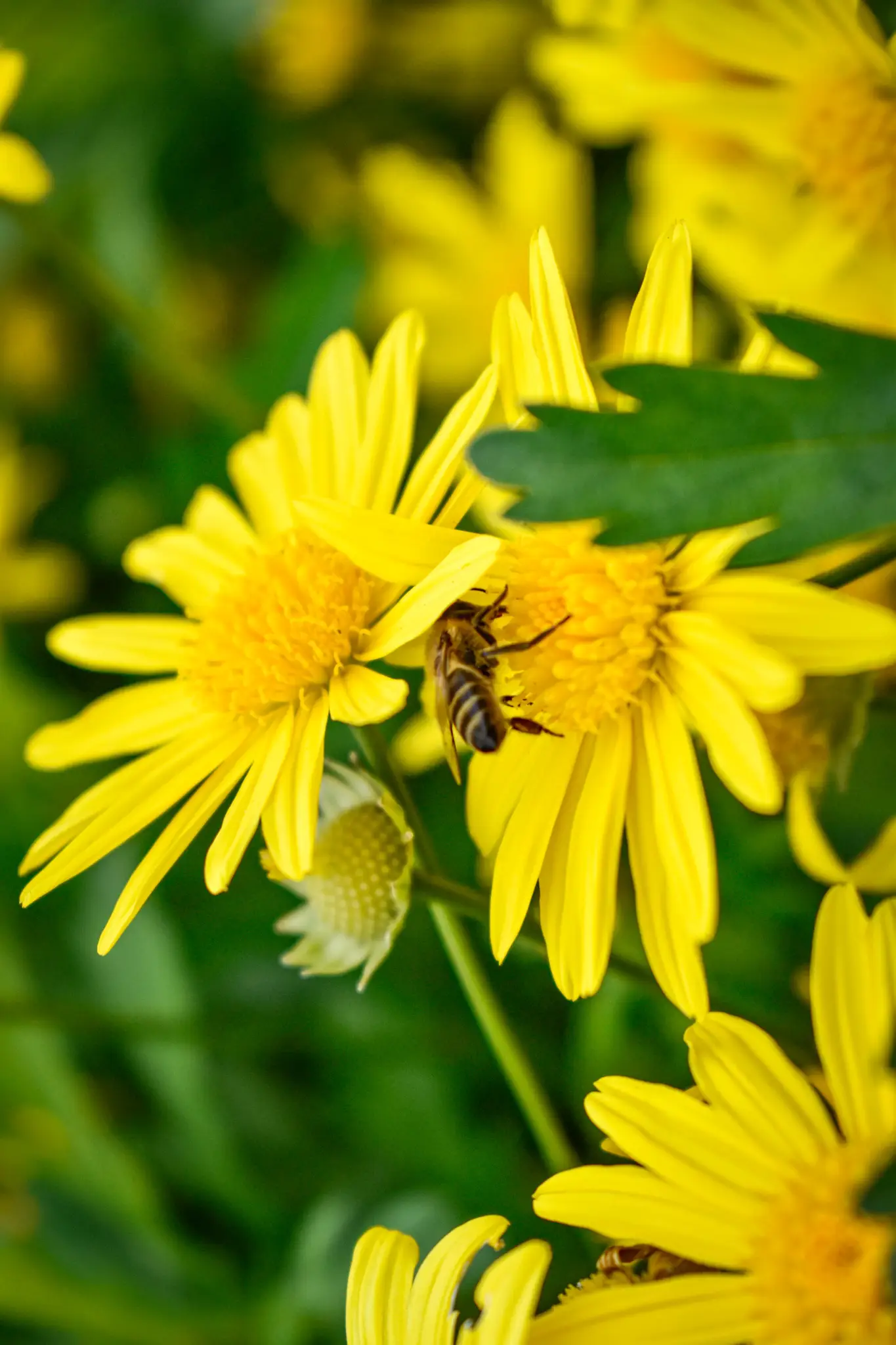
When you visit Gill’s right now, you’ll see that we’ve shifted our selection to plants that thrive in the summer. And so many of those are great options for attracting pollinators. Think blooming perennials like native Turk’s Cap, Salvias, Thryallis, different Esperanza varieties, Texas Sage, and Lantanas. Think drought-tolerant blooming trees like Desert Willow, Wild Olive, and Vitex. Think about replacing an area of lawn with blooming Frog Fruit as a groundcover! Think annuals like Zinnias and Basil! All of these and many more can be planted now and love summer temps. Birds, bees, hummingbirds, and butterflies will feast on their nectar and fruit! Speaking of butterflies, we also have a nice crop of native milkweed (Asclepias tuberosa) which LOVES our summer climate and requires very little water.
Pro tip: If you want pollinators to find your yard quicker and easier, plant a lot of the same variety of plant in 1 area together rather than 1 or 2 spread out.
Provide Fresh Water Sources
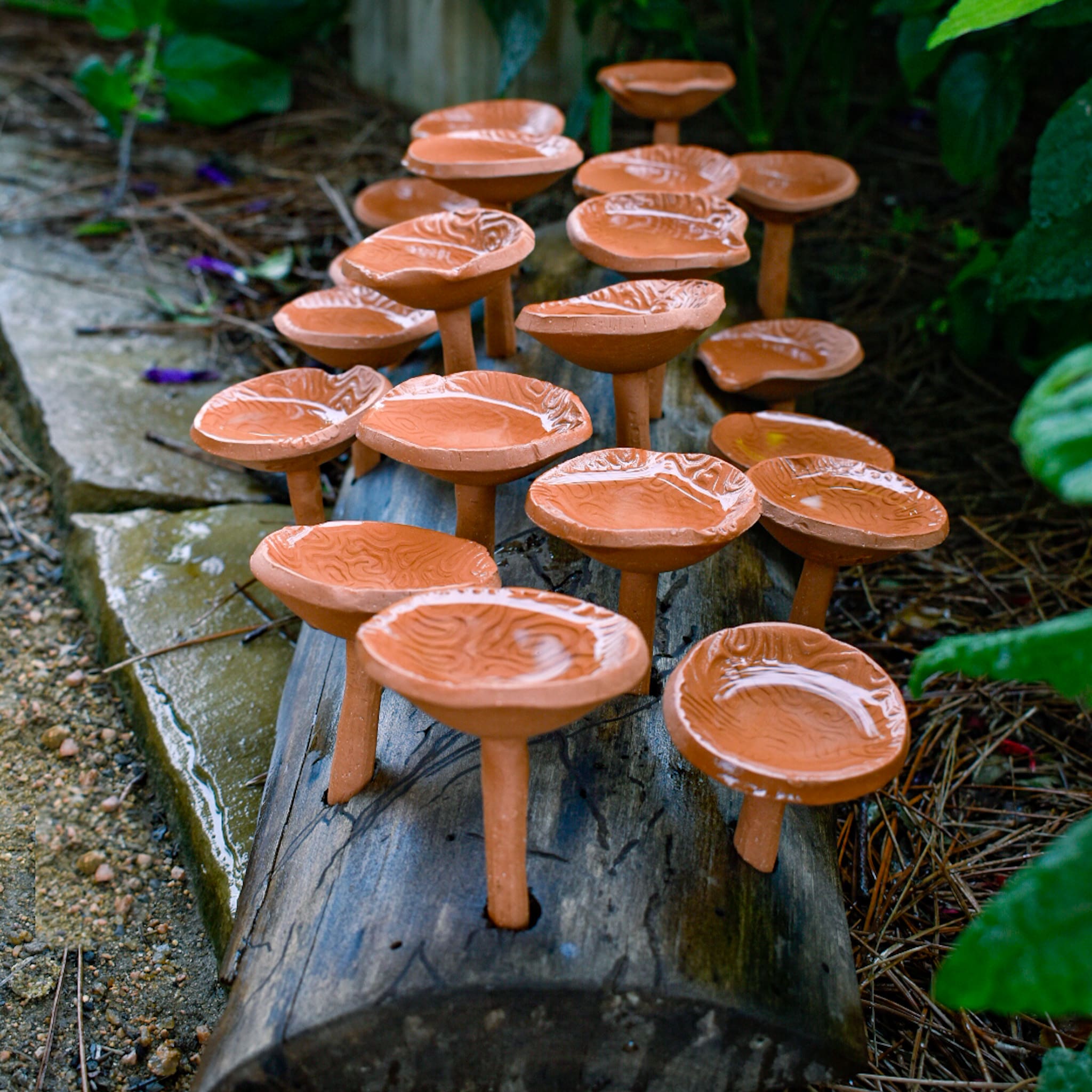
The rains this week have been wonderful for pollinators! They’re all looking for sources of fresh water and places to rest and have a drink. Bird feeders are great, but you may have noticed that more birds flock to a bird bath. Bees and butterflies love bird baths too, but they can drown if the water is too deep. Place a few rocks in your bird baths to make sure butterflies and bees can find shallow spots and easily climb out. Or get a few shallow Bee Puddles (pictured above). If you’re worried about attracting mosquitos with your water sources, you can use organic Mosquito Dunks or Mosquito Bits. They dissolve in your bird baths, rain barrels, fountains, etc. and they are harmless to animals, humans, and other insects. They only target mosquitos!
Provide Shelter
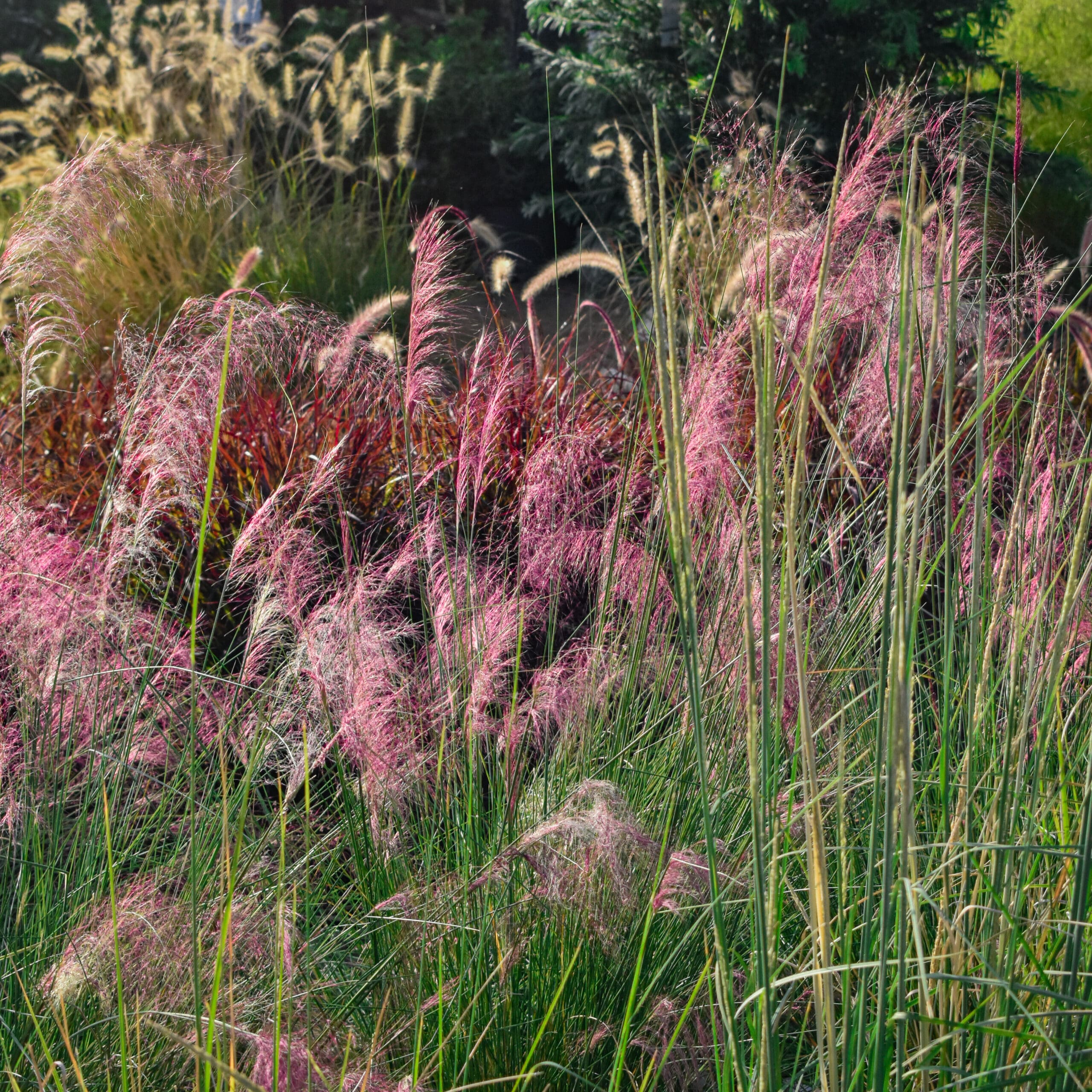
You may be thinking bird houses or shade structures, which are great too, but plants are excellent for providing shelter for pollinators. Think about plants that birds and insects can hide out in. Our favorites…grasses! Native coastal Muhly grass, Cassian grass, Crystal Ruby grass, purple fountain grass – the list goes on. They provide beautiful blooms and movement in your landscape, and they’re dense foliage make them great shelter plants.
Certify Your Yard!
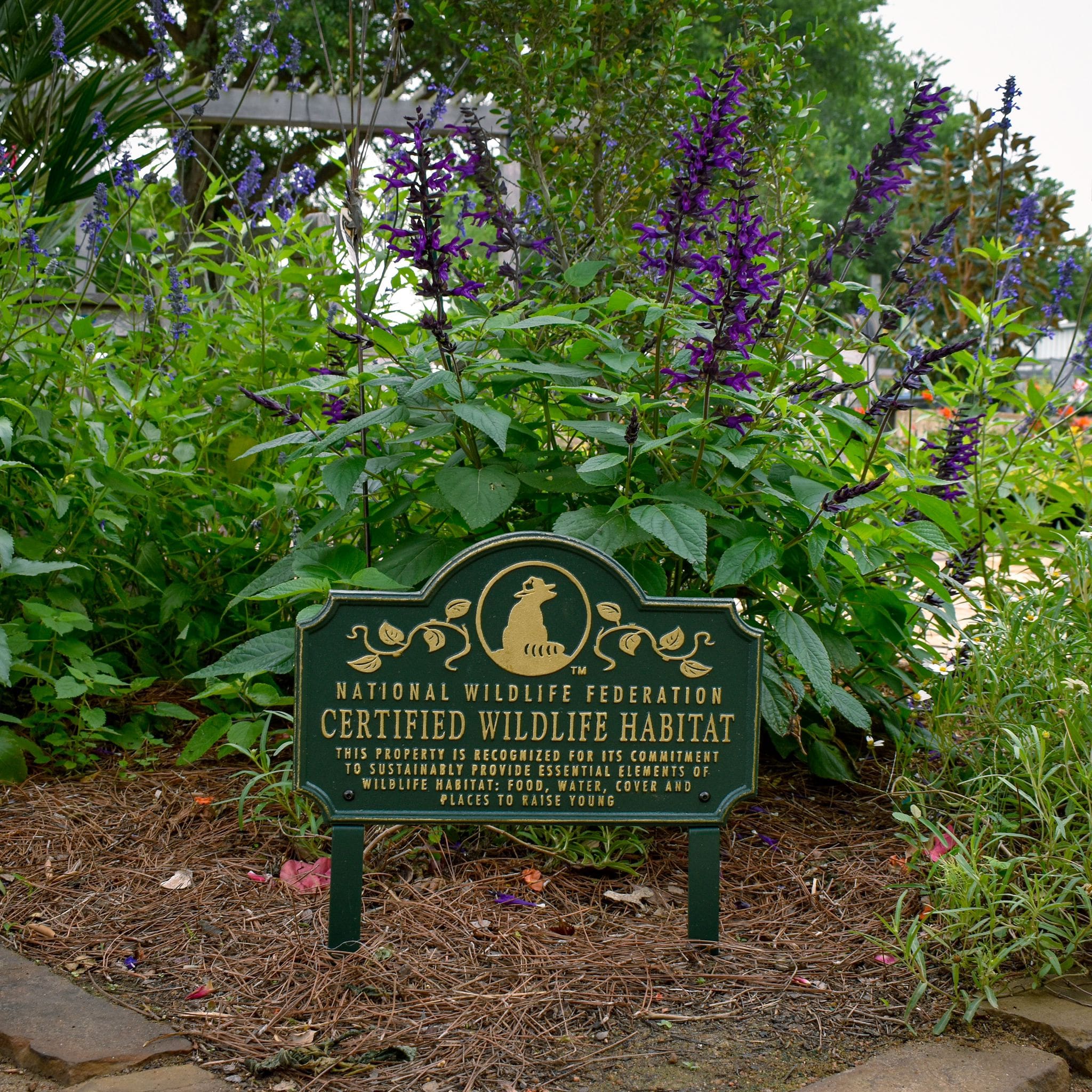
Just by providing these simple elements, your yard is eligible to become a Certified Wildlife Habitat with the National Wildlife Federation. By filling out a simple questionnaire and making a small donation, they’ll send you a certificate and a sign that you can proudly display in your landscape. We have one here at Gill’s! You can also register your pollinator habitat, however big or small, with Homegrown National Park and get on their Biodiversity Map. If you zoom in to our area on the map, you’ll see several of your neighbors in Corpus, Rockport, Port Aransas and surrounding areas who have registered their gardens!
How is it almost JULY already?! We hope you’re having lots of fun this Summer – holidays, BBQs, weekend trips, and garden projects! Here are our top must-do’s to keep your plants healthy and happy this month, including tips for water conservation and speaking to local officials about your water.
1. Speak Up About Your Water
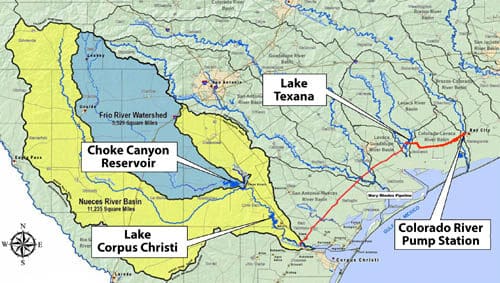
As you may have heard, the City of Corpus Christi anticipates moving to Stage 3 watering restrictions in August unless we get more rain in the watershed. We have asked the Mayor, City Manager, City Council members, and the City Water Department to postpone this decision until after hurricane season at the least. One tropical rain system that moves north and sits over the watershed could fill up Lake Corpus Christi and Choke Canyon to 50% or beyond – this is what’s happened in the past.
We have also asked the City to revise the Drought Contingency Plan to include water from Lake Texana, our 3rd source of water. This water, which we are already paying for, is not included in the calculation which triggers the different stages of watering restrictions.
We have also expressed our concern that the Stage 3 ban on outdoor watering for residential water users is excessive. Since we know that residences account for less than half of city water use, and we know that only some of those users water their landscapes, Stage 3 restrictions on watering plants would impact only a small portion of overall water use.
We encourage you to speak up about your water, too! There are 3 City Council meetings in July: 7/16, 7/23, and 7/30. The meetings are held at City Hall at 1201 Leopard St. at 11:30 a.m. You can sign up to speak at the meeting or submit your comments in writing – here’s how. You can also follow these links to contact City leaders directly: Mayor, Water Department, City Manager, and City Council.
2. Watering: Think Depth, Not Frequency
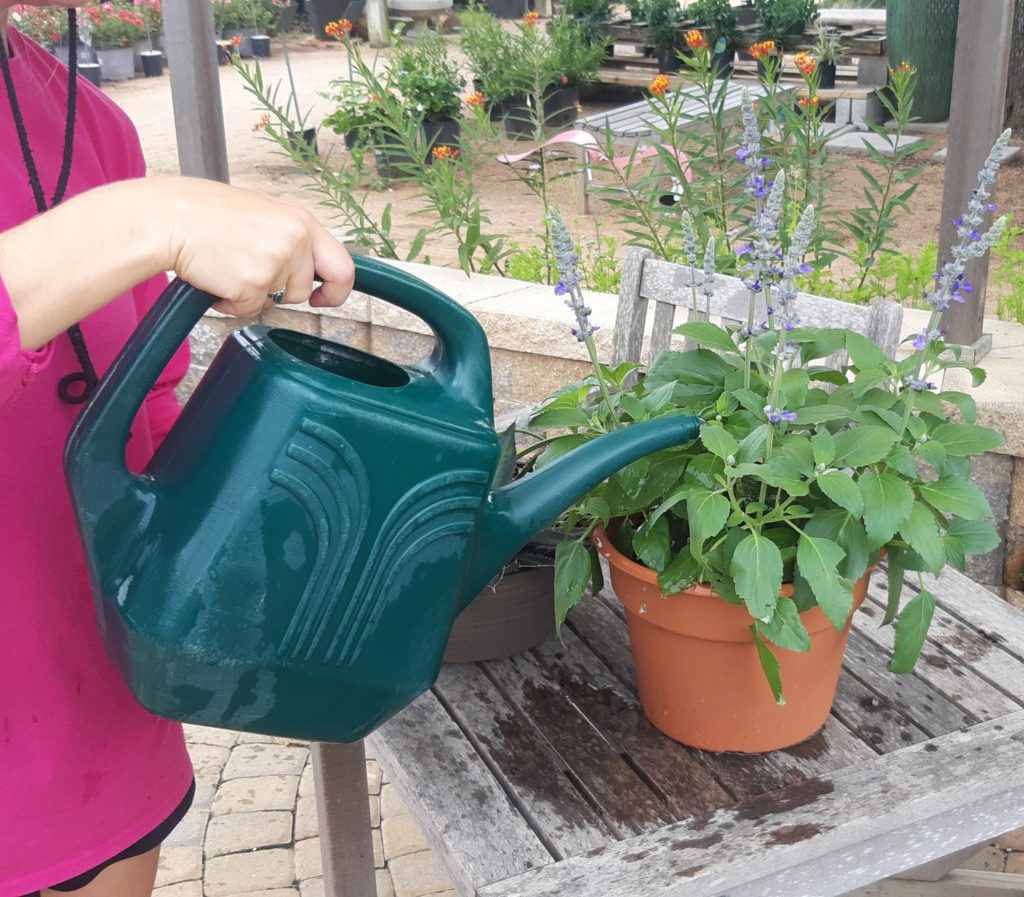
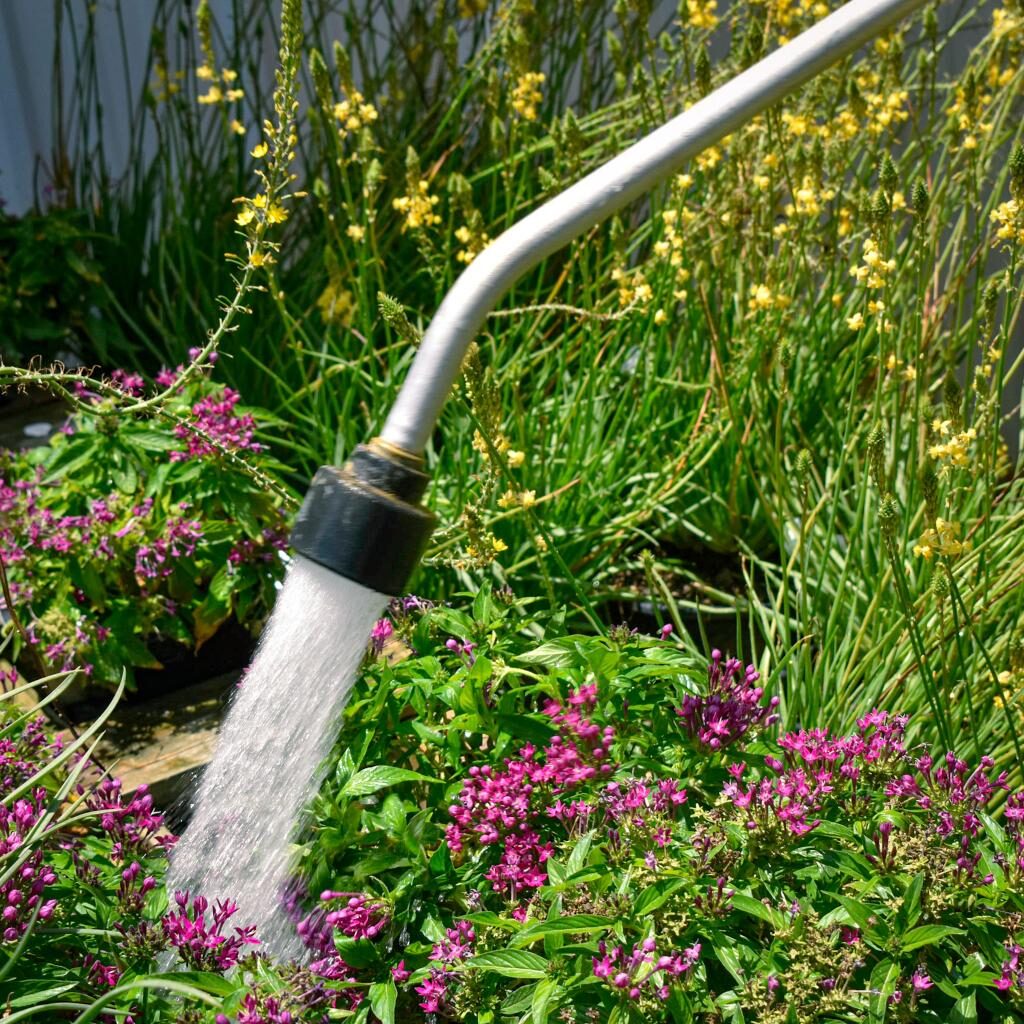
Proper hydration happens when you get water down to the roots of the plant. This means watering deeply, not more frequently. Run irrigation systems or sprinklers every other week before 10am or after 6pm per current city watering rules – if there were no restrictions, we’d recommend once a week, but once every other week will keep lawns, most plants, and trees alive through the summer. The key is long, slow, deep drinks! Encourage those roots to dive deeper for water. Even when we get a summer rain, continue to watch your watering and maintain that depth moisture.
3. Mulch to Keep Cool
Studies show that a good 3″ layer of mulch will keep your plant roots more than 20 degrees cooler in summer! Not only that, a good mulch layer also helps retain moisture AND keeps weeds at bay. Healthy plants, less watering, and fewer weeds – that’s a win/win/win! It’s important to use natural wood or pine straw mulch that breaks down over time. As it breaks down, it adds nutrients and makes your soil more workable.
4. Watch for More Bugs in Summer
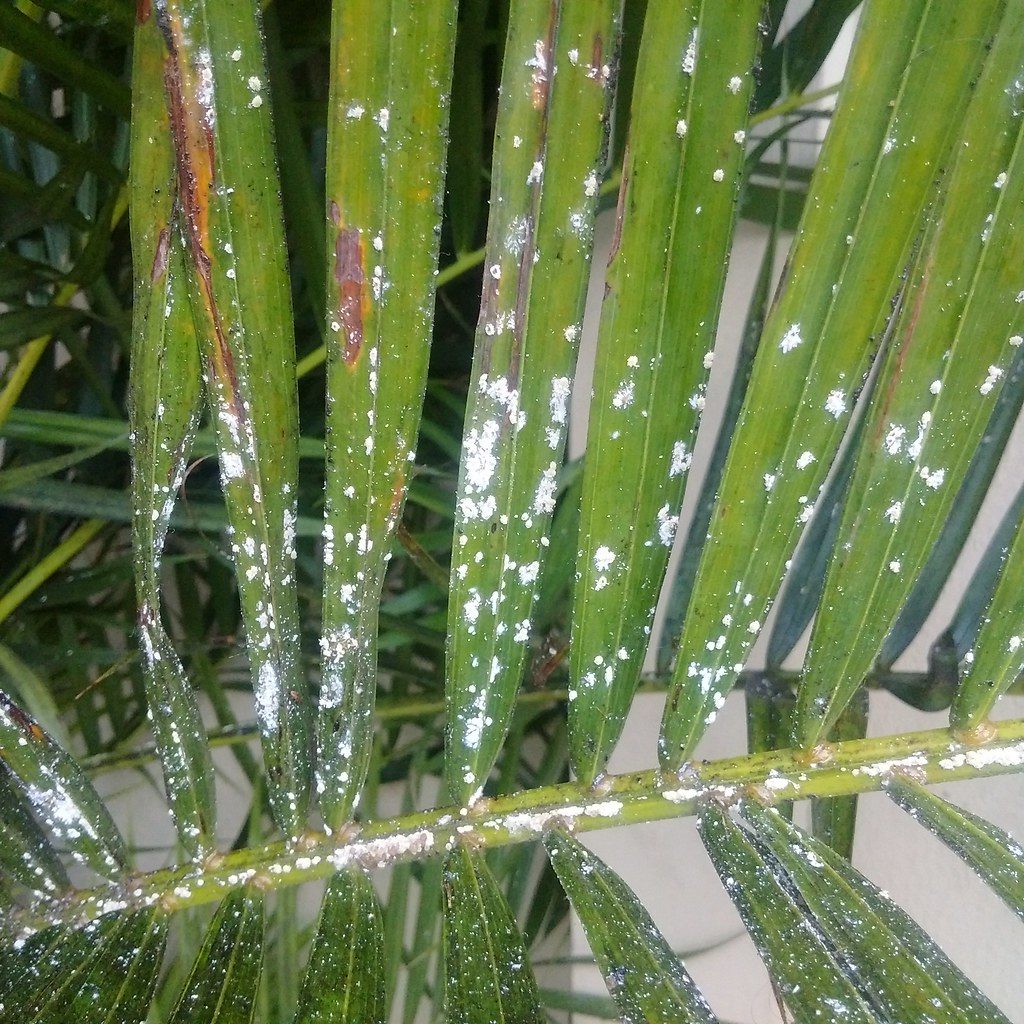
This is what a mealybug infestation looks like!
Not all bugs are bad, so it’s important to know your bugs before you spray anything, even organics. A few bugs here and there is most likely not cause for alarm. If you do get an infestation, cut the plant back first, give it some fertilizer, then treat for bugs. By pruning first, you won’t have to treat every leaf on the whole plant. We see plants come back better than ever using this method. If you’re not sure about bugs or pruning, we’re here to help.
5. Train Your Plant Sitter
Be sure to have a trusted plant-sitter come water your plants while you’re away on summer excursions! It’s a good idea to spend a little time showing them how you water. Make them a list, draw them a map, and walk them through it. You know your plants and which ones get tired and thirsty the fastest.
6. Collect Cool New Houseplants
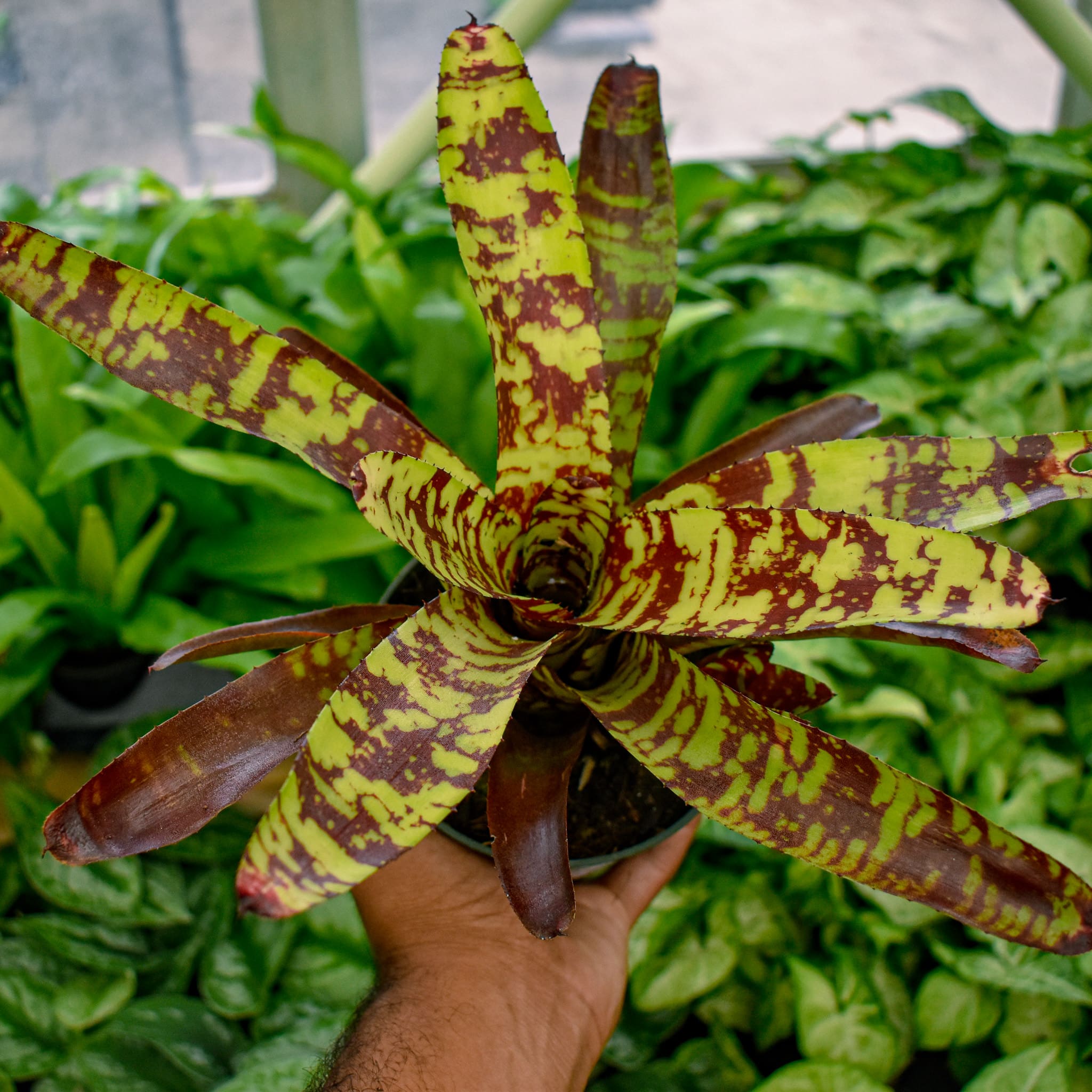
Now’s a great time of year to work on your houseplant jungle. The greenhouse is restocked with all kinds of interesting houseplant choices, including lots of new Bromeliad varieties! Keep in mind that constant A/C indoors will dry out plants. Keep an eye on watering (use a moisture meter) and don’t place houseplants near an A/C vent. You might also try experimenting with a humidifier near your plants to help regulate moisture.
Join us for fun and food this Saturday, July 6th! Gill’s resident pitmaster, Hidalgo, will be serving up pulled pork sandwiches with slaw, hot dogs, and veggie dogs from 11 a.m. to 2 p.m. He’ll be set up with his pit under the shade tree right in the middle of the garden center, and we’ll have places to sit and eat with cold drinks too. Free, fun, and open to everyone! See y’all Saturday!
We’ve seen and heard about lots of ants in the garden lately, which is pretty typical during our summer months. Luckily there are 2 solutions that are very effective against 2 of our most common ants: fire ants and crazy ants!
Get Rid of Fire Ants with “Come and Get it” Bait
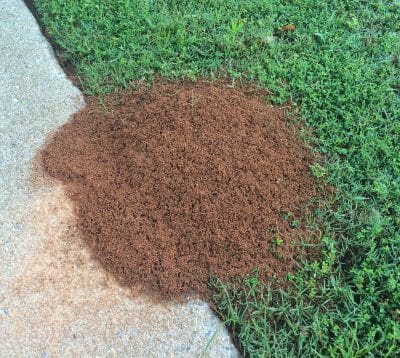
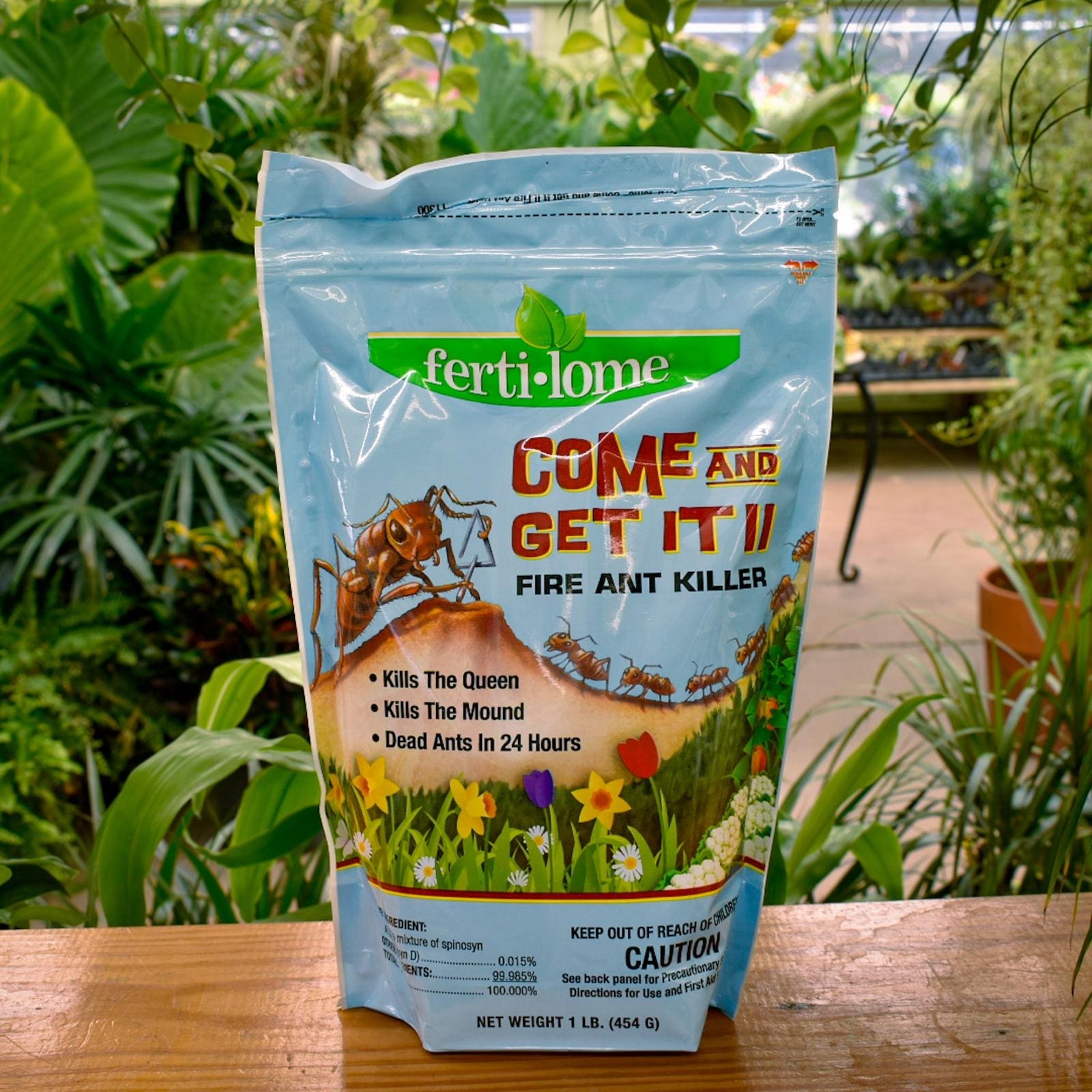
Did you know that our fire ants aka Red Imported Fire Ants came to the US on cargo ships from South America in the 1930s? Now they’re found in several southern states including much of Texas. Look for mounds of fluffy, freshly worked soil, especially right after a rain. Unlike other ant mounds, fire ant mounds don’t have a hole in the center – they enter and leave the mound via underground tunnels. Organic Come and Get It bait is an effective and safe weapon for fire ants that contains Spinosad as the active ingredient. No mixing and no watering – just sprinkle on and around the mounds and the foraging ants will take it into the colony as food.
Take Care of Crazy Ants with Diatomaceous Earth
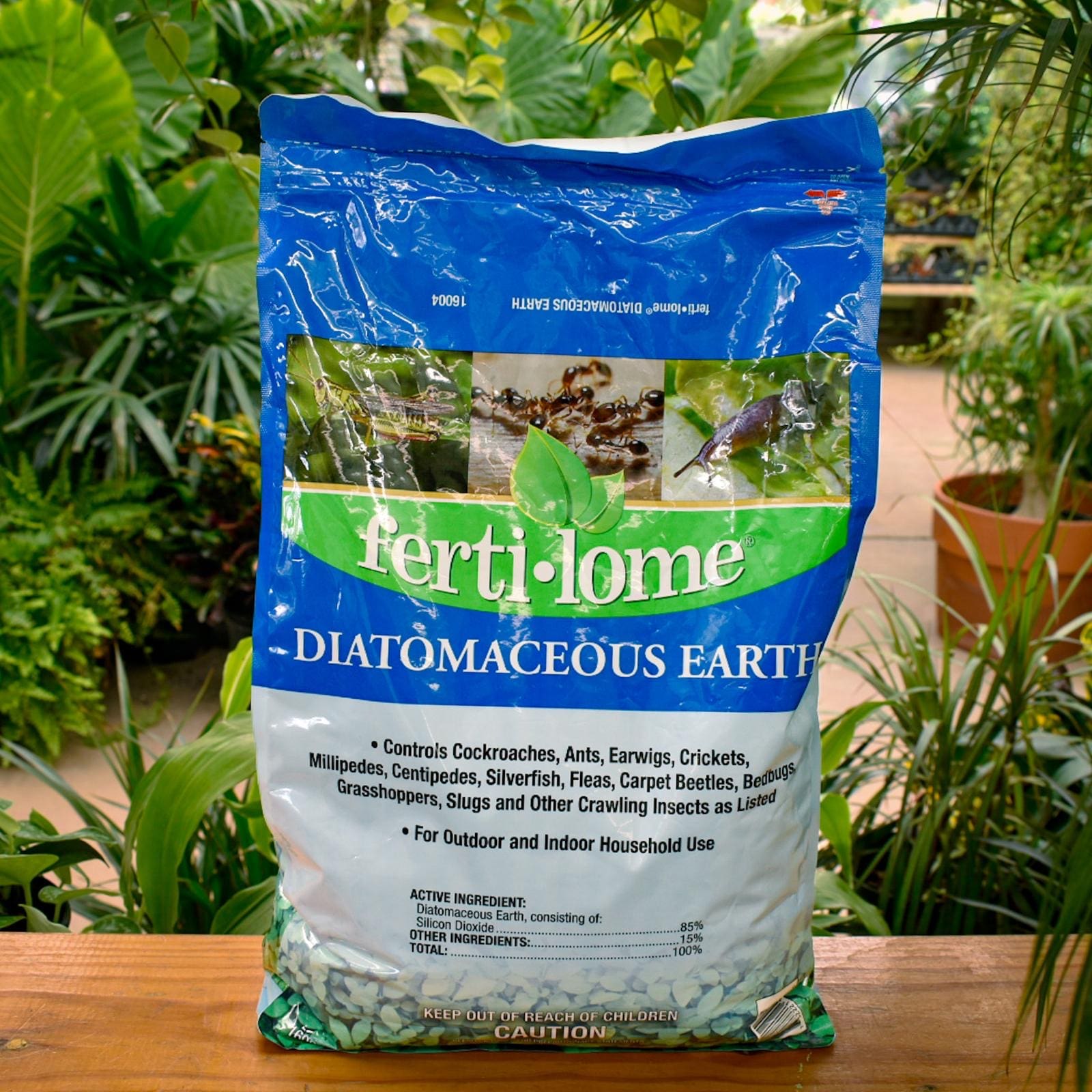
You’ll know crazy ants when you see them – they’re tiny and they run around “crazy”! You’ll find them around patios and entry ways and especially under firewood or boards. Speedy crazy ants can be stopped with organic Diatomaceous Earth aka powder made from fossilized remains of diatoms. Sprinkle DE around the areas where you see crazy ants. As the ants pass through the DE, the DE dries out their exoskeletons and they die. Works great for fleas too!
Leave Red Harvester Ants Alone!
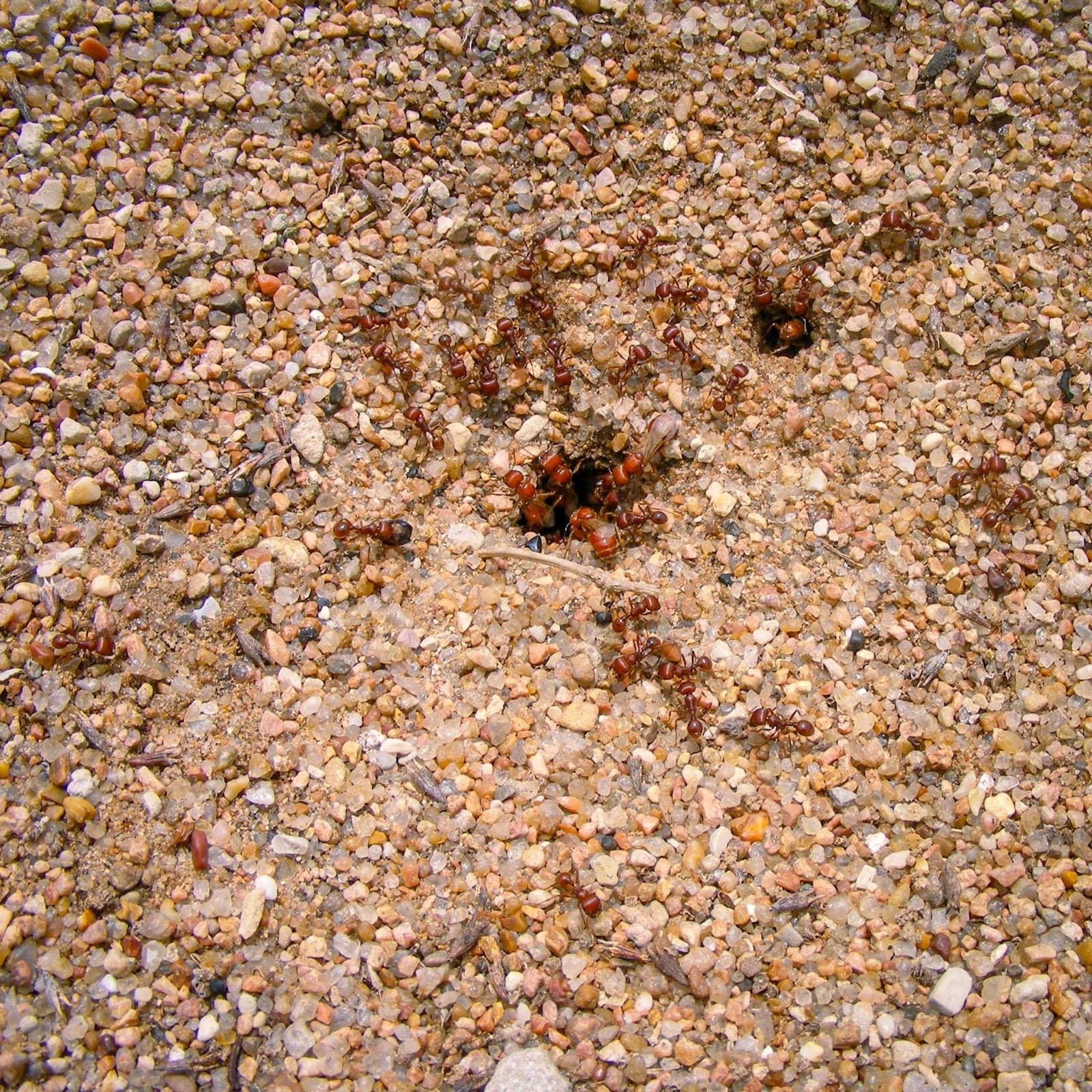
Harvester ants are less common in our area, but they’re the only native ant on this list. Look for a big flat bare patch with big red ants radiating from a hole the center! They look somewhat similar to fire ants, but quite a bit larger. Don’t poison Harvester ants because they are the main food source for the Texas Horned Lizard aka Horny Toad, which is now a threatened species. Harvester ants make up about 70% of the Horny Toad’s diet – they need to eat large numbers of the low-calorie ants, which is why the toads have a large stomach.
What’s a nativar? Simply put, it’s a plant that has been cultivated by humans, a cultivar, of a native plant species. Why would you do that? Why not just plant the true native species? Well, because plant growers and gardeners want more variety and sometimes we want to dial in certain desirable traits (shorter, taller, different bloom colors, etc.). Here are 3 examples of nativars which happen to be 3 of our fav plants for summer!
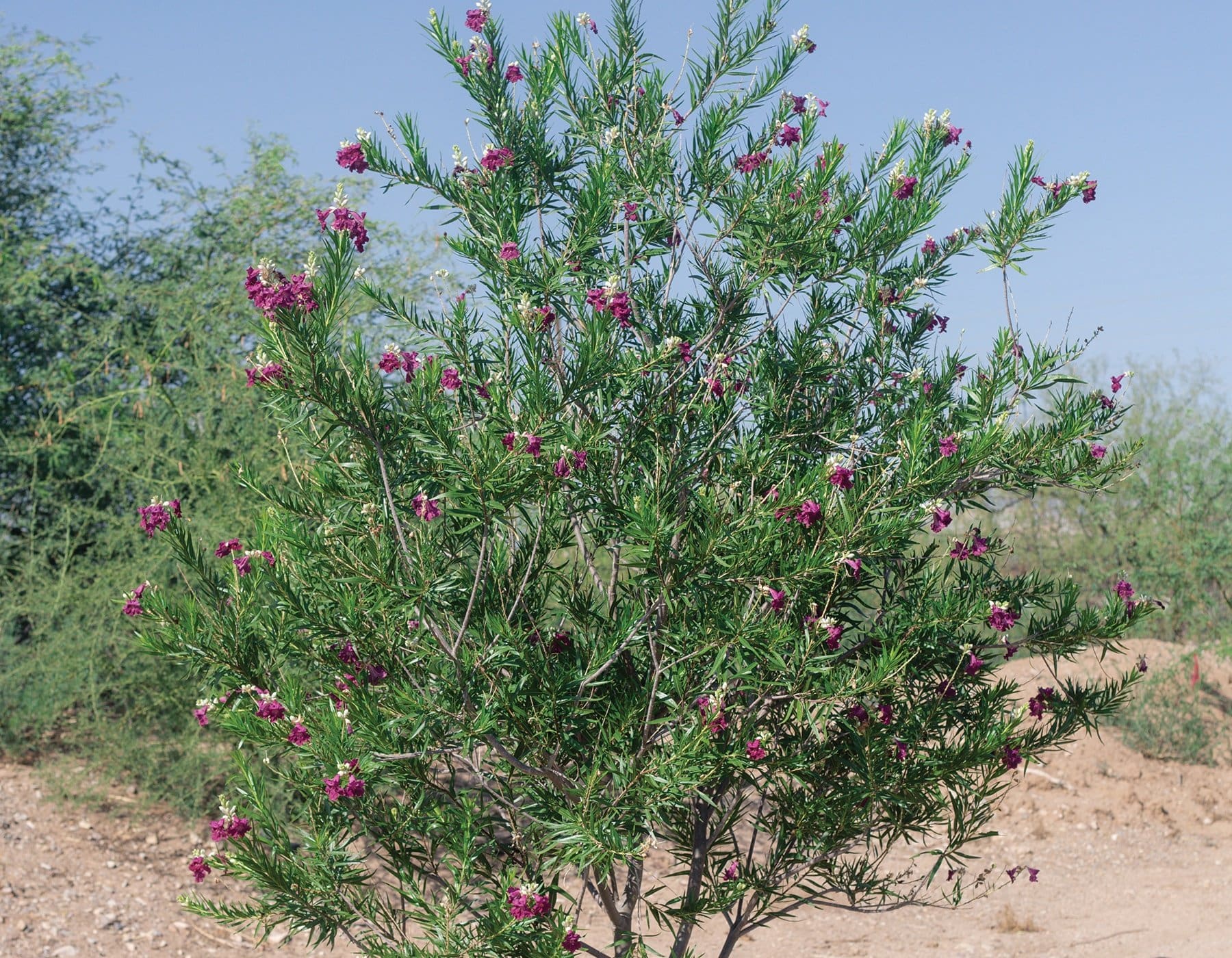
Desert Willow “Sweet Bubba”
Desert Willow is one of our absolute favorite small trees for South Texas. It thrives in low-water conditions and gives you (and our pollinators) tons of blooms to enjoy from late spring through fall. It grows to about 15 feet and prefers dry, well-drained soil. We just planted one in our new raised beds in front of Gill’s! The Sweet Bubba variety of Desert Willow has been bred for more narrow, graceful leaves, a deeper bloom color, and to have fewer seed pods to deal with.
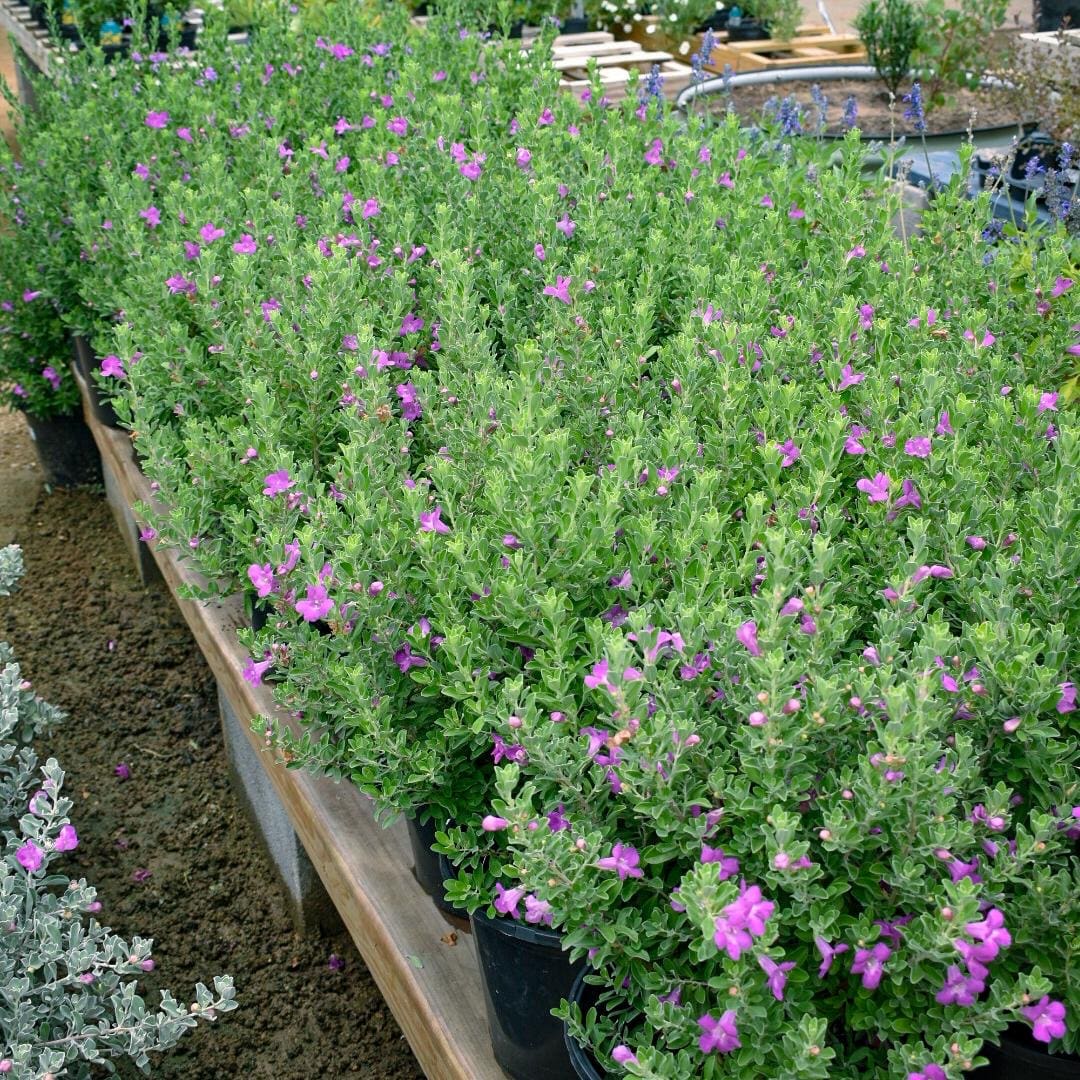
Texas Sage “Lynn’s Legacy”
Texas Sage probably has more nativars (different varieties) than any other Texas native plant. It comes in a range of sizes, lots of different shades of sage green, with different blooms and different growth habits – many different uses in the landscape. A relatively new one that we’re super excited about is “Lynn’s Legacy”. Most varieties of Texas Sage bloom based on changes in barometric pressure just before or after a rain. Lynn’s Legacy aka Lynn’s Everblooming is not as dependent on changes in humidity and pressure. It’s bred to bloom more often and more consistently. You’ll get a nice 5×5′ sage with more upright leaves, and denser growth habit, darker green foliage, and more blooms!
Dwarf Barbados Cherry
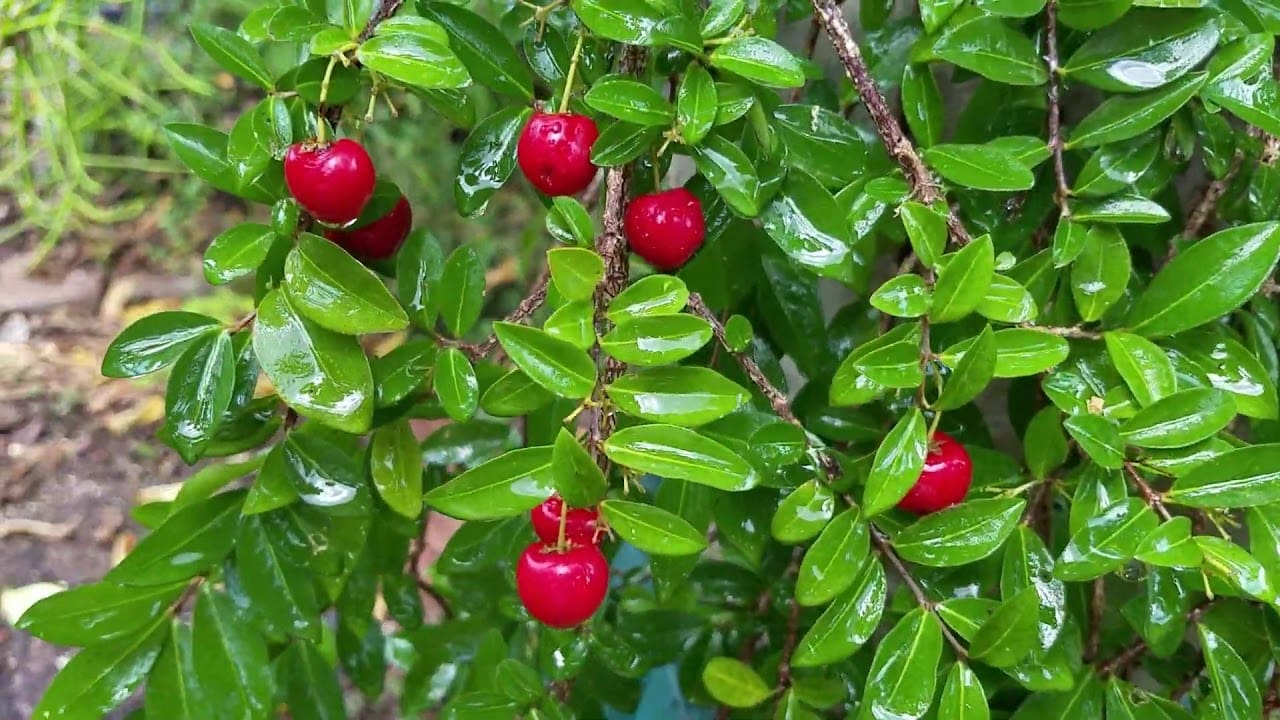
Barbados Cherry is native to South Texas and Mexico, through parts of the Caribbean, and into South America. The true native variety is a large shrub/small tree that grows 9-18′ tall, whereas the dwarf variety stays 4-6′ tall making it more suitable for most landscapes. You’ll get lots of small pink blooms all summer followed by the fruits, which are like a cross between a cherry and an apple, hence the name Manzanita in Spanish. Great for making jelly!
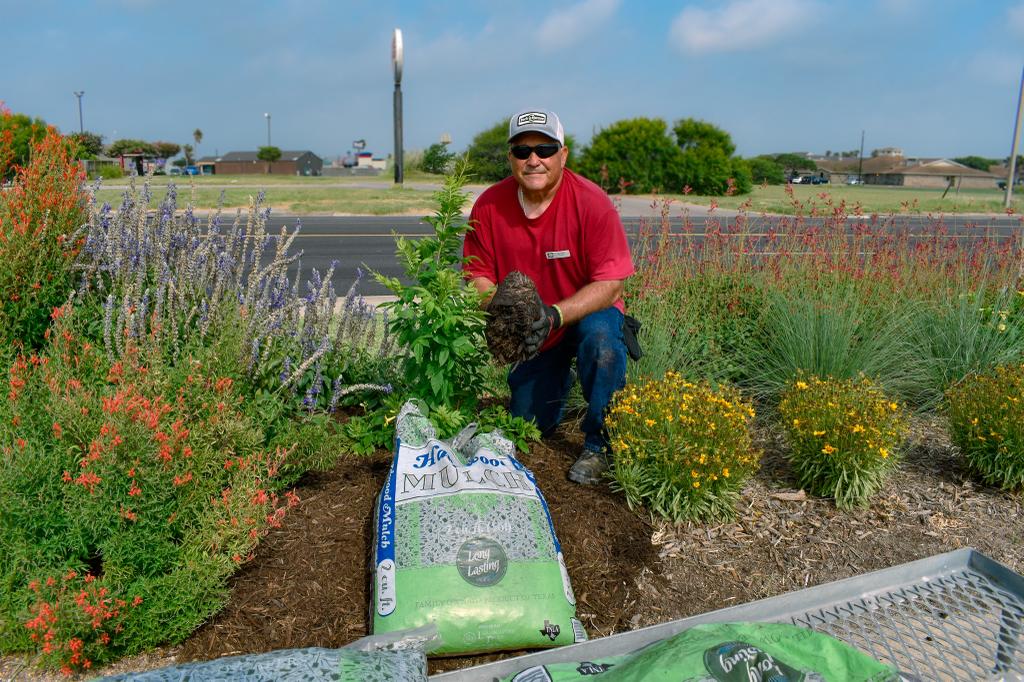
We all know that fresh mulch is like a fresh coat of paint for your garden – instant makeover! But did you know that applying a proper 3” layer of natural mulch keeps underlying soil temps more than 20 degrees cooler?!
Gill’s Landscape Designer, Kathy Hubner attended a webinar presented by Bartlett Tree Research Laboratories in which they shared amazing results from a mulch study in San Antonio. Soil temperatures were measured at 6″ deep (where plant roots live) on a 105 degree summer day. Bare soil with no mulch, 6″ down was 102 degrees. Soil under grass was 92 degrees. Soil beneath a 3″ layer of mulch was only 76 degrees!! Mulch for the win!
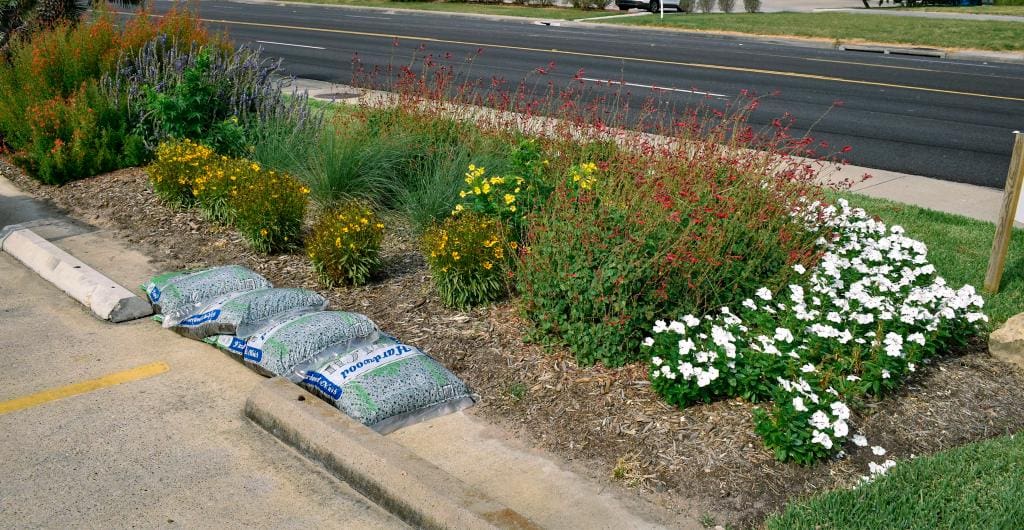
Before a Fresh Mulch Layer…
Keeping plant roots cool helps them take up water and nutrients and prevents heat stress on the plant. Cooling alone are a great motivation to maintain a 3″ mulch layer, but there are lots of other magical powers. Mulch helps you water: it helps retain depth moisture in the soil when you water slow and deep, and when we a good rain.
A 3″ mulch layer also helps suppress weeds. It allows good water, oxygen, and nutrient transfer, but blocks light that weed seeds need in order to sprout. And speaking of nutrients, natural hardwood mulch or pine straw mulch breaks down over time and helps build healthier soil.
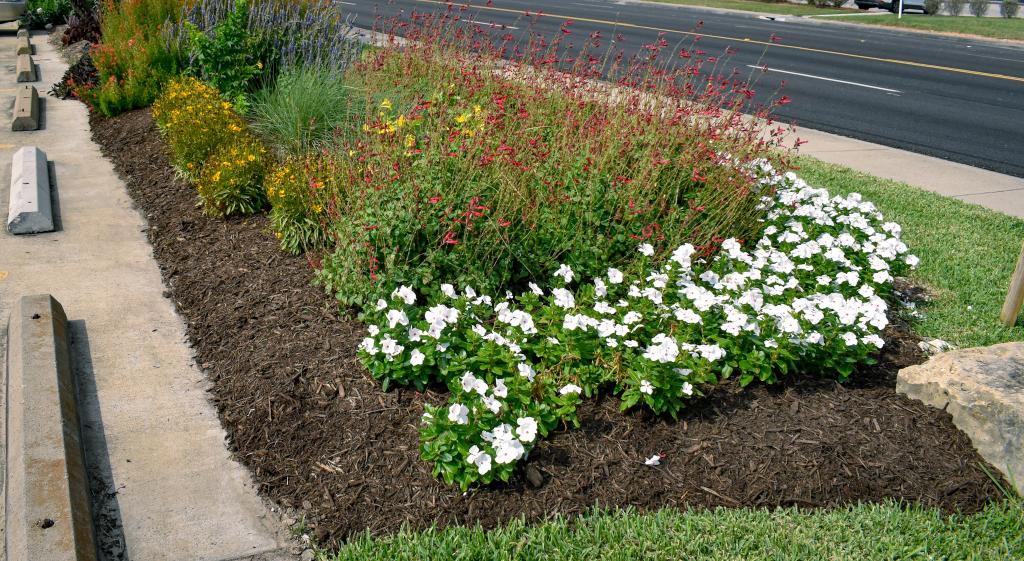
After Fresh Mulch!
To achieve a 3″ layer of mulch takes about 1 bag per 12 sq. ft. Be sure you spread the mulch evenly and avoid creating the dreaded “mulch volcano” around the trunks or main stems of plants and trees. Mounding mulch up against the trunk can invite disease. Best to mulch around trees and plants then pull mulch away from the trunk to create some space.
Pro tip: As your summer veggies finish their growth cycles, pull them up and use a nice layer of pine straw mulch over your garden beds to keep weeds down and help keep your soil alive and ready for the next season. Fall veggie planting is right around the corner!




 This is what a mealybug infestation looks like!