On occasion, we hear new gardeners (kids and adults) being fearful of the creatures that live in our outdoor spaces. Almost everyone loves birds & butterflies – I’m talking about the other workhorses of the garden… toads, frogs, lizards, spiders, bees, and wasps. I have to admit that as a child, I was very fearful of bees & anything that flew my direction, as if I were their target. Now I know that of course I wasn’t.

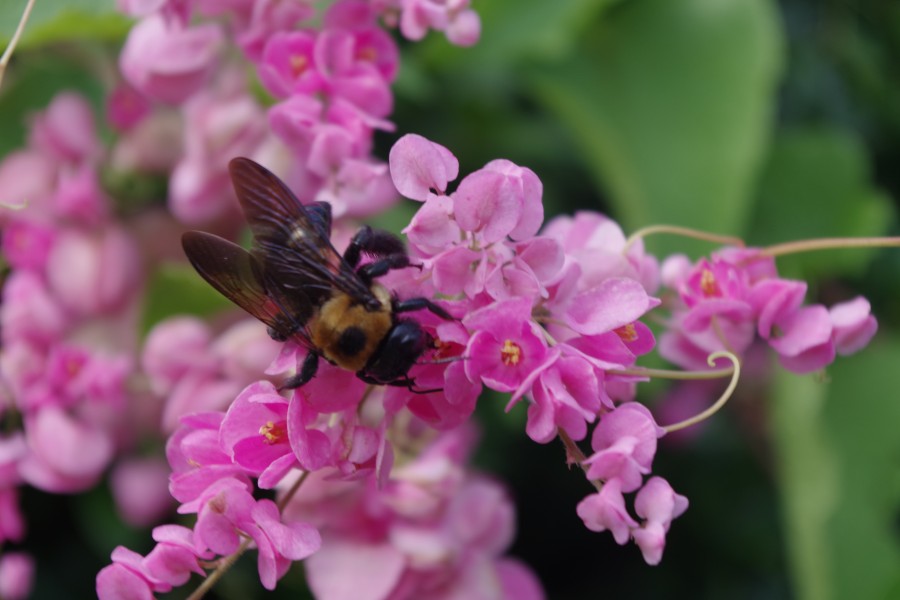
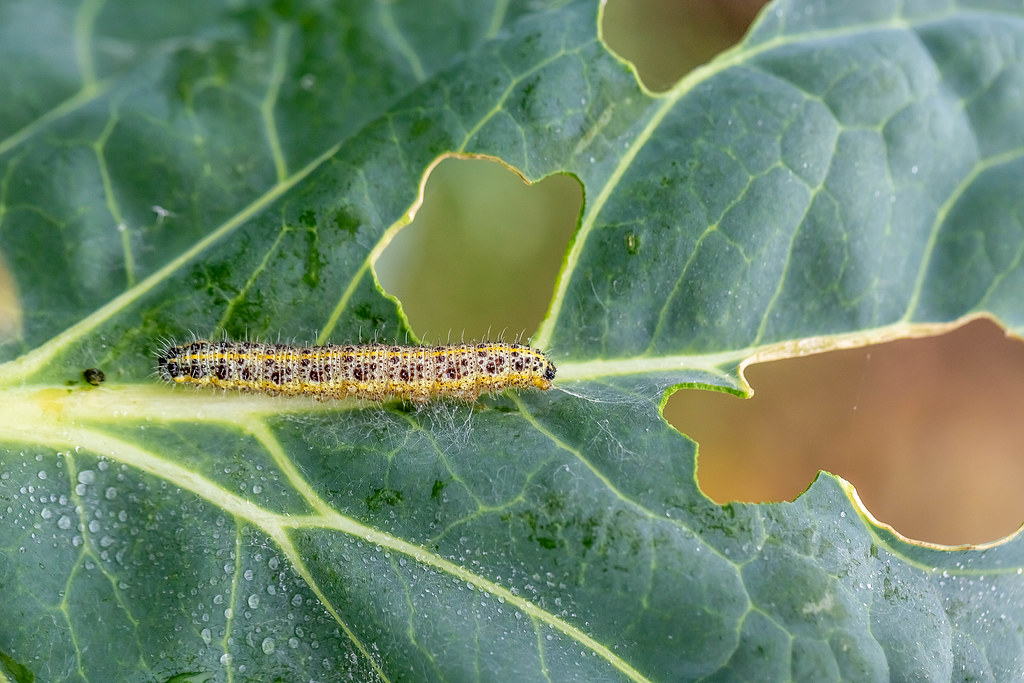
These creatures are garden-friendly! Not only do we get entertainment and pure joy from watching them in our landscapes – they are incredibly beneficial for controlling unwanted pests. Many wasps are predatory and devour other chewing insects. Most lizards, particularly Leopard Geckos, eat cockroaches. Beetles, unwanted caterpillars, stink bugs, and flies are kept in check naturally. No chemicals & no work necessary on our part. In the case of bees, they support the pollination of blooming and food-producing plants.
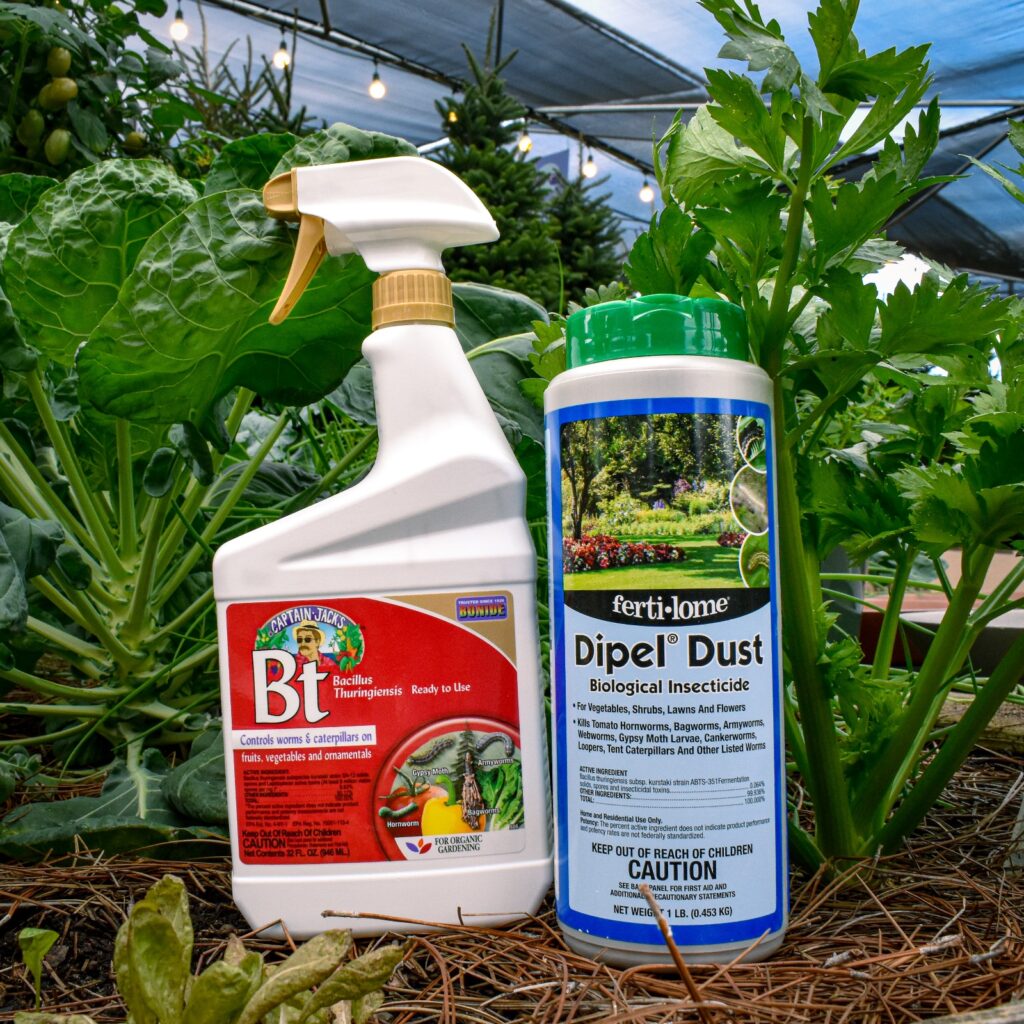
It’s important to not use chemicals that may cause harm to your beneficial creatures. Use organics – they’re safe and effective. If a chemical is necessary, use the least harmful, use only what you need, and use as directed on the label.
Diversity in nature is a key to garden success. Learn to appreciate all creatures & let’s help children to find wonder not fear in gardens. There are numerous places around the Coastal Bend to discover more about biodiversity in our area. Here’s a few:
- The South Texas Botanical Gardens
- Oso Bay Wetlands & Preserve Learning Center
- Corpus Christi Museum of Science & History
HAPPY GARDENING!

-Debbie
 –
–
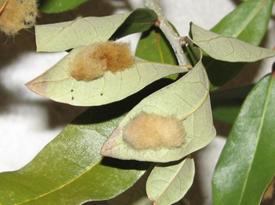 All from a shiny reddish ball. Or a fuzzy white ball. Or a corky brown ball. I’m talking oak galls, which commonly strike terror into the hearts of live oak tree owners this time of year. They are all caused by various species of small, stingless, solitary wasps. These wasps insert an egg (or several) into the tissue of small oak branches or young leaves, and are thought to modify the DNA of the plant, forcing the plant to produce a growth (the gall) that supplies both housing and food to the wasp larvae living inside. The saliva of the wasp applied at the time of the egg laying is thought to contain a virus that produces the genetic changes, so wasp larvae have been eating GMO’s for millions of years.
 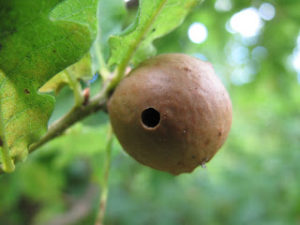 So wasps are defacing and eating your oak tree this fall, what you gonna do about it? As one writer says, “I recommend a cold drink, a good book and a comfortable chair.” ‘Cuz there’s nothing you can do or should do about it. Oak galls come in periodic waves, a few one year, more the next, and none the year after. Or close thereabouts. This is thought to be due variously to the tree buildup up of tannins to discourage the gall formers, and to a buildup of parasitic wasps (also stingless) that drill into the galls and lay their eggs on the gall inhabitant. Wild Mother Nature, there are even wasps that lay their eggs on wasp larvae that are consuming the original gall wasp larvae (did I put one too many eaters of larvae in there, I must proofread). The galls do not do substantial damage to your trees, and there’s really no way to get involved in the crazy gladiator’s pit of nature without screwing things up, SO DON’T SPRAY, just sit back in awe (or take a nap). And empty oak galls actually take in desirable boarders such as lacewing larvae and small spiders, scavenger ants and more beneficial wasps, all feeding on caterpillars and aphids.
 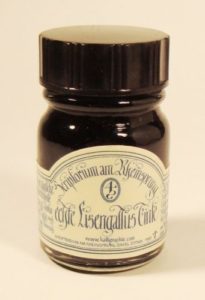 Oak galls were an important source of dark and permanent ink used for writing