
How about that nice rain last Sunday?! And we have chances for more – hooray! Rain makes everybody feel better – plants, people, weeds, bugs… Here are a few important to-do’s for making the most of a good rain and keeping potential issues from getting out of hand.
Water + Mulch to Maintain Depth Moisture – Very Important!

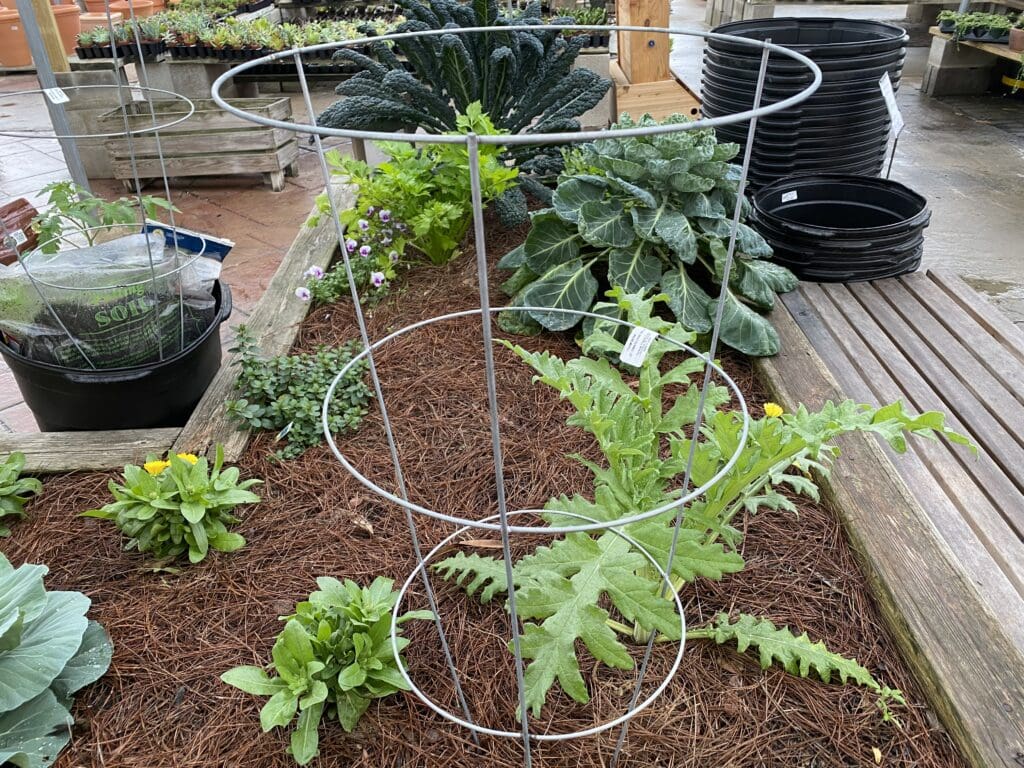
This may sound counterintuitive, but you need to continue watering regularly even when we’re getting good rainfall. Supplemental watering after a rain will help push moisture further down into the soil and allow the soil to hold depth moisture for a longer period. This is very important during spring before we reach warmer summer temps. The better depth moisture we maintain now, the deeper plant roots will grow, which will allow plants to withstand warmer temps and longer periods between waterings. Keep in mind, it takes far less water to improve and maintain depth moisture than it does to rebuild it once the soil gets really dry. And remember – mulch is your best friend! A good 2-3″ mulch layer works wonders for retaining moisture and reducing water needs. It also insulates roots and keeps them cooler and healthier.
If you’re interested in capturing a large amount of rainwater every time it rains, reach out to us here to discuss adding rainwater cisterns to your landscape. You’d be surprised how much you can collect. Just 1 inch of rain on 1,000 sq ft of roof = 600 gallons of water!
A Few Easy Solutions for Bugs After a Rain
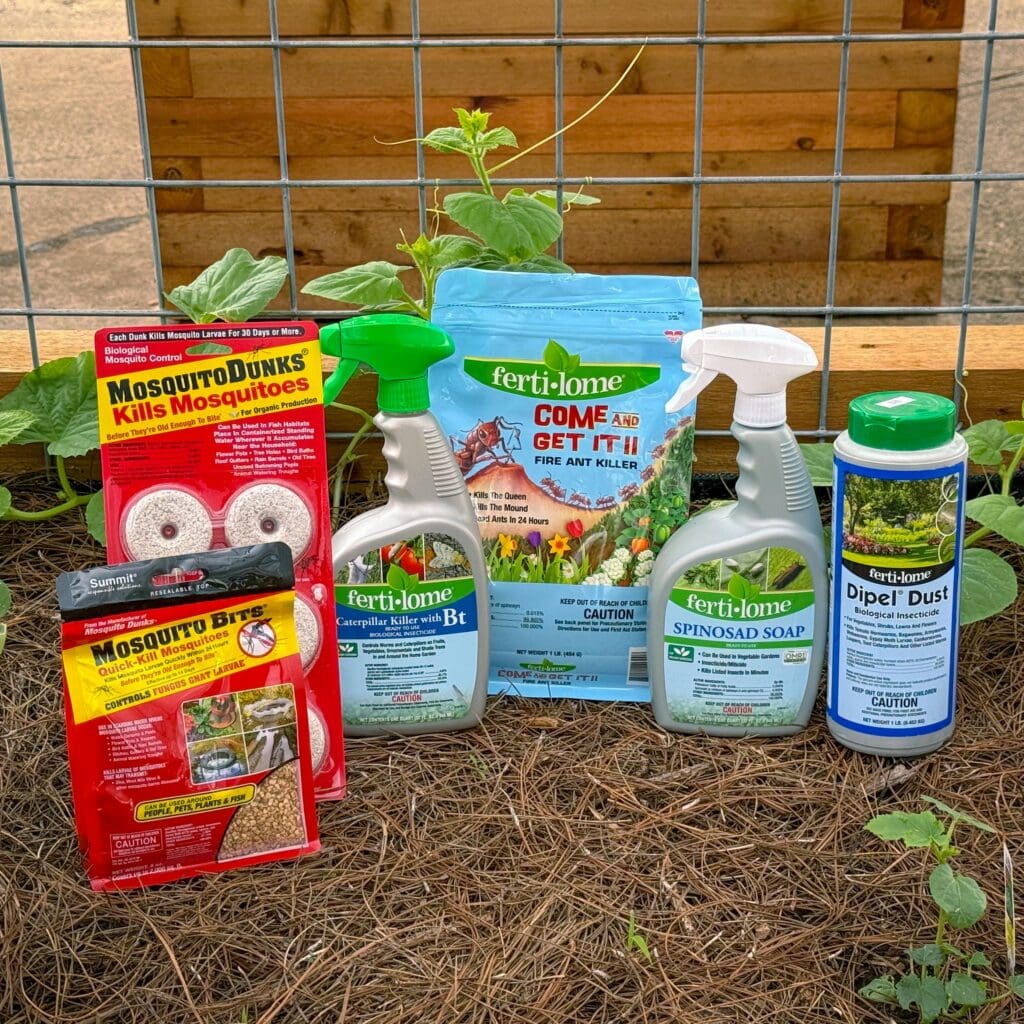
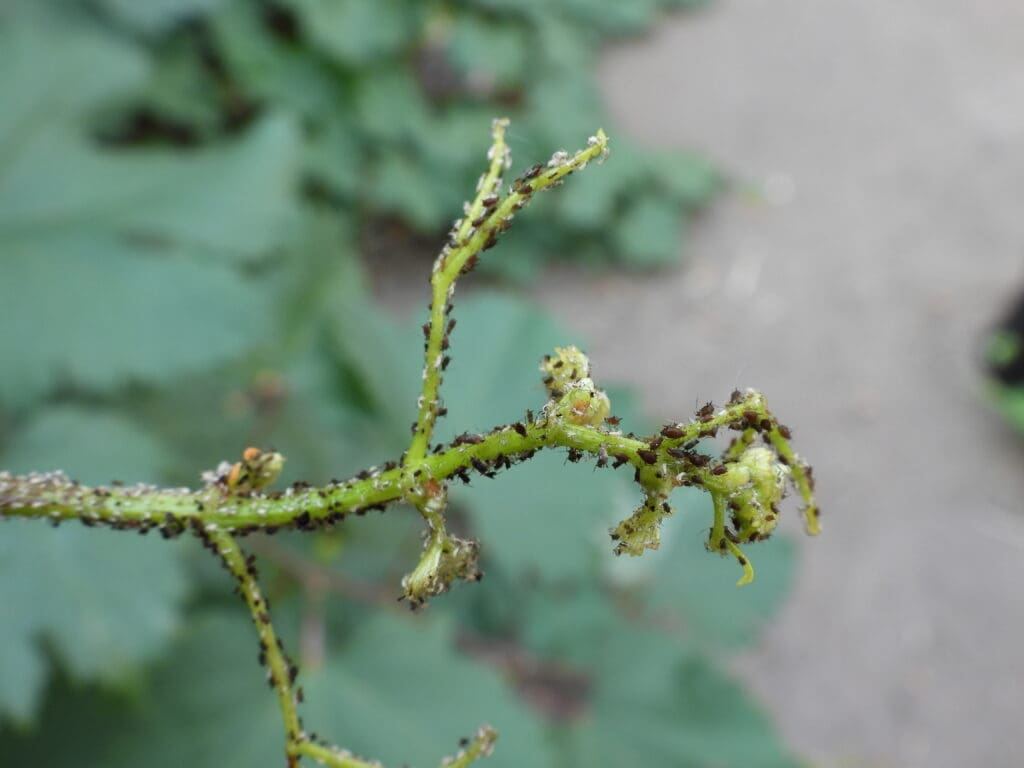
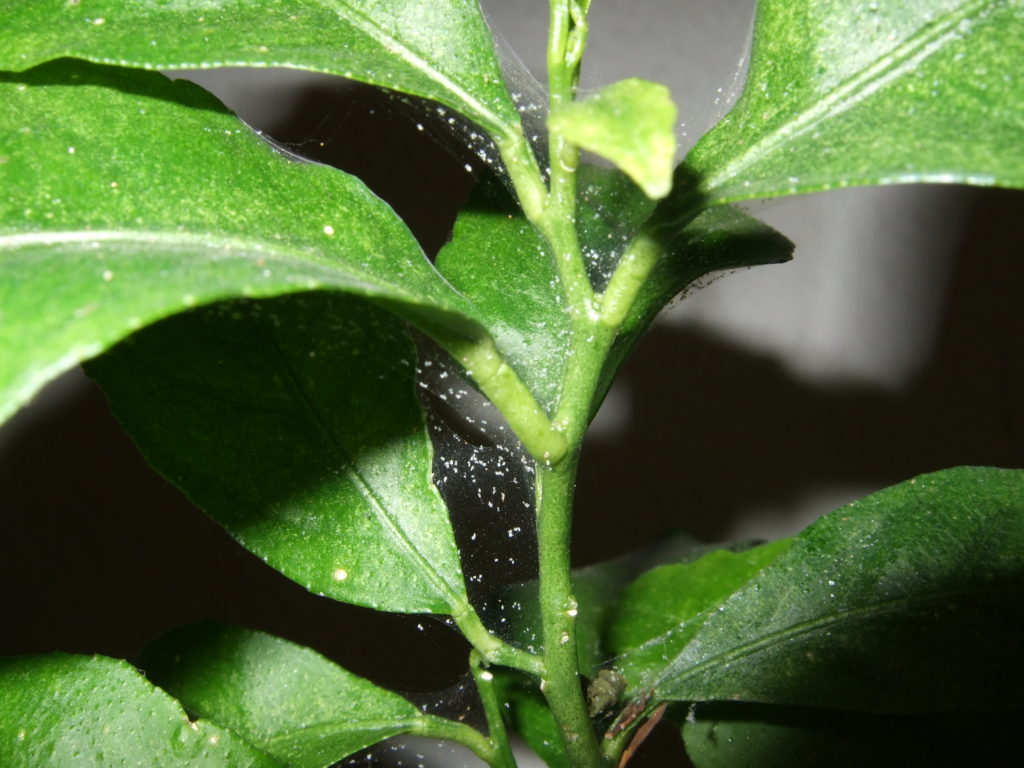
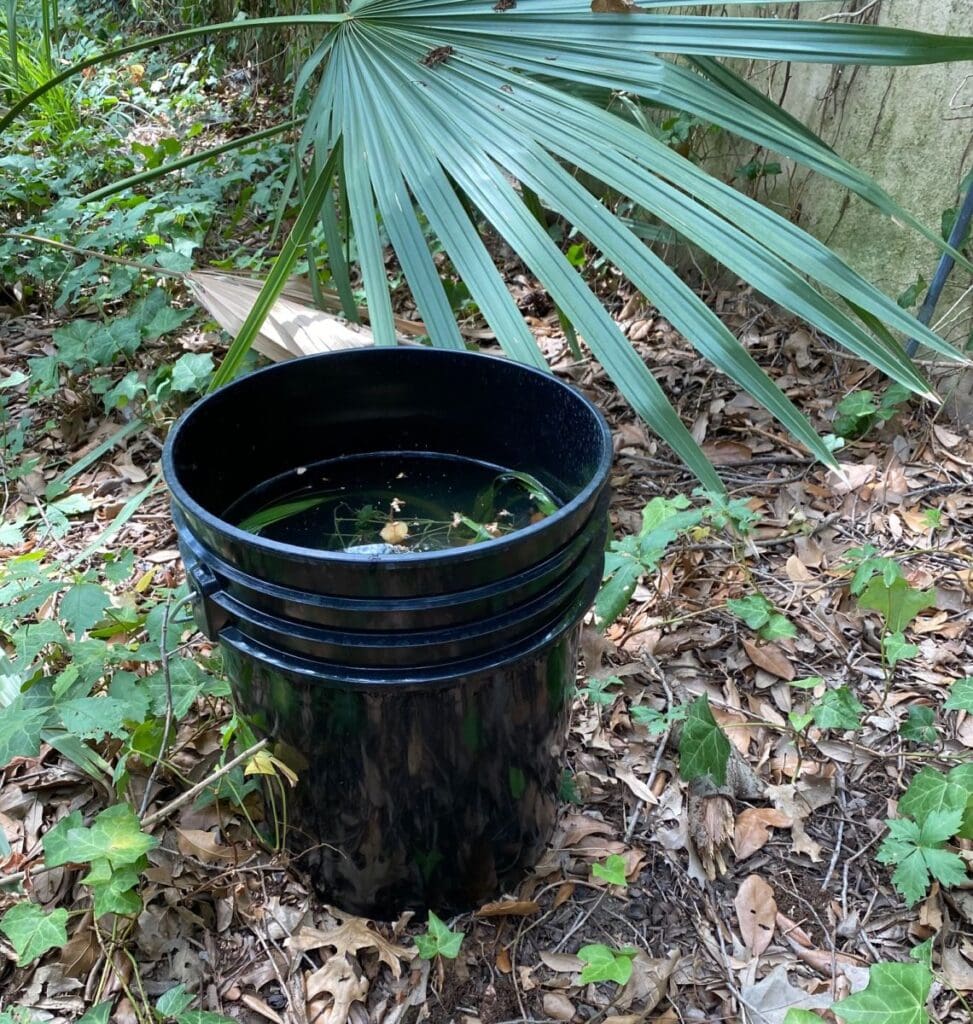
If you haven’t noticed already, you’ll soon notice a lot more bug activity in your garden. Don’t worry, and don’t over-treat, just stay observant. For 2 very common culprits, aphids and spider mites, use organic Spinosad Soap. If caterpillars are causing a lot of damage in the veggie garden, you can use organic Bt spray or dust. To prevent mosquitos, use organic Mosquito Dunks or Bits in your rain barrels, bird baths, and anywhere you have standing water. They’re harmless to birds, pets, and other bugs, but they prevent mosquito larvae from hatching. These can also be used to create very effective mosquito traps. Just fill a bucket with water and some leaf/grass clippings, and add a dunk or granular bits.
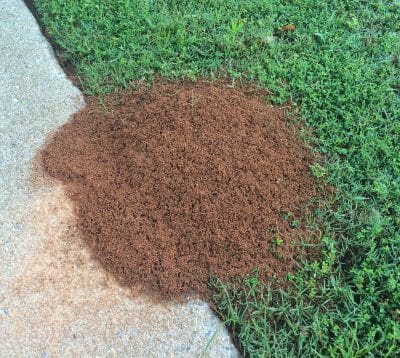
You may have also seen fire ant mounds appear out of nowhere after the rain. We’ve had good success using organic Come & Get It Bait to take care of them. If you have other bug questions, give us a call or stop by.
What About Weeds?

If you’re thinking of treating for weeds, keep in mind that most weed killers need several days of sunshine to be effective. So, not a good idea to use them when we have intermittent rain in the forecast. Instead, the best plan of attacking weeds right now is to take advantage of the soft ground and pull em up! One of the most satisfying sounds in the garden is that “pop” you hear when you pull a weed and get the entire root. And once again, mulch is your best friend for suppressing weeds too!

-Jesse








 No treatment is necessary since the nesting period of the female is usually just a couple of weeks. The scalloping of the leaves will not kill your plants, it just leaves them unsightly to some. These bees are great pollinators, so I say, “let them do their thing”.
 Be on the look-out for oak tree caterpillars in your oak trees. They cluster together in large groups feeding on the leaves of your trees or you may notice poop under your tree (on your patio or walk.) They can be killed with Thuricide sprayed onto the leaves or with Fertilome Borer, Bagworm, Tent Caterpillar Spray containing Spinosad. If your trees are too large to spray or you just don’t want to, they will not kill your trees. The tree will leaf back out in the spring. I have had customers say that early in the mornings they could hear them chewing the hard oak leaves. Crunch, Crunch, Crunch!
 Pansies love the cool days of fall and winter. Plant them in full sun. Use Hi-Yield Blood Meal at the time of planting for larger and more profuse blooms. Once they become established use Maestro Rose Glo to keep them blooming throughout the season. You can also plant their dwarf counterpart violas. They have smaller leaves and blooms, but tolerate heat and moisture better.
 With the cooler temperatures, shorter days and heavy rains in the past few weeks, powdery mildew fungus has attacked mesquite trees. Since the trees are getting ready to drop their leaves for the winter, it is not necessary to spray them. They will leaf out and be fine next Spring.
 Plumeria are suffering from rust fungus caused by the same weather conditions. The undersides of the leaves have yellow- orange or reddish brown pustules. Since you should be withholding water from the plumeria so they can go dormant for the winter, be sure to gather up the leaves as they drop and discard in the trash. It is not necessary to spray unless the condition re-occurs in the spring.