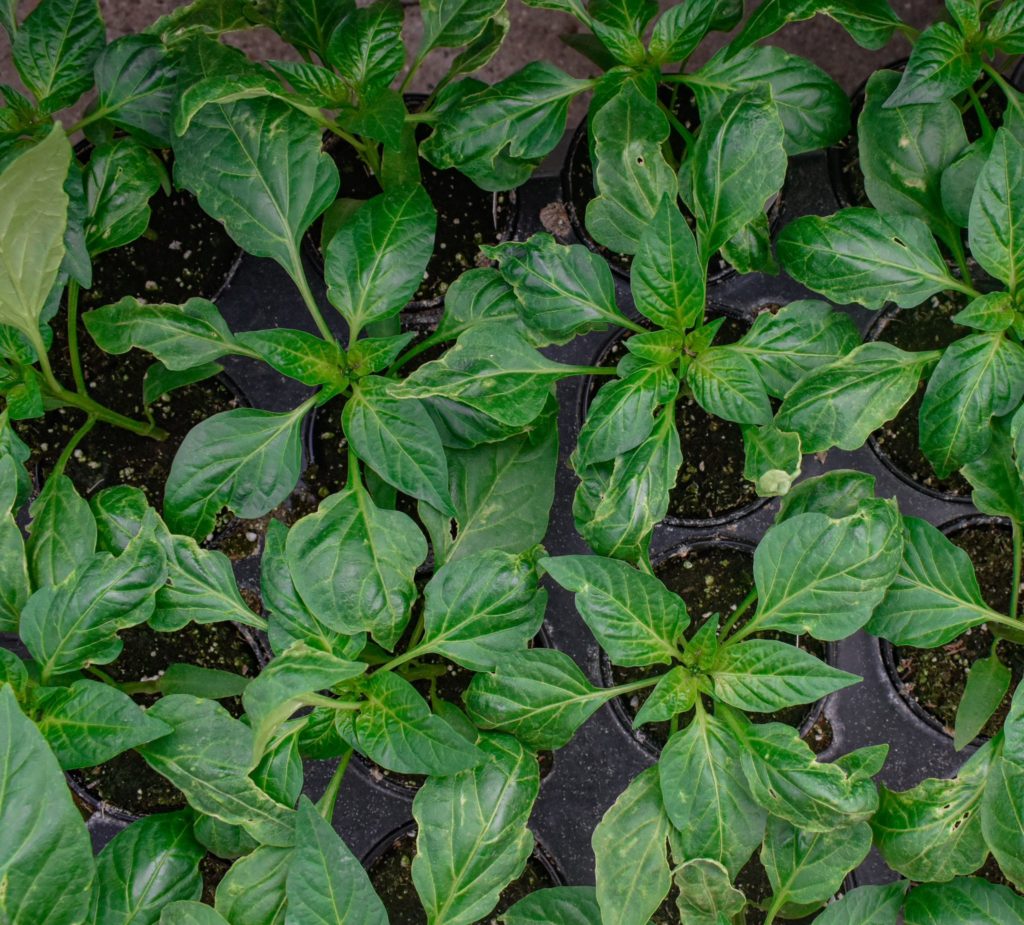
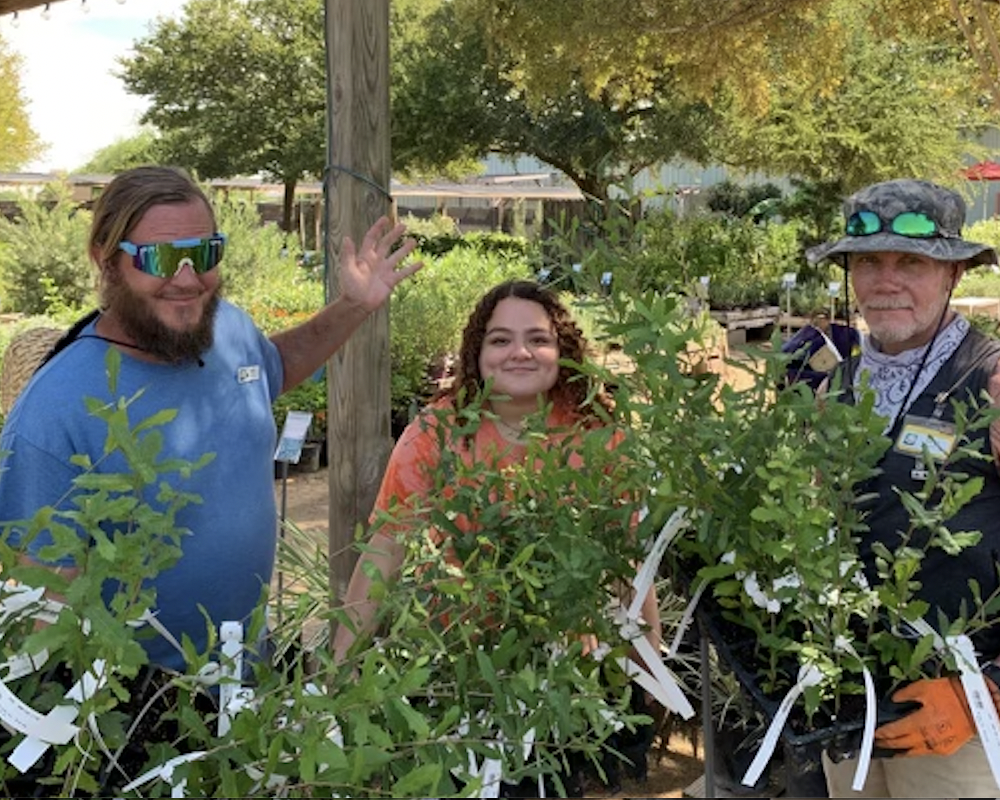
Join us this Saturday, September 17th at 10:00am for our first Fall ’22 garden talk! DeAnna Baumgartner and Wyatt Page, our garden center managers and expert veggie gardeners will share their tips for maximizing your Fall and Winter veggie harvest. Here’s a preview – see you Saturday!
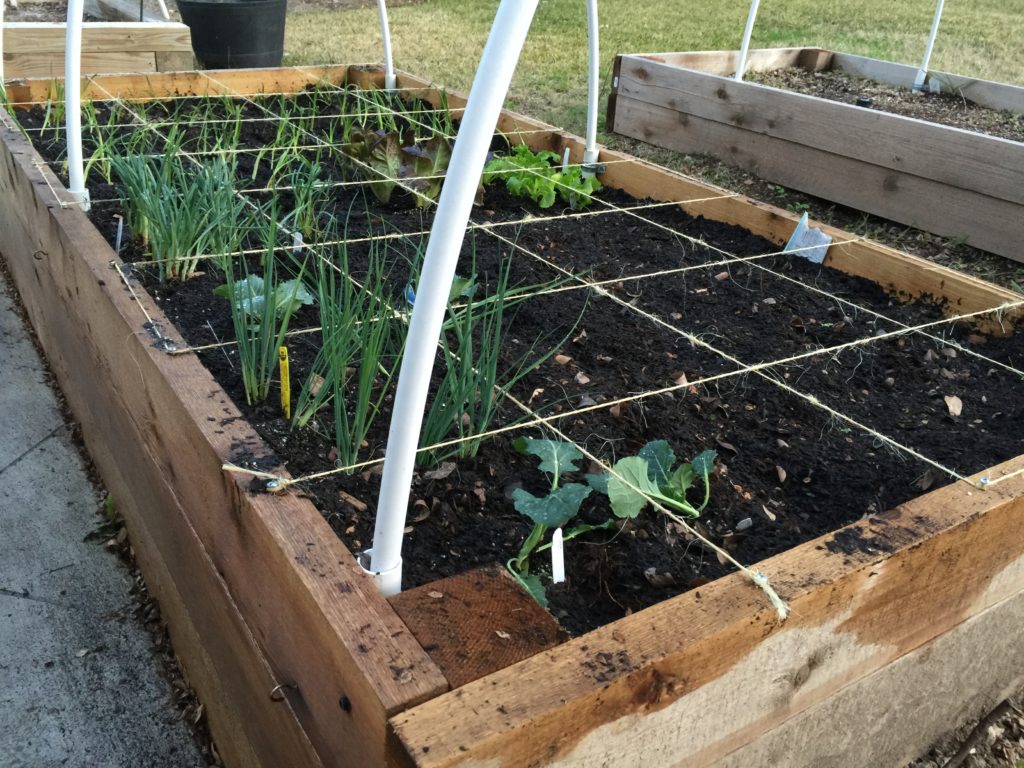
Soil, Sunlight, and Spacing are Key
Soil nutrients and micro-organisms are critical for healthy veggie plants. That means compost! Prep your beds by working in about 1 bag of Nature’s Blend (our favorite compost) per 12 sq. ft. of space, or a similar amount if you’re using your own compost. Be sure your spot for fruiting veggies, like tomatoes and peppers, gets a good 6 hours of direct sun per day. Leafy veggies can grow in a little more shade. And be sure to give plants proper room to grow. For example, tomatoes should be planted at least 3 feet apart. Proper spacing gives you a better harvest and helps you control any insects or disease issues.
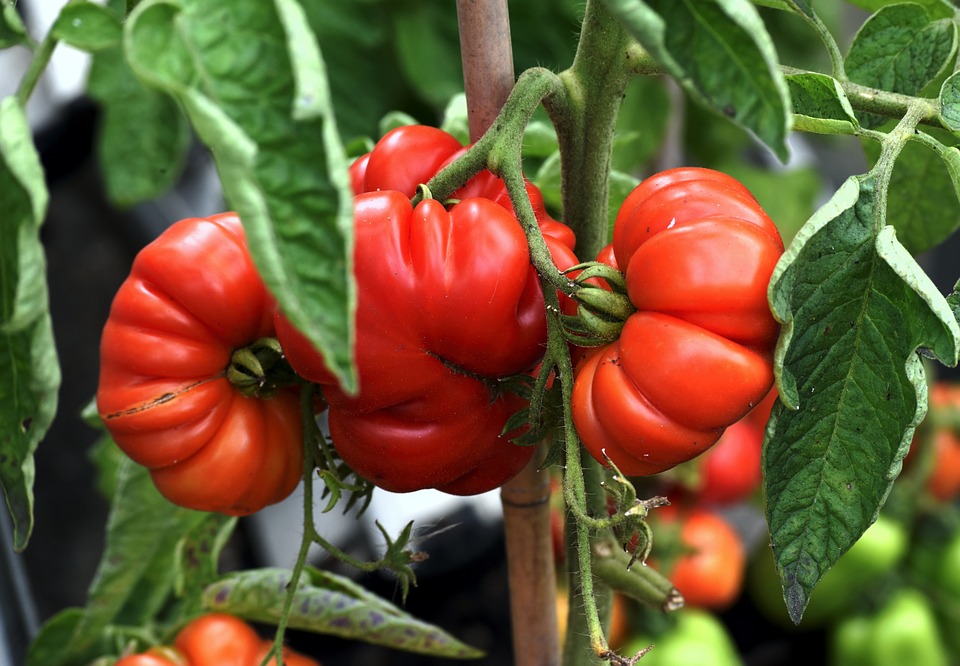
Know Your ‘Days to Maturity’
Warm season veggies like tomatoes and peppers need 60-90 days to mature and produce. That means around mid-September is our last chance to get them planted so they have time to produce before temps get too cool. The second half of September is time to start cool-season veggies like broccoli and cauliflower which need 55-85 days to mature, and Brussels which need 80-120 days. When you get the timing right, you’ll be continuously harvesting!
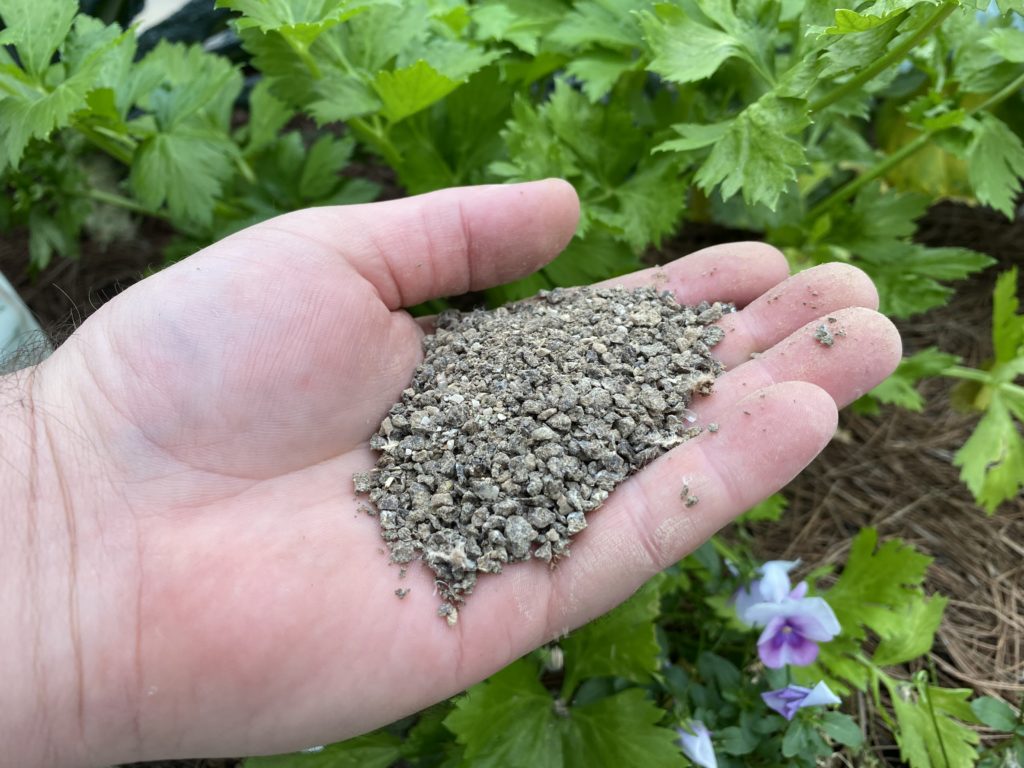
Feed Your Veggies and They’ll Feed You!
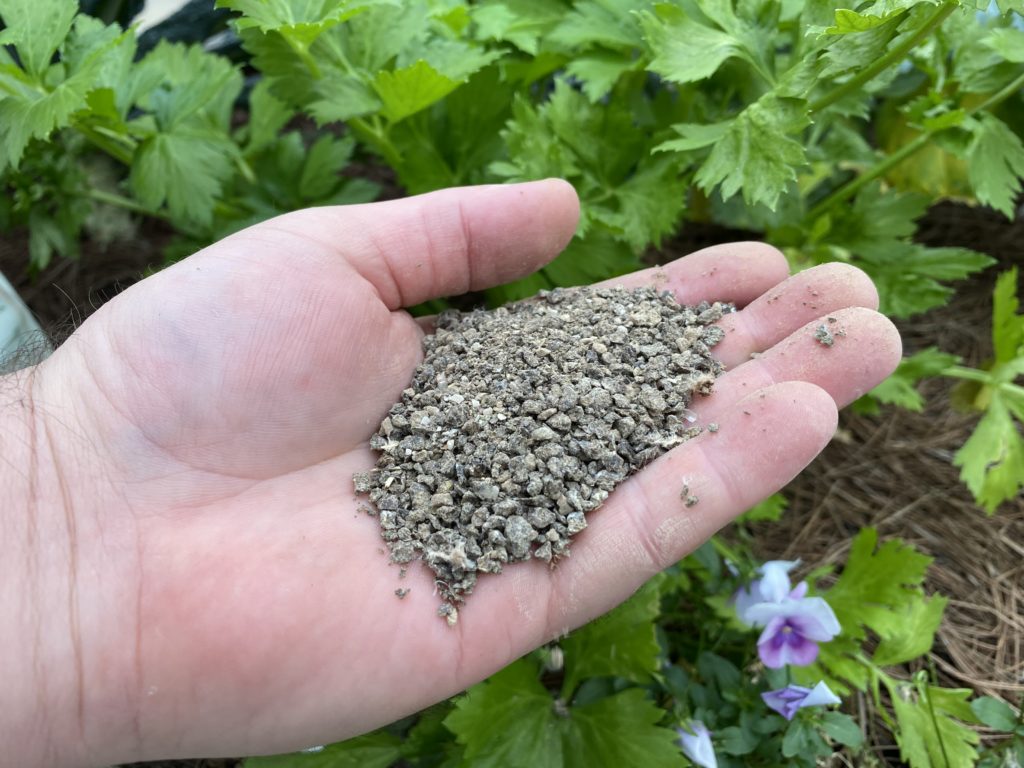
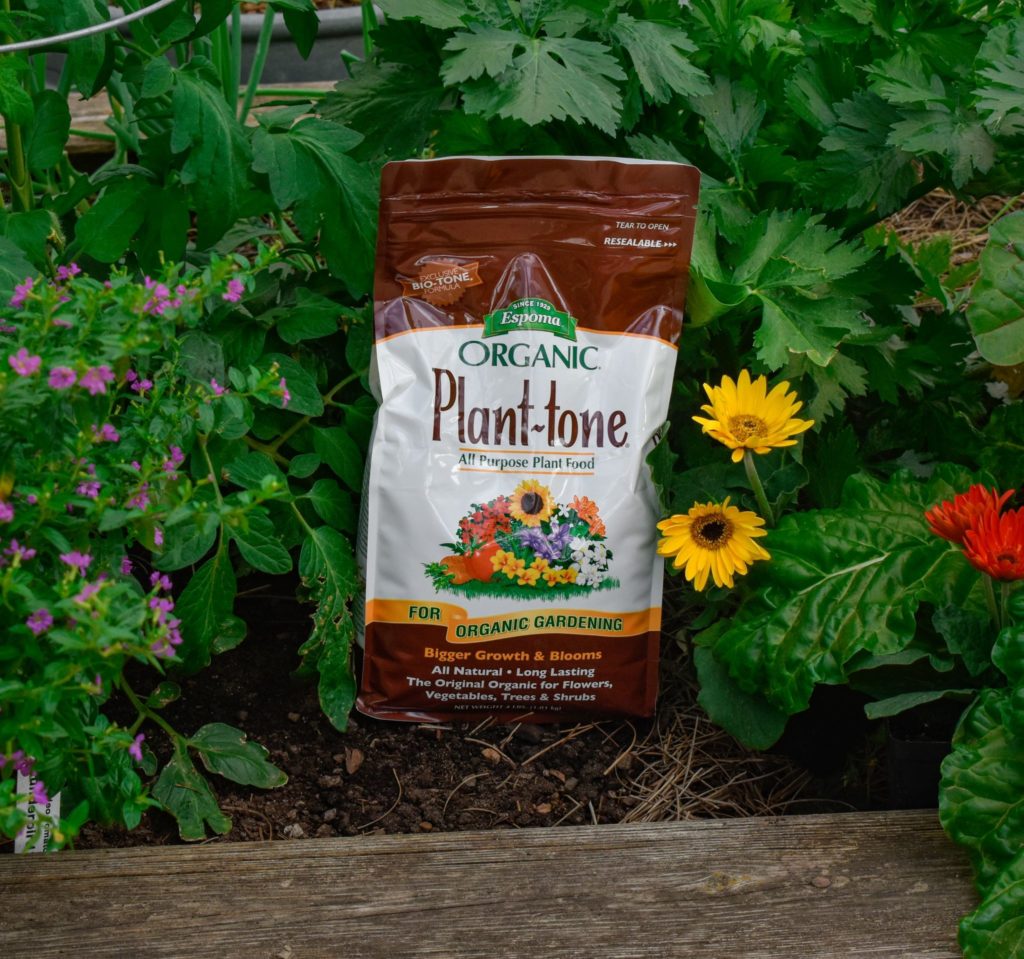
Regular fertilizing is essential for a good harvest. Veggies are heavy feeders. Our tried-and-true method is to feed with a good organic granular (like Plant Tone) once a month, then follow up with Liquid Hasta Gro in between. Set your calendar for the 1st (granular) and the 15th of the month (liquid) to make this easy.
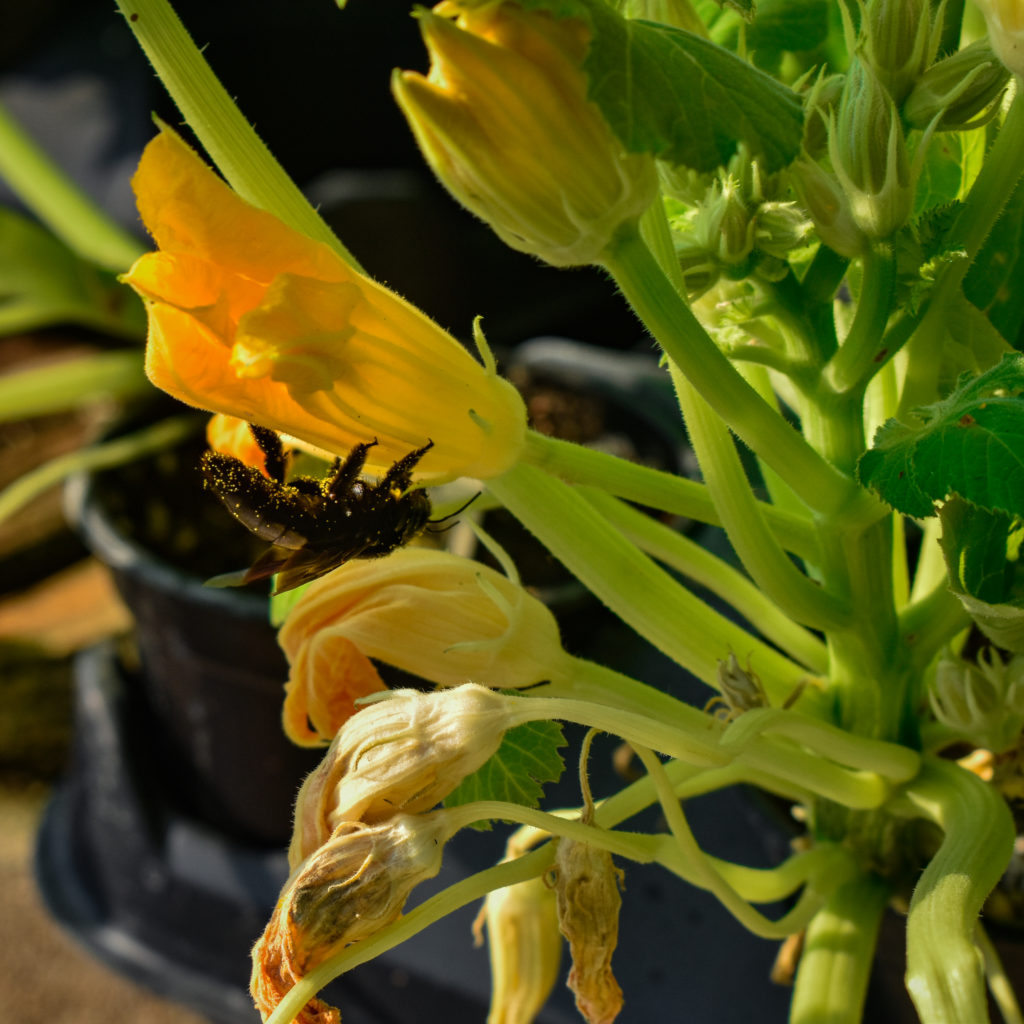
Recruit Some Help from Pollinators
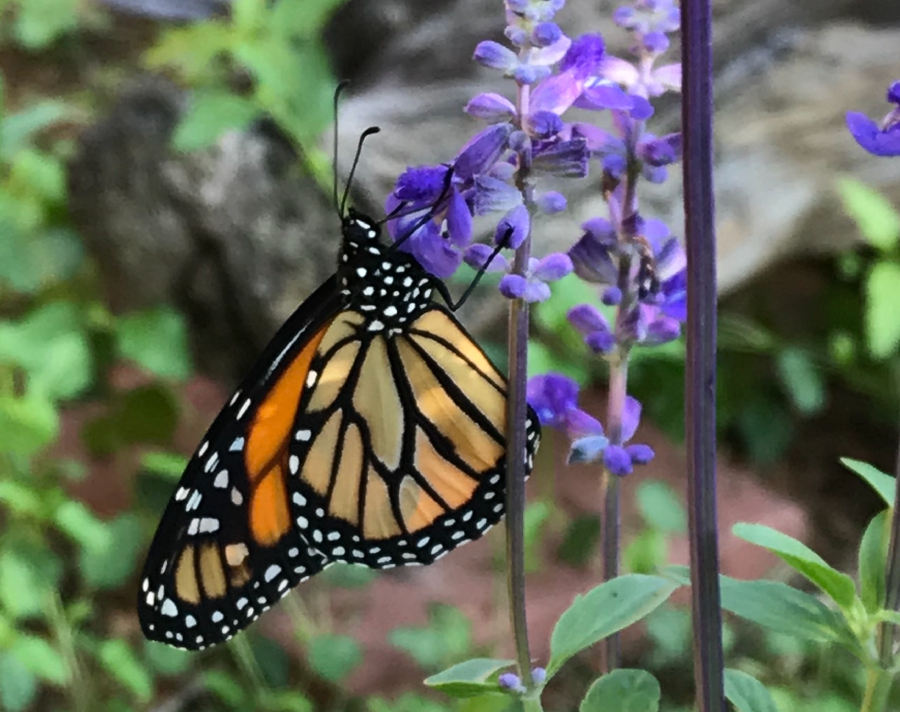
It’s a great idea to plant flowers like Marigolds or Nasturtiums and blooming herbs like Thai Basil in and around your veggie garden to attract bees. In order to produce, veggies need to be pollinated! You could get involved and use a Q-tip or small paintbrush to move pollen from male to female flowers, or just let the bees do their thing.
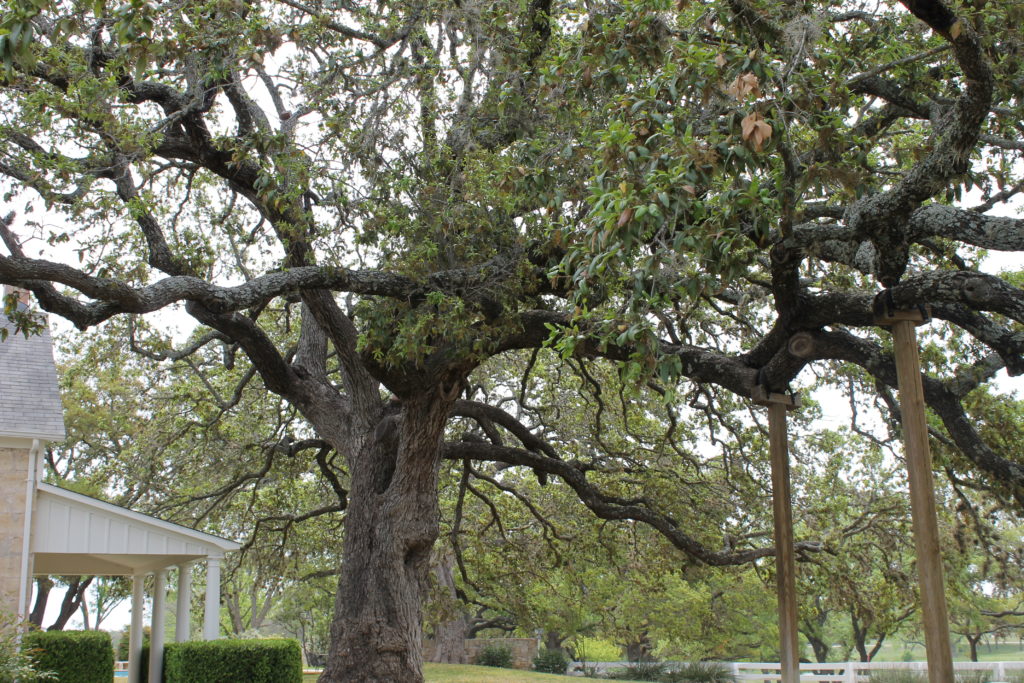
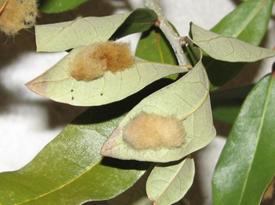 All from a shiny reddish ball. Or a fuzzy white ball. Or a corky brown ball. I’m talking oak galls, which commonly strike terror into the hearts of live oak tree owners this time of year. They are all caused by various species of small, stingless, solitary wasps. These wasps insert an egg (or several) into the tissue of small oak branches or young leaves, and are thought to modify the DNA of the plant, forcing the plant to produce a growth (the gall) that supplies both housing and food to the wasp larvae living inside. The saliva of the wasp applied at the time of the egg laying is thought to contain a virus that produces the genetic changes, so wasp larvae have been eating GMO’s for millions of years.
 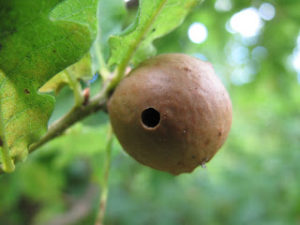 So wasps are defacing and eating your oak tree this fall, what you gonna do about it? As one writer says, “I recommend a cold drink, a good book and a comfortable chair.” ‘Cuz there’s nothing you can do or should do about it. Oak galls come in periodic waves, a few one year, more the next, and none the year after. Or close thereabouts. This is thought to be due variously to the tree buildup up of tannins to discourage the gall formers, and to a buildup of parasitic wasps (also stingless) that drill into the galls and lay their eggs on the gall inhabitant. Wild Mother Nature, there are even wasps that lay their eggs on wasp larvae that are consuming the original gall wasp larvae (did I put one too many eaters of larvae in there, I must proofread). The galls do not do substantial damage to your trees, and there’s really no way to get involved in the crazy gladiator’s pit of nature without screwing things up, SO DON’T SPRAY, just sit back in awe (or take a nap). And empty oak galls actually take in desirable boarders such as lacewing larvae and small spiders, scavenger ants and more beneficial wasps, all feeding on caterpillars and aphids.
 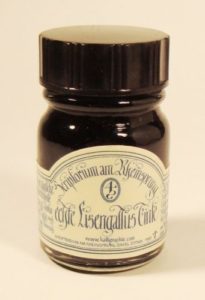 Oak galls were an important source of dark and permanent ink used for writing