Garden Center Hours: Mon-Sat 9am - 5:30pm • Sun 10am - 5:30pm

We’ve passed the halfway point for 2026…that was fast! We hope you’re having lots of fun this summer – holidays, BBQs, weekend trips, and garden projects! Here are our top must-do’s to keep your plants healthy and happy in July, including tips for planting, watering, and summer pests to watch out for. 

1. Yes, You Can Plant in the Summer!

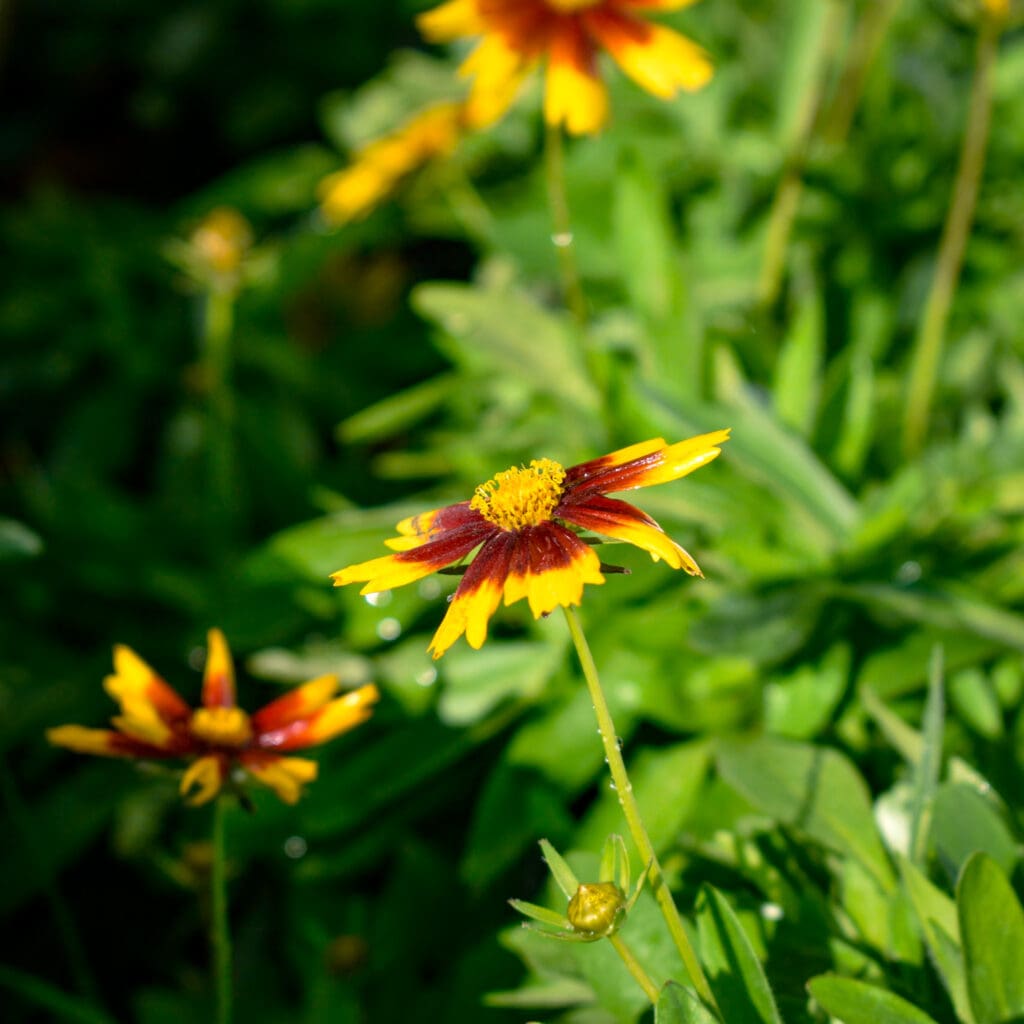
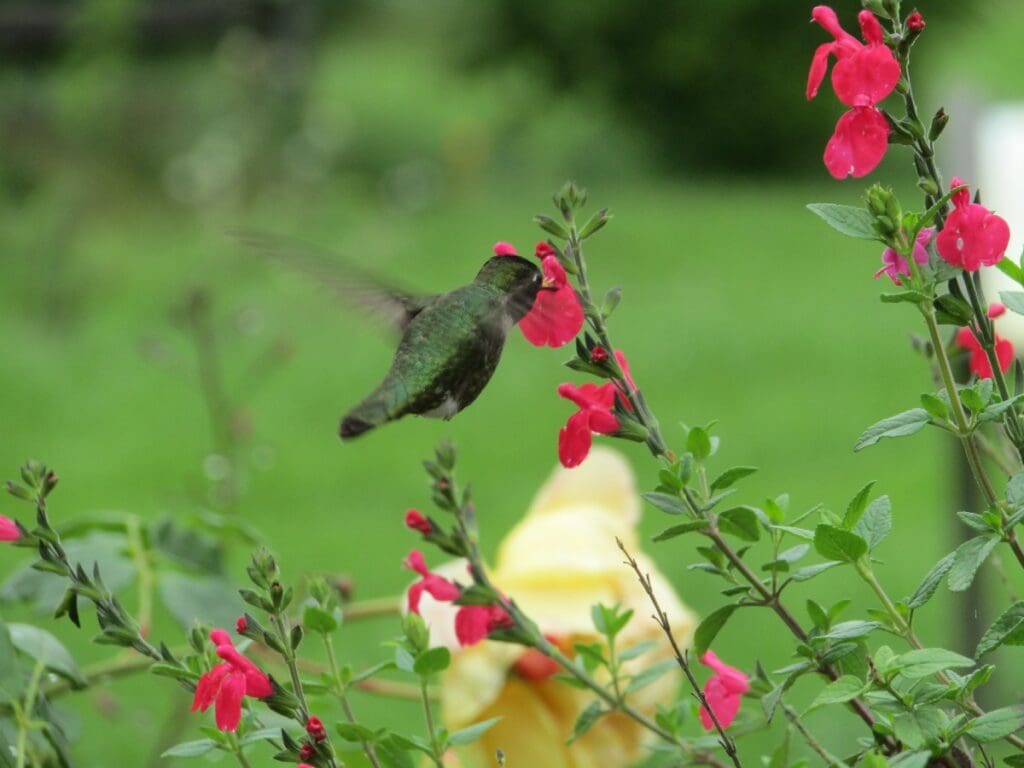
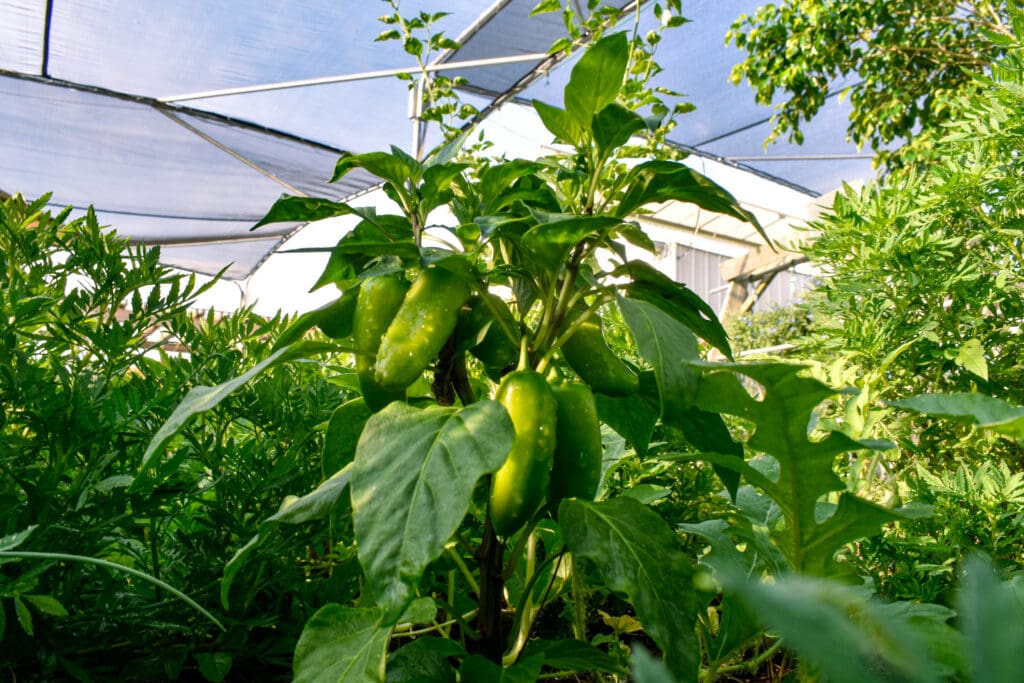
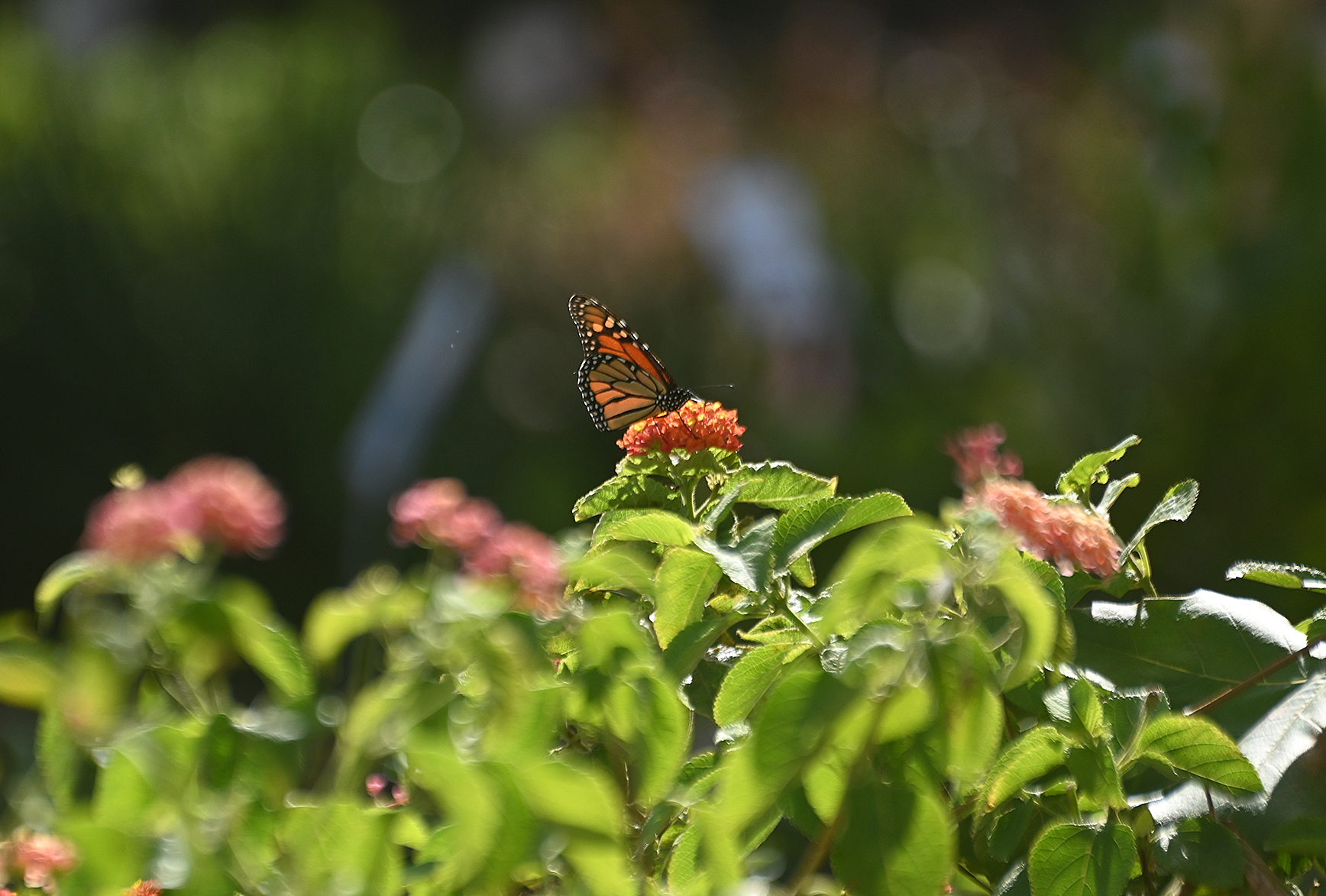
Myth:  I’ve heard that you can’t plant in the summer because its too hot… FACT:  Of course you can!! You can plant just about anything in our summers, including trees, as long as you have a good plan for watering. In fact, summer is a great time to plant crape myrtles because they’re blooming and you get to choose the color IRL! While we’re past the season for spring veggies like tomatoes, there are still plenty of summer veggies like okra, peppers, eggplant, and melons to plant now. If you want your own fresh pumpkins for Halloween, start ’em in July. Plus, now’s a great time to set table for the fall hummingbird migration with their fav blooming perennials like Firebush, Firecracker plant (pictured), native flame Acanthus, and Dicliptera aka Hummingbird Bush. Don’t let any myths discourage your summer gardening! 

2. Watering:  Think Depth, Not Frequency

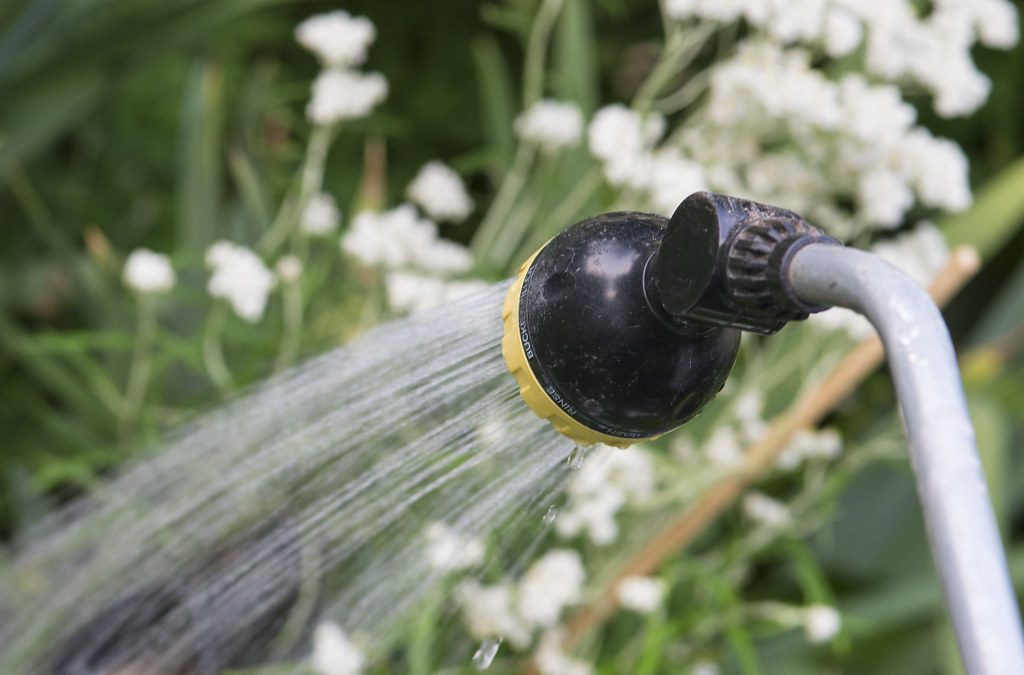
Proper hydration happens when you get water down to the roots of the plant. This means watering deeply, not more frequently. Plants need long, slow, deep drinks! Encourage those roots to dive deeper for water. Even with recent summer rains (yay!!), continue to watch your watering and maintain that depth moisture. If you notice this summer that you’re having to water your potted plants a lot more often, it could be time to re-pot. As the pot fills up with roots, you end up with less soil and therefore less moisture retention. 

3. Mulch to Keep Roots Cool
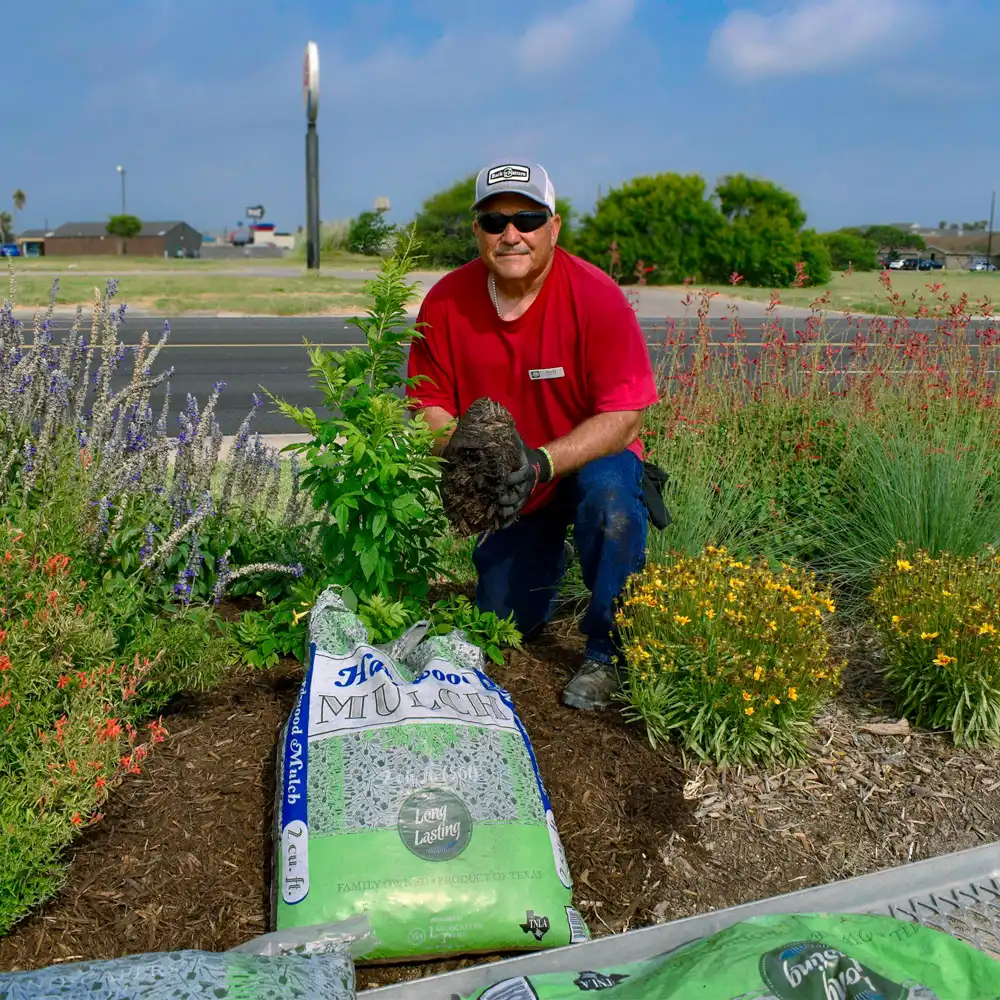
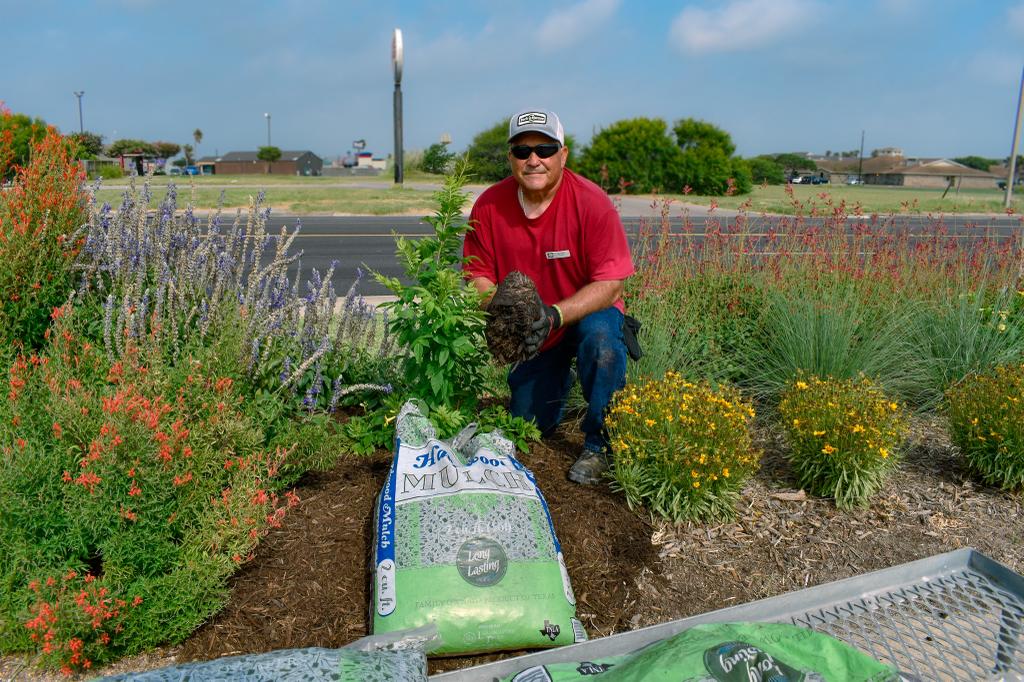
Another way to save water is to keep landscape beds and gardens mulched through the summer. Studies show that a good 3″ layer of mulch will keep your plant roots more than 20 degrees cooler! Not only that, a good mulch layer also helps retain moisture AND keeps weeds at bay. Healthy plants, less watering, and fewer weeds – that’s a win/win/win! It’s important to use natural wood or pine straw mulch that breaks down over time, NOT the red dyed stuff! As natural mulch breaks down, it adds nutrients and makes your soil more workable. Keep in mind, mulch is also a great placeholder. If you have areas that you plan to plant later, keep them mulched to keep weeds out and keep your soil healthy and ready to plant when you are.  
4. Watch for More Bugs in Summer
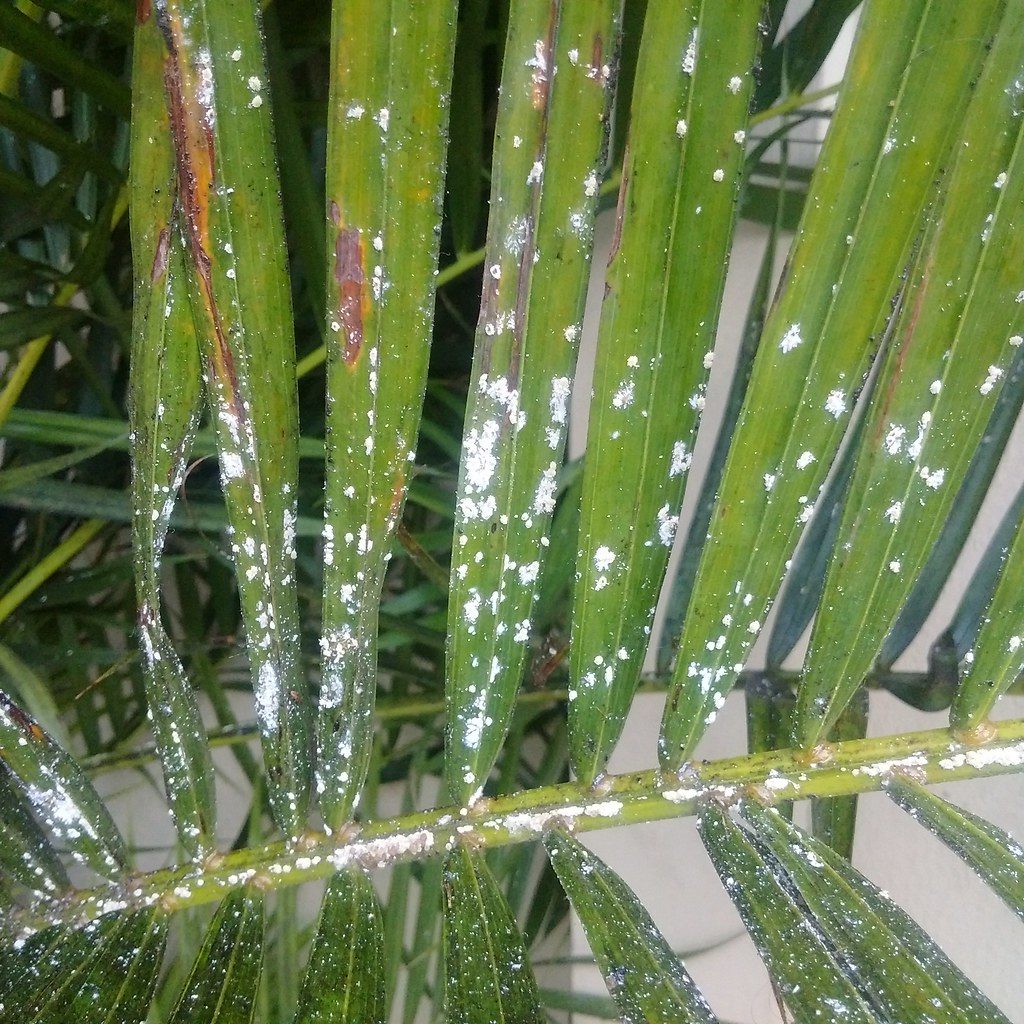
This is what a mealybug infestation looks like!
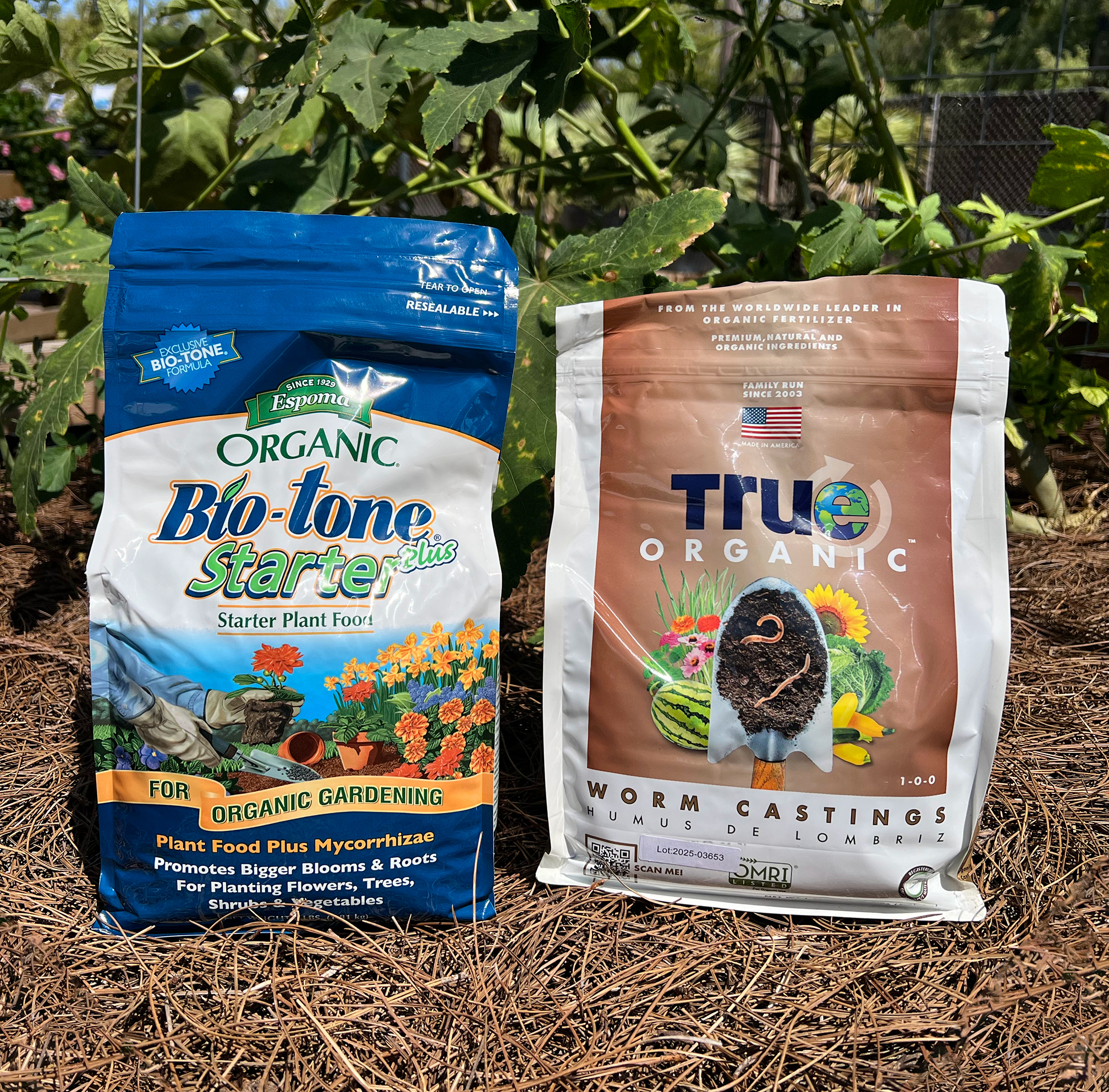
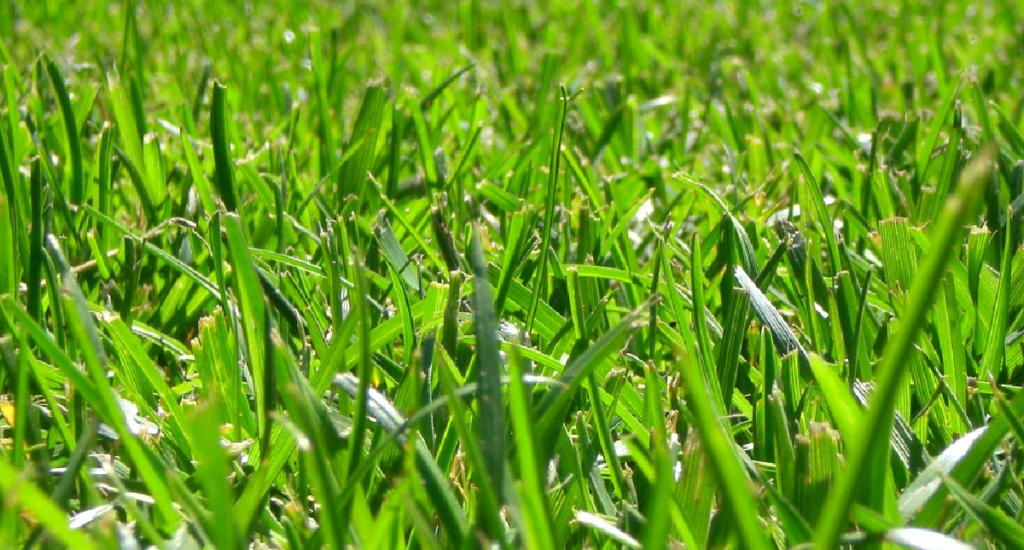
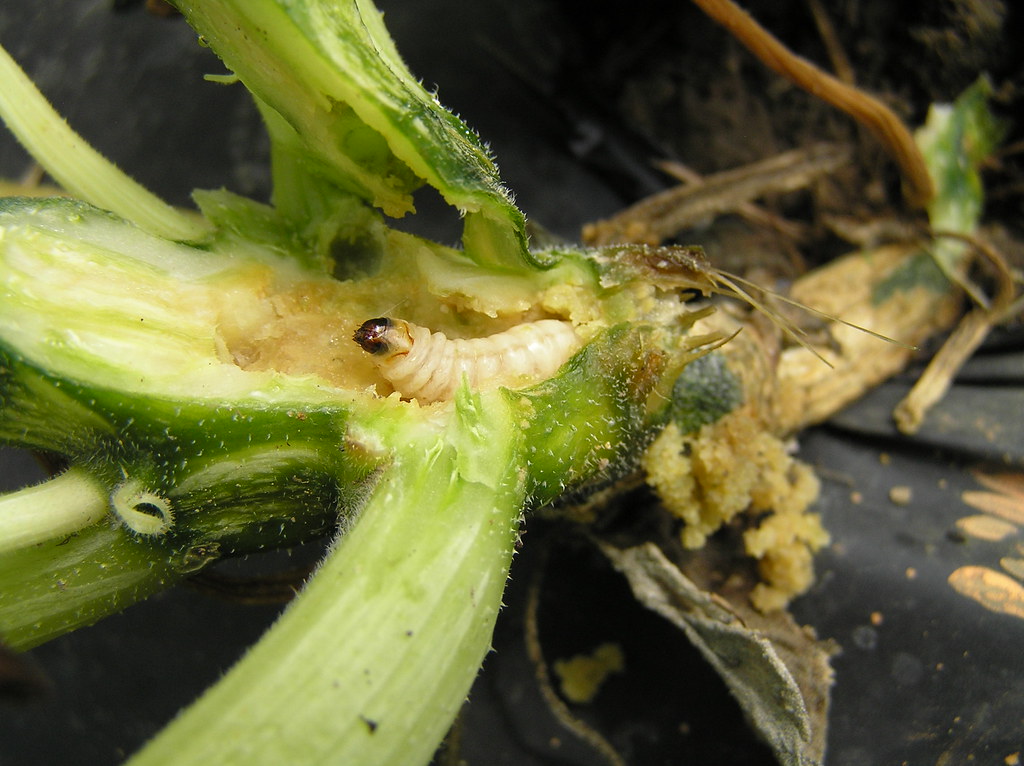
Not all bugs are bad, so it’s important to know your bugs before you spray anything, even organics. A few bugs here and there is most likely not cause for alarm. If you do get an infestation, cut the plant back first, give it some fertilizer, then treat for bugs. By pruning first, you won’t have to treat every leaf on the whole plant. We see plants come back better than ever using this method. If you’re not sure about bugs or pruning, we’re here to help. During summer, watch out for mealybugs on plants like Hibiscus and Turk’s Cap, lacebugs on Lantana, and chinch bugs in the lawn – especially near sidewalks and driveways! We’ve got solutions for all of the above.

5. Yes, You Should Fertilize in the Summer!

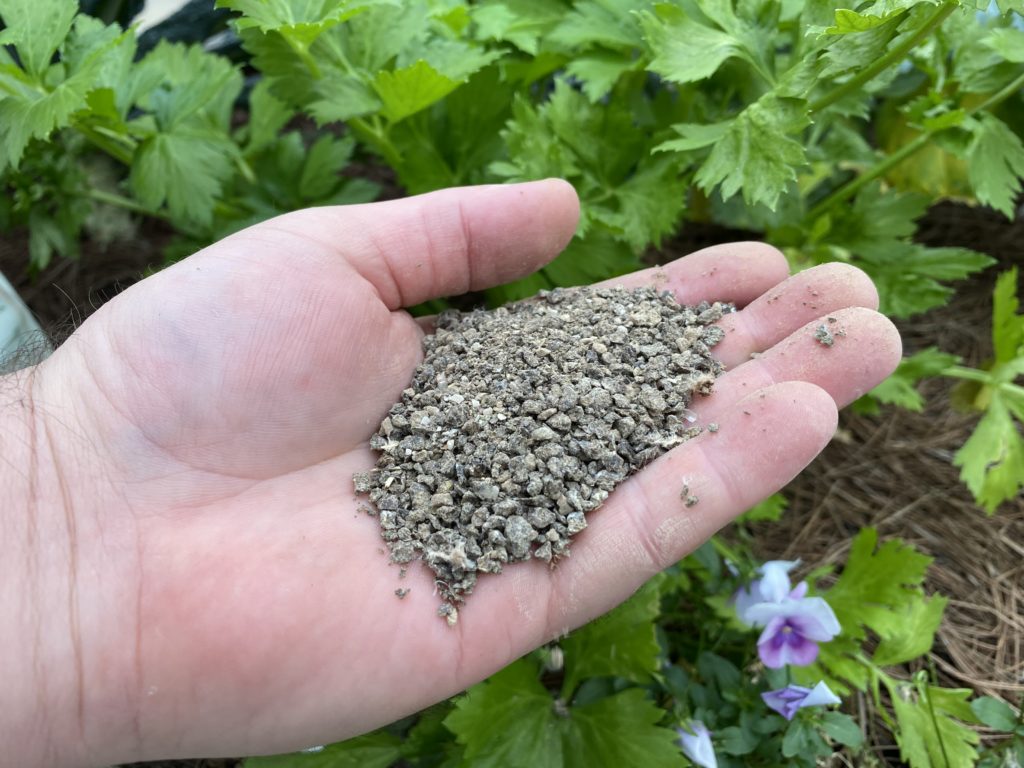
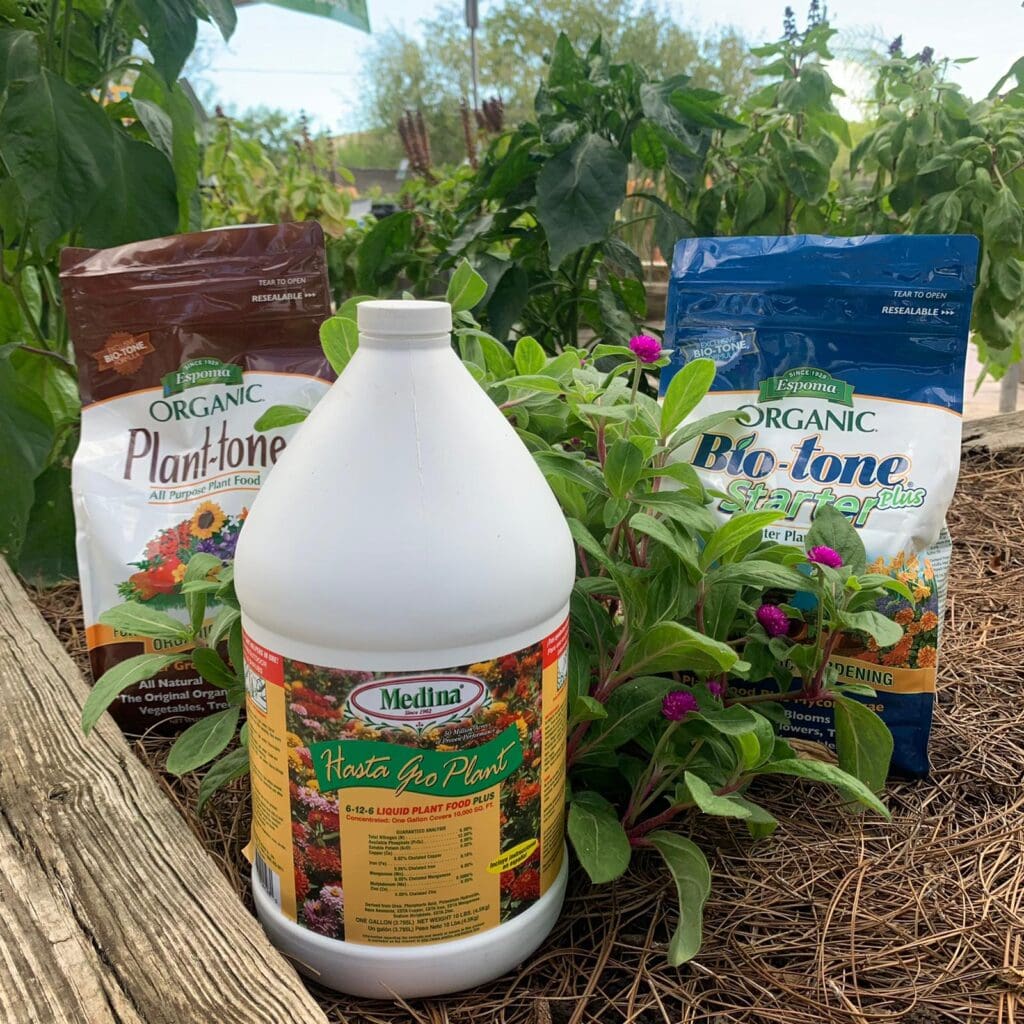
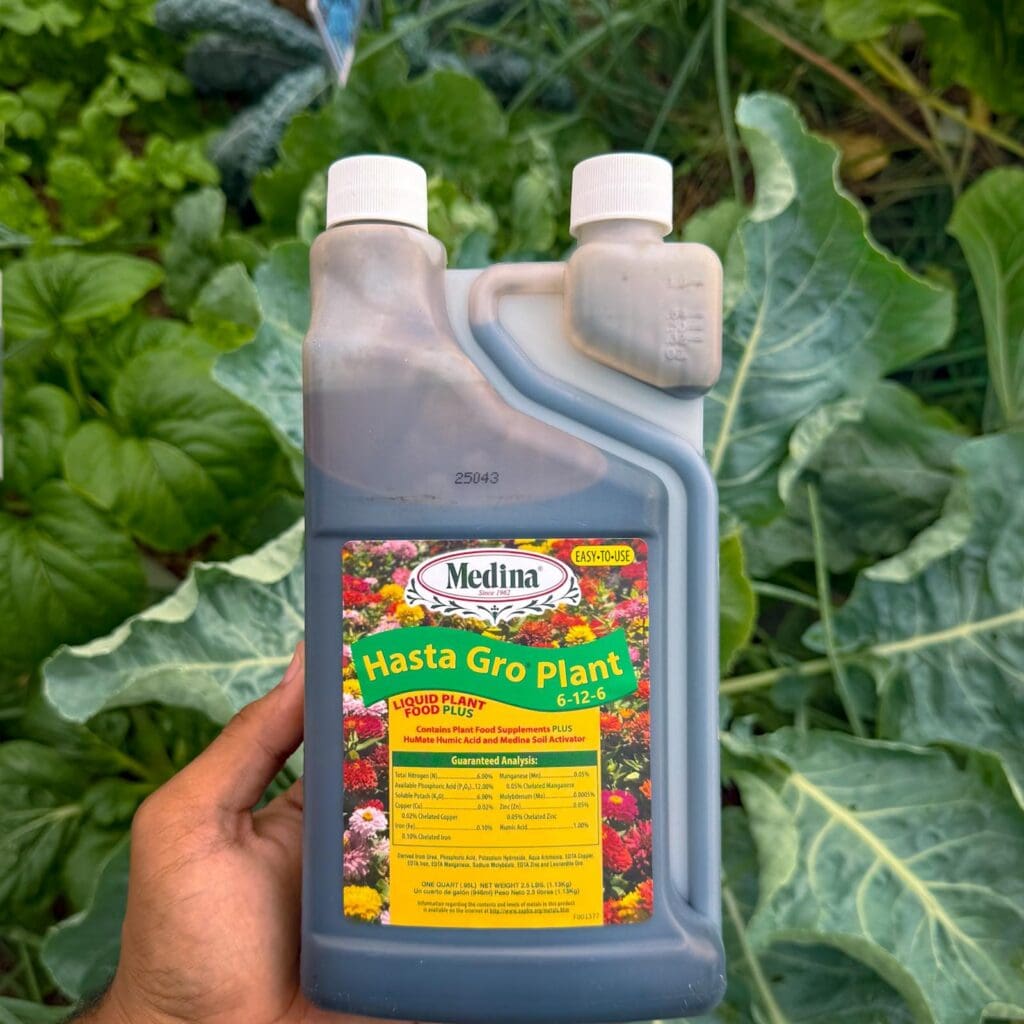
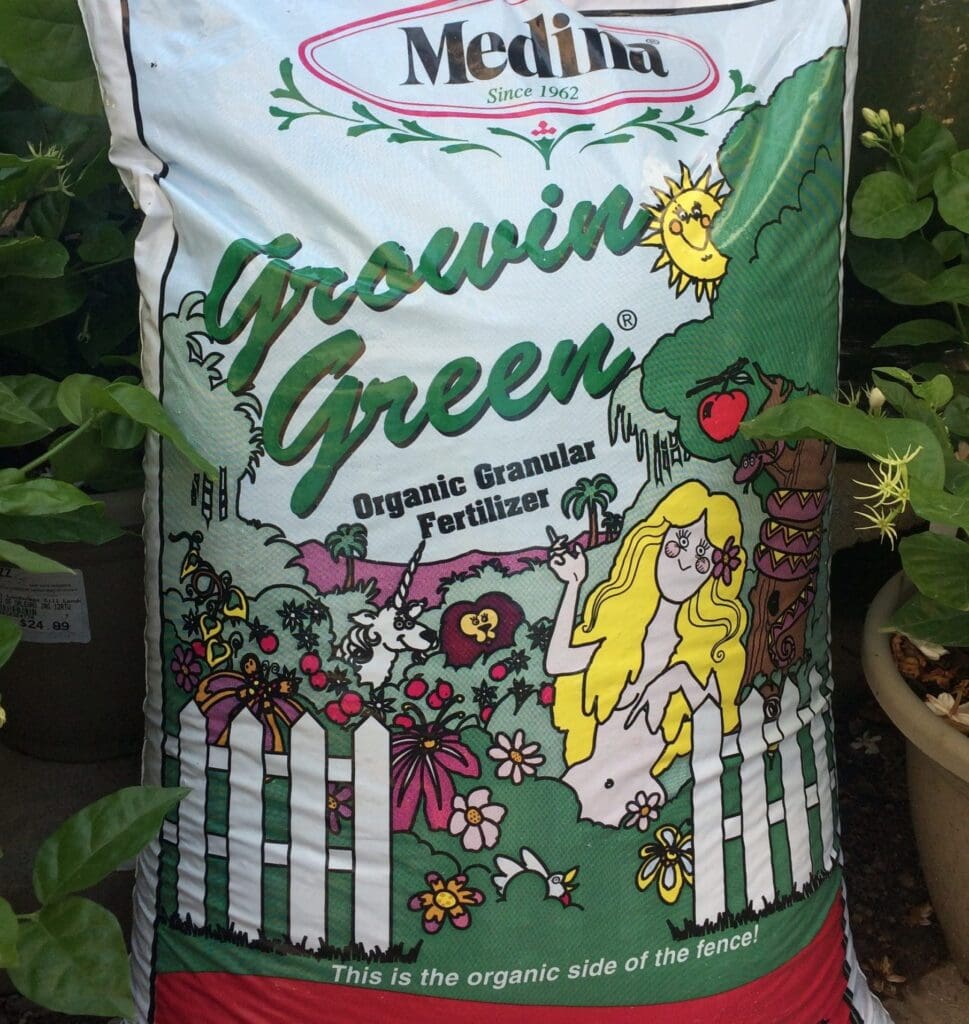
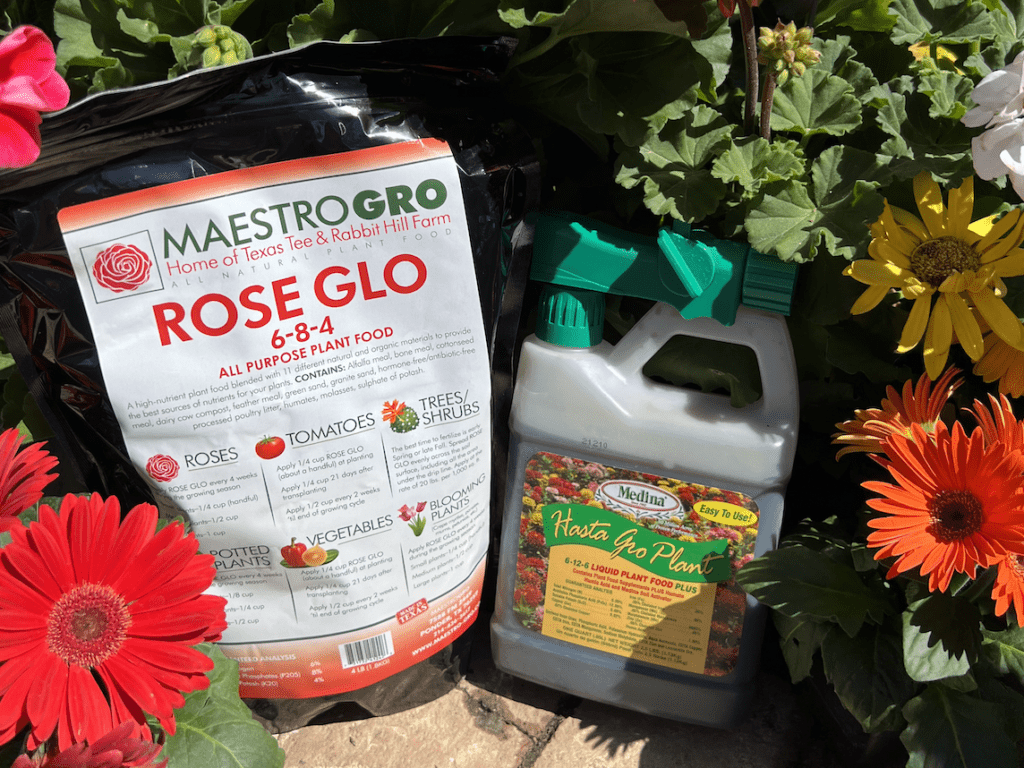
Continue to feed plants, especially heavy bloomers and veggies through the summer. Keep in mind that strong, healthy plants are less susceptible to pests and disease. Speaking of strong, try a good liquid foliar food like Medina Hasta Gro about every other week in addition to your granular feedings about once a month. The foliar food sprayed directly on the leaves really makes those leaves stronger and more robust. Lots of gardeners like to use liquid seaweed in the summer for a similar purpose, to help fortify and summer-proof your plants. What about lawns? If you haven’t fed your lawn yet, you can still do that too. If you have, you don’t need to feed it again until the fall. 


march-garden-guide

What To Plant

Most annuals and perennials can now be purchased as transplants this month. Here is a list of some of our favorites: (L-R) caladiums (plants and bulbs), larkspur, petunias, salvia, gerbera daisy, alyssum, false heather, celosia, lantana, coleus.

Read: Fuel For Your Hungry Hummers


Vegetable Seeds

Beans, okra, radish, pumpkins, and watermelons, squash, cantaloupe, basil, corn

Vegetable Transplants

Tomatoes, peppers, cucumbers, squash, eggplant, and strawberries
Garden Guide: Vegetable Planting Dates

Hardy Trees, Shrubs, Vines, Grasses

All hardy and tropical trees, shrubs, vines and grasses. I can’t think of one that can’t be planted now!

Bulbs & Caladiums

Late spring and summer bulbs such as caladiums, and elephant ears


Houseplants

March is a great time to clean, trim, and feed your houseplants. As the sun becomes stronger, plants may require more waterings. Check more often. Consider repotting in Spring. Over Winter, houseplant roots can outgrow their existing pots.

Fertilize

AZALEAS, GARDENIAS, MAGNOLIAS

Fertilize organically with Maestro Gro-Rose Glo or Espoma Azalea Tone.

HIBISCUS & TROPICAL BLOOMERS

Fertilize all hibiscus and tropical bloomers organically with Maestro Gro-Rose Glo, or conventionally with Hibiscus Food.

ALL TREES & SHRUBS

Fertilize organically with Milorganite, Medina Growin Green, Plant Tone, or Hasta Gro. 

ANNUALS & PERENNIALS

Fertilize organically with Medina Growing Green, Hasta Gro, Maestro Rose Glo, or Plant Tone, or conventionally with Osmocote Time Release Granules.

ESTABLISHED ROSES

Fertilize organically with Maestro Rose Glo or Plant Tone.

ESTABLISHED CITRUS TREES

Fertilize organically with Citrus Tone.
Read: Fertilize Your Citrus Now

All granular fertilizer should be watered in well.

Prune

  • All dead and freeze damaged wood from hardy and tropical trees, shrubs, vines and perennials
  • Wait to prune early spring bloomers like Azaleas, Carolina Jessamine, climbing roses, Texas Mountain Laurels, and Indian Hawthorn until after they finish their bloom.

Water

  • During current drought restrictions, you CAN hand water everything except for your turfgrass lawn. You CAN use drip irrigation on your watering day every other week. And you CAN still apply for a temporary watering rules exemption to get new plantings established.
  • Keep in mind - outdoor potted plants dry out quickly, as do hanging baskets and small annuals.
  • Mulch all plants and trees to help hold moisture. Don't mulch right up to the trunks/main stems of plants - give them a little breathing room. And never create a "mulch volcano" against tree trunks!
  • Catch rainwater and A/C condensate to help conserve water - plants love both!

Garden Guide: Good Water Practice for Established Trees, Shrubs, and Lawns

What to Watch Out For

Protect your Lawn from Oak Leaves

Live oaks are following their natural pattern of dropping old leaves before the new leaves come on. Now it’s time to get those oak leaves off your lawn before it suffocates the grass. Under large oaks, since the grass is often thin and stressed anyway because of shade, using a blower is less stressful on the weak turf than a rake.

Control Aphids, Pillbugs, & Caterpillars in Your Veggie Garden

Keep organic Spinosad soap handy for Aphids and Pillbugs, or release some ladybugs. Caterpillars can be controlled organically using Bt (Thuricide spray or Dipel dust). Inspect your veggies every day and you'll catch most pests before they become a problem. 


Lawn Care

Rethink Lawn Spaces

Given our drought situation/lawn watering restrictions, many of us are deciding to reduce lawn space. Traditional turfgrass lawns require lots of water and they don't provide much, if any, benefit to pollinators. Plus, much of our lawn space sits unused. Does every square foot need to be turfgrass, or could you create new beds for blooming perennials? Could you convert areas to native groundcovers like Frogfruit? Could you add some nice pathways or seating areas with a nice firepit? So many options!

Weed Control

Given our drought situation/lawn watering restrictions, decide whether you really want to control weeds. Weeds are green and they don't need much water! Plus they'll help keep the ground cooler. Many of us are choosing to mow the weeds down to keep them from reseeding rather than spraying or removing them. 

If you do need to spray/control, spot treat existing weeds growing now with natural horticultural vinegar or Captain Jack's Deadweed Brew. Both will burn any foliage so take care to not spray your plants or lawn. 

If you want to prevent weeds, apply Hi Yield Grass and Weed Stopper or Weed Beater Complete to help control existing weeds and prevent new ones.

If you want to kill existing weeds, apply Weed-B-Gon for Southern Lawns or Image once our weather warms up to 70-80 degrees with no rain for about 5 days. They are safe for Floratam & Raleigh St. Augustine and Bermuda. Give them 2 weeks to fully work and then it should be time to fertilize the lawn. This is why we don't recommend or sell "weed & feed" type products. Take care of weeds first, then fertilize. 

Fertilize

Fertilize when the grass is actively growing. You can't be too late, you can only be too early in spring. Apply organic Medina Growin Green or Milorganite and water in well (approximately 30 minutes per area). Normally, we wouldn't recommend trying to time your fertilizing with rainfall, since heavy rains can wash away the fertilizer. However, given current watering restrictions, try to take advantage of a light/moderate rain. Lay new sod anytime, bermuda seed anytime this month.

Read: Treat For Take-All Patch in Lawns

Watch: How to Collect a Grass Sample

august-garden-guide

Prepare Your Garden Spaces for Fall Planting

  1. Clean areas of unwanted weeds and debris.
  2. Break up the soil and add organic matter like Cotton Burr Compost, and turn or till it in.
  3. Mix in dried molasses and organic fertilizer like Medina Growin’ Green.
  4. Water, mulch, and let it rest until you are ready to plant.
  5. Keep it watered to encourage beneficial microbes in the soil.

Read: Organic Gardening

Read: Comfort for Summer: Shade Cloth

Read: Fall’s Around the Corner – it’s Garden Time!


What To Plant

Late Summer Vegetable Transplants

Plant tomato, eggplant, and pepper transplants after August 10th. Be sure to keep watered well and evenly shaded from the hot afternoon sun.

Read: Homegrown Tastes Best
Garden Guide: Fall Tomatoes

Fall Vegetable Seeds

Seeds of beans, cabbage, peas, winter squash, and turnips. Start in pots and then transplant to garden. Protect from intense heat and sun.


Pumpkin Seeds

If you want pumpkins by Halloween, plant your seeds by August 10th.


Bluebonnet Seeds

Sow bluebonnet seeds now for spring bloom.


Tropicals

All tropicals including allamandas, mandevillas, palms, pentas, blue daze, hamelia, hibiscus, esperanza, and plumbago will continue growing and blooming.


Summer Annuals

Annuals such as zinnias, moss rose, gomphrena, purslane, periwinkles, caladium and coleus will continue to flourish.


“House” Plants

Don’t forget that “house plants” are generally tropical in nature and love a nice shady or semi shady patio to put on the best show. Ficus, schefflera, corn plants, dracaenas, ivies, ponytail palms, and bromeliads all like heat and humidity.

Read: Plants, the Perfect Rx for Clean Air


All container grown trees, shrubs, and vines.

Garden Guide: Planting Trees, Shrubs, and Groundcovers
Read: Crape Myrtle Season

Prune

  • Continue removing faded flowers from annuals and perennials to encourage new blooms.
  • Faded blooms and seed pods from crape myrtle to promote additional blooming
  • Dead wood from trees and shrubs
  • Trim plants as needed to maintain size and shape.
  • Palms as needed
  • Poinsettias early in month – last pruning for December color

Water

  • Check all newly planted material for water every day.
  • Check pots, containers and hanging baskets often, as they dry out quickly and need more water.
  • Apply mulch as needed to help conserve moisture.
  • Make arrangements for someone to water if leaving for more than 2 days, especially with new plants.
  • Follow City Water Restriction Guidelines.

Fertilize

All trees and shrubs

Fertilize organically with MilorganiteMedina Growin Green, or Plant Tone. 


Annuals and perennials

Fertilize organically with Medina Growin Green, or Hasta Gro, or conventionally with Osmocote Time Release Granules.

All hibiscus and tropical bloomers

Fertilize organically with Maestro Gro-Rose Glo, or conventionally with Hibiscus Food.


All granular fertilizer should be watered in well

Lawn Care

  • Organic fertilizers such as Milorganite, and Medina Growin Green are excellent fertilizers that feed plants and soil and are the best choice during hot, dry periods.
  • Lay new sod anytime, and Bermuda seed anytime this month.
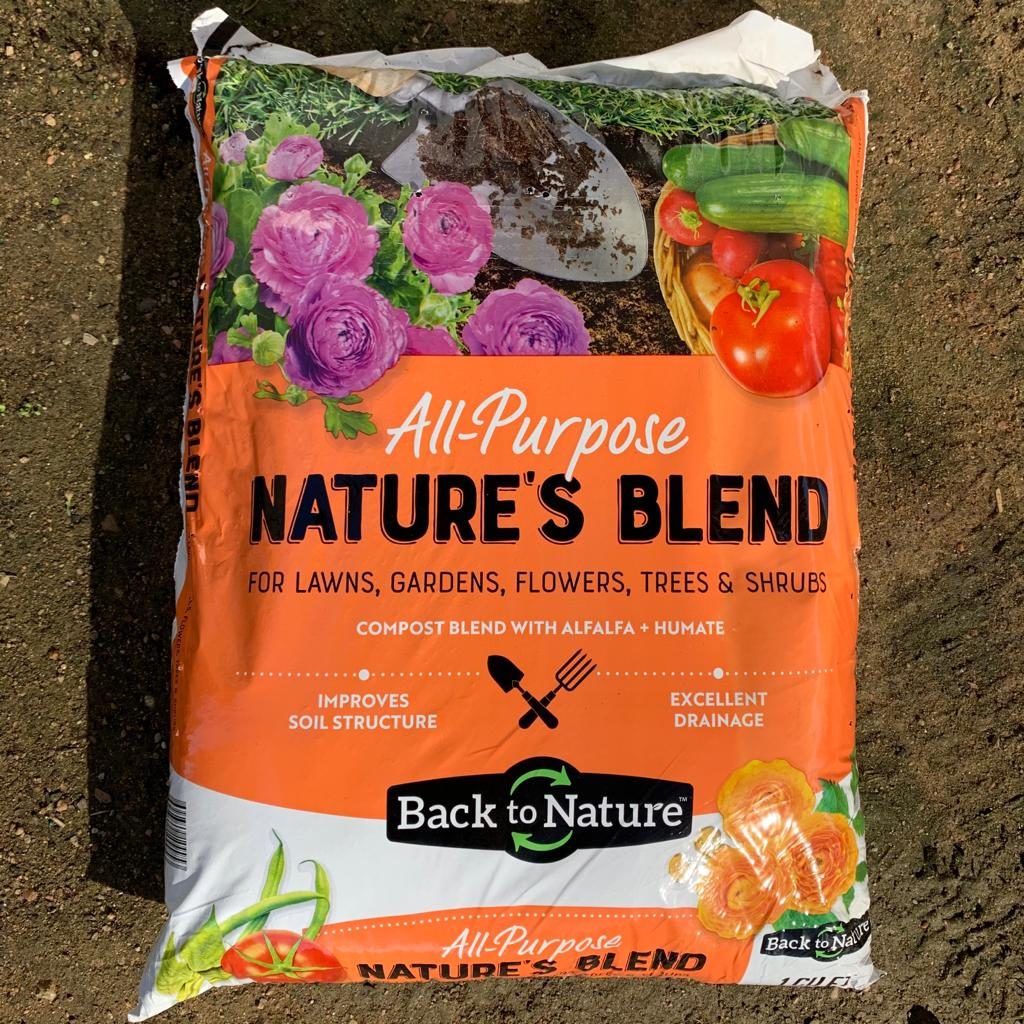
  • Apply organic Nature’s Blend to yellow spots in lawn. Not too much - just a thin 1/8"-1/4" layer. 
  • Mow as required. Keep St. Augustine cut to about 3”, Bermuda at 1” – 2”.
  • Watch for Chinch Bugs and Grub Worms.

Read: Use the Cycle Soak Method
Garden Guide: Lawn Care

Watch Out For

Mealy bugs

Treat organically with Neem Oil, Spinosad Soap, or Bee Safe 3-in-1 or conventionally with Cyonara or Bonide Systemic.

Read: Mealy Bugs are Here!

Chinch bugs in lawns

Treat organically with Spinosad or Diatomaceous Earth, or conventionally with Cyonara.

Spider mites

Treat organically with Neem Oil, Spinosad Soap, or Bee Safe 3-in-1 or conventionally with Cyonara or Bonide Systemic.

Note: Spraying your plants with seaweed extract helps repel spider mites, and it’s good for your plants too!

Fleas and ticks

Treat lawns organically with Spinosad, or Diatomaceous Earth, or conventionally with Cyonara.

Borers in mesquites, ash, and yucca

Treat organically with Spinosad.

Fungus, Powdery Mildew

Treat organically with Neem Oil, or Bee Safe 3 in 1, or with Fertilome Broad Spectrum Fungicide, Fung-onil, or Systemic Fungicide.

Unwanted caterpillars – remember that many caterpillars turn into the butterflies that we love and enjoy!

If necessary, treat organically with Thuricide or Spinosad.

Read: Darn Those Summer Bugs!