Garden Center Hours: Mon-Sat 9am - 5:30pm • Sun 10am - 5:30pm
4. Watch for More Bugs in Summer
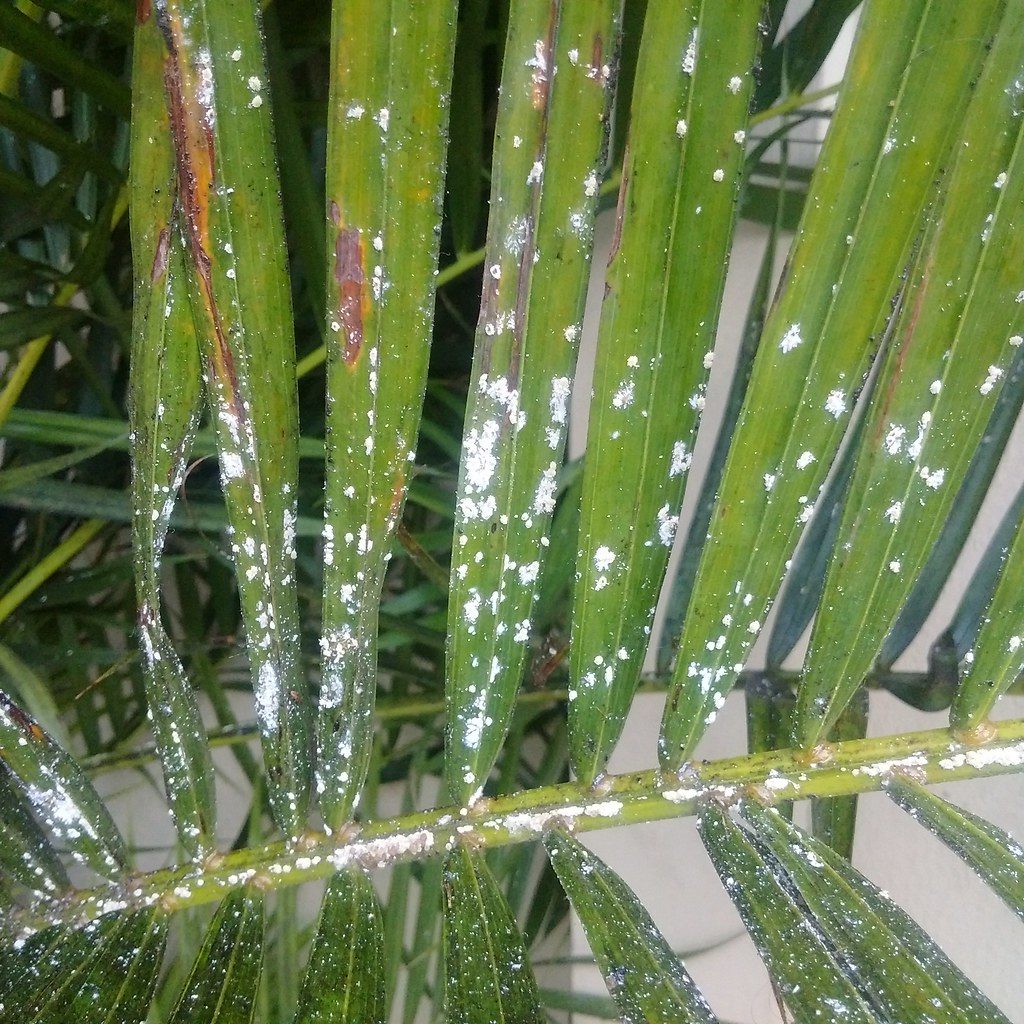
This is what a mealybug infestation looks like!
Not all bugs are bad, so it’s important to know your bugs before you spray anything, even organics. A few bugs here and there is most likely not cause for alarm. If you do get an infestation, cut the plant back first, give it some fertilizer, then treat for bugs. By pruning first, you won’t have to treat every leaf on the whole plant. We see plants come back better than ever using this method. If you’re not sure about bugs or pruning, we’re here to help.

5. Train Your Plant Sitter

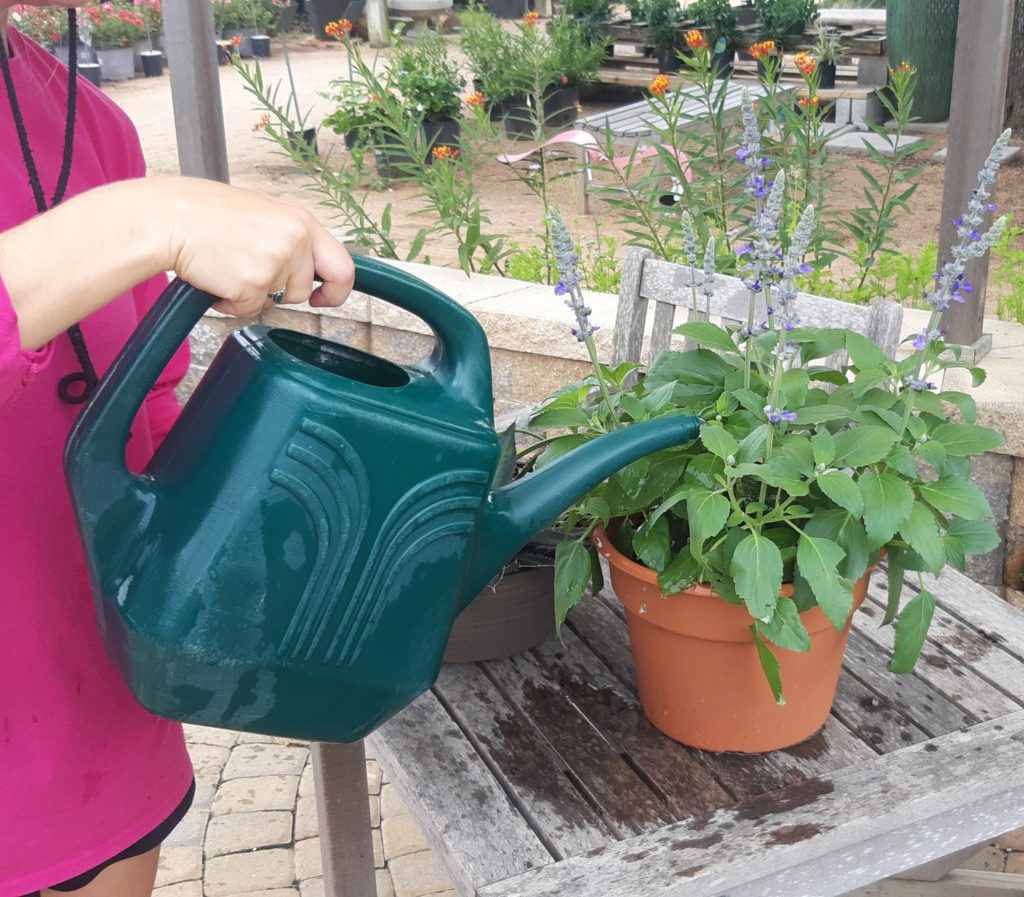
Be sure to have a trusted plant-sitter come water your plants while you’re away on summer excursions! It’s a good idea to spend a little time showing them how you water. Make them a list, draw them a map, and walk them through it. You know your plants and which ones get tired and thirsty the fastest.

6. Collect Cool New Houseplants

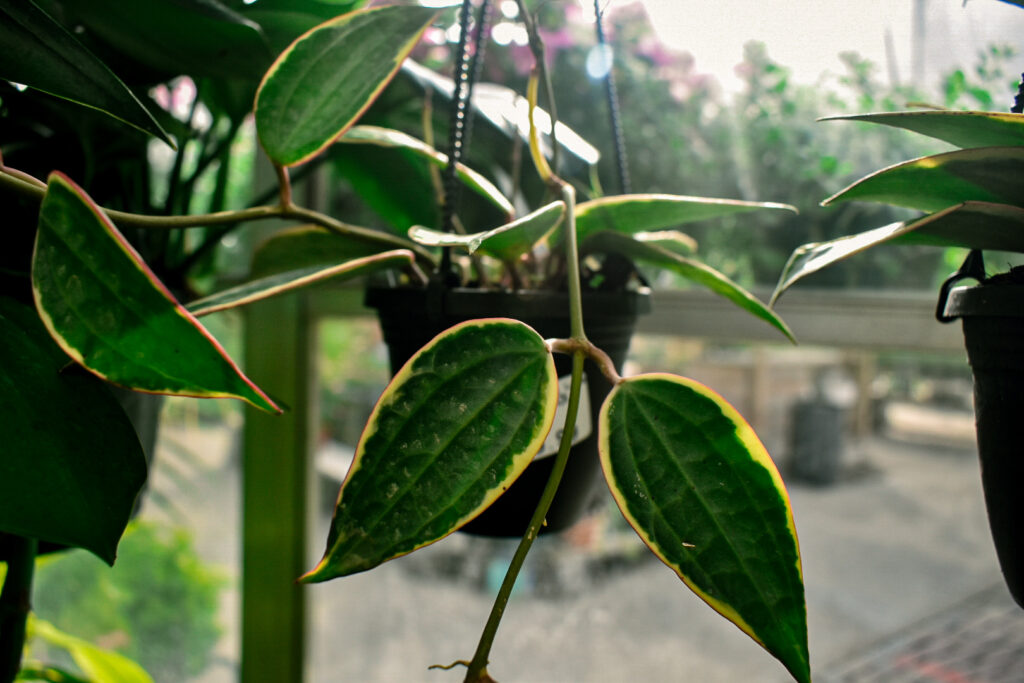
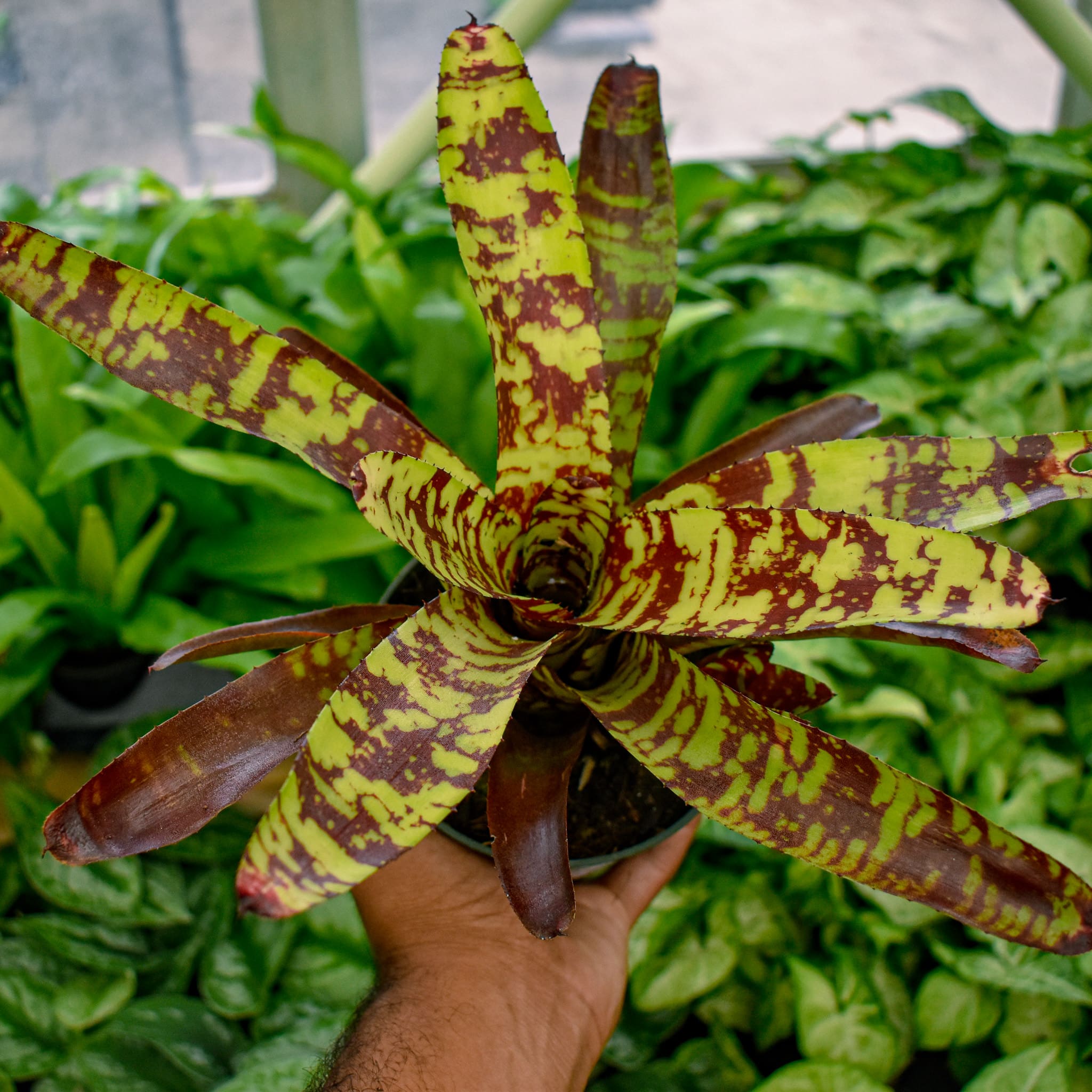
Now’s a great time of year to work on your houseplant jungle. The greenhouse is restocked with all kinds of interesting houseplant choices, including lots of new Bromeliad varieties! Keep in mind that constant A/C indoors will dry out plants. Keep an eye on watering (use a moisture meter) and don’t place houseplants near an A/C vent. You might also try experimenting with a humidifier near your plants to help regulate moisture. 


Fall planting season is here!! September is the best time to plant almost everything. And the recent rain is excellent news for getting started! Here are our top 7 must-do’s this month as we head into our favorite season in Corpus Christi and the Coastal Bend.

Check out our September Garden Guide for more tips!

1. Ready, Set, PLANT Veggies, Herbs, Citrus, and Fruits!

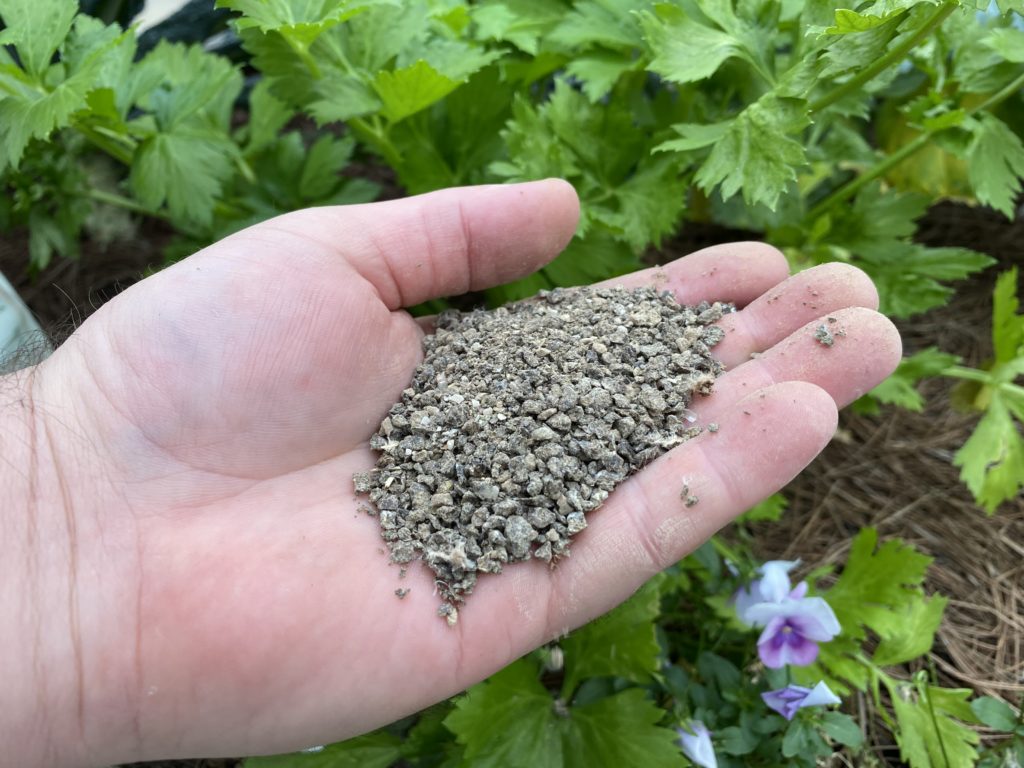
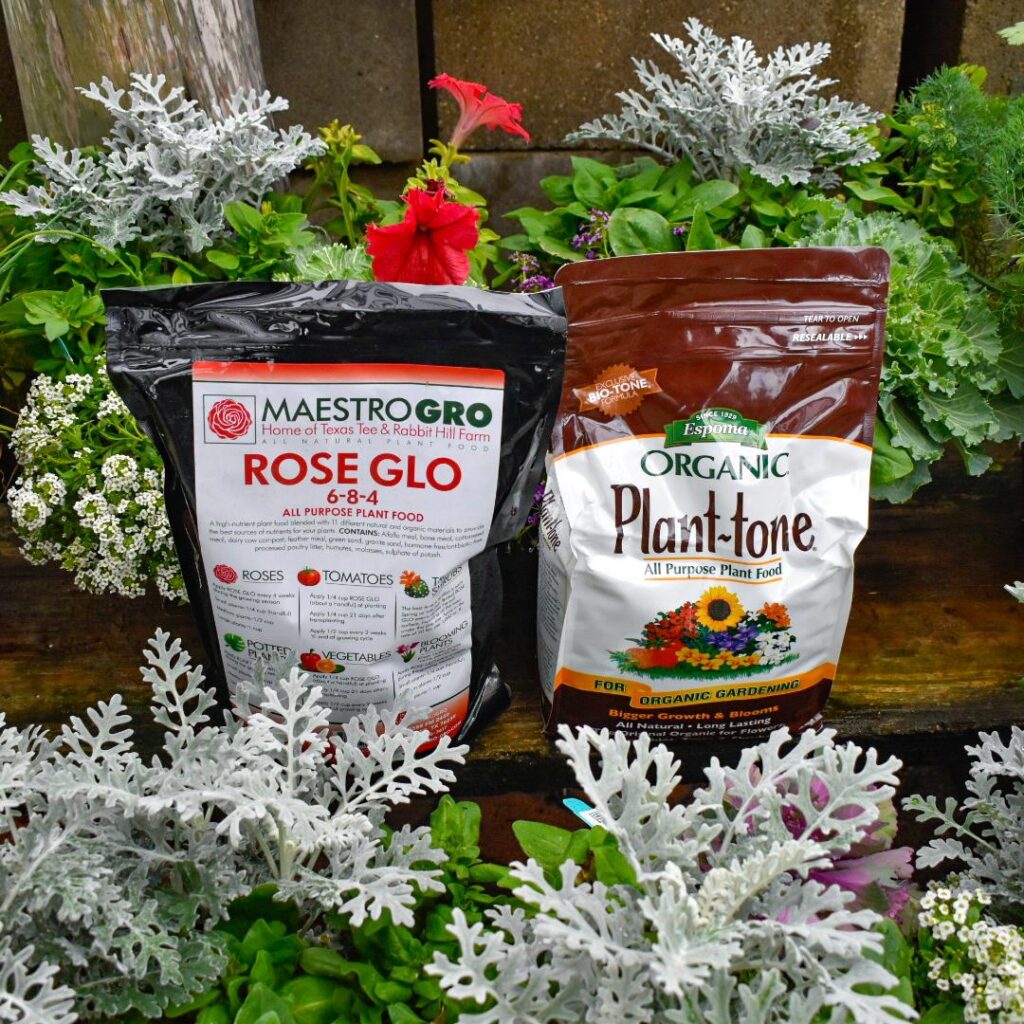
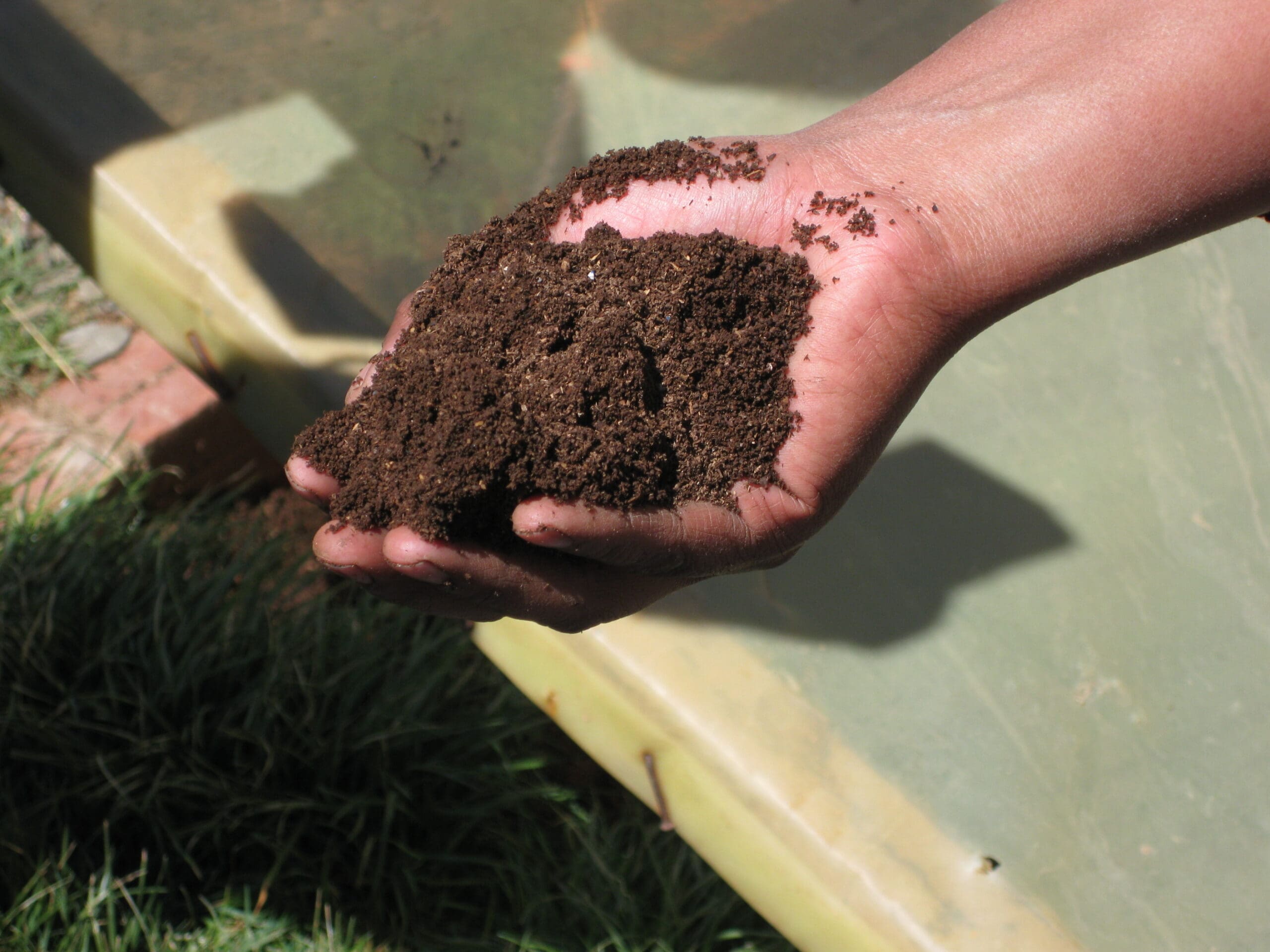
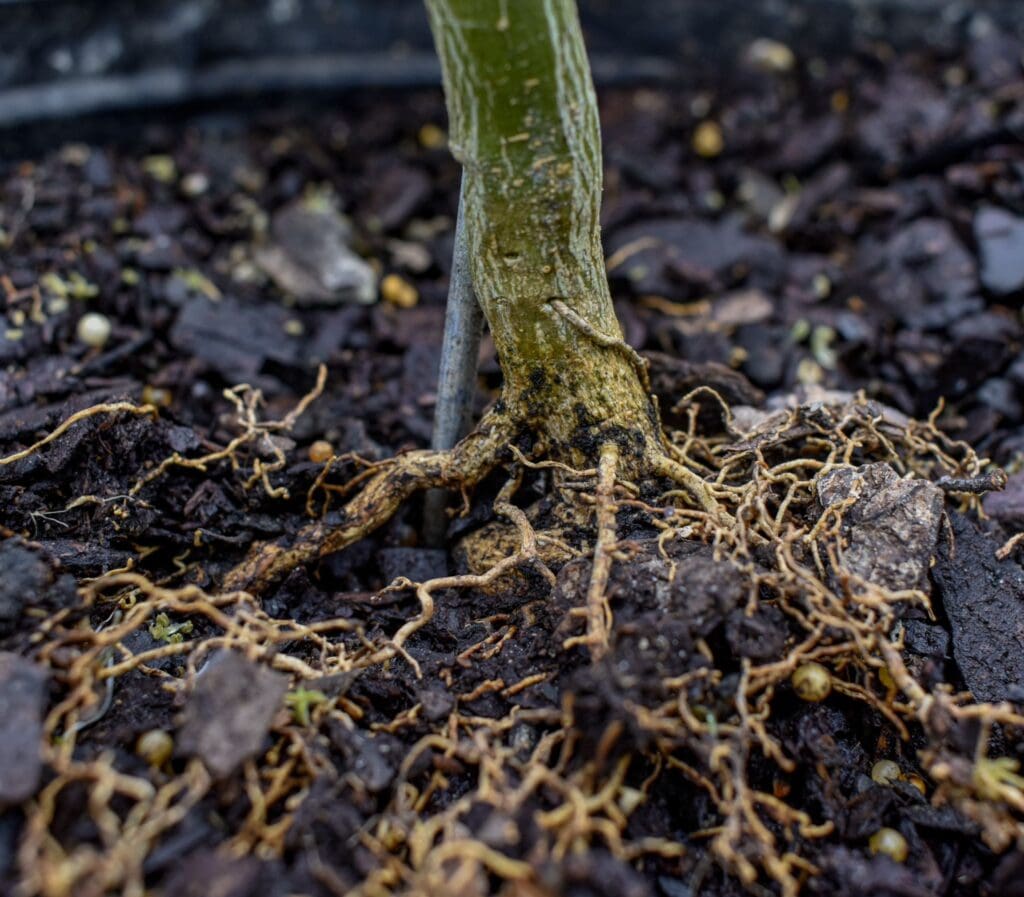
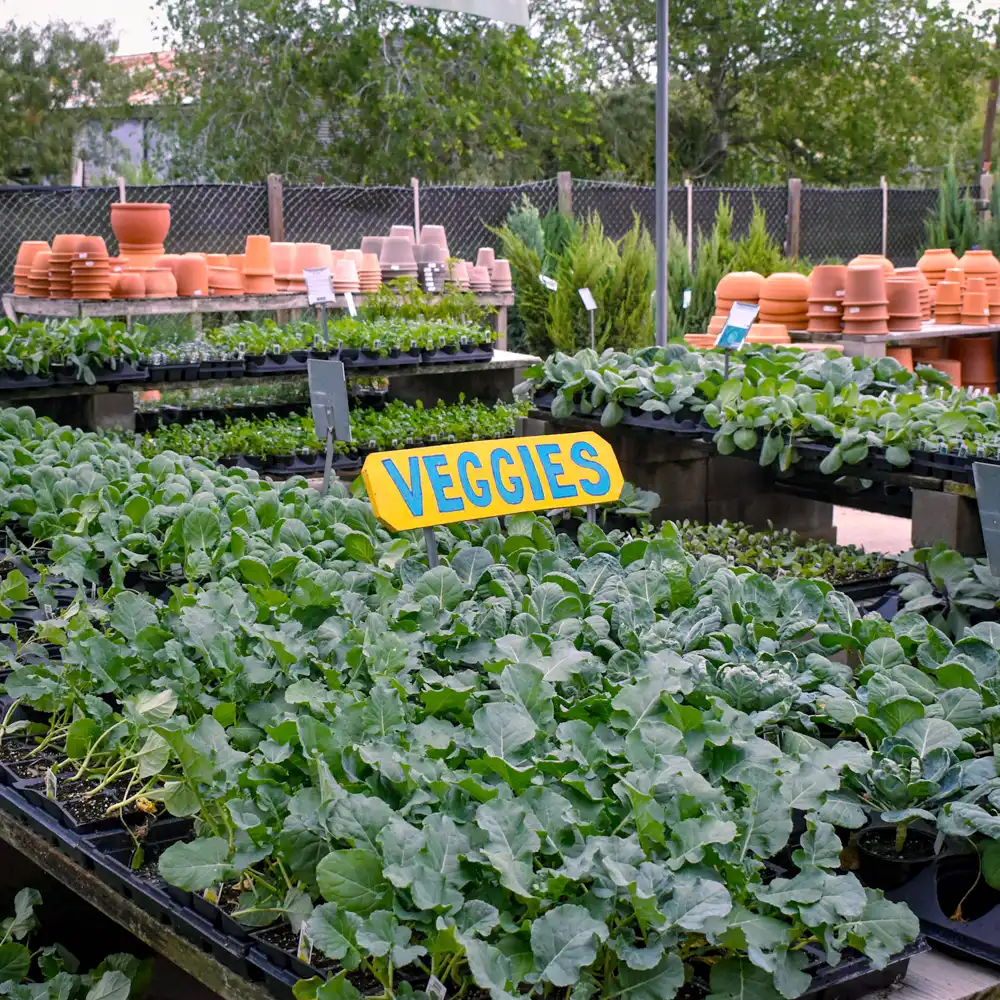
It’s time! Tomatoes, peppers, & warm weather edibles should be planted by now, or at the latest, early September. Plant cool weather veggies & herbs anytime in September and remember to shelter them from still-intense sun and keep watered. When planting, you can’t go wrong with organic BioTone starter fertilizer + a good handful of Earthworm Castings. Neither of these require precise measurement, and they make an incredible combo for building stronger, deeper roots, preventing pests, and creating an active soil environment for plants to thrive.

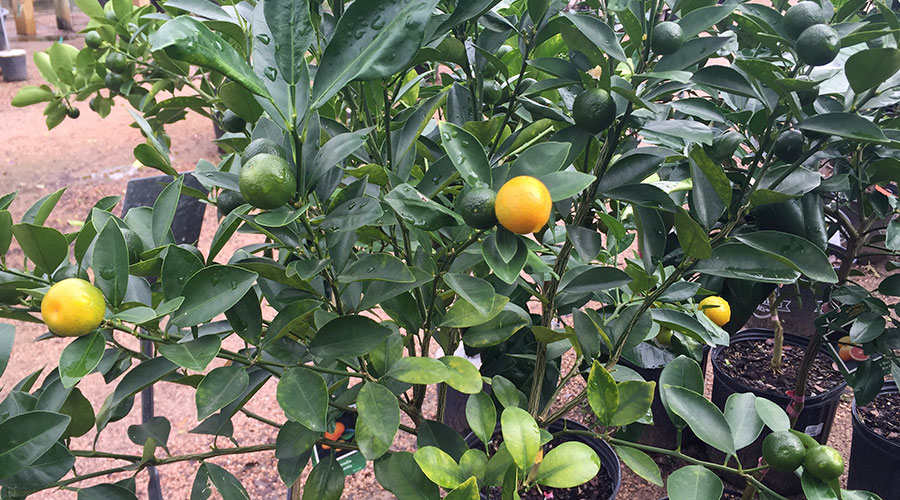
Here’s our Fall veggie planting schedule. And save space for citrus trees, figs, and other fruits to round off your garden grocery store! They’ll all be arriving before or right around mid-September. 

2. Plant Trees and Shrubs for the BEST Start

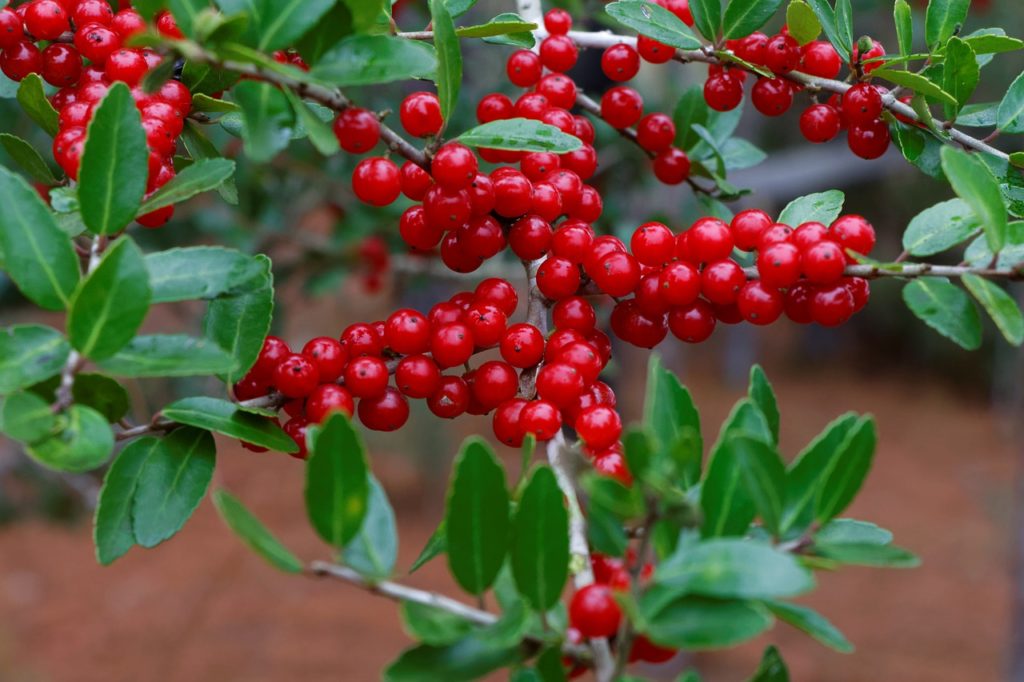
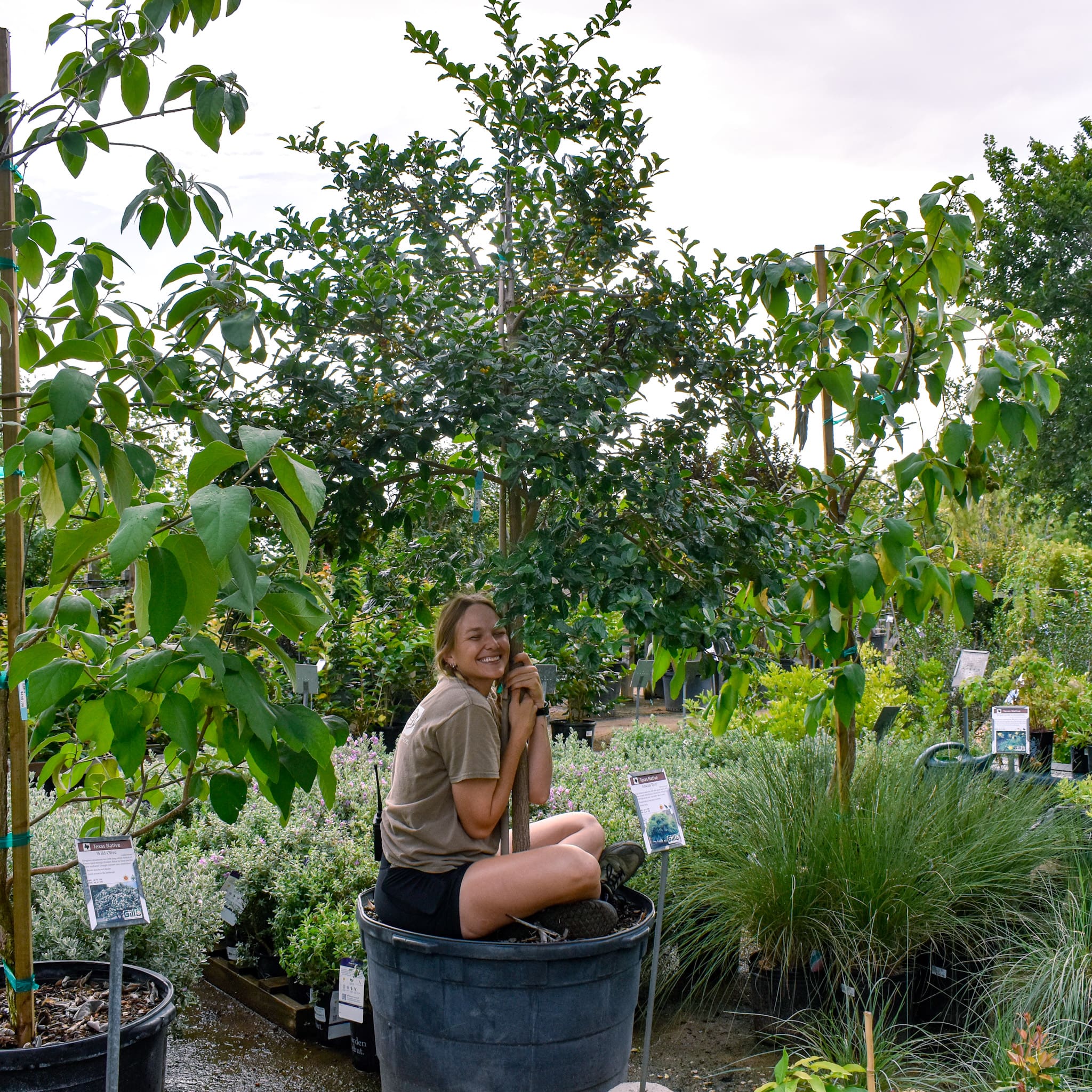
Plants that are cold hardy (trees and woody shrubs) will benefit greatly by planting during our fall season. They’re under less heat stress, and they grow more roots through the fall and winter, making them stronger and ready to take off next spring. More roots, stronger plants, and less watering! Oak trees, Crape Myrtles, Hawthorns, Yaupon Holly, Plumbago, Boxwoods and a host of other trees and shrubs should be planted starting this month for the best start.

3. Plant to Support Pollinators!

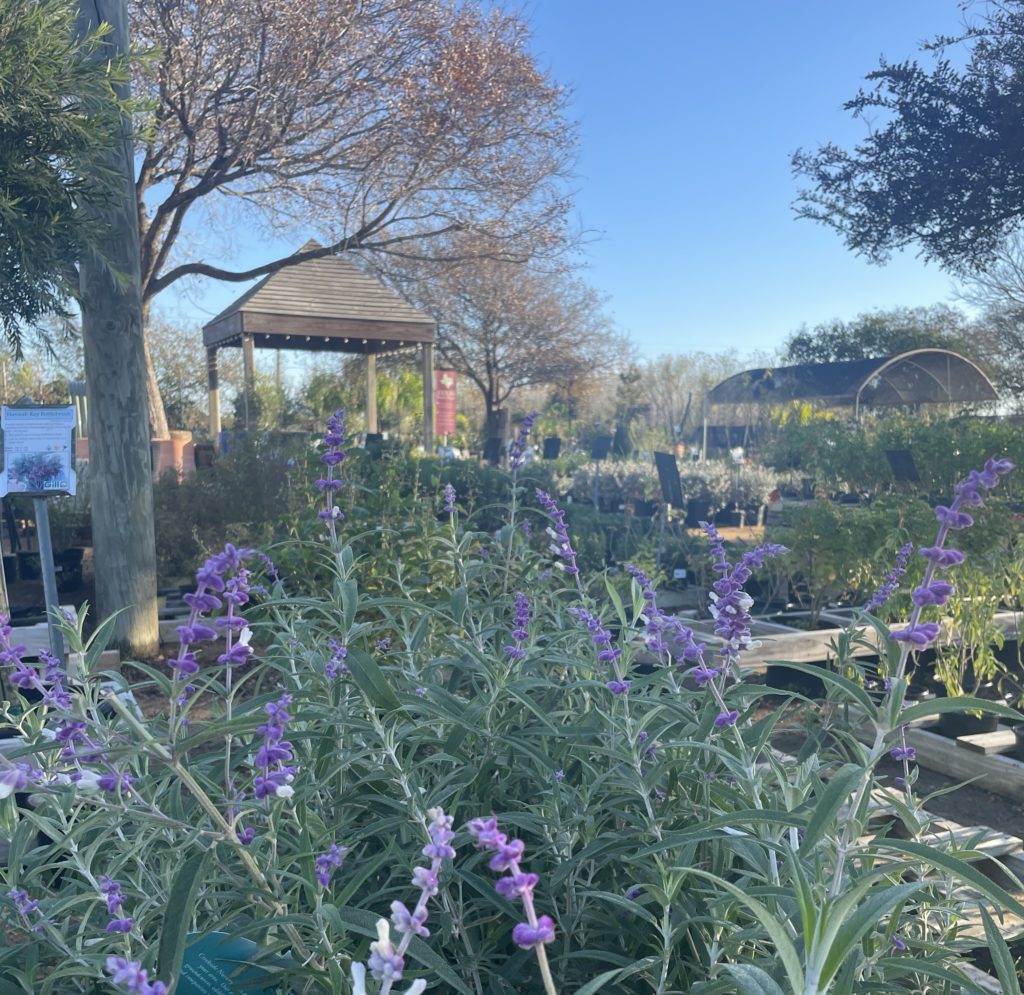
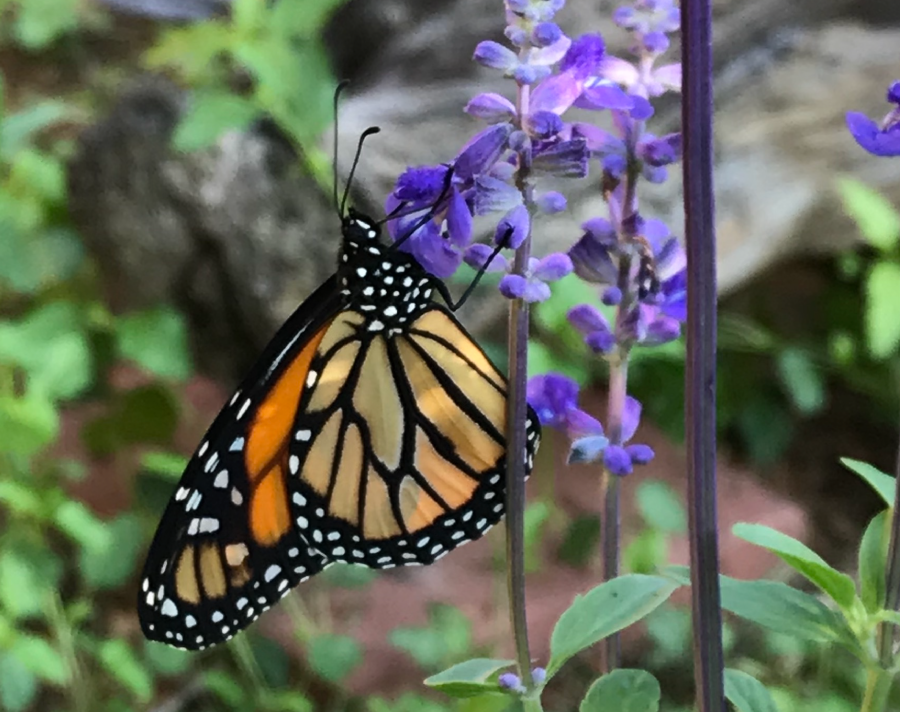
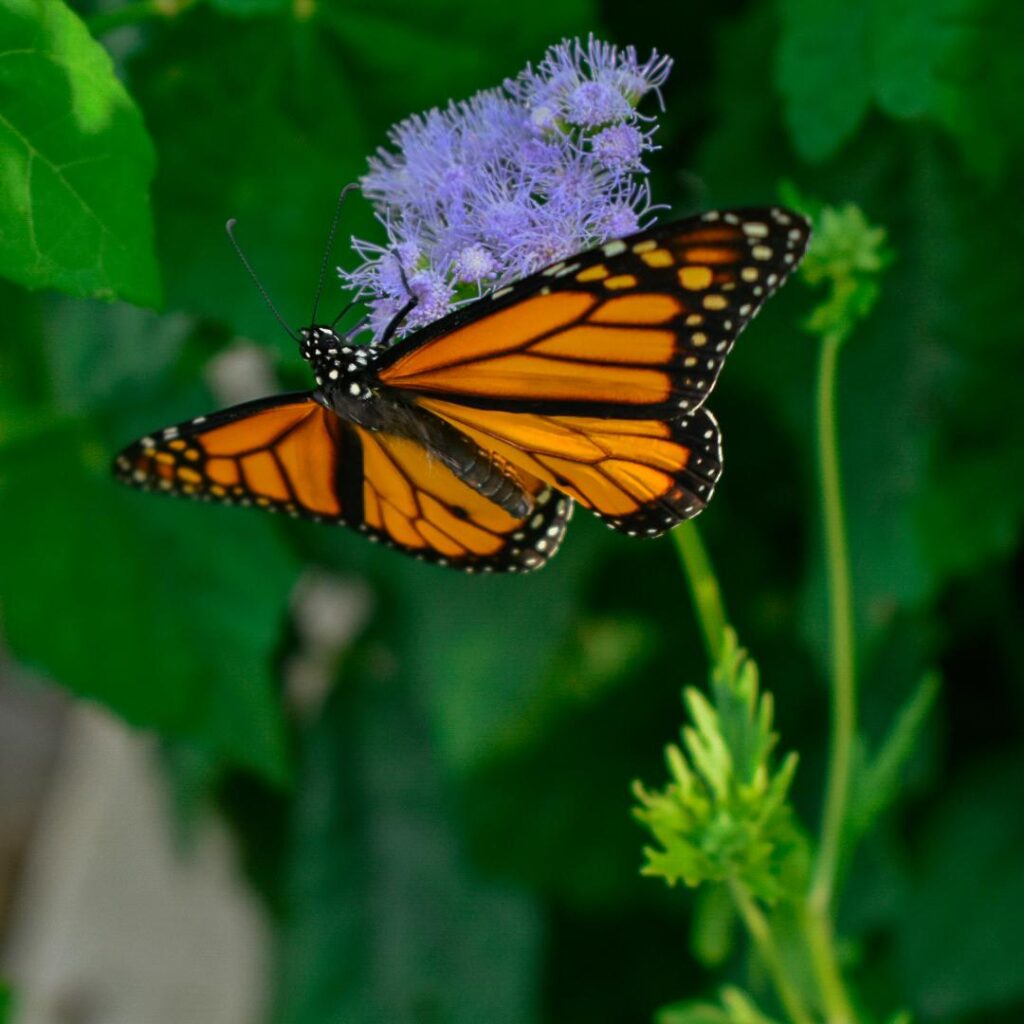
We’re bringing in lots of new plants this month with our pollinator friends in mind! While you’re choosing what to plant, consider adding Texas Natives like Turk’s Cap and Lantana that birds and bees love. If you want to attract and support butterflies, try native butterfly weed (Asclepias tuberosa), Gregg’s mist flower, and lots of different blooming salvias. So many gorgeous options! Bring in some pictures of your outdoor space and we can help you plan the perfect pollinator garden – big or small. You can DIY or we can plant it for you!

4. Set the Table for the Fall Hummingbird Migration!

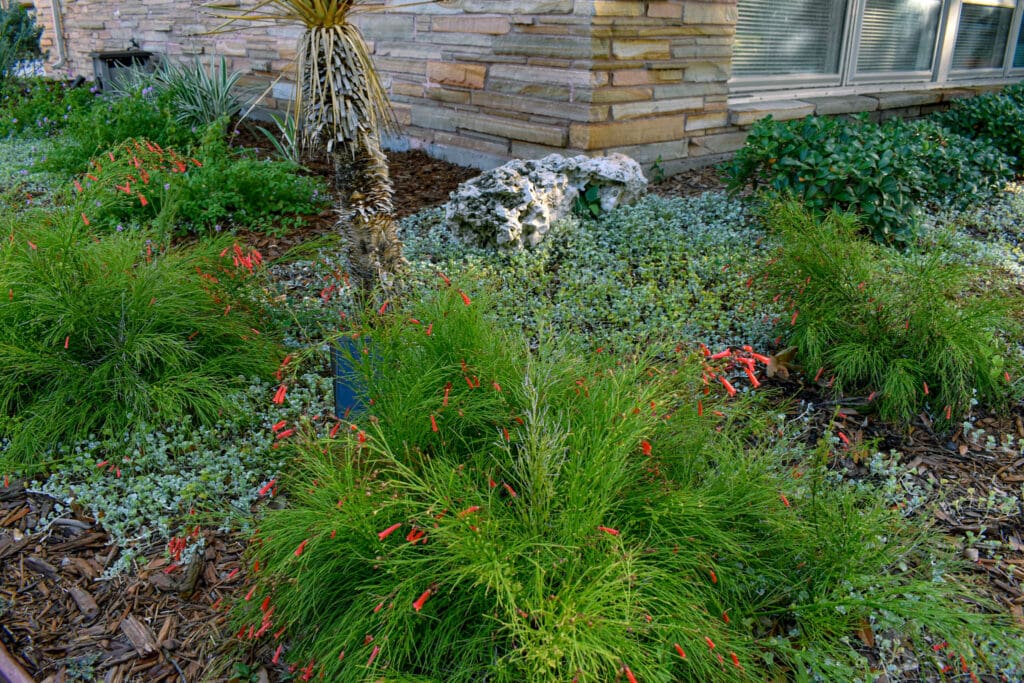
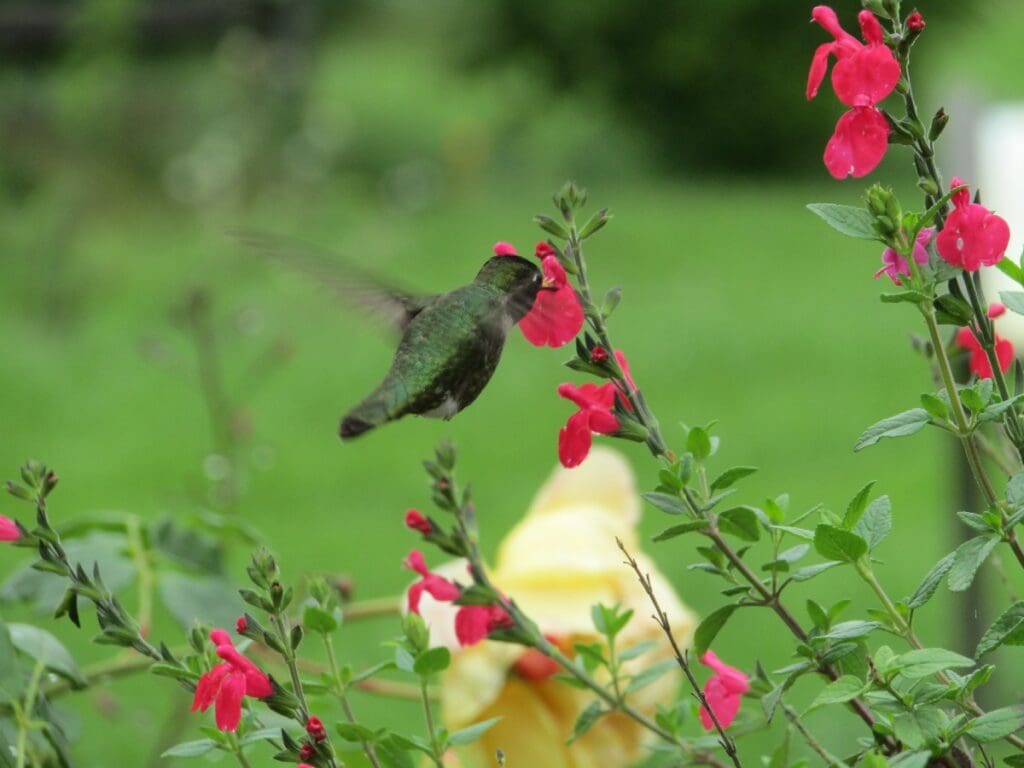
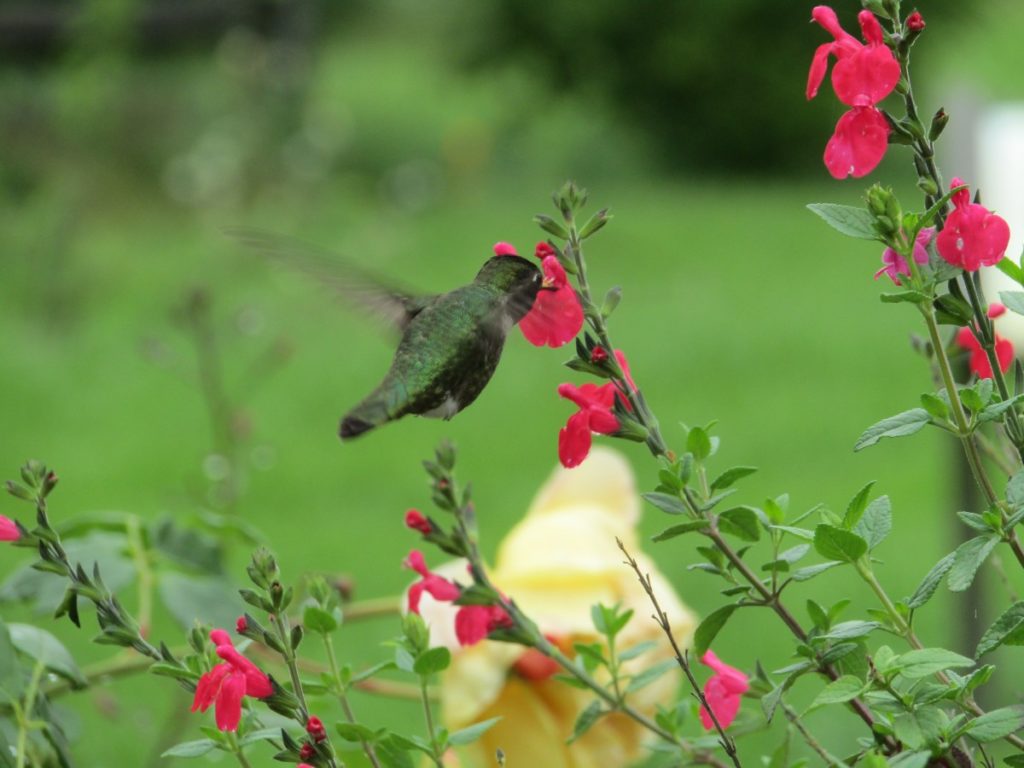
Ruby-throated hummingbirds will soon make their way through for the fall migration! These tiny birds are BIG eaters. They stop here in the Coastal Bend to fuel up before their non-stop flight across the Gulf of Mexico. Host them in your yard by planting some of their favorite foods! Hummingbirds find plants using their excellent vision and are attracted to bright colored blooms, which indicate a high-sugar food source. Some of our favs for South Texas are Flame Acanthus (aka hummingbird bush), Salvias (like native Salvia greggii and Salvia leucantha), Cape Honeysuckle, Firecracker plant, Coral bean – the list goes on! Plant a few of these and hummingbirds will find them. And don’t forget to visit the Rockport-Fulton HummerBird Celebration September 19-22!

5. Make Way for New Growth with Light Pruning and Clean-up

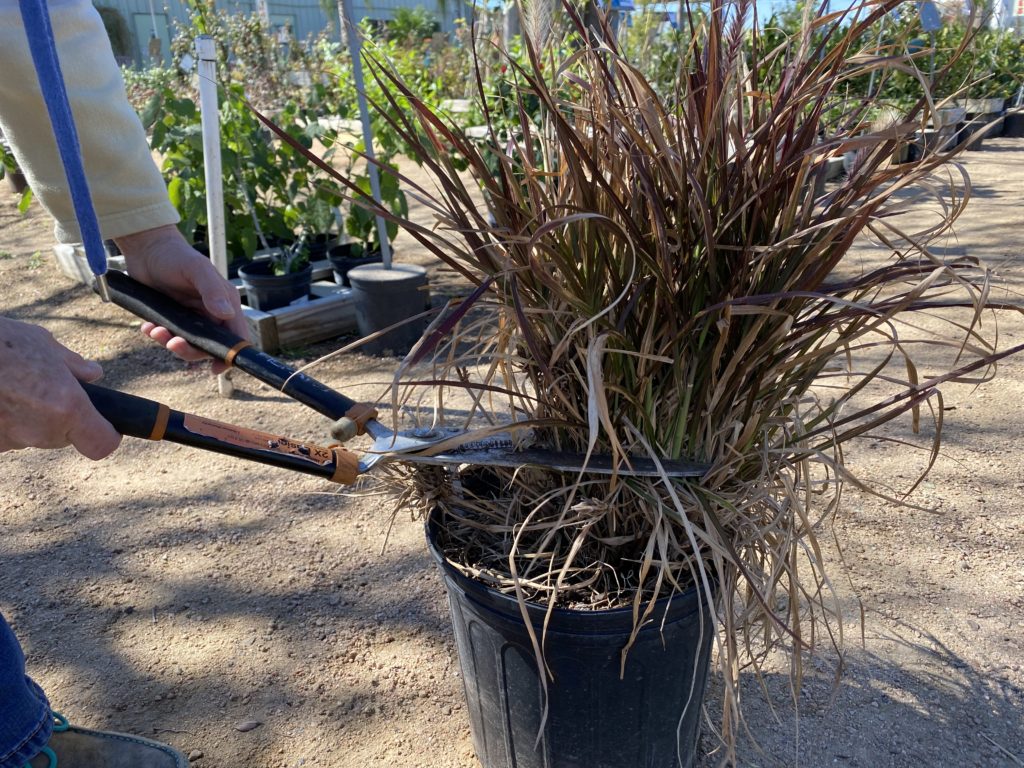
Chances are you have established plants that could benefit from a clean-up after working so hard all summer. Wait until about September 15th and give them a light pruning to make way for new growth this fall. A good rule of thumb for most plants is to prune up to 1/3 (not more) in the fall, then wait until January to do a heavy pruning/cutback. If you have questions about how to prune specific plants, you know who to call! 

6. Watch Your Watering and Adjust as Needed

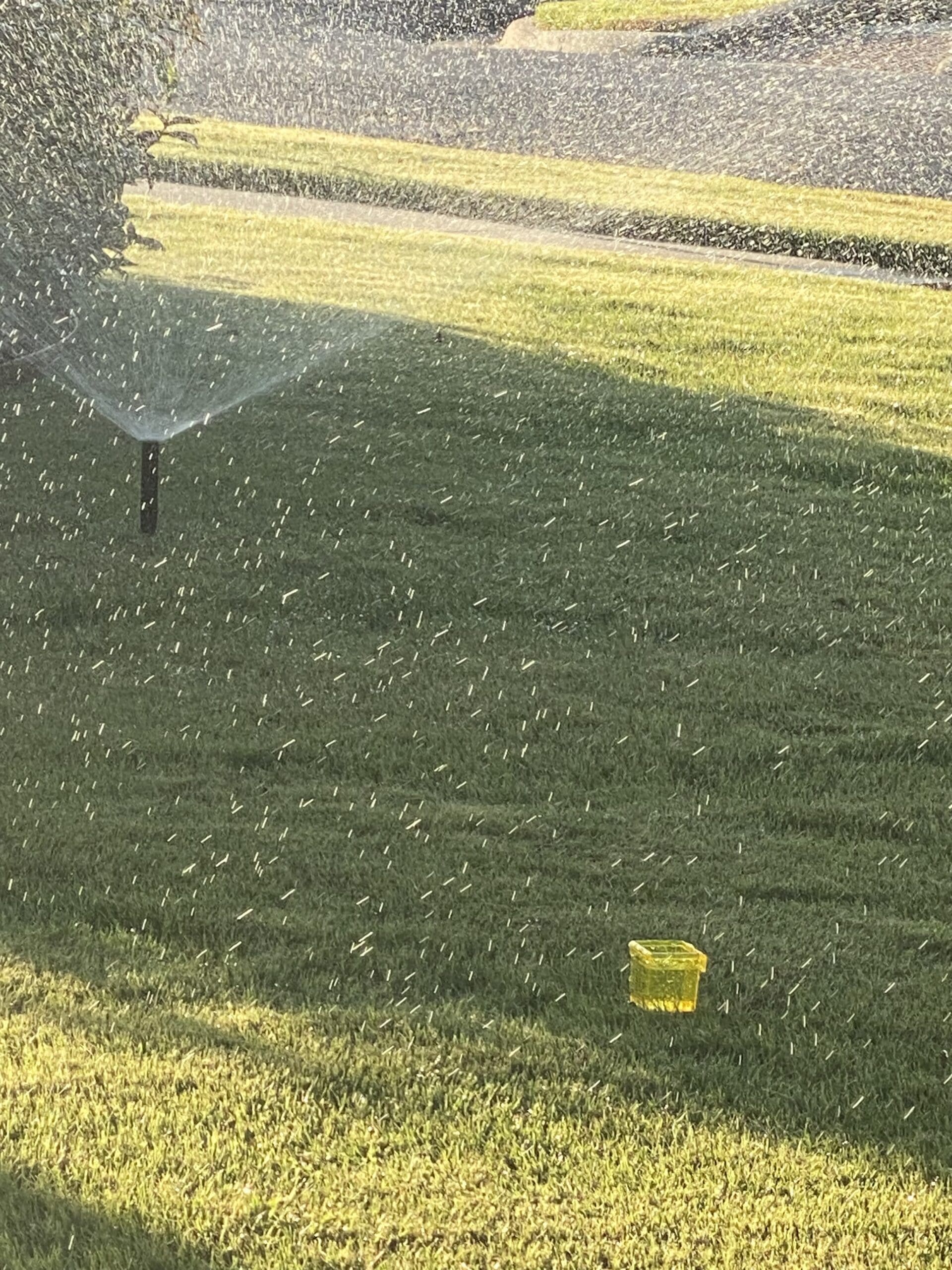
We’ll keep repeating – water to maintain depth moisture! That means water slow and deep. Conserve water and force those roots to dive deeper for moisture. If you use an automatic sprinkler system, take some time this month to give it a good audit. Make sure all your sprinkler heads are working properly, and make sure you are applying a good 1″ of water, evenly, when you water your lawn and established landscape beds and trees. The easy way to do this is to get some simple sprinkler gauges (pictured) and place them in different locations. You may find that different sprinkler zones need various different run times. 

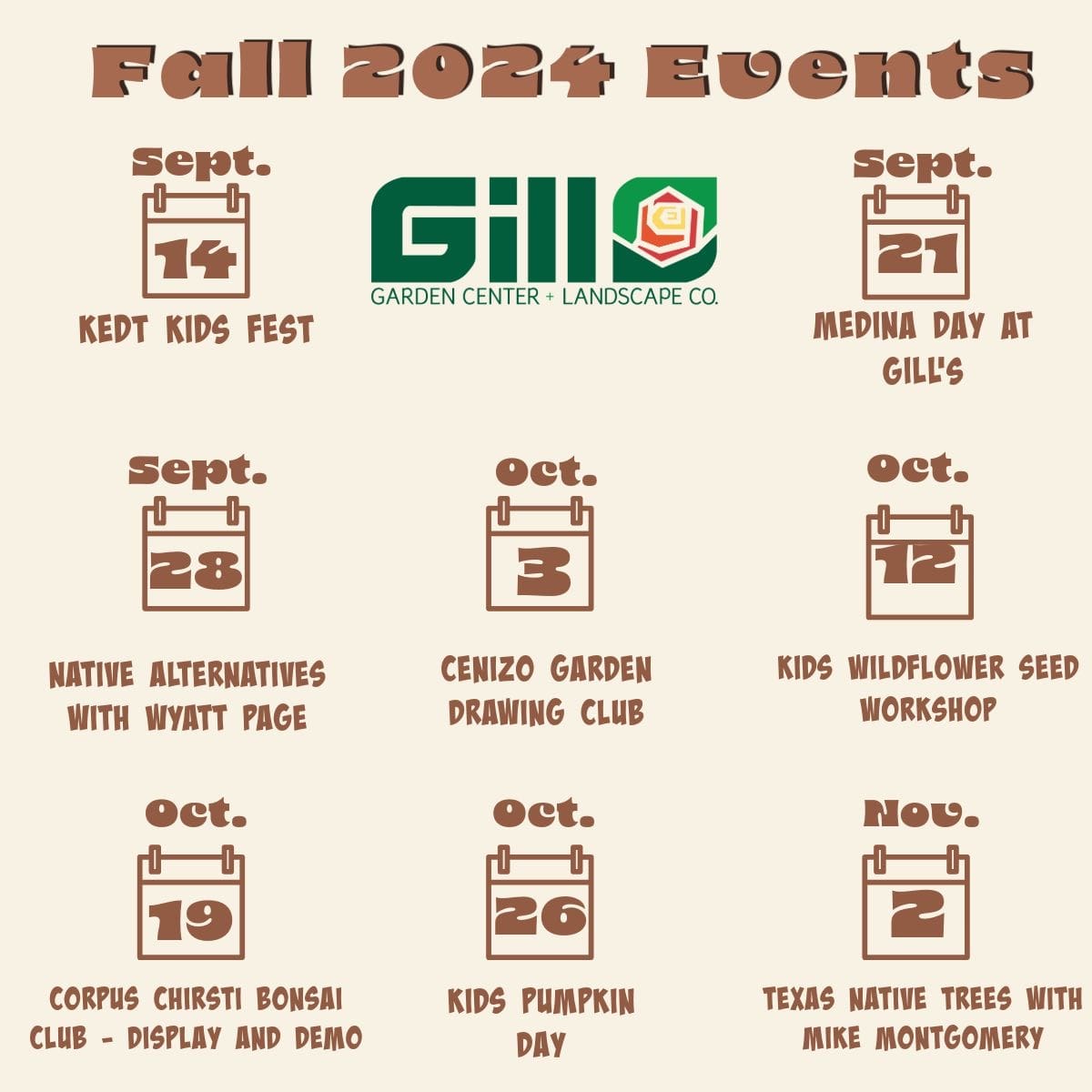
7. You’re Invited! Gill Garden Talks and Events this Fall!

Gill Garden Talks and Events are back this Fall! We’re kicking it off with Kids Fest at KEDT studios on September 14th where we’ll be on hand giving away plants, seeds, and other fun garden stuff! Stay tuned here and on Instagram and Facebook for details of each event. We’ve got a few more that we can’t announce just yet 🙂

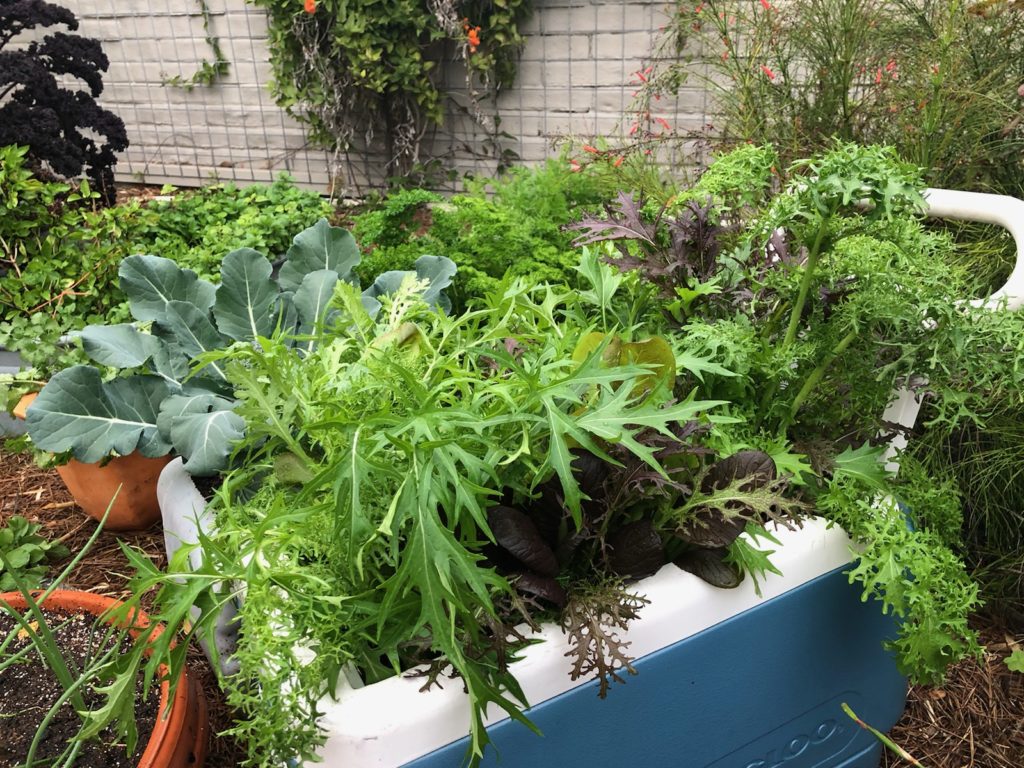
The slow, soaking rains this week followed by slightly cooler temps make for excellent planting weather. We dare say it’s feeling a little fall-ish! Even though it’s still warm out, right now is the time to plant your fall veggie garden to ensure you can get a good harvest. Here’s our guide to growing the best veggies this fall – plenty for you and plenty to share. 

1. Pick Your Plants – Know Your Timing!

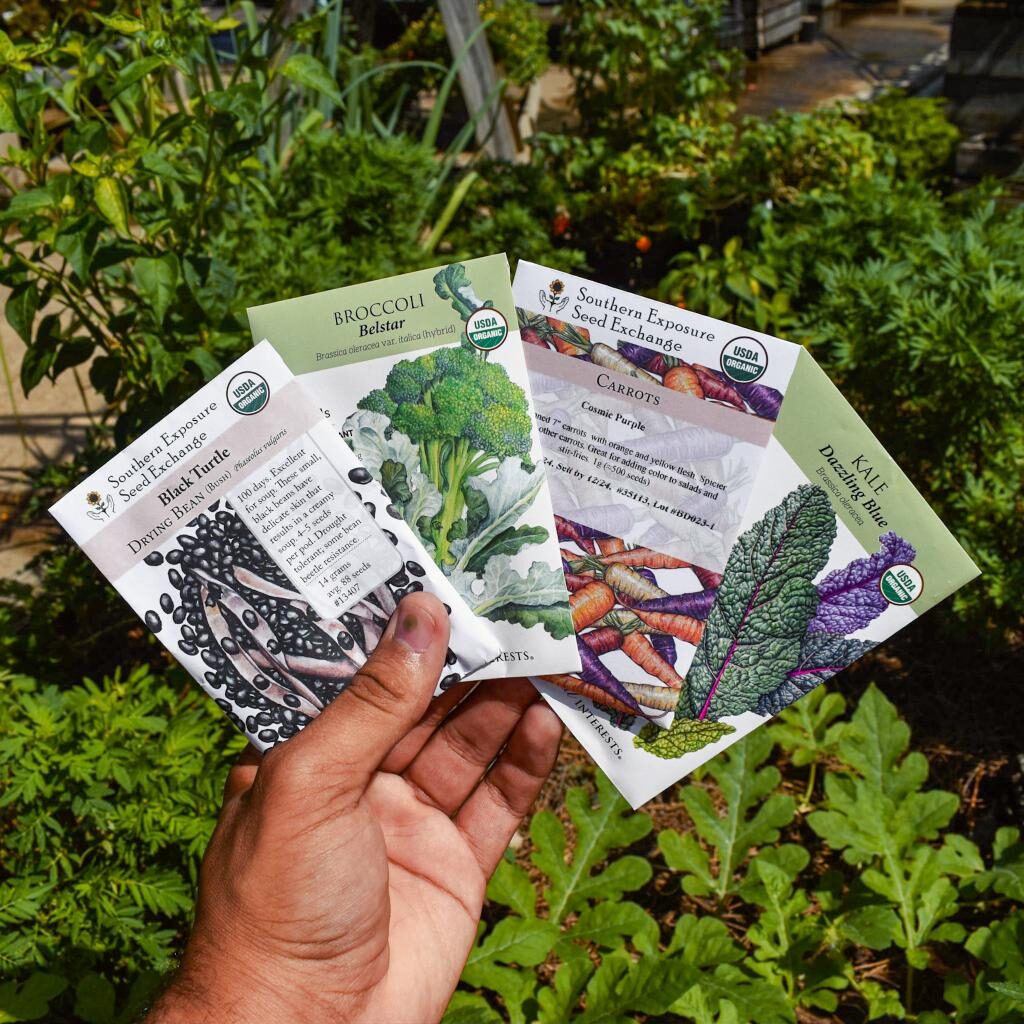
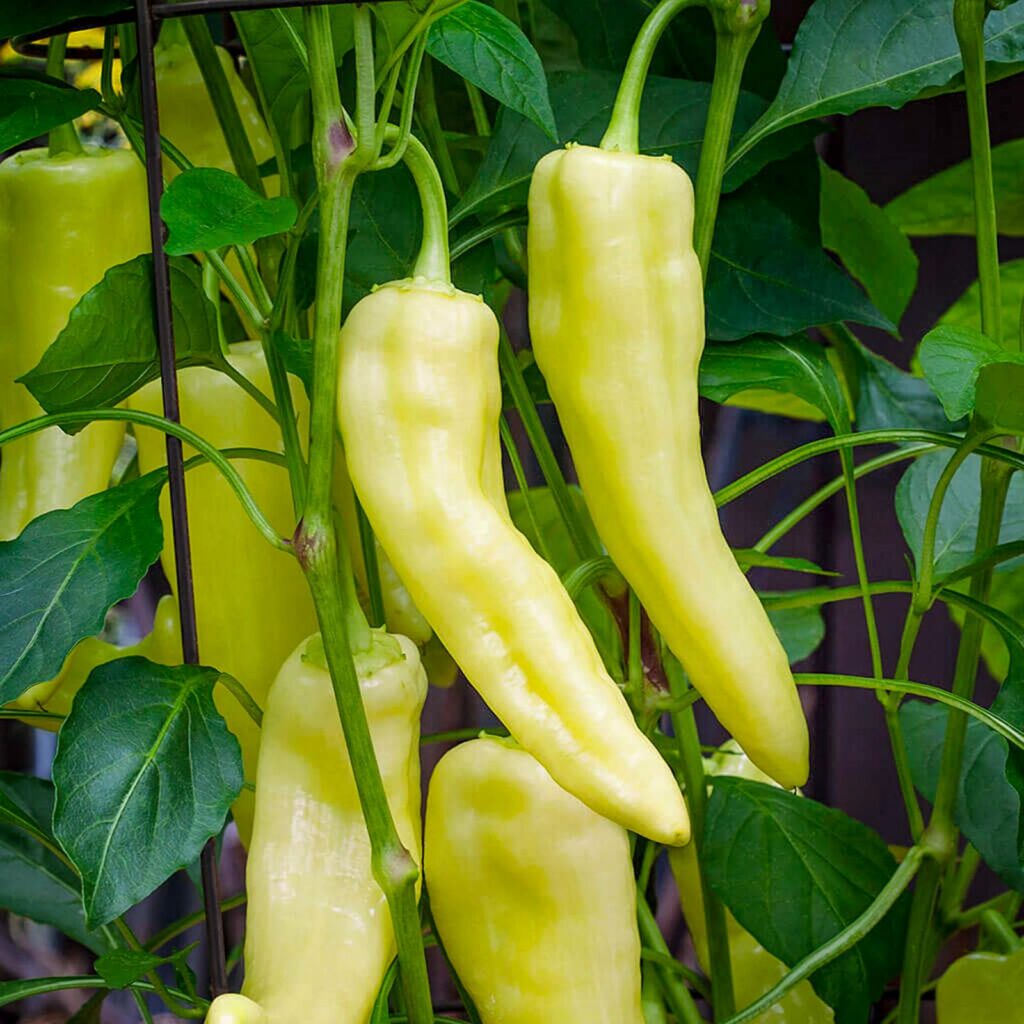
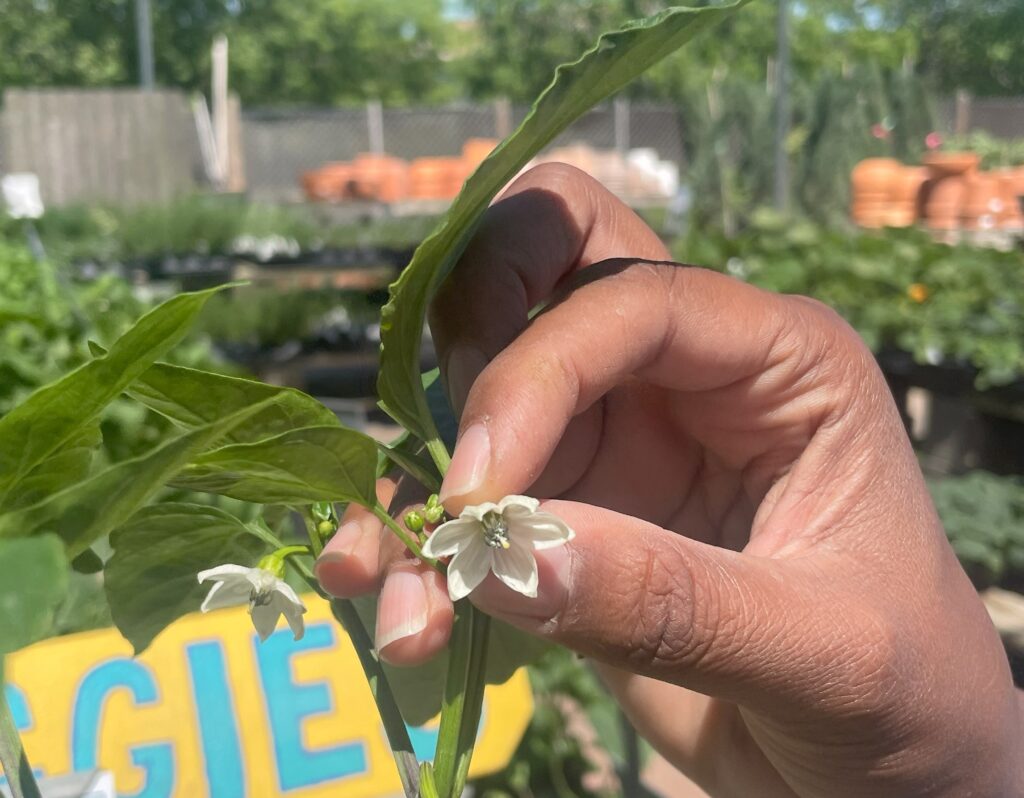
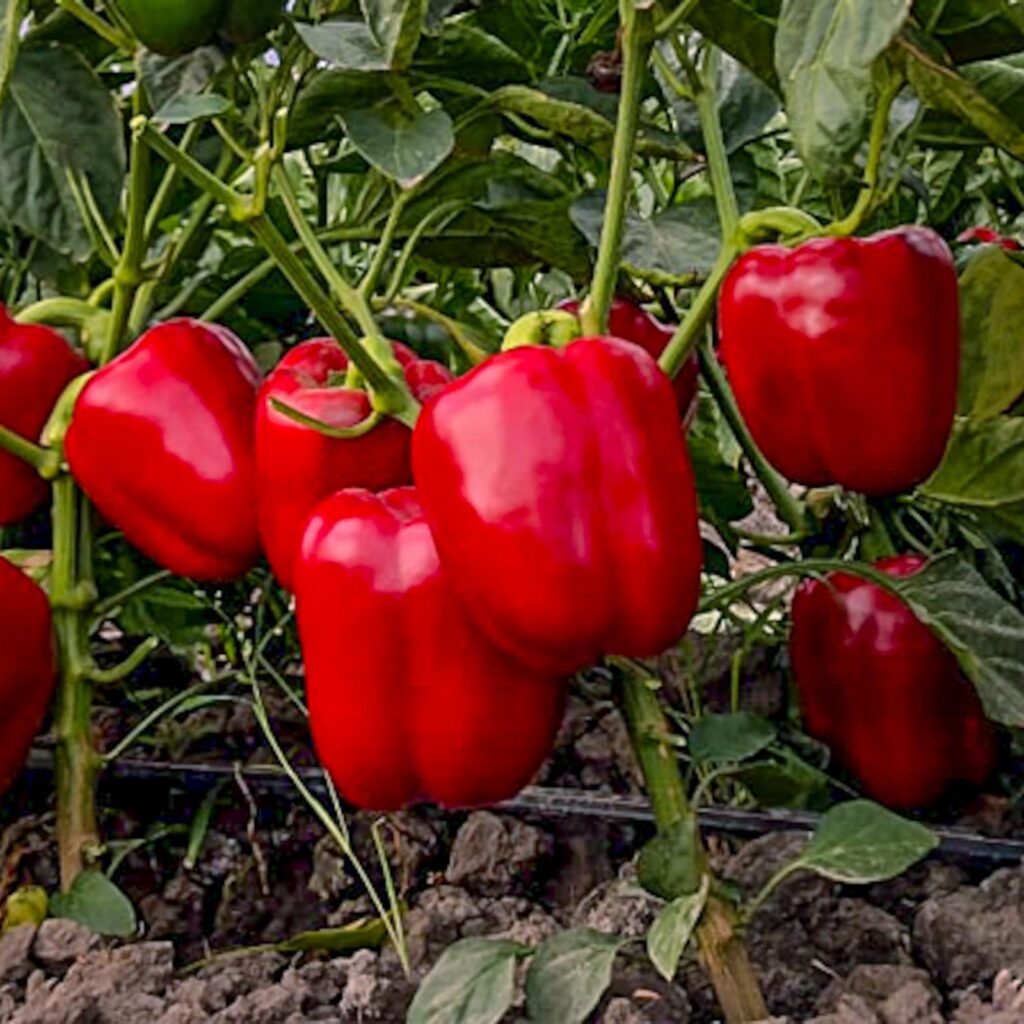
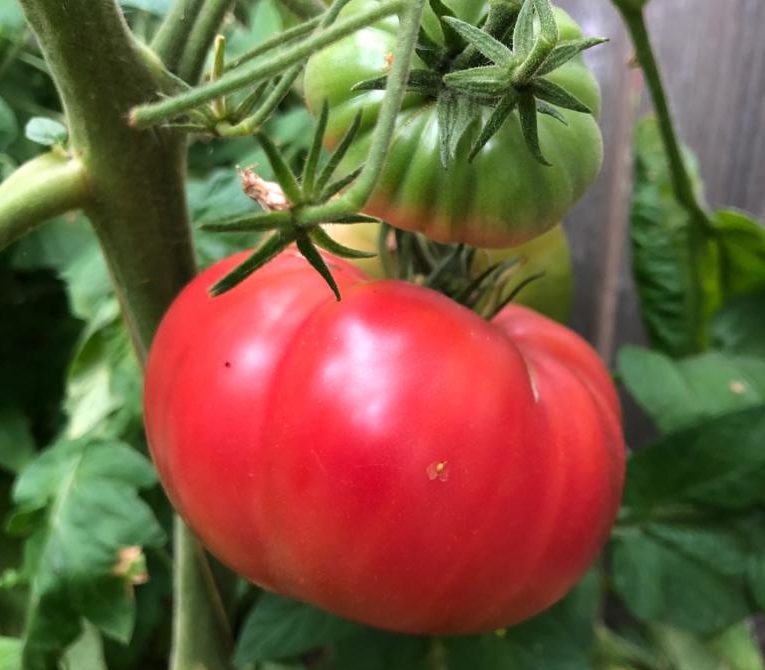
Last chance to plant tomatoes and peppers! The average tomato needs 70-80 days to mature and produce fruit. That means they’ll be ready around the mid-late November if we plant now. Similarly, most peppers need 60-80 days to maturity. Be sure to get them planted now or very soon so you can get a good harvest before we have chances of cold weather which tomatoes and peppers can’t handle. While we’re reaching the end of the window to plant tomatoes and peppers, cool weather veggies like broccoli, cabbage, kale, Swiss chard, and cauliflower are just arriving! Even though these can handle cooler temps, you still need to get them in the ground in September to ensure you’ll get a good harvest. Radish and carrot seeds should be started this month as well. Take a look at our Fall veggie planting schedule. And save space for citrus trees, figs, and other fruits! They’ll all be arriving this week and next!

2. Prep and Amend Your Soil

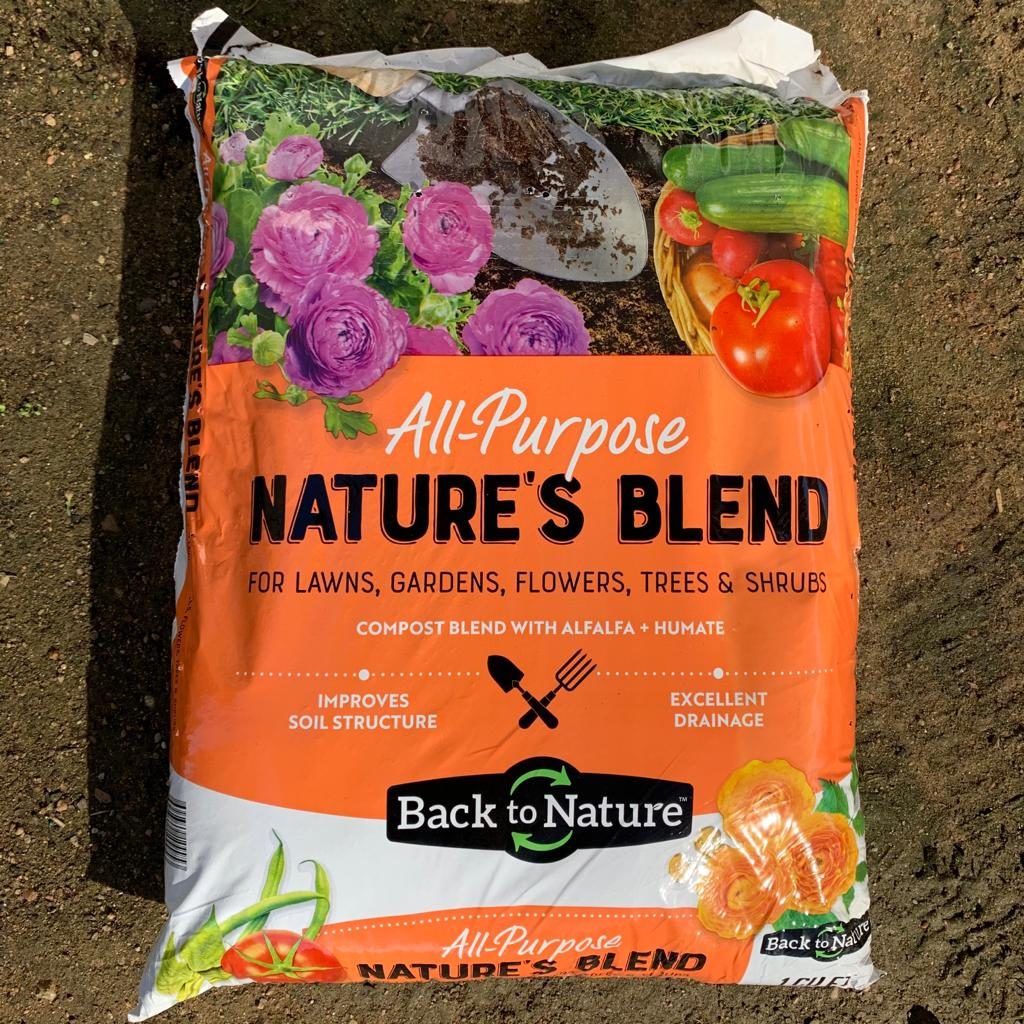
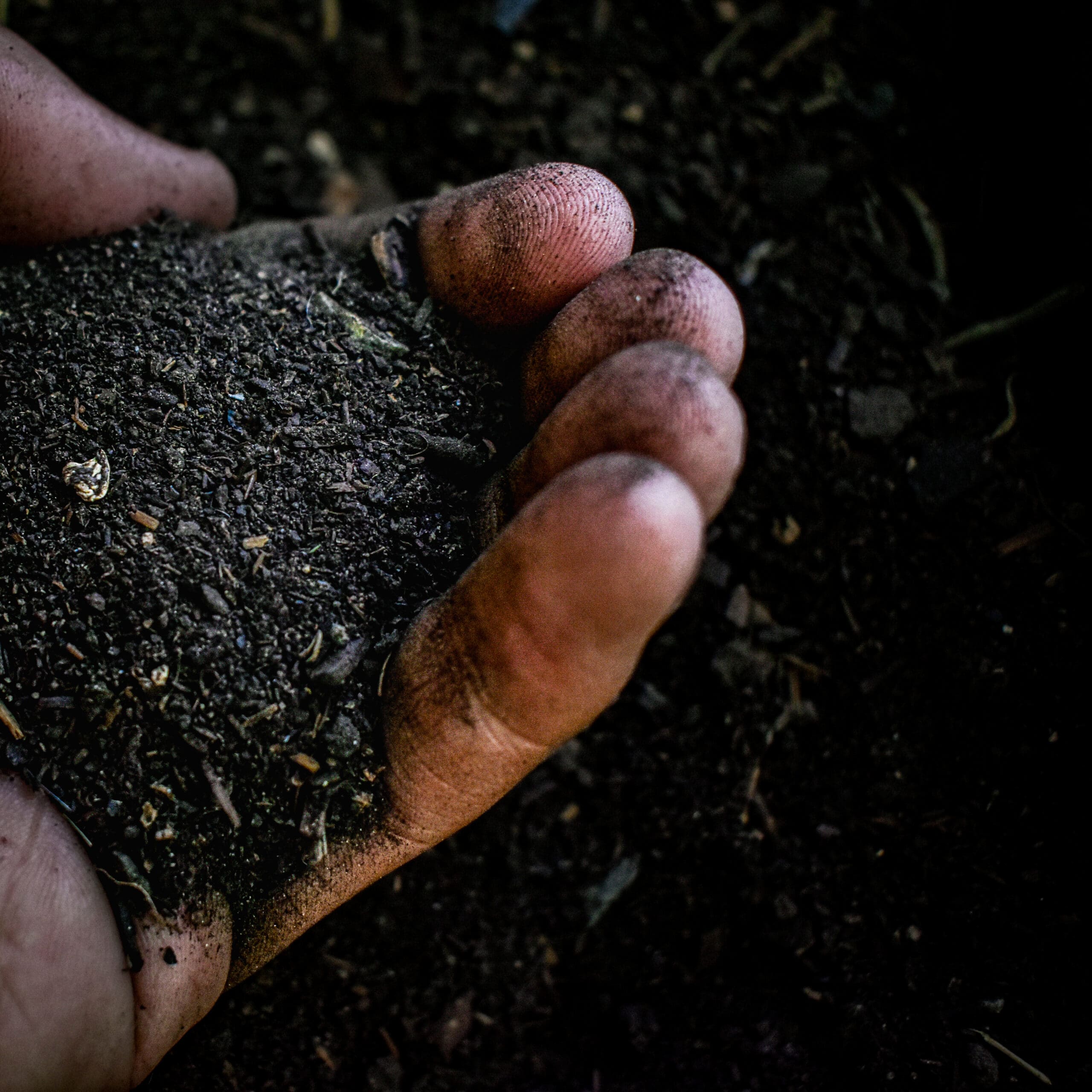
Corpus Christi clay soil and sandy soil in Rockport or on the island both need a boost to make them suitable for growing veggies. Very simple – add compost! Whether you’re in clay or sand, we recommend 1 bag of Nature’s Blend or Cotton Burr compost per 12 square feet to establish a veggie bed. Just work the compost into the first 6-8 inches of the native soil and you’ll have a nice loose and bioactive mix ready for planting. You can use the same rough formula when filling raised beds, or use our Gardener’s Magic soil blend which is formulated for raised beds and already has the compost and other nutrients mixed in – just pour and plant! You can add even more life to your veggie soil by supplementing with earthworm castings, dried molasses, and Bio-Tone starter fertilizer with mycorrhizal fungi. Think of these as probiotics for your soil. Just like our gut microbiome keeps us healthy and balanced, an active soil microbiome will help your veggie plants perform optimally…bigger root systems and more fruit!

3. Give Your Plants Good Spacing and Support

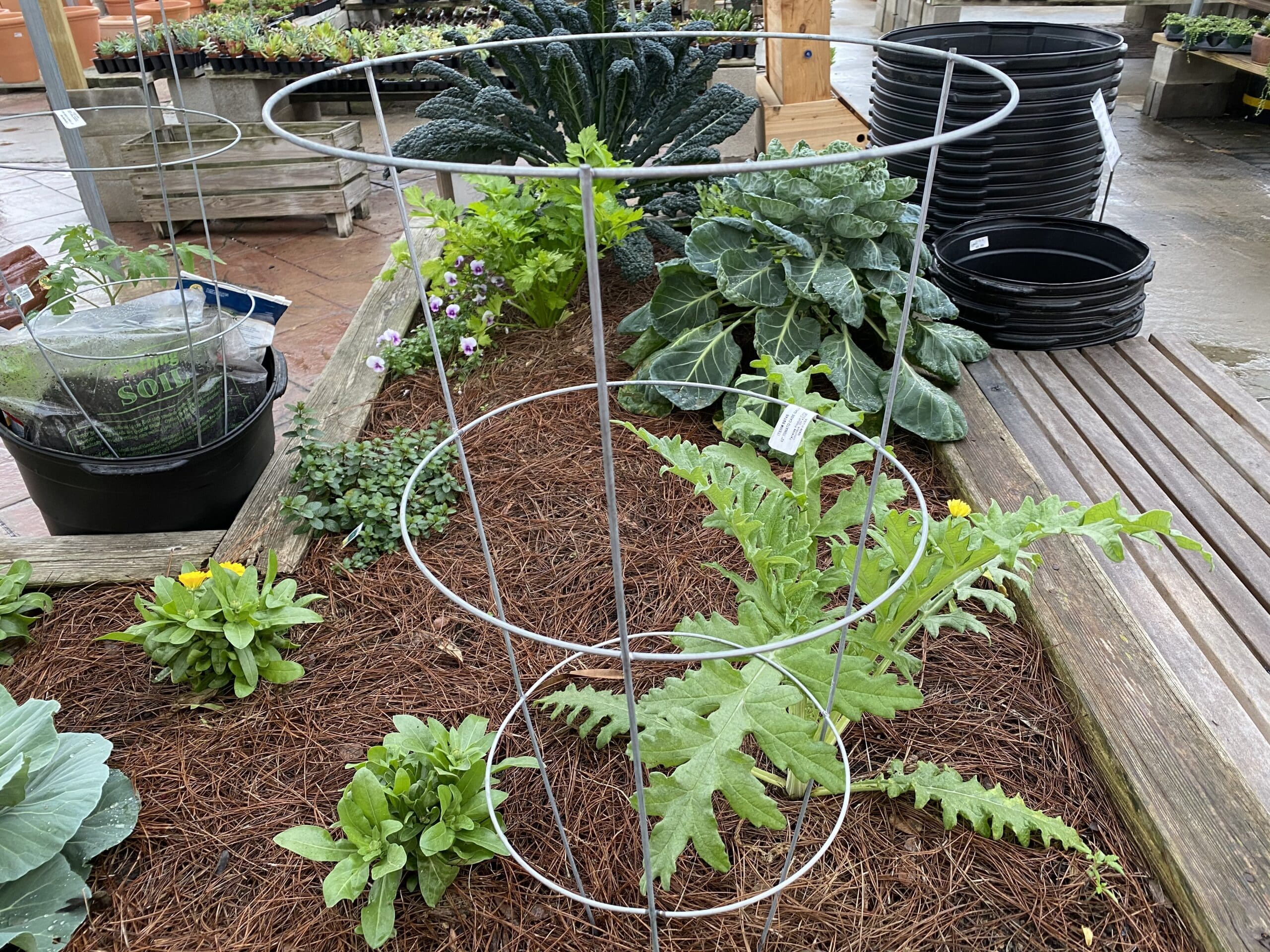
If you’re following this guide, get ready for big growth!  Be sure to give your plants adequate spacing to grow to their mature size. For example, tomatoes should be planted a good 4 feet apart, peppers should be 2.5-3 feet apart, and cucumbers, squash, brocolli, and cauliflower should be planted 18″ apart. Good spacing not only gives them room to grow to their full potential, but also ensures good airflow around the plants and helps prevent pest outbreaks. While plants are small, add/build your support structures! We carry tomato cages, wooden trellises, pre-made bamboo trellises, and bamboo poles or t-posts if you want to build your own. And be sure to have some good flexible garden tape!

4. Water Wisely

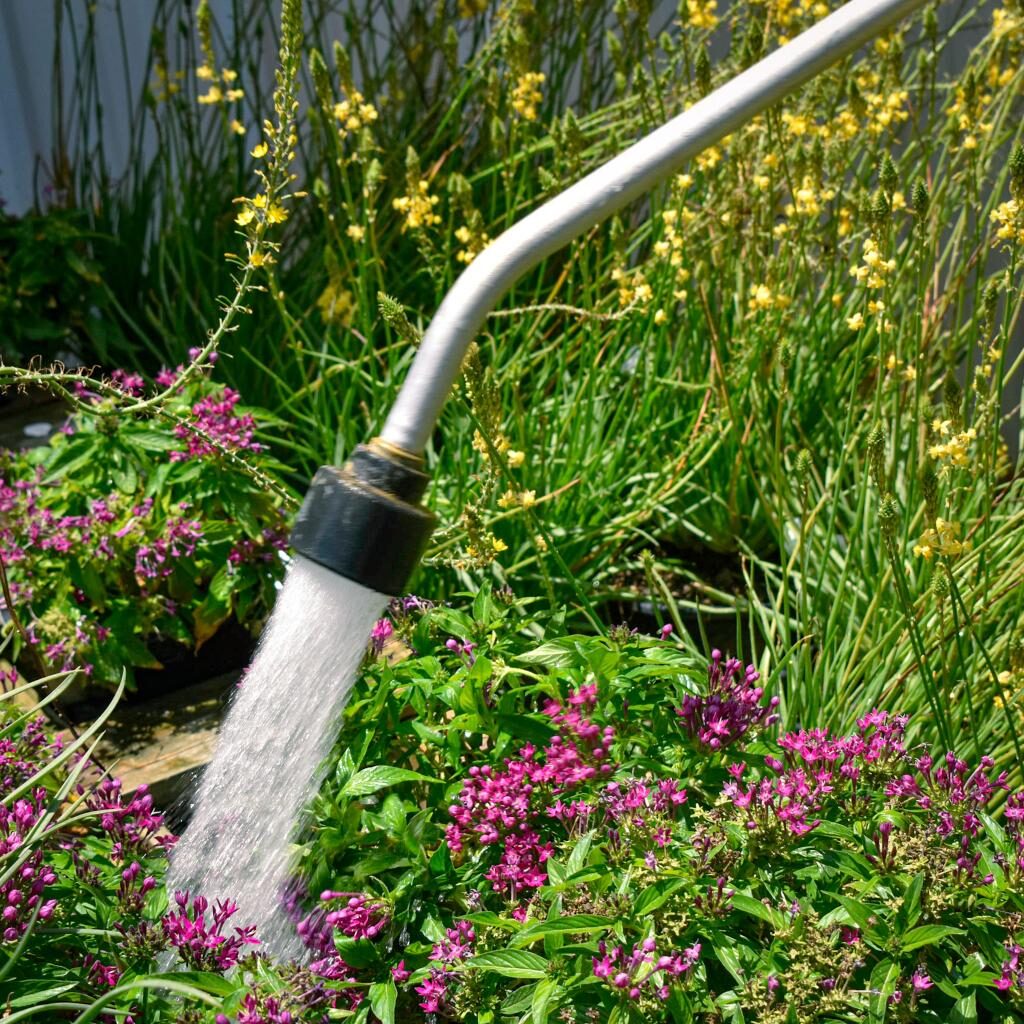
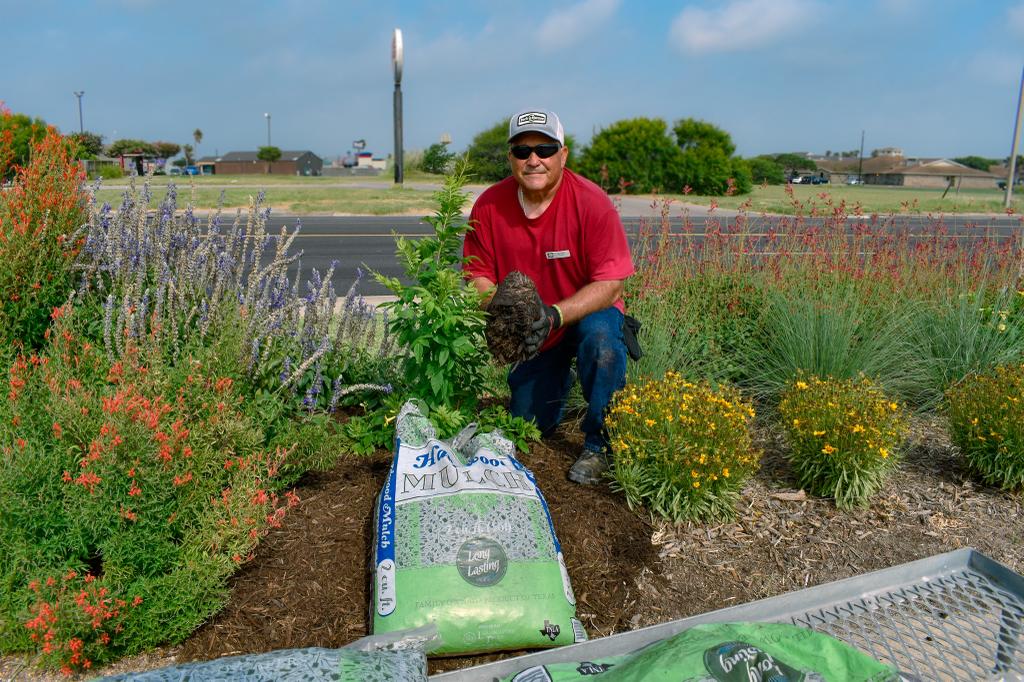
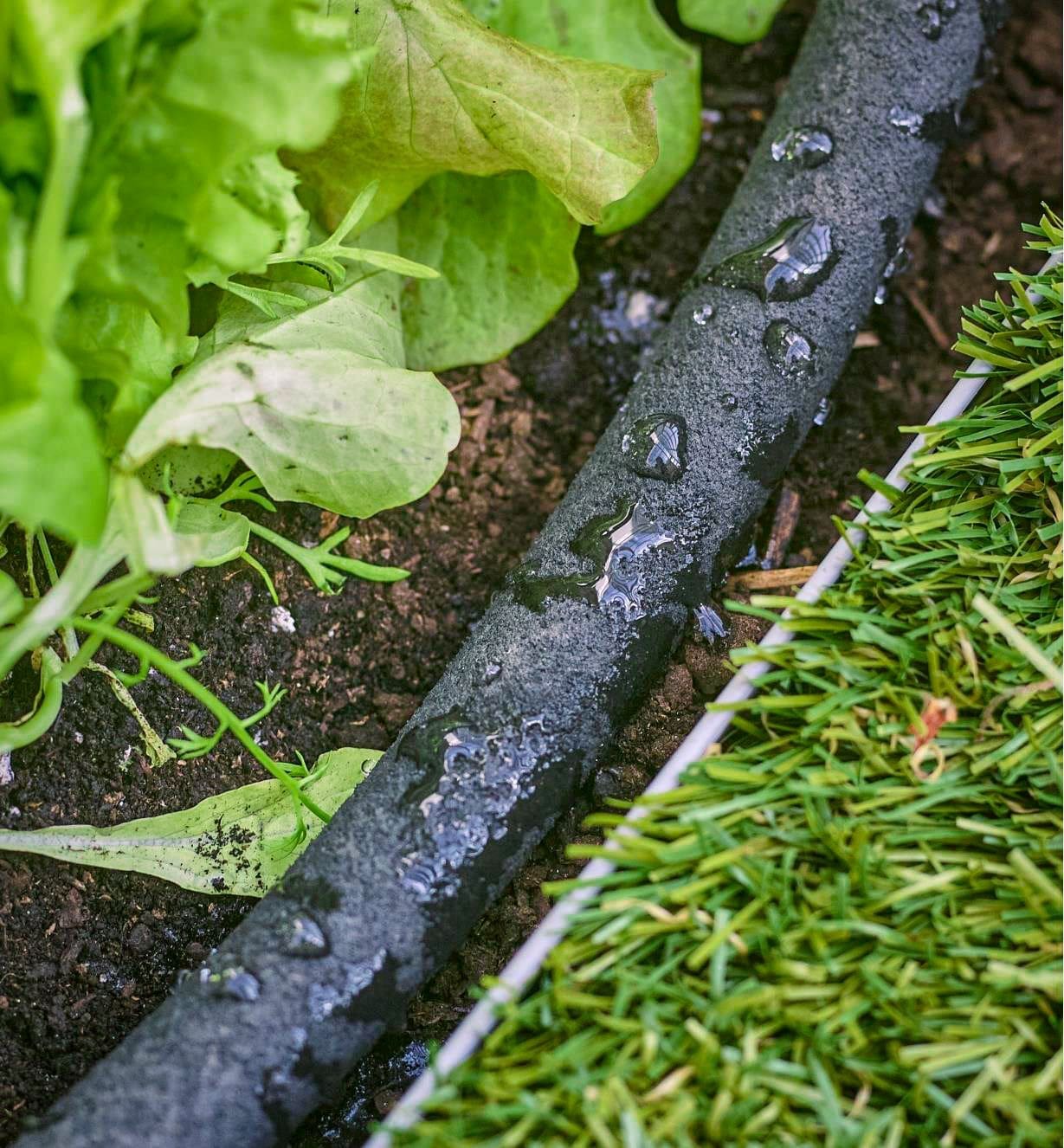
New veggie plants need water every day, preferably in the morning. Once established, you can water some plants less frequently. The best thing to do is to check your garden every day. You’ll get a good sense for which plants are thirstier than others. Soaker hoses can be a big help. Just snake them through your veggie beds and turn on the tap or use a timer. When watering by hand, think like a soaker hose – water slowly and gently at soil level. Watering over the top of your plants or splashing soil up onto the plants invites fungal disease and pests. A good mulch layer can help prevent soil from splashing up onto your plants, plus prevent weeds and help retain moisture. We love pine straw mulch for veggie gardens because its so easy to work with and it does a better job at suppressing weeds. 

5. Fertilize Regularly

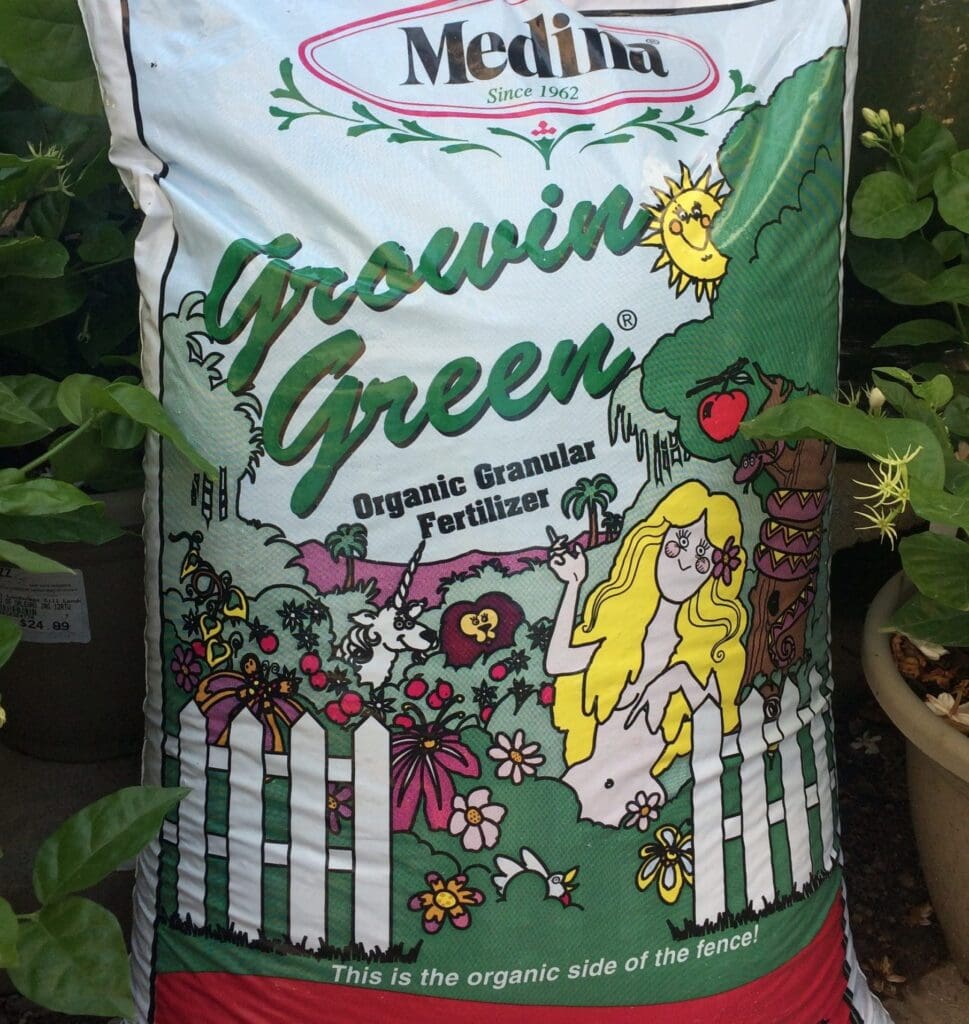
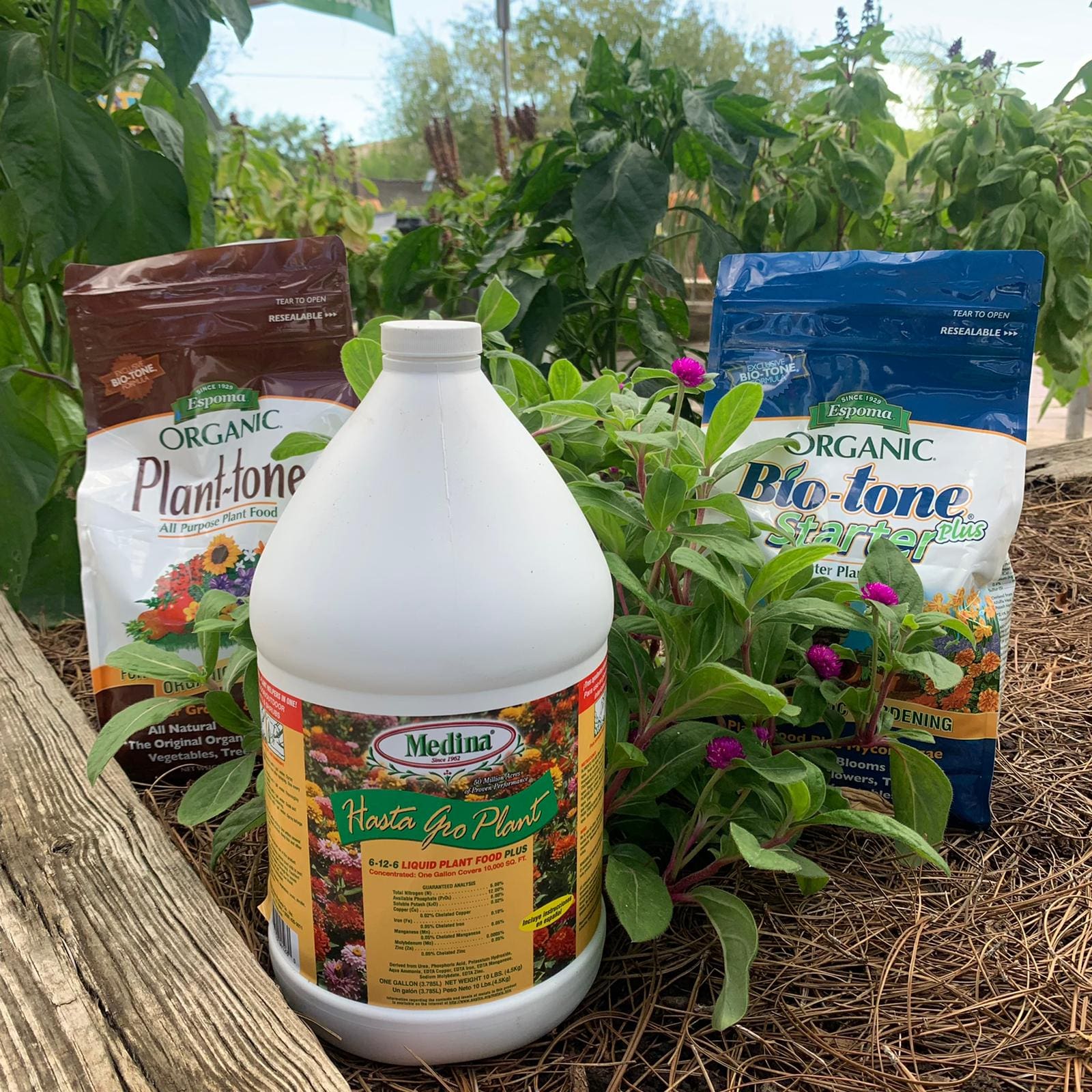
If you want your veggies to feed you, you gotta feed them! Plants require LOTS of energy to produce fruit. If you take anything away from this blog, remember DeAnna’s organic fertilizer regimen:  granular Plant Tone on the 1st of the month, followed up by liquid Hasta Gro on the 15th. The granular fertilizer will slowly break down and feed your roots, while the liquid Hasta Gro sprayed over the leaves will make the foliage thick and strong. If you want strong plants and amazing veggie production, follow this schedule!

6. Be Ready for Pests

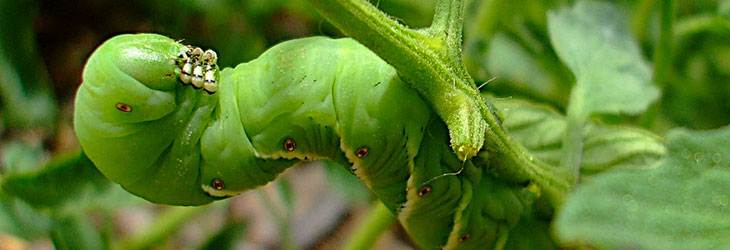
Insect pests in the veggie garden are pretty much inevitable, but controllable. Just like watering, the best way to control pests in the veggie garden is to inspect your plants every day and catch any problems early. We recommend having these 3 organic products on hand:  Bt for caterpillars, diatomaceous earth for crawling insects like ants, and spinosad soap for beetles, aphids, and spider mites. If you’re not sure what’s eating your veggies, send us a photo or bring in a sample and we can identify and help you control. 

7. Harvest Consistently!

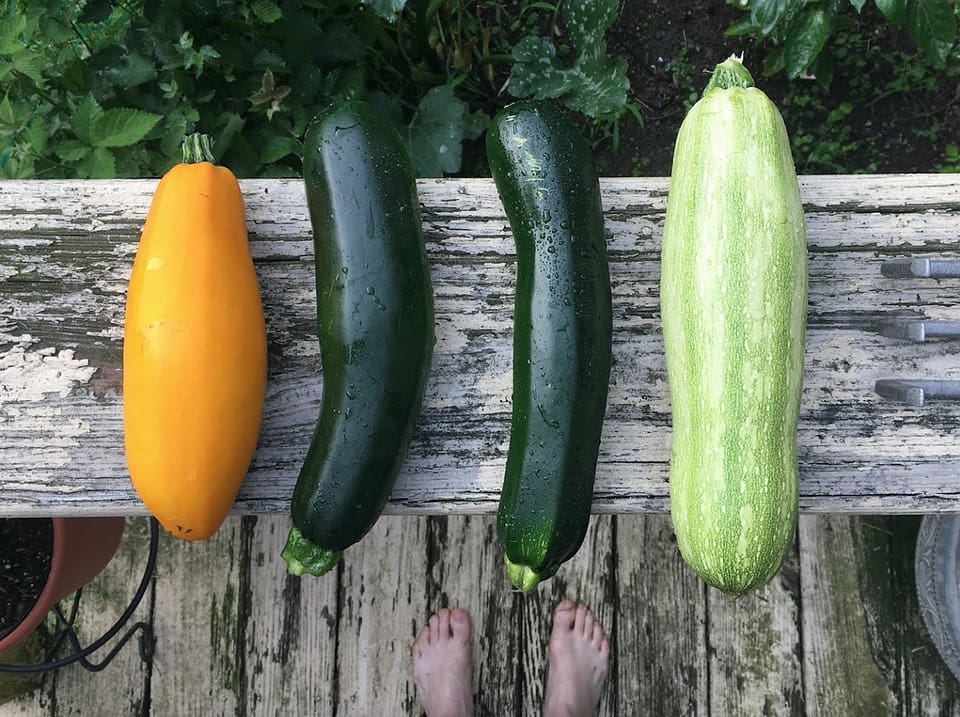
If you follow this guide, you’re going to be set up for a bountiful harvest! It’s very important to harvest regularly so you get to enjoy all your efforts. Some veggies, like beans, squash, and cucumbers will need to be harvested daily! If you’ve grown cucumbers before, you know that one day they’ll look perfect and ripe, then the next day they’ll be twice the size and beyond their prime – huge and fibrous and flavorless. Keep in mind too that birds, bugs, and other critters like ripe fruit too. Harvest it before they do! When you harvest regularly, you’re also helping the plant redirect energy to producing more fruit.