How is it almost JULY already?! We hope you’re having lots of fun this Summer – holidays, BBQs, weekend trips, and garden projects! Here are our top must-do’s to keep your plants healthy and happy this month, including tips for water conservation and speaking to local officials about your water.
1. Speak Up About Your Water
As you may have heard, the City of Corpus Christi anticipates moving to Stage 3 watering restrictions in August unless we get more rain in the watershed. We have asked the Mayor, City Manager, City Council members, and the City Water Department to postpone this decision until after hurricane season at the least. One tropical rain system that moves north and sits over the watershed could fill up Lake Corpus Christi and Choke Canyon to 50% or beyond – this is what’s happened in the past.
We have also asked the City to revise the Drought Contingency Plan to include water from Lake Texana, our 3rd source of water. This water, which we are already paying for, is not included in the calculation which triggers the different stages of watering restrictions.
We have also expressed our concern that the Stage 3 ban on outdoor watering for residential water users is excessive. Since we know that residences account for less than half of city water use, and we know that only some of those users water their landscapes, Stage 3 restrictions on watering plants would impact only a small portion of overall water use.
We encourage you to speak up about your water, too! There are 3 City Council meetings in July: 7/16, 7/23, and 7/30. The meetings are held at City Hall at 1201 Leopard St. at 11:30 a.m. You can sign up to speak at the meeting or submit your comments in writing – here’s how. You can also follow these links to contact City leaders directly: Mayor, Water Department, City Manager, and City Council.
2. Watering: Think Depth, Not Frequency
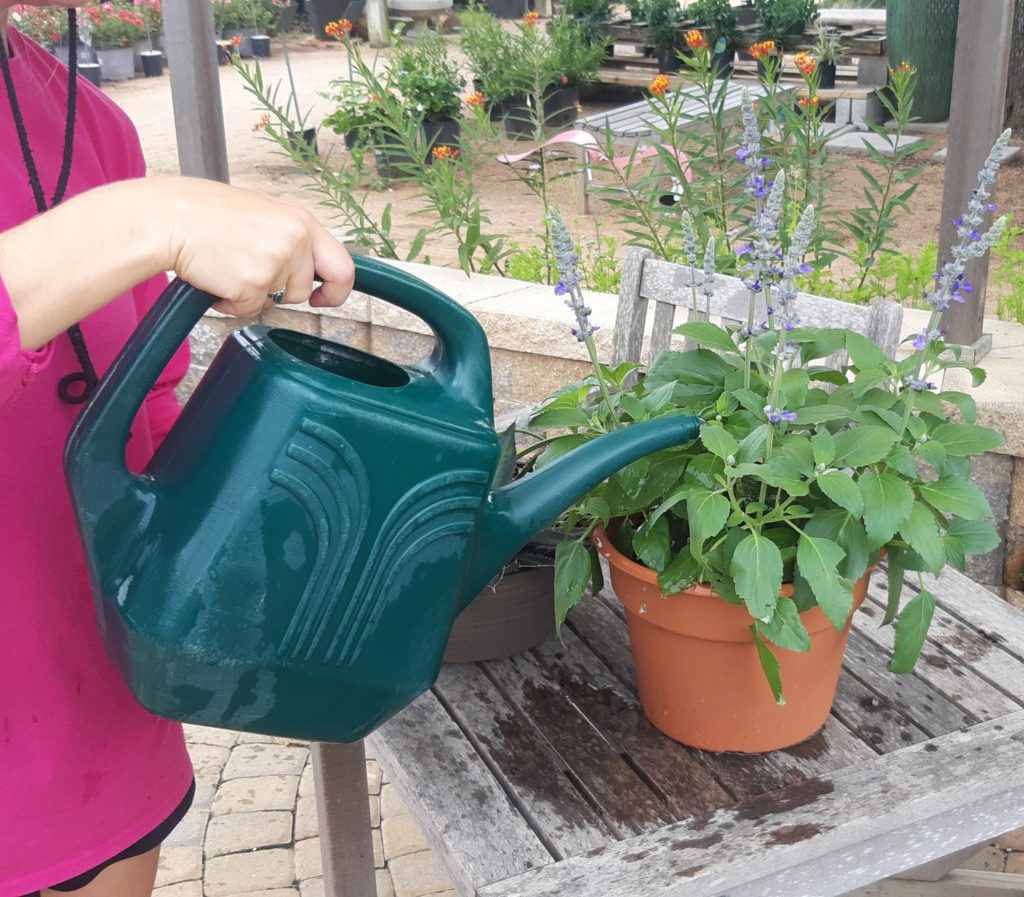
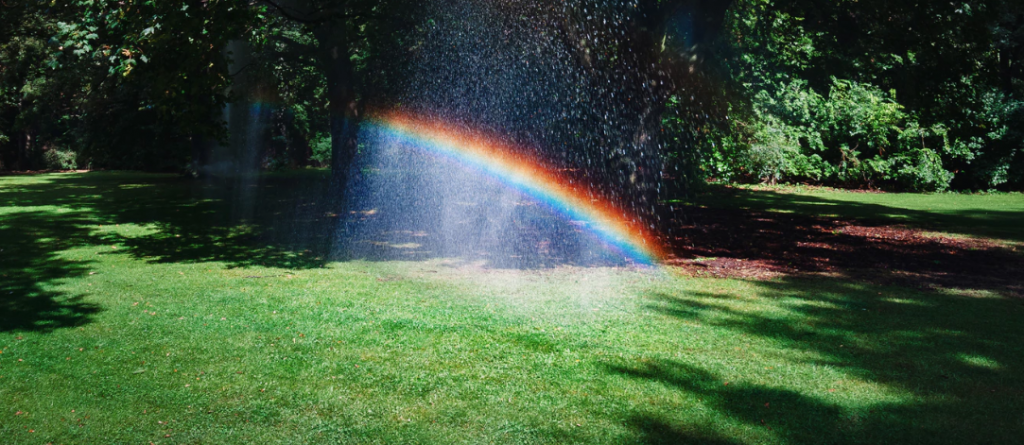
Proper hydration happens when you get water down to the roots of the plant. This means watering deeply, not more frequently. Run irrigation systems or sprinklers every other week before 10am or after 6pm per current city watering rules – if there were no restrictions, we’d recommend once a week, but once every other week will keep lawns, most plants, and trees alive through the summer. The key is long, slow, deep drinks! Encourage those roots to dive deeper for water. Even when we get a summer rain, continue to watch your watering and maintain that depth moisture.
3. Mulch to Keep Cool
Studies show that a good 3″ layer of mulch will keep your plant roots more than 20 degrees cooler in summer! Not only that, a good mulch layer also helps retain moisture AND keeps weeds at bay. Healthy plants, less watering, and fewer weeds – that’s a win/win/win! It’s important to use natural wood or pine straw mulch that breaks down over time. As it breaks down, it adds nutrients and makes your soil more workable.
4. Watch for More Bugs in Summer
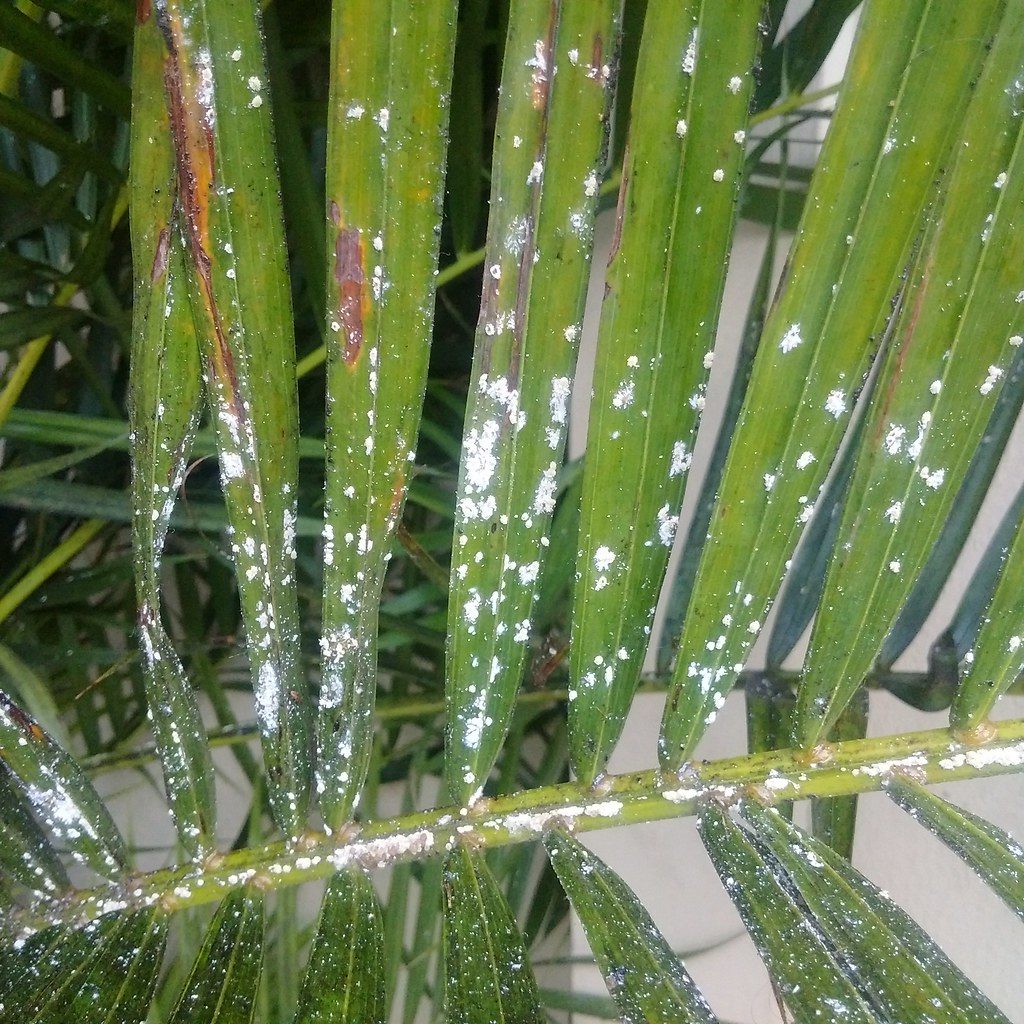
This is what a mealybug infestation looks like!
Not all bugs are bad, so it’s important to know your bugs before you spray anything, even organics. A few bugs here and there is most likely not cause for alarm. If you do get an infestation, cut the plant back first, give it some fertilizer, then treat for bugs. By pruning first, you won’t have to treat every leaf on the whole plant. We see plants come back better than ever using this method. If you’re not sure about bugs or pruning, we’re here to help.
5. Train Your Plant Sitter
Be sure to have a trusted plant-sitter come water your plants while you’re away on summer excursions! It’s a good idea to spend a little time showing them how you water. Make them a list, draw them a map, and walk them through it. You know your plants and which ones get tired and thirsty the fastest.
6. Collect Cool New Houseplants
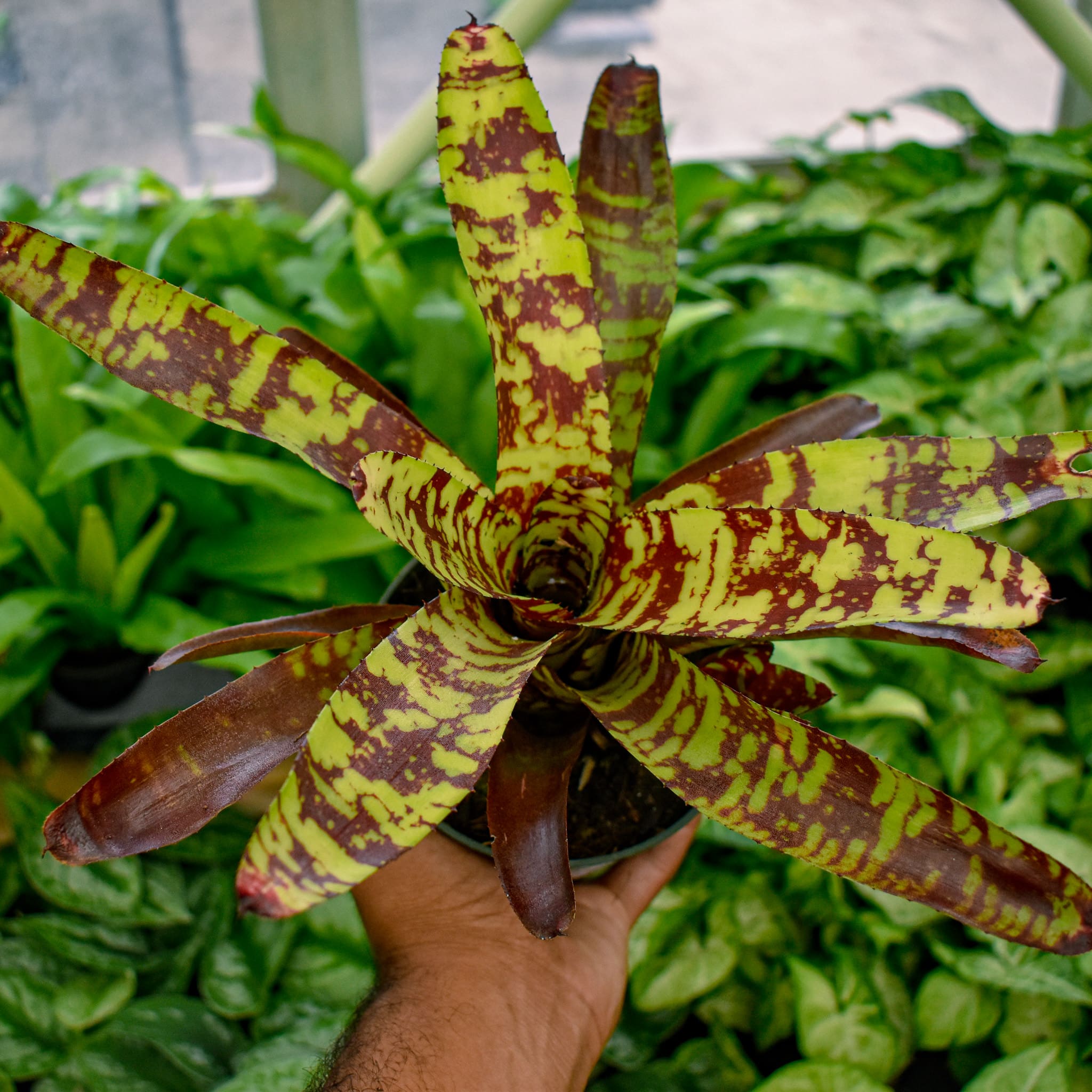
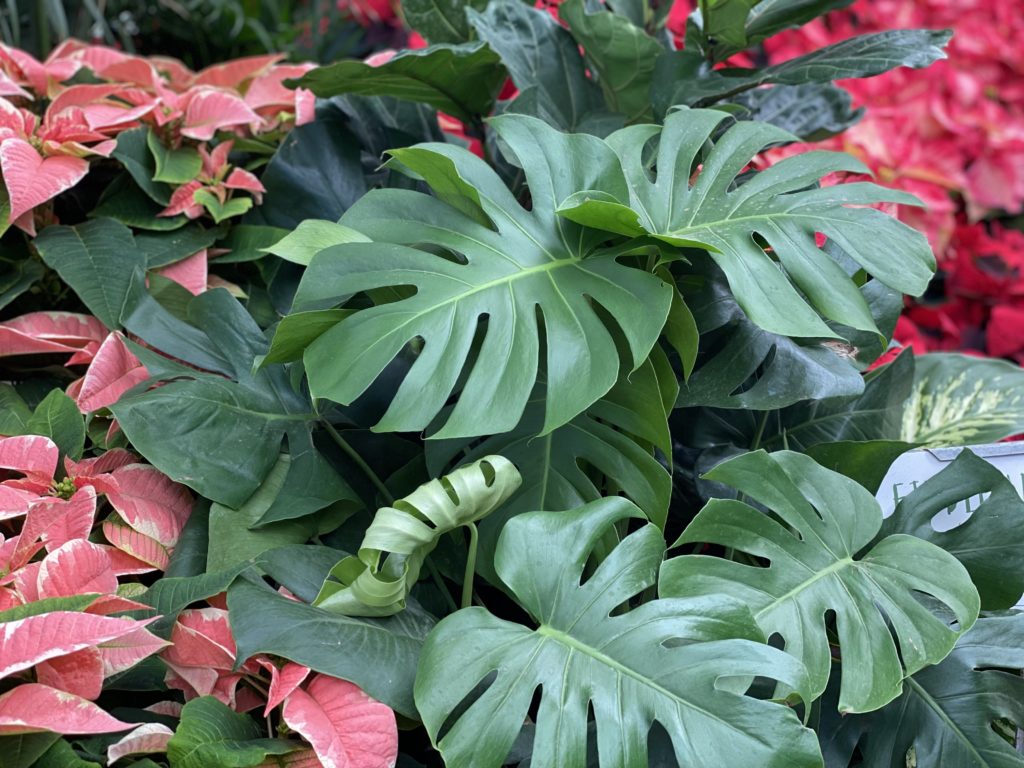
Now’s a great time of year to work on your houseplant jungle. The greenhouse is restocked with all kinds of interesting houseplant choices, including lots of new Bromeliad varieties! Keep in mind that constant A/C indoors will dry out plants. Keep an eye on watering (use a moisture meter) and don’t place houseplants near an A/C vent. You might also try experimenting with a humidifier near your plants to help regulate moisture.
December is here! These last few weeks of 2022 are sure to fly by. Our advice: make sure you spend some time in the garden to balance out the hectic holiday season. Here are our top to-do’s this month: what to plant, gift ideas, holiday plant care, and more.
Check out our December Garden Guide for more tips and remember that trees, shrubs, and perennials can be planted 12 months out of the year! The only difference is the amount of water they need depending on temperatures and wind!
1. Plant These in December
There’s always the BEST time to get plants growing and here’s a few that LOVE this season as much as we do!
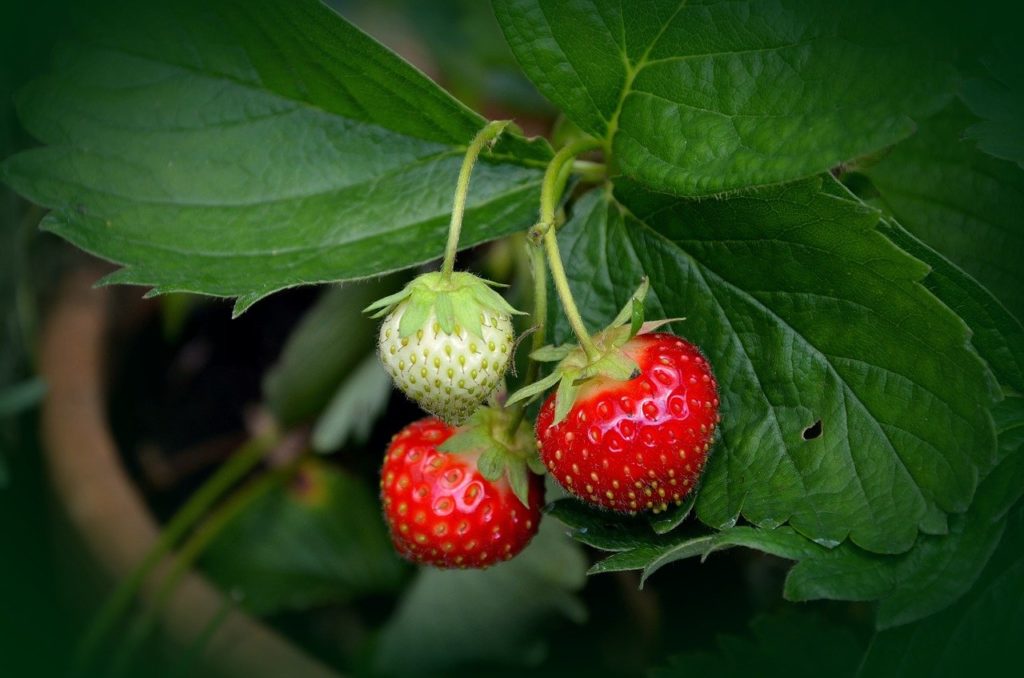
Strawberries…who could resist picking these sweet jewels in the Spring?
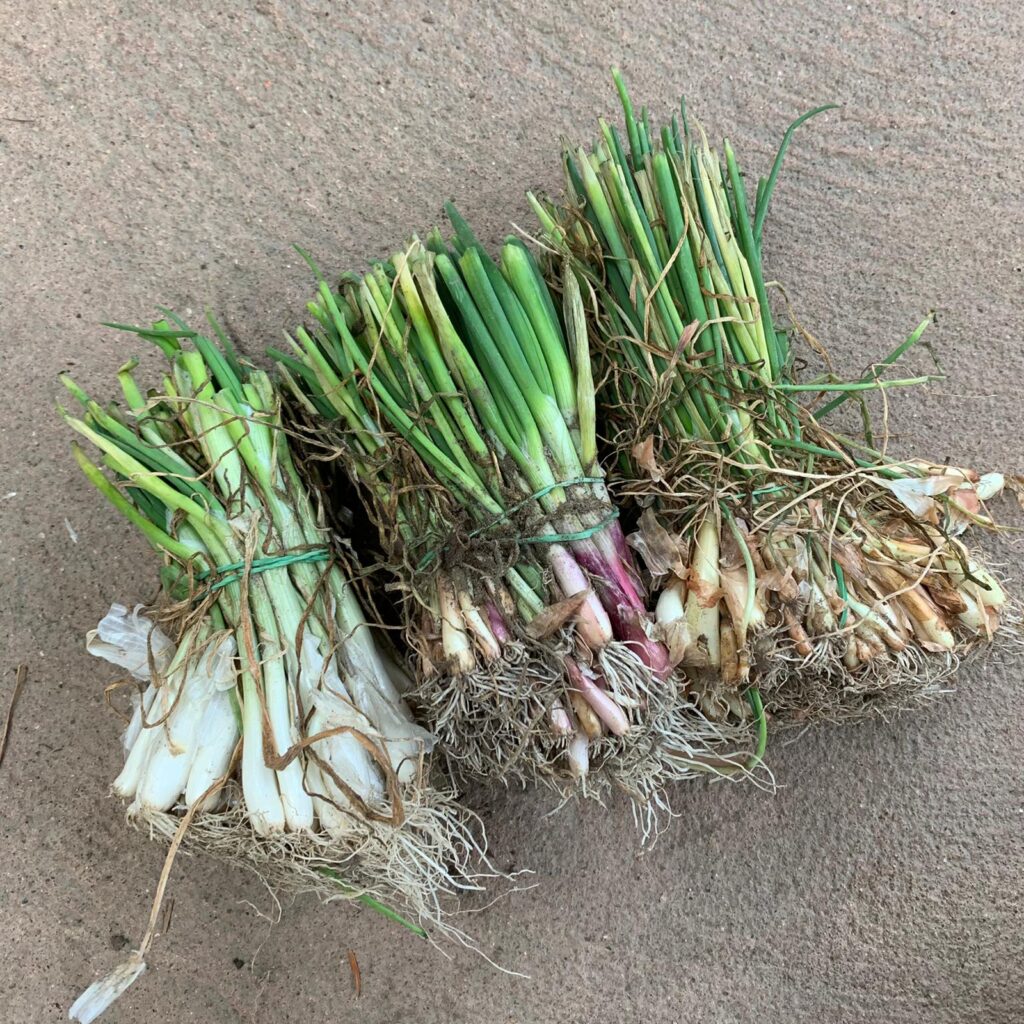
Onions…we grow short-day onion varieties here in South Texas. Lucky for us the 1015 Texas Supersweet is one of those along with tasty Texas Early White & Southern Belle Red.
Roses…our mild winters are perfect for big, beautiful roses & the cooler temps will only make them prettier and the flower color richer.
Trees…shade, flowering, small, big, they all benefit from planting now. Good root development during the cooler months of winter gives them better growth in spring and a deeper, stronger root system to withstand the summer heat.
Ornamental Cabbage…these winter classics need to be planted early this month and enjoyed through the season! Easy care, vibrant colors, and unique texture in the garden.
Alyssum…gorgeous white blooms all winter long. Did you know Alyssum flowers and leaves are edible? They have a pungent horseradish-y flavor.
2. Tips for Holiday Plants
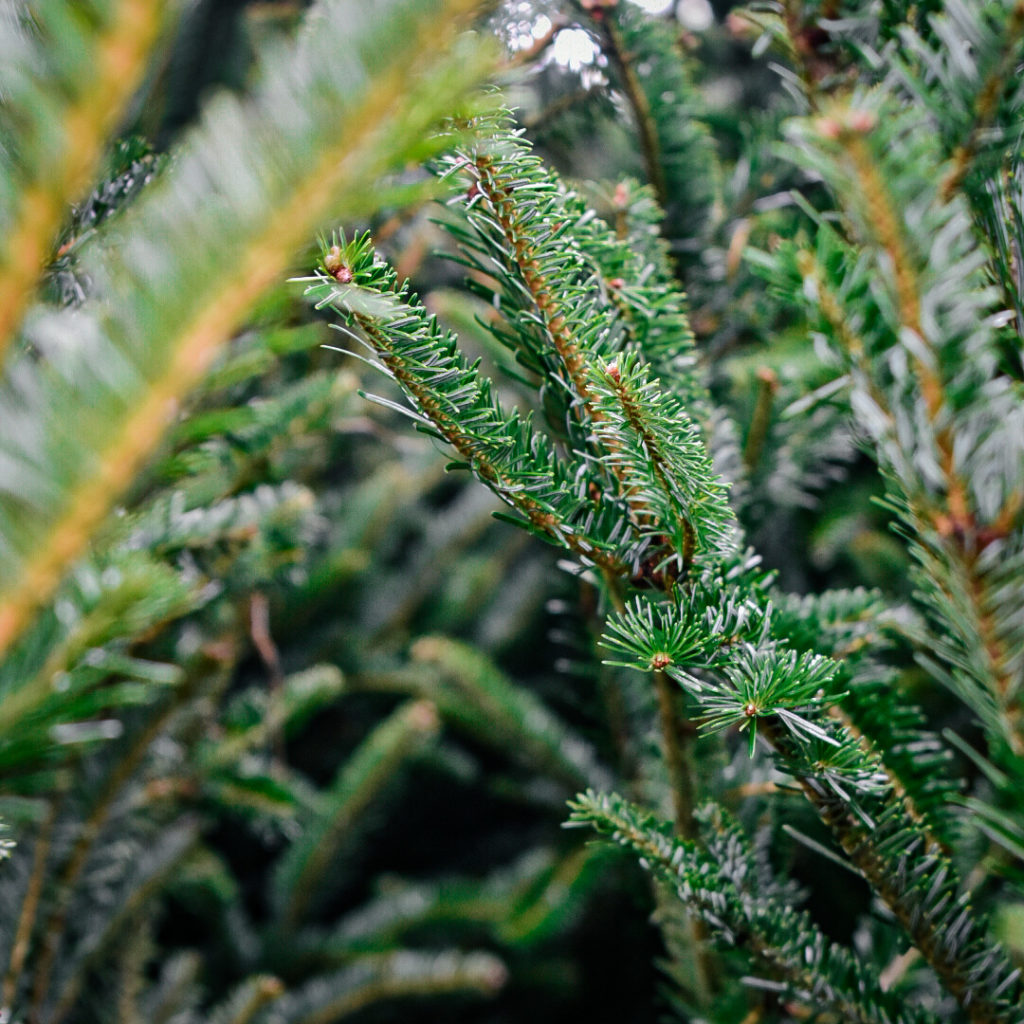
Fresh-cut Christmas Trees…we give all of our trees a fresh cut and get them in water immediately to preserve their freshness. Many customers ask us for another fresh cut before they take the tree home. If you decide to have us do another fresh cut, or if you do it yourself, keep in mind that you have 10 minutes to get the tree in water before that cut seals over! Check water in your tree stand daily and keep it full. If you have pets who like to drink or splash the water, try covering with a piece of foil.
Poinsettias…Think of poinsettias as succulents – because they are! They are a type of euphorbia. That means give them a good drink, but let them dry out between waterings. Also, the leaves bruise and break easily, so avoid touching them as much as possible. So tempting to touch!
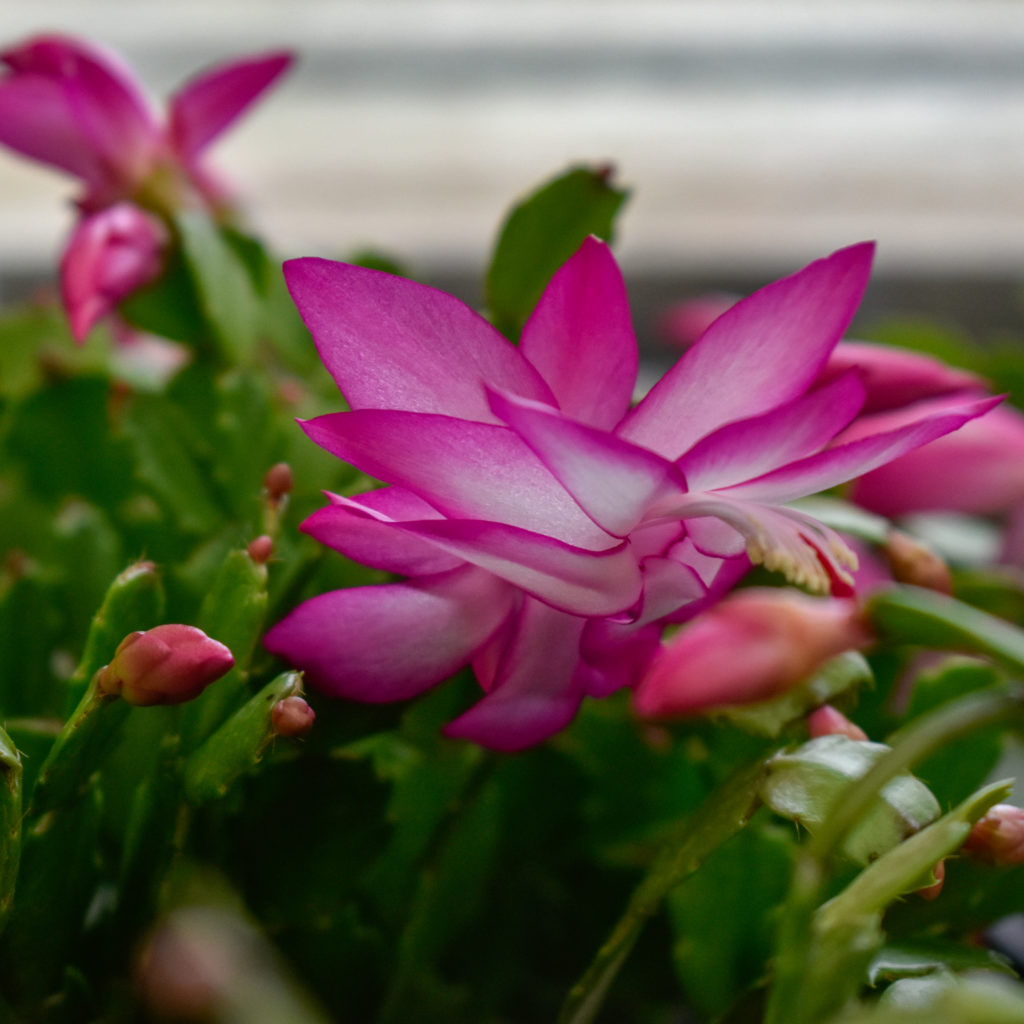
Christmas Cactus…Probably the easiest of all holiday plants, and they can last a LONG time! There are stories of Christmas Cacti that have been gifted and passed down through families for 100+ years. They like well-lit areas, but not direct sunlight. Let dry between waterings, then mist the leaves as well as water the soil when its time to water.
Living Holiday Trees…Junipers, Norfolk Pines, Loblolly Pines, Magnolias and Ficus trees all make great Christmas trees that can be planted outside after the holidays. If you bring these in for decorating, be sure they have good bright natural light. Keep watered but not too much, and as soon as the holidays are done…take them outdoors for a breath of fresh air and get them in the ground.
3. Think Gifts for Gardeners!
If you have gardeners on your list this year, we’ve got you covered! Quality tools like these classic French pruning sets, plant-able Christmas cards with wildflowers seeds embedded in them, self-watering ceramic mushrooms, and lots more unique garden gifts. And of course, plants!! If they’re picky, you can’t go wrong with a Gill’s gift card.
4. Plant, Feed, Water Winter Flowers
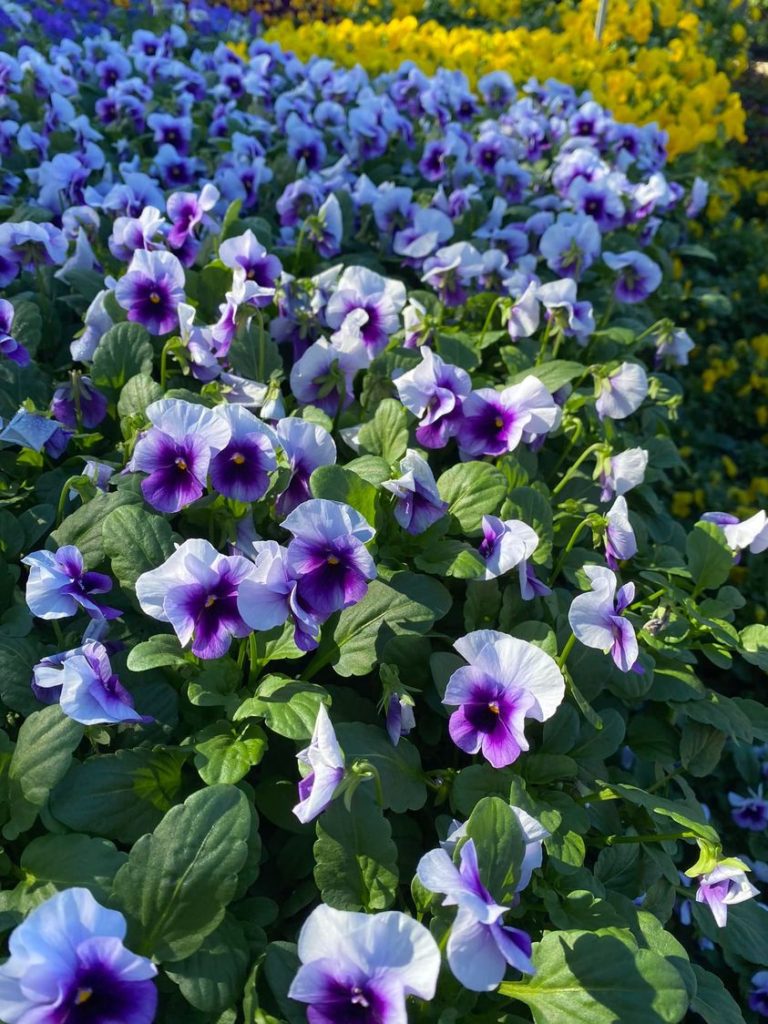
Winter flowers are AMAZING right now! Violas and Pansies are breathtaking and Geraniums are full of buds and blooms. All that blooming makes them hungry, so take a moment and fertilize your beauties. We love Plant Tone and or Hasta Gro. Both are organic and give you big results. Have that “one more empty pot” to fill?
5. Adjust Your Houseplant Care for Winter
Most houseplants will not experience a complete dormancy period during winter, but they will slow down growth and react to climatic changes like drier conditions inside the house. Give your houseplants more light and less water as temperatures and the amount of daylight hours drop. Dust/shine leaves regularly to ward off insects. Cooler temps = drier conditions and less of the humidity that houseplants love. Try grouping them together to create more humidity, or use a humidifier.
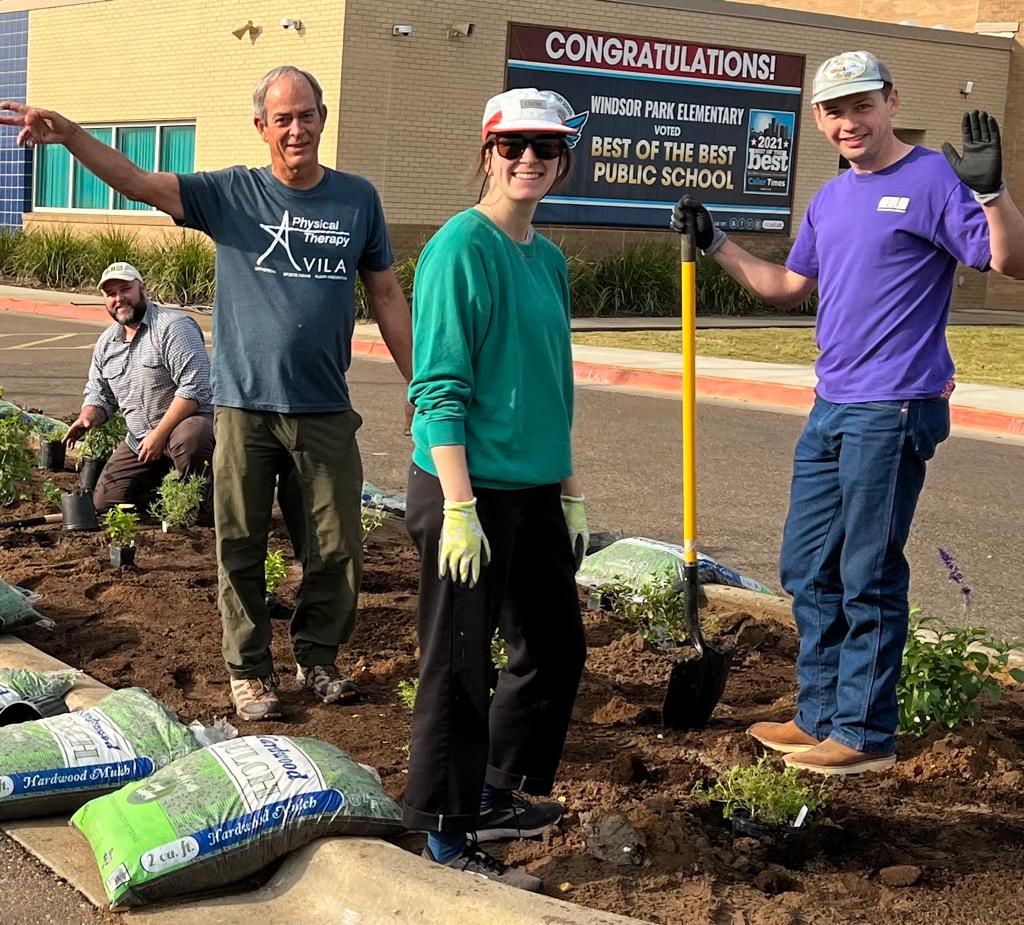
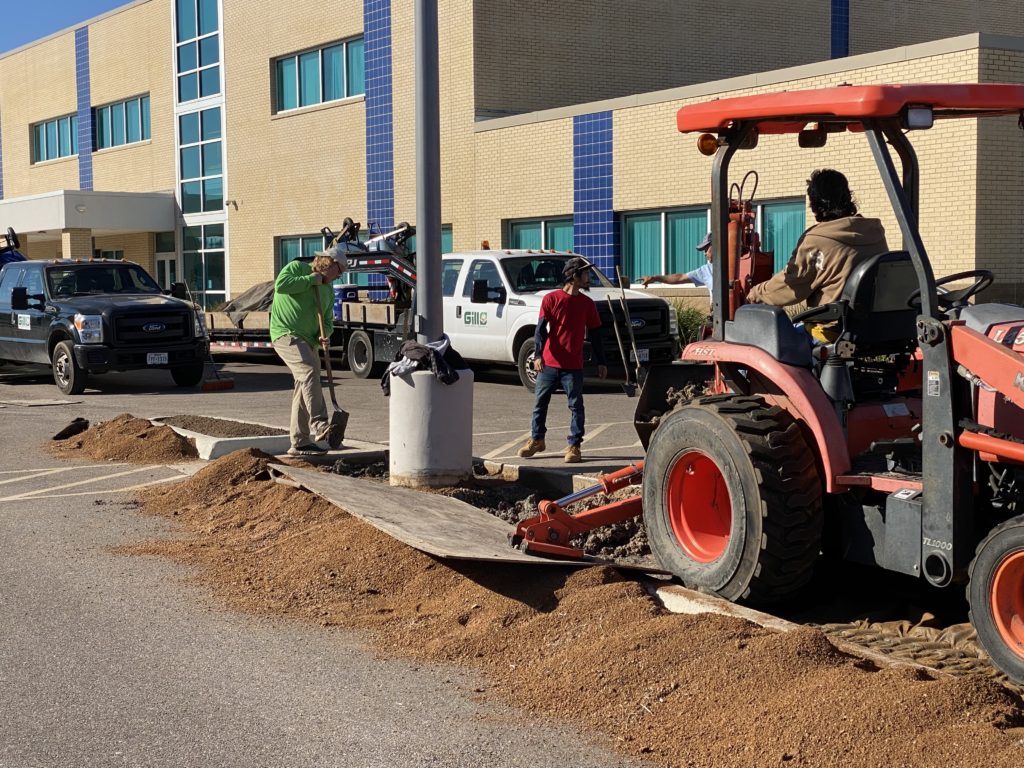
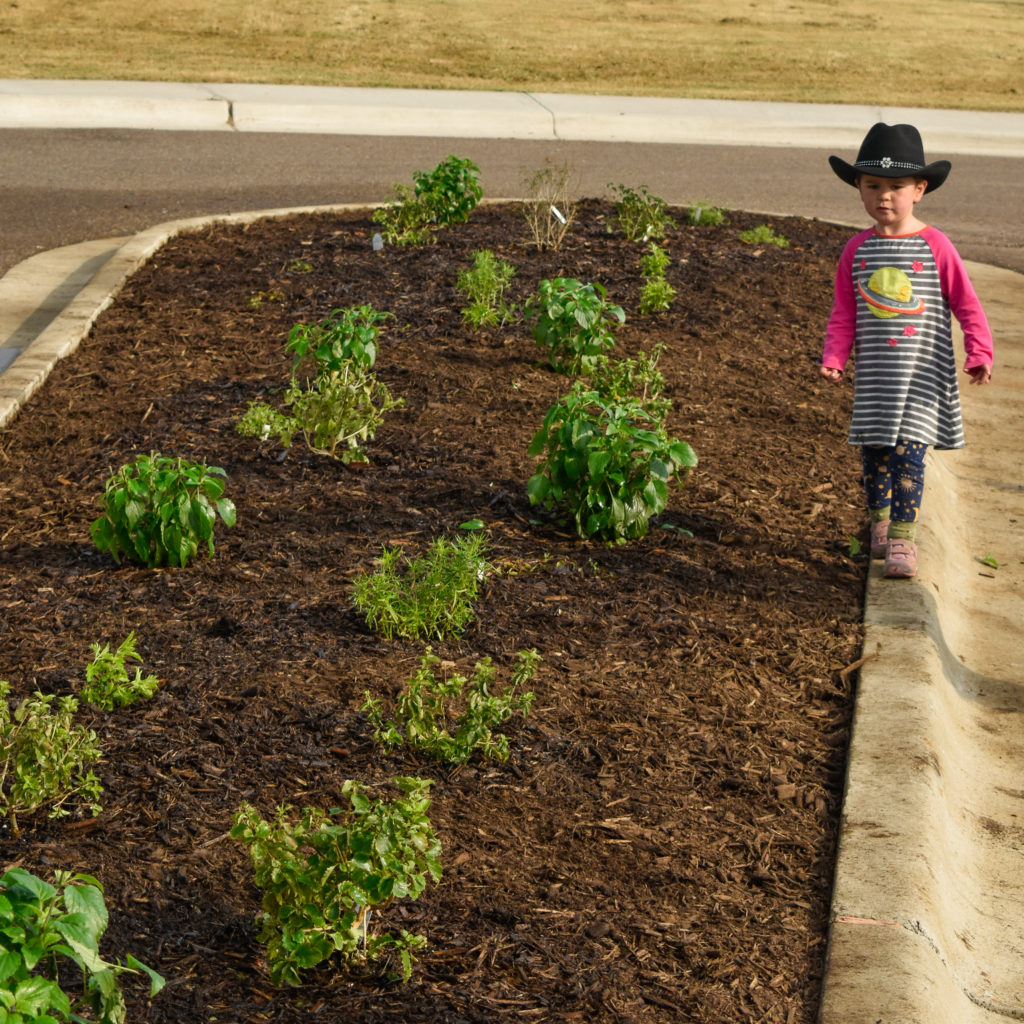
Back in late December, Gill’s had the pleasure of donating the planting of a new pollinator garden at Windsor Park Elementary School for kids, parents, and teachers to enjoy this Spring and for years to come. James Gill designed the garden in an empty parking median using mostly Texas native plants like Kidneywood, Texas Lantana, Frogfruit, Skeleton-leaf Goldeneye, and more to attract different birds and butterflies. This is a very special project for us, and we chose to dedicate it to Gabe Velasquez, long time Gill landscaper and friend who passed away.
A few words about Gabe from James Gill:
“Very early in the growth and evolution of Gill’s, we were so fortunate to connect with a wonderful young man, Gabe Velasquez. He quickly learned the basics of landscape installation and became quite a craftsman, with high personal standards of quality work and materials. His good nature and work ethic made him a favorite of our Gill team and our customers.
We lost contact with him for several years, but managed to lure him back, and he not only retained his high personal standards, but was so willing to mentor younger crew members.
Tragically, we lost Gabe during the Covid pandemic, and the folks at Gill’s have been looking for some kind of worthy tribute. We think Gabe’s Garden at Windsor Park Elementary School, which will bring butterflies, humming birds, and thousands of smiles to children and their parents, would suit him just fine.”
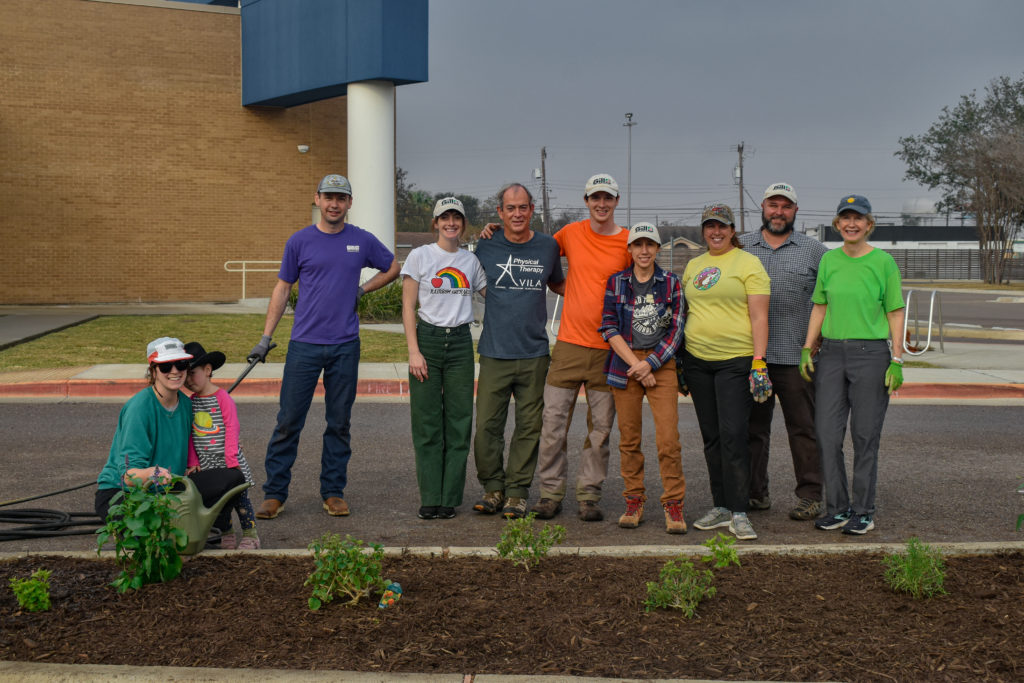
The volunteer team for Gabe’s Garden included current Gill landscape crew leaders Arnold Charles and Jimmy Chavira, who both worked with Gabe for many years, Aracely Negrete (Master Naturalist from Kingsville), Sara Jose (Oso Bay Wetlands Preserve Manager), Jesse Jenkins (Gill’s new owner), and the whole Gill family; James and Sally, son Stuart, wife Anne, and granddaughter Bea, + son Trevor and girlfriend Catherine in town for the holidays!
Gill’s has had a connection to Windsor Park Elementary for many years. Stuart and Trevor Gill both attended! Here they are helping plant Gabe’s Garden all these years later!
Windsor Park Owls, Trevor and Stuart Gilland helper, Bea!
Spring is in full swing! Everyone’s busy planting, re-designing, fertilizing, and getting ready for holidays and weekends with family and friends. Here are our top tips in the garden this month.
1. Feed Your Lawn and Plants
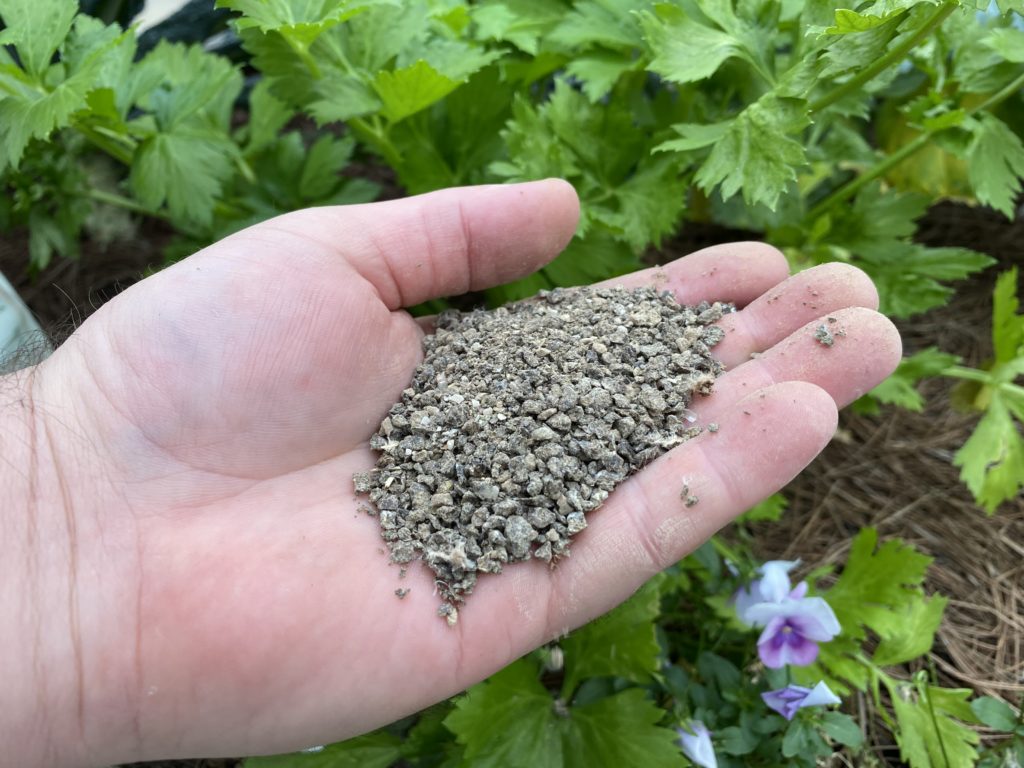
Fertilizing/feeding your plants this month is a must. This includes lawns, trees, and most plants. Everything is actively growing, which means they’ll need more food to continue looking their best. For lawns we love organic Medina Growin Green once in Spring (now), once in Summer, and once in the Fall. Medina Growin Green is a great multi-purpose food for shrubs and trees too. For blooming perennials, annual flowers, and veggies we really like organic Plant Tone by Espoma and Medina Hasta Gro liquid. Feed with Plant Tone on the 1st of each month, then follow up with liquid Hasta Gro on the 15th.
2. Water Slow and Low
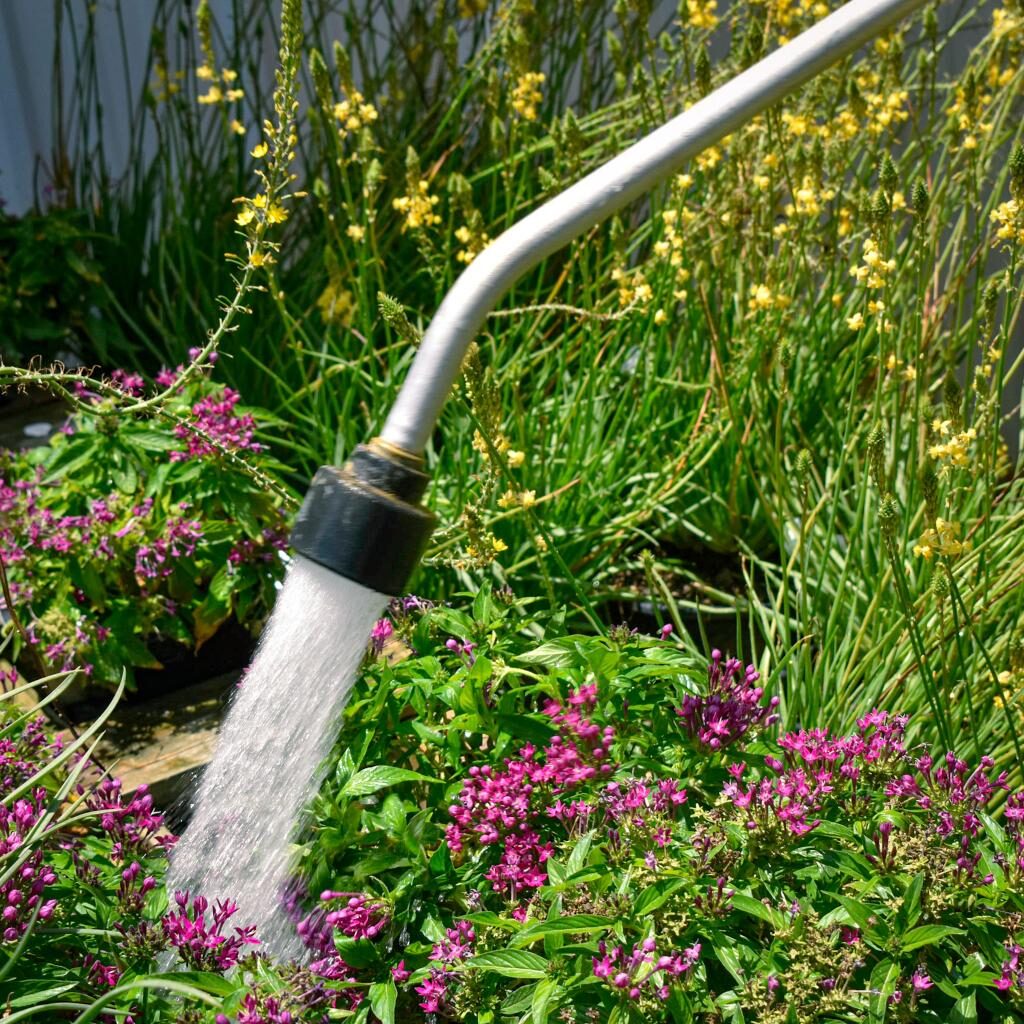
Proper watering, along with proper fertilizing, keeps plants and lawns healthy and resistant to pests and disease. Here’s a tip to remember: water “slow and low”! Watering slowly (by turning down the pressure on your watering wand or kinking your hose) ensures that more water gets down to the roots instead of running off the surface. Watering plants low to the ground keeps water from escaping via wind and evaporation and keeps water off the leaves which can invite fungal issues.
If using sprinklers or an irrigation system, be sure they’re working properly and always check current City of Corpus Christi watering rules here. For new landscape projects that require irrigation to get established, and some other situations, you can apply for a temporary exemption to watering restrictions with the City. We can help you with that if you need.
3. Plant for Nature
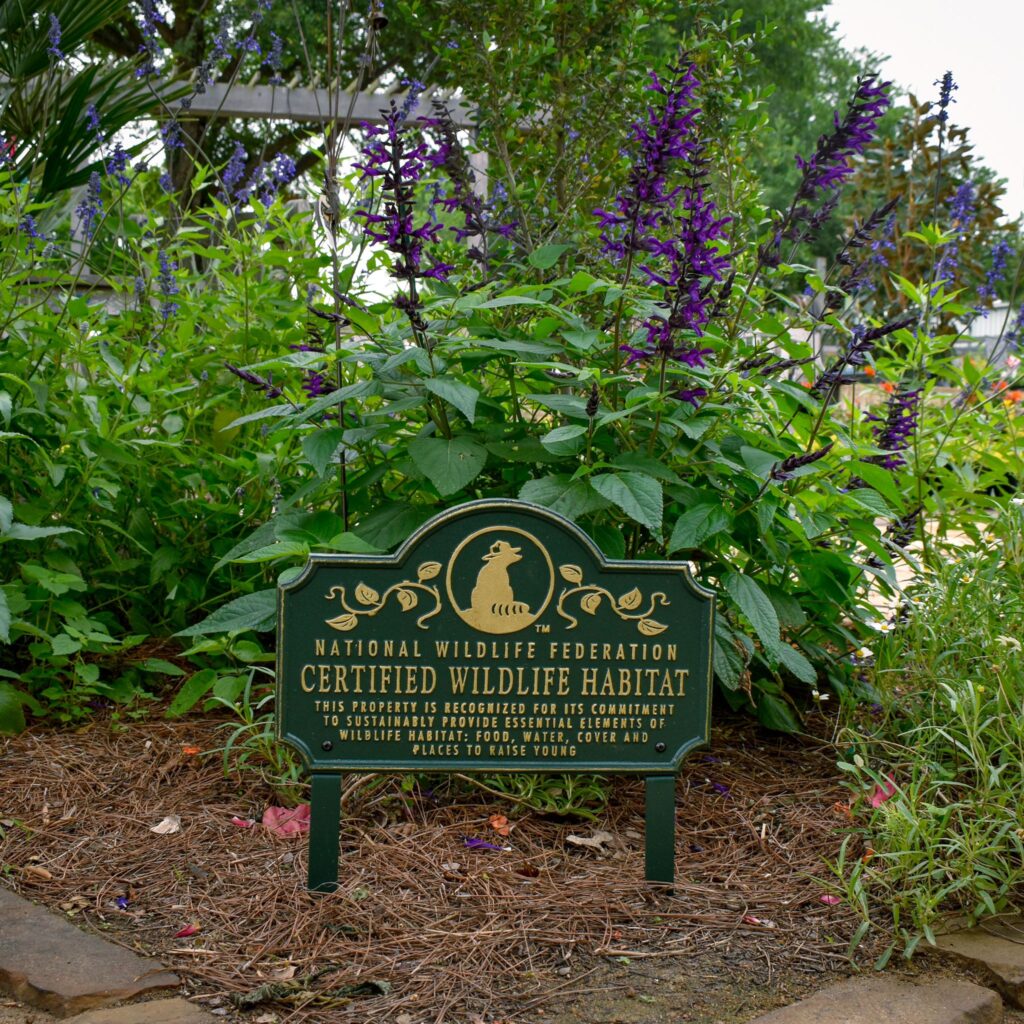
Add some blooming perennials to attract pollinators like butterflies, bees, and birds to your garden. You support them (and the planet!) and they help you have more blooms and better production on your veggies! By including plants that provide food for pollinators, and meeting a few more simple criteria, you can even make your garden a certified wildlife habitat with the National Wildlife Federation. We just certified our pollinator garden here at Gill’s!
4. Plant Your Warm Weather Veggies
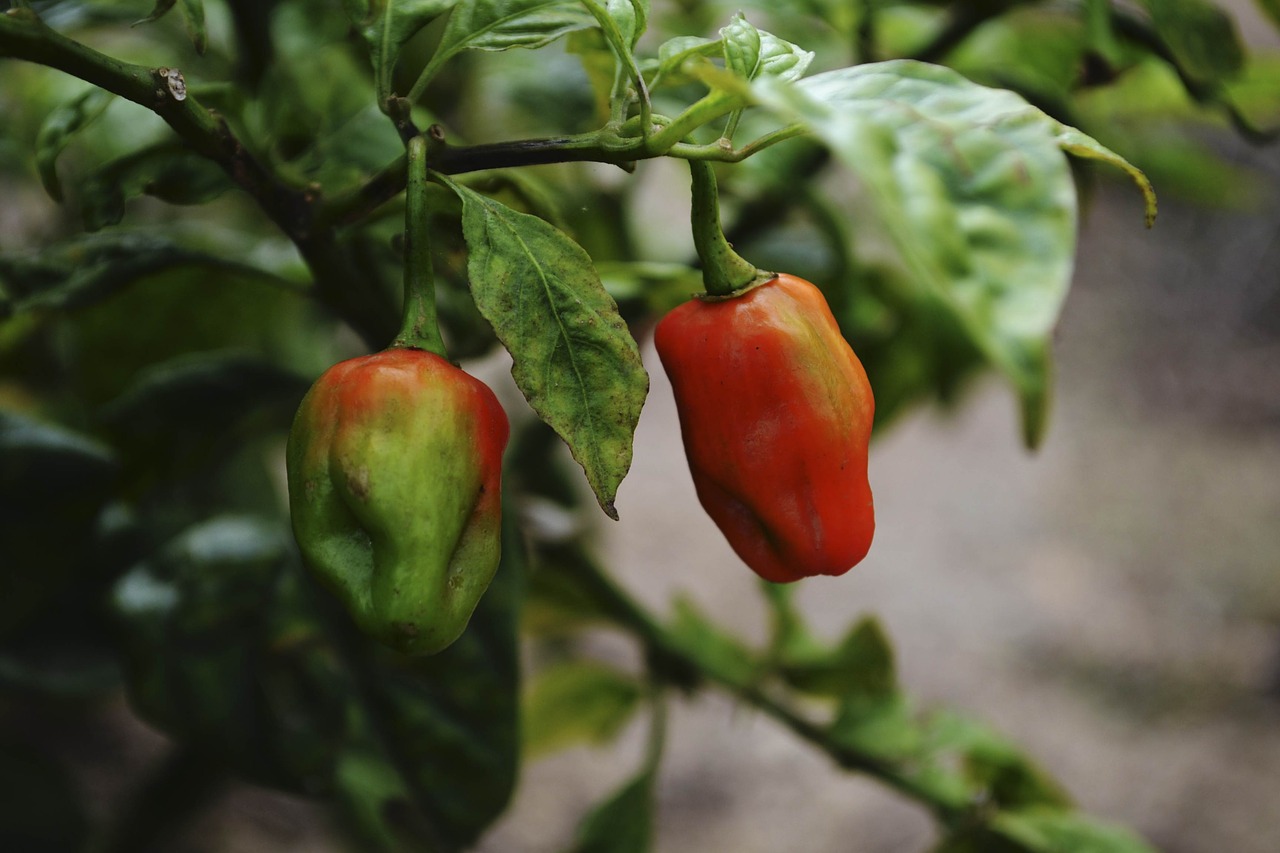
It’s time to plant hot peppers, squash, zucchini, basil, beans, and more! Tomato time has almost passed, but we still have a few if you still really want to plant a tomato. When starting veggies, the trick is to get the soil as active and alive as possible. Amend your existing soil with Nature’s Blend Compost (about 1 bag per 12 sq. ft.), then add a little Bio Tone starter fertilizer with mycorrhizal fungi and a good handful of worm castings when you plant.
5. Get Ready for Guests
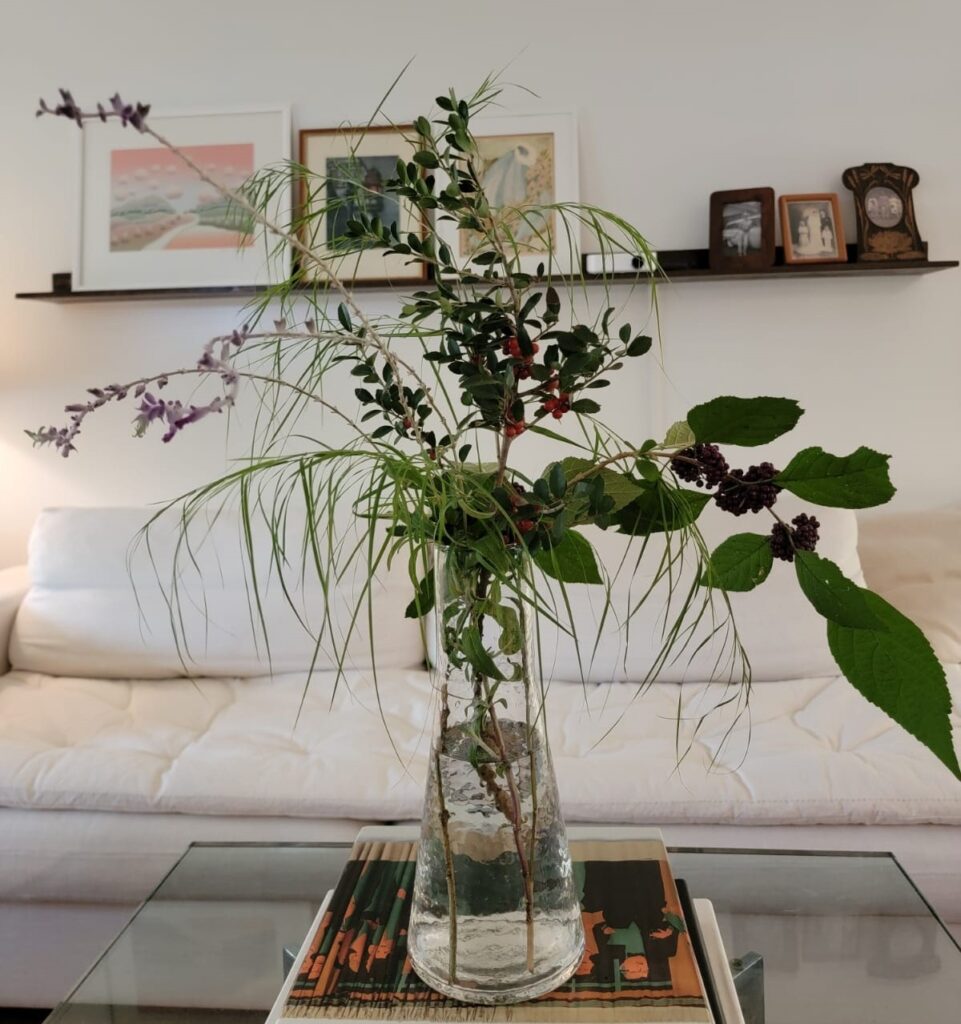
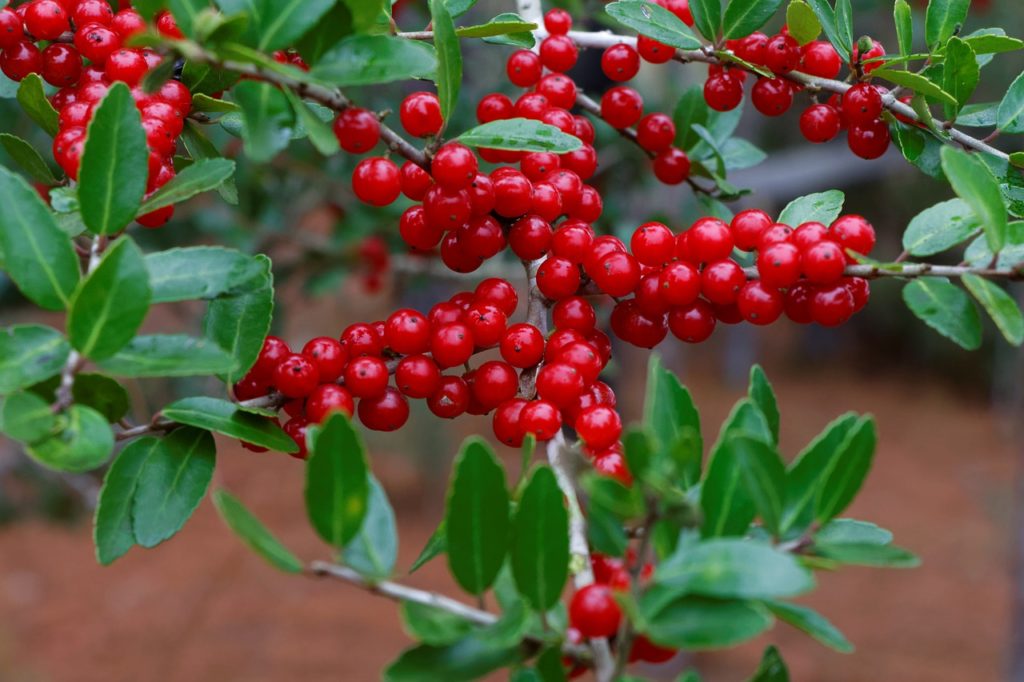
Bamboo Muhly Grass, Mexican Bush Sage, Yaupon Holly, and American Beautyberry cuttings
April is time for holidays with family and friends. And a great time for plants! For the quickest and easiest impact outdoors, think hanging baskets overflowing with color + fresh mulch in your beds. For indoors, our favorite flower arrangements are those cut fresh from the garden and landscape.
May means Mom’s Day, graduations, and more BBQs and family holidays outside! May is also Mental Health Awareness Month. As gardeners, we know growing plants and being outdoors are necessary for our wellbeing…and so much fun! As one of our customers put it recently, “I believe that people who garden are the most hopeful and positive individuals.” Here are our Top 6 Must Do’s this May to keep you and your garden feelin’ good.
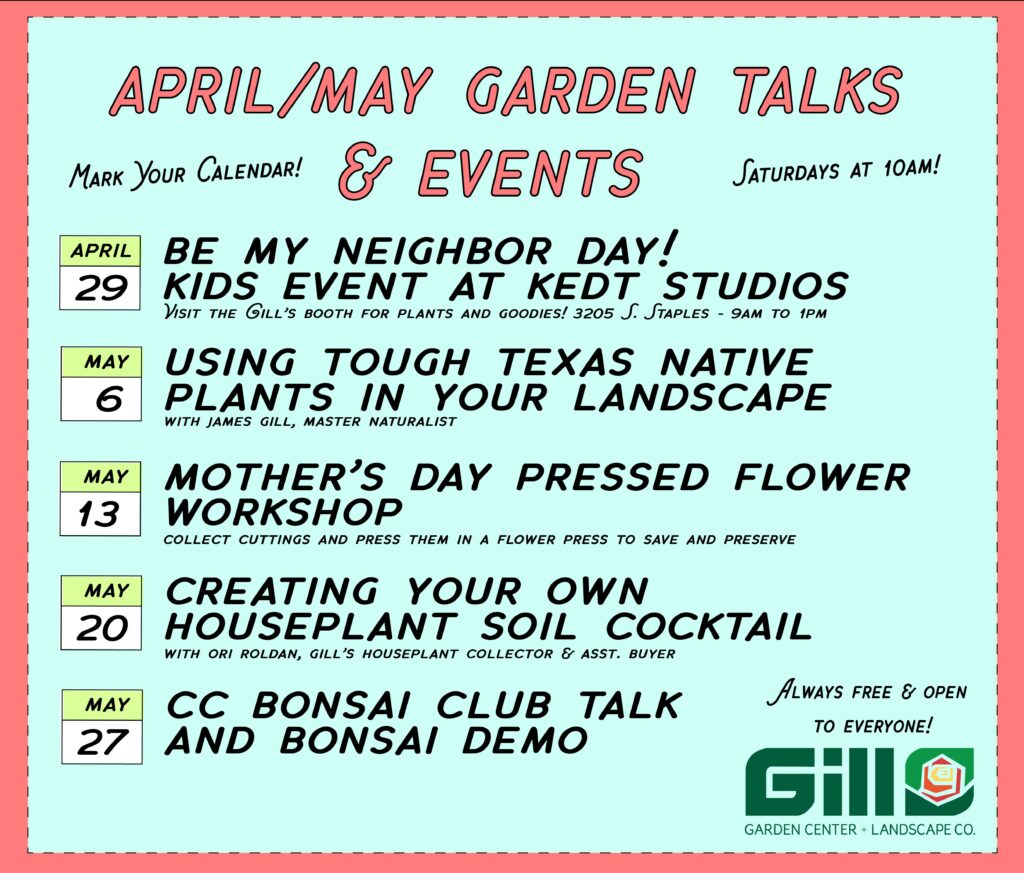
1. Join Us for Garden Talks and Events!
We’ve got a fun May planned here at Gill’s, and we’re kicking it off this Saturday, April 29th, 2023 at Be My Neighbor Day! This is a community event at KEDT Studios at 3205 S. Staples from 9am-1pm. Gill’s will have a booth with seeds, plants, and goodies for kids who attend. Then every Saturday in May, we’re hosting garden talks and events here at Gill’s. Sure to be lots of fun and lots to learn and discuss! Stay tuned for more info!
2. Plant Blooming Perennials and Trees
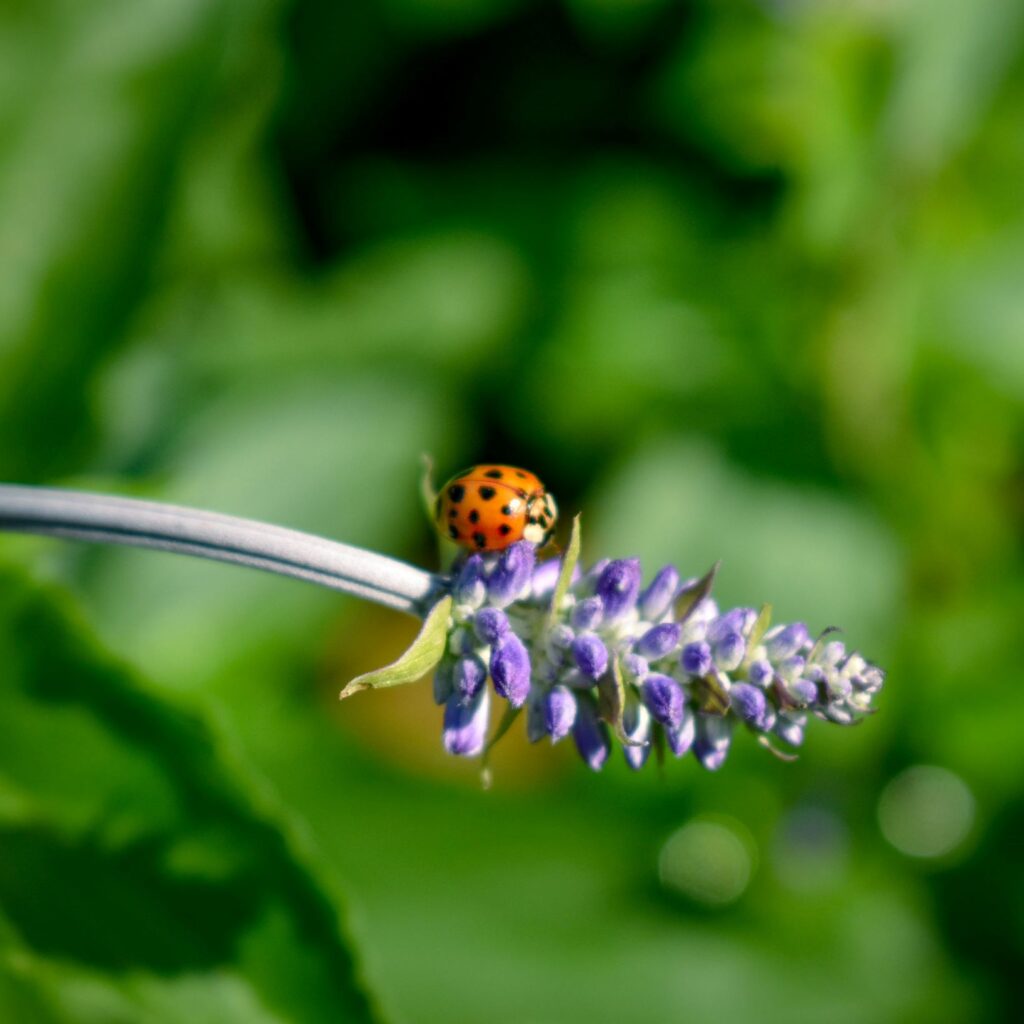
It’s still time to plant lots of different blooming perennials and blooming trees. Get them established now so they are better adapted to withstand warmer temps this Summer. Staples like Esperanza, many varieties of Salvia, Jatropha, Lantana, and more are all blooming beautifully right now. And blooming trees like Crape Myrtles, Vitex, Retama, and Wild Olive are looking great right now too. Added bonus: these blooming perennials and trees attract lots of butterflies and hummingbirds!
3. Plant and Harvest Veggies
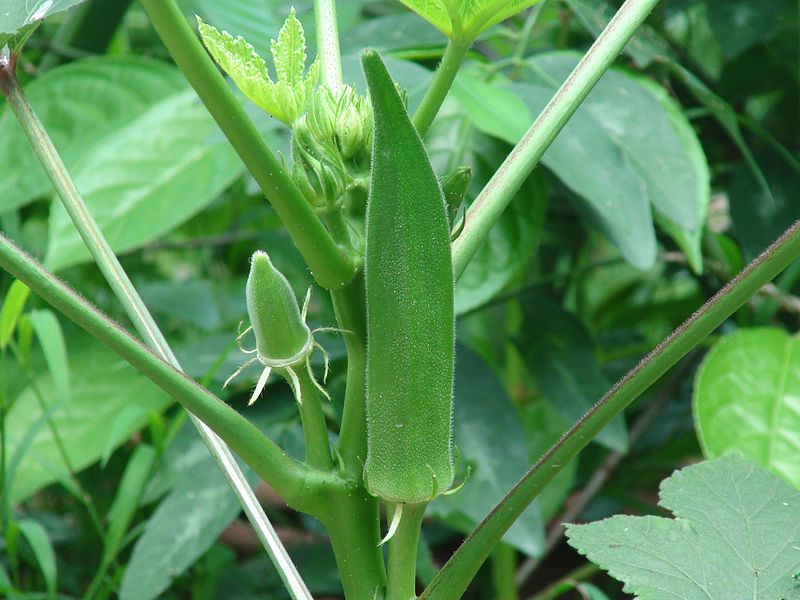
Warm weather veggie time! Plant peppers, zucchini, squash, and okra this month for continued harvesting into the Summer months. If you planted tomatoes, cucumbers, and other early Spring veggies, you’ll be harvesting now or soon. Be sure to harvest often! It keeps birds & insects from finding them first. If you do have insect issues in your veggie garden, our go-to organic control is Spinosad – safe for food but takes care of bugs. Recent rains have been great for veggie gardens. Remember to keep watering as the weather warms up and dries out to maintain depth moisture. Soaker hoses are great to snake around your plants keeping water close to the ground and root systems.
4. Tend Your Lawn
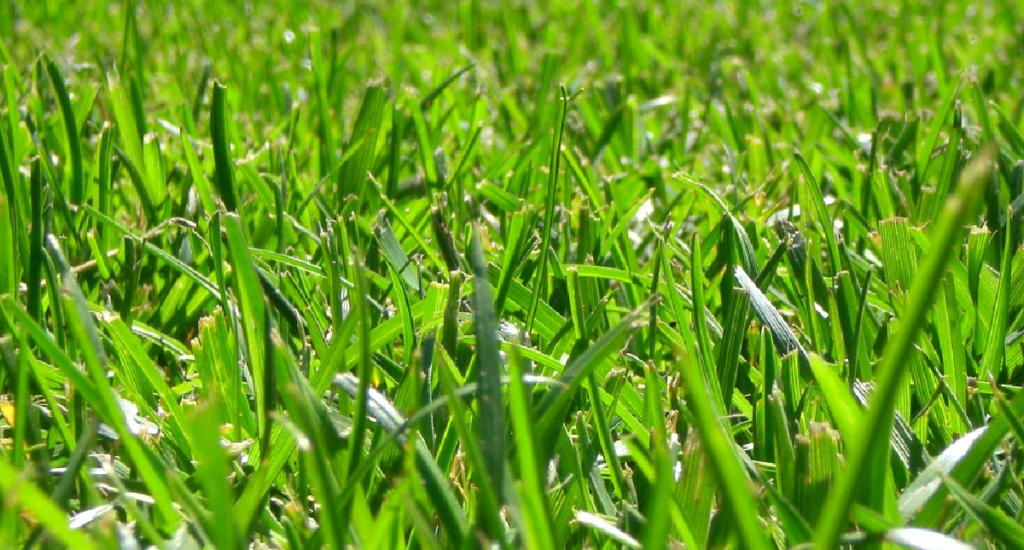
In Spring and Summer, water your lawn once a week unless we have rain. Invest in a sprinkler that’ll do the work – we have them. Hand watering the lawn may feel therapeutic, but you won’t get good coverage and depth. Once a week, nice and deep for a healthy lawn.
When mowing, the proper height for St. Augustine lawns is around 3 inches. For Bermuda lawns, keep mowed to around 2-2.5 inches.
Feed with Natural Fertilizers: Medina Growin Green or Milorganite. These feed the lawn and the soil with great results. Water in to get them started.
Watch for lawn insects & treat when needed. Grub worms & chinch bugs are easy to control when caught early but there’s no need to treat unless you have them. Bayer Season-long Grub Control will do the trick for grubs. Cyonara takes care of chinch bugs. Reminder, you can bring us a grass sample any time you suspect a lawn disease or pest. We’ll diagnose (using our microscope if needed) and get you what you need to knock it out.
5. Set Your Mosquito Traps!
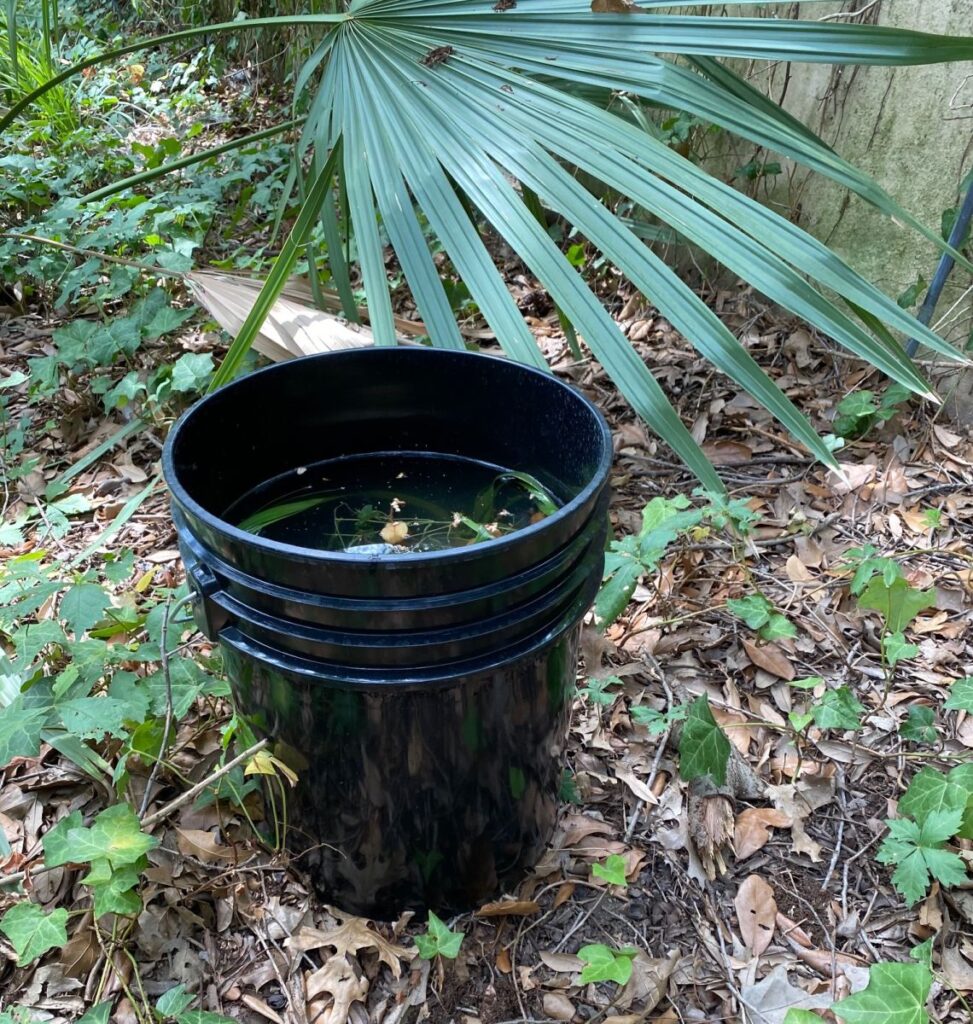
We are big fans of the simple bucket mosquito trap. Just fill a bucket 3/4 with water, add a good handful of lawn or plant clippings, and toss in a Mosquito Dunk or Mosquito Bits. These dissolve in the water and release bacteria that target mosquito larvae and kill them before they hatch. And they’re organic and not harmful to birds, bees, pets or humans! Set a few of these traps, sprinkle some organic Mosquito Beater granules around walkways and patios, spray organic Cedar Repel on your lawn, and use Skeeter Screen incense sticks near where you’re working or hanging out outside. Remember that using chemical mosquito foggers kills all the good bugs too, some of which also help control mosquitos and other bad bugs.
6. Gifts for Moms and Grads
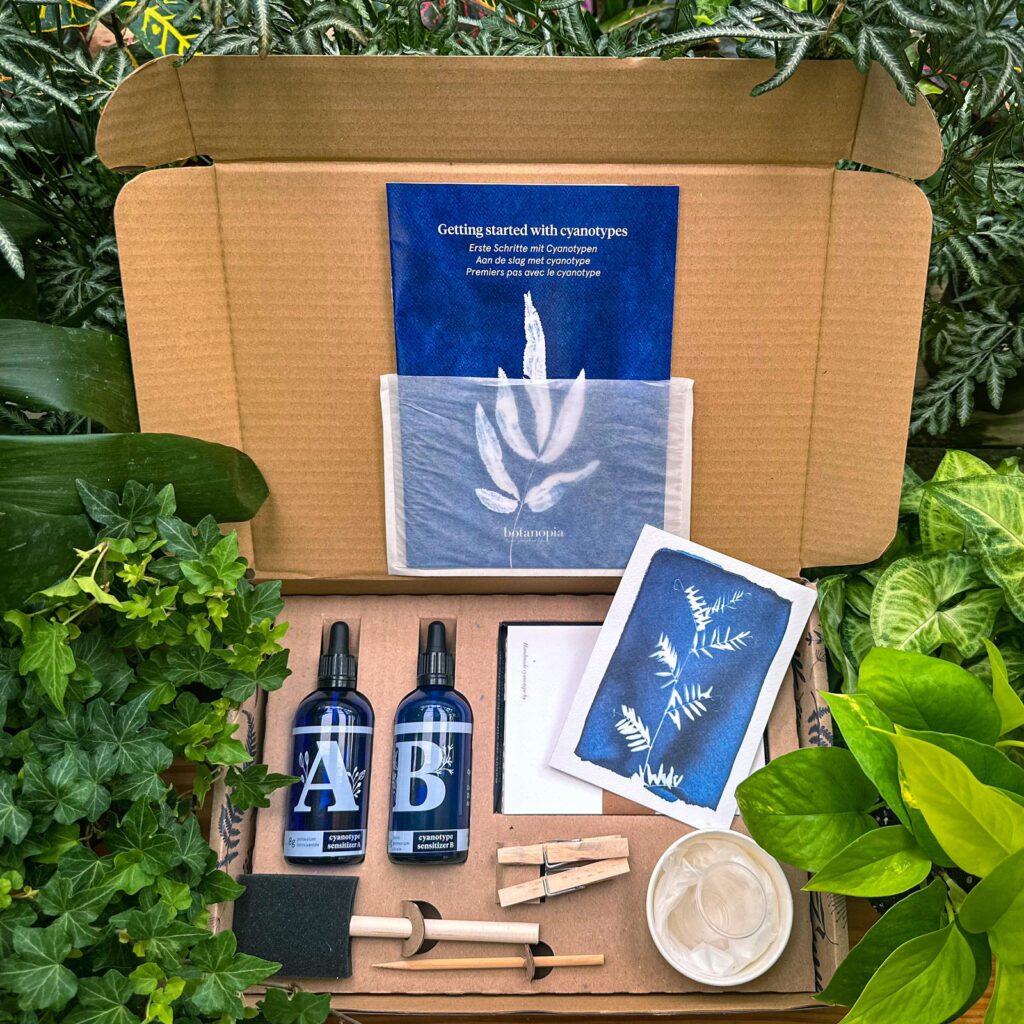
Let us help you find something pretty, useful, or both for the gardening moms and grads in your life. Pottery, birdbaths, wind chimes, garden tools, hats, gloves, garden decor, gift cards – lots of options. Check out this new cyanotype print kit – take cuttings and make cyanotype prints using sunlight! Or find the gift that gardeners love most – plants 🙂
Lots of fun to be had this Summer – holidays, BBQs, weekend trips, and landscape projects! Here are our top must-do’s to keep your plants healthy and happy this July.
Check out our July Garden Guide for more tips and remember that trees, shrubs, and perennials can be planted 12 months out of the year! The only difference is the amount of water they need depending on temperatures and wind!
1. Watering: Think Depth, Not Frequency
Proper hydration happens when you get water down to the roots of the plant. This means watering deeply, not more frequently. Run irrigation systems or sprinklers once a week before 10am or after 6pm per current city watering rules – this is what we’d recommend for summer watering even if there were no restrictions. Remember: long, slow, deep drinks for plants, trees, and lawns! Even when we get a summer rain, continue to watch your watering and maintain that depth moisture.
2. Train Your Plant Sitter
Be sure to have a trusted plant-sitter come water your plants while you’re away on summer excursions! It’s a good idea to spend a little time showing them how you water. Make them a list, draw them a map, walk them through it. You know your plants and which ones get tired and thirsty the fastest.
3. Collect Cool New Houseplants
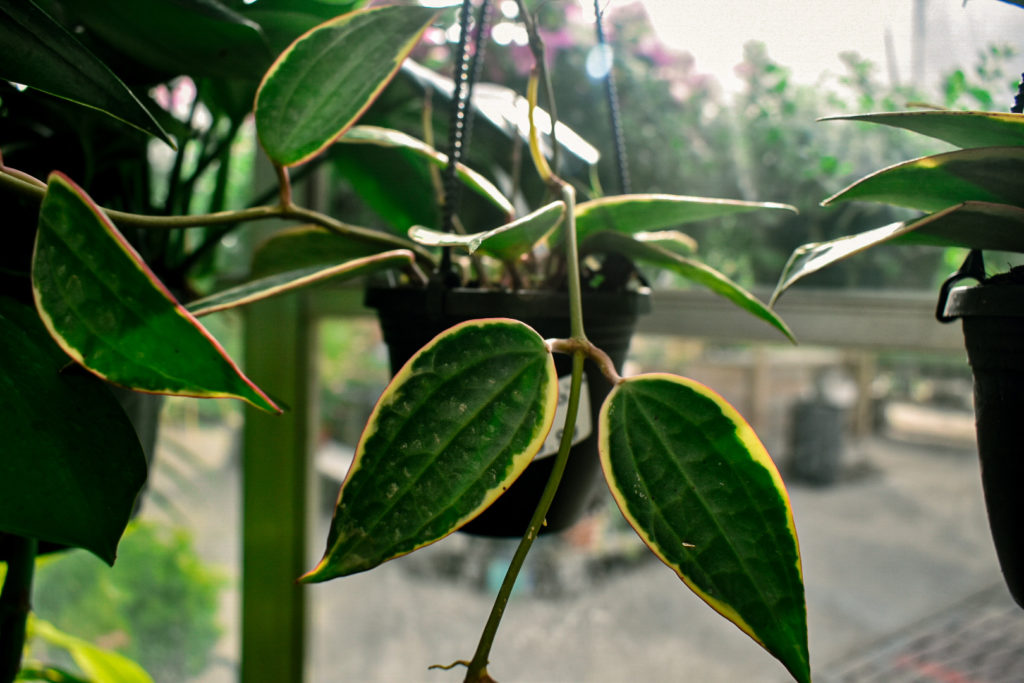
Now’s a great time of year to work on your houseplant jungle. The greenhouse is restocked with all kinds of interesting choices, including the pictured Hoya macrophylla aka “wax plant” or “honey plant”. The variegated edges become vibrant pink with more sunlight, and it blooms beautiful fragrant star-shaped flowers. Great to hang/drape in medium to bright indirect light. Keep in mind that constant A/C indoors will dry out plants. Keep an eye on watering (use a moisture meter) and don’t place houseplants near an A/C vent. You might also try experimenting with a humidifier to help
4. Mulch to Keep Cool
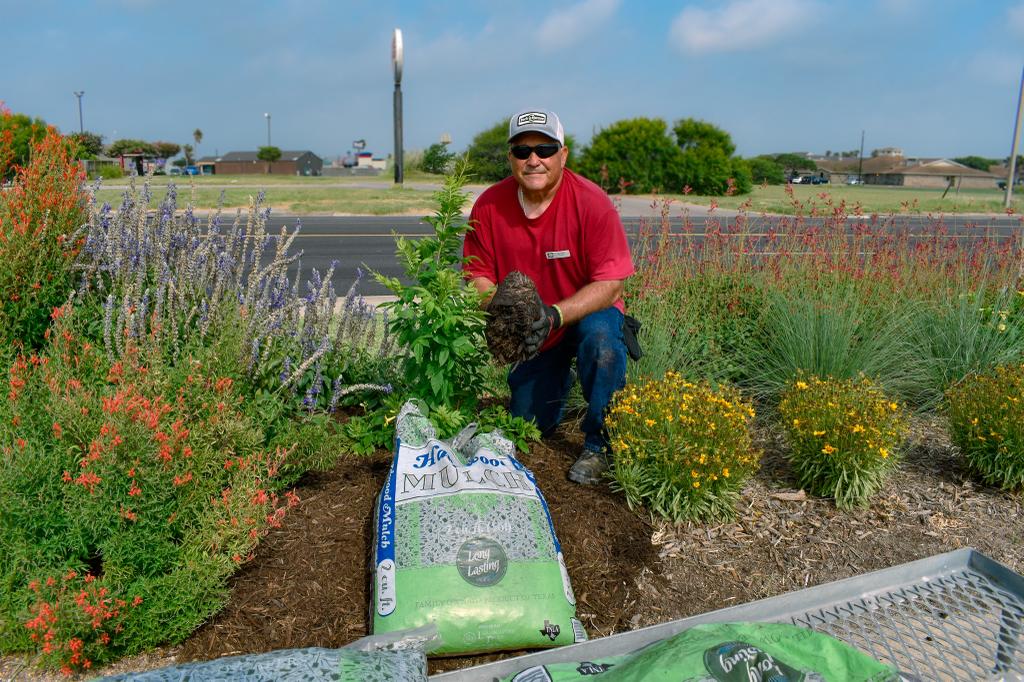
Andy adding fresh hardwood mulch to the front beds at Gill’s
Studies show that a good 3″ layer of mulch will keep your plant roots more than 20 degrees cooler in summer! Not only that, a good mulch layer also helps retain moisture AND keeps weeds at bay. Healthy plants, less watering, and fewer weeds – that’s a win/win/win! It’s important to use natural wood or pine straw mulch that breaks down over time. As it breaks down, it adds nutrients and makes your soil more workable.
5. Watch for More Bugs in Summer
This is what a mealybug infestation looks like!
Not all bugs are bad, so it’s important to know your bugs before you spray anything, even organics. A few bugs here and there is most likely not cause for alarm. If you do get an infestation, cut the plant back first, give it some fertilizer, then treat for bugs. By pruning first, you won’t have to treat every leaf on the whole plant. We see plants come back better than ever using this method. If you’re not sure about bugs or pruning, we’re here to help.
November is one of our most beautiful months in South Texas – nice weather for spending time outdoors! Now’s the time for fall flowers and planting trees! And there’s still time for veggies, too. Good timing this month will keep us looking good through the fall and winter and set us up for showtime next spring. Here are our top must-do’s for November.
Check out our November Garden Guide for more tips and remember that trees, shrubs, and perennials can be planted 12 months out of the year! The only difference is the amount of water they need depending on temperatures and wind!
1. Fill Pots and Spots with Fall Flowers
Here’s our list of Fall/Winter flowers – tons of choices for outdoor color to redo pots & inground plantings. Flowers take a little time to grow and bloom. Plant early this month so they can be WOW for the holidays! Many of these fall flowers, like Petunias, Lobelia, and Geraniums will looks great through the winter and look their very best next spring. Good reason to plant now! Once they’re all planted, give them a good meal of granular organic Rose Glo. To keep them growing and blooming through the fall and winter, they’ll need regular feedings about once a month. For an extra boost, follow up with liquid Hasta Gro in between your monthly feedings.
2. Plant Trees and Shrubs Now for Better Growth Next Spring
Now is the very best time to plant cold-hardy shrubs and trees! They focus energy this fall and winter on building a good root system, which allows them to explode with growth next spring, and prepares them to withstand hot weather next summer. Other benefits to planting now – easier digging and not as much watering as during warmer seasons! Always fertilize when you plant and follow our watering instructions.
3. Still Time to Plant Veggies!
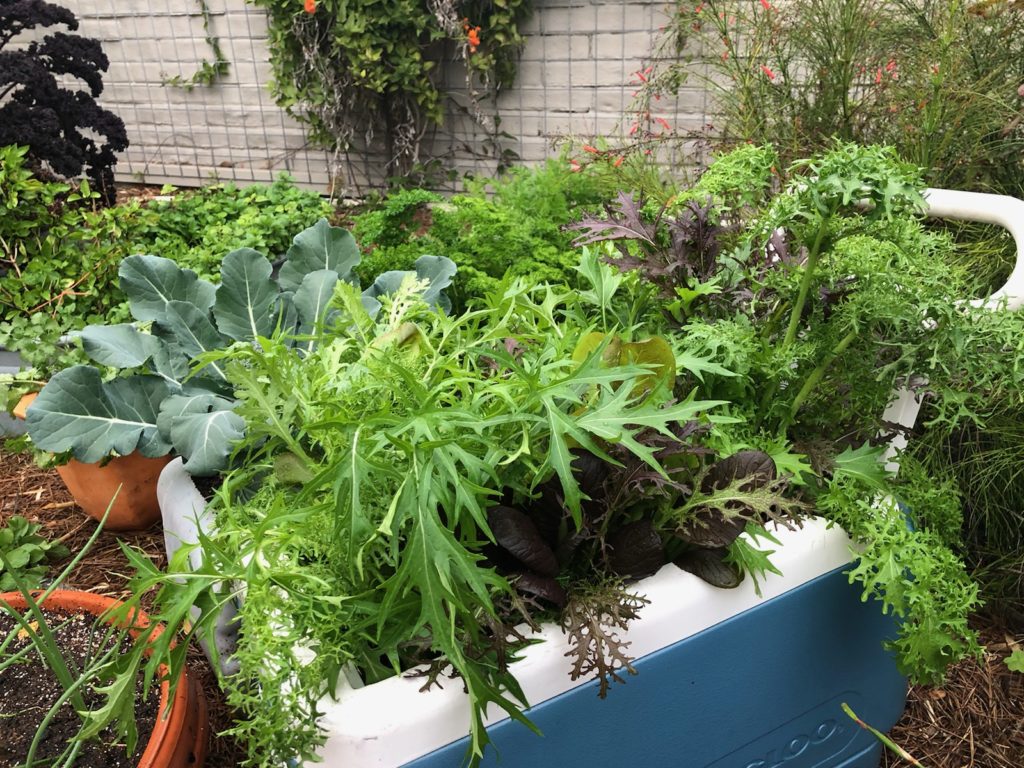
We’re still bringing in lots of fresh cool-season crops like broccoli, kale, lettuce mixes, Swiss chard, spinach, cauliflower, beets, onions, and more! Three big tips for fall/winter veggies: 1) Mulch well to help protect tender young veggies 2) Water well, but not too much 3) Keep feeding! Organic Plant Tone or Medina Growin Green once a month, followed by liquid Hasta Gro every 2 weeks for a bountiful harvest!
4. Last Chance Lawn Care
Early this month is our last chance to fertilize aka “winterize” lawns for strong roots and healthy growth next spring and summer. Our tried and true favorite lawn food is organic Medina Growin Green. November is also the time to prevent spring weeds in your lawn by applying Weed Beater Complete or Hi-Yield Weed & Grass Stopper with Dimension.
Landscape plants, including trees, perennials, and hardy shrubs need food early this month while they are still actively growing. Just like lawns, the idea is to give them a boost before they head into dormancy this winter. We love organic granular fertilizer Medina Growin’ Green for trees and shrubs, and Rose Glo or Plant Tone for blooming perennials.
6. Plant Herbs to Share and Use for the Holidays
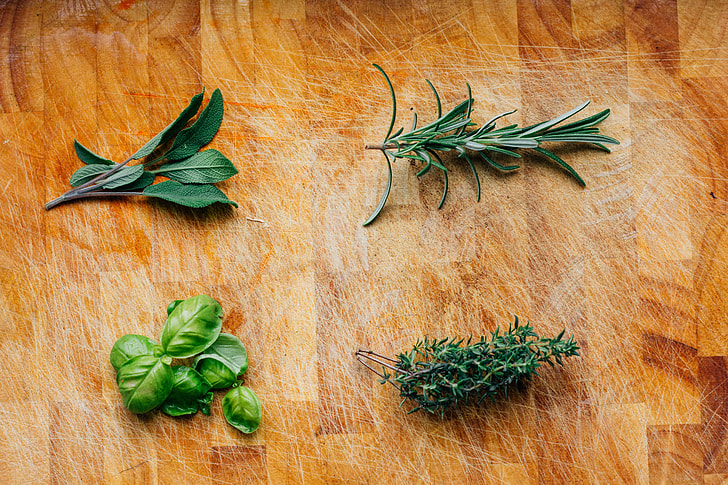
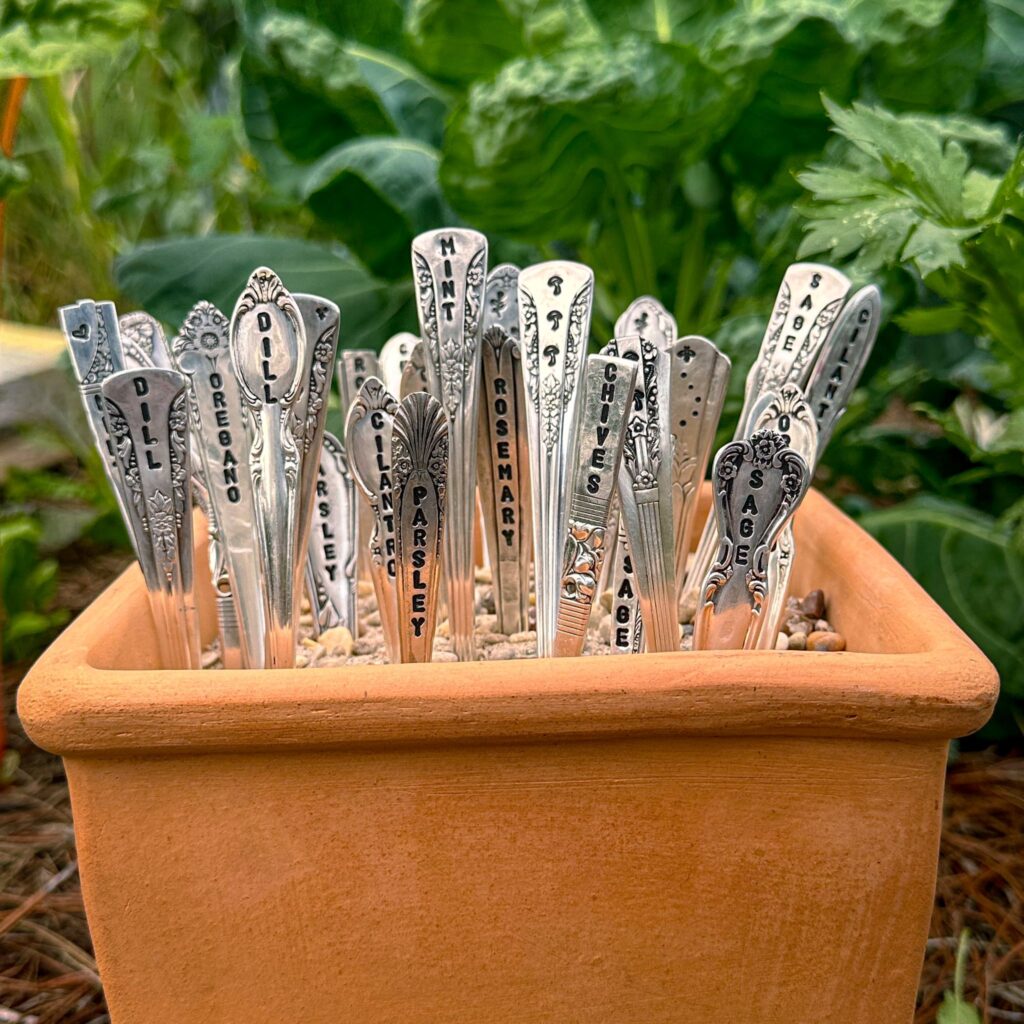
Cooking without herbs is a waste of thyme! Sage, Rosemary, Cilantro, Parsley, Fennel, Dill, (and Thyme) are just a few herbs that thrive in our cool season. Limited space? A sunny spot, container & a few favorite herbs is all you need. We can even pot them up for you. A container herb garden makes a great gift…
December is here! These last few weeks of 2023 are sure to fly by. Our advice: make sure you spend some time in the garden to balance out the hectic holiday season. Here are our top to-do’s this month: what to plant, gift ideas, holiday plant care, and more.
Check out our December Garden Guide for more tips and remember that trees, shrubs, and perennials can be planted 12 months out of the year! The only difference is the amount of water they need depending on temperatures and wind!
1. These Plants Want to Be Planted in December
There’s always the BEST time to get plants growing and here’s a few that LOVE this season as much as we do!
Trees…shade, flowering, small, big, they all benefit from planting now. Good root development during the cooler months of winter gives them better growth in spring and a deeper, stronger root system to withstand the summer heat.
Onions…we grow short-day onion varieties here in South Texas. Lucky for us the 1015 Texas Supersweet is one of those along with tasty Texas Early White & Southern Belle Red.
Roses…our mild winters are perfect for big, beautiful roses & the cooler temps will only make them prettier and the flower color richer.
Ornamental Cabbage…these winter classics need to be planted early this month and enjoyed through the season! Easy care, vibrant colors, and unique texture in the garden.
Alyssum…gorgeous white blooms all winter long. Did you know Alyssum flowers and leaves are edible? They have a pungent horseradish-y flavor.
Other plants that require short days…some plants require short days/enough hours of darkness to bloom and look their best. Think Aloes and other outdoor succulents, Camelia, native Salvia greggii, and Kalanchoes!
2. Tips for Holiday Plants
Fresh-cut Christmas Trees…we give all of our trees a fresh cut and get them in water immediately to preserve their freshness. Many customers ask us for another fresh cut before they take the tree home. If you decide to have us do another fresh cut, or if you do it yourself, keep in mind that you have 10 minutes to get the tree in water before that cut seals over! Check water in your tree stand daily and keep it full. If you have pets who like to drink or splash the water, try covering with a piece of foil.
Poinsettias…Think of poinsettias as succulents – because they are! They are a type of euphorbia. That means give them a good drink, but let them dry out between waterings. Also, the leaves bruise and break easily, so avoid touching them as much as possible. So tempting to touch!
Christmas Cactus…Probably the easiest of all holiday plants, and they can last a LONG time! There are stories of Christmas Cacti that have been gifted and passed down through families for 100+ years. They like well-lit areas, but not direct sunlight. Let dry between waterings, then mist the leaves as well as water the soil when its time to water.
Living Holiday Trees…Junipers, Norfolk Pines, Loblolly Pines, Magnolias and Ficus trees all make great Christmas trees that can be planted outside after the holidays. If you bring these in for decorating, be sure they have good bright natural light. Keep watered but not too much, and as soon as the holidays are done…take them outdoors for a breath of fresh air and get them in the ground.
3. Think Gifts for Gardeners!
If you have gardeners on your list this year, we’ve got you covered! Silverware herb markers, handmade ornaments, quality tools and gloves, nature-themed holiday cards, beautiful houseplant cutting jars, and lots more unique garden gifts. And of course, plants!! If they’re picky, you can’t go wrong with a Gill’s gift card!
4. Plant and Feed Winter Flowers
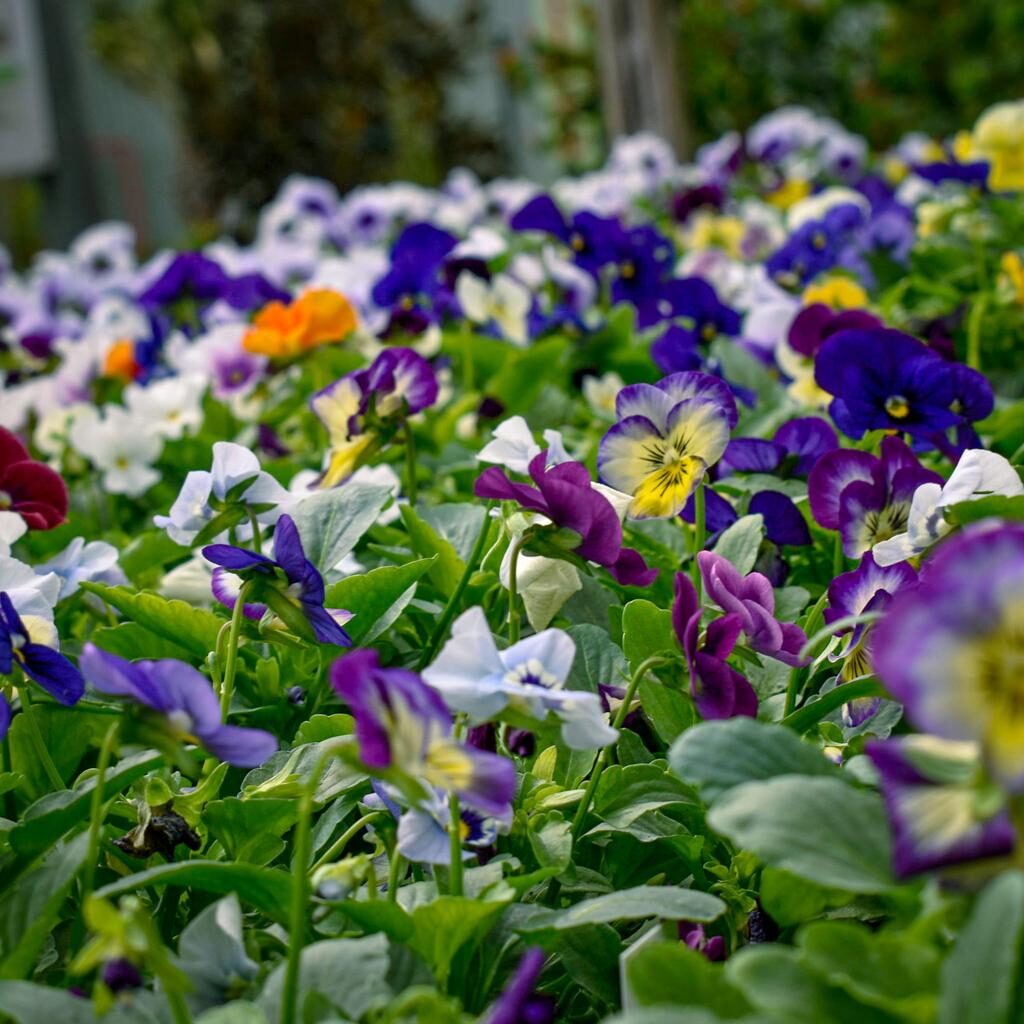
Winter flowers are AMAZING right now! Violas and Pansies are breathtaking and Geraniums are full of buds and blooms. All that blooming makes them hungry, so take a moment and fertilize your beauties. We love using granular Plant Tone once a month, then following up with liquid Hasta Gro every 2 weeks. Both are organic and give you big results. Have that “one more empty pot” to fill?
5. Adjust Your Houseplant Care for Winter
Most houseplants will not experience a complete dormancy period during winter, but they will slow down growth and react to climatic changes like drier conditions inside the house. Give your houseplants more light and less water as temperatures and the amount of daylight hours drop. Dust/shine leaves regularly to ward off insects. Cooler temps = drier conditions and less of the humidity that houseplants love. Try grouping them together to create more humidity, or use a humidifier. When bringing patio plants inside for cold snaps, be sure to treat with All Seasons Horticultural Oil spray to prevent any pests (like scale insects) from hitching a ride indoors.
6. Start Thinking About Frost Prep
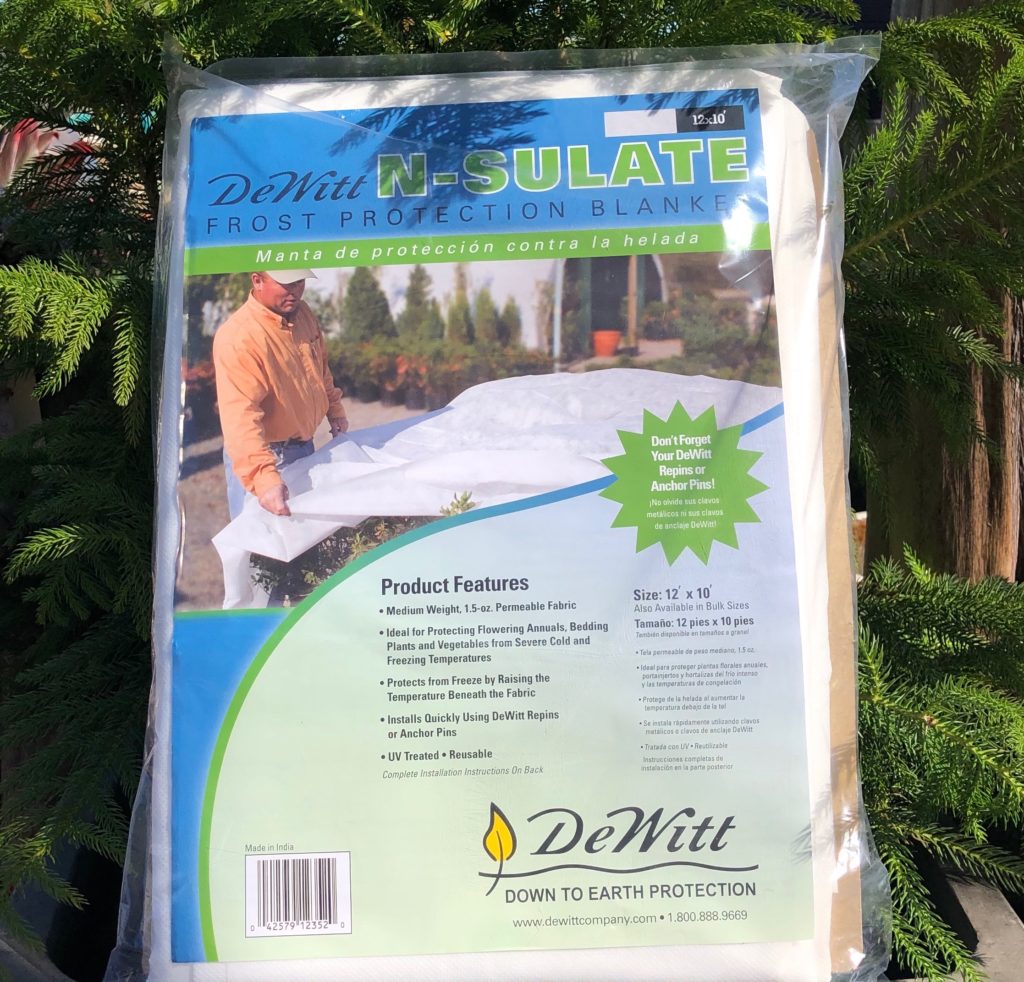
We typically don’t get a frost until January or February, but there’s always a chance! Be sure you’ve got your frost blankets or frost cloth ready to protect any tender outdoor tropicals and new plantings. Mulch beds at 2-3″ deep to help seal in warmth. And don’t prune yet! Remember that pruning signals to a plant that it’s time to put on new growth. Instead, plant leaves need to harden off and go dormant for the winter. Foliage that you leave on the plant will help insulate it against cold weather.



 This is what a mealybug infestation looks like!