Garden Center Hours: Mon-Sat 9am - 5:30pm • Sun 10am - 5:30pm

If your houseplants are looking more “meh” than marvelous this summer, you’re not alone. Even indoor plants can suffer during the dog days of summer—despite being pampered with filtered sunlight and sweet Spotify playlists. So what gives? Let’s dig into a few sneaky summertime stressors that could be behind houseplant decline—and how to help them bounce back!

1. Heat Stress: It’s Getting Hot in Here

Just because your plants are indoors doesn’t mean they’re immune to the heat. Summer sun streaming through windows can turn your cozy home into a makeshift greenhouse. Even indirect light can become too intense.

What to do:

  • Keep an eye on plants near south- or west-facing windows.

  • Use sheer curtains or move light-sensitive plants like ZZ plants and Ferns a few feet back.

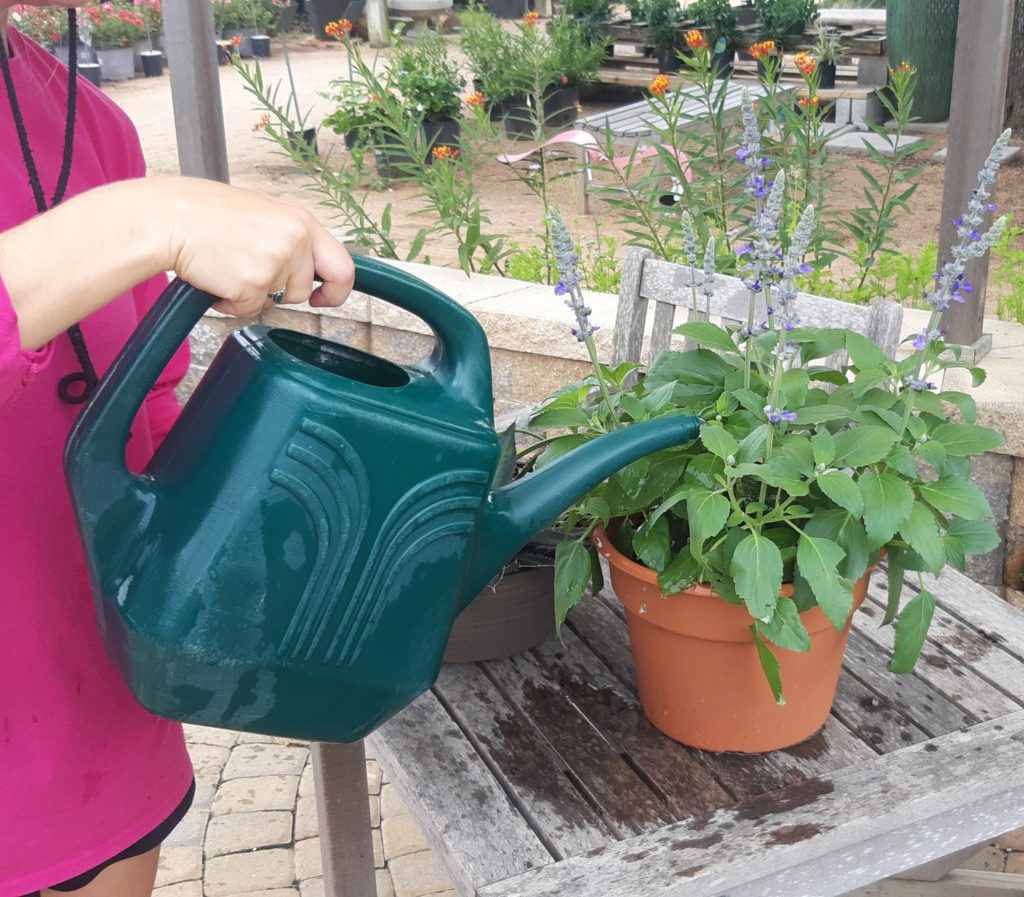
  • Water early in the day and check more often—plants dry out faster in the heat, even though they’re indoors. 

2. City Water Blues: Chlorine Is Not Plant Food

Some houseplants are a little… picky. Corpus Christi tap water is treated with chlorine and fluoride—both of which can stress sensitive roots over time. Many houseplants are fine with City water, but others like Calatheas and Peace Lilies can’t handle it very well. Yellowing tips or brown leaf edges could be a clue.

What to do:

  • Let tap water sit out overnight before watering, so chemicals can dissipate.

  • Use filtered, distilled, or rainwater for sensitive plants when possible. An excellent and plentiful source of filtered water in the summer is A/C condensate – find a way to catch it! Here at Gill’s, we use a lot of A/C condensate as well as water collected from dehumidifiers. 

3. Too Much A/C = Arctic Tundra Vibes

Speaking of A/C, your plants might not be vibing with your love for cool comfy temps. Sudden drafts, drastic temperature drops, and bone-dry air from constant cooling can seriously mess with their tropical disposition.

What to do:

  • Avoid placing plants directly in the path of vents.

  • Group plants together to boost humidity, or use a small humidifier. 

  • Watch for wilting or leaf curl—these could be signs your plant is cold and dry, not necessarily thirsty.

4. Mealybugs: The Cottony Party Crashers

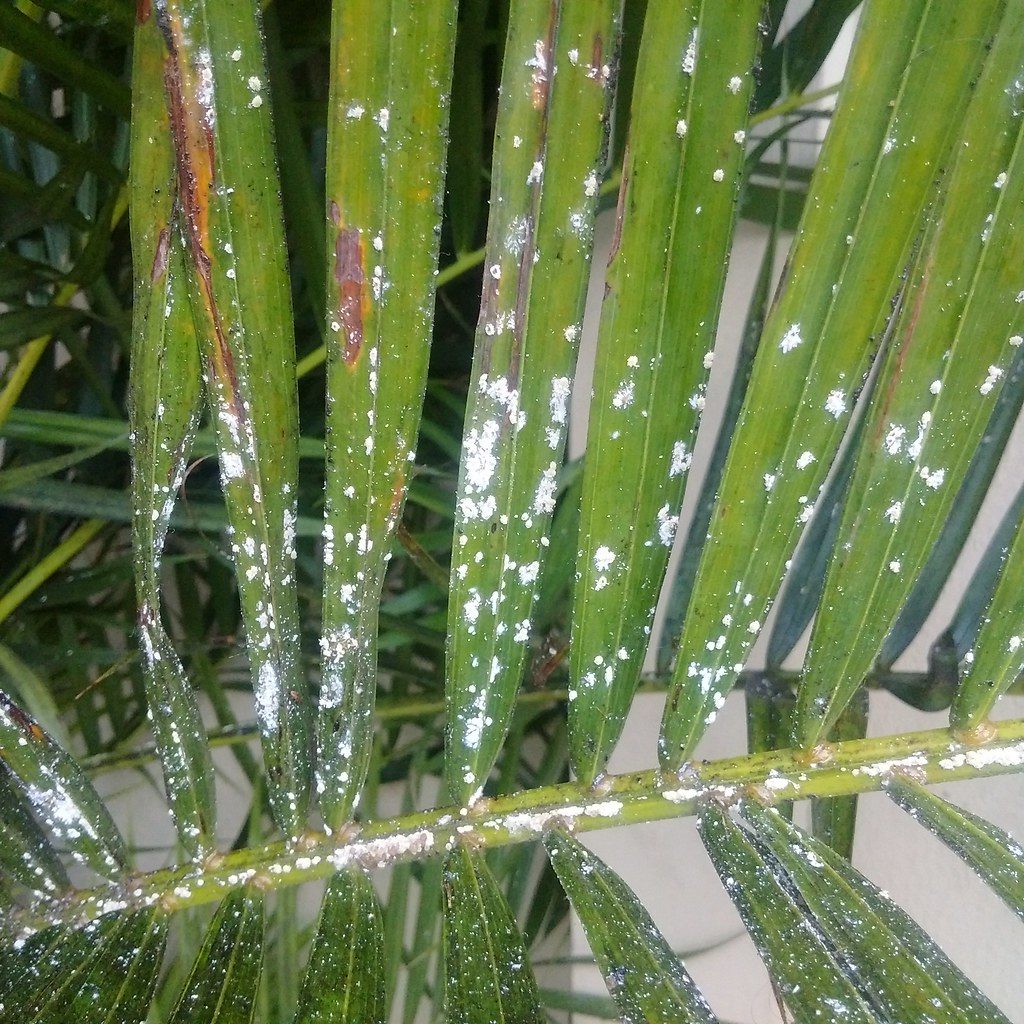
These tiny white fluffballs are a nightmare. Mealybugs hide in leaf joints and suck the sap out of your plants, leaving sticky residue and sad, droopy leaves in their wake.

What to do:

  • Check leaf undersides and stems often. Look for a nasty, cottony mess. 

  • Isolate affected plants – don’t let mealybugs spread through your whole collection!
  • Spinosad Soap or Neem Oil can be used to kill these pests. Multiple applications may be needed. Thorough coverage is a must, and we recommend spraying once a week for 2-3 weeks to make sure you have killed them all.

5. Spider Mites: The Nearly Invisible Invaders

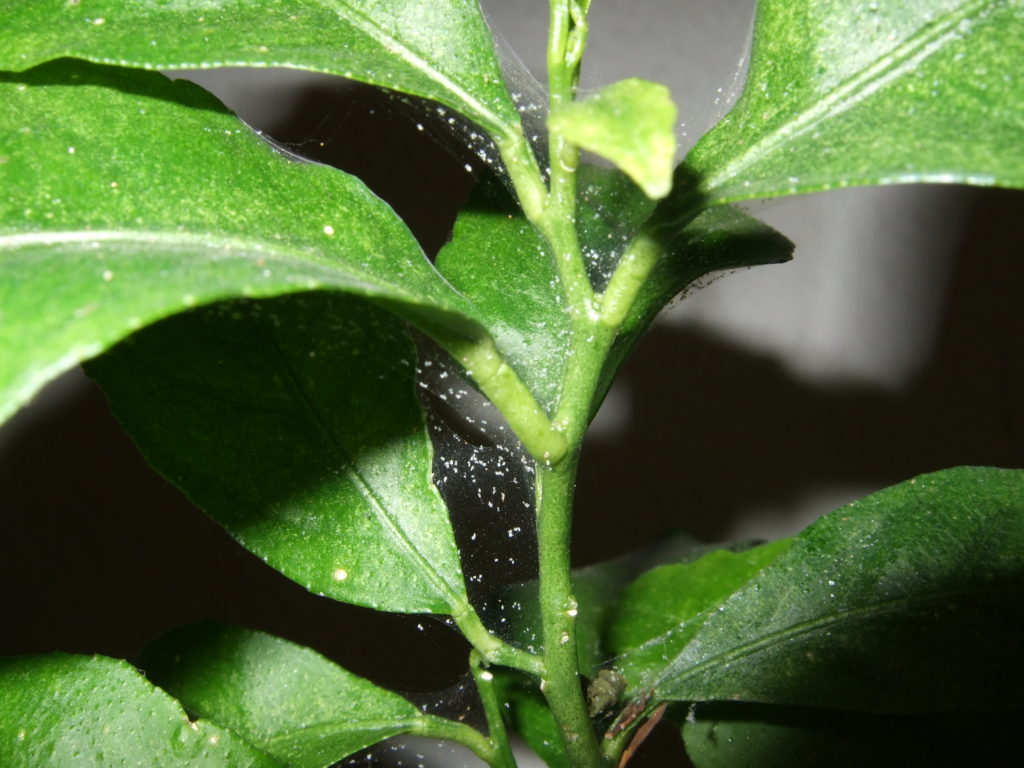
If your plant leaves are speckled, dusty, or webby, spider mites may have moved in. These tiny arachnids thrive in dry indoor air—yep, another A/C side effect.

What to do:

  • Increase humidity around your plants.

  • Spray leaves (top and bottom) with Spinosad Soap. 

  • Wipe down leaves gently and keep monitoring—mites multiply fast. Repeat applications until spider mites are gone. 

Give Your Houseplants a Summer Spa Day

Mid-summer is a great time to give your houseplants a little TLC:

  • Dust their leaves so they can breathe (and photosynthesize!) better.

  • Trim off dead or yellowing foliage.

  • Repot if roots are circling or soil is old and compacted. If you notice you’re having to water a lot, it could be a sign that there are more roots in the pot than potting soil – time to repot!

  • Use a moisture meter! Overwatering has killed more houseplants than underwatering. Use a moisture meter to take away the guesswork. 

  • Fertilize your houseplants with liquid Hasta Gro. It works great and it doesn’t stink…great for indoors!
  • Show some love and speak kind words—the plants swear they can hear you.


Temperatures don’t feel like it yet, but it’s time to start making the transition into an exciting new fall planting season! There’s a lot to do in August to set yourself up for big garden success this fall and beyond. Here are our top must-do’s!

Check out our August Garden Guide for more tips and remember that trees, shrubs, and perennials can be planted 12 months out of the year! 

1. Pick Out Your Fall Veggie and Flower Seeds!

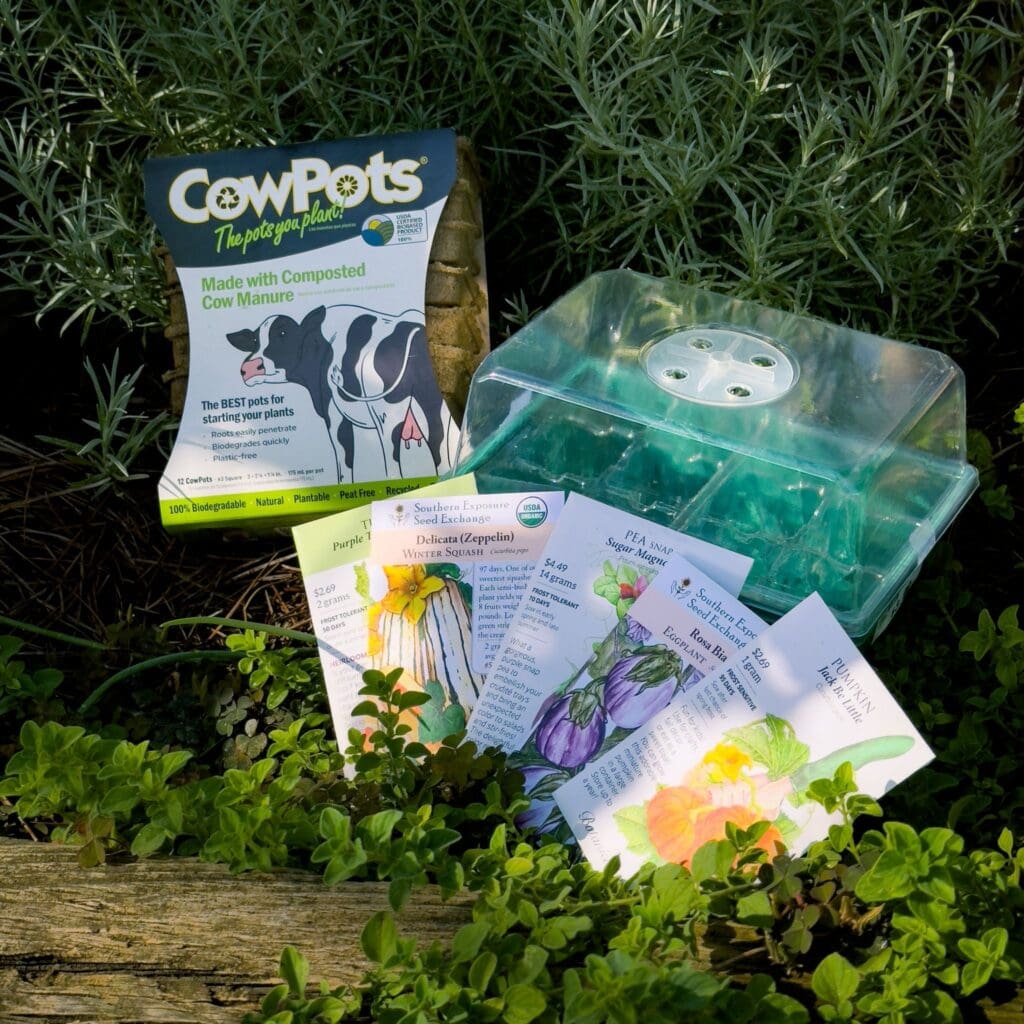
August is the time to start your fall veggie seeds! Next week, we’ll receive the new 2025-2026 seeds from our favorite seed suppliers, including heirloom vegetables, brand new releases, and wildflower seeds. Try our new Cow Pots or seed starting trays to start seeds indoors this month, move to a covered patio once they sprout, then into your garden beds once they’re robust enough to live outside. This will protect the seedlings and slowly acclimate them to outdoor temps. Our Fall Vegetable Planting Guide provides the specific seed-planting dates to help plan your fall garden. Remember – if you want bountiful fall veggies, you need to get an early start! 

2. Start Planting Now for Fall Pollinators!

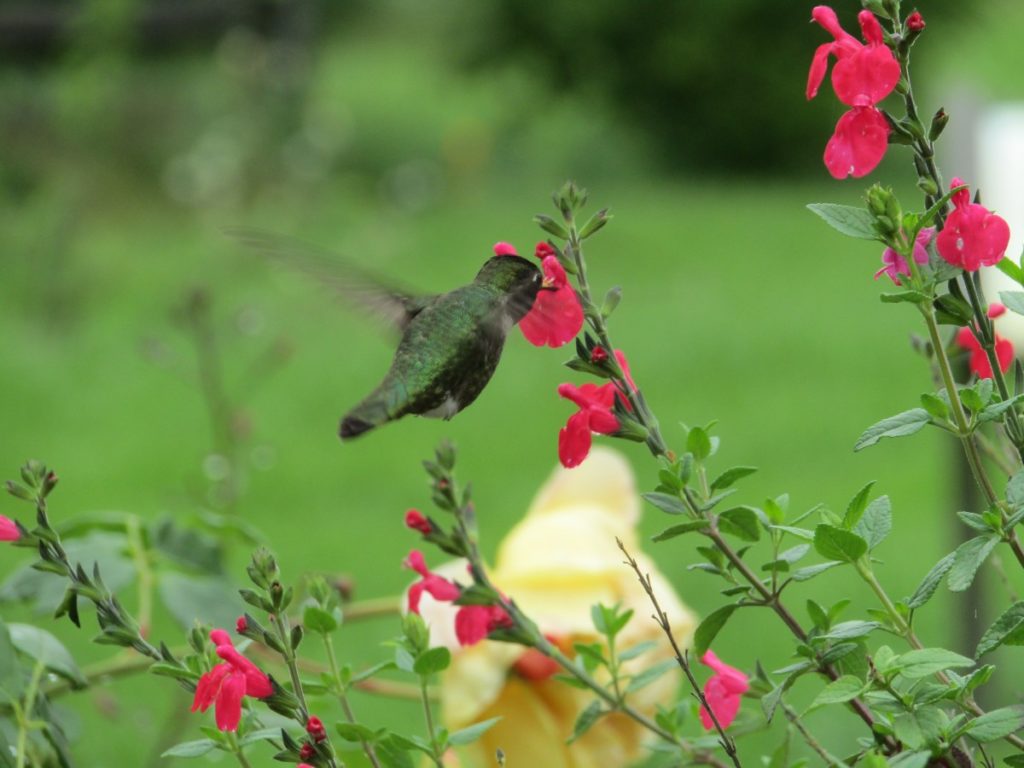
Don’t wait until fall arrives to start planting for fall pollinators – start cooking now so their meal will be ready when they arrive! Important fact: birds, bats, bees, butterflies, beetles, and small mammals that pollinate plants are responsible for bringing us one out of every three bites of food worldwide. Plants attract and provide food for them to keep the cycle going. For example – plant Zinnia and sunflower seeds now, and they’ll be ready to feed migrating birds this fall. Plant salvias now, get roots established, and they’ll be gorgeous this fall and covered in hummingbirds, butterflies, and bees. If you want to provide the best benefits for the most pollinators, plant Texas natives
3. Prep Your Garden Beds

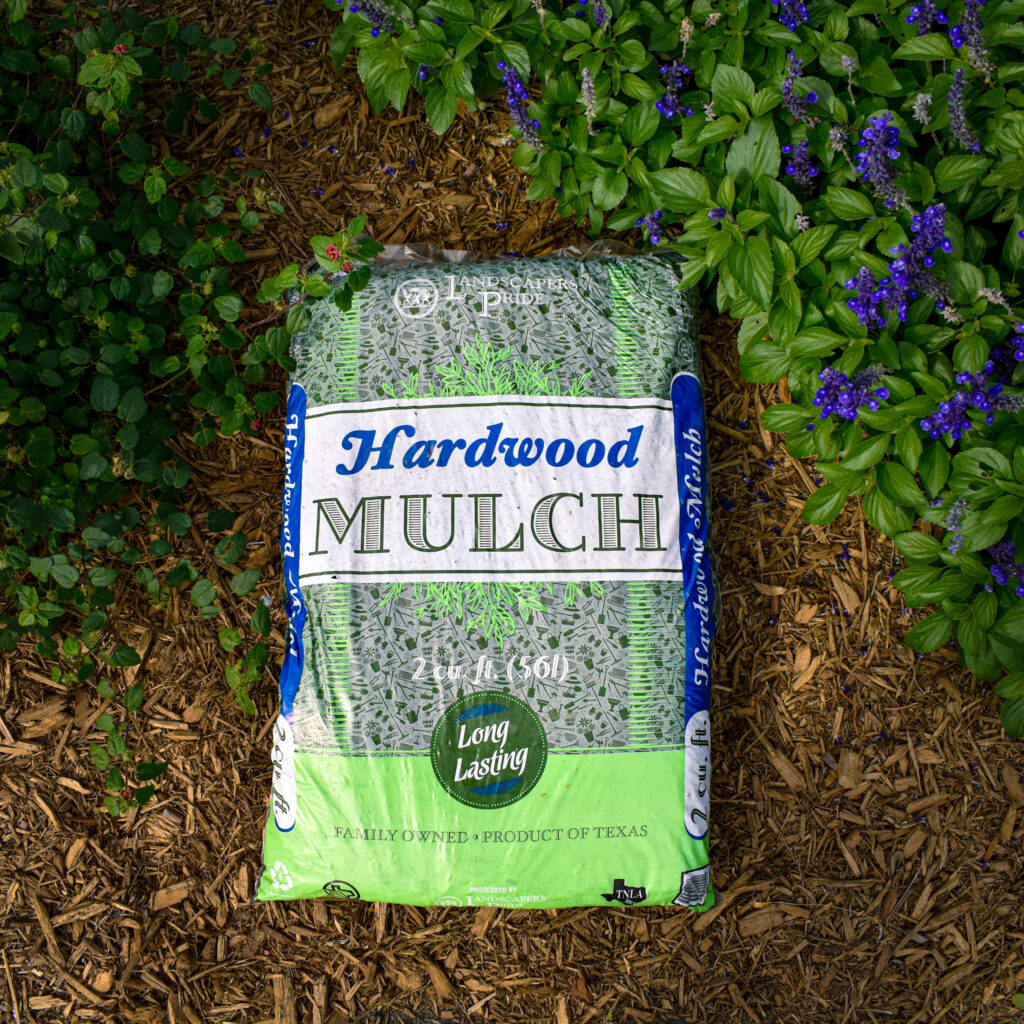
August is the time to start prepping fall veggie beds! Finish your Summer harvesting, clean out your beds, and pull weeds. To get your soil ready, we recommend mixing Nature’s Blend Compost or Cotton Burr Compost into your soil to replenish nutrients and loosen the soil before planting. About 1 bag per 12 sq. ft. is good. Once prepped, add a thick layer of pine straw or hardwood mulch, which will help retain moisture, keep weeds from sprouting, and keep the soil cooler until you’re ready to plant. As you plan your space, think crop rotation – don’t plant the same veggies in the exact same place you planted them last season, or you encourage pests and diseases. 

4. Water to Maintain Depth Moisture!

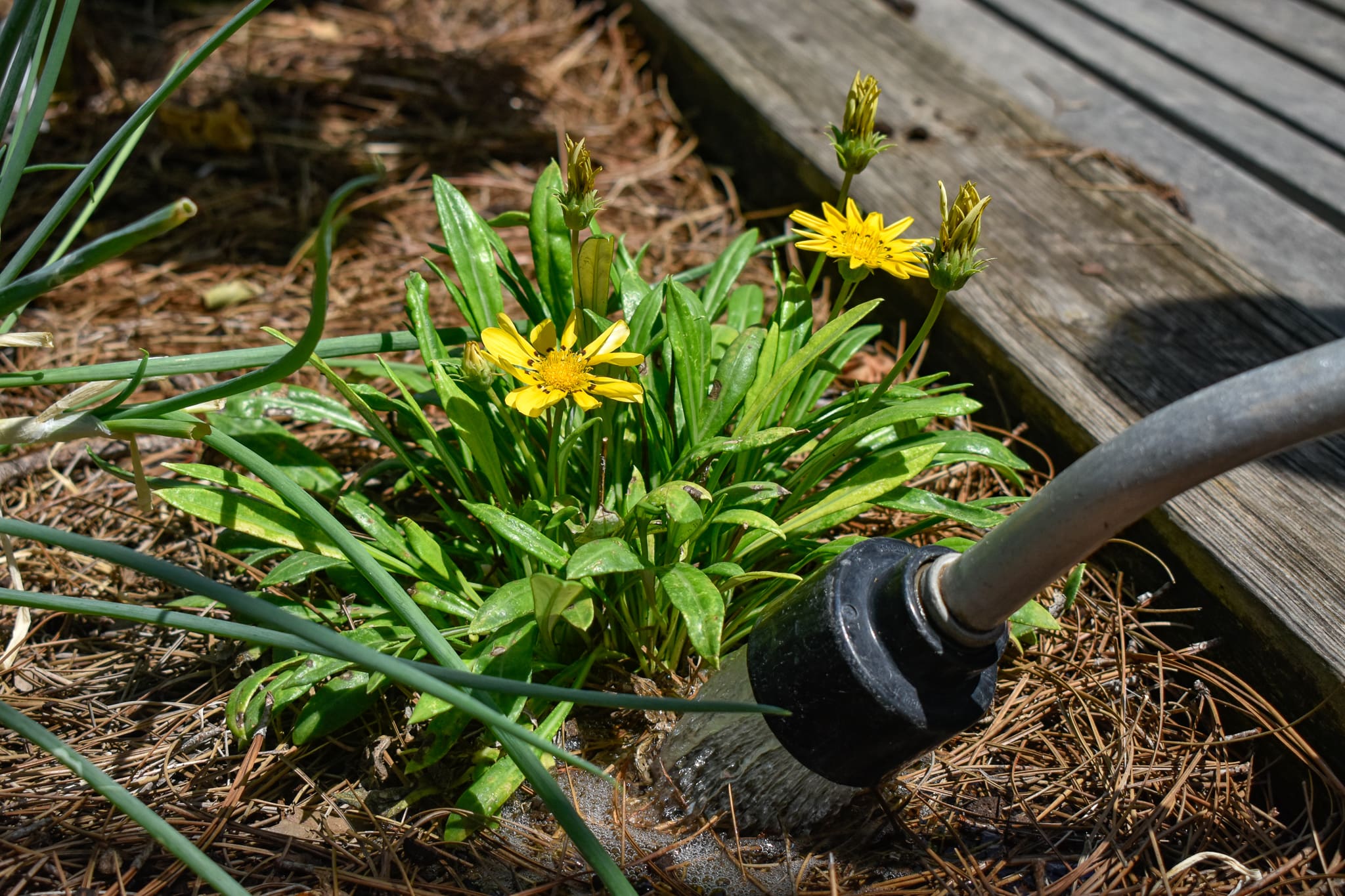
We’ve been lucky to have some well-timed rain showers this summer, which has created some depth moisture in the soil. Our goal with watering this month should be to maintain it. For lawns and established plants and trees, this means watering less frequently, but watering deeply when you water. New plantings will require water every day for the first couple weeks to get the roots established, but again, think deep drinks so the roots dive deeper. Use a water wand with a cut-off valve to make it easy on you and conserve water. Pro tip: Conserve water by watering at ground level, not spraying from above. This way, water soaks down to the roots rather than evaporating off the leaves. 

5. Mulch = Cool Roots, Dude!

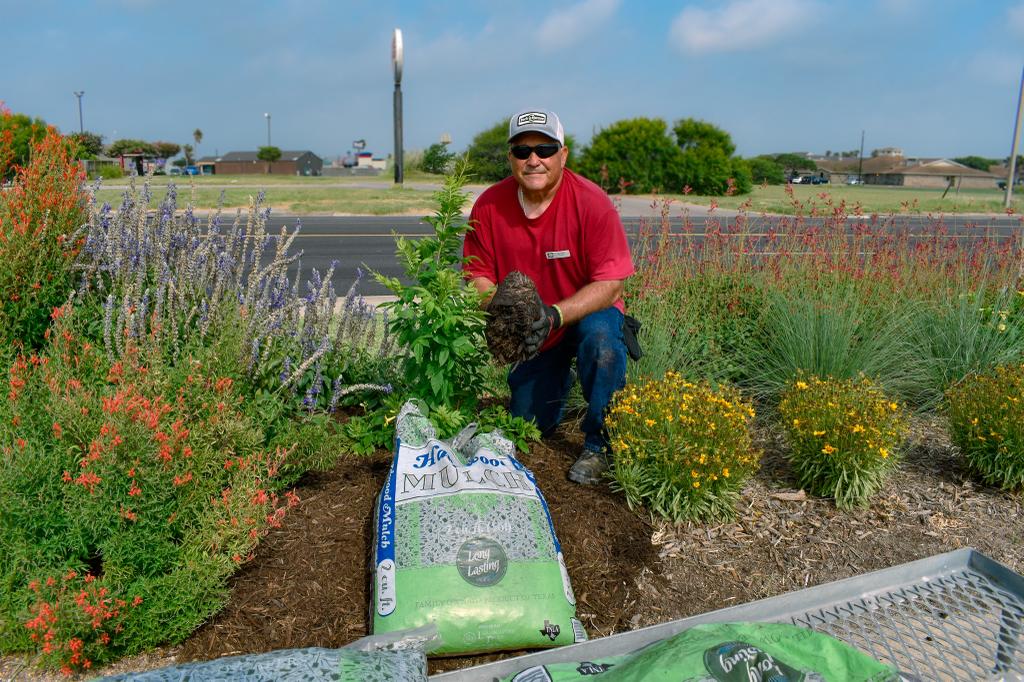
Proper mulching using natural Hardwood or Pine Straw mulch has big benefits, especially during hot weather. A good 3” deep layer of mulch will keep your plants and the soil moist and cool for longer after you water or after it rains. Not just a little cooler – we’re talking more than 25 degrees cooler!! Cooler soil temps allow plant roots and beneficial microorganisms in the soil to flourish. When mulching, give the main trunks or stems of your plants a little space – mulch 3” deep throughout the bed, but no more than 1” deep right up against the main trunks/stems of plants.

6. Set Your Late Summer Lawn Expectations

In late summer in South Texas, even if you were watering quite a lot, it would be difficult to keep your lawn perfectly green. If we don’t get much rain this month, and with current watering restrictions in place, our goal shouldn’t be perfect green – our goal should be alive! If you can haul or find someone to haul recycled effluent water to apply to your lawn, you’re in good shape. Applying water once every 2 weeks at a half inch depth is sufficient. Again, don’t expect lush and green, but it will keep your lawn alive. Our lawn watering schedule is currently full, but we may be able to help connect you with others who are providing the service. Also, keep in mind that current watering rules allow you to hand-water your trees. Since trees should be watered at the drip line, watering trees properly can be a way to get some water on the lawn too. 

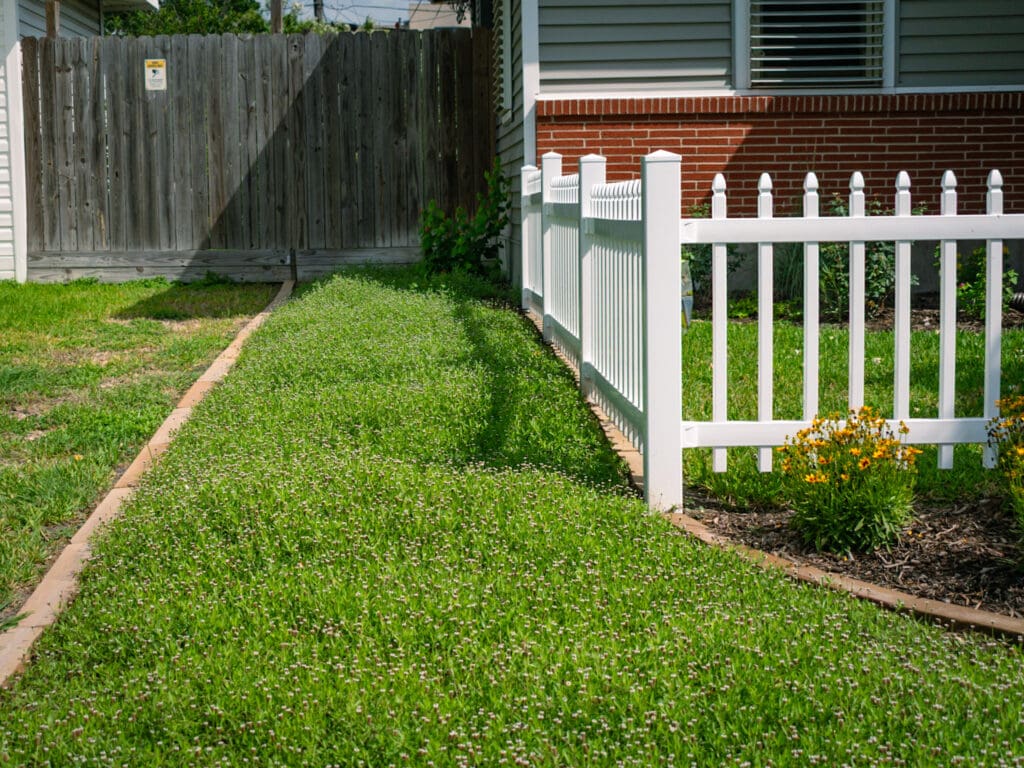
This is also a great time to think about whether you need or want all of your lawn space. Consider reducing lawn space by increasing your planting bed space, adding new planting areas, using native groundcover like frog fruit to replace lawn areas (pictured), or creating space for wildflower seeding – lots of other options that are more beautiful and more beneficial than a traditional lawn. 

Holiday season is here…and some cool weather finally! These last few weeks of 2025 are sure to fly by. Our advice:  be sure to spend some time in the garden to balance out the hectic holidays. Here are our top to-do’s this month:  what to plant, gift ideas, holiday plant care, and more.  

1. Plants That Want to Be Planted in December

There’s always the BEST time to get plants growing and here’s a few that LOVE this season as much as we do!

Trees…shade, flowering, small, big, they all benefit from planting now – including living Christmas trees like Junipers and Norfolk Pines. Good root development during the cooler months of winter gives them better growth in spring and a deeper, stronger root system to withstand the summer heat.

Onions…we grow short-day onion varieties here in South Texas. Lucky for us the 1015 Texas Supersweet is one of those along with tasty Texas Early White & Southern Belle Red.

Roses…our mild winters are perfect for big, beautiful roses & the cooler temps will only make them prettier and the flower color richer.

Ornamental Cabbage & Kale…these winter classics need to be planted early this month and enjoyed through the season! Easy care, vibrant colors, and unique texture in the garden.

Alyssum…gorgeous white blooms all winter long. Did you know Alyssum flowers and leaves are edible? They have a pungent horseradish-y flavor.

Crown of Thorns…very easy to grow succulent, low-water, excellent container plant that blooms all year, including all through December.  

Other plants that require short days…some plants require short days/enough hours of darkness to bloom and look their best. Think Aloes and other outdoor succulents, Cyclamen, Camelia, native Salvia greggii, and Kalanchoes!

2. Tips for Holiday Classic Plants

Fresh-cut Christmas Trees…we give all of our trees a fresh cut and get them in water immediately to preserve their freshness. Many customers ask us for another fresh cut before they take the tree home. If you decide to have us do another fresh cut, or if you do it yourself, keep in mind that you have 10 minutes to get the tree in water before that cut seals over! Check water in your tree stand daily and keep it full. If you have pets who like to drink or splash the water, try covering with a piece of foil.

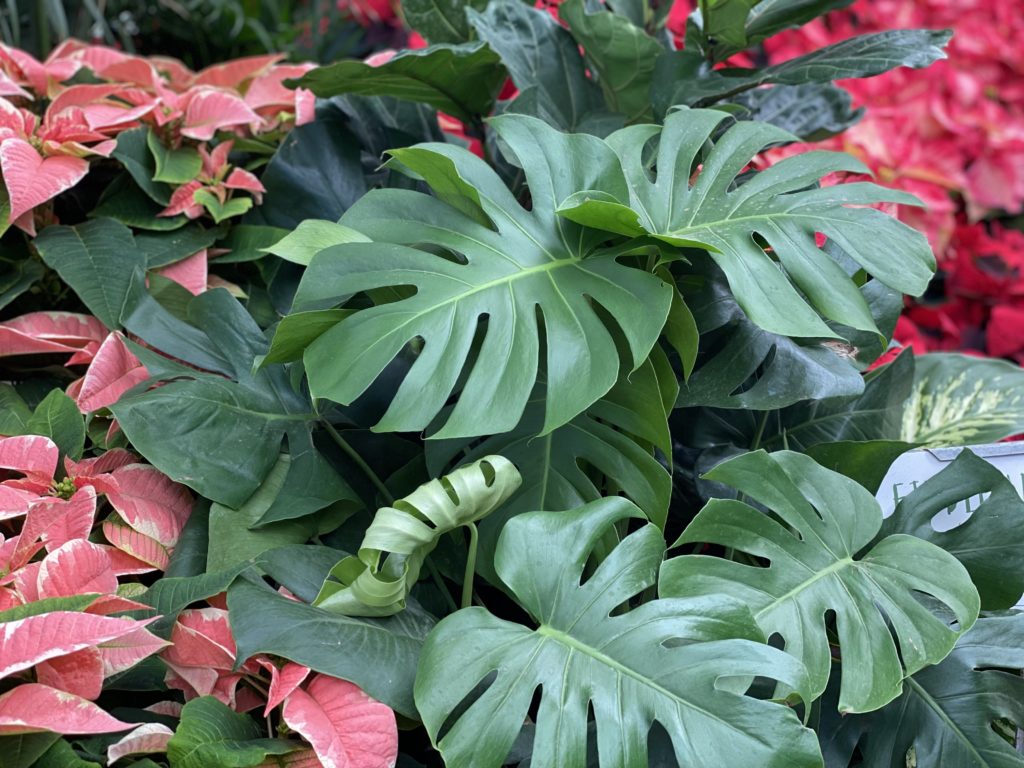
Poinsettias…Think of poinsettias as succulents – because they are! They are a type of euphorbia. That means give them a good drink, but let them dry out between waterings. Also, the leaves bruise and break easily, so avoid touching them as much as possible. So tempting to touch!

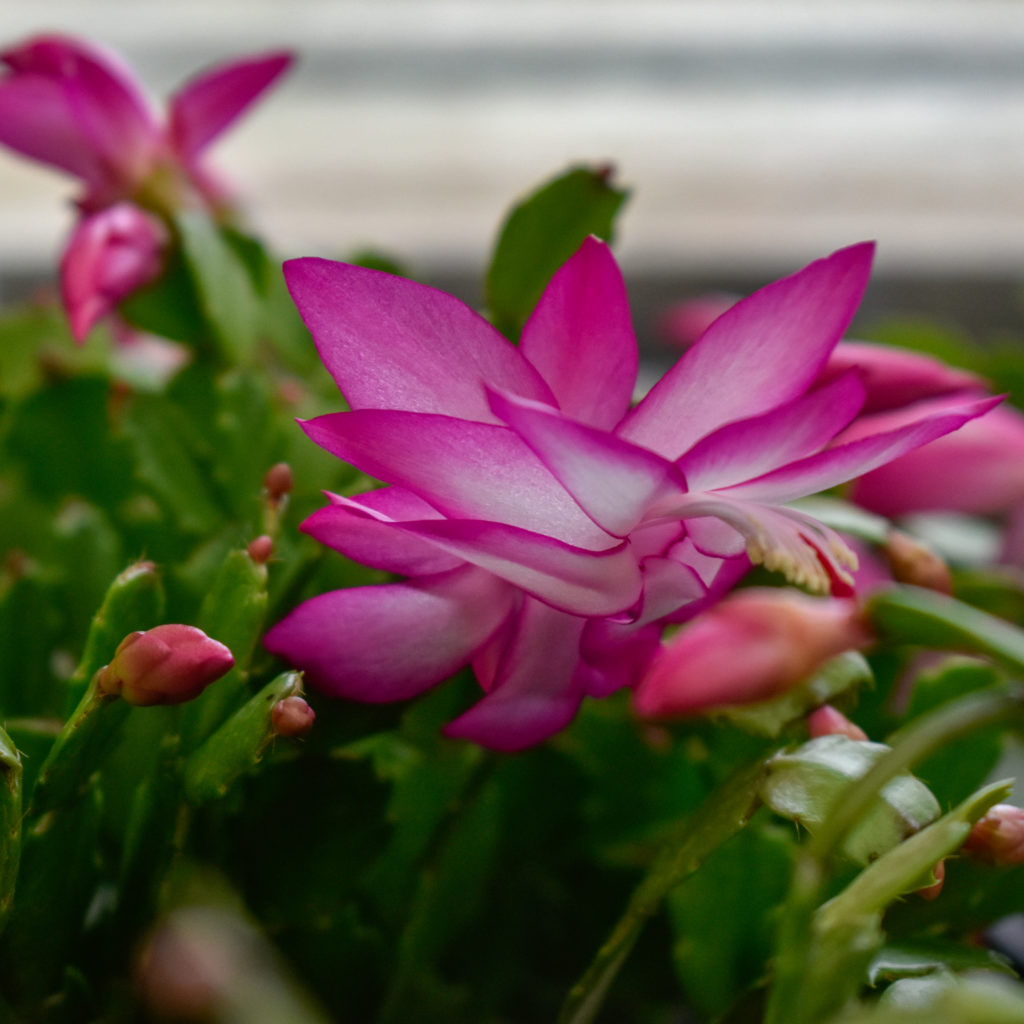
Christmas Cactus…Probably the easiest of all holiday plants, and they can last a LONG time! There are stories of Christmas Cacti that have been gifted and passed down through families for 100+ years. They like well-lit areas, but not direct sunlight. Let dry between waterings, then mist the leaves as well as water the soil when its time to water. They like to stay on the dry side!

Living Holiday Trees…Junipers, Norfolk Pines, Loblolly Pines, Magnolias, Yaupon Holly, and Ficus trees all make great Christmas trees that can be planted outside after the holidays. If you bring these in for decorating, be sure they have good bright natural light. Keep watered but not too much, and as soon as the holidays are done…take them outdoors for a breath of fresh air and get them in the ground.

3. Think Gifts for Gardeners!

If you have gardeners on your list this year, we’ve got you covered! Nature-themed holiday ornaments, quality tools and gloves, special edition holiday cards, crystals, cute houseplant grow lights, herb and cutting re-growers, and lots more unique garden gifts. And of course, plants!! If they’re picky, you can’t go wrong with a Gill’s gift card!

4. Plant and Feed Winter Flowers

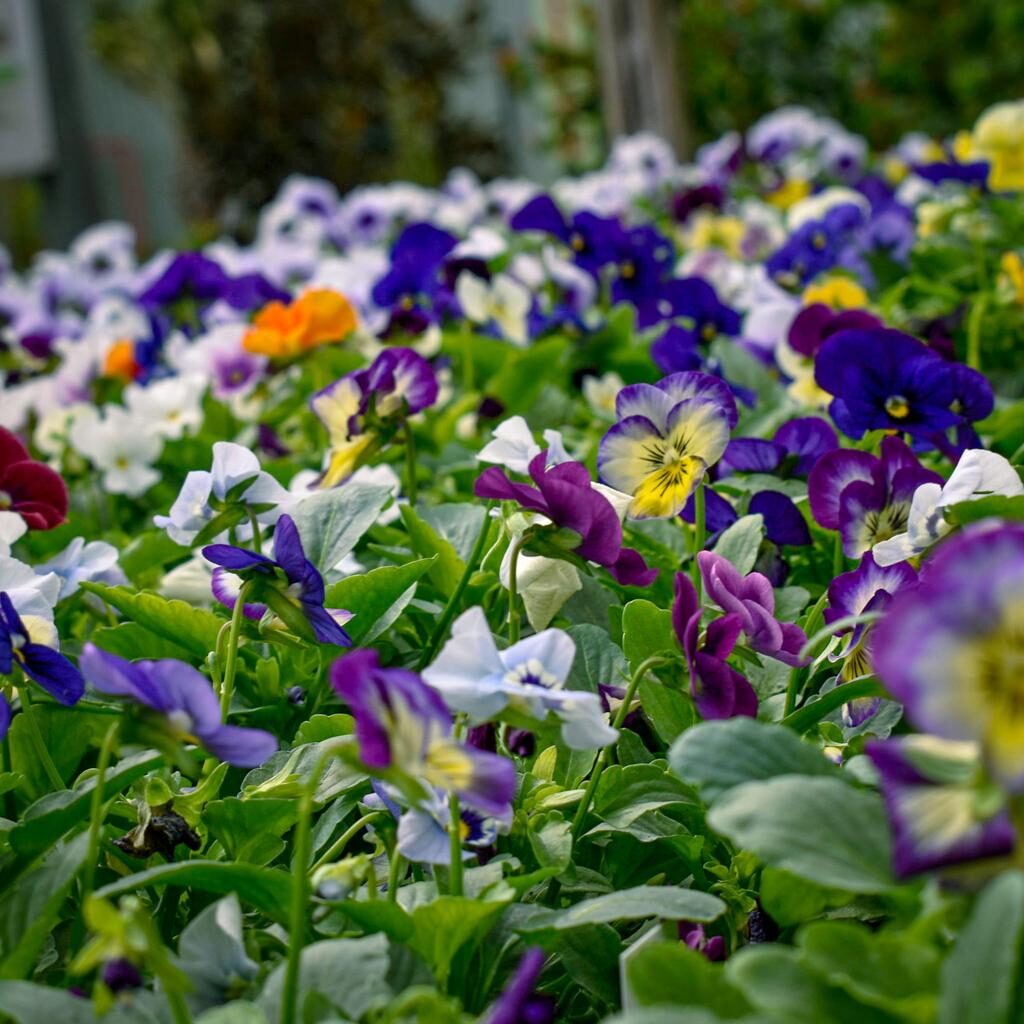
Winter flowers are AMAZING right now! They really shine in cooler weather. Violas and Pansies are breathtaking and Geraniums are full of buds and blooms. All that blooming makes them hungry, so take a moment and fertilize your beauties whether they’re in the ground or in containers. We love using granular Plant Tone once a month, then following up with liquid Hasta Gro every 2 weeks. Both are organic and give you wow results. 

5. Adjust Your Houseplant Care for Winter

Most houseplants will not experience a complete dormancy period during winter, but they will slow down growth and react to climatic changes like drier conditions inside the house. Give your houseplants more light and less water as temperatures and the amount of daylight hours drop. Dust/shine leaves regularly to ward off insects. Cooler temps = drier conditions and less of the humidity that houseplants love. Try grouping them together to create more humidity, or use a humidifier. When bringing patio plants inside for cold snaps, be sure to treat with All Seasons Horticultural Oil spray to prevent any pests (like scale insects) from hitching a ride indoors.

6. Start Thinking About Frost Prep!

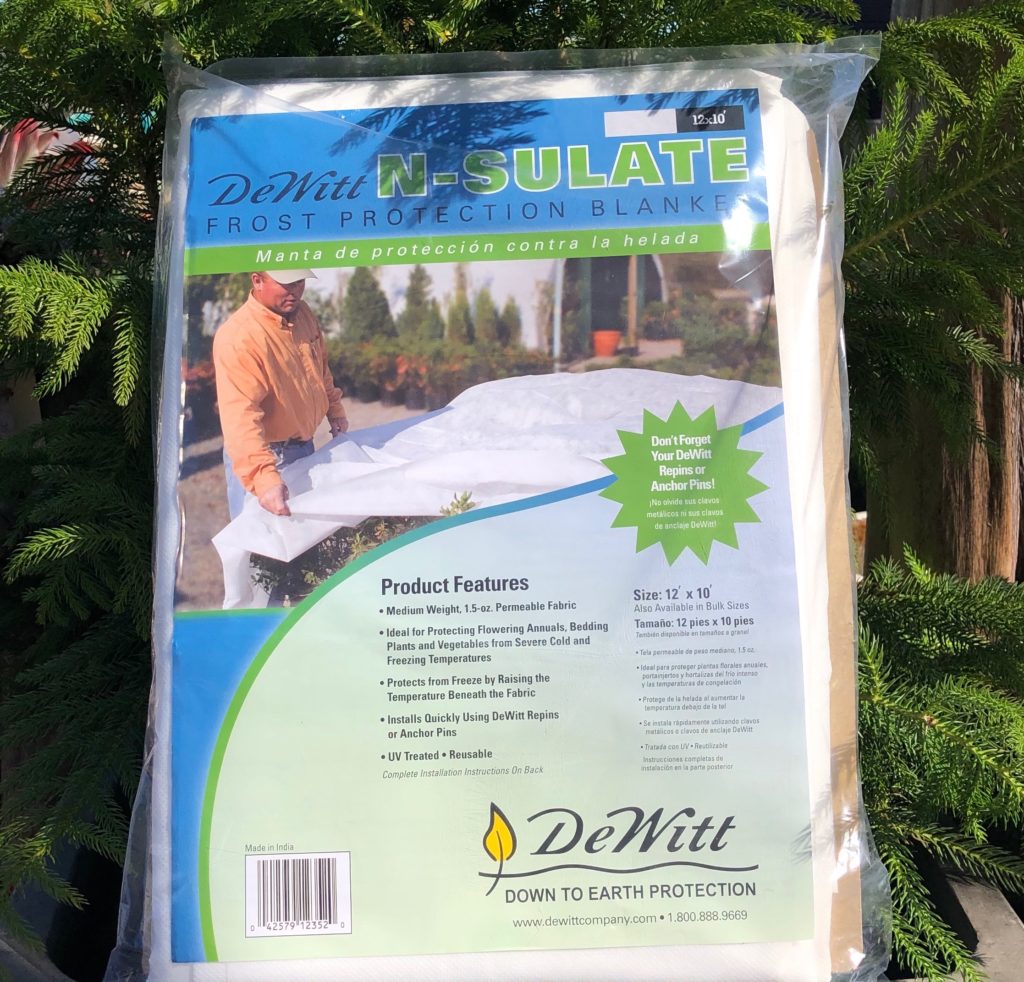
We typically don’t get a frost until January or February, but there’s always a chance! Be sure you’ve got your frost blankets or frost cloth ready to protect any tender outdoor tropicals and new plantings. Mulch beds at 2-3″ deep to help seal in warmth. And don’t prune yet! Remember that pruning signals to a plant that it’s time to put on new growth. Instead, plant leaves need to harden off and go dormant for the winter. Foliage that you leave on the plant will help insulate it against cold weather.

7. Winter is the Perfect Time for Hardscaping

While you can certainly still plant in December, many folks gravitate toward completing hardscape projects this month, like flagstone patios, paver driveways, stone pathways, stone firepits, and more. These elements add structure and functionality to your garden spaces – plus they don’t need water or TLC. If you’re considering DIY, we can advise you on proper construction steps and things to consider, plus supply you with the materials you’ll need. If hardscaping sounds like too much hard work, our Landscape Designers and crews can handle everything for you. Give us a call or contact us here to get your project started.  

Need to do some peaceful, non-stressful holiday gift shopping? Come take a stroll at Gill’s and pick out a few gifts for the green thumbs on your list! We’ll help you find the right plants, useful tools, nature-related holiday ornaments, holiday cards, and all kinds of other unique and fun gifts to help connect your loved ones to the outdoors. Here’s our gift guide for gardeners!

1. Terra Cotta ReGrower!

These things are so simple and so cool! Place atop a glass or jar, add a little soil (or not, depending on the plant), and sprout new plants. Excellent for herbs, onions, and houseplants that can be propagated from cuttings. 

2. Gifts that Grow

Now is a great time to plant winter flowers like petunias, geraniums, and snapdragons, and they’re quick and easy to plant! Easy for Santa to sneak in and secretly plant a few flowers.

Roses, herbs, and onions are all great to plant right now too. Or if you want to make it a truly memorable holiday, plant a tree! Remember that trees benefit greatly from being planted in fall and winter, including nice citrus trees! And if you don’t want to do any hauling or digging, we can deliver and plant it for you. 

3. Poinsettias and Other Holiday Classics

Poinsettias are THE classic holiday décor and centerpiece for holiday meals. They make great gifts for teachers, bosses, coworkers, and friendly acquaintances – they just make people happy! A blooming Christmas Cactus or Kalanchoe is great too, or a small living holiday tree like a juniper or rosemary. We can gift wrap these for you, too!

4. Fun Pottery & Houseplants

Our greenhouse is brimming with all kinds of fun pottery for house and patio plants. Let us help you find the perfect plant + pot combos. 

5. Mushroom Grow Light for Houseplants

Level up your plant parent gift game with these super cute mushroom-shaped grow light! Perfect for adding more houseplants to those tricky low-light spots. 

6. Quality Garden Tools

We don’t carry a huge selection of tools, just nice tools that are made to last – the tools we sell are the tools our pros use. Pruners, loppers, kitchen/herb shears, or even a quality sharp-shooter shovel make great gifts. Working with quality tools makes gardening a lot more fun.

7. Soothing Wind Chimes

Lots of different tones and styles for relaxing in the garden, including our favorite chimes of all time, Music of the Spheres. Hand-made and hand-tuned here in TX.

8. Birding Supplies

Got birders on your list? Get them a nice stone birdbath, a decorative feeder, a lacquered or natural gourd house, some bird food, and maybe some bird-supporting plants!

9. Fun Stuff for Lil’ Gardeners!

Natural beeswax crayons, kids gardening books and coloring books, mini gardening gloves and tools, outdoor painting kits, and lots more!

10. Gill’s Gardening Shirts & Hats

Need some stylish sun protection? We’ve got you covered! Kid sizes too!

11. Animal Pot Hangers

Cats, bunnies, gators, turtles, snails, birds, and so many more! Gardeners young and old (and medium old) love adding fun critters to pots. 

12. Nature-Themed Holiday Cards

Browse our holiday card section for unique cards to pair with your unique gifts!

13. Crystals!

We’ve been expanding our collection of raw and polished crystals and stones this season – perfect on their own or paired with plants 🙂

14. Vintage & New Nature Books

Have you browsed our new bookshelf yet? We’ve been collecting new and vintage gardening and nature books that your gardeners will love.  

15. Nature-Themed Holiday Ornaments

We have such a cute collection of nature-themed ornaments this year. Come take a look!

16. Handmade Frog Houses + Bee Watering Cups

Did you know that Gill’s Asst. Manager, Wyatt Page is a ceramic artist?! He sells his cool frog houses and bee/butterfly watering cups here at Gill’s! Invite more of these beneficial creatures into your veggie garden by providing shelter and water. 

17. When in Doubt – Gift Cards!

Can’t go wrong with a Gill’s gift card! Purchase in store or online here. Good for plants, supplies, and services too. You could give the gift of landscape design, a food garden next spring, a planted tree, or anything else we provide. We can help you with ideas too!

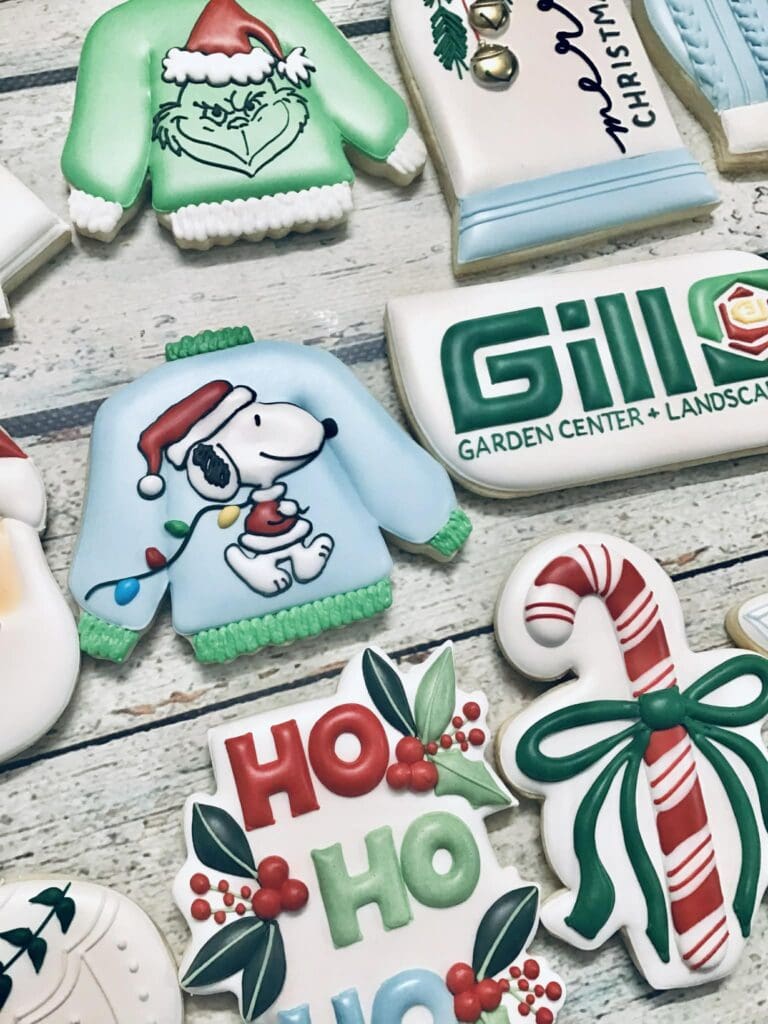
Happy Holidays, gardeners! We hope you’re having fun with family and friends and enjoying nice weather outdoors. We’re back open regular hours December 26th through December 30th. We’ll be open 9-2 New Year’s Eve and closed New Year’s Day. Cheers to 2026! p.s. – check out these amazing cookies from our Gill holiday party!