Garden Center Hours: Mon-Sat 9am - 5:30pm • Sun 10am - 5:30pm

The weather this week is making us want to get outside and garden!! We’re stocking up on veggies, Texas native plants, trees, and lots of flowers and blooming perennials as we head into spring! Here’s our top 8 gardening tasks to focus on this month to kickstart an amazing season. Game on!

1. Join Us for James Gill’s Annual Get Ready for Spring Talk – This Saturday at 10!

If you want to make a really good gardening game plan for spring, join us here at Gill’s this Saturday, February 8th at 10am for James Gill’s annual Get Ready for Spring garden talk. James will go over proper pruning techniques, what to plant, how to fertilize, watering tips, and lots more. James is a walking encyclopedia of local gardening and landscaping knowledge – bring your questions! This talk is free and open to everyone. One attendee will win a $100 Gill’s gift card, and we’ll do some other giveaways too! Take a look at all our upcoming talks and events here

2. Watering Rules Update:  More Good News!

On January 28th, City Council voted to move the new draft Drought Contingency Plan forward to a vote. Council will vote on whether to adopt to the new plan on February 11th, and if it passes, better watering rules take effect on February 12th. Under new proposed Stage 3 rules, hand watering is allowed any day before 10:00 a.m. and after 6:00 p.m., and drip irrigation systems can be used to water landscapes on your designated watering day every other week. We feel good about these changes – they will allow us all to keep our community alive and vibrant through the drought. The City has also agreed to grant temporary exemptions to watering rules for new plantings for up to 30 days, which will allow homeowners to continue investing in their property. Homeowners should use the City’s form to apply for an exemption to get new landscapes established, then once they’re established, hand watering and/or drip irrigation will keep them thriving. There’s still time to contact your City Council members and Mayor Guajardo to express your support for these changes to the Stage 3 watering rules before the vote next Tuesday, 2/11 – the more gardeners they hear from, the better! 

3. Plant Your Veggies!

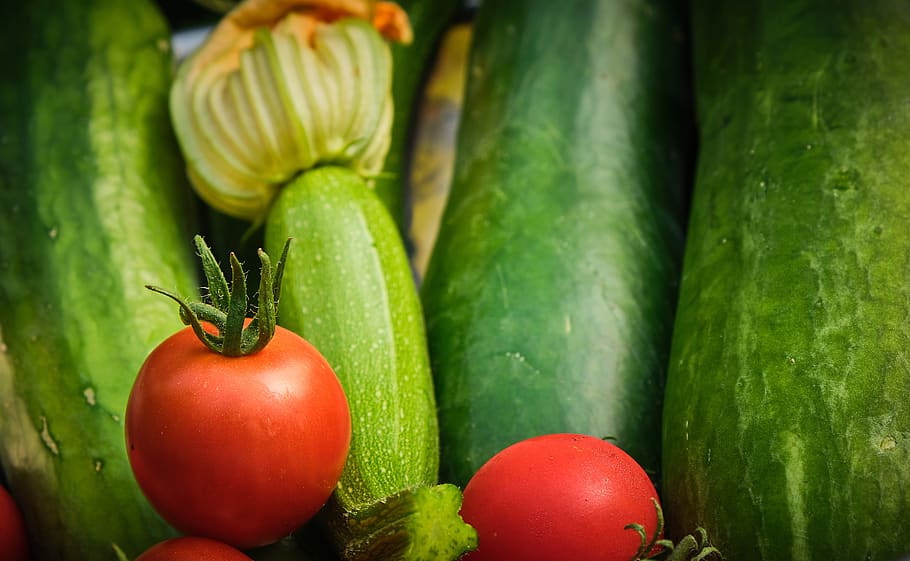
It’s time to start veggie favs like tomatoes, squash, cucumbers, beans, lettuces/greens, & more! Prep those beds with Nature’s Blend compost and get going. If you’re short on space, fill containers or raised beds with Gardener’s Magic soil and plant! Stop by and we’ll help you plan your veggie garden and get you everything you’ll need for a bountiful harvest. We’ve also got 2 fun veggie talks planned this month:  Tomato Kickoff with Andy Chidester on the 15th and Start Your Spring Veggie Garden on the 22nd with Wyatt Page. Come learn and share with a group seasoned and aspiring gardeners!

4. Bring Back the Color!

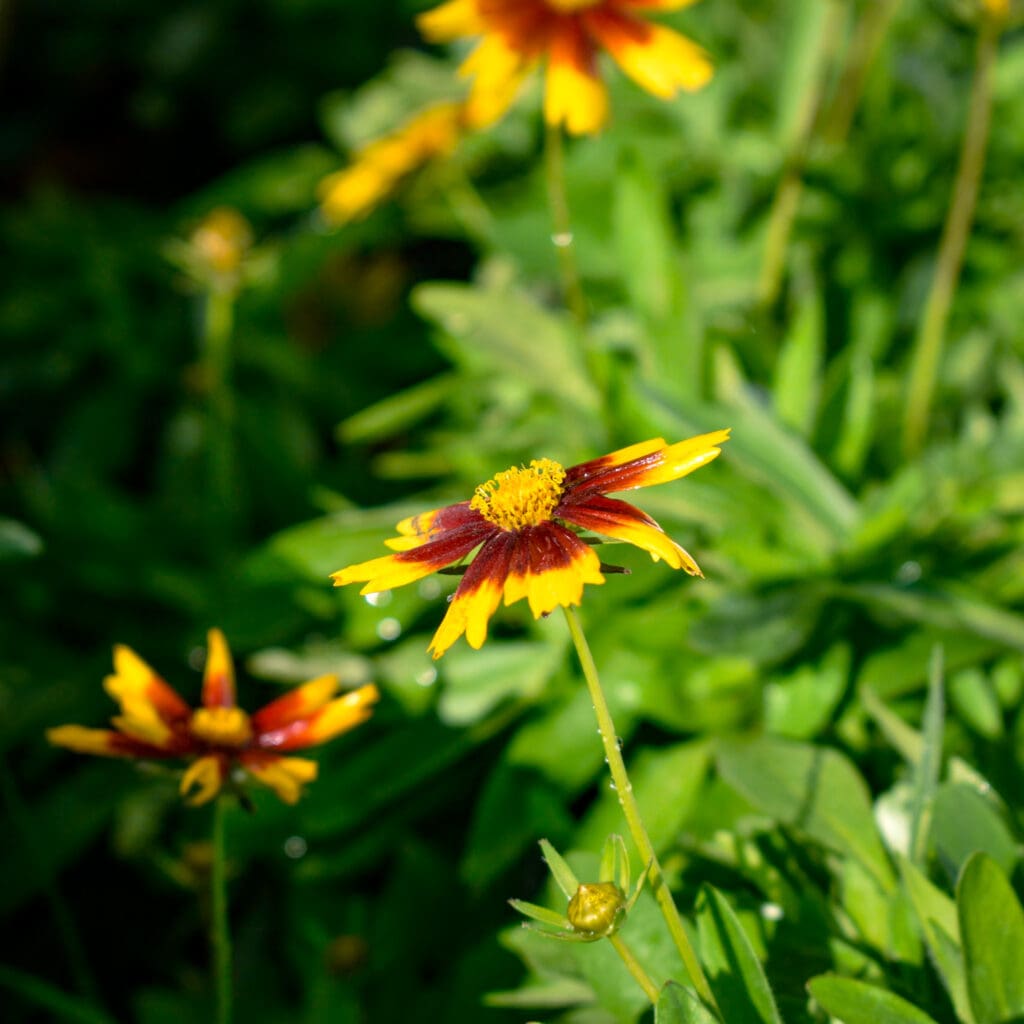
All our favorite spring annuals, perennials, natives, roses, and bright-blooming tropical plants are arriving at Gill’s daily! We’ve entered February and the forecast looks warm and sunny, so it’s time to create bursts of color in the garden and landscape. Yes, there’s always a chance for a late freeze, but given our forecast this year, those chances are getting slimmer every day. Better to plant early and get a head start on root growth. Plus, small plants are easy to cover if need be. 

5. Keep Feeding Veggies & Flowers on a Regular Schedule

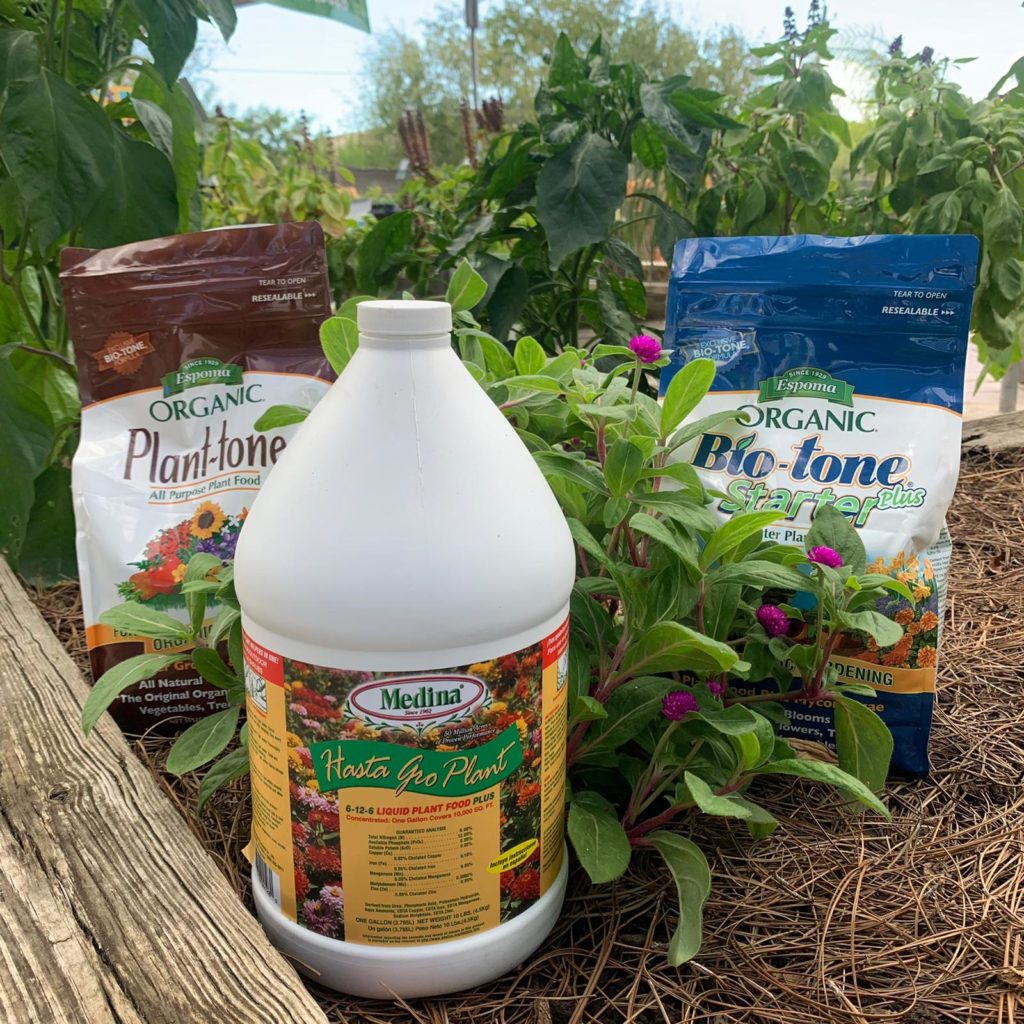
Blooming plants need food! Veggies are especially heavy feeders – they need to be able to sustain blooming and producing fruit. We recommend mixing in a little Bio-Tone Starter when you plant, which contains mycorrhizal fungi that promotes root growth. Then feed with a good organic, granular plant food like Plant-Tone or Medina Growin Green once a month, and supplement with liquid organic Hasta Gro in between. An easy way to remember this is to set an alarm or calendar event for granular feeding on the 1st of the month, then Hasta Gro on the 15th. These will add nutrients to your plants and keep your soil alive and healthy too.

6. Start Your Spring Cleanup & Pruning Now

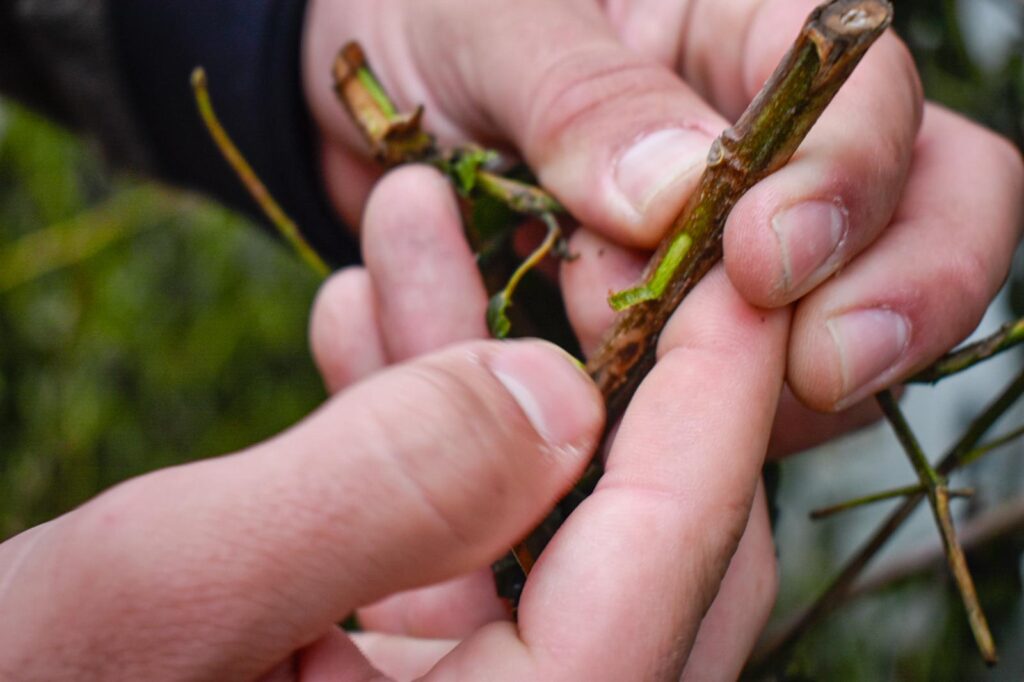
February is the time to get plants cut back to make way for big spring growth! Typically, we recommend waiting until February 15th to prune, but since the weather is warm and the forecast looks good, game on now! Most perennials like Lantana, Turk’s Cap, and Salvias need a good pruning back to about 4-8″ – don’t be shy! For any plants with woody stems/branches (like Esperanza and Hibiscus) that look dead or damaged from our recent freeze, do the scratch test before pruning. Start up high and scratch with your fingernail, a dime, or the back side of a knife. Don’t scratch too deep. If you see the bright green cambium layer (like the photo), that means it’s still alive! If you see brown/gray when you scratch, keep working your way down the plant until you see green. That will tell you where to cut. As always, contact Gill’s if you’re not sure or have questions about whether or how to prune specific plants.

7. Keep Watch for Winter Insects

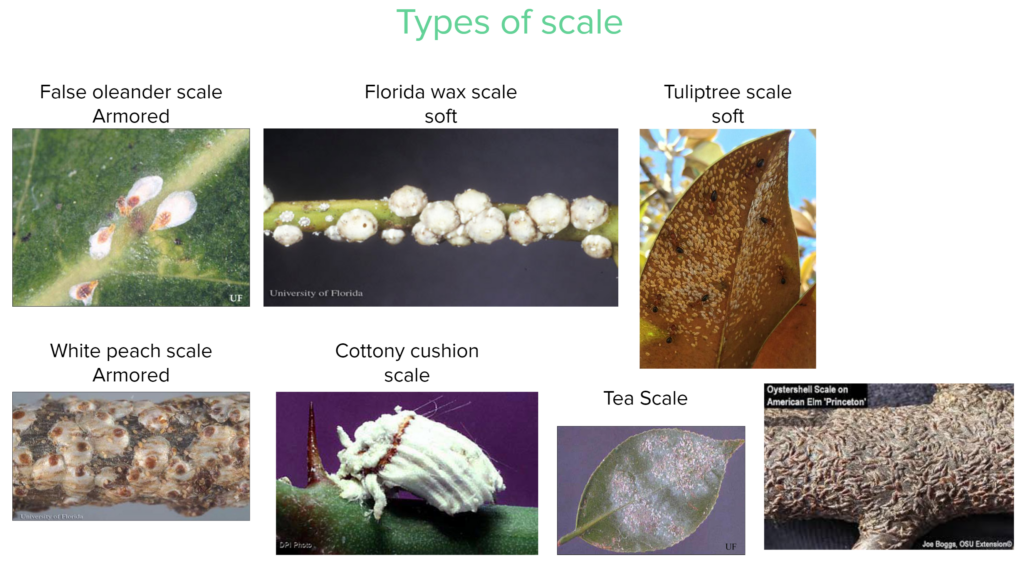
Scale is a variety of hard bodied sucking insects that range in appearance from white oyster shells to brown boogers stuck to the leaves of plants. Some of their favorites are Burford Holly, Bird of Paradise, Flax Lily, & Irises. They are easily controlled with a spray of organic All Seasons Oil Spray, but it must be done now before temps get too warm. The oil spray literally coats and suffocates the the eggs that are waiting for spring to hatch. It’s also good for treating indoor plants that may have scale or spider mites. 

8. Take Care of Weeds Now, But Wait to Fertilize Lawns

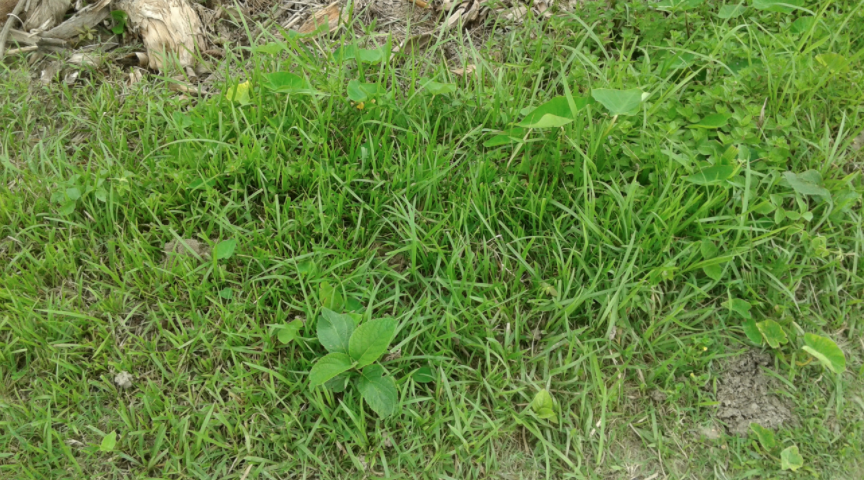
Right now, hand pulling the thistle while the ground is moist and keeping the clover mowed before it flowers are the best options to control 2 of our most common weeds. Weed killer sprays (like Weed B Gon) work with warm weather and sunshine with no rain or heavy night fog. The forecast looks good for this next week. Keep in mind – you should only spray for weeds one time or you risk damaging your lawn. Take care of weeds now, but wait to fertilize until March!  

Check out our February Garden Guide for more tips!

Good news! We have been working with City of Corpus Christi staff and other local green industry leaders to revise the Drought Contingency Plan, particularly Stage 3 restrictions on most outdoor water use. Thankfully, City leadership has been open to discussing revisions, acknowledging the concern for water shortages as well as the need to keep our city alive and vibrant. As of January 17th, City leadership has agreed to revise the rules and present a new Drought Contingency Plan to City Council for approval. Here’s what you need to know!

New Stage 3 Rules Allow Hand-Watering and Drip Irrigation

Under new proposed Stage 3 rules, hand watering is allowed any day before 10:00 a.m. and after 6:00 p.m., and drip irrigation systems can be used to water landscapes on your designated watering day every other week. We feel very good about these changes – they will allow us all to keep landscapes and trees alive through the drought. The City has also agreed to grant temporary exemptions to watering rules for new plantings for up to 30 days, which will allow homeowners to continue investing in their property. Homeowners should use the City’s form to apply for an exemption to get new landscapes established, then once they’re established, hand watering and drip irrigation will keep them thriving. 

New Stage 3 Rules Still Need to be Approved by City Council

The new draft Drought Contingency Plan will be presented at the next City Council meeting on Tuesday, January 28th. We encourage you to contact your City Council members and Mayor Guajardo to express your support for these changes to the Stage 3 watering rules. Better yet, sign up to make public comments at the Council meeting! We plan to speak at the meeting on the 28th, then again at the meeting on February 11th, where Council will vote to adopt the new plan. If the plan is adopted, the new rules will be effective in time for spring! 

The City is Planning to Make Recycled Effluent Water Available for Residential Use

Since spray irrigation will still be prohibited under new Stage 3 rules, using recycled water is a great option for lawns. The City is currently building a tank farm to hold recycled effluent water which can be hauled and used to water residential lawns and landscapes. Once this water becomes available, Gill’s will provide this service. If you’d like to get on our list for lawn watering, please get in touch! 


Happy Holidays, gardeners! We hope you’re having fun with family and friends and enjoying this warm weather outdoors. We’re back open regular hours December 26th through December 30th. We’ll be open 9-2 New Year’s Eve and closed New Year’s Day. Cheers to 2025!


We know that watering restrictions, especially the new Stage 3 ban on most outdoor watering, are cause for alarm for gardeners. We are in close contact with City leadership, and we’re here to help you navigate the situation. As always, Gill’s is here to show you what you CAN do in the garden, not what you can’t do.

1. URGENT:  You CAN (and should) Ask City Leadership to Revise the Drought Contingency Plan

At a minimum, we need to be able to hand water to keep trees and established landscapes alive through the drought. We all need to continue to contact City leadership to urge them to make necessary revisions to the Drought Contingency Plan. We wrote the letter below as a template for you to use. We recommend copying it, customizing it however you wish, and sending it via mail and/or email to City Council members, Mayor Guajardo, City Manager Peter Zanoni, and Corpus Christi Water COO Drew Molly (their contact information can be found at these links). If you can contact the new incoming 2025 Council members, reach out to them too! Here’s our letter template for you to use:

Dear City Council Members, Mayor, City Manager, and Corpus Christi Water:

The Stage 3 ban on all outdoor water use is not compliable for citizens or enforceable by the City. We need a Drought Contingency Plan that citizens can comply with and conserve water while still protecting their investments in their property.

We ask that you review and revise the Drought Contingency Plan. Specifically, section 10.3. Stage 3 Response should be revised to include:

  • Allow irrigation of landscaped areas on any day if it is by means of a hand-held hose (with positive shutoff nozzle), a faucet filled bucket or watering can of five gallons or less, or drip irrigation system with a positive shutoff device.
  • Allow temporary exemptions to watering restrictions for new plantings for up to 60 days.


Since we know that residences account for less than half of city water use, and we know that only some of those users water their landscapes, the Stage 3 ban on hand watering and drip irrigation would save only a very small portion of overall water use. These small water savings are not worth the negative environmental impacts and economic hardships they will cause.

Please revise the Drought Contingency Plan as soon as possible.

Respectfully,

[Your Name]

2. You CAN Water Potted Plants, Food Gardens, and Food-Bearing Trees

We confirmed with City leadership this week that you CAN water all potted plants, food gardens, and food-bearing trees by hand-held hose with positive shutoff nozzle at any time without the need to apply for an exemption to watering rules. That means winter veggies and herbs, citrus and fruit trees, and all your festive potted arrangements are all safe. We’re envisioning lots more food gardens and edible landscapes in 2025!

3. You CAN Still Apply for Watering Exemptions for Other New Plantings

For any new plantings, you CAN use the City’s form to apply for an exemption to the watering restrictions to help get the plants established. We handle these exemptions for our landscape clients, and we can help you with the calculations and technical information depending on the type of watering you’ll be doing. Just give us a call or stop by!

4. You CAN Collect and Recycle Water to Use Outside

There are no limits or restrictions on the use of rainwater, A/C condensate, dehumidifier condensate, or gray water (recycled water) for outdoor watering. Consider adding a few rain barrels or investing in a larger rainwater harvesting system like the one we have at Gill’s – yes, we sell stainless steel cisterns in lots of different sizes and our landscape department can install them for you. Some of us have also been experimenting with gray water collection from our washing machines and dishwashers. A single washing machine load can produce 15 to 40 gallons of gray water! As long as you use chemical and salt-free cleaning products, most plants and lawns will do just fine with recycled gray water.

5. You CAN Still Make Big Landscape Improvements While Saving Water

There are still lots of options for adding new functional landscape design elements and improving your property. Now’s a great time to start planning new projects like patios, walkways, pergolas, outdoor seating and dining areas, new raised beds, and new layouts accented with smart plant choices. Think low-water Texas native plants, big statement cacti and agaves, replacing lawn areas with native groundcover plants like Frog Fruit or Wooly Stemodia…we’ve got options!  


One of my favorite pastimes, in between planting, fertilizing, trimming, and mulching, is sitting in my backyard and watching the butterflies dance around my garden. Here’s a few tips to entice these beauties to YOUR GARDEN!

Locate a sunny area.

Butterflies and most butterfly attracting plants require bright sunshine.

Plant nectar producing flowers.

Butterflies visit flowers in search of nectar  to eat. Many butterflies seem to prefer purple, yellow, orange and red- orange blossoms. Clusters of short, tubular flowers or flat-topped blossoms provide the ideal  shapes for butterflies to easily land and feed.

Select single flowers rather than double flowers.

The nectar of single flowers is more accessible and easier for butterflies to extract than the nectar of double flowers, which have more petals per flower.

Use large splashes of color in your landscape.

Butterflies are first attracted to flowers by their color. Groups of flowers are easier for butterflies to locate than isolated plants.

Plan for continuous bloom throughout the season.

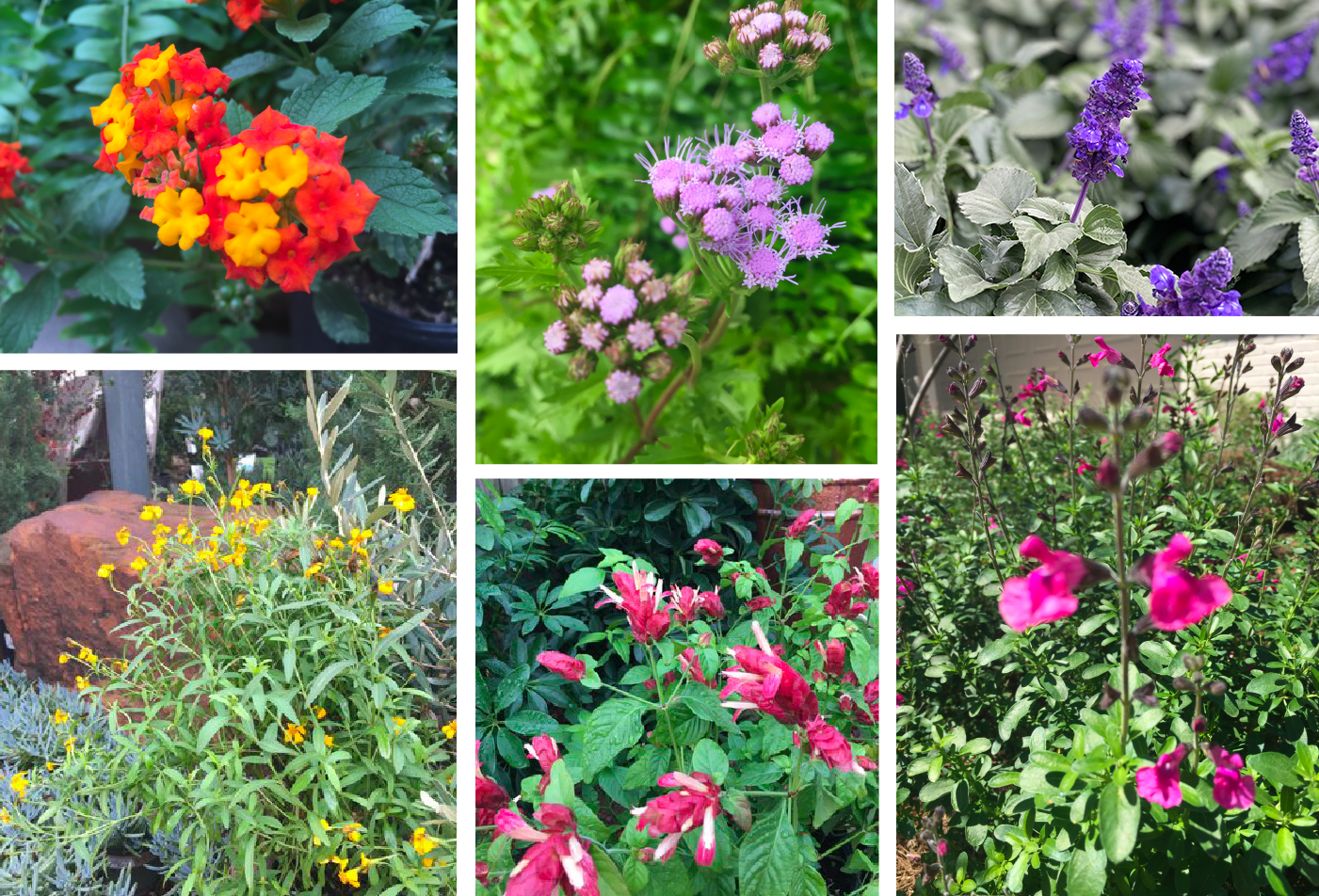
Butterflies are active from early spring until late fall. Plant a selection of flowers that will provide nectar throughout the entire growing season. For blooms throughout the year, plant hamelia, shrimp plant. jatropha, lantana, bulbine, buddleia, mist flower, & penta. For flowers spring and fall, try mexican flame vine, verbena, mexican mint marigold, pavonia, passion vine, salvias, & fall chrysanthemums.

Clockwise from Top Left: Lantana, Mist Flower, Salvia Mystic Spires, Salvia Gregii, Shrimp Plant, Mexican Mint Marigold

Plant for perching.

Plant some evergreen trees or shrubs for perching and rain shelter. Example: Yaupon holly or desert willow.

Include host plants in your garden design.

Host plants provide food for the caterpillar and lure female butterflies into the garden to lay eggs.

  • Common Name:  Larval Food Source
  • Black Swallowtail:  dill, parsley, fennel, carrot tops
  • Fritillaries:  passionflowers
  • Giant Swallowtail:  citrus, rue
  • Julias:  passionflowers
  • Monarchs & Queens:  milkweeds
  • Pipevine Swallowtail:  Dutchman’s pipevine
  • Skippers:  mallows
  • Snouts:  hackberry
  • Sulphurs:  cassias
  • Viceroys:  pear, cottonwood, willow
  • Whites:  mustards, pepper-grass
  • Zebra Longwings:  passionflowers

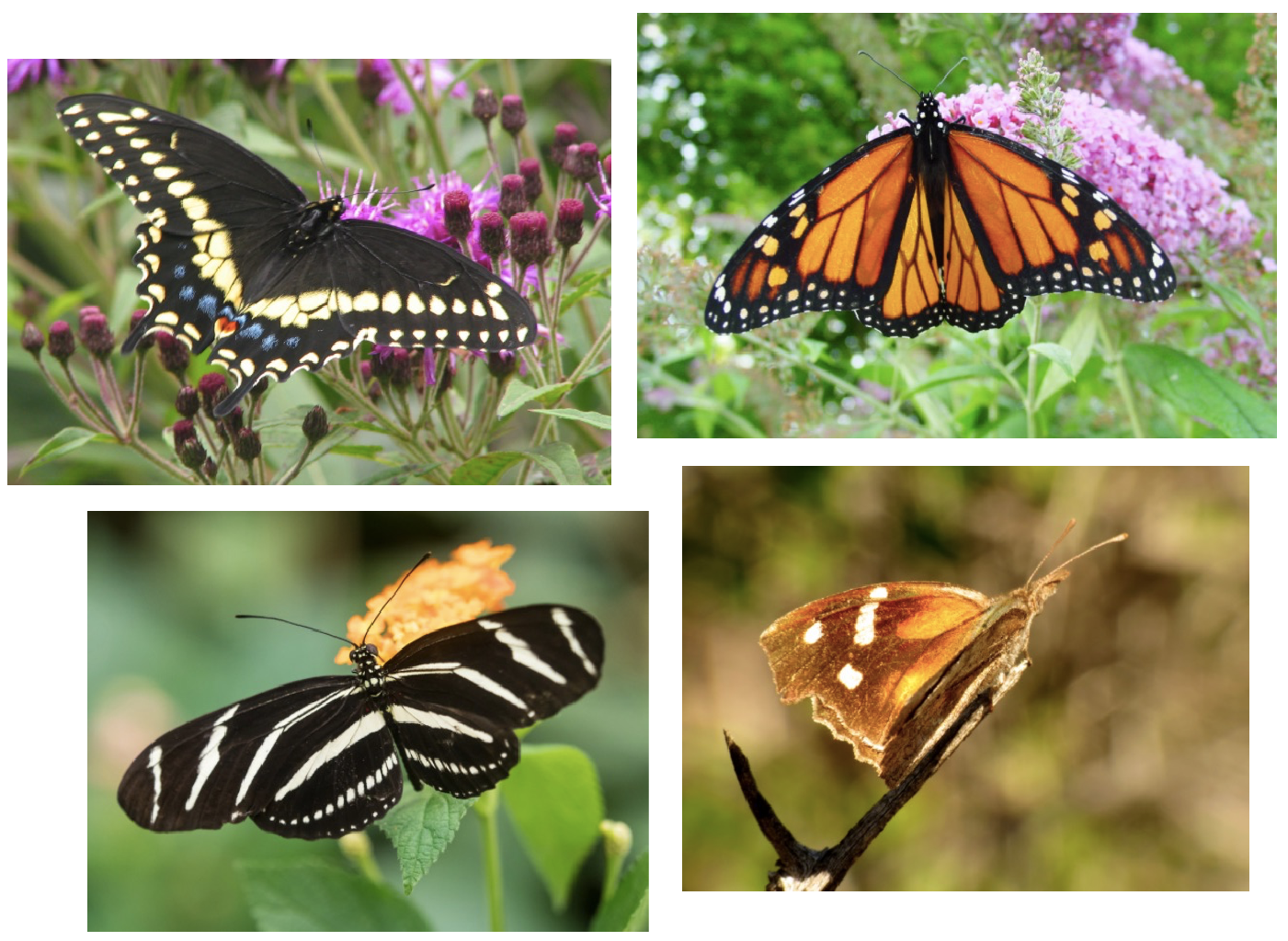
Clockwise from Top Left: Black Swallowtail, Monarch, Snout, Zebra Longwing

Include damp areas or shallow puddles in the garden.

Some butterflies drink and extract salts from moist soil. Occasionally large numbers of male butterflies congregate around a moist area to drink, forming a “puddle club”.

Place flat stones in the garden.

Butterflies often perch on stones, bare soil or vegetation, spread their wings and bask in the sun. Basking raises their body temperature so they are able to fly and remain active.

Do not use pesticides in or near a butterfly garden.

Most traditional garden pesticides are toxic to butterflies. Use predatory insects, insecticidal soap or hand remove the pests if problems occur.

Become a butterfly watcher!

Get to know the colorful butterflies that visit your garden. They are easy to identify with a field guide or butterfly app!

-Sally

Yay for May! Everything’s growing and blooming and we hope you are too! May is Mental Health Awareness Month, which is a good time to think about the peace of mind that gardening brings us. Gardeners know that all the research is true – gardening is good for you! Here are our Top 6 Must Do’s this May to keep you and your garden feelin’ good.

1. Join Us for Garden Talks and Events!

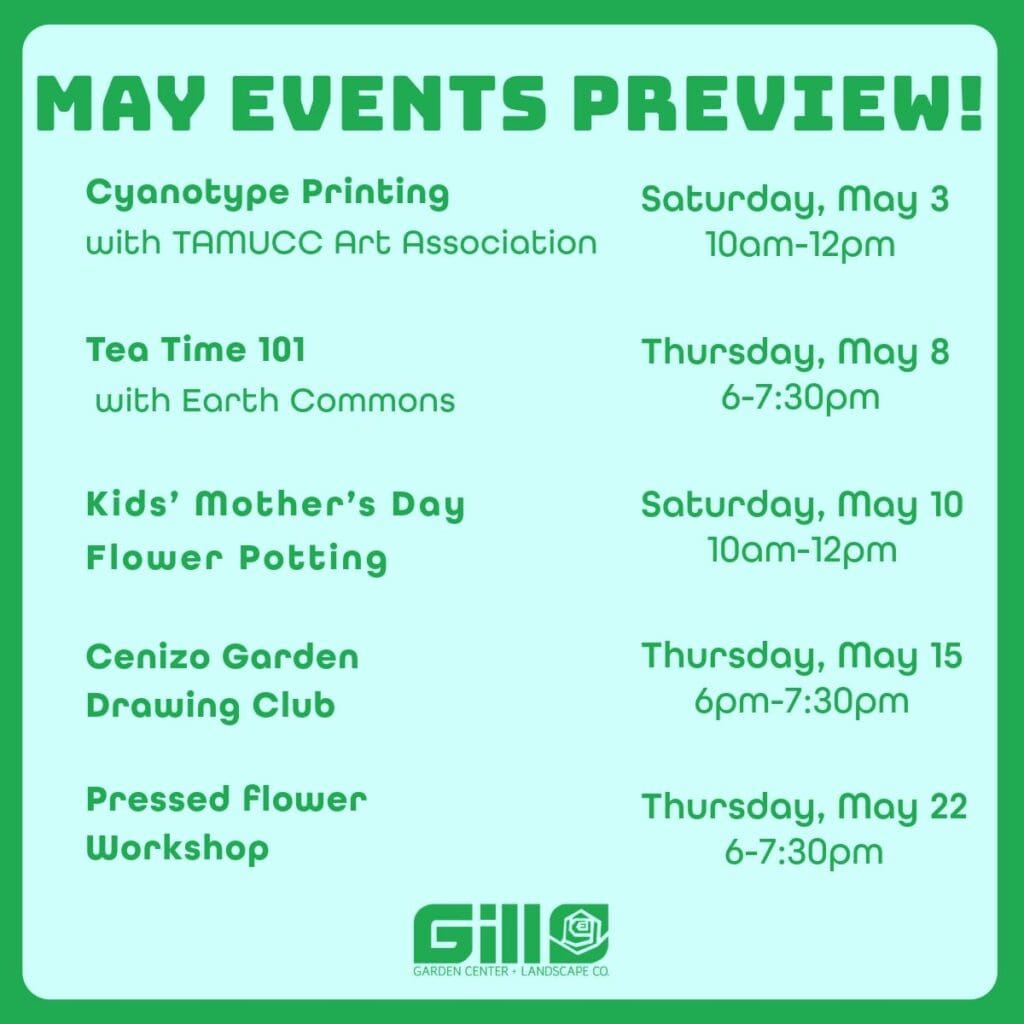
We’ve got a fun May planned here at Gill’s, and we’re kicking it off Saturday, May 11th with our Mother’s Day Flower Art for Kids workshop! Then we’re hosting an RSVP-only pressed flower workshop the evening of May 16th, and an informative talk on setting up your own drip irrigation system on May 25th. Sure to be lots of fun and lots to learn and discuss! Click here for more info!

2. Plant Blooming Perennials and Trees

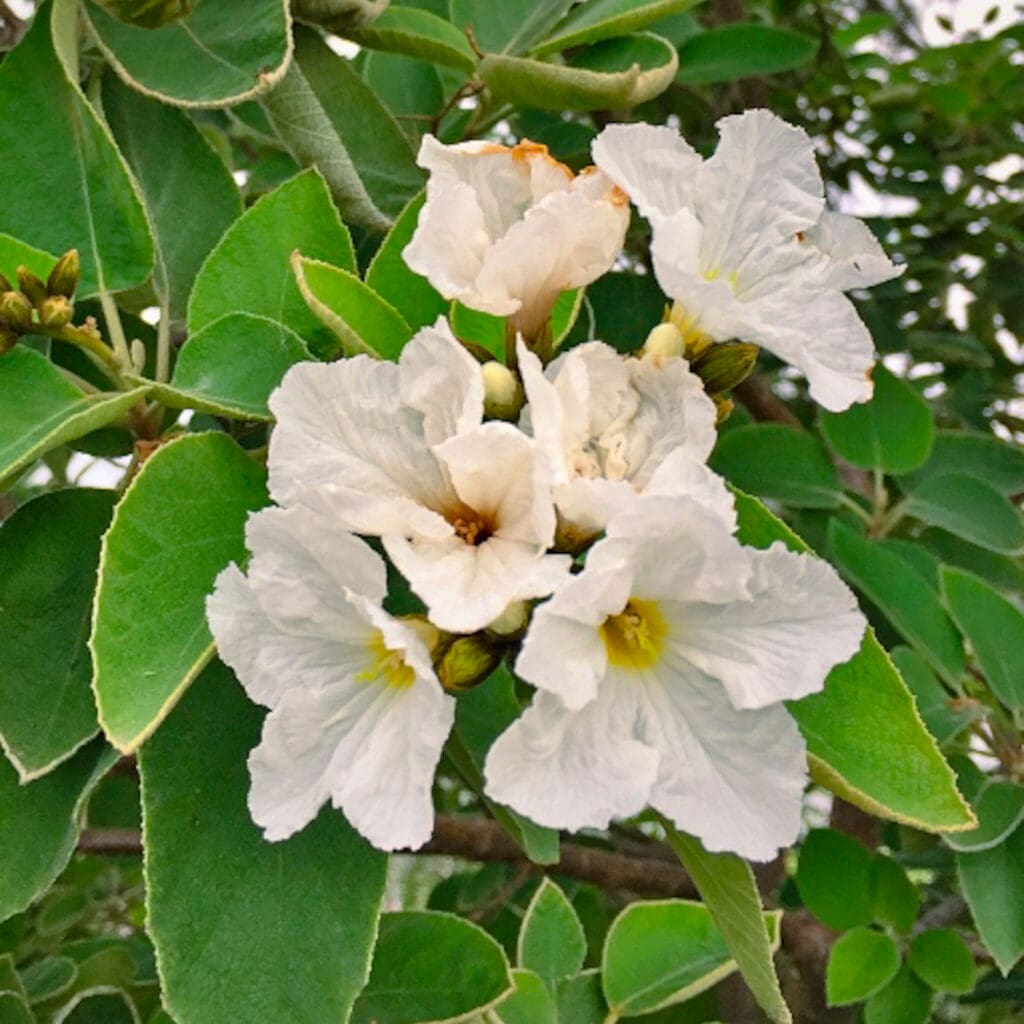
It’s still time to plant lots of different blooming perennials and blooming trees. Get them established in May so they are better adapted to withstand warmer temps this Summer. Staples like Esperanza, many varieties of Salvia, Lantana, and tons more are all blooming beautifully right now. And blooming trees like Vitex, Retama, and Wild Olive are looking great right now too. Added bonus:  these blooming perennials and trees attract lots of butterflies and hummingbirds!

3. Plant and Harvest Veggies

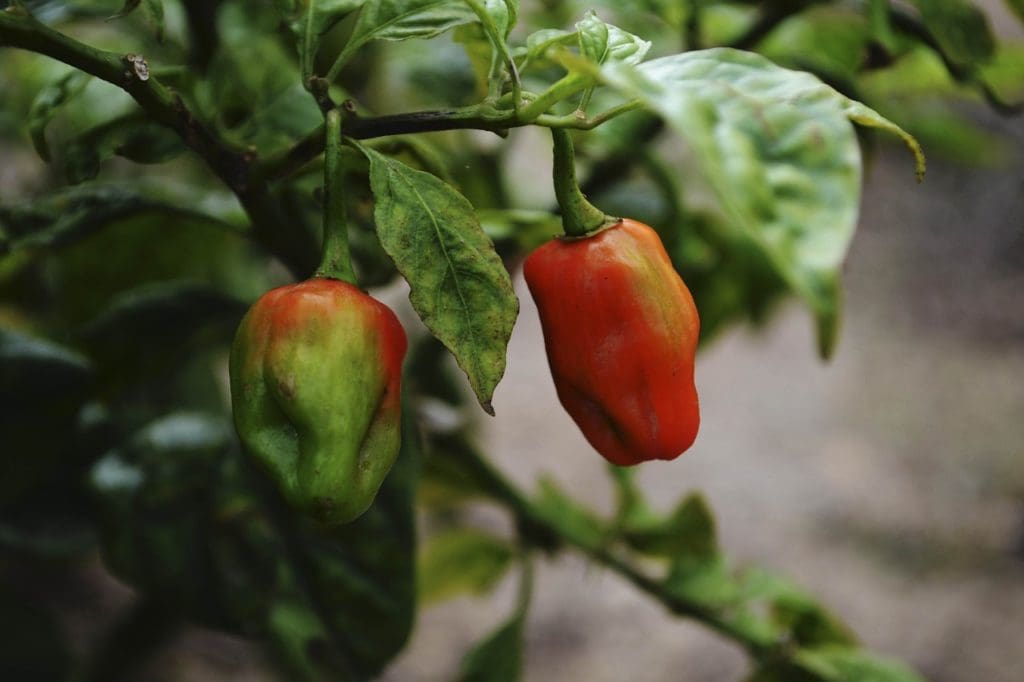
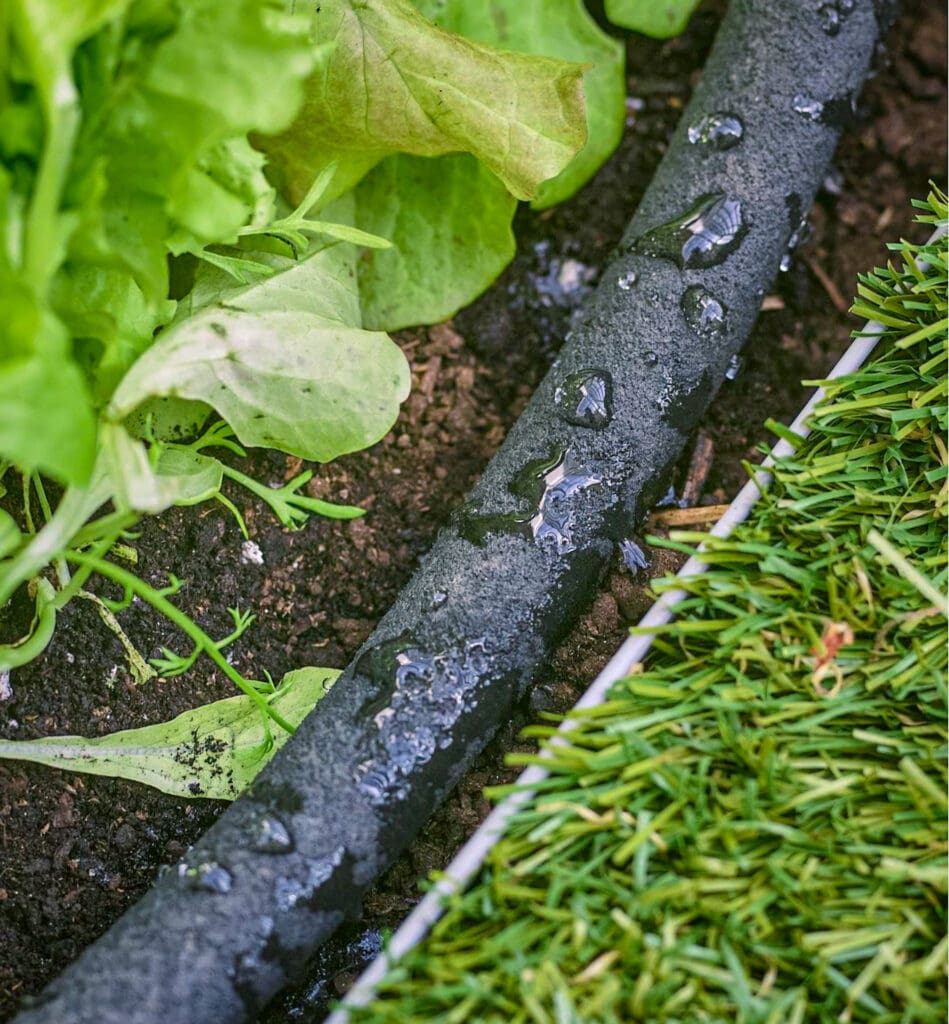
Warm weather veggie time! Plant peppers, zucchini, squash, and okra this month for continued harvesting into the Summer months. If you planted tomatoes, cucumbers, and other early Spring veggies, you’ll be harvesting now or very soon. Be sure to harvest often! It keeps birds & insects from finding them first. If you do have insect issues in your veggie garden, our go-to organic control is Spinosad – safe for food but takes care of bugs. Recent rain showers have been great for veggie gardens. Remember to keep watering as the weather warms up to maintain depth moisture. Soaker hoses are great to snake around your plants keeping water close to the ground and root systems.

4. Transition Your Lawn to Summer

Water deeply once every 2 weeks unless we get rain (per current watering rules). Watering once every 2 weeks with your irrigation system or sprinklers IS sufficient to keep lawns healthy through the summer. If necessary, you can supplement with hand watering. The key is to focus on depth moisture and root health – not necessarily a perfect green appearance all summer long.

When mowing, the proper height for St. Augustine lawns is around 3 inches. For Bermuda lawns, keep mowed to around 2-2.5 inches. Buzzing lawns shorter than that will cause lawn stress, and stressed lawns are more susceptible to pests, weeds, and disease.

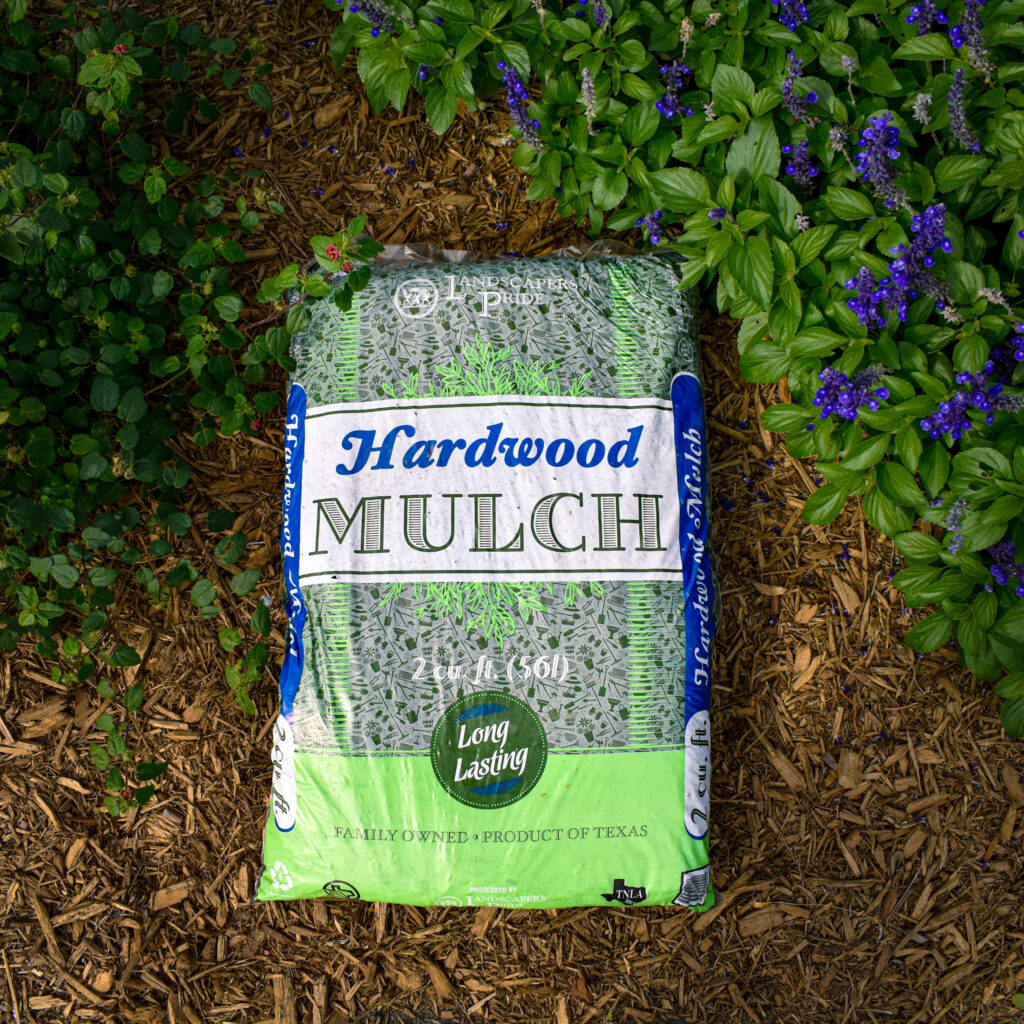
Feed with Natural Fertilizers:  Medina Growin Green or Milorganite. These feed the lawn and the soil with great results. Water in to get them started. Plus you can use them elsewhere in your landscape for plants and trees.

Watch for lawn insects & treat when needed. Grub worms & chinch bugs are easy to control when caught early but there’s no need to treat unless you have them. Bayer Season-long Grub Control will do the trick for grubs. Cyonara takes care of chinch bugs. Reminder, you can bring us a grass sample any time you suspect a lawn disease or pest. We’ll diagnose (using our microscope if needed) and get you what you need to knock it out.

Consider reducing your lawn space! Does all this lawn stuff sound like a lot of work? It can be! Many of us are reconsidering whether we really even want all that green lawn space. Why not start converting small portions of lawn to planting beds filled with blooming perennials that benefit the environment and use far less water? One way to start would simply be to deepen existing landscape beds to reduce some lawn.

5. Set Your Mosquito Traps!

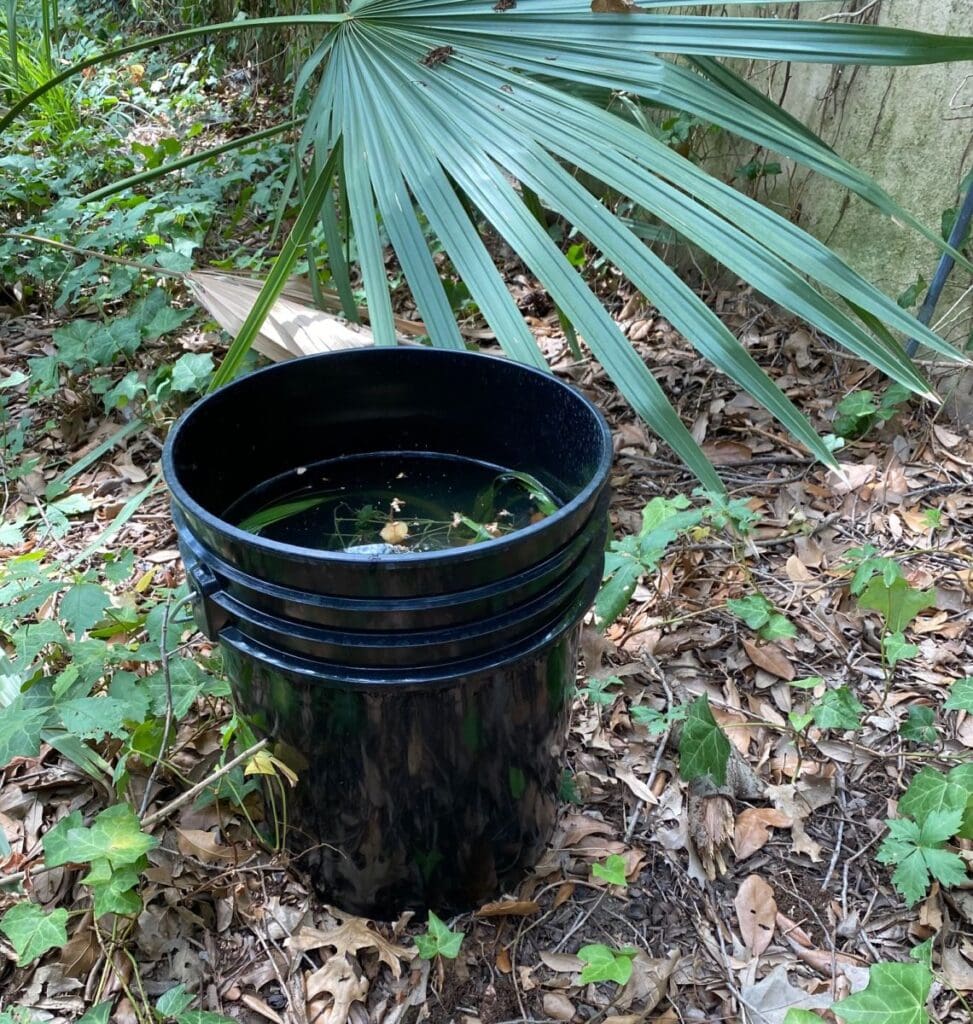
We are big fans of the simple bucket mosquito trap. Just fill a bucket 3/4 with water, add a good handful of lawn or plant clippings, and toss in a Mosquito Dunk or Mosquito Bits. These dissolve in the water and release bacteria that target mosquito larvae and kill them before they hatch. And they’re organic and not harmful to birds, bees, pets or humans! Set a few of these traps, sprinkle some organic Mosquito Beater granules around walkways and patios, spray organic Cedar Repel on your lawn, and use Skeeter Screen incense sticks near where you’re working or hanging out outside. Remember that using chemical mosquito foggers kills all the good bugs too, some of which also help control mosquitos and other bad bugs.

6. Gifts for Moms and Grads

Let us help you find something pretty, useful, or both for the gardening moms and grads in your life. Pottery, birdbaths, wind chimes, garden tools, hats, gloves, garden decor, gift cards – lots of options. Check out the Bee Puddles handmade by ceramicist and Gill’s own Wyatt Page! Help bees stop for a drink. Or find the gift that gardeners love most – plants 🙂

Visit our May Garden Guide for more tips! Happy gardening!

The weather this week is making us want to get outside and garden!! We’re stocking up on veggies, Texas native plants, trees, and lots of flowers and blooming perennials as we head into Spring! Here’s our top 7 gardening tasks to focus on this month to kickstart an amazing season.

1. Be Ready for Cool Weather and Start Planting!

Keep your eye on the forecast for cold snaps, but don’t delay your planting projects. Cool season flowers, trees, shrubs, veggies, and more need to be planted this month to take advantage of cool weather and get a head start on root growth. If we do get another freeze, new plants are easy to cover!

2. Start Your Veggies!

It’s time to start veggie favs like tomatoes, squash, cucumbers, beans, lettuces/greens, & more! Prep those beds with Nature’s Blend compost and get going. If you’re short on space, use containers! Stop by and we’ll help you plan your veggie garden and get you everything you’ll need for a bountiful harvest.

3. Come Learn All About Growing Tomatoes with DeAnna This Saturday at 10!

Tomatoes need to be planted early this month. So….join us this Saturday, 2/3 at 10am for our garden talk, Tomato Time with DeAnna Baumgartner, Gill’s manager and tomato expert! DeAnna will share valuable tips for growing all kinds of tomatoes in the ground and in containers or raised veggie beds. This talk is great for beginners and experienced tomato growers alike. Bring your questions and share your plant knowledge as we hang out and talk about everything tomatoes. We’ll hold the talk outside if the weather’s nice, or inside the greenhouse if not. One attendee will win a $100 Gill’s gift card, and we’ll do some other giveaways too!

4. Keep Feeding Veggies & Flowers

Blooming plants need food! Veggies are especially heavy feeders – they need to be able to sustain blooming and producing fruit. We recommend mixing in a little Bio-Tone Starter when you plant, which contains mycorrhizal fungi that promotes root growth. Then feed with a good organic, granular plant food like Plant-Tone or Medina Growin Green once a month, and supplement with liquid organic Hasta Gro in between. An easy way to remember this is to set an alarm or calendar event for granular feeding on the 1st of the month, then Hasta Gro on the 15th. These will add nutrients to your plants and keep your soil alive and healthy too.

5. Mid February = Time to Prune!

February is the time to get plants cut back to make way for big spring growth! Since we just had a freeze, we recommend waiting another week or so until mid-February. Most perennials like Lantana, Turk’s Cap, and Salvias need a good pruning back to about 4-8″ – don’t be shy! For any plants with woody stems/branches (like Esperanza and Hibiscus) that look dead or damaged, do the scratch test before pruning. Start up high and scratch with your fingernail, a dime, or the back side of a knife. Don’t scratch too deep. If you see the bright green cambium layer (like the photo), that means it’s still alive! If you see brown/gray when you scratch, keep working your way down the plant until you see green. That will tell you where to cut. As always, contact Gill’s if you’re not sure or have questions about whether or how to prune specific plants.

6. Keep Watch for Winter Insects

Scale is a variety of hard bodied sucking insects that range in appearance from white oyster shells to brown boogers stuck to the leaves of plants. Some of their favorites are Burford Holly, Bird of Paradise, Flax Lily, & Irises. They are easily controlled with a spray of organic All Seasons Oil Spray, but it must be done now. The oil spray literally coats and suffocates the the eggs that are waiting for spring to hatch. It’s also good for treating indoor plants that may have scale or spider mites. 

7. Got Weeds?

Right now, hand pulling the thistle while the ground is moist and keeping the clover mowed before it flowers are the best options to control 2 of our most common weeds. Weed killer sprays (like Weed B Gon) work with warm weather and sunshine with no rain or heavy night fog. We need to wait to spray until temperatures are consistently between 75-80 degrees. Be patient and wait a few more weeks since you should only spray one time or you risk damaging your lawn.

Check out our February Garden Guide for more tips!