Garden Center Hours: Mon-Sat 9am - 5:30pm • Sun 10am - 5:30pm

We’re happy to report that Christmas trees are here and they look….AMAZING!! We are so pleased with the sizes and shapes and freshness this year! The garden center is stocked with fresh-cut trees ranging from 5ft to 11ft, and the Gill’s crew has delivered one very special tree measuring over 20ft at The South Texas Botanical Gardens! Here’s some more info about our Christmas tree varieties this year plus a few important care tips. We can’t wait to help you find your perfect tree – plus, our friends from the Brewery Cafe will be here at Gill’s this Saturday serving up holiday coffee drinks and sweet treats!

Did You Know Real Fresh-Cut Christmas Trees are the Environmentally Friendly Option?

Real Christmas trees help support forests and don’t require the carbon emissions that it takes to produce plastic trees. We work with sustainably-managed Christmas tree farms in Washington state and North Carolina who plant 3 new saplings for each tree they harvest. Their forests of Christmas trees consume several thousand pounds of carbon dioxide per year helping to clean our atmosphere and provide oxygen. After the season, recycled trees can be used for building barrier sand dunes on Padre Island, creating artificial reefs in local bay waters, creating bug and pollinator habitat, chipped for garden mulch, and more. No waste!


Tree Varieties at Gill’s

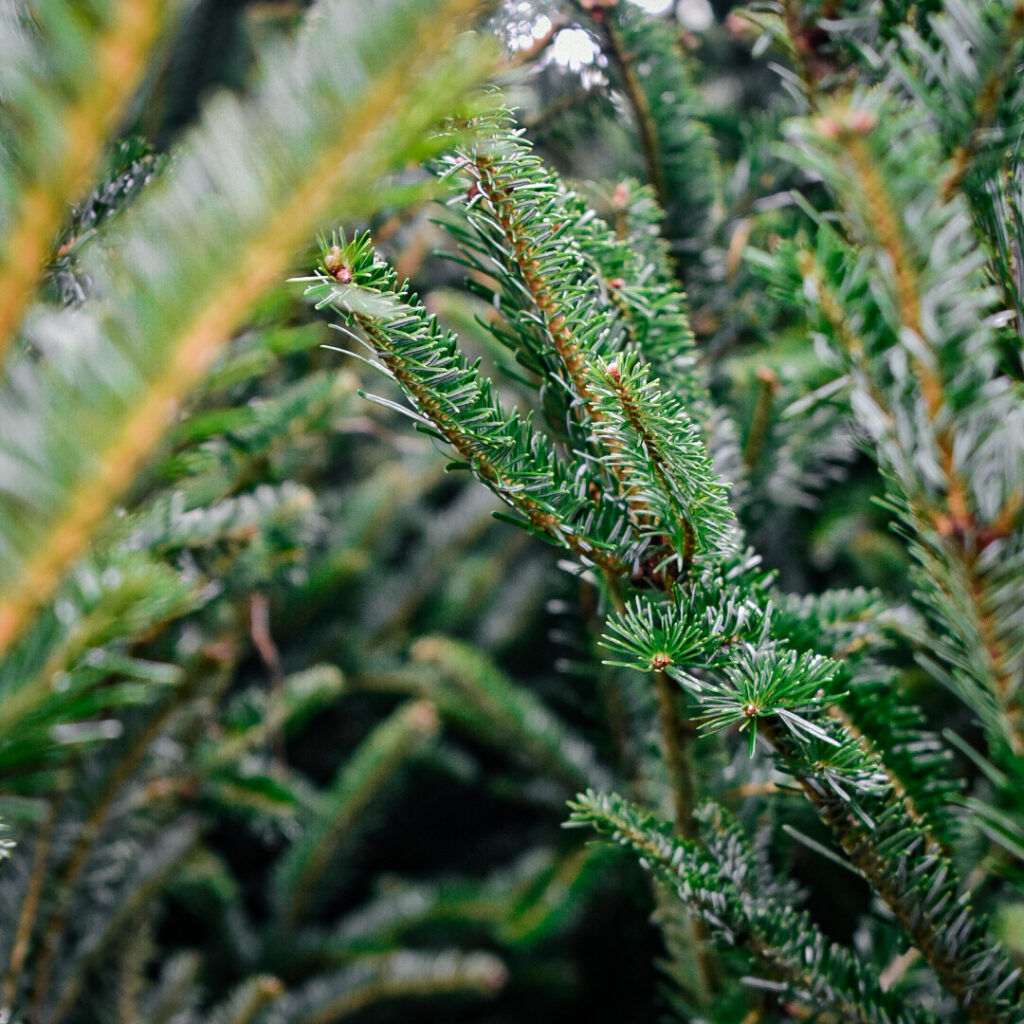
Fraser Fir is one of the most popular trees for the classic look. They are highly sought after for their needle retention, tolerance to warmer climates, soft silvery foliage, and fragrance. Our Frasers are especially fragrant this year. We have seen Frasers in March look almost as good as they did in December!

Noble Fir in traditional form or the trendy layered look. Nobles are known for their long-cut life, darker green foliage, and stiff branches that hold ornaments well. They’re also very fragrant for those of us who love the smell of Christmas trees. 

Nordmann Fir has a soft needle and little to no fragrance, which makes it a great choice for those with allergies. Nordmanns have a very full look with contrasting silver and dark green foliage. Gorgeous!

We offer delivery + set-up as well as Xmas tree takeaway after the season. 


2 Very Important Xmas Tree Care Tips:

#1 – Keep your tree in water! Our trees have had a fresh cut and have been immediately placed in water to maximize freshness. As soon as you get your tree home, get the base of the trunk in water. If you need to wait to put it on the stand, get it in a bucket of water. If you plan to give your tree a fresh cut when you get home, only cut ½” off the base, and you must get it in water within 10 mins, or the cut will seal over and not allow the tree to take up water. For the first few days, your tree will drink a lot of water! Keep monitoring your water level in the stand those first few days and throughout the season. We carry the Watering Elf long water funnel which makes refilling super easy.

#2 – Keep your tree away from heating and A/C vents (if a vent is nearby, close it). Heating and A/C will dry out the tree quickly – you don’t want that! You want to keep the needles as hydrated as possible.


Sip in Style While You Tree Shop this Saturday!

We are so excited to host our friends at The Brewery Cafe this Saturday! They’ll be serving up a special menu or holiday lattes and treats created just for the occasion. If you can’t make it this Saturday the 22nd, they’ll be back next Saturday the 29th too!

Go See The Big Tree at the Botanical Gardens!

We are happy to be a part of the annual Botanical Gardens holiday light display. Visit the Botanical Gardens website for more info about holiday hours. Can’t wait to see this year’s big tree!


Spring has SPRUNG!! Gorgeous weather, rain in the forecast, and the nursery is bursting at the seams with all kinds of blooms! Here are our top must-do’s in the garden this March – time to get planting!

1. Get Your Veggies Going Right Now

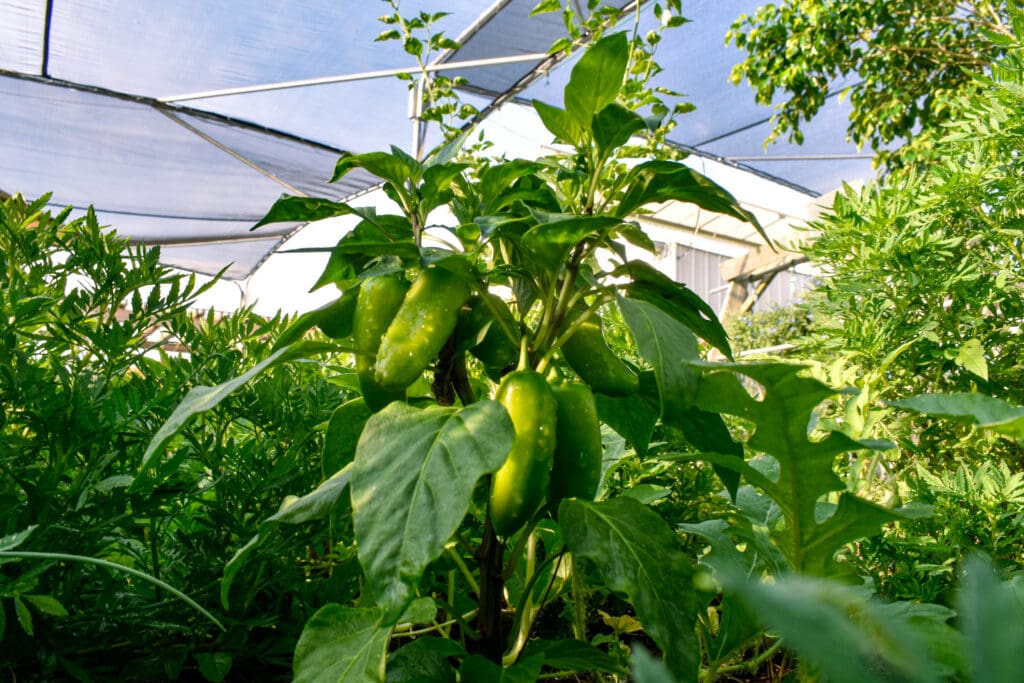
We must say…our veggie and herb section is looking mighty good right now! We’ve got tons of different tomatoes, jalapenos, super hot Carolina Reapers, cucumbers, squash, eggplant, asparagus, lemongrass, basil, and lots more ready for your garden. Be sure to get your tomatoes going early this month so they have time to produce before it gets too warm – don’t miss your window. The rest of these can be planted any time this month, but you don’t want to wait much longer. Take advantage of the perfect weather!

2. Fertilize Regularly Starting Now (except for lawns!)
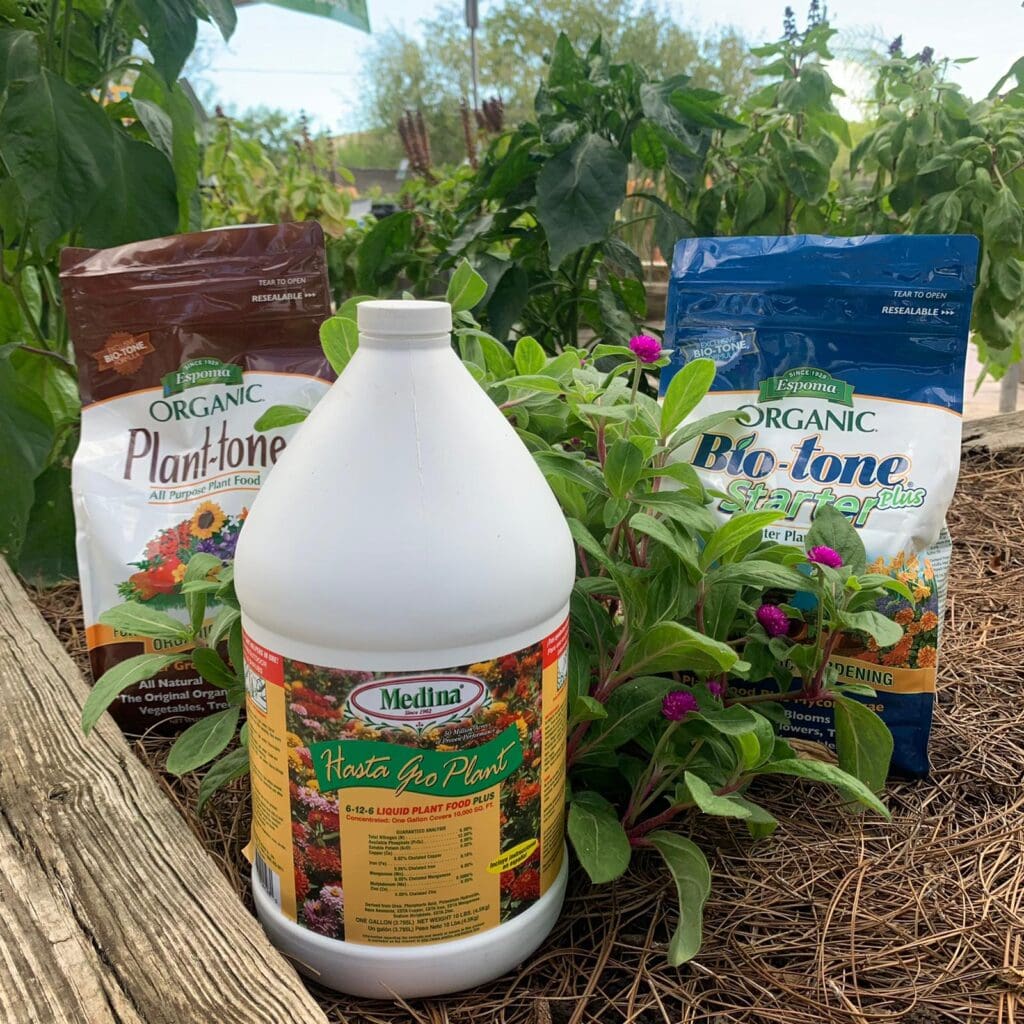
The time to fertilize is when plants are actively growing. That’s when they take up nutrients and get the most benefit from a good feeding. Flowers and veggies are especially heavy feeders because they’re working to produce a bloom and fruit. And you will certainly notice a difference with your landscape plants as well. Apply a good all-purpose organic food like Plant Tone, Medina Growin Green, or Rose Glo once a month for great results. Don’t sprinkle your granular fertilizer right up against the trunk of the plant. Instead, sprinkle at the drip line, aka where rainwater would drip off the outermost leaves. That’s the zone where plants take up the most nutrients. After you’ve applied your granular food, circle back every 2 weeks to supplement with liquid Hasta Gro. Almost everything should be fed starting now, except lawns! Wait to fertilize lawns until late March/early April.

Added bonus: When planting, add a little Bio Tone starter fertilizer to the soil when you backfill. It contains all sorts of beneficial organic matter, including mycorrhizal fungi which help stimulate better root growth. Amazing stuff!

3. Whatever You’re Planting – Add Compost!
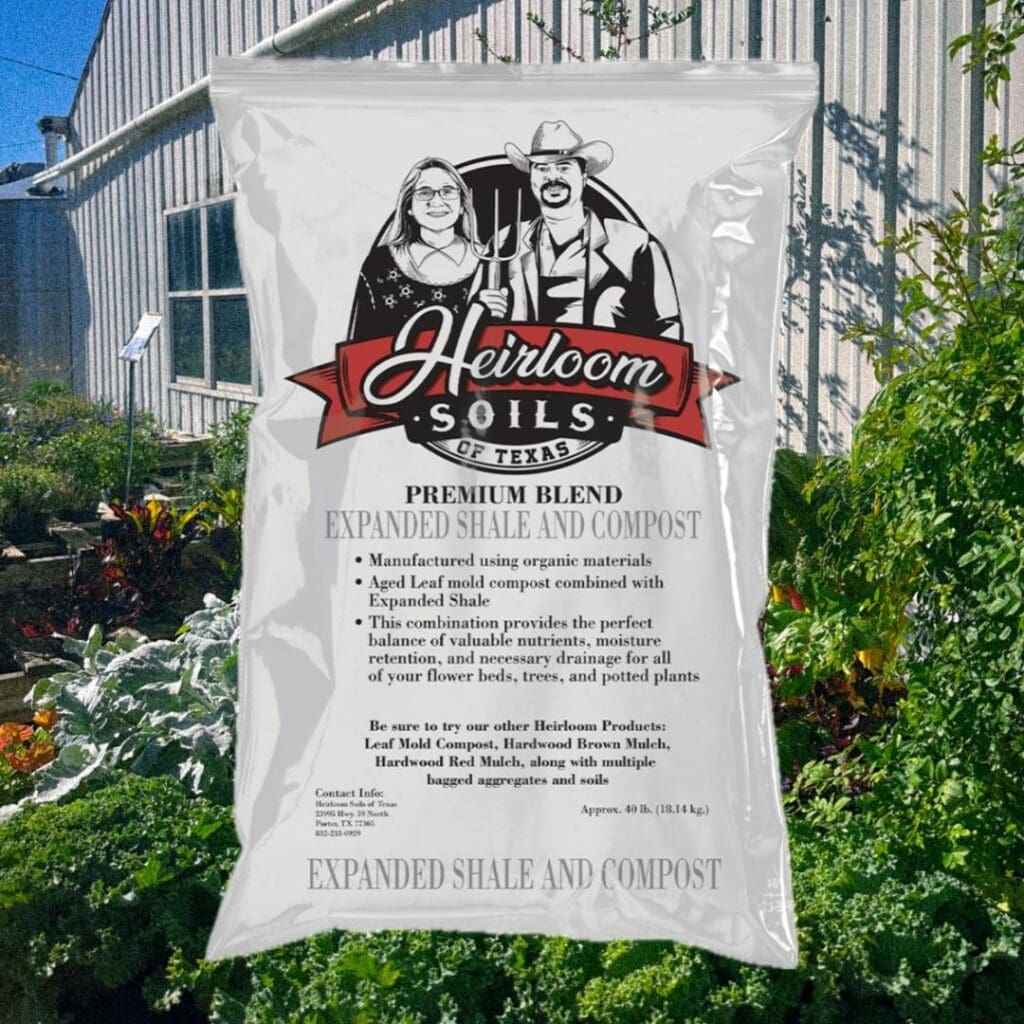
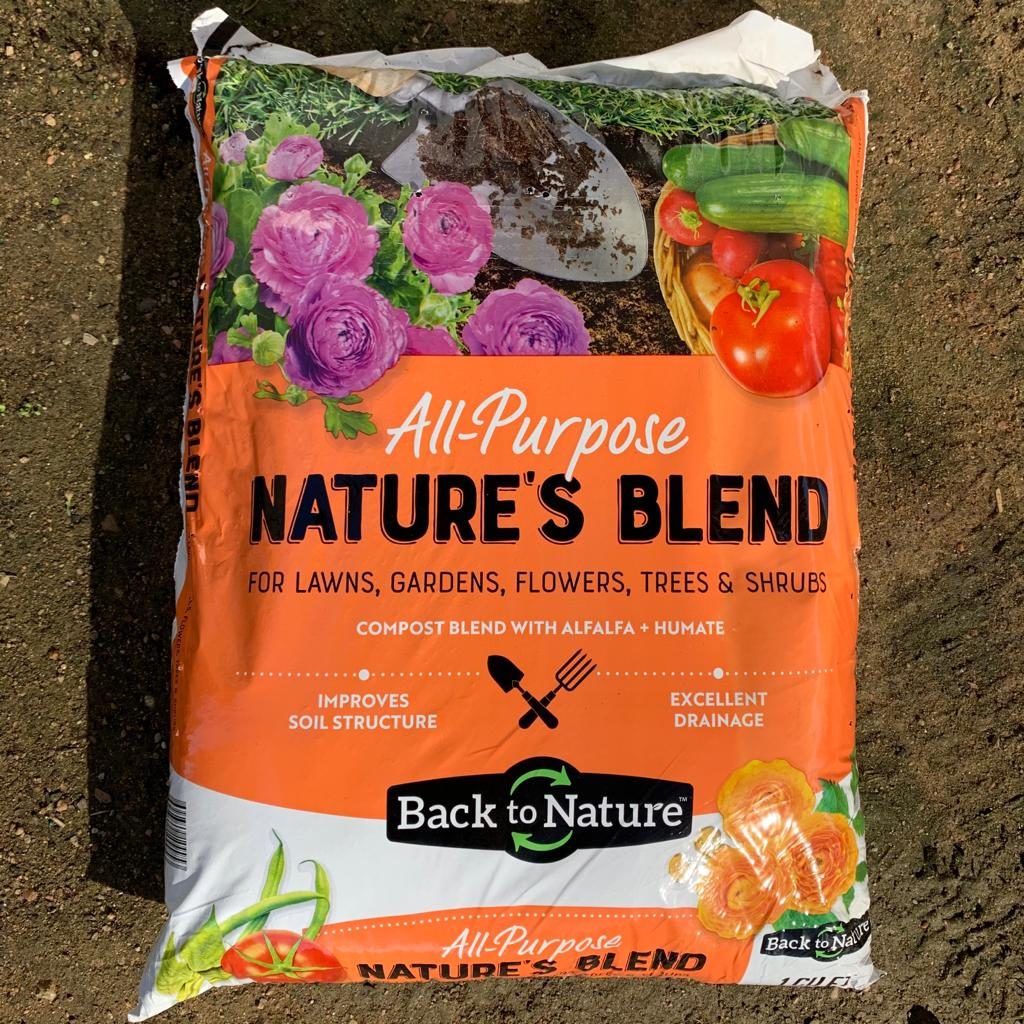
Whether you’re starting a veggie garden, planting trees or shrubs, annual flowers, or blooming perennials, add some compost to improve the quality of your native soil. We love our Nature’s Blend or Cotton Burr Compost. Whichever you choose, 1 bag improves about 12 sq ft of clay or sandy soil and gets it ready for planting. That’s a good approximate ratio if you make your own compost too. Adding compost not only improves the consistency of your soil, it adds LIFE! All those beneficial microorganisms help turn your soil into the perfect environment for plant roots.

4. Plant Level – Not Too Deep!
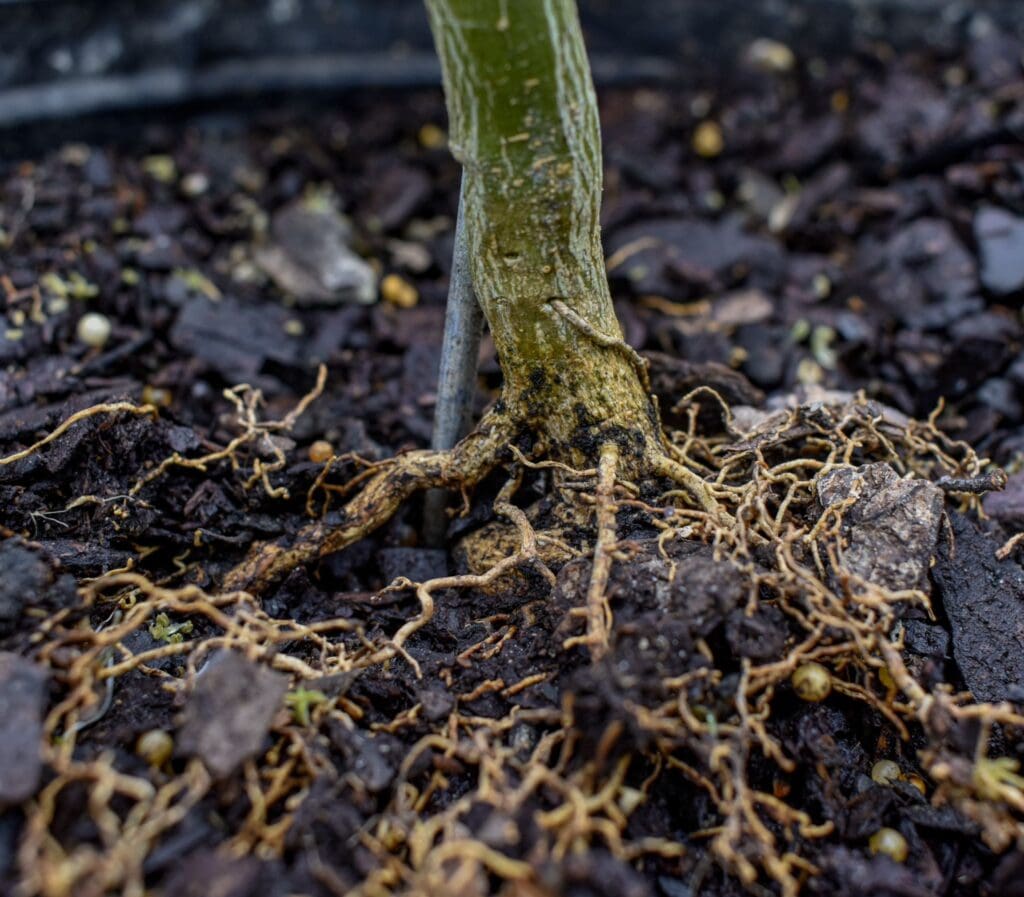
When planting this Spring, DON’T PLANT TOO DEEP! Plant level with the surrounding soil (or even slightly higher) and don’t cover the top of the root ball with soil. Plants have tiny feeder roots on the surface of the root ball that are critical for taking up nutrients and for oxygen exchange. If you bury these surface feeder roots, the plant will suffocate and decline. After you plant, use a moisture meter to be sure you’re getting moisture down into the ground when you water.

5. Invite Pollinator Helpers to Your Garden

Now is an important time to incorporate plants into your garden that attract & feed the birds, bees, butterflies, moths, and other pollinators. They need your help finding food and shelter, and you need their help pollinating your blooming plants, increasing your veggie production, and eating bad bugs. Bees are drawn to most anything with a bloom but some fav’s are native Gregg’s Mist Flower, Esperanza, & Lantana. Butterflies love Salvias and Mexican Flame Vine too. Native plants like Turks Cap and Yaupon Holly produce berries for birds, and Hummingbirds love Duranta, Mexican Honeysuckle, & lots more! Keep in mind that pollinators need help locating these food sources. Think about planting several of the same plant together to help make them more visible to our pollinator friends. 

p.s. If you want to learn more about bees, join us here at Gill’s this Saturday, 3/7 at 10am for a special garden talk:  Beekeeping & Honey Processing with Hebert Honey!

6. Plant Drought-Tolerant Color!

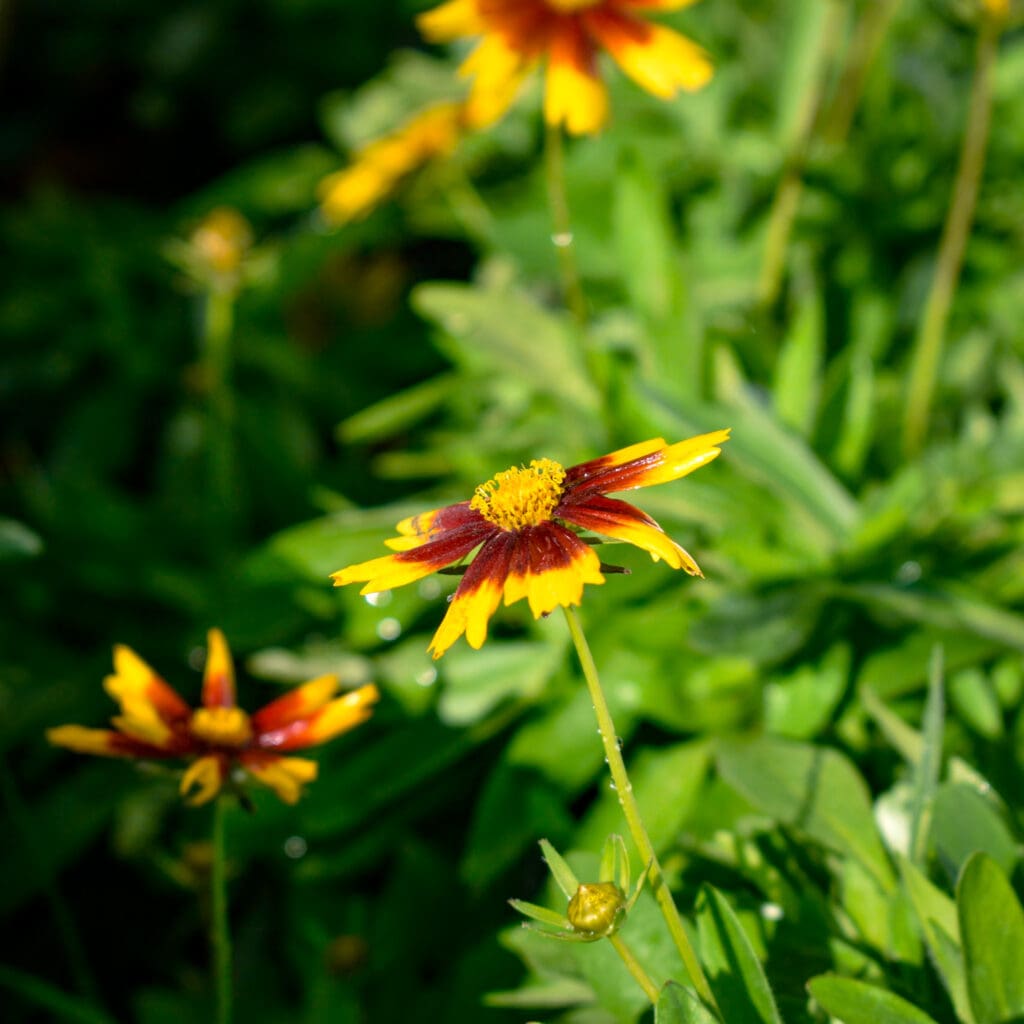
Q:  Can I use far less water and still have a gorgeous landscape bursting with color? A:  Absolutely, you can! Given our drought situation, we’re sourcing even more of the tried and true, top-performing plants that don’t require much water once established. Think about a rainbow of Coreopsis (pictured), native Blackfoot Daisy, Mexican Heather, Bulbine, and all the different color Salvias and Lantanas – all very tough and water wise perennials that will carry you through the seasons. Think about creating some areas of interest in the ground or in pots with Gomphrena, Bluebonnets, and Pentas, all of which thrive with little water. Speaking of pots, even bright sweet potato vine is a low-water winner. 
Keep in mind – turfgrass lawns are by far the thirstiest part of our landscapes. Now’s a great time to reduce lawn space by creating or expanding planting beds, converting to native groundcover like Frogfruit, or adding pathways and other features. How much of your lawn space are you actually using? 

7. Come to Our Nightbloom Event Next Thursday!

Did you know we’re hosting our first-ever night time shopping event at Gill’s next Thursday evening, March 12th?! Stop by and see the nursery lit up at night – it’s magical! Stay tuned to all of our upcoming talks and events here, and follow us on Instagram and Facebook for updates. 

p.s. Now you can sip and stroll at Gill’s any time – we’re stocked with cold drinks including beer & wine 🙂


Rain in the forecast, wonderful temperatures, holidays with family and friends = AMAZING time to garden! We’re all busy planting, re-designing, fertilizing, and getting ready for outdoor fun with guests. Here are our top tips for making the most of a very important month in the garden. 

1. Feed Your Plants, Trees, and Lawns Too

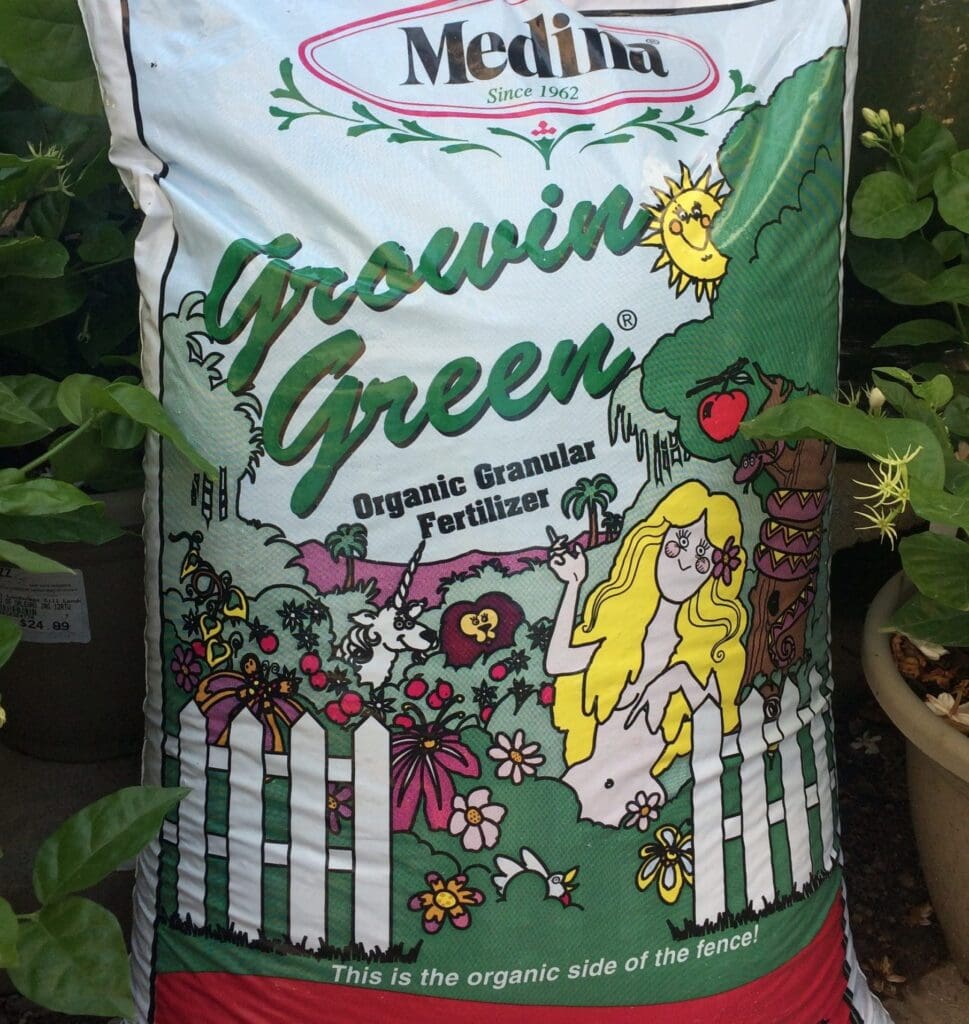
Feeding your plants this month is a must. This includes lawns, trees, and most plants. Everything is actively growing, which means they’ll need more food to continue looking their best. Medina Growin Green is a great multi-purpose food for landscape plants, shrubs, trees, veggies, lawns, you name it! For blooming perennials, annual flowers, and veggies we really like using a good organic granular food like Medina Growin Green, Plant Tone by Espoma, or Rose Glo in combination with Medina Hasta Gro liquid. Feed with the granular on the 1st of each month, then follow up with liquid Hasta Gro on the 15th. Add these reminders to your calendar and you can’t go wrong!

Yes, you can still fertilize your lawn, even though our lawn watering is limited. Using a good organic lawn food, like our go-to Medina Growin Green, promotes root growth and long-term health, which makes lawns more tolerant of less water. Ideally you’d want to water the fertilizer in, but you don’t have to. Medina Growin Green is gentle and won’t burn your lawn. You can apply it now and water it in slowly over a few weeks. If you have trees in your yard, keep in mind that fertilizer and water need to be applied at the drip line, aka where rainwater naturally drips off the outer edge of the canopy. Therefore, if you apply fertilizer to your lawn and water it in for the trees, your lawn will get the benefit too. You can also try to time your lawn fertilizing with a light rain. We typically don’t recommend waiting for rain to fertilize since a heavy rain would wash most of the fertilizer granules away. But, given the watering limitations, taking advantage of a light rain is a good solution. 

2. Watering Wands Win!

Hand watering with a watering wand that has a cutoff valve is the most efficient and best way to water, especially for new plantings. Watering plants low to the ground keeps water from escaping via wind and evaporation and keeps water off the leaves which can invite fungal issues. Watering slowly (by turning down the pressure on your watering wand or kinking your hose) ensures that more water gets down to the roots instead of running off the surface.

Keep in mind that hand watering and drip irrigation are allowed during current watering restrictions. You can hand water any day before 10am or after 6pm, and you can supplement with drip irrigation once every other week. We carry the pro watering wands that we use here at Gill’s as well as moisture meters, timers, and other supplies to help make the most of your water.

For any new plantings, including turfgrass, you can apply for a temporary exemption to watering restrictions and use sprinklers and irrigation systems in order to help get plants, lawns, and trees established. We can help you file for the exemption if you like – it’s a straightforward process.

3. Plant Blooming Perennials for Pollinators

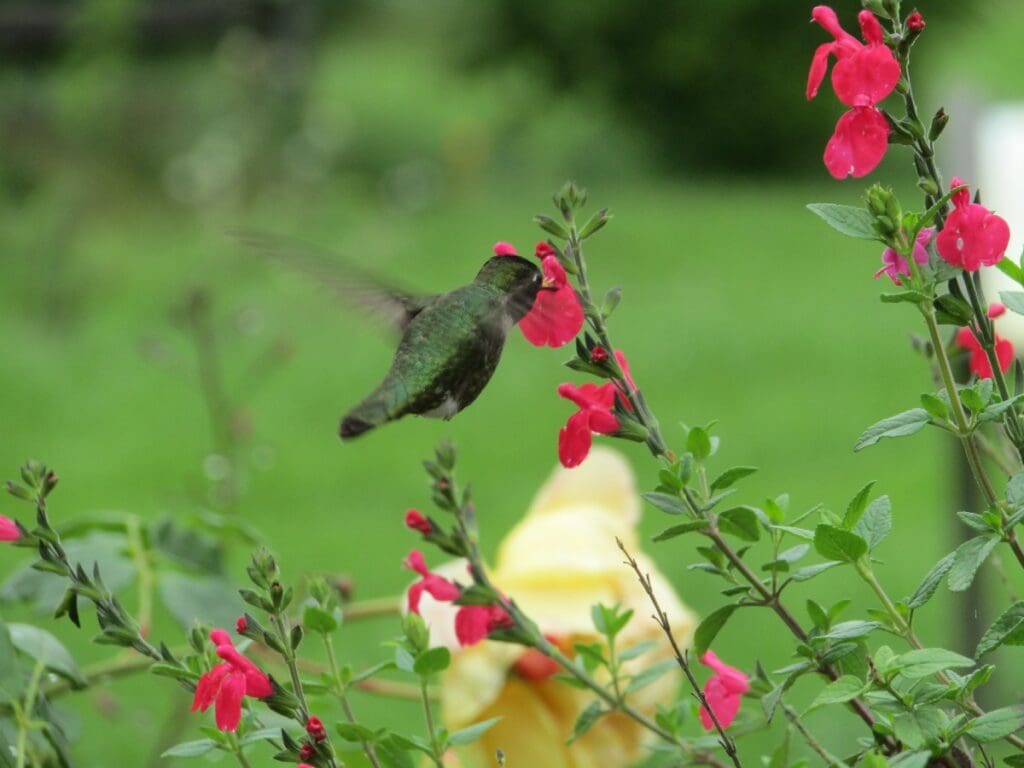
April is time to add some blooming perennials to attract pollinators like butterflies, bees, and birds to your garden. You support pollinators (and the planet!) and in return they help you have more blooms, better production on your veggies, and a more vibrant landscape! Remember – April is when we start seeing hummingbirds! Add a few of their favorites like this native salvia greggii, native flame acanthus, red yucca, or firebush and make your backyard a preferred stop.

4. Plant Your Warm Weather Veggies

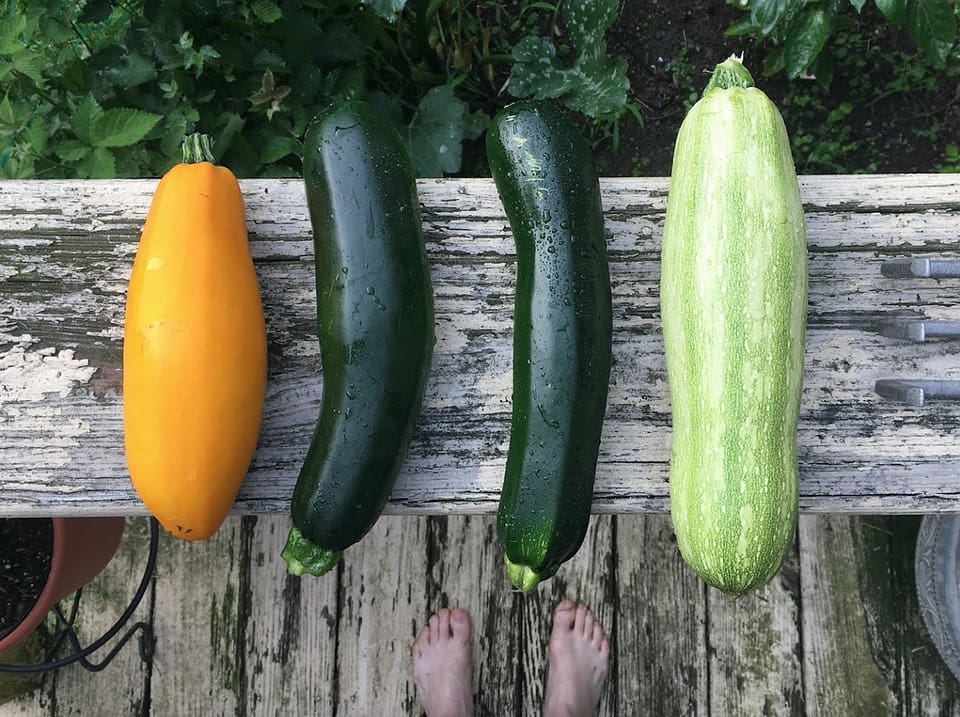
It’s time to plant hot peppers, squash, zucchini, basil, beans, and more! When starting veggies, the trick is to get the soil as active and alive as possible. Amend your existing soil with Nature’s Blend Compost (about 1 bag per 12 sq. ft.), then add a little Bio Tone starter fertilizer with mycorrhizal fungi and a good handful of worm castings when you plant each plant. Then follow our trusted fertilizer schedule – granular food (like Medina Growin Green or Plant Tone) on the 1st of the month and liquid Hasta Gro on the 15th! Remember that veggies use a lot of energy and need these regular feedings to produce – you WILL get more and better-tasting fruit with a good fertilizer schedule. Plus, strong, vigorous veggie plants are less susceptible to pest damage.

5. Mulch! Not Just for Good Looks…

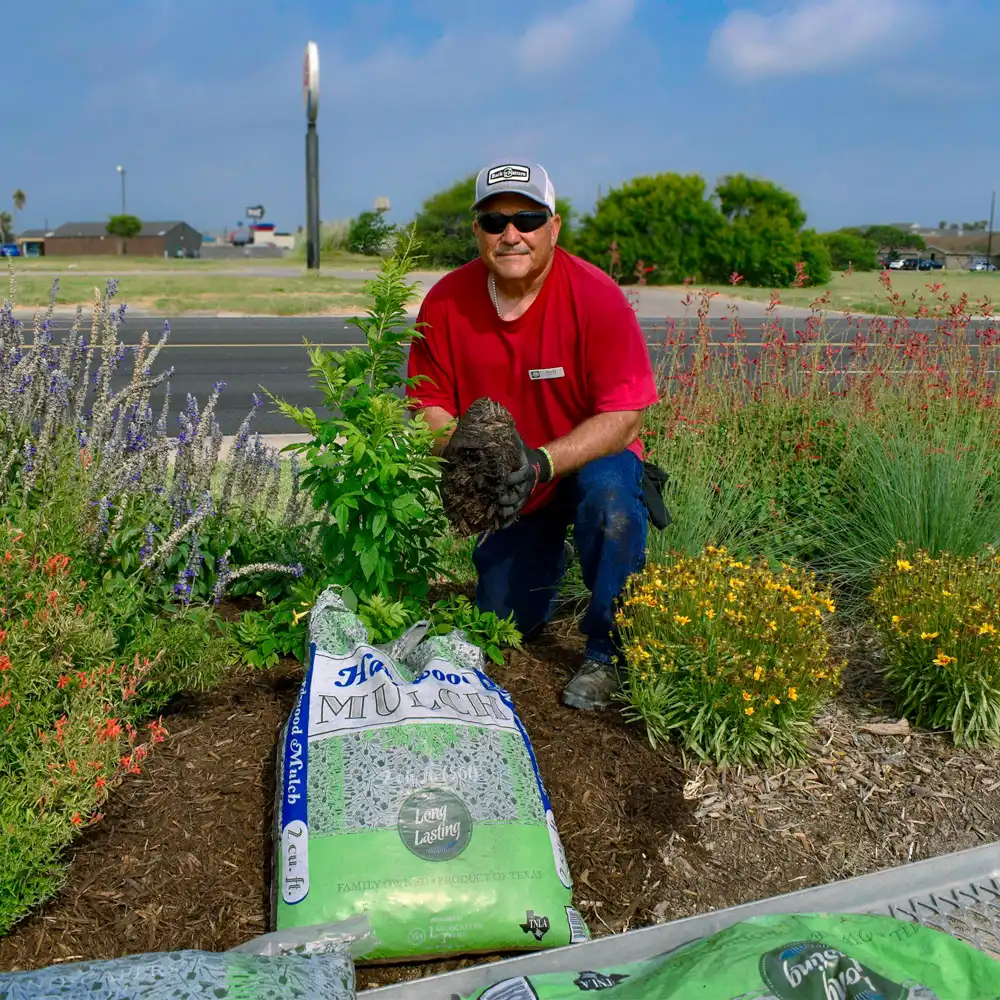
We all know that fresh mulch is like a fresh coat of paint for your garden – instant makeover! But did you know that applying a proper 3” layer of natural mulch keeps underlying soil temps more than 20 degrees cooler?! A good mulch layer keeps weeds at bay, and as it breaks down over time, it add nutrients to your soil. And perhaps most importantly right now, a good mulch layer retains moisture, which means big water savings. 

6. Get Ready for Guests

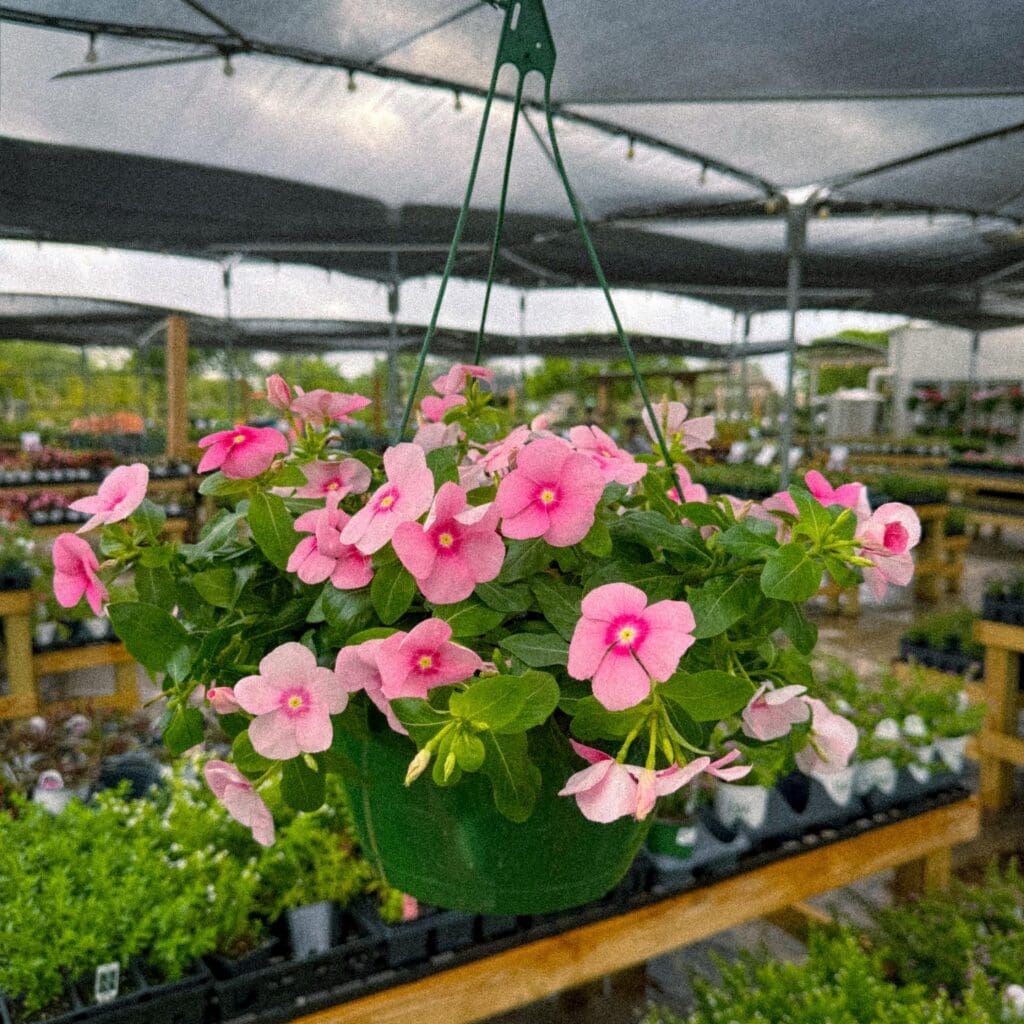
Get outside and enjoy the gorgeous weather and prep for gathering with family and friends! For the quickest and easiest impact outdoors, think hanging baskets full of periwinkles, coleus, hummingbird falls salvia, bougainvillea, and more overflowing with color. Some pops of color plus fresh mulch in your beds and you’re ready to host! For indoors, our favorite flower arrangements are those cut fresh from the garden and landscape, or we have some cute dried arrangements too!


The 2 days of freezing weather did not help our lawns at all, but I think there may be more happening than just the cold weather. I am hearing customers finding grub worms in the lawns, flowerbeds and potted plants. I have also seen chinch bugs in lawn samples  brought in for diagnosis. I would first check the lawn for insects before treating for fungus or fertilizing. If you are uncertain you can dig up a shovel width sample of soil, grass and all wrapped in newspaper or placed in a box for us to look at.

Once we determine insects, fungus or neither, it is time to think about fertilizing. Once the grass is actively growing to the point you are mowing once a week, then it is time to apply fertilizer. I always say, “you can put a bowl of food by a sleeping dog and he won’t eat till he wakes up.” The same is true for the lawn. Since we want our lawns to recover quickly and look good again, timing is key. We need to make sure it has woke up from winter dormancy.

turf
Screen Shot 47There are also lots of weeds in the lawn. Pre-emergents such as

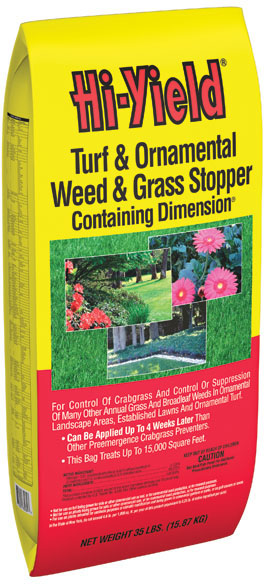
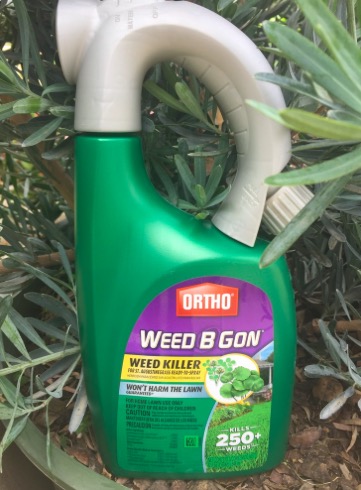
Weed and Grass Stopper with Dimension prevent weed seeds from sprouting and should be applied in January to stop Spring weeds, but can be applied year around for weed prevention. Existing weeds can be killed with Weed b Gon hose-end spray. It is most effective  applied with 3-5 days of warm weather and sunshine in the forecast and no watering or rain for at least 3 days. Also make sure you are watering slow and deep enough since we have had several  months of record heat. With a little time , patience and TLC the lawns should recover and look great once again.

deanna-DeAnna

No Need To Wait… Plant Hardy Trees And Shrubs Now!
The roots of hardy plants grow during our cool months even though their leaves may be changing color or falling from their branches. This provides a better root system so they thrive in spring and can survive the long, hot summer. Live oaks, magnolia, cedar elm, hawthorns, holly, sage, junipers, roses, just to name a few, are winter hardy and would be appropriate to plant now. Perennials like lantana, turks cap, and ornamental grasses also benefit from planting during the winter months.
Are Your Tropicals Looking Winter Worn?

Hot weather tropicals such as hibiscus, bougainvilleas, esperanza, plumbago and many more suffer from the sudden temperature drops in the winter. Even though we have not had a freeze, the last really good cold snap made our plants look pretty bad. The leaves turn yellow and brown and most plants also suffer lots of leaf drop. This is normal so don’t be alarmed. In late February to early March you should cut all these plants back one third to half their size and fertilize. They will flush out with new spring growth and you will never know they looked so bad over the winter. The beauty of spring!!

Our Thoughts On Winter Watering

Since the temperatures are no longer in the 90’s and plants are not actively growing they require less water. This includes the lawn. Change your watering schedule on the lawn and established shrubs to every 2 weeks slow and deep instead of once a week. Potted plants no longer need to be watered everyday. Most could go every 2-3 days. Night-time dampness and fog helps to keep moisture in the soil. By changing your watering habits you help to reduce fungal problems which are prevalent with these conditions.

Don’t Trim These Plants Until After They Bloom:

Indian Hawthorn, Mountain Laurel, Carolina Jessamine, Azaleas, and Spirea all bloom in early spring and should be trimmed after they bloom in February and March.

Time To Feed Citrus

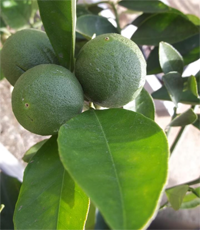
Newly planted or young citrus trees need to be fed ¼ pound of Fertilome Fruit, Citrus, & Pecan Food after they begin growing in the early spring. Repeat feeding every six weeks till June 1. The second year, feed on the same schedule, giving one pound per application. Give established or mature citrus trees one pound of Fruit, Citrus & Pecan Food per inch of trunk diameter. Apply it all in January, or split it between January and May applications. We recommend Espoma Citrus-tone for organic gardening. It is long lasting and it feeds the soil and the tree! Citrus-tone recommends to feed Jan-Feb. as a pre-bloom application to enhance flowering and May-June as a post-bloom application to encourage better fruit set. Apply at the rate of 2 cups per foot of height.

Time To Plant Seed Potatoes

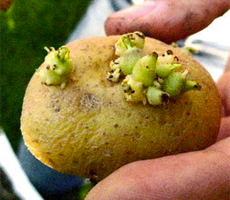
Seed potatoes are not seeds at all, but are actually potatoes that have not been treated and have eyes. They are easy to grow. Cut each potato into 2 ounce pieces with one to two eyes per piece. Treat each cut piece with dusting sulphur and wait several days to allow the cut area to heal. Plant pieces about four inches deep, (cut side down), 10-12 inches apart in rows 2-3 feet apart. As plants grow, pull soil up over and around, and cover with mulch. Continue to mound soil as the plants grow. Harvest young new potatoes by gently probing with fingers beside plant as plants reach full flower. When tops begin to turn brown, dig mature potatoes. Plants can take up to 90 days to mature.