Spring has SPRUNG!! Gorgeous weather, rain in the forecast, and the nursery is bursting at the seams with all kinds of blooms! Here are our top must-do’s in the garden this March – time to get planting!
1. Get Your Veggies Going Right Now

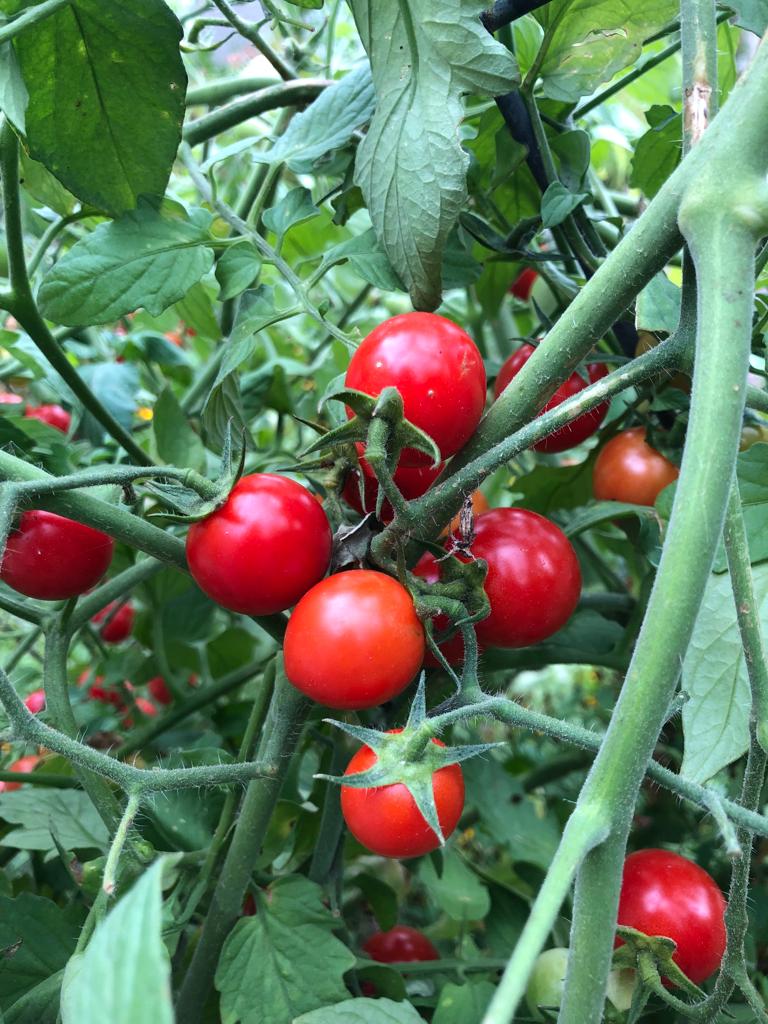
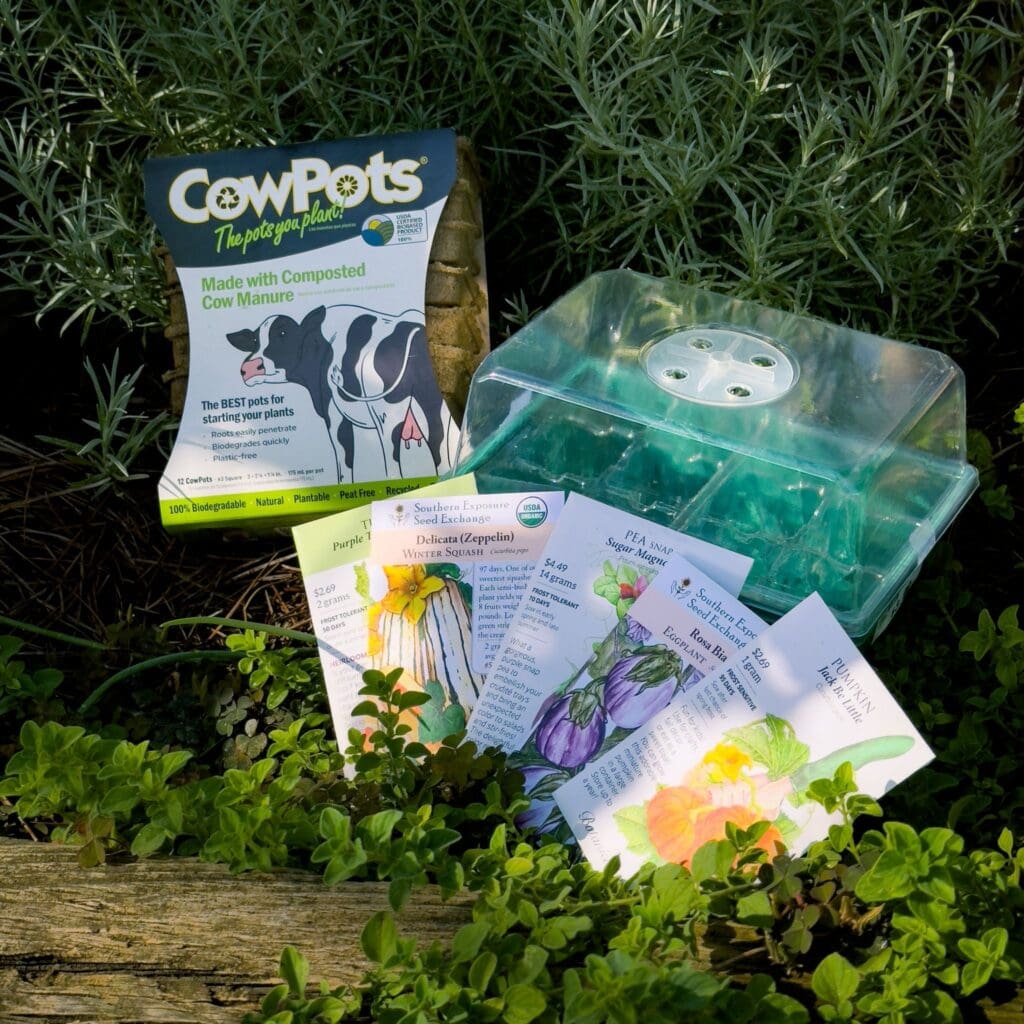
We must say…our veggie and herb section is looking mighty good right now! We’ve got tons of different tomatoes, jalapenos, super hot Carolina Reapers, cucumbers, squash, eggplant, asparagus, lemongrass, basil, and lots more ready for your garden. Be sure to get your tomatoes going early this month so they have time to produce before it gets too warm – don’t miss your window. The rest of these can be planted any time this month, but you don’t want to wait much longer. Take advantage of the perfect weather!
2. Fertilize Regularly Starting Now (except for lawns!)
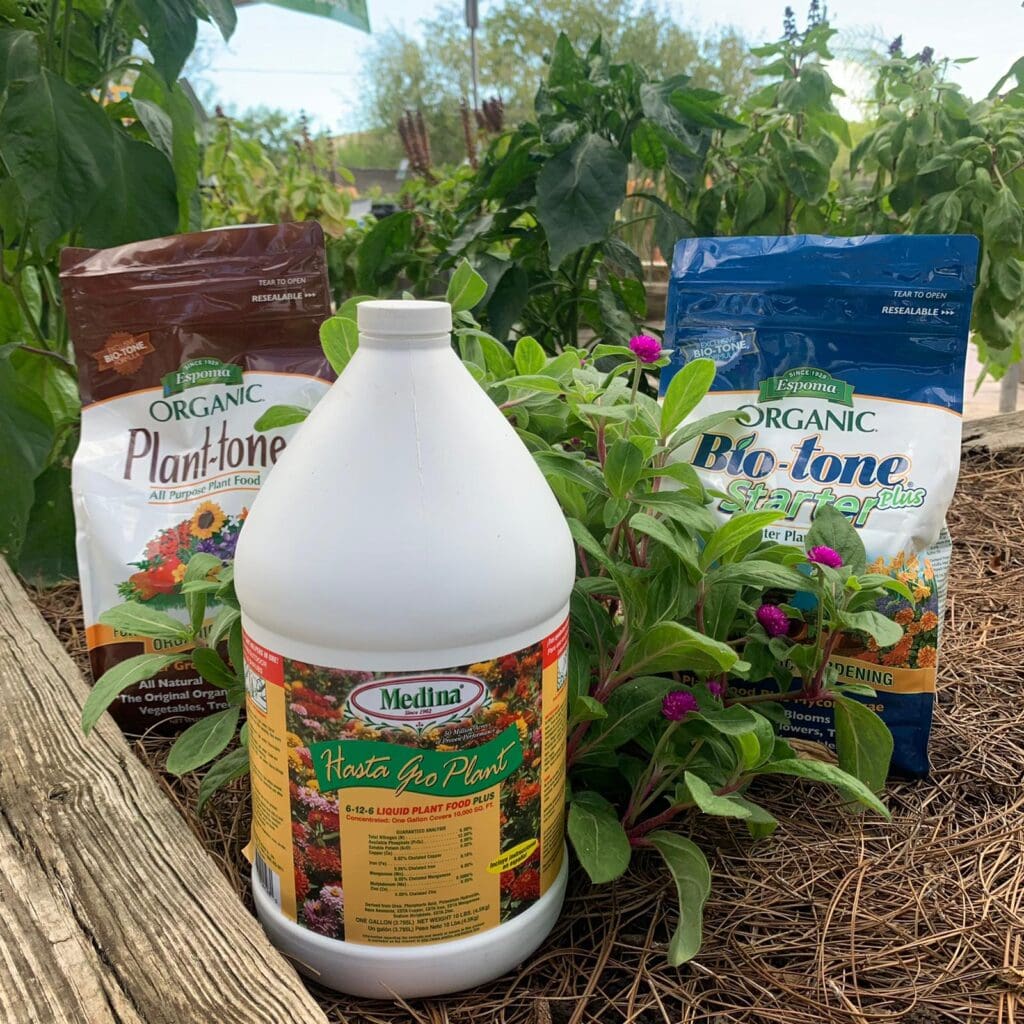
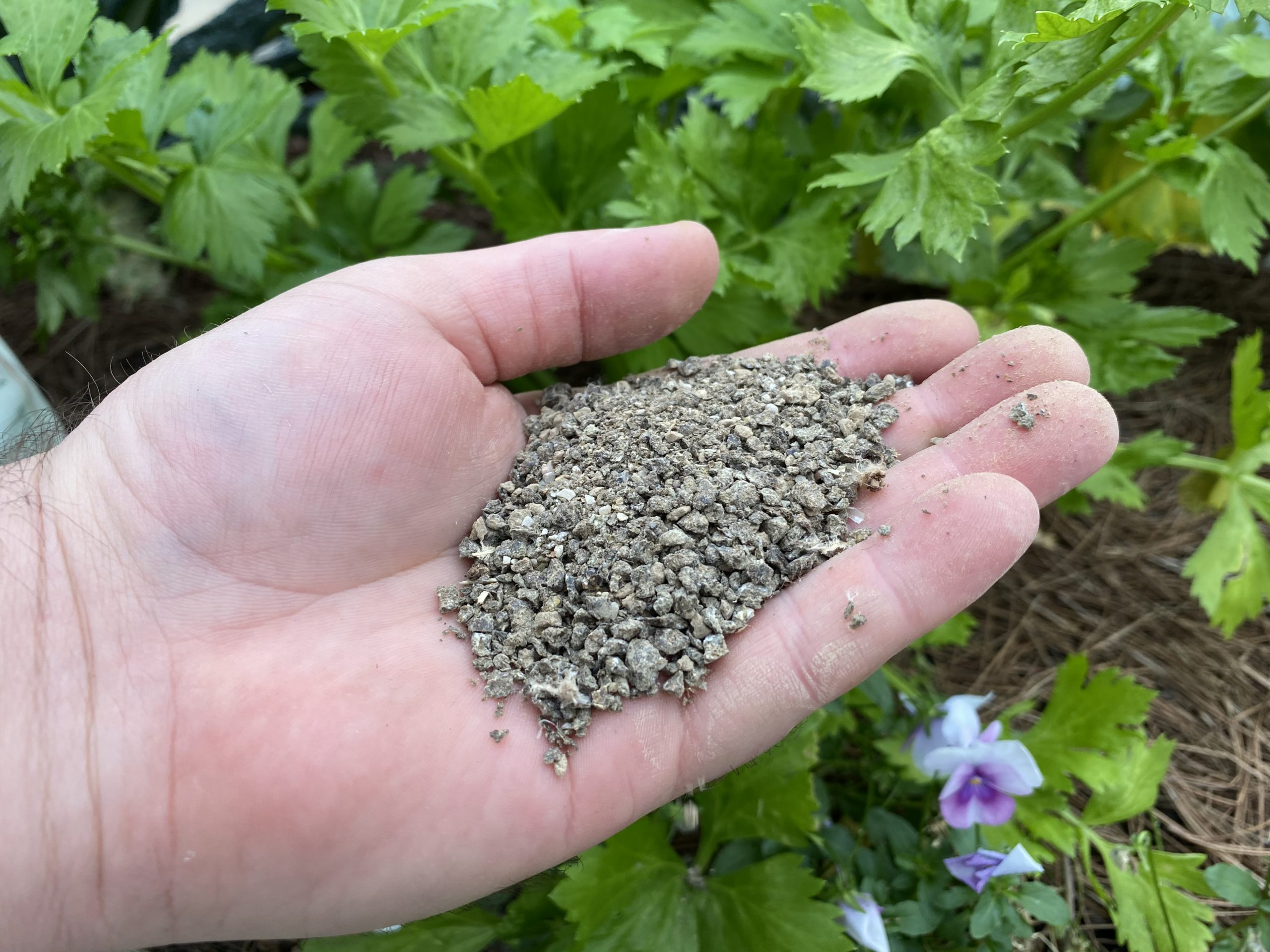
The time to fertilize is when plants are actively growing. That’s when they take up nutrients and get the most benefit from a good feeding. Flowers and veggies are especially heavy feeders because they’re working to produce a bloom and fruit. And you will certainly notice a difference with your landscape plants as well. Apply a good all-purpose organic food like Plant Tone, Medina Growin Green, or Rose Glo once a month for great results. Don’t sprinkle your granular fertilizer right up against the trunk of the plant. Instead, sprinkle at the drip line, aka where rainwater would drip off the outermost leaves. That’s the zone where plants take up the most nutrients. After you’ve applied your granular food, circle back every 2 weeks to supplement with liquid Hasta Gro. Almost everything should be fed starting now, except lawns! Wait to fertilize lawns until late March/early April.
Added bonus: When planting, add a little Bio Tone starter fertilizer to the soil when you backfill. It contains all sorts of beneficial organic matter, including mycorrhizal fungi which help stimulate better root growth. Amazing stuff!
3. Whatever You’re Planting – Add Compost!
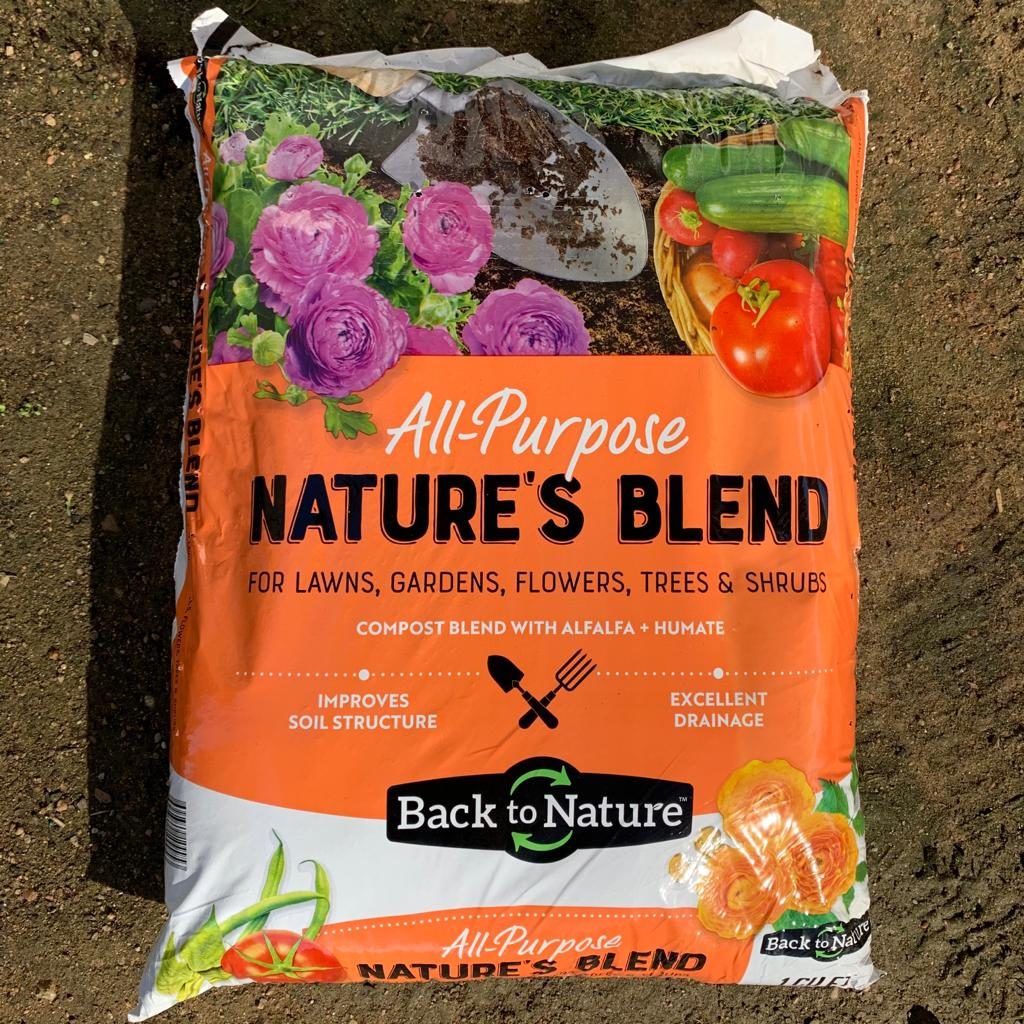
Whether you’re starting a veggie garden, planting trees or shrubs, annual flowers, or blooming perennials, add some compost to improve the quality of your native soil. We love our Nature’s Blend or Cotton Burr Compost. Whichever you choose, 1 bag improves about 12 sq ft of clay or sandy soil and gets it ready for planting. That’s a good approximate ratio if you make your own compost too. Adding compost not only improves the consistency of your soil, it adds LIFE! All those beneficial microorganisms help turn your soil into the perfect environment for plant roots.
4. Plant Level – Not Too Deep!
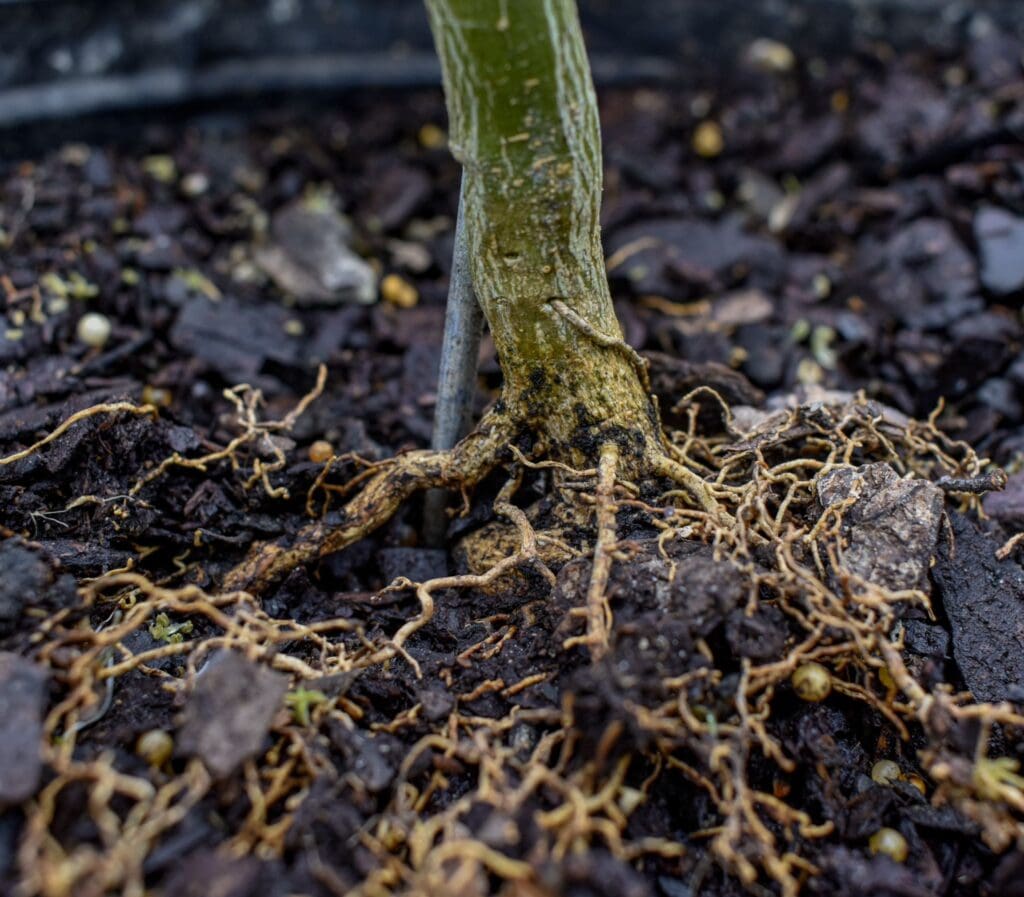
When planting this Spring, DON’T PLANT TOO DEEP! Plant level with the surrounding soil (or even slightly higher) and don’t cover the top of the root ball with soil. Plants have tiny feeder roots on the surface of the root ball that are critical for taking up nutrients and for oxygen exchange. If you bury these surface feeder roots, the plant will suffocate and decline. After you plant, use a moisture meter to be sure you’re getting moisture down into the ground when you water.
5. Invite Pollinator Helpers to Your Garden

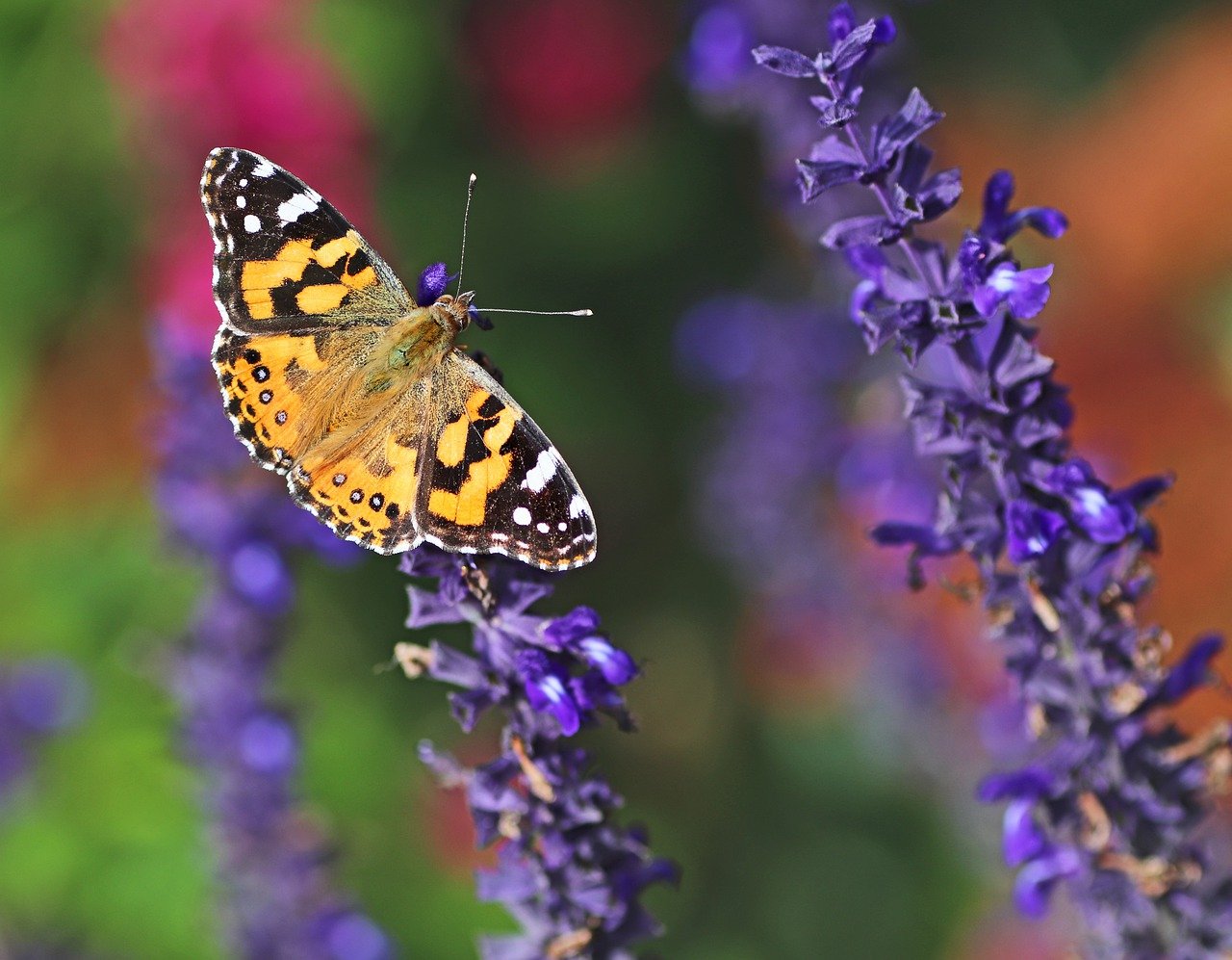
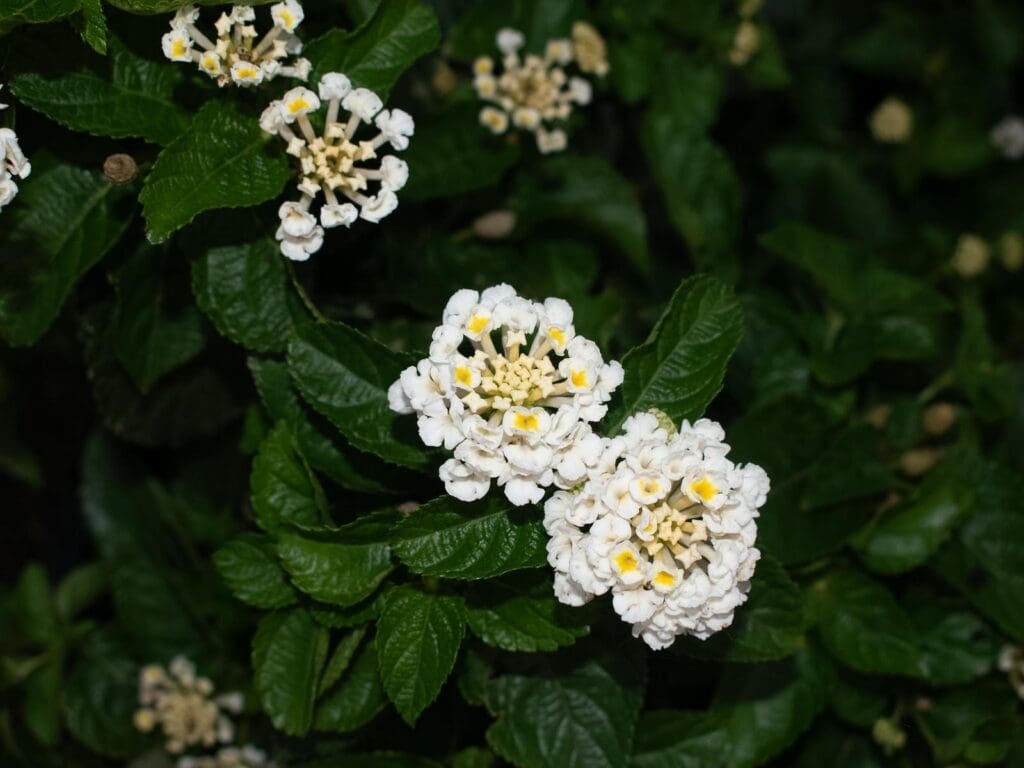
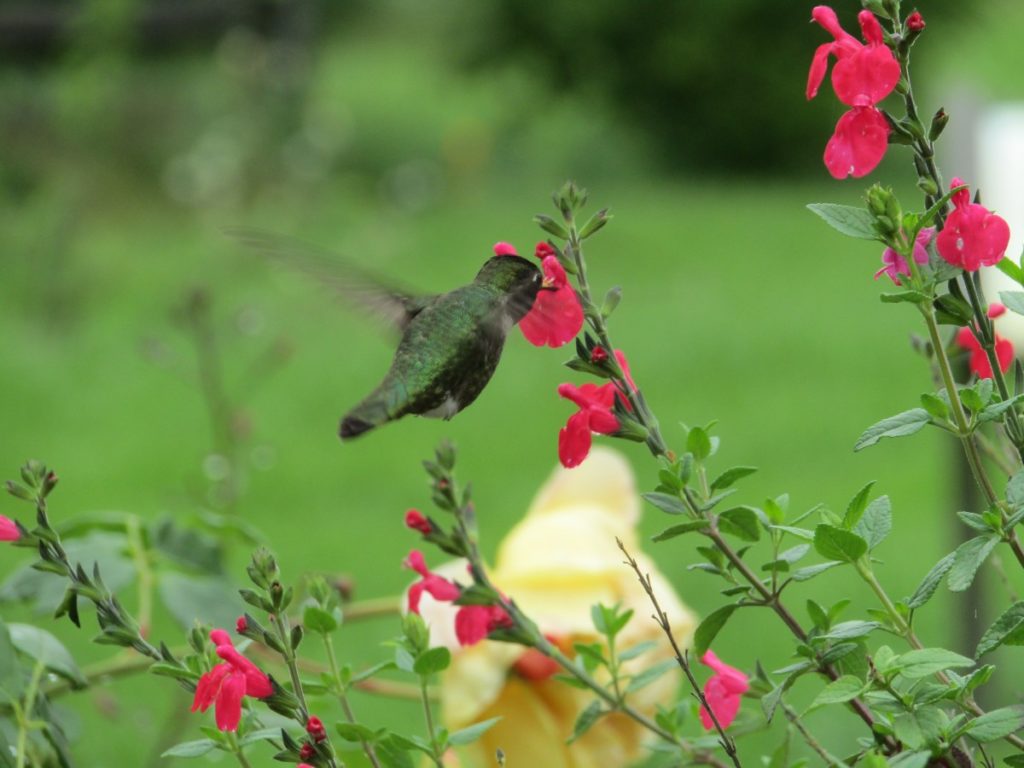
Now is an important time to incorporate plants into your garden that attract & feed the birds, bees, butterflies, moths, and other pollinators. They need your help finding food and shelter, and you need their help pollinating your blooming plants, increasing your veggie production, and eating bad bugs. Bees are drawn to most anything with a bloom but some fav’s are native Gregg’s Mist Flower, Esperanza, & Lantana. Butterflies love Salvias and Mexican Flame Vine too. Native plants like Turks Cap and Yaupon Holly produce berries for birds, and Hummingbirds love Duranta, Mexican Honeysuckle, & lots more! Keep in mind that pollinators need help locating these food sources. Think about planting several of the same plant together to help make them more visible to our pollinator friends.
p.s. If you want to learn more about bees, join us here at Gill’s this Saturday, 3/7 at 10am for a special garden talk: Beekeeping & Honey Processing with Hebert Honey!
6. Plant Drought-Tolerant Color!
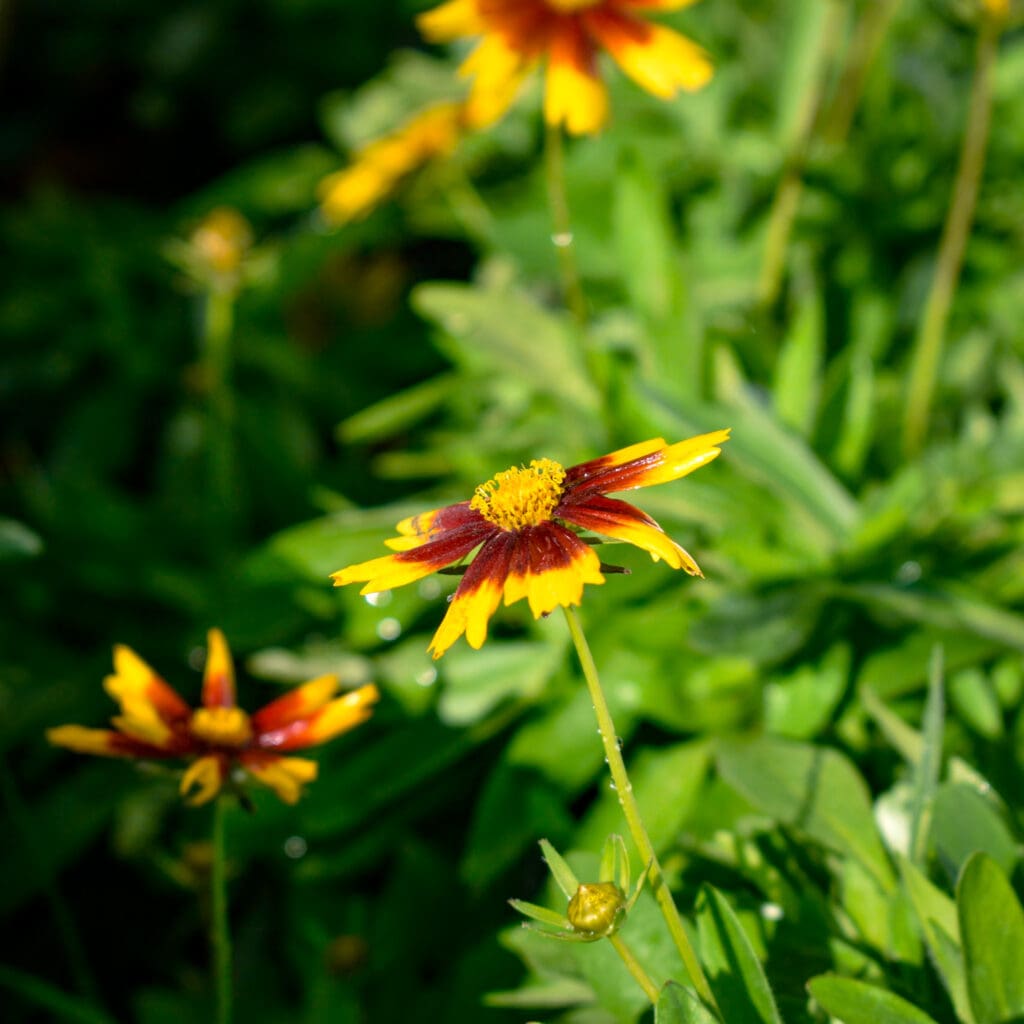
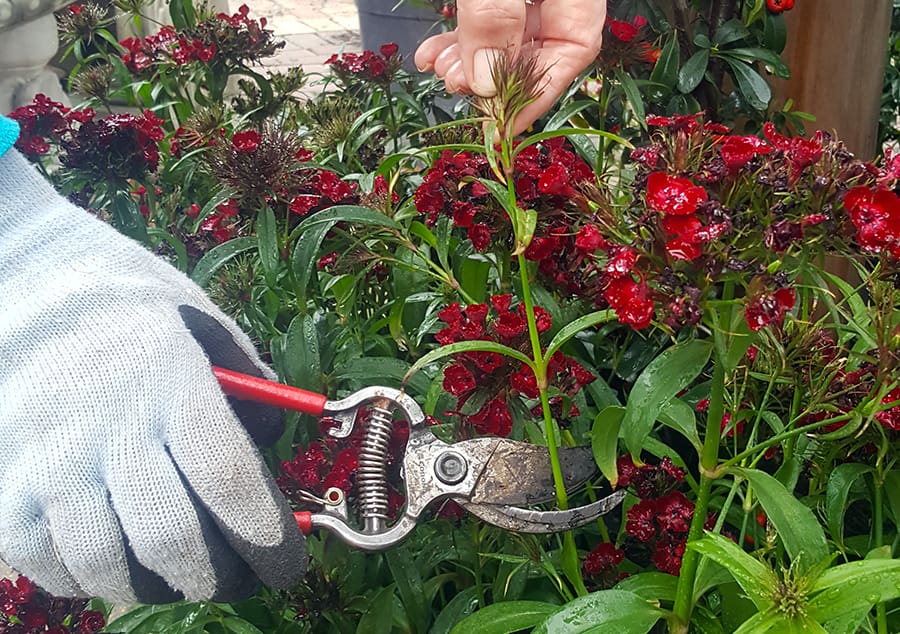
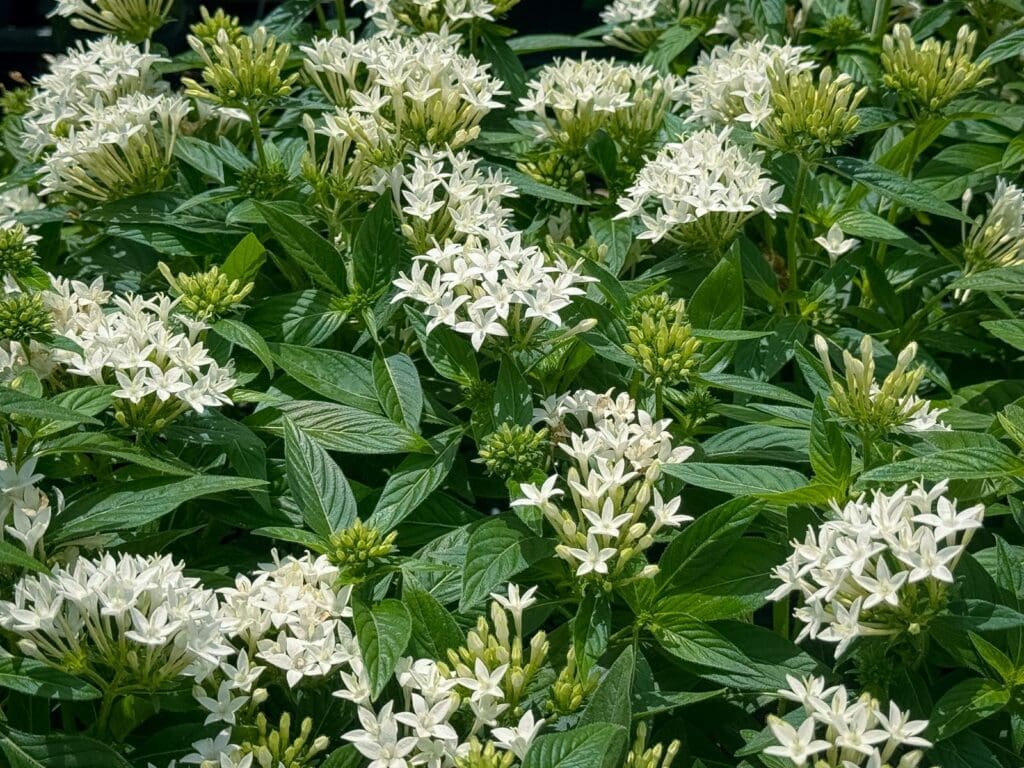
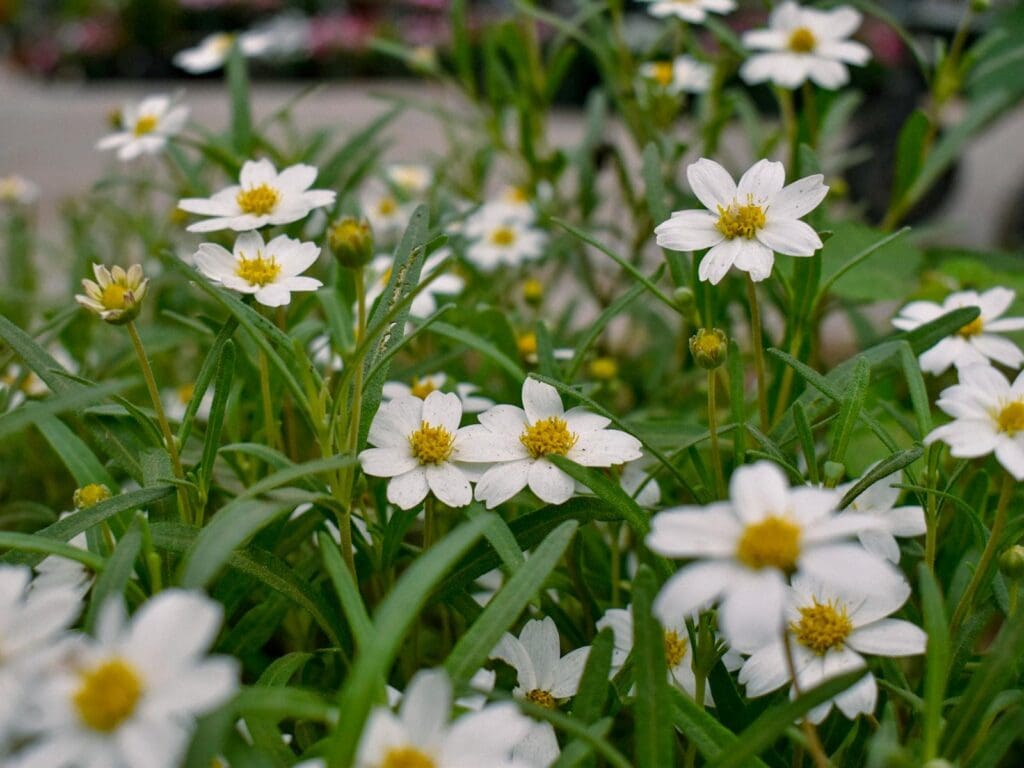
Q: Can I use far less water and still have a gorgeous landscape bursting with color? A: Absolutely, you can! Given our drought situation, we’re sourcing even more of the tried and true, top-performing plants that don’t require much water once established. Think about a rainbow of Coreopsis (pictured), native Blackfoot Daisy, Mexican Heather, Bulbine, and all the different color Salvias and Lantanas – all very tough and water wise perennials that will carry you through the seasons. Think about creating some areas of interest in the ground or in pots with Gomphrena, Bluebonnets, and Pentas, all of which thrive with little water. Speaking of pots, even bright sweet potato vine is a low-water winner.
Keep in mind – turfgrass lawns are by far the thirstiest part of our landscapes. Now’s a great time to reduce lawn space by creating or expanding planting beds, converting to native groundcover like Frogfruit, or adding pathways and other features. How much of your lawn space are you actually using?
7. Come to Our Nightbloom Event Next Thursday!

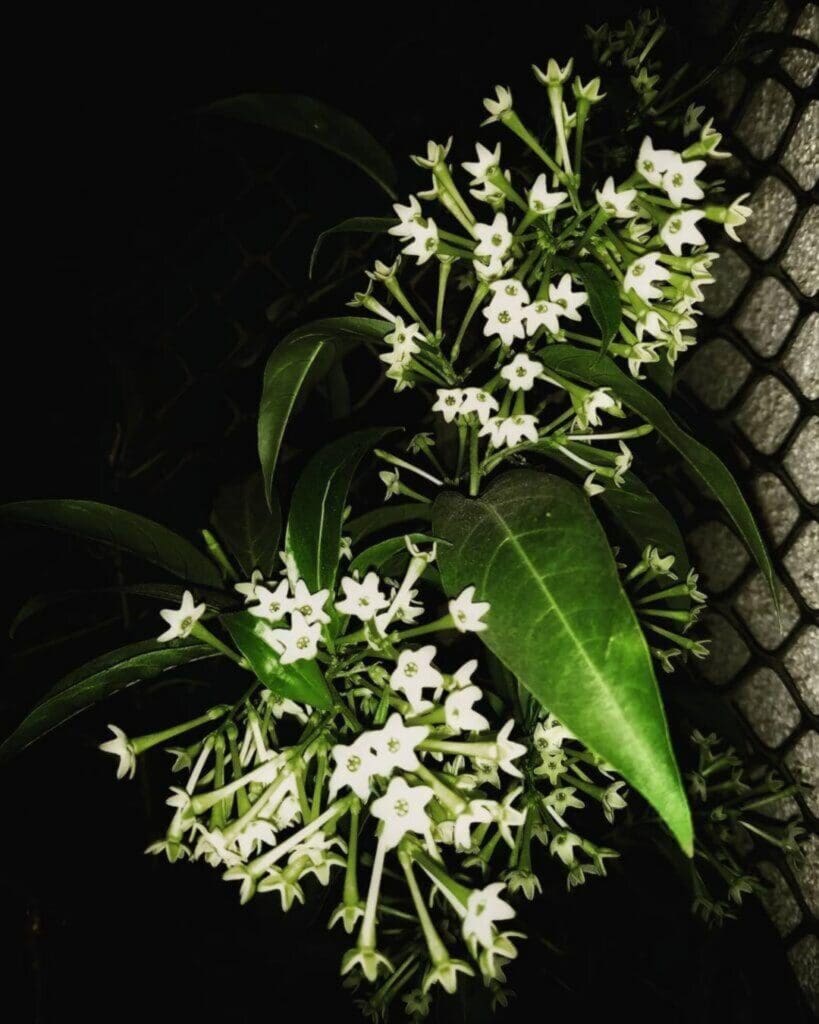
Did you know we’re hosting our first-ever night time shopping event at Gill’s next Thursday evening, March 12th?! Stop by and see the nursery lit up at night – it’s magical! Stay tuned to all of our upcoming talks and events here, and follow us on Instagram and Facebook for updates.
p.s. Now you can sip and stroll at Gill’s any time – we’re stocked with cold drinks including beer & wine 🙂





 –
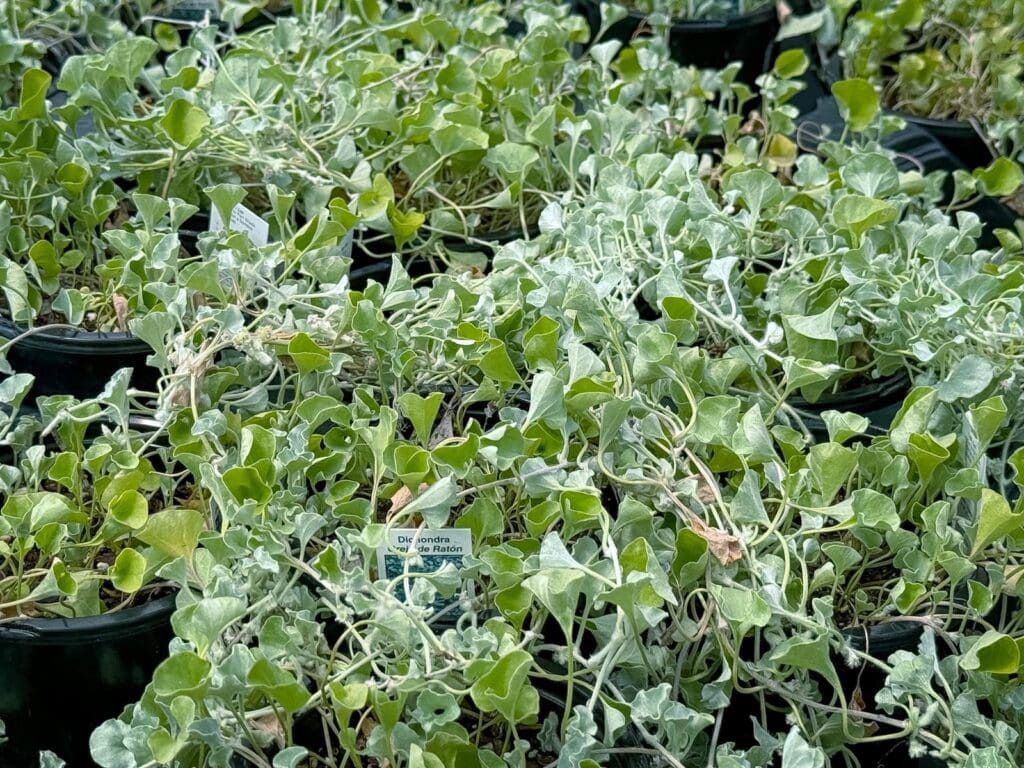
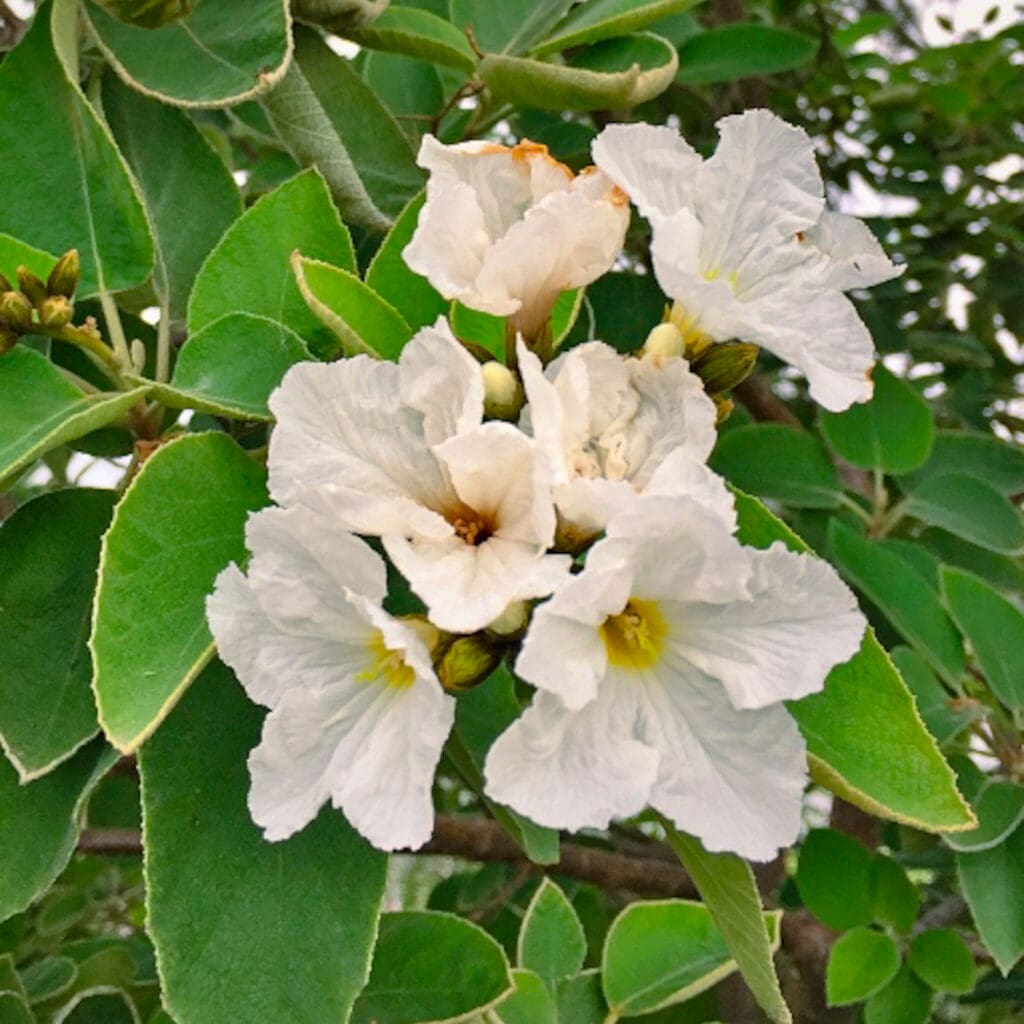
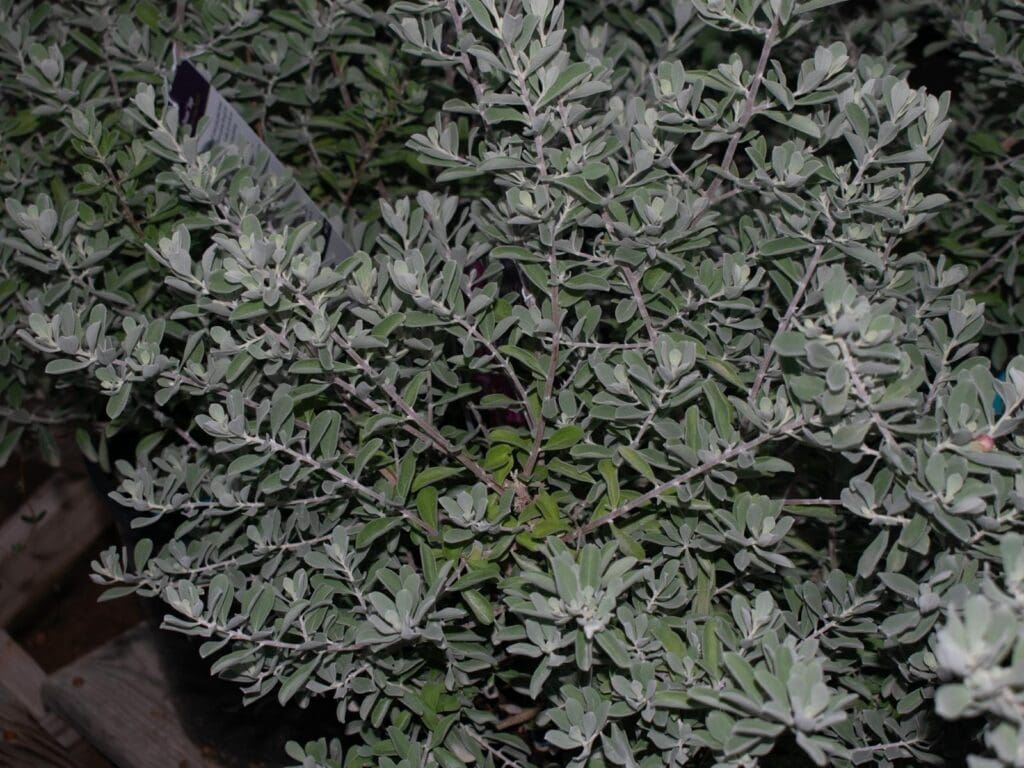
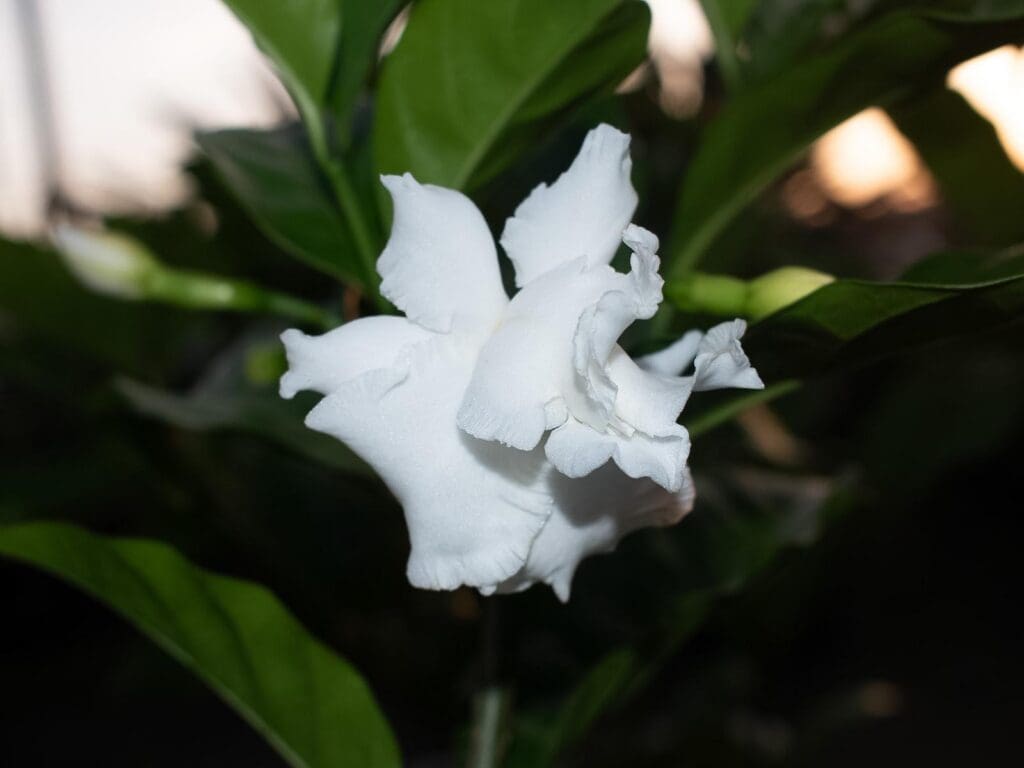
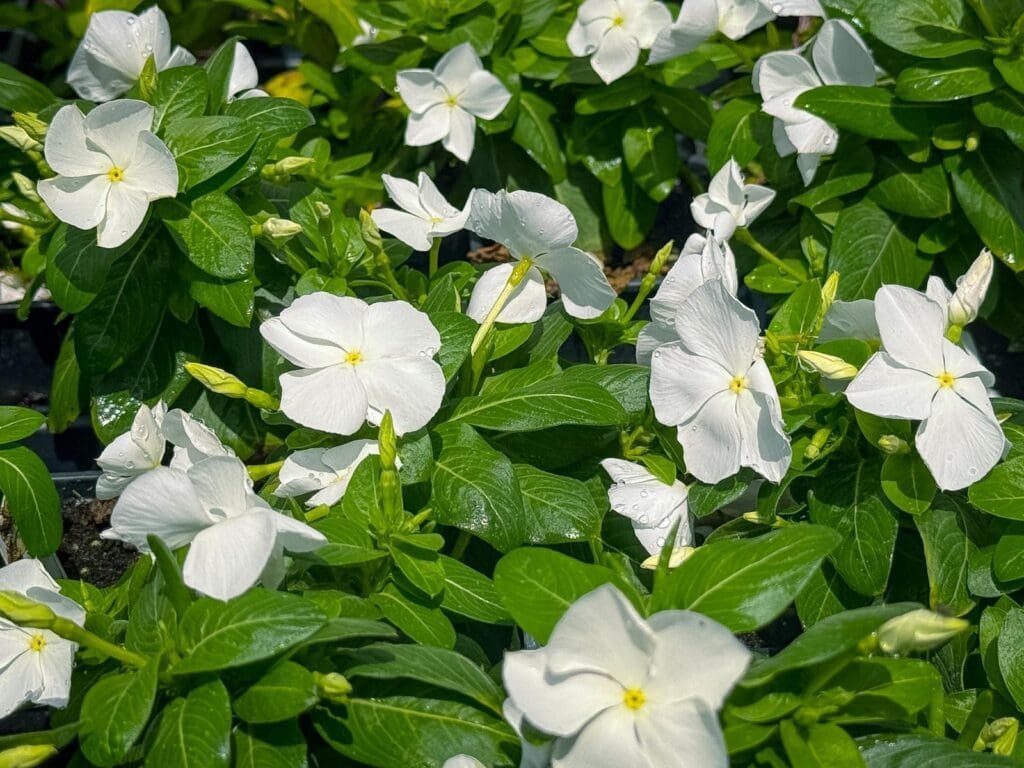
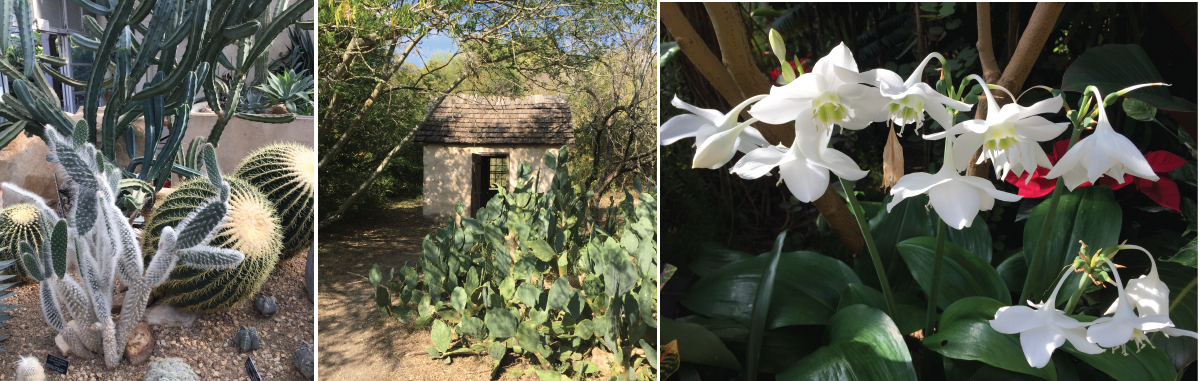
– What does Xeriscape mean to you? Cactus and rocks? Yes, it could be that, but it can be much more! Texas native plants? Yes, many Texas natives fit a xeriscape, but also plants from Italy (rosemary), Mexico (firecracker plant), Madagascar (periwinkles), and more! Even a lily pond could have a place in a xeriscape.
 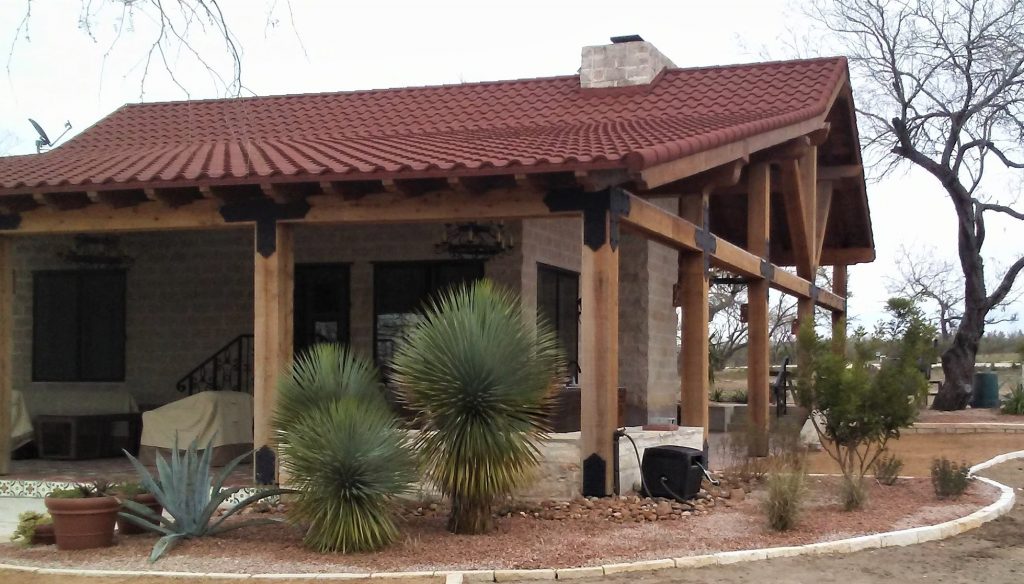 Xeriscape is planning and constructing an attractive landscape that requires little or no irrigation. So thirstier elements, such as Raleigh St. Augustine lawns, petunias or rosebushes, or that lily pond, can be limited in size, grouped together, used only in high-impact areas of the landscape, and hopefully, watered with “salvaged” water collected from rooftops, patios, air-conditioner condensate, or grey water.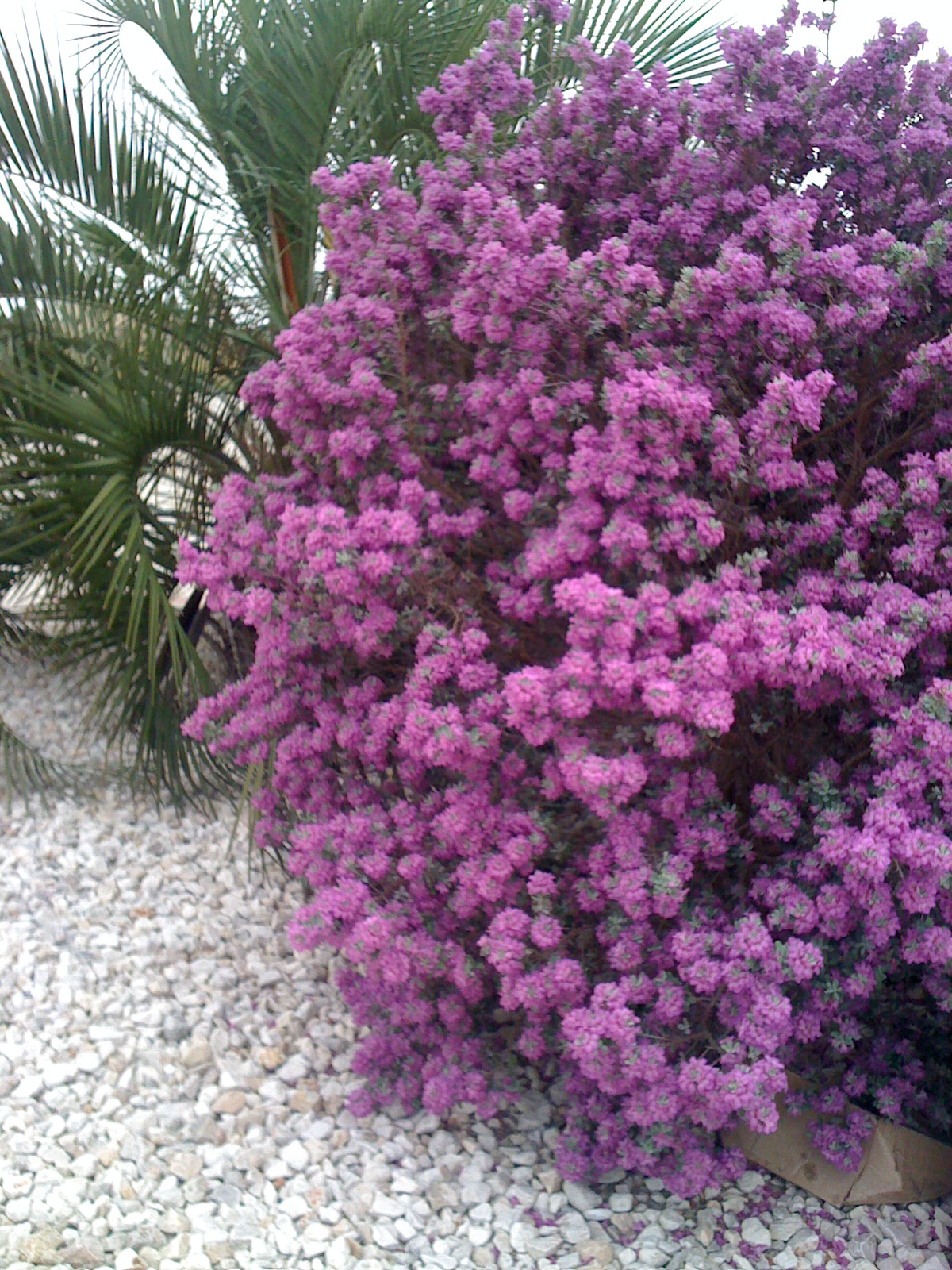
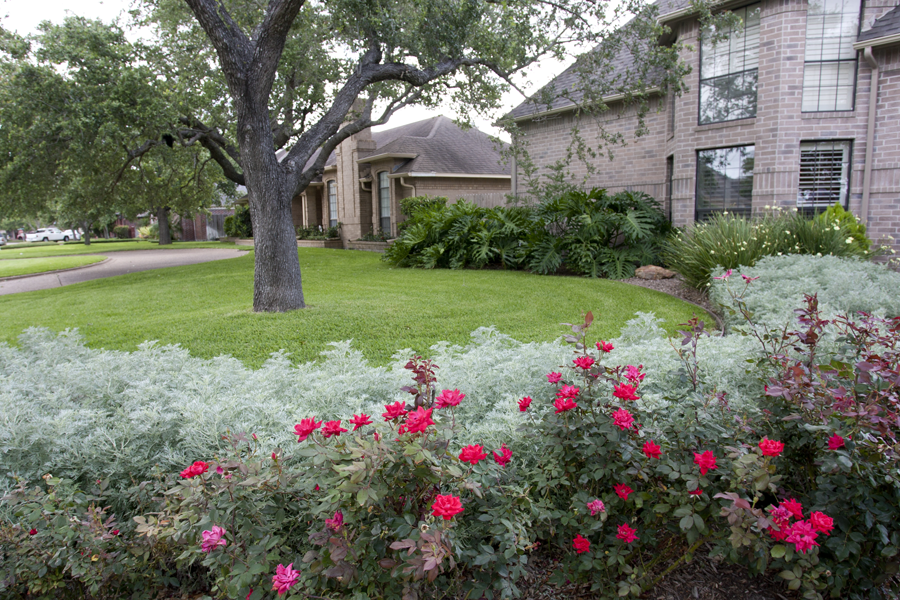 Growing human populations and consequently shrinking water supply mandate reduced water use for our future. We might as well start thinking about Xeriscape and how to design the right landscape that suits us and still uses less water.
  -James Gill