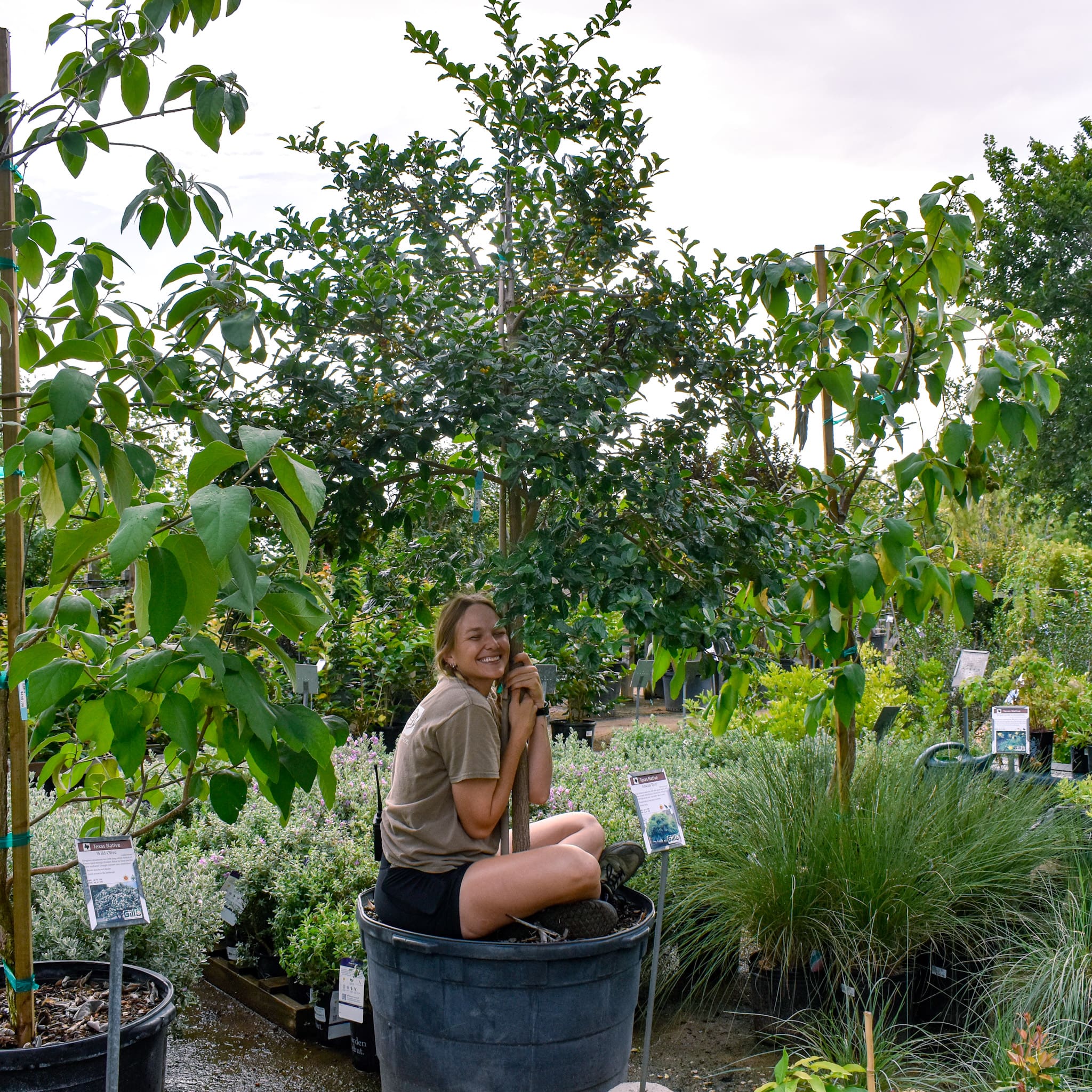
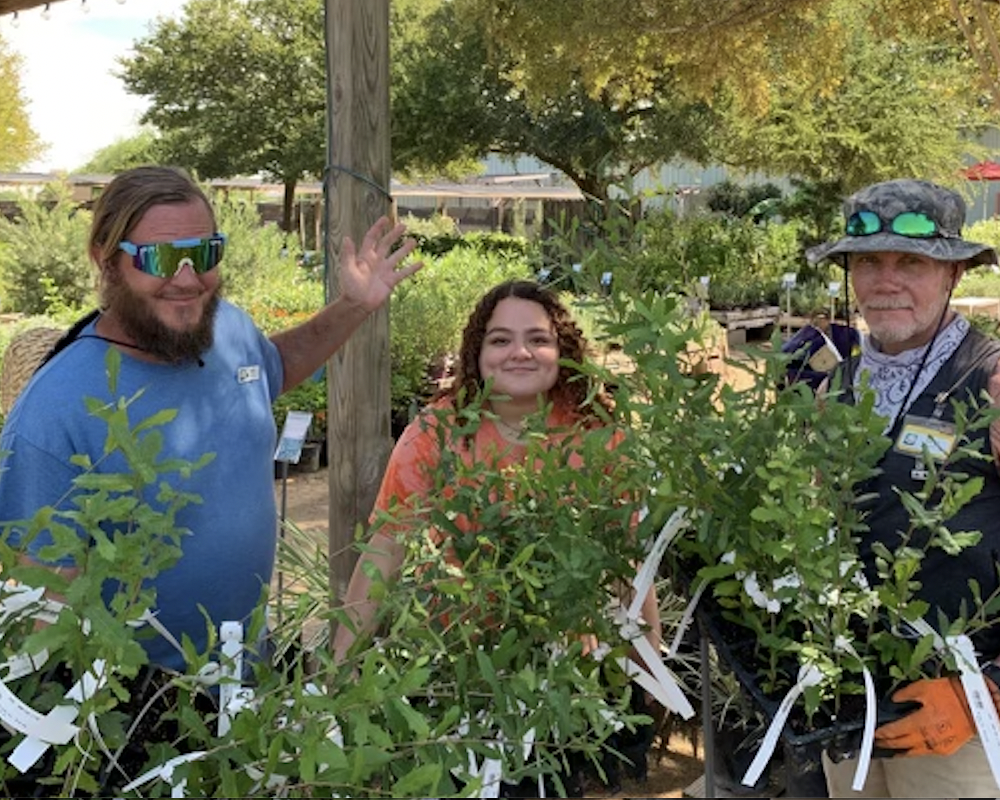
Attention parents and kids: join us here at Gill’s this Saturday for a talk and tree planting demo.
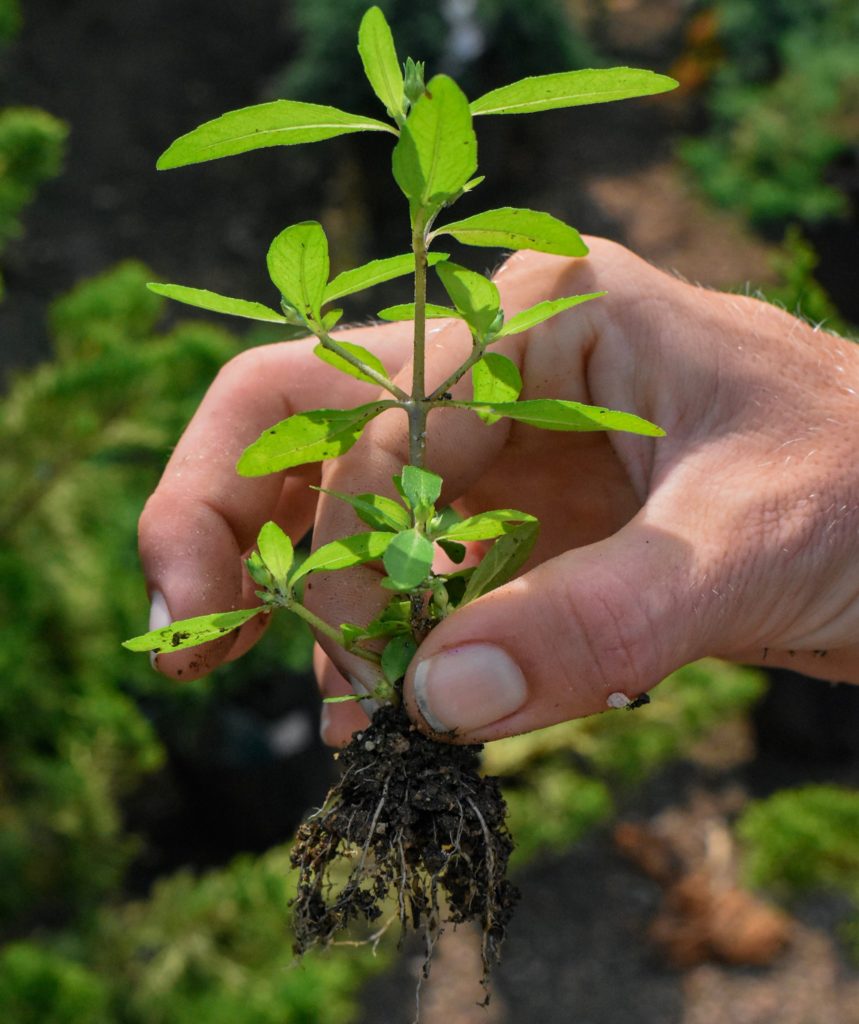
All kids will receive a free native Live Oak tree seedling and soil blend for planting! We thought it would be fun to teach kids how to plant trees and give them their own tiny tree to care for and watch it grow. Here’s a preview of what we’ll discuss – see you Saturday!
Fall is the Best Time to Plant Trees
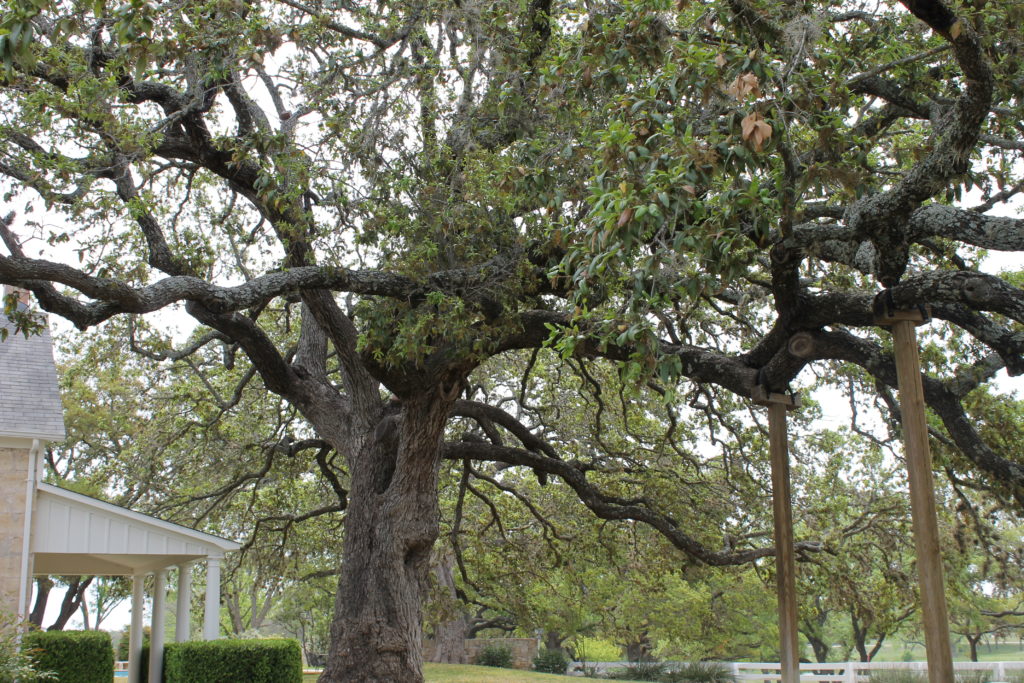
Planting trees in the fall, as temps start to cool down, helps their root systems get a head start. They spend all fall and winter focusing energy on growing deeper and stronger roots so that next Spring they can explode with growth of new leaves and branches. Also, those strong and deep roots help prepare them to withstand hot summer temps next year.
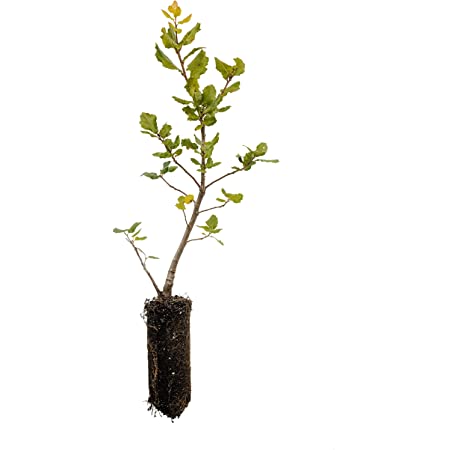
Planting Small Trees is Easy!
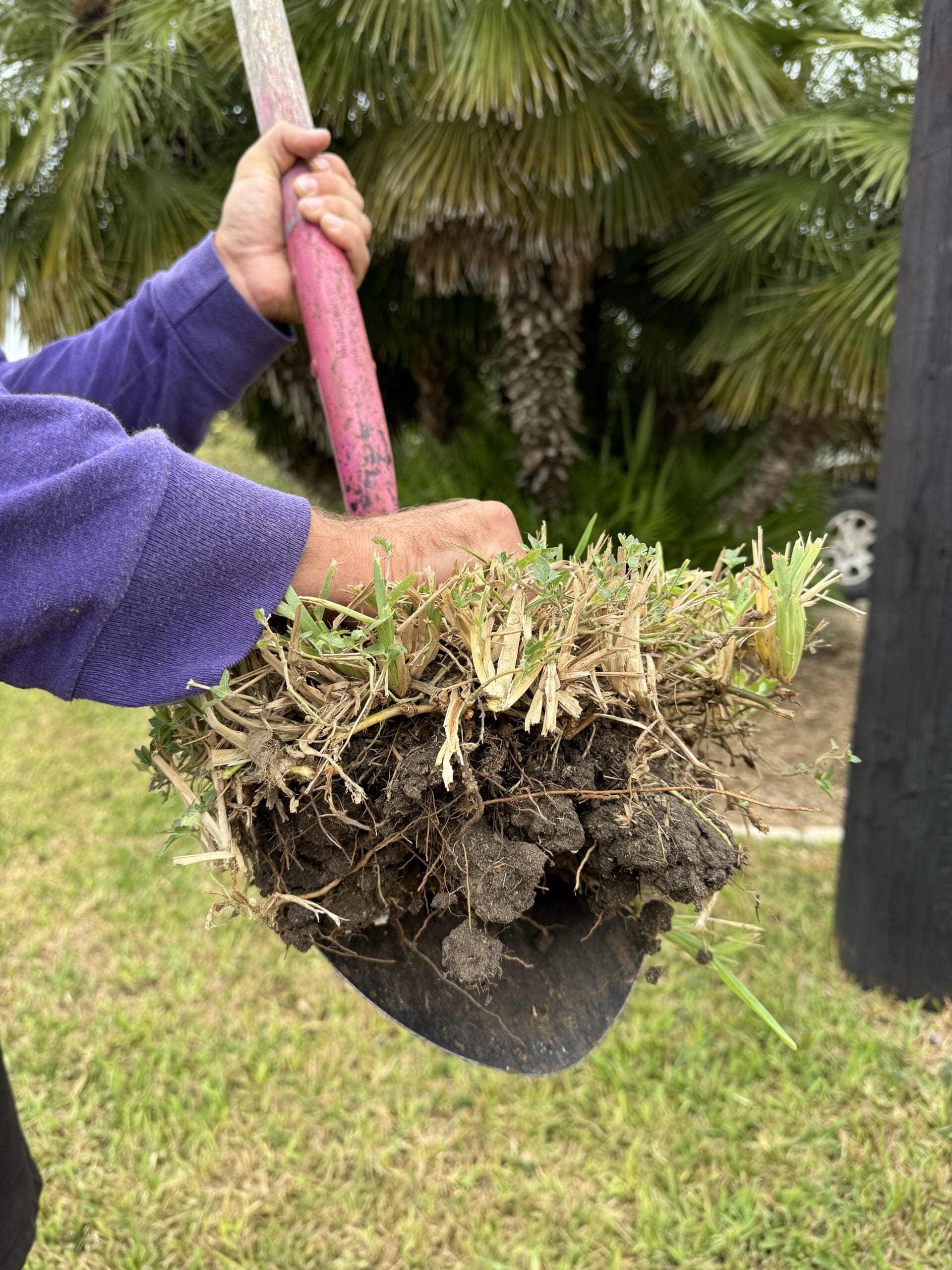
Digging a big hole and planting a big tree gives you a big impact, but planting a small tree is a lot easier. It takes a lot less water too. Yes, it takes a long time to get a huge mature oak tree, but that’s a great reason to plant one as a kid! You get to nurture the tree and watch it grow, which is so rewarding.
Planting Trees Makes a Big Environmental Impact
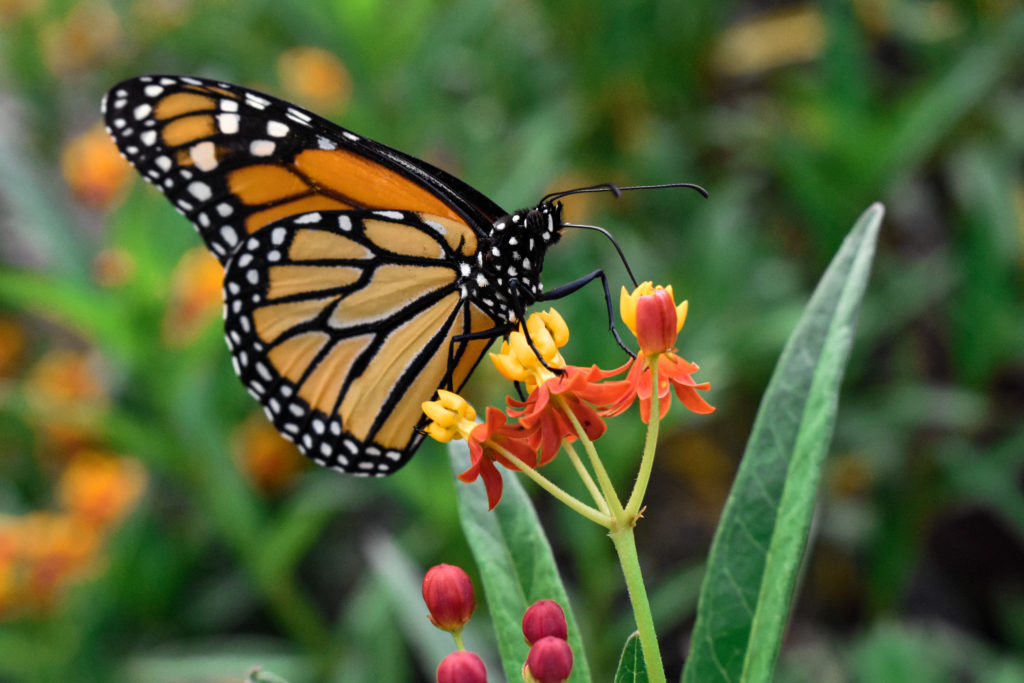
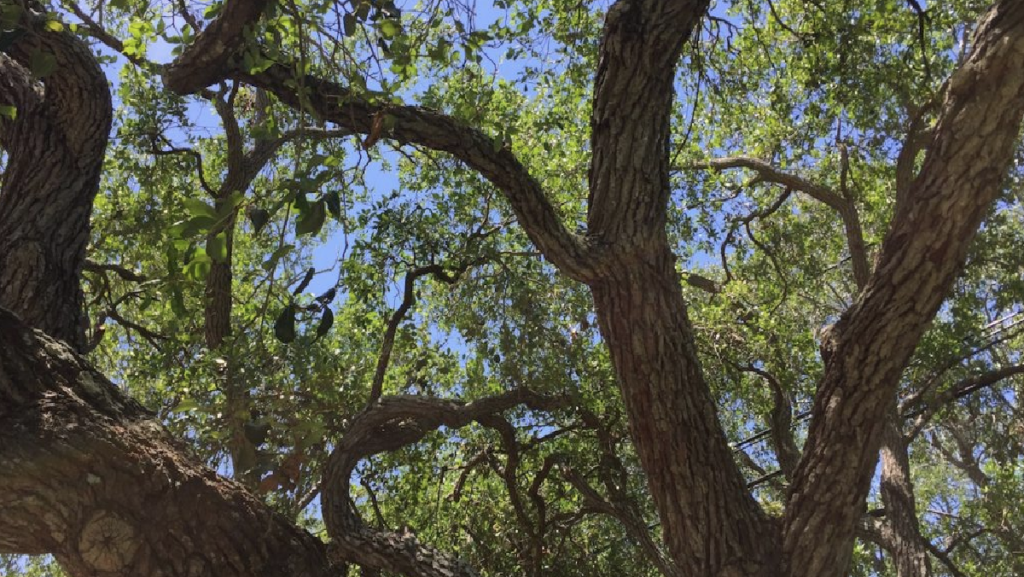
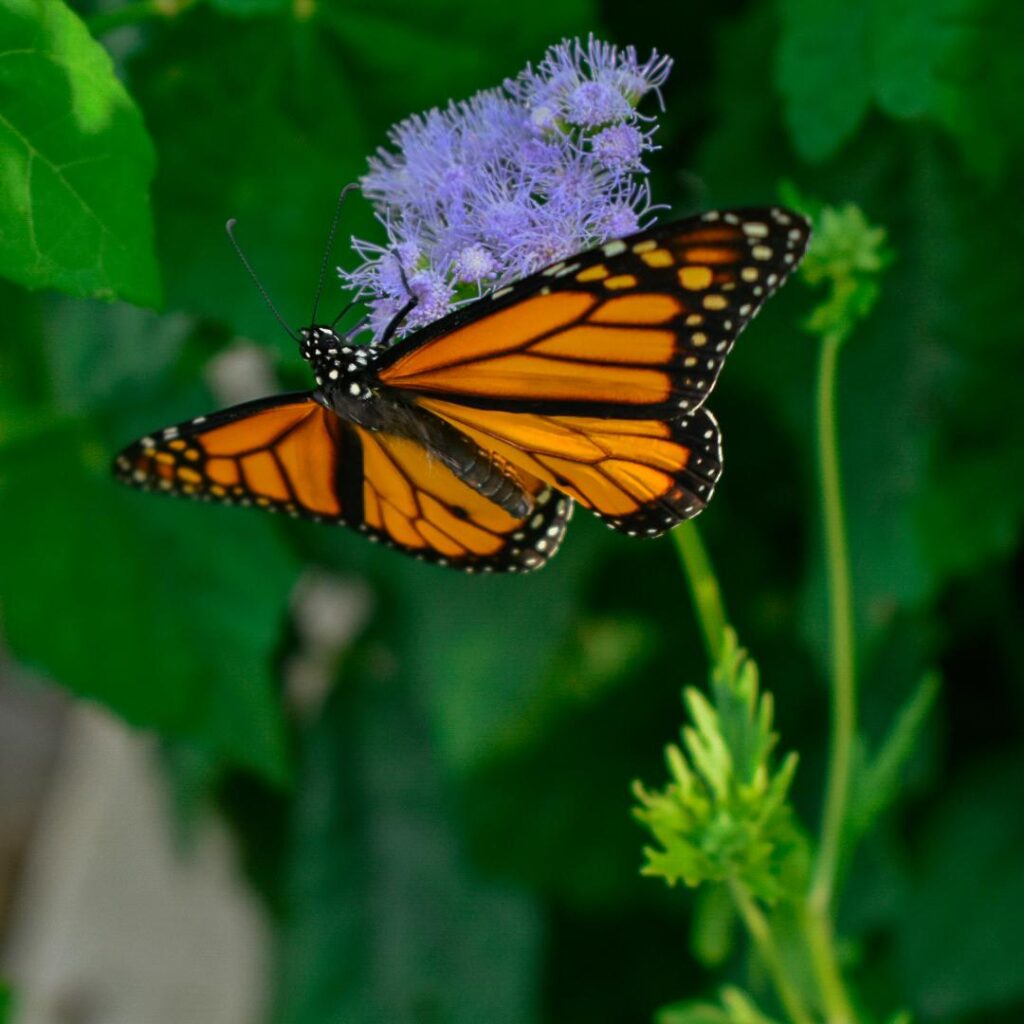
Native trees, like Live Oaks, provide the biggest benefit to our local ecosystem. They host a large number of caterpillars that turn into pollinators (butterflies and moths). And, they help provide a food source and habitat for native and migrating birds. Not to mention, they trap carbon and create clean oxygen!
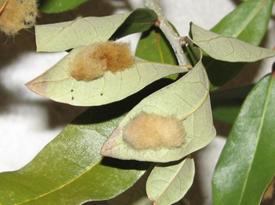 All from a shiny reddish ball. Or a fuzzy white ball. Or a corky brown ball. I’m talking oak galls, which commonly strike terror into the hearts of live oak tree owners this time of year. They are all caused by various species of small, stingless, solitary wasps. These wasps insert an egg (or several) into the tissue of small oak branches or young leaves, and are thought to modify the DNA of the plant, forcing the plant to produce a growth (the gall) that supplies both housing and food to the wasp larvae living inside. The saliva of the wasp applied at the time of the egg laying is thought to contain a virus that produces the genetic changes, so wasp larvae have been eating GMO’s for millions of years.
 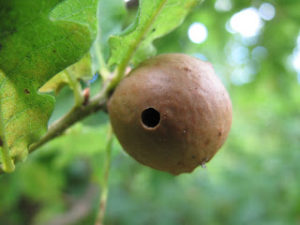 So wasps are defacing and eating your oak tree this fall, what you gonna do about it? As one writer says, “I recommend a cold drink, a good book and a comfortable chair.” ‘Cuz there’s nothing you can do or should do about it. Oak galls come in periodic waves, a few one year, more the next, and none the year after. Or close thereabouts. This is thought to be due variously to the tree buildup up of tannins to discourage the gall formers, and to a buildup of parasitic wasps (also stingless) that drill into the galls and lay their eggs on the gall inhabitant. Wild Mother Nature, there are even wasps that lay their eggs on wasp larvae that are consuming the original gall wasp larvae (did I put one too many eaters of larvae in there, I must proofread). The galls do not do substantial damage to your trees, and there’s really no way to get involved in the crazy gladiator’s pit of nature without screwing things up, SO DON’T SPRAY, just sit back in awe (or take a nap). And empty oak galls actually take in desirable boarders such as lacewing larvae and small spiders, scavenger ants and more beneficial wasps, all feeding on caterpillars and aphids.
 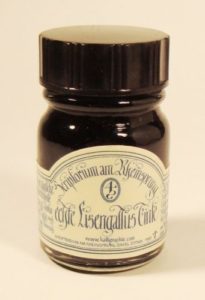 Oak galls were an important source of dark and permanent ink used for writing