Garden Center Hours: Mon-Sat 9am - 5:30pm • Sun 10am - 5:30pm
4. Watch for More Bugs in Summer
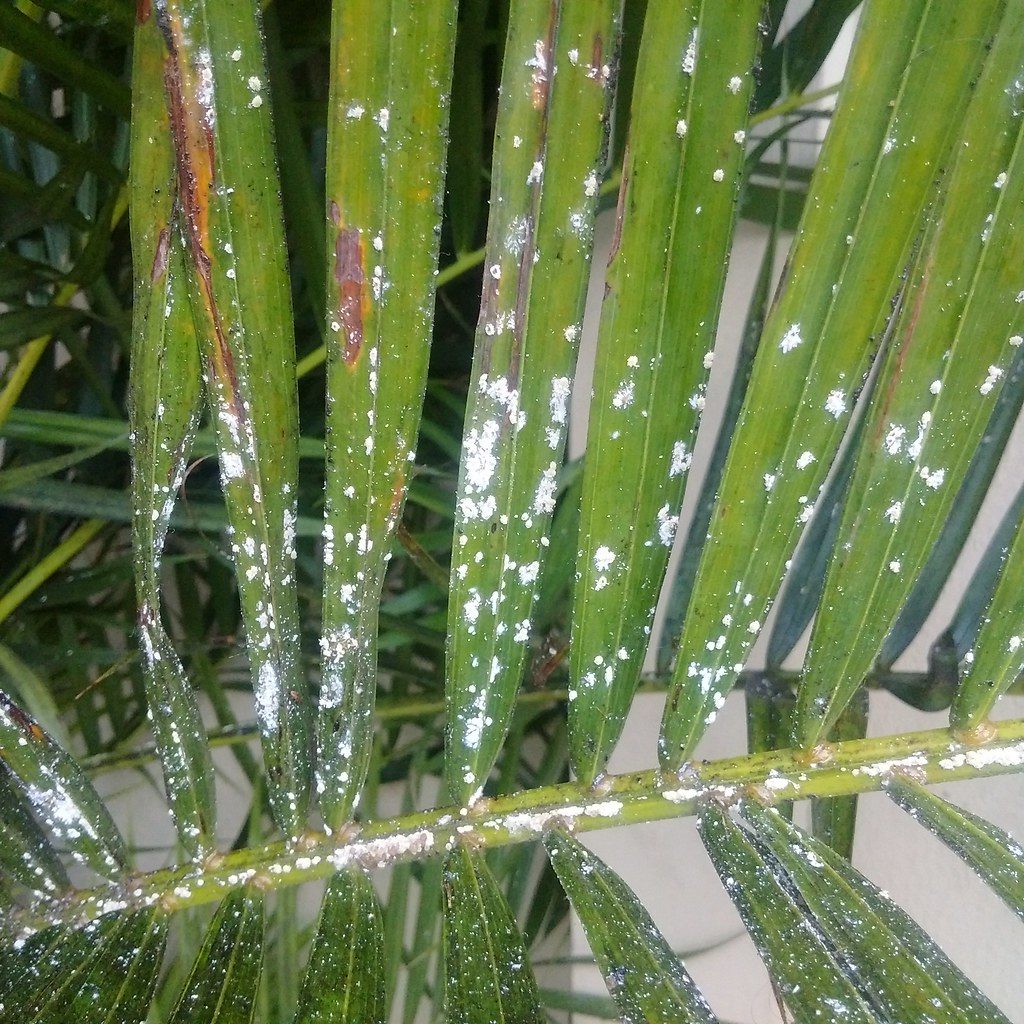
This is what a mealybug infestation looks like!
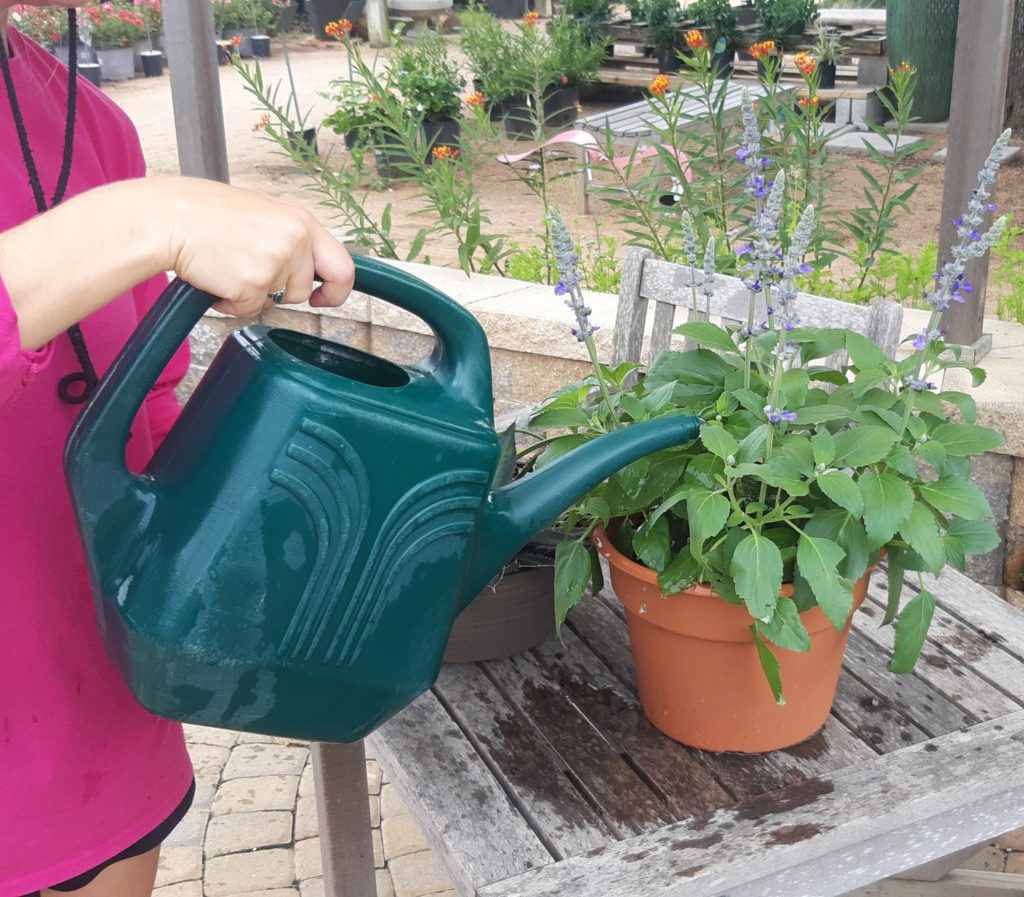
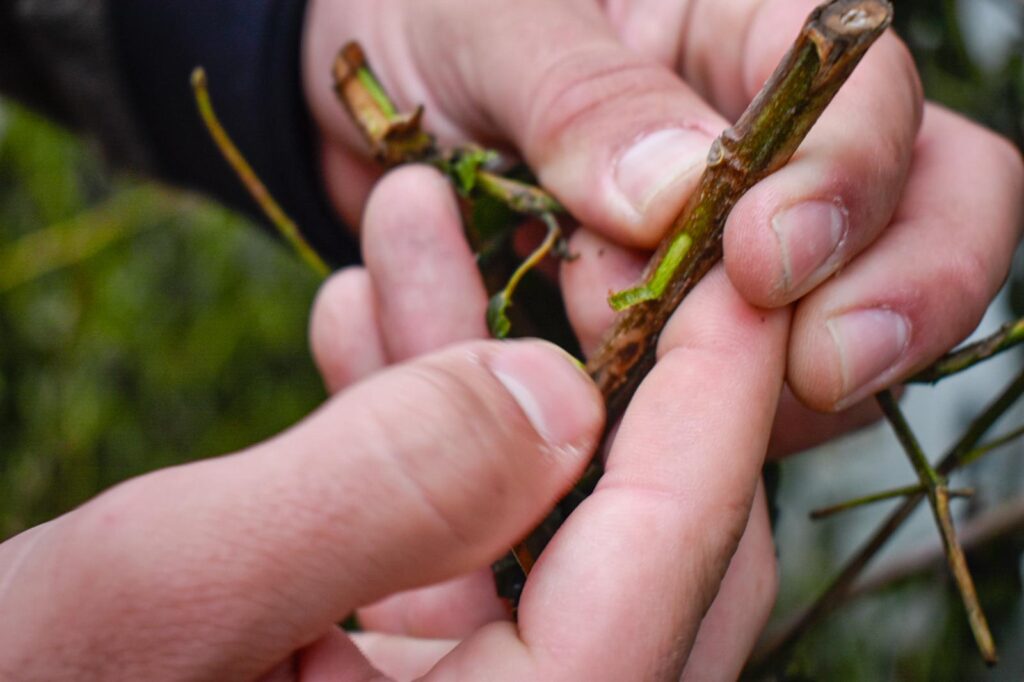
Not all bugs are bad, so it’s important to know your bugs before you spray anything, even organics. A few bugs here and there is most likely not cause for alarm. If you do get an infestation, cut the plant back first, give it some fertilizer, then treat for bugs. By pruning first, you won’t have to treat every leaf on the whole plant. We see plants come back better than ever using this method. If you’re not sure about bugs or pruning, we’re here to help.

5. Train Your Plant Sitter

Be sure to have a trusted plant-sitter come water your plants while you’re away on summer excursions! It’s a good idea to spend a little time showing them how you water. Make them a list, draw them a map, and walk them through it. You know your plants and which ones get tired and thirsty the fastest.

6. Collect Cool New Houseplants

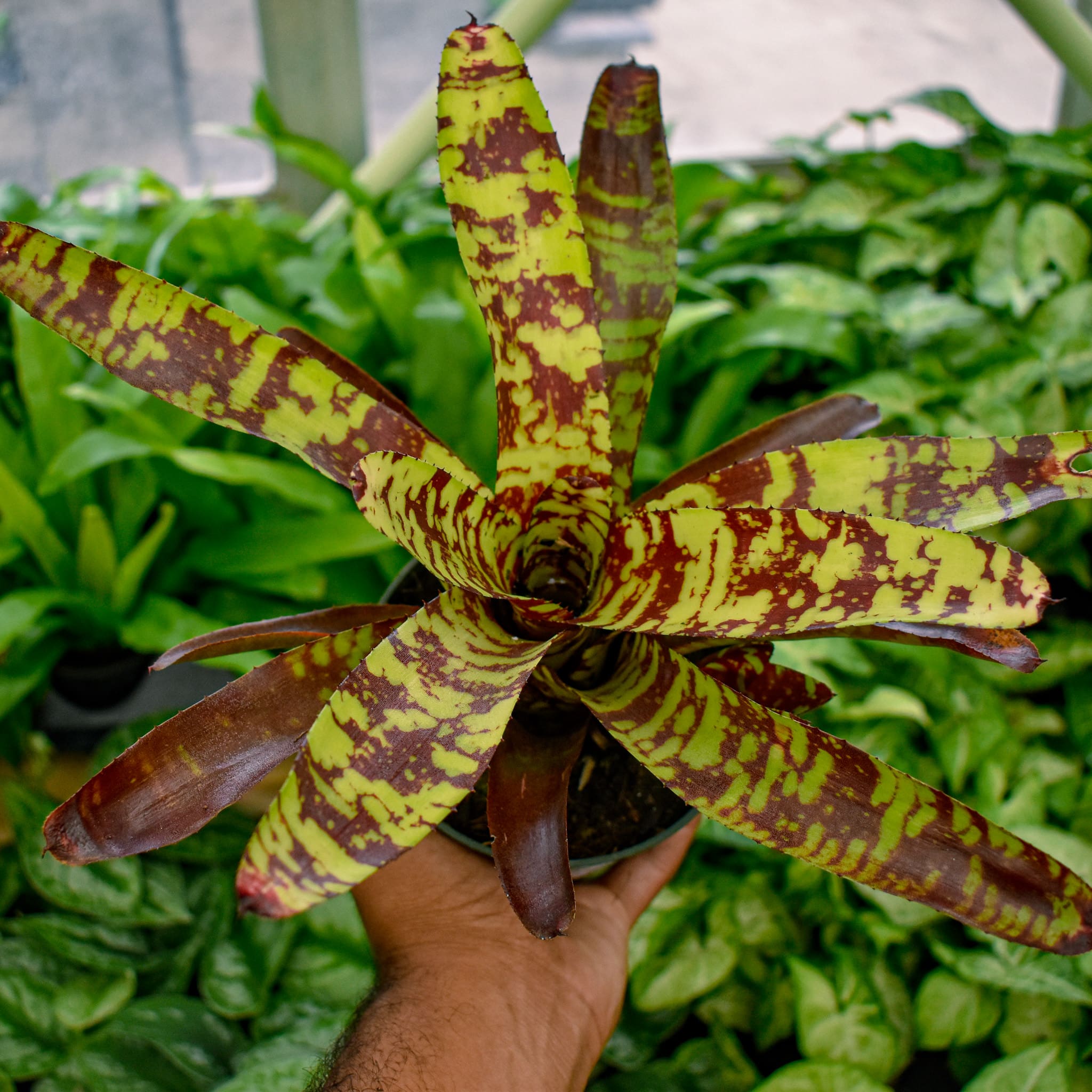
Now’s a great time of year to work on your houseplant jungle. The greenhouse is restocked with all kinds of interesting houseplant choices, including lots of new Bromeliad varieties! Keep in mind that constant A/C indoors will dry out plants. Keep an eye on watering (use a moisture meter) and don’t place houseplants near an A/C vent. You might also try experimenting with a humidifier near your plants to help regulate moisture. 


Why does Mark Scott, community leader and eight-term city councilman, grow zinnias? So he can keep fresh flowers on his wife Carol’s bathroom counter for a big portion of the year! 

They were college sweethearts and have been married for 38 years. I think there’s a lesson for us all! 

Mark and Carol welcomed me into their home a few weeks back. I wanted to see his zinnia garden in person. I’d seen it on social media and could tell from the photos he was serious about growing them. Come to find out, he purchases exotic zinnia seeds from all over the world; this year they came from Washington, California, Maine, England, Latvia, and Japan. 

Zinnias grow native primarily in Mexico, as far south as Guatemala, and as far north as Colorado. 

They are members of the Aster family and are closely related to the daisy. Zinnias were available by seed as early as the late 1700s, but it wasn’t until the mid-1800s when the French developed the double form of the plant that they became wildly popular in the United States. 

Zinnias are one of the most giving summer bloomers in South Texas and they come in a wonderful range of colors from pinks, corals, and whites to yellows, purples, and oranges. You can buy one package of mixed California Giant Zinnias, plant them in your garden with full sun and regular watering and be sure to have flowers on your dining room table all summer long. My mother grew zinnias when I was a young girl because she loved the bright colors. And because they were easy! 

Mark dedicates about 10’ x 40’ of a sunny portion of his backyard to his zinnias. He works his soil each year in February with compost to enrich it and builds raised beds for planting his seed. He plants rows 24” apart with weed mat between each row. In March, Mark digs a small trench, drops seed in, and once seedlings are 2” tall (within about a week) he pulls excess seedlings to give plants room to grow. Zinnias are prone to getting a bit of fungus on leaves if they stay wet so Mark uses soaker hoses to water from below. That keeps the soil moist and leaves dry!

Mark loves sharing his zinnias. Beyond gifting his flowers to Carol – especially the purple blossoms – her favorite, Mark delivers them to his friends and family. People know when they open their front door and see a mason jar with zinnias on the front porch, Mark has been there. What a great way to make a person’s day better!! 

Mark begins every morning outside. After a bike ride, he sits in his beautiful courtyard, shaded by pecans and oak, and plays fetch with his dogs. Carol and Mark spend time most evenings in their courtyard, drinking a bit of wine, picking and pruning on their plants, and reflecting on the day. Their love of nature and family and friends is beautifully reflected in their garden; thank you for sharing your gift with us, Mark and Carol! 

– Sally Gill

Holiday season is here! These last few weeks of 2024 are sure to fly by. Our advice:  make sure you spend some time in the garden to balance out the hectic holidays. Here are our top to-do’s this month:  what to plant, gift ideas, holiday plant care, and more.  

Check out our December Garden Guide for more tips!

1. These Plants Want to Be Planted in December

There’s always the BEST time to get plants growing and here’s a few that LOVE this season as much as we do!

Trees…shade, flowering, small, big, they all benefit from planting now. Good root development during the cooler months of winter gives them better growth in spring and a deeper, stronger root system to withstand the summer heat.

Onions…we grow short-day onion varieties here in South Texas. Lucky for us the 1015 Texas Supersweet is one of those along with tasty Texas Early White & Southern Belle Red.

Roses…our mild winters are perfect for big, beautiful roses & the cooler temps will only make them prettier and the flower color richer.

Ornamental Cabbage & Kale…these winter classics need to be planted early this month and enjoyed through the season! Easy care, vibrant colors, and unique texture in the garden.

Alyssum…gorgeous white blooms all winter long. Did you know Alyssum flowers and leaves are edible? They have a pungent horseradish-y flavor.

Other plants that require short days…some plants require short days/enough hours of darkness to bloom and look their best. Think Aloes and other outdoor succulents, Cyclamen, Camelia, native Salvia greggii, and Kalanchoes!

2. Tips for Holiday Plants

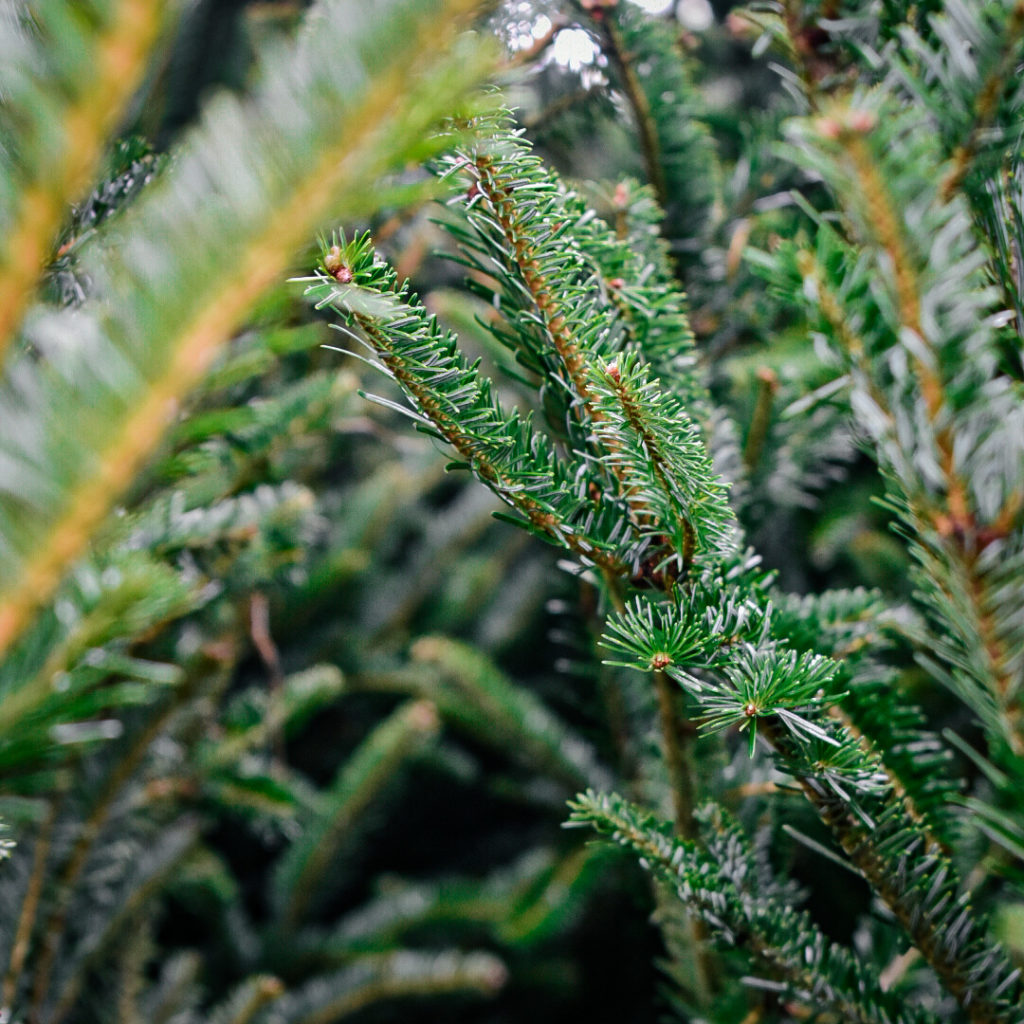
Fresh-cut Christmas Trees…we give all of our trees a fresh cut and get them in water immediately to preserve their freshness. Many customers ask us for another fresh cut before they take the tree home. If you decide to have us do another fresh cut, or if you do it yourself, keep in mind that you have 10 minutes to get the tree in water before that cut seals over! Check water in your tree stand daily and keep it full. If you have pets who like to drink or splash the water, try covering with a piece of foil.

Poinsettias…Think of poinsettias as succulents – because they are! They are a type of euphorbia. That means give them a good drink, but let them dry out between waterings. Also, the leaves bruise and break easily, so avoid touching them as much as possible. So tempting to touch!

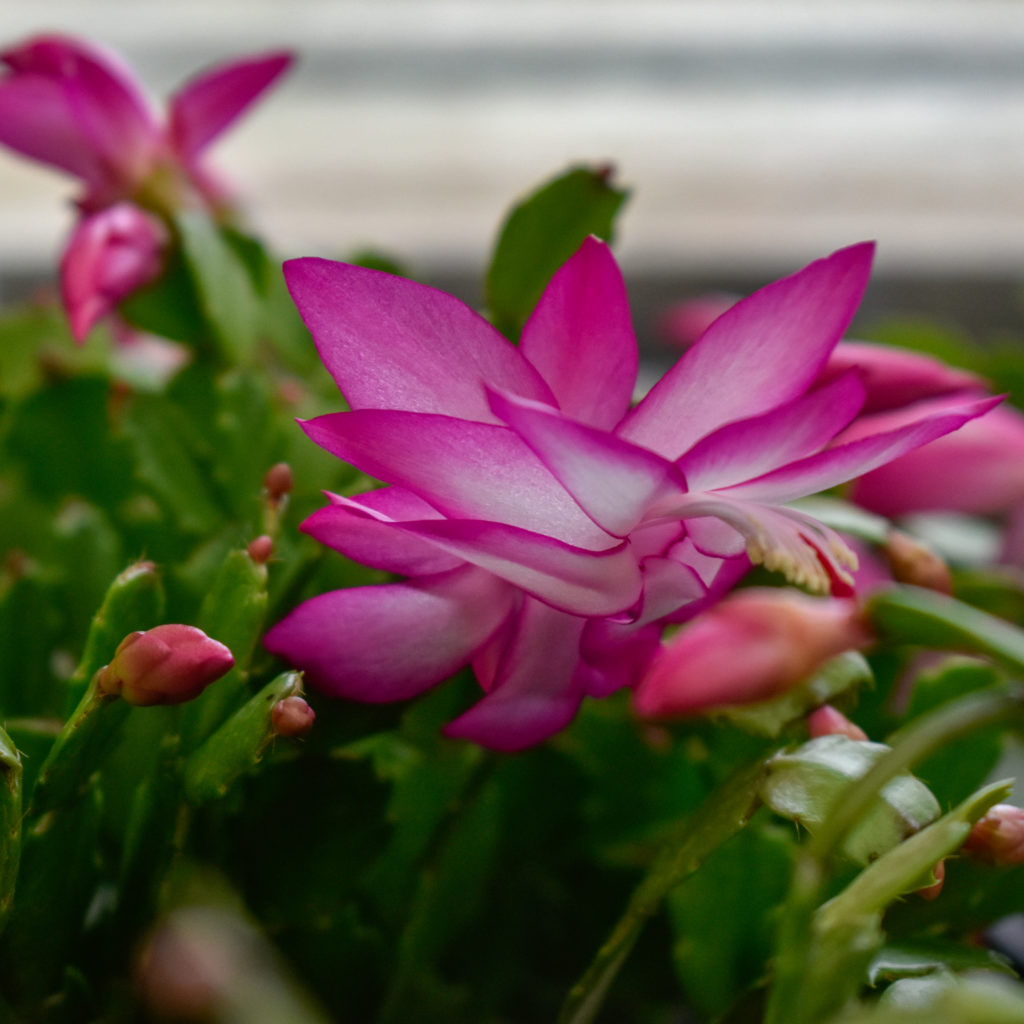
Christmas Cactus…Probably the easiest of all holiday plants, and they can last a LONG time! There are stories of Christmas Cacti that have been gifted and passed down through families for 100+ years. They like well-lit areas, but not direct sunlight. Let dry between waterings, then mist the leaves as well as water the soil when its time to water. They like to stay on the dry side!

Living Holiday Trees…Junipers, Norfolk Pines, Loblolly Pines, Magnolias, and Ficus trees all make great Christmas trees that can be planted outside after the holidays. If you bring these in for decorating, be sure they have good bright natural light. Keep watered but not too much, and as soon as the holidays are done…take them outdoors for a breath of fresh air and get them in the ground.

3. Think Gifts for Gardeners!

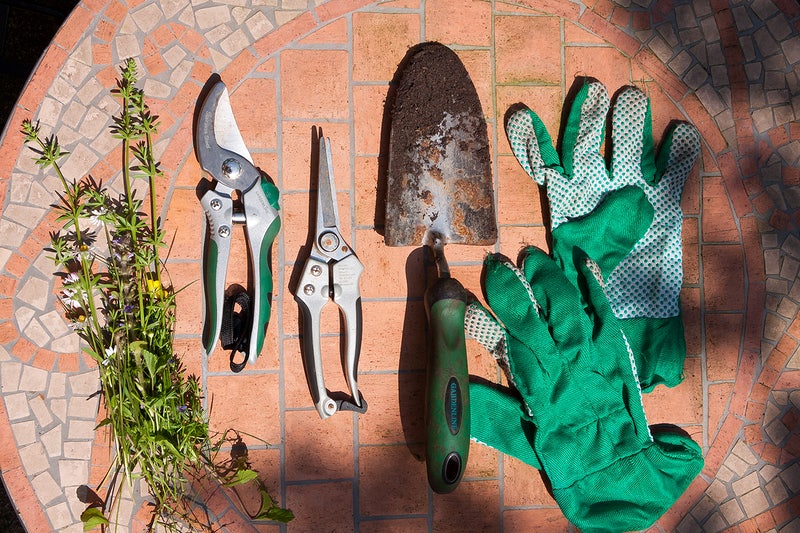
If you have gardeners on your list this year, we’ve got you covered! Cosmic seed kits, handmade holiday ornaments, quality tools and gloves, nature-themed holiday cards, crystals, ceramic snakes, beautiful houseplant cutting jars, and lots more unique garden gifts. And of course, plants!! If they’re picky, you can’t go wrong with a Gill’s gift card!

4. Plant and Feed Winter Flowers

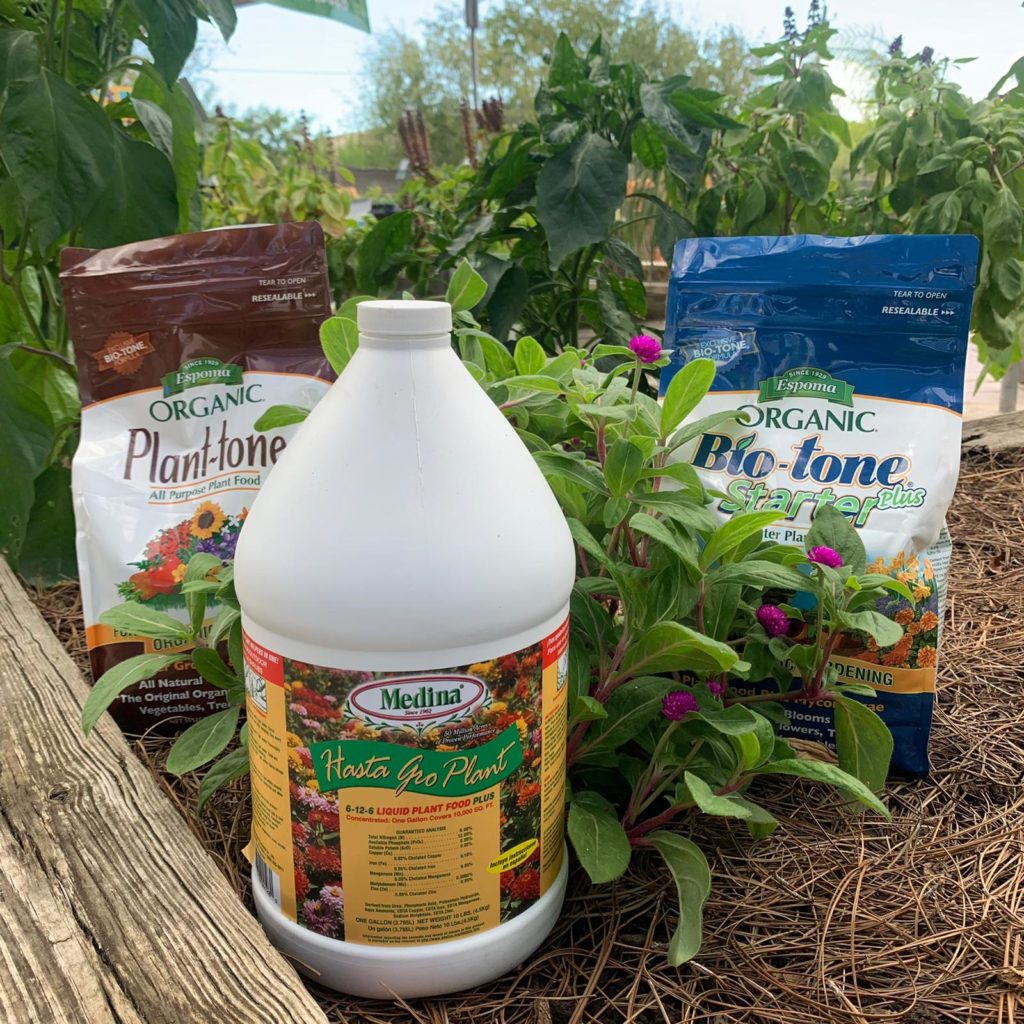
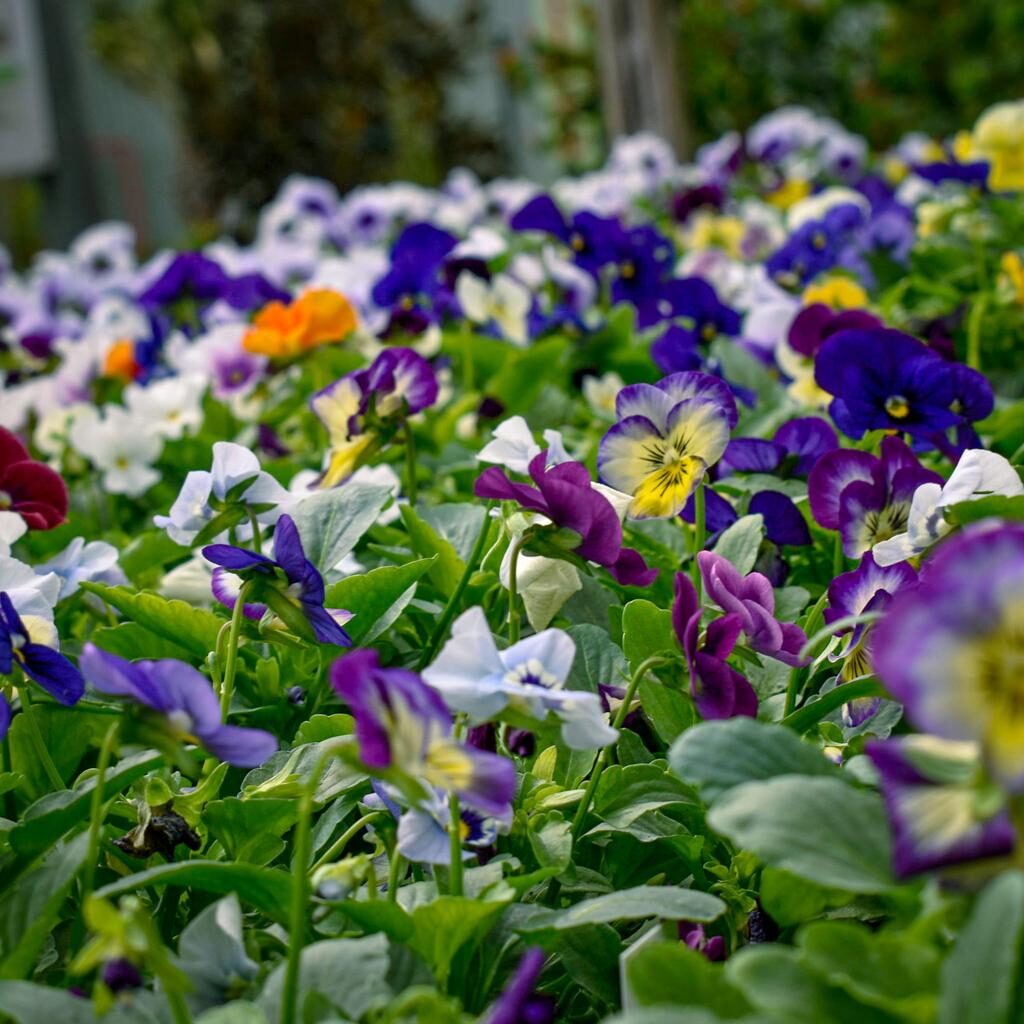
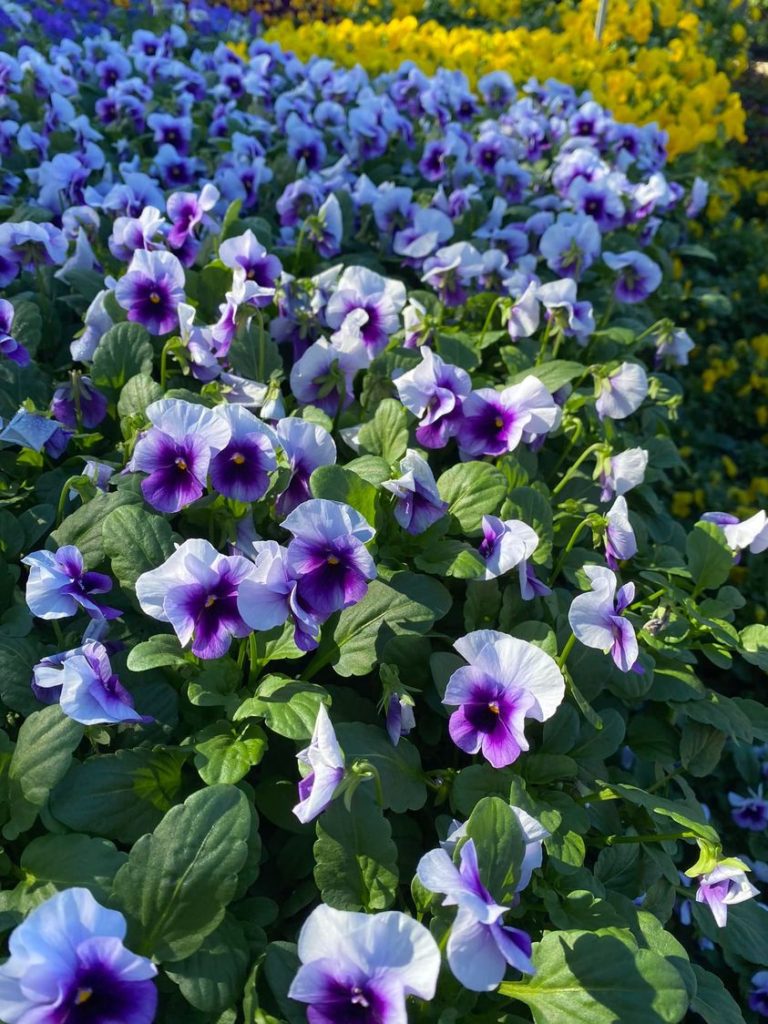
Winter flowers are AMAZING right now! Violas and Pansies are breathtaking and Geraniums are full of buds and blooms. All that blooming makes them hungry, so take a moment and fertilize your beauties. We love using granular Plant Tone once a month, then following up with liquid Hasta Gro every 2 weeks. Both are organic and give you big results. Have that “one more empty pot” to fill?

5. Adjust Your Houseplant Care for Winter

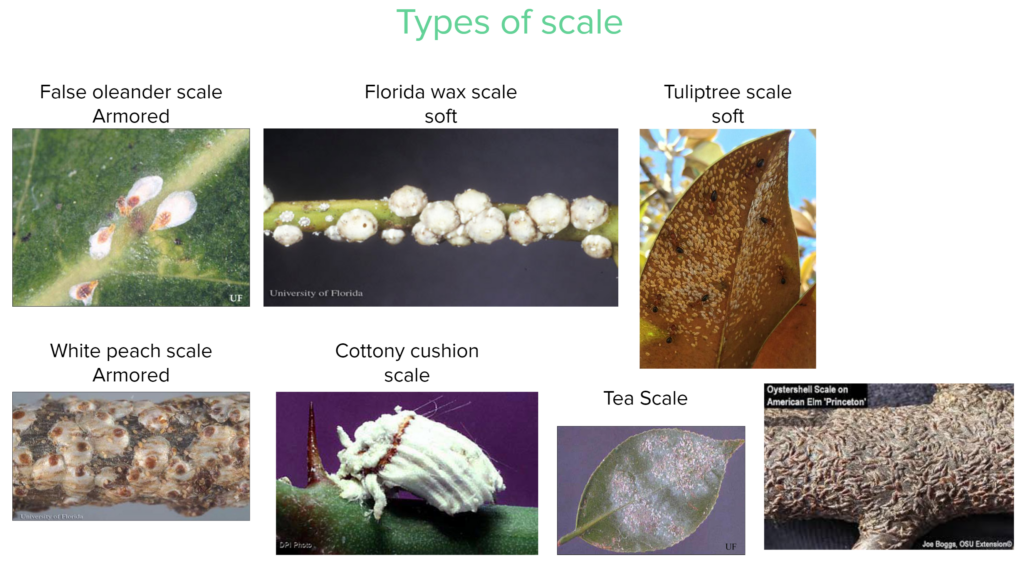
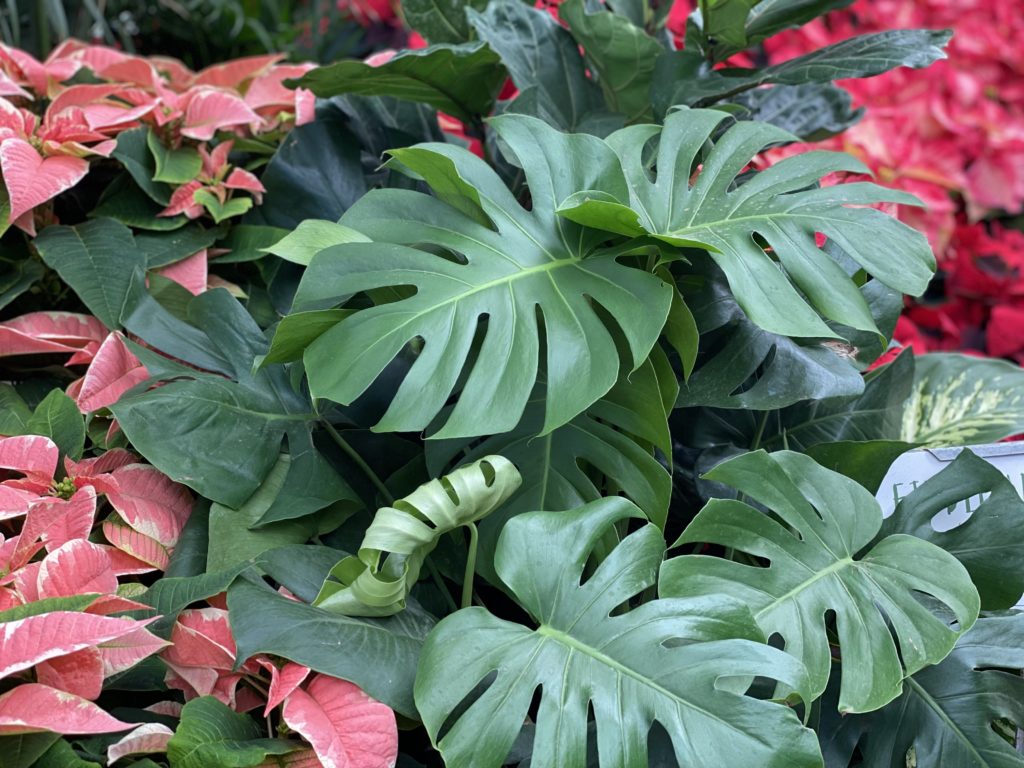
Most houseplants will not experience a complete dormancy period during winter, but they will slow down growth and react to climatic changes like drier conditions inside the house. Give your houseplants more light and less water as temperatures and the amount of daylight hours drop. Dust/shine leaves regularly to ward off insects. Cooler temps = drier conditions and less of the humidity that houseplants love. Try grouping them together to create more humidity, or use a humidifier. When bringing patio plants inside for cold snaps, be sure to treat with All Seasons Horticultural Oil spray to prevent any pests (like scale insects) from hitching a ride indoors.

6. Start Thinking About Frost Prep!

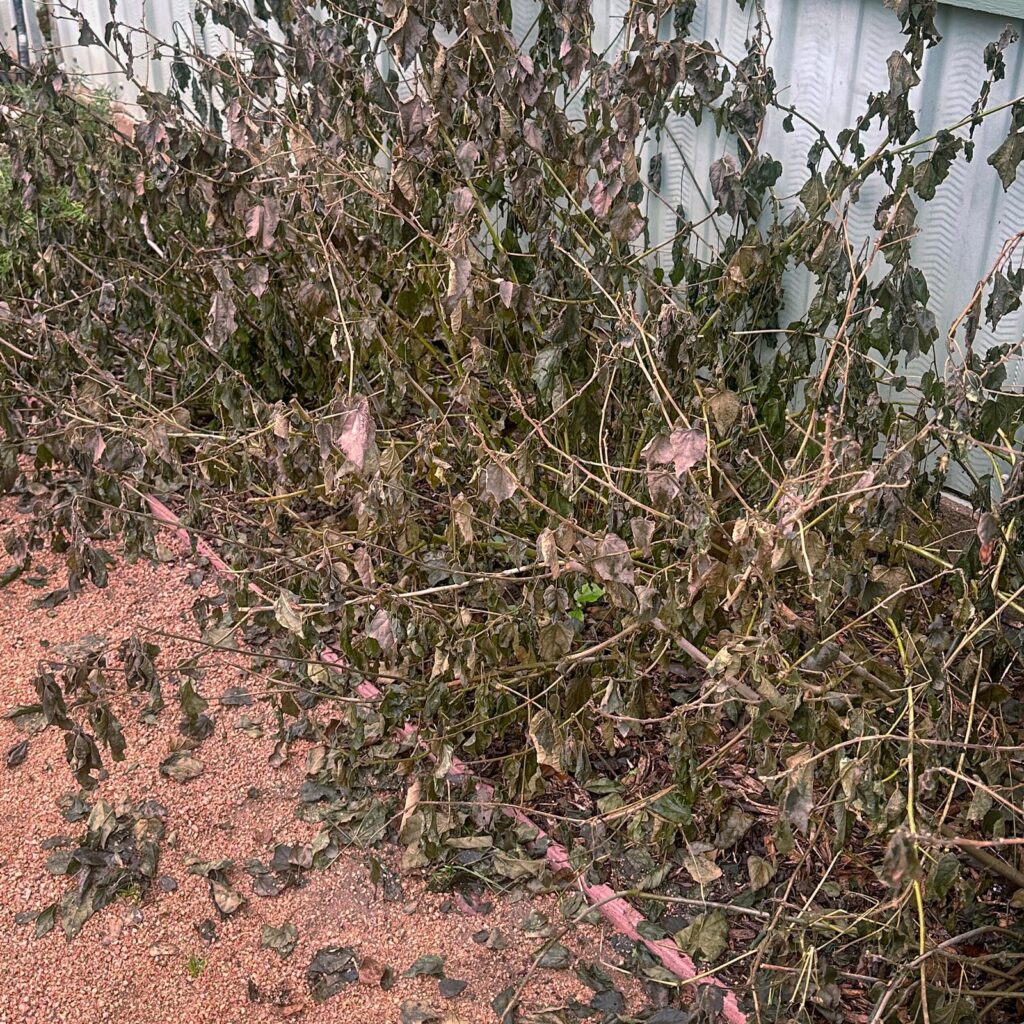
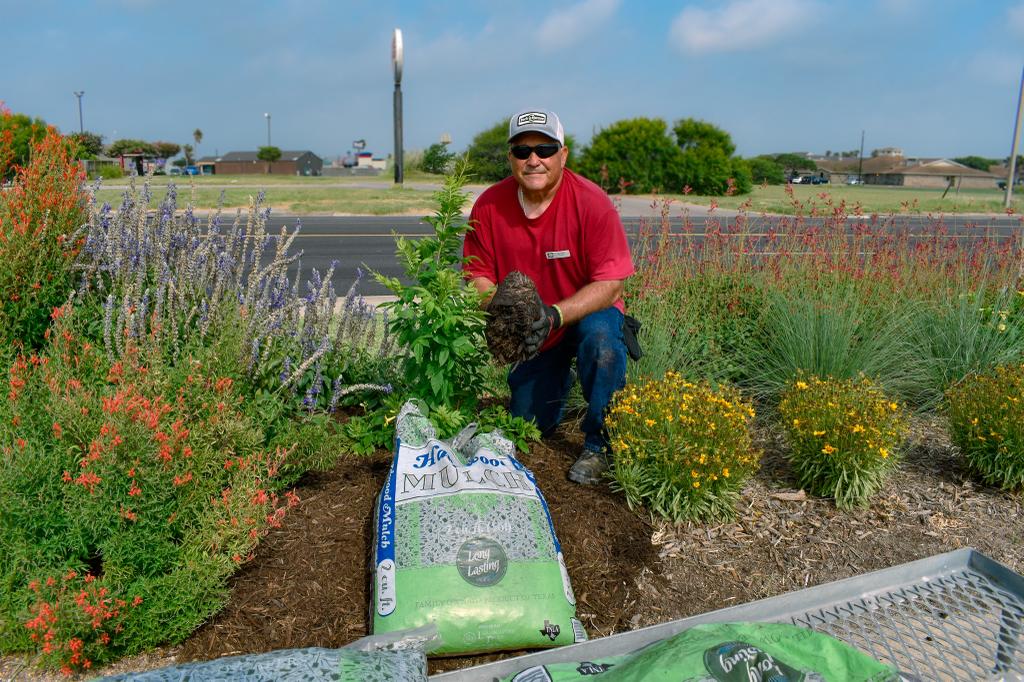
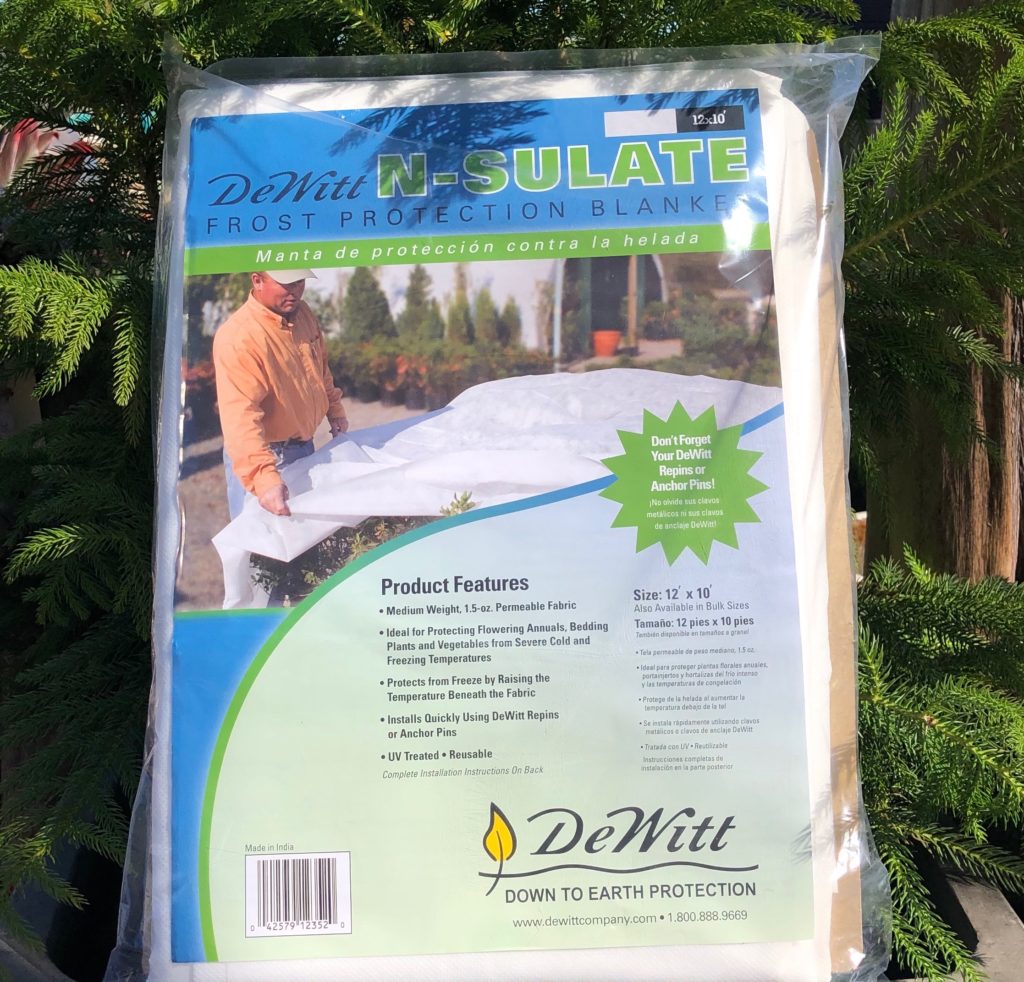
We typically don’t get a frost until January or February, but there’s always a chance! Be sure you’ve got your frost blankets or frost cloth ready to protect any tender outdoor tropicals and new plantings. Mulch beds at 2-3″ deep to help seal in warmth. And don’t prune yet! Remember that pruning signals to a plant that it’s time to put on new growth. Instead, plant leaves need to harden off and go dormant for the winter. Foliage that you leave on the plant will help insulate it against cold weather.

7. Collect & Conserve Water

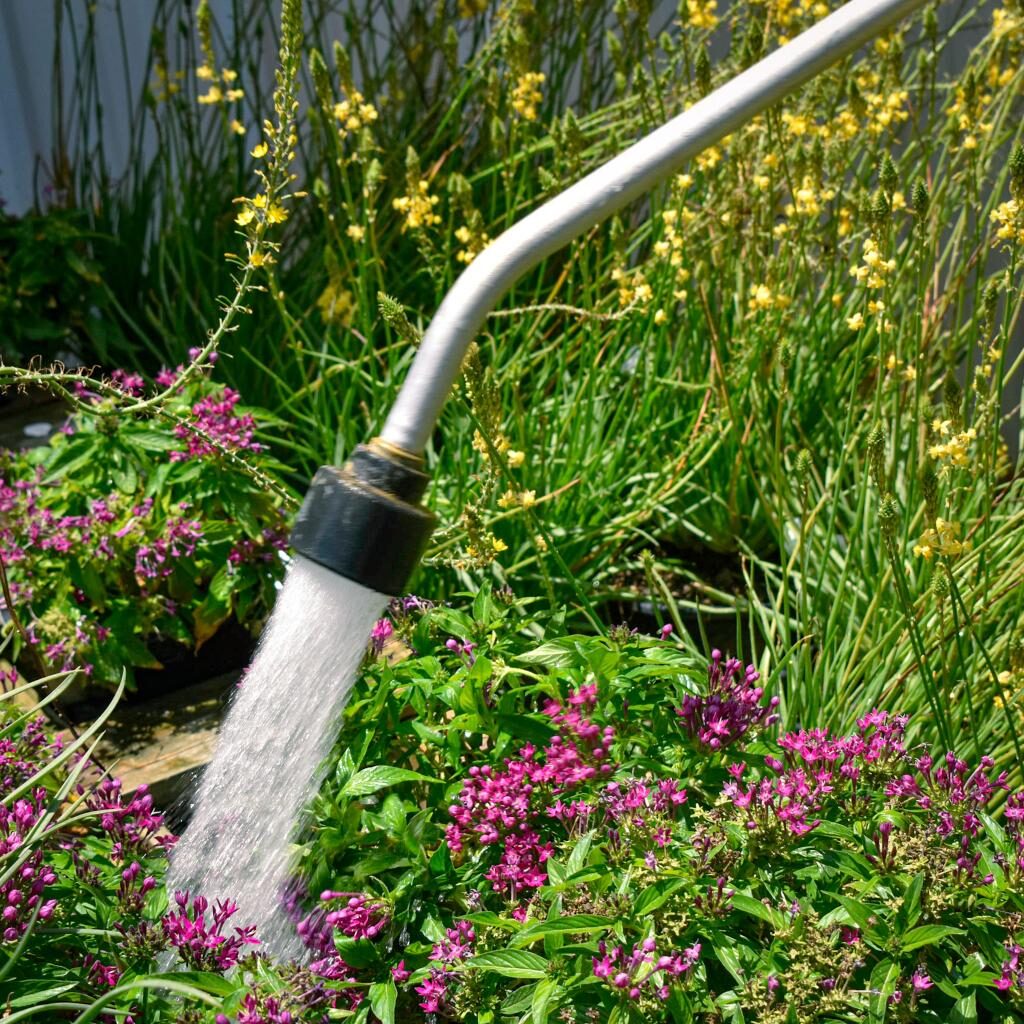
Hooray for rain this week! If you’re not already collecting rainwater, now’s the time to start. This time of year, even a simple 55gal rain barrel goes a long way because plants don’t need as much water. We recently installed a big 2,500gal stainless steel tank to collect rainwater from the greenhouse roof. Less than 2″ of rain fills it up! We installed a pump at the base of the tank to pressurize 2 water hoses which allow us to water LOTS of plants. If you’re interested in a rainwater harvesting system like this, Gill’s landscape department can design and install. In addition to rainwater, you can easily catch water from your A/C units and dehumidifiers. We water almost all of the houseplants in our gift shop area with water from 1 dehumidifier with a 2.5gal reservoir that fills up about twice a day. Humidity can be a good thing!