
Welcome to 2026! It’s time to set our gardening resolutions! What do you hope to learn more about in the garden this year? What new plants are you going to try? What areas are you planning to revamp? January is time to get moving and set yourself up for big success this spring and beyond. Beds need prepping, veggie seeds need starting, citrus trees need feeding, and YES you can get a head start on planting too! Here are our top must-do’s (and don’t do’s!) this month.
Check out our January Garden Guide for more tips and remember that trees, shrubs, and perennials can be planted 12 months out of the year! The only difference is the amount of water they need depending on temperatures and wind!
1. Mulch for Many Reasons!
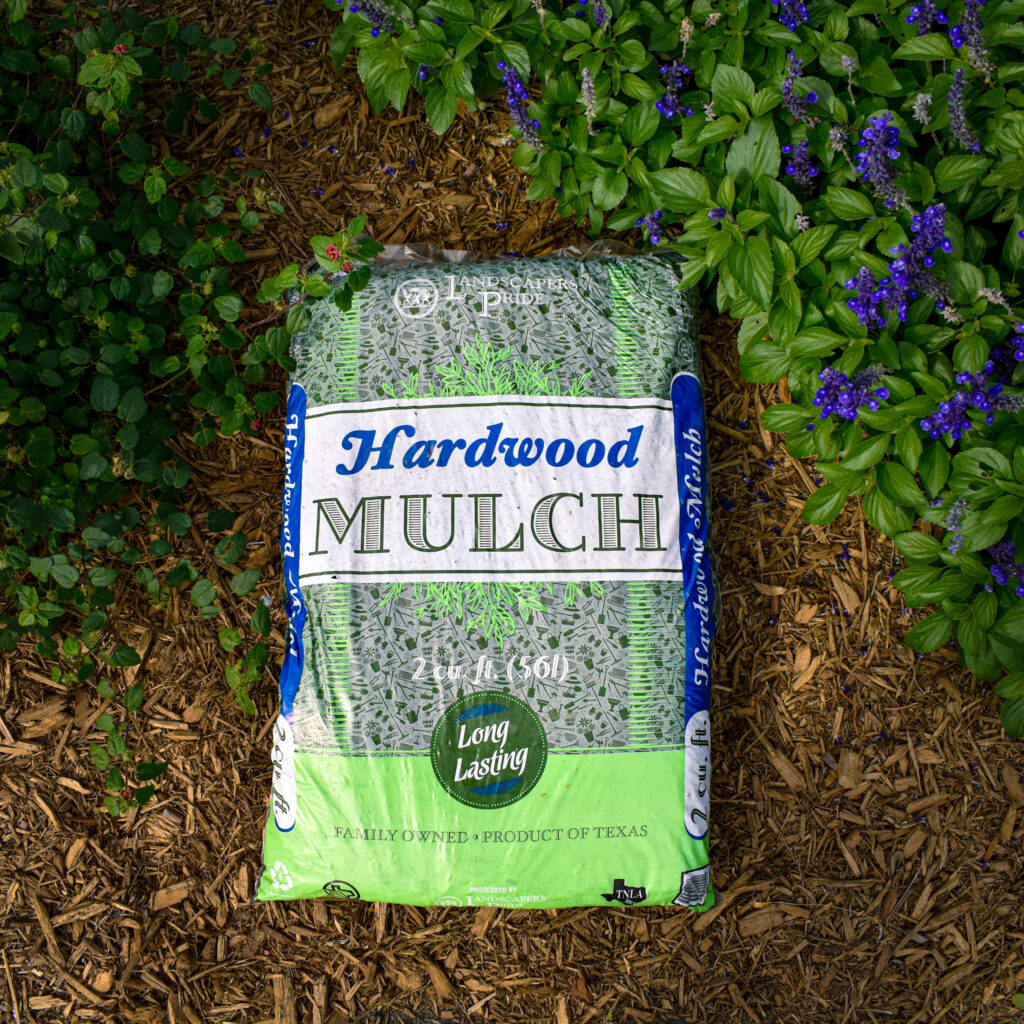
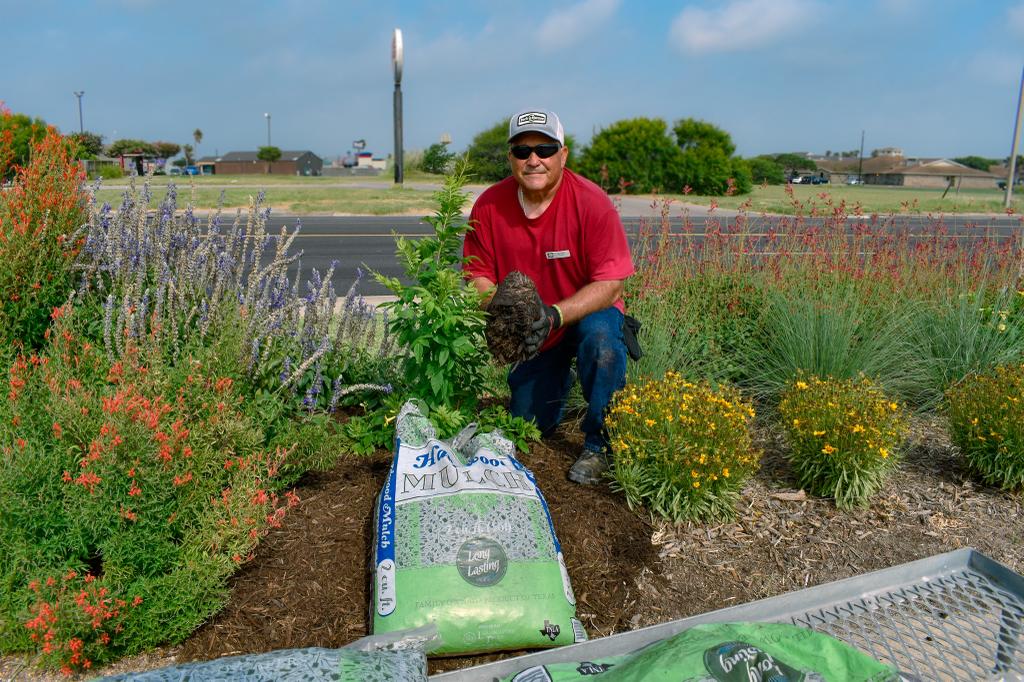
Let’s start off with the simplest and most effective garden must-do…JUST MULCH! A good 2-3″ deep layer of mulch is our best protection against dry drought conditions and against cold snaps/freezes. Think of mulch as insulation for your plant roots – it helps retain moisture in the soil and it provides a barrier to keep cold air out. Natural mulches also break down over time and add nutrients to your soil. Maintain a good layer of mulch, but don’t pile mulch up around the base of trees and plants. Give your trunks and root flares (where the roots meet the main trunks/stems) a few inches of breathing room for better oxygen exchange and to prevent potential fungal problems. Mulch is also an excellent place holder this month for areas that you plan to plant this spring. Mulch will help keep underlying soil active and alive, while suppressing weed growth. Clean up and mulch now, then easy planting when you’re ready!
2. Prep Soil Now for Spring Planting
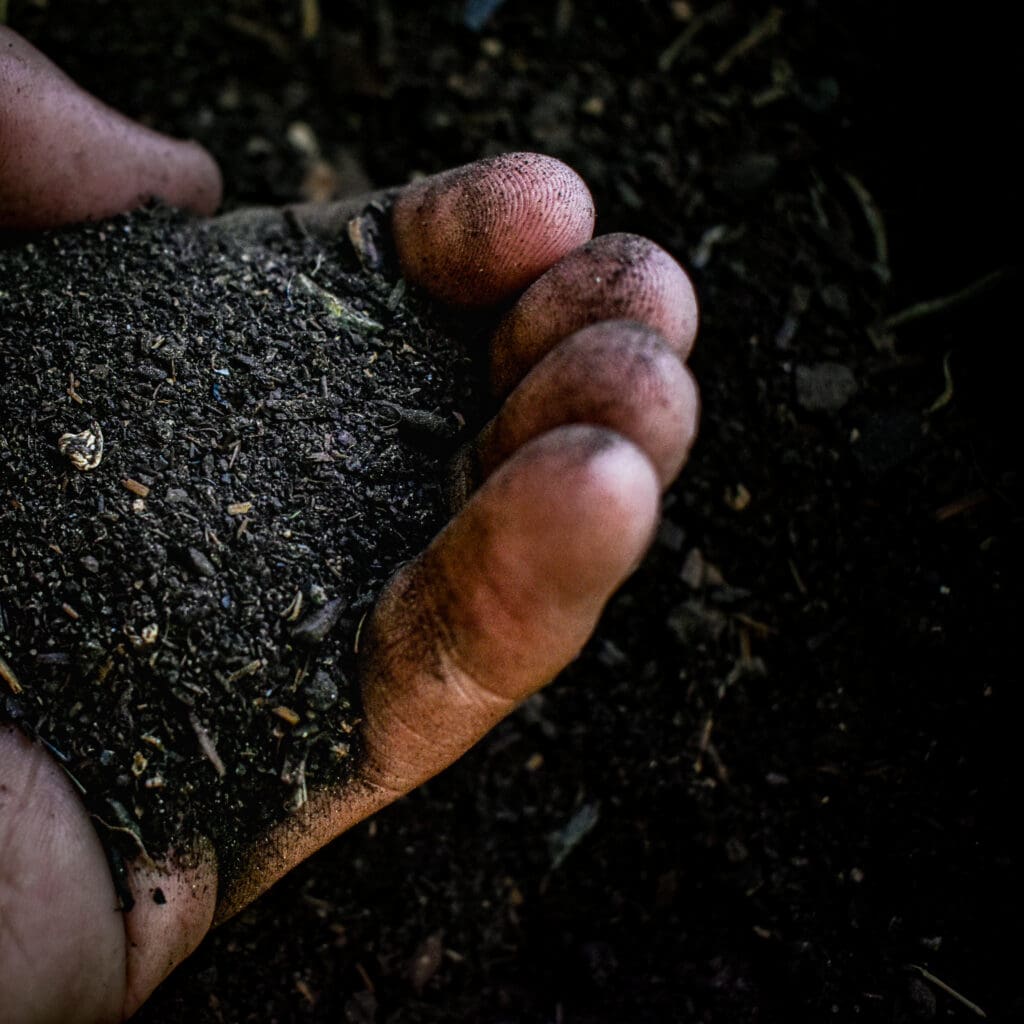
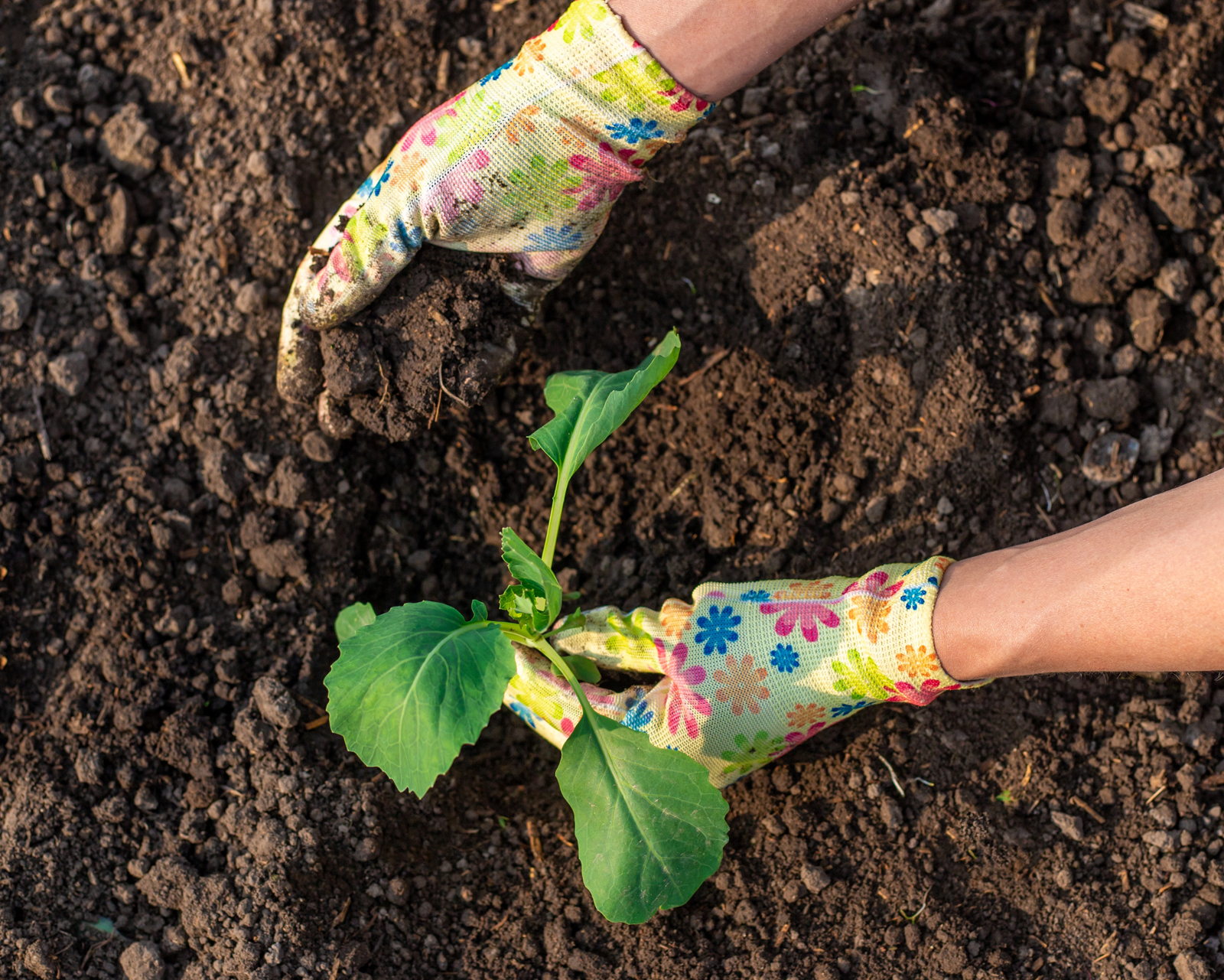
January is our month to plan and prep for spring. Clean up, remove weeds, and most importantly, prep your garden beds by adding some compost! We love Nature’s Blend Compost for veggie and landscape beds, including raised beds. A good ratio is 1 bag per 12 sq. ft. of bed space. If you make your own compost, that approximate ratio works well. It doesn’t have to be exact. If working out is part of your new year’s resolution, get outside, grab your garden forks or a shovel, and turn some compost into the first few inches of soil – the best kind of exercise! Again, you can prep beds with compost and add a layer of mulch as a placeholder until you’re ready to plant.
3. Wait to Prune!
Remember – wait to do any major pruning of most plants until February! We can be tempted to do too much pruning in January because we want plants to look pretty, but you don’t want plants to think its time to start putting on new growth while we still have potential for cold snaps. Even if we do get a cold snap that damages some foliage, wait to prune because that damaged foliage will help insulate against more possible cold weather. We need to tolerate some wintery-looking plants this month.
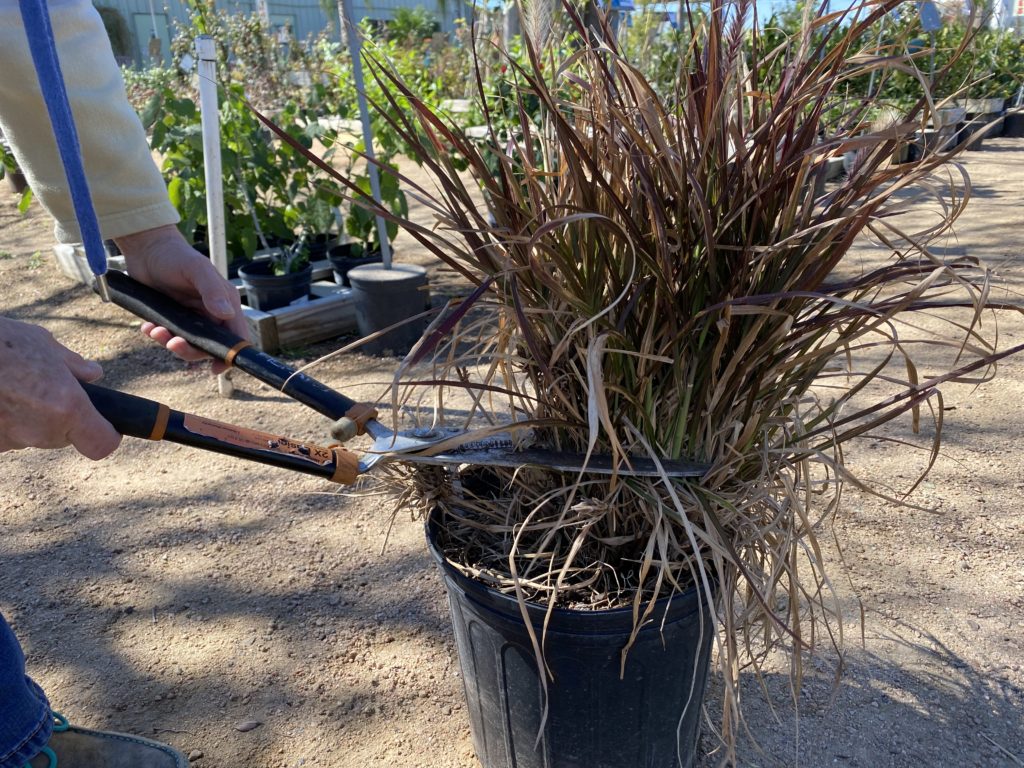
Ornamental grasses, like Pink Muhly or Purple Fountain grass, are a January exception. They should be cut back this month. Trim them straight across (no cupcakes) 3”-4“ from the ground. Use a bungee cord or piece of rope to gather them up, then cut straight across with your shears – just like the photo above.
4. Feed Your Citrus Trees
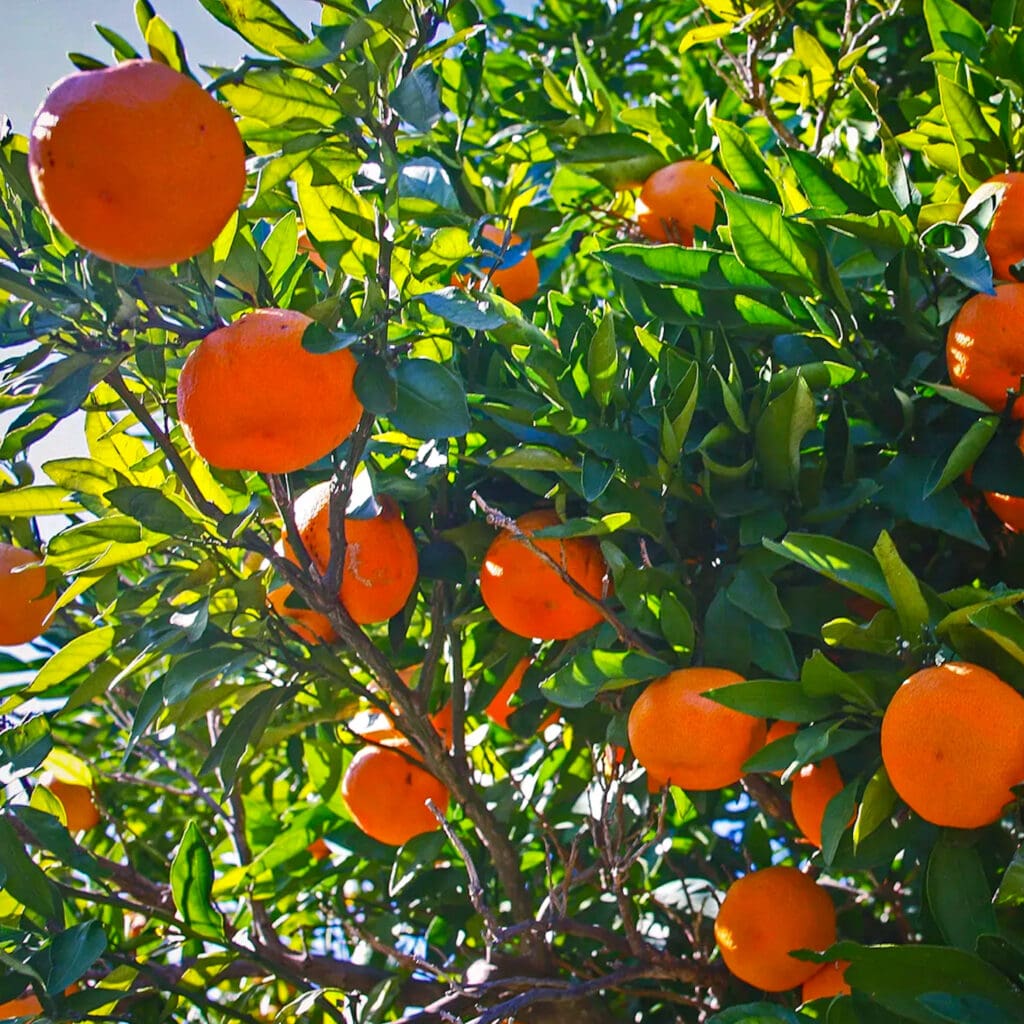
Fertilize your citrus trees in January for more blooms, again in May/June for better fruit set, and again in September/October for nutrients. We recommend fertilizing with Espoma Citrus-Tone – all organic and highly effective. Remember to fertilize trees, including citrus, at the drip line. That means spread fertilizer in a circle where the rain naturally drips down from the leaves, not right up against the trunk.
5. Start Veggie Seeds!
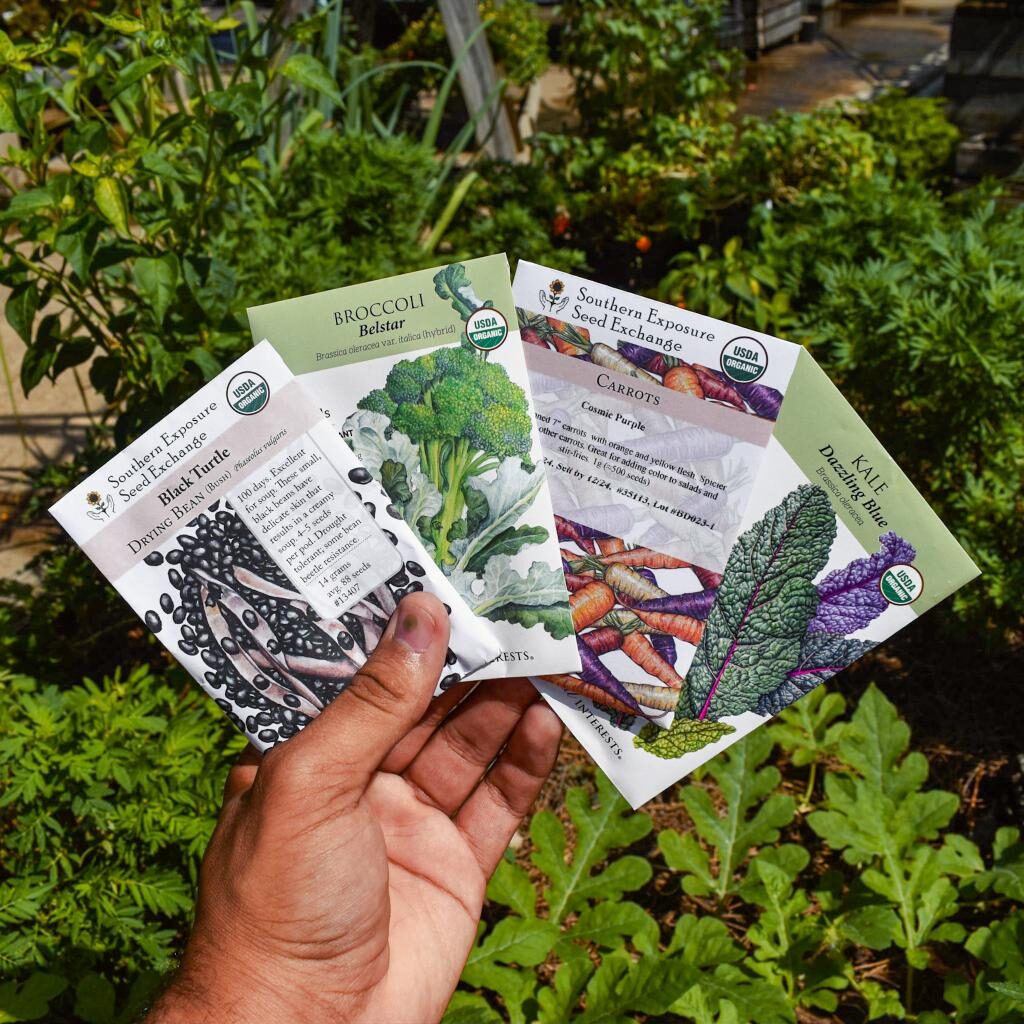
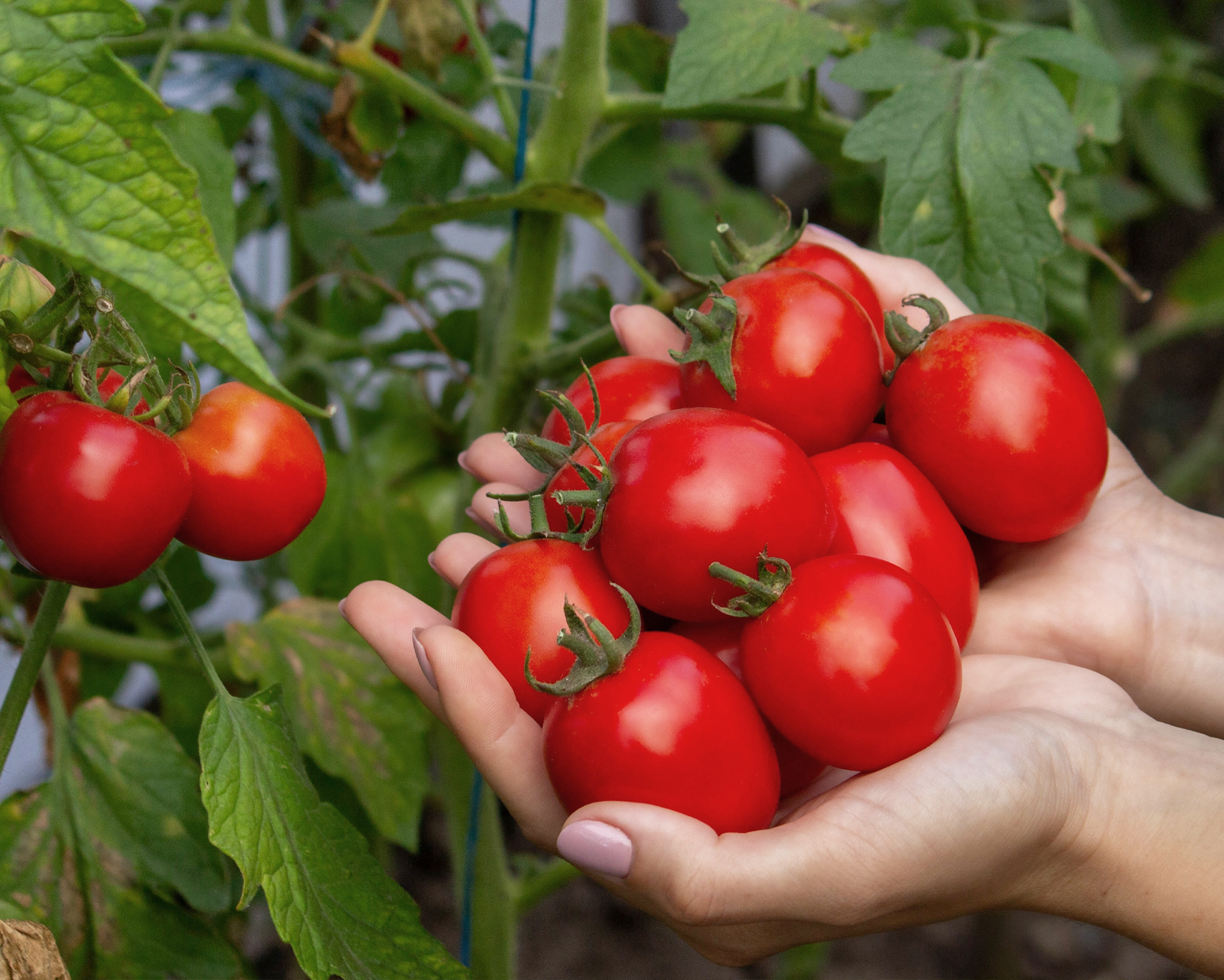
January is time to start tomatoes, kale, chard, onions, carrots, beets, parsley and more from seed. We carry easy seed-starting trays, peat pots, and Espoma Organic Seed Starter soil for starting seeds indoors or on a protected/covered patio. A good rule of thumb is that once the seedlings have made their first true set of leaves, they are ready to be transplanted into a larger container outside or directly into the garden bed.
Check out our full Spring planting guide here.
6. Grow Potatoes and Onions!
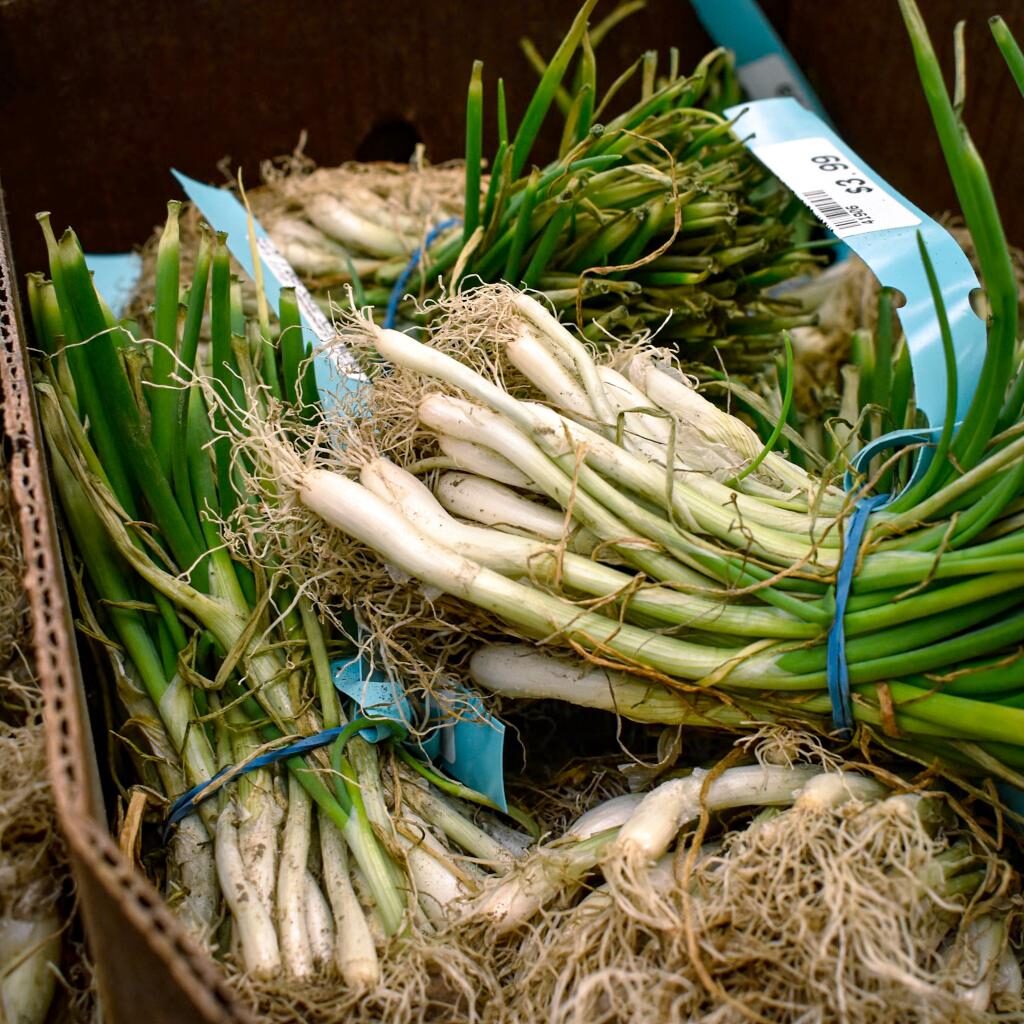
January is prime time to plant potatoes and onions! We carry Red La Soda and Yukon Gold potatoes because they are better suited for South Texas growing conditions than larger varieties. Watch Matt’s video guide to planting potatoes here! Potatoes will be arriving any day now!
Plant onions in a row every 3-4″ then thin them by plucking every other green top as they grow. This will allow the onions to grow to full size. Keep in mind that both potatoes and onions need well-drained soil. Great for raised beds and containers!
7. Adjust Lighting and Water for Houseplants
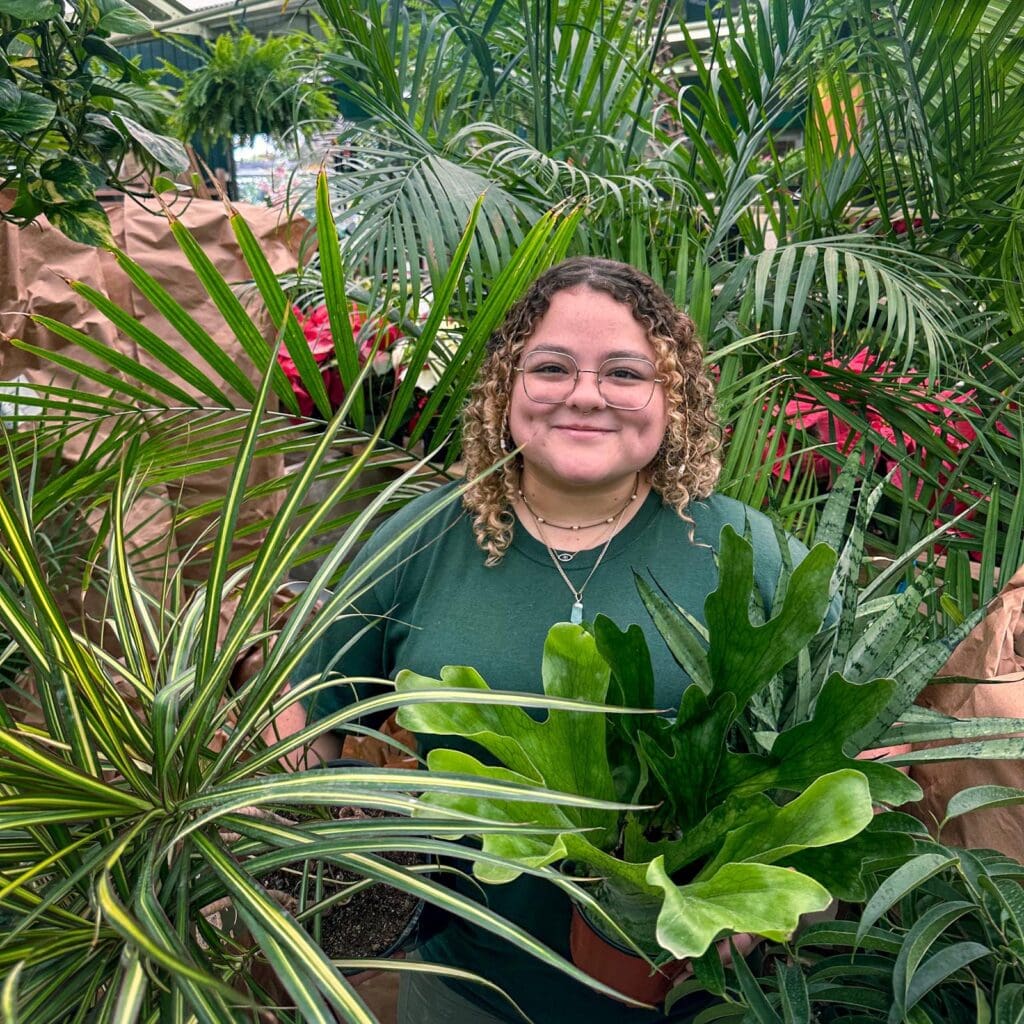
Generally, most houseplants will need more light and less water this month. A moisture meter will come in handy to be sure you’re not overwatering. Experiment with moving houseplants to sunnier windows, and take them outside for a sunny day or 2. Keep their leaves clean to help them take up sunlight and prevent bad bugs. We like using a very light solution of Neem oil + water to wipe down leaves here at Gill’s.

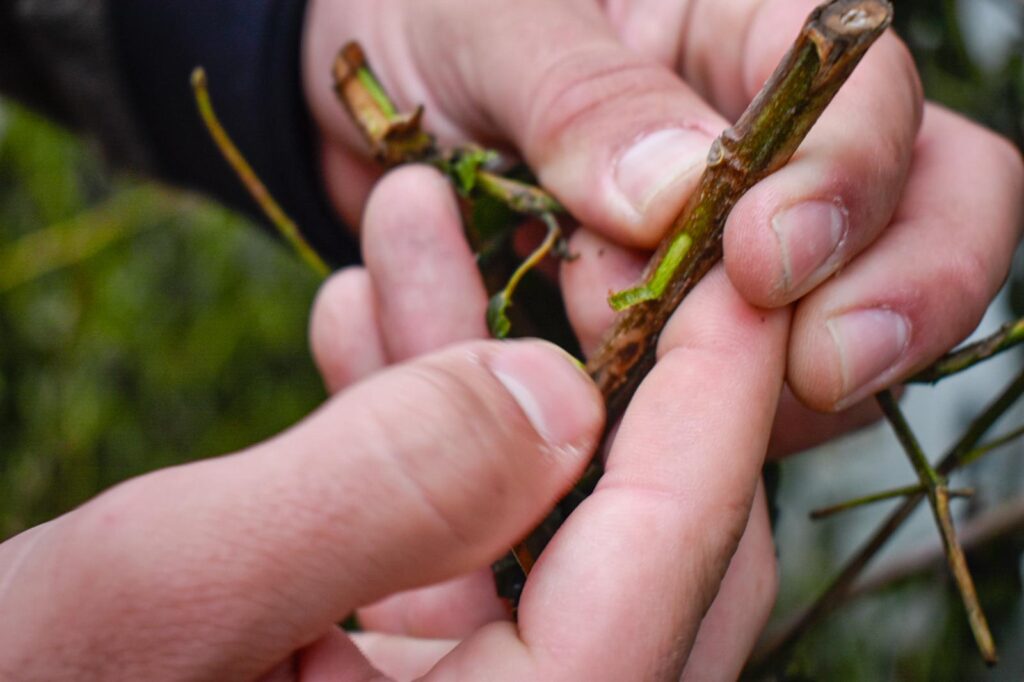
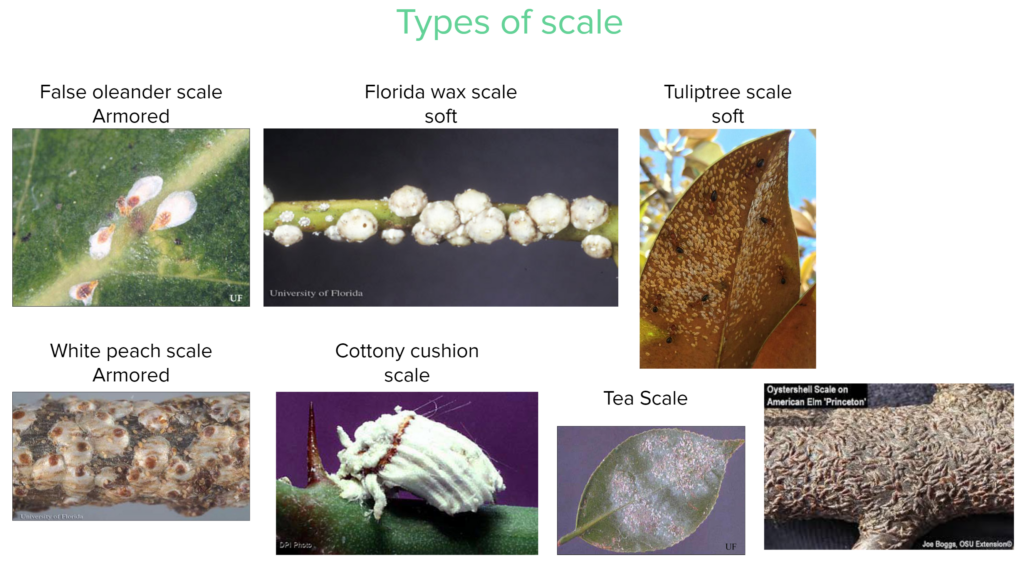


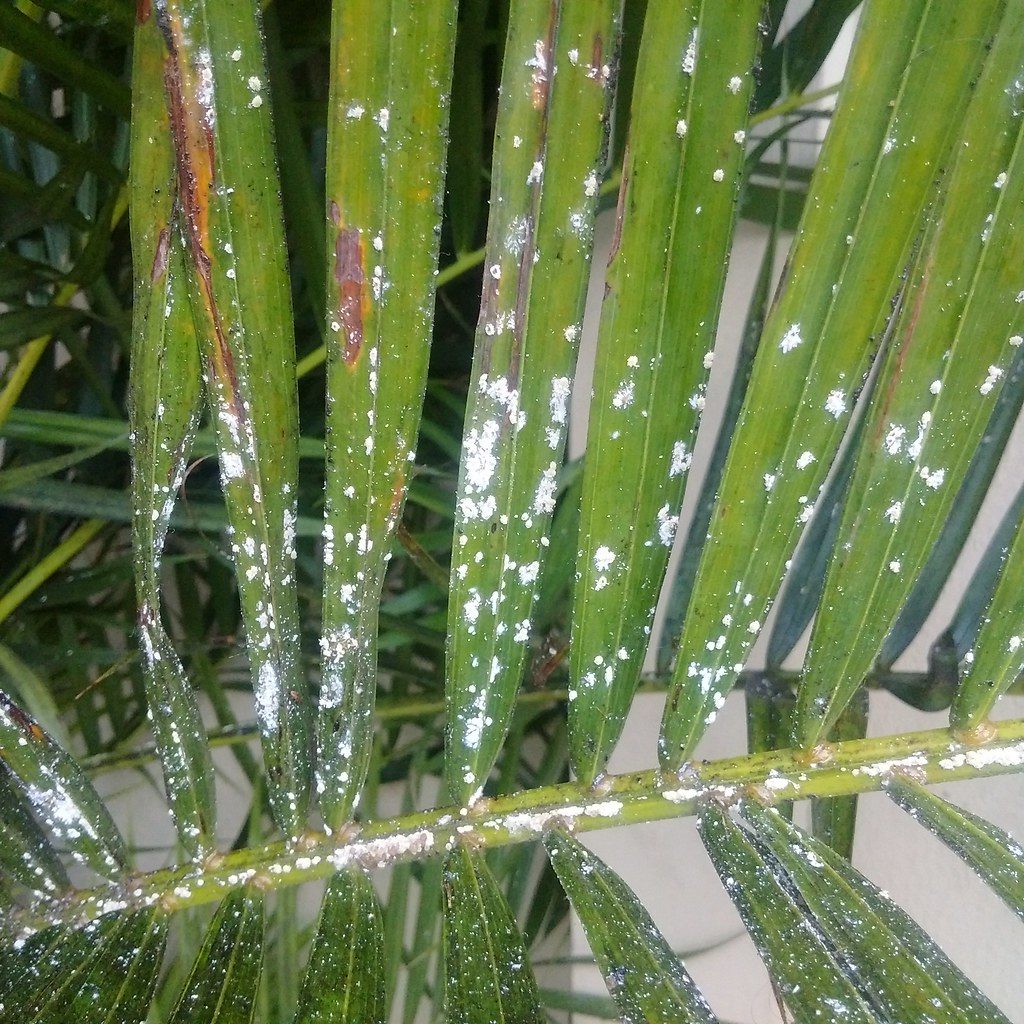 This is what a mealybug infestation looks like!







 -James
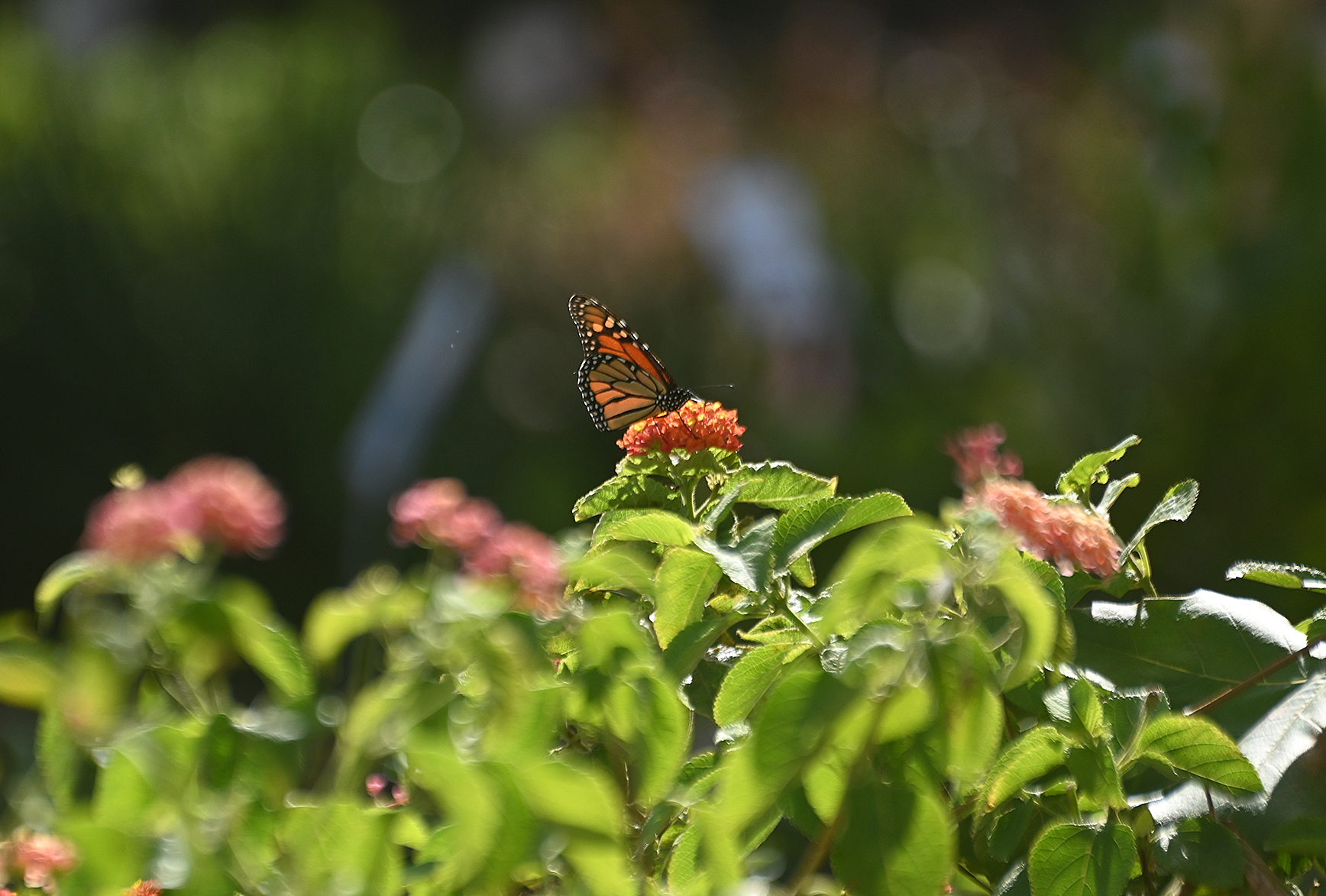
 So look around your yard; see what’s happening. If you’re not sure whether you have a beneficial or a problem insect, just put a sample in a ziplock bag and bring it to us. We will help identify the bug and tell you if you need a control solution.