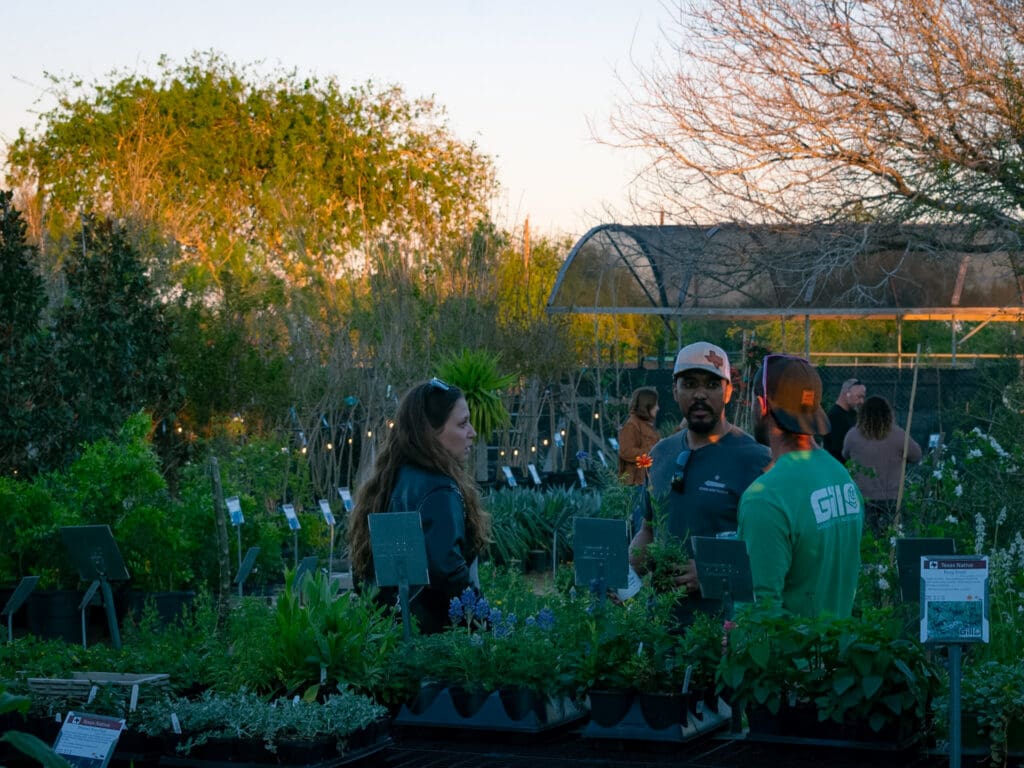
Garden Center Hours: Mon-Sat 9am - 5:30pm • Sun 10am - 5:30pm

Here’s to summer garden fun! We’re making the transition to warmer weather with some intermittent rainfall and lots of good energy in the garden. Here are our top priorities this month, including what to plant, how to adjust watering, what to watch out for, and how to keep plant roots cool and happy.

1. Plant Summer-Loving Plants!

So many of our favorite plants for South Texas don’t just tolerate warm weather, they only begin to thrive and look their best in the summer. Think of blooming perennials like Firebush, Esperanza, and Pride of Barbados for awesome summer impact. Think of big purslane hanging baskets, Gomphrena, and Periwinkles for bursts of bright color. And browse our Texas native plant section for plants and trees that have thrived through hundreds and even thousands of Texas summers. If you’re still wanting to plant food, you can do that too – okra, basil, thyme, watermelon, peppers, black-eyed peas and more should be planted in June.

2. Keep Roots Cool with Mulch

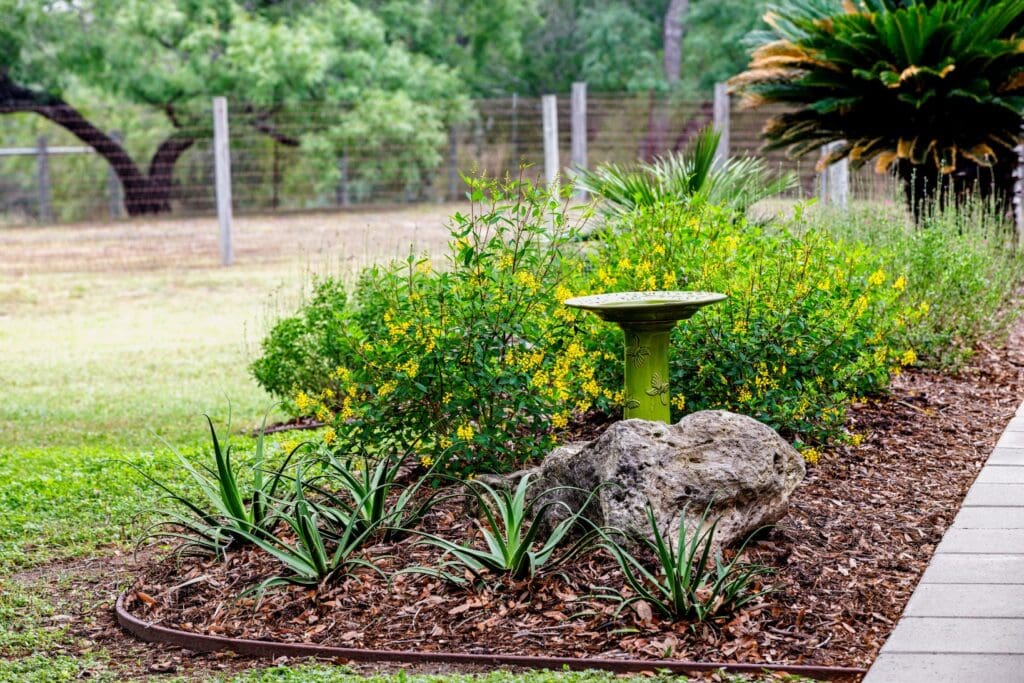
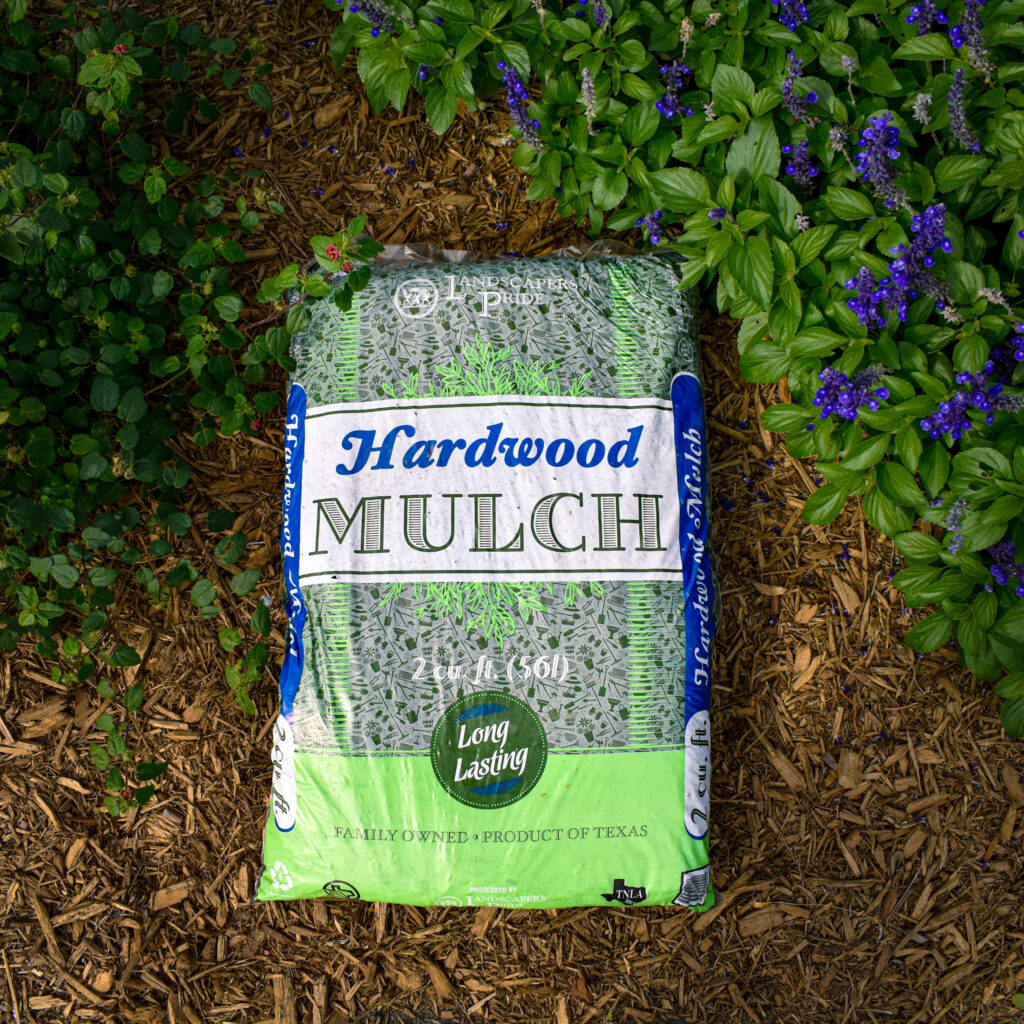
A good mulch layer (2-3″ deep) has so many benefits. It looks amazing, keeps weeds down, helps retain moisture, adds organic matter to the soil, AND keeps plant roots nice and cool in the summer. Bartlett Tree Research Laboratories shared amazing results with us from a mulch study they conducted in San Antonio. Soil temperatures were measured at 6″ deep (where plant roots live) on a 105 F summer day. Bare soil, 6″ down was 102 F. Soil under grass was 92 F. Soil beneath a 3″ layer of mulch was only 76 F!! Mulch for the win! 

3. Water Low & Slow

We’re not talking about BBQ, although that sounds good too… We’re talking about watering low, as in as in low to the ground to avoid evaporation, and slow as in not with your hose open full-blast. This helps decrease runoff and get more water down to the roots. Consider setting up your own automatic drip irrigation system – they’re easy to DIY and they operate on the low & slow principle. Also, be sure to use the cycle & soak method, which simply means water once, let it soak in for several minutes, then come back and water again. This makes sure you’re pushing water down deep. 

Pro tip:  Use a moisture meter in your landscape beds and pots! We carry them for around $10 and can show you how easy they are to use. They have a long soil probe that tells you whether you actually have good moisture (or too much) down deep where it’s needed. They’ve saved many plants!

4. Watch for Summer Bugs, Critters, and Plant Disease

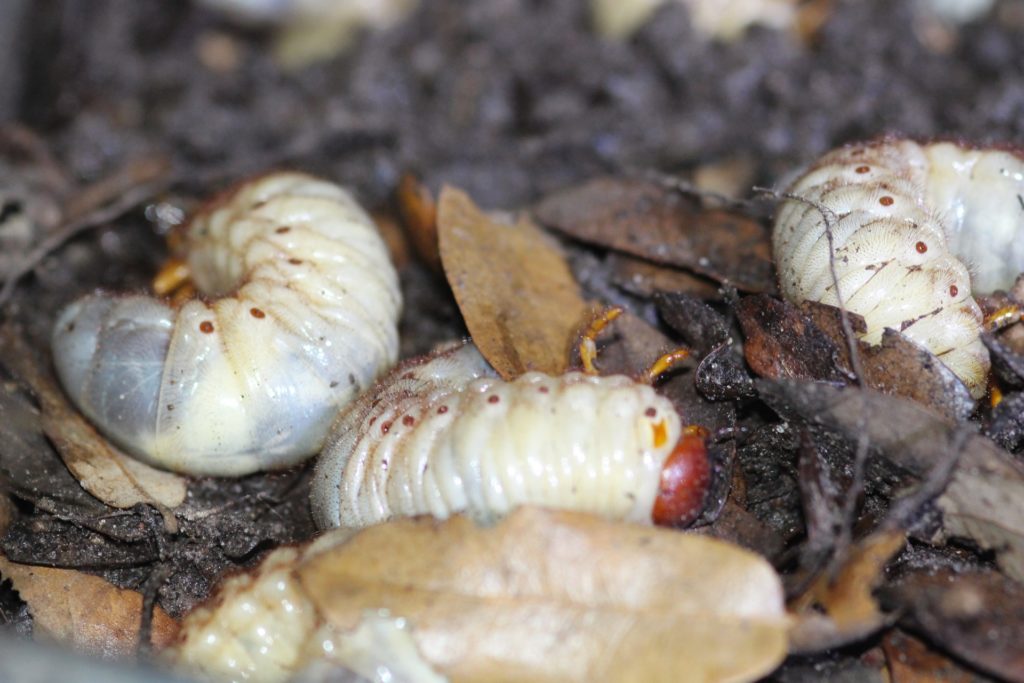
Yes, bad bugs will be around more during the Summer, but don’t treat unless there’s significant damage. We can help identify the pest and if/how to treat. You don’t want to kill too many good bugs while trying to take care of the bad bugs! If you see brown areas in the lawn that are easily pulled up, it’s usually a sign of grubs eating the roots of your grass. You can control grubs with Bonide Insect and Grub Control. Chinch bugs love hot dry areas in lawns. They make the lawn look dried out along sidewalks and pavement. Spot-treat those areas with Cyonara in easy ready-to-spray bottles. For organic control, use Spinosad or Diatomaceous Earth. We’ve also seen a lot more caterpillars than usual this spring. They’re commonly found munching on veggie gardens, but this year we’ve seen them on Gomphrena and Dichondra! Check out these big Sweet Potato Hornworms that Jesse found eating his Dichondra at night! Not too common to see, but it makes sense since dichondra is in the sweet potato family. Just a few caterpillars can be relocated, but if you have a lot destroying your plants, treat with organic Bt in liquid spray or powder form. 

5. Garden In Style Indoors with New Houseplants

We just restocked the greenhouse with all kinds of unique and classic houseplants looking for their forever homes! Time to work on your collection! We can help you determine the best houseplants for different areas and different lighting in your home. Once again – invest in a moisture meter for your houseplants, too. In our experience, the main cause of houseplant death is too much love aka too much water. Keep in mind that houseplants can also be sensitive to chemicals in treated tap water. We use as much A/C condensate, rainwater, and water from our dehumidifier as we can to water houseplants and keep them looking their best here at Gill’s.


If your houseplants are looking more “meh” than marvelous this summer, you’re not alone. Even indoor plants can suffer during the dog days of summer—despite being pampered with filtered sunlight and sweet Spotify playlists. So what gives? Let’s dig into a few sneaky summertime stressors that could be behind houseplant decline—and how to help them bounce back!

1. Heat Stress: It’s Getting Hot in Here
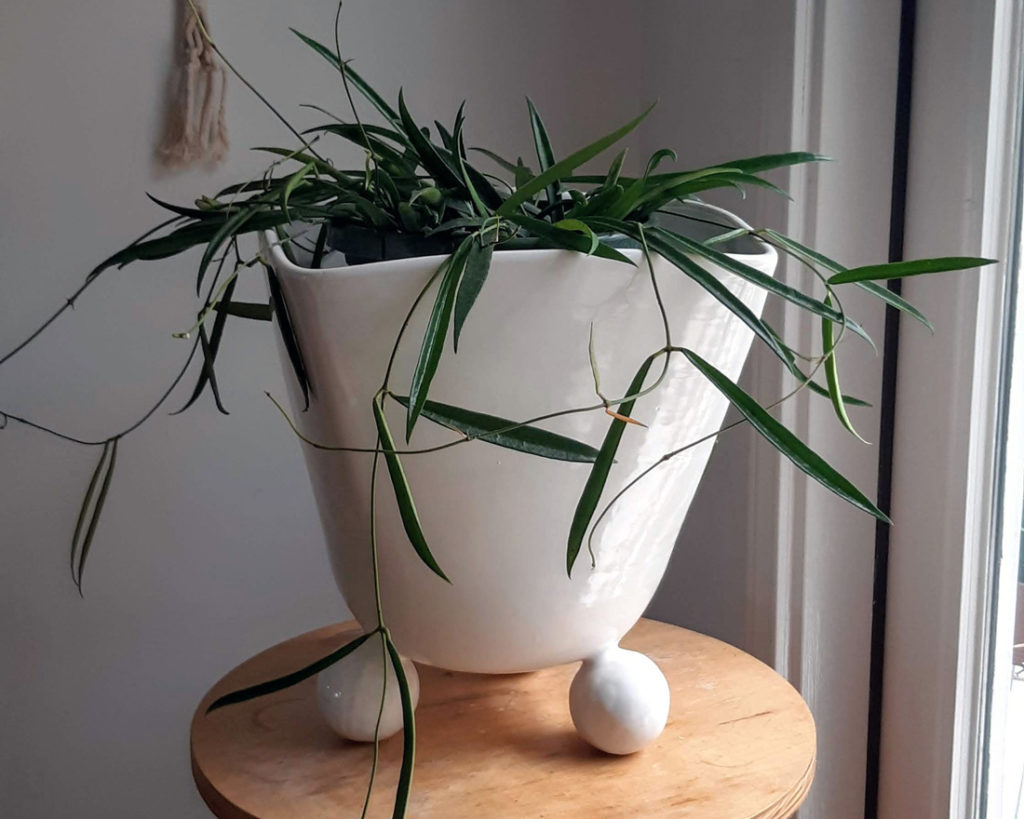
Just because your plants are indoors doesn’t mean they’re immune to the heat. Summer sun streaming through windows can turn your cozy home into a makeshift greenhouse. Even indirect light can become too intense.

What to do:

  • Keep an eye on plants near south- or west-facing windows.

  • Use sheer curtains or move light-sensitive plants like ZZ plants and Ferns a few feet back.

  • Water early in the day and check more often—plants dry out faster in the heat, even though they’re indoors. 

2. City Water Blues: Chlorine Is Not Plant Food

Some houseplants are a little… picky. Corpus Christi tap water is treated with chlorine and fluoride—both of which can stress sensitive roots over time. Many houseplants are fine with City water, but others like Calatheas and Peace Lilies can’t handle it very well. Yellowing tips or brown leaf edges could be a clue.

What to do:

  • Let tap water sit out overnight before watering, so chemicals can dissipate.

  • Use filtered, distilled, or rainwater for sensitive plants when possible. An excellent and plentiful source of filtered water in the summer is A/C condensate – find a way to catch it! Here at Gill’s, we use a lot of A/C condensate as well as water collected from dehumidifiers. 

3. Too Much A/C = Arctic Tundra Vibes
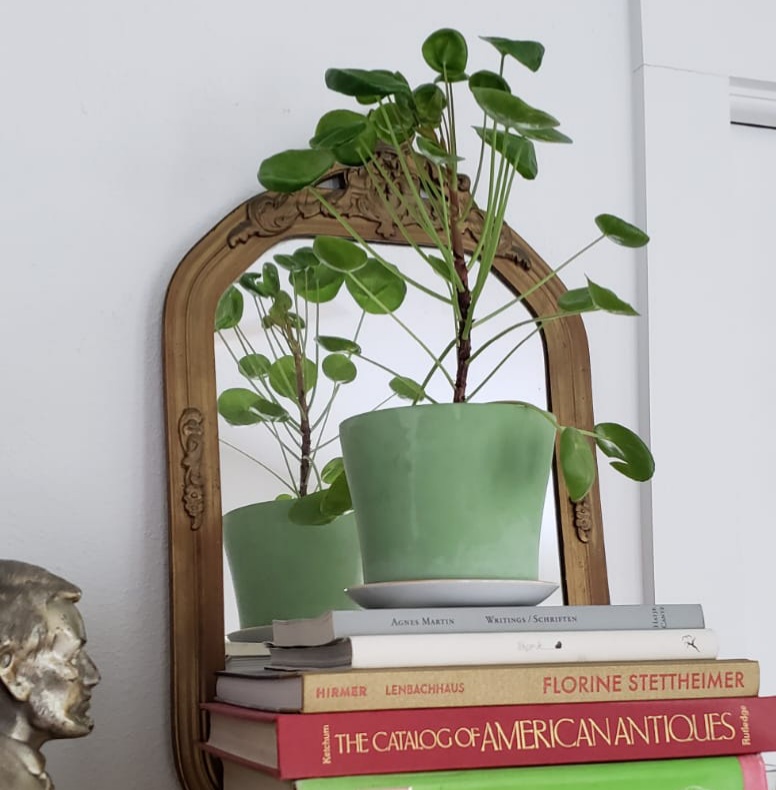
Speaking of A/C, your plants might not be vibing with your love for cool comfy temps. Sudden drafts, drastic temperature drops, and bone-dry air from constant cooling can seriously mess with their tropical disposition.

What to do:

  • Avoid placing plants directly in the path of vents.

  • Group plants together to boost humidity, or use a small humidifier. 

  • Watch for wilting or leaf curl—these could be signs your plant is cold and dry, not necessarily thirsty.

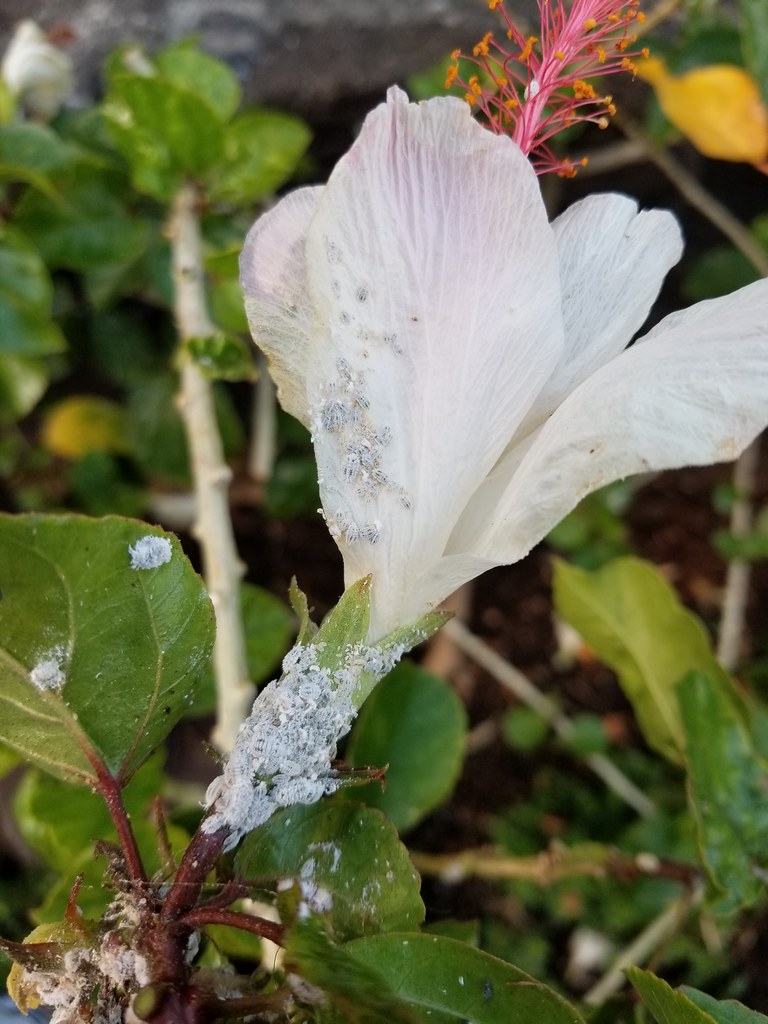
4. Mealybugs: The Cottony Party Crashers
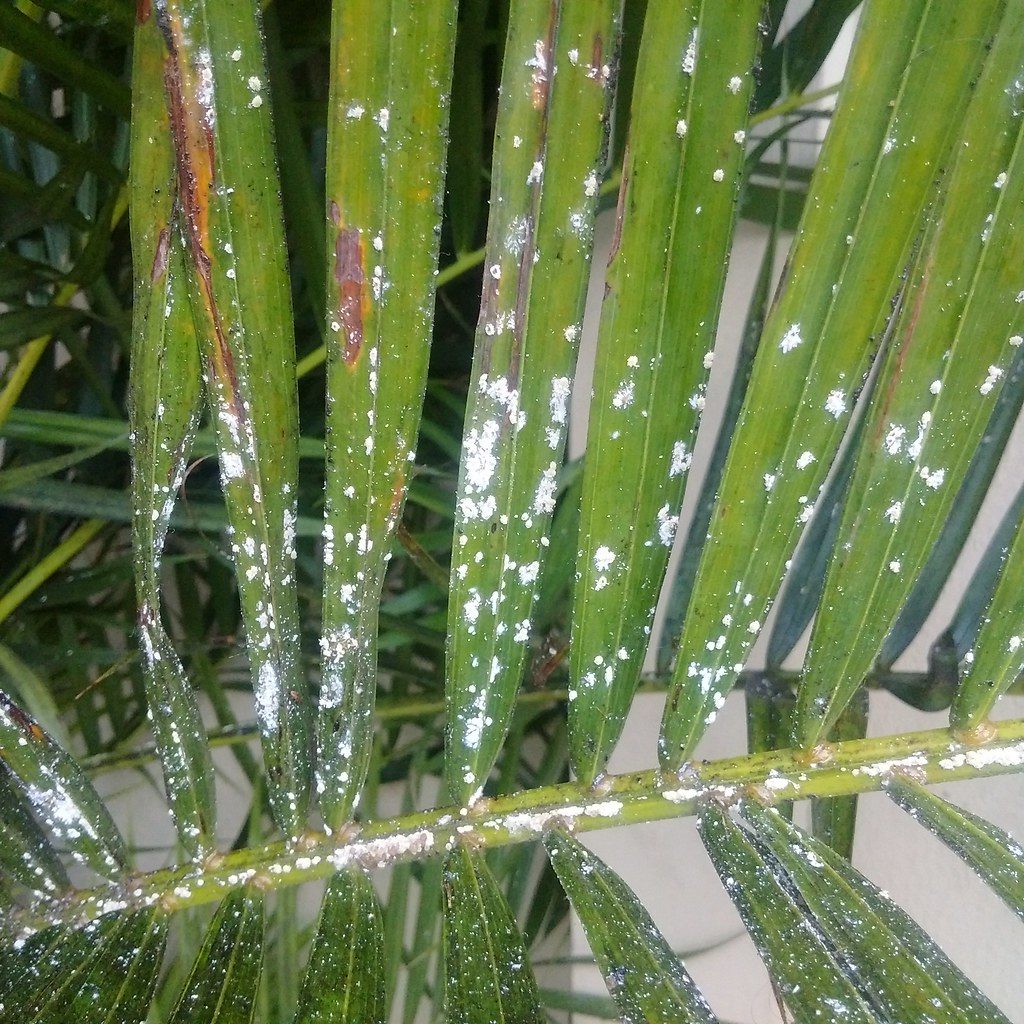
These tiny white fluffballs are a nightmare. Mealybugs hide in leaf joints and suck the sap out of your plants, leaving sticky residue and sad, droopy leaves in their wake.

What to do:

  • Check leaf undersides and stems often. Look for a nasty, cottony mess. 

  • Isolate affected plants – don’t let mealybugs spread through your whole collection!
  • Spinosad Soap or Neem Oil can be used to kill these pests. Multiple applications may be needed. Thorough coverage is a must, and we recommend spraying once a week for 2-3 weeks to make sure you have killed them all.

5. Spider Mites: The Nearly Invisible Invaders
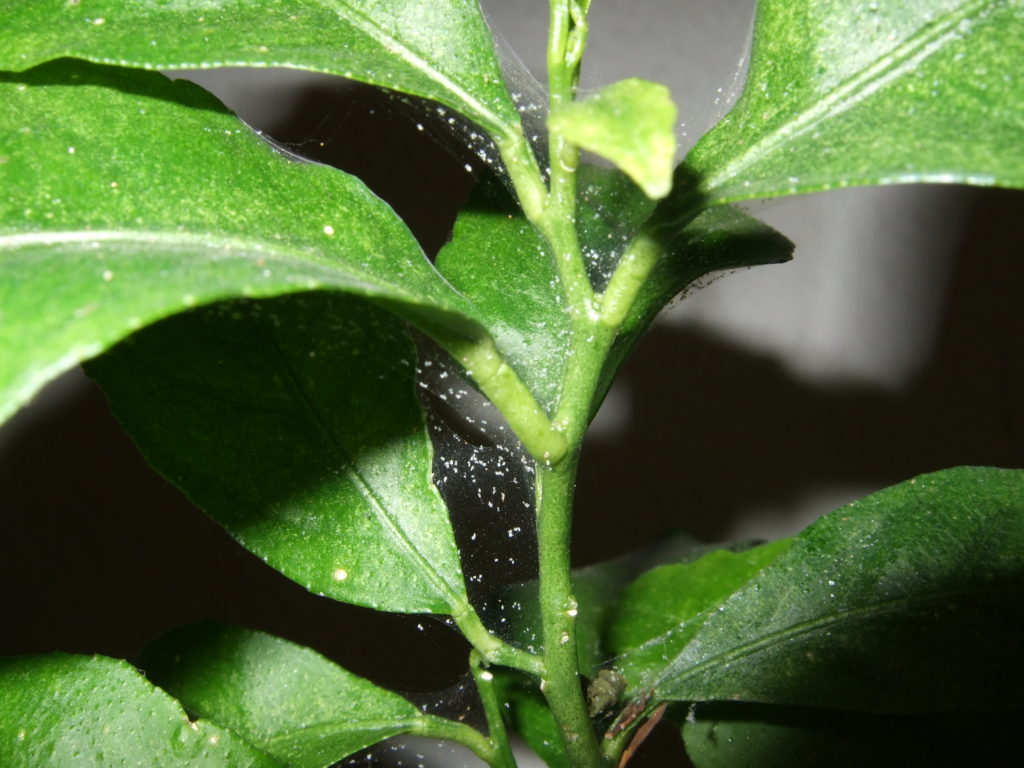
If your plant leaves are speckled, dusty, or webby, spider mites may have moved in. These tiny arachnids thrive in dry indoor air—yep, another A/C side effect.

What to do:

  • Increase humidity around your plants.

  • Spray leaves (top and bottom) with Spinosad Soap. 

  • Wipe down leaves gently and keep monitoring—mites multiply fast. Repeat applications until spider mites are gone. 

Give Your Houseplants a Summer Spa Day
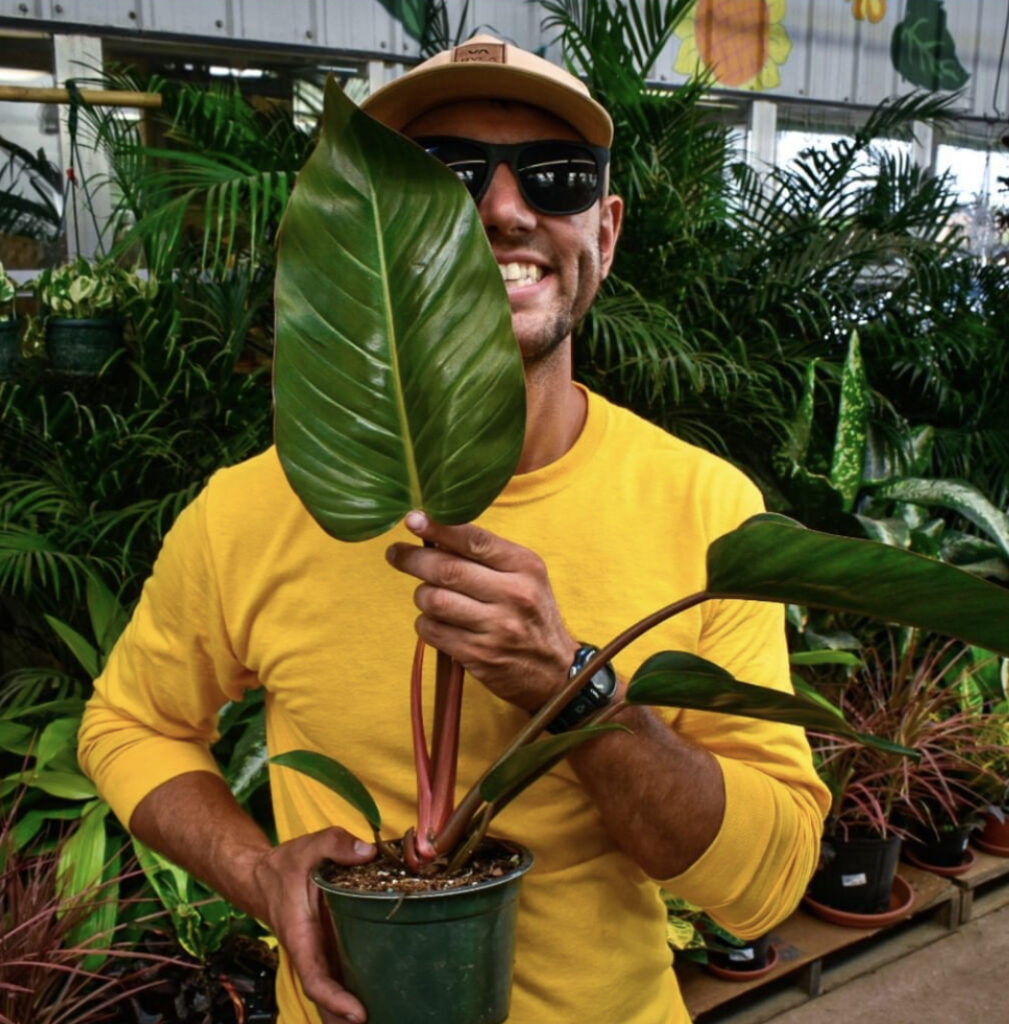
Mid-summer is a great time to give your houseplants a little TLC:

  • Dust their leaves so they can breathe (and photosynthesize!) better.

  • Trim off dead or yellowing foliage.

  • Repot if roots are circling or soil is old and compacted. If you notice you’re having to water a lot, it could be a sign that there are more roots in the pot than potting soil – time to repot!

  • Use a moisture meter! Overwatering has killed more houseplants than underwatering. Use a moisture meter to take away the guesswork. 

  • Fertilize your houseplants with liquid Hasta Gro. It works great and it doesn’t stink…great for indoors!
  • Show some love and speak kind words—the plants swear they can hear you.


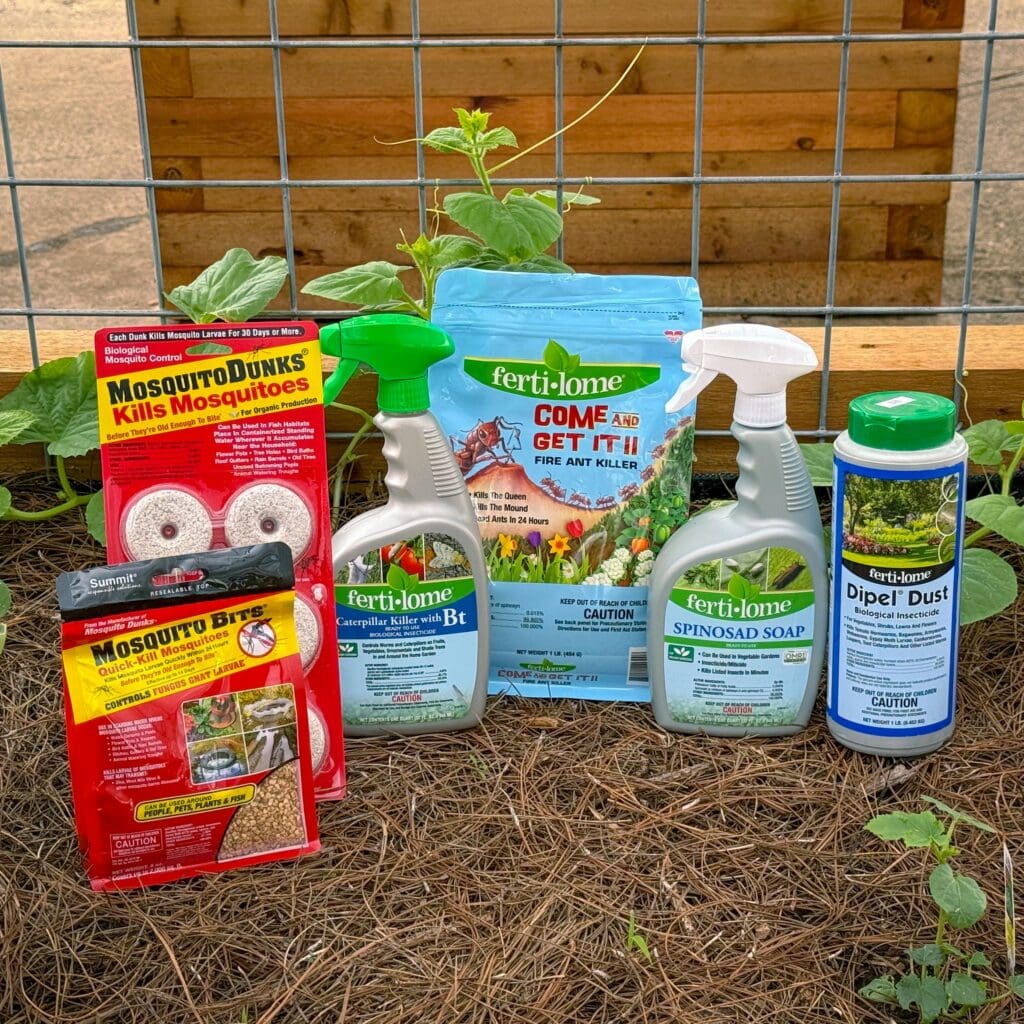
The weather was warm & dry last week and I have been watering a little each morning and evening. It is keeping our plants perky. I did our first Hastagro feeding on October 17th, after fixing my cutoff hose with a new end and invested in a new hand sprinkler. My old one was used as a chew toy. Even though we hoed and pulled weeds before prepping our garden….guess what’s already coming back? The war is coming and I am hoping to have a new secret weapon to use…its organic, smells great and it works….more on that soon. Our seeds are sprouting nicely; all the transplants doing well, the mystery chewers have found the swiss chard already. Think I’ll start with a pan of beer for snails and slugs. If that does not fix it, I will try Dipel Dust or Spinosad. Both are natural and very effective for most chewing critters!

Maybe then I’ll drink the beer☺    

debbie-Debbie

Brown Patch Fungus In Lawns
With all the recent rains, cool nights and shorter days, lawns are prone to get fungus. Circular brown patches appear with some green blades in center of the patch, and a thin band of subtle rusty red at the outer edge. If you tug on the rusty red blades at the edge and they pull off the runner easily and look like rotting old celery at the base, then you have fungus. We carry Fertilome Liquid Systemic Fungicide hose-end, Bayer Lawn Fungus Granules, or Fertilome F-Stop Granules. For an organic treatment, use Serenade, or Nature’s Blend compost. You will need to re-treat if the weather conditions and symptoms persist. Be aware these problem areas can grow quickly, so prompt treatment is needed to maintain an attractive lawn.
Fire Ants

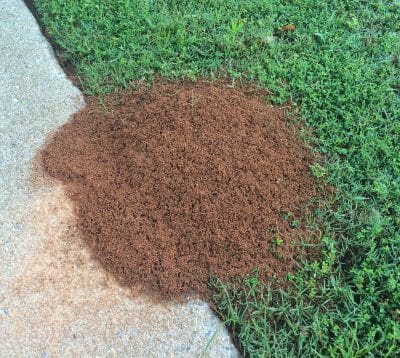
With the recent rains fire ants have emerged. Their underground homes are flooded so they move to higher ground, and also into your potted plants. They can be controlled by either a contact insecticide or a bait. Doing both increases your chances of reducing their populations. They call it the Texas Two Step. Contact kills include Bonide Pyrethrin,Medina Orange Oil, and Natural Guard Spinosad mixed with water and used as a mound or potted plant drench, or Orthene Fire Ant Killer sprinkled gently over the mound. Baits include Amdro Ant Block orFertilome Come and Get it. Sprinkle these baits out lightly in the morning and early evening while the ants are foraging. A little along their trail or around the mounds in the morning and then a little more in the evening works best. Do not apply too much at once. Ants are smart and will know to leave the granules alone. Trick them with a little at a time.

UNMISTAKABLY BEAUTIFUL ANTIQUE ROSES!

If you want an old fashioned rose, come in and get them while they’re here! Unlike shrub roses, antique roses have a full rich fragrance, and often have a much higher petal count, making for a fuller, more complex bloom. They’re also less disease prone than hybrid roses. Our antique rose selection includes colors like deep red, pale pink, bright yellow and more. So if you want to expand your rose garden, or even start a new one, you’ll want to grab these old-fashioned roses now. –Marta
 
GOOD, FERTILE SOIL…
Without organic matter, dirt is just dirt. Soil is a mix of minerals (dirt) andcomposted organics. In nature, it might include rotting leaves and branches and bird poop. In a home garden or landscape, it might include composted cotton hulls (Back to Nature Compost or Nature’s Blend with Manure and Alfalfa), composted pine bark, and again with the bird poop (Medina Grow N Green, my favorite), or home-made leaf and branch and vegetable waste compost. Adding composted organic matter helps maintain healthy soil moisture levels (neither too wet nor too dry), fertility (available nutrients), and aids in development of healthy roots and suppression of harmful diseases. –James

ARE THEY LADYBUGS? 
No they are Boxelder Bugs. Boxelder bugs are about ½ inch long and 1/3 inch wide. They are browninsh-gray to black with distinctive red markings. Boxelder babies have dull red bodies with black legs. You will find them by the hundreds, if not thousands gathered on the fence, in the bark of trees or hiding in your mulch. Adults deposit their eggs in cracks and crevices of tree bark in the spring, about the time buds begin to open. There are two or more generations per year in Texas. Boxelder Bugs are not considered to be damaging to host plants. Although they feed by sucking plant juices, they seldom cause harm to plants. They are considered more of a nuisance pest. You can choose to ignore them, or if need, they can be sprayed with any insecticide i.e. Cyonara or Triazicide. An organic alternative is Spinosad. –DeAnna


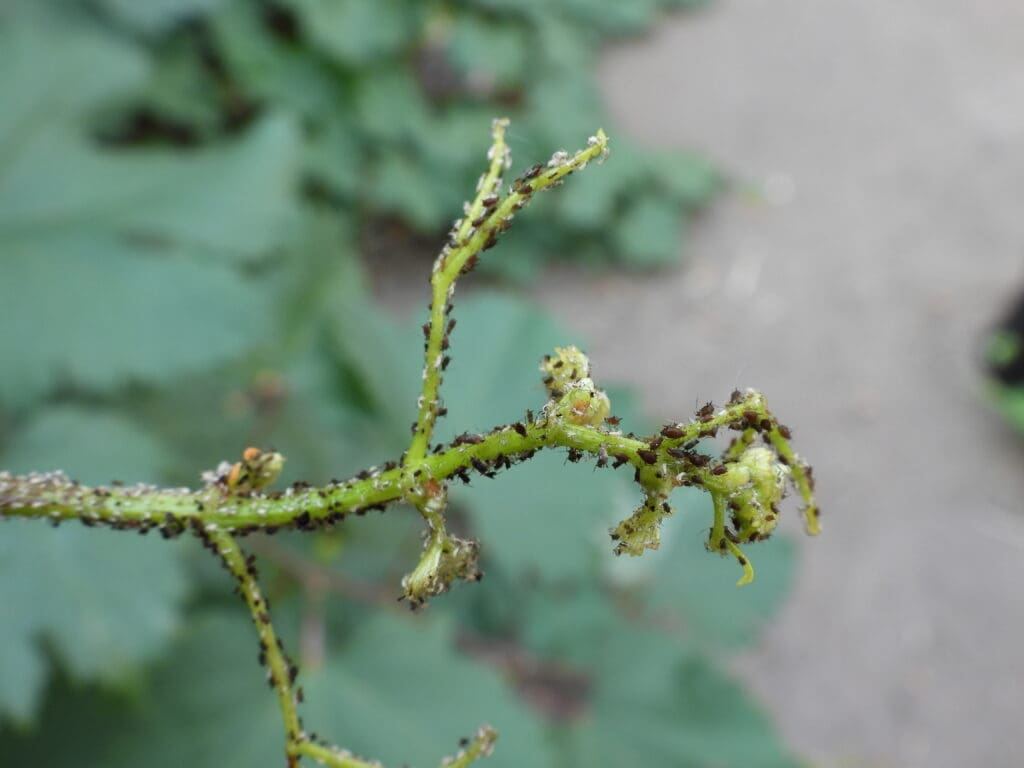
Aphids on Milkweed: If you plant tropical milkweed to help the monarch butterflies (and for the beautiful flowers) sooner or later you will get aphids. You can hose down the infested milkweed tips with a sharp stream of water, knocking most of the aphids off (away from your other plants please). But if you see a substantial number of aphids looking brown and bloated instead of just fat and sassy, you may choose to

 leave them alone. The brown, bloated ones have been parasitized by a tiny braconid wasp, whose larvae will eat the insides of the aphid, metamorphose into a wasp, and hunt down scores of aphids to lay eggs on, continuing to destroy aphids with no supervision from you. -James

Too much rain on roots? My walking buddy sent me a photo of her unhappy Jatropha and wanted to know what the problem was. We believe the constant moisture over the last few months caused the roots to rot which caused the plant to drop foliage (a plant is programmed by mother nature to drop foliage if roots are suffering).

 Now that the sun is out and soils are drying, we recommended she cut the plant back one half and be stingy with watering. Most likely it will flush with new spring foliage and be good to go.
-Sally

Caterpillar alert: I have had several customers bringing me Tussock Moth Caterpillar from their oak trees. The creamy white hairs on the caterpillar are long and bristle-like and spread out in tufts down the sides. Two long, sharp black pencil like hairs protrude near the front and rear and these hairs are connected to poison glands, which excrete venom on contact. Contact with the venom may result in itchy irritation. You can spray your tree with Hi Yield Thuricide Concentrate or Natural Guard Spinosad Hose-end. We also carry Spinosad in a concentrate Fertilome Borer, Bagworm, Tent Caterpillar and Leafminer Spray. Both of these products are organic and safe to use on all plants. Thuricidereacts with the cells of the stomach lining of the target pest causing them to not be able to feed within hours of ingesting. They eventually die from starvation. Spinosad is a contact kill, but still safe and organic for all plants.

-DeAnna

Last chance to kill those pesky lawn weeds.

The new formulation of Weed B Gon is totally safe on all lawn grasses including Floratam St. Augustine. The past few weeks of rainy weather has made it difficult to treat, but you must do it soon before our daytime temperatures exceed 90 degrees. It comes with the easy hose-end sprayer and covers 2500 sq. ft. Enough to treat the average front or back yard.

Got Fleas?

You do not have to own a pet to have a flea problem. Squirrels, night rats, and possums all carry fleas.

The best way to treat for a flea problem is the 3 step process: treat the pet, treat the house, treat the yard. Check with your veterinarian for the best treatment for your pet. For the house, we carry several different products.

Crawling Insect Killer (Diatomaceous Earth) is a naturally occurring, soft, siliceous sedimentary rock. It works by scratching the exoskeleton of insects, causing them to dehydrate and die. It lasts a long time when kept dry. Take caution not to breathe it in when vacuuming floors.

Essentria Broadcast Insecticide Aerosal kills adult bedbugs, fleas, and dust mites and their eggs. It contains natural essential plant oils that are safe and effective for the home. A light uniform spray to all surfaces is recommended. Re-apply in 14 days as needed. The last step is to treat the yard. Usually any pesticide labeled for lawns and landscape plants will also kill fleas and ticks.

We carry Spinosad, an organic treatment for lawns, in both a concentrate and ready to use spray. I usually recommend treating every 4- 5 days for 3 weeks to kill any re-hatching of eggs. Be sure to spray garages, decking, fences and doghouses, anywhere fleas may breed.

Another organic alternative is to apply Beneficial Nematodes. Beneficial Nematodes are microscopic warriors that kill soil borne pests such as flea larvae and grub worms. They
search, find, and kill pests living in the soil. They are extremely effective, and will reproduce and spread to provide you with long lasting organic pest control. We do recommend applying once a year to build the population. Each sponge contains 5 million nematodes, enough to cover 2000 sq. ft. of surface area.

deanna– DeAnna