Garden Center Hours: Mon-Sat 9am - 5:30pm • Sun 10am - 5:30pm

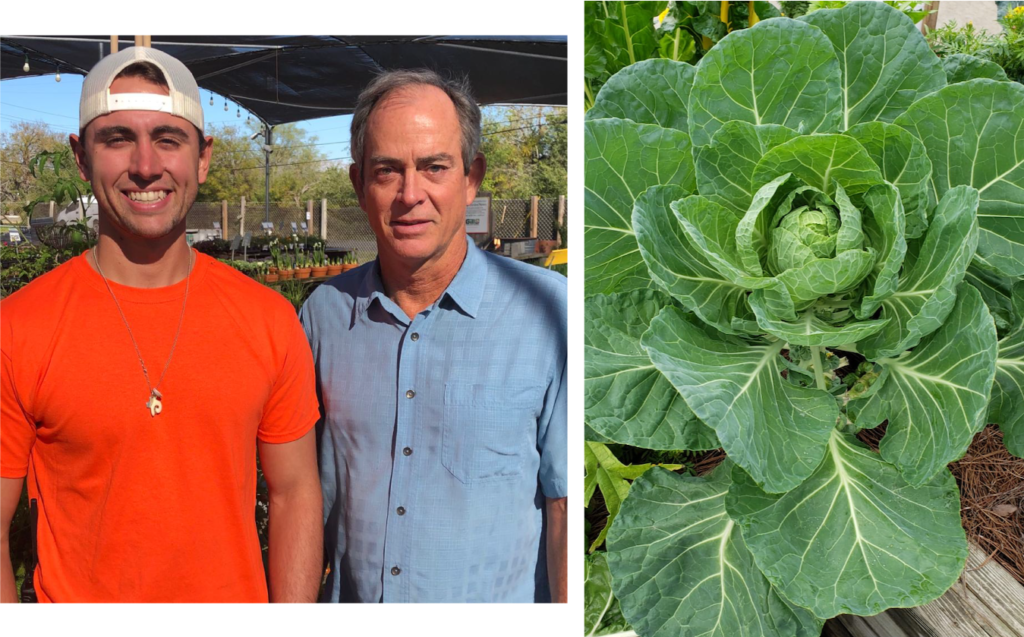
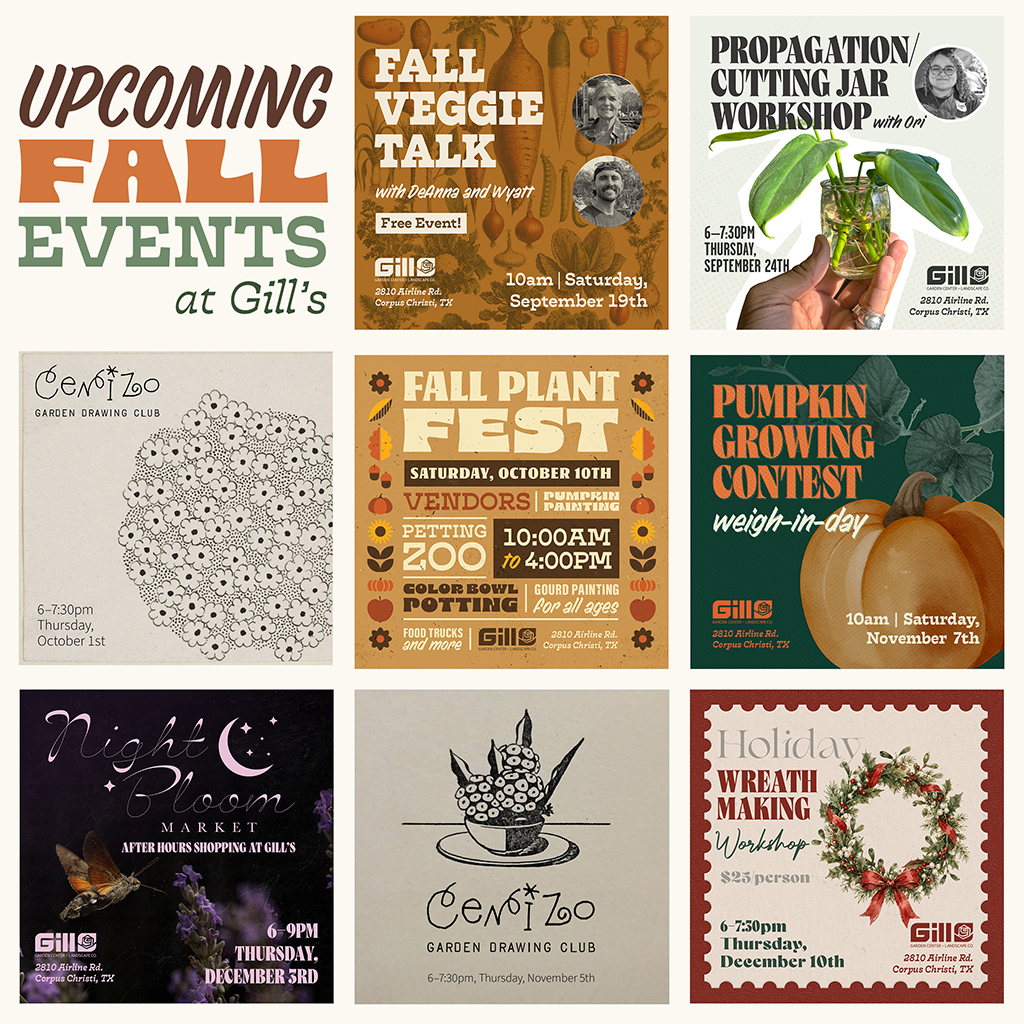
February is time to get your spring veggies going! We’ll be stocked with all your fav spring veggies and probably some you’ve never tried before. Join DeAnna Baumgartner and Wyatt Page, Gill’s managers and Texas Certified Nursery Professionals for an informative talk about how to plan and start your veggie garden. They’ll cover everything from what varieties to plant, crop rotation, organic pest prevention, soil health, fertilization, and much more. Free and open to everyone – bring your veggie questions! We’ll be doing some giveaways for Gill gift cards + other fun stuff!

FREE event – No RSVP required.

Click below to watch DeAnna & Wyatt’s preview video:

We can’t wait to see everyone! Stay tuned to our events page and follow us on Facebook and Instagram where we’ll continue to post updates about talks and events. Lots more to come!

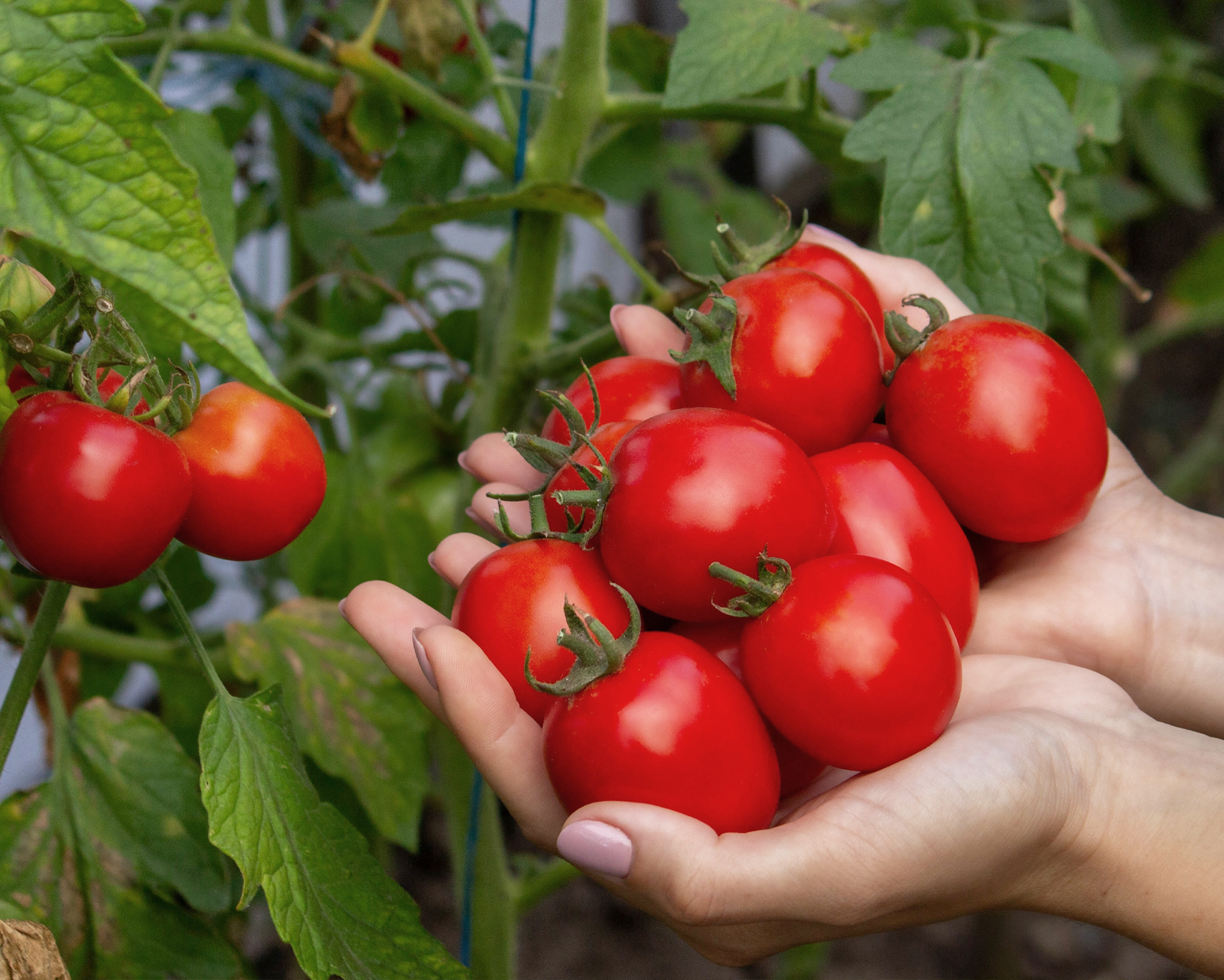
It seems like our fall tomato season came and went so quickly last year…luckily we already have another opportunity! We’re all stocked up on spring tomatoes, and right now is the time to get them planted. If you want delicious tomatoes this spring, they must have time to get established and growing before temps warm up or they won’t be able to set fruit. As DeAnna says, “cool temps can linger, but the heat is always on time.” Check out our huge variety of tomatoes + tips for growing the best!

Come Check Out our Huge Selection of Different Tomato Plants!

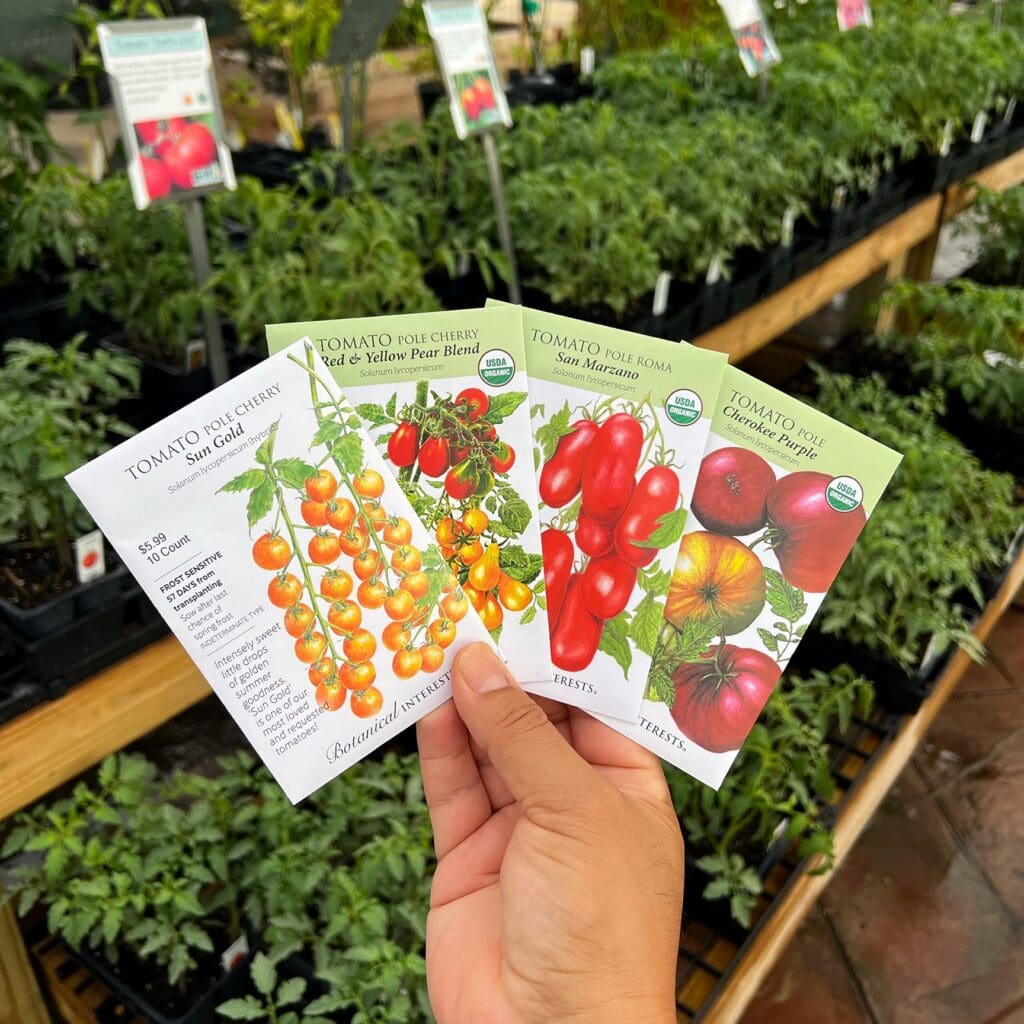
We are kicking off tomato season with 25(!!) different varieties of tomato plants. Here’s the list – if you don’t see one you’re looking for, we bet we can find it! 

  • Celebrity
  • Tycoon
  • Early Girl
  • San Marzano
  • Roma
  • Sungold
  • Juliet
  • Red Snapper
  • Old German
  • Red Brandywine
  • Mr. Stripey
  • Beefsteak
  • Black Krim
  • Cherokee Purple
  • Thunderbird
  • Yellow Pear
  • Lemon Boy
  • Patio
  • Polbig – the 2026 Rodeo Tomato!
  • Chocolate Sprinkles
  • Micro Tom
  • BHN 968
  • Purple Zebra
  • Large Cherry
  • Tomatillo Toma Verde

Simple Tips for Growing Prizewinning Tomatoes!


Eating fresh, perfectly ripe, homegrown tomatoes is one of life’s greatest pleasures – yes, it takes a lot of TLC, but so worth it! 

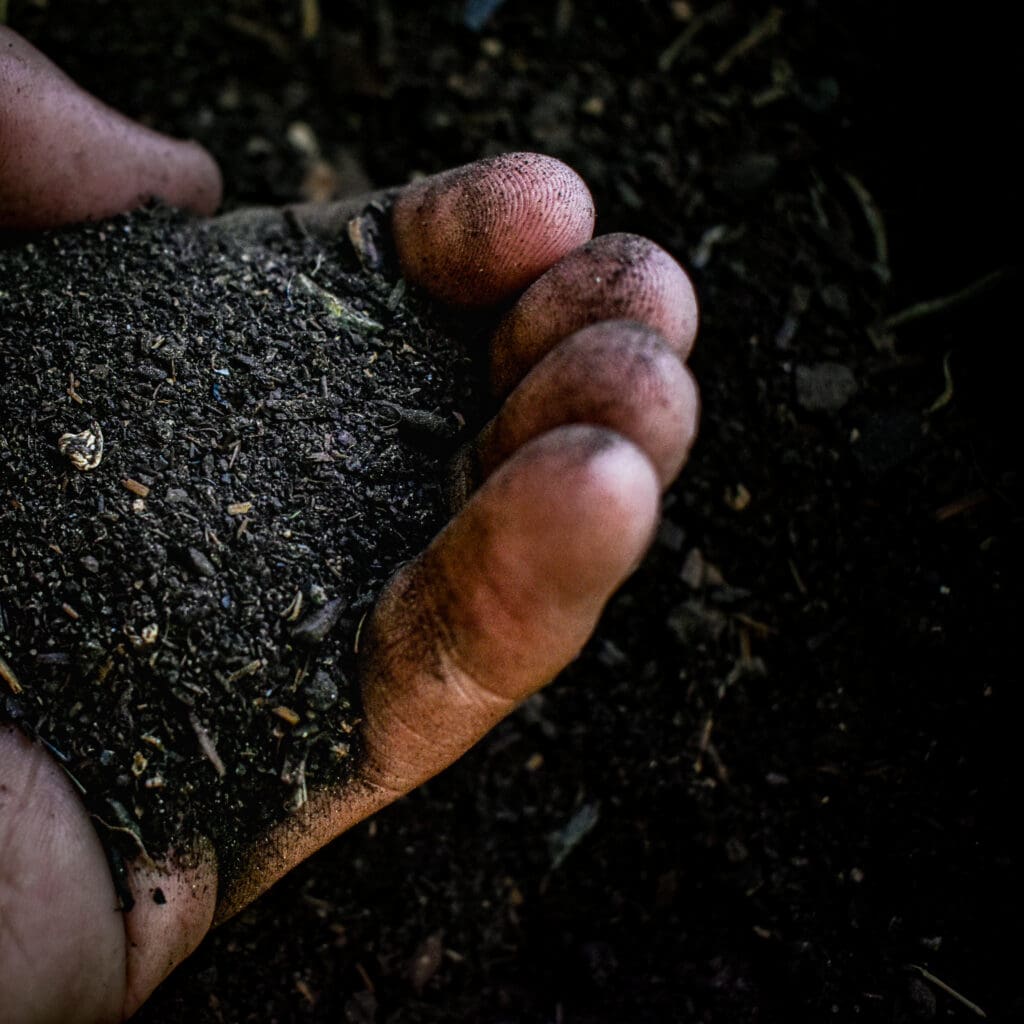
  1. Start with good soil! If you’re growing tomatoes in containers or raised beds, we highly recommend Gardener’s Magic from Landscaper’s Pride. It’s a nice, loose mix specially formulated for raised beds and it doesn’t need any amendment. Just pour and plant. If you’re growing tomatoes in the ground in heavy clay or sandy soil, use our beloved Nature’s Blend compost to add nutrients and better structure to your native soil. About 1 bag of compost per 12 square feet of bed space, or the rough equivalent if you’re making your own compost.
  2. Choose your variety. Do you want a big slicing tomato for burgers and sandwiches? Do you want cherry tomatoes for salads? San Marzano or pear tomatoes for sauces? Unique heirloom? Determinate? Indeterminate? All of the above? If you already have fav varieties to grow, we recommend planting your tried and true varieties plus a couple new ones each season. 
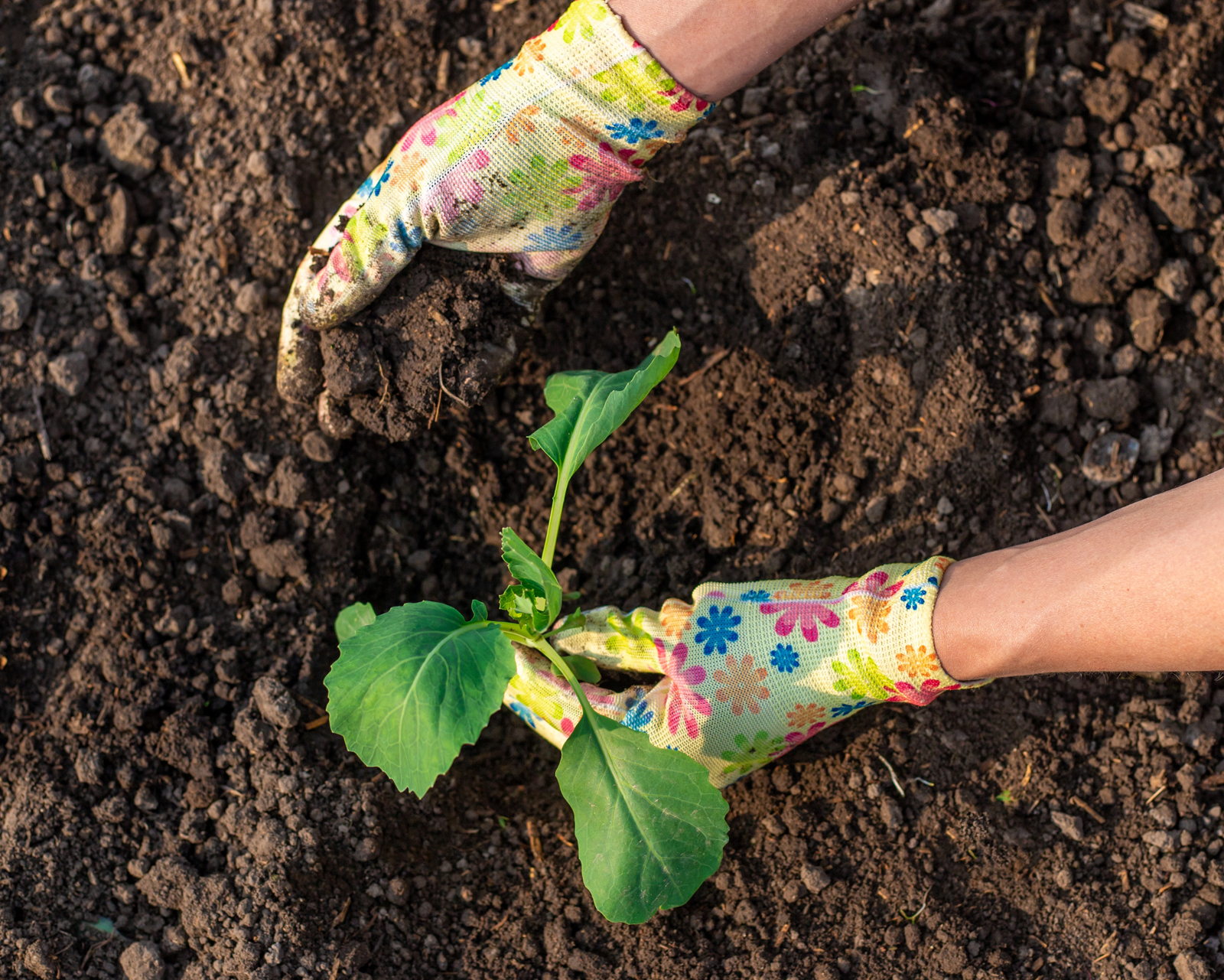
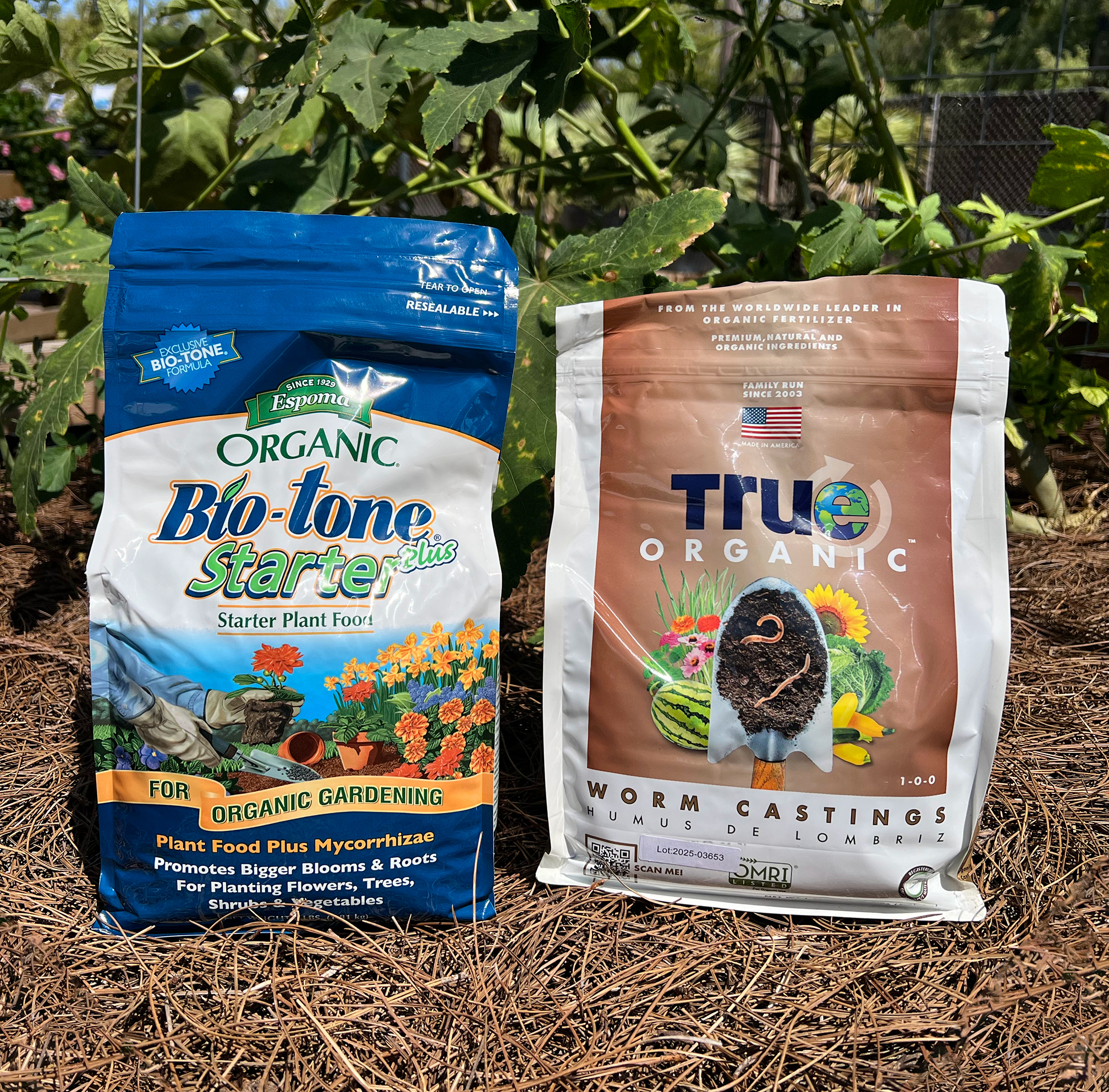
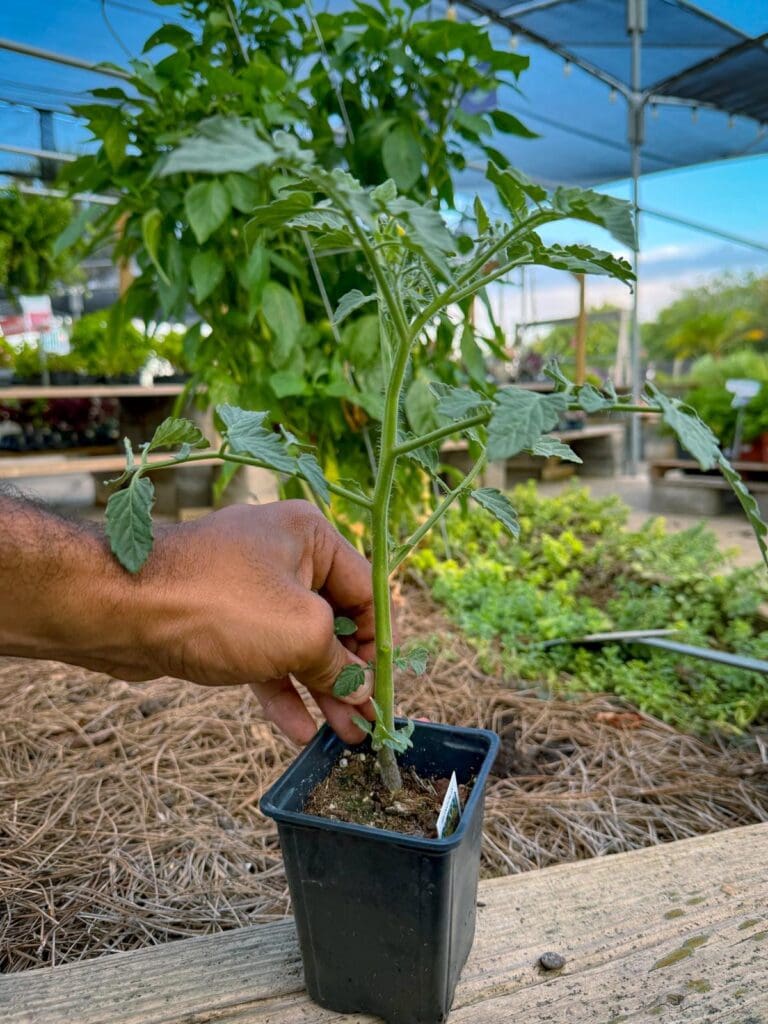
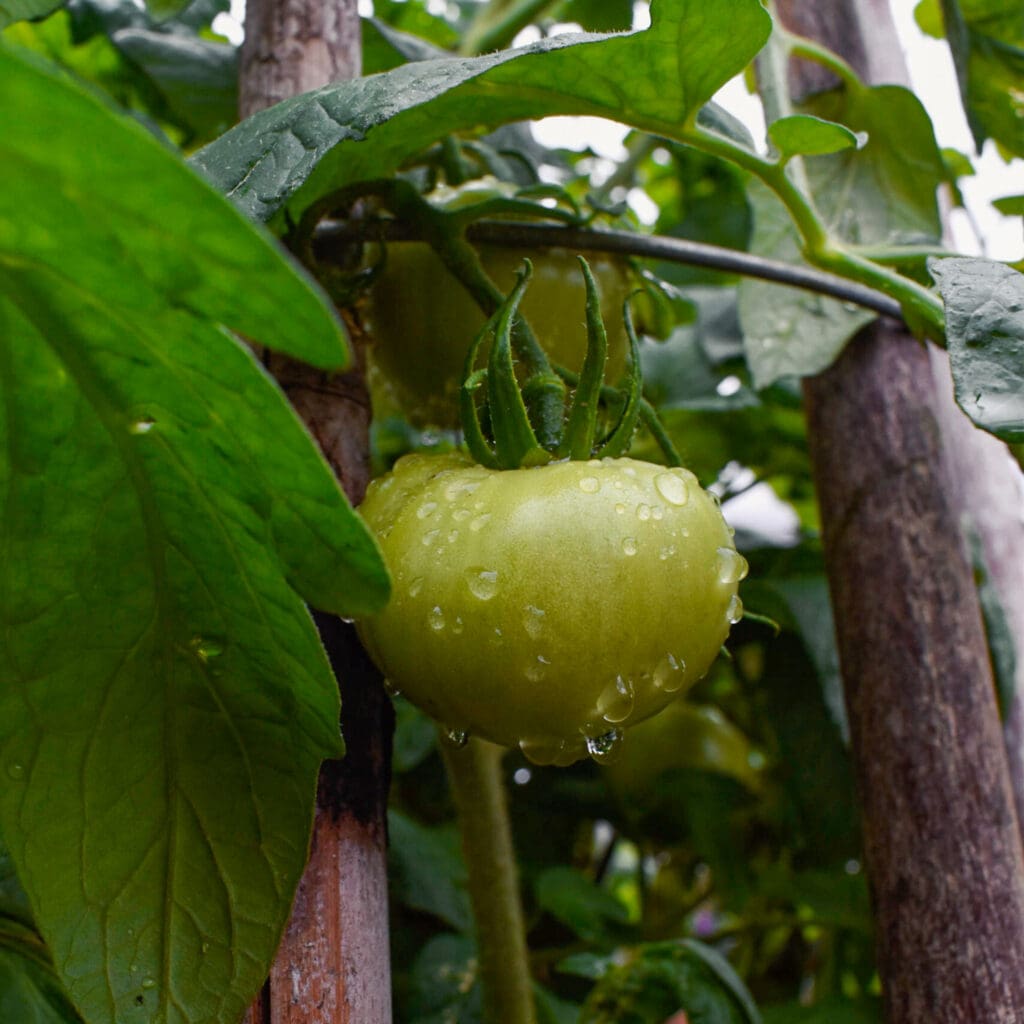
  3. Plant em Deep and in Full Sun! Tomatoes are one of the very few plants that you can plant deep since they grow new roots out of the stem. So, pull off a few of the bottom leaves and plant them deep – all the way up to the next set of leaves. More roots = more tomatoes! Look for the sunniest place you can find. Make sure your tomato plants get at least 6 hours of full sun. When planting, add some worm castings + BioTone starter fertilizer for excellent root health. 
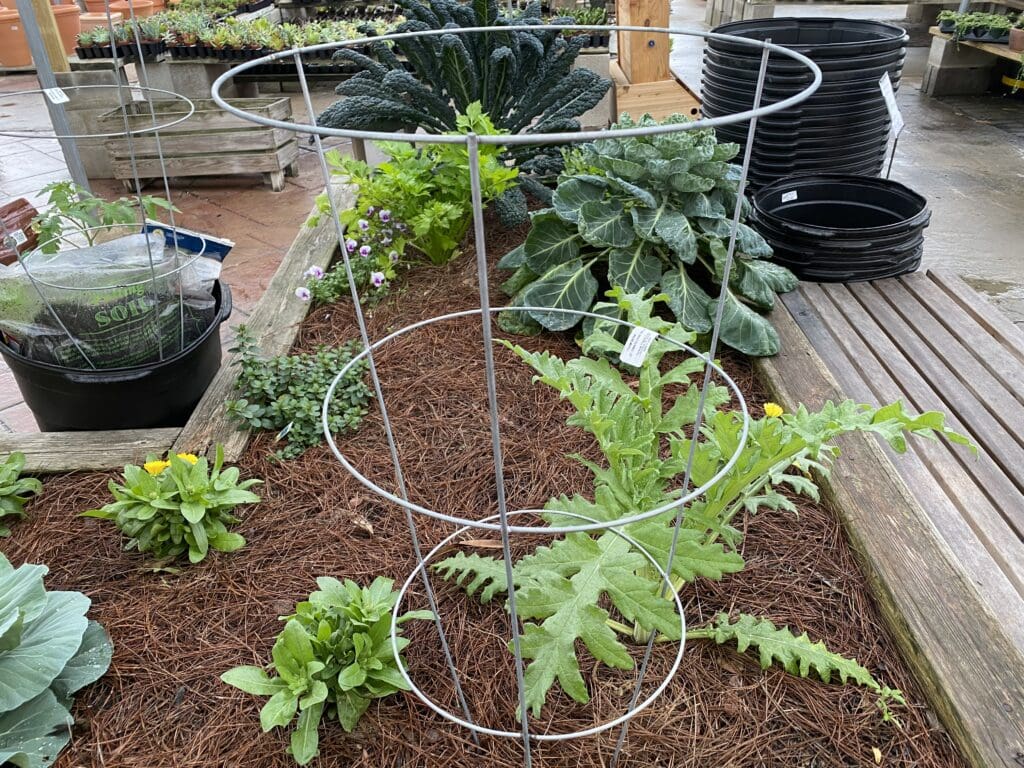
  4. Use a Tomato Cage! It will make your life easier and your tomatoes happier if you cage them when you plant, while the plants are still small. This way they have some structure to grow up onto and you don’t have to risk breaking branches trying to cage them later. 
  5. Feed and Water Regularly! Tomatoes, and any other bloom and fruit-producing plants, need lots of energy and regular watering. Water every day at first, then you can back off some once the plants get more established. Feeding on a regular schedule is perhaps the most important tip for getting a big harvest. Use DeAnna’s tried and true method:  Medina Growin Green on the 1st of the month, then liquid Hasta Gro on the 15th. Set these reminders/alarms in your phone!
  6. Watch Out for Caterpillars. Caterpillars, especially the tomato hornworm, love tomatoes but they’re usually easy to control. If you’re inspecting your garden every day, you’ll catch caterpillar and any other pest issues before they become a problem. You can remove and relocate hungry caterpillars or use organic Bt to control. Some prefer liquid Bt spray, and others prefer the dust – we’ve got both.
  7. Harvest often! Most tomatoes take 65-80 days to mature. Once you start seeing ripe or almost ripe tomatoes, harvest often!

Watch Our Tomato Tips Video Now + Come to DeAnna & Wyatt’s Veggie Gardening Talk Next Saturday, 2/21!

February is time to really get going on pruning, prepping, and planting to kick off spring! We always say – spring in the Coastal Bend starts on Valentine’s Day. We’re stocking up on veggies, Texas native plants, trees, lots of flowers and blooming perennials, and we’re hosting lots of garden talks and events starting this Saturday! Here are our top 8 gardening tasks to focus on this month as we head into an amazing garden season. 

1. Join Us for James Gill’s Annual Get Ready for Spring Talk – This Saturday at 10!

If you want to make a really good gardening game plan for spring, join us here at Gill’s this Saturday, February 7th at 10am for James Gill’s annual Get Ready for Spring garden talk. James will go over proper pruning techniques, what to plant, how to fertilize, watering tips, and lots more. James is a walking encyclopedia of local gardening and landscaping knowledge – bring your questions! This talk is free and open to everyone. One attendee will win a $100 Gill’s gift card, and we’ll do some other giveaways too! Take a look at all our upcoming talks and events here. Next up is our Valentine’s Potted Arrangement Workshop on Thursday, February 12th at 6pm.

2. Prep Beds & Plant Your Veggies!

It’s time to start veggie favs like tomatoes, squash, cucumbers, beans, lettuces/greens, & more! Work some Nature’s Blend compost into your beds and get going. Or fill containers and raised beds with Gardener’s Magic soil and plant! Stop by and we’ll help you plan your veggie garden and get you everything you’ll need for a bountiful harvest. We’ve also got our Spring Veggie Garden Talk with DeAnna and Wyatt coming up on February 21st. Come learn and share with a group of seasoned and aspiring gardeners!

3. Start Your Spring Cleanup & Pruning Now

February is the time to get plants cut back to make way for big spring growth! Typically, we recommend waiting until February 15th to prune, but since the weather is warm and the forecast looks good, game on now! Most perennials like Lantana, Turk’s Cap, and Salvias need a good pruning back to about 4-8″ – don’t be shy! For any plants with woody stems/branches (like Esperanza and Hibiscus) that look dead or damaged from our recent freeze, do the scratch test before pruning. Start up high and scratch with your fingernail, a dime, or the back side of a knife. Don’t scratch too deep. If you see the bright green cambium layer (like the photo), that means it’s still alive! If you see brown/gray when you scratch, keep working your way down the plant until you see green. That will tell you where to cut. As always, contact Gill’s if you’re not sure or have questions about whether or how to prune specific plants.

4. Bring Back the Color!

All our favorite spring annuals, perennials, natives, roses, and bright-blooming tropical plants are arriving at Gill’s daily! We’ve entered February and the forecast looks warm and sunny, so it’s time to create bursts of color in the garden and landscape. Yes, there’s always a chance for a late freeze, but given our forecast this year, those chances are getting slimmer every day. Better to plant early and get a head start on root growth. Plus, small plants are easy to cover if need be. 

5. Keep Feeding Veggies & Flowers on a Regular Schedule

Blooming plants need food! Veggies are especially heavy feeders – they need to be able to sustain blooming and producing fruit. We recommend mixing in a little Bio-Tone Starter when you plant, which contains mycorrhizal fungi that promotes root growth. Then feed with a good organic, granular plant food like Plant-Tone or Medina Growin Green once a month, and supplement with liquid organic Hasta Gro in between. An easy way to remember this is to set an alarm or calendar event for granular feeding on the 1st of the month, then Hasta Gro on the 15th. These will add nutrients to your plants and keep your soil alive and healthy too.

6. Keep Watch for Scale Insects

Scale is a variety of hard bodied sucking insects that range in appearance from white oyster shells to brown boogers stuck to the leaves of plants. Some of their favorites are Burford Holly, Bird of Paradise, Flax Lily, & Irises. They are easily controlled with a spray of organic All Seasons Oil Spray, but it must be done now before temps get too warm. The oil spray literally coats and suffocates the the eggs that are waiting for spring to hatch. It’s also good for treating houseplants that may have scale or spider mites. 

Check out our February Garden Guide for more tips!

Welcome to 2026! It’s time to set our gardening resolutions! What do you hope to learn more about in the garden this year? What new plants are you going to try? What areas are you planning to revamp? January is time to get moving and set yourself up for big success this spring and beyond. Beds need prepping, veggie seeds need starting, citrus trees need feeding, and YES you can get a head start on planting too! Here are our top must-do’s (and don’t do’s!) this month.

Check out our January Garden Guide for more tips and remember that trees, shrubs, and perennials can be planted 12 months out of the year! The only difference is the amount of water they need depending on temperatures and wind!

1. Mulch for Many Reasons!

Let’s start off with the simplest and most effective garden must-do…JUST MULCH! A good 2-3″ deep layer of mulch is our best protection against dry drought conditions and against cold snaps/freezes. Think of mulch as insulation for your plant roots – it helps retain moisture in the soil and it provides a barrier to keep cold air out. Natural mulches also break down over time and add nutrients to your soil. Maintain a good layer of mulch, but don’t pile mulch up around the base of trees and plants. Give your trunks and root flares (where the roots meet the main trunks/stems) a few inches of breathing room for better oxygen exchange and to prevent potential fungal problems. Mulch is also an excellent place holder this month for areas that you plan to plant this spring. Mulch will help keep underlying soil active and alive, while suppressing weed growth. Clean up and mulch now, then easy planting when you’re ready!

2. Prep Soil Now for Spring Planting

January is our month to plan and prep for spring. Clean up, remove weeds, and most importantly, prep your garden beds by adding some compost! We love Nature’s Blend Compost for veggie and landscape beds, including raised beds. A good ratio is 1 bag per 12 sq. ft. of bed space. If you make your own compost, that approximate ratio works well. It doesn’t have to be exact. If working out is part of your new year’s resolution, get outside, grab your garden forks or a shovel, and turn some compost into the first few inches of soil – the best kind of exercise! Again, you can prep beds with compost and add a layer of mulch as a placeholder until you’re ready to plant. 

3. Wait to Prune!

Remember – wait to do any major pruning of most plants until February! We can be tempted to do too much pruning in January because we want plants to look pretty, but you don’t want plants to think its time to start putting on new growth while we still have potential for cold snaps. Even if we do get a cold snap that damages some foliage, wait to prune because that damaged foliage will help insulate against more possible cold weather. We need to tolerate some wintery-looking plants this month. 

Ornamental grasses, like Pink Muhly or Purple Fountain grass, are a January exception. They should be cut back this month. Trim them straight across (no cupcakes) 3”-4“ from the ground. Use a bungee cord or piece of rope to gather them up, then cut straight across with your shears – just like the photo above. 

4. Feed Your Citrus Trees

Fertilize your citrus trees in January for more blooms, again in May/June for better fruit set, and again in September/October for nutrients. We recommend fertilizing with Espoma Citrus-Tone – all organic and highly effective. Remember to fertilize trees, including citrus, at the drip line. That means spread fertilizer in a circle where the rain naturally drips down from the leaves, not right up against the trunk.

5. Start Veggie Seeds!

January is time to start tomatoes, kale, chard, onions, carrots, beets, parsley and more from seed. We carry easy seed-starting trays, peat pots, and Espoma Organic Seed Starter soil for starting seeds indoors or on a protected/covered patio. A good rule of thumb is that once the seedlings have made their first true set of leaves, they are ready to be transplanted into a larger container outside or directly into the garden bed. 

Check out our full Spring planting guide here

6. Grow Potatoes and Onions!

January is prime time to plant potatoes and onions! We carry Red La Soda and Yukon Gold potatoes because they are better suited for South Texas growing conditions than larger varieties. Watch Matt’s video guide to planting potatoes here! Potatoes will be arriving any day now!

Plant onions in a row every 3-4″ then thin them by plucking every other green top as they grow. This will allow the onions to grow to full size. Keep in mind that both potatoes and onions need well-drained soil. Great for raised beds and containers!

7. Adjust Lighting and Water for Houseplants

Generally, most houseplants will need more light and less water this month. A moisture meter will come in handy to be sure you’re not overwatering. Experiment with moving houseplants to sunnier windows, and take them outside for a sunny day or 2. Keep their leaves clean to help them take up sunlight and prevent bad bugs. We like using a very light solution of Neem oil + water to wipe down leaves here at Gill’s.