Garden Center Hours: Mon-Sat 9am - 5:30pm • Sun 10am - 5:30pm

The weather this week is making us want to get outside and garden!! We’re stocking up on veggies, Texas native plants, trees, and lots of flowers and blooming perennials as we head into spring! Here’s our top 8 gardening tasks to focus on this month to kickstart an amazing season. Game on!

1. Join Us for James Gill’s Annual Get Ready for Spring Talk – This Saturday at 10!

If you want to make a really good gardening game plan for spring, join us here at Gill’s this Saturday, February 8th at 10am for James Gill’s annual Get Ready for Spring garden talk. James will go over proper pruning techniques, what to plant, how to fertilize, watering tips, and lots more. James is a walking encyclopedia of local gardening and landscaping knowledge – bring your questions! This talk is free and open to everyone. One attendee will win a $100 Gill’s gift card, and we’ll do some other giveaways too! Take a look at all our upcoming talks and events here

2. Watering Rules Update:  More Good News!

On January 28th, City Council voted to move the new draft Drought Contingency Plan forward to a vote. Council will vote on whether to adopt to the new plan on February 11th, and if it passes, better watering rules take effect on February 12th. Under new proposed Stage 3 rules, hand watering is allowed any day before 10:00 a.m. and after 6:00 p.m., and drip irrigation systems can be used to water landscapes on your designated watering day every other week. We feel good about these changes – they will allow us all to keep our community alive and vibrant through the drought. The City has also agreed to grant temporary exemptions to watering rules for new plantings for up to 30 days, which will allow homeowners to continue investing in their property. Homeowners should use the City’s form to apply for an exemption to get new landscapes established, then once they’re established, hand watering and/or drip irrigation will keep them thriving. There’s still time to contact your City Council members and Mayor Guajardo to express your support for these changes to the Stage 3 watering rules before the vote next Tuesday, 2/11 – the more gardeners they hear from, the better! 

3. Plant Your Veggies!

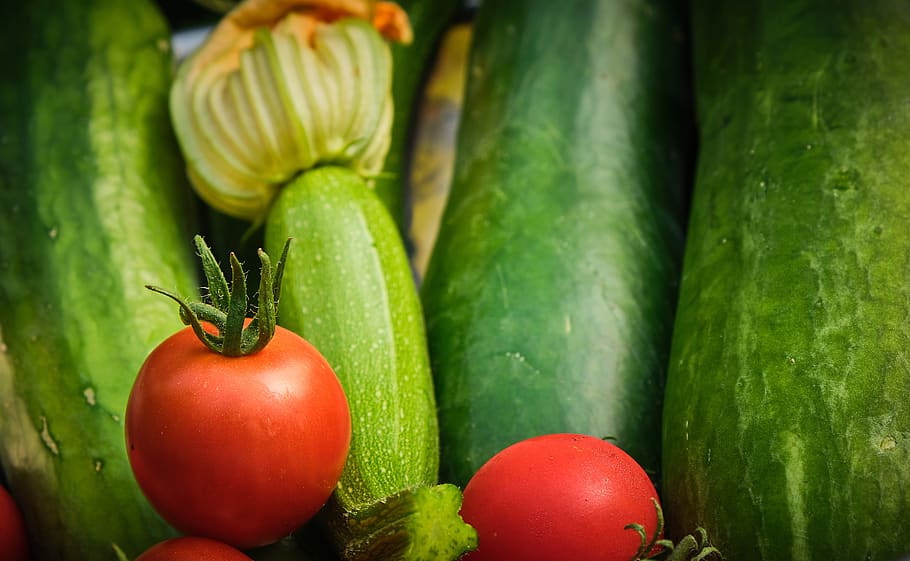
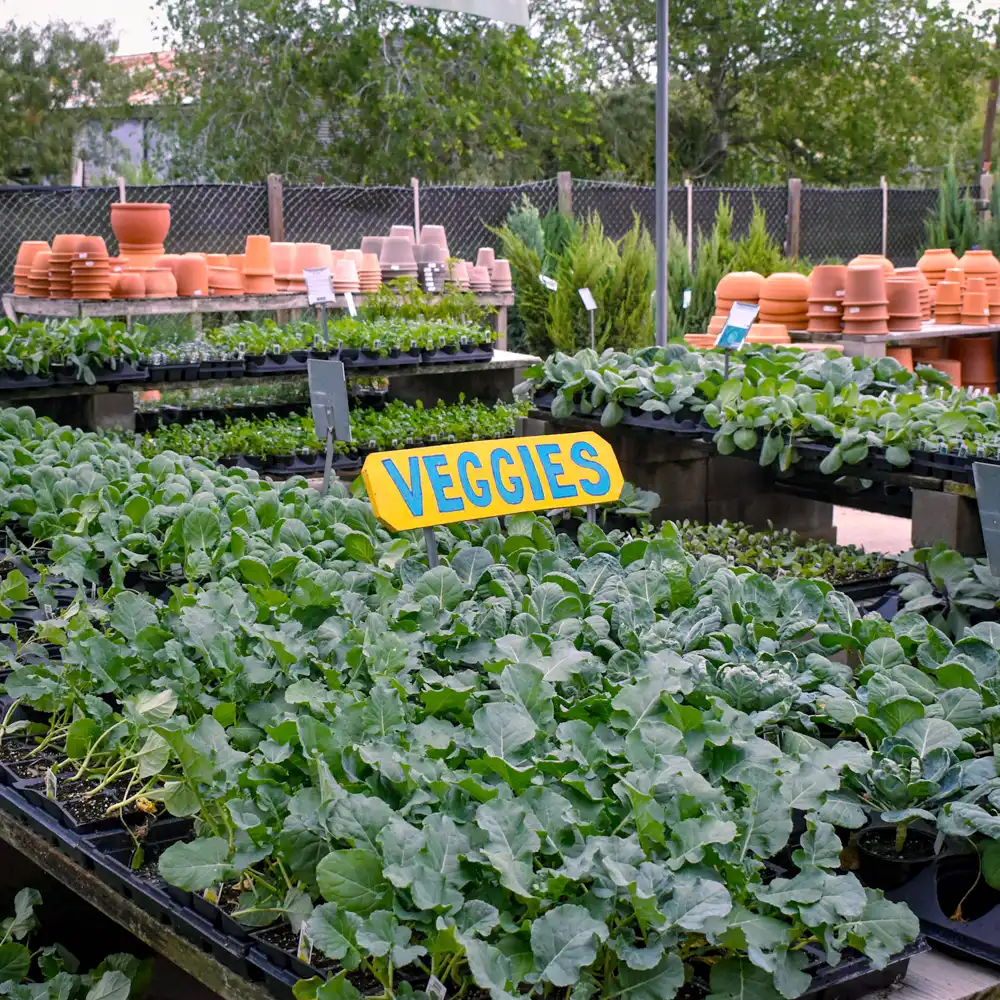
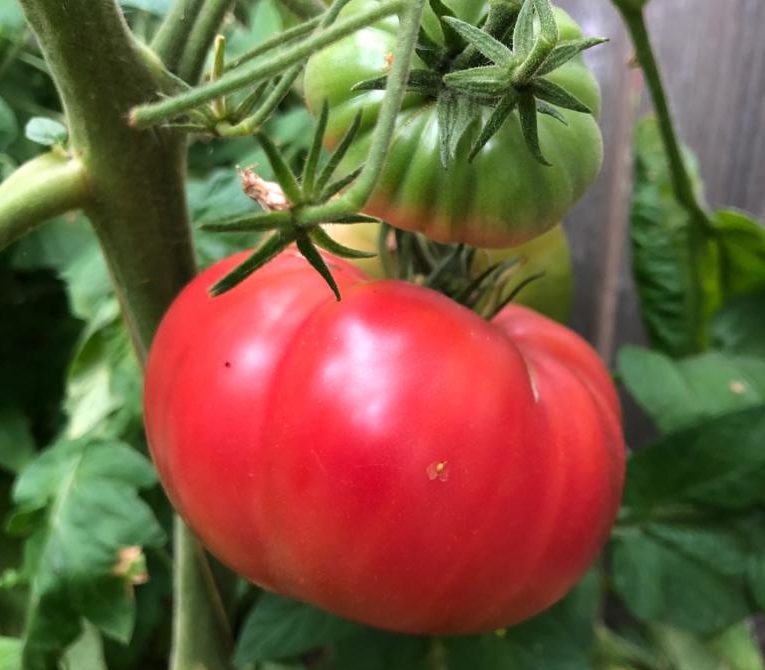
It’s time to start veggie favs like tomatoes, squash, cucumbers, beans, lettuces/greens, & more! Prep those beds with Nature’s Blend compost and get going. If you’re short on space, fill containers or raised beds with Gardener’s Magic soil and plant! Stop by and we’ll help you plan your veggie garden and get you everything you’ll need for a bountiful harvest. We’ve also got 2 fun veggie talks planned this month:  Tomato Kickoff with Andy Chidester on the 15th and Start Your Spring Veggie Garden on the 22nd with Wyatt Page. Come learn and share with a group seasoned and aspiring gardeners!

4. Bring Back the Color!

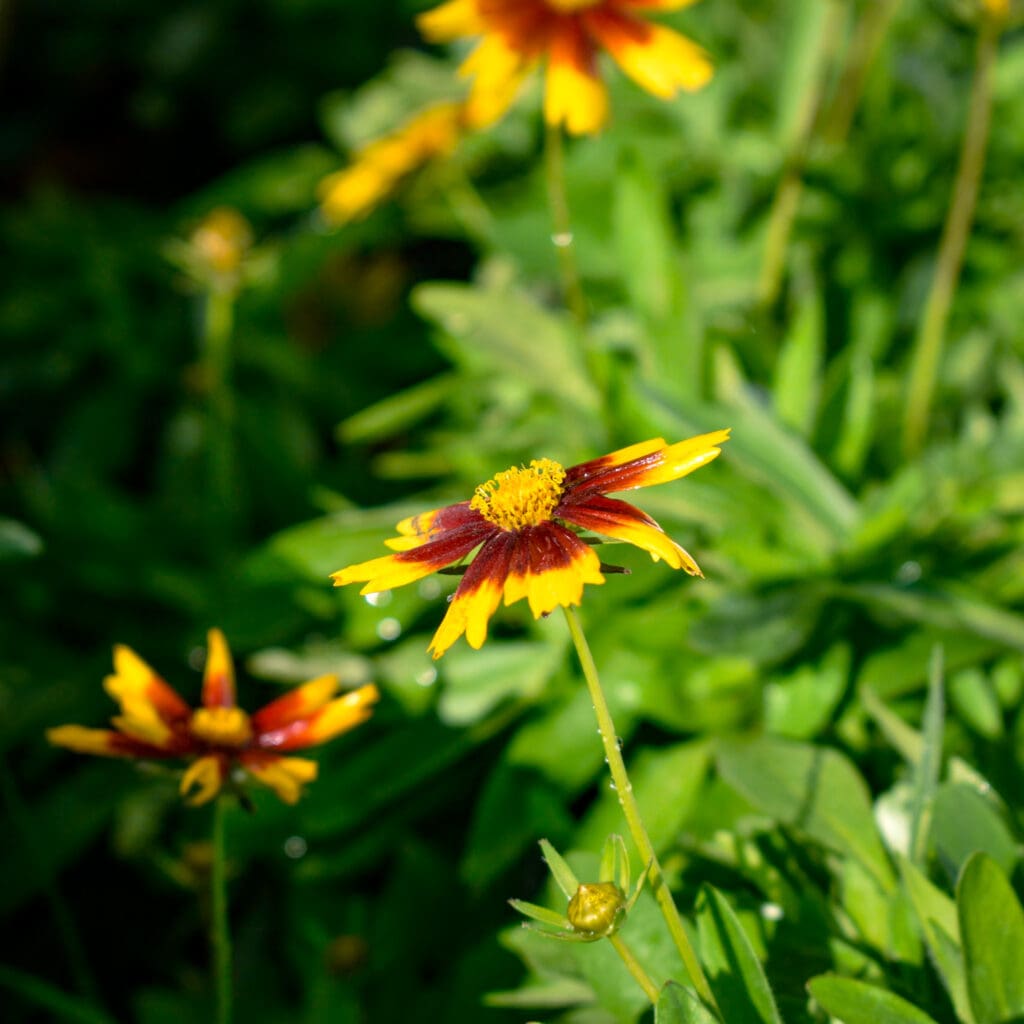
All our favorite spring annuals, perennials, natives, roses, and bright-blooming tropical plants are arriving at Gill’s daily! We’ve entered February and the forecast looks warm and sunny, so it’s time to create bursts of color in the garden and landscape. Yes, there’s always a chance for a late freeze, but given our forecast this year, those chances are getting slimmer every day. Better to plant early and get a head start on root growth. Plus, small plants are easy to cover if need be. 

5. Keep Feeding Veggies & Flowers on a Regular Schedule

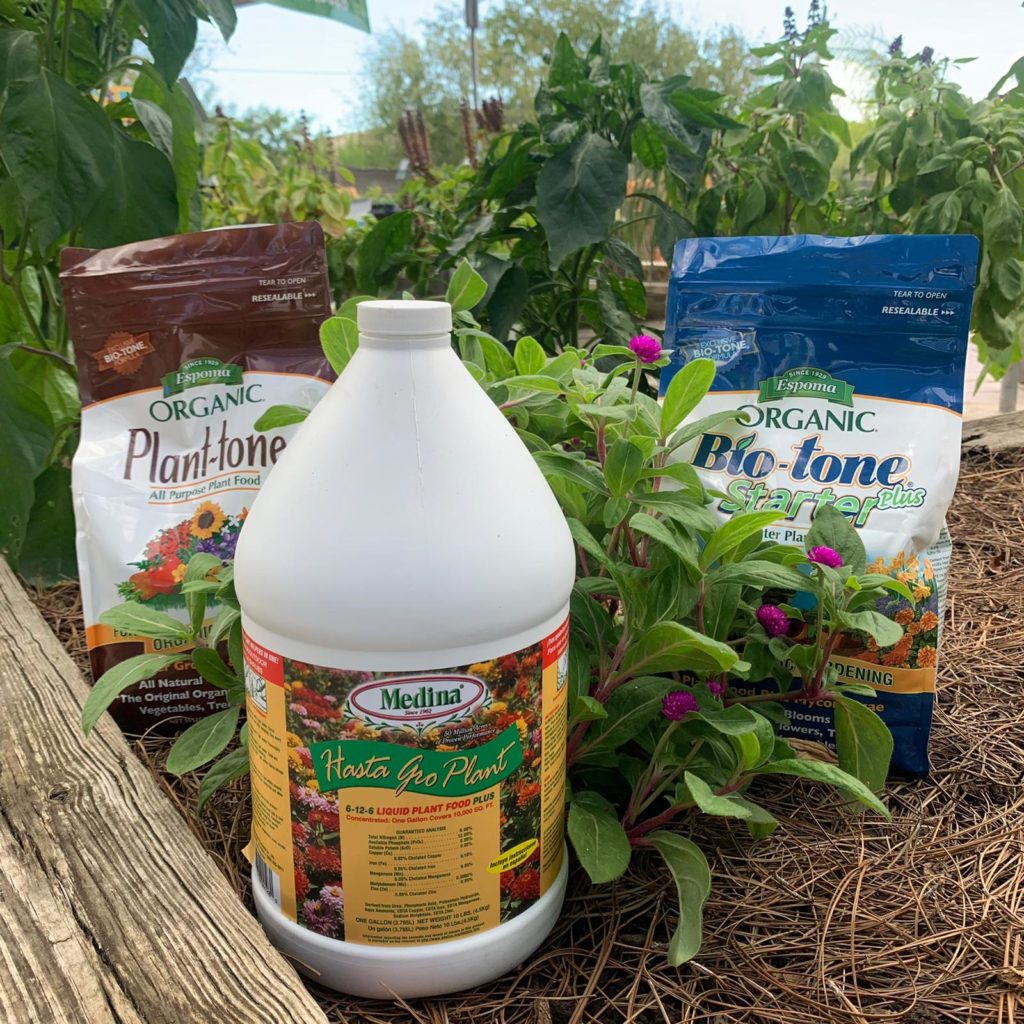
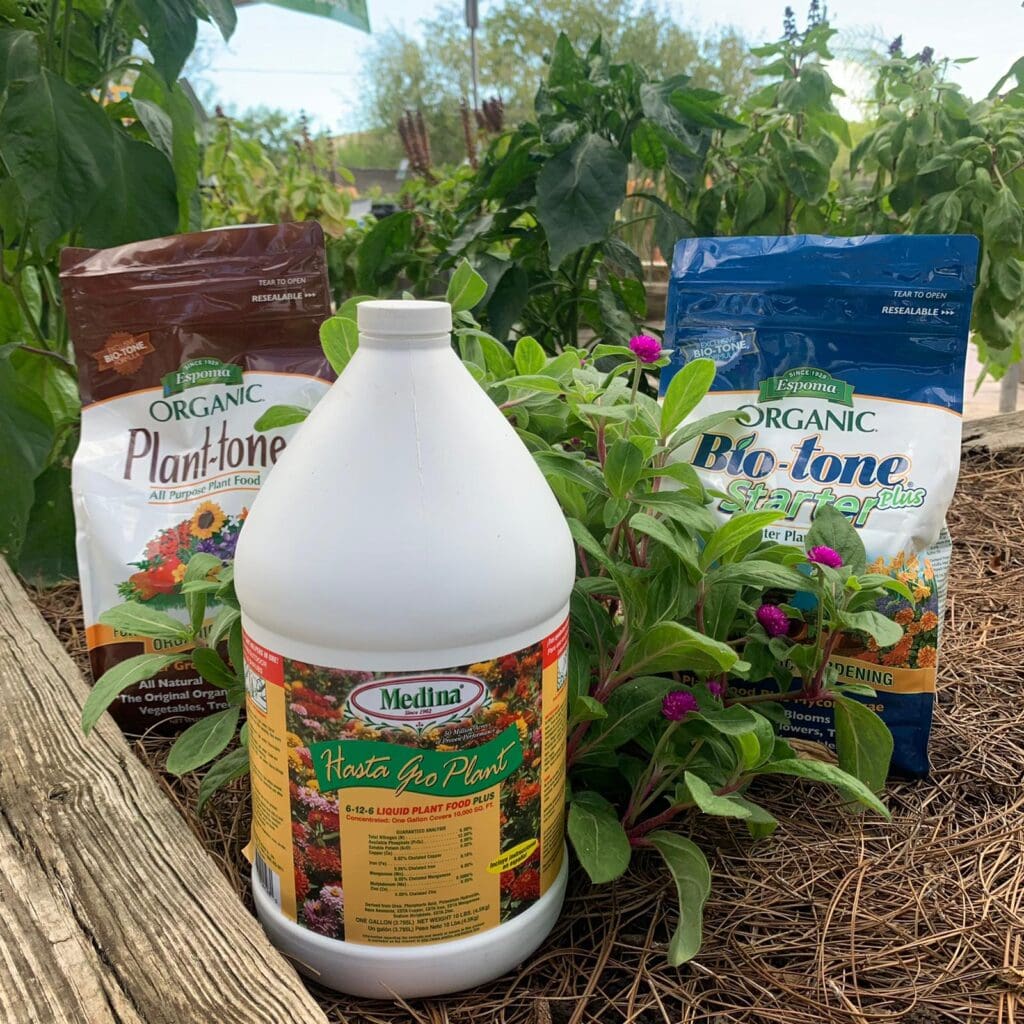
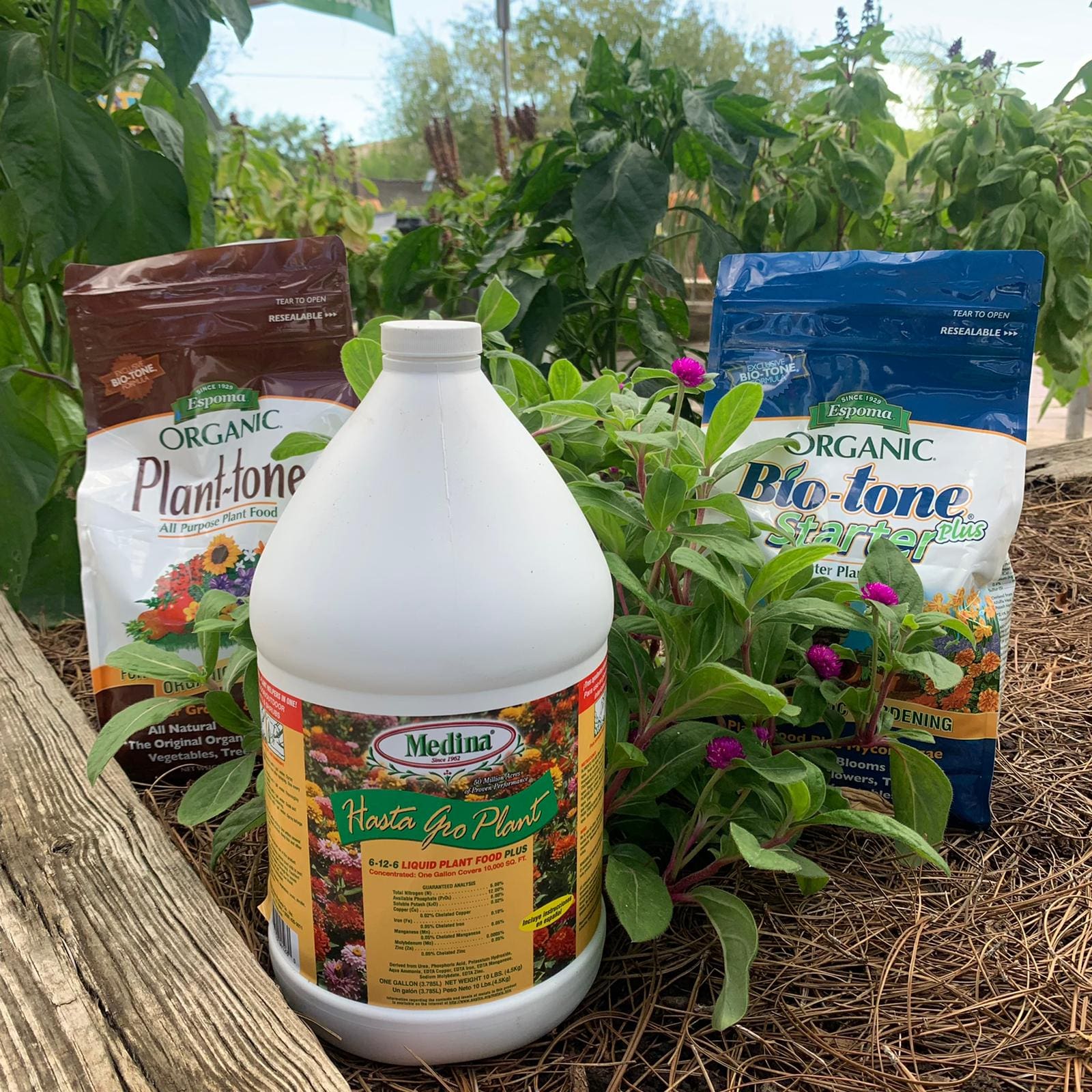
Blooming plants need food! Veggies are especially heavy feeders – they need to be able to sustain blooming and producing fruit. We recommend mixing in a little Bio-Tone Starter when you plant, which contains mycorrhizal fungi that promotes root growth. Then feed with a good organic, granular plant food like Plant-Tone or Medina Growin Green once a month, and supplement with liquid organic Hasta Gro in between. An easy way to remember this is to set an alarm or calendar event for granular feeding on the 1st of the month, then Hasta Gro on the 15th. These will add nutrients to your plants and keep your soil alive and healthy too.

6. Start Your Spring Cleanup & Pruning Now

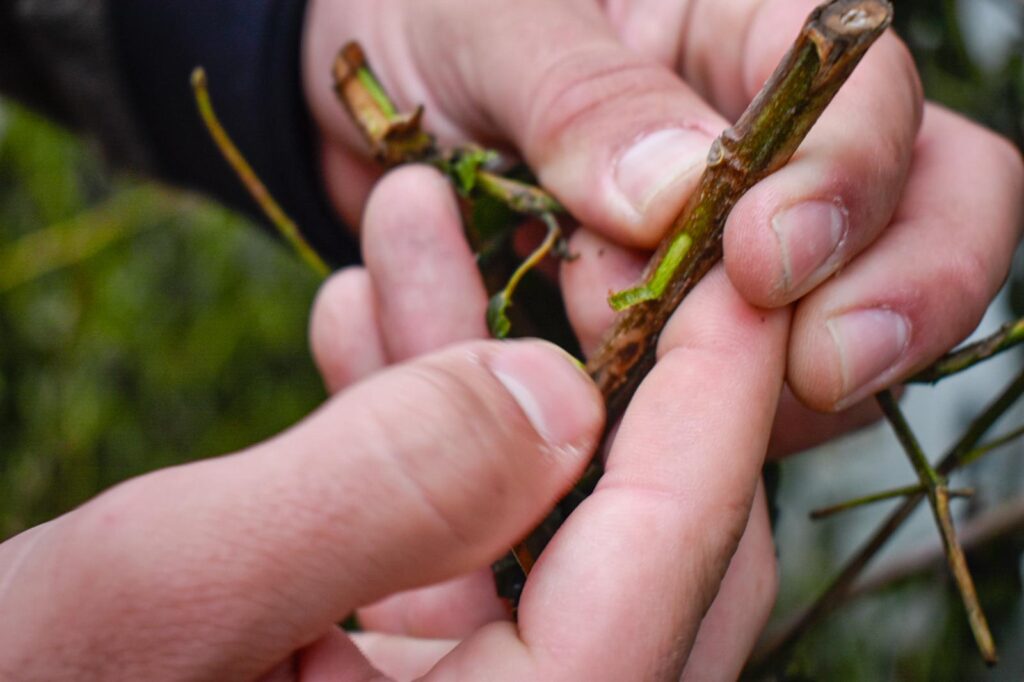
February is the time to get plants cut back to make way for big spring growth! Typically, we recommend waiting until February 15th to prune, but since the weather is warm and the forecast looks good, game on now! Most perennials like Lantana, Turk’s Cap, and Salvias need a good pruning back to about 4-8″ – don’t be shy! For any plants with woody stems/branches (like Esperanza and Hibiscus) that look dead or damaged from our recent freeze, do the scratch test before pruning. Start up high and scratch with your fingernail, a dime, or the back side of a knife. Don’t scratch too deep. If you see the bright green cambium layer (like the photo), that means it’s still alive! If you see brown/gray when you scratch, keep working your way down the plant until you see green. That will tell you where to cut. As always, contact Gill’s if you’re not sure or have questions about whether or how to prune specific plants.

7. Keep Watch for Winter Insects

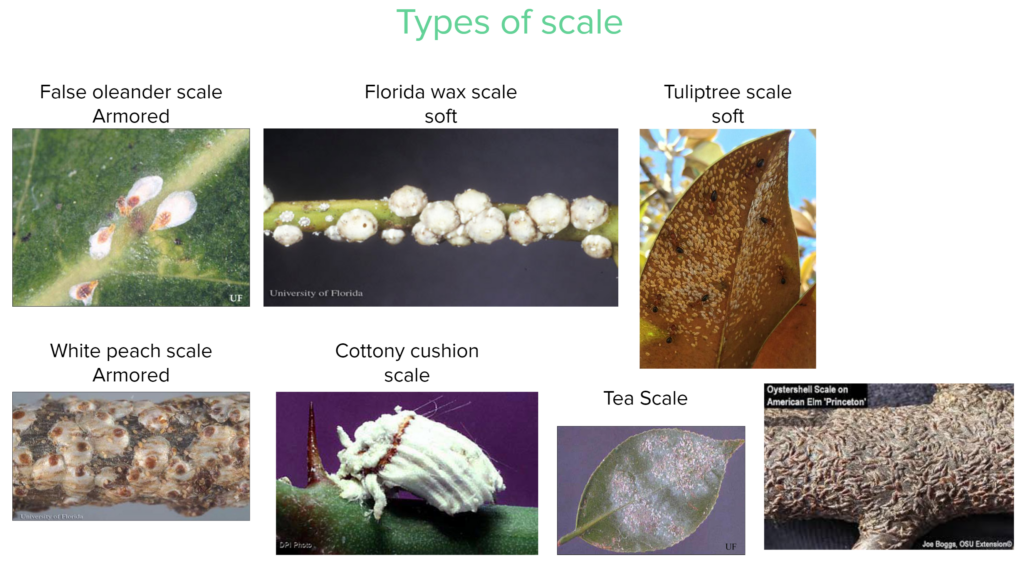
Scale is a variety of hard bodied sucking insects that range in appearance from white oyster shells to brown boogers stuck to the leaves of plants. Some of their favorites are Burford Holly, Bird of Paradise, Flax Lily, & Irises. They are easily controlled with a spray of organic All Seasons Oil Spray, but it must be done now before temps get too warm. The oil spray literally coats and suffocates the the eggs that are waiting for spring to hatch. It’s also good for treating indoor plants that may have scale or spider mites. 

8. Take Care of Weeds Now, But Wait to Fertilize Lawns

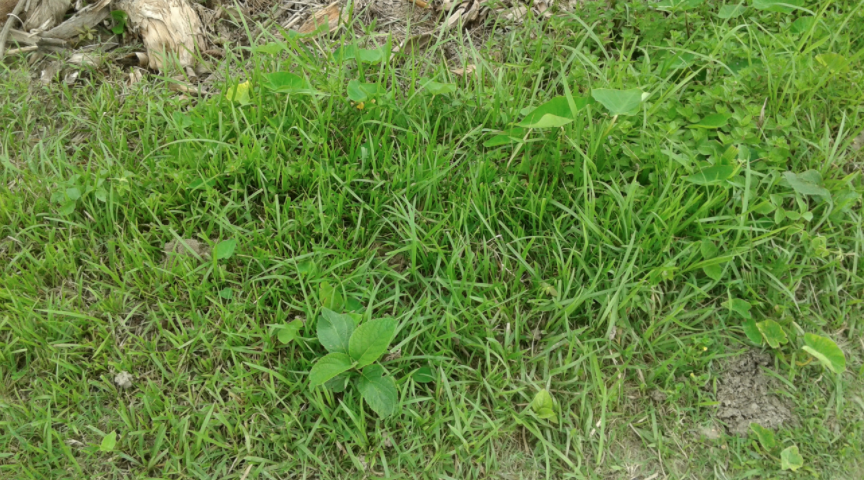
Right now, hand pulling the thistle while the ground is moist and keeping the clover mowed before it flowers are the best options to control 2 of our most common weeds. Weed killer sprays (like Weed B Gon) work with warm weather and sunshine with no rain or heavy night fog. The forecast looks good for this next week. Keep in mind – you should only spray for weeds one time or you risk damaging your lawn. Take care of weeds now, but wait to fertilize until March!  

Check out our February Garden Guide for more tips!

January is time to start veggie seeds for your spring garden! There are few things more rewarding than growing and eating beautiful vegetables all from tiny seeds. Yes, it takes some TLC, but so worth it! Here are our tips for getting started. 

Gather Your Simple Seed-Starting Supplies

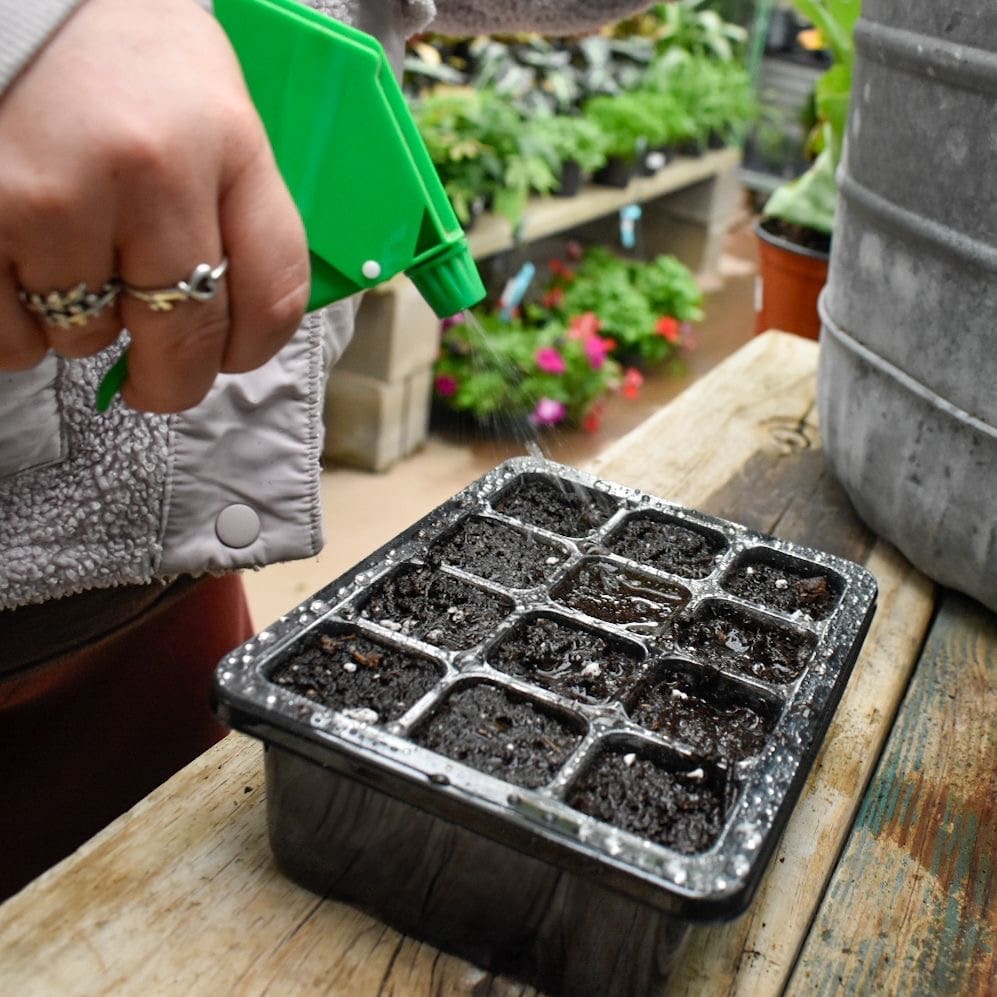
You don’t need much! First, containers. We love using these simple seed-starting trays with lids to create a mini greenhouse. Folding plastic take-out containers with lids work well for this too, just make sure you poke some vent holes. We also like using peat pots which you can plant straight into your garden bed once they’re ready. Next, you’ll need a good quality seed starting soil. We use Espoma Organic Seed Starting Mix with great results. Seed starting soil mixes are very light and fluffy to allow tiny roots and sprouts to easily push through. A couple of other things that come in handy are a spray bottle or mister for water, and a popsicle stick. We recently set up a seed starting station here at Gill’s – purchase your seeds and container, and use our soil & supplies at no charge!

Choose Your Seeds – So Many Unique Options!

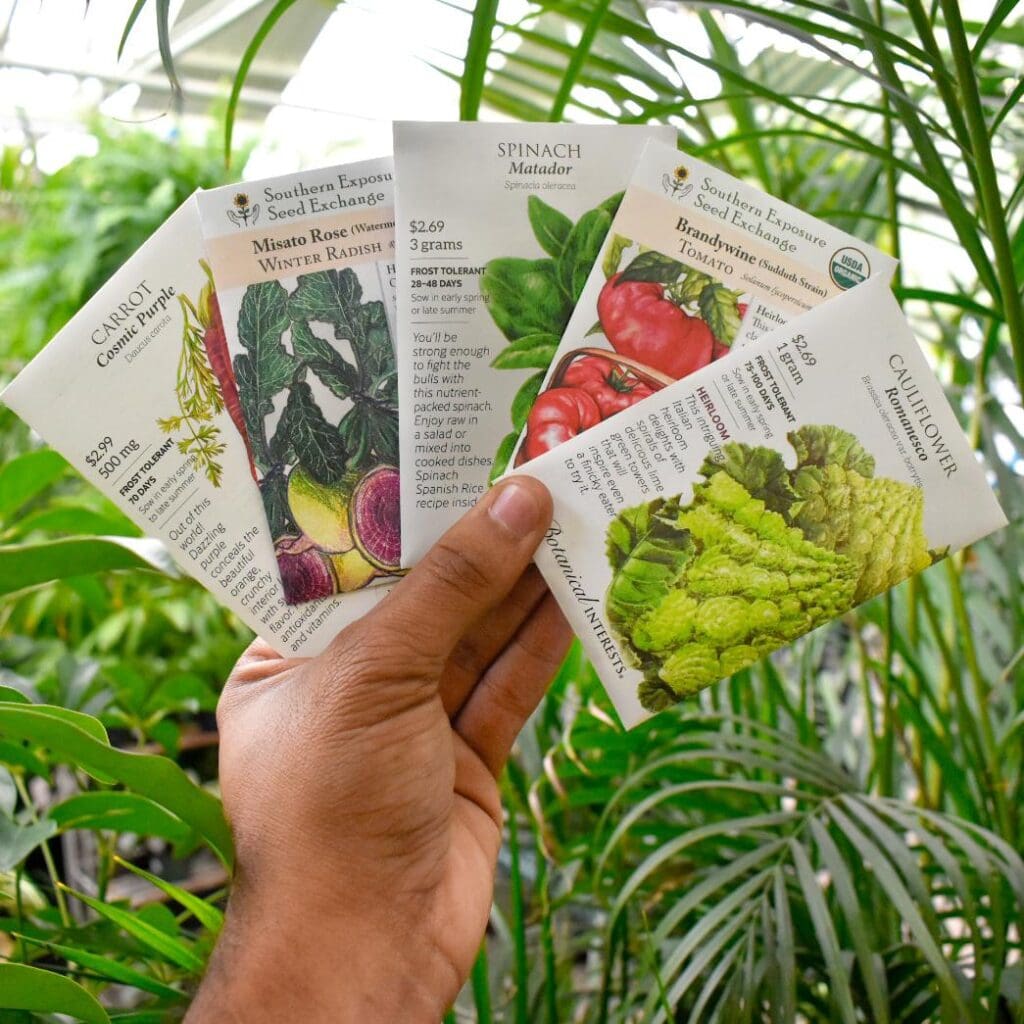
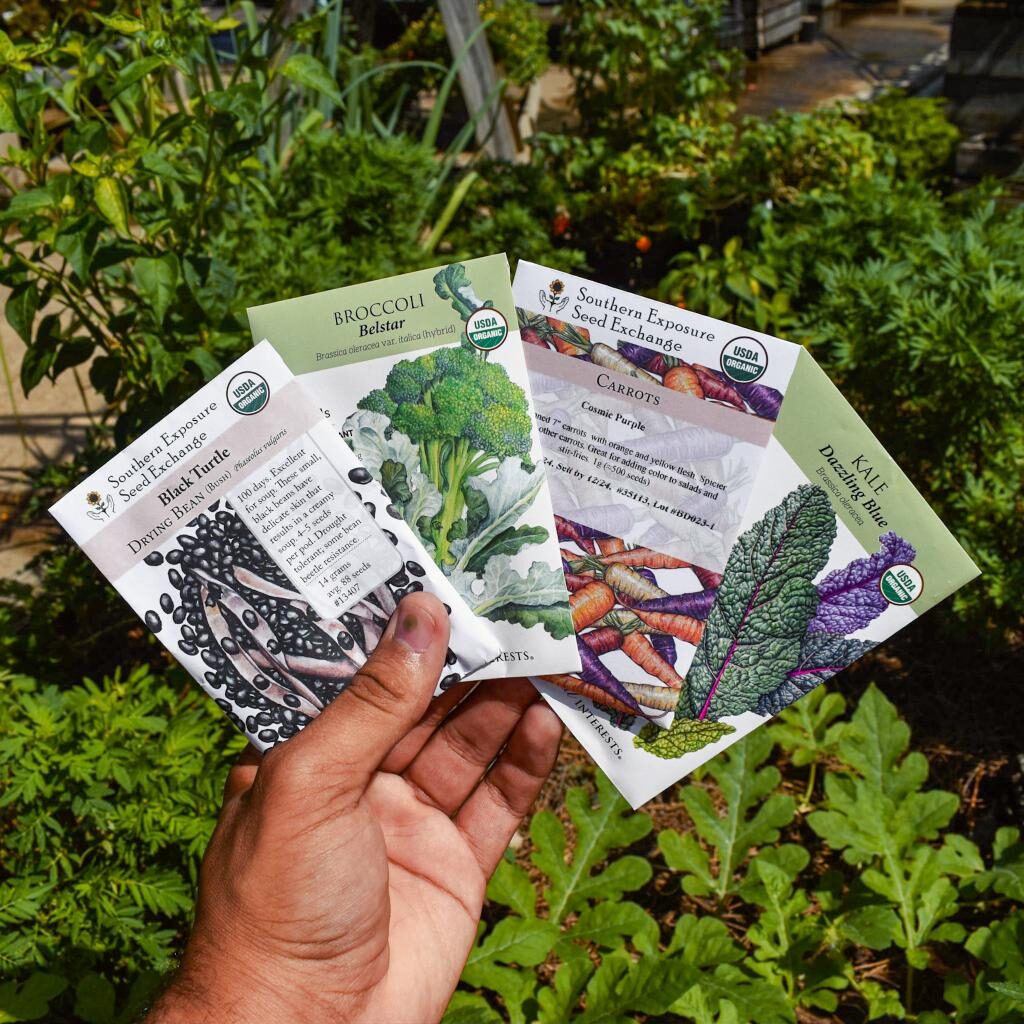
A big advantage of growing veggies from seed is that you have so many more options! We just got all our new 2025 seed packets and we’re so excited about new varieties, including Brandywine tomatoes from Southern Exposure Seed, and Cosmic Purple Carrots and Matador spinach from Botanical Interests, all of which are great to start right now. When choosing seeds, think about garden space. The seed packet will tell you the mature size of the plant, and we can help you plan your beds. It’s very important not to overcrowd your veggie garden – plants need to be able to grow to their mature size to produce fruit, and they need space for air flow and oxygen exchange. Also, you don’t want to make it easy for bad bugs to move from plant to plant. 

Planting Tips + What to Expect

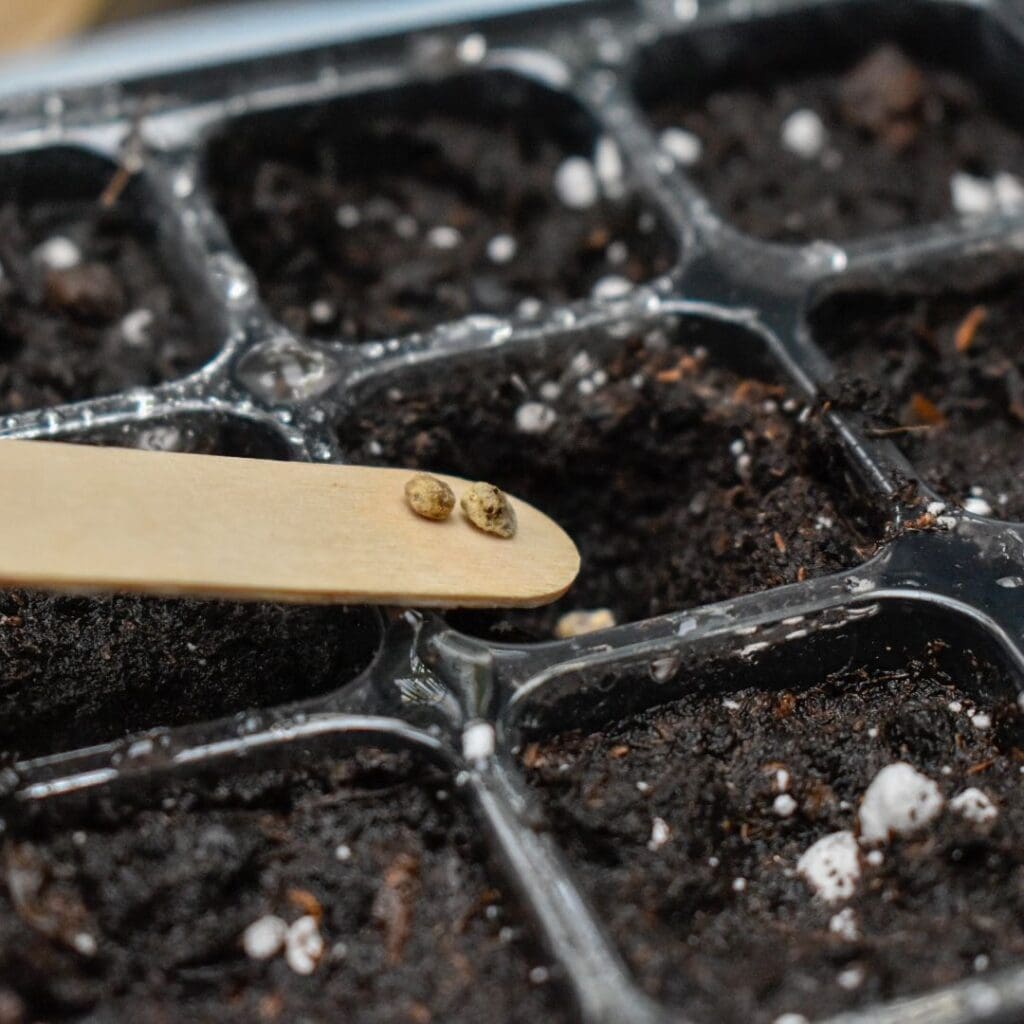
Fill your trays or peat pots with soil and use your spray bottle to get the soil nice and moist before you add your seeds. Since seed-starting soil mixes are so light and fluffy, if you add seeds then water, the seeds tend to float up out of the soil. Instead, add water first, then use your popsicle stick to gently press the seeds into the wet soil. Don’t press the seeds in too deep! Usually, just enough to cover the seeds with soil, but refer to the seed packet for precise depth. Then, choose a sunny window inside or a covered/protected patio to place your seedlings. Once the sprouts grow their first true set of leaves, they’re ready to transplant outside into bigger containers or directly into your garden beds. 

Water Gently

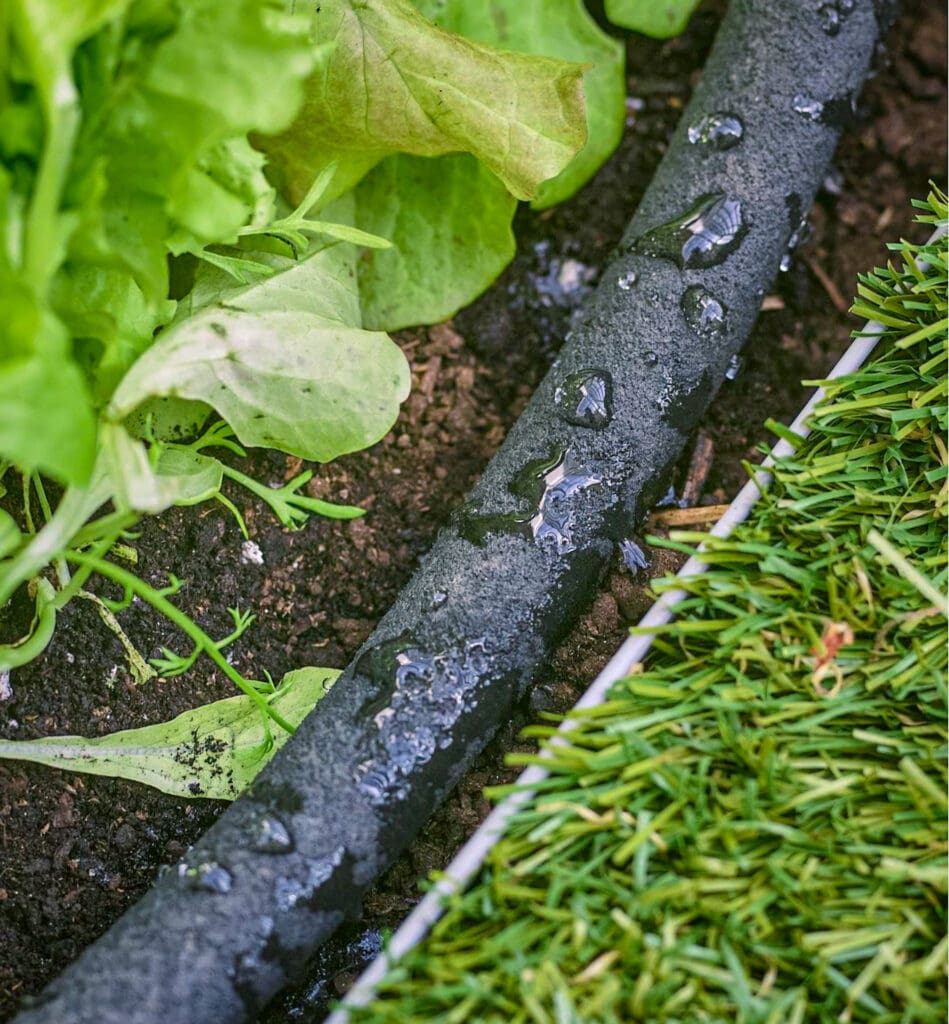
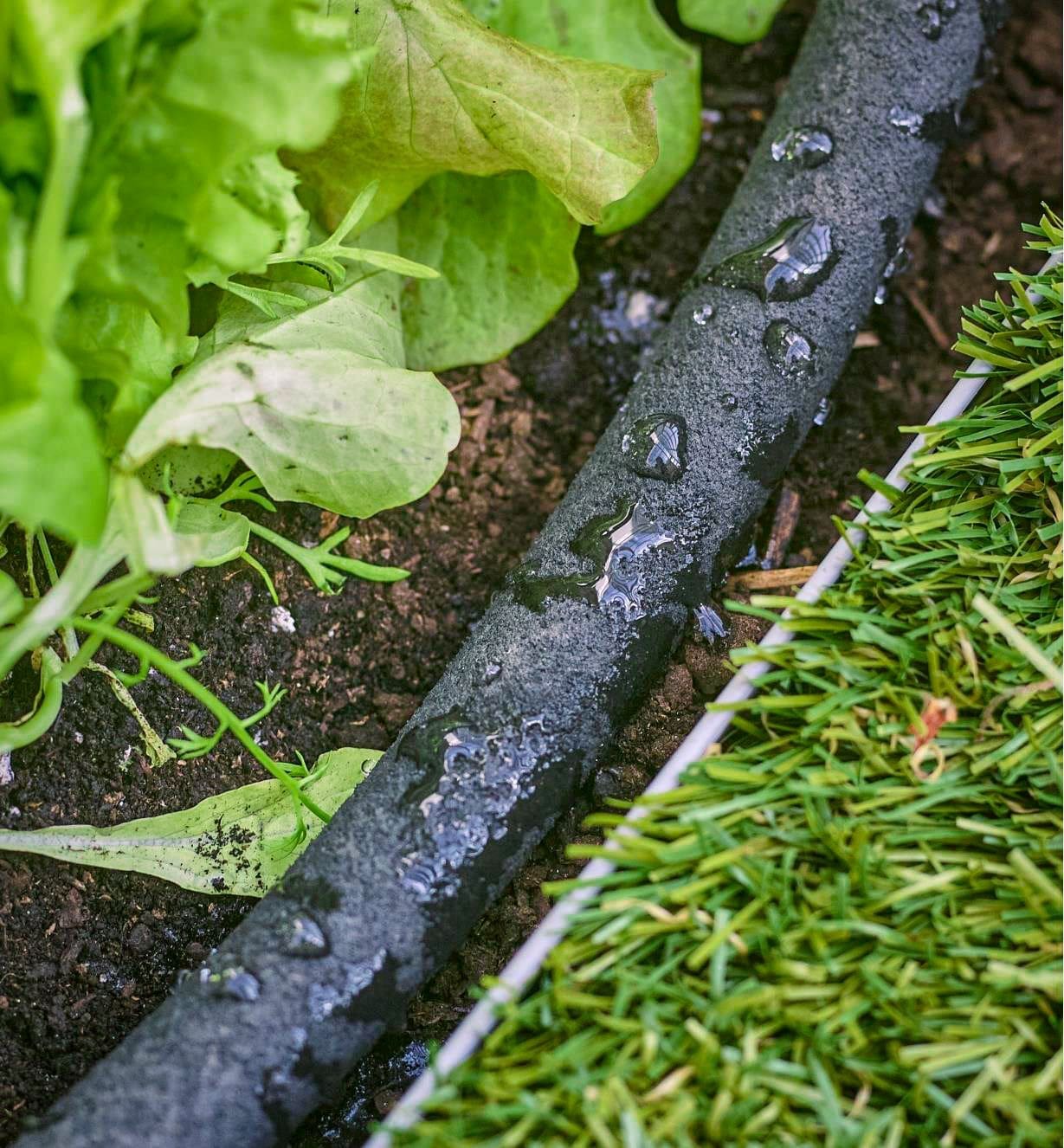
Use a mister or your spray bottle to gently water your seedlings every day to keep the soil moist but not disturb the seeds. Once they sprout, continue to keep your soil moist. Once you transplant outside, continue to water every day. When the plants get established in your garden beds, inspect them every day and determine which are thirstier than others. Soaker hoses can be a big help. Just snake them through your veggie beds and turn on the tap or use a timer. When watering by hand, think like a soaker hose – water slowly and gently at soil level. Watering over the top of your plants or splashing soil up onto the plants invites fungal disease and pests. A good mulch layer can help also prevent soil from splashing up onto your plants, plus prevent weeds and help retain moisture. We love pine straw mulch for veggie gardens because its so easy to work with and it does a great job at suppressing weeds. 

Use DeAnna’s Fertilizer Schedule

If you want your veggies to feed you, you gotta feed them! Plants require LOTS of energy to produce fruit. Remember DeAnna’s organic fertilizer schedule:  granular Plant Tone on the 1st of the month, followed up by liquid Hasta Gro on the 15th. The granular fertilizer will slowly break down and feed your roots, while the liquid Hasta Gro sprayed over the leaves will make the foliage thick and strong. If you want strong plants and amazing veggie production, follow this schedule!

Welcome to 2025! It’s time to set our gardening resolutions! What do you hope to learn more about in the garden this year? What new plants are you going to try? What areas are you planning to revamp? January is time to get moving and set yourself up for big success this spring and beyond. Beds need prepping, veggie seeds need starting, citrus trees need feeding, and YES you can get a head start on planting too! Here are our top must-do’s (and don’t do’s!) this month.

Check out our January Garden Guide for more tips and remember that trees, shrubs, and perennials can be planted 12 months out of the year! The only difference is the amount of water they need depending on temperatures and wind!

1. Mulch to Protect Against Drought and Cold

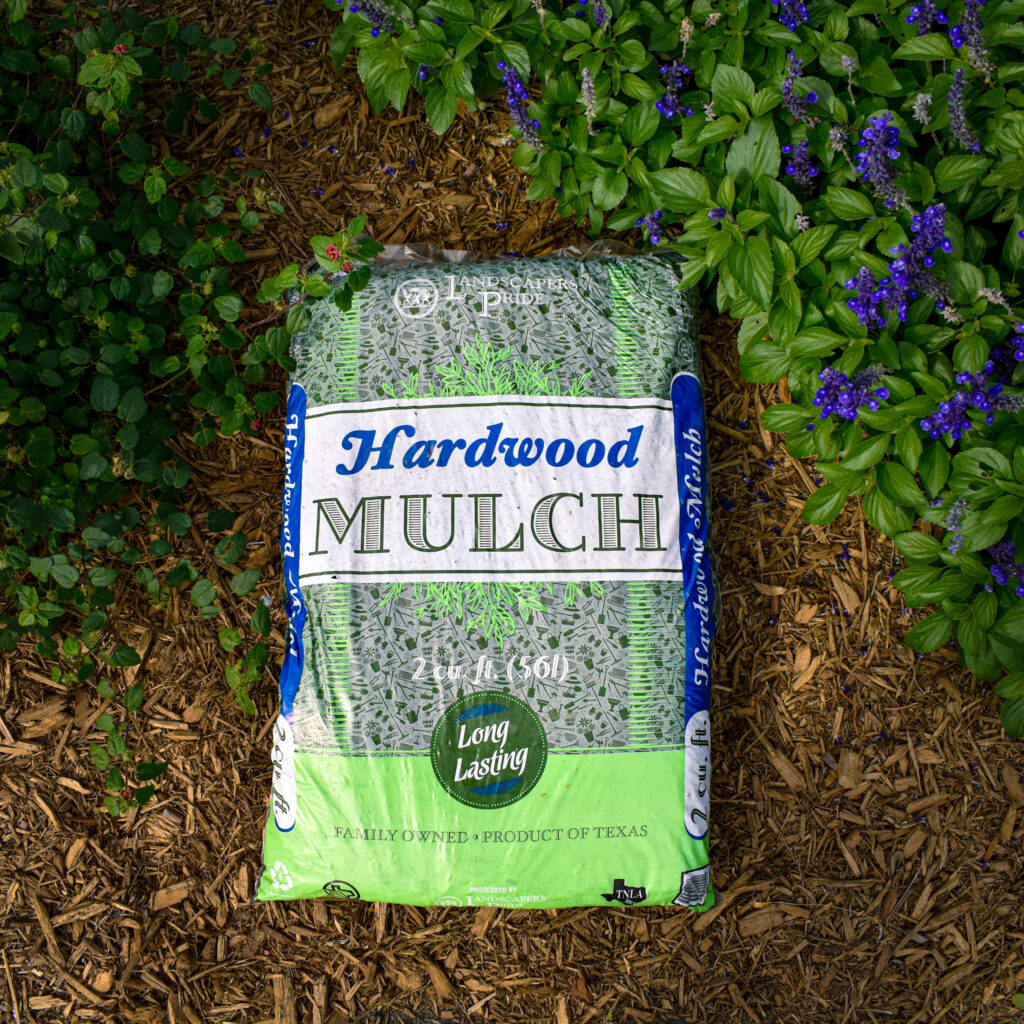
Let’s start off with the simplest and most effective garden must-do…JUST MULCH! A good 2-3″ deep layer of mulch is our best protection against dry drought conditions and against cold snaps/freezes. Think of mulch as insulation for your plant roots – it helps retain moisture in the soil and it provides a barrier to keep cold air out. Natural mulches also break down over time and add nutrients to your soil. Maintain a good layer of mulch, but don’t pile mulch up around the base of trees and plants. Give your trunks and root flares (where the roots meet the main trunks/stems) a few inches of breathing room for better oxygen exchange and to prevent potential fungal problems. 

2. Prep Soil Now for Spring Planting

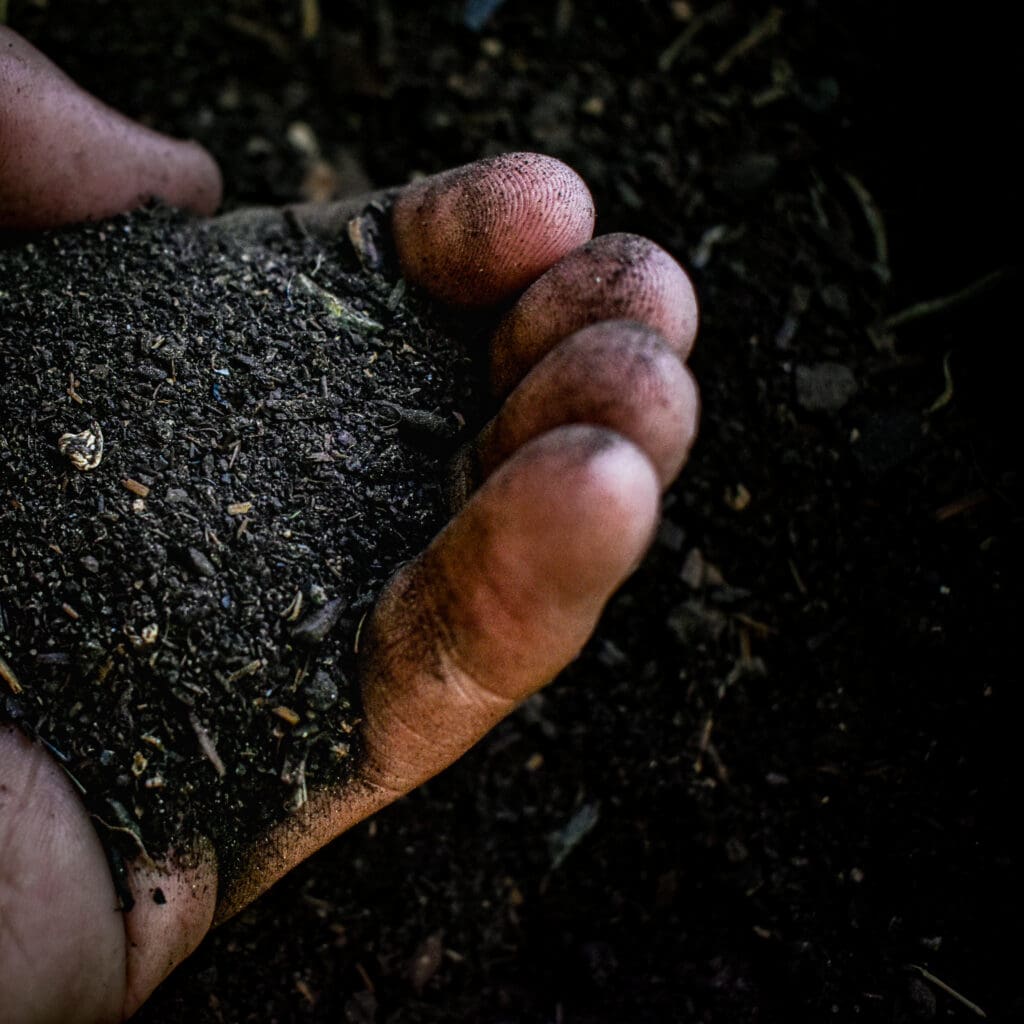
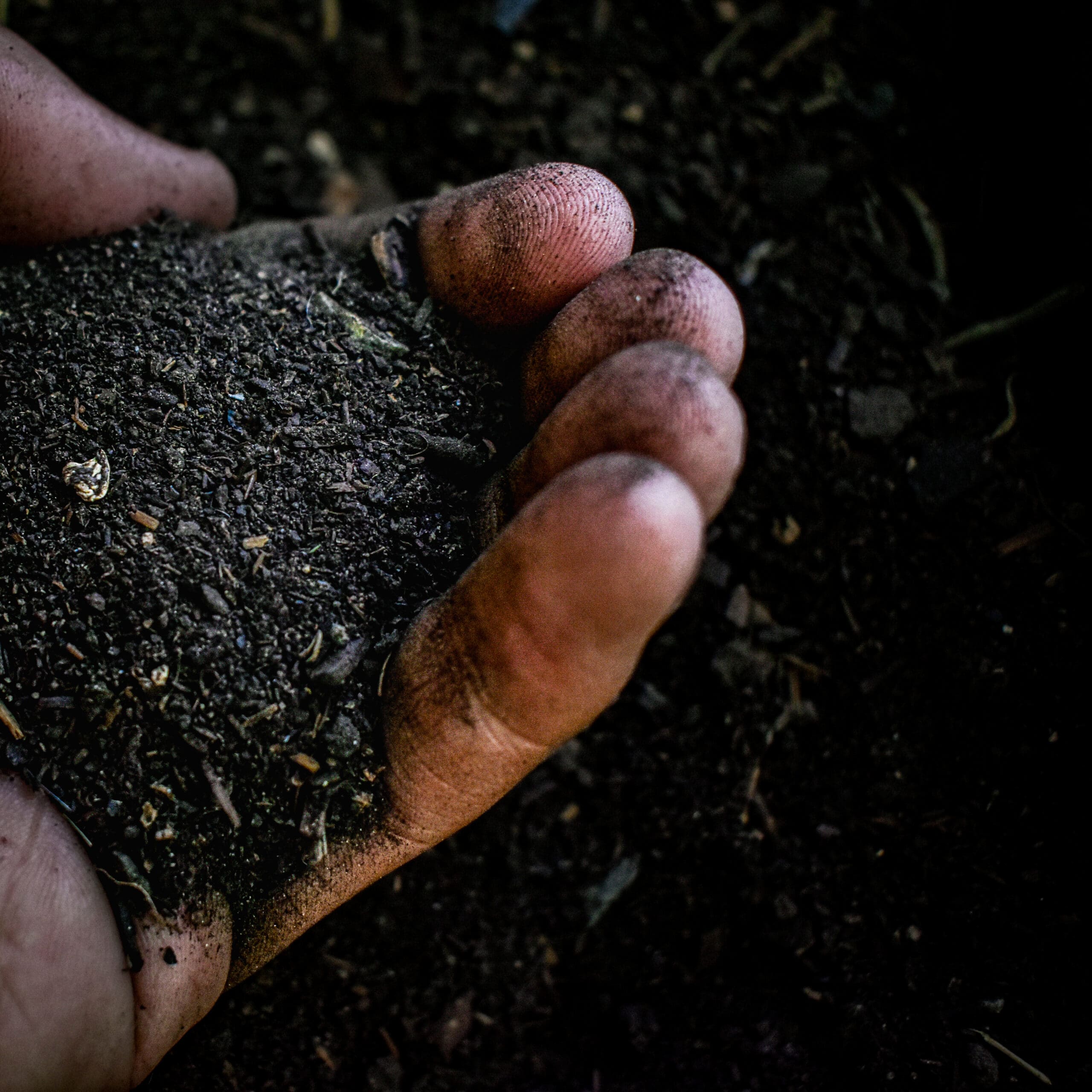
January is our month to plan and prep for spring. Clean up, remove weeds, and most importantly, prep your garden beds by adding some compost! We love Nature’s Blend Compost for veggie and landscape beds, including raised beds. A good ratio is 1 bag per 12 sq. ft. of bed space. If you make your own compost, that approximate ratio works well. It doesn’t have to be exact. If working out is part of your new year’s resolution, get outside, grab your garden forks or a shovel, and turn some compost into the first few inches of soil – great exercise! 

3. Wait to Prune!

Remember – wait to do any major pruning of most plants until February! We can be tempted to do too much pruning in January, but you don’t want plants to think its time to start putting on new growth since we still have potential for cold snaps. We’re expecting cold weather next week! Even if we do get a cold snap that damages some foliage, wait to prune because that damaged foliage will help insulate against more possible cold weather. We need to tolerate some wintery-looking plants this month. 

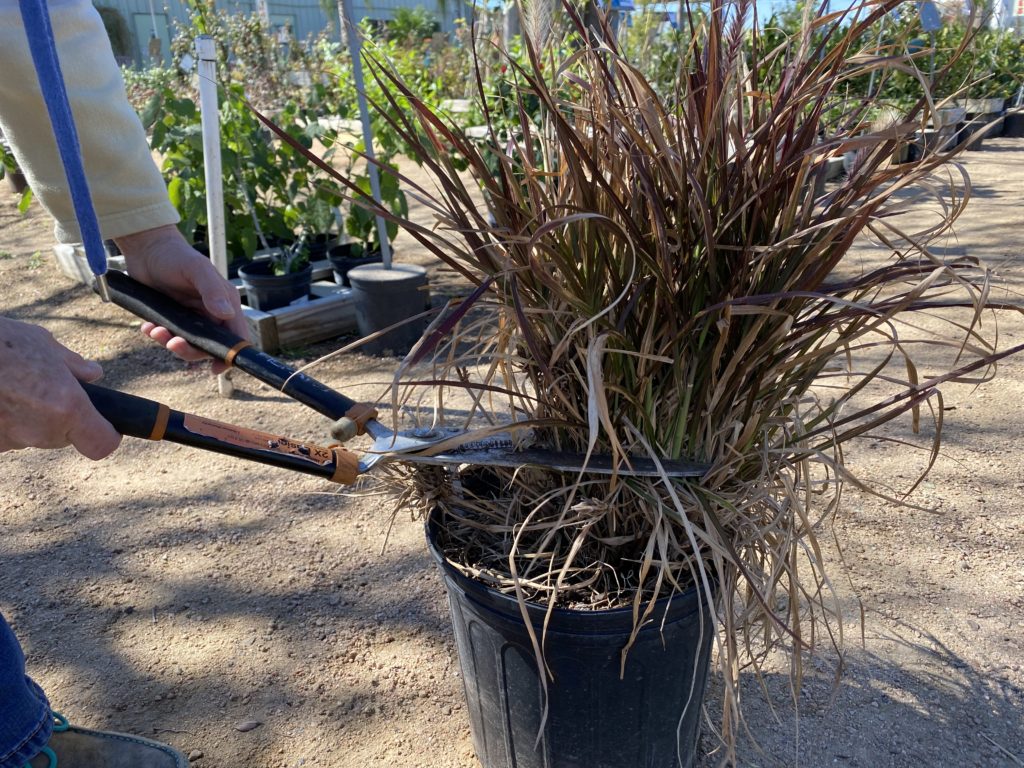
Ornamental grasses, like Pink Muhly or Purple Fountain grass, are a January exception. They should be cut back this month. Trim them straight across (no cupcakes) 3”-4“ from the ground. Use a bungee cord or piece of rope to gather them up, then cut straight across with your shears – just like the photo above. 

4. Feed Your Citrus Trees

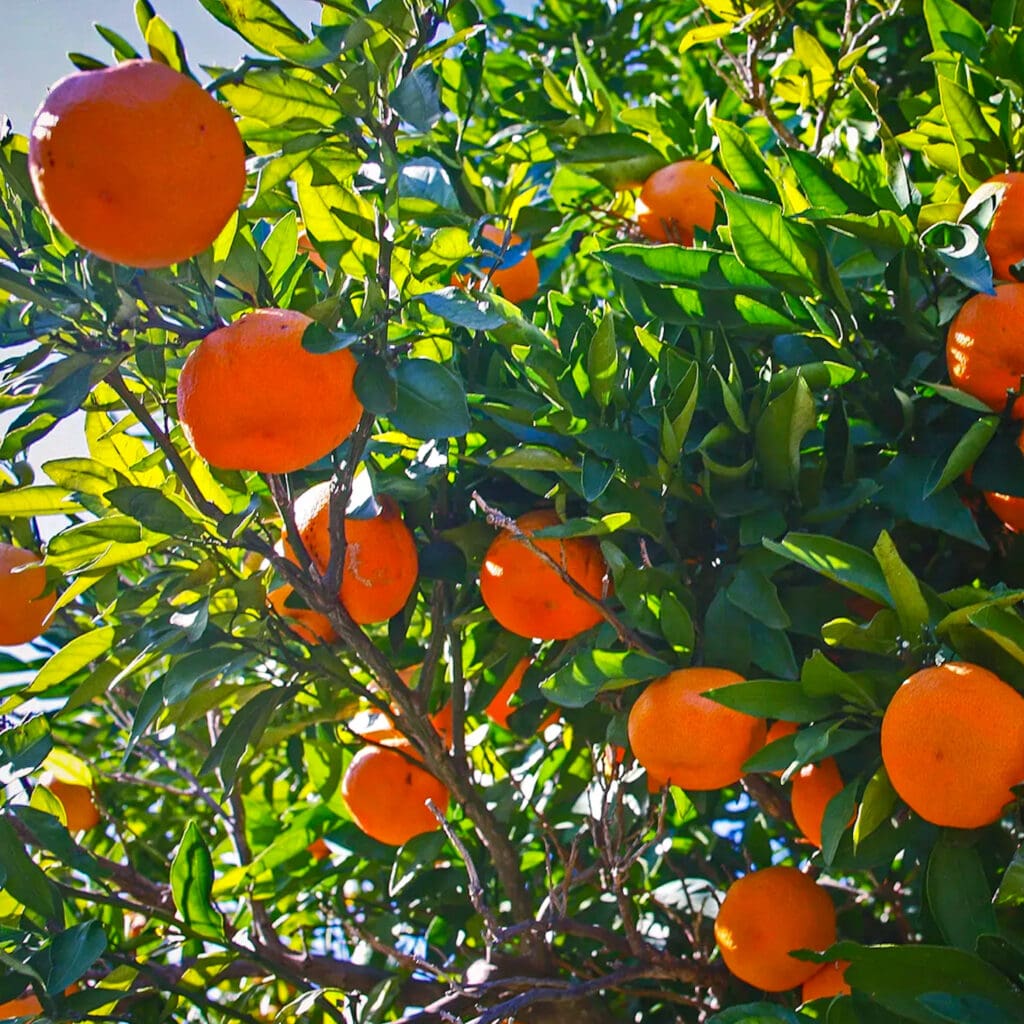
Fertilize your citrus trees in January for more blooms, again in May/June for better fruit set, and again in September/October for nutrients. We recommend fertilizing with Espoma Citrus-Tone – all organic and highly effective. Remember to fertilize trees, including citrus, at the drip line. That means spread fertilizer in a circle where the rain naturally drips down from the leaves, not right up against the trunk.

5. Start Veggie Seeds!

January is time to start tomatoes, kale, chard, onions, carrots, beets, parsley and more from seed. We carry easy seed-starting trays, peat pots, and Espoma Organic Seed Starter soil for starting seeds indoors or on a protected/covered patio. A good rule of thumb is that once the seedlings have made their first true set of leaves, they are ready to be transplanted into a larger container outside or directly into the garden bed. 

Check out our full Spring planting guide here

6. Grow Potatoes and Onions!

January is prime time to plant potatoes and onions! We carry Red La Soda and Yukon Gold potatoes because they are better suited for South Texas growing conditions than larger varieties. Watch Matt’s video guide to planting potatoes here!

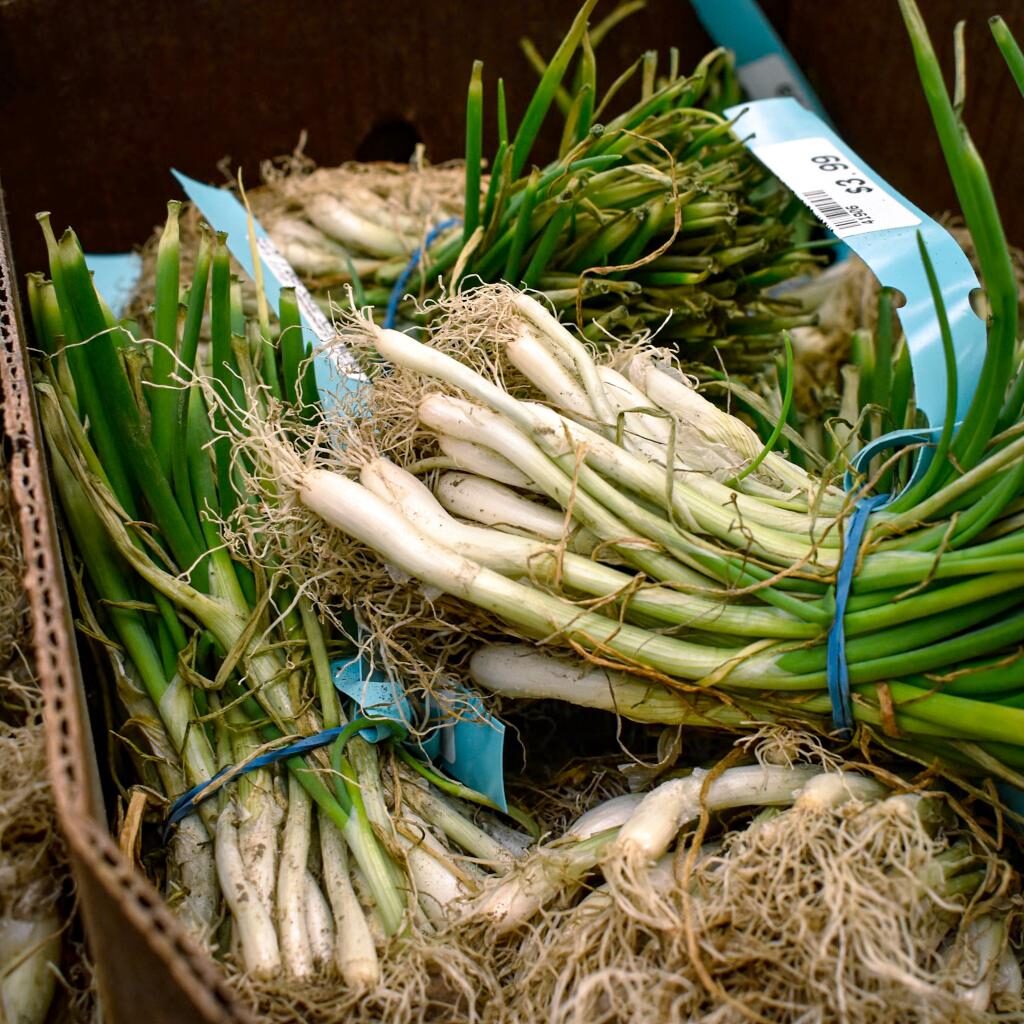
Plant onions in a row every 3-4″ then thin them by plucking every other green top as they grow. This will allow the onions to grow to full size. Keep in mind that both potatoes and onions need well-drained soil. Great for raised beds and containers!

7. Adjust Lighting and Water for Houseplants

Generally, most houseplants will need more light and less water this month. A moisture meter will come in handy to be sure you’re not overwatering. Experiment with moving houseplants to sunnier windows, and take them outside for a sunny day or 2. Keep their leaves clean to help them take up sunlight and prevent bad bugs. We like using a very light solution of Neem oil + water to wipe down leaves here at Gill’s.

8. Speak Up About Your Water!

Current City of Corpus Christi Stage 3 drought rules are very limited. We CAN water vegetables, fruit trees, food-bearing plants, and all potted plants. We CAN also apply for exemptions to the watering rules in order to get new plantings established. 

We need to speak up about our water! While we may need to strictly limit spray irrigation of lawns during current drought conditions, we still need to be able to water established landscapes and trees, and we need to be able to water new plantings. We have been in close contact with City leadership to offer suggestions for changing the Stage 3 rules to allow hand watering and the use of drip irrigation. If you’d like to contact the City, we wrote this letter for you to use. Copy it and customize it however you wish. The more gardeners who speak up, the better!

Keep in mind that plants don’t need much water in January, but dry cold fronts, high winds, and low humidity can dry plants quickly. Also, if we expect freezing weather, it’s very important to water deeply before the freeze to insulate roots against cold.

The slow, soaking rains this week followed by slightly cooler temps make for excellent planting weather. We dare say it’s feeling a little fall-ish! Even though it’s still warm out, right now is the time to plant your fall veggie garden to ensure you can get a good harvest. Here’s our guide to growing the best veggies this fall – plenty for you and plenty to share. 

1. Pick Your Plants – Know Your Timing!

Last chance to plant tomatoes and peppers! The average tomato needs 70-80 days to mature and produce fruit. That means they’ll be ready around the mid-late November if we plant now. Similarly, most peppers need 60-80 days to maturity. Be sure to get them planted now or very soon so you can get a good harvest before we have chances of cold weather which tomatoes and peppers can’t handle. While we’re reaching the end of the window to plant tomatoes and peppers, cool weather veggies like broccoli, cabbage, kale, Swiss chard, and cauliflower are just arriving! Even though these can handle cooler temps, you still need to get them in the ground in September to ensure you’ll get a good harvest. Radish and carrot seeds should be started this month as well. Take a look at our Fall veggie planting schedule. And save space for citrus trees, figs, and other fruits! They’ll all be arriving this week and next!

2. Prep and Amend Your Soil

Corpus Christi clay soil and sandy soil in Rockport or on the island both need a boost to make them suitable for growing veggies. Very simple – add compost! Whether you’re in clay or sand, we recommend 1 bag of Nature’s Blend or Cotton Burr compost per 12 square feet to establish a veggie bed. Just work the compost into the first 6-8 inches of the native soil and you’ll have a nice loose and bioactive mix ready for planting. You can use the same rough formula when filling raised beds, or use our Gardener’s Magic soil blend which is formulated for raised beds and already has the compost and other nutrients mixed in – just pour and plant! You can add even more life to your veggie soil by supplementing with earthworm castings, dried molasses, and Bio-Tone starter fertilizer with mycorrhizal fungi. Think of these as probiotics for your soil. Just like our gut microbiome keeps us healthy and balanced, an active soil microbiome will help your veggie plants perform optimally…bigger root systems and more fruit!

3. Give Your Plants Good Spacing and Support

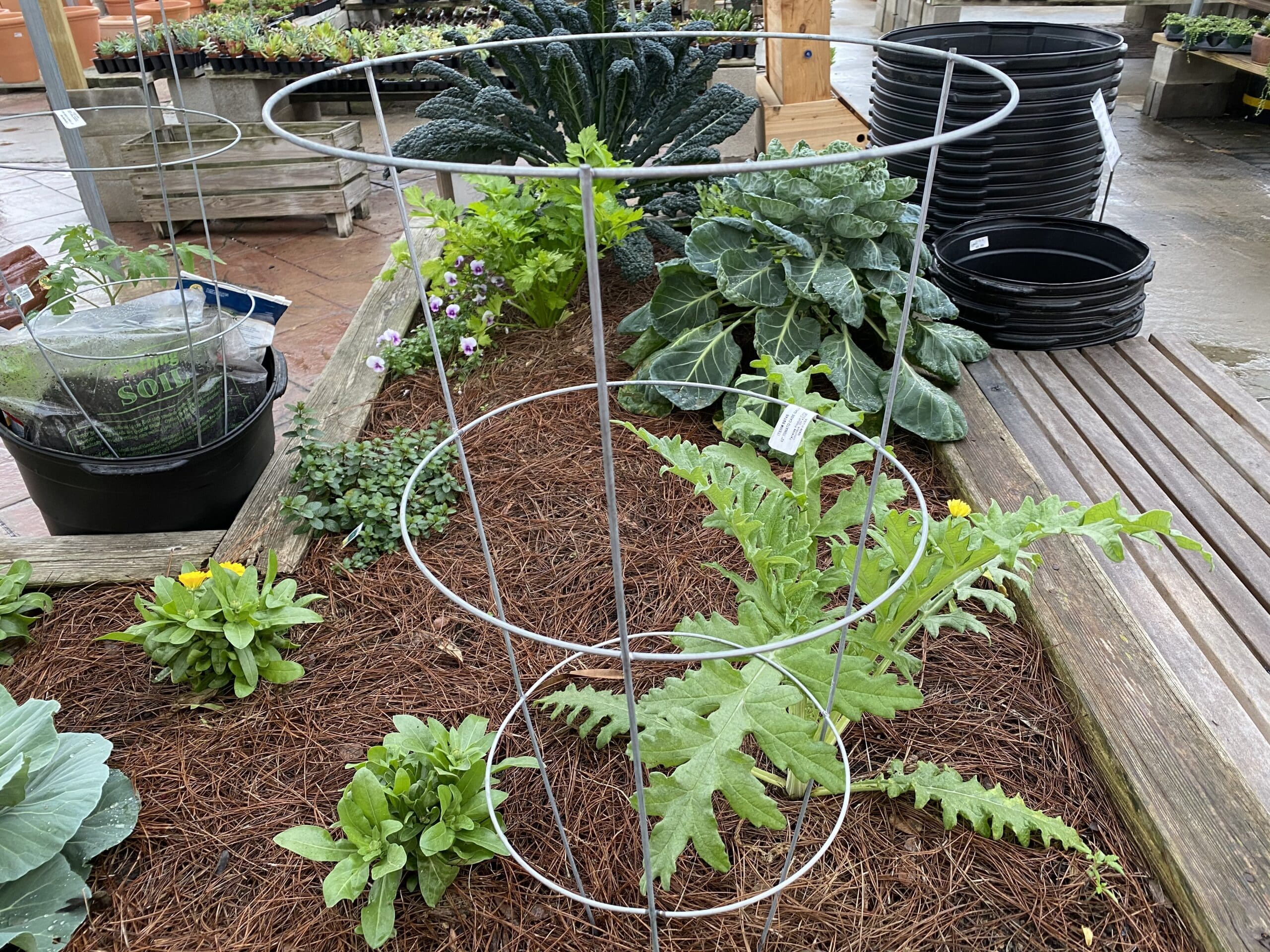
If you’re following this guide, get ready for big growth!  Be sure to give your plants adequate spacing to grow to their mature size. For example, tomatoes should be planted a good 4 feet apart, peppers should be 2.5-3 feet apart, and cucumbers, squash, brocolli, and cauliflower should be planted 18″ apart. Good spacing not only gives them room to grow to their full potential, but also ensures good airflow around the plants and helps prevent pest outbreaks. While plants are small, add/build your support structures! We carry tomato cages, wooden trellises, pre-made bamboo trellises, and bamboo poles or t-posts if you want to build your own. And be sure to have some good flexible garden tape!

4. Water Wisely

New veggie plants need water every day, preferably in the morning. Once established, you can water some plants less frequently. The best thing to do is to check your garden every day. You’ll get a good sense for which plants are thirstier than others. Soaker hoses can be a big help. Just snake them through your veggie beds and turn on the tap or use a timer. When watering by hand, think like a soaker hose – water slowly and gently at soil level. Watering over the top of your plants or splashing soil up onto the plants invites fungal disease and pests. A good mulch layer can help prevent soil from splashing up onto your plants, plus prevent weeds and help retain moisture. We love pine straw mulch for veggie gardens because its so easy to work with and it does a better job at suppressing weeds. 

5. Fertilize Regularly

If you want your veggies to feed you, you gotta feed them! Plants require LOTS of energy to produce fruit. If you take anything away from this blog, remember DeAnna’s organic fertilizer regimen:  granular Plant Tone on the 1st of the month, followed up by liquid Hasta Gro on the 15th. The granular fertilizer will slowly break down and feed your roots, while the liquid Hasta Gro sprayed over the leaves will make the foliage thick and strong. If you want strong plants and amazing veggie production, follow this schedule!

6. Be Ready for Pests

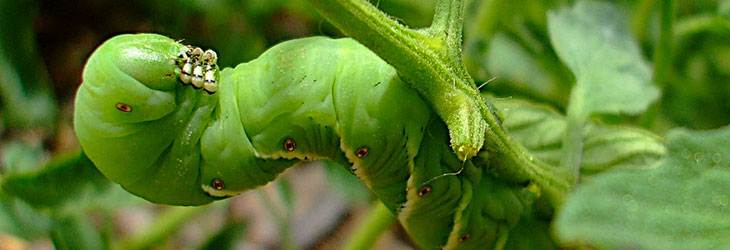
Insect pests in the veggie garden are pretty much inevitable, but controllable. Just like watering, the best way to control pests in the veggie garden is to inspect your plants every day and catch any problems early. We recommend having these 3 organic products on hand:  Bt for caterpillars, diatomaceous earth for crawling insects like ants, and spinosad soap for beetles, aphids, and spider mites. If you’re not sure what’s eating your veggies, send us a photo or bring in a sample and we can identify and help you control. 

7. Harvest Consistently!

If you follow this guide, you’re going to be set up for a bountiful harvest! It’s very important to harvest regularly so you get to enjoy all your efforts. Some veggies, like beans, squash, and cucumbers will need to be harvested daily! If you’ve grown cucumbers before, you know that one day they’ll look perfect and ripe, then the next day they’ll be twice the size and beyond their prime – huge and fibrous and flavorless. Keep in mind too that birds, bugs, and other critters like ripe fruit too. Harvest it before they do! When you harvest regularly, you’re also helping the plant redirect energy to producing more fruit. 


Fall planting season is here!! September is the best time to plant almost everything. And the recent rain is excellent news for getting started! Here are our top 7 must-do’s this month as we head into our favorite season in Corpus Christi and the Coastal Bend.

Check out our September Garden Guide for more tips!

1. Ready, Set, PLANT Veggies, Herbs, Citrus, and Fruits!

It’s time! Tomatoes, peppers, & warm weather edibles should be planted by now, or at the latest, early September. Plant cool weather veggies & herbs anytime in September and remember to shelter them from still-intense sun and keep watered. When planting, you can’t go wrong with organic BioTone starter fertilizer + a good handful of Earthworm Castings. Neither of these require precise measurement, and they make an incredible combo for building stronger, deeper roots, preventing pests, and creating an active soil environment for plants to thrive.

Here’s our Fall veggie planting schedule. And save space for citrus trees, figs, and other fruits to round off your garden grocery store! They’ll all be arriving before or right around mid-September. 

2. Plant Trees and Shrubs for the BEST Start

Plants that are cold hardy (trees and woody shrubs) will benefit greatly by planting during our fall season. They’re under less heat stress, and they grow more roots through the fall and winter, making them stronger and ready to take off next spring. More roots, stronger plants, and less watering! Oak trees, Crape Myrtles, Hawthorns, Yaupon Holly, Plumbago, Boxwoods and a host of other trees and shrubs should be planted starting this month for the best start.

3. Plant to Support Pollinators!

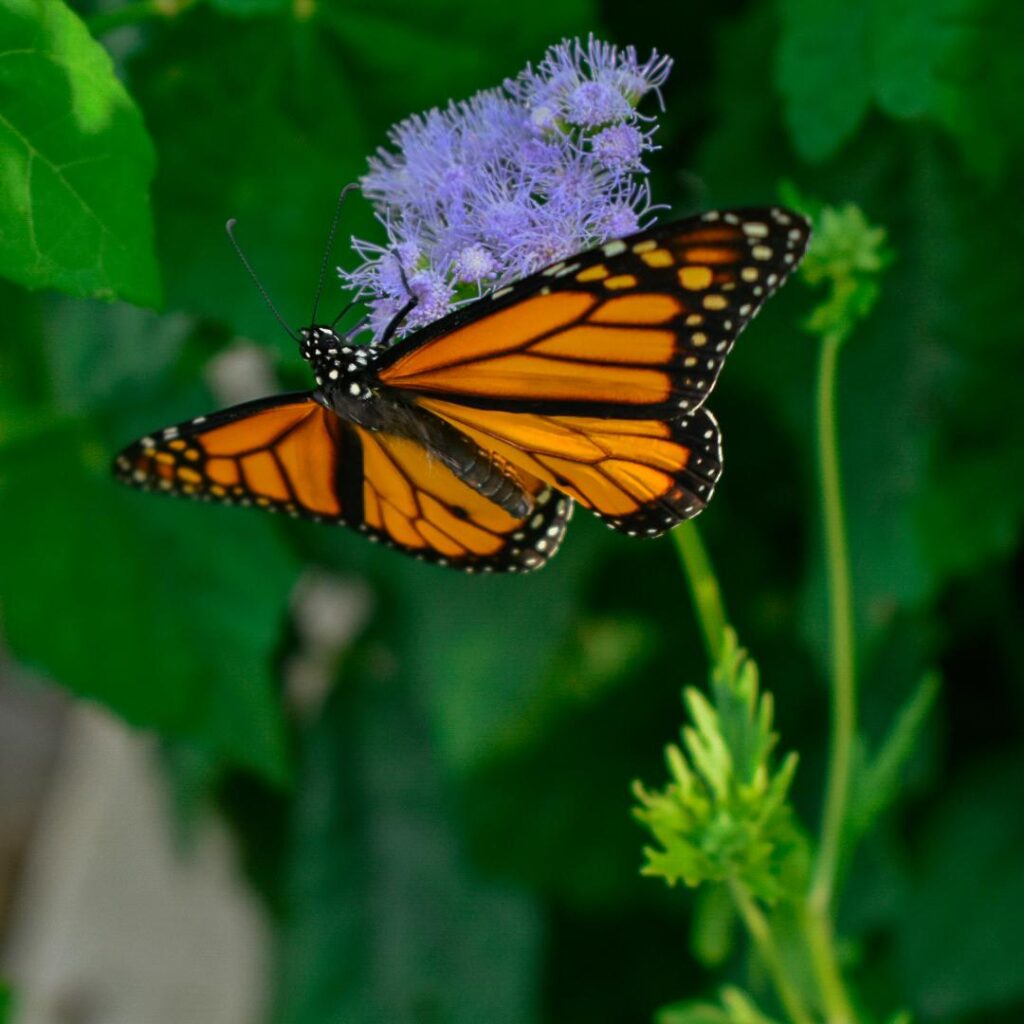
We’re bringing in lots of new plants this month with our pollinator friends in mind! While you’re choosing what to plant, consider adding Texas Natives like Turk’s Cap and Lantana that birds and bees love. If you want to attract and support butterflies, try native butterfly weed (Asclepias tuberosa), Gregg’s mist flower, and lots of different blooming salvias. So many gorgeous options! Bring in some pictures of your outdoor space and we can help you plan the perfect pollinator garden – big or small. You can DIY or we can plant it for you!

4. Set the Table for the Fall Hummingbird Migration!

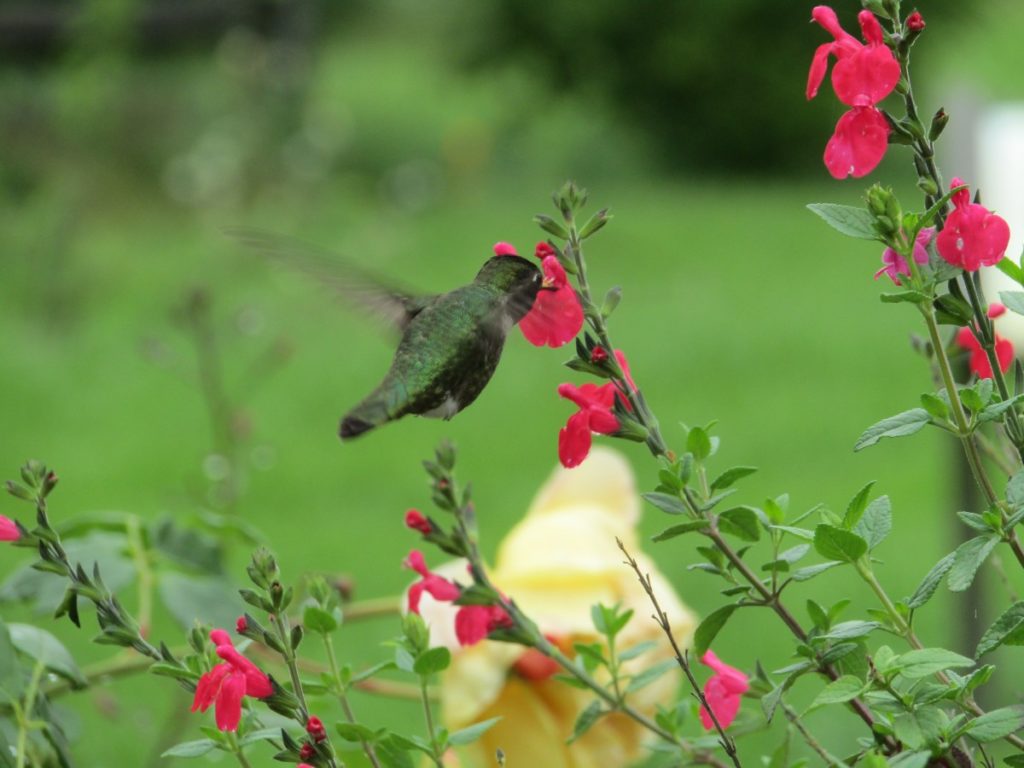
Ruby-throated hummingbirds will soon make their way through for the fall migration! These tiny birds are BIG eaters. They stop here in the Coastal Bend to fuel up before their non-stop flight across the Gulf of Mexico. Host them in your yard by planting some of their favorite foods! Hummingbirds find plants using their excellent vision and are attracted to bright colored blooms, which indicate a high-sugar food source. Some of our favs for South Texas are Flame Acanthus (aka hummingbird bush), Salvias (like native Salvia greggii and Salvia leucantha), Cape Honeysuckle, Firecracker plant, Coral bean – the list goes on! Plant a few of these and hummingbirds will find them. And don’t forget to visit the Rockport-Fulton HummerBird Celebration September 19-22!

5. Make Way for New Growth with Light Pruning and Clean-up

Chances are you have established plants that could benefit from a clean-up after working so hard all summer. Wait until about September 15th and give them a light pruning to make way for new growth this fall. A good rule of thumb for most plants is to prune up to 1/3 (not more) in the fall, then wait until January to do a heavy pruning/cutback. If you have questions about how to prune specific plants, you know who to call! 

6. Watch Your Watering and Adjust as Needed

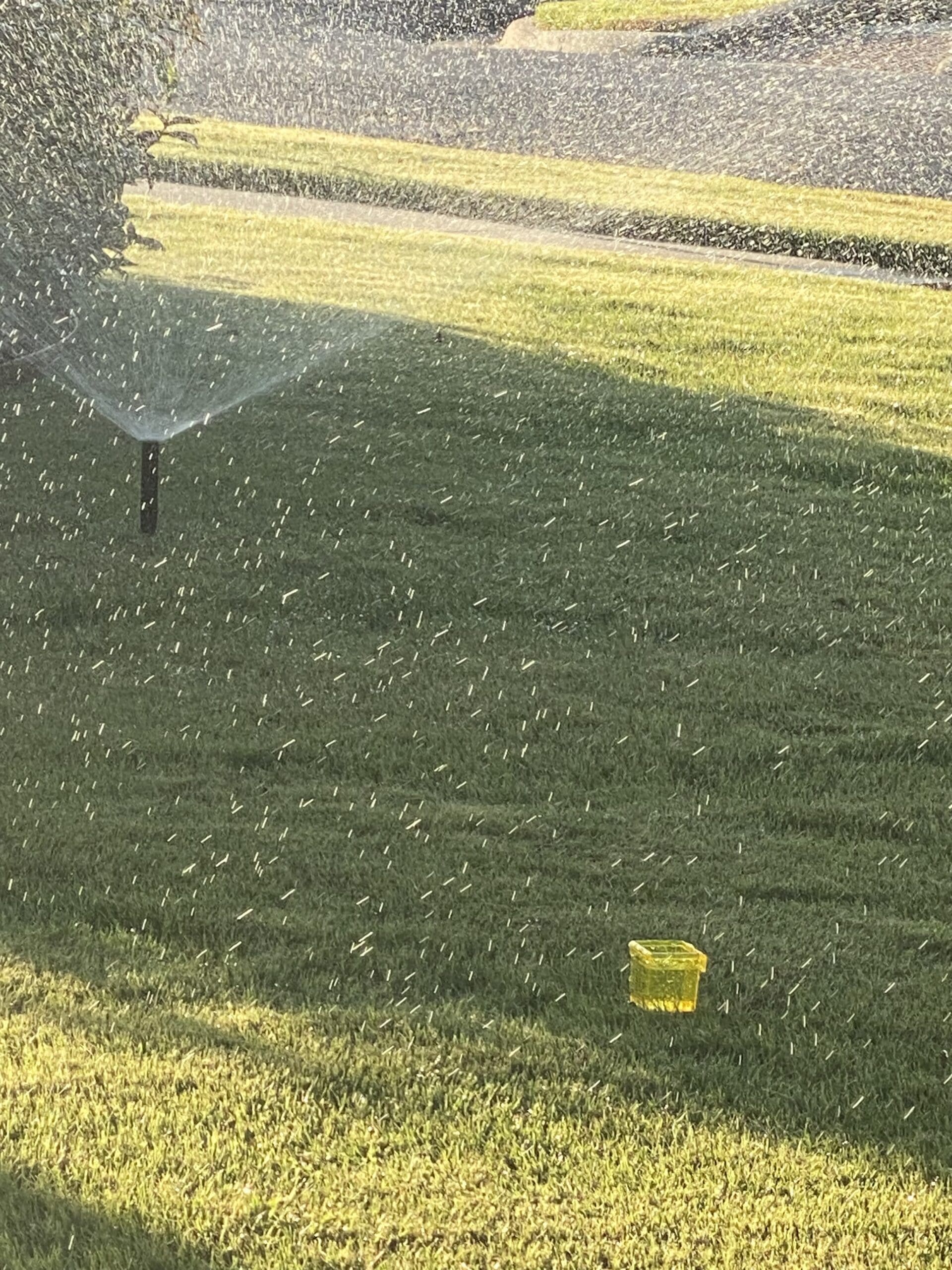
We’ll keep repeating – water to maintain depth moisture! That means water slow and deep. Conserve water and force those roots to dive deeper for moisture. If you use an automatic sprinkler system, take some time this month to give it a good audit. Make sure all your sprinkler heads are working properly, and make sure you are applying a good 1″ of water, evenly, when you water your lawn and established landscape beds and trees. The easy way to do this is to get some simple sprinkler gauges (pictured) and place them in different locations. You may find that different sprinkler zones need various different run times. 

7. You’re Invited! Gill Garden Talks and Events this Fall!

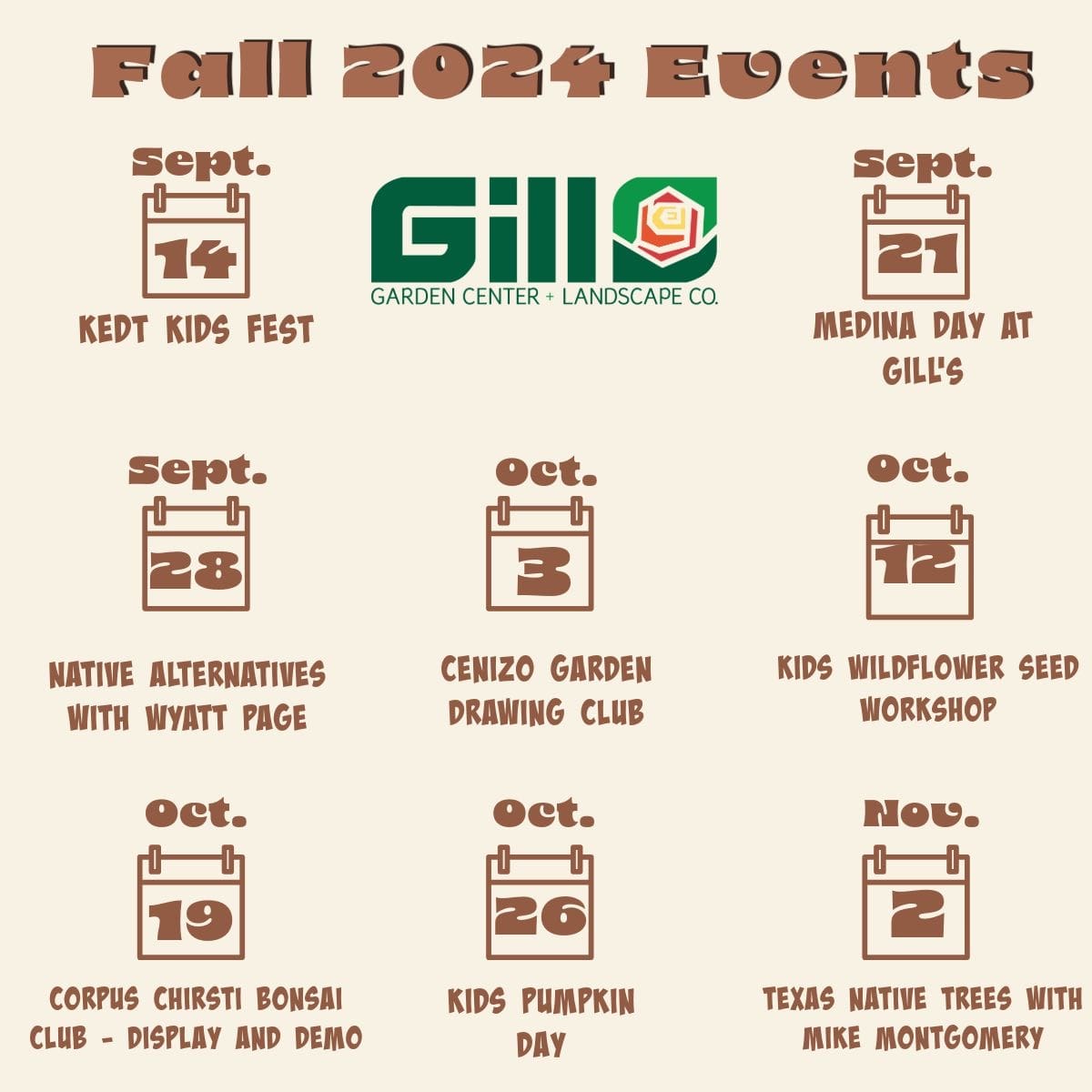
Gill Garden Talks and Events are back this Fall! We’re kicking it off with Kids Fest at KEDT studios on September 14th where we’ll be on hand giving away plants, seeds, and other fun garden stuff! Stay tuned here and on Instagram and Facebook for details of each event. We’ve got a few more that we can’t announce just yet 🙂

Yay for May! Everything’s growing and blooming and we hope you are too! May is Mental Health Awareness Month, which is a good time to think about the peace of mind that gardening brings us. Gardeners know that all the research is true – gardening is good for you! Here are our Top 6 Must Do’s this May to keep you and your garden feelin’ good.

1. Join Us for Garden Talks and Events!
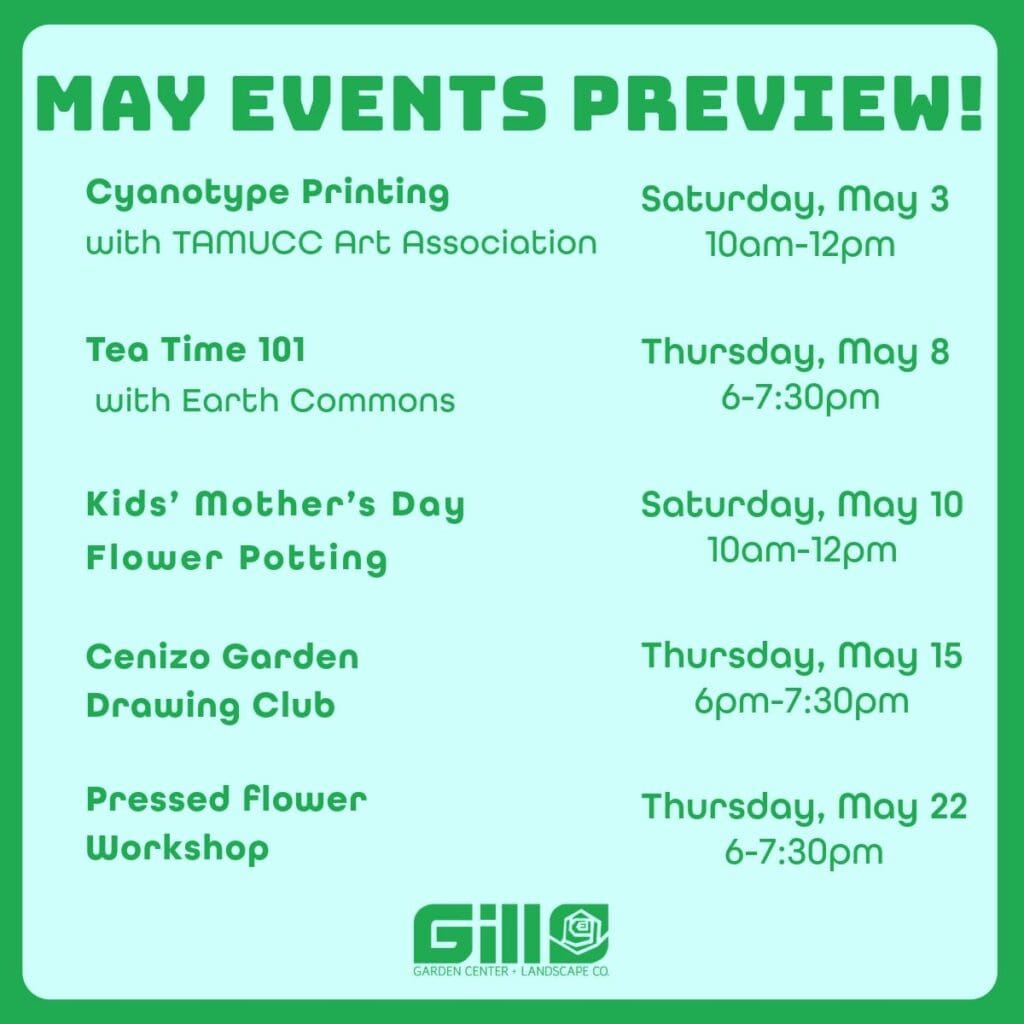
We’ve got a fun May planned here at Gill’s, and we’re kicking it off Saturday, May 11th with our Mother’s Day Flower Art for Kids workshop! Then we’re hosting an RSVP-only pressed flower workshop the evening of May 16th, and an informative talk on setting up your own drip irrigation system on May 25th. Sure to be lots of fun and lots to learn and discuss! Click here for more info!

2. Plant Blooming Perennials and Trees
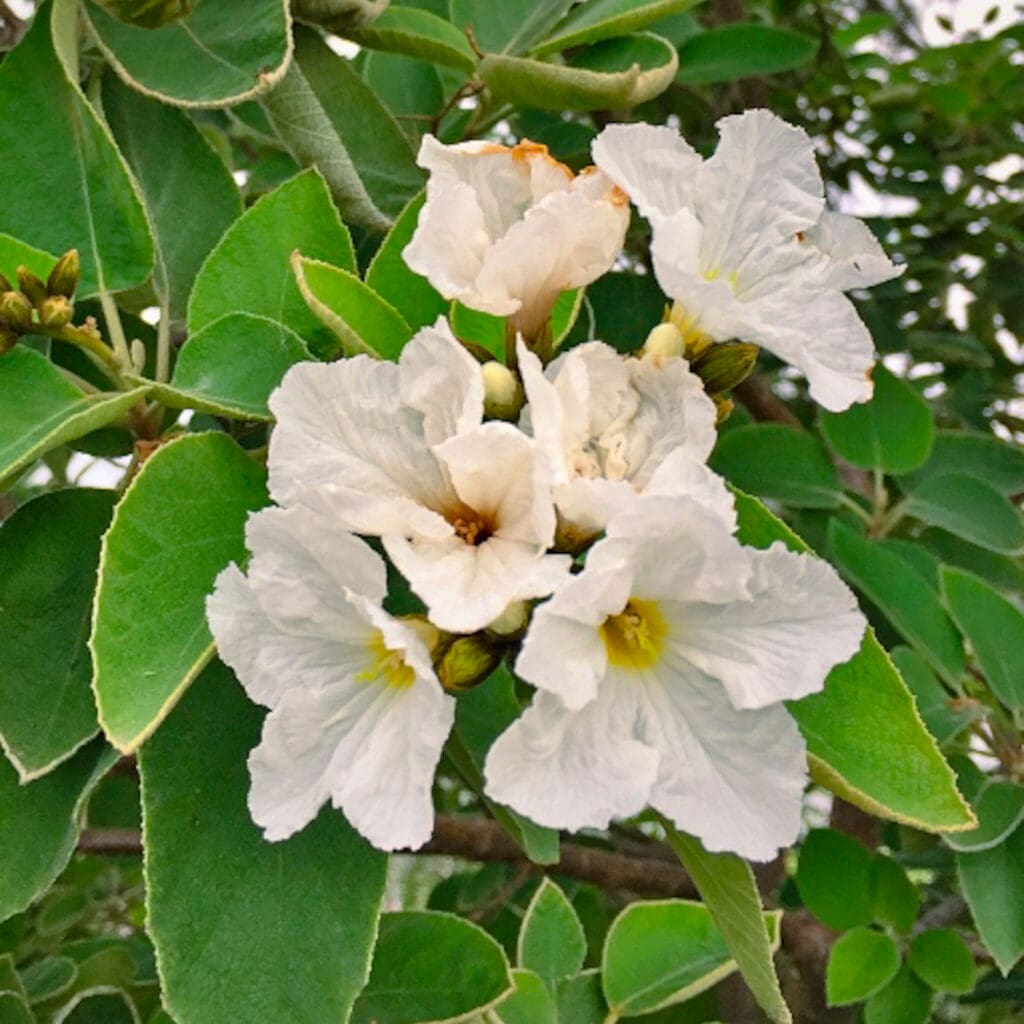
It’s still time to plant lots of different blooming perennials and blooming trees. Get them established in May so they are better adapted to withstand warmer temps this Summer. Staples like Esperanza, many varieties of Salvia, Lantana, and tons more are all blooming beautifully right now. And blooming trees like Vitex, Retama, and Wild Olive are looking great right now too. Added bonus:  these blooming perennials and trees attract lots of butterflies and hummingbirds!

3. Plant and Harvest Veggies
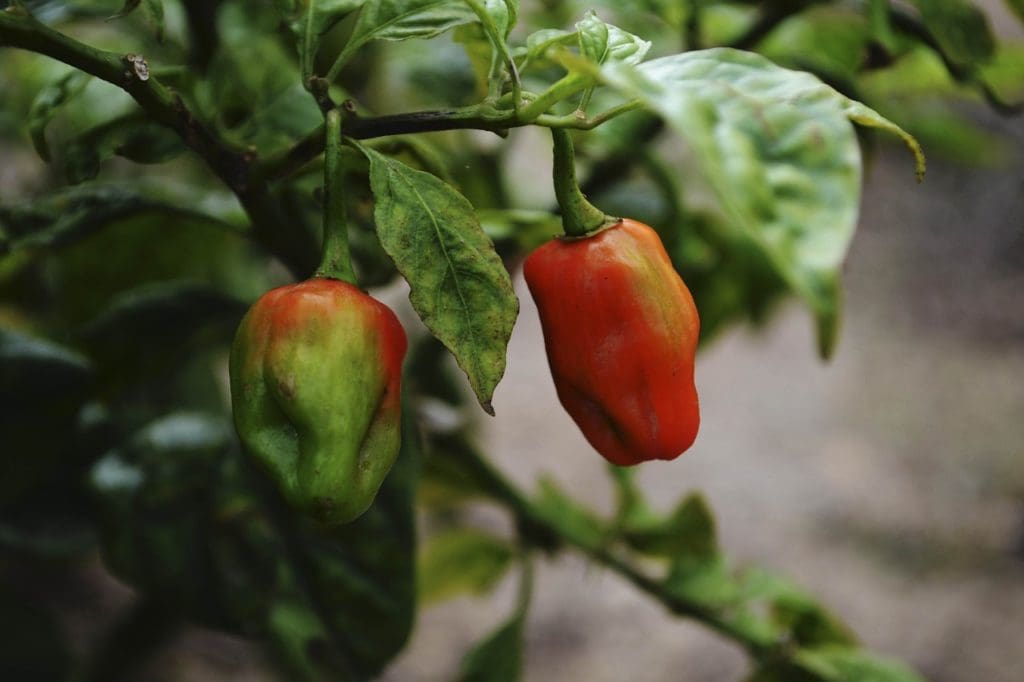
Warm weather veggie time! Plant peppers, zucchini, squash, and okra this month for continued harvesting into the Summer months. If you planted tomatoes, cucumbers, and other early Spring veggies, you’ll be harvesting now or very soon. Be sure to harvest often! It keeps birds & insects from finding them first. If you do have insect issues in your veggie garden, our go-to organic control is Spinosad – safe for food but takes care of bugs. Recent rain showers have been great for veggie gardens. Remember to keep watering as the weather warms up to maintain depth moisture. Soaker hoses are great to snake around your plants keeping water close to the ground and root systems.

4. Transition Your Lawn to Summer

Water deeply once every 2 weeks unless we get rain (per current watering rules). Watering once every 2 weeks with your irrigation system or sprinklers IS sufficient to keep lawns healthy through the summer. If necessary, you can supplement with hand watering. The key is to focus on depth moisture and root health – not necessarily a perfect green appearance all summer long.

When mowing, the proper height for St. Augustine lawns is around 3 inches. For Bermuda lawns, keep mowed to around 2-2.5 inches. Buzzing lawns shorter than that will cause lawn stress, and stressed lawns are more susceptible to pests, weeds, and disease.

Feed with Natural Fertilizers:  Medina Growin Green or Milorganite. These feed the lawn and the soil with great results. Water in to get them started. Plus you can use them elsewhere in your landscape for plants and trees.

Watch for lawn insects & treat when needed. Grub worms & chinch bugs are easy to control when caught early but there’s no need to treat unless you have them. Bayer Season-long Grub Control will do the trick for grubs. Cyonara takes care of chinch bugs. Reminder, you can bring us a grass sample any time you suspect a lawn disease or pest. We’ll diagnose (using our microscope if needed) and get you what you need to knock it out.

Consider reducing your lawn space! Does all this lawn stuff sound like a lot of work? It can be! Many of us are reconsidering whether we really even want all that green lawn space. Why not start converting small portions of lawn to planting beds filled with blooming perennials that benefit the environment and use far less water? One way to start would simply be to deepen existing landscape beds to reduce some lawn.

5. Set Your Mosquito Traps!

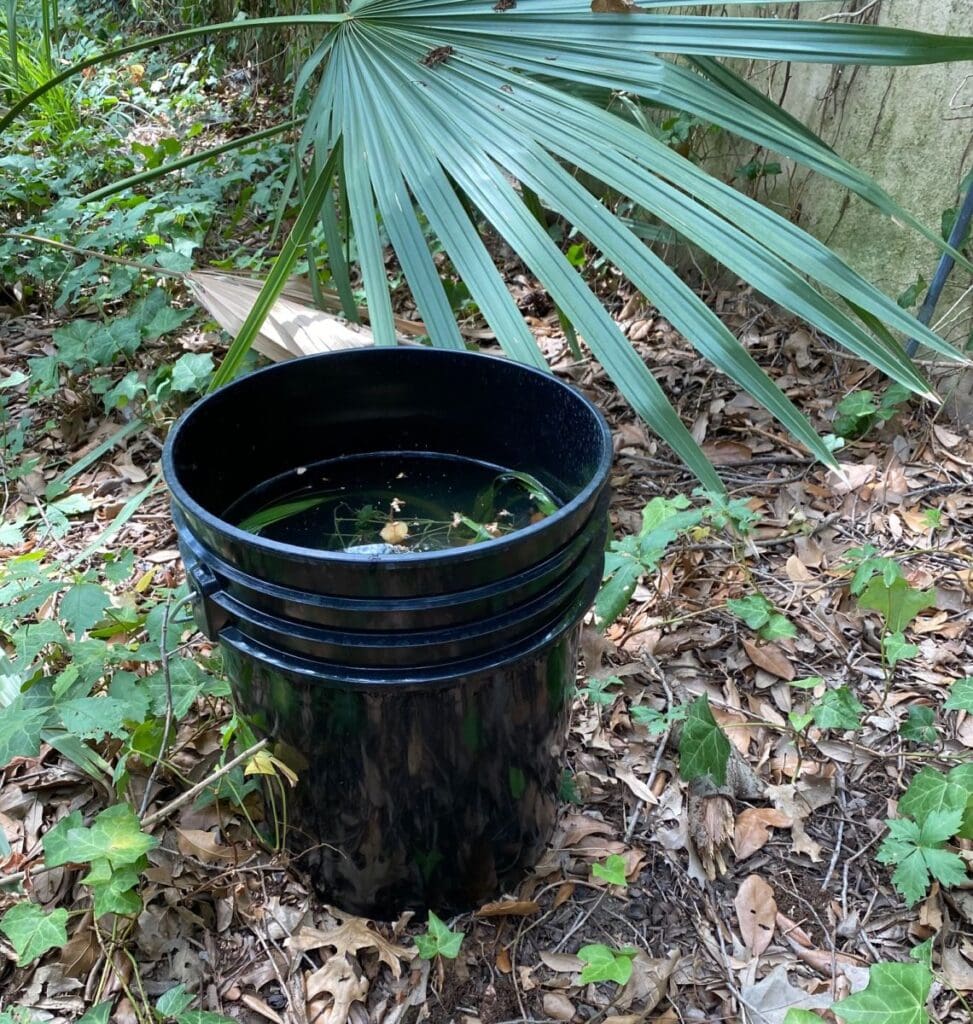
We are big fans of the simple bucket mosquito trap. Just fill a bucket 3/4 with water, add a good handful of lawn or plant clippings, and toss in a Mosquito Dunk or Mosquito Bits. These dissolve in the water and release bacteria that target mosquito larvae and kill them before they hatch. And they’re organic and not harmful to birds, bees, pets or humans! Set a few of these traps, sprinkle some organic Mosquito Beater granules around walkways and patios, spray organic Cedar Repel on your lawn, and use Skeeter Screen incense sticks near where you’re working or hanging out outside. Remember that using chemical mosquito foggers kills all the good bugs too, some of which also help control mosquitos and other bad bugs.

6. Gifts for Moms and Grads

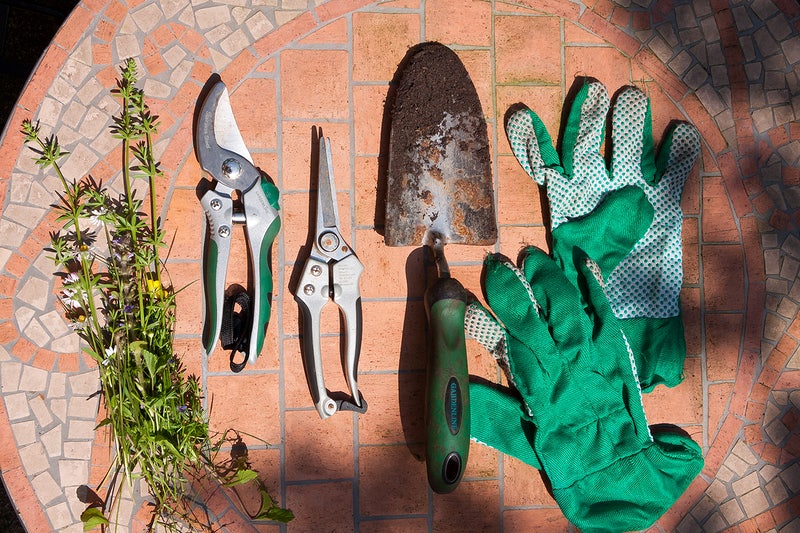
Let us help you find something pretty, useful, or both for the gardening moms and grads in your life. Pottery, birdbaths, wind chimes, garden tools, hats, gloves, garden decor, gift cards – lots of options. Check out the Bee Puddles handmade by ceramicist and Gill’s own Wyatt Page! Help bees stop for a drink. Or find the gift that gardeners love most – plants 🙂

Visit our May Garden Guide for more tips! Happy gardening!

Yes, I know. We just got our first shot of cooler weather so you’re just now ready to get out and garden. Timing is everything when it comes to success with vegetables. The growers are running out of tomatoes and peppers already also. We do still have some 4 inch and 1 gal. available so do not wait. If you plan on growing  beans, corn, squash, cucumbers or zucchini from seed or transplants, it is also time to get them into the ground. There is still plenty of time for cool season crops, such as beets, broccoli, cabbage, cauliflower, chard, kale, lettuce, radish and more. Stop by and pick up our Spring/Fall Planting Guide to help you plan your garden for the season. We want everyone to have a successful harvest this fall so please send us some photos of your bountiful harvests.

deanna


-Deanna