
It’s harvest time around my house and I have to admit the bounty is big this winter.
This past fall, I planted later than usual (Oct 13th) due to rainy days and a total kitchen remodel! Mother Nature was my advocate, though. Rain, sun, and many cool fronts did amazing work with little help from me, other than a feeding of Hasta Gro 4 weeks after planting and pulling a few weeds.
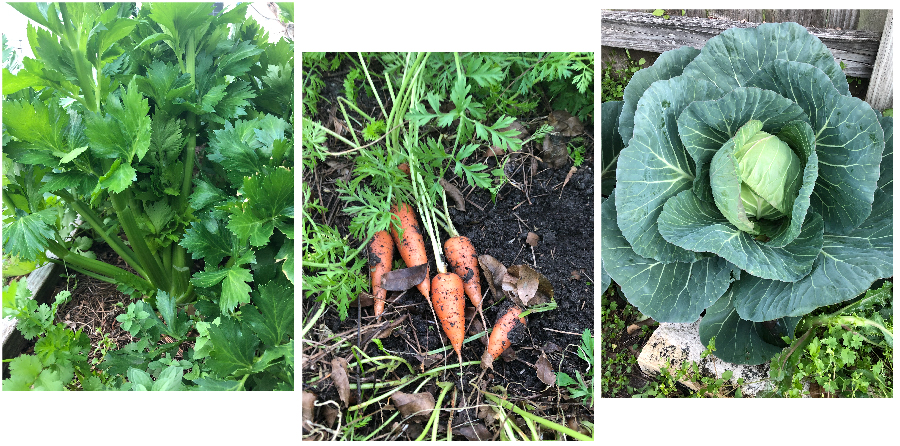
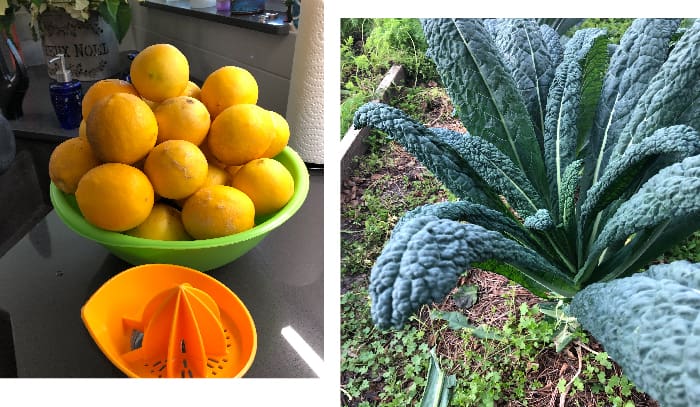
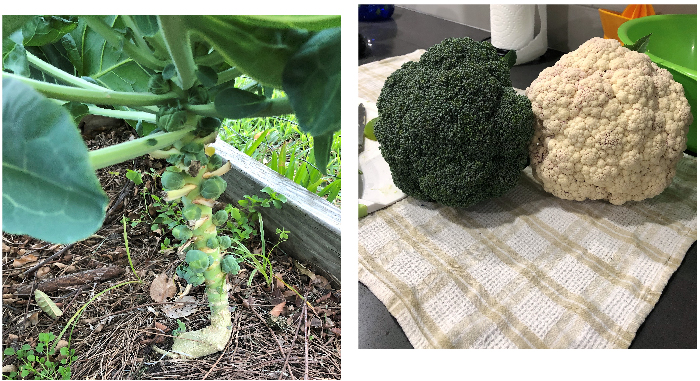
The end result is a fridge full of delicious broccoli, nice size cabbage, sweet carrots, good-for-you kale, a huge stand of cilantro (from seed), celery, and a freezer full of fresh squeezed Meyer Lemon juice. Our Brussels sprouts are looking good, still just a little small. We will wait patiently for these culinary jewels. Life is really good!
So, what’s next? Well, we’ll clean out the old, do a turn of the soil, and set our sights on tomatoes, peppers, basil, zucchini, and whatever else tickles our delight to try… like having fun with potatoes.
James Gill fondly tells a story about how much fun he and his boys had planting potatoes. They were young, so playing in the dirt was a given and harvest time even better as they dug into the dirt to pull out bunches of potatoes from just the one that they planted!
It’s time to plant potatoes now through the end of February, so here’s our recipe for success:
- – Cut potato into 2-4 pieces…or you can plant the whole potato. Best to buy non-treated potatoes. We have Red Lasota seed potatoes for sale.
- – Coat with dusting sulphur and let cure for a few days.
- – Prepare an area to plant…mostly sun and good drainage is very important. Loosen the soil and work compost into the dirt. Or you can plant in large pots using potting soil.
- – Work fertilizer into the soil 8-10” deep…Plant Tone is great. Do NOT fertilize after planting
- – Plant potatoes 3” deep and space them about 12” apart
- – In about 3 weeks bank 3-4” of fresh soil over the base of each plant. Continue mounding soil every few weeks as the plant grows
- – Potatoes are ready to harvest when mature plants begin to yellow and die (around 3-4 months).
- – Start digging and have fun!
The spring planting season is starting – see you soon!
 -Debbie
P.S. – check our Spring Vegetable Planting Guide for more tips!
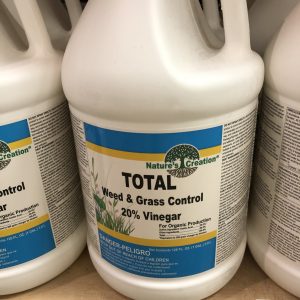 A friend texted me this week-end and asked how she can get rid of her winter weeds. Probably like everyone, she’s getting ready for her family to arrive! She has weeds amongst her flowers near her front door. Our recommendation is to
 -Sally
 -DeAnna
 -James Gill

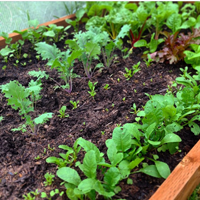 Now’s the time to prepare the soil with fresh compost and plan your garden layout. Sow seeds of root crops, ex. beets, carrots, radish and turnips. Don’t forget your leafy vegetables such as chard, collards, kale, lettuce, mustard and spinach. Transplants of broccoli, cabbage and cauliflower can also be planted now. If you are limited on space, you may want to take this time to let the garden rest. In just a few weeks it will be time to think about tomatoes, beans, corn, cucumbers, squash and more of the warm season veggies. We will begin bringing in tomatoes the middle of the month, but suggest you transplant them into 1 gal pots so you can take them in on the cold nights. If you prefer to wait till after fear of frost, we will have 1 gallon plants already established for you to plant at a later date. The longer you wait, the bigger you need to buy.
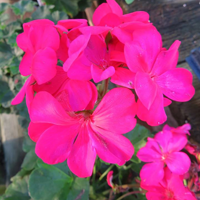 Planning For Spring Flowers