We’ve passed the halfway point for 2026…that was fast! We hope you’re having lots of fun this summer – holidays, BBQs, weekend trips, and garden projects! Here are our top must-do’s to keep your plants healthy and happy in July, including tips for planting, watering, and summer pests to watch out for.
1. Yes, You Can Plant in the Summer!
Myth: I’ve heard that you can’t plant in the summer because its too hot… FACT: Of course you can!! You can plant just about anything in our summers, including trees, as long as you have a good plan for watering. In fact, summer is a great time to plant crape myrtles because they’re blooming and you get to choose the color IRL! While we’re past the season for spring veggies like tomatoes, there are still plenty of summer veggies like okra, peppers, eggplant, and melons to plant now. If you want your own fresh pumpkins for Halloween, start ’em in July. Plus, now’s a great time to set table for the fall hummingbird migration with their fav blooming perennials like Firebush, Firecracker plant (pictured), native flame Acanthus, and Dicliptera aka Hummingbird Bush. Don’t let any myths discourage your summer gardening!
2. Watering: Think Depth, Not Frequency
Proper hydration happens when you get water down to the roots of the plant. This means watering deeply, not more frequently. Plants need long, slow, deep drinks! Encourage those roots to dive deeper for water. Even with recent summer rains (yay!!), continue to watch your watering and maintain that depth moisture. If you notice this summer that you’re having to water your potted plants a lot more often, it could be time to re-pot. As the pot fills up with roots, you end up with less soil and therefore less moisture retention.
3. Mulch to Keep Roots Cool
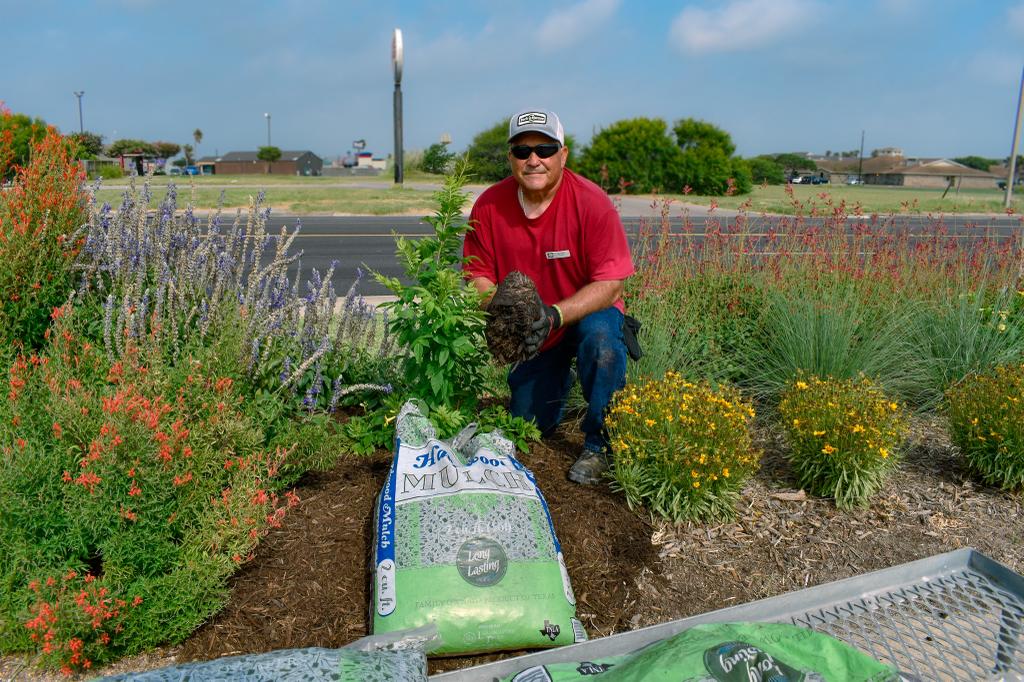
Another way to save water is to keep landscape beds and gardens mulched through the summer. Studies show that a good 3″ layer of mulch will keep your plant roots more than 20 degrees cooler! Not only that, a good mulch layer also helps retain moisture AND keeps weeds at bay. Healthy plants, less watering, and fewer weeds – that’s a win/win/win! It’s important to use natural wood or pine straw mulch that breaks down over time, NOT the red dyed stuff! As natural mulch breaks down, it adds nutrients and makes your soil more workable. Keep in mind, mulch is also a great placeholder. If you have areas that you plan to plant later, keep them mulched to keep weeds out and keep your soil healthy and ready to plant when you are.
4. Watch for More Bugs in Summer
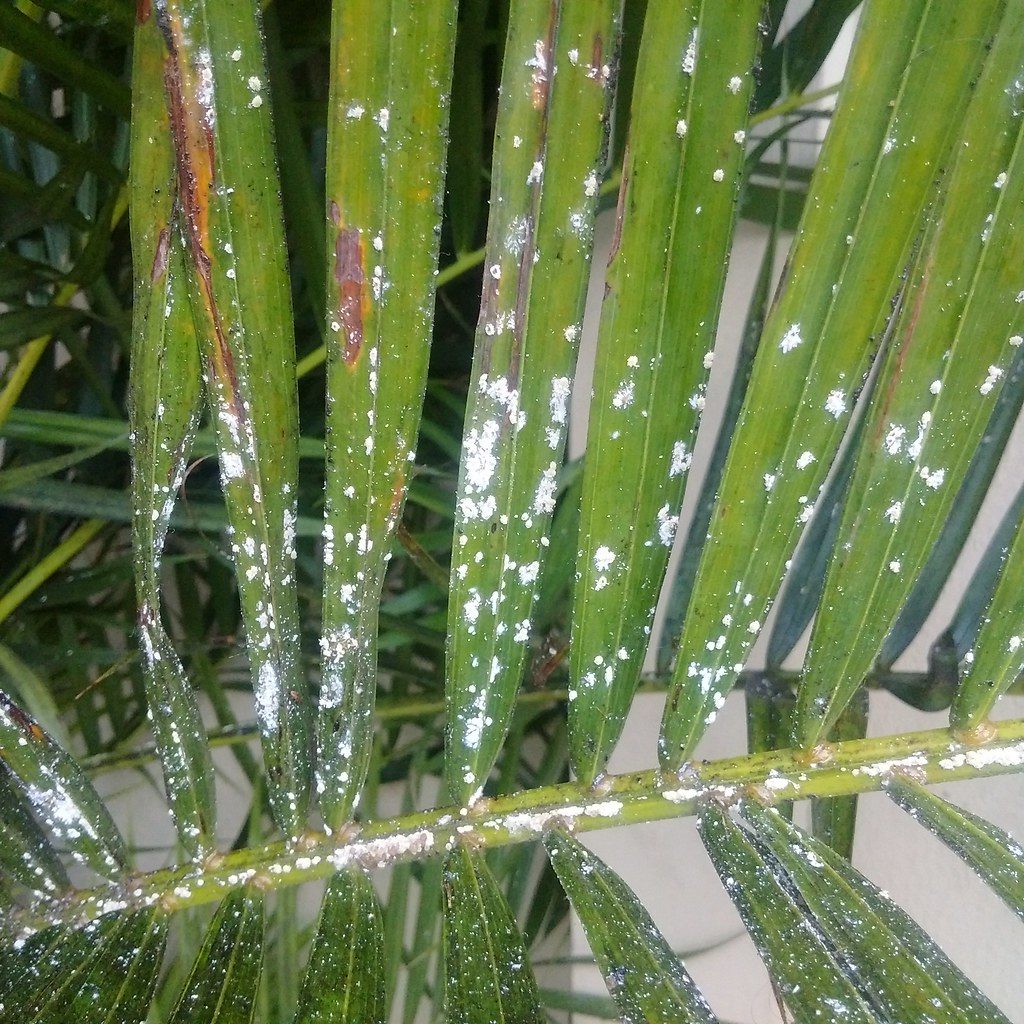
This is what a mealybug infestation looks like!
Not all bugs are bad, so it’s important to know your bugs before you spray anything, even organics. A few bugs here and there is most likely not cause for alarm. If you do get an infestation, cut the plant back first, give it some fertilizer, then treat for bugs. By pruning first, you won’t have to treat every leaf on the whole plant. We see plants come back better than ever using this method. If you’re not sure about bugs or pruning, we’re here to help. During summer, watch out for mealybugs on plants like Hibiscus and Turk’s Cap, lacebugs on Lantana, and chinch bugs in the lawn – especially near sidewalks and driveways! We’ve got solutions for all of the above.
5. Yes, You Should Fertilize in the Summer!
Continue to feed plants, especially heavy bloomers and veggies through the summer. Keep in mind that strong, healthy plants are less susceptible to pests and disease. Speaking of strong, try a good liquid foliar food like Medina Hasta Gro about every other week in addition to your granular feedings about once a month. The foliar food sprayed directly on the leaves really makes those leaves stronger and more robust. Lots of gardeners like to use liquid seaweed in the summer for a similar purpose, to help fortify and summer-proof your plants. What about lawns? If you haven’t fed your lawn yet, you can still do that too. If you have, you don’t need to feed it again until the fall.
Sign up for the Gill Garden News, our weekly e-newsletter! Each Thursday at 6pm, you’ll receive the Garden News direct to your inbox, packed with a weekly gardening blog, garden tips, weekly in-store specials, updates about events, and lots more.



 This is what a mealybug infestation looks like!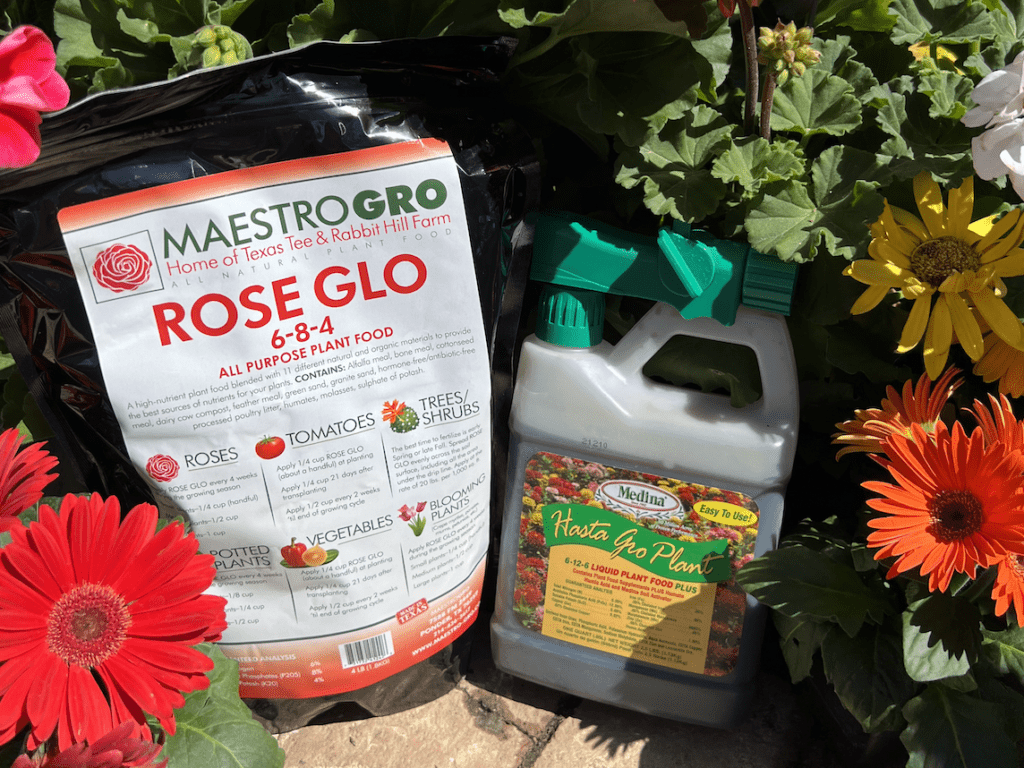


Sandra J Davis says
Awesome inf0rmation!