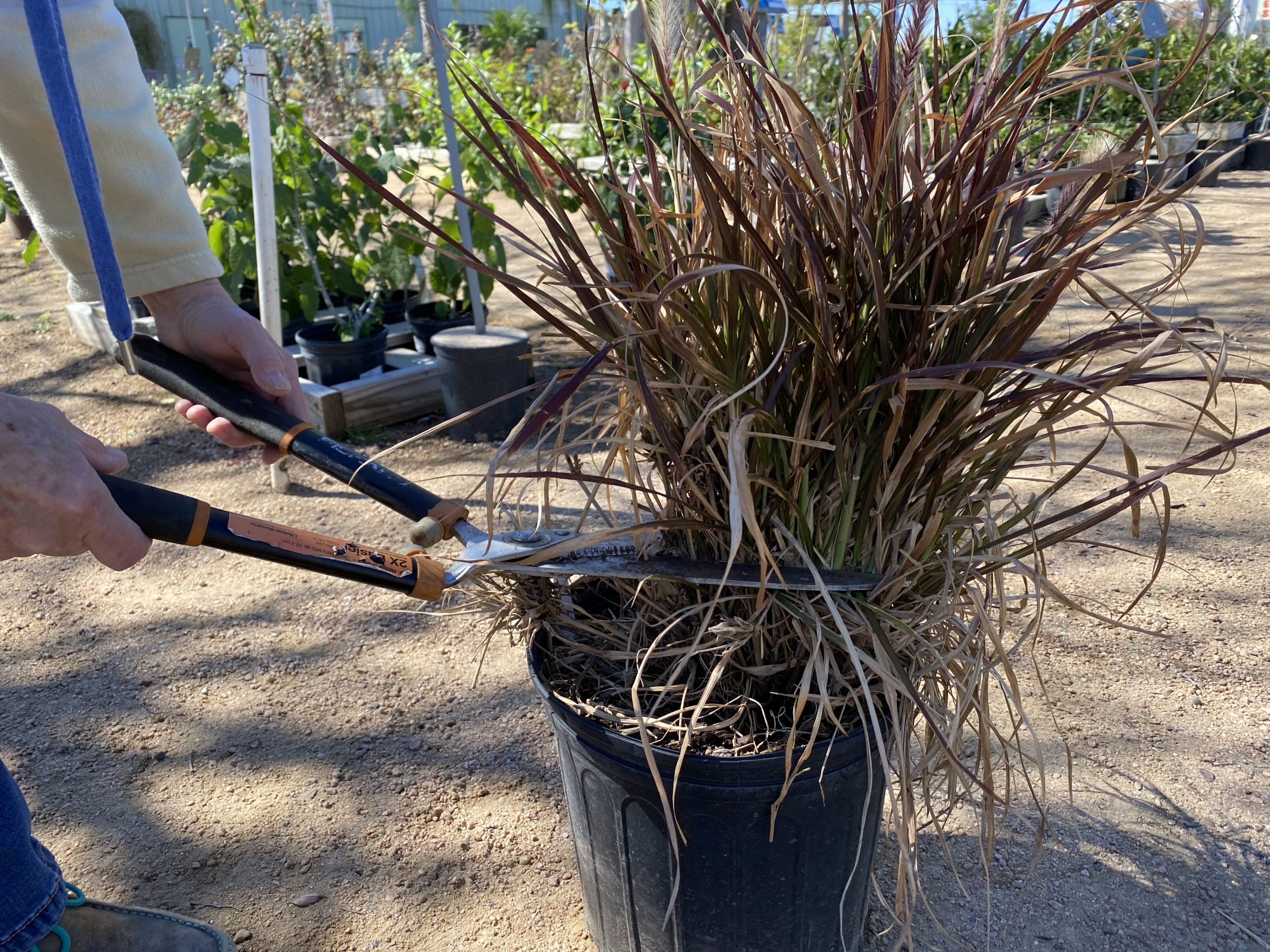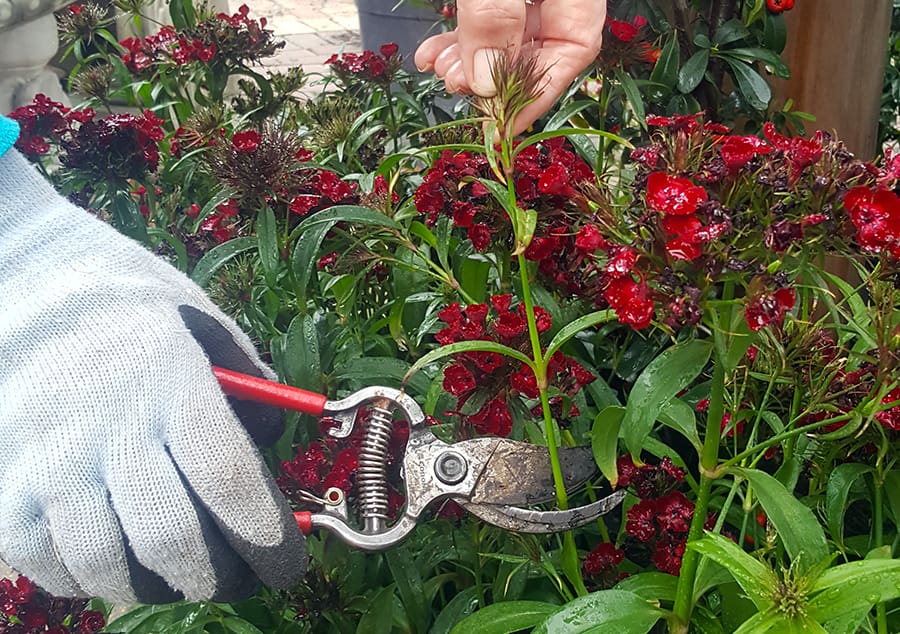
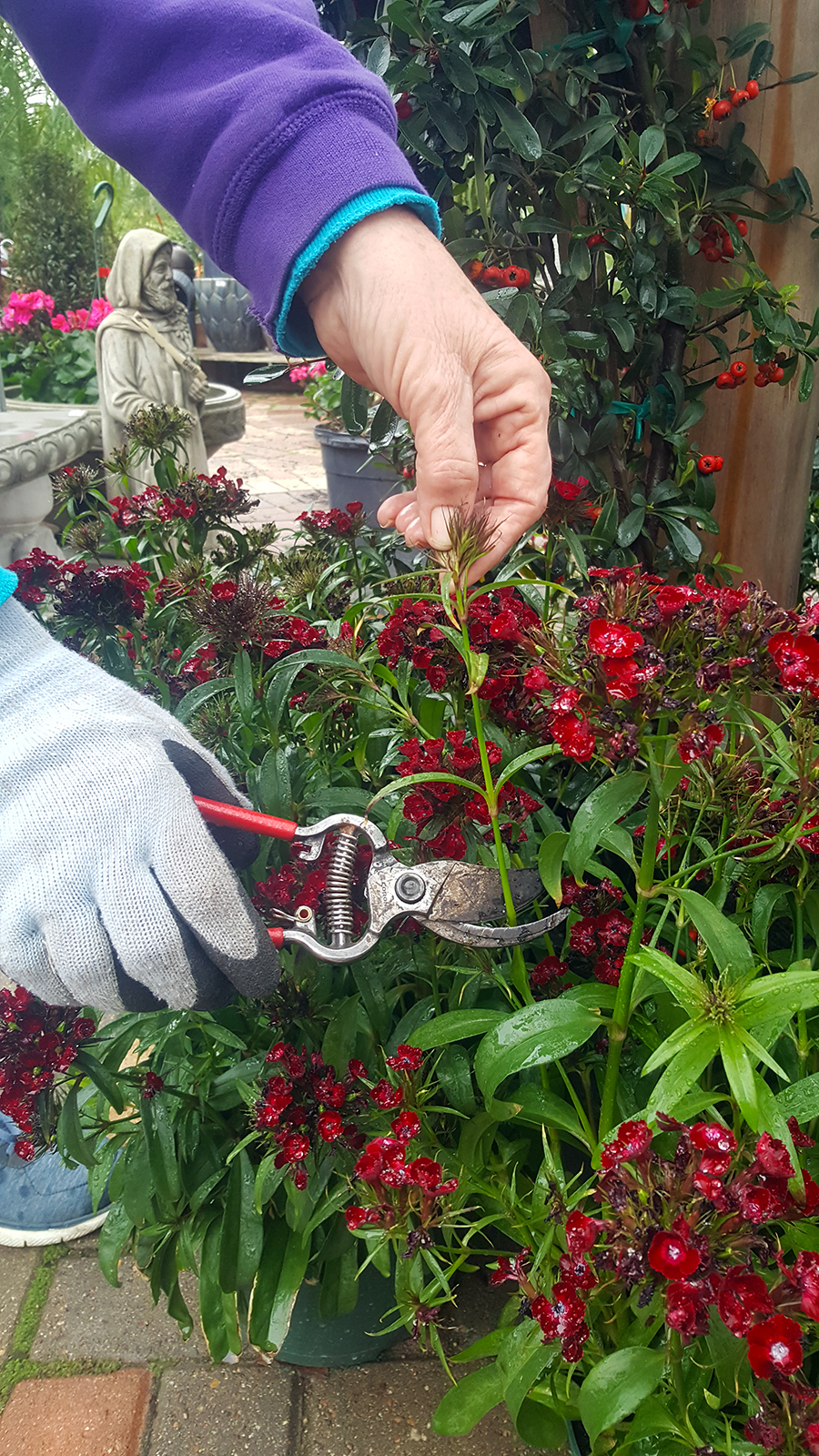
 Each year in January and February, I give my pre-spring “Get Ready for Spring” garden talk. I always start the talk with pre-spring pruning and the importance of sharp tools.
You may want any pruning saws sharpened professionally, as it can be a little difficult and tedious. But pruning clippers, loppers, and hedge shears are easier to do-it-yourself if you are inclined to. Pruners, loppers, shears, as well as shovels and hoes all perform better with a good sharp edge. Less effort and strain when trimming or digging, and clean cuts that heal faster than ragged cuts; that’s our aim.
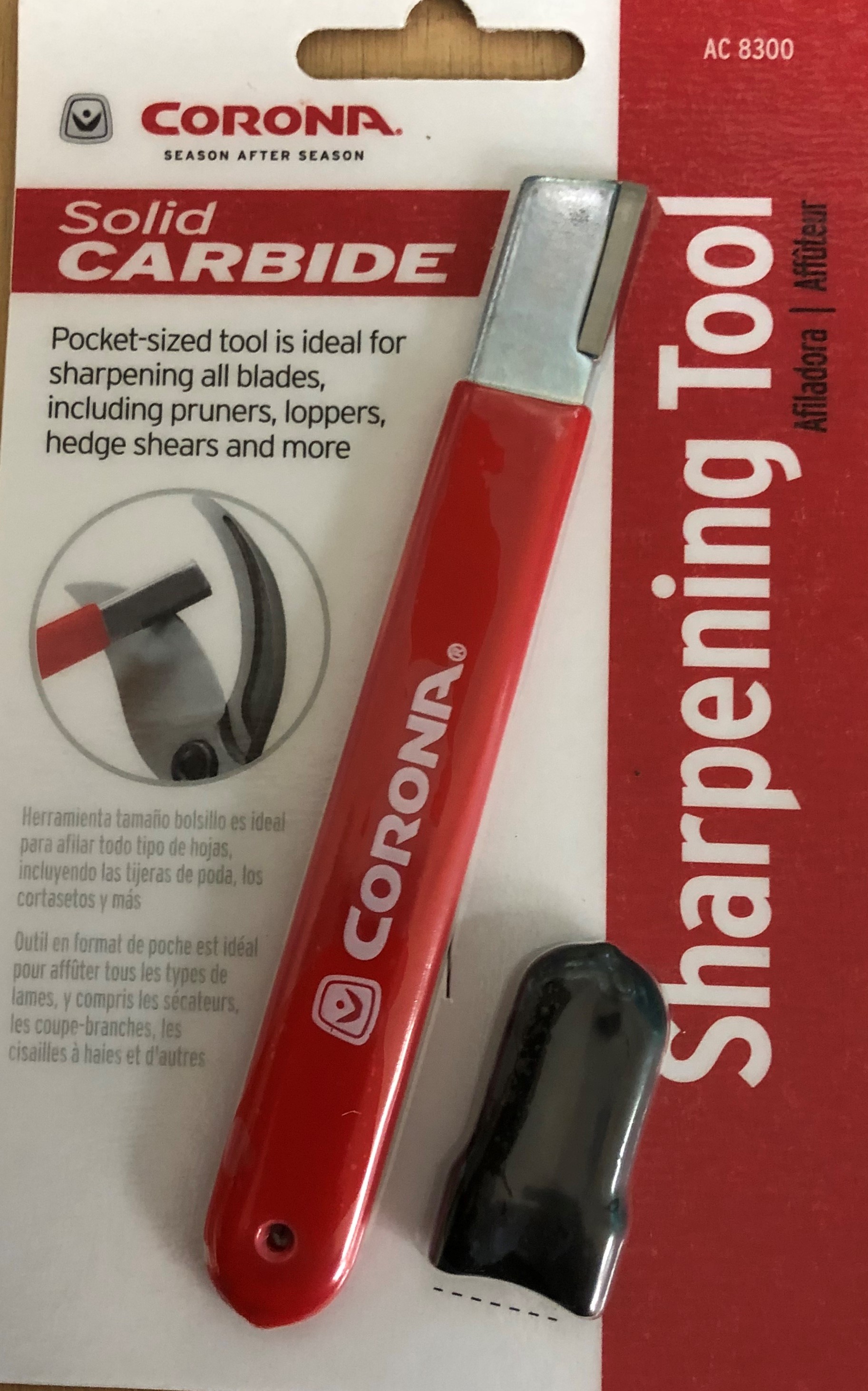 We have carbide sharpening tools in stock that do a fast job on pruners and shears and take up very little storage space. Metal files are more appropriate for the harder steel edges of shovels and hoes. Diamond sharpening rods or whetstones can give the very finest edge to pruners if you are a perfectionist. For those far from perfectionist, I have sharpened my shovel enough to make a big difference in transplanting a shrub just by finding a rough spot on the concrete street curb and rubbing the cutting edge back and forth until dull is gone and cutting edge is on.
When sharpening pruners, be sure to watch a video or read instructions before beginning, as a simple proper sharpening makes pruning easier and more fun, but sharpening the wrong edge will ruin a tool forever. Once you’ve sharpened your tools, you can keep them sharp longer and prevent rust by wiping on a thin layer of lubricating oil, such as boiled linseed oil, tung oil, motor oil, lamp oil, or cooking oil.
 -James Gill
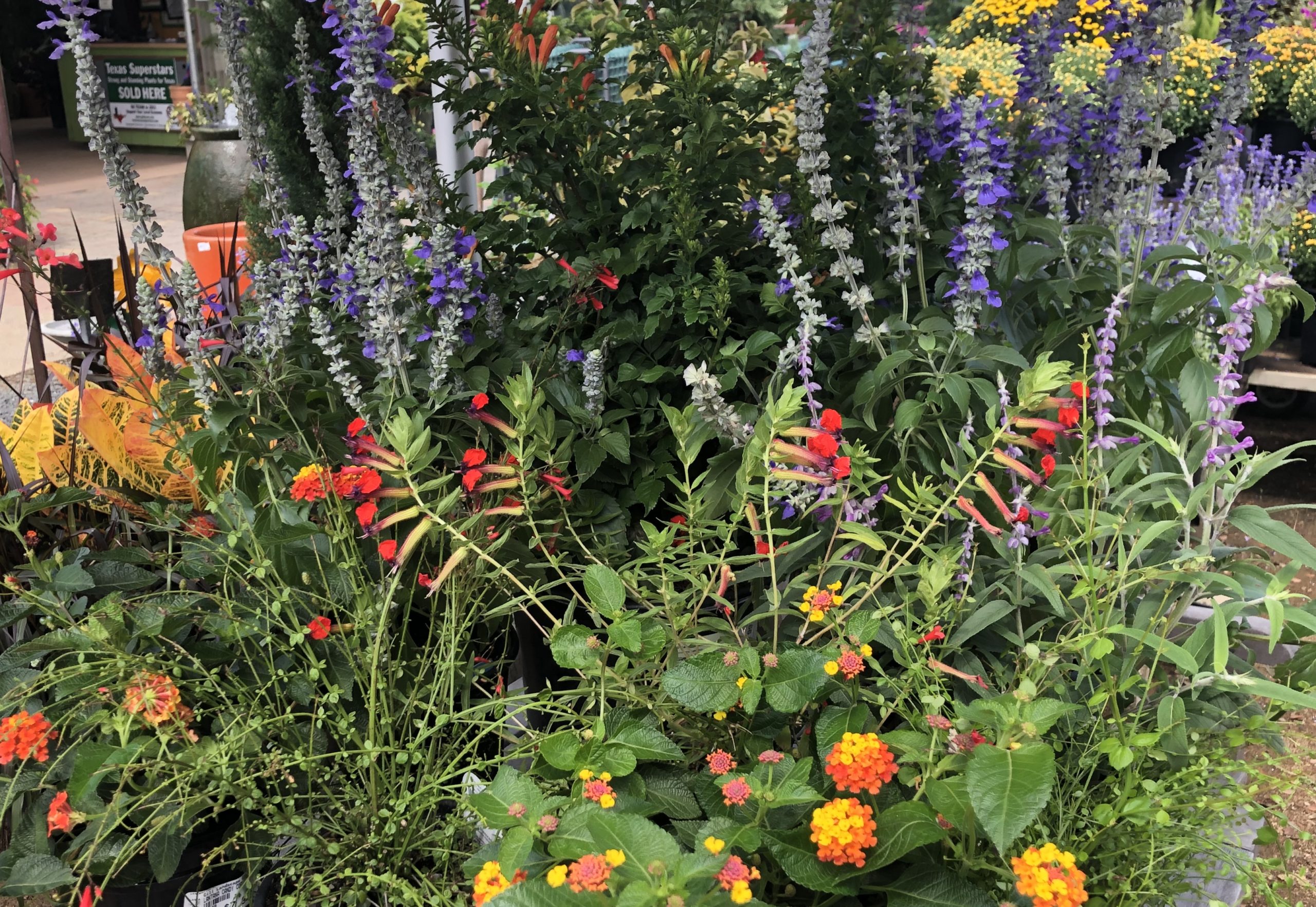
 What does Xeriscape mean to you? Cactus and rocks? Yes, it could be that, but it can be much more! Texas native plants? Yes, many Texas natives fit a xeriscape, but also plants from Italy (rosemary), Mexico (firecracker plant), Madagascar (periwinkles), and more! Even a lily pond could have a place in a xeriscape.
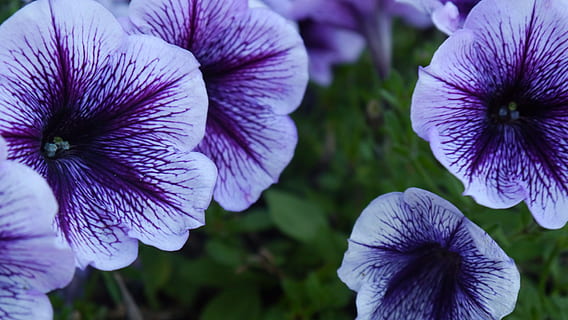
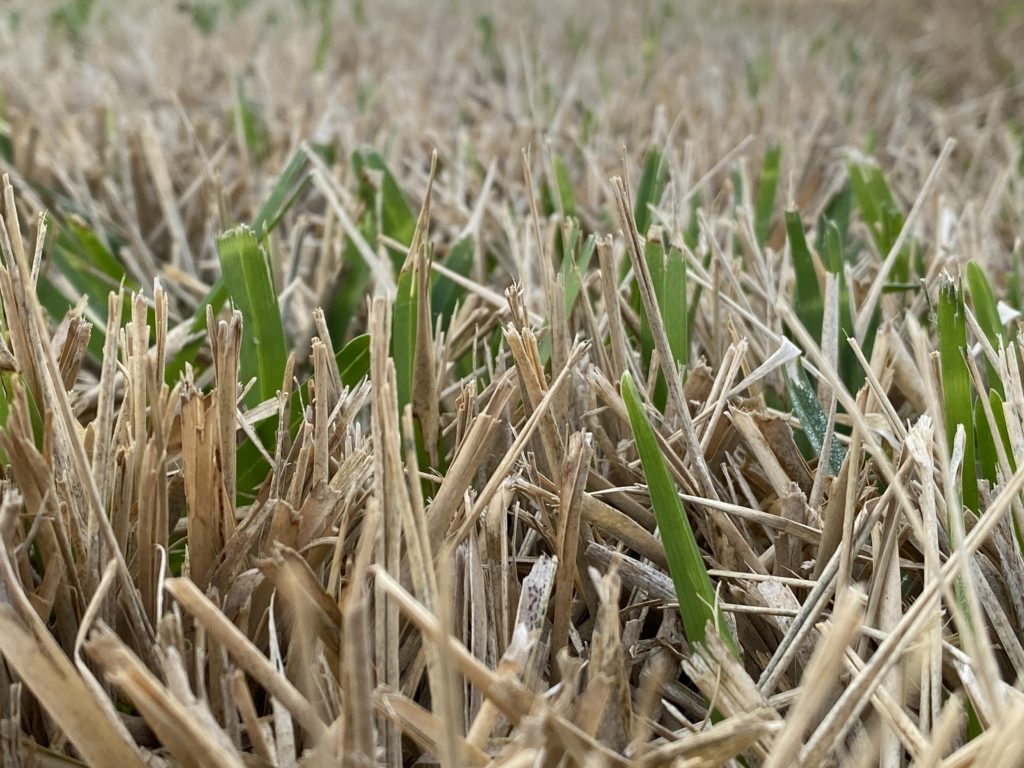
 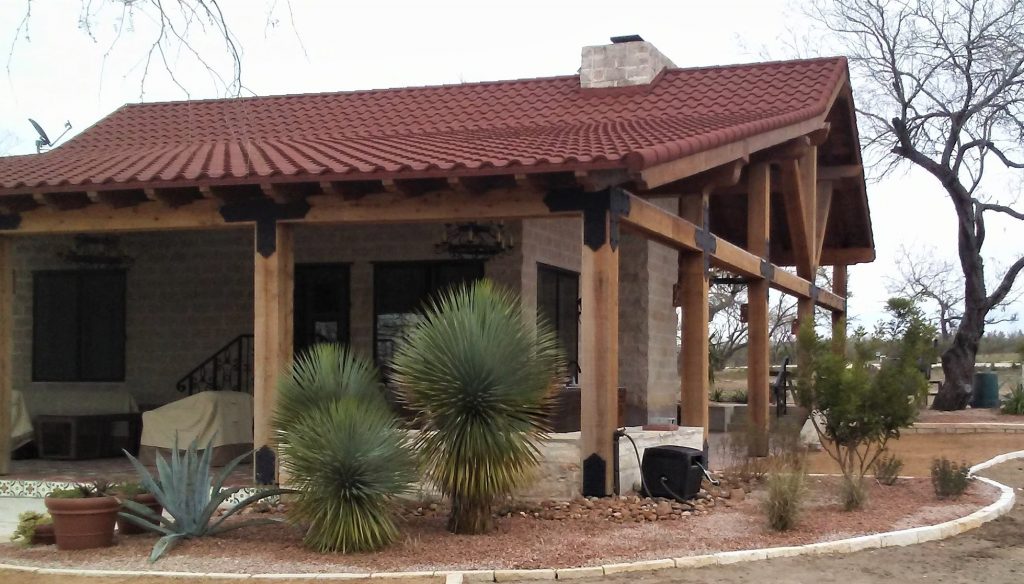 Xeriscape is planning and constructing an attractive landscape that requires little or no irrigation. So thirstier elements, such as Raleigh St. Augustine lawns, petunias or rosebushes, or that lily pond, can be limited in size, grouped together, used only in high-impact areas of the landscape, and hopefully, watered with “salvaged” water collected from rooftops, patios, air-conditioner condensate, or grey water.
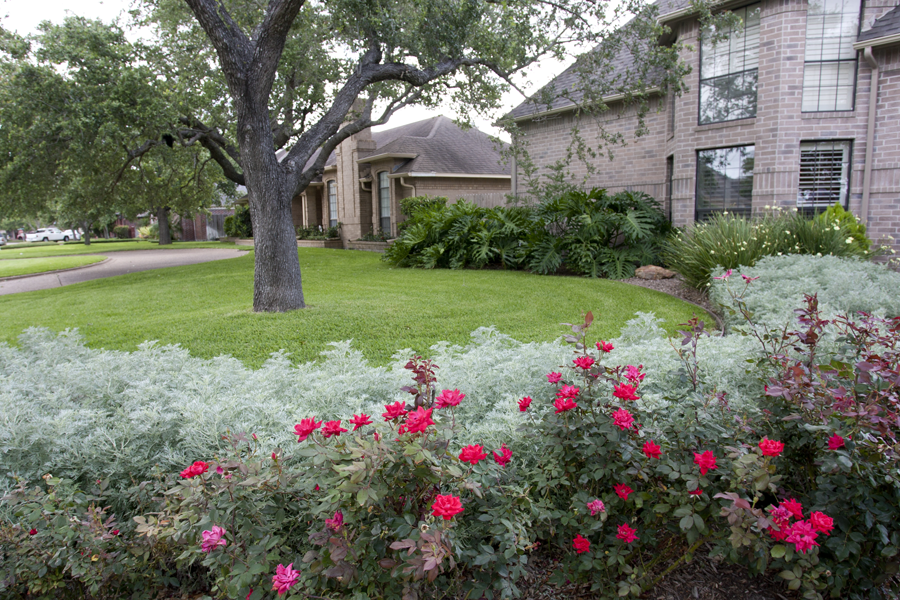 Growing human populations and consequently shrinking water supply mandate reduced water use for our future. We might as well start thinking about Xeriscape and how to design the right landscape that suits us and still uses less water.
  -James Gill
 -Debbie