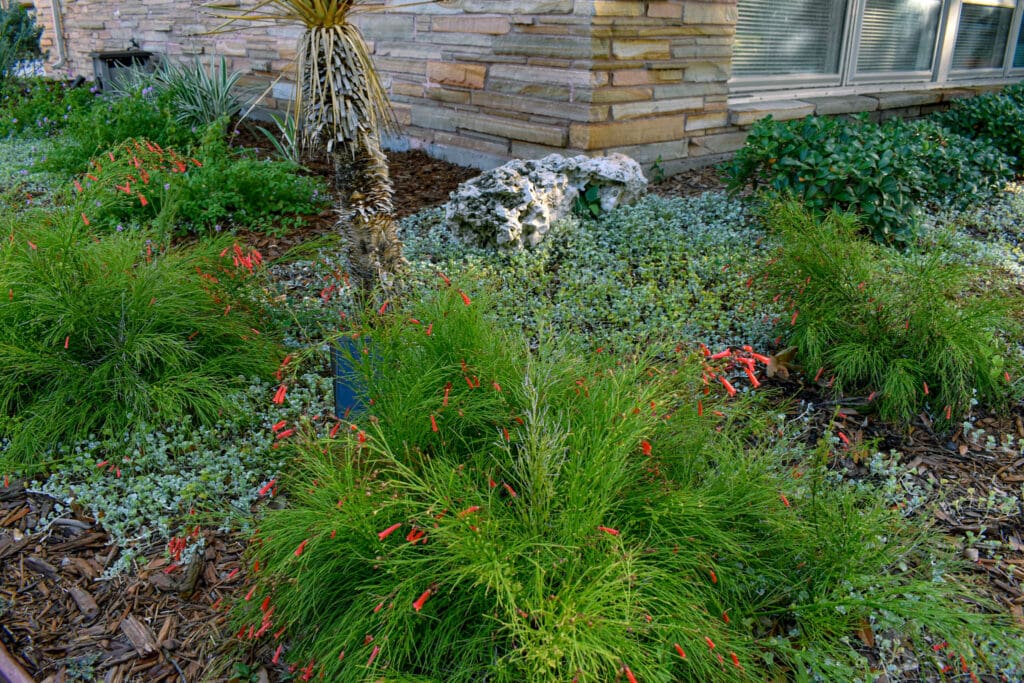
Garden Center Hours: Mon-Sat 9am - 5:30pm • Sun 10am - 5:30pm
4. Watch for More Bugs in Summer
This is what a mealybug infestation looks like!

Not all bugs are bad, so it’s important to know your bugs before you spray anything, even organics. A few bugs here and there is most likely not cause for alarm. If you do get an infestation, cut the plant back first, give it some fertilizer, then treat for bugs. By pruning first, you won’t have to treat every leaf on the whole plant. We see plants come back better than ever using this method. If you’re not sure about bugs or pruning, we’re here to help.

5. Train Your Plant Sitter

Be sure to have a trusted plant-sitter come water your plants while you’re away on summer excursions! It’s a good idea to spend a little time showing them how you water. Make them a list, draw them a map, and walk them through it. You know your plants and which ones get tired and thirsty the fastest.

6. Collect Cool New Houseplants

Now’s a great time of year to work on your houseplant jungle. The greenhouse is restocked with all kinds of interesting houseplant choices, including lots of new Bromeliad varieties! Keep in mind that constant A/C indoors will dry out plants. Keep an eye on watering (use a moisture meter) and don’t place houseplants near an A/C vent. You might also try experimenting with a humidifier near your plants to help regulate moisture. 


TIME TO PRUNE ROSES! Valentine’s Day is a time to remember our loved ones with candy and flowers. It also is the perfect time to prune roses. Late January to mid February is the best time. Prune established hybrid teas, removing dead and small twiggy growth, leaving strong healthy canes to a plant height of 18-24 inches. Try to prune to an outward facing bud to maintain spreading, open growth. Prune shrub roses like Knockouts 1/3 to 1/2 the plant height. Do not prune climbers until after the Spring bloom, then removing only the oldest canes and cutting back healthy, vigorous canes no more than 1/3. Remove spent blooms throughout the season on all rose varieties, cutting back to the first 5 leaflet cluster. You can also begin fertilizing your roses in late February with Bayer Systemic Rose and Flower Care, or organically with Maestro Rose Glo. Gill Landscape Nursery stocks disease resistant roses (ask for them), but if you have hybrid teas, as soon as new growth appears you should begin a spray program to control insects and diseases. Bayer 3 in 1 Insect, Disease and Mite Control, takes care of all rose problems. For organic controls, use Neem Oil for insects and disease or Serenade to control diseases. A regular spray program keeps your roses healthy and happy. Remember fungal diseases are always easier to prevent than to cure.

Crab Grass? Probably not, King Ranch Bluestem is more likely the ugly ogre in your lawn. KR Bluestem was imported as a forage grass from Africa a long time ago by guess who? It is very tough, grows with hardly any rainfall, but can spoil the look of your nice lawn. There is no selective herbicide to remove it without harming the desirable lawn grass mixed with it, so you either dig (not easy or thorough) or apply RoundUp. Since the RoundUp will kill everything you spray it on, limit your spray by knocking out the bottom of a small box and placing the box on top of each bluestem clump. Inside the box, spray to wet foliage, not to soak the ground, do not mow for 4 days before or after spraying. Your St. Augustine will be free to run across and cover these limited dead spots within a period of a few weeks, if done in March or April after fertilizing.


Venus Fly Trap

“The infamous Venus Fly Trap! It’s one of the coolest plants we get in, and is surprisingly easy to take care of. Simply pot the plant in sphagnum peat moss, and put the pot in a saucer full of charcoal. Then water the plant by putting water in the saucer and letting it suck it up. The charcoal in the saucer keeps the water fresh, and since they’re naturally a bog

plant, they love to be standing in water. Venus fly trapslove sunny windowsills, but don’t let them get too hot! I feed mine pill bugs since mine live inside, but if you put them outside they’ll catch their own dinner.  I even had a 2 year venus fly trap that caught a wasp; I was so proud!!”

-Marta

Yay for May! Everything’s growing and blooming and we hope you are too! May is Mental Health Awareness Month, which is a good time to think about the peace of mind that gardening brings us. Gardeners know that all the research is true – gardening is good for you! Here are our Top 6 Must Do’s this May to keep you and your garden feelin’ good.

1. Join Us for Garden Talks and Events!
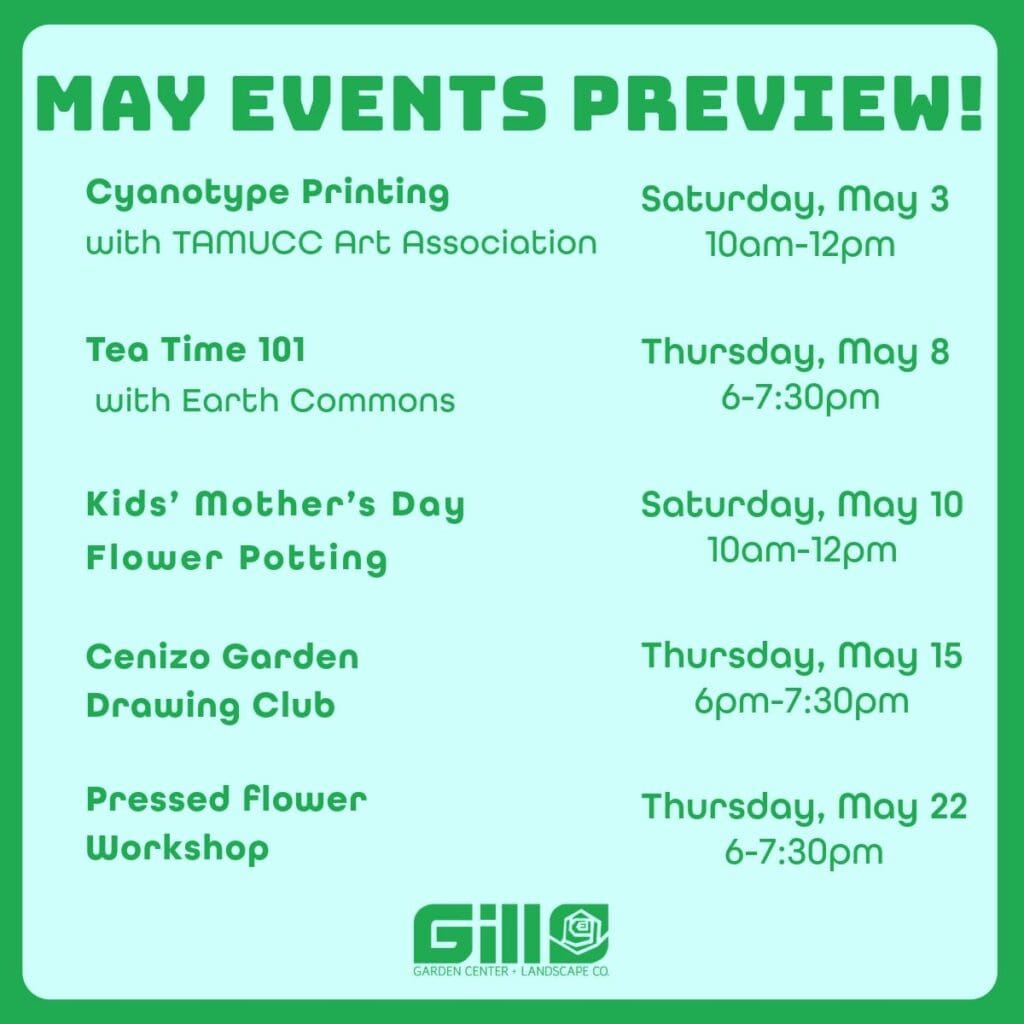
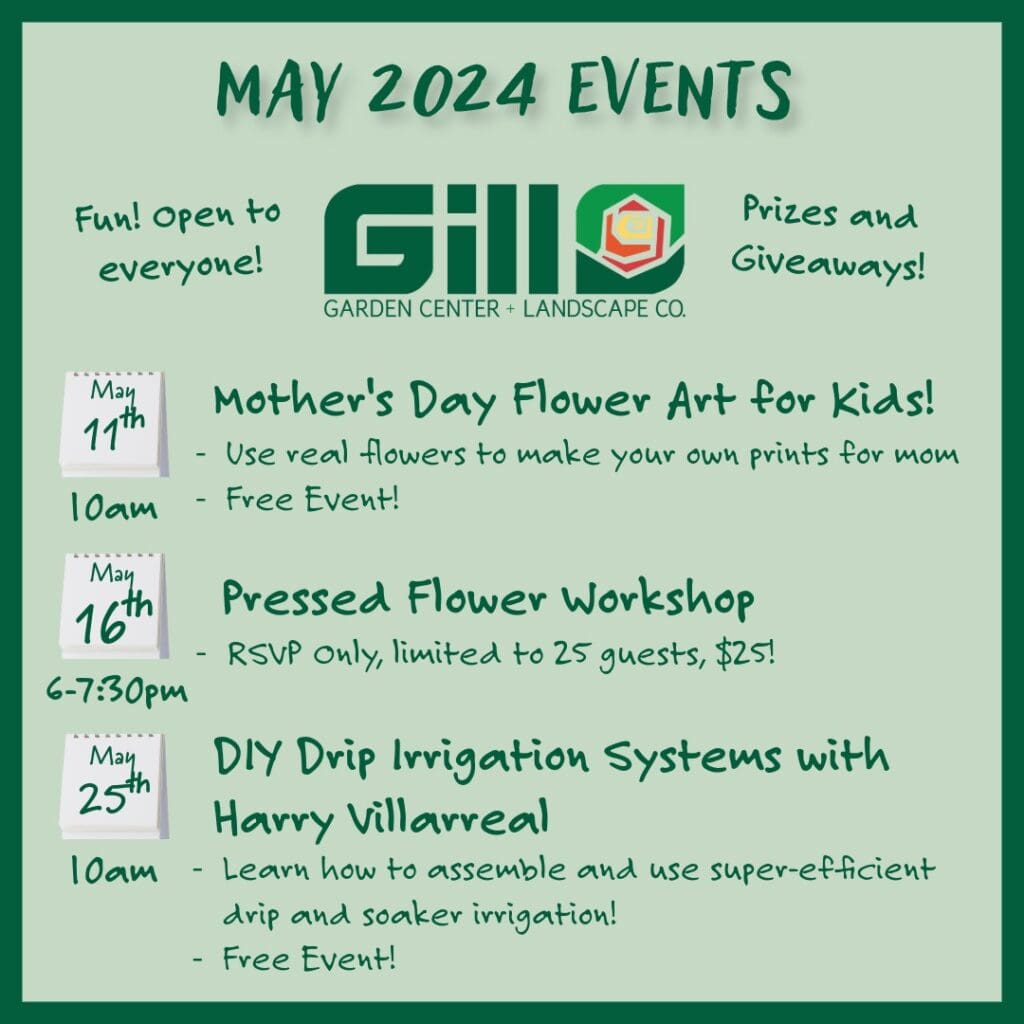
We’ve got a fun May planned here at Gill’s, and we’re kicking it off Saturday, May 11th with our Mother’s Day Flower Art for Kids workshop! Then we’re hosting an RSVP-only pressed flower workshop the evening of May 16th, and an informative talk on setting up your own drip irrigation system on May 25th. Sure to be lots of fun and lots to learn and discuss! Click here for more info!

2. Plant Blooming Perennials and Trees
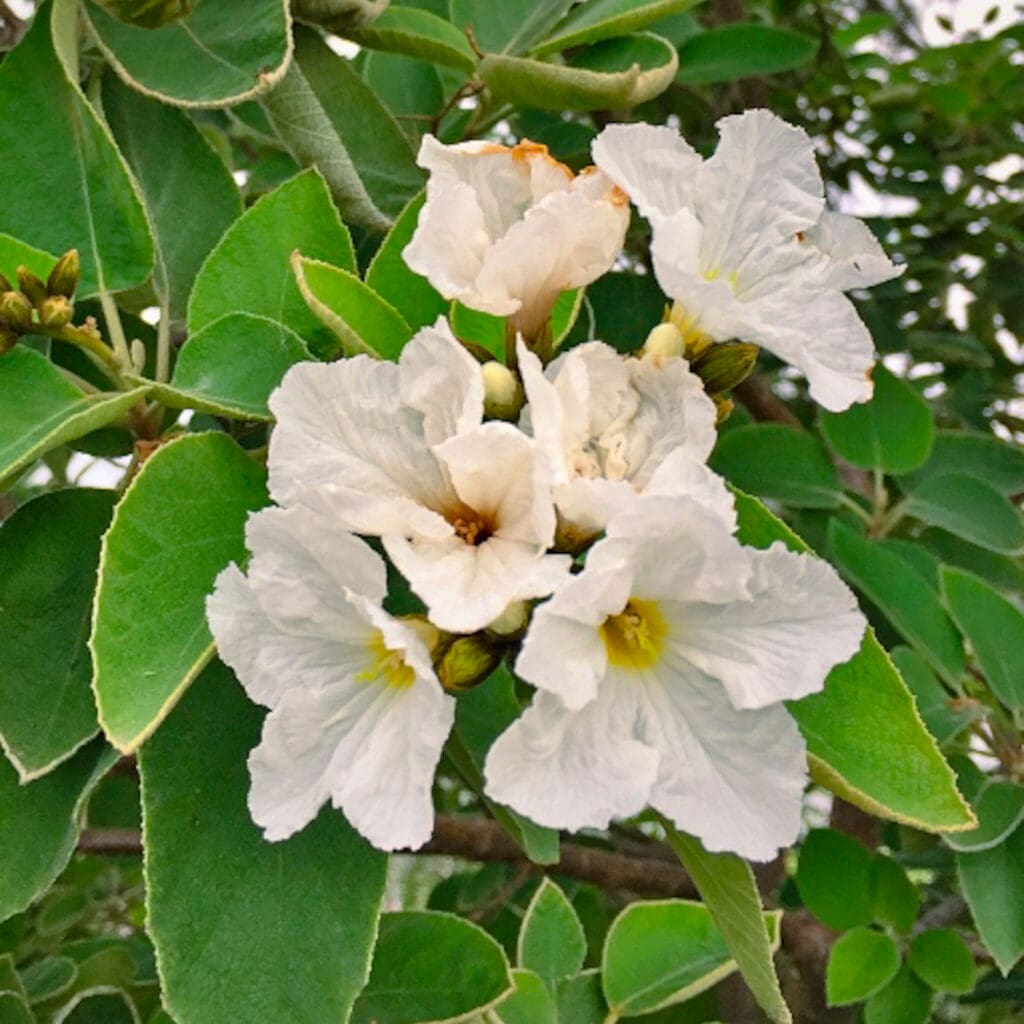
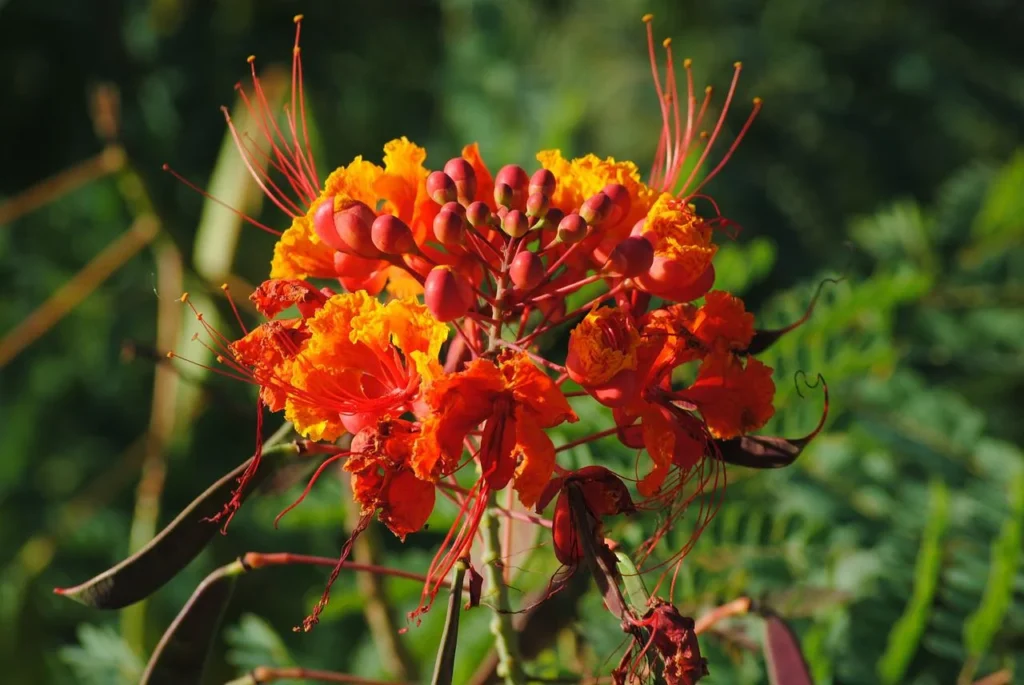
It’s still time to plant lots of different blooming perennials and blooming trees. Get them established in May so they are better adapted to withstand warmer temps this Summer. Staples like Esperanza, many varieties of Salvia, Lantana, and tons more are all blooming beautifully right now. And blooming trees like Vitex, Retama, and Wild Olive are looking great right now too. Added bonus:  these blooming perennials and trees attract lots of butterflies and hummingbirds!

3. Plant and Harvest Veggies
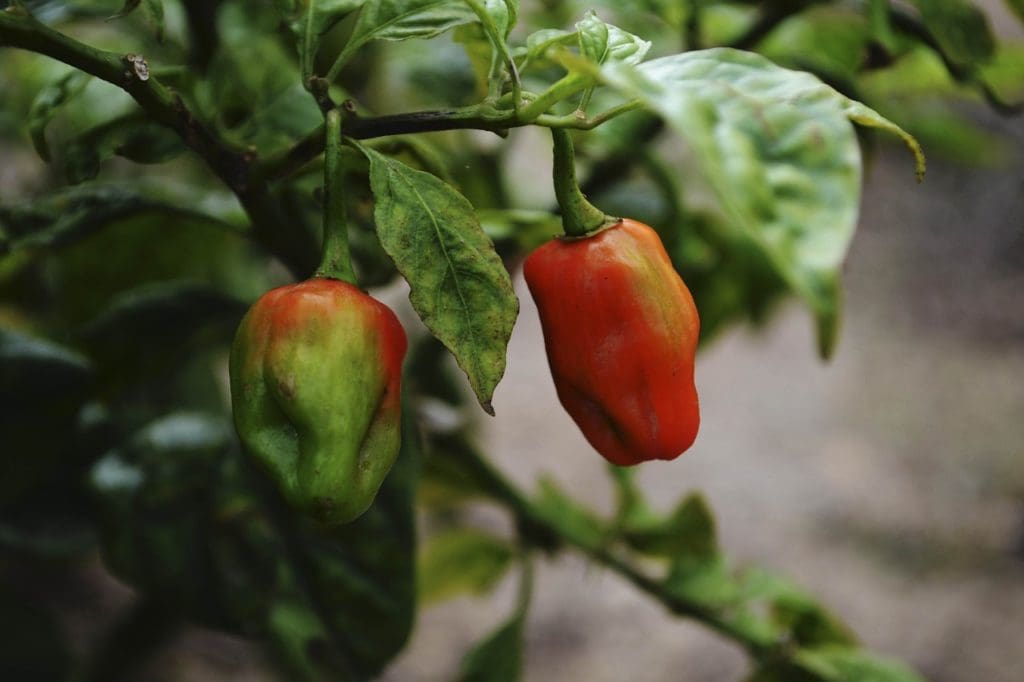
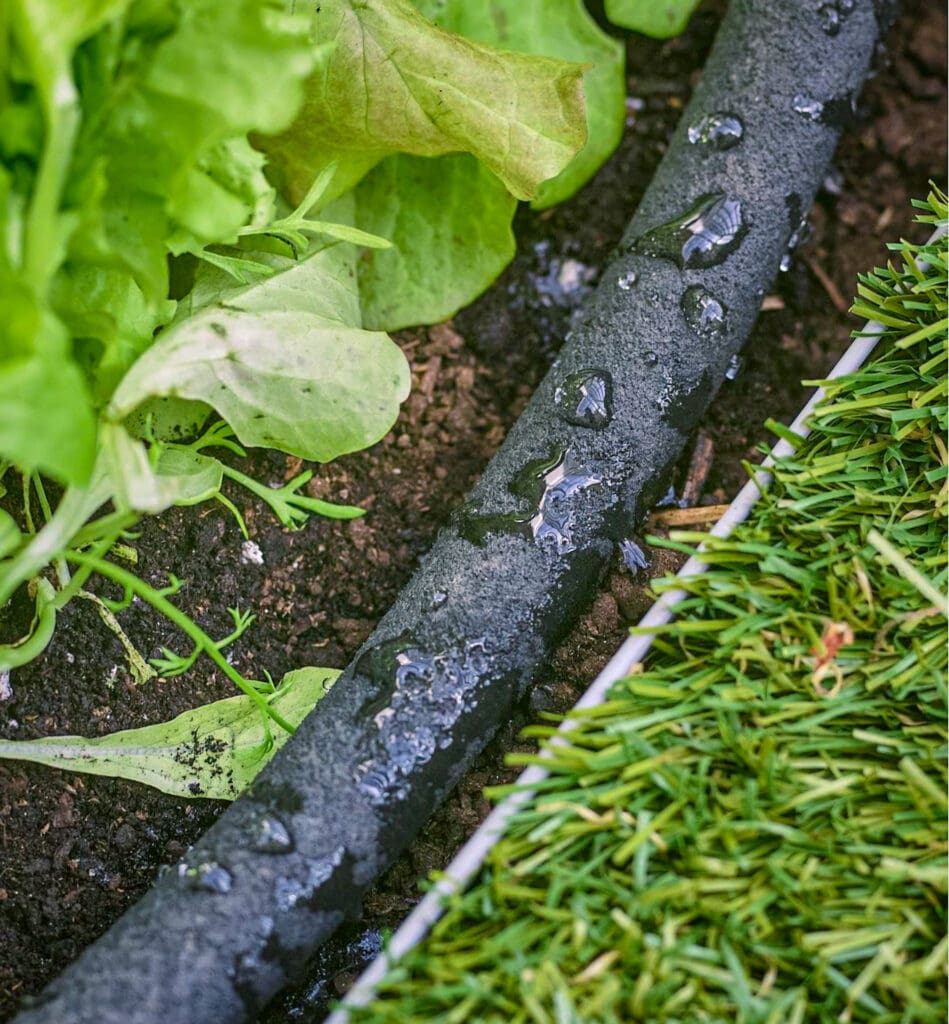
Warm weather veggie time! Plant peppers, zucchini, squash, and okra this month for continued harvesting into the Summer months. If you planted tomatoes, cucumbers, and other early Spring veggies, you’ll be harvesting now or very soon. Be sure to harvest often! It keeps birds & insects from finding them first. If you do have insect issues in your veggie garden, our go-to organic control is Spinosad – safe for food but takes care of bugs. Recent rain showers have been great for veggie gardens. Remember to keep watering as the weather warms up to maintain depth moisture. Soaker hoses are great to snake around your plants keeping water close to the ground and root systems.

4. Transition Your Lawn to Summer

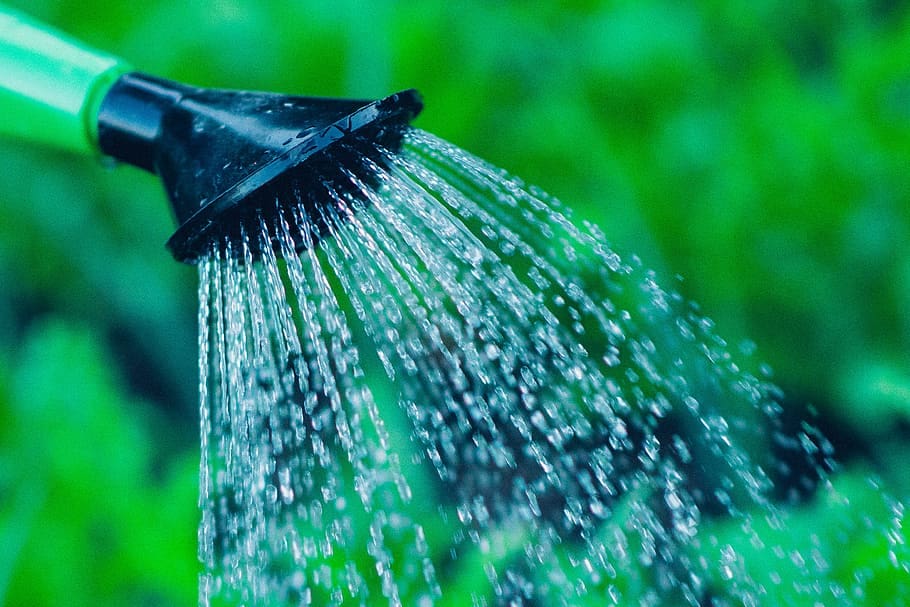
Water deeply once every 2 weeks unless we get rain (per current watering rules). Watering once every 2 weeks with your irrigation system or sprinklers IS sufficient to keep lawns healthy through the summer. If necessary, you can supplement with hand watering. The key is to focus on depth moisture and root health – not necessarily a perfect green appearance all summer long.

When mowing, the proper height for St. Augustine lawns is around 3 inches. For Bermuda lawns, keep mowed to around 2-2.5 inches. Buzzing lawns shorter than that will cause lawn stress, and stressed lawns are more susceptible to pests, weeds, and disease.

Feed with Natural Fertilizers:  Medina Growin Green or Milorganite. These feed the lawn and the soil with great results. Water in to get them started. Plus you can use them elsewhere in your landscape for plants and trees.

Watch for lawn insects & treat when needed. Grub worms & chinch bugs are easy to control when caught early but there’s no need to treat unless you have them. Bayer Season-long Grub Control will do the trick for grubs. Cyonara takes care of chinch bugs. Reminder, you can bring us a grass sample any time you suspect a lawn disease or pest. We’ll diagnose (using our microscope if needed) and get you what you need to knock it out.

Consider reducing your lawn space! Does all this lawn stuff sound like a lot of work? It can be! Many of us are reconsidering whether we really even want all that green lawn space. Why not start converting small portions of lawn to planting beds filled with blooming perennials that benefit the environment and use far less water? One way to start would simply be to deepen existing landscape beds to reduce some lawn.

5. Set Your Mosquito Traps!

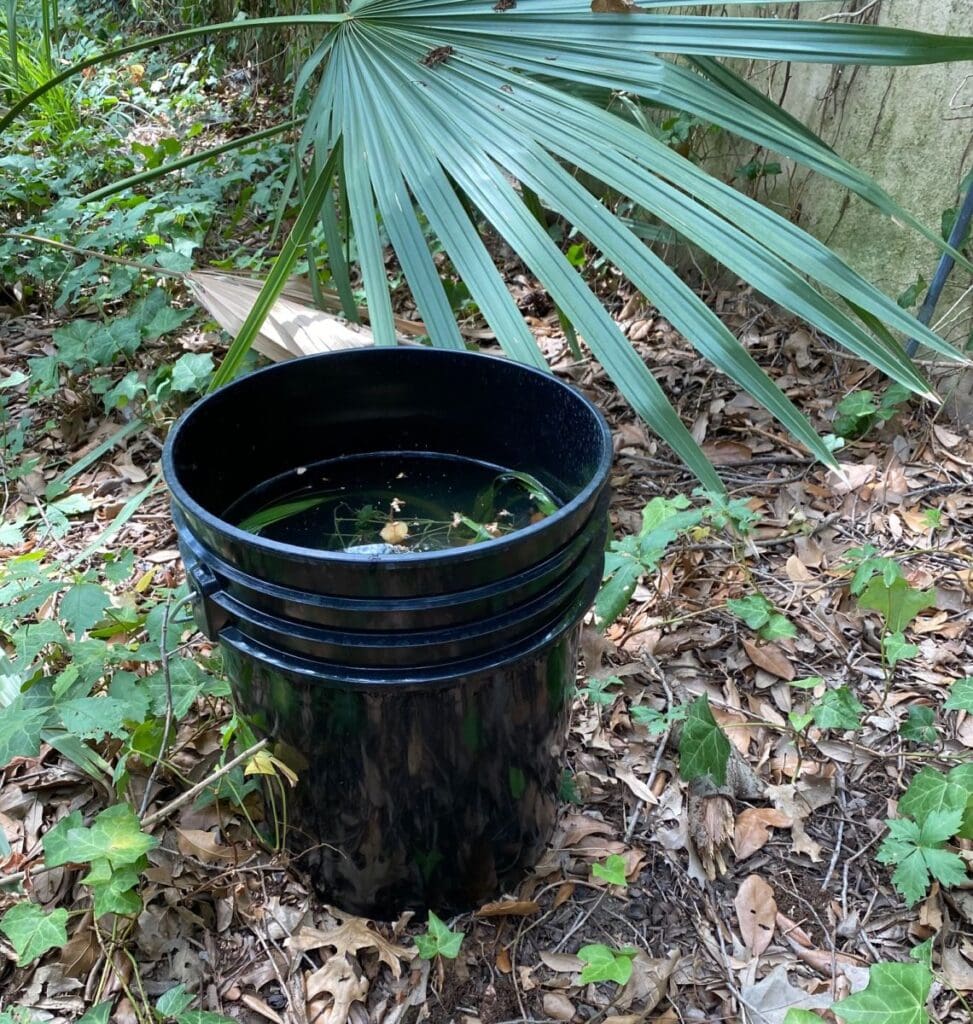
We are big fans of the simple bucket mosquito trap. Just fill a bucket 3/4 with water, add a good handful of lawn or plant clippings, and toss in a Mosquito Dunk or Mosquito Bits. These dissolve in the water and release bacteria that target mosquito larvae and kill them before they hatch. And they’re organic and not harmful to birds, bees, pets or humans! Set a few of these traps, sprinkle some organic Mosquito Beater granules around walkways and patios, spray organic Cedar Repel on your lawn, and use Skeeter Screen incense sticks near where you’re working or hanging out outside. Remember that using chemical mosquito foggers kills all the good bugs too, some of which also help control mosquitos and other bad bugs.

6. Gifts for Moms and Grads

Let us help you find something pretty, useful, or both for the gardening moms and grads in your life. Pottery, birdbaths, wind chimes, garden tools, hats, gloves, garden decor, gift cards – lots of options. Check out the Bee Puddles handmade by ceramicist and Gill’s own Wyatt Page! Help bees stop for a drink. Or find the gift that gardeners love most – plants 🙂

Visit our May Garden Guide for more tips! Happy gardening!

Spring has sprung!! Look around and you’ll see lots of happy and healthy plants enjoying the sunshine and putting on fresh new growth. We hope you feel the same way! Here are our top must-do’s in the garden this month – time to get planting!

Check out our March Garden Guide for more tips!

1. Fertilize Regularly Starting Now (except for lawns!)

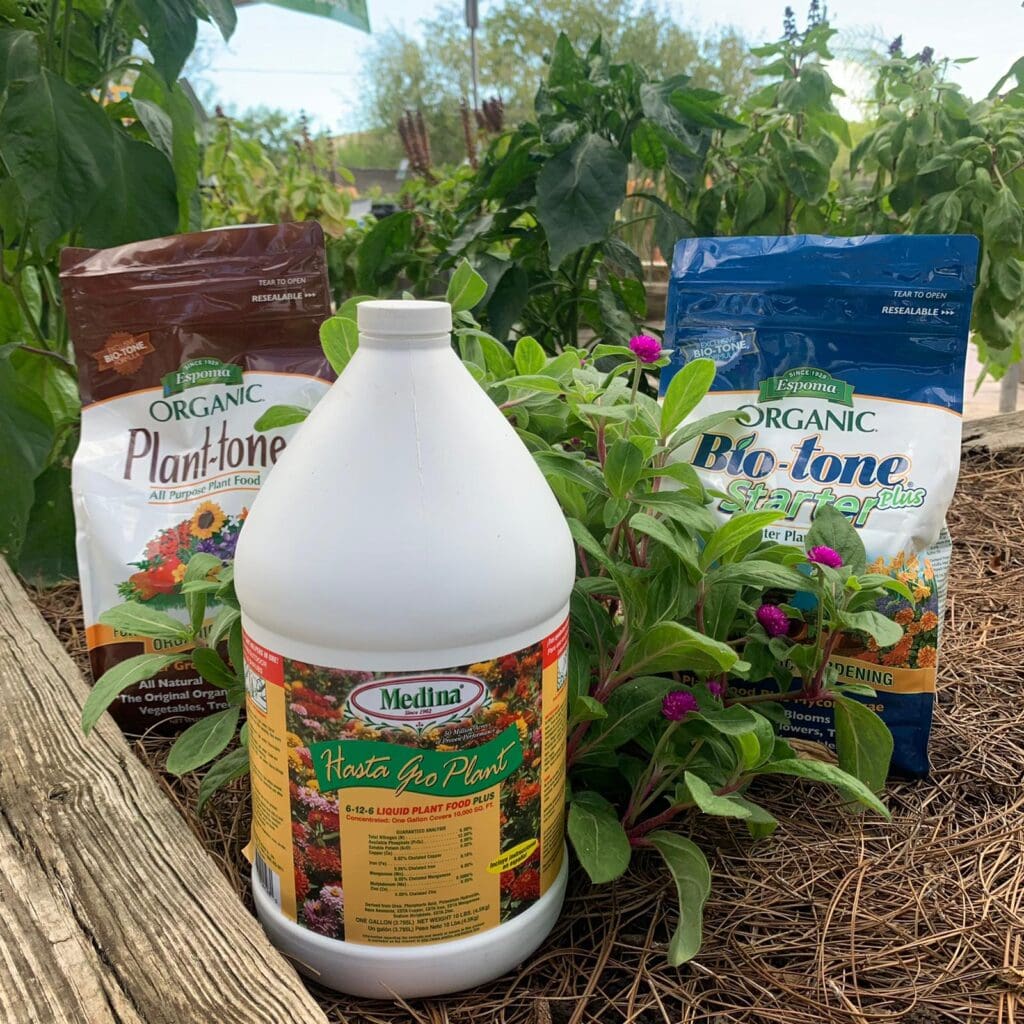
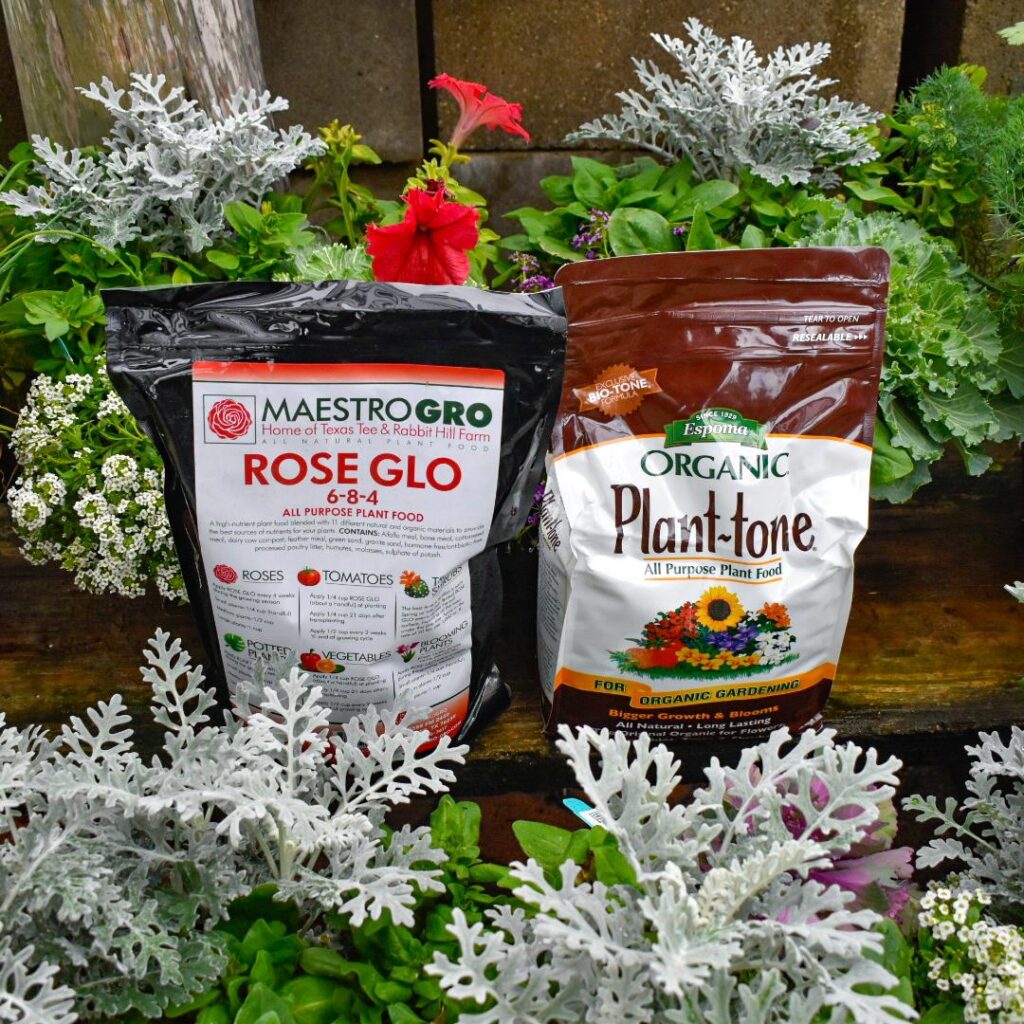
Spring’s here and plants are actively growing. That means they need food, just like us! Flowers and veggies are especially heavy feeders because they’re working to produce a bloom and fruit. And you will certainly notice a difference with your landscape plants as well. Apply a good all-purpose organic food like Plant Tone, Medina Growin Green, or Rose Glo once a month for great results. Don’t sprinkle your granular fertilizer right up against the trunk of the plant. Instead, sprinkle at the drip line, aka where rainwater would drip off the outermost leaves. That’s the zone where plants take up the most nutrients. After you’ve applied your granular food, circle back every 2 weeks to supplement with liquid Hasta Gro. Almost everything should be fed starting now, except lawns! Wait to fertilize lawns until late March/early April with Medina Growin Green.

Added bonus: When planting, add a little Bio Tone starter fertilizer to the soil when you backfill. It contains all sorts of beneficial organic matter, including mycorrhizal fungi which help stimulate better root growth. Amazing stuff!

2. Whatever You’re Planting – Add Compost!

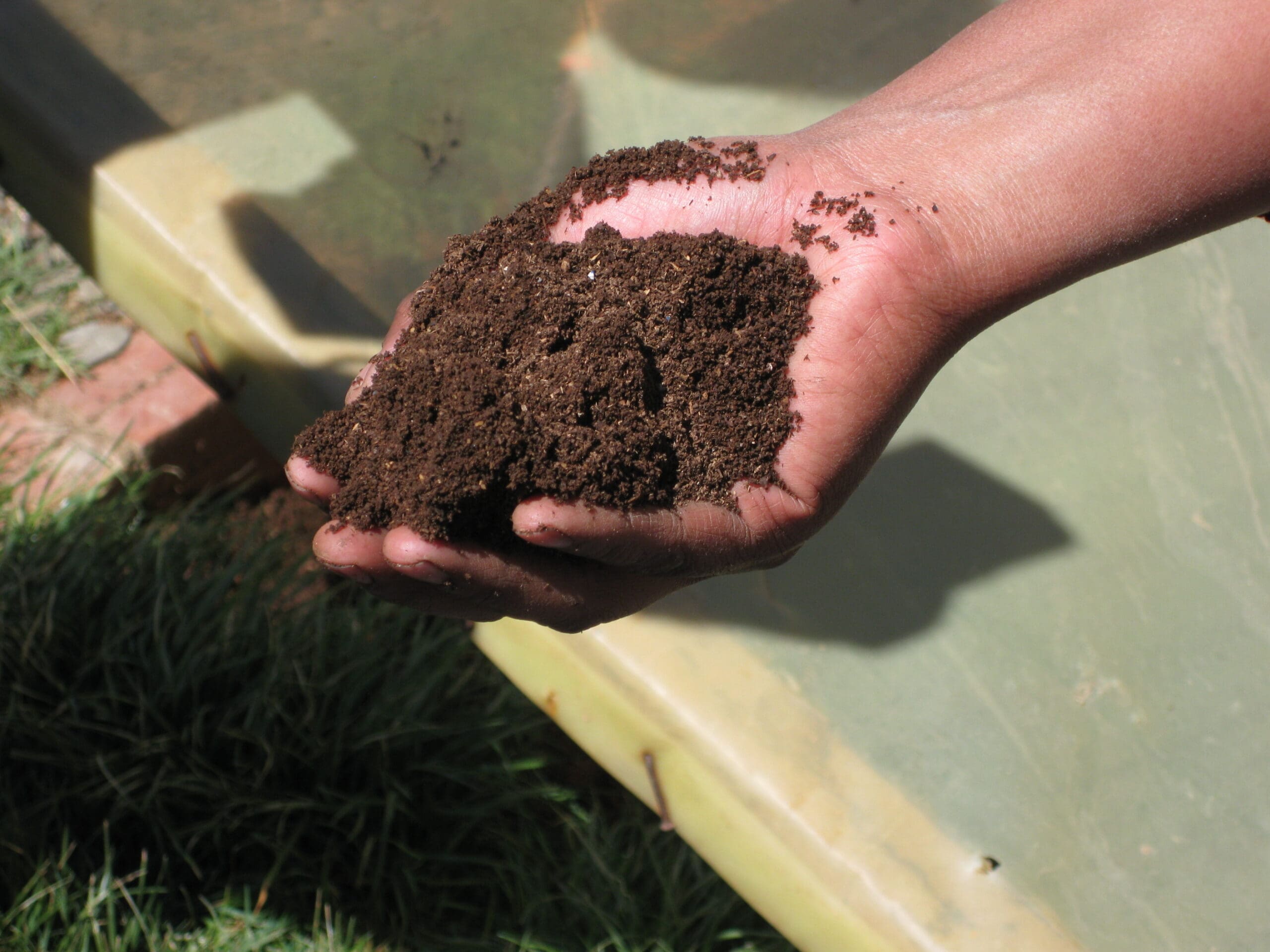
Whether you’re starting a veggie garden, planting trees or shrubs, annual flowers, or blooming perennials, add some compost to improve the quality of your native soil. We love our Nature’s Blend or Cotton Burr Compost. One bag improves about 12 sq ft of clay or sandy soil and gets it ready for planting. That’s a good approximate ratio if you make your own compost too. Adding compost not only improves the consistency of your soil, it adds LIFE! All those beneficial microorganisms help turn your soil into the perfect environment for plant roots.

3. Plant Level – Not Too Deep!

When planting this Spring, DON’T PLANT TOO DEEP! Plant level with the surrounding soil (or even slightly higher) and don’t cover the top of the root ball with soil. Most plants have tiny feeder roots on the surface of the root ball that are critical for taking up nutrients and for oxygen exchange. If you bury these surface feeder roots, the plant will suffocate and decline. After you plant, remember that plants need long, deep drinks of water. Watering often does not equal watering well. Use a moisture meter to be sure you’re getting moisture down into the ground when you water.

4. Invite Pollinator Friends to Your Garden

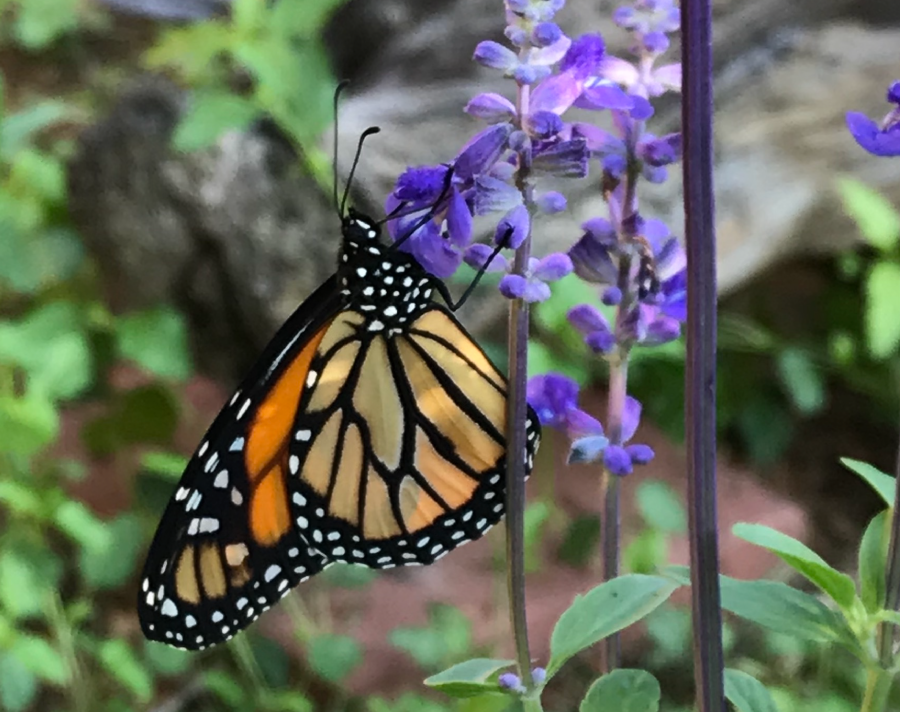
Now is a great time to incorporate plants into your garden that attract & feed the birds, bees, butterflies, moths, and other pollinators. They need your help finding food and shelter, and you need their help pollinating your blooming plants, increasing your veggie production, and eating bad bugs. Bees are drawn to most anything with a bloom but some fav’s are native Gregg’s Mist Flower, Esperanza, & Lantana. Butterflies love Salvias and Mexican Flame Vine too. Native plants like Turks Cap and Yaupon Holly produce berries for birds, and Hummingbirds love Duranta, Mexican Honeysuckle, & lots more! Keep in mind that pollinators need help locating these food sources. Think about planting several of the same plant together to help make them more visible to our pollinator friends.

5. Looking for Freeze-Tolerant Winter Warriors?

So many of us are rethinking our landscapes after 3 freeze years in a row. The most common question we’re hearing so far this spring is, “what can I plant that won’t freeze?”. We love this idea – creating the bones of your landscape with cold-hardy trees, shrubs, and blooming perennials that won’t be phased too much when our temps dip down. Think about classic shrubs like Indian Hawthorn or Dwarf Yaupon Holly. Think about Foxtail Ferns and Leopard plants. Think about ornamental grasses and salvias. And think about our wide variety of native plants. They’ve weathered freezes in Texas for hundreds or even thousands of years! Once you have some good bones, add seasoning with annual flowers and tropicals that you can have fun updating and replacing more often.

6. Lay Out Your Space – Give Plants Room to Grow!

A little planning goes a long way in the garden. Keep in mind the mature size and growth habit of plants you find here at Gill’s. We include this information on our plant signs to help you decide on that perfect spot. If you bring pictures of your planting areas with rough measurements, our Garden Coaches can sketch up a simple layout on graph paper and help you select plants that will thrive in your space, compliment each other, and not be too crowded once they’re fully grown.

Have you set your 2024 new year’s gardening resolution?! January is time to get moving and set yourself up for big success this spring and beyond. Beds need prepping, veggie seeds need starting, citrus trees need feeding, and YES you can get a head start on planting too! Here are our top must-do’s (and don’t do’s!) this month.

Check out our January Garden Guide for more tips and remember that trees, shrubs, and perennials can be planted 12 months out of the year! The only difference is the amount of water they need depending on temperatures and wind!

1. Plan and Prep Beds for Spring Planting

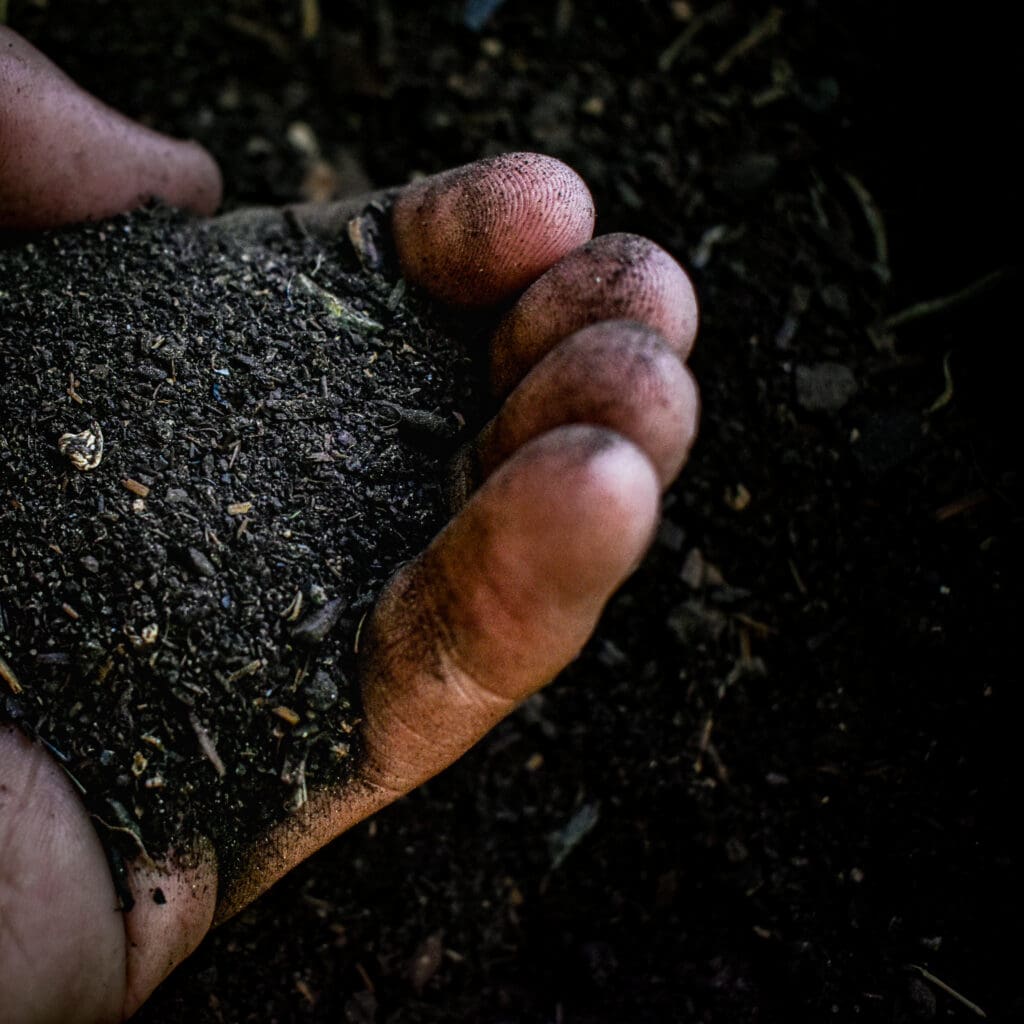
January is our month to plan and prep for spring. Clean up, remove weeds, and most importantly, prep your garden beds by adding some compost! We love Nature’s Blend Compost for veggie and landscape beds, including raised beds. A good ratio is 1 bag per 12 sq. ft. of bed space. If you make your own compost, that approximate ratio works well. It doesn’t have to be exact. If working out is part of your new year’s resolution, get outside, grab your garden forks or a shovel, and turn some compost into the first few inches of soil!

2. Feed Your Citrus Trees

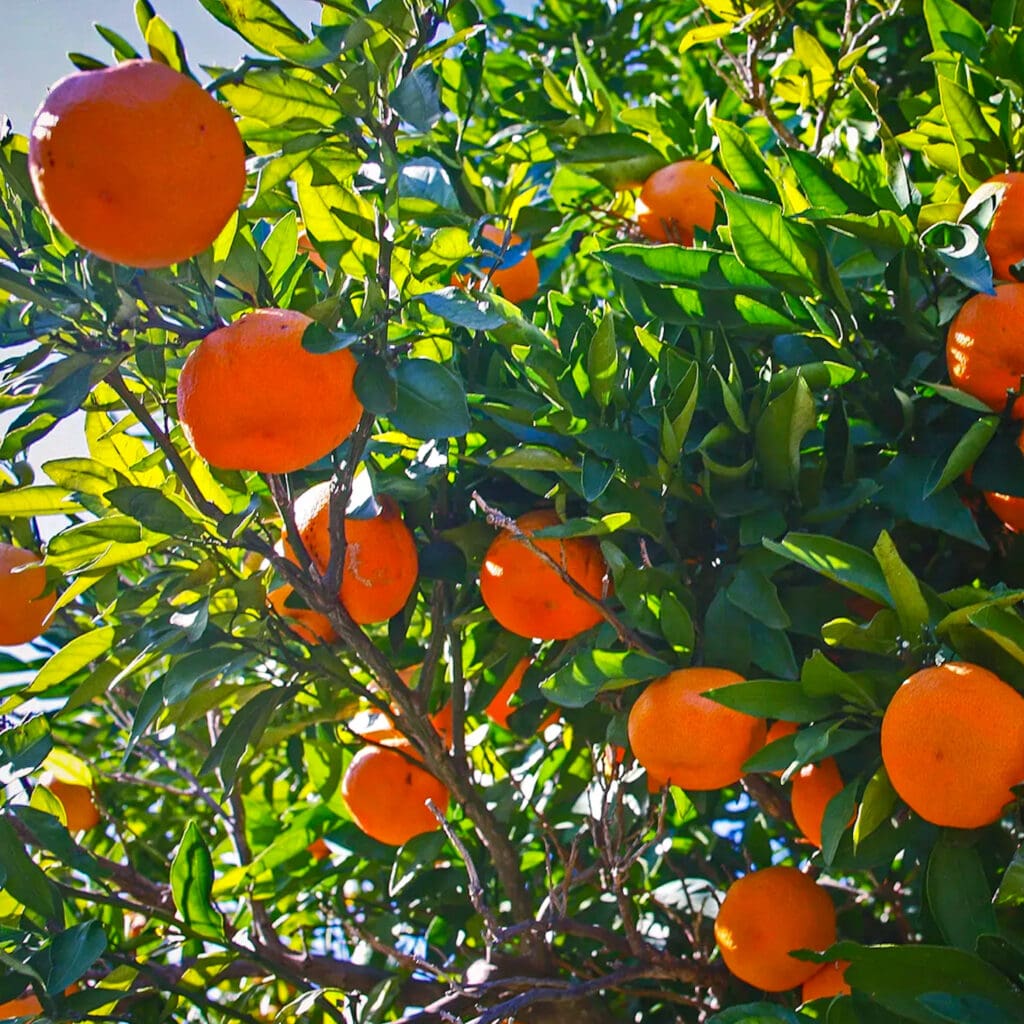
Fertilize your citrus trees in January for more blooms, again in May/June for better fruit set, and again in September/October for nutrients. We recommend fertilizing with Espoma Citrus-Tone – all organic and highly effective. Remember to fertilize trees, including citrus, at the drip line. That means spread fertilizer in a circle where the rain naturally drips down from the leaves, not right up against the trunk.

3. Wait to Prune!

Remember – wait to do any major pruning of most plants until February! We can be tempted to want to do too much pruning in January, but you don’t want plants to think its time to start putting on new growth since we still may have another cold snap. Even if we do get a cold snap that damages some foliage, wait to prune because that damaged foliage will help insulate against more possible cold weather.

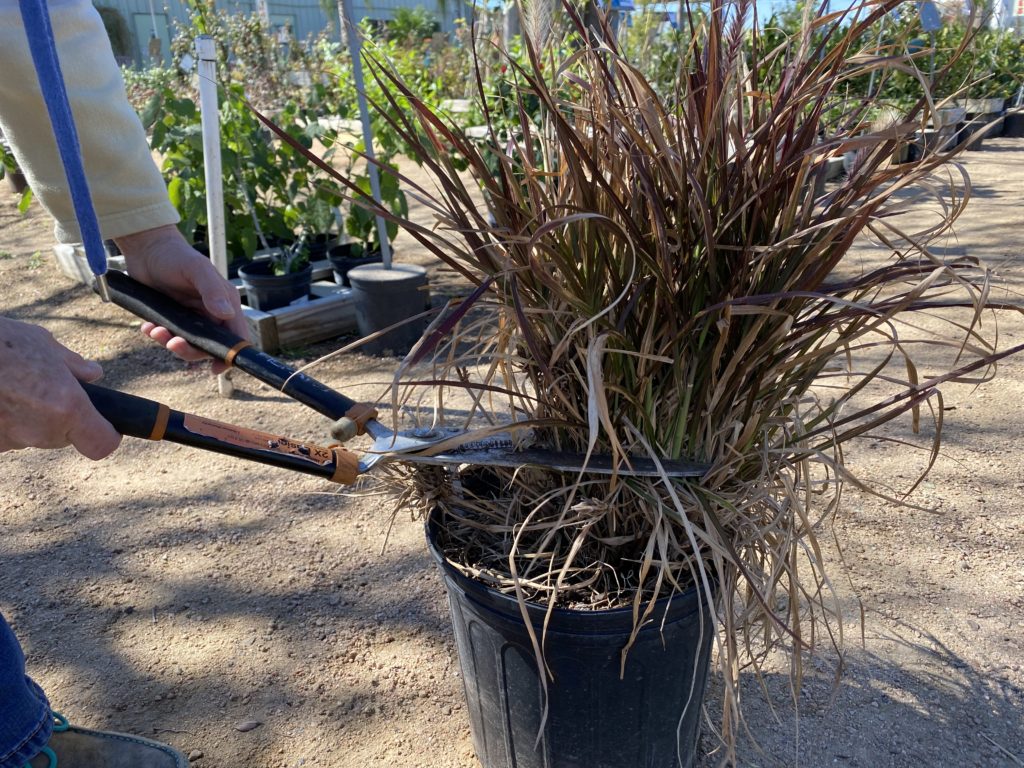
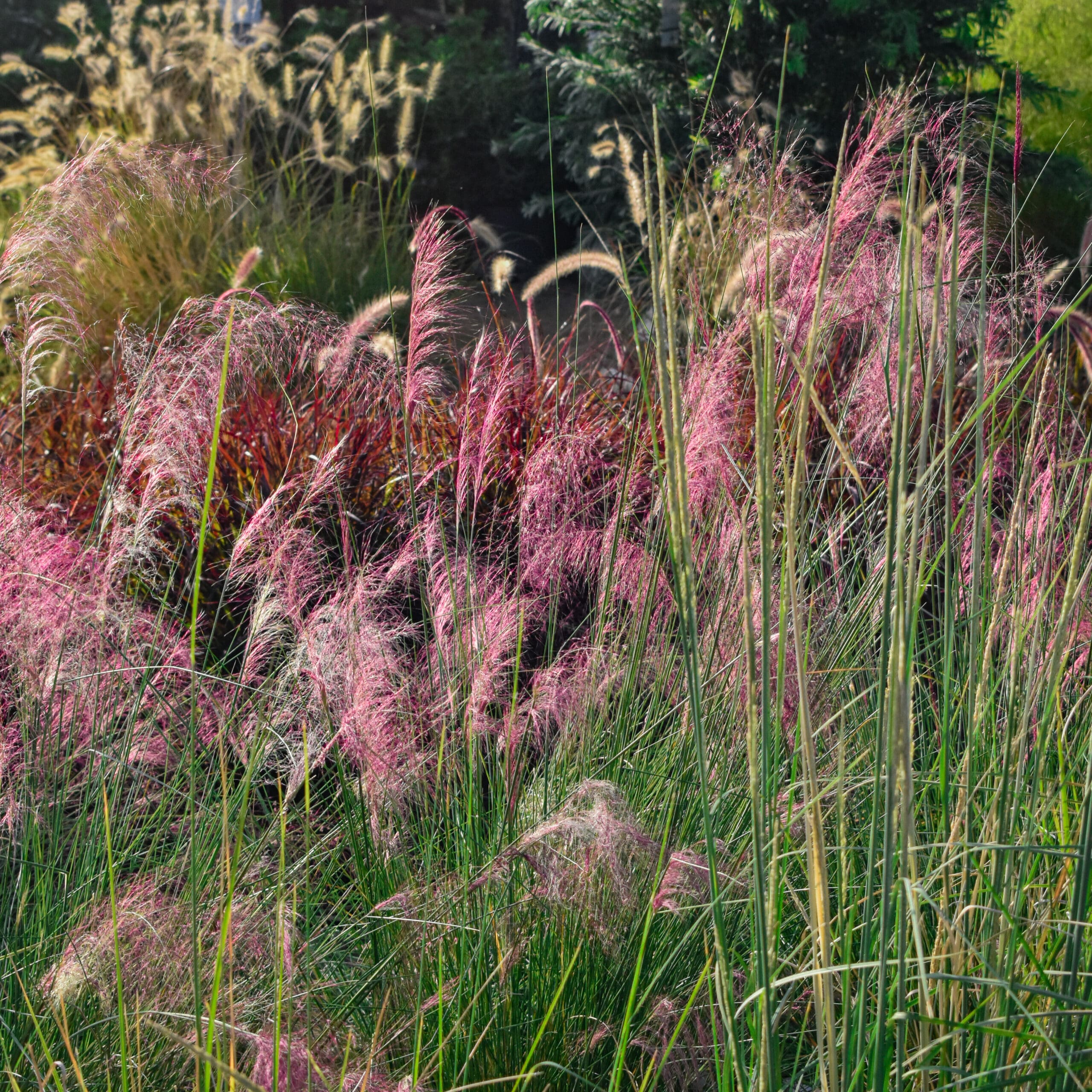
Ornamental grasses, like Pink Muhly or Purple Fountain grass, are a January exception. They should be cut back this month. Trim them straight across (no cupcakes) 3”-4“ from the ground. Use a bungee cord or piece of rope to gather them up, then cut straight across with your shears.  

4. Start Veggie Seeds!

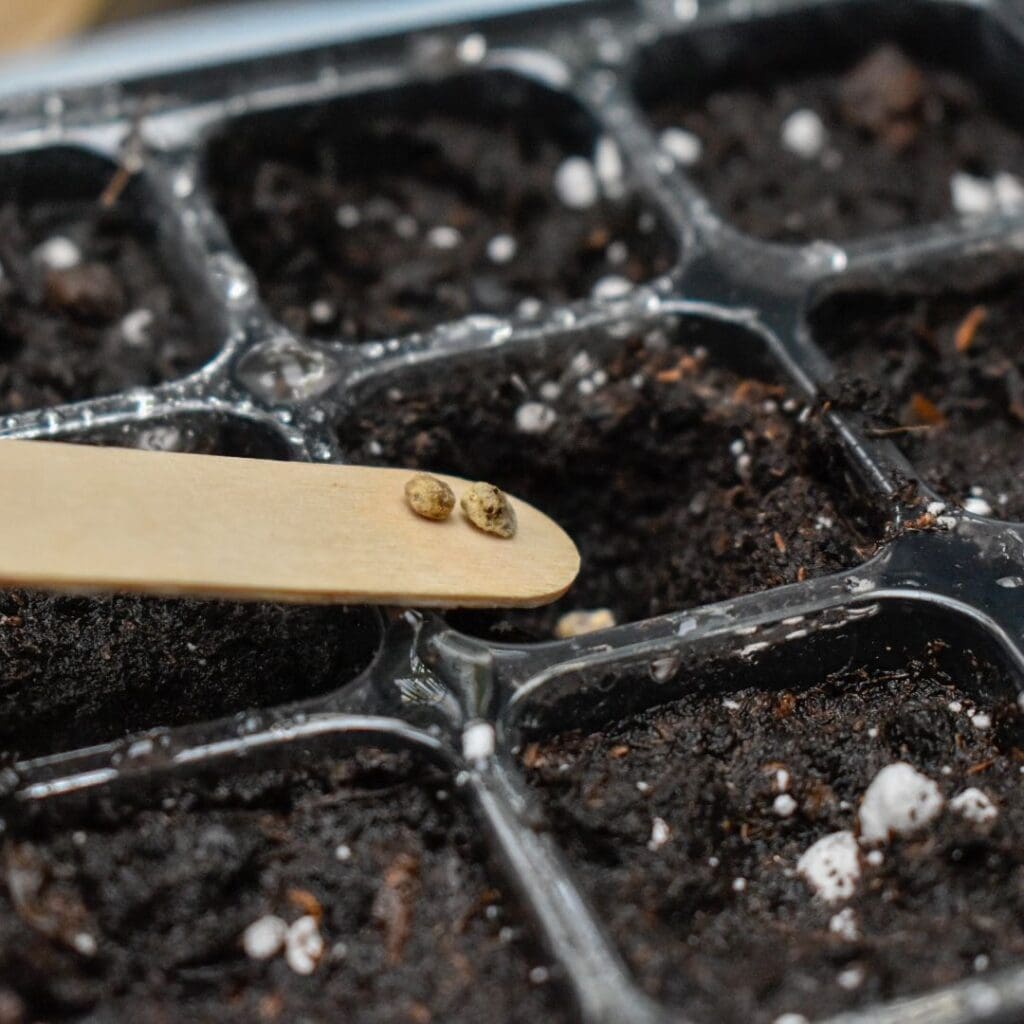
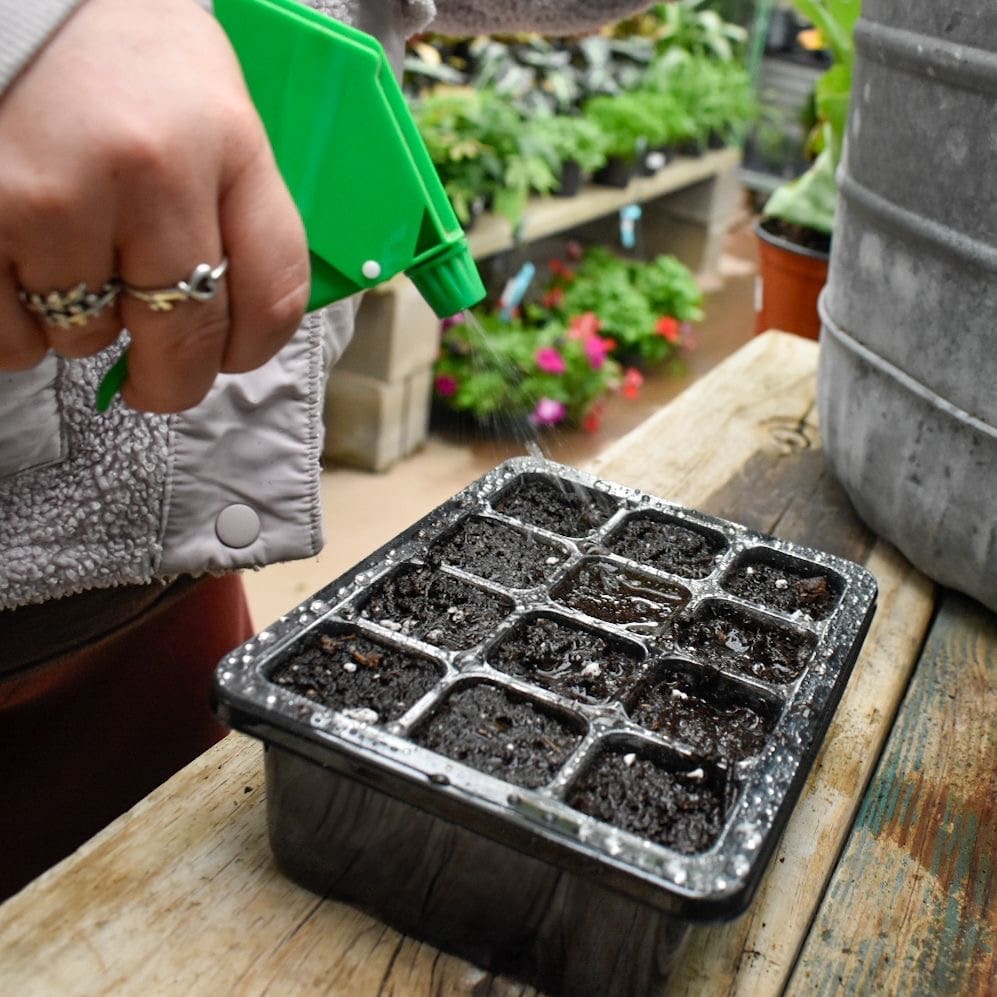
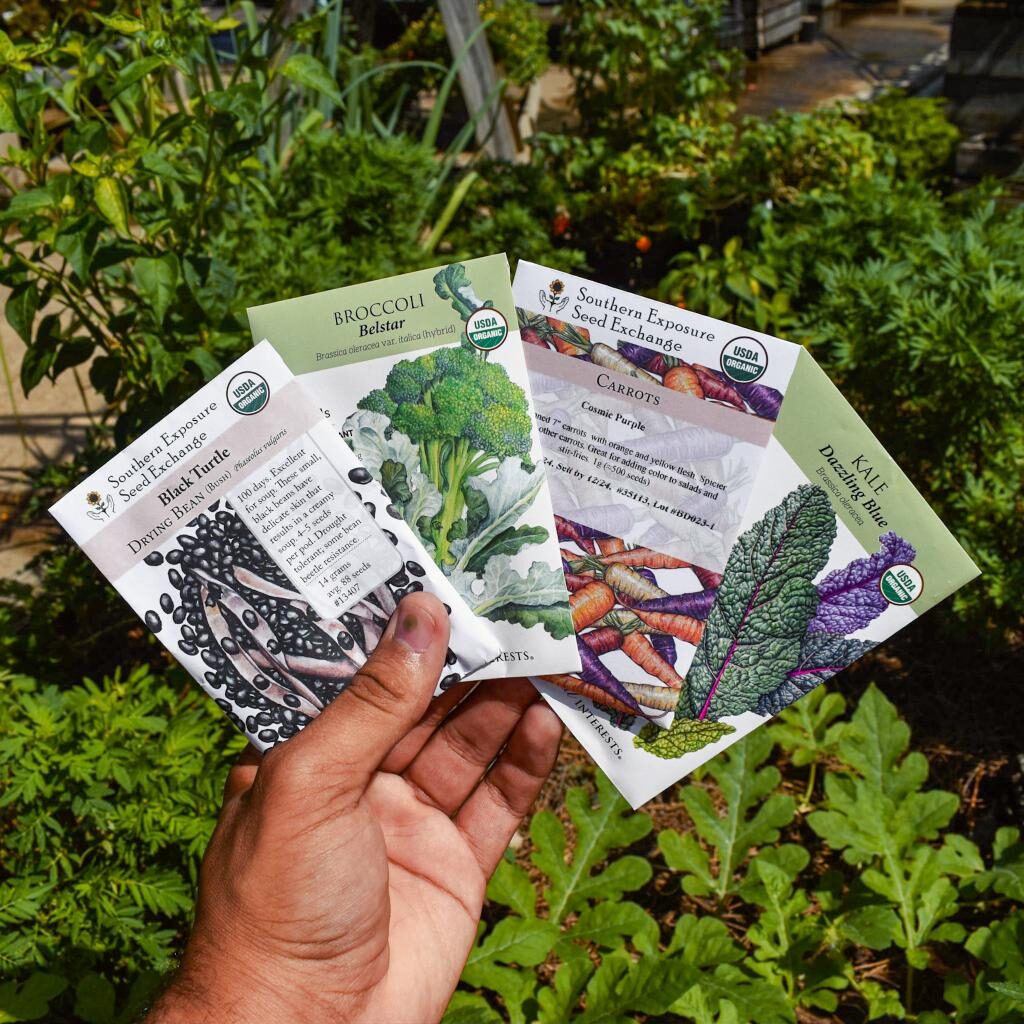
January is time to start tomatoes, kale, chard, onions, carrots, beets, parsley and more from seed. We carry seed-starting trays, peat pots, and Espoma Organic Seed Starter soil for starting seeds indoors or on a protected/covered patio. A good rule of thumb is that once the seedlings have made their first true set of leaves, they are ready to be transplanted into a larger container outside or directly into the garden bed. 

Check out our full Spring planting guide here. And stay tuned because we’re planning all kinds of cool events for 2024, including a seed starting workshop this month!

5. Grow Potatoes and Onions!

January is prime time to plant potatoes and onions! We carry Red La Soda and Yukon Gold potatoes because they are better suited for South Texas growing conditions than larger varieties. Watch Matt’s video guide to planting potatoes here!

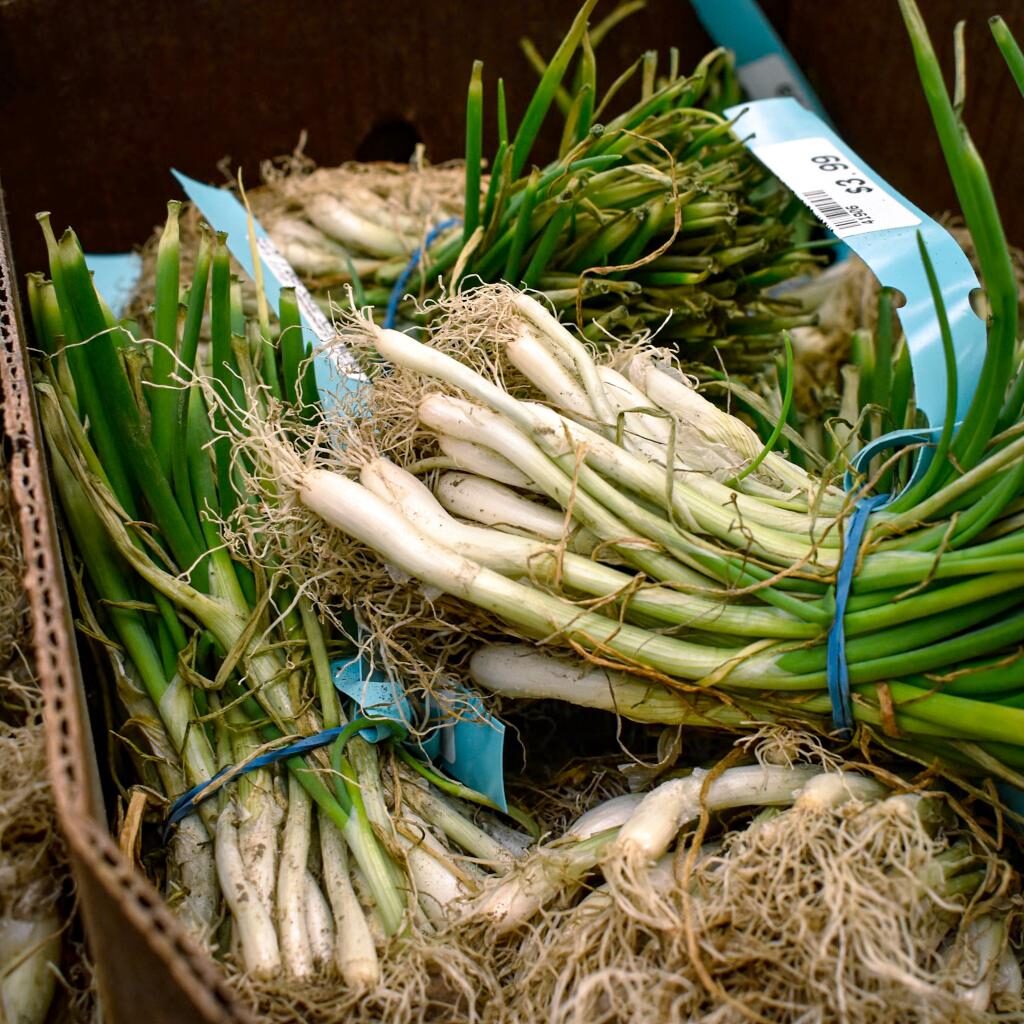
Plant onions in a row every 3-4″ then thin them by plucking every other green top as they grow. This will allow the onions to grow to full size. Keep in mind that both potatoes and onions need well-drained soil. Great for raised beds!

6. Adjust Lighting and Water for Houseplants

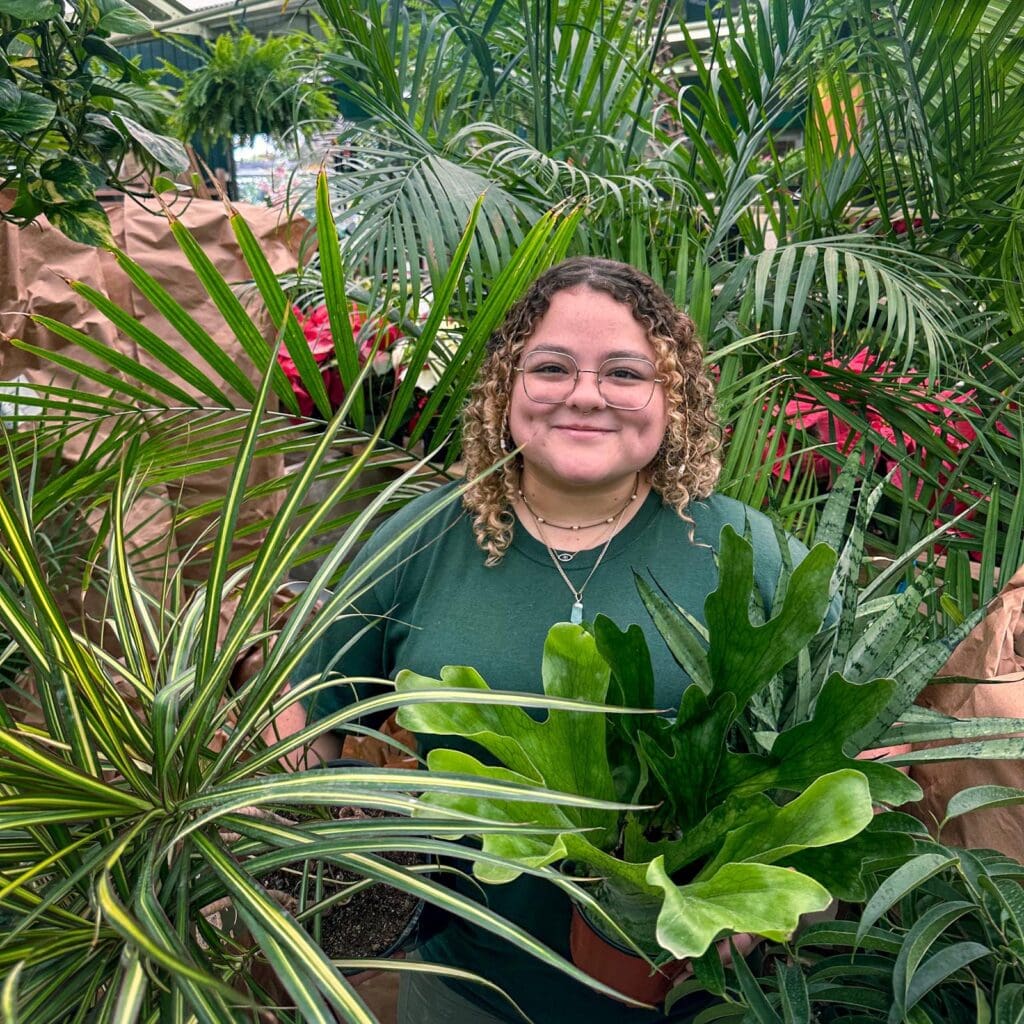
Generally, most houseplants will need more light and less water this month. A moisture meter will come in handy to be sure you’re not overwatering. Experiment with moving houseplants to sunnier windows, and take them outside for a sunny day or 2. Keep their leaves clean to help them take up sunlight and prevent bad bugs. We like using a very light solution of Neem oil + water to wipe down leaves here at Gill’s.

7. Yes, You Can Plant It in January!

Why wait?? Trees, shrubs, and blooming perennials planted now will build healthy root systems during their winter dormancy making for stronger, healthier plants in spring and summer. Not to mention all kinds of cool season flowers and veggies that love our January weather. Keep an eye on the forecast, but remember that new plants are easy to cover with frost blankets if we get a cold spell.

Lots of fun to be had this Summer – holidays, BBQs, weekend trips, and landscape projects! Here are our top must-do’s to keep your plants healthy and happy this July.

Check out our July Garden Guide for more tips and remember that trees, shrubs, and perennials can be planted 12 months out of the year! The only difference is the amount of water they need depending on temperatures and wind!

1. Watering: Think Depth, Not Frequency

Proper hydration happens when you get water down to the roots of the plant. This means watering deeply, not more frequently. Run irrigation systems or sprinklers once a week before 10am or after 6pm per current city watering rules – this is what we’d recommend for summer watering even if there were no restrictions. Remember: long, slow, deep drinks for plants, trees, and lawns! Even when we get a summer rain, continue to watch your watering and maintain that depth moisture.


2. Train Your Plant Sitter

Be sure to have a trusted plant-sitter come water your plants while you’re away on summer excursions! It’s a good idea to spend a little time showing them how you water. Make them a list, draw them a map, walk them through it. You know your plants and which ones get tired and thirsty the fastest.


3. Collect Cool New Houseplants

Now’s a great time of year to work on your houseplant jungle. The greenhouse is restocked with all kinds of interesting choices, including the pictured Hoya macrophylla aka “wax plant” or “honey plant”. The variegated edges become vibrant pink with more sunlight, and it blooms beautiful fragrant star-shaped flowers. Great to hang/drape in medium to bright indirect light. Keep in mind that constant A/C indoors will dry out plants. Keep an eye on watering (use a moisture meter) and don’t place houseplants near an A/C vent. You might also try experimenting with a humidifier to help


4. Mulch to Keep Cool
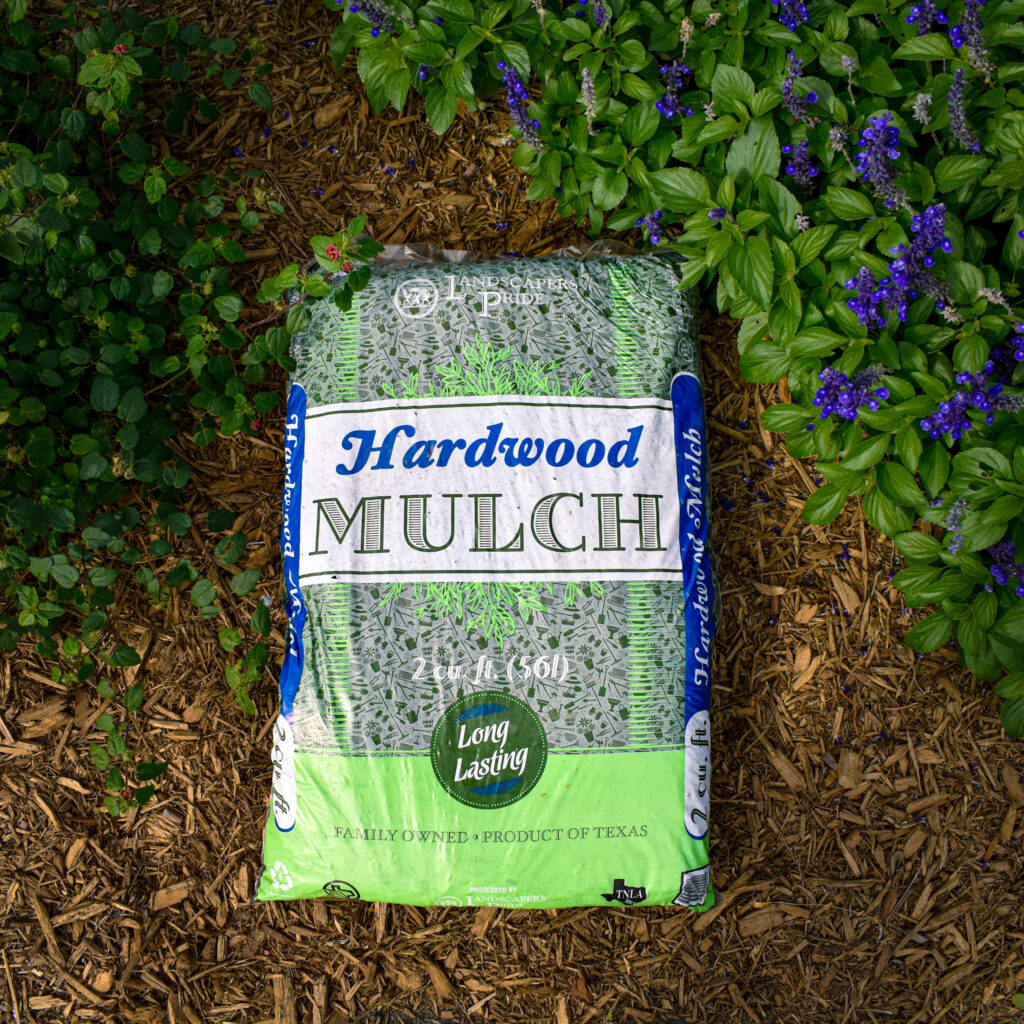
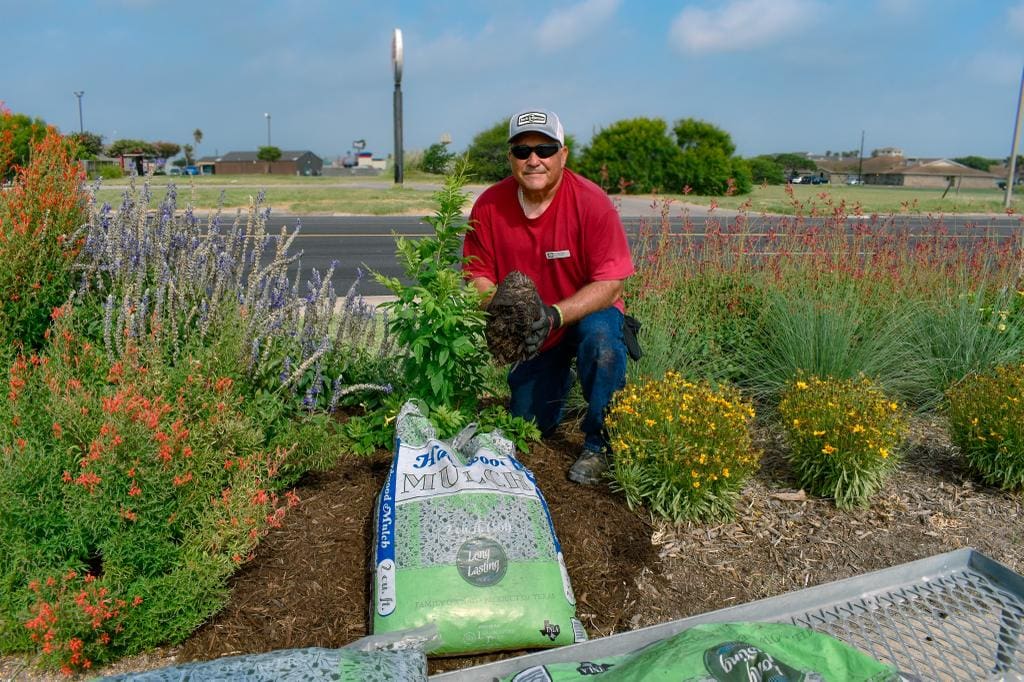
Andy adding fresh hardwood mulch to the front beds at Gill’s

Studies show that a good 3″ layer of mulch will keep your plant roots more than 20 degrees cooler in summer! Not only that, a good mulch layer also helps retain moisture AND keeps weeds at bay. Healthy plants, less watering, and fewer weeds – that’s a win/win/win! It’s important to use natural wood or pine straw mulch that breaks down over time. As it breaks down, it adds nutrients and makes your soil more workable.


5. Watch for More Bugs in Summer
This is what a mealybug infestation looks like!

Not all bugs are bad, so it’s important to know your bugs before you spray anything, even organics. A few bugs here and there is most likely not cause for alarm. If you do get an infestation, cut the plant back first, give it some fertilizer, then treat for bugs. By pruning first, you won’t have to treat every leaf on the whole plant. We see plants come back better than ever using this method. If you’re not sure about bugs or pruning, we’re here to help.