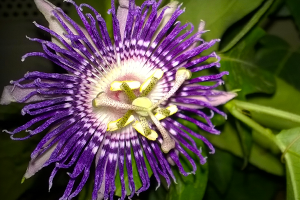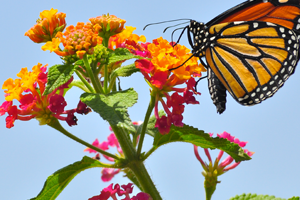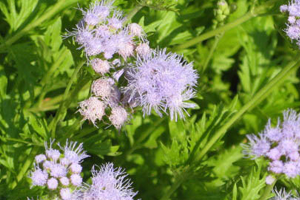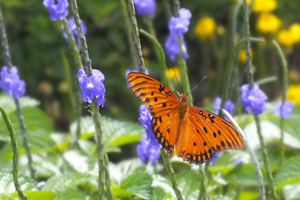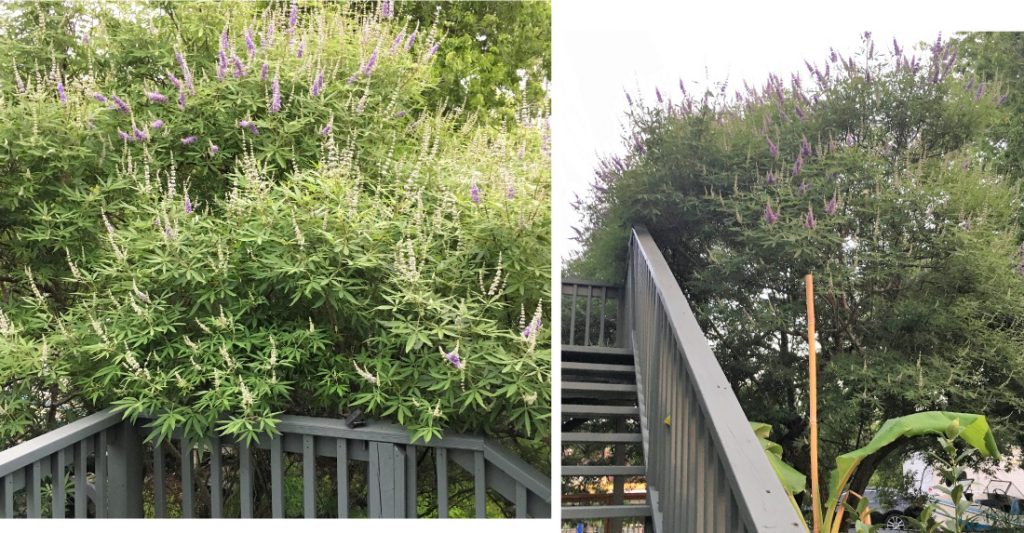
A lot of folks are asking how to get their tomatoes, peppers, squash and cucumbers to put on more fruit. The answer might be as simple as you need more bees! Pollinators like bees and butterflies are a critical part of any successful garden, so make some space for bee attracting plants. Some of our favorites are Pink Fairy Duster, African Blue Basil and Calendula.
Butterflies
Organic Insecticide: Insecticidal Soap is based on potassium fatty acids and is used to control many plant pests. Because insecticidal soap only works on direct contact with the pests, it is important to thoroughly spray the entire area of the plant where you see the pests. It is used to kill aphids, scales, whitefly, mealybugs and spider mites.
Some plants can be sensitive to it, so be sure and read the label before spraying. (You should spray a small part of the plant, wait a couple of days to see if there is any reaction before you spray the entire plant.) It also cannot be sprayed when the temperatures are above 90 degrees. I usually recommend to spray in the early evening once the plants are in the shade. This gives them all night to dry before the sun hits them the next day. The same is true for Neem Oil. It works to kill and repel a wide variety of insects.
It also can be used as a fungicide and miticide. Neem Oil is not known to be harmful to mammals, birds, earthworms or some beneficial insects such as butterflies, honeybees and ladybugs if it is not concentrated directly into their area of habitat or on their food source. Spinosad is another insecticide used to kill
borers, bagworms, caterpillars, leafminers, thrips, fleas , scales and beetles to name a few.
It is also available in a granular bait form to kill fire ants. And lastly Diatomaceaous Earth. This is a powder used to scratch the exoskeleton of insects causing them to dehydrate and die. Works on roaches, fleas, pill bugs, ants and more. Depending on what insects you are trying to control, we can help you find the best product to meet your needs.
-DeAnna
If your citrus looks like it is getting munched on, make sure you look for Swallowtail caterpillars before you grab your insecticides. Giant Swallowtail butterflies lay their eggs on lemons, limes and even grapefruit trees this time of year, and the caterpillars literally look like bird poop (as their camouflage). So if you see moving bird poop on your citrus, just leave them be and they’ll be beautiful Swallowtails in no time!
-Marta
Sights, sounds, and smells of nature are all relaxing. For sights, think about plants to attract birds, butterflies, and hummingbirds. They are so fun to watch as they move from plant to plant gathering nectar. Hamelia, Firecracker Plant, Hummingbird Bush, Shrimp Plant, Cape Honeysuckle, Lantana and many more are available to bring nature to your yard. Our plant signs throughout the nursery identify which ones attract birds, butterflies, or hummingbirds. For garden sounds, think of rustling leaves, a hand tuned windchime or the sound of running water from a fountain, all sure to relax the mind. For smells, many plants have wonderful fragrances in the daytime and some at night. Gardenias, Indian Carnations, Maid of Orleans Jasmine, Sweet Almond Verbena, Angel Trumpets, and Reseda add wonderful aroma to the landscape. Night Blooming Jasmine can be smelled from what seems to be 100 yards away. The tiny flowers flare the tips open in the

evening to release the sweetest smell imaginable. While having a cup of coffee early in the morning or a glass of wine after a hard day of work, do what you have always heard, take the time to look around, listen close, and “stop and smell the roses”.
-DeAnna
Pros!
- It isn’t so stifling hot! We can almost always count on a breeze to cool us down when we’re working in the garden
- Wind chimes always give us music outdoors
- Mosquitos aren’t so bad. In cities like Houston, where there isn’t as much wind, mosquitos run rampant. And while we aren’t mosquito free, we can at least manage them with products like Mosquito Beater.
- Wind can actually provide great pollination to supplement our bees and butterflies
- Plants love air circulation. When they’re all jammed together, they get fungus and poor growth patterns. Our wind definitely helps with that.
Cons
- Hanging baskets can sometimes jump! If we get 30mph winds, hanging baskets have this nasty habit of falling off their hooks, so make sure you bring them down if it gets windy
- Trees often need staking, especially for their first year! T-posts and arbor tie normally do the job though.

- No matter what hairstyle you want, it will always look windblown.
- Plants dry out in windy conditions. What may normally need watering only three times a week may need to be watered everyday if it’s windy. Using a moisture meter helps ensure that we know if a plant needs a drink.
-Marta
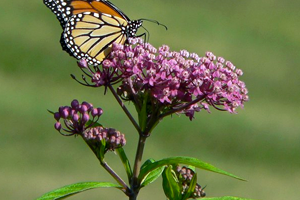
![]() Aphids on Milkweed: If you plant tropical milkweed to help the monarch butterflies (and for the beautiful flowers) sooner or later you will get aphids. You can hose down the infested milkweed tips with a sharp stream of water, knocking most of the aphids off (away from your other plants please). But if you see a substantial number of aphids looking brown and bloated instead of just fat and sassy, you may choose to
leave them alone. The brown, bloated ones have been parasitized by a tiny braconid wasp, whose larvae will eat the insides of the aphid, metamorphose into a wasp, and hunt down scores of aphids to lay eggs on, continuing to destroy aphids with no supervision from you. -James
Too much rain on roots? My walking buddy sent me a photo of her unhappy Jatropha and wanted to know what the problem was. We believe the constant moisture over the last few months caused the roots to rot which caused the plant to drop foliage (a plant is programmed by mother nature to drop foliage if roots are suffering).
Now that the sun is out and soils are drying, we recommended she cut the plant back one half and be stingy with watering. Most likely it will flush with new spring foliage and be good to go.
-Sally
Caterpillar alert: I have had several customers bringing me Tussock Moth Caterpillar from their oak trees. The creamy white hairs on the caterpillar are long and bristle-like and spread out in tufts down the sides. Two long, sharp black pencil like hairs protrude near the front and rear and these hairs are connected to poison glands, which excrete venom on contact. Contact with the venom may result in itchy irritation. You can spray your tree with Hi Yield Thuricide Concentrate or Natural Guard Spinosad Hose-end. We also carry Spinosad in a concentrate Fertilome Borer, Bagworm, Tent Caterpillar and Leafminer Spray. Both of these products are organic and safe to use on all plants. Thuricide
reacts with the cells of the stomach lining of the target pest causing them to not be able to feed within hours of ingesting. They eventually die from starvation. Spinosad is a contact kill, but still safe and organic for all plants.-DeAnna |
Oak Leaves Will Fall
If you haven’t noticed before, this is the time that live oak leaves turn and fall. They are fine when used as a mulch in shrub beds, but should not be allowed to sit on the lawn, as they can inhibit soil warming and healthy new growth of grass.

–James
Companion Plants For Your Veggie Garden
Planting certain kinds of flowers in your veggie garden can not only attract pollinators like bees and butterflies, but can also help you get rid of pesky insects in your garden. Borage has bright blue flowers, and repels tomato hornworms. Marigolds have a certain compound in their root system that repels harmful nematodes. Catnip is said to keep flea beetles away, so is great to plant near Eggplant and Okra. And last but not least, radishes keep squash borers away. We carry most of these plants in seed form, so be sure to sprinkle them in the garden now!

–Marta
10 Reasons To Mulch Gardens & Landscapes
1. Provides an excellent source of organic compost that offers nutrients for your plantings.
2. Insulates the soil around new plants from fluctuating spring temperatures.
3. Prevents soil erosion from water runoff during heavy downpours.
4. Retains moisture during the dry heat of the summer, which means less watering.
5. Suppresses weed seed germination and weed growth which can rob water and nutrients from landscape plants. Be sure to mulch 3-4 inches deep.
6. Beautifies the landscape, giving beds a manicured look.
7. Encourages earthworms to move in for improved soil structure and nutrient recycling.
8. Protects trees and shrubs from being damaged by lawnmowers and weedeaters.
9. Prevents soil borne fungus from splattering onto the leaves of plants.
10. Bark mulch can decompose over time, thus adding valuable nutrients back into the soil. In essence, mulching is time-released composting.

-DeAnna
On occasion, we hear new gardeners (kids and adults) being fearful of the creatures that live in our outdoor spaces. Almost everyone loves birds & butterflies – I’m talking about the other workhorses of the garden… toads, frogs, lizards, spiders, bees, and wasps. I have to admit that as a child, I was very fearful of bees & anything that flew my direction, as if I were their target. Now I know that of course I wasn’t.

These creatures are garden-friendly! Not only do we get entertainment and pure joy from watching them in our landscapes – they are incredibly beneficial for controlling unwanted pests. Many wasps are predatory and devour other chewing insects. Most lizards, particularly Leopard Geckos, eat cockroaches. Beetles, unwanted caterpillars, stink bugs, and flies are kept in check naturally. No chemicals & no work necessary on our part. In the case of bees, they support the pollination of blooming and food-producing plants.

It’s important to not use chemicals that may cause harm to your beneficial creatures. Use organics – they’re safe and effective. If a chemical is necessary, use the least harmful, use only what you need, and use as directed on the label.
Diversity in nature is a key to garden success. Learn to appreciate all creatures & let’s help children to find wonder not fear in gardens. There are numerous places around the Coastal Bend to discover more about biodiversity in our area. Here’s a few:
- The South Texas Botanical Gardens
- Oso Bay Wetlands & Preserve Learning Center
- Corpus Christi Museum of Science & History
HAPPY GARDENING!

-Debbie