Garden Center Hours: Mon-Sat 9am - 5:30pm • Sun 10am - 5:30pm

One of the most common questions we get from DIY gardeners and landscape design clients alike…”Can you recommend blooming plants for the shadier areas of my yard?” Great question! Most blooming plants want lots of sun, but there are still some great options for shade. Here are 10 of our fav shade bloomers that we have in stock and ready to plant right now!

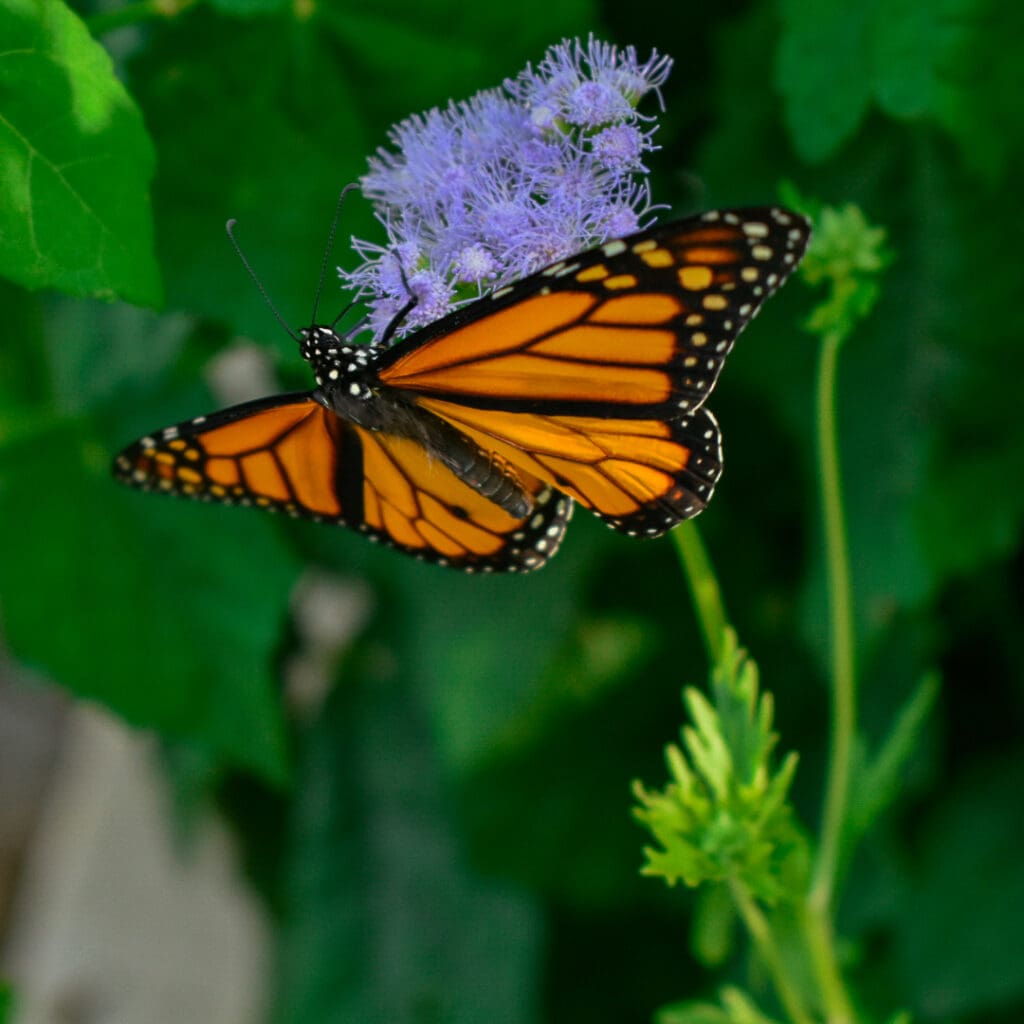
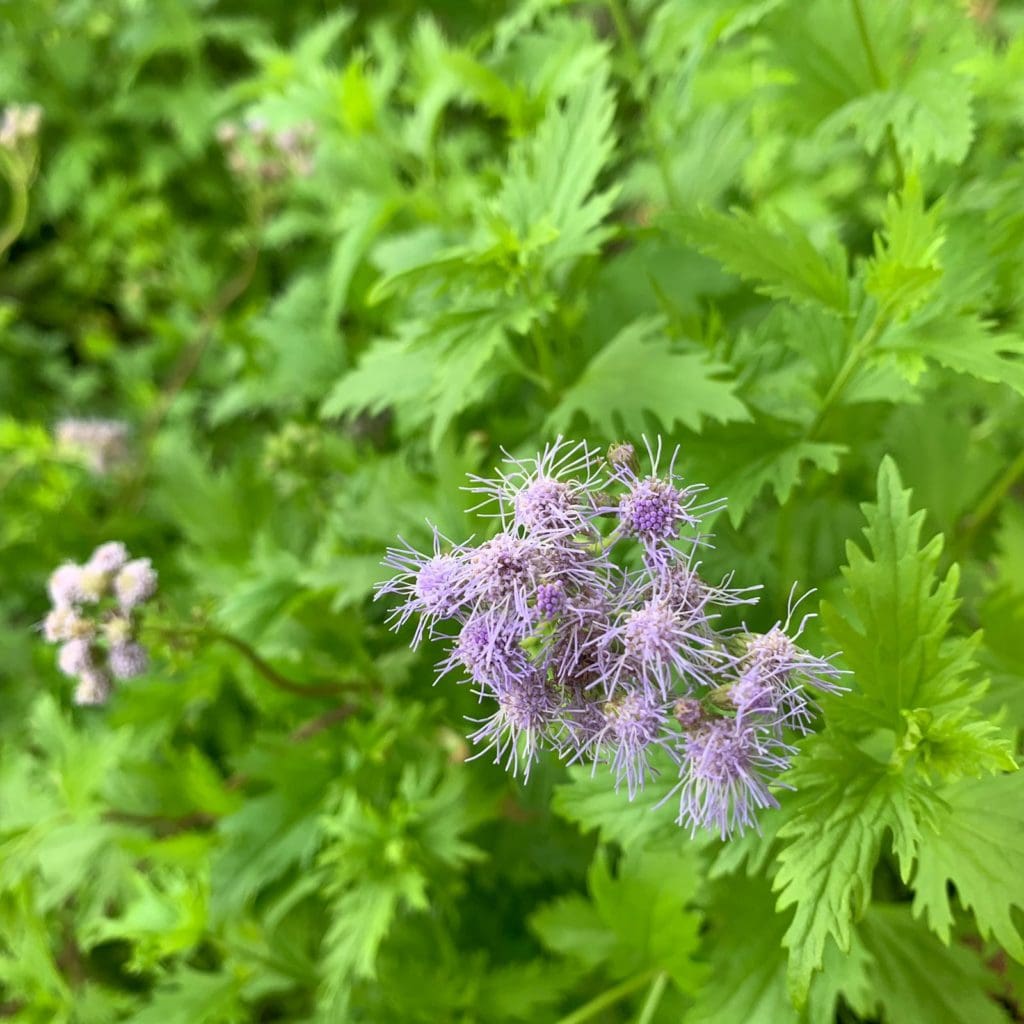
1. Gregg’s Mist Flower

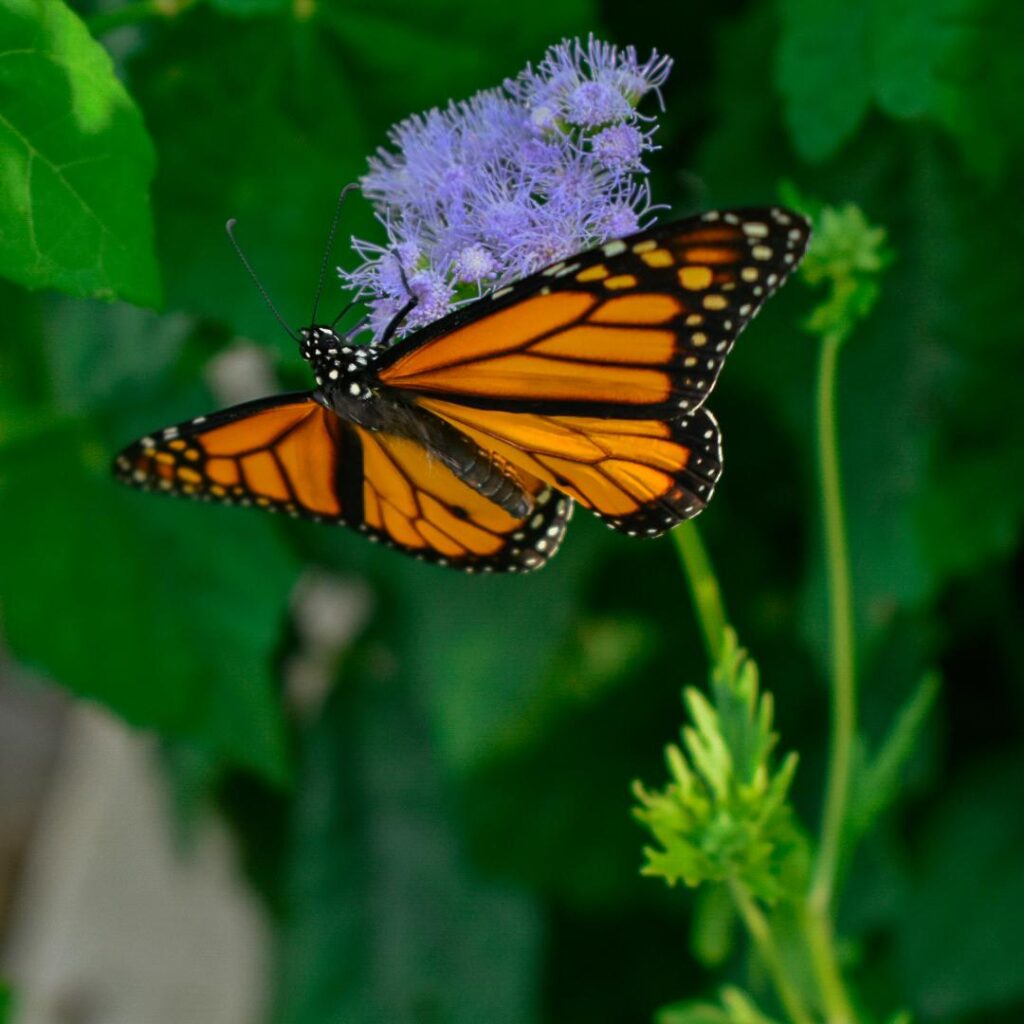
Do you have shady spots in your yard where you like to hang out and cool off? Would you like to enjoy the company of dozens of butterflies in those chill spots? Then plant a bunch of native Gregg’s Mist Flower! It can handle full sun, but it loves morning sun and afternoon shade.  

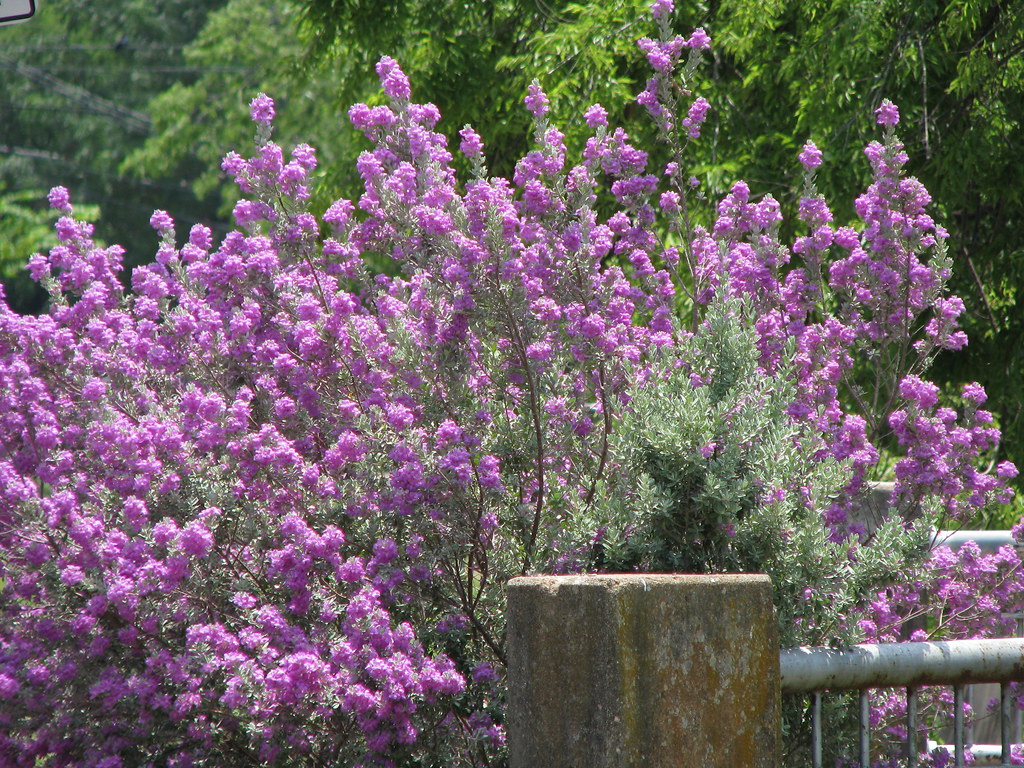
2. Shady Salvias, like ‘Black & Bloom’ and ‘Plum Crazy’

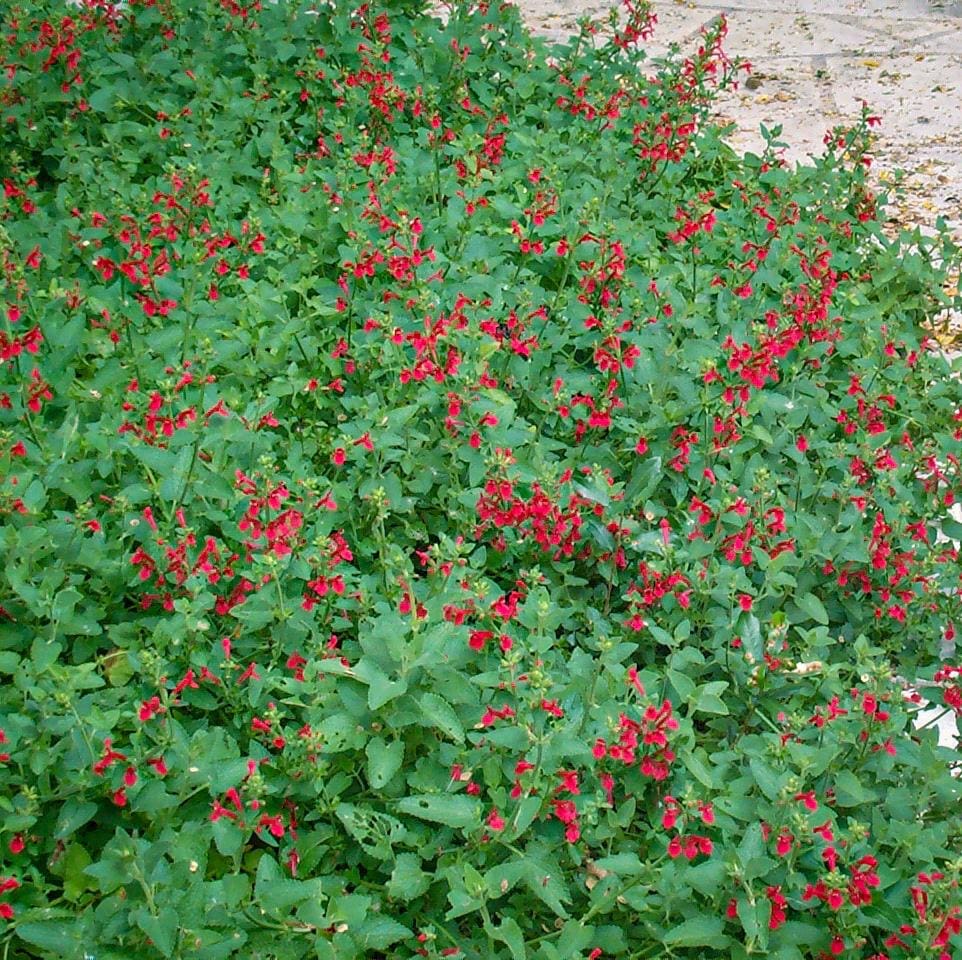
We have quite a wide selection of salvias this spring, including gorgeous varieties that prefer more shade, like Plum Crazy (pictured), the darker purple Black & Bloom, and even the native Tropical Sage (Salvia coccinea) which like dappled light under tree canopies.  

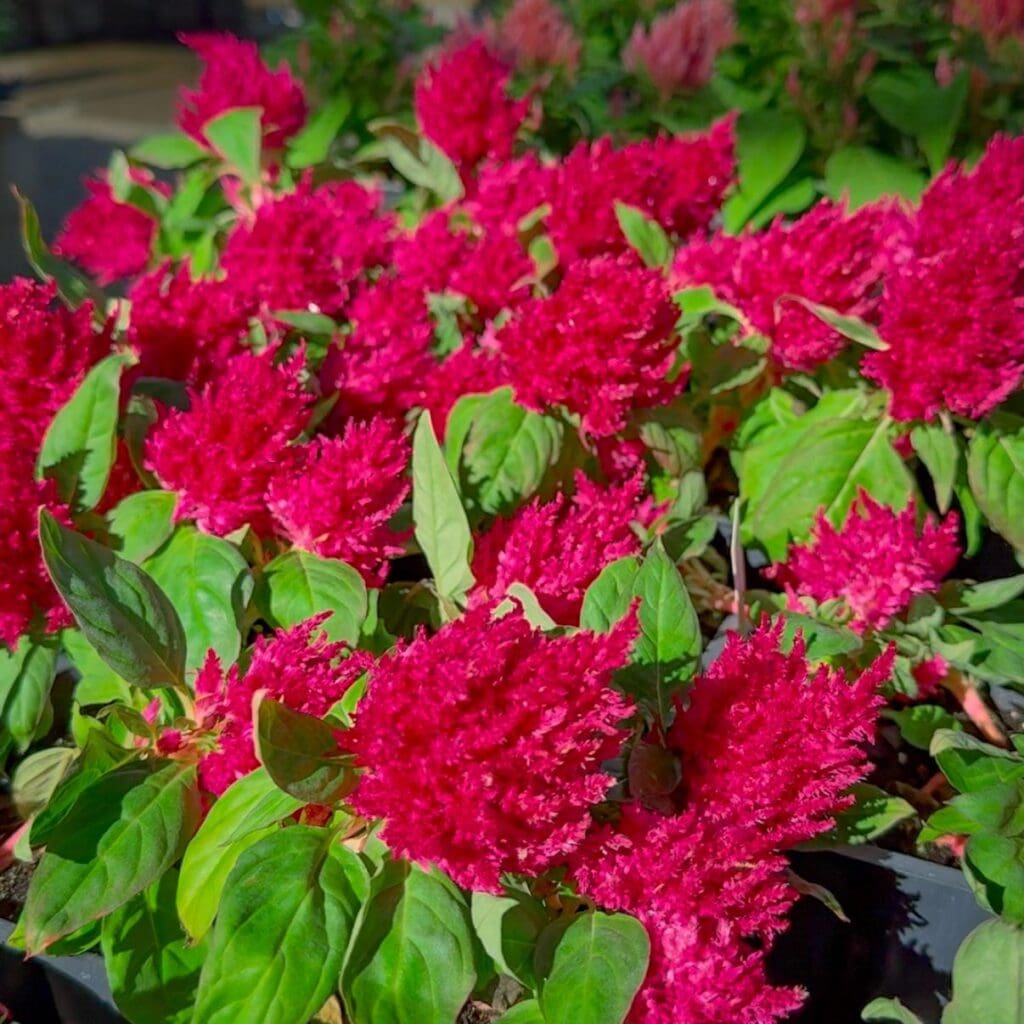
3. Celosia

The problem with doing a general web search for gardening tips is that the info rarely applies to our area specifically. Celosia is a good example – most gardening sites will recommend full sun, but they don’t mean South Texas full sun! In our area, Celosia makes a bright and fun addition to shadier spots in the garden with blooms through spring into early summer. 
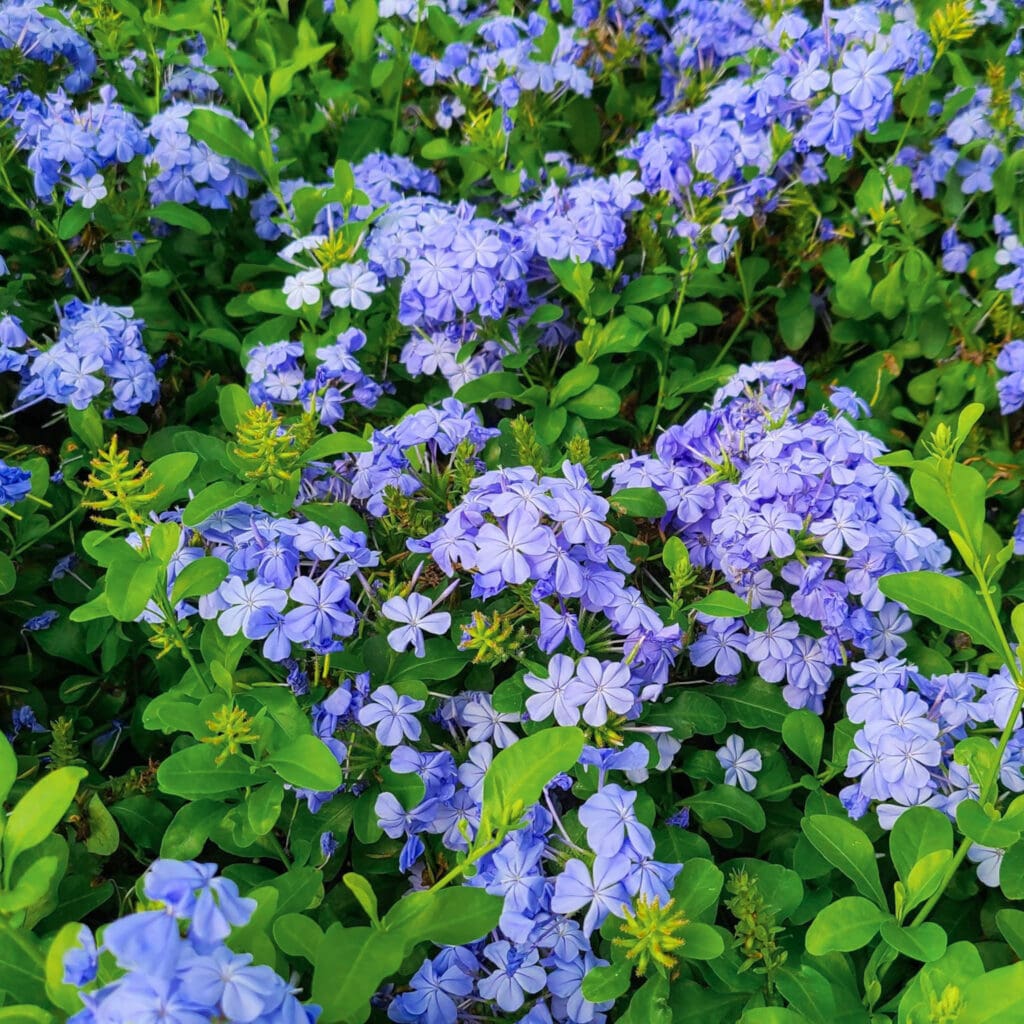
4. Blue Plumbago

We like to call Plumbago the South Texas Hydrangea. We can’t grow Hydrangeas very well in our area (wish we could!), but Plumbago thrives here and gives you a similar effect in the landscape with TONS of big, gorgeous blue blooms. Think part sun/part shade spots. There’s also a white version if blue’s not for you. 

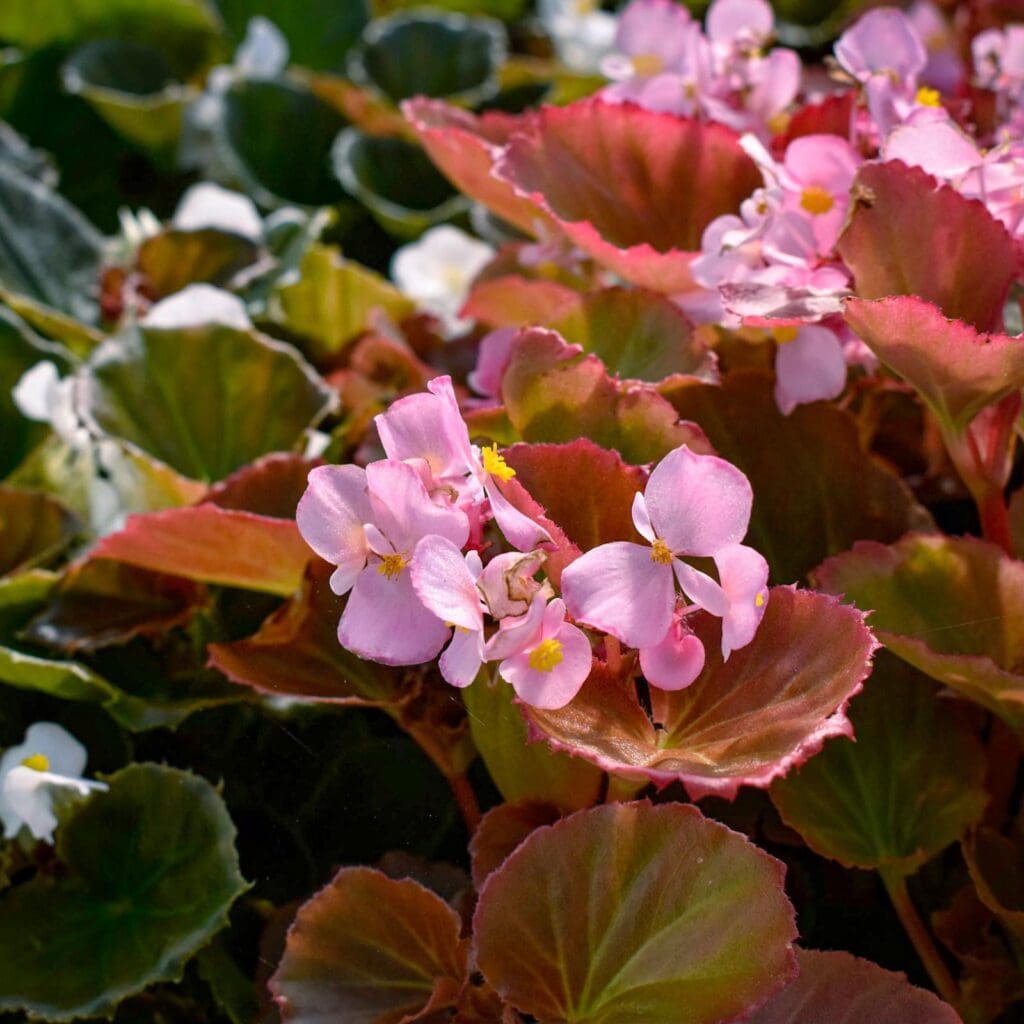
5. Begonias!

Begonias might be our fav annual flowers for shade. They’re awesome in the ground or in pots, and can even be brought indoors. And there are tons of varieties to choose from with different foliage and different blooms. 

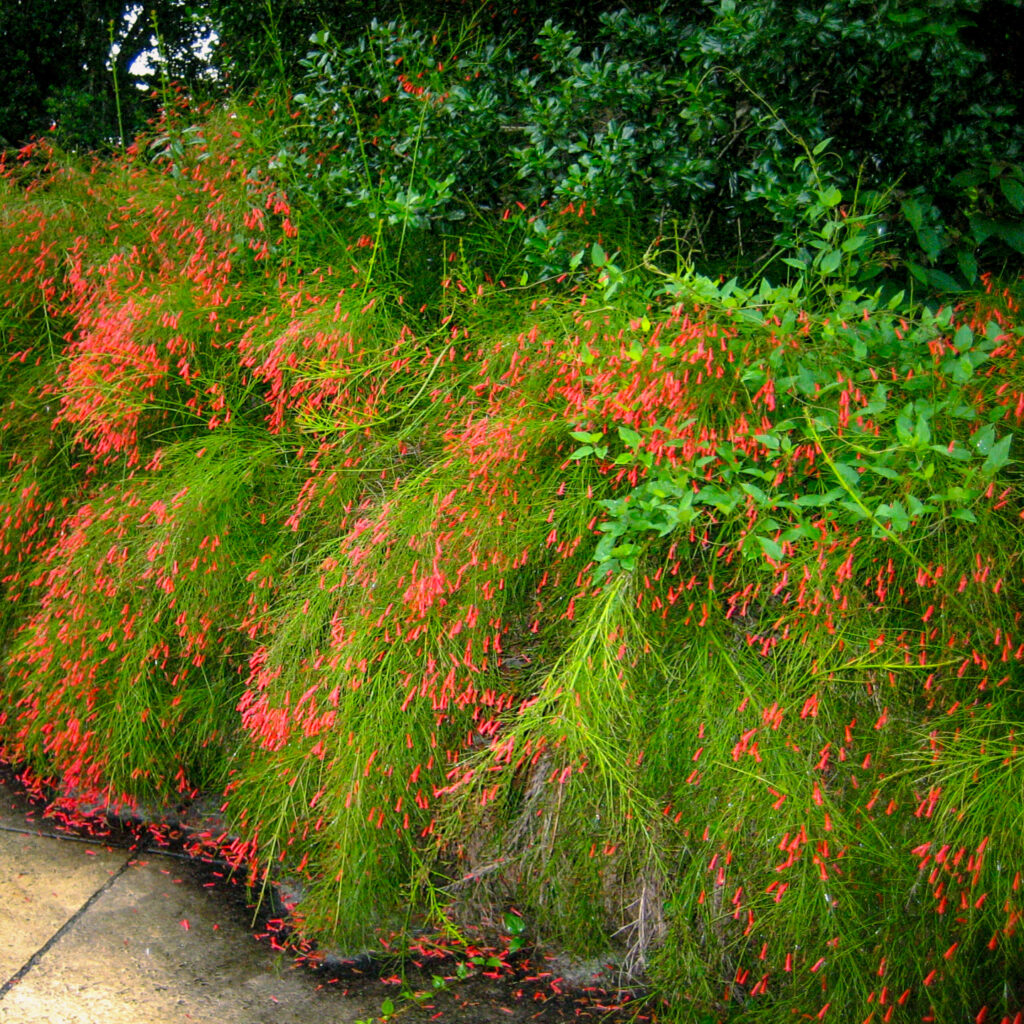
6. Firespike

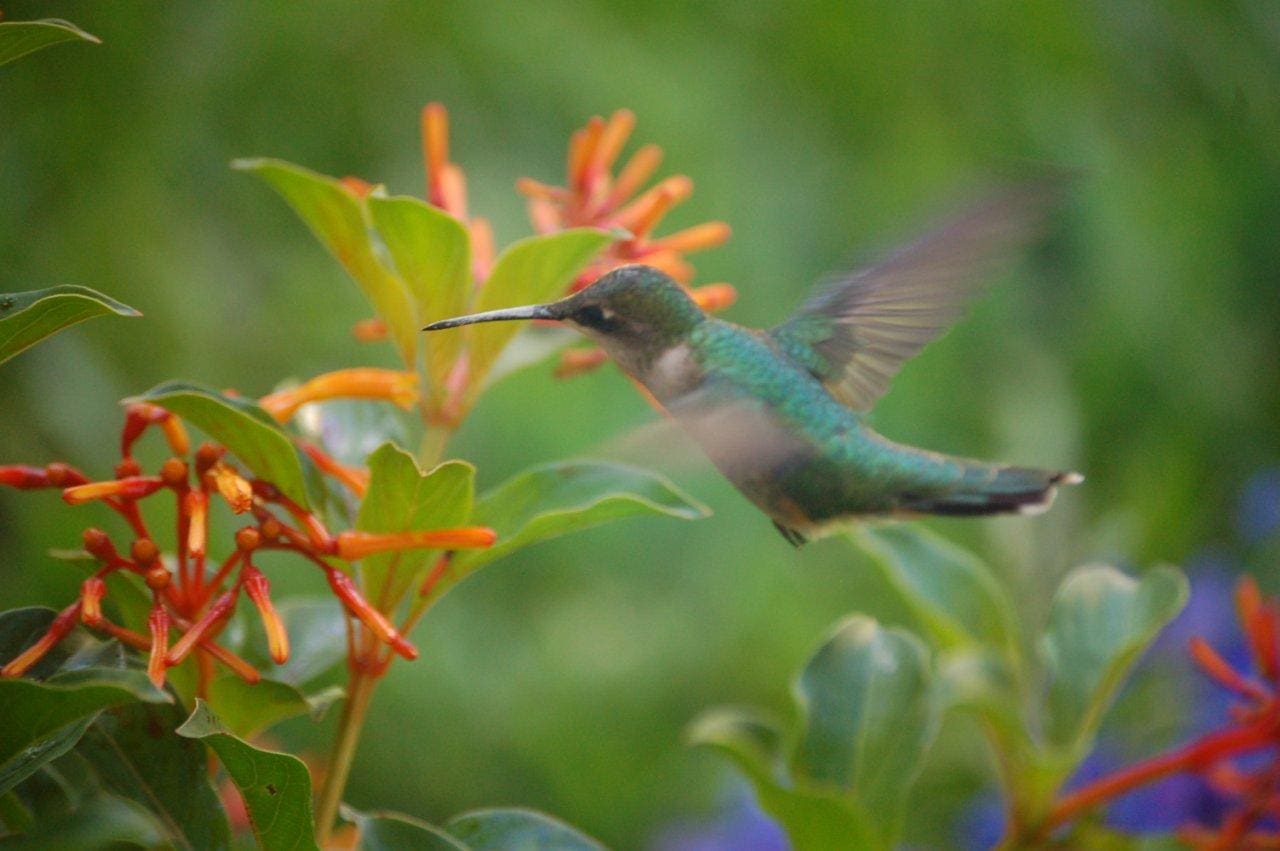
Here’s one we don’t see too often – Firespike! Excellent 4-6′ tall and wide shrub that hummingbirds and butterflies adore. We wouldn’t recommend it for deep shade, but it’ll be happy and bloom in some shade.

7. Blue Daze

It’s a bit tricky to find a low-growing, heat-loving, drought-tolerant plant that can bloom in the shade, but Blue Daze checks all those boxes. This Texas Superstar thrives in our area and makes an excellent groundcover. Great in pots too!

8. Turk’s Cap

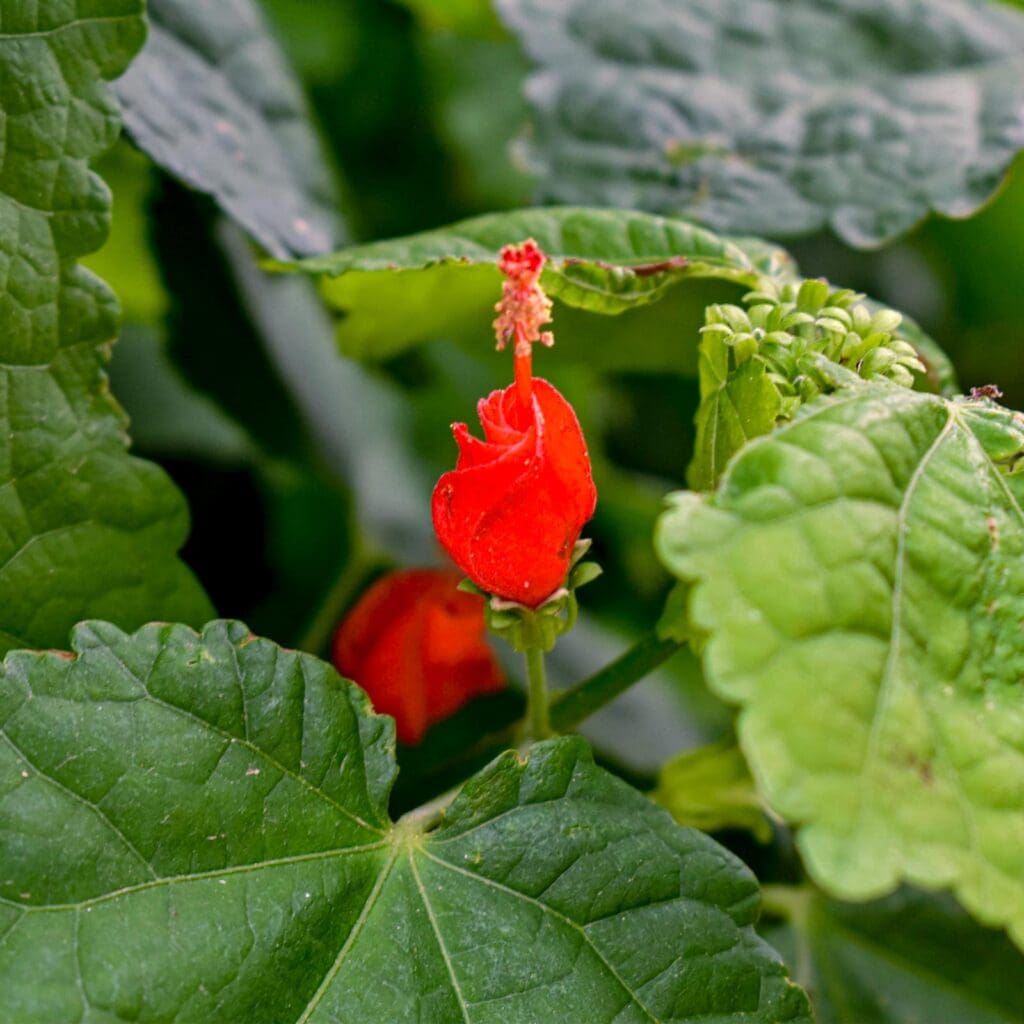
Texas Native Turk’s Cap is one of the most versatile and easy landscape plants there is. You can plant it almost anywhere, including deep shade, and it will bloom like crazy. Plus, it’s a magnet for hummingbirds. Did you know that Turk’s Cap is part of the mallow family and that the fruit and all parts of the plant are edible? 
9. Texas Betony

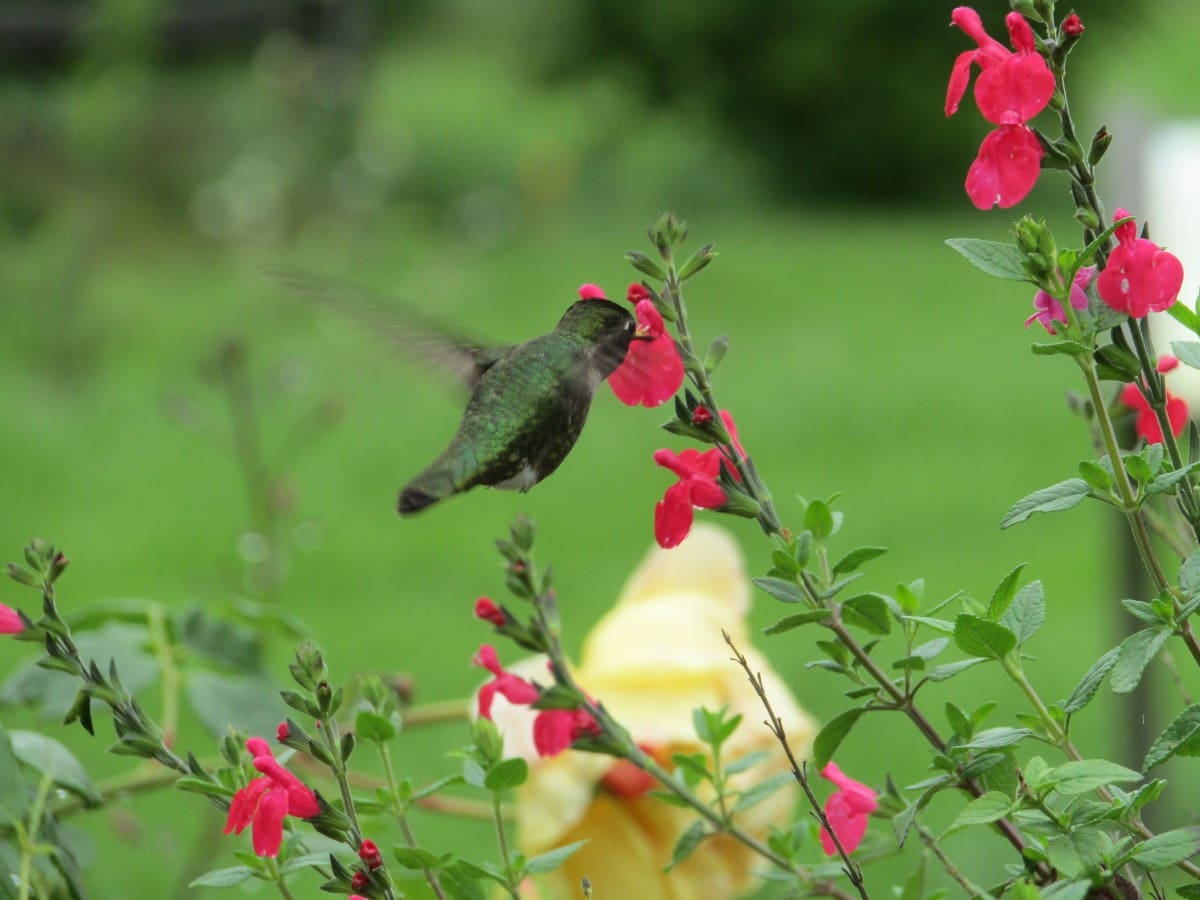
Texas Betony is another native that hummingbirds and butterflies adore. And it’s an excellent shade bloomer. We don’t see it super often, so it’s a treat to have some in the garden center right now. 

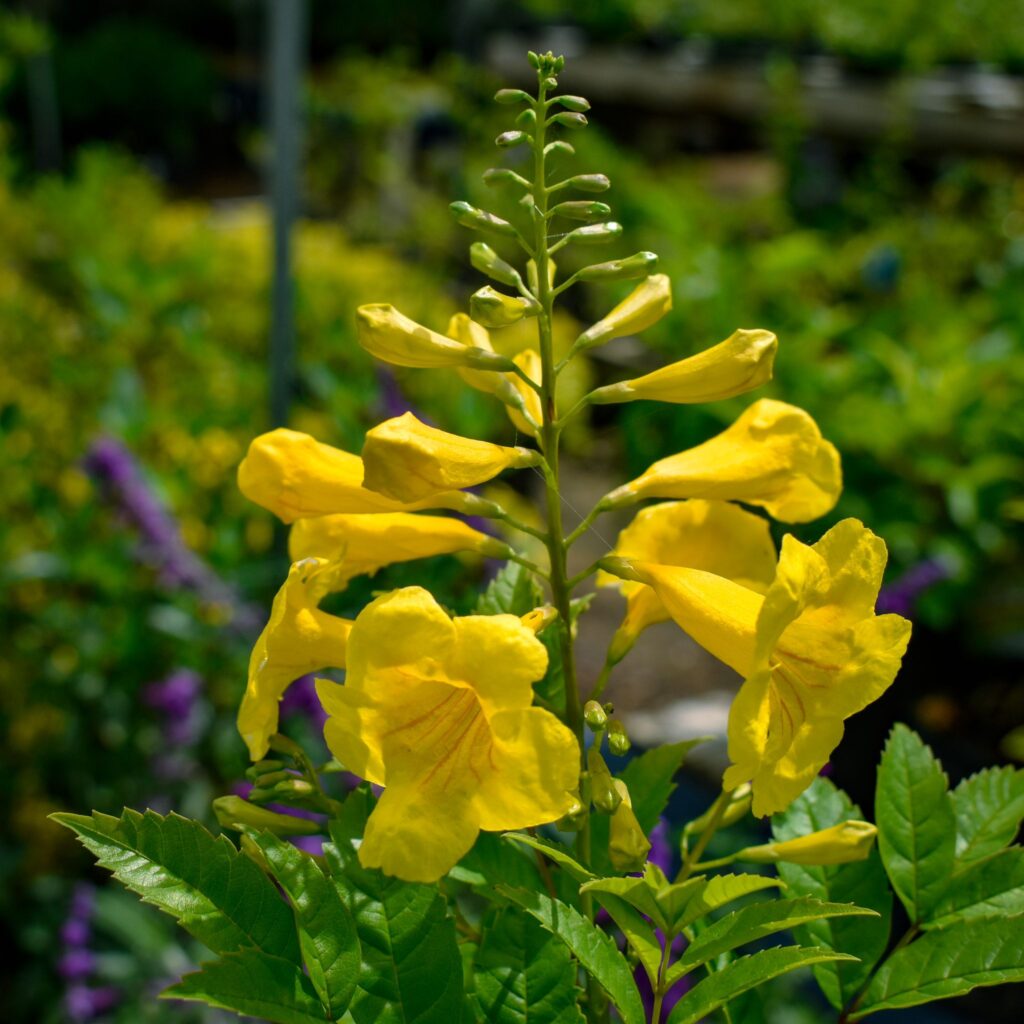
10. Shrimp Plant!

How could we talk about shade bloomers without mentioning the South Texas classic, Shrimp Plant! It comes in different colors, hummingbirds love it, and grows to about 4′ tall and wide. 


Now it’s safe so say…Spring has SPRUNG!! After a cold and cloudy February, sunshine and gorgeous weather feel so good! The birds are chirping, people are smiling, and plants are coming out of winter dormancy and starting to grow. Here are our top must-do’s in the garden this March – time to get planting!

Check out our March Garden Guide for more tips!

1. Get Your Veggies Going Now!

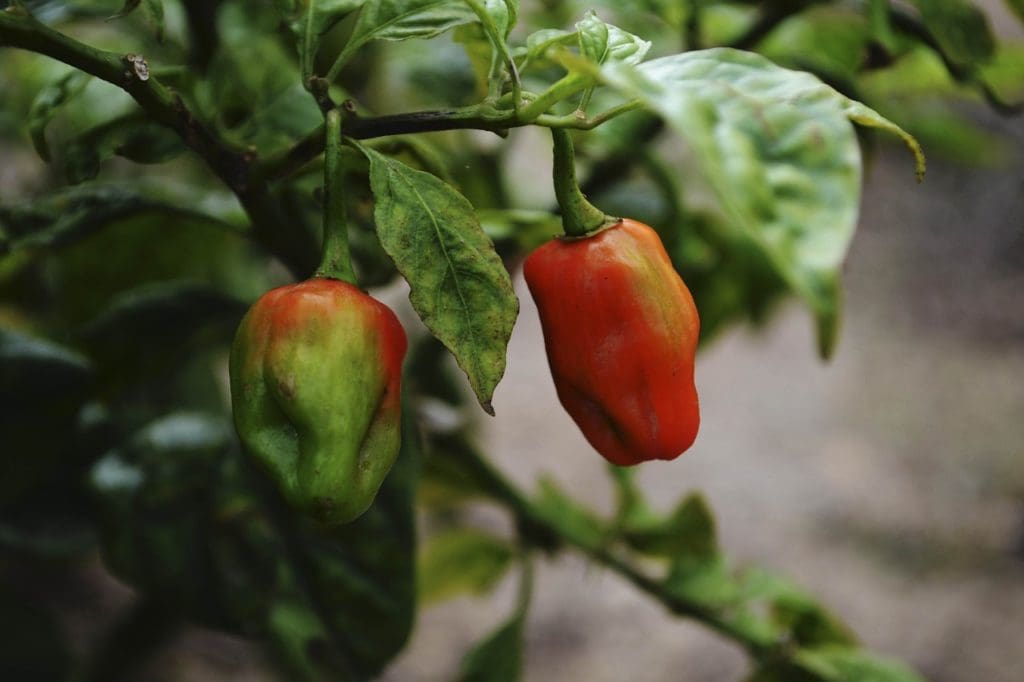
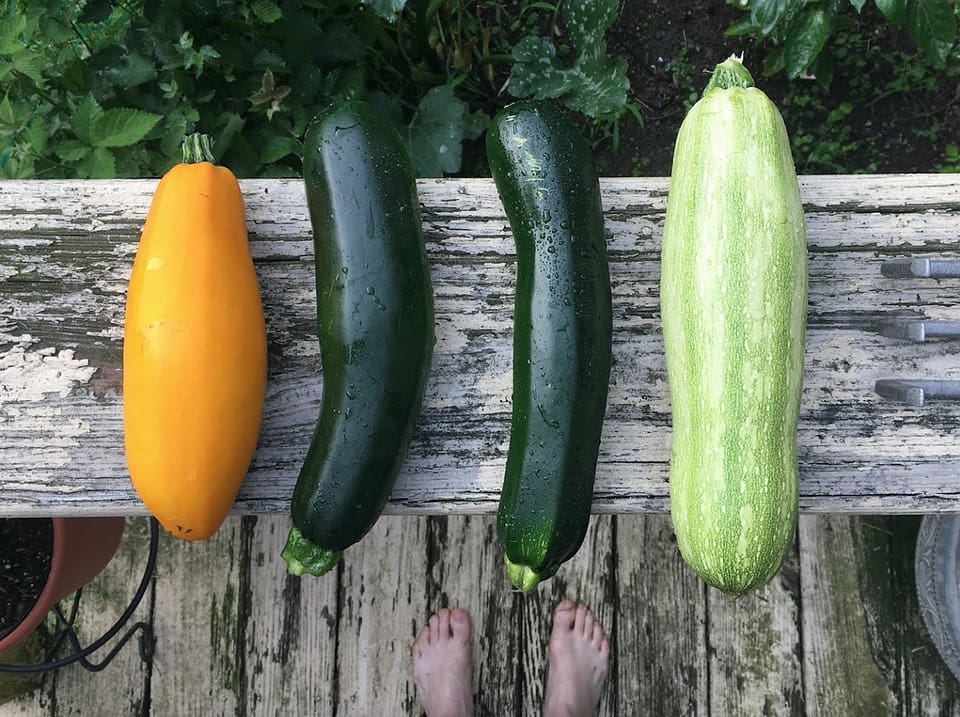
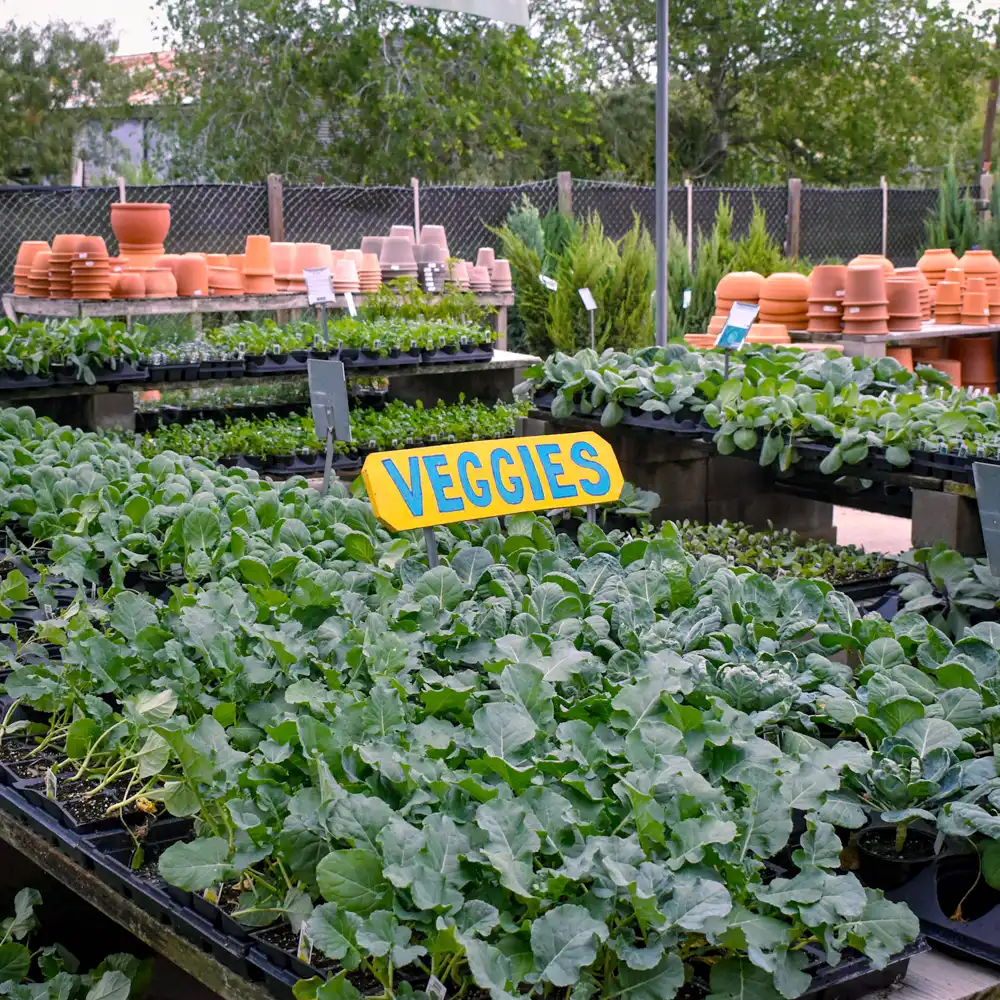
We must say…our veggie and herb section is looking mighty good right now! We’ve got tons of different tomatoes, jalapenos, super hot Carolina Reapers, cucumbers, squash, eggplant, asparagus, lemongrass, lemon balm, and lots more ready for your garden. Be sure to get your tomatoes going early this month so they have time to produce before it gets too warm. The rest of these can be planted any time this month, but you don’t want to wait much longer. Take advantage of the perfect weather!

2. Fertilize Regularly Starting Now (except for lawns!)

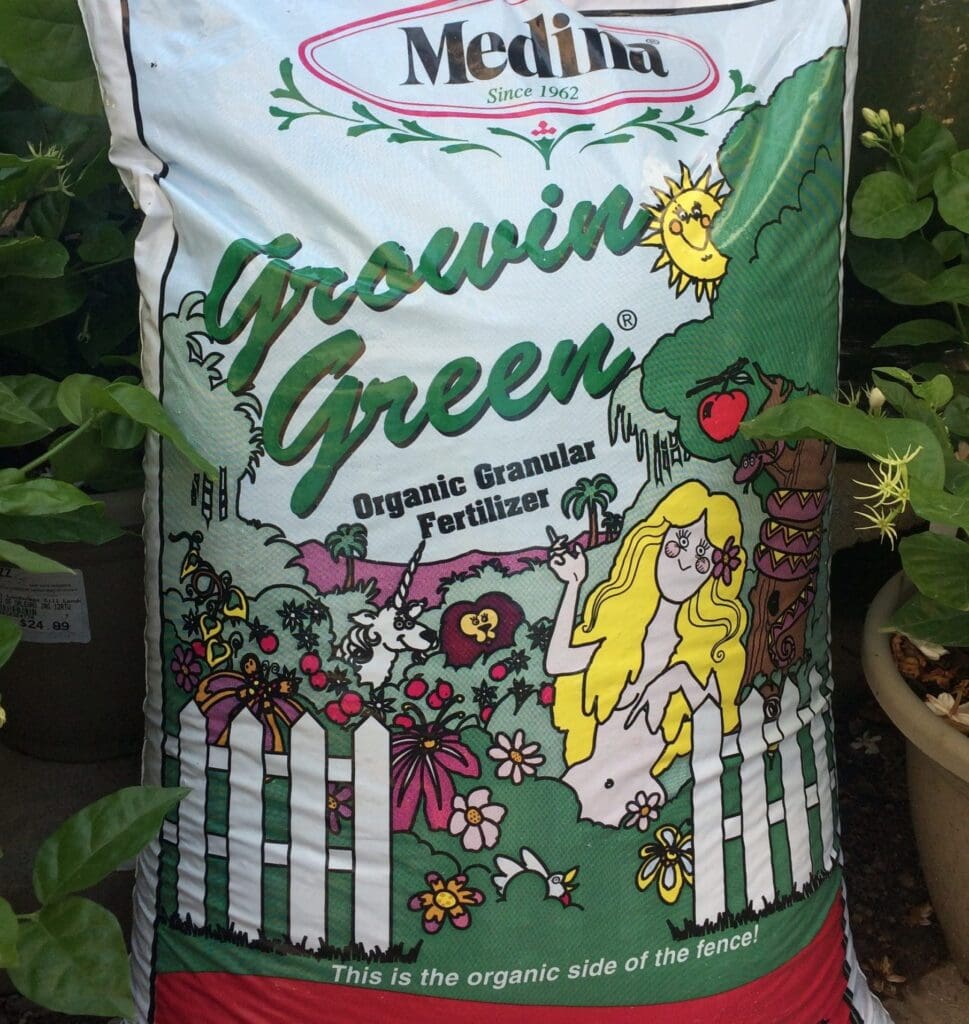
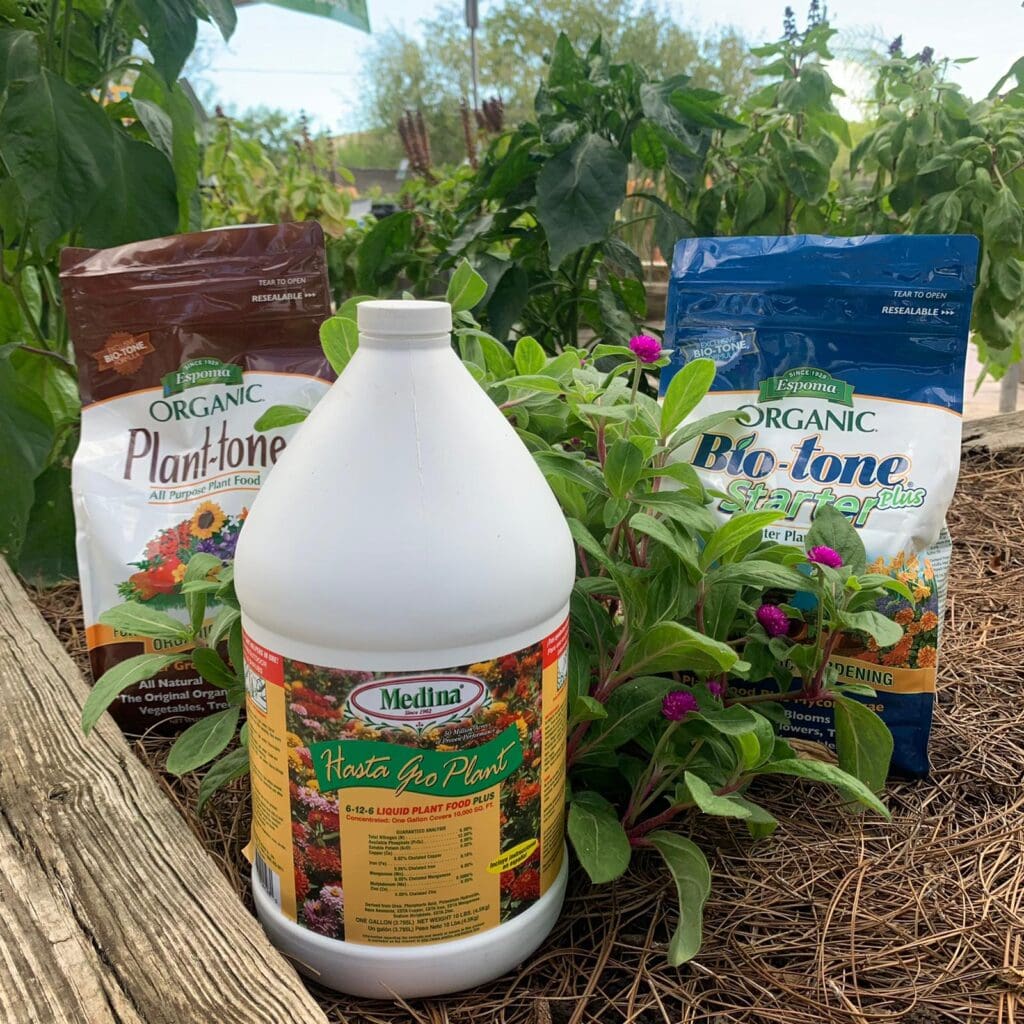
The time to fertilize is when plants are actively growing. That’s when they take up nutrients and get the most benefit from a good feeding. Flowers and veggies are especially heavy feeders because they’re working to produce a bloom and fruit. And you will certainly notice a difference with your landscape plants as well. Apply a good all-purpose organic food like Plant Tone, Medina Growin Green, or Rose Glo once a month for great results. Don’t sprinkle your granular fertilizer right up against the trunk of the plant. Instead, sprinkle at the drip line, aka where rainwater would drip off the outermost leaves. That’s the zone where plants take up the most nutrients. After you’ve applied your granular food, circle back every 2 weeks to supplement with liquid Hasta Gro. Almost everything should be fed starting now, except lawns! Wait to fertilize lawns until late March/early April.

Added bonus: When planting, add a little Bio Tone starter fertilizer to the soil when you backfill. It contains all sorts of beneficial organic matter, including mycorrhizal fungi which help stimulate better root growth. Amazing stuff!

3. Whatever You’re Planting – Add Compost!

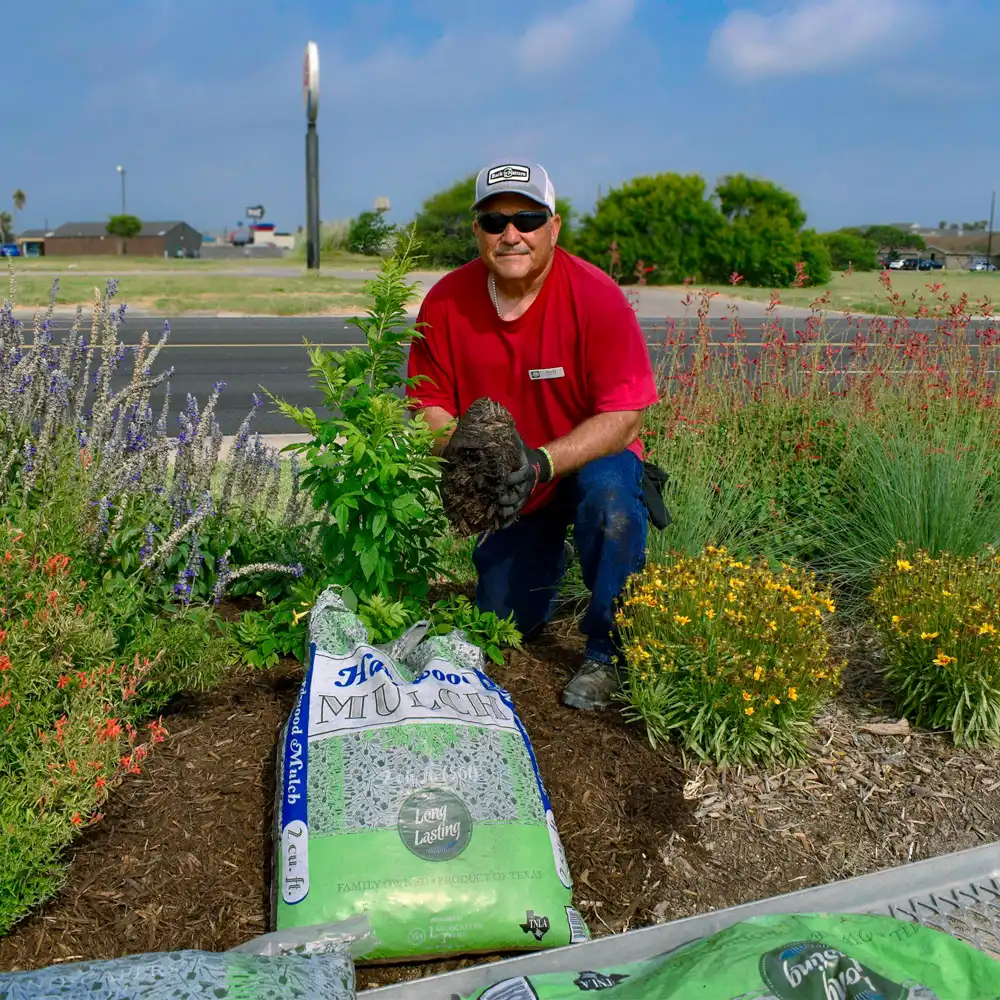
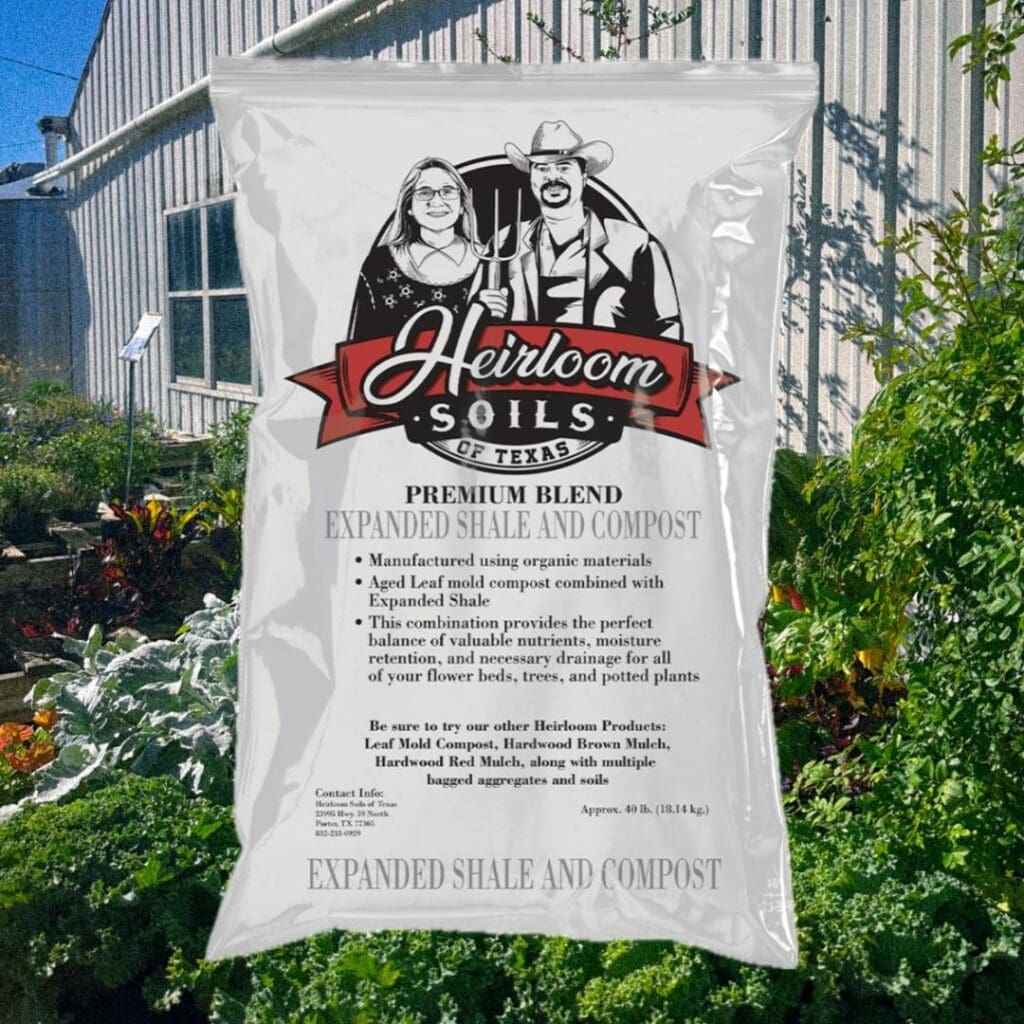
Whether you’re starting a veggie garden, planting trees or shrubs, annual flowers, or blooming perennials, add some compost to improve the quality of your native soil. We love our Nature’s Blend or Cotton Burr Compost, and we’ve added a new one to the lineup:  Expanded Shale and Leaf Mold Compost from Heirloom Soils. The addition of expanded shale helps even more to aerate our heavy clay soil. Whichever you choose, 1 bag improves about 12 sq ft of clay or sandy soil and gets it ready for planting. That’s a good approximate ratio if you make your own compost too. Adding compost not only improves the consistency of your soil, it adds LIFE! All those beneficial microorganisms help turn your soil into the perfect environment for plant roots.

4. Plant Level – Not Too Deep!

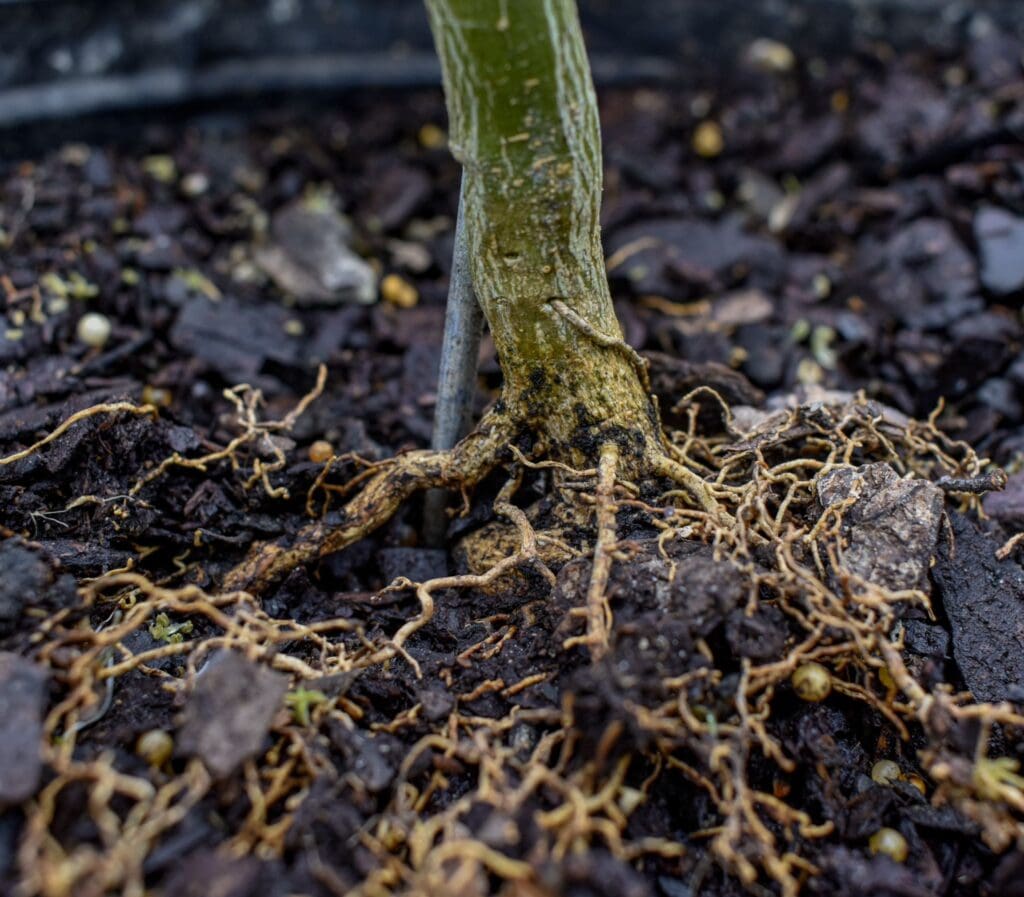
When planting this Spring, DON’T PLANT TOO DEEP! Plant level with the surrounding soil (or even slightly higher) and don’t cover the top of the root ball with soil. Plants have tiny feeder roots on the surface of the root ball that are critical for taking up nutrients and for oxygen exchange. If you bury these surface feeder roots, the plant will suffocate and decline. After you plant, use a moisture meter to be sure you’re getting moisture down into the ground when you water.

5. Invite Pollinator Helpers to Your Garden

Now is an important time to incorporate plants into your garden that attract & feed the birds, bees, butterflies, moths, and other pollinators. They need your help finding food and shelter, and you need their help pollinating your blooming plants, increasing your veggie production, and eating bad bugs. Bees are drawn to most anything with a bloom but some fav’s are native Gregg’s Mist Flower, Esperanza, & Lantana. Butterflies love Salvias and Mexican Flame Vine too. Native plants like Turks Cap and Yaupon Holly produce berries for birds, and Hummingbirds love Duranta, Mexican Honeysuckle, & lots more! Keep in mind that pollinators need help locating these food sources. Think about planting several of the same plant together to help make them more visible to our pollinator friends. 

p.s. If you want to learn more about bees, join us here at Gill’s this Saturday, 3/1 at 10am for Support the Bees with the Coastal Bend Beekeepers Association!

6. Looking for Drought-Tolerant Color for Your Landscape?

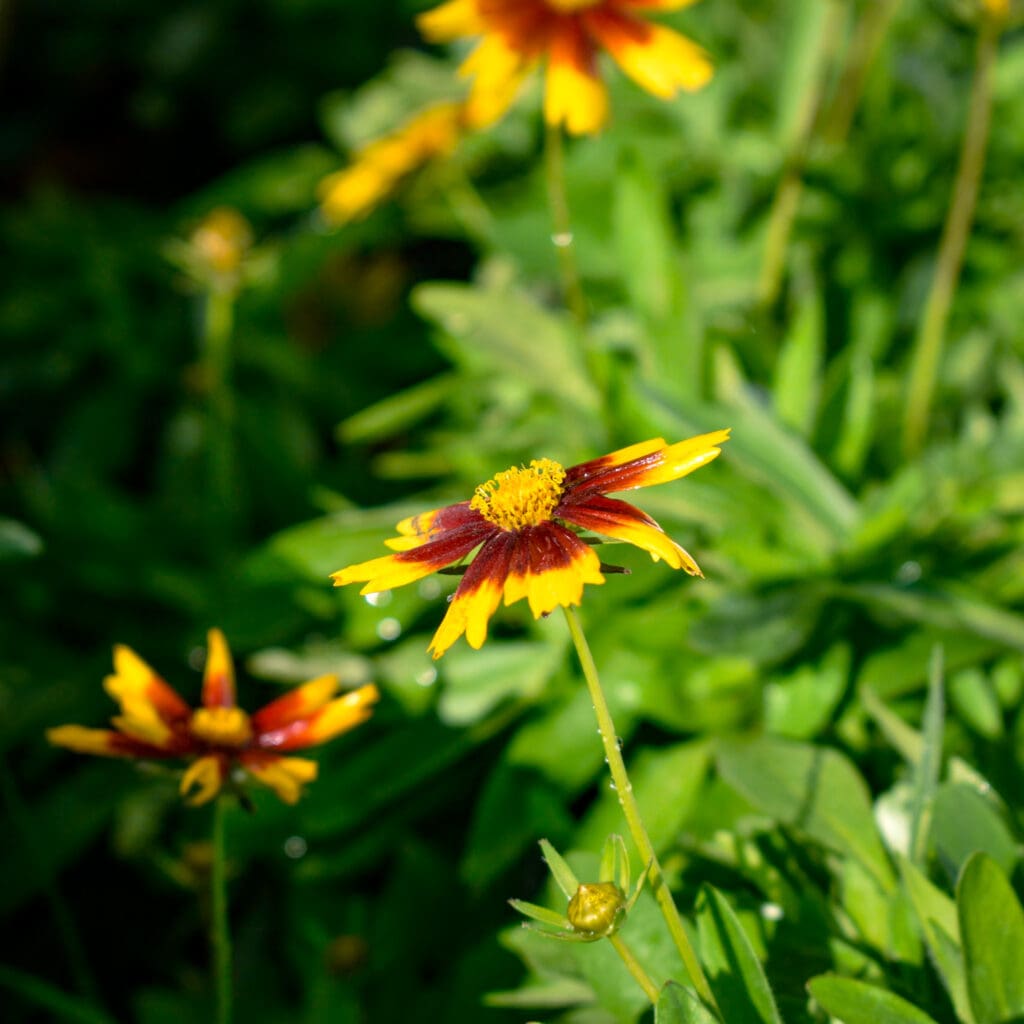
Q:  Can I use far less water and still have a gorgeous landscape bursting with color? A:  Absolutely, you can! Given our drought situation, we’re sourcing even more of the tried and true, top-performing plants that don’t require much water once established. Think about a rainbow of Coreopsis (pictured), native Blackfoot Daisy, Mexican Heather, Bulbine, and all the different color Salvias and Lantanas – all very tough and water wise perennials that will carry you through the seasons. Think about creating some areas of interest in the ground or in pots with Gomphrena, Bluebonnets, and Pentas, all of which thrive with little water. Speaking of pots, even bright sweet potato vine is a low-water winner. 


Fall planting season is here!! September is the best time to plant almost everything. And the recent rain is excellent news for getting started! Here are our top 7 must-do’s this month as we head into our favorite season in Corpus Christi and the Coastal Bend.

Check out our September Garden Guide for more tips!

1. Ready, Set, PLANT Veggies, Herbs, Citrus, and Fruits!

It’s time! Tomatoes, peppers, & warm weather edibles should be planted by now, or at the latest, early September. Plant cool weather veggies & herbs anytime in September and remember to shelter them from still-intense sun and keep watered. When planting, you can’t go wrong with organic BioTone starter fertilizer + a good handful of Earthworm Castings. Neither of these require precise measurement, and they make an incredible combo for building stronger, deeper roots, preventing pests, and creating an active soil environment for plants to thrive.

Here’s our Fall veggie planting schedule. And save space for citrus trees, figs, and other fruits to round off your garden grocery store! They’ll all be arriving before or right around mid-September. 

2. Plant Trees and Shrubs for the BEST Start

Plants that are cold hardy (trees and woody shrubs) will benefit greatly by planting during our fall season. They’re under less heat stress, and they grow more roots through the fall and winter, making them stronger and ready to take off next spring. More roots, stronger plants, and less watering! Oak trees, Crape Myrtles, Hawthorns, Yaupon Holly, Plumbago, Boxwoods and a host of other trees and shrubs should be planted starting this month for the best start.

3. Plant to Support Pollinators!

We’re bringing in lots of new plants this month with our pollinator friends in mind! While you’re choosing what to plant, consider adding Texas Natives like Turk’s Cap and Lantana that birds and bees love. If you want to attract and support butterflies, try native butterfly weed (Asclepias tuberosa), Gregg’s mist flower, and lots of different blooming salvias. So many gorgeous options! Bring in some pictures of your outdoor space and we can help you plan the perfect pollinator garden – big or small. You can DIY or we can plant it for you!

4. Set the Table for the Fall Hummingbird Migration!

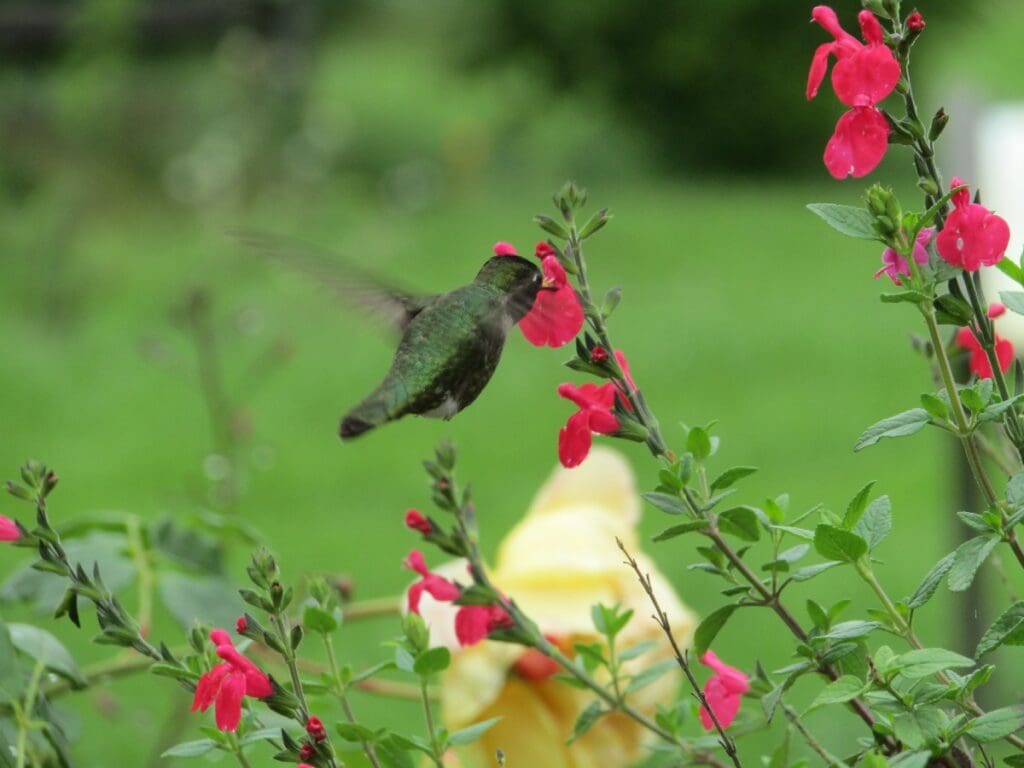
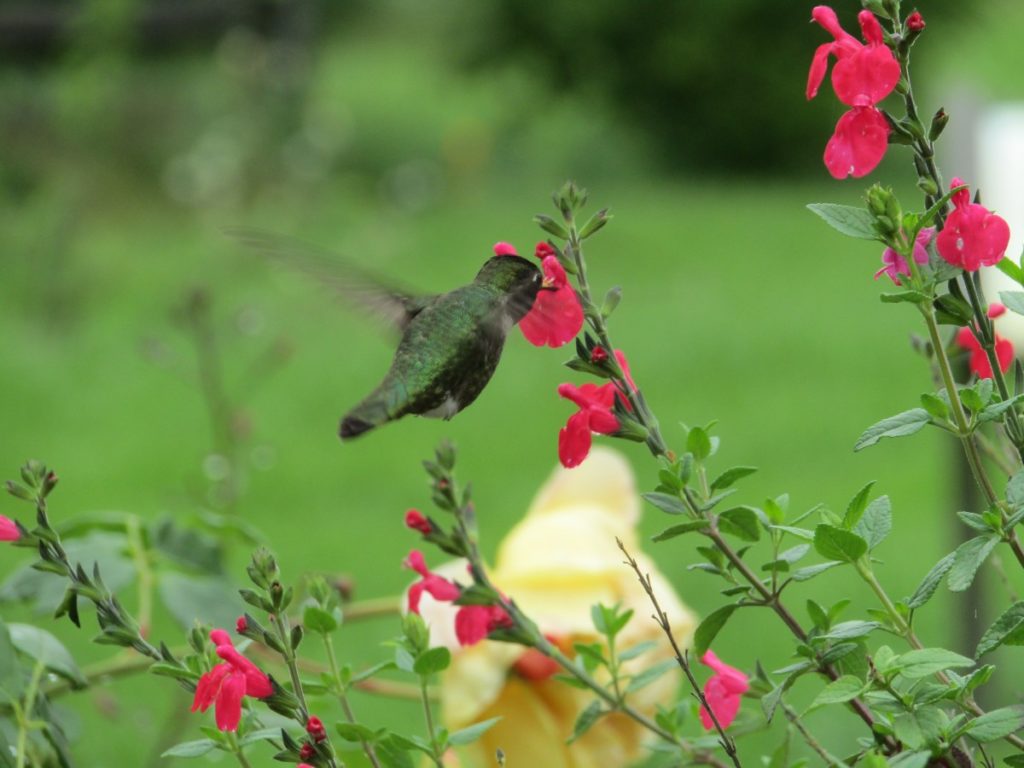
Ruby-throated hummingbirds will soon make their way through for the fall migration! These tiny birds are BIG eaters. They stop here in the Coastal Bend to fuel up before their non-stop flight across the Gulf of Mexico. Host them in your yard by planting some of their favorite foods! Hummingbirds find plants using their excellent vision and are attracted to bright colored blooms, which indicate a high-sugar food source. Some of our favs for South Texas are Flame Acanthus (aka hummingbird bush), Salvias (like native Salvia greggii and Salvia leucantha), Cape Honeysuckle, Firecracker plant, Coral bean – the list goes on! Plant a few of these and hummingbirds will find them. And don’t forget to visit the Rockport-Fulton HummerBird Celebration September 19-22!

5. Make Way for New Growth with Light Pruning and Clean-up

Chances are you have established plants that could benefit from a clean-up after working so hard all summer. Wait until about September 15th and give them a light pruning to make way for new growth this fall. A good rule of thumb for most plants is to prune up to 1/3 (not more) in the fall, then wait until January to do a heavy pruning/cutback. If you have questions about how to prune specific plants, you know who to call! 

6. Watch Your Watering and Adjust as Needed

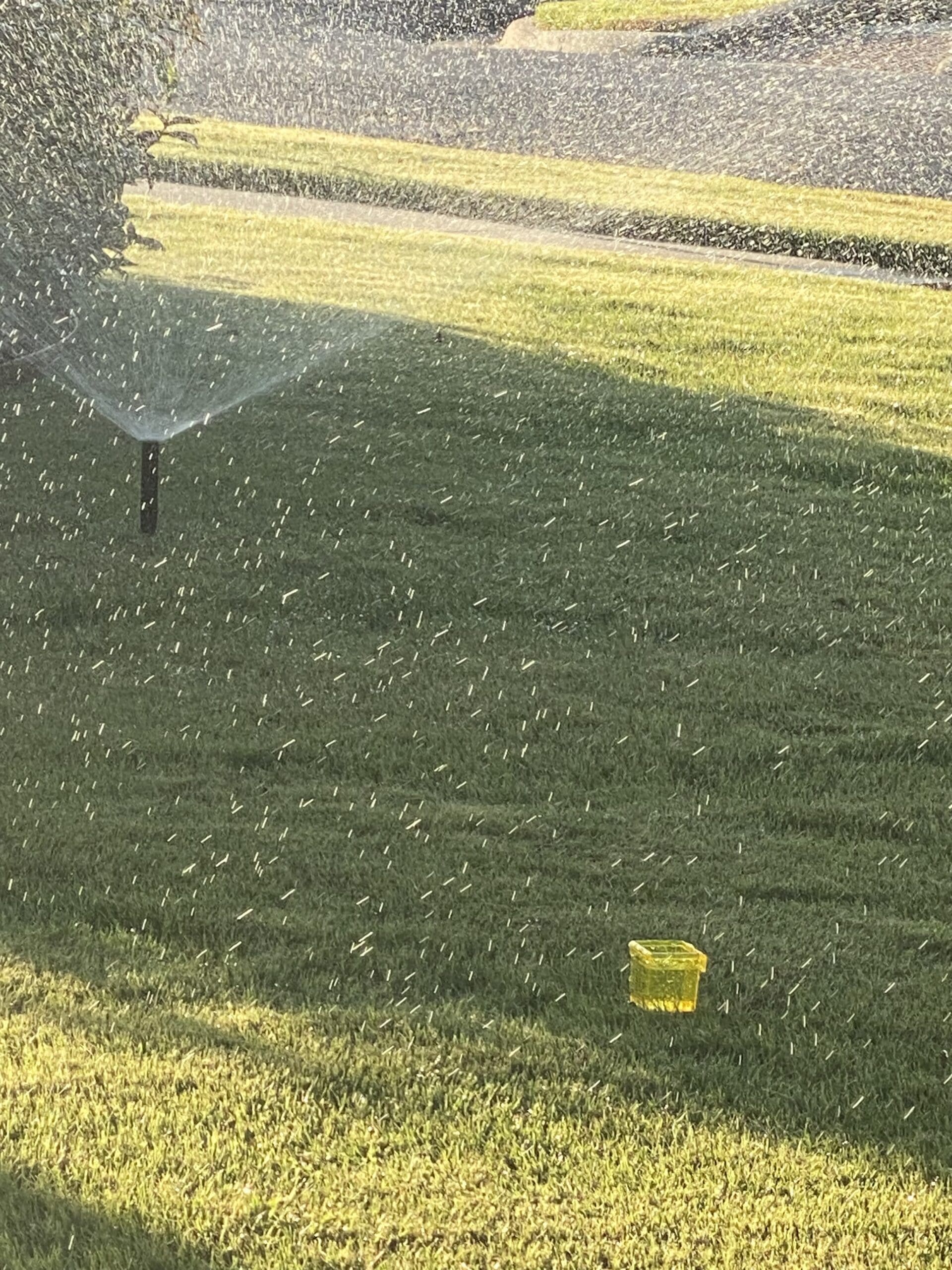
We’ll keep repeating – water to maintain depth moisture! That means water slow and deep. Conserve water and force those roots to dive deeper for moisture. If you use an automatic sprinkler system, take some time this month to give it a good audit. Make sure all your sprinkler heads are working properly, and make sure you are applying a good 1″ of water, evenly, when you water your lawn and established landscape beds and trees. The easy way to do this is to get some simple sprinkler gauges (pictured) and place them in different locations. You may find that different sprinkler zones need various different run times. 

7. You’re Invited! Gill Garden Talks and Events this Fall!

Gill Garden Talks and Events are back this Fall! We’re kicking it off with Kids Fest at KEDT studios on September 14th where we’ll be on hand giving away plants, seeds, and other fun garden stuff! Stay tuned here and on Instagram and Facebook for details of each event. We’ve got a few more that we can’t announce just yet 🙂

It’s almost that magical time of year again when ruby-throated hummingbirds make their way through the Coastal Bend on their way south for the winter! Expect to start seeing hummingbirds around town any day now, with peak numbers around mid-late September, right in time for the Rockport-Fulton Hummerbird Celebration. With our hungry guests arriving very soon, it’s time to set the table with all the right hummingbird plants! Here’s what and how to plant to make your yard a preferred stop on the migration path. 

1. Plant Tubular Blooms in Shades of Orange and Red


If we think about our list of top-notch hummingbird-attracting plants like Firebush (pictured), Flame Acanthus, Firecracker (russelia), Salvia greggii, and Coral Honeysuckle, to name a few, they all have tubular blooms that are perfect for a hummingbird’s long, skinny beak. And their blooms are all shades of orange and red! Hummingbirds have a high concentration of cones in their retinas which filter color differently than what we see. To hummingbirds, the red spectrum appears more vividly while blues appear more muted. That said, scientists have run experiments with different color blooms and found that hummingbirds learn very fast which blooms have the most nectar, regardless of bloom color. As a local example, we know that hummingbirds also love Duranta‘s blooms which are purple and not tube-shaped. Lantanas are another plant that hummingbirds seem to love in all colors. 

2. Plant in Groups, Not Just 1 or 2

When planting for hummingbirds and other pollinators, make your food sources easy to find. Instead of planting 1’s and 2’s of hummingbird plants spread out across the yard, plant a few or several of the same plant in a group. This helps mimic how most plants are found in nature, helps the hummingbirds spot them more easily, and provides a higher concentration of nectar. If you have limited space, go with 3 of the same plant rather than 1 of each. We had a customer call Gill’s this week to ask about hummingbird plants for her balcony…on the 13th floor! That may seem like a stretch, but hummingbirds can fly up to 500 feet – if they have a good reason to fly up to your balcony, they can and will!

3. Supplement with High Quality Organic Food and Shallow Water

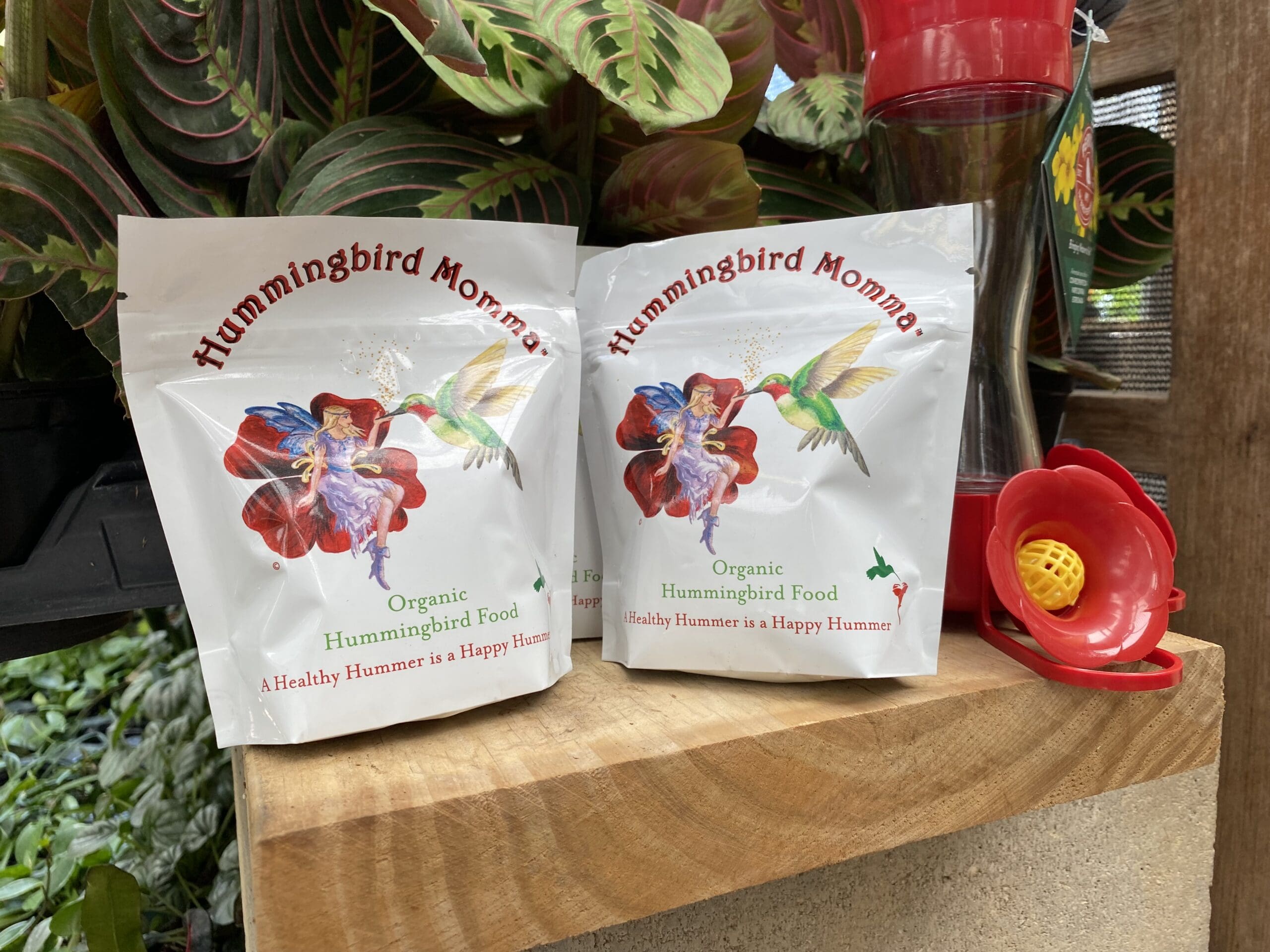
The right plants will get you more hummingbirds, but it doesn’t hurt to supplement with some feeders too. They need all the energy they can get for their long journey. Place your feeders in easy to access spots since they need to be cleaned regularly. And don’t use the fake red dyed “nectar” that you might find at big box stores. Use a high-quality, nutritious food that’s truly made for hummingbirds.  We’re big fans of organic Hummingbird Momma, which is the only nectar we carry. And don’t forget about water! No hummingbird haven is complete without a shallow bird bath or fountain. They can’t stand in deeper water, so look for something very shallow!


It sure feels like summer outside, but in order for fall tomatoes and peppers to have time to produce lots of fruit, we gotta plant em now! Here are a few tips for growing the most and the tastiest tomatoes and peppers.

1. Count Your Days to Maturity

The average tomato, like our beloved Celebrity slicing tomato, needs about 70-80 days to mature and produce fruit. That means they’ll be ready around the beginning of November if we plant today. Similarly, Jalepenos and bell peppers need 60-80 days to maturity. Be sure to get them planted now or very soon so you can get a good harvest before we have chances of cold weather which tomatoes and peppers can’t handle. 

2. Adequate Spacing + Cages for Support

When planting, keep in mind that tomatoes should be planted a good 4 feet apart, and peppers should be 2.5-3 feet apart. This gives them room to grow to their full potential, ensures good airflow around the plants, and helps prevent pest outbreaks. Remember – tomato cages are your friends! It’s important to cage the tomato right when you plant so you don’t risk breaking branches if you try to add a cage later. A tomato cage works great for supporting pepper plants too. And be sure to have some flexible green garden tie tape to help secure floppy branches, especially when they get heavy with fruit! The flexible tape is nice because it’s soft and won’t cut into the plant like string or wire would. Yes, we have some!

3. Follow DeAnna’s Tried & True Feeding Schedule

Remember that plants use lots of energy to produce fruit, so they need plenty of good food! Use compost and Biotone Starter Plus you plant to promote good soil microbes and bigger roots. Then take DeAnna’s advice on feeding:  apply a quality granular fertilizer (Plant Tone or Medina Growin Green) on the 1st of the month, then supplement with liquid Hasta Gro on the 15th. Add these reminders to your calendar to make it easy. Follow this schedule and you’ll have tomatoes & peppers to share!


Last year I planted my hummingbird and butterfly garden with over 30 milkweed, Turks cap, passion vine and native lantana. It grew beautifully in the back corner of my yard, and I pretty much just left it alone. Since now is the time to prune, I rolled up my sleeves, got out my pruners and started to go to town. Oddly enough, as I was whacking back a lantana I noticed in my peripheral vision movement all around me. So I stopped pruning and sat down and started to meditate. After about five minutes of sitting still, I opened my eyes and was absolutely floored! Every bug I have ever seen in my life was there in my garden. There were honey bees and bumblebees, fritillary butterflies and big bold monarchs, assassin bugs, ladybugs galore, orb weaver and large wolf spiders, a praying mantis, mud-dobber wasps, horseflies, house flies and soil gnats. And about 150 monarch butterfly caterpillars! It was like an optical illusion. The more I sat still, the more I saw everything moving around me. Not only were there bugs, but there were toads, lizards, and a bold mockingbird that decided to land not five feet from me. Of course there were aphids and whitefly, but I watched as ladybugs flew down and began to munch them all up, and a praying mantis was going to town on the flies. It was absolutely astounding! All this life was in a 10 foot by 10 foot bed. If you have a section of your garden that you can let be pesticide free and 100% organic, please let it be! You’ll be amazed by what life does in the garden when you’re not looking.

marta-Marta

BUTTERFLY HOST PLANTS 

With spring around the corner, now’s the time to start planning out your butterfly garden! And we are ready with plants that not only attract butterflies, but feed their caterpillars. You’ve probably heard of Milkweed for monarch caterpillars, but did you know that Parsley, Dill, Fennel, Rue and Passion vine also attract butterflies? These host plants are sure to attract Eastern Black Swallowtails, Gulf Fritillaries, and Monarchs. And don’t forget about great nectar plants like Almond Verbena, Pentas, and Duranta. Put these plants in your garden and the butterflies will be sure to thank you!

WOW – WHAT A WEED EXPLOSION! 

You can still apply pre-emergents like Amaze or Weed and Grass Preventer with Dimension to prevent weeds, but the temperatures are still fluctuating with cold fronts and cloudy damp weather, so I would wait a little longer on applying weed killer sprays i.e. Image or Weed B Gon. They work best with warm weather and sunshine. Remember to apply your pre-emergents in October to prevent winter weeds and again in January to prevent spring weeds.


TO PREVENT SCALE: If you have not sprayed Bonide All Seasons Oil on your Flax Lily, Irises, Cast Iron, Pittosporum, and Hollies, there is still time to spray to prevent spring insects like scale.

LAWN FUNGUS: The cool, damp rainy weather is perfect for fungus to thrive , so apply F-Stop Fungicide, Bayer Fungicide, or Liquid Systemic Fungicide to either prevent or to cure. An organic alternative is to spread Nature’s Blend Alfalfa Humateacross the lawn at the rate of 1 bag for 50 sq. ft.


TIME TO START VEGGIE GARDENING! 
Tomatoes are here in all sizes. We have 6 packs, 4 1/2″ and 1 gallon. It is starting to get late on the 6 packs, so buy them now! You can still wait a couple of weeks to plant if you plan on buying the 1 gallon size. Peppers will be here once our night time temperatures stay above 50 degrees. If you plan on planting more broccoli, cabbage or cauliflower, plant them now since it is getting late. It is also getting late to sow seeds of beets, carrots and spinach. Last chance for onion sets and seed potatoes. Time to begin seeding beans, squash, cucumbers, corn and radish.