We’ve been getting a ton of lawn questions spanning all sorts of possible issues from weeds to watering to lingering bugs to fungus to fertilizing – you name it! Yes, we can help you figure out what’s going on with your lawn! Here’s where to start.
Bring Us a Grass Sample
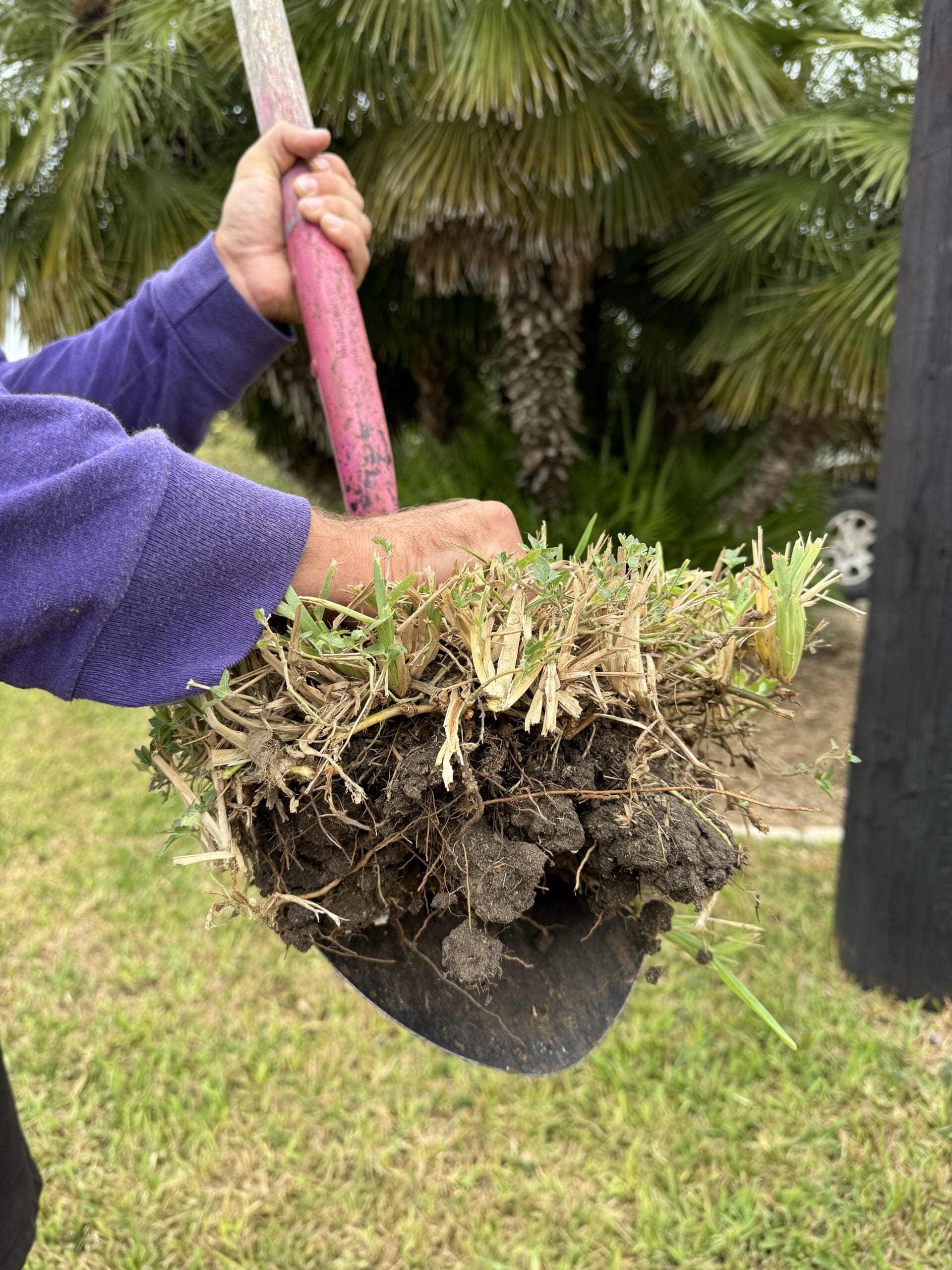
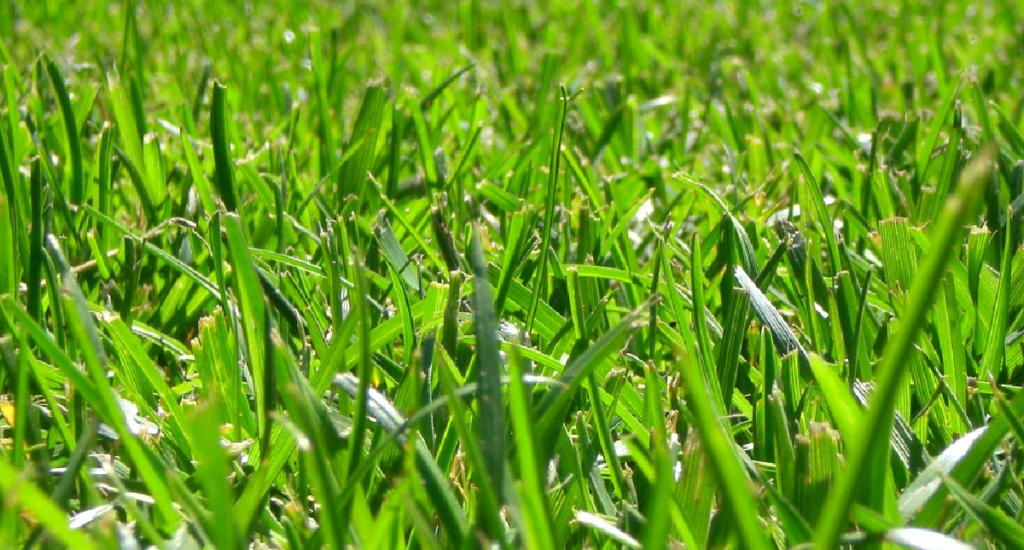
Are you noticing brown or yellow patches in your lawn? Yellow strips near sidewalks? Thin, patchy spots? A sad lack of green? Any of these could be symptoms of serious pest damage or fungal disease. We can sometimes tell a lot from pictures if you want to email us or send us a message to any of our social media accounts, but often pictures lead to more questions. The quickest and best way for us to figure out what’s going on is to bring us a grass sample. Simply take a small shovel-full of grass from an area where good grass meets not-so-good grass. Make sure you get the roots and some underlying soil. Then bring that chunk of grass, roots, and soil to Gill’s in a bag or box. We’ll take a look, determine what’s causing the problem, and get you what you need to resolve. You can take that sample shovel-full and plug it right back into your lawn when we’re done.
Prevent Problems with Good Watering and Maintenance
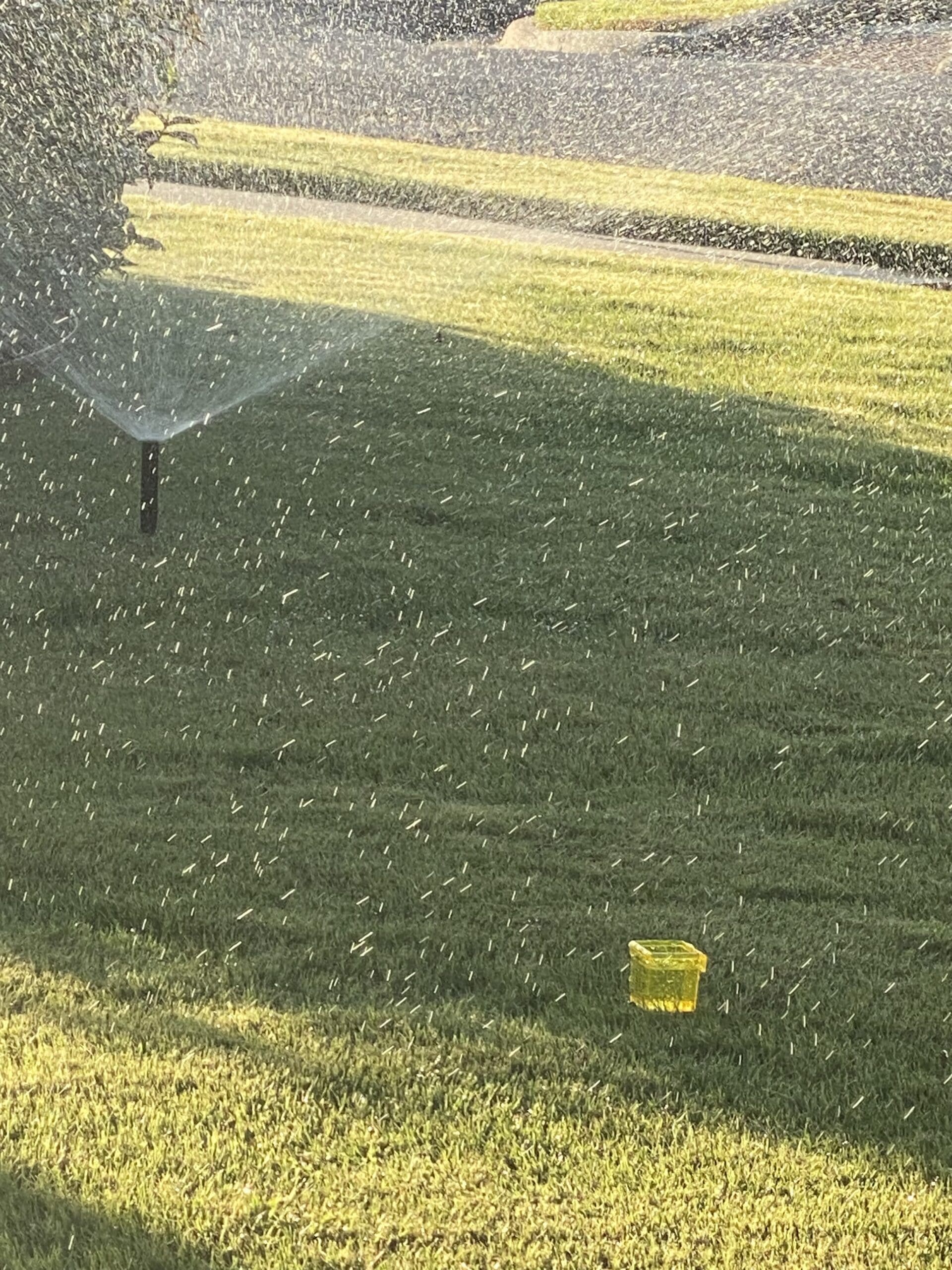
Healthy lawns with healthy roots are far less likely to be attacked by bad pests or fungus. You gotta water! You can still maintain proper watering even given our current watering restrictions. Once every 2 weeks is sufficient now, and you can water less than that as temps cool. The key is to water deeply to maintain depth moisture. Use empty tuna cans or sprinkler gauges to measure and be sure you’re applying a good inch of water evenly across your lawn. This will ensure you’re getting water down to the roots and forcing the roots to grow deeper. Of course you should adjust your watering schedule if we get a good rain, but don’t count on rain to do the job for you. Always water in the morning – watering in the evening invites fungal issues. When you mow, be sure your mower blades are sharp. Dull mower blades will shred grass blades leaving a dull brown look across the lawn. And don’t cut too short: proper mowing height for St. Augustine is 3″, and Bermuda is 2-2.5″.
Prevent Weeds First, Then Fertilize
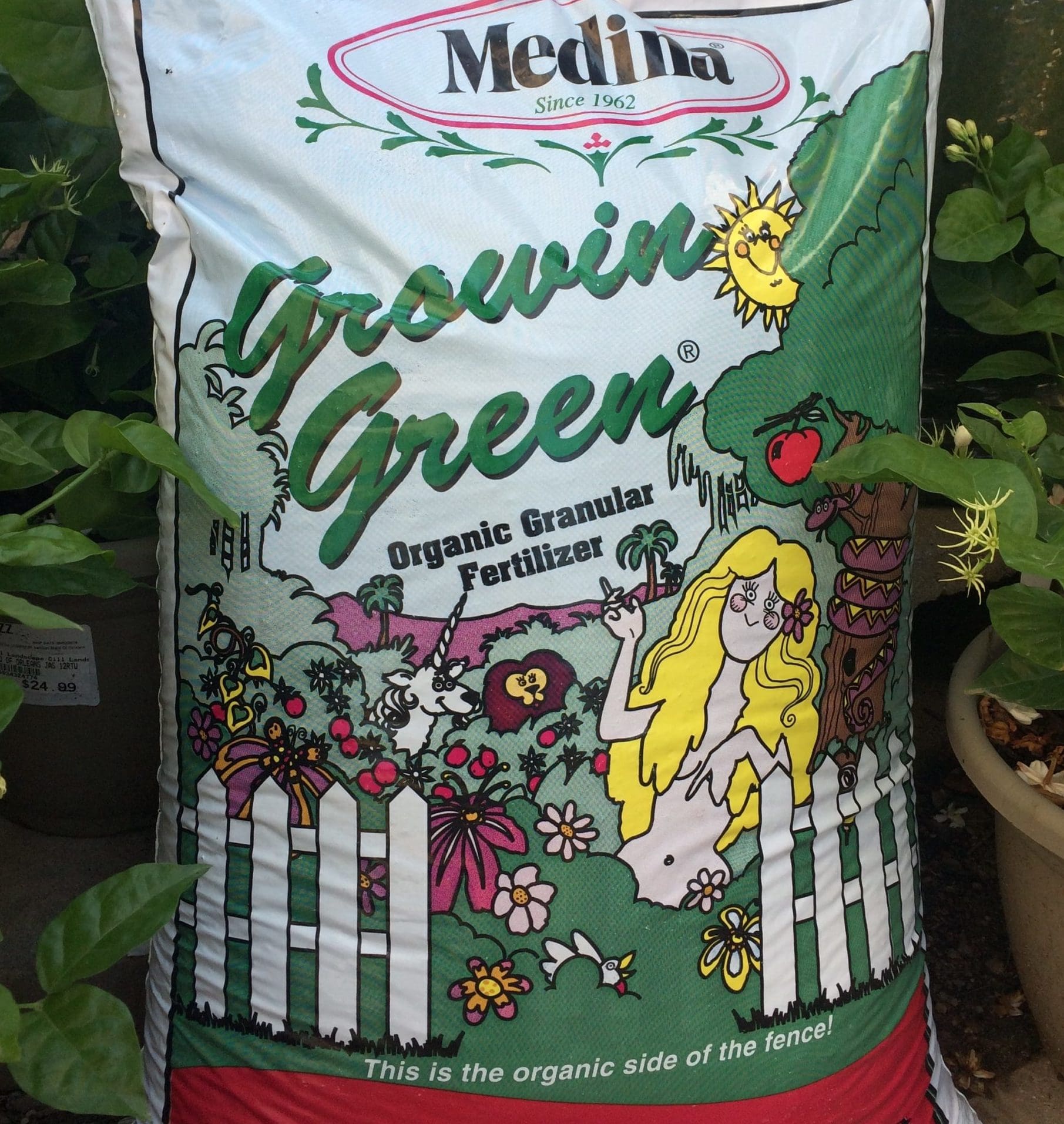
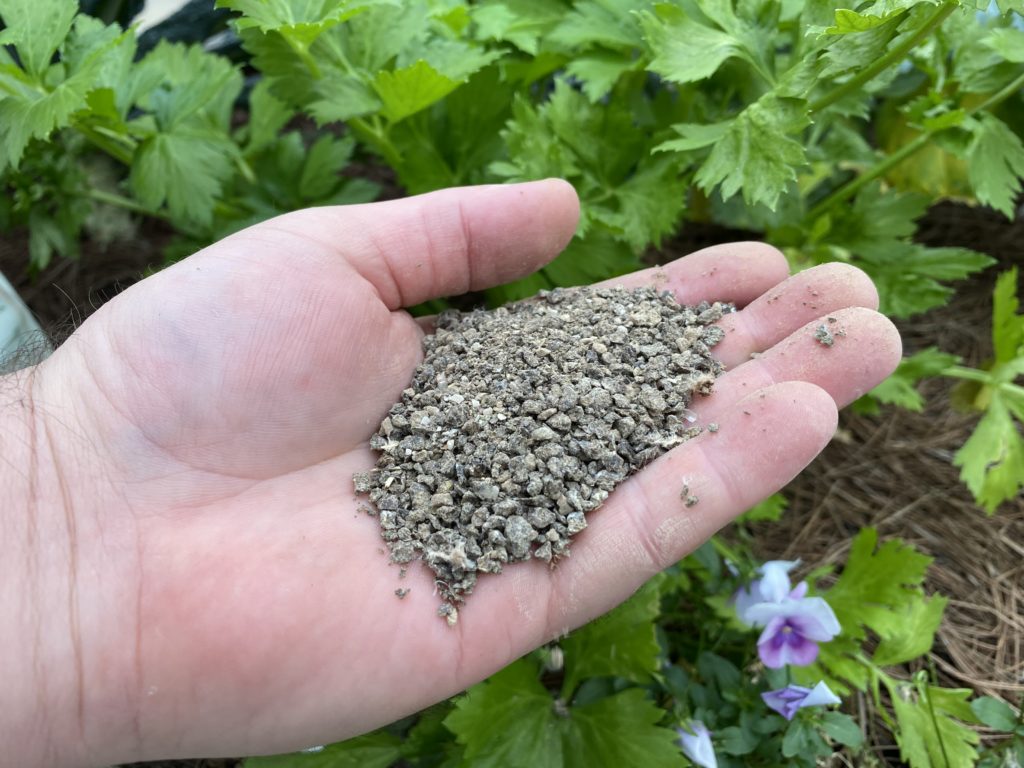
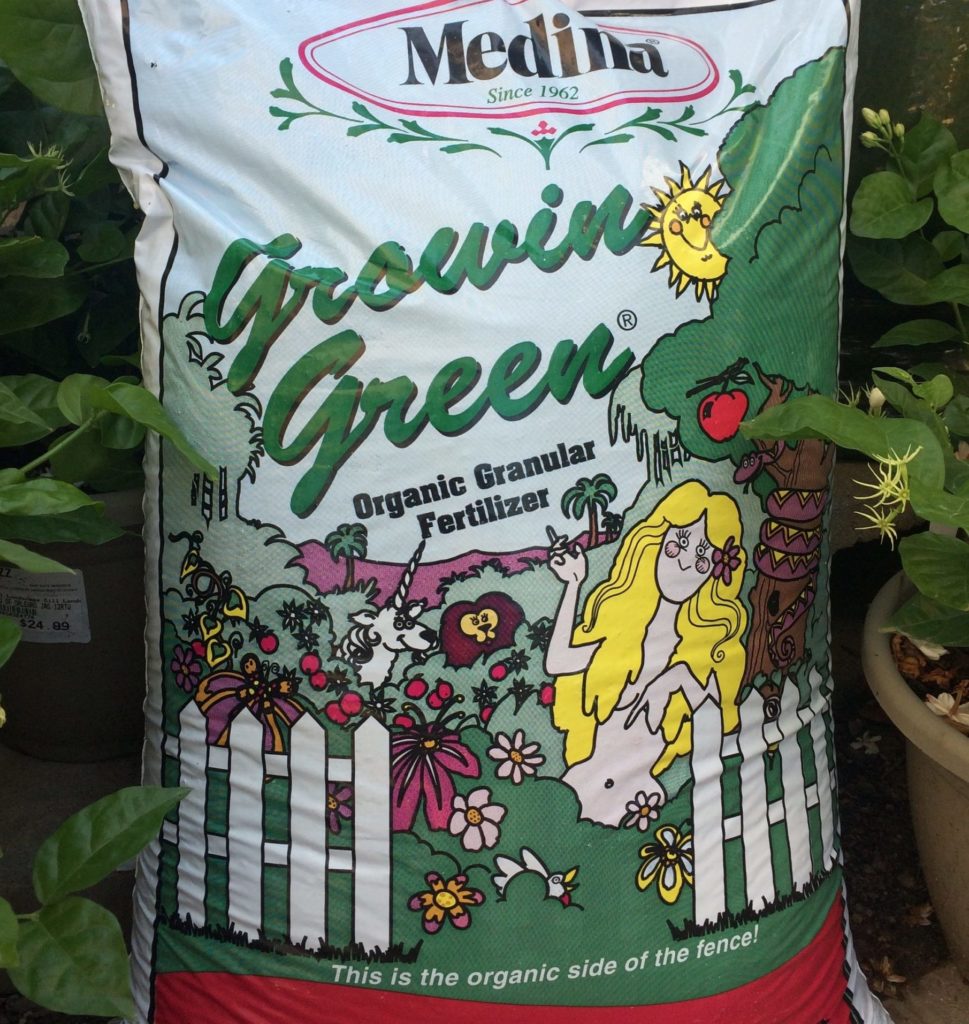
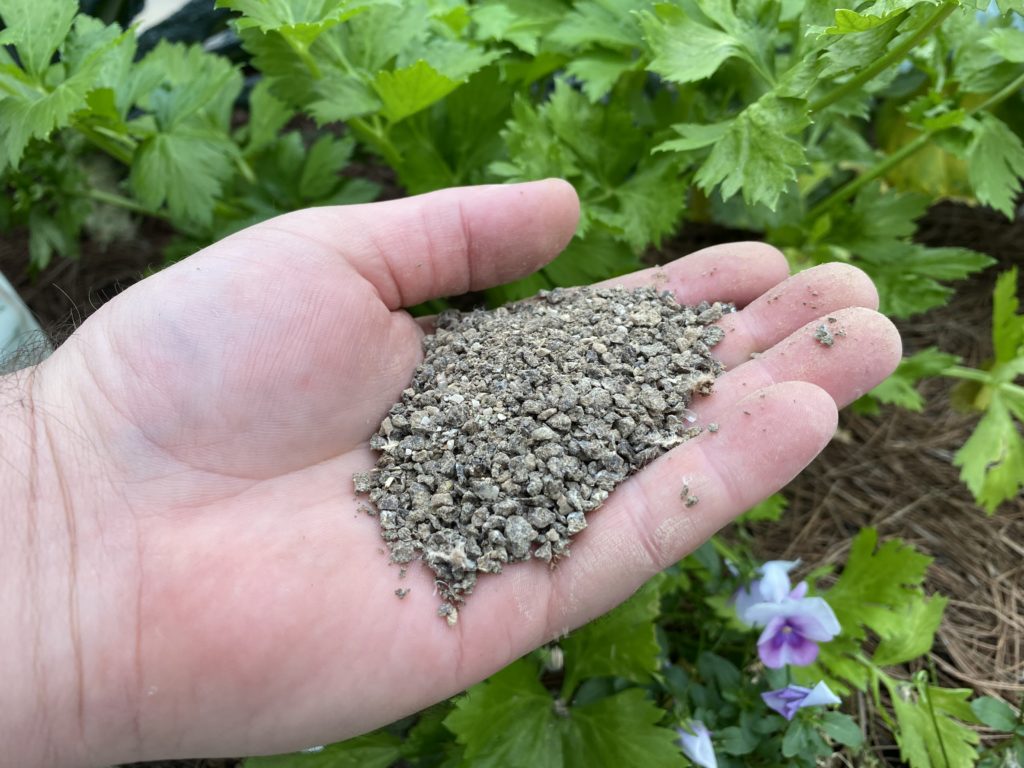
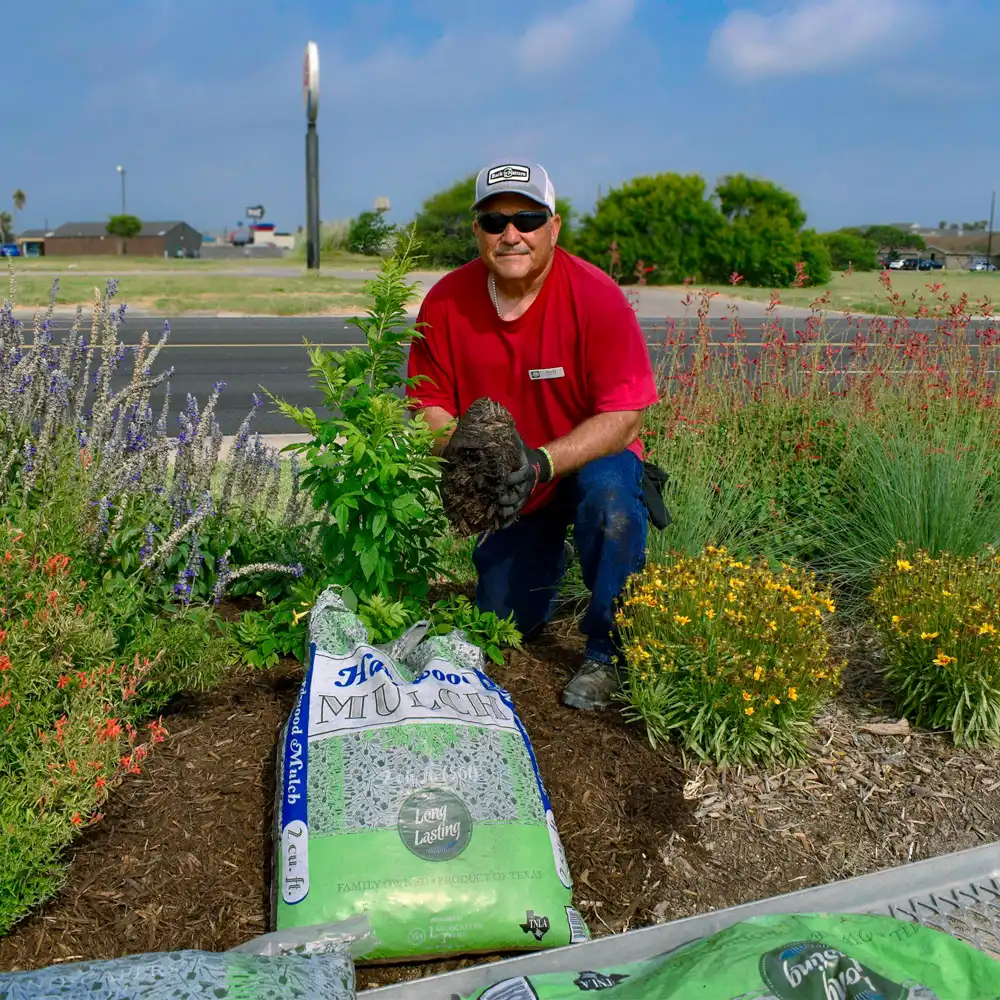
If you want to prevent new weeds form sprouting, now’s the time to apply preemergent Weed Beater Complete or Hi-Yield Turf & Ornamental Weed & Grass Stopper. Remember this: treat for weeds, wait 2 weeks, then fertilize. Do not use “weed & feed” products. There’s still time to fertilize, but that window is closing. Fertilizing lawns in October (aka “winterizing”) is essential for developing strong roots and healthy growth next spring and summer. We recommend feeding with organic Medina Growin Green! Amazing stuff! A 40lb bag covers 3000 sq ft of lawn, and for a small fee, we can rent you a spreader which makes it very easy to apply. Not only does Medina Growin Green work wonders on lawns, you can use it in all areas of your landscape, including your veggie garden.
Maybe You Have too Much Lawn?
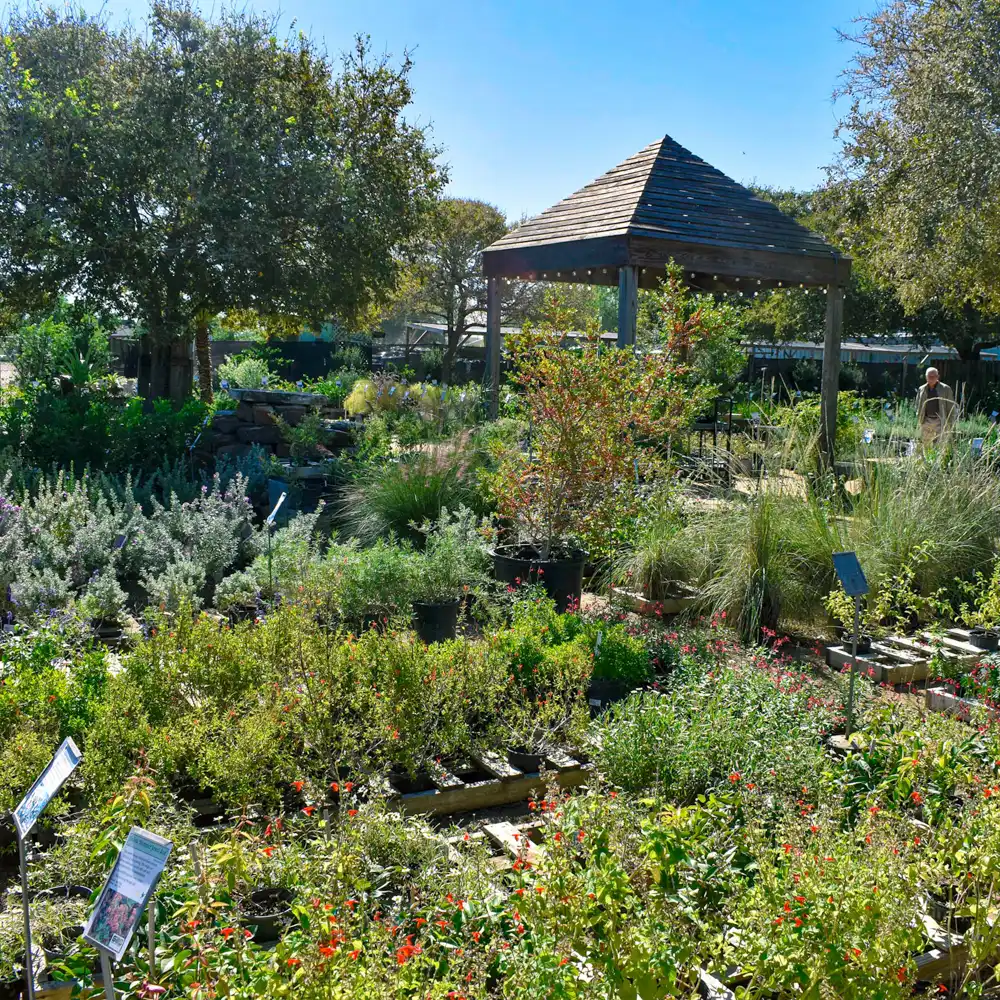
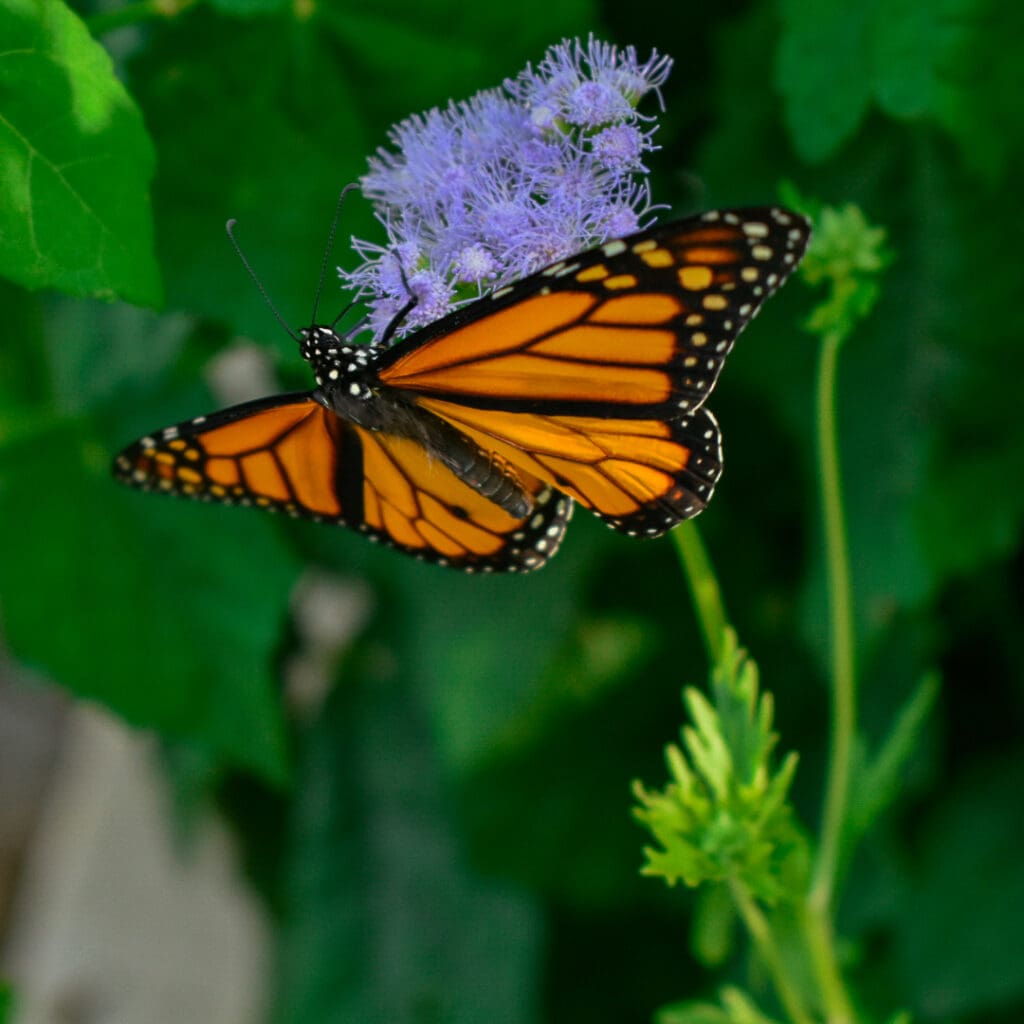
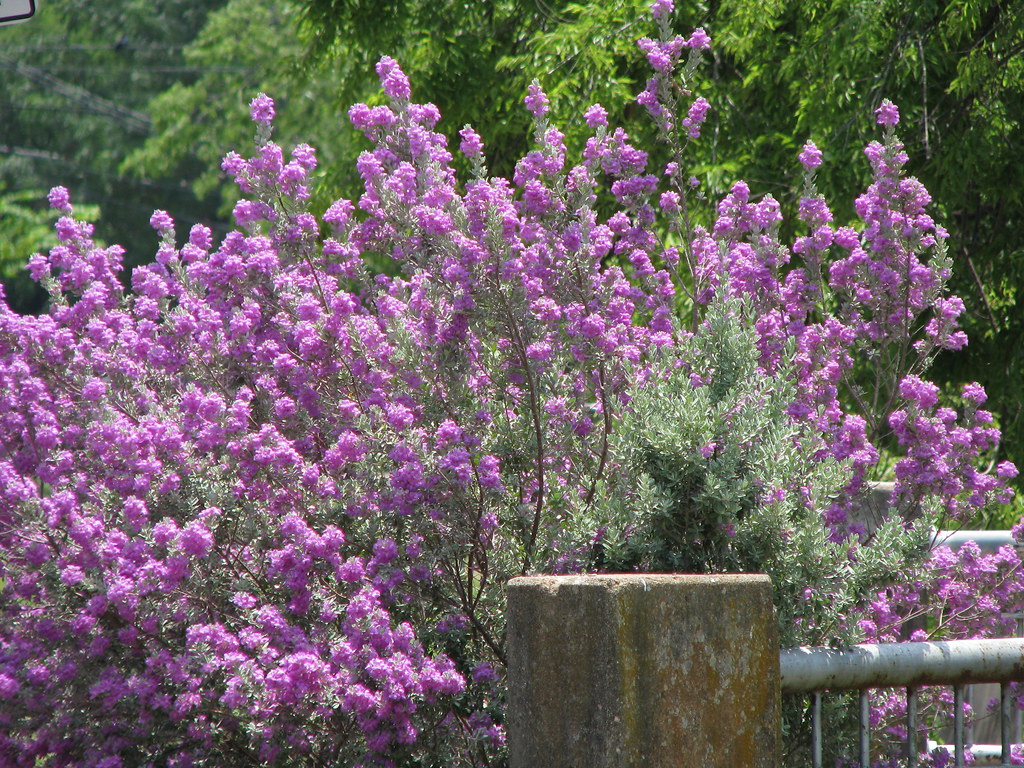
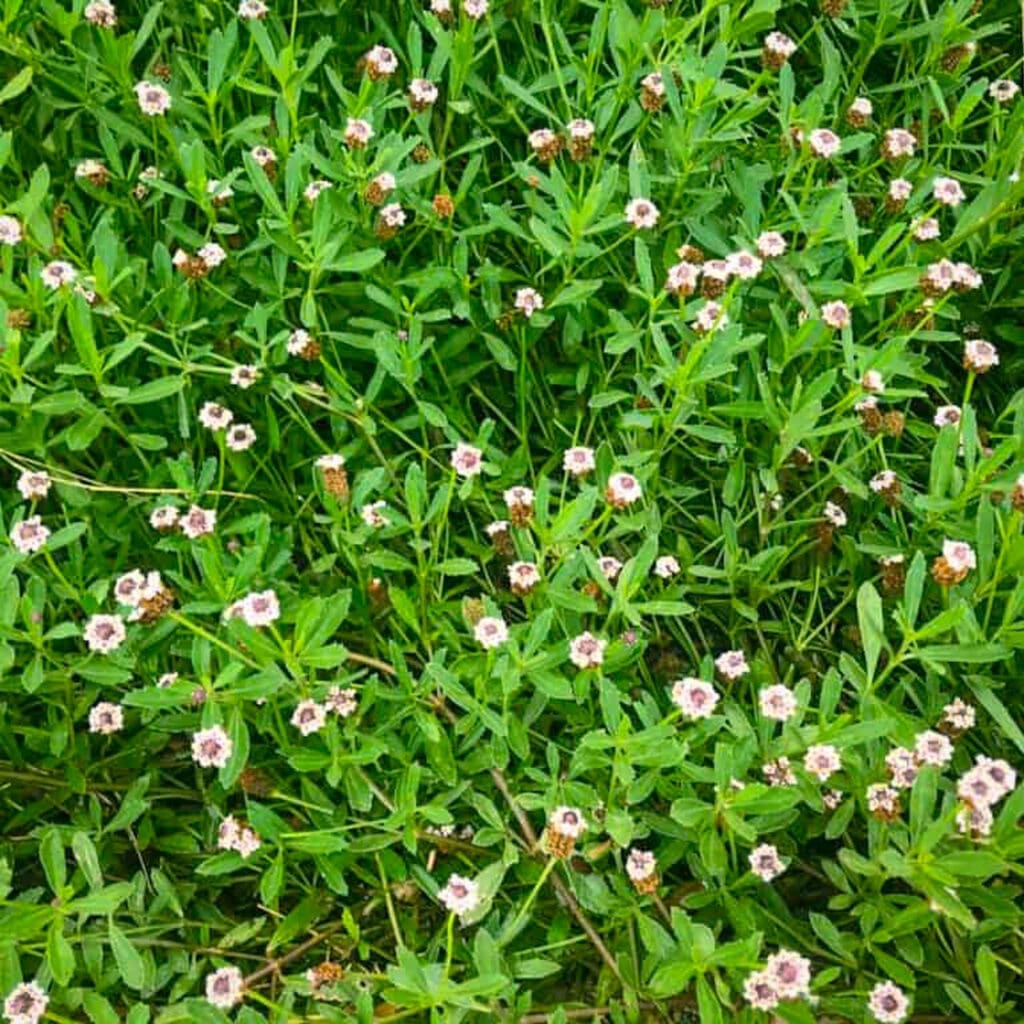
If you’ve read this far, you might be thinking, “Hmm…this sounds like a lot of work!” You might consider whether it’s time to reduce some of your lawn space and convert it to planting beds or native groundcover plants that require less maintenance and far less water than a turfgrass lawn (St. Augustine, Bermuda, Zoysia, etc.). Turfgrass lawns are often referred to as biological deserts, meaning they’re monocultures that don’t support many species in the ecosystem. A fresh-cut, perfect green lawn might be pleasing to look at, but we’d argue that planting beds bursting with butterflies and birds and color is more fun. You can even create lawn-like open green areas with low-water native groundcover like Frogfruit or Horseherb that you don’t need to mow! You’ve got options and many good reasons to find areas of your lawn to reduce/convert.