Garden Center Hours: Mon-Sat 9am - 5:30pm • Sun 10am - 5:30pm

Start your engines…fall planting season is here!! September is the best time to plant almost everything – veggies, trees, shrubs, natives, hummingbird plants, and more. Here are our top 7 must-do’s in September as we head into fall, our favorite South Texas gardening season!

1. Ready, Set, PLANT Veggies, Herbs, Citrus, and Fruits!

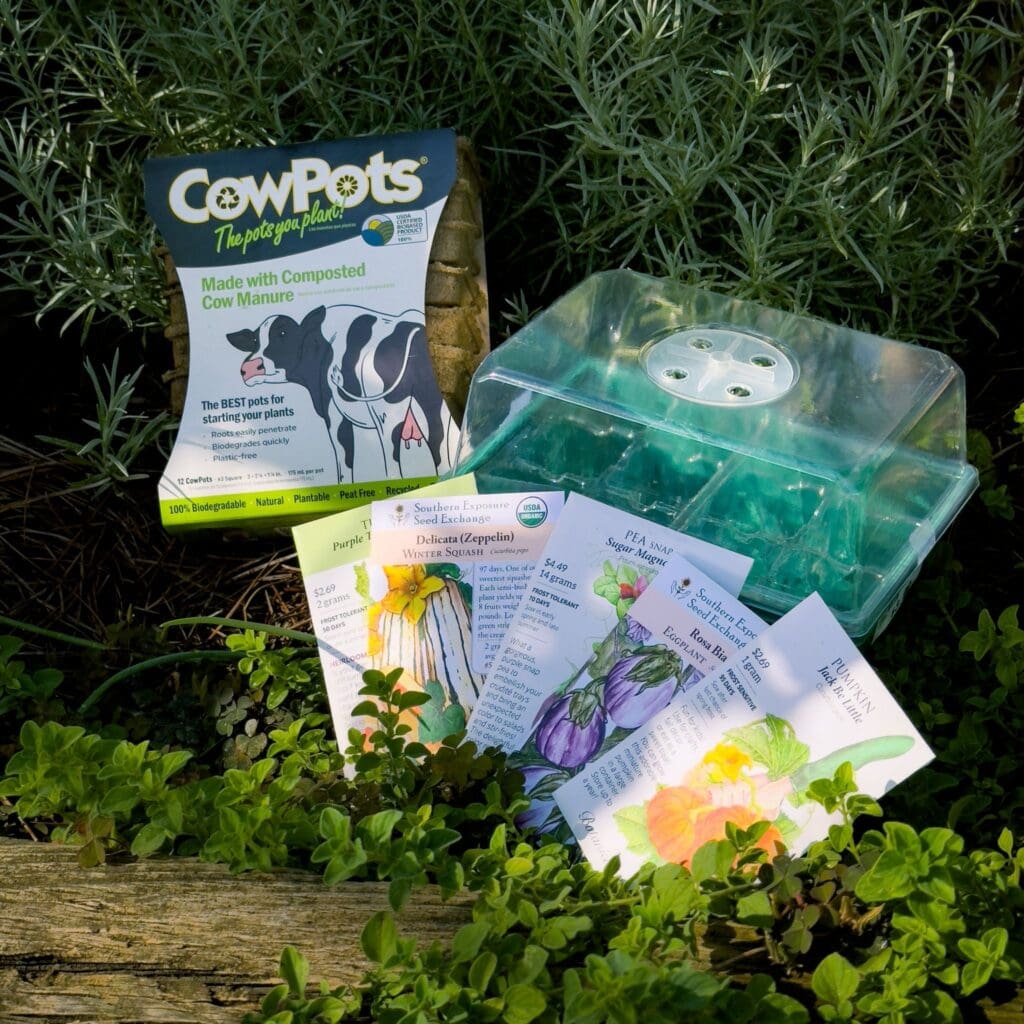
It’s time! Tomatoes, peppers, & warm weather edibles should be planted early in September at the latest. Plant cool weather veggies & herbs anytime in September and remember to shelter them from still-intense sun and keep watered. When planting, you can’t go wrong with organic BioTone starter fertilizer + a good handful of Earthworm Castings. Neither of these require precise measurement, and they make an incredible combo for building stronger, deeper roots, preventing pests, and creating an active soil environment for plants to thrive.

Here’s our Fall veggie planting schedule. And save space for citrus trees, figs, and other fruit trees to round off your garden grocery store! They’ll all be arriving before or right around mid-September. 

2. Make Way for New Growth with Light Pruning and Clean-up

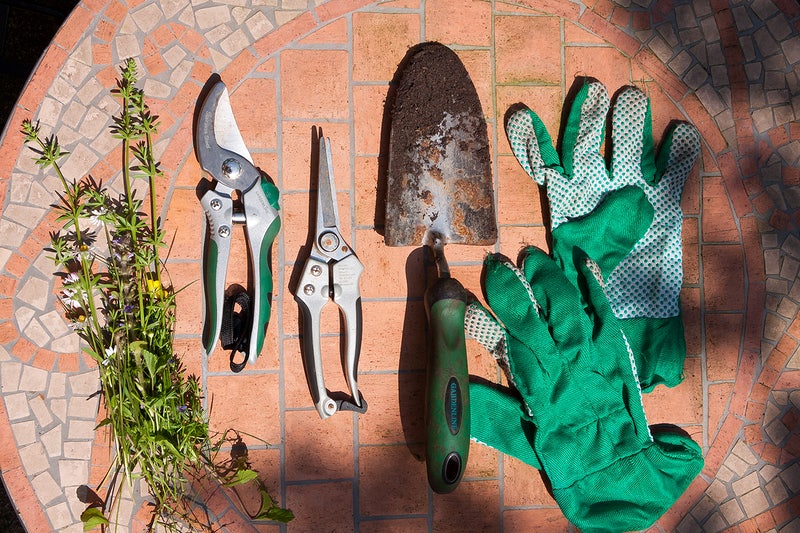
Chances are you have established plants that could benefit from a clean-up after working so hard all summer. Wait until about September 15th and give them a light pruning to make way for new growth this fall. A good rule of thumb for most plants is to prune up to 1/3 (not more) in the fall, then wait until January to do a heavy pruning/cutback. If you have questions about how to prune specific plants, you know who to call! 

3. Plant Trees and Shrubs for the BEST Start

Plants that are cold hardy (trees and woody shrubs) will benefit greatly by planting during our fall season. They’re under less heat stress, and they grow more roots through the fall and winter, making them stronger and ready to take off next spring. More roots, stronger plants, and less watering! Oak trees, Crape Myrtles, Hawthorns, Yaupon Holly, Plumbago, Boxwoods and a host of other trees and shrubs should be planted starting this month for the best possible start.

4. Plant to Support Pollinators!

We’re bringing in lots of new plants this month with our pollinator friends in mind! While you’re choosing what to plant, consider adding Texas Natives like Turk’s Cap and Lantana that birds and bees love. If you want to attract and support butterflies, try native butterfly weed (Asclepias tuberosa), Gregg’s mist flower, and lots of different blooming salvias. So many gorgeous options! Bring in some pictures of your outdoor space and we can help you plan the perfect pollinator garden – big or small. You can DIY or we can plant it for you!

5. YES You Can Hand-Water and Use Drip Irrigation Systems!

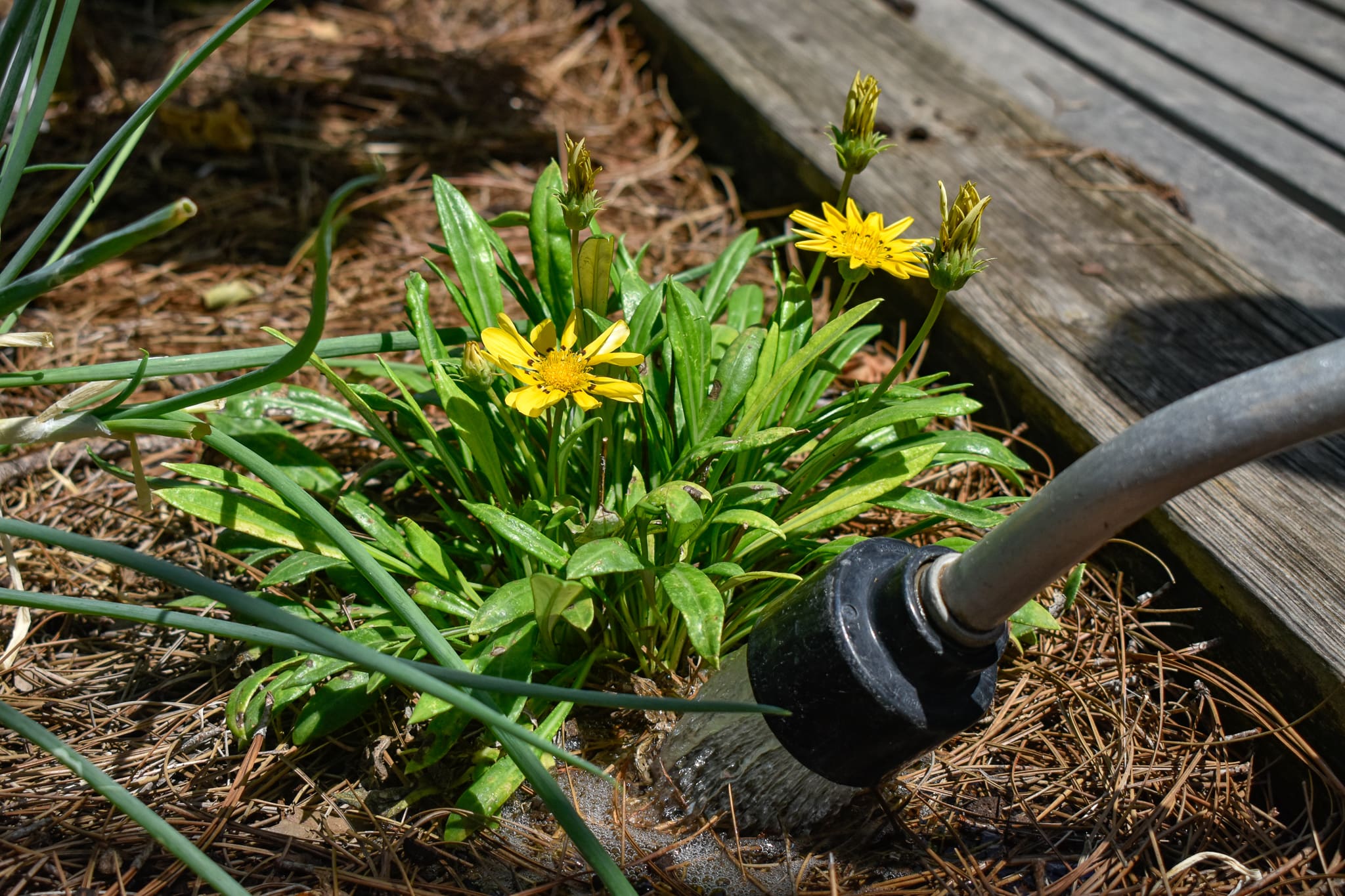
Keep in mind that you can hand water all landscape plants, gardens, and trees on any day under current city watering rules. The good news is, hand watering is the best way to water as long as you’re doing it effectively. That means making sure you water at ground level, not over the top of your plants. This gets more water down to the roots, prevents water loss due to evaporation, and prevents fungal issues that can arise from too much moisture on leaves and stems. When hand watering, be sure you’re giving your plant roots a deep soaking. Water once, give it some time to soak in, then water again. Keep in mind, under current rules, you can also use drip irrigation systems for landscaped beds every other week on your watering day. The same principal applies – deep soaking!

6. Set the Table for the Fall Hummingbird Migration!

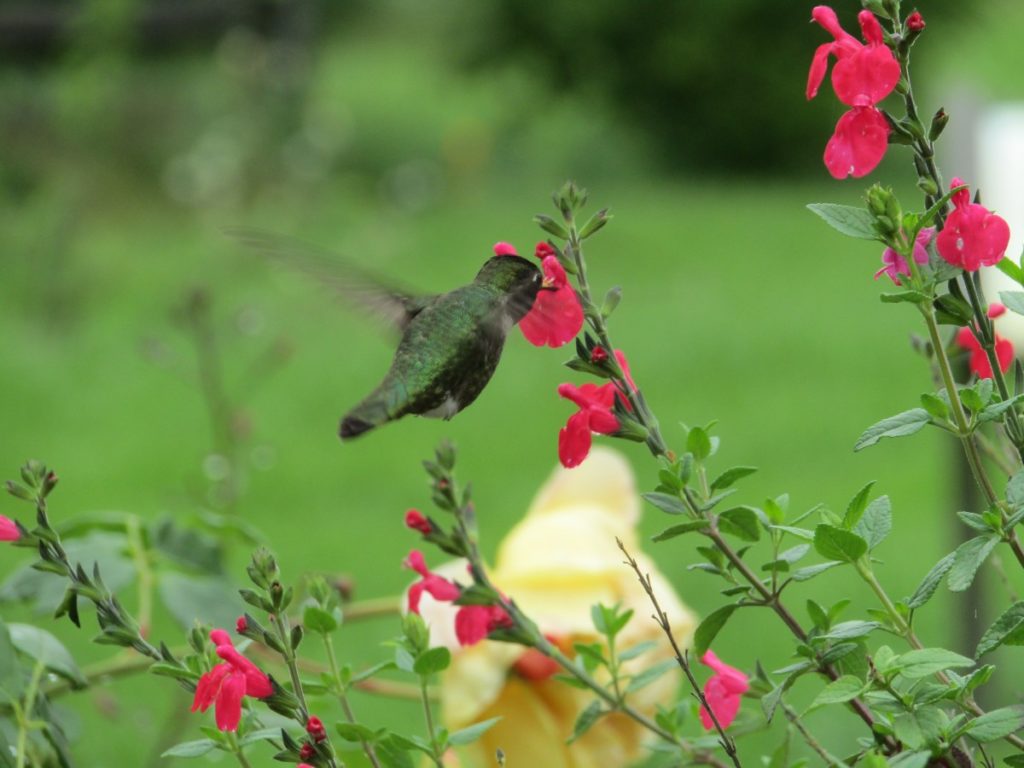
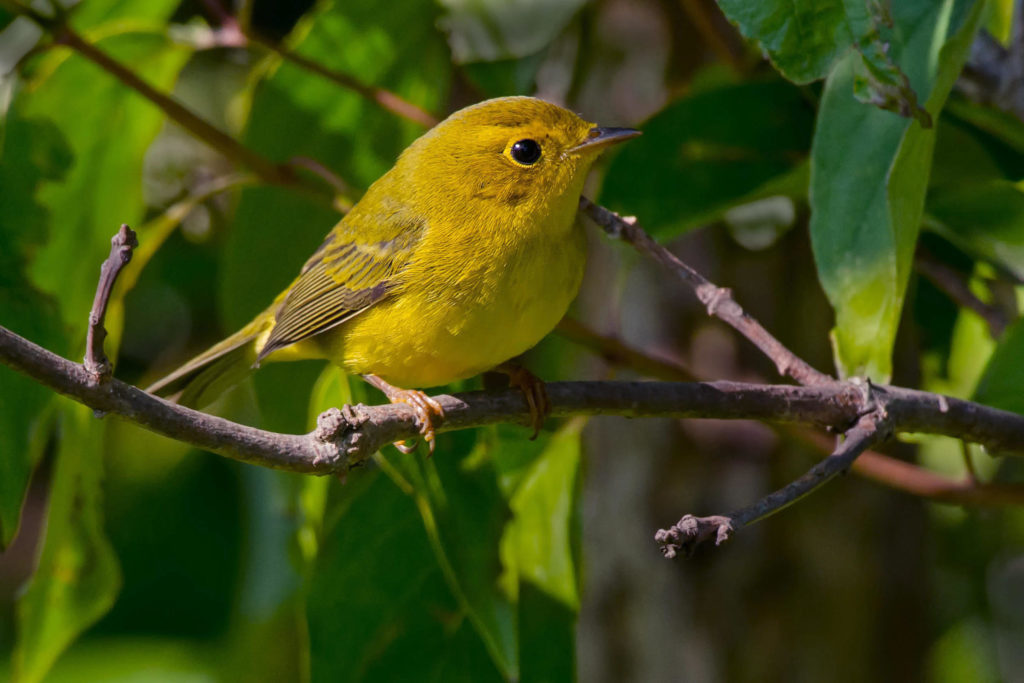
Ruby-throated hummingbirds will soon make their way through for the fall migration! These tiny birds are BIG eaters. They stop here in the Coastal Bend to fuel up before their non-stop flight across the Gulf of Mexico. Host them in your yard by planting some of their favorite foods! Hummingbirds find plants using their excellent vision and are attracted to bright colored blooms, which indicate a high-sugar food source. Some of our favs for South Texas are Flame Acanthus (aka hummingbird bush), Salvias (like native Salvia greggii and Salvia leucantha), Cape Honeysuckle, Firebush, Firecracker plant, Coral bean – the list goes on! Plant a few of these and hummingbirds will find them. And don’t forget to visit the Rockport-Fulton HummerBird Celebration September 18-21!

7. You’re Invited! Fall Garden Talks and Events at Gill’s!

Gill Garden Talks and Events are back this Fall! We’re kicking it off with DeAnna and Wyatt’s Fall Veggie Gardening Talk on Saturday, September 13th!  Based on your suggestions, we decided to do 2 veggie talks this year. Part 1 will focus on early fall veggies like tomatoes, peppers, and squash, and part 2 will focus on cooler season crops like broccoli, greens, and cabbage. Stay tuned on our events page and on Instagram and Facebook for details of each event. We can’t wait!

Join us THIS Saturday, September 13th at 10:00am here at Gill’s for Part 1 of our Fall Veggie Gardening series. Gill’s veggie gardening experts DeAnna Baumgartner and Wyatt Page will lead an informative talk on all things fall veggies. Part 1 will focus on growing early fall season crops like tomatoes, peppers, squashes, cucumbers, and beans. We’ll do some gift card giveaways and field all your veggie gardening questions!

FREE event – 10-11am – No RSVP required.

Click below to watch DeAnna’s preview video:


We can’t wait to see everyone! Stay tuned to our events page and follow us on Facebook and Instagram where we’ll continue to post updates about talks and events. We have lots more to come this fall!


Natural gourd birdhouses are the best! They host a wide variety of birds who use the seeds and pulp inside to make their nests. Join us at Gill’s this Saturday, September 20th from 11am-1pm for a fun garden art project – painting gourd houses! We’ll provide a pre-drilled gourd with a leather hanging strap plus all the painting supplies. Take home your creation and hang it up for birds to make their home this fall!

Limited to the first 50 guests of all ages – $10 per person. Reserve your tickets here, or purchase the day of!

Click to watch Ori & Caleb’s preview video:

We can’t wait to see everyone! Stay tuned to our events page and follow us on Facebook and Instagram where we’ll continue to post updates about talks and events. We have lots more to come this fall!


Join us this Saturday, September 27th at 10:00am here at Gill’s for Part 2 of our Fall Veggie Gardening series. Gill’s veggie gardening experts DeAnna Baumgartner and Wyatt Page will lead an informative talk on all things fall veggies. Part 2 will focus on cool season fall crops like broccoli, greens, cauliflower, and more. We’ll do some fun giveaways and field all your veggie gardening questions!

FREE event – No RSVP required.

Click below to watch Wyatt’s preview video:

We can’t wait to see everyone! Stay tuned to our events page and follow us on Facebook and Instagram where we’ll continue to post updates about talks and events. We have lots more to come this fall!


Fall is OUR ABSOLUTE BEST TIME for planting veggies, trees, flowers, and just about everything else! We’ve got lots of fun events planned at Gill’s this month, plus everything you need to bring the fall magic to your outdoors. Here are our top must-do’s this October to set your garden and landscape up for success for seasons to come.

1. Join Us for October Events – Including Fall Plant Fest This Saturday!

We are so excited about our fall event lineup! Join us this Saturday, October 4th from 10am-2pm for our first ever Fall Plant Fest. We’ll have our friends Mimi’s Mini Farm with their farm animal petting zoo, pumpkin painting for kids, balloon animals, fall photo ops, tons of fall plant specials, lovely fall-themed drinks from The Brewery Coffee Cart, and the Smokeville Turkey Legs food truck will be here too! Check out our full event schedule for the rest of October and beyond. 

2. Plant & Feed Your Fall Veggies

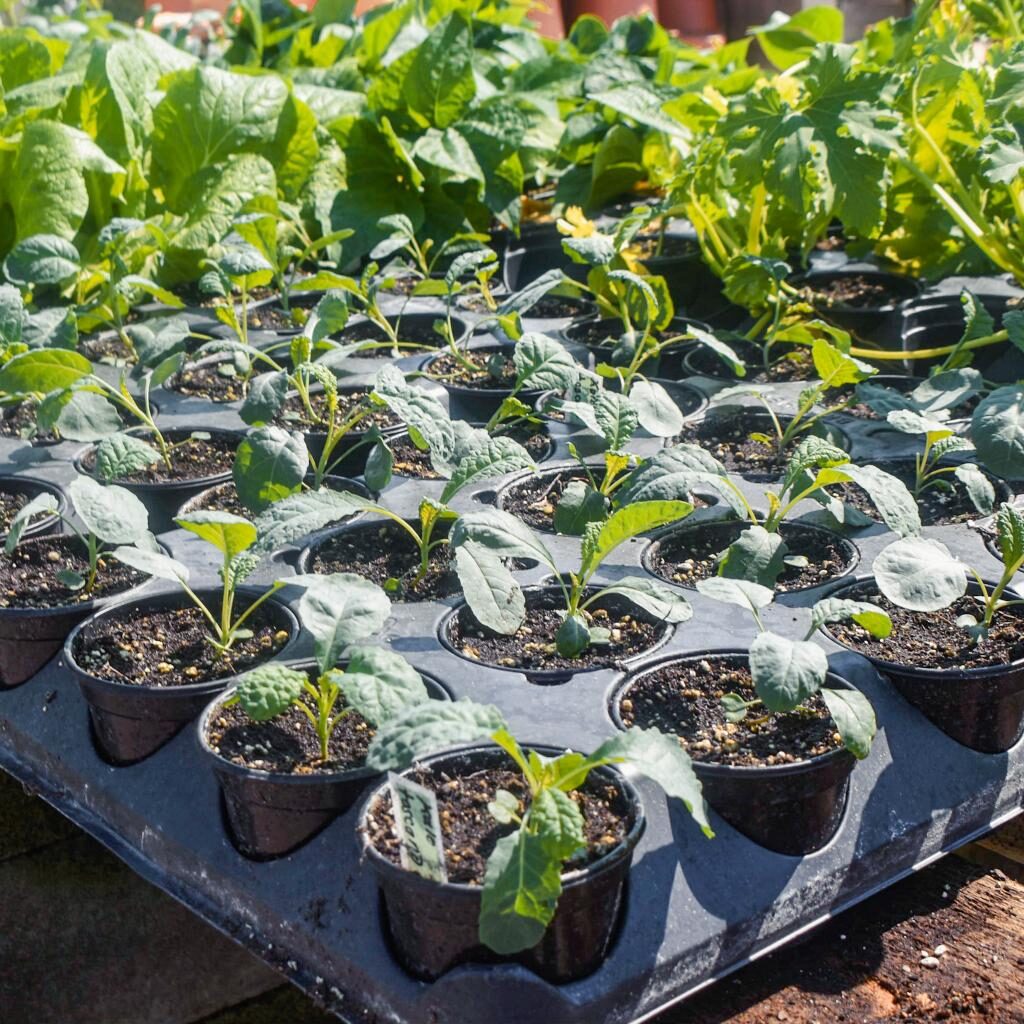
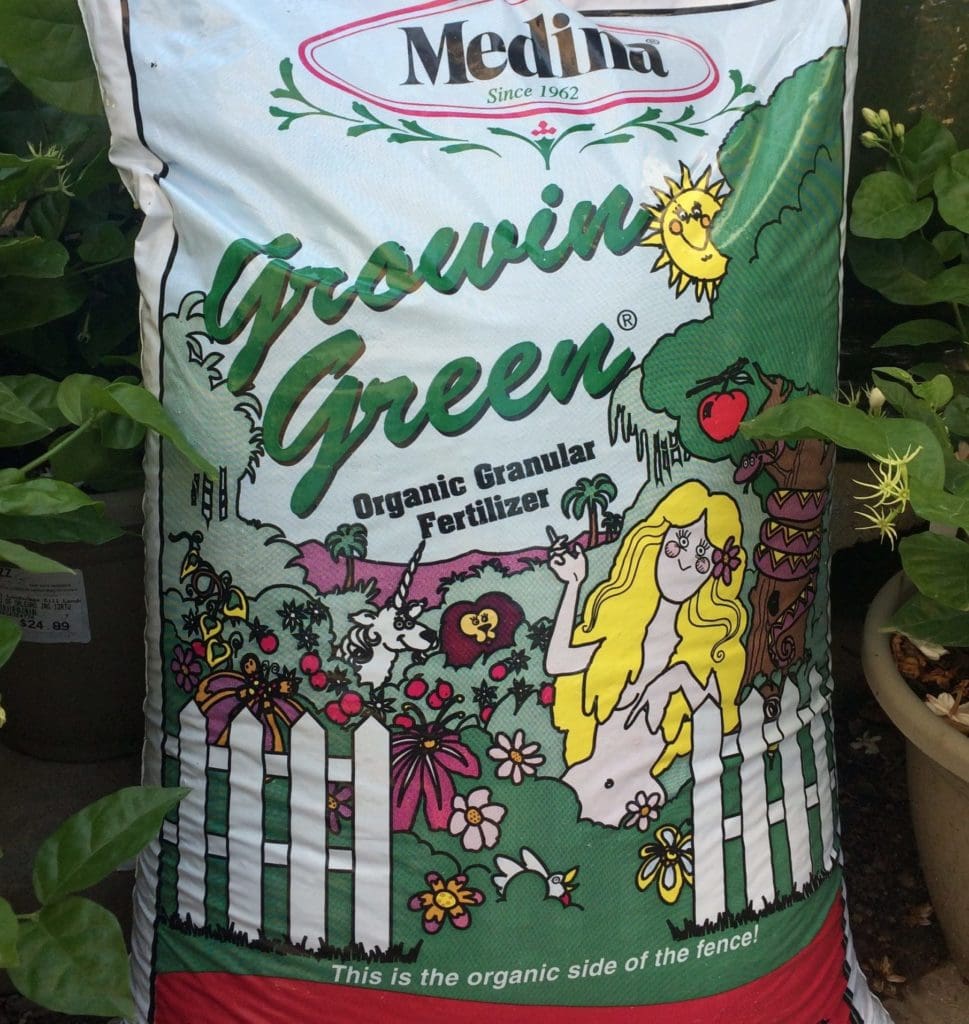
Some of the best… Broccoli, Cauliflower, Lettuces, Cabbage, Carrots, Beets, Radishes, Cilantro, Arugula, Thyme, Chives, Sage, and the list goes on! October is our window for planting! Remember – veggies are heavy feeders, so it’s important to keep fertilizing throughout the season. We recommend using BioTone Starter when you plant, followed by a good organic granular like Medina Growin Green or Plant Tone on the 1st of each month, then supplement with liquid Hasta Gro on the 15th of each month. Set these reminders on your phone/calendar and you’ll have BIG harvests with plenty to cook and share. 

Watch:  Coastal Bend Veggie Gardening Guide

3. Plant Trees Now for the Best Start – Citrus Too!

Successful tree planting is all about growing roots. Trees planted in fall grow more next spring & summer because they spend time all fall and winter working on their root system. Having a well-established root system also helps prepare them for hot temps next summer. Live Oak, Burr Oak, Magnolia, Anacua, Cedar Elm, & Wild Olive are some of our South Texas fav’s and we’ve been getting some gorgeous specimens, big and small. And don’t forget about citrus trees! We have a nice fall crop of lemons, different lime varieties, mandarins, and more. 

Read: The Advantages of Fall Planting

4. Plant Fall Flowers Galore

Take advantage of the weather while the days are still long. It’s the perfect time to start cool weather Marigolds, Alyssum, Snapdragons, Violas, Petunias, Supertunias, Calendula, Begonias, Stocks – the flowers and colors that say, “FALL!”. Warm days help flowers develop roots so they can look their best during the cooler months ahead. Since we don’t experience dramatic changing of the seasons here in South Texas, we create that fall feeling with gorgeous fall colors!

5. Prevent Weeds + Fertilize Your Lawn 

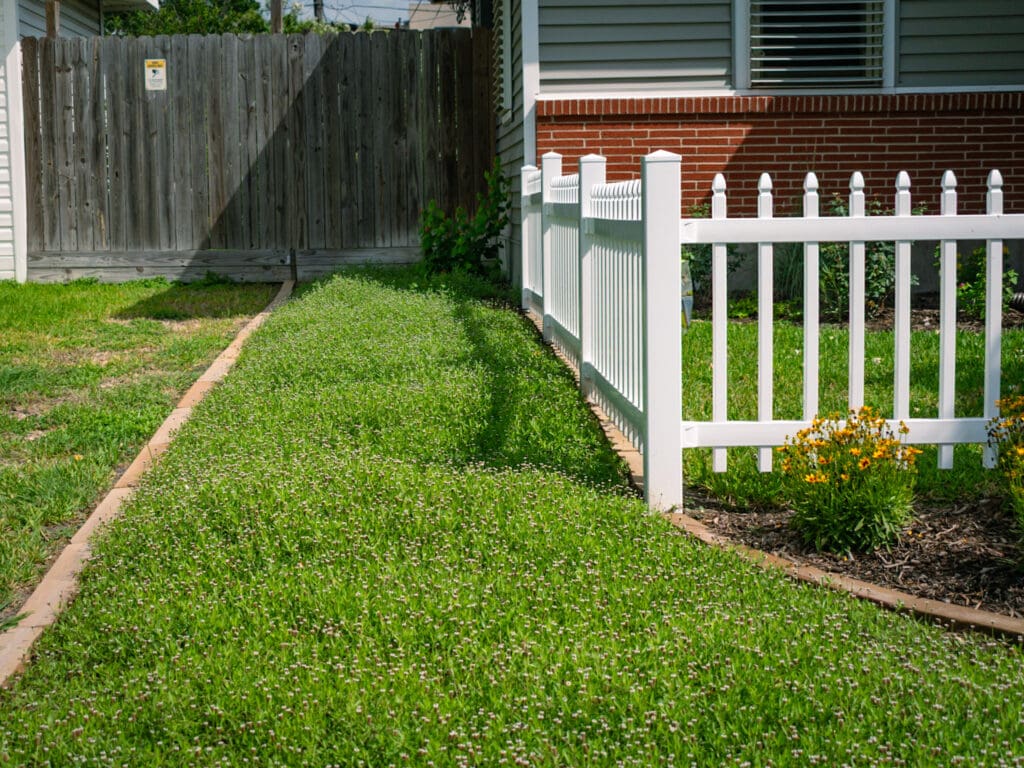
Fertilizing lawns this month is essential for developing strong roots and healthy growth next spring and summer. We emphatically recommend organic Medina Growin Green! Amazing stuff! A 40lb bag covers 3000 sq ft of lawn, and for a small fee, we can rent you a spreader which makes it very easy to apply. Not only does Medina Growin Green work wonders on lawns, you can use it in all areas of your landscape, including your veggie garden. If you want to prevent lawn weeds, now’s the time to apply preemergent Weed Beater Complete or Hi-Yield Turf & Ornamental Weed & Grass Stopper. Remember this:  treat for weeds, wait 2-3 weeks, then fertilize. Do not use “weed & feed” products! 

Read: Fall Lawn Care

6. Plant for Hummingbirds and Migratory Birds

Right now is a great time to plant all kinds of blooming plants that hummingbirds and other migratory birds need. Some of our favs for South Texas are native Flame Acanthus (aka hummingbird bush), Salvias (like native Salvia greggii and Salvia leucantha), Cape Honeysuckle, native Turk’s Cap, native Beautyberry, Loquat, Firecracker plant, Coral bean – the list goes on and on. We have been covered in hummingbirds here at Gill’s!

7. Mulch Beds for Moisture Retention & Other Key Benefits

Proper mulching using natural Hardwood, Pine Straw, or our new natural GardenStraw mulch has big benefits throughout the landscape, including in veggie gardens. A good 3” deep layer of mulch will keep your plants and the soil moist for longer after you water or after it rains. When mulching, give the main trunks or stems of your plants a little space – mulch 3” deep throughout the bed, but no more than 1” deep right up against the main trunks/stems of plants. Using mulch in veggie beds also helps keep wet soil from splashing up onto your plants when you water, which prevents common fungal diseases. Not to mention…a good mulch layer will help keep weed seeds from sprouting. 

Did you know that October is prime time to sow wildflower seeds here in the Coastal Bend? Bring the kiddos this Saturday, October 11th from 11-1 to assemble and decorate their own wildflower seed shaker! We’ll provide the shaker tubes, supplies to paint and decorate, and 2 different Texas native wildflower seed mixes to fill them up. Just sprinkle them wherever you want to see beautiful native wildflowers emerge next spring!

FREE event – No RSVP required.

Click below to watch Ori’s preview video:

We can’t wait to see everyone! Stay tuned to our events page and follow us on Facebook and Instagram where we’ll continue to post updates about talks and events. We have lots more to come this fall!


Did you know that most birds who migrate through North America travel at night? And did you know that lights left on at night can cause migrating birds to become disoriented, collide with structures, or simply lose precious energy they need to keep going? That’s where Lights Out Texas comes in. This is a cooperative campaign (led by Audubon Texas and other partners) to reduce light pollution along bird migration corridors in Texas by encouraging homeowners, businesses, and municipalities to turn off or dim nonessential lights during migration seasons. Here’s how you can participate. 

Lights out Texas!

When:  Fall migration window: August 15 to November 30 (peak September 5 – October 29) and Spring migration window: March 1 to June 15 (peak April 22 – May 12) 

What to Do:  Turn off all nonessential outdoor and indoor lighting (especially upward‐facing or bright façade lights) between 11 p.m. and 6 a.m. 

Why It Matters:  Your garden sits right in the middle of a major bird migration corridor. Over 80% of the long-distance migrants moving through North America cross the Texas Coastal Bend in some way. That’s why Corpus Christi is called the Birdiest City in North America!

Impact:  As many as 1 billion birds die annually in collisions with buildings and structures in the U.S. Light pollution exacerbates that toll. Each light you switch off is a gift to a bird on the move. 

Bird-Friendlier Lighting

Although turning off all lights is best, here’s what you can do if you need to keep some lights on at night:

  • Use warm, low-intensity lights (e.g. low Kelvin temperature, yellow/red hues) are better than bright white or blueish lights, which are more disruptive. (Blue/UV light is more visible to birds and draws them more).

  • Use shielded and downward-directed fixtures that minimize skyglow and don’t shine upward or horizontally.

  • Install motion sensors or timers so lights are on only when needed.

  • Close curtains, blinds, or shades: block interior lights at night so they don’t emit outward.

  • Consider bird-safe glass or window treatments (e.g. fritted glass, window films, decals) to reduce collisions. Birds often don’t perceive glass and are attracted by reflections.

Don’t Forget Plants + Water!

Your yard can become a critical recharging station for migrating birds. Here’s how to choose plants that feed, shelter, and sustain them:

  • Focus on native plants: they support more insects, caterpillars, and overall food for bird young. 

  • Provide a diverse mix: host plants for caterpillars (larval food), nectar, seeds, berries, and shelter (like Muhly grass for example).

  • Offer multi-story structure: trees, shrubs, understory, vines, and groundcover.

  • Ensure seasonal food continuity: spring blossoms, summer fruit, fall berries and seeds.

  • Don’t over-prune too early in migration season; let foliage, dead stems, seedheads remain as long as feasible to provide resources. A good rule of thumb for fall pruning is to not prune more than 1/3 of the plant. 

  • Also, maintain water sources (birdbaths, shallow ponds) and leave leaf litter or ground cover patches for insects and seed for ground-feeding birds.