Garden Center Hours: Mon-Sat 9am - 5:30pm • Sun 10am - 5:30pm

If your houseplants are looking more “meh” than marvelous this summer, you’re not alone. Even indoor plants can suffer during the dog days of summer—despite being pampered with filtered sunlight and sweet Spotify playlists. So what gives? Let’s dig into a few sneaky summertime stressors that could be behind houseplant decline—and how to help them bounce back!

1. Heat Stress: It’s Getting Hot in Here

Just because your plants are indoors doesn’t mean they’re immune to the heat. Summer sun streaming through windows can turn your cozy home into a makeshift greenhouse. Even indirect light can become too intense.

What to do:

  • Keep an eye on plants near south- or west-facing windows.

  • Use sheer curtains or move light-sensitive plants like ZZ plants and Ferns a few feet back.

  • Water early in the day and check more often—plants dry out faster in the heat, even though they’re indoors. 

2. City Water Blues: Chlorine Is Not Plant Food

Some houseplants are a little… picky. Corpus Christi tap water is treated with chlorine and fluoride—both of which can stress sensitive roots over time. Many houseplants are fine with City water, but others like Calatheas and Peace Lilies can’t handle it very well. Yellowing tips or brown leaf edges could be a clue.

What to do:

  • Let tap water sit out overnight before watering, so chemicals can dissipate.

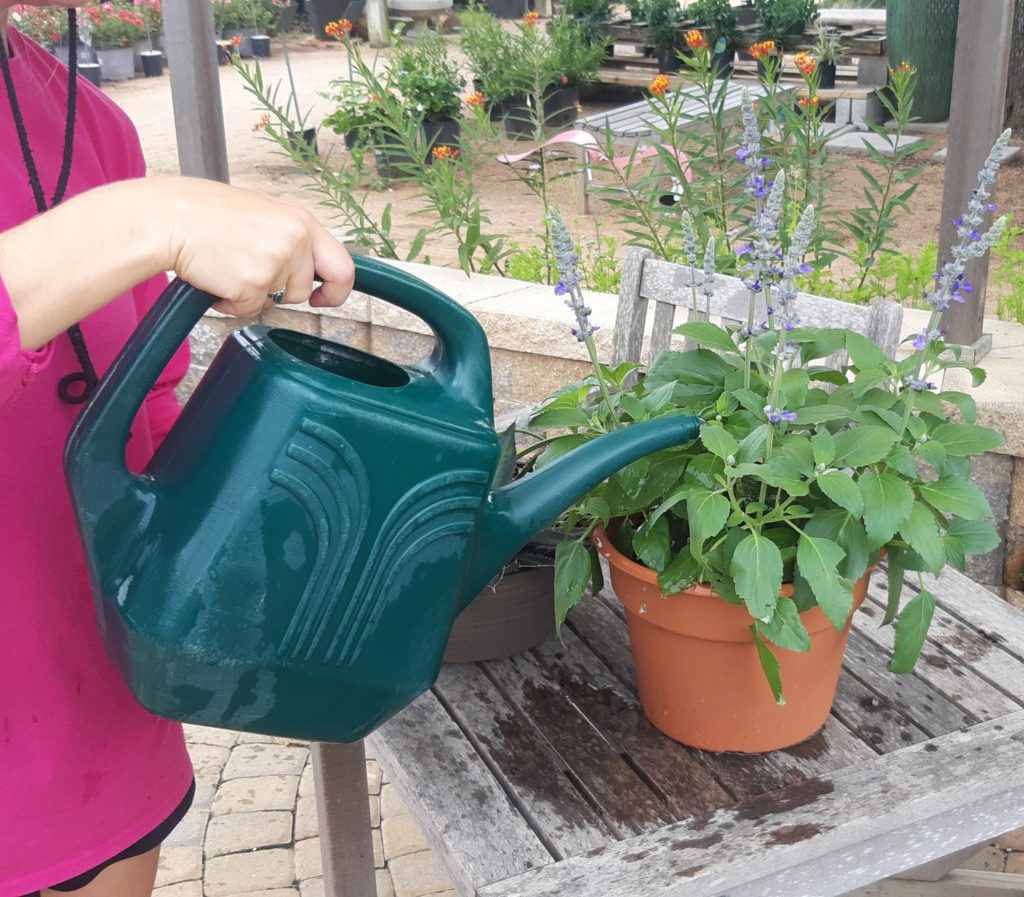
  • Use filtered, distilled, or rainwater for sensitive plants when possible. An excellent and plentiful source of filtered water in the summer is A/C condensate – find a way to catch it! Here at Gill’s, we use a lot of A/C condensate as well as water collected from dehumidifiers. 

3. Too Much A/C = Arctic Tundra Vibes

Speaking of A/C, your plants might not be vibing with your love for cool comfy temps. Sudden drafts, drastic temperature drops, and bone-dry air from constant cooling can seriously mess with their tropical disposition.

What to do:

  • Avoid placing plants directly in the path of vents.

  • Group plants together to boost humidity, or use a small humidifier. 

  • Watch for wilting or leaf curl—these could be signs your plant is cold and dry, not necessarily thirsty.

4. Mealybugs: The Cottony Party Crashers

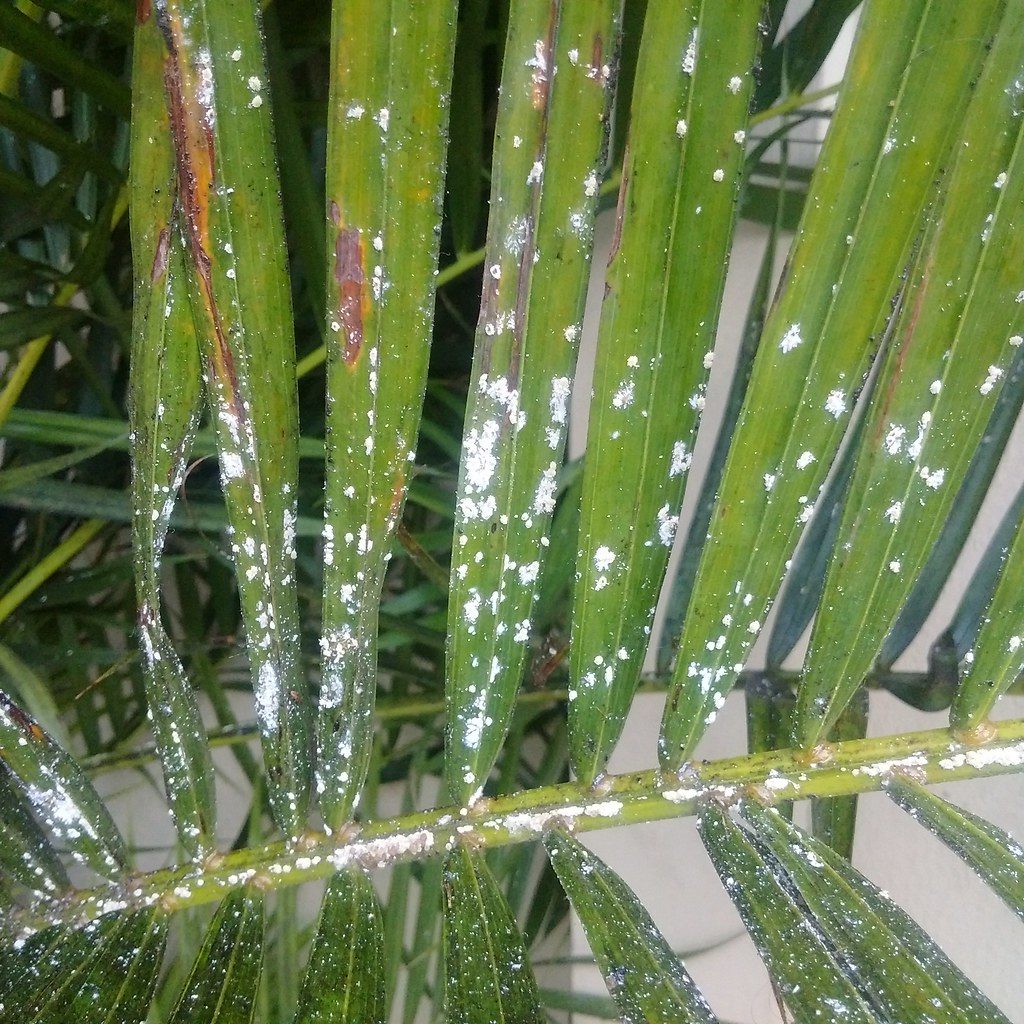
These tiny white fluffballs are a nightmare. Mealybugs hide in leaf joints and suck the sap out of your plants, leaving sticky residue and sad, droopy leaves in their wake.

What to do:

  • Check leaf undersides and stems often. Look for a nasty, cottony mess. 

  • Isolate affected plants – don’t let mealybugs spread through your whole collection!
  • Spinosad Soap or Neem Oil can be used to kill these pests. Multiple applications may be needed. Thorough coverage is a must, and we recommend spraying once a week for 2-3 weeks to make sure you have killed them all.

5. Spider Mites: The Nearly Invisible Invaders

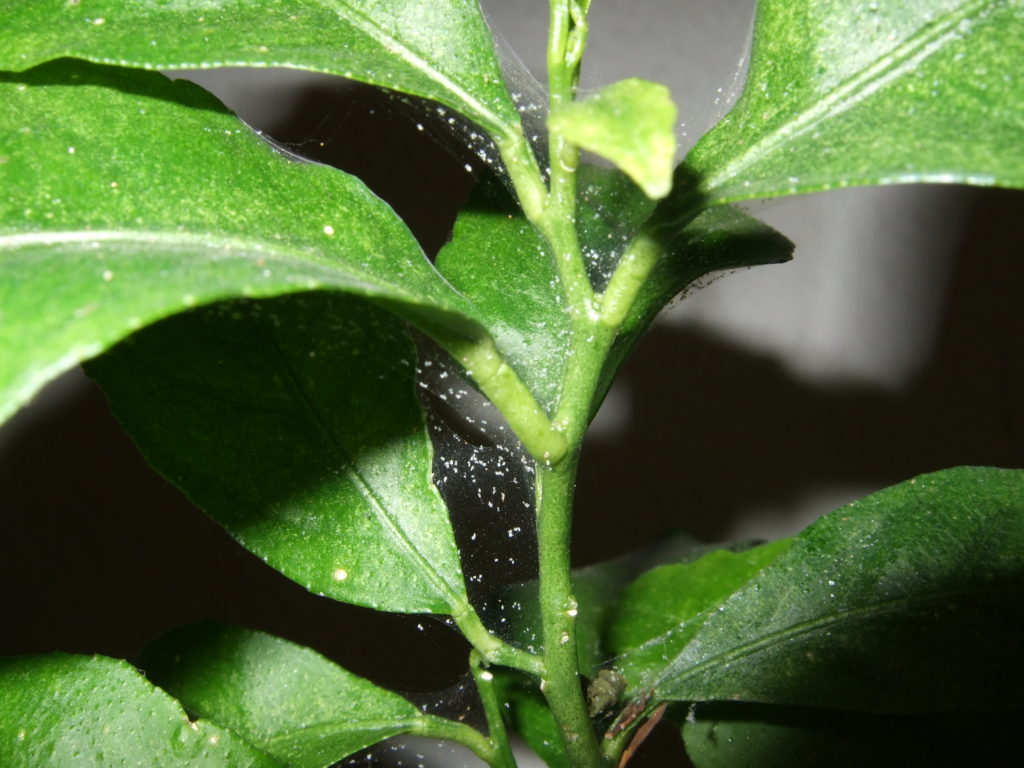
If your plant leaves are speckled, dusty, or webby, spider mites may have moved in. These tiny arachnids thrive in dry indoor air—yep, another A/C side effect.

What to do:

  • Increase humidity around your plants.

  • Spray leaves (top and bottom) with Spinosad Soap. 

  • Wipe down leaves gently and keep monitoring—mites multiply fast. Repeat applications until spider mites are gone. 

Give Your Houseplants a Summer Spa Day

Mid-summer is a great time to give your houseplants a little TLC:

  • Dust their leaves so they can breathe (and photosynthesize!) better.

  • Trim off dead or yellowing foliage.

  • Repot if roots are circling or soil is old and compacted. If you notice you’re having to water a lot, it could be a sign that there are more roots in the pot than potting soil – time to repot!

  • Use a moisture meter! Overwatering has killed more houseplants than underwatering. Use a moisture meter to take away the guesswork. 

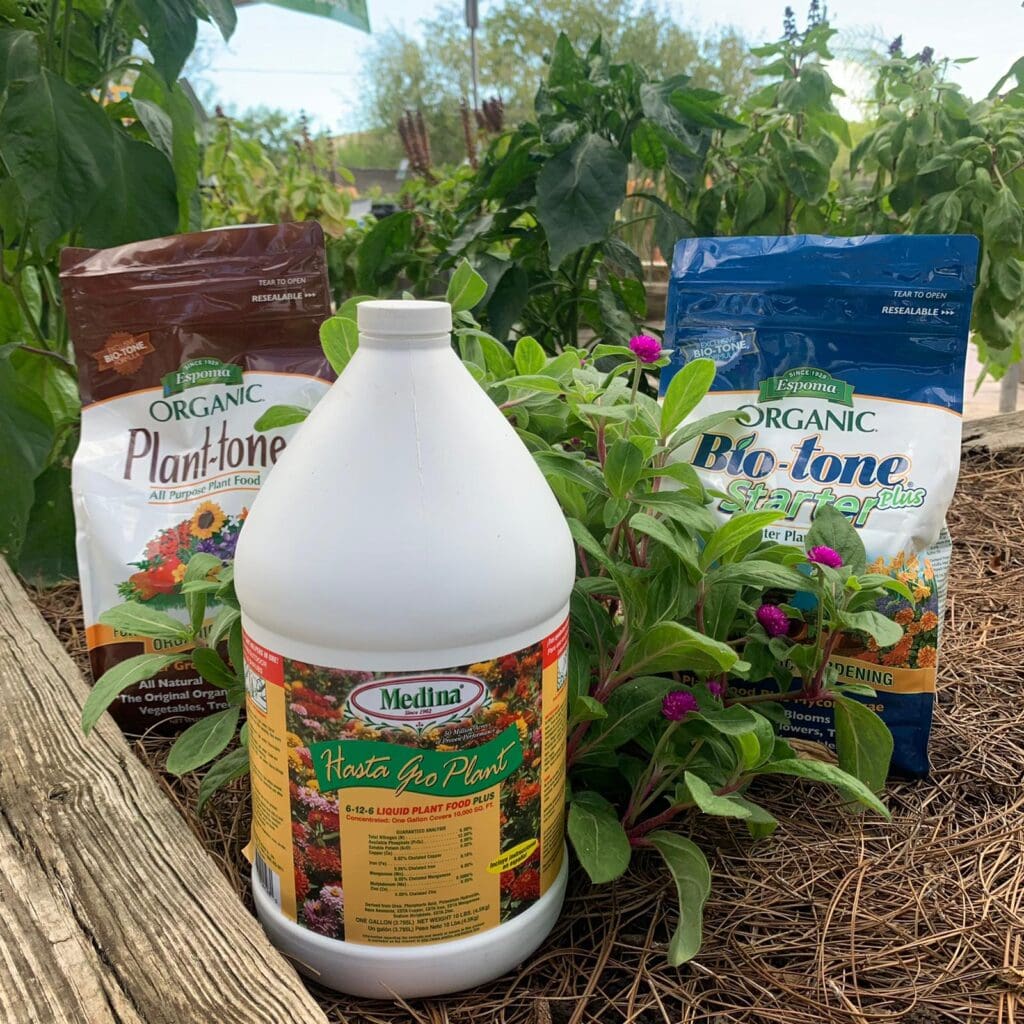
  • Fertilize your houseplants with liquid Hasta Gro. It works great and it doesn’t stink…great for indoors!
  • Show some love and speak kind words—the plants swear they can hear you.


Temperatures don’t feel like it yet, but it’s time to start making the transition into an exciting new fall planting season! There’s a lot to do in August to set yourself up for big garden success this fall and beyond. Here are our top must-do’s!

Check out our August Garden Guide for more tips and remember that trees, shrubs, and perennials can be planted 12 months out of the year! 

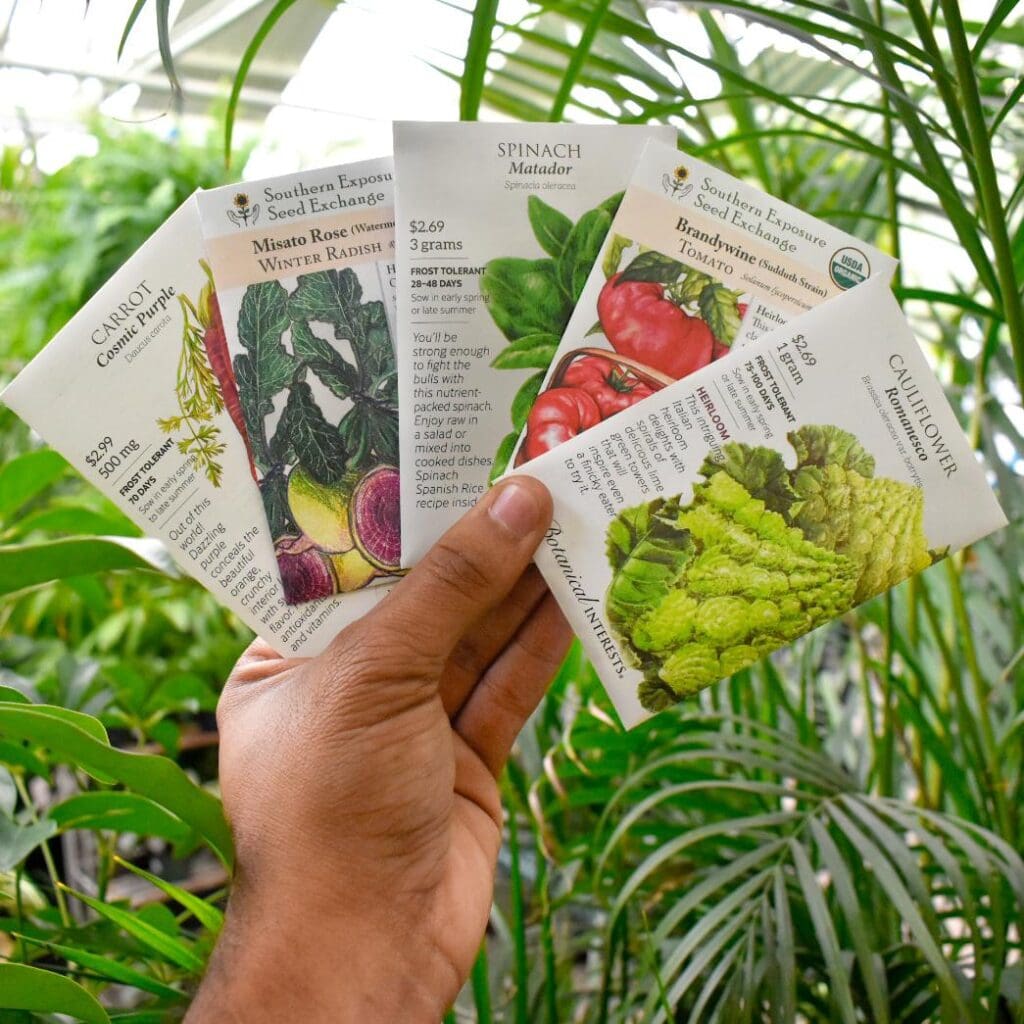
1. Pick Out Your Fall Veggie and Flower Seeds!

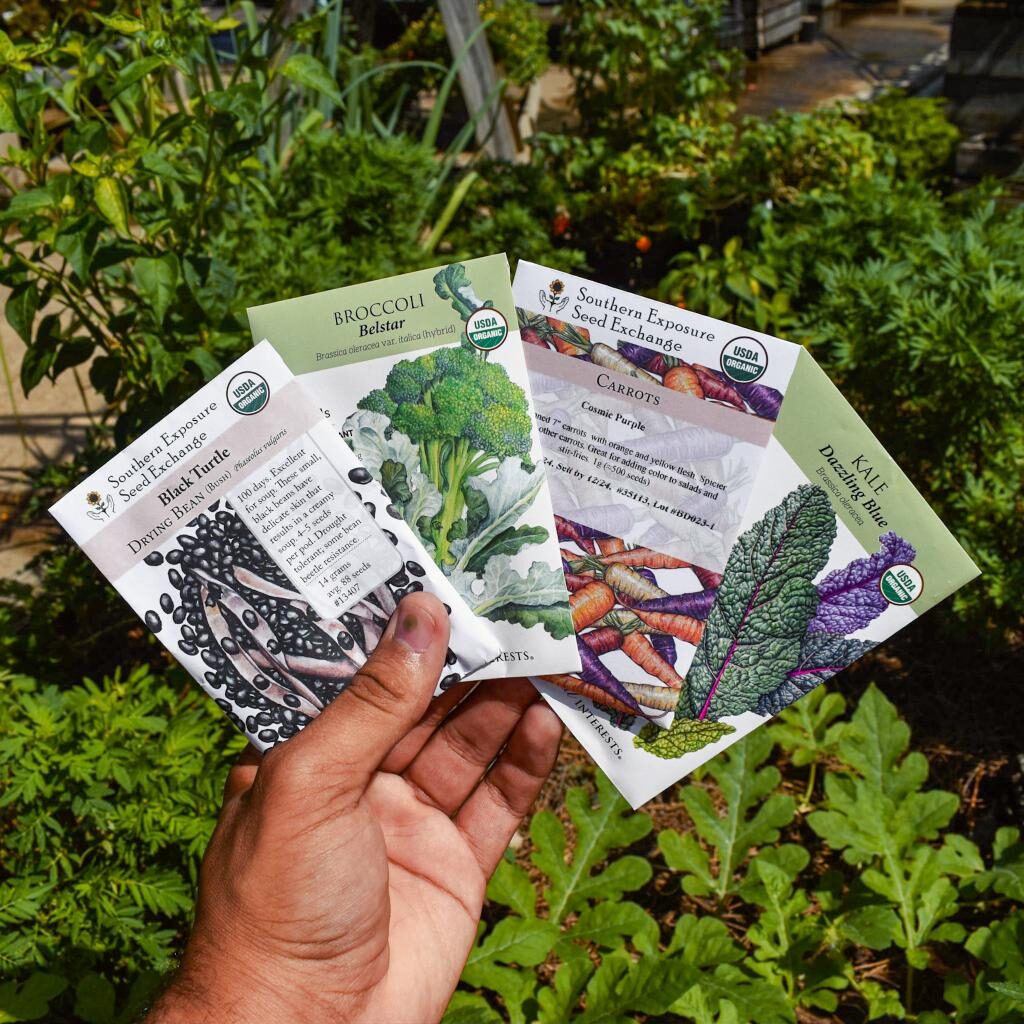
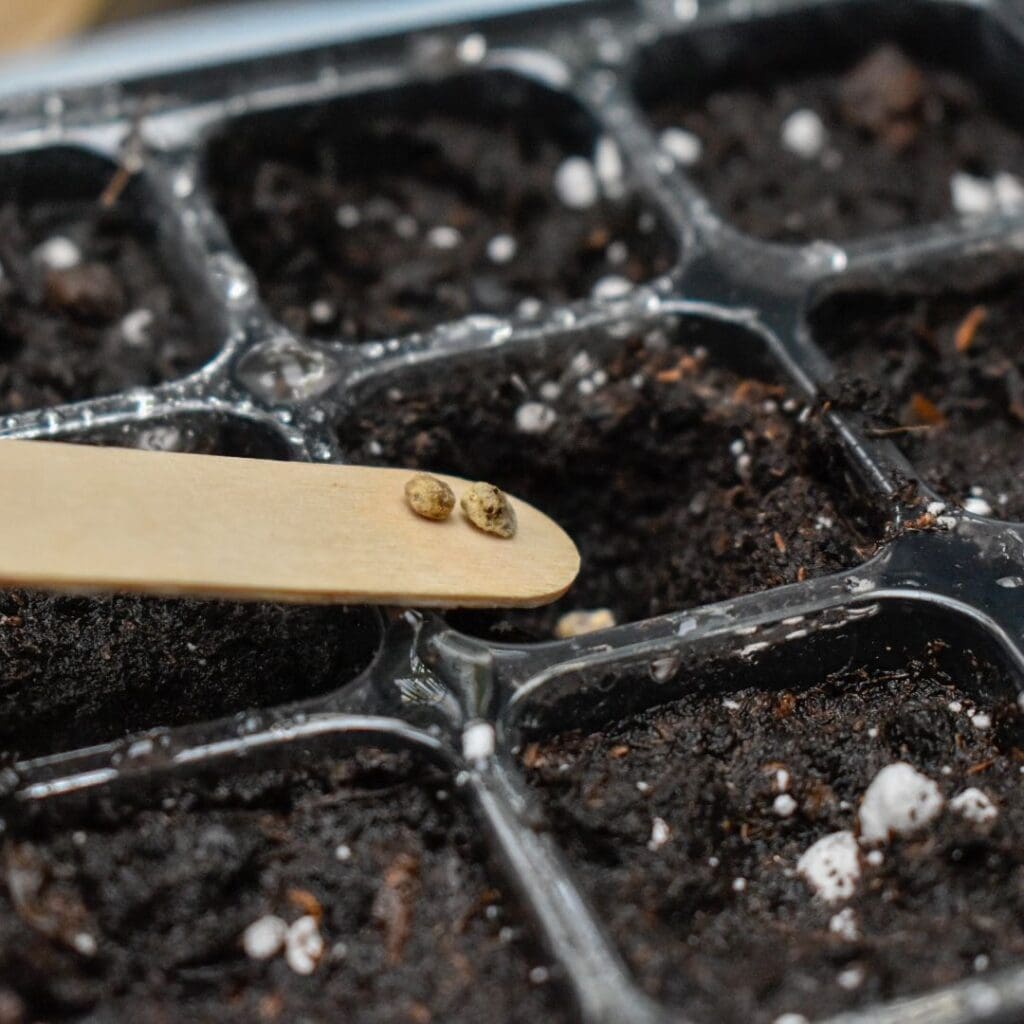
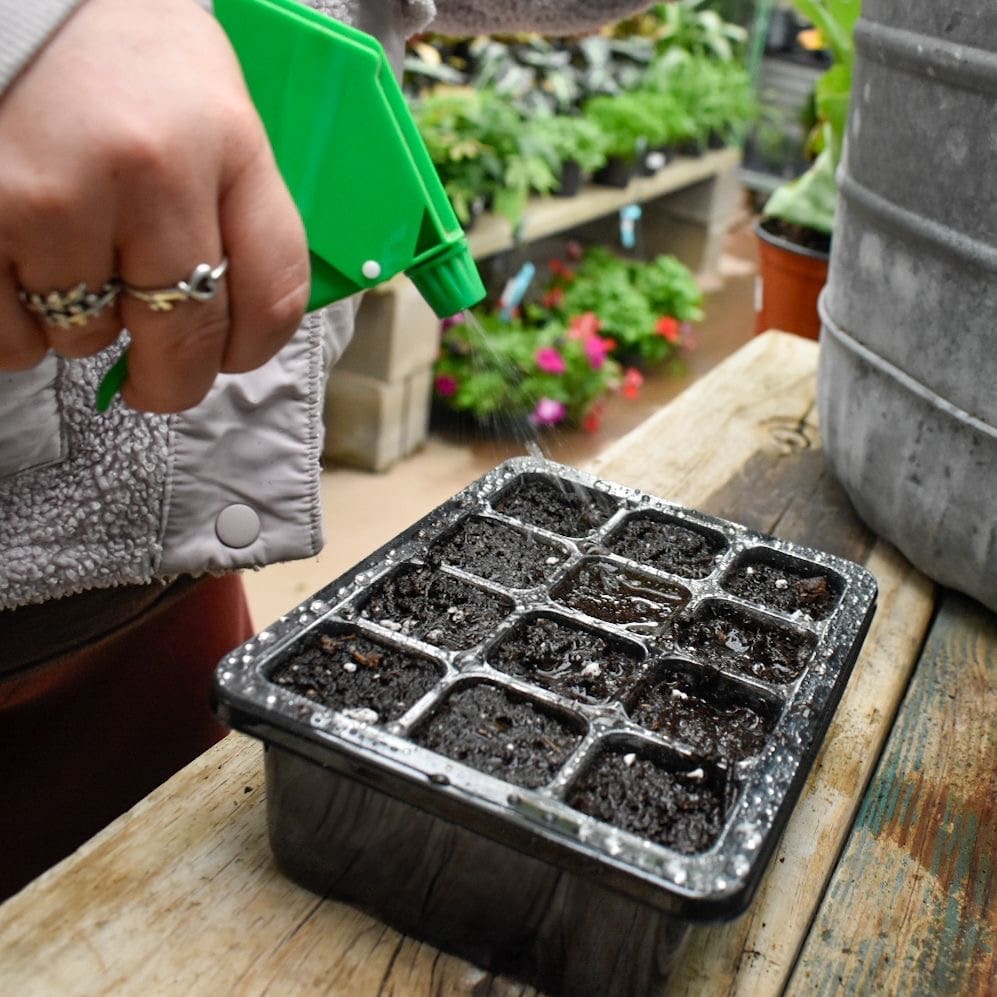
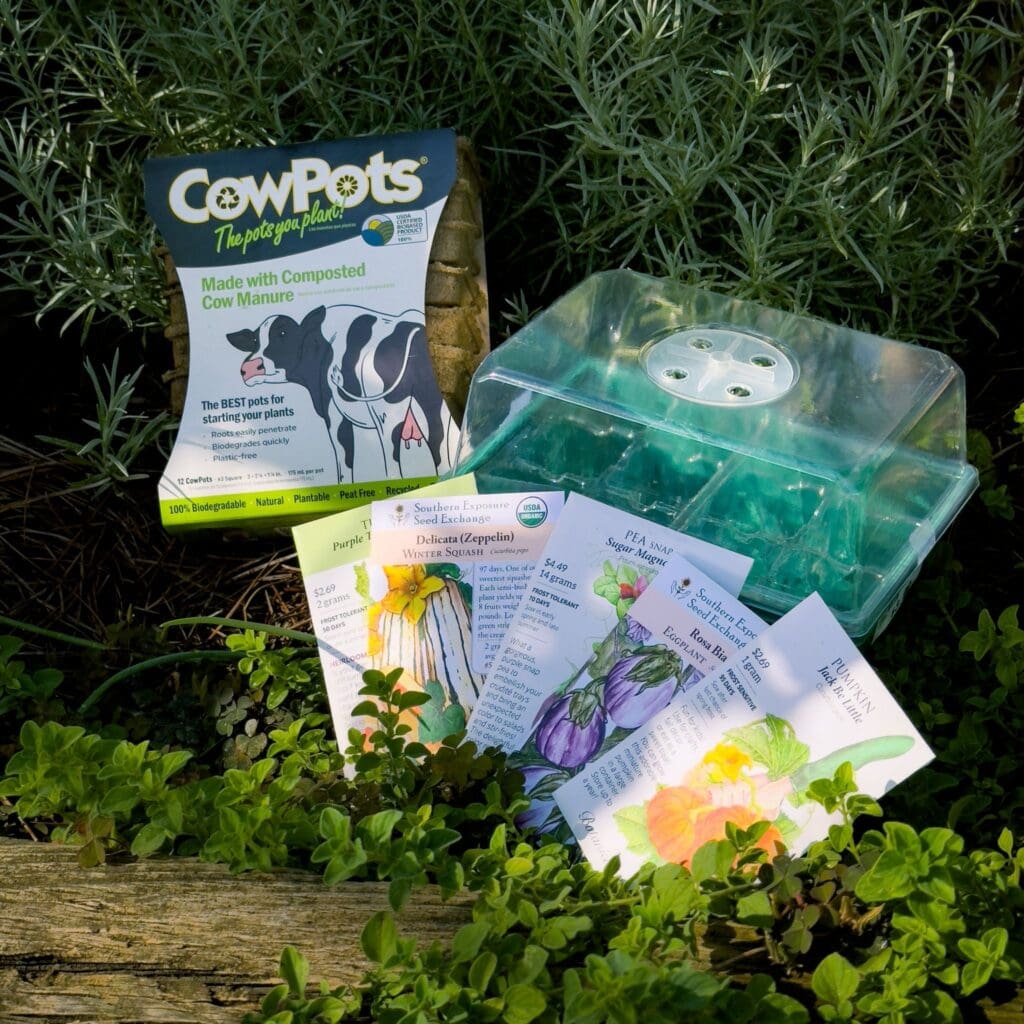
August is the time to start your fall veggie seeds! Next week, we’ll receive the new 2025-2026 seeds from our favorite seed suppliers, including heirloom vegetables, brand new releases, and wildflower seeds. Try our new Cow Pots or seed starting trays to start seeds indoors this month, move to a covered patio once they sprout, then into your garden beds once they’re robust enough to live outside. This will protect the seedlings and slowly acclimate them to outdoor temps. Our Fall Vegetable Planting Guide provides the specific seed-planting dates to help plan your fall garden. Remember – if you want bountiful fall veggies, you need to get an early start! 

2. Start Planting Now for Fall Pollinators!

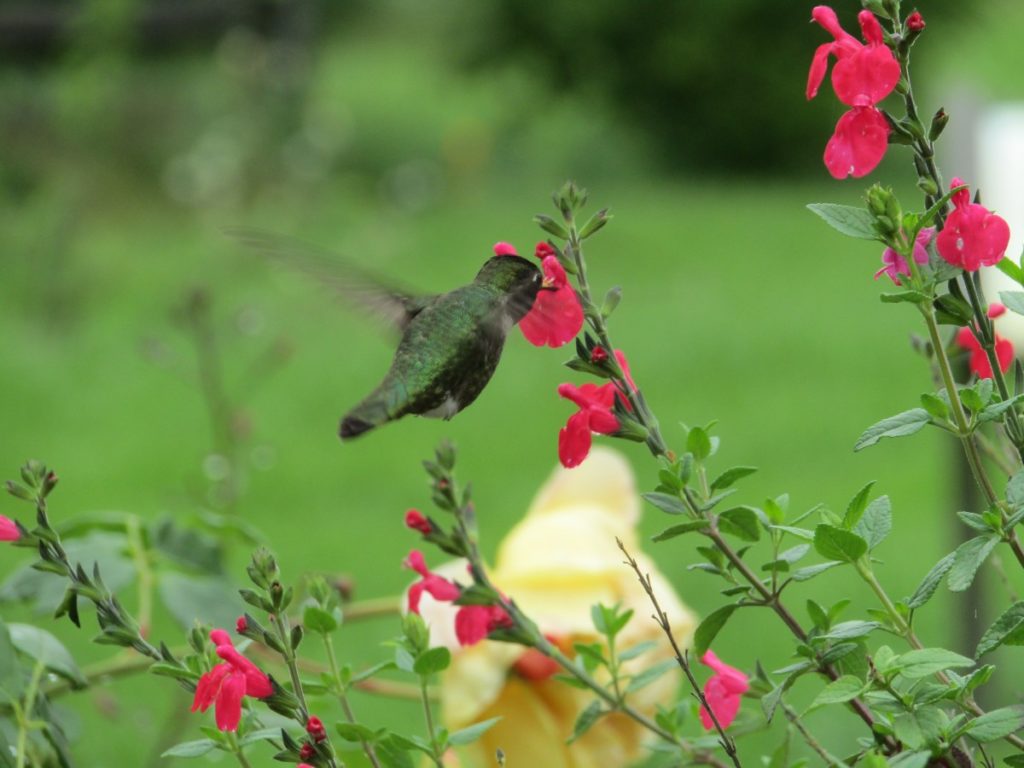
Don’t wait until fall arrives to start planting for fall pollinators – start cooking now so their meal will be ready when they arrive! Important fact: birds, bats, bees, butterflies, beetles, and small mammals that pollinate plants are responsible for bringing us one out of every three bites of food worldwide. Plants attract and provide food for them to keep the cycle going. For example – plant Zinnia and sunflower seeds now, and they’ll be ready to feed migrating birds this fall. Plant salvias now, get roots established, and they’ll be gorgeous this fall and covered in hummingbirds, butterflies, and bees. If you want to provide the best benefits for the most pollinators, plant Texas natives

3. Prep Your Garden Beds

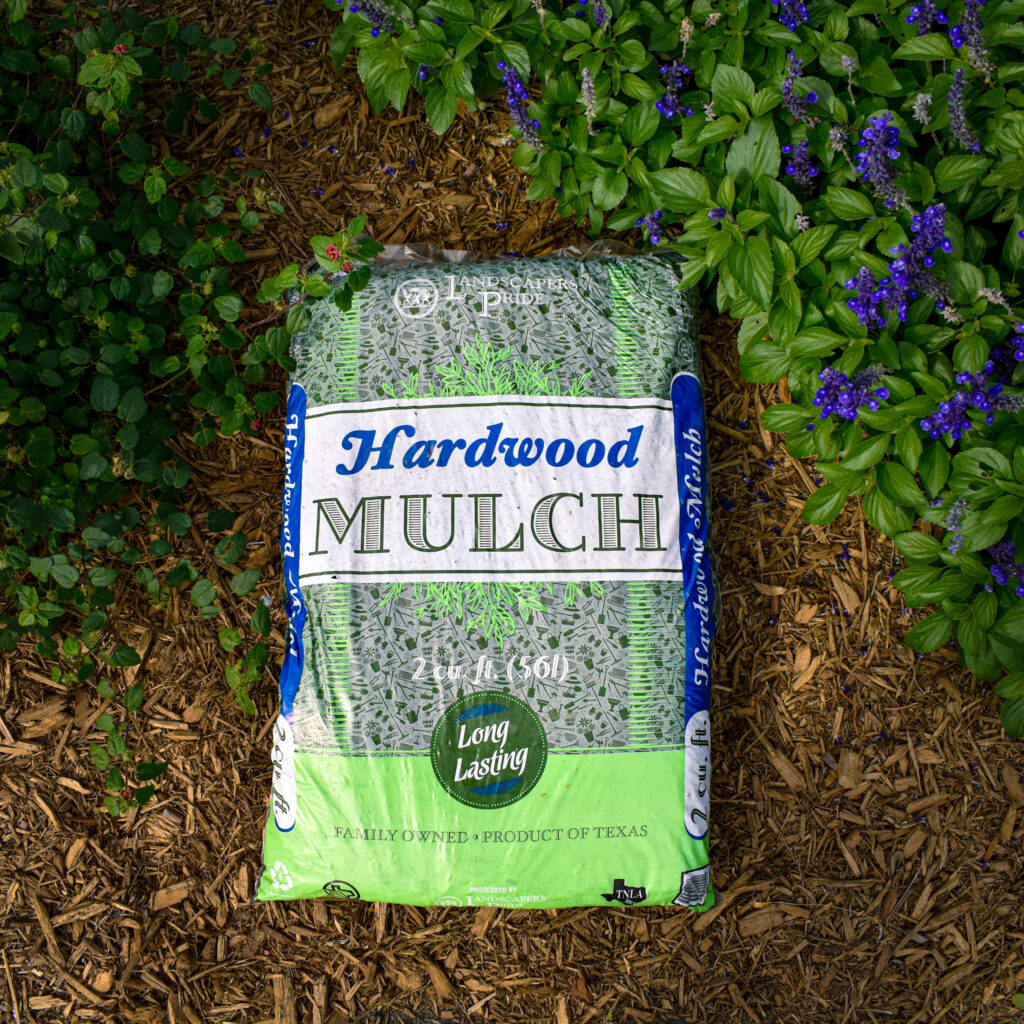
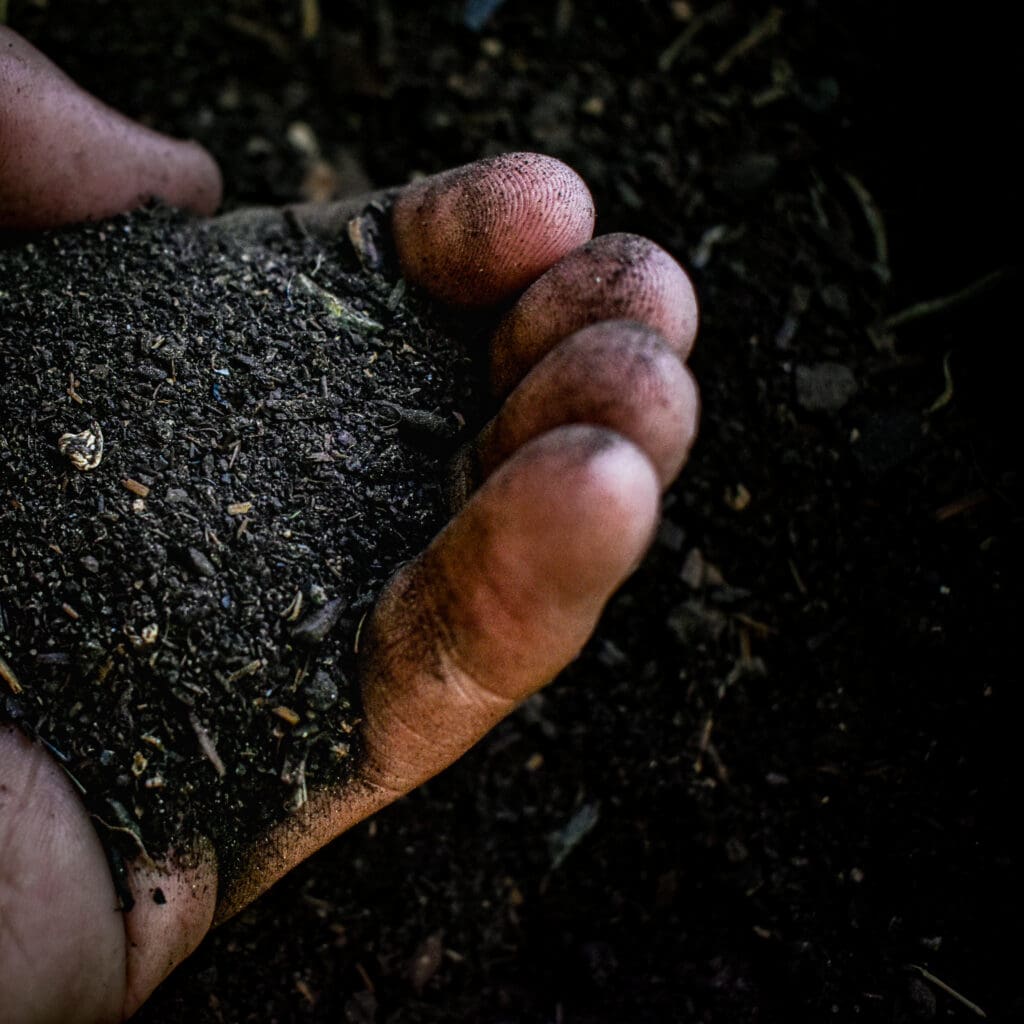
August is the time to start prepping fall veggie beds! Finish your Summer harvesting, clean out your beds, and pull weeds. To get your soil ready, we recommend mixing Nature’s Blend Compost or Cotton Burr Compost into your soil to replenish nutrients and loosen the soil before planting. About 1 bag per 12 sq. ft. is good. Once prepped, add a thick layer of pine straw or hardwood mulch, which will help retain moisture, keep weeds from sprouting, and keep the soil cooler until you’re ready to plant. As you plan your space, think crop rotation – don’t plant the same veggies in the exact same place you planted them last season, or you encourage pests and diseases. 

4. Water to Maintain Depth Moisture!

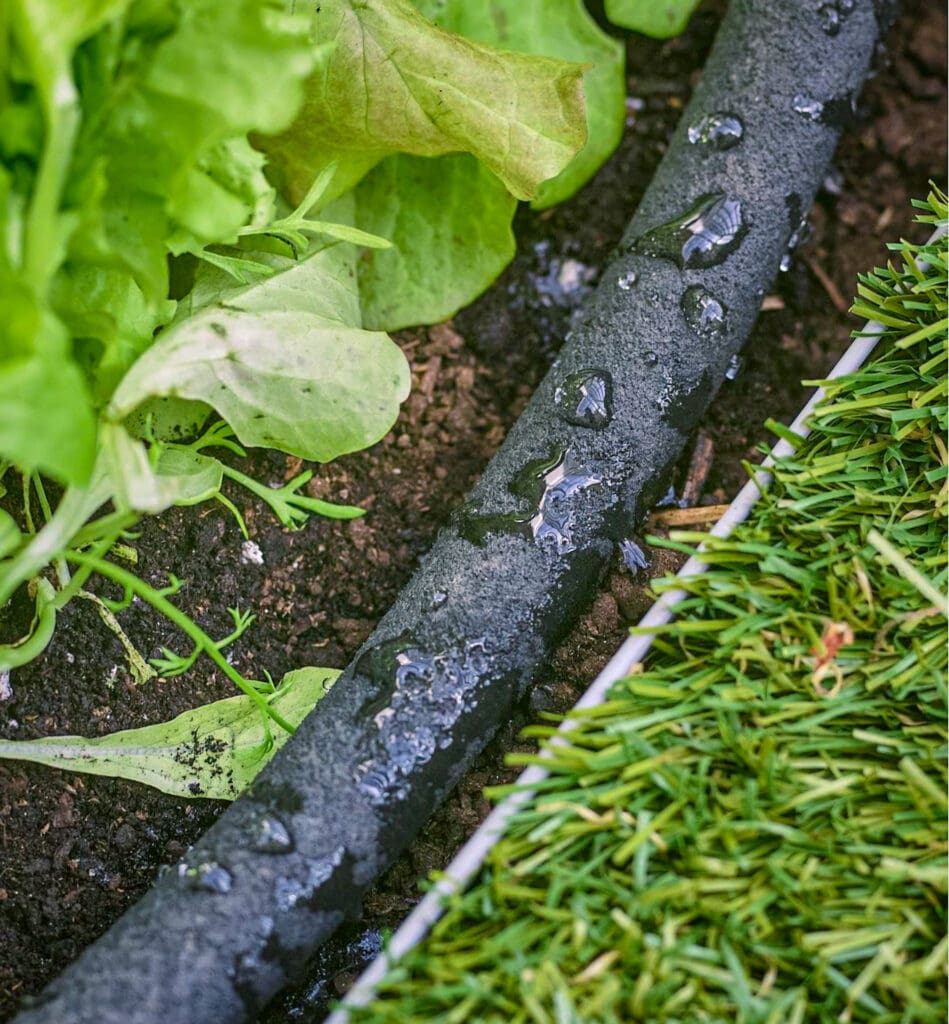
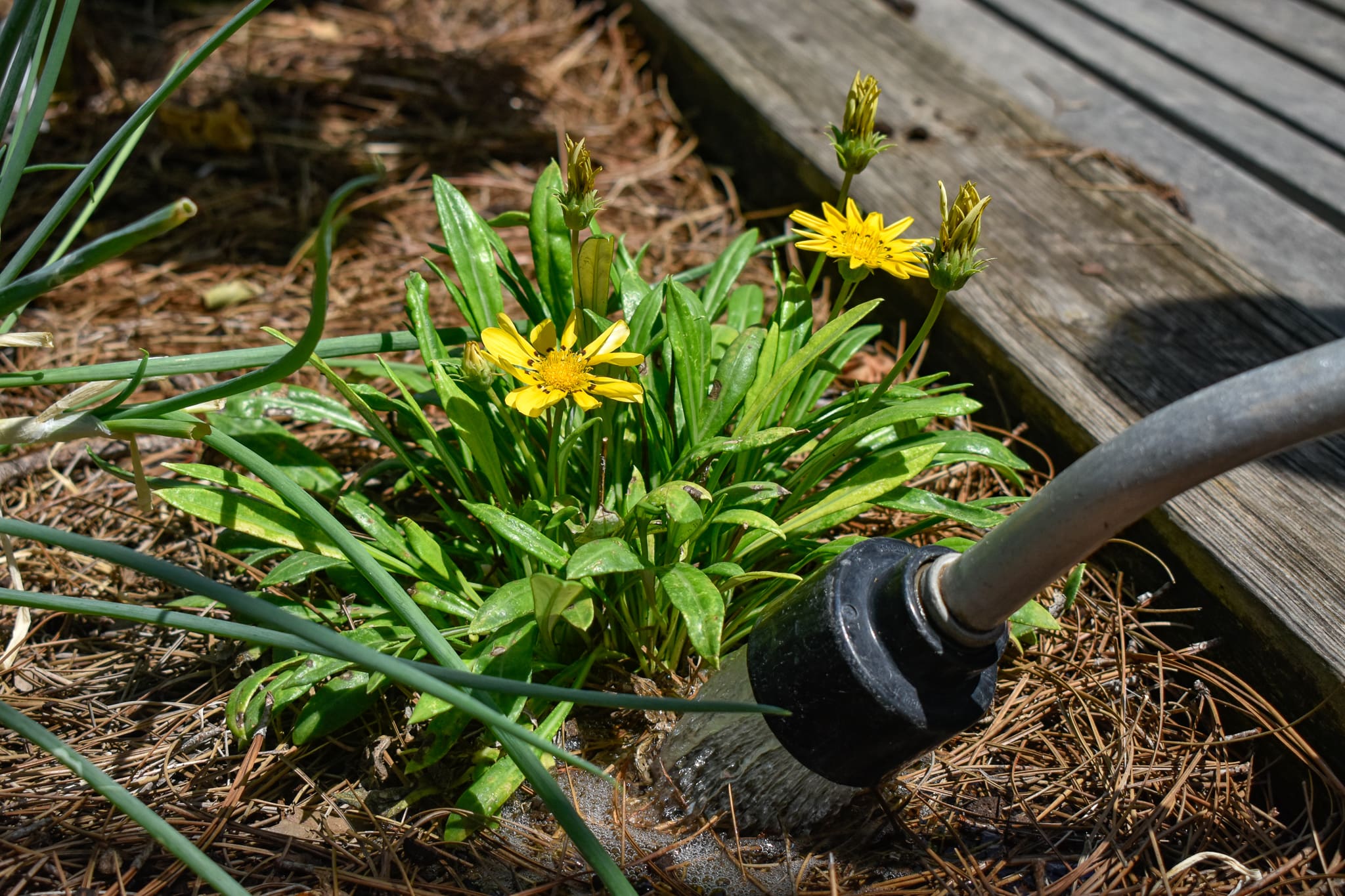
We’ve been lucky to have some well-timed rain showers this summer, which has created some depth moisture in the soil. Our goal with watering this month should be to maintain it. For lawns and established plants and trees, this means watering less frequently, but watering deeply when you water. New plantings will require water every day for the first couple weeks to get the roots established, but again, think deep drinks so the roots dive deeper. Use a water wand with a cut-off valve to make it easy on you and conserve water. Pro tip: Conserve water by watering at ground level, not spraying from above. This way, water soaks down to the roots rather than evaporating off the leaves. 

5. Mulch = Cool Roots, Dude!

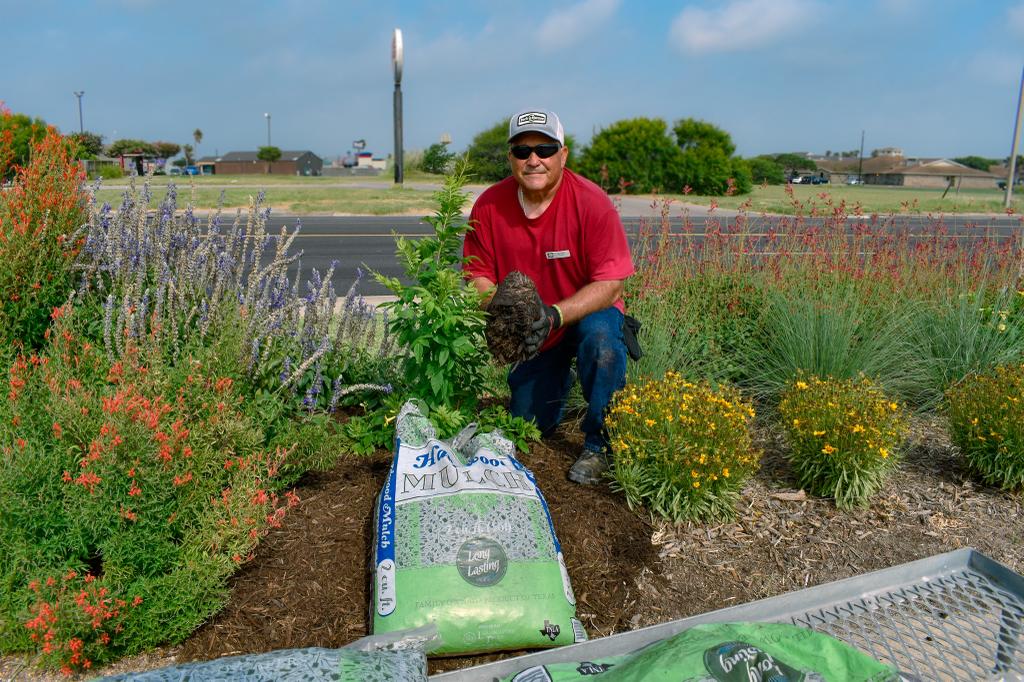
Proper mulching using natural Hardwood or Pine Straw mulch has big benefits, especially during hot weather. A good 3” deep layer of mulch will keep your plants and the soil moist and cool for longer after you water or after it rains. Not just a little cooler – we’re talking more than 25 degrees cooler!! Cooler soil temps allow plant roots and beneficial microorganisms in the soil to flourish. When mulching, give the main trunks or stems of your plants a little space – mulch 3” deep throughout the bed, but no more than 1” deep right up against the main trunks/stems of plants.

6. Set Your Late Summer Lawn Expectations

In late summer in South Texas, even if you were watering quite a lot, it would be difficult to keep your lawn perfectly green. If we don’t get much rain this month, and with current watering restrictions in place, our goal shouldn’t be perfect green – our goal should be alive! If you can haul or find someone to haul recycled effluent water to apply to your lawn, you’re in good shape. Applying water once every 2 weeks at a half inch depth is sufficient. Again, don’t expect lush and green, but it will keep your lawn alive. Our lawn watering schedule is currently full, but we may be able to help connect you with others who are providing the service. Also, keep in mind that current watering rules allow you to hand-water your trees. Since trees should be watered at the drip line, watering trees properly can be a way to get some water on the lawn too. 

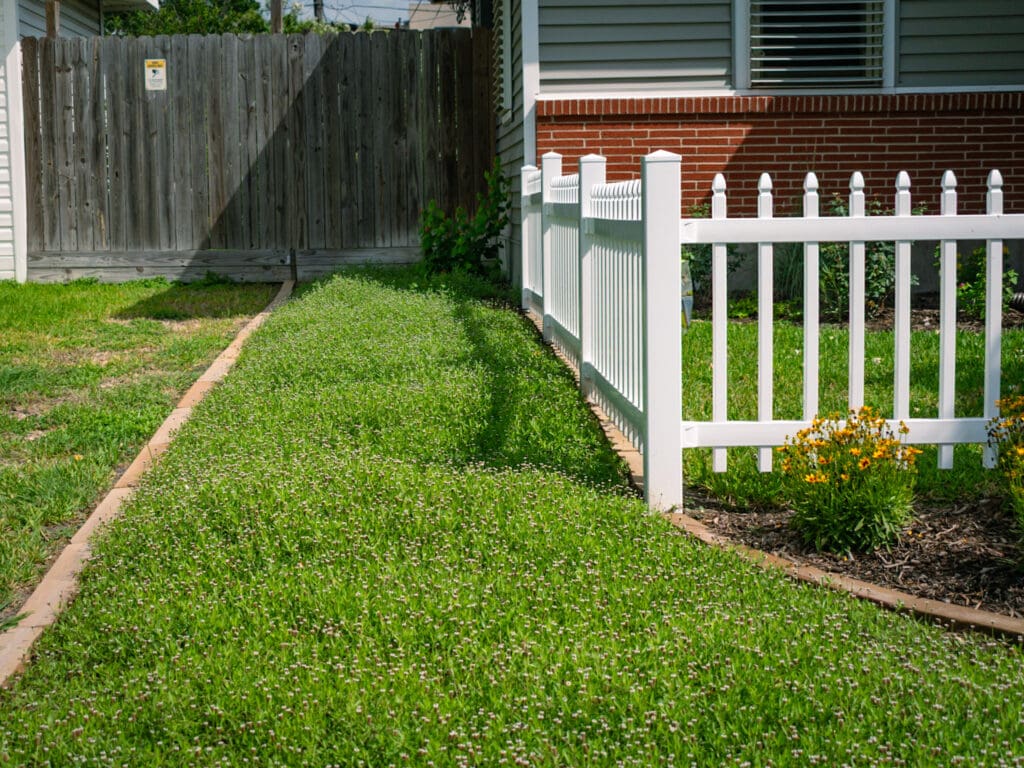
This is also a great time to think about whether you need or want all of your lawn space. Consider reducing lawn space by increasing your planting bed space, adding new planting areas, using native groundcover like frog fruit to replace lawn areas (pictured), or creating space for wildflower seeding – lots of other options that are more beautiful and more beneficial than a traditional lawn.