Garden Center Hours: Mon-Sat 9am - 5:30pm • Sun 10am - 5:30pm

Spring has SPRUNG!! Gorgeous weather, rain in the forecast, and the nursery is bursting at the seams with all kinds of blooms! Here are our top must-do’s in the garden this March – time to get planting!

1. Get Your Veggies Going Right Now

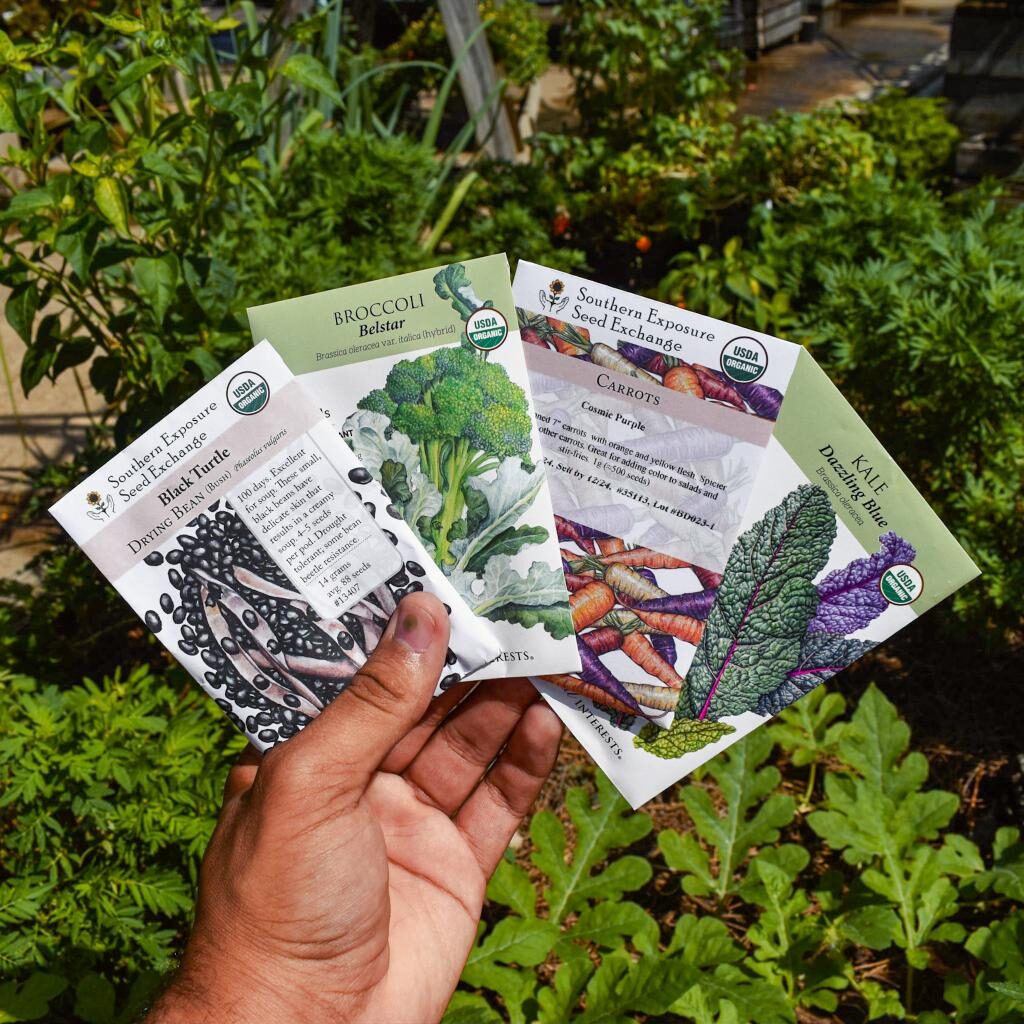
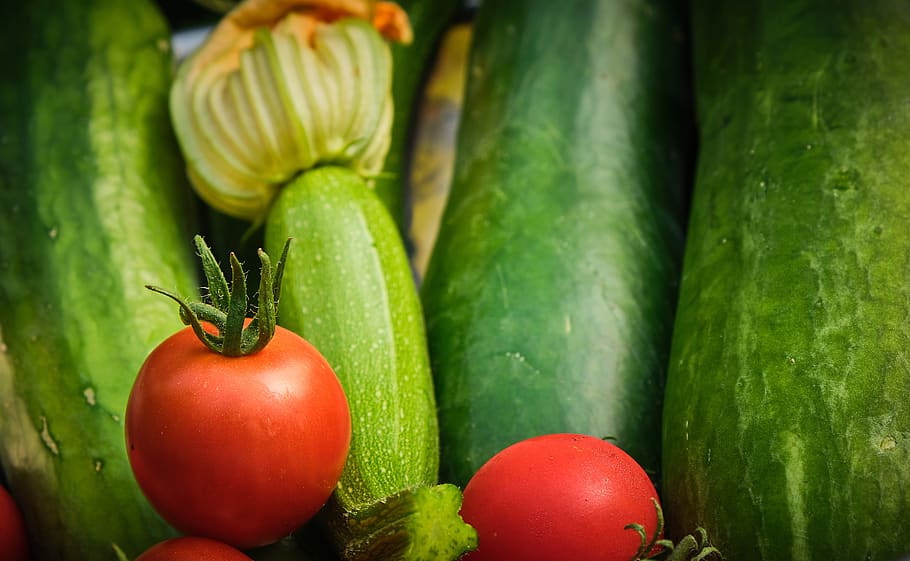
We must say…our veggie and herb section is looking mighty good right now! We’ve got tons of different tomatoes, jalapenos, super hot Carolina Reapers, cucumbers, squash, eggplant, asparagus, lemongrass, basil, and lots more ready for your garden. Be sure to get your tomatoes going early this month so they have time to produce before it gets too warm – don’t miss your window. The rest of these can be planted any time this month, but you don’t want to wait much longer. Take advantage of the perfect weather!

2. Fertilize Regularly Starting Now (except for lawns!)

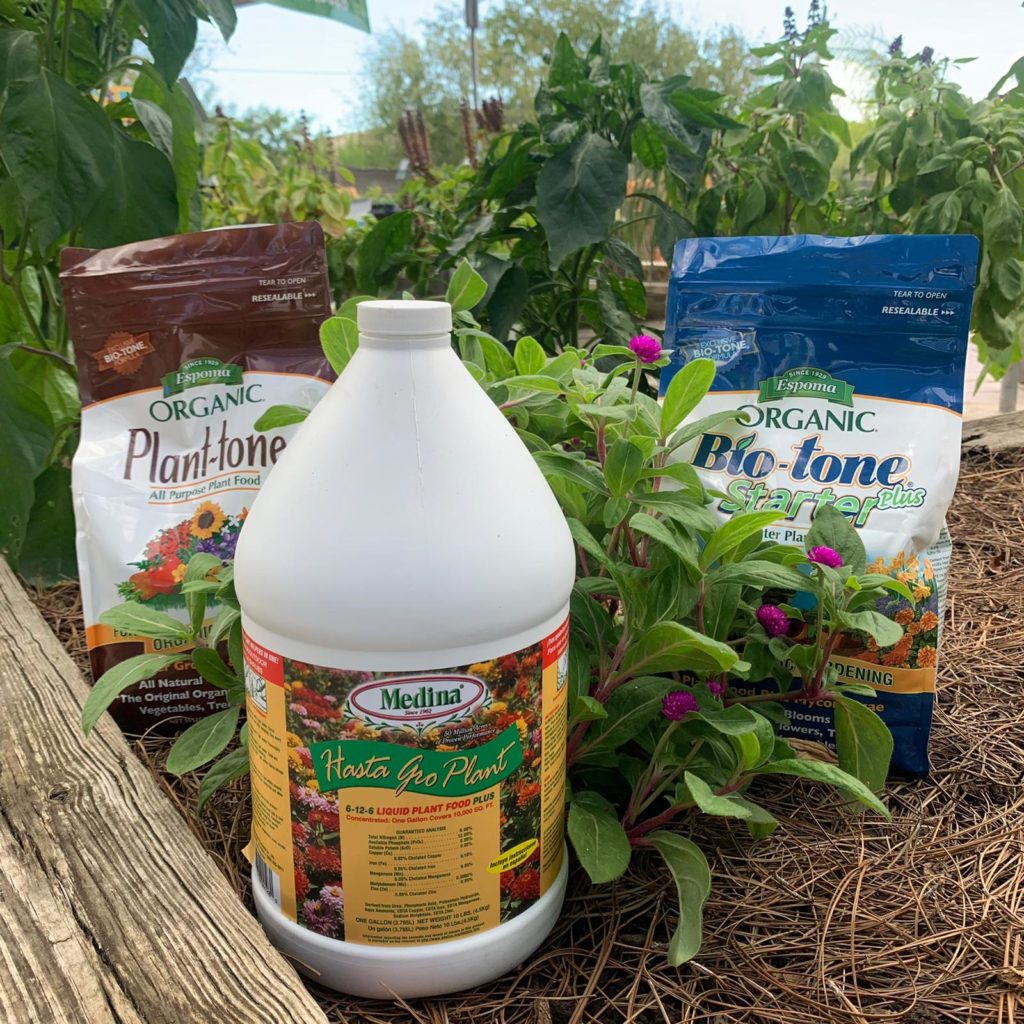
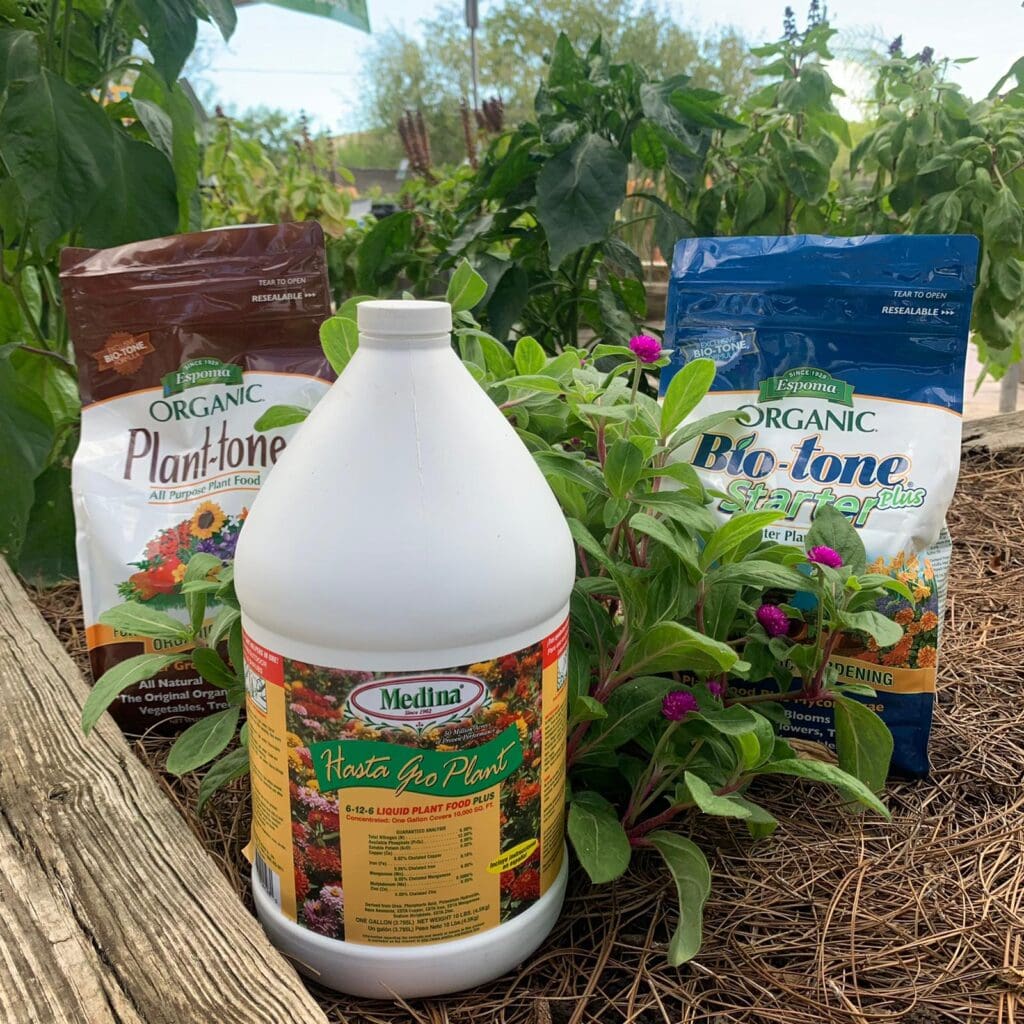
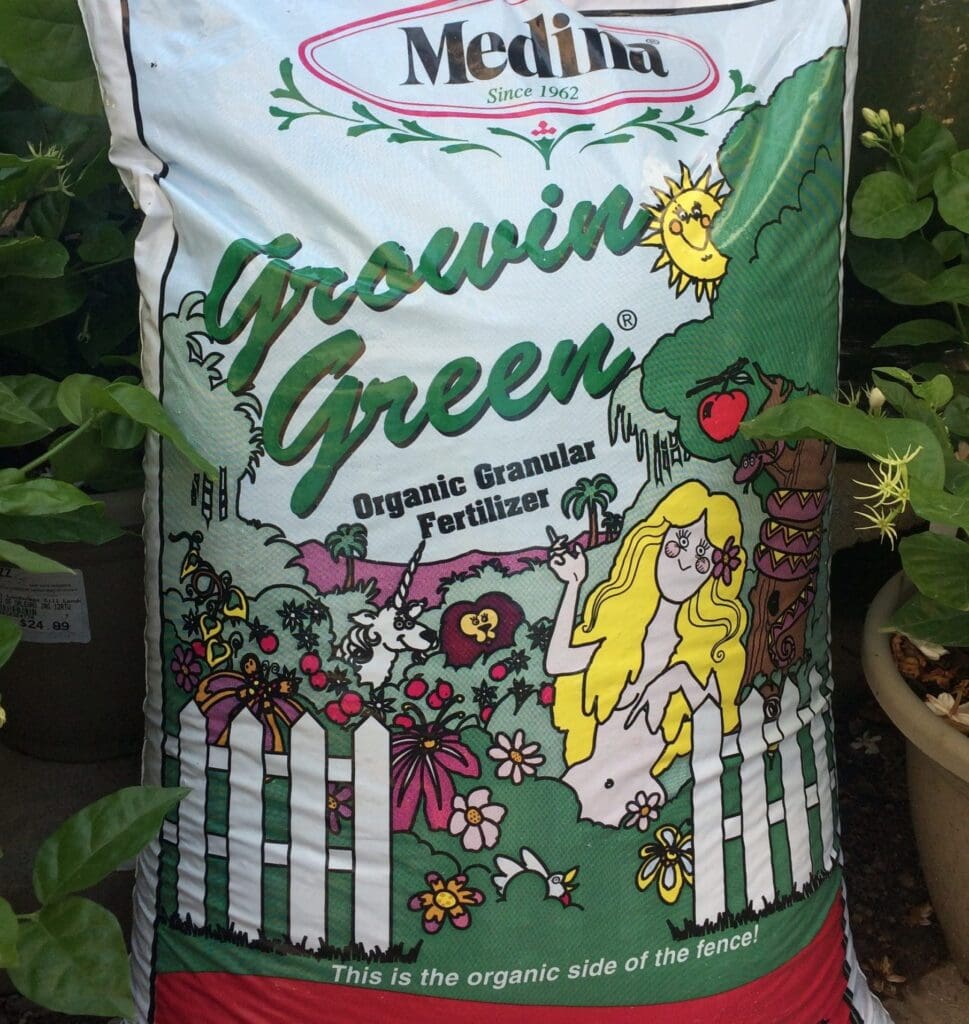
The time to fertilize is when plants are actively growing. That’s when they take up nutrients and get the most benefit from a good feeding. Flowers and veggies are especially heavy feeders because they’re working to produce a bloom and fruit. And you will certainly notice a difference with your landscape plants as well. Apply a good all-purpose organic food like Plant Tone, Medina Growin Green, or Rose Glo once a month for great results. Don’t sprinkle your granular fertilizer right up against the trunk of the plant. Instead, sprinkle at the drip line, aka where rainwater would drip off the outermost leaves. That’s the zone where plants take up the most nutrients. After you’ve applied your granular food, circle back every 2 weeks to supplement with liquid Hasta Gro. Almost everything should be fed starting now, except lawns! Wait to fertilize lawns until late March/early April.

Added bonus: When planting, add a little Bio Tone starter fertilizer to the soil when you backfill. It contains all sorts of beneficial organic matter, including mycorrhizal fungi which help stimulate better root growth. Amazing stuff!

3. Whatever You’re Planting – Add Compost!

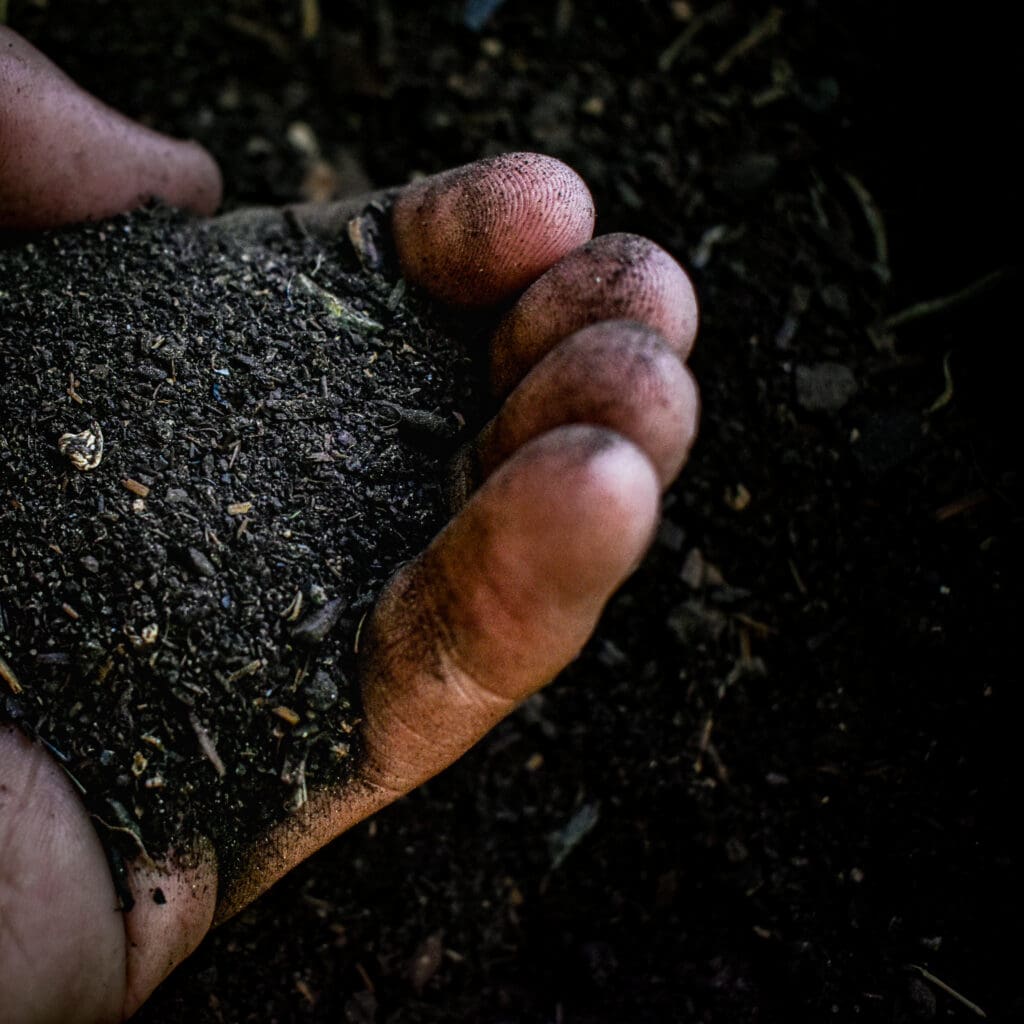
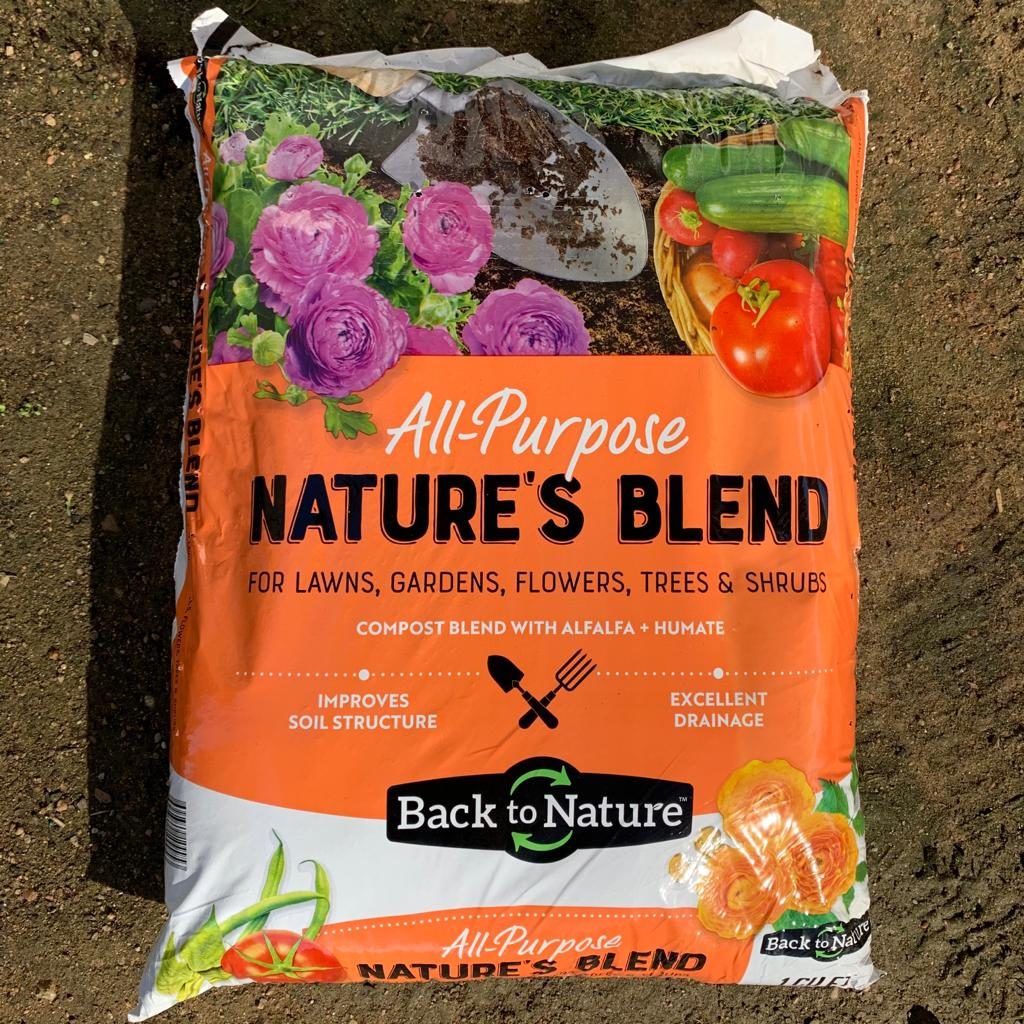
Whether you’re starting a veggie garden, planting trees or shrubs, annual flowers, or blooming perennials, add some compost to improve the quality of your native soil. We love our Nature’s Blend or Cotton Burr Compost. Whichever you choose, 1 bag improves about 12 sq ft of clay or sandy soil and gets it ready for planting. That’s a good approximate ratio if you make your own compost too. Adding compost not only improves the consistency of your soil, it adds LIFE! All those beneficial microorganisms help turn your soil into the perfect environment for plant roots.

4. Plant Level – Not Too Deep!

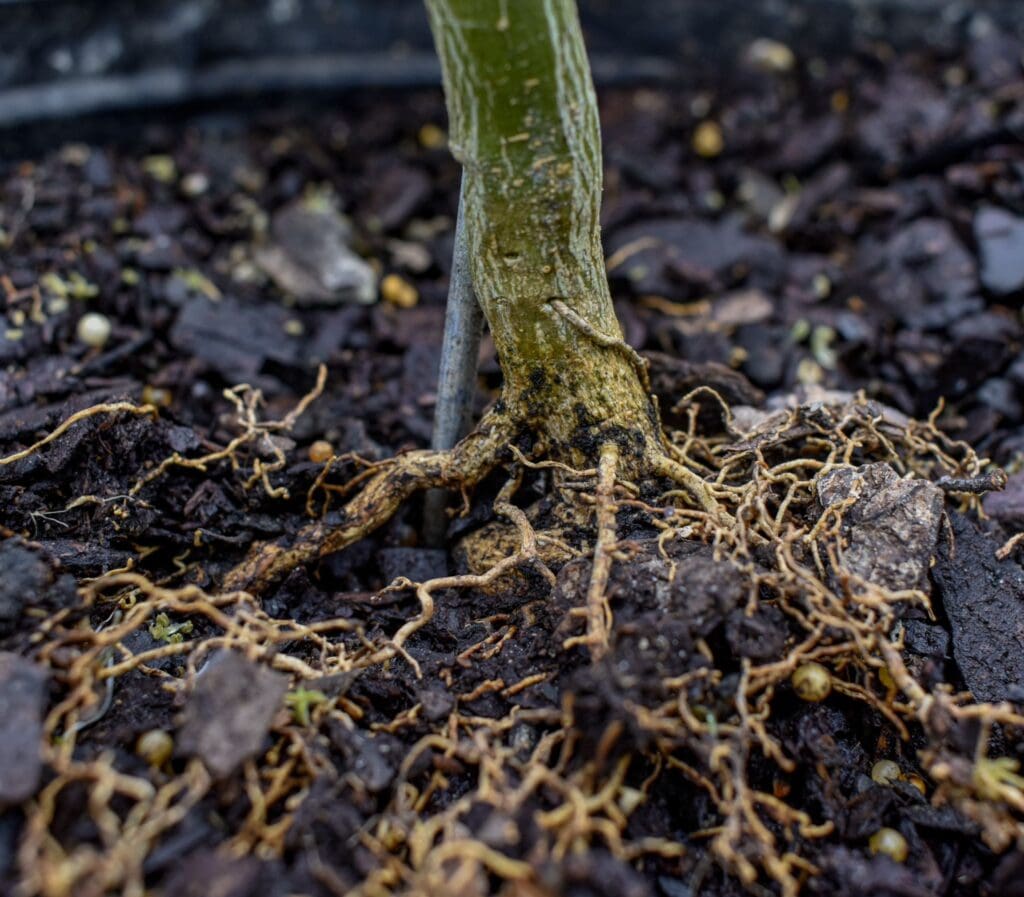
When planting this Spring, DON’T PLANT TOO DEEP! Plant level with the surrounding soil (or even slightly higher) and don’t cover the top of the root ball with soil. Plants have tiny feeder roots on the surface of the root ball that are critical for taking up nutrients and for oxygen exchange. If you bury these surface feeder roots, the plant will suffocate and decline. After you plant, use a moisture meter to be sure you’re getting moisture down into the ground when you water.

5. Invite Pollinator Helpers to Your Garden

Now is an important time to incorporate plants into your garden that attract & feed the birds, bees, butterflies, moths, and other pollinators. They need your help finding food and shelter, and you need their help pollinating your blooming plants, increasing your veggie production, and eating bad bugs. Bees are drawn to most anything with a bloom but some fav’s are native Gregg’s Mist Flower, Esperanza, & Lantana. Butterflies love Salvias and Mexican Flame Vine too. Native plants like Turks Cap and Yaupon Holly produce berries for birds, and Hummingbirds love Duranta, Mexican Honeysuckle, & lots more! Keep in mind that pollinators need help locating these food sources. Think about planting several of the same plant together to help make them more visible to our pollinator friends. 

p.s. If you want to learn more about bees, join us here at Gill’s this Saturday, 3/7 at 10am for a special garden talk:  Beekeeping & Honey Processing with Hebert Honey!

6. Plant Drought-Tolerant Color!

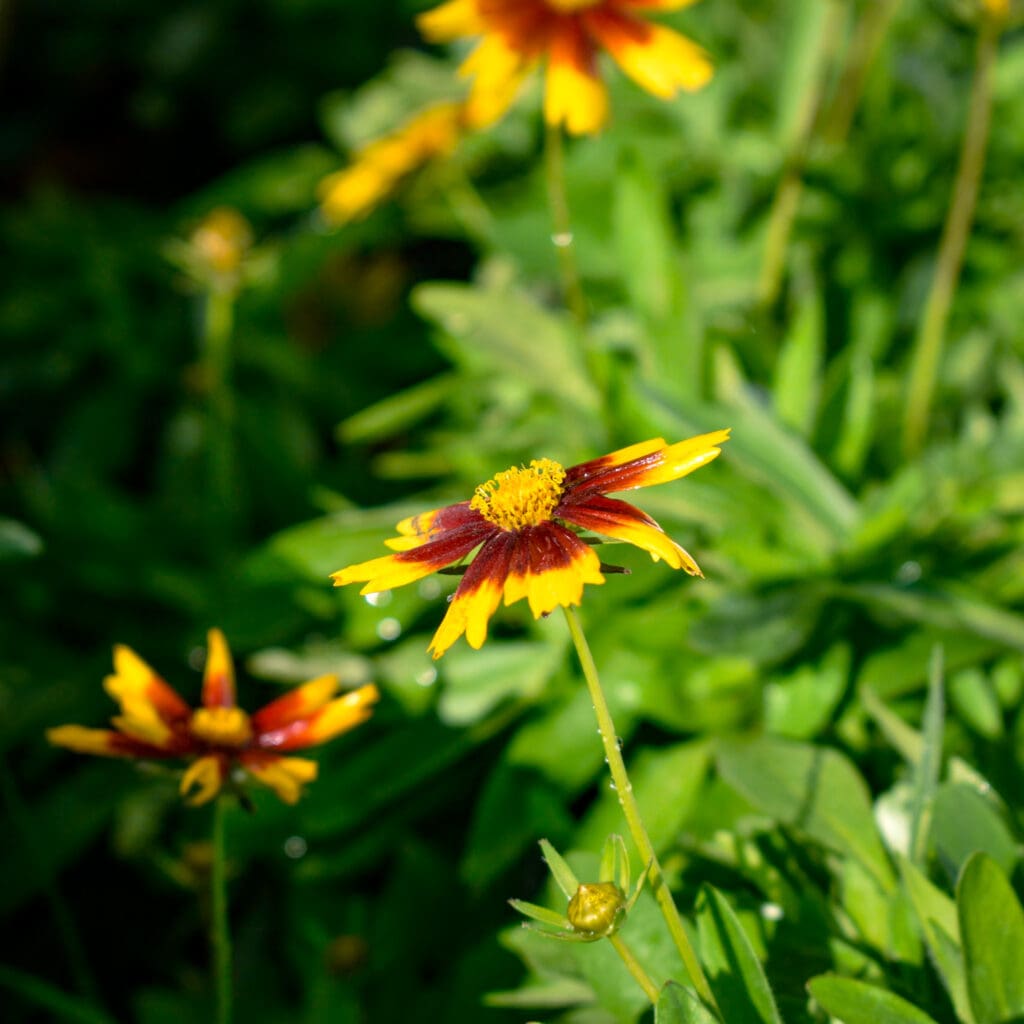
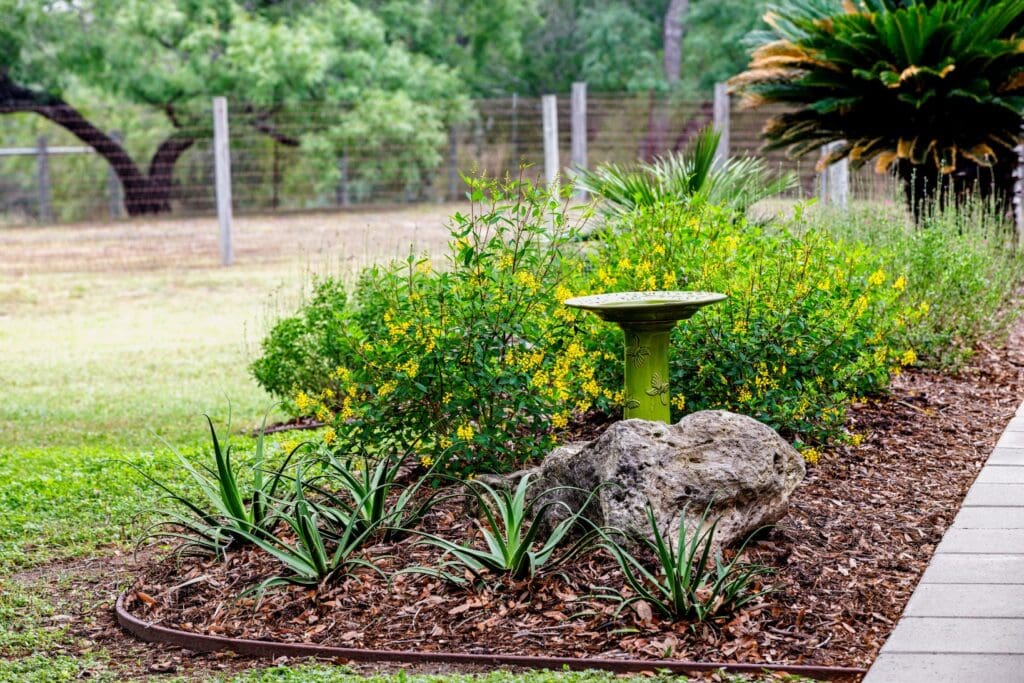
Q:  Can I use far less water and still have a gorgeous landscape bursting with color? A:  Absolutely, you can! Given our drought situation, we’re sourcing even more of the tried and true, top-performing plants that don’t require much water once established. Think about a rainbow of Coreopsis (pictured), native Blackfoot Daisy, Mexican Heather, Bulbine, and all the different color Salvias and Lantanas – all very tough and water wise perennials that will carry you through the seasons. Think about creating some areas of interest in the ground or in pots with Gomphrena, Bluebonnets, and Pentas, all of which thrive with little water. Speaking of pots, even bright sweet potato vine is a low-water winner. 

Keep in mind – turfgrass lawns are by far the thirstiest part of our landscapes. Now’s a great time to reduce lawn space by creating or expanding planting beds, converting to native groundcover like Frogfruit, or adding pathways and other features. How much of your lawn space are you actually using? 

7. Come to Our Nightbloom Event Next Thursday!

Did you know we’re hosting our first-ever night time shopping event at Gill’s next Thursday evening, March 12th?! Stop by and see the nursery lit up at night – it’s magical! Stay tuned to all of our upcoming talks and events here, and follow us on Instagram and Facebook for updates. 

p.s. Now you can sip and stroll at Gill’s any time – we’re stocked with cold drinks including beer & wine 🙂


Rain in the forecast, wonderful temperatures, holidays with family and friends = AMAZING time to garden! We’re all busy planting, re-designing, fertilizing, and getting ready for outdoor fun with guests. Here are our top tips for making the most of a very important month in the garden. 

1. Feed Your Plants, Trees, and Lawns Too

Feeding your plants this month is a must. This includes lawns, trees, and most plants. Everything is actively growing, which means they’ll need more food to continue looking their best. Medina Growin Green is a great multi-purpose food for landscape plants, shrubs, trees, veggies, lawns, you name it! For blooming perennials, annual flowers, and veggies we really like using a good organic granular food like Medina Growin Green, Plant Tone by Espoma, or Rose Glo in combination with Medina Hasta Gro liquid. Feed with the granular on the 1st of each month, then follow up with liquid Hasta Gro on the 15th. Add these reminders to your calendar and you can’t go wrong!

Yes, you can still fertilize your lawn, even though our lawn watering is limited. Using a good organic lawn food, like our go-to Medina Growin Green, promotes root growth and long-term health, which makes lawns more tolerant of less water. Ideally you’d want to water the fertilizer in, but you don’t have to. Medina Growin Green is gentle and won’t burn your lawn. You can apply it now and water it in slowly over a few weeks. If you have trees in your yard, keep in mind that fertilizer and water need to be applied at the drip line, aka where rainwater naturally drips off the outer edge of the canopy. Therefore, if you apply fertilizer to your lawn and water it in for the trees, your lawn will get the benefit too. You can also try to time your lawn fertilizing with a light rain. We typically don’t recommend waiting for rain to fertilize since a heavy rain would wash most of the fertilizer granules away. But, given the watering limitations, taking advantage of a light rain is a good solution. 

2. Watering Wands Win!

Hand watering with a watering wand that has a cutoff valve is the most efficient and best way to water, especially for new plantings. Watering plants low to the ground keeps water from escaping via wind and evaporation and keeps water off the leaves which can invite fungal issues. Watering slowly (by turning down the pressure on your watering wand or kinking your hose) ensures that more water gets down to the roots instead of running off the surface.

Keep in mind that hand watering and drip irrigation are allowed during current watering restrictions. You can hand water any day before 10am or after 6pm, and you can supplement with drip irrigation once every other week. We carry the pro watering wands that we use here at Gill’s as well as moisture meters, timers, and other supplies to help make the most of your water.

For any new plantings, including turfgrass, you can apply for a temporary exemption to watering restrictions and use sprinklers and irrigation systems in order to help get plants, lawns, and trees established. We can help you file for the exemption if you like – it’s a straightforward process.

3. Plant Blooming Perennials for Pollinators

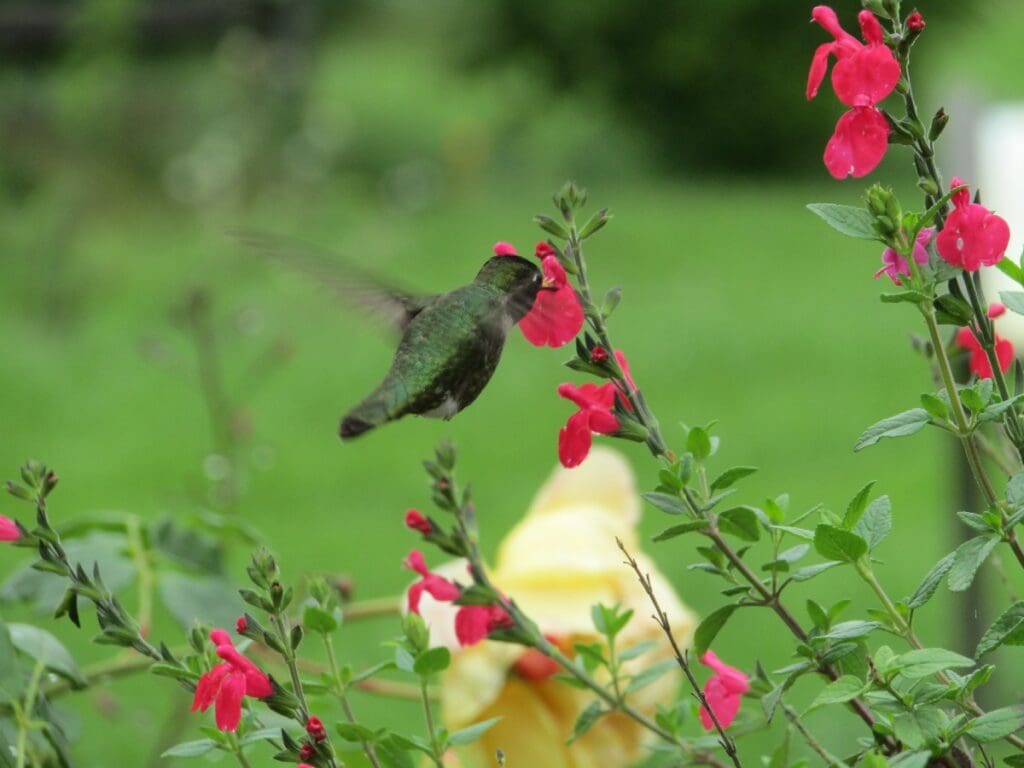
April is time to add some blooming perennials to attract pollinators like butterflies, bees, and birds to your garden. You support pollinators (and the planet!) and in return they help you have more blooms, better production on your veggies, and a more vibrant landscape! Remember – April is when we start seeing hummingbirds! Add a few of their favorites like this native salvia greggii, native flame acanthus, red yucca, or firebush and make your backyard a preferred stop.

4. Plant Your Warm Weather Veggies

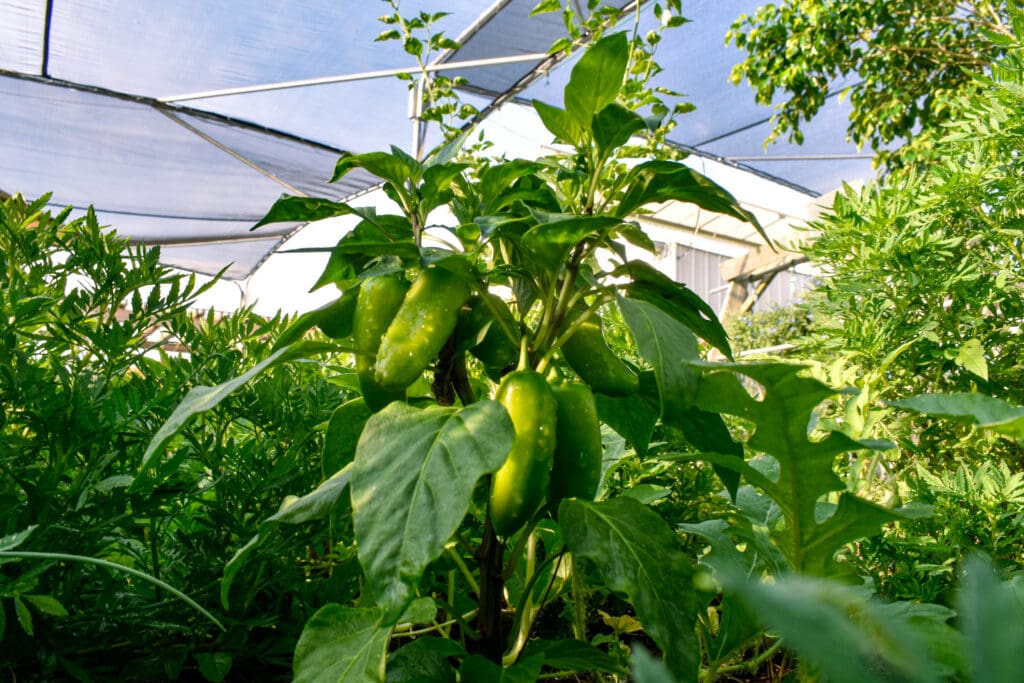
It’s time to plant hot peppers, squash, zucchini, basil, beans, and more! When starting veggies, the trick is to get the soil as active and alive as possible. Amend your existing soil with Nature’s Blend Compost (about 1 bag per 12 sq. ft.), then add a little Bio Tone starter fertilizer with mycorrhizal fungi and a good handful of worm castings when you plant each plant. Then follow our trusted fertilizer schedule – granular food (like Medina Growin Green or Plant Tone) on the 1st of the month and liquid Hasta Gro on the 15th! Remember that veggies use a lot of energy and need these regular feedings to produce – you WILL get more and better-tasting fruit with a good fertilizer schedule. Plus, strong, vigorous veggie plants are less susceptible to pest damage.

5. Mulch! Not Just for Good Looks…

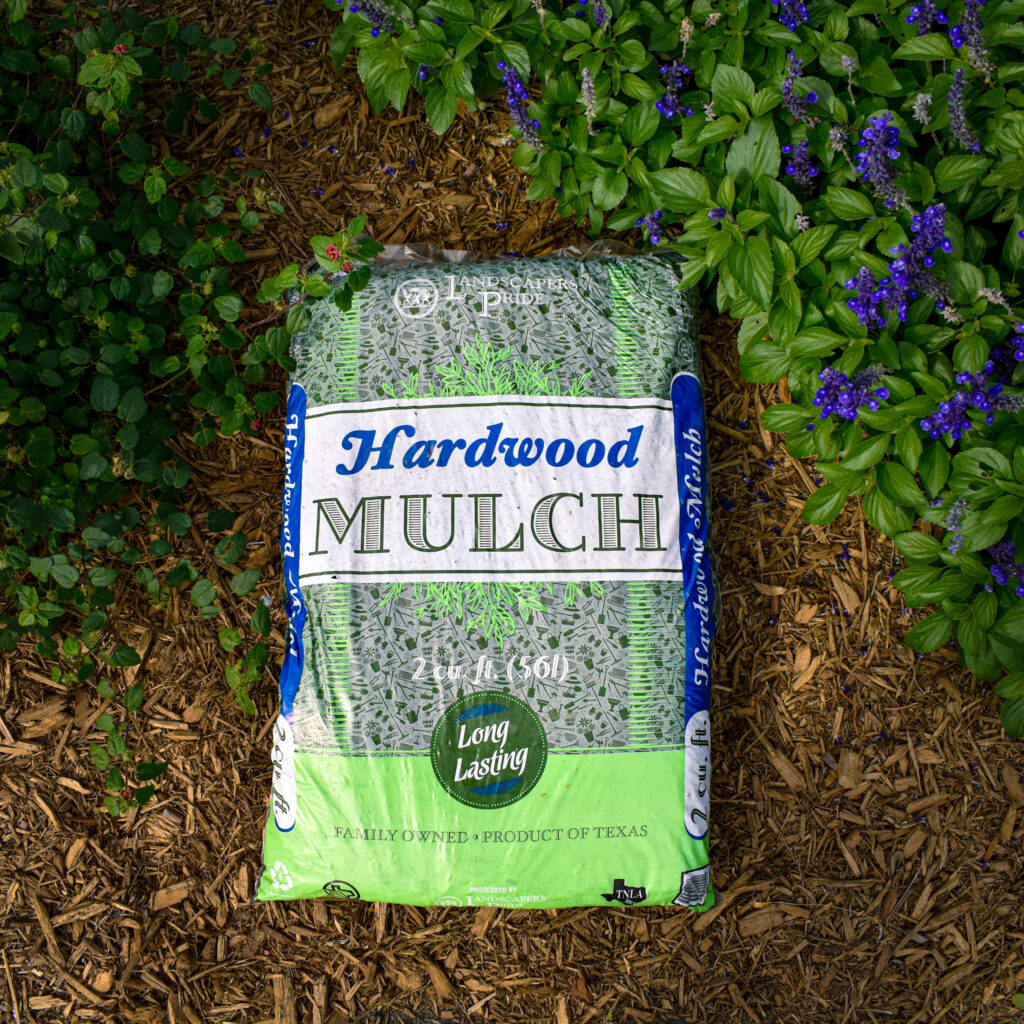
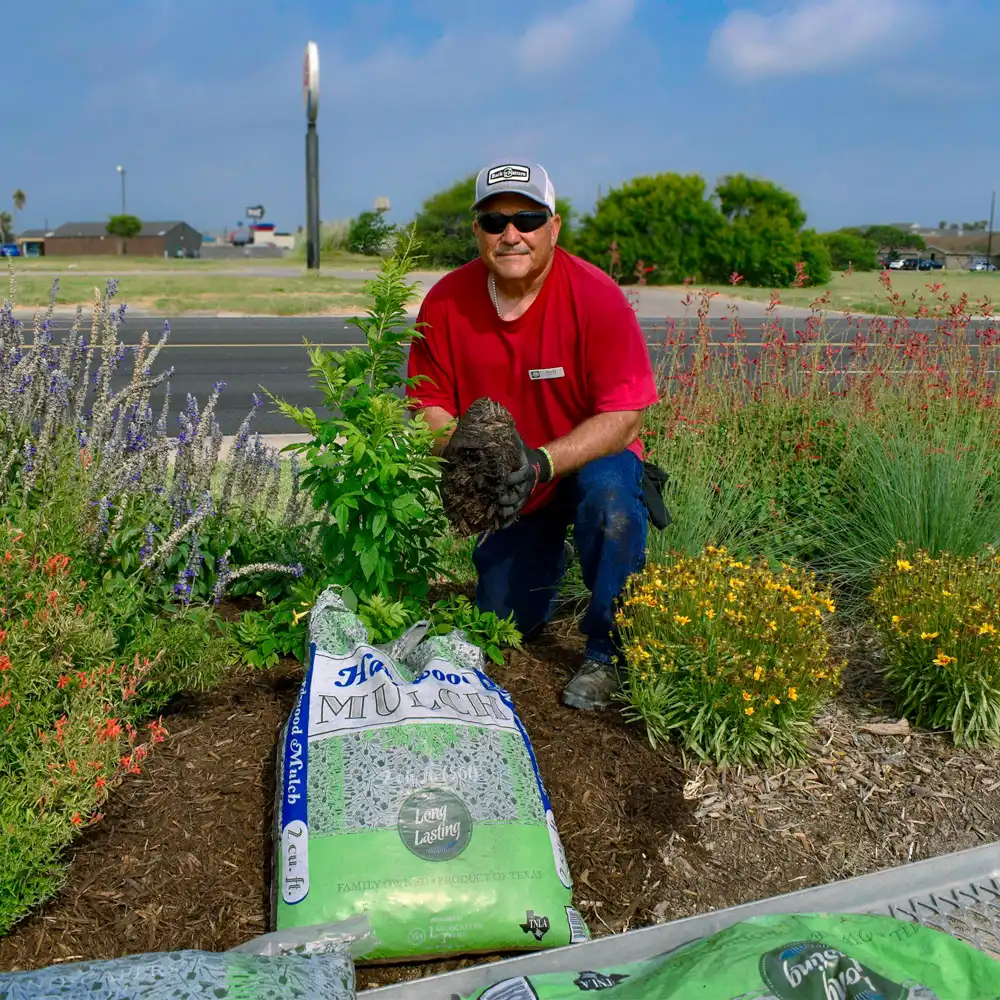
We all know that fresh mulch is like a fresh coat of paint for your garden – instant makeover! But did you know that applying a proper 3” layer of natural mulch keeps underlying soil temps more than 20 degrees cooler?! A good mulch layer keeps weeds at bay, and as it breaks down over time, it add nutrients to your soil. And perhaps most importantly right now, a good mulch layer retains moisture, which means big water savings. 

6. Get Ready for Guests

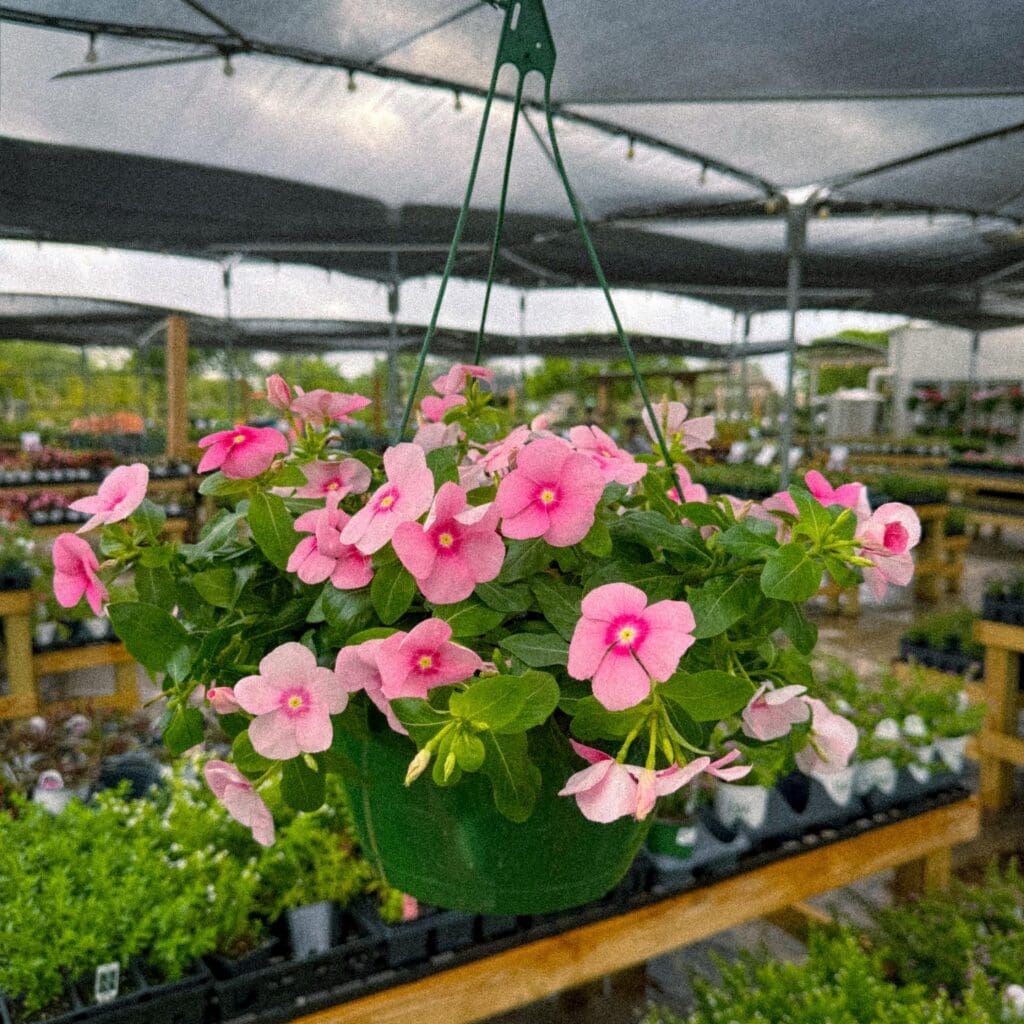
Get outside and enjoy the gorgeous weather and prep for gathering with family and friends! For the quickest and easiest impact outdoors, think hanging baskets full of periwinkles, coleus, hummingbird falls salvia, bougainvillea, and more overflowing with color. Some pops of color plus fresh mulch in your beds and you’re ready to host! For indoors, our favorite flower arrangements are those cut fresh from the garden and landscape, or we have some cute dried arrangements too!


Yay for May! Everything’s growing and blooming and supercharged by recent rains! We hope you are too. May is Mental Health Awareness Month, which is a good time to think about the peace of mind that gardening brings us. Gardeners know all the research is true – gardening is one of the healthiest, most satisfying, and most fulfilling things humans can do! Here are our Top 7 Must Do’s this May to keep you and your garden feelin’ good.

1. Join Us for Workshops & Events!

We’ve got a big May planned here at Gill’s with another round of fun workshops and events. Next weekend, on Saturday, May 9th, we’re inviting kids to come pot up a free flower for Mom for Mother’s Day. The following week, we’re hosting our first ever Ikebana workshop led by our fav local floral designer, Julia Prohorova aka Wild Veggie Bouquet! We’ve got Bigfoot’s Rockeaters coming for a cactus growing talk later this month, plus round 2 of our Nightbloom Market after-hours shopping event – this time with more vendors! Click here for more info, RSVPs, and tickets!

2. Plant Blooming Perennials and Trees

It’s time to plant lots of different blooming perennials and blooming trees. Get them established in May so they are rooted and acclimated to withstand warmer temps this summer. Staples like Esperanza, many varieties of Salvia, Lantana, and tons more are all blooming beautifully right now. And blooming native trees like Retama and Wild Olive are looking great right now. Added bonus:  blooming perennials and trees attract lots of butterflies and hummingbirds!

3. Plant and Harvest Veggies

Warm weather veggie time! Plant all kinds of peppers, zucchini, squash, melons, and okra this month for continued harvesting into the summer months. If you planted tomatoes, cucumbers, and other early spring veggies, you’ll be harvesting now or very soon. Be sure to harvest often! It keeps birds & insects from finding them first, and helps redirect energy to produce more fruit. If you do have insect issues in your veggie garden, our go-to organic control is Spinosad soap – safe for food but takes care of a lot of common bad bugs. 

4. Mulch for Many Reasons!

We all know that fresh mulch is the quickest garden makeover! But did you know that applying a proper 3” layer of natural mulch keeps underlying soil temps more than 20 degrees cooler?! A good mulch layer keeps weeds at bay, and as it breaks down over time, it add nutrients to your soil. And perhaps most importantly right now, a good mulch layer retains moisture, which means big water savings. 

5. What About Watering?

Speaking of watering, despite long-term drought conditions and potential water emergencies in the news, we need to continue to water smartly. Watering consistently now (just enough) will help maintain depth moisture, make the most of rainfall, and help plant roots grow deeper – all of which will reduce water needs and save water in the long run. Does all of our plant water need to come from the tap? Nope! You can conserve a lot of city water by collecting rainwater, A/C condensate, water from dehumidifiers, and re-using gray water from washing machines and dishwashers. If you’re interested in collecting a lot of rainwater, the Gill’s landscape team installs custom rainwater collection systems using stainless steel cisterns that are very attractive in the landscape and last a lifetime. Just 1″ of rain on 1,000 square feet of roof space can catch 600 gallons of rainwater. Get in touch!

6. Set Your Mosquito Traps!

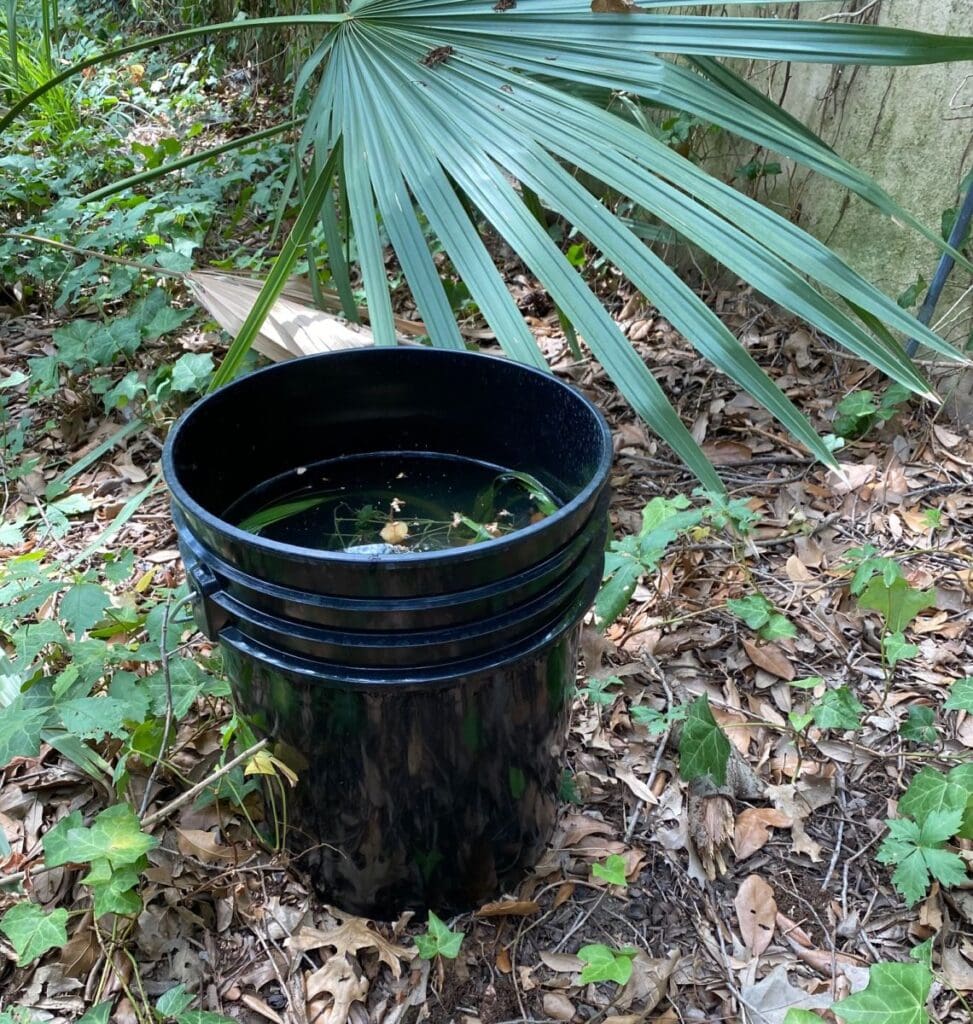
We are big fans of the simple bucket mosquito trap. Just fill a bucket 3/4 with water, add a good handful of lawn or plant clippings, and toss in a Mosquito Dunk or Mosquito Bits. These dissolve in the water and release bacteria that target mosquito larvae and kill them before they hatch. And they’re organic and not harmful to birds, bees, pets or humans! Set a few of these traps, sprinkle some organic Mosquito Beater granules around walkways and patios, and use Skeeter Screen incense sticks near where you’re working or hanging out outside. Remember that using chemical mosquito foggers kills all the good bugs too, some of which help control mosquitos and other bad bugs.

7. Gifts for Mother’s Day and Graduations

Let us help you find something pretty, useful, or both for the gardening moms and grads in your life. Pottery, birdbaths, wind chimes, quality garden tools, hats, gloves, garden decor, plantable greeting cards, gardening books – lots of options. You can purchase Gill gift cards online here. Or come find the gift that gardeners love most – plants 🙂