Garden Center Hours: Mon-Sat 9am - 5:30pm • Sun 10am - 5:30pm

August in South Texas is when some plants get summer-tired, which is normal and understandable! It’s likely nothing you’re doing wrong as a gardener, and the majority of tired plants will bounce back just fine as we move into fall. On the other hand, August also makes you notice which plants are thriving and don’t seem fazed at all. Here’s our list of 10 late summer low water warriors – some of these may surprise you!

Snow White Indian Hawthorn (Rhaphiolepis indica)

This evergreen beauty offers tidy mounds of glossy foliage and crisp white blooms in spring. It’s like the little black dress of the shrub world—classic, stylish, and never fussy. Once established, it needs very little supplemental water. It’s often used for foundation planting in the landscape for a reason—it’s tough, tidy, reliable, and handles heat and full sun like a champ.

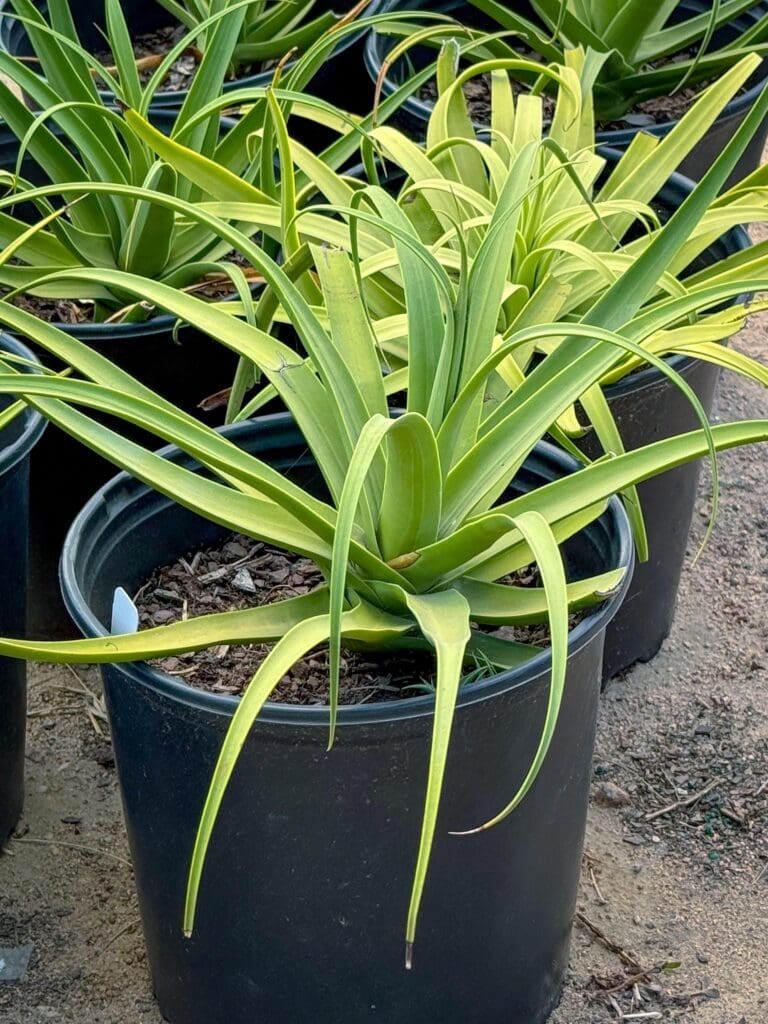
Squid Agave (Agave bracteosa)

With twisty, tentacle-like leaves, this agave adds a splash of whimsy to rock gardens or containers. No spines, no drama—just architectural flair. Water sparingly! This agave thrives on neglect. It’s also one of the few agaves that works very well in the shade – a great option to plant in mass under oak trees. 

Pomegranate Tree (Punica granatum)

This small tree or large shrub offers stunning orange-red blooms and juicy fruits that are as nutritious as they are beautiful. Deep, infrequent watering encourages better fruit production and root development. Fun fact:  you’ll often see lone pomegranate trees out in the middle of an open field in South Texas, which typically indicates where a homestead once stood, and is a testament to the pomegranate’s resilience and longevity! 

Red Yucca (Hesperaloe parviflora)

Despite the name, it’s not a true yucca—but it sure acts like one! Spiky blue-green leaves and tall spikes of coral-red flowers make this Texas native a showstopper. As DeAnna says, “everyone should have red yucca in their landscape!” Plant it in full sun and ignore it—really! It thrives with almost no care. Plus, its tubular flowers are irresistible to hummingbirds. 

Texas Sage (Leucophyllum frutescens)

When rain is on the way, this shrub puts on a bloom explosion of purple-pink flowers. Hence one of it’s common names:  Barometer Bush. Texas Sage needs almost zero watering once established. Overwatering = leggy growth and fewer blooms. Texas Sage is often seen as a wild desert scape plant, but it also has a home in a refined and manicured setting, like the photo above from a Gill’s landscape project.  

Wild Olive Tree (Cordia boissieri)

This South Texas and northern Mexico native is also known as Mexican Olive, and offers ruffled white flowers year-round and a gentle tropical vibe without the water demand. It tolerates extreme drought and our heavy clay alkaline soils. Prune lightly to maintain shape. Its flowers are a favorite of native bees, butterflies, and hummingbirds—and it’s the official flower of Nuevo León, Mexico.

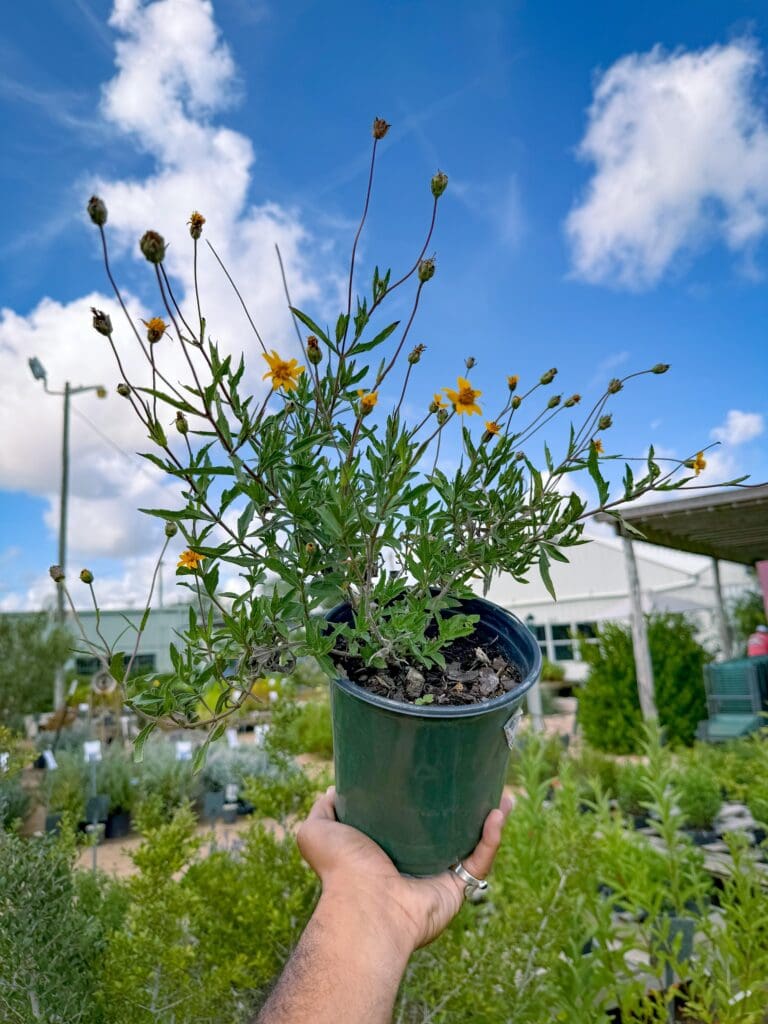
Zexmenia (Wedelia acapulcensis var. hispida)

This tough Texas native is a pollinator favorite with its golden daisy-like flowers and mounding growth habit. Zexmenia is excellent for erosion control on slopes or in dry beds. It loves sun, tolerates a variety of soil conditions, and requires very little water once established. Zexmenia blooms from spring through fall and is a nectar powerhouse for bees and butterflies.

Oleander (Nerium oleander)

This Corpus Christi classic with vibrant flowers in white, pink, or red and leathery evergreen leaves, adds a lush Mediterranean or tropical feel to local landscapes while being very drought tolerant. Avoid overhead watering to reduce fungal issues. Yes, Oleander is poisonous if ingested! 

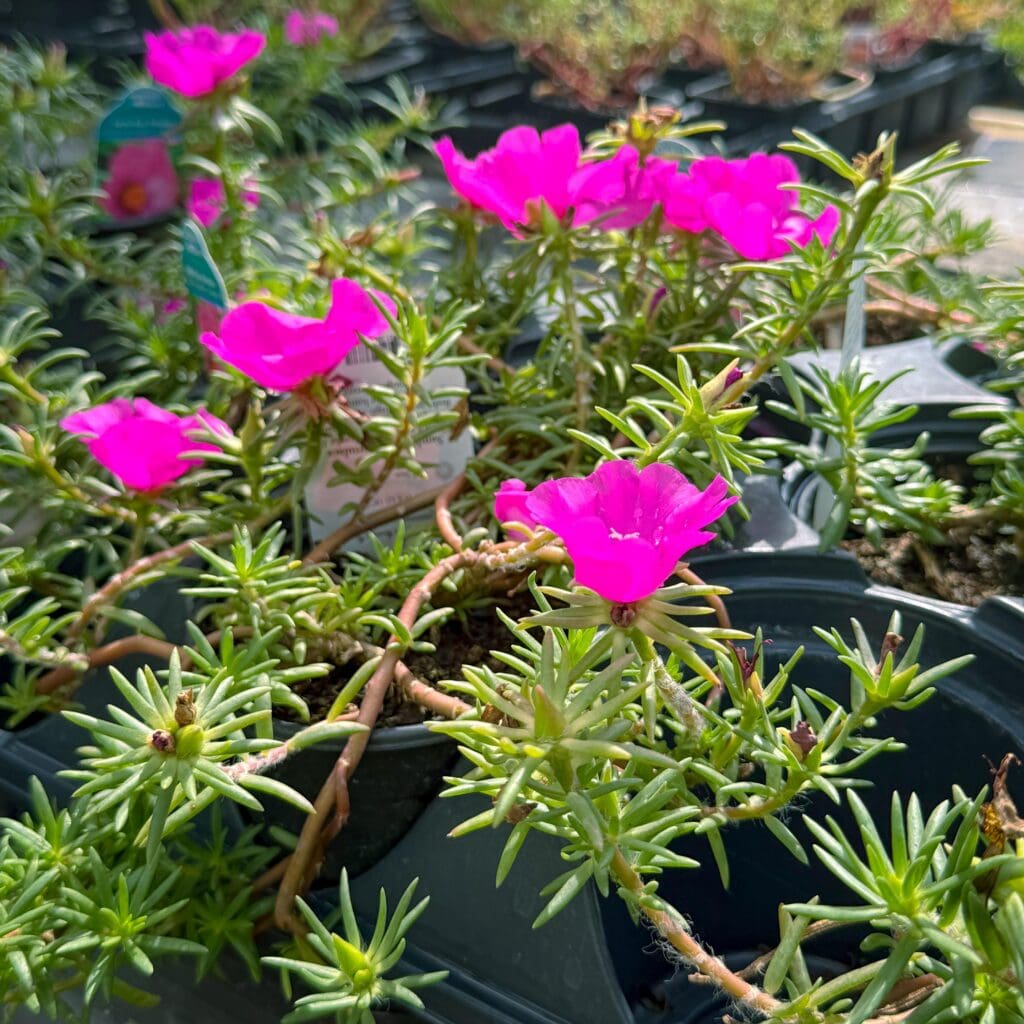
Samba Portulaca (Portulaca grandiflora)

Bright, bold, and born for the heat, Samba Portulaca twirls out colorful blooms even in scorching temps. Perfect for hanging baskets, containers, or hot border edges. Loves it dry and sunny. Flowers close at night and open again with the sun. It’s like your garden is waking up with you!

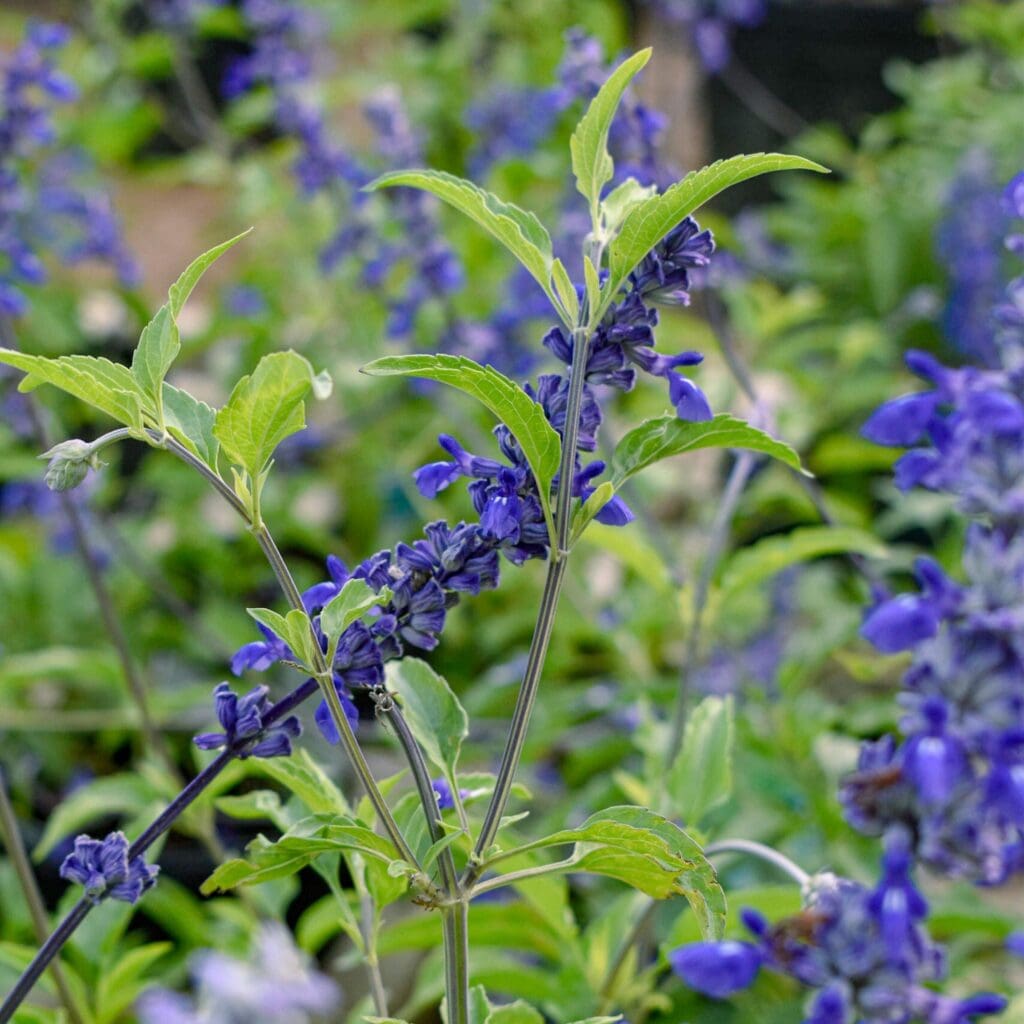
Henry Duelberg Salvia (Salvia farinacea ‘Henry Duelberg’)

A Texas superstar, this salvia produces deep blue spikes all season long and shrugs off heat and drought. Thrives in full sun with minimal watering. Deadhead to keep the blooms coming. Henry Duelberg salvia is one of the absolute best natives for attracting a variety of pollinators. Fun fact:  Henry Duelberg salvia was discovered growing wild in a Texas cemetery and named after the man buried there along with a white blooming variety named after his wife Augusta Duelberg. 


Some of you may know Kevin – he’s one of Gill’s Landscape Crew Leaders. He’s been a valuable member of the team since 2008, and he’s completed thousands of beautiful landscape projects over the years. He’s known around here as a landscape construction expert and a man of few words, unless you get him talking about plants…especially his incredible dragon fruit cacti! Kevin’s been growing and propagating dragon fruit in his backyard for 15+ years, and he gets about 75lbs of the most delicious fruit every season. You can too! Here are Kevin’s tips for how to grow the best dragon fruit in Corpus Christi and beyond. 

Soil Prep & Fertilizer

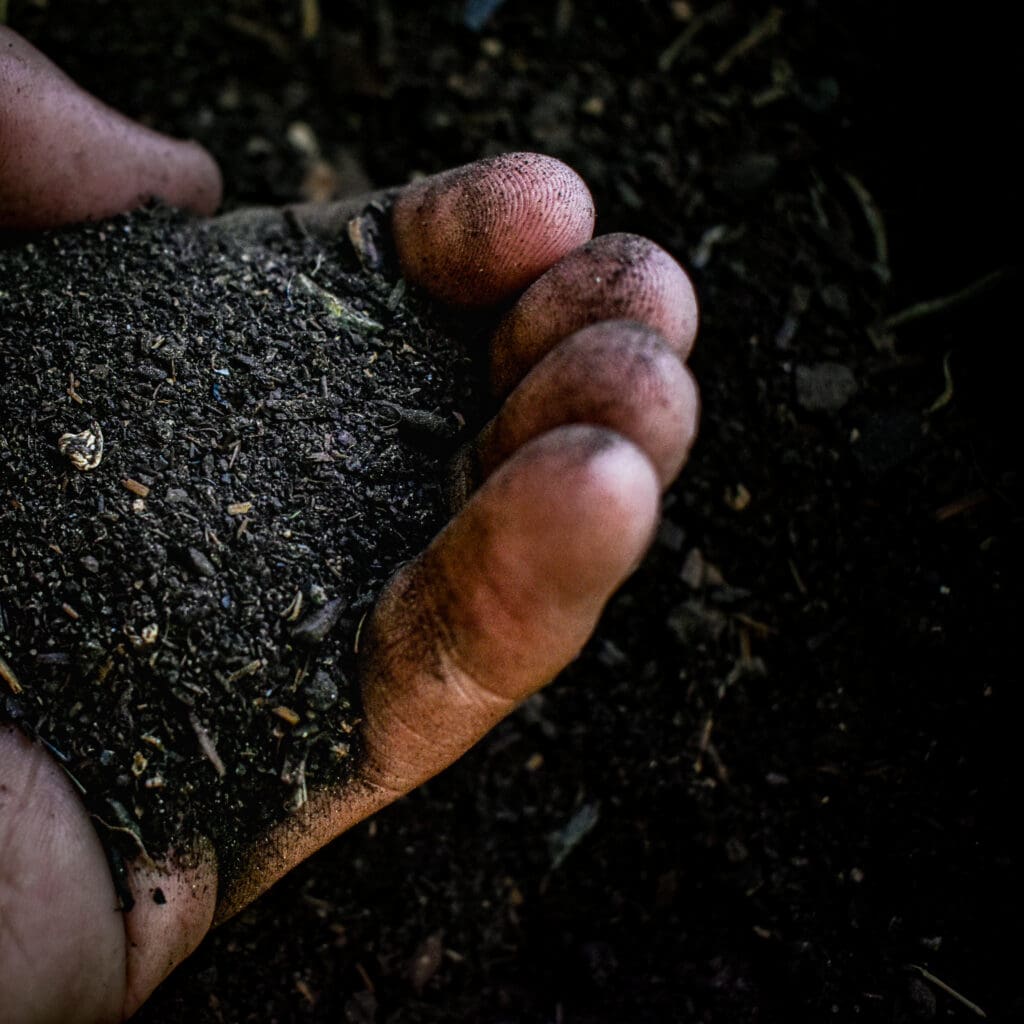
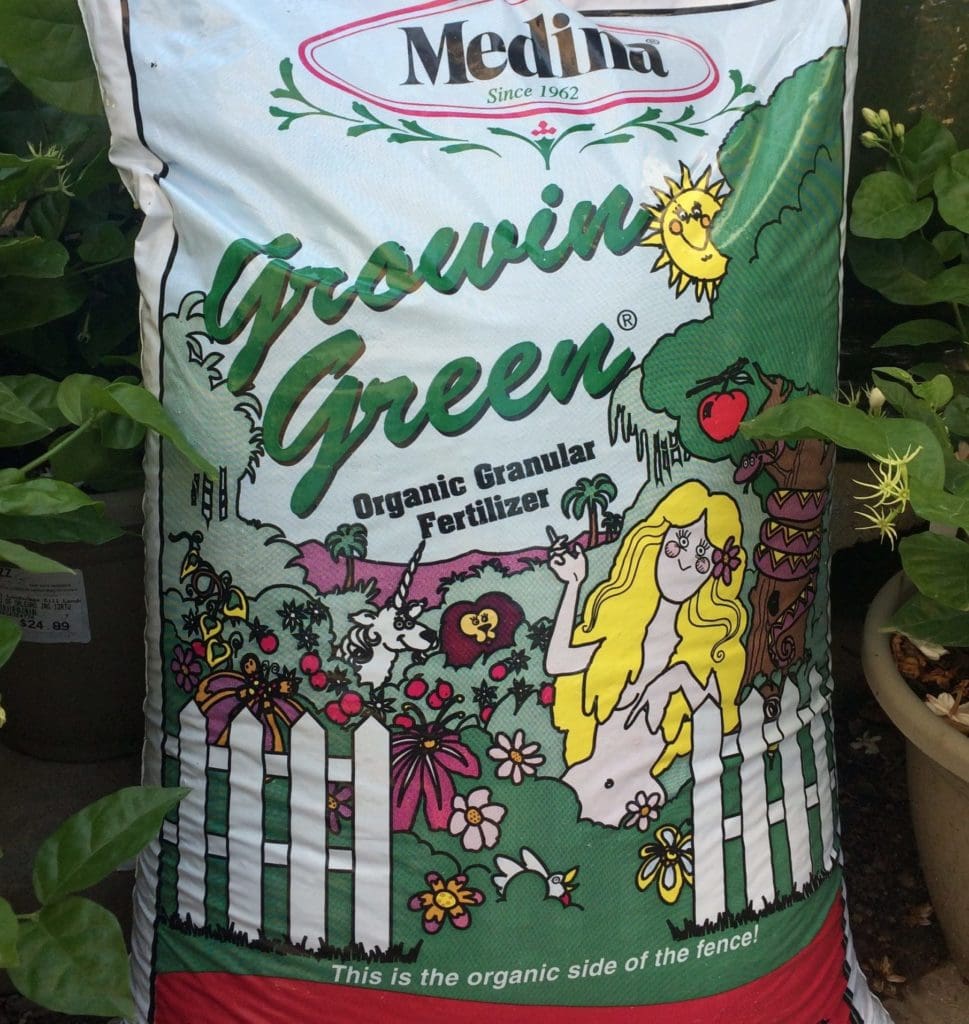
Dragon fruit cacti are epiphytes, meaning they grow onto trees and other plants in nature, and they can climb using aerial roots. With that in mind, you can guess that if they are planted in soil, they prefer a loose, well-drained mix. Our Corpus Christi clay soil is far from loose or well-drained, but it can certainly be achieved. Kevin uses a mixture of both Nature’s Blend and Cotton Burr compost, along with some Expanded Shale to heavily amend the native clay soil before planting to add nutrients and create looseness for roots to grow into. He also advises planting high so water will naturally run away from the plants to prevent fungal issues. A few months before flowers start to arrive in June, Kevin begins fertilizing with a blend of organic Medina Growin Green and Rose Glo once a month, followed by liquid Hasta Gro every 2 weeks. 

Sunlight & Water Requirements

Dragon fruit cacti can grow in more shade than you might think. Kevin says he’d prefer if his got more afternoon shade, but they do well in his mostly sunny backyard. He’s got drip tube irrigation installed around both of his big trellises, but he says he uses it very sparingly if at all. When planted, the cacti need good deep watering for 1-2 months to get established, then very little thereafter. As your cacti grow, they’re also easy to propagate from cuttings. Kevin uses 3 gallon size recycled nursery pots filled with loose potting soil to start new cuttings. After about 6 months in their pot, they’re nice and well-rooted and ready to move to a permanent home in the ground. 

Sturdy Trellis Structure + Good Cross-Pollination

Dragon fruit cacti grow fast and big and heavy. They need something solid to climb on that can support a lot of weight, like Kevin’s 4×4 frame and 2×2 lattice structure. Some gardeners like growing individual dragon fruit cacti on a single pole or post, but Kevin prefers growing several plants on a larger trellis. One of his best tips for getting more fruit is to plant different dragon fruit varieties next to each other on the same trellis to encourage better cross-pollination. On each of his trellises, Kevin’s got 3 different dragon fruit varieties that have all grown together and intertwined – more flowers and more fruit!

Watch Out for Possums!

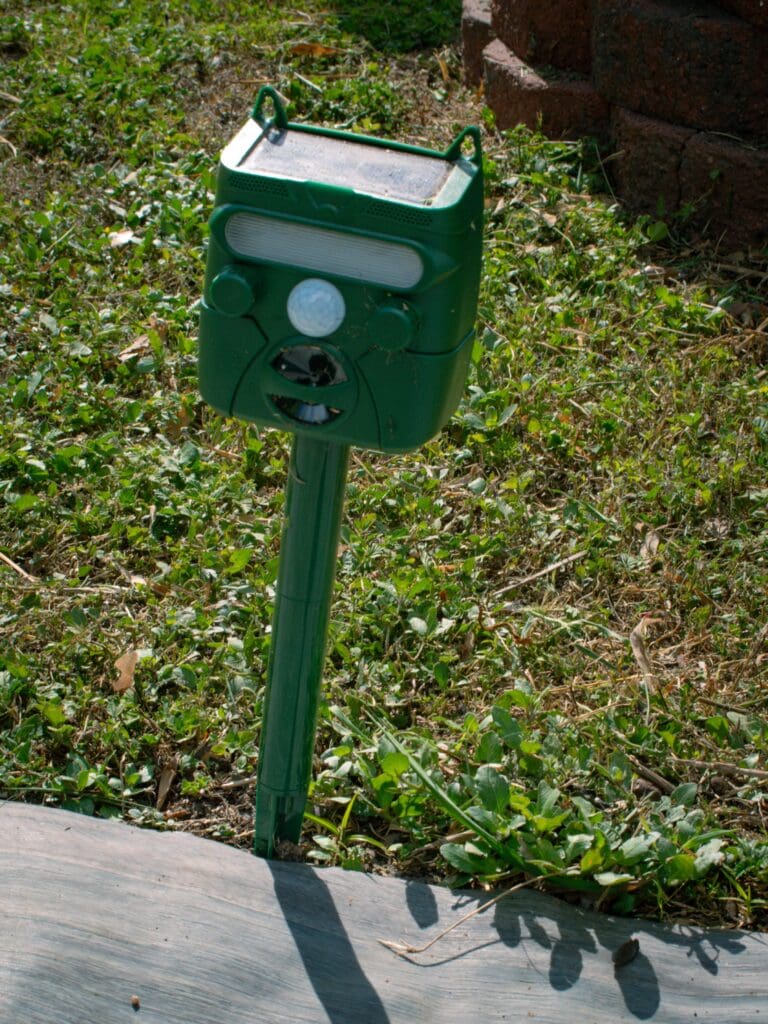
Possums are not bad to have around, but apparently they love dragon fruit as much as we do. This year, Kevin tried something new that has proven to be very effective for keeping possums away from his fruit:  a simple ultrasonic pest repeller. He’s got several of the units that he purchased inexpensively online, placed around his cacti. They’re motion activated, so when a possum strolls by, they flash a light and emit an ultrasonic frequency that the possum can’t stand. The units have different settings for other rodents, cats, dogs, etc. We can’t speak to their effectiveness for other critters, but they seem to be working well against possums. 

Bees in the Morning + Moths at Night

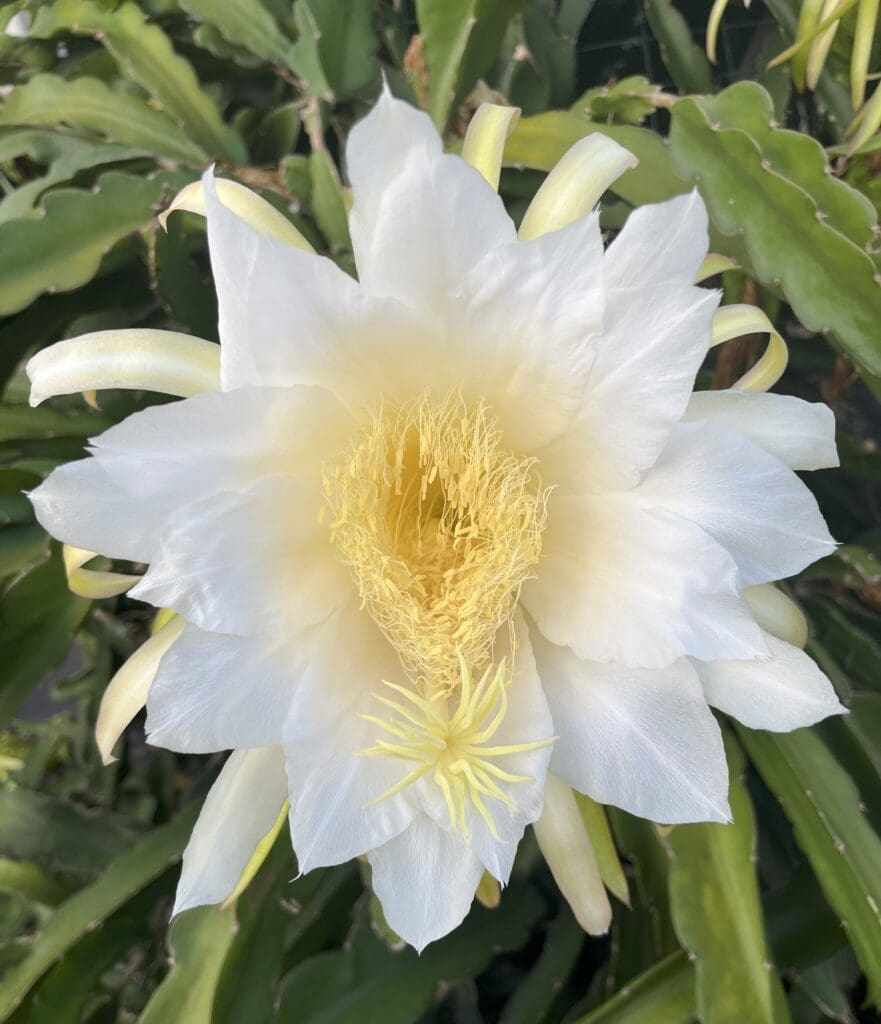
Speaking of flowers, dragon fruit blooms at night. As the blooms emerge at dusk and into the night, they attract all kinds of cool moths. Then, in the early morning, the bees get their turn. The dragon fruit flowers are an awesome source of nectar for moths and bees, who do their work pollinating the flowers to produce more fruit. Take a look at these blooms!

Protect From Freezes!

Yes, dragon fruit cacti will freeze, but they can be protected with great success. Both of Kevin’s huge 15 year old cacti made it through the big freeze in 2021. During freezing weather, Kevin uses a big tarp to make a tent all the way over the whole trellis, all the way to the ground, then uses large stones to weight it down. He also uses low-voltage reptile heat lamps under the tarp for extra heat. The day the weather warmed up and the sun came back out after the 2021 freeze, Kevin pulled back the tarp to find a big bloom – in no time it was covered with hungry bees.
Enjoy Your Delicious Fruit!

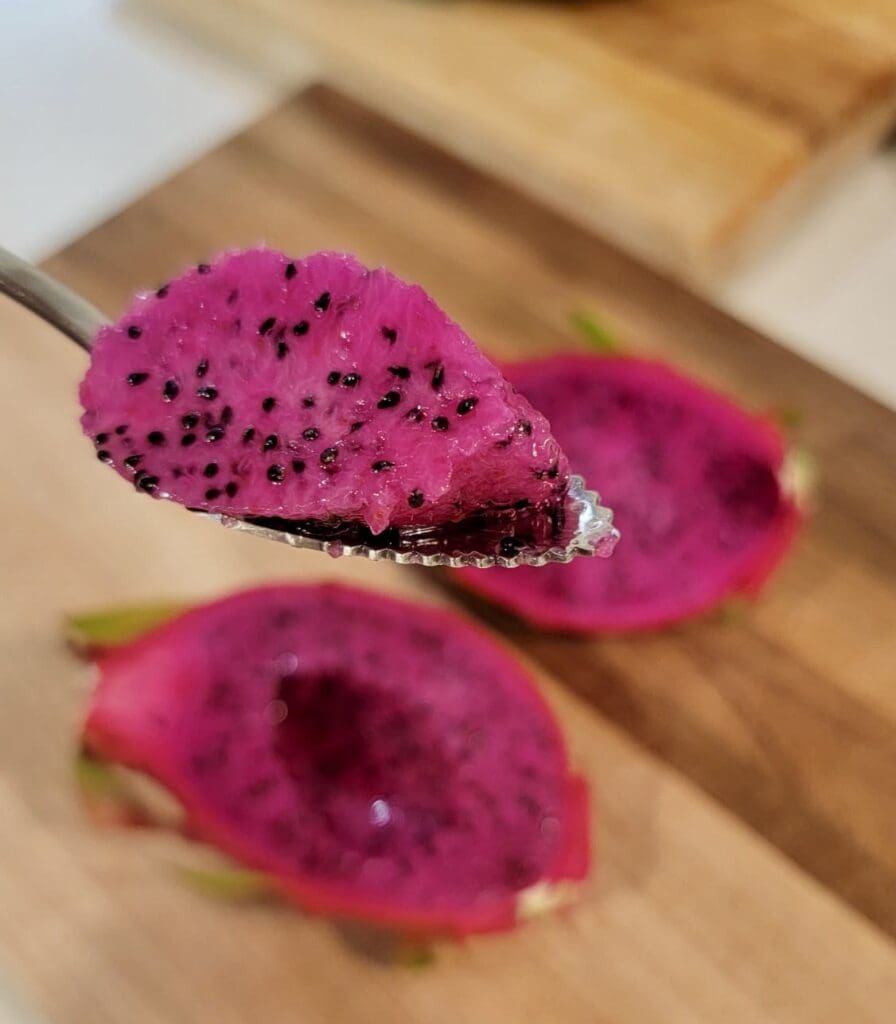
If you’ve never tasted fresh dragon fruit aka pitaya, you’re in for a real treat. The fruit has a similar texture to a kiwi, but softer and no tartness. It’s smooth and sweet. Plus it’s packed with antioxidants and vitamins. Even though it tastes sweet, it actually contains relatively low sugar and is considered a low-glycemic-index food. Kevin likes to cut them in half and eat with a spoon, or add to refreshing smoothies and drinks. He even makes a dragon fruit custard pie!


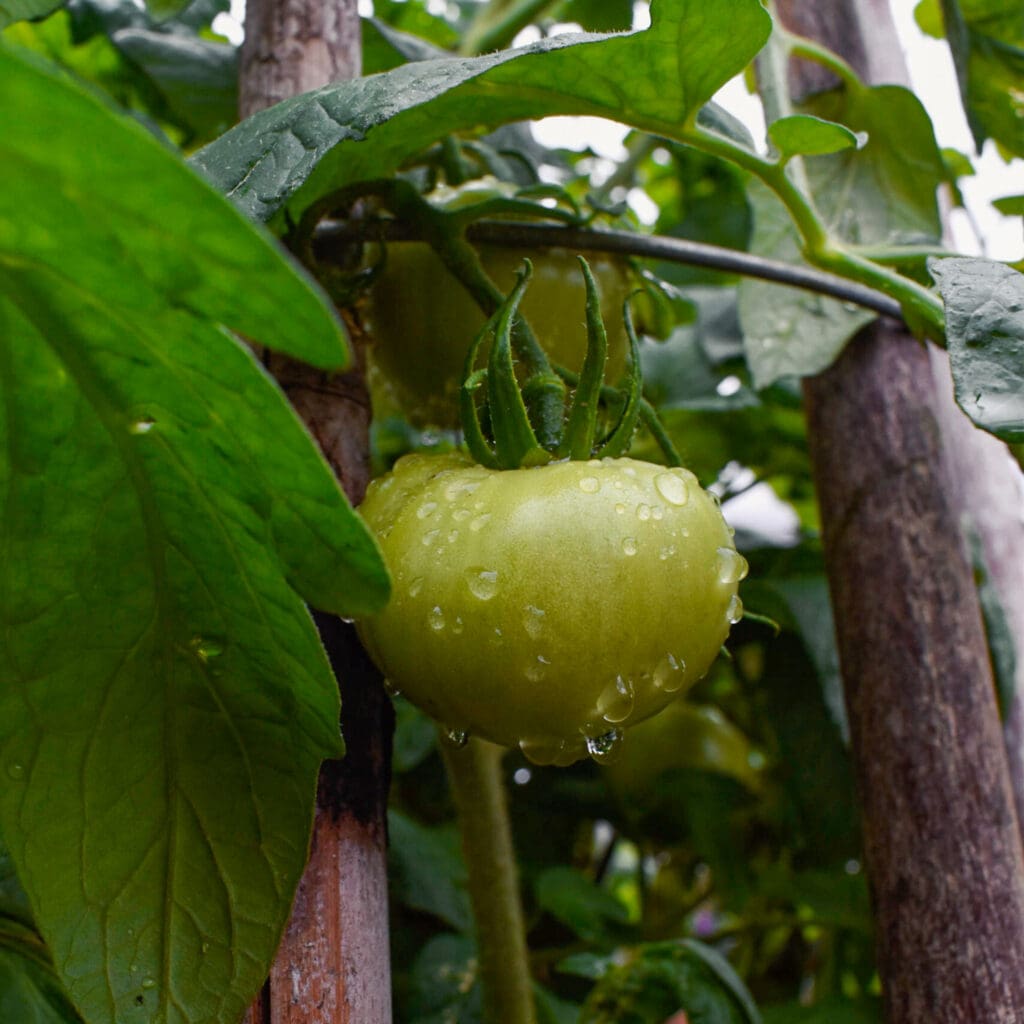
We’re in the dog days of summer right now, but not for long! If you want gorgeous tomatoes this fall, right now’s the time to get started. Depending on the variety, tomatoes take between 60-100 days to produce ripe fruit, which would put us into late October through early December if we start now. Unless you’re growing in a heated greenhouse, you want to harvest your tomatoes before we have chances of cold weather. So, without further ado, here’s the Gill’s formula for fall tomato success!

Start from Seed or Plants

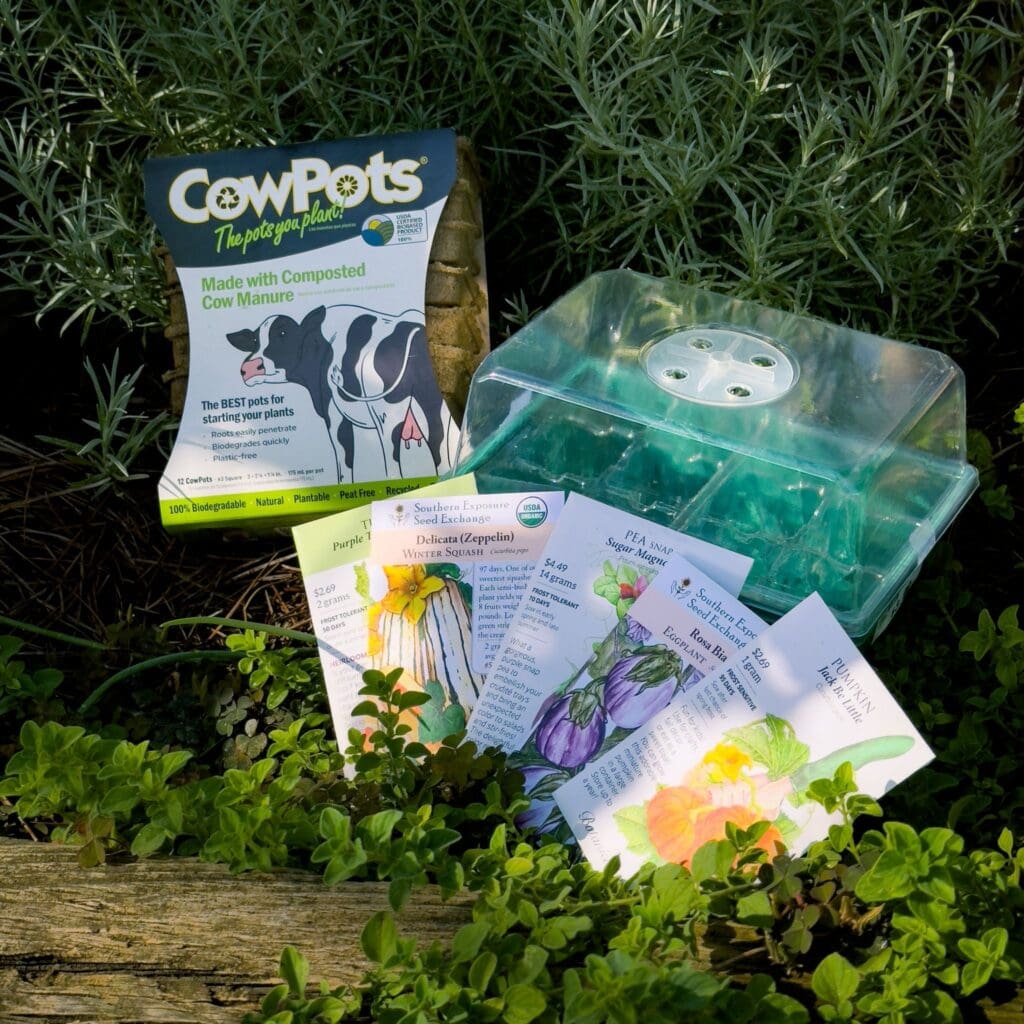
Late August is an exciting time at Gill’s. We’ve received our 2025-2026 veggie seeds, and we’re stocking up on tomato plants too. You have your choice right now – start from seed or start with tomato plants that are ready to go. If you plan to start tomatoes from seed, you need to get them going before the end of August. Sure, starting from seed is more work, but you also have a lot more options, especially for heirloom varieties. We recommend starting seeds indoors or on a shady, protected patio. Try our new Cow Pots + organic Fertilome seed starting soil. Once the seedlings sprout and grow their first true set of leaves, they’re ready to plant outside. Just plant the whole Cow Pot – they’re made of composted cattle manure and will break down and add nutrients to the soil. Or skip the seeds and start growing some tried and true tomato plant varieties now, like Tycoon, Red Snapper, Sun Gold, and the beloved Celebrity. 

Prepare Your Soil & Spot

Pick a spot for your tomatoes that gets at least 6 hours of full sun each day. They’ll need it to be able to produce flowers then fruit. If you’re growing in the ground in clay or sandy soil, you’ll need to add some compost to create a better soil structure and add nutrients. Our fav for veggie gardens is Nature’s Blend Compost. Add about 1 bag per 12 sq. ft. of bed space. If you’ve got your own compost pile, use a similar approximate amount. If you’re growing in raised beds or big pots, you can’t go wrong with Gardener’s Magic soil – it’s specially formulated for container gardening with some compost and other nutrients. Just pour and plant!

Prune Up + Plant Deep

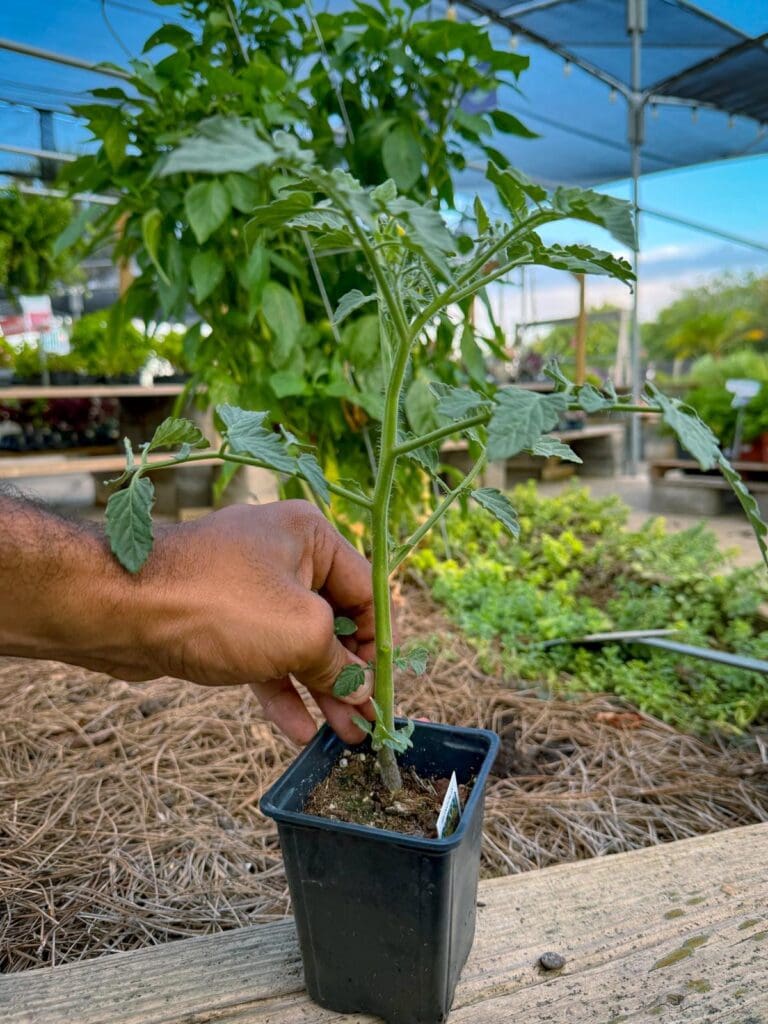
Tomatoes are one of the only plants that you can plant deep without suffocating the plant. In fact, tomatoes benefit from being planted deep because they grow new roots off the main stem. So, simply pinch the lower leaves off the stem, leave the main ones up top, dig a deep hole and plant the tomato all the way up to the top leaves. Some gardeners even like to dig a shallow trench and plant tomatoes on their side to let the roots grow down from the stem. Either way, more roots = more fruits! 

BioTone + Worm Castings When you Plant

This is truly a winning combo for root health. When you dig your hole, mix in a small handful of Bio-Tone starter fertilizer and a large handful of worm castings when you backfill. The Bio-Tone contains mycorrhizal fungi which form a symbiotic relationship with plant roots and gives you a much more robust root system. Worm castings add refined nutrients, make soil more absorbent, and even helps prevent fungal disease and insects. Think of Bio-Tone and worm castings as superfoods for your plants!

Cage Now, Not Later!

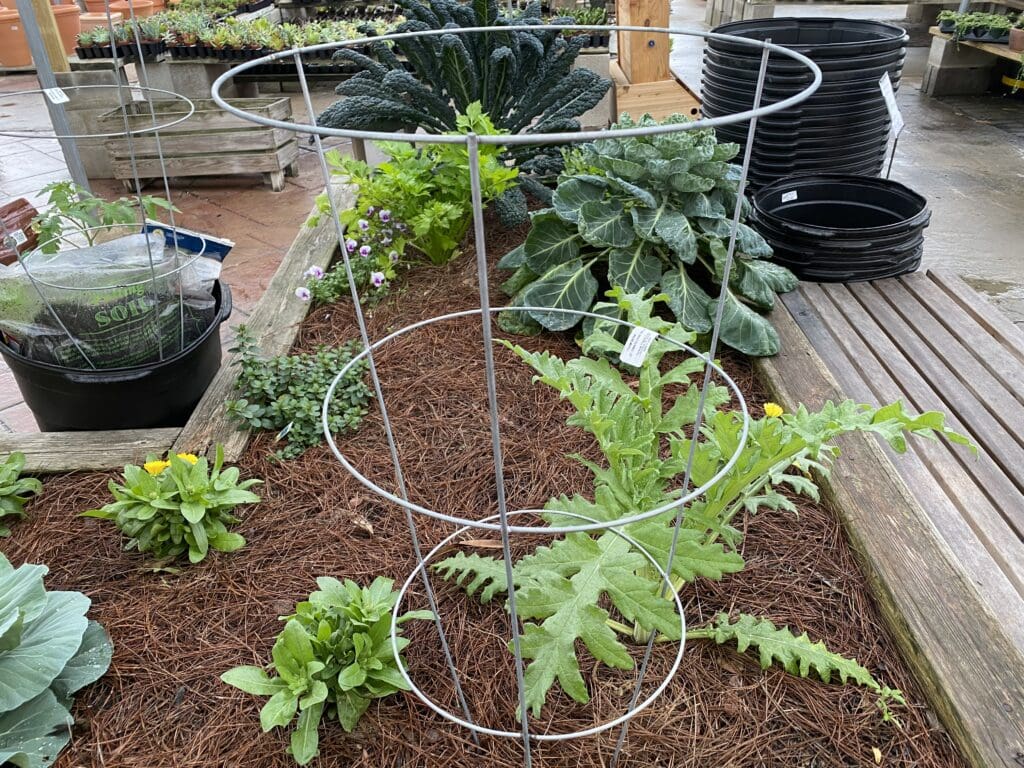
It’s very important to give tomatoes a support structure, whether it’s a tomato cage or a simple trellis system. Either way, the key is to install that support when you plant, not later. That way you can gently train and tie the plant onto the support as it grows, rather than trying to bend and twist a big floppy tomato plant and risk breaking branches. Cage now, not later!

Follow Our Fertilizer Schedule

The most common problem we see with veggie gardens is not enough regular fertilizer to keep them performing their best. Tomato plants use lots of energy to produce fruit, so they absolutely need regular fertilization. Keep it simple and use our tried and true prescription:  feed with a good organic granular fertilizer (like Medina Growin Green, Plant Tone, or Rose Glo) on the 1st of the month, then feed with Medina’s liquid Hasta Gro on the 15th. Add reminders or alarms for these dates in your calendar so you don’t forget. If you stick to this schedule, you’ll have lots of tomatoes to enjoy and share. 

Treat for Pests + Prevent Fungus

Your 2 main issues to watch out for when growing tomatoes are hungry caterpillars and fungus problems. You can prevent fungus by simply mulching around your tomato plants so wet soil doesn’t splash up onto them when you water. Horticultural cornmeal applied around the base of the plant can help also. For caterpillars, you just need to be vigilant. Inspect your plants often and look for chewed leaves and frass aka black specks of caterpillar poop. If it’s just a couple of caterpillars here and there, you can easily relocate them. If you have an infestation, you can use organic Bt spray or Bt powder to control. 

Water Early and Often!

You’ve likely heard us preach about the benefits of watering in the morning vs. the evening. This is especially important for tomatoes. As DeAnna says, you wouldn’t want to run a race all day and only have water at the finish line. Tomatoes need to be well-hydrated in the morning, or they’ll be very unhappy during the hot part of the day. While the weather’s still warm, they will likely need supplemental watering in the afternoon too. Once temps cool down and plants mature, you’ll be able to back off on watering some. Mornings can be hectic – we get it! If you run short on time to water in the morning, consider setting up an automatic soaker hose in your tomato bed. We carry soaker hoses and simple timers that are easy to attach to any hose spigot. 


Start your engines…fall planting season is here!! September is the best time to plant almost everything – veggies, trees, shrubs, natives, hummingbird plants, and more. Here are our top 7 must-do’s in September as we head into fall, our favorite South Texas gardening season!

1. Ready, Set, PLANT Veggies, Herbs, Citrus, and Fruits!

It’s time! Tomatoes, peppers, & warm weather edibles should be planted early in September at the latest. Plant cool weather veggies & herbs anytime in September and remember to shelter them from still-intense sun and keep watered. When planting, you can’t go wrong with organic BioTone starter fertilizer + a good handful of Earthworm Castings. Neither of these require precise measurement, and they make an incredible combo for building stronger, deeper roots, preventing pests, and creating an active soil environment for plants to thrive.

Here’s our Fall veggie planting schedule. And save space for citrus trees, figs, and other fruit trees to round off your garden grocery store! They’ll all be arriving before or right around mid-September. 

2. Make Way for New Growth with Light Pruning and Clean-up

Chances are you have established plants that could benefit from a clean-up after working so hard all summer. Wait until about September 15th and give them a light pruning to make way for new growth this fall. A good rule of thumb for most plants is to prune up to 1/3 (not more) in the fall, then wait until January to do a heavy pruning/cutback. If you have questions about how to prune specific plants, you know who to call! 

3. Plant Trees and Shrubs for the BEST Start

Plants that are cold hardy (trees and woody shrubs) will benefit greatly by planting during our fall season. They’re under less heat stress, and they grow more roots through the fall and winter, making them stronger and ready to take off next spring. More roots, stronger plants, and less watering! Oak trees, Crape Myrtles, Hawthorns, Yaupon Holly, Plumbago, Boxwoods and a host of other trees and shrubs should be planted starting this month for the best possible start.

4. Plant to Support Pollinators!

We’re bringing in lots of new plants this month with our pollinator friends in mind! While you’re choosing what to plant, consider adding Texas Natives like Turk’s Cap and Lantana that birds and bees love. If you want to attract and support butterflies, try native butterfly weed (Asclepias tuberosa), Gregg’s mist flower, and lots of different blooming salvias. So many gorgeous options! Bring in some pictures of your outdoor space and we can help you plan the perfect pollinator garden – big or small. You can DIY or we can plant it for you!

5. YES You Can Hand-Water and Use Drip Irrigation Systems!

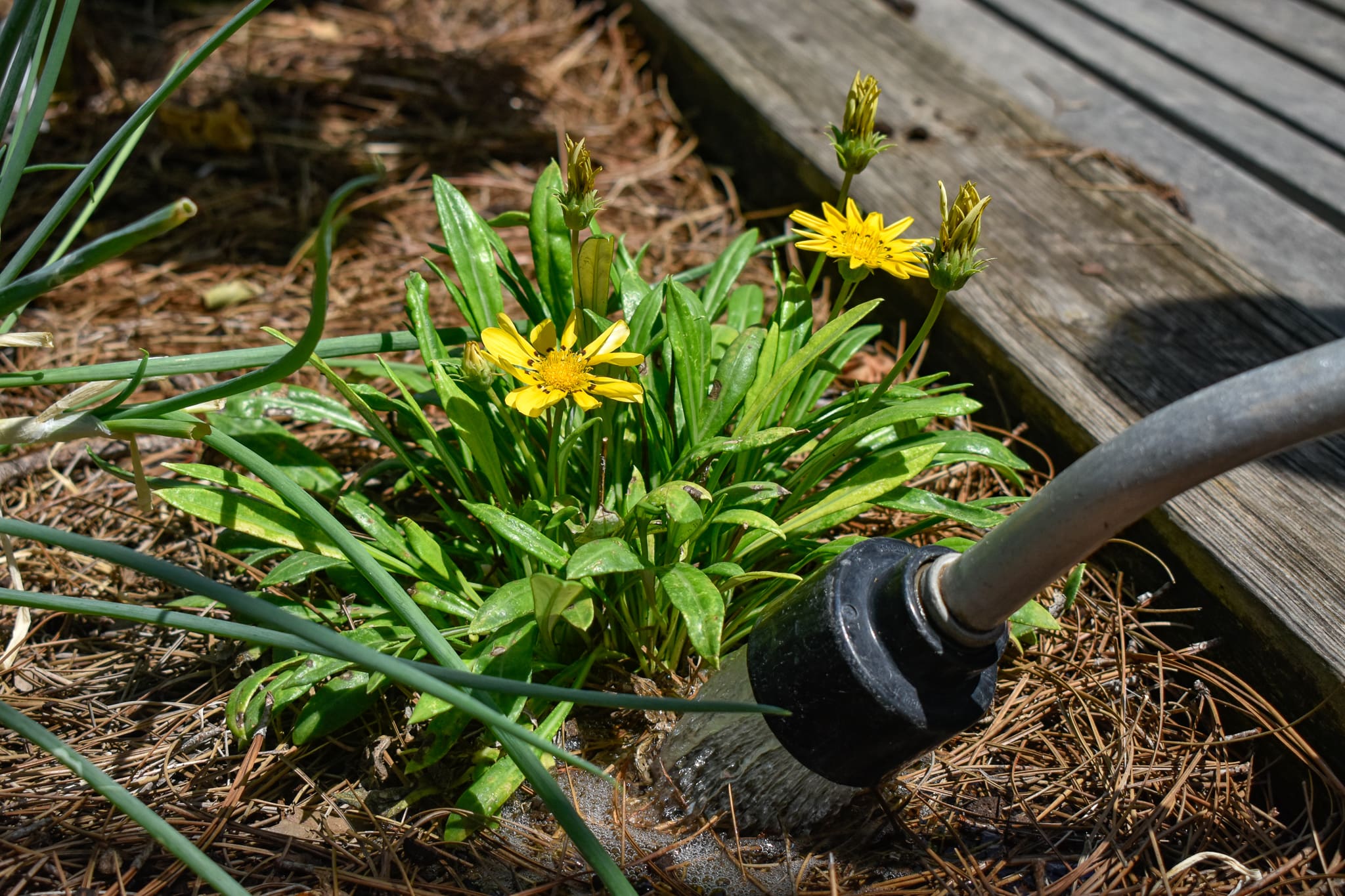
Keep in mind that you can hand water all landscape plants, gardens, and trees on any day under current city watering rules. The good news is, hand watering is the best way to water as long as you’re doing it effectively. That means making sure you water at ground level, not over the top of your plants. This gets more water down to the roots, prevents water loss due to evaporation, and prevents fungal issues that can arise from too much moisture on leaves and stems. When hand watering, be sure you’re giving your plant roots a deep soaking. Water once, give it some time to soak in, then water again. Keep in mind, under current rules, you can also use drip irrigation systems for landscaped beds every other week on your watering day. The same principal applies – deep soaking!

6. Set the Table for the Fall Hummingbird Migration!

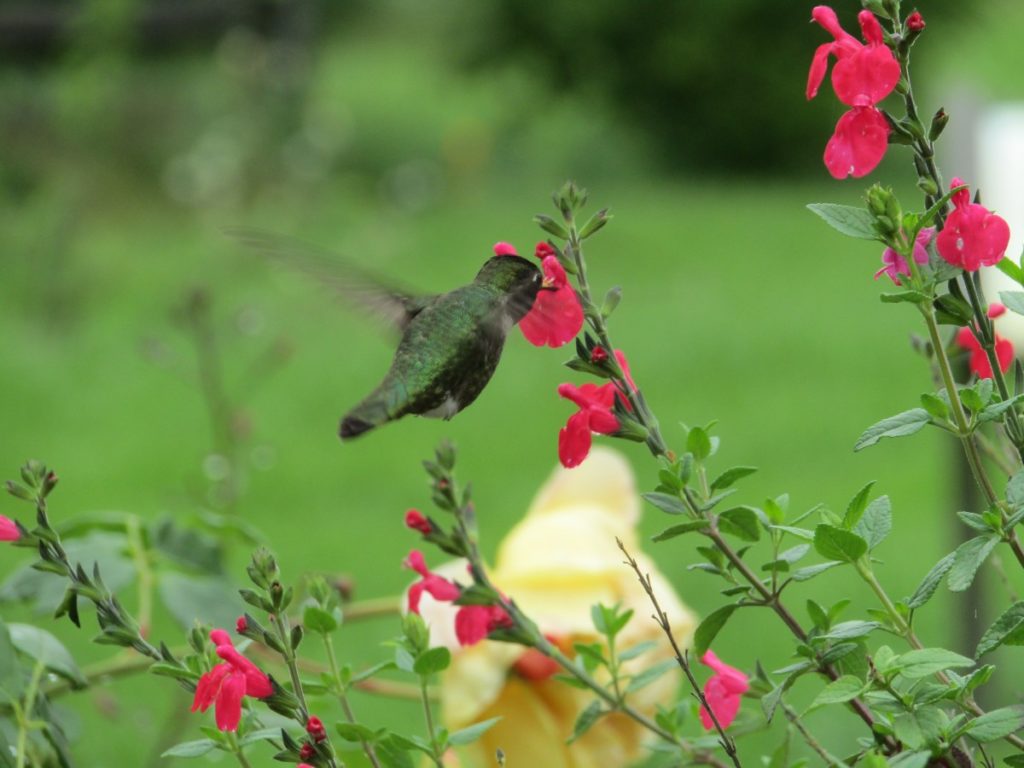
Ruby-throated hummingbirds will soon make their way through for the fall migration! These tiny birds are BIG eaters. They stop here in the Coastal Bend to fuel up before their non-stop flight across the Gulf of Mexico. Host them in your yard by planting some of their favorite foods! Hummingbirds find plants using their excellent vision and are attracted to bright colored blooms, which indicate a high-sugar food source. Some of our favs for South Texas are Flame Acanthus (aka hummingbird bush), Salvias (like native Salvia greggii and Salvia leucantha), Cape Honeysuckle, Firebush, Firecracker plant, Coral bean – the list goes on! Plant a few of these and hummingbirds will find them. And don’t forget to visit the Rockport-Fulton HummerBird Celebration September 18-21!

7. You’re Invited! Fall Garden Talks and Events at Gill’s!

Gill Garden Talks and Events are back this Fall! We’re kicking it off with DeAnna and Wyatt’s Fall Veggie Gardening Talk on Saturday, September 13th!  Based on your suggestions, we decided to do 2 veggie talks this year. Part 1 will focus on early fall veggies like tomatoes, peppers, and squash, and part 2 will focus on cooler season crops like broccoli, greens, and cabbage. Stay tuned on our events page and on Instagram and Facebook for details of each event. We can’t wait!

Fall is OUR ABSOLUTE BEST TIME for planting veggies, trees, flowers, and just about everything else! We’ve got lots of fun events planned at Gill’s this month, plus everything you need to bring the fall magic to your outdoors. Here are our top must-do’s this October to set your garden and landscape up for success for seasons to come.

1. Join Us for October Events – Including Fall Plant Fest This Saturday!

We are so excited about our fall event lineup! Join us this Saturday, October 4th from 10am-2pm for our first ever Fall Plant Fest. We’ll have our friends Mimi’s Mini Farm with their farm animal petting zoo, pumpkin painting for kids, balloon animals, fall photo ops, tons of fall plant specials, lovely fall-themed drinks from The Brewery Coffee Cart, and the Smokeville Turkey Legs food truck will be here too! Check out our full event schedule for the rest of October and beyond. 

2. Plant & Feed Your Fall Veggies

Some of the best… Broccoli, Cauliflower, Lettuces, Cabbage, Carrots, Beets, Radishes, Cilantro, Arugula, Thyme, Chives, Sage, and the list goes on! October is our window for planting! Remember – veggies are heavy feeders, so it’s important to keep fertilizing throughout the season. We recommend using BioTone Starter when you plant, followed by a good organic granular like Medina Growin Green or Plant Tone on the 1st of each month, then supplement with liquid Hasta Gro on the 15th of each month. Set these reminders on your phone/calendar and you’ll have BIG harvests with plenty to cook and share. 

Watch:  Coastal Bend Veggie Gardening Guide

3. Plant Trees Now for the Best Start – Citrus Too!

Successful tree planting is all about growing roots. Trees planted in fall grow more next spring & summer because they spend time all fall and winter working on their root system. Having a well-established root system also helps prepare them for hot temps next summer. Live Oak, Burr Oak, Magnolia, Anacua, Cedar Elm, & Wild Olive are some of our South Texas fav’s and we’ve been getting some gorgeous specimens, big and small. And don’t forget about citrus trees! We have a nice fall crop of lemons, different lime varieties, mandarins, and more. 

Read: The Advantages of Fall Planting

4. Plant Fall Flowers Galore

Take advantage of the weather while the days are still long. It’s the perfect time to start cool weather Marigolds, Alyssum, Snapdragons, Violas, Petunias, Supertunias, Calendula, Begonias, Stocks – the flowers and colors that say, “FALL!”. Warm days help flowers develop roots so they can look their best during the cooler months ahead. Since we don’t experience dramatic changing of the seasons here in South Texas, we create that fall feeling with gorgeous fall colors!

5. Prevent Weeds + Fertilize Your Lawn 

Fertilizing lawns this month is essential for developing strong roots and healthy growth next spring and summer. We emphatically recommend organic Medina Growin Green! Amazing stuff! A 40lb bag covers 3000 sq ft of lawn, and for a small fee, we can rent you a spreader which makes it very easy to apply. Not only does Medina Growin Green work wonders on lawns, you can use it in all areas of your landscape, including your veggie garden. If you want to prevent lawn weeds, now’s the time to apply preemergent Weed Beater Complete or Hi-Yield Turf & Ornamental Weed & Grass Stopper. Remember this:  treat for weeds, wait 2-3 weeks, then fertilize. Do not use “weed & feed” products! 

Read: Fall Lawn Care

6. Plant for Hummingbirds and Migratory Birds

Right now is a great time to plant all kinds of blooming plants that hummingbirds and other migratory birds need. Some of our favs for South Texas are native Flame Acanthus (aka hummingbird bush), Salvias (like native Salvia greggii and Salvia leucantha), Cape Honeysuckle, native Turk’s Cap, native Beautyberry, Loquat, Firecracker plant, Coral bean – the list goes on and on. We have been covered in hummingbirds here at Gill’s!

7. Mulch Beds for Moisture Retention & Other Key Benefits

Proper mulching using natural Hardwood, Pine Straw, or our new natural GardenStraw mulch has big benefits throughout the landscape, including in veggie gardens. A good 3” deep layer of mulch will keep your plants and the soil moist for longer after you water or after it rains. When mulching, give the main trunks or stems of your plants a little space – mulch 3” deep throughout the bed, but no more than 1” deep right up against the main trunks/stems of plants. Using mulch in veggie beds also helps keep wet soil from splashing up onto your plants when you water, which prevents common fungal diseases. Not to mention…a good mulch layer will help keep weed seeds from sprouting. 

Now it’s finally starting to feel like Fall! November in South Texas…one of our most beautiful months! Now’s the time for fall flowers and planting trees. And there’s still time for veggies, too. Good timing this month will keep us looking good through the fall and winter and set us up for showtime next spring. Here are our top must-do’s this November.

1. Fill Pots and Beds with Fall Flowers

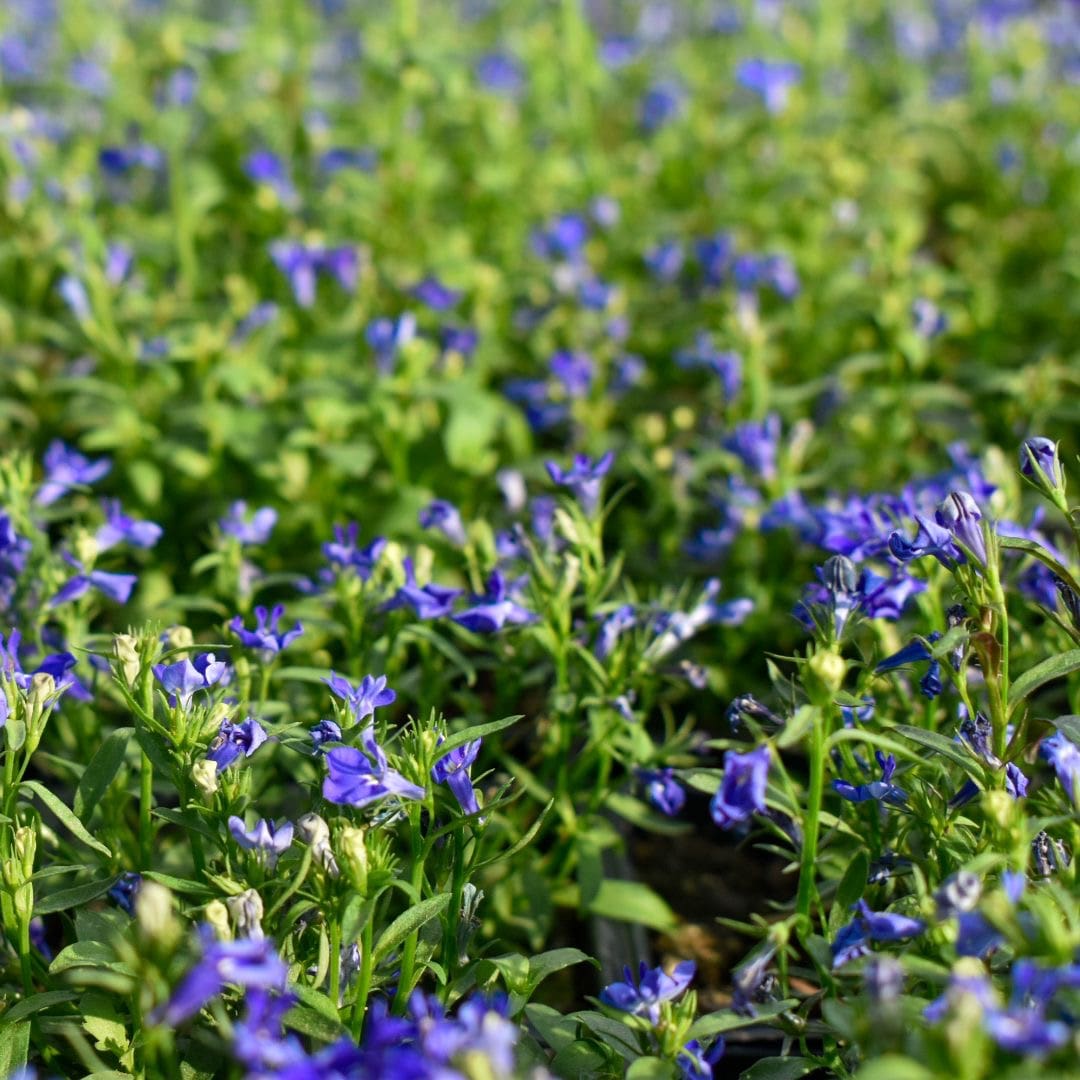
Here’s our list of Fall/Winter flowers – tons of choices for outdoor color to redo pots & inground plantings. Flowers take a little time to grow and bloom. Plant early this month so they can be WOW for the holidays! Many of these fall flowers, like Snapdragons, Lobelia, Violas (our longer-lasting alternative to Pansies), and Geraniums will look great through the winter and look their very best next spring. Good reason to plant now! Once they’re all planted, give them a good meal of granular organic Plant Tone, Rose Glo, or Medina Growin Green. To keep them growing and blooming through the fall and winter, they’ll need regular feedings about once a month. For an extra boost, follow up with liquid Hasta Gro every 2 weeks in between your monthly feedings.

2. Plant Trees and Shrubs Now for Better Growth Next Spring

Now is the very best time to plant cold-hardy shrubs and trees! They focus energy this fall and winter on building a good root system, which allows them to explode with growth next spring, and prepares them to withstand hot weather next summer. Other benefits to planting now – easier digging and not as much watering as during warmer seasons! Always fertilize when you plant shrubs and trees and follow our watering instructions.

3. Still Time to Plant Veggies and Holiday Herbs!

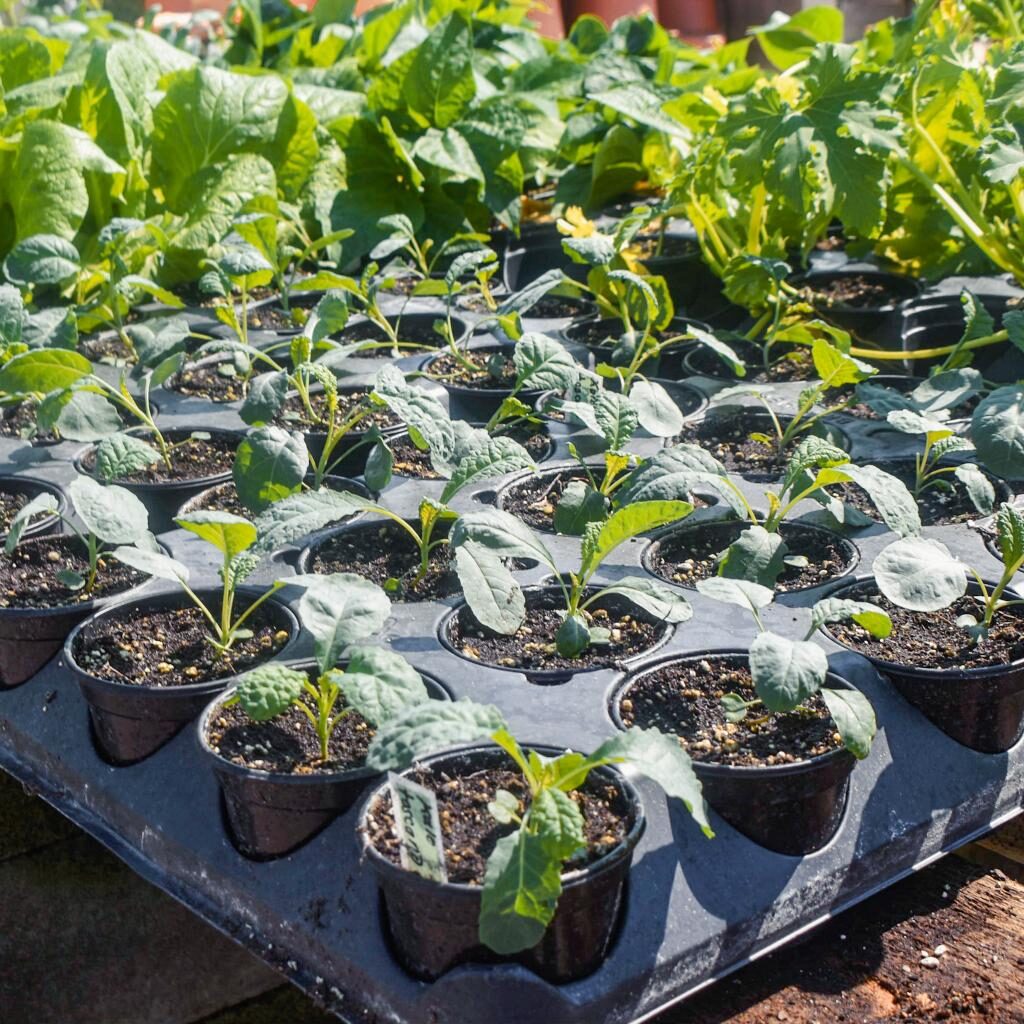
We’re still bringing in lots of fresh cool-season crops like broccoli, kale, lettuce mixes, Swiss chard, spinach, cauliflower, beets, onions, and more! Plus all the herbs like rosemary, thyme, cilantro, sage, and dill that you need for holiday cooking. Three big tips for fall/winter veggies and herbs: 1) Mulch well to help protect tender young plants 2) Water well, but not too much 3) Keep feeding! Organic Plant Tone or Medina Growin Green once a month, followed by liquid Hasta Gro every 2 weeks for a bountiful harvest!

4. Last Chance to Fertilize Lawns & Prevent Weeds

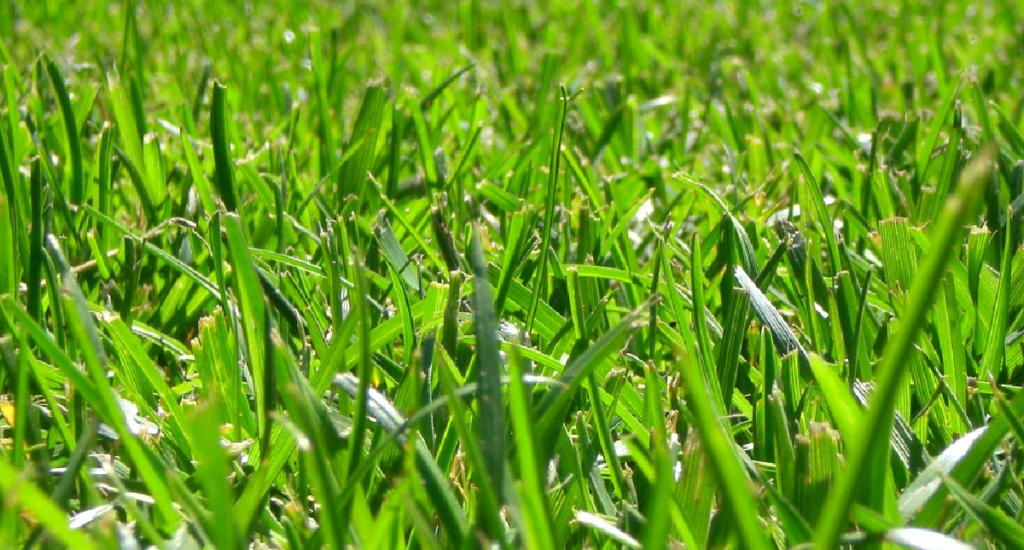
Early this month is our last chance to fertilize aka “winterize” lawns for strong roots and healthy growth next spring and summer. Our tried and true favorite lawn food is organic Medina Growin Green. Since lawn watering is restricted, you can try to time your fertilizing with a rain. Don’t worry if it doesn’t all get watered in. Medina Growin Green is all organic and won’t burn your grass. It’s designed to slowly work it’s way down to the roots over the course of a few waterings. November is also the time to prevent spring weeds in your lawn by applying Weed Beater Complete or Hi-Yield Weed & Grass Stopper with Dimension.

5. Feed Your Landscape Too!

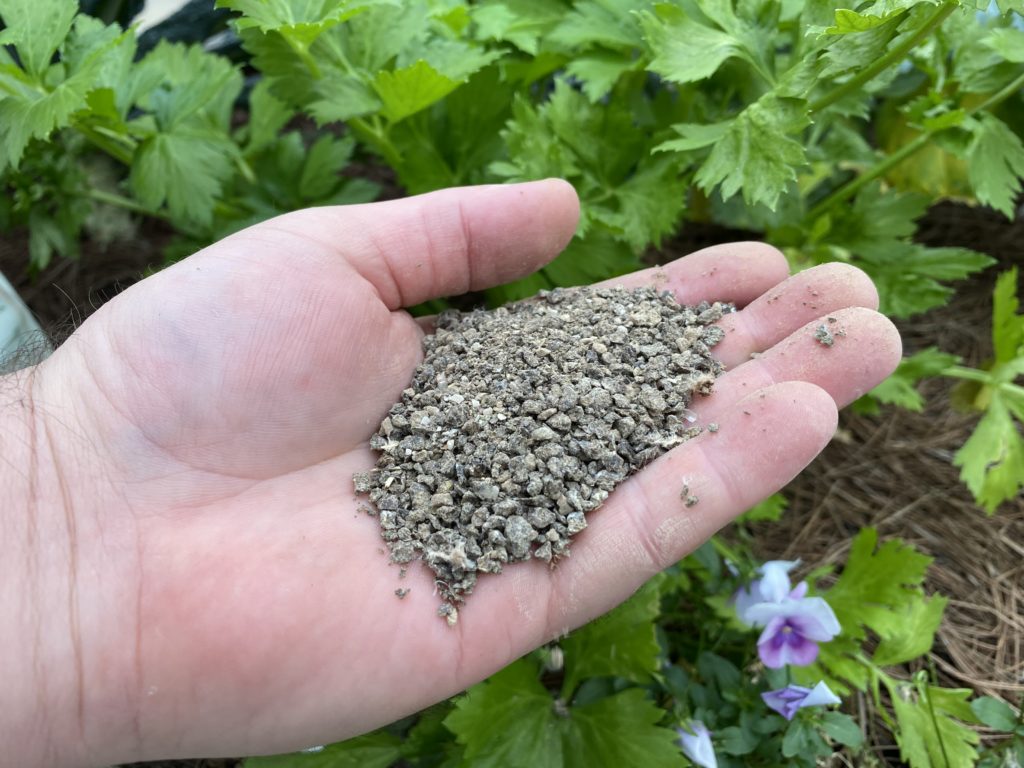
Landscape plants, including trees, perennials, and hardy shrubs need food early this month while they are still actively growing. Just like lawns, the idea is to give them a boost before they head into dormancy this winter. We love organic granular fertilizer Medina Growin’ Green for trees and shrubs, and Rose Glo or Plant Tone for blooming perennials. Once again, follow up between granular feedings with liquid Hasta Gro. Hasta Gro is designed as a foliar feed, meaning it can be sprayed directly on the leaves. Not only does it help with blooming and overall health, it makes your leaves thicker and tougher!

6. HO HO HO! Fresh Christmas Trees Coming Very Soon!

We are beyond excited for fresh-cut Christmas trees and holiday plants to begin arriving this month! Look for our Noble, Nordmann, and Fraser fir trees around November 15th, then poinsettias the following week. Paperwhite bulbs are already here, Amaryllis bulbs very soon, and Christmas cactus will arrive the week of Thanksgiving!

Think cacti and succulents only thrive in blazing deserts? Think again! Many of these low-water superstars can handle surprisingly chilly weather — some even laugh in the face of frost. If you’re dreaming of a garden that looks lush and sculptural year-round without fussing over freezes, these cold-hardy species will keep your landscape looking sharp.

Agave Royal Flush (Agave ‘Royal Flush’)

Cold tolerance: down to 10°F
With its striking red-edged leaves, ‘Royal Flush’ is a showstopper that keeps its good looks even when temperatures dip. Plant it in well-drained gravelly soil and give it plenty of sunlight. Avoid winter wetness—it’s cold-hardy, not soggy-hardy!

Agave Blue Artichoke (Agave parryi truncata)

Cold tolerance: to -10°F
A garden designer’s dream, this compact, symmetrical agave looks like a modern sculpture dusted in silver-blue. It thrives in full sun and dry conditions. Give it excellent drainage—raised planters or rock gardens work perfectly.

Agave Celsii (Agave mitis var. celsii)

Cold tolerance: around 15°F
This soft, smooth-leaved agave is friendlier to handle than most. It appreciates some protection from heavy frost, so tuck it near a wall or an area with some wind protection. It’s great in containers you can move to shelter during a hard freeze.

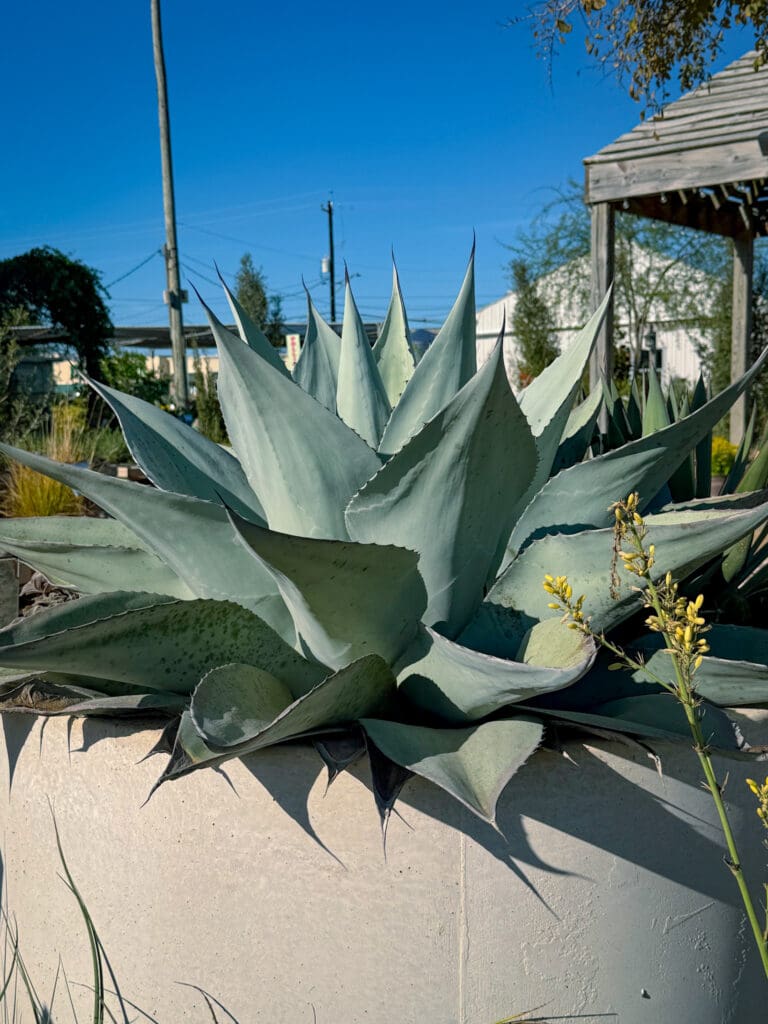
Agave Whale’s Tongue (Agave ovatifolia)

Cold tolerance: to -10°F
Majestic and bold, this big beauty earns its name from its broad, curving leaves. Whale’s Tongue thrives in full sun and poor soil—just don’t let it sit in moisture. It’s one of the toughest cold-hardy agaves around!

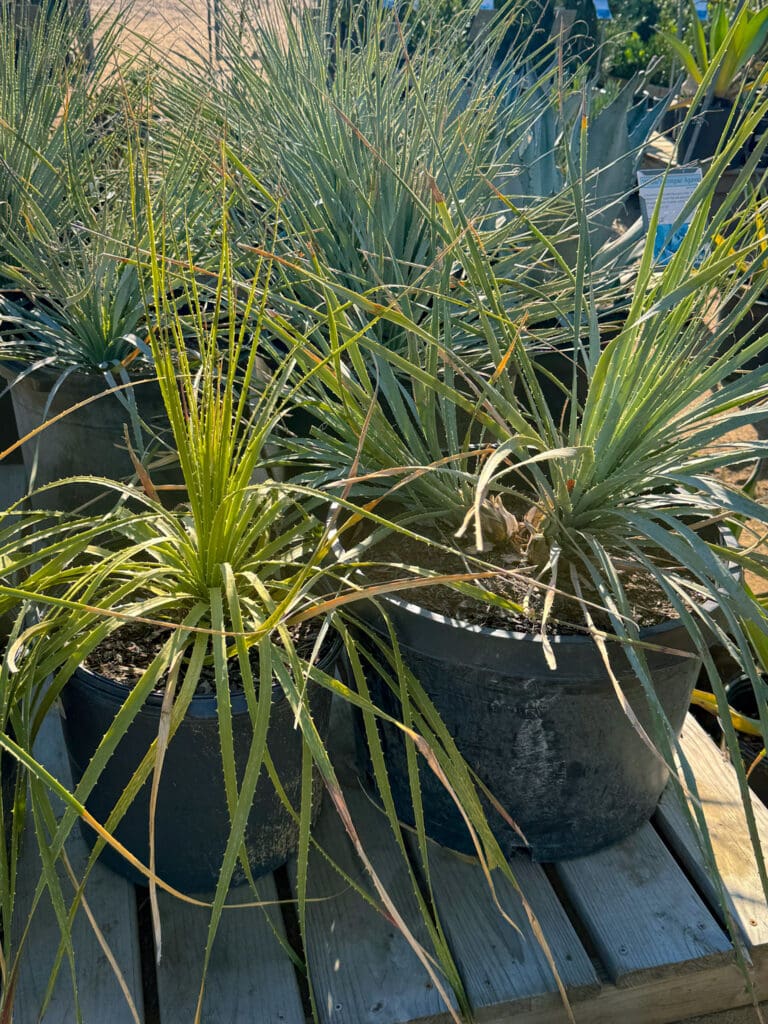
Texas Sotol (Dasylirion texanum)

Cold tolerance: to 0°F
Native to the Lone Star State, Sotol forms a spiky fountain of narrow, serrated leaves. It’s drought-tolerant, low-maintenance, and perfectly adapted to Texas winters. Great for xeriscapes and mixed desert plantings. Also stunning as a stand-alone specimen in a container.

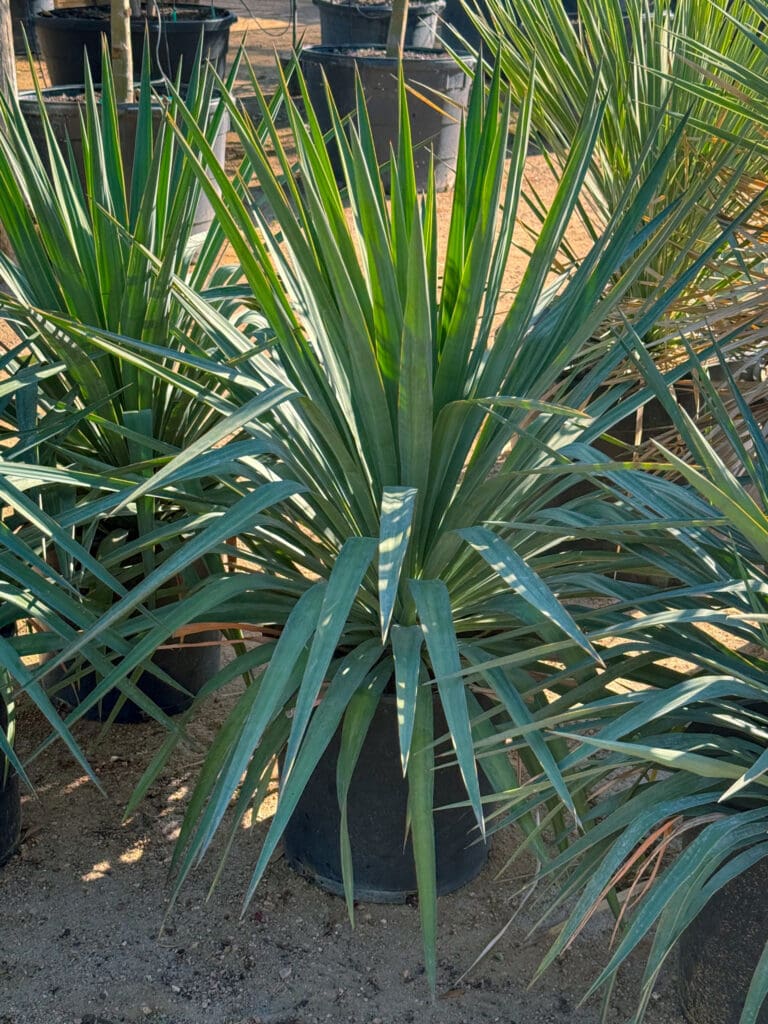
Soft Leaf Yucca (Yucca recurvifolia)

Cold tolerance: to -10°F
True to its name, this yucca has flexible, arching leaves that won’t bite your ankles. It produces tall flower spikes in summer and stays evergreen through winter. Plant in well-drained soil and full sun, and it’ll handle frosty nights with grace.

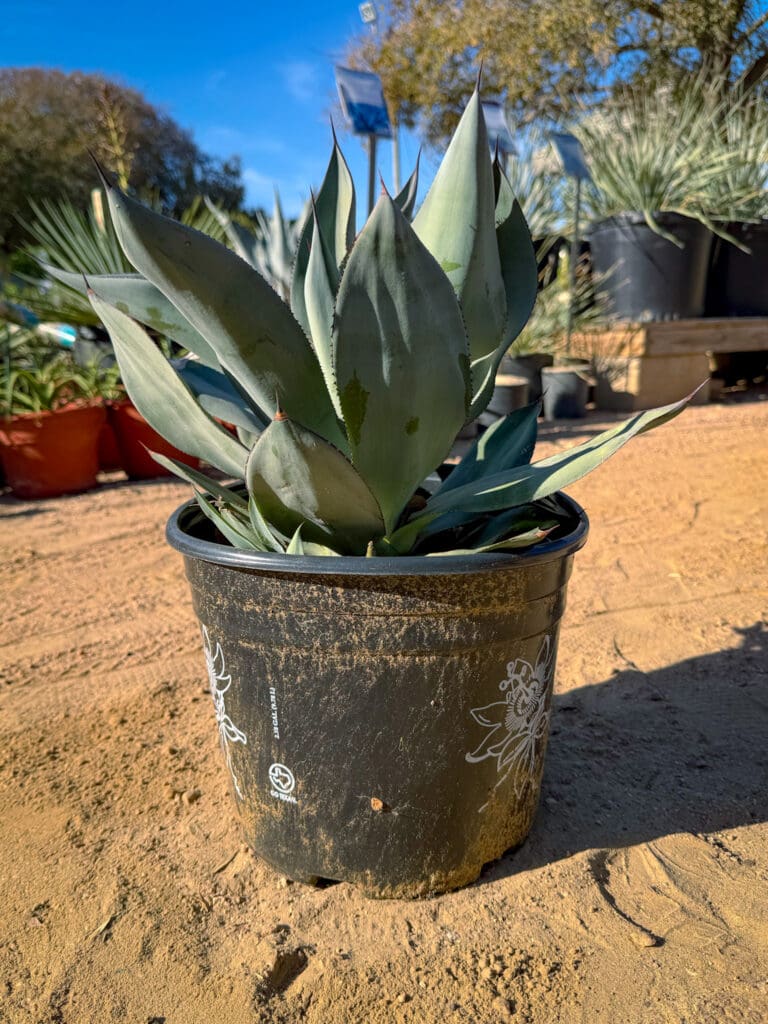
Squid Agave (Agave bracteosa)

Cold tolerance: to 10°F
This wavy, tentacle-like agave adds whimsy to any landscape. Unlike most agaves, it lacks spines—so it’s child- and pet-friendly. It’s also one of the few agaves that prefer shade. We’ve even used it under dense oak trees with great success. 

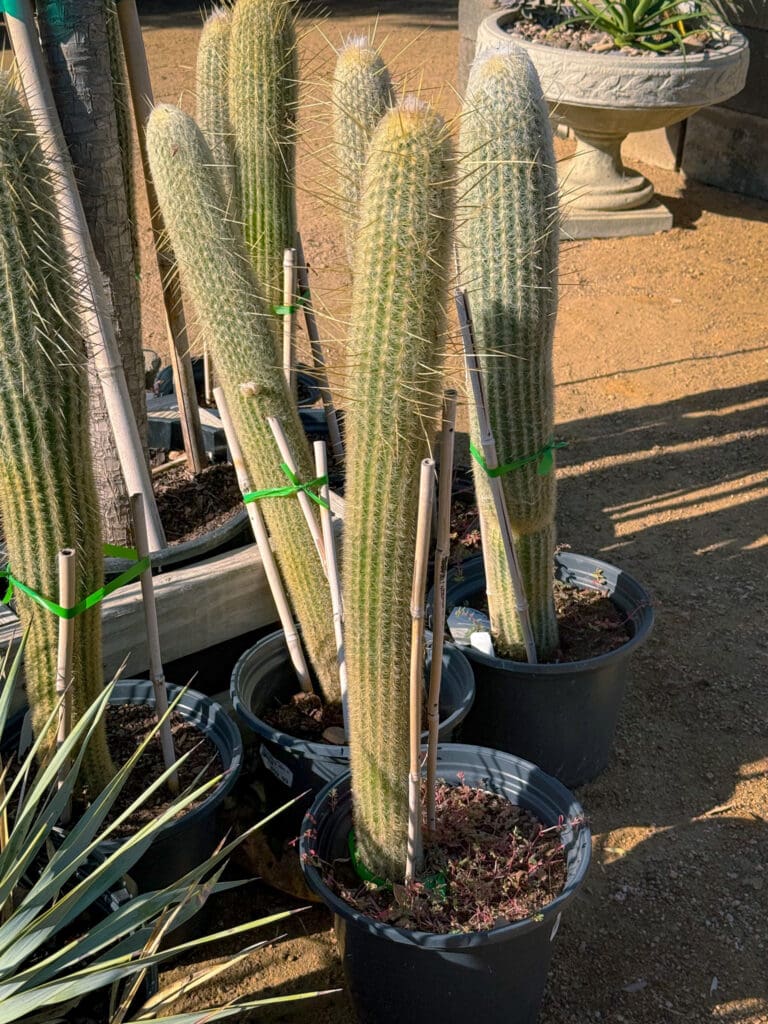
Espostoa lanata (Peruvian Old Man Cactus)

Cold tolerance: to 20°F (light frost)
This fuzzy fellow looks like it’s already wearing a winter coat! The white “hair” protects it from both sun and chill, but it prefers a dry, sheltered winter—so if frost threatens, cover or bring it under a porch.

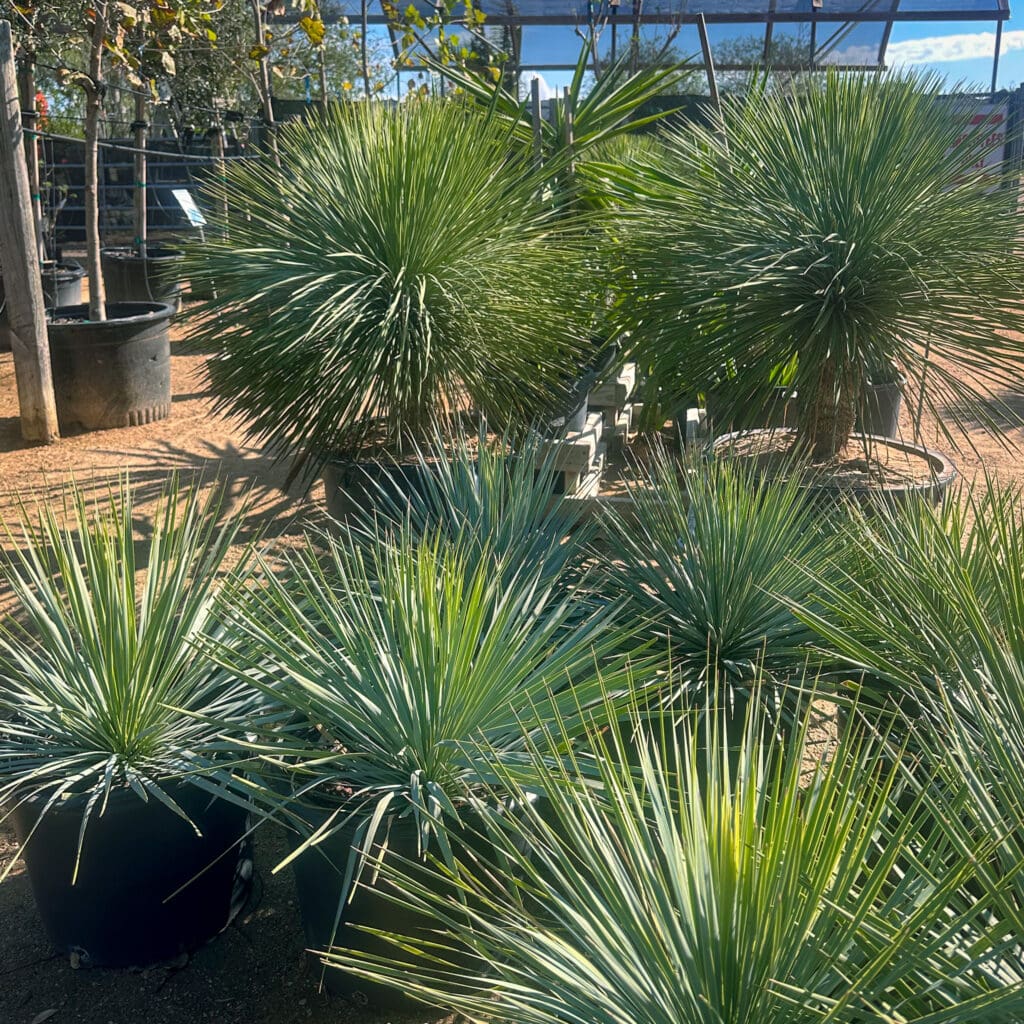
Yucca rostrata (Beaked Yucca)

Cold tolerance: to -20°F
The ultimate statement plant for a cold desert garden! This tall, trunked yucca with a pom-pom crown of fine blue leaves is as tough as it is elegant. It thrives on neglect—meaning don’t over-water.

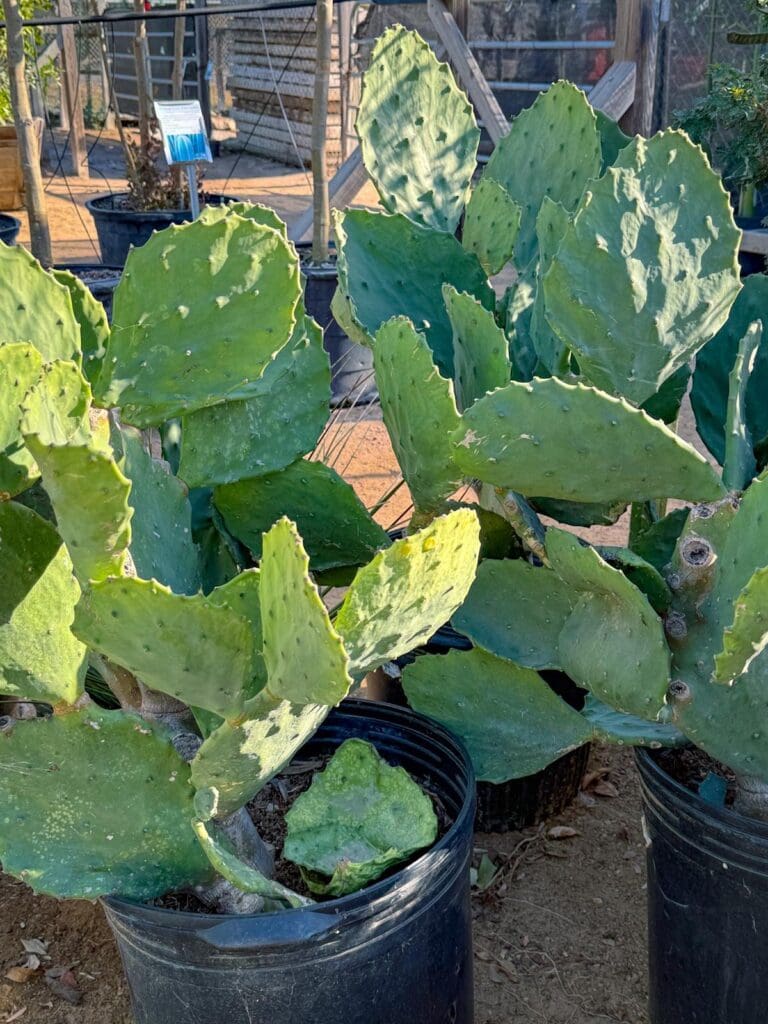
Prickly Pear (Opuntia spp.)

Cold tolerance: varies by species, many down to -30°F
The classic Texas cactus! Hardy, heat-loving, and bird-friendly, Prickly Pear adds color with its yellow blooms and red fruit. Plant in full sun, sandy soil, and avoid watering in winter. Bonus: the pads and fruit are edible!

Cholla Cactus (Cylindropuntia spp.)

Cold tolerance: to -10°F
Armed with spiny joints that shimmer in the sun, chollas add bold structure to dry gardens. Give them space, drainage, and gloves! They’re striking when backlit by sunrise or sunset.

Easter Barrel Cactus (Ferocactus wislizeni)

Cold tolerance: to 20°F
This round, ribbed cactus can reach basketball size and produces fiery orange blooms. It prefers rocky, well-drained soil and a dry winter rest. If temps dip below 20°F, protect it with frost cloth or a temporary cover.

Golden Barrel Cactus (Echinocactus grusonii)

Cold tolerance: to 15°F
The golden globe of the desert! Golden Barrels glow year-round and look amazing grouped in gravel beds. In colder zones, grow in containers so you can move them inside during freezes.

Yellow & Red Hesperaloe (Hesperaloe parviflora)

Cold tolerance: to -20°F
Did you know that what we commonly call Red Yucca is not actually a true yucca? Red yucca belongs to the asphodel family (Asphodelaceae), which is also home to agaves, while true yuccas are in the asparagus family (Asparagaceae). In any case, it’s a hummingbird magnet with tall spikes of coral-red or sunshine-yellow blooms! Hesperaloe thrives in neglect and poor soil. Once established, it’s virtually indestructible—just plant in full sun and enjoy the show. No need to worry about a freeze!