Garden Center Hours: Mon-Sat 9am - 5:30pm • Sun 10am - 5:30pm

IMG_2086
Photos from Debbie’s Fall/Winter Food Garden

Growing Fresh Food – Part I

So now that you’ve done all your decision making and soil prep, let’s talk about planting.  Most spring veggies love warm days and cool nights. 70’s and 50’s are perfect for all spring veggies and herbs. South Texas spring starts early and ends early as the heat of summer takes over. To maximize your planting, plant early in the season but be prepared to protect warm weather plants in case of late season cold fronts.

Seeds & Transplants

Most all edibles grown here can be started from seed. Again it is an experience everyone should try. Some plant seeds sprout in several days and some just a few. Our Botanical Interest Seeds are non GMO and many are organic. The link to our hand out from last week gives you some ideas of what can be grown from seed with good success. You can start many of your seeds in small containers (even those old egg cartons), so you can keep an eye on them before transplanting in your garden space.  Use a good seed starting soil mix like Fertilome Seed & Cutting Mix. Keep them in a warm, sunlit area with moist soil.  Label what you plant, so you can remember who’s who. Once they are up with their first set of real leaves, they can be planted. I have also started many of my gardens with seed sowed directly in the soil. Again making sure to mark what is where not to confuse tiny sprouts with weeds. Some of my favorites are pole beans or bush, swiss chard, squash, turnips, beets, carrots, collards, cilantro, basil, cucumbers, and okra.

veg-2

Transplants give you a head start on some of the edibles that can take time to start from seed. Tomato, peppers, broccoli, cauliflower, cabbage, and onion are just a few you will find in our nursery during spring. Most herbs are found in transplants as well giving you instant flavor with a snip of a sprig! Herbs and most leafy greens can and should be trimmed on as you want them, allowing the mother plant to be a continued source of food and flavor throughout the season.


IMG_2100Ready to Plant

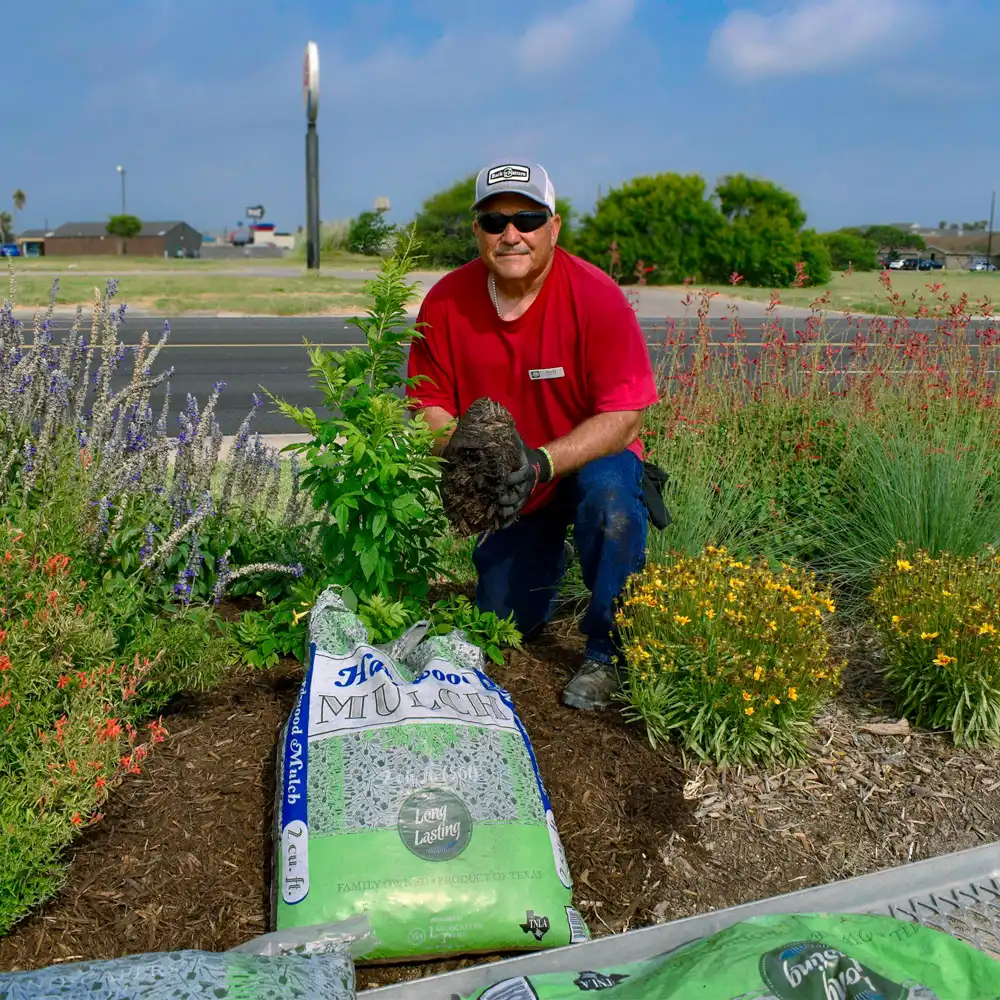
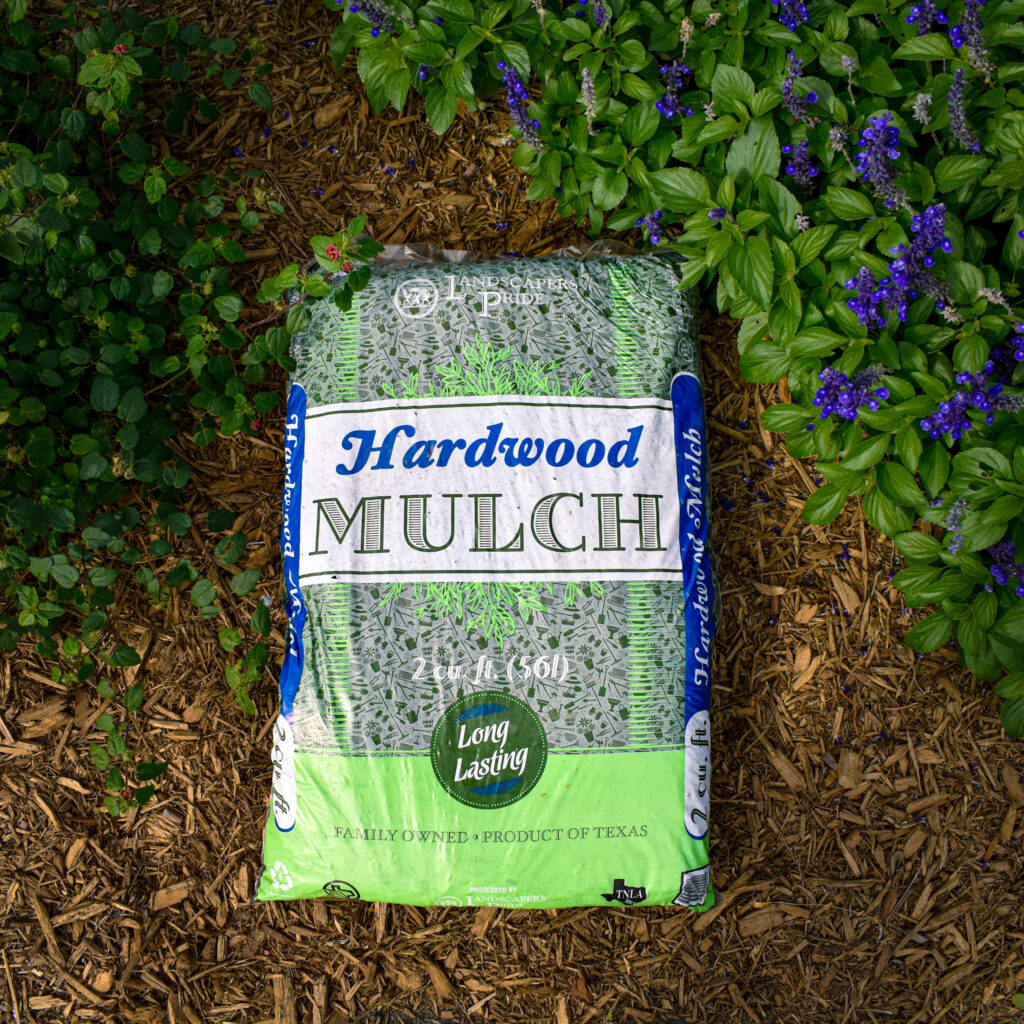
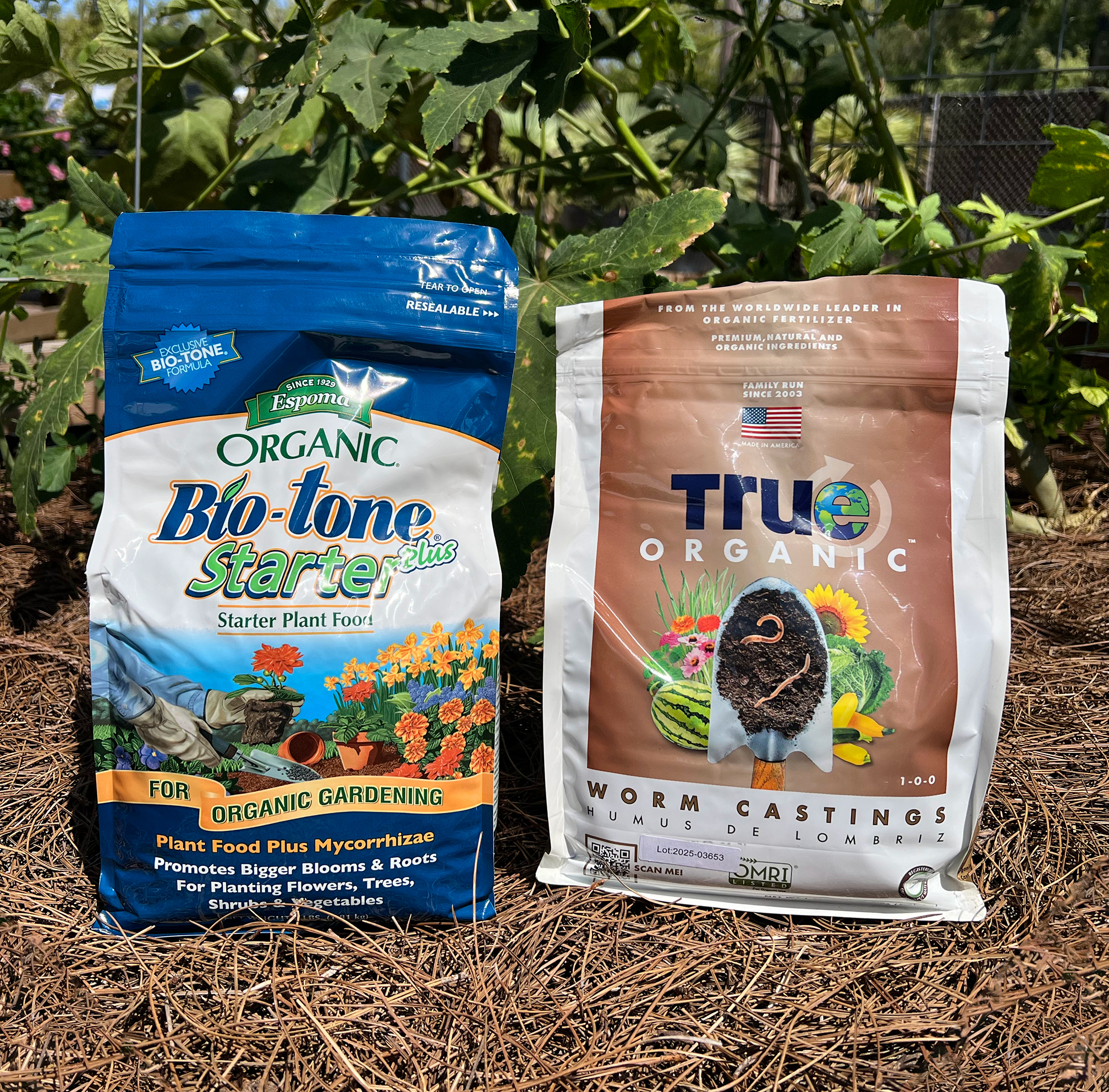
Lay out the plants with room to grow. Give yourself room to be able to harvest your food. This also allows air circulation to help prevent disease and bug issues. Dig your holes only as deep as the transplants or follow the planting depth on the seed package. Mix a little Rocket Fuel, adding Plant Tone or Bio-tone to the hole, mix into the soil, place your seed or plant, firm up soil around them, water, and repeat. When you’re all done, mulch the area to help with water retention and weed prevention. I like the pine straw as it’s fluffy and aids in supporting the new tender plants.

Spring Veggies & Herbs

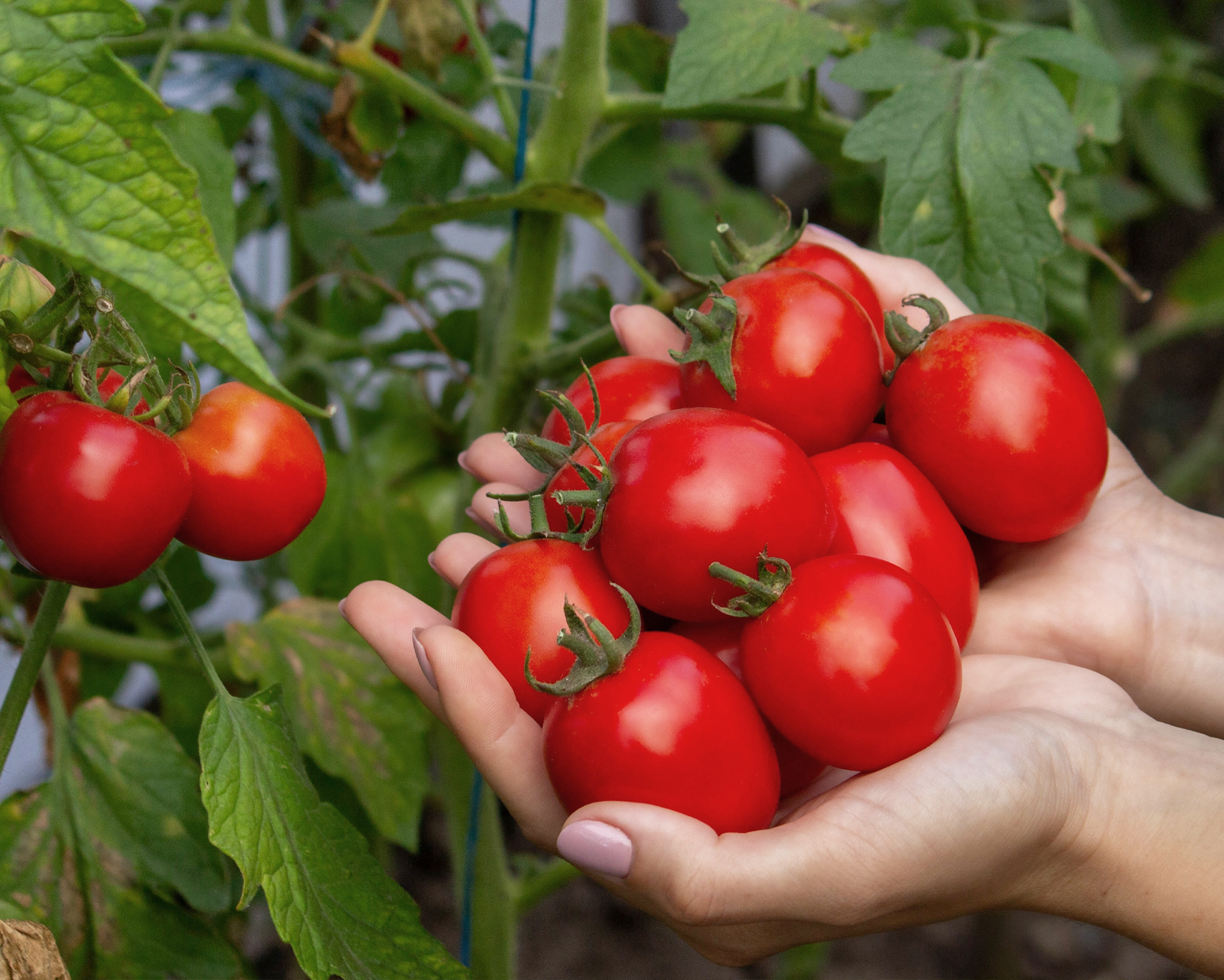
Tomatoes are America’s favorite home grown edible. Picking a handful of cherry tomatoes or one ripe slicing is all the enticing you’ll need to try your hand at growing them. Starting them now allows the plant time to get to size & begin to bloom so they will set fruit before night temps get too hot.   Hybrid varieties are bred for disease resistance and better fruit production. Heirloom varieties are flavorful and have unique colorations. They are not as resistant to many of the diseases tomato plants can get.  All tomatoes need to have some support. A cage or trellis works great. This helps support the plant when they are heavy with fruit. There are basically 2 types of tomatoes, determinate and indeterminate. Determinate produces most all its fruit at one time and indeterminate produces less but over a longer period. Many of the cherry type tomatoes are indeterminate.

FullSizeRender6Others to plant now:
  • Since it is still winter and cold is probably not done yet, you could start a few of winter fav’s like broccoli and cauliflower. Neither takes too long to produce so worth planting.
  • Seed potatoes and onion sets should be planted now. Being a root plant they both like very good drainage. Planting them in raised beds or large containers work great. Other root edibles like beets, turnips, radishes offer double the bounty; you can eat the tops and the roots.
  • Leafy greens like Swiss chard, lettuce, kale, spinach can tolerate some cold weather. Your garden can be your smoothie bar with just a few of these growing!
  • Cucumbers, beans, peas, and climbing spinach are vining plants and will need support. You can use your fence, build your own with poles and heavy twine or simply add a trellis to your garden.
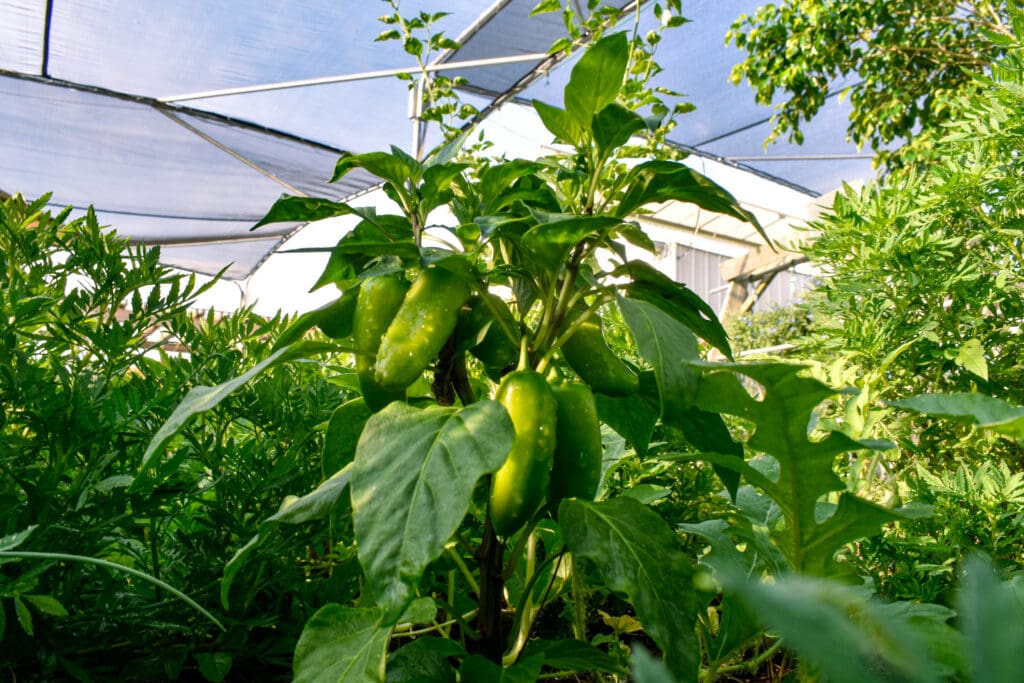
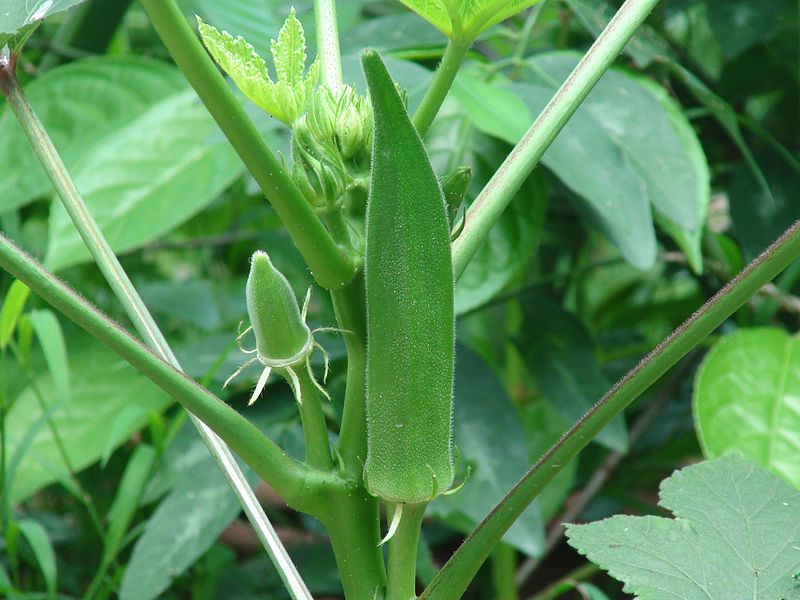
  • Peppers, okra, eggplant, and most melons need more heat and will not tolerate much cold. These are better started later in spring for better success.
  • Herbs for spring include basil, cilantro, mints, thymes, rosemary, oregano, parsley and sage.

Now that everything is planted:

IMG_2011 (1)

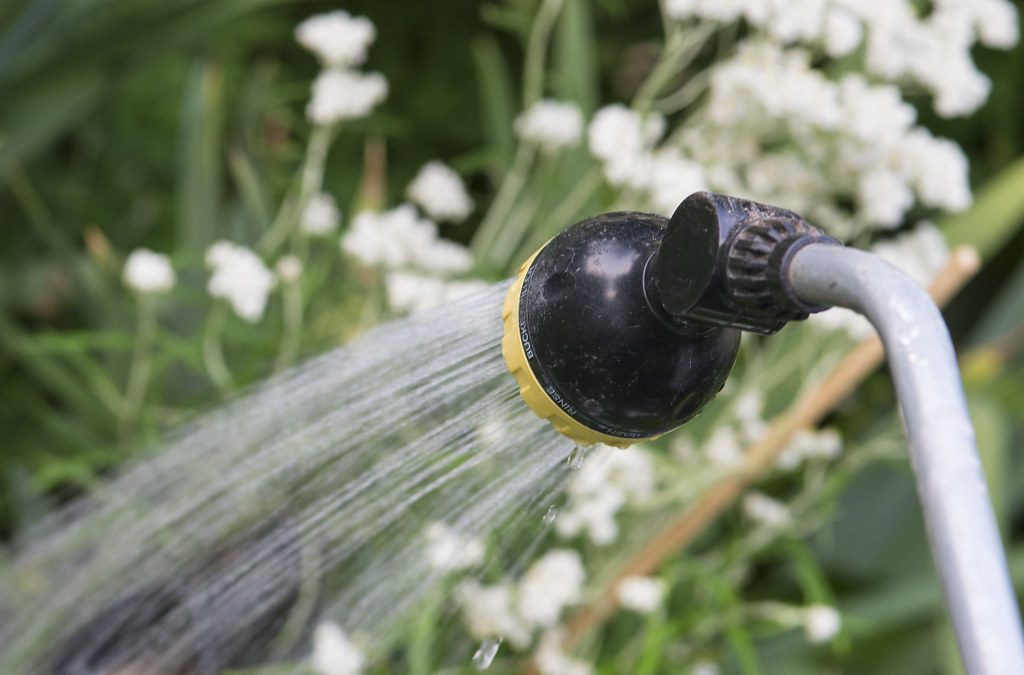
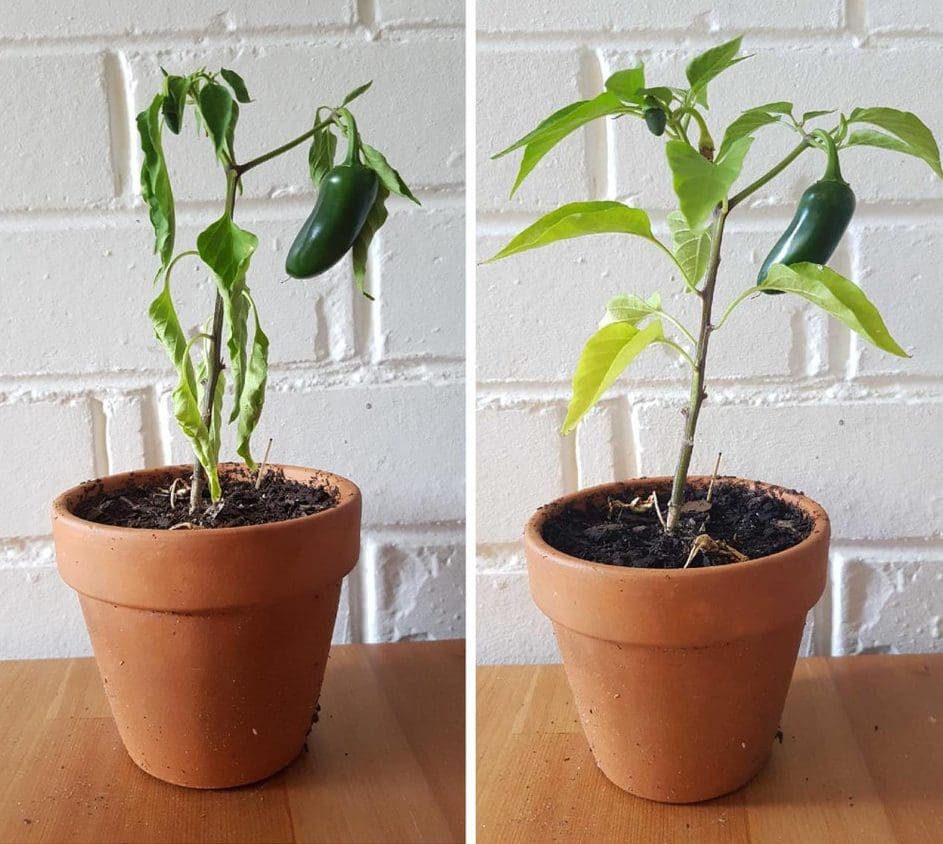
Water everything well and check your garden area daily for water needs. Your young plants and seeds will need to stay hydrated but not drowned. They may even need 2 waterings a day when our humidity is low, winds are high & sun is shining.

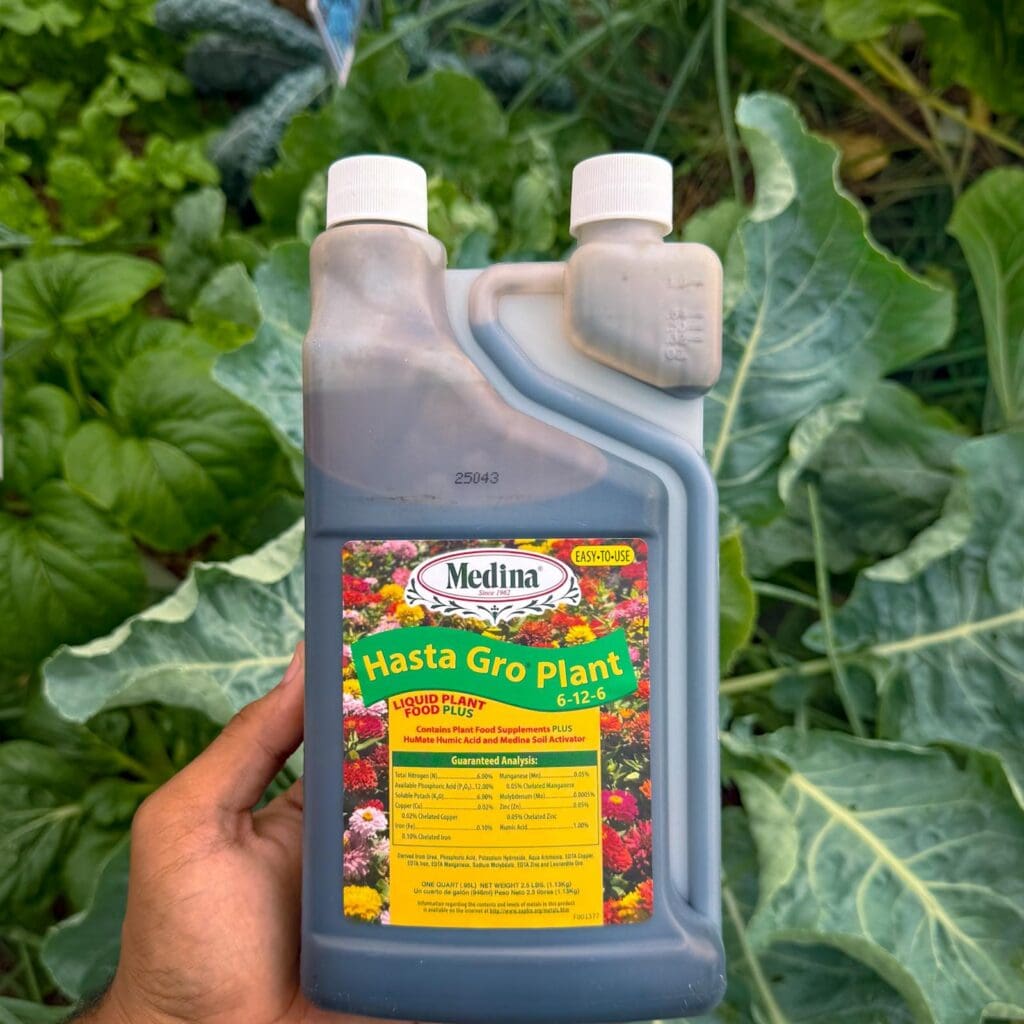
After a week, fertilize with Hasta-Gro plant food. It’s organic and safe. I use the hose end to make it easy. It mixes for you. You should do this once to every other week.


Finally, I like to take a picture of my newly planted garden and then again each week to see how fast everything is growing. You will be amazed!

-Debbie

4430494763_64855f48c8_z

BUTTERFLY HOST PLANTS 

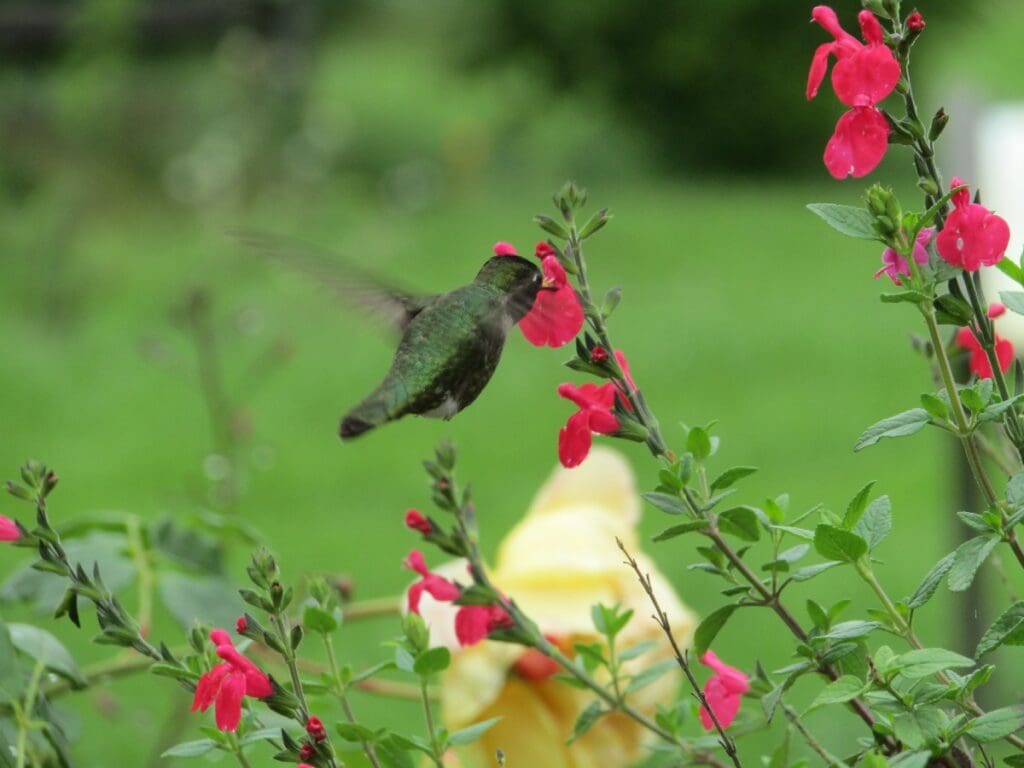
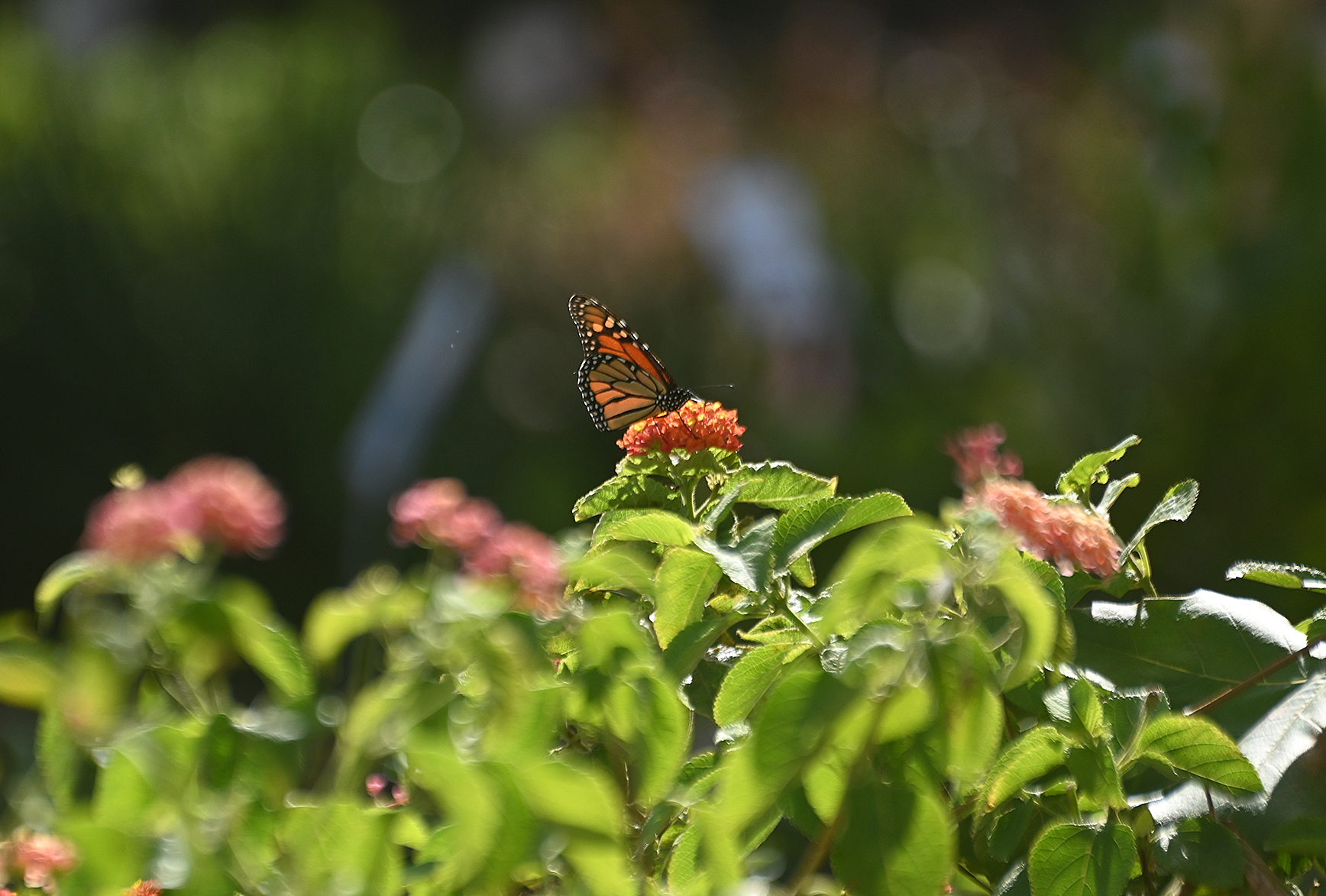
With spring around the corner, now’s the time to start planning out your butterfly garden! And we are ready with plants that not only attract butterflies, but feed their caterpillars. You’ve probably heard of Milkweed for monarch caterpillars, but did you know that Parsley, Dill, Fennel, Rue and Passion vine also attract butterflies? These host plants are sure to attract Eastern Black Swallowtails, Gulf Fritillaries, and Monarchs. And don’t forget about great nectar plants like Almond Verbena, Pentas, and Duranta. Put these plants in your garden and the butterflies will be sure to thank you!

WOW – WHAT A WEED EXPLOSION! 

You can still apply pre-emergents like Amaze or Weed and Grass Preventer with Dimension to prevent weeds, but the temperatures are still fluctuating with cold fronts and cloudy damp weather, so I would wait a little longer on applying weed killer sprays i.e. Image or Weed B Gon. They work best with warm weather and sunshine. Remember to apply your pre-emergents in October to prevent winter weeds and again in January to prevent spring weeds.


TO PREVENT SCALE: If you have not sprayed Bonide All Seasons Oil on your Flax Lily, Irises, Cast Iron, Pittosporum, and Hollies, there is still time to spray to prevent spring insects like scale.

LAWN FUNGUS: The cool, damp rainy weather is perfect for fungus to thrive , so apply F-Stop Fungicide, Bayer Fungicide, or Liquid Systemic Fungicide to either prevent or to cure. An organic alternative is to spread Nature’s Blend Alfalfa Humateacross the lawn at the rate of 1 bag for 50 sq. ft.


TIME TO START VEGGIE GARDENING! 
Tomatoes are here in all sizes. We have 6 packs, 4 1/2″ and 1 gallon. It is starting to get late on the 6 packs, so buy them now! You can still wait a couple of weeks to plant if you plan on buying the 1 gallon size. Peppers will be here once our night time temperatures stay above 50 degrees. If you plan on planting more broccoli, cabbage or cauliflower, plant them now since it is getting late. It is also getting late to sow seeds of beets, carrots and spinach. Last chance for onion sets and seed potatoes. Time to begin seeding beans, squash, cucumbers, corn and radish.
Time To Get Tomatoes In The Ground!

Hopefully we have seen our last big cold snap of the season. And I did say “BIG” cold snap. Tomatoes need full sun for their entire growing season. Once frost is done, put them in a bed enriched with compost. A couple tablespoons of Rocket Fuelunder the roots will help your plants get off to a rapid start. Feed them with Espoma Plant Tone monthly through the growing season or Johns Recipe containing Fish emulsion, molasses and seaweed at least every two weeks. I like to put my tomatoes in a cage as soon as they are in the ground and wrap that cage with row cover fabric, top to bottom. Ours is called Grow Web (12ft x 16ft). Cut the fabric to size and cloths pin the sides together. The fabric will protect the plants from cold nights and more important harsh spring winds that can dry them out in no time. It doesn’t block water or sunshine. Remove the cloth when the plant reaches the top of the cage. If it starts blooming before then, remove the cover from the top of the cage and shake the cage gently whenever you walk by. That will encourage pollination from the top of the plant down to the bottom. Row cover can also be used to protect Peppers, Squash, Beans and all the tender spring vegetables in the garden. –DeAnna
 

Want to try something new?

How about a tiny building with a flowering roof nestled into your flowerbed, or veggie garden?  It could be a mini schoolhouse, a doghouse, or an outhouse!  This one is made from recycled
 silvery cedar fence boards and holds easy care succulents growing from its roof.  Place your planter on a concrete paver or brick to keep it off the ground.  You could try Petunias, Marigolds, Periwinkles, or Herbs and start a colorful village!
Merlien


Artemesia

James just planted “Powis Castle” Artemesia in our front bed on the corner of Catalina and Santa Fe. I love this perennial for its silver grey foliage and the beautiful backdrop it gives for annuals. Artemesia grows to about 3′ tall and 3′ wide; when it gets leggy, just cut it back and enjoy the quick flush of pretty foliage. James planted Rose Wave Petunias in the bed as well and this week he’s adding Techno Heat Dark Blue Lobelia; can’t wait

 for all the color!! I’ll share more photos as the plants grow!

 –Sally