

BUTTERFLY HOST PLANTS
With spring around the corner, now’s the time to start planning out your butterfly garden! And we are ready with plants that not only attract butterflies, but feed their caterpillars. You’ve probably heard of Milkweed for monarch caterpillars, but did you know that Parsley, Dill, Fennel, Rue and Passion vine also attract butterflies? These host plants are sure to attract Eastern Black Swallowtails, Gulf Fritillaries, and Monarchs. And don’t forget about great nectar plants like Almond Verbena, Pentas, and Duranta. Put these plants in your garden and the butterflies will be sure to thank you!
WOW – WHAT A WEED EXPLOSION!
You can still apply pre-emergents like Amaze or Weed and Grass Preventer with Dimension to prevent weeds, but the temperatures are still fluctuating with cold fronts and cloudy damp weather, so I would wait a little longer on applying weed killer sprays i.e. Image or Weed B Gon. They work best with warm weather and sunshine. Remember to apply your pre-emergents in October to prevent winter weeds and again in January to prevent spring weeds.
TO PREVENT SCALE: If you have not sprayed Bonide All Seasons Oil on your Flax Lily, Irises, Cast Iron, Pittosporum, and Hollies, there is still time to spray to prevent spring insects like scale.
LAWN FUNGUS: The cool, damp rainy weather is perfect for fungus to thrive , so apply F-Stop Fungicide, Bayer Fungicide, or Liquid Systemic Fungicide to either prevent or to cure. An organic alternative is to spread Nature’s Blend Alfalfa Humateacross the lawn at the rate of 1 bag for 50 sq. ft.


 (exotic looking and a butterfly host plant). They’re itching to get into the ground and take off, so why not add some vertical color to your garden?
 passing the joy of gardening to another generation.
 Be sure to use a good quality compost. We carry Cotton Burr Compost, Natures Blend Compost. I have always said,” You need a $50.00 hole for a $5.00 plant.” Life does begin with the soil, so always spend a little extra time, effort and money when it comes to soil prep. Your plants will reward you.
 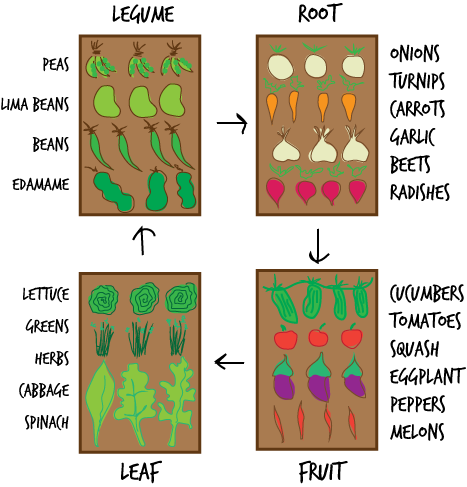 Simply put, crop rotation is a systematic method of deciding what to plant where in your garden from one season to the next, based on plant groups. Moving plants to a new location each season improves your garden in two ways. First, it helps keep your soil healthy and fertile. Planting the same thing in the same place season after season drains the nutrients from the soil that the plant needs in order to thrive and produce big harvests. Second, rotating plant families helps manage soil-borne diseases like verticillium wilt, and soil-dwelling insects like corn rootworms or root knot nematodes. These types of diseases and pests prefer certain kinds of plants, and the longer the plants stay in the same soil, the better the chance that these enemies will show up and cause trouble.